News related to
next

A sharply rising trend in India’s share markets is encountering resistance from multiple fronts, prompting increasing scrutiny over its sustainability. Benchmark indices have enjoyed roughly a 14 per cent rally over the past six months, invigorating initial public offerings and share sales. Yet, foreign investors have been net sellers to the tune of US$10 billion this year, triggering alarm among market watchers.

The spike in corporate fundraising—from HDB Financial Services and others—has elevated supply to near record levels, raising the prospect of a correction should demand fail to keep pace. With IPOs totalling around US$1.75 billion launching this week and dozens more awaiting approval, promoters are cashing out aggressively. Companies such as British American Tobacco and Reliance Industries have conducted substantial secondary offerings, exacerbating the supply pressure.

Foreign institutional investors have pulled capital at a faster clip. Already offloaded nearly US$29 billion from Indian equities since October as they pivoted to China in search of stimulus-led returns. Over the January–March period, FPIs unwound ₹61,000 crore from the Indian market amid global headwinds, while June saw ₹8,749 crore in fresh outflows on escalating US–China trade friction and rising yields abroad.

The domestic funding round is proving insufficient to fill the gap. Domestic mutual fund inflows recorded a 13‑month low, signalling wavering local investor sentiment. The result: valuations are increasingly stretched, and analysts caution that the market may be overextending.

Oil price volatility adds another layer of risk. India’s dependence on imported crude leaves its markets vulnerable to geopolitical flare-ups. Experts warn that if Brent crude surpasses US$80 per barrel due to conflict in West Asia, inflation could spike and equity valuations may come under renewed selling pressure.

Offsetting these challenges are encouraging technical patterns. The market has recently broken out of a five‑week consolidation phase, with key indices like the Nifty approaching the 26,000 mark. Renewed investor interest in metals and chart‐based breakout signals have sparked fresh optimism. Improved global sentiment—including a cooling of trade tensions and reported progress in US–China negotiations—may underpin further gains if inflows resume.

Still, some analysts remain unconvinced of a robust economic shift. Growth indicators have softened and wage pressures remain muted. India’s cyclical revival is far from assured, with consensus calling for cautious optimism over the next 18–24 months. Delays in domestic reforms or widening global pressures could blunt momentum.

Afreximbank has confirmed the appointment of Dr George Elombi, its Executive Vice‑President for Governance, Legal and Corporate Services, as the institution’s fourth President and Chairman of the Board, effective September 2025. The decision was ratified during the 32nd Afreximbank Group Annual Meetings held in Abuja, Nigeria, from 25 to 28 June, culminating in formal shareholder approval on 28 June. A Cameroonian national with nearly three decades of […]

Abu Dhabi Fund for Development has advanced regional energy integration by extending AED 752 million to the Gulf Cooperation Council Interconnection Authority, supporting the expansion of the UAE’s national grid interconnection with the wider GCC electricity network. This strategic financing, signed at ADFD headquarters in Abu Dhabi, aims to enhance cross-border power exchange and reinforce regional energy reliability. The deal facilitates construction of a 96 km, 400 kV double-circuit overhead transmission […]

Claudia, a newly released open‑source graphical user interface for Anthropic’s Claude Code, brings a visually intuitive layer to the traditionally command‑line driven tool. Developed by YC‑backed Asterisk, this desktop application enables developers to manage projects, run interactive AI agents, and track progress—all through a local, privacy‑focused interface. The interface addresses growing frustrations among developers using Claude Code’s text‑only environment. Asterisk’s design employs Tauri for cross‑platform deployment, along […]

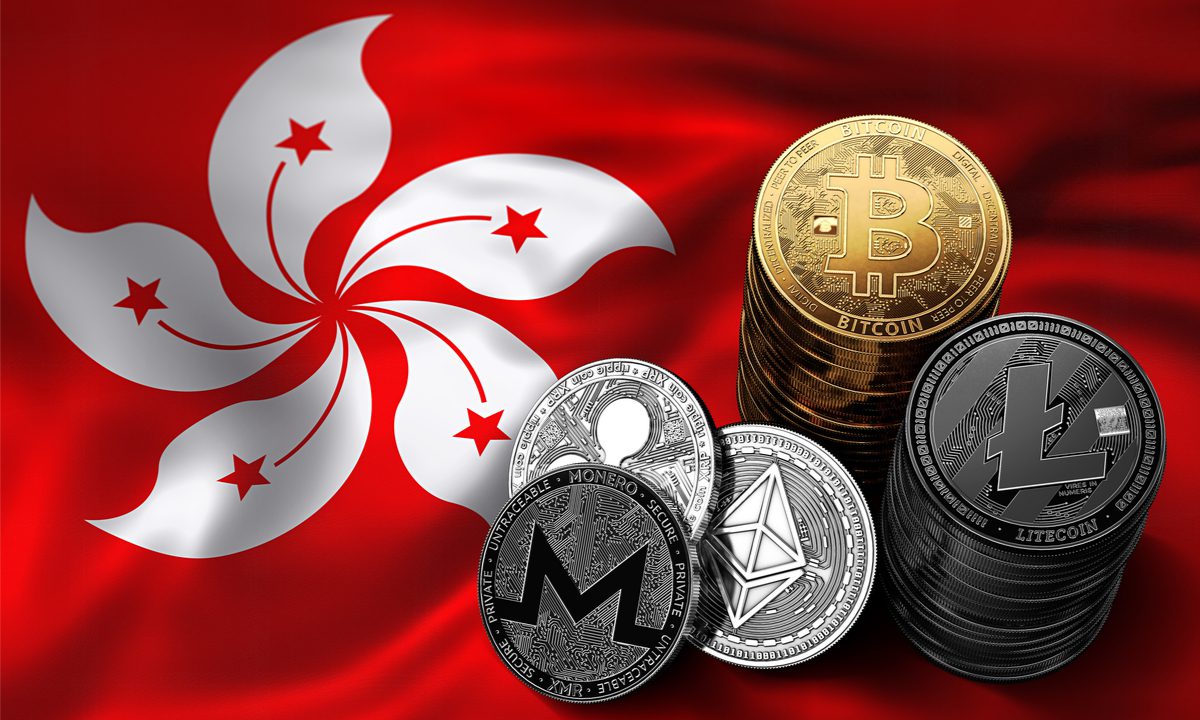
Hong Kong’s government on 26 June issued its Policy Statement 2.0 on the development of digital assets, signalling a decisive push to position the city at the forefront of the global crypto landscape. The statement introduces the comprehensive “LEAP” framework—Legal, Expand, Advance, People—underlining a mission to develop a trusted, innovative, and deeply integrated ecosystem for digital assets.

The regulatory reforms assign explicit oversight roles: the Securities and Futures Commission will licence digital asset exchanges, custodial and dealing services, while the Hong Kong Monetary Authority will govern bank-related activities in the sector. In addition, licensing regimes for stablecoin issuers and custodians are scheduled to commence on 1 August 2025, designed to strengthen anti‑money‑laundering safeguards, investor protection, and transparency in stablecoin issuance.

Central to Policy 2.0 is a commitment to tokenisation of traditional financial instruments and real‑world assets. The government will regularise issuance of tokenised government bonds, streamline stamp‑duty treatment for tokenised ETFs, and legislate to support tokenisation of assets such as precious and non‑ferrous metals, and renewable energy products. These bids aim to boost liquidity and broaden market access, aligning with existing initiatives such as the HK$6.8 billion in green bond token issuances since 2022.

Stablecoins also feature prominently, with proposals to pilot licensed stablecoins in public sector uses. Market consultation is seeking input on integrating these instruments into government operations and cross‑border payments, underpinned by stricter regulatory clarity. Tax incentives for private investment vehicles and family offices trading digital asset securities are expected in the 2025–26 fiscal year, aligning digital and traditional financial regimes.

International alignment is embedded in the blueprint. Hong Kong’s framework adheres to global standards—covering anti‑money‑laundering as per FATF, Basel Committee prudential supervision, IOSCO’s policy recommendations, and OECD crypto‑asset tax transparency measures. Complementary pilot schemes include HKMA’s “Project Ensemble” wholesale central bank digital currency trials, LME‑backed tokenisation of metal assets in Hong Kong warehouses, and a Cyberport‑sponsored incubator scheme to finance blockchain startups.

Since unveiling its original 2022 policy, the government has approved licences for over a dozen digital asset platforms, including nine trading licences and OTC frameworks, and supported tokenised bond issues by both government and corporate entities. Financial Secretary Paul Chan and SFC chief Julia Leung emphasise that this next phase marks a departure from pilot testing, transitioning toward institutionalisation and global competitiveness.

Industry leaders responded positively. Legal and compliance expert Cora Ang described the framework as “a strategic win” that aligns regulatory clarity with stablecoin and tokenisation growth. HashKey CEO Xiao Feng noted the city is entering a “new stage of maturity”, transitioning from sandbox environments to a substantive digital assets regime. Historical drivers such as the JPEX OTC fraud prompted regulators to enforce tighter custody and trading separation to protect investors.

Notably, fintech legal advisers in Hong Kong report surging demand. Firms are actively supporting issuance of tokenised gold and digital bonds, as banks like Bank of Communications and Zhuhai Huafa Group deploy digital debt instruments via licensed platforms. Meanwhile, legal specialists continue to advocate for derivatives, margin‑lending, and institutional frameworks targeted at professional investors.

Hong Kong’s strategic deployment of Policy 2.0 underlines a competitive counterbalance to rival jurisdictions such as Singapore, Dubai, and the US, each advancing their own crypto regulatory frameworks. The city’s alignment with global financial standards—alongside tailored incentives and public‑sector engagement—signals a comprehensive, forward‑leaning posture in digital asset finance.

The Central Bank of the UAE expanded its gold reserves by 19.3 per cent in the first quarter of 2025, adding AED 4.444 billion to bring the total to AED 27.425 billion as of 31 March, up from AED 22.981 billion at the close of 2024. The bank’s latest statistical bulletin also reveals marked increases across demand, savings and time deposits, alongside robust payment-system activity. Heightened global market unpredictability and a strategic emphasis on diversifying […]

Understanding Asian Cancers and Diabetes Through an Asian Lens SINGAPORE – Media OutReach Newswire – 27 June 2025 – Tanoto Foundation today announced the funding of two transformative, Singapore-based medical research projects focused on diseases that disproportionately affect Asian populations: prevalent and aggressive cancers, and young-onset Type 2 diabetes. The multi-year initiatives aim to generate data-driven insights that can accelerate diagnosis, improve patient outcomes, and guide public […]

Advertisements

Matein Khalid My generation were teenagers in the late 1970’s and thus passionate fans of Sweden since Abba dominated the Top of the Pops (God, how I hated the ghastly Dancing Queen since every girl in high school thought this syrupy pop tune was written specifically for her!) and Björn Borg dominated Centre Court at Wimbledon as the Men’s Champion until the trophy was wrested from him […]

Ghana’s parliament has given approval to a $2.8 billion debt restructuring agreement with 25 creditor nations, including China, France, the United States, Germany and the United Kingdom. This authorisation is vital for unlocking further disbursements from a $3 billion IMF-backed bailout programme initiated in May 2023. Lawmakers, endorsing the restructuring unanimously, approved measures under a memorandum of understanding signed in January 2025 that reschedule debt payments falling due between 20 December 2022 and […]

U.S. lawmakers have advanced the GENIUS Act, a federal bill setting strict requirements for stablecoin issuers that could significantly challenge Tether’s dominance. The legislation mandates full backing with cash or U.S. Treasuries, monthly audits by registered firms, transparency of reserves, anti-money laundering safeguards and U.S. registration for issuers with over $10 billion in circulation. Circle’s USDC stands to gain, while Tether’s model faces serious scrutiny if it intends to access U.S. markets.

Tether currently holds approximately $155 billion in USDT tokens, backed in part by volatile assets such as Bitcoin and gold—as well as commercial paper and loans. It discloses reserves via quarterly attestations, though it has never undergone a full independent audit, despite promises since 2017. In contrast, the GENIUS Act requires liquidity in U.S.-based financial institutions and audited transparency certified by company executives, holding them personally liable.

Experts warn that Tether now faces a strategic choice: overhaul its reserve holdings, comply with audits and potentially register under U.S. regulations—or abandon ambitions in the U.S. and pivot towards offshore markets. After relocating its corporate headquarters to El Salvador, Tether appears poised to leverage regulatory gaps via reciprocal agreements—though critics argue this is unlikely to satisfy U.S. authorities.

Steve Gannon, a lawyer specialising in digital assets, suggested that Tether is unlikely to enter U.S. markets until regulations are finalised, as adaptation would require extensive investment in compliance infrastructure. CoinDesk analysis emphasises that foreign issuers could qualify only if regulated by approved jurisdictions and maintain U.S.-based reserves, with oversight from the Office of the Comptroller of the Currency.

By contrast, Circle is well-positioned. USDC is fully backed by cash and Treasury bills, audited monthly and issued by a U.S.-based firm. Following the Senate’s approval of the GENIUS Act, Circle’s share price surged, reflecting investor confidence in its compliance-readiness.

The GENIUS Act also seeks to tighten anti-money laundering and counter-terror financing protocols by integrating stablecoins under the Bank Secrecy Act, with monthly certifications and criminal penalties for lapses. It includes explicit restrictions on stablecoin issuance by lawmakers and their families.

Critics have flagged potential loopholes, warning that offshore entities like Tether could continue servicing U.S. customers through decentralised exchanges—sidestepping rigorous Elm Salvador or other offshore jurisdictions. The Senate bill also bans stablecoins from offering interest, limiting yield-bearing models favoured by some existing issuers.

On financial markets, increased demand from compliant issuers is expected to boost U.S. Treasury purchases. Currently, around $200 billion of assets backing stablecoins are held in Treasuries and repos. Even a modest uptick in USDC issuance could drive multibillion-dollar incremental purchases. A recent study found Tether holds nearly 1.6% of all U.S. Treasury bills, contributing to yield compression equivalent to tens of billions in annual government savings.

Yet uncertainty remains. The GENIUS Act must clear the House and be signed into law, with possible amendments—especially regarding foreign issuance pressures and scope of AML provisions. Senate Banking Committee Democrats have warned of national security risks if the bill doesn’t close offshore loopholes, fearing illicit finance actors could exploit weakly regulated channels.

Tether’s CEO Paolo Ardoino has signalled exploration of a U.S.-compliant stablecoin variant, which would align reserves and governance with federal standards. However, no official timeline has been provided.

Stablecoin proponents say the GENIUS Act brings much‑needed clarity, potentially paving the way for mainstream adoption and institutional participation. Yet critics fear regulatory shortcuts may invite private stablecoins into a system without equal access for central bank digital currencies.

The stakes are high. Tether’s strategic response will shape the competitive landscape. Will it meet U.S. standards or cede space to compliant rivals like Circle? The passage of the GENIUS Act may mark a turning point in crypto policy and redefine stablecoin leadership.

U.S. President Donald Trump has announced that American and Iranian officials will meet next week to discuss Tehran’s nuclear ambitions, following a concerted military campaign that he claims has effectively neutralised key Iranian enrichment facilities. The announcement came at the NATO summit in The Hague.

Trump defended the use of bunker-busting bombs against the Fordow, Natanz and Isfahan sites, asserting they had been “obliterated” and describing the bombing campaign as a decisive blow to Iran’s nuclear programme. He struck a triumphant tone, crediting the strikes with hastening the end of the 12-day conflict between Israel and Iran, though he expressed reservations about formalising a diplomatic agreement: “We may sign an agreement. I don’t know, to me, I don’t think it’s that necessary,” he told reporters.

U.S. intelligence assessments, however, diverge on the scale of success. A preliminary report from the Defence Intelligence Agency concluded the setbacks to Iran’s nuclear efforts might be limited to a matter of months, not years. CIA Director John Ratcliffe affirmed that the programme had been “severely damaged” but stopped short of declaring it destroyed. Israeli officials estimated the setbacks to be multi‑year, while the International Atomic Energy Agency emphasised uncertainties over Iran’s stockpile and called for robust inspections.

Diplomatic activity has meanwhile resumed. This U.S.–Iran meeting will follow six rounds of indirect talks mediated by Oman and Italy, which collapsed in mid‑June as the military confrontation intensified. Earlier this week, European envoys from the E‑3—France, Germany and the UK—engaged in direct negotiations in Geneva with Iran’s Foreign Minister Abbas Araghchi. Those discussions aimed to bridge differences after stalled U.S. efforts.

White House special envoy Steve Witkoff reiterated red‑line U.S. stipulations ahead of next week’s meeting: Tehran must renounce nuclear weaponisation and accept restrictions on uranium enrichment. He noted the U.S. is open to crafting a comprehensive peace framework, building on what Trump described as a de‑escalation following “a victory for everybody”.

From Tehran, Iranian officials have not confirmed next week’s meeting but emphasised national security. The Iranian parliament accelerated a bill to suspend cooperation with the IAEA, pending guarantees for the safety of nuclear infrastructure targeted in the strikes. Parliament Speaker Mohammad Bagher Qalibaf accused the IAEA of failing to condemn the U.S. attack. Meanwhile, IAEA Director General Rafael Grossi urged renewed inspections to clarify the status of enriched uranium moved before the bombings.

Regional and global actors are also weighing in. France has called for robust diplomacy to carve a sustained peace path. China has echoed the call for diplomatic restraint. Israel hailed the strikes as a critical setback to Iran’s programme; Israeli Prime Minister Benjamin Netanyahu endorsed Trump’s strong posture and emphasised the need to keep pressure on Tehran.

Analysts note the gravity of waging diplomacy in the shadow of military action. One specialist observed that while bombings may degrade enrichment infrastructure, they can complicate trust and cooperation needed for inspections and verification. Moreover, uncertainty lingers over the status of highly enriched uranium caches. Rebuilding diplomatic channels will require assurances, reciprocal transparency, and a mutual understanding of consequences.

Trump has warned that if Iran attempts to rebuild its nuclear programme, the U.S. is prepared to act again: “Sure,” he said when asked about further strikes. Yet the pendulum has swung toward a blend of military deterrence and diplomatic engagement.

As next week’s talks approach, key questions remain: who will represent each side, where the dialogue will occur, and whether the focus will be solely nuclear constraints or broader regional stability. White House administration officials have yet to disclose details, but the U.S. envoy confirmed Washington’s intent is to establish a framework that could replace the 2015 agreement.

Trump also signalled openness to exploring a bilateral relationship beyond nuclear confines: “We’ll end up having something of a relationship with Iran,” he said, as long as Tehran adheres to non‑weaponisation terms.

As the diplomatic window opens under the spectre of military force, the world watches to see whether this fragile blend of coercion and conciliation can unfold into a sustainable agreement—one that might ensure Iran never pursues nuclear weapons and stabilises a volatile region.

By Saifur Rahman Global credit rating agencies Moody’s Investors Service, Standard and Poor’s and Fitch Ratings have assigned ‘AA’ rating with stable outlook for the UAE economy, despite the regional tension. This comes right after the cessation of the military conflict in the region that significantly reduces security, political and economic risks. Standard and Poor’s (S&P Global) on June 17 has assigned ‘AA/A-1+’ long- and short-term foreign […]

By Saifur Rahman A number of UAE developers are entering the lucrative US$110.83 trillion real estate market in the United States, after their success in the UAE, which saw real estate transactions exceeded Dh893 billion last year. Americans are also one of the top ten nationalities to invest in the UAE’s real estate market where rental yield ranges between 7 to 9 percent. “Emirati investments in the […]

Denmark’s Ministry for Digital Affairs has begun replacing Microsoft Office 365 with LibreOffice and is exploring wider adoption of Linux, citing a strategic imperative to reduce dependency on foreign software providers. Caroline Stage Olsen, Minister for Digital Affairs, stated that nearly half the ministry’s staff will complete the switch this summer, with full implementation scheduled by autumn. While Windows remains in use, Office products are being phased […]

Claira, a New York–based deal intelligence platform, has closed a $7 million seed funding round co-led by Barclays and Citi, alongside Reimagine Tech Ventures. Additional backing came from Activant Capital, KDX and OPCO Ventures. Claira’s platform integrates domain-native artificial intelligence directly into deal workflows, enabling banks, private-credit funds and financial institutions to speed up due diligence, unlock historical deal insights and scale decision‑making processes. Founder and chief executive […]

Researchers in Sweden have created a pulse‑activated microwave amplifier that reduces power usage by a factor of ten while preserving qubit data integrity—an advance that promises to accelerate the growth of scalable quantum computers. A team at Chalmers University of Technology reports that its new low‑noise amplifier only activates during qubit read‑out pulses, cutting average power consumption to roughly one‑tenth that of current systems. By shedding the […]

HONG KONG SAR – Media OutReach Newswire – 25 June 2025 – DL Holdings Group Limited (1709.HK) issued a voluntary announcement to the Hong Kong Stock Exchange on June 24, 2025, stating that it has signed a non-legally binding term sheet with ViaBTC Holdings Limited (hereinafter referred to as “ViaBTC”). The two parties plan to establish a joint venture to initiate in-depth collaboration and jointly explore the […]

Tether chief executive Paolo Ardoino has pledged to catapult the company into the position of the world’s leading Bitcoin miner by the end of 2025, asserting that crypto‑mining is key to safeguarding its $10 billion‑plus Bitcoin reserves. He outlined a sweeping strategy centred on large‑scale investment in mining and energy infrastructure across Latin America.

Ardoino said Tether has already channelled upwards of $2 billion into mining and energy systems and is now accelerating deployment. While the company’s precise hash‑rate remains confidential, executives emphasise that their investment reflects both scale and strategic intent. The mining push forms part of a broader financial architecture designed to secure the firm’s Bitcoin holdings and further embed it within the Bitcoin ecosystem.

The announcement emerged at the Bitcoin Conference in Las Vegas, where Ardoino noted Tether’s robust earnings—reporting a $13 billion profit in 2024—and a sizeable portfolio of U.S. Treasuries. He revealed the firm holds more than 100,000 BTC and hinted that the mining operation will leverage renewable energy sources supporting its underlying reserves.

Tether is concurrently preparing to open‑source its Bitcoin Mining Operating System, which the company says will democratise mining by enabling participants ranging from individual Raspberry Pi setups to large‑scale farms to connect into secure point‑to‑point networks. The move is intended to broaden participation, enhance resilience of the Bitcoin network, and solidify Tether’s position as a leader in infrastructure innovation.

Energy infrastructure forms a crucial part of Tether’s strategy. Ardoino highlighted investments across Latin America in renewable energy projects, including substantial commitments in Uruguay and El Salvador, where Tether relocated its headquarters and backs geothermal initiatives through a project known as Volcano Energy. These investments reflect a dual focus: securing clean, reliable power for mining and contributing to regional energy resilience.

The strategic rationale centres on mitigating the risks of holding large Bitcoin reserves. Mining, Ardoino explained, provides not only operational control but also reinforces financial sovereignty, anchoring assets within a secured blockchain‑based ecosystem. By internalising hash‑rate and power sources, Tether aims to shield its holdings from external dependency and volatility.

Security considerations have informed the launch of MOS. As a decentralised architecture, the system allows devices to operate without reliance on central servers, reducing vulnerability to single‑point failures or third‑party disruptions. Looking ahead, Tether plans to integrate artificial‑intelligence tools into MOS to monitor performance and optimise operations in real time.

Tether’s move into open‑source mining software dovetails with its broader tech ambitions. Ardoino introduced QVAC, an AI platform that uses non‑custodial wallets, and unveiled plans for a Bitcoin‑centric wallet developed with Rumble. These projects underscore Tether’s strategy to embed Bitcoin deeper into digital finance and expand its ecosystem services.

Market observers note that Tether’s mining ambition places it in direct competition with publicly traded mining firms. Although exact hashrate figures are absent, the scale of investment and reserve holdings suggest that surpassing existing miners is credible by late 2025. Tracking progress will require scrutiny of deployment timelines and performance metrics, which Tether has declined to specify.

Financial analysts regard Tether’s diversified asset approach—spanning Bitcoin, gold and U.S. Treasuries—as a deliberate hedge strategy. The large Bitcoin reserves, reportedly worth over $10 billion, alongside substantial gold and treasury holdings, underpin a multifaceted capital structure. By converting passive holdings into active mining assets, Tether aims to generate operational yield and enhance asset security.

Critics of large‑scale corporate mining warn of environmental strains and centralisation risks. Tether’s emphasis on renewable energy uptake and decentralised software architecture reflects an attempt to mitigate these concerns. If MOS and energy projects deliver as promised, the model may provide a template for sustainable, corporate-scale participation in Bitcoin mining.

Next steps include the public release of MOS, scheduled for later in 2025, alongside scaling up of energy infrastructure across targeted Latin American sites. Close monitoring of mining output, energy efficiency, and systems performance will determine whether Tether’s pledge translates into actual dominance in global Bitcoin mining.

Dubai’s skyline is poised to gain a striking addition as OMNIYAT officially unveiled its Visionary commercial tower, Lumena, a 48-storey ultra‑luxury workplace development on Sheikh Zayed Road, scheduled to open in the fourth quarter of 2029. The project, valued at AED 3.6 billion, will comprise 91 customizable office units, including full‑floor, half‑floor and standard spaces with panoramic glazing, state‑of‑the‑art biophilic design and smart‑building technology. Shortly after its launch at […]

Dubai has earned its reputation as the financial and technological capital of the Middle East—and when it comes to cryptocurrencies, the city is blazing ahead. With crypto-friendly regulations, tax-free gains, and strong government support for blockchain innovation, more people than ever are turning to secure, efficient crypto exchanges in Dubai to buy, sell, and hold digital assets. Whether you’re an investor, trader, or curious beginner, choosing the […]

By Dr. Gyan Pathak Government of India led by the Prime Minister Narendra Modi is observing June 25, 2025, as the first Savmidhan Hatya Diwas (the Day of Killing the Constitution of India), to remember the day of proclamation of emergency at midnight of June 25, 1975 in the country by the then prime minister […]


A wave of San Francisco‑based ad tech companies is spearheading a shift in digital marketing, harnessing AI, automation and privacy‑first solutions to transform advertising. Demandbase, Marin Software, Metric Theory, Segment, Smartly.io, AdRoll, AdEspresso, Liftoff+Vungle and Quantcast are emerging as key players influencing how brands reach audiences at scale. Demandbase, founded in 2007, has cemented its status as a leader in account‑based marketing for B2B enterprises. Its platform offers […]

Kubuntu 25.10 will no longer install the Plasma X11 session by default, making Wayland the standard graphical environment for new users. Enthusiasts who require Xorg compatibility can still opt in manually, but the change marks a significant milestone in Kubuntu’s long‑planned migration away from legacy display protocols. New installations of Kubuntu 25.10—scheduled for general release on 9 October 2025—will boot into KDE Plasma under Wayland, mirroring Ubuntu’s […]

Matein Khalid The past decade dramatically illustrates the peril of trusting paper money as a store of value in a political system designed to pivot recklessly towards deficit financing and deliberate debasement of the world’s reserve currency. The US national debt is now $37 trillion and the annual budget deficit is now $2 trillion or 125% of GDP. Add political gridlock in Washington, violent migrant riots in […]

VISHNU RAJA
RYO YAMADA
HITORI GOTOH
IKUYO KITA