News related to
next

Dubai’s Roads and Transport Authority has launched the next-generation 360 Services Policy, aiming to revolutionise customer experience by delivering integrated, seamless, and proactive digital services without necessitating in-person visits. This initiative is a significant stride in RTA’s ongoing digital transformation, transitioning services to self-service models accessible through shared digital platforms like the “Dubai Now” app. His Excellency Mattar Al Tayer, Director General and Chairman of the Board […]

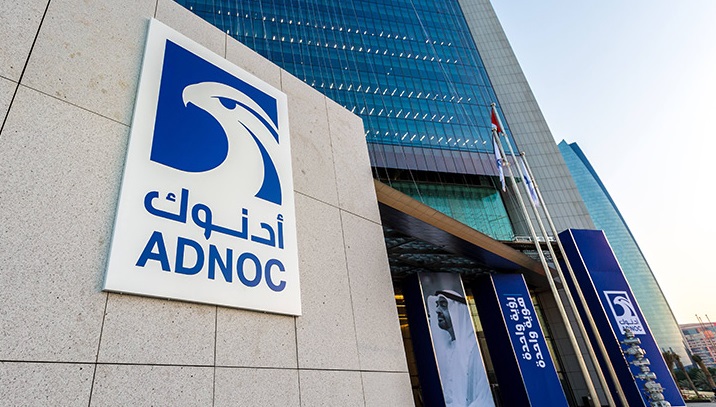
Abu Dhabi National Oil Company is exploring the possibility of listing its international investment subsidiary, XRG, on a stock exchange outside the United Arab Emirates. This strategic move could position XRG among the world’s largest publicly traded energy entities.

According to individuals familiar with the matter, discussions are in the preliminary stages, with Bank of America providing strategic guidance. The potential public offering would involve a minority stake and is anticipated to occur within the next five years. Prior to any listing, ADNOC must appoint a Chief Executive Officer for XRG and transfer relevant assets to the subsidiary.

Established in late 2024, XRG serves as ADNOC’s vehicle for expanding into lower-carbon energy, natural gas, and chemicals sectors. The subsidiary’s formation aligns with ADNOC’s broader strategy to diversify its portfolio beyond traditional oil revenues, reflecting a global industry trend towards sustainable and diversified energy solutions.

Potential venues for the listing include major international exchanges such as London and New York. Each offers distinct advantages, with London providing a robust investor base for energy companies and New York offering unparalleled liquidity and global visibility. The final decision will hinge on various factors, including valuation prospects and strategic alignment with XRG’s growth objectives.

With an estimated valuation exceeding $80 billion, XRG’s public debut would mark a significant milestone in the energy sector. For context, Saudi Aramco’s initial public offering in 2019 raised $25.6 billion, underscoring the scale of XRG’s potential market entry.

ADNOC’s recent activities underscore its commitment to global expansion and diversification. The company has been actively involved in international deals, including mergers and acquisitions in petrochemicals, chemicals, liquefied natural gas , and hydrogen projects. Notably, ADNOC has transferred its U.S. investments, such as stakes in an ExxonMobil hydrogen plant and NextDecade’s LNG export facility in Texas, to XRG. This move signifies ADNOC’s intent to consolidate its international ventures under the XRG umbrella, streamlining operations and enhancing strategic focus.

XRP, the cryptocurrency associated with Ripple Labs, has experienced notable price movements and whale activities in the past week, raising questions about its potential trajectory toward the $3.87 mark.

On Wednesday, XRP’s price saw a 1.8% increase, reaching $2.52, though it remains approximately 35% below its all-time high of $3.40. This uptick followed remarks by President Trump, who mentioned XRP as a potential component in a strategic cryptocurrency reserve. However, the gains were tempered after confirmations that U.S. tariffs on Canada and Mexico would proceed, reflecting the broader market’s sensitivity to geopolitical developments. Analyst Alex Kuptsikevich from FxPro noted that such conditions have led to profit-taking among traders, impacting the growth potential of cryptocurrencies.

In the past three weeks, whale activity on the XRP network has steadily risen, with transactions exceeding $1 million reaching their highest levels in months. Notably, a massive transfer of 150 million XRP, valued at over $380 million, occurred between two unknown wallets, sparking significant curiosity across the crypto market. Such movements are often considered indicators of potential price shifts, as large holders accumulating XRP could signal a bullish trend, while distributions might suggest an impending correction.

Technical analysis indicates that XRP is consolidating within a symmetrical triangle pattern, suggesting an imminent breakout or breakdown. Analysts warn that if XRP falls below the critical support level of $2, it could face a potential 24% drop. Conversely, a breakout above current resistance levels might pave the way for a rally toward the $3.87 mark.

In the derivatives market, Volatility Shares has proposed three new XRP exchange-traded funds : a -1x ETF to bet against XRP, a standard spot ETF, and a leveraged ETF to double XRP’s performance. These offerings could provide investors with more avenues to engage with XRP, potentially influencing its price dynamics.

Catalonia has solidified its position as a prominent biotechnology hub, with Barcelona at its epicenter, fostering innovation and attracting global attention. The region’s strategic investments and collaborative initiatives have propelled its life sciences sector to new heights.

A cornerstone of this success is the Parc Científic de Barcelona , established in 1997 by the University of Barcelona. As Spain’s first scientific park, the PCB was designed to enhance research, knowledge transfer, and innovation across public and private sectors. In 2002, it launched the country’s inaugural bioincubator, providing infrastructure and support to startups and spin-offs. Over the years, the PCB has integrated esteemed research institutes such as the Institute of Molecular Biology of Barcelona , the Institute for Research in Biomedicine , the National Center for Genomic Analysis , and the Institute for Bioengineering of Catalonia . The park also hosts private enterprises like Qiagen and Evonik. In 2019, the PCB expanded by adding ten new laboratories, increasing its area by over 600 square meters, and anticipates full occupancy by 2025.

The National Center for Genomic Analysis , located within the PCB, plays a pivotal role in large-scale genome projects, collaborating with researchers both locally and internationally. Equipped with advanced sequencing systems and a robust computing infrastructure, CNAG can sequence over 10,000 gigabases daily, equivalent to 100 human genomes every 24 hours. Established in 2009 through a collaboration between the Spanish Ministry of Science and Innovation and the Catalan Government, CNAG has positioned itself among Europe’s top sequencing centers.

Another significant contributor is the Institute for Bioengineering of Catalonia , which focuses on interdisciplinary research in bioengineering and nanomedicine. IBEC’s research encompasses areas such as regenerative therapies, future medicine, and active aging. The institute manages a Nanotechnology Platform, offering services in nanofabrication, manipulation, and characterization, and was the first in Southern Europe to acquire a 3D bioprinter suitable for industrial manufacturing.

The Barcelona Biomedical Research Park further enriches the region’s research landscape. This conglomerate of six public research centers, located adjacent to Hospital del Mar, employs approximately 1,400 professionals, making it one of Southern Europe’s largest biomedical research clusters. Founded through a collaboration between the Government of Catalonia, the Barcelona City Council, and Pompeu Fabra University, the PRBB aims to generate new knowledge in health and life sciences, facilitating technology transfer and providing training to research staff.

In a move to centralize and enhance its operations, Spanish pharmaceutical company Grifols announced plans to invest €360 million in constructing a new industrial plant in Barcelona for its engineering department. Scheduled to commence next year, with completion expected by the decade’s end, this initiative underscores Barcelona’s appeal as a strategic location for biotech investments.

The city’s commitment to innovation is further exemplified by the Barcelona New Economy Week . The fifth edition of BNEW attracted 12,746 professionals, offering 140 hours of content across 100 panels, sessions, and debates. The event focused on seven key sectors: Digital Industry, Mobility, Sustainability, Aviation, Talent, Health, and Experience, highlighting the region’s dedication to fostering dialogue and collaboration in emerging industries.

Addressing pressing health challenges, Barcelona launched the HUB Alzheimer Barcelona, a collaborative effort involving the Pasqual Maragall Foundation, the Barcelona City Council, four public hospitals, and specialized institutions. This initiative aims to accelerate Alzheimer’s research, fostering innovation and cooperation between public and private sectors in combating this neurodegenerative disease.

HONG KONG SAR – Media OutReach Newswire – 10 March 2025 – Media OutReach Newswire, Asia Pacific’s first global newswire, has been honoured with OPPO’s prestigious ‘Partner of the Year’ award for the second time, following its exemplary performance in OPPO’s rigorous annual vendor evaluation system. Media OutReach Newswire achieved an exceptional rating exceeding 90% in OPPO’s evaluation matrix—an A-tier classification that OPPO’s Global Procurement team characterises […]

Wipro GE Healthcare has unveiled the Versana Premier R3, an advanced ultrasound system integrating artificial intelligence to enhance diagnostic accuracy and streamline clinical workflows. This state-of-the-art device aligns with the ‘Make in India’ initiative, being manufactured at the company’s production-linked incentive factory in Bengaluru.

The Versana Premier R3 represents a significant advancement in medical imaging technology. By incorporating AI-driven productivity tools, the system optimizes dynamic tissue imaging and assists in precise volume calculations, thereby improving overall workflow efficiency. These features are designed to support clinicians in delivering more accurate and timely diagnoses, ultimately enhancing patient outcomes.

Chaitanya Sarawate, Managing Director of Wipro GE Healthcare South Asia, emphasized the company’s dedication to AI advancements: “At Wipro GE Healthcare, we continue to make advancements in AI, investing in foundation models that can help enhance precision care, ease clinical workflows, and enable better patient outcomes. AI is central to building a future where healthcare is personalized, preventive, and affordable. The launch of our Versana Premier R3 is yet another testament to our commitment towards the delivery of ‘Made in India MedTech – for India and the world.'”

Anup Kumar, Business Head of Ultrasound at Wipro GE Healthcare, highlighted the system’s potential impact: “We are very proud to launch the Versana Premier R3, our state-of-the-art ‘Made in India’ ultrasound system. With the growing NCD burden in the country, there is a pressing need for advanced patient-centric technologies that can provide faster, personalized, and more accurate diagnosis. Powered by AI, Versana Premier R3 delivers exceptional image clarity and versatile organ scanning, enhancing diagnostic precision and empowering clinicians to make timely and well-informed decisions.”

The introduction of the Versana Premier R3 comes at a critical time, as India faces a rising burden of non-communicable diseases . The country’s vast population necessitates advanced diagnostic technologies to manage and mitigate these health challenges effectively. The system’s AI capabilities are expected to play a pivotal role in this regard, enabling healthcare providers to offer more precise, personalized, and preventive care.

A recent report by PwC indicates that 57% of healthcare providers in India have already integrated AI into their operations, surpassing global adoption rates. This growing embrace of artificial intelligence underscores the significance of the Versana Premier R3 in meeting the country’s evolving healthcare demands.

The system’s ‘VisionBoost architecture’ and 8-million-channel digital processing deliver exceptional image clarity. With compatibility for 23 different probes, the Versana Premier R3 offers dynamic organ scanning capabilities, enhancing diagnostic precision and empowering clinicians to make timely and well-informed decisions.

Wipro GE Healthcare has been at the forefront of the ‘Make in India – for India and the world’ initiative, manufacturing state-of-the-art medical technologies domestically. The company’s PLI factory in Bengaluru has previously developed revolutionary products such as the Revolution Aspire CT system and the Optima IGS320 AI-enabled Cath Lab. In a further commitment to India’s healthcare industry, Wipro GE Healthcare recently announced an investment exceeding INR 8,000 crore over the next five years.

The Versana Premier R3’s AI-driven features are designed to assist even less experienced practitioners in performing high-quality scans, thereby democratizing access to advanced diagnostic tools. This aligns with global trends where AI is being leveraged to empower general practitioners and other healthcare providers to perform scans more quickly and reliably, saving clinical and operational time and effort.

In addition to enhancing diagnostic capabilities, the Versana Premier R3 is equipped with a self-learning onboarding tool. This feature supports skill development among clinicians, enabling them to adapt quickly to new workflows and improve their diagnostic capabilities. Such tools are particularly valuable in low-resource settings, where access to specialized training may be limited.

The integration of AI in ultrasound technology is not unique to Wipro GE Healthcare. Other companies, such as EchoNous, are also bringing premium ultrasound technology together with industry-leading AI to transform point-of-care ultrasound and make results more accessible for providers and patients alike. This trend reflects a broader movement in the medical technology industry towards incorporating AI to improve diagnostic accuracy and efficiency.

The launch of the Versana Premier R3 is expected to have a significant impact on India’s healthcare infrastructure. By providing clinicians with advanced tools to diagnose and monitor various health conditions more effectively, the system contributes to the broader transformation of the medical diagnostics landscape. This aligns with the global shift towards personalized and preventive healthcare, where early detection and timely intervention are crucial.

Wipro GE Healthcare’s commitment to innovation and quality is evident in the development of the Versana Premier R3. The company’s focus on integrating advanced technologies into their products ensures that healthcare providers have access to the best tools available, ultimately benefiting patients through improved care.

The introduction of the Versana Premier R3 also highlights the importance of local manufacturing in the medical technology sector. By producing the system domestically, Wipro GE Healthcare not only supports the ‘Make in India’ initiative but also ensures that the technology is tailored to meet the specific needs of the Indian healthcare system.


DP World and the Saudi Ports Authority have inaugurated the advanced South Container Terminal at Jeddah Islamic Port, marking a significant milestone in Saudi Arabia’s ambition to become a global trade hub. The SAR 3 billion project has more than doubled the terminal’s capacity from 1.8 million to 4 million twenty-foot equivalent units , with plans to further expand to 5 million TEUs.

The three-year development has transformed the South Container Terminal into one of the region’s most advanced and sustainable facilities. Enhancements include the introduction of automated and electrified yard cranes, and the number of quay cranes is set to increase from 14 to 17 by the end of 2025, eventually reaching 22 as capacity expands. These upgrades enable the terminal to accommodate ultra-large container vessels, significantly boosting its operational efficiency.

The inauguration ceremony was attended by prominent figures, including the Saudi Minister of Transport and Logistic Services, Engineer Saleh bin Nasser Al-Jasser, and DP World Group Chairman and CEO, Sultan Ahmed bin Sulayem. Their presence underscored the project’s importance to the Kingdom’s Vision 2030 strategy, which aims to enhance trade connectivity and diversify the economy.

Sultan Ahmed bin Sulayem remarked, “Today marks a significant milestone in our long-term strategic investment in Jeddah Islamic Port. This expansion builds on our 25-year legacy in Jeddah and reinforces our commitment to driving trade growth in the region. With this modernised terminal, we are enhancing efficiency, improving supply chain resilience, and creating new trade opportunities for the Kingdom and beyond for decades to come.”

Technological advancements have been a cornerstone of the terminal’s modernization. The implementation of smart systems has reduced gate transaction times from two minutes to just 10 seconds. Additionally, Internet of Things -enabled cargo tracking and artificial intelligence -powered cargo tallying systems have been introduced to enhance operational accuracy and efficiency.

In response to the growing demand for perishable goods, the terminal’s capacity for refrigerated containers has been expanded from 1,200 to 2,340 units. A state-of-the-art facility capable of inspecting up to 75 reefers simultaneously is also under development, positioning it as the largest port-centric facility of its kind in the Kingdom.

Environmental sustainability is a key focus of the terminal’s operations. DP World has committed to reducing CO₂ emissions at the South Container Terminal by 50% over the next five years. Initiatives to achieve this goal include the electrification of yard cranes and trucks, installation of solar panels, exploration of floating solar platforms, and the incorporation of green building designs alongside water recycling systems.

Adjacent to the terminal, DP World is investing in the 415,000 square metre Jeddah Logistics Park, the largest integrated facility of its kind in the Kingdom. Scheduled for completion in the second quarter of 2026, the park will offer state-of-the-art warehousing, distribution, and freight forwarding services. Its integration with the terminal is expected to streamline cargo transfers and enhance overall efficiency, further solidifying Jeddah’s position as a key hub connecting trade routes across Asia, Africa, and Europe.

The South Container Terminal’s strategic location on the Red Sea positions it as a pivotal point for international trade. It serves as a major hub for trade between East and West and is a crucial gateway for Hajj and Umrah pilgrims. The terminal’s modernization aligns with Saudi Arabia’s Vision 2030 objectives, aiming to transform the Kingdom into a global logistics center.

The terminal’s infrastructure now boasts a quay length of 2,150 meters, including a deep-water quay with an 18-meter depth, allowing it to accommodate ultra-large container vessels. The planned increase in the number of quay cranes to 17 by the end of 2025, and eventually to 22, will further enhance its capacity and operational capabilities.

Advertisements

Apple has unveiled a monumental plan to invest $500 billion in the United States over the next four years, underscoring its commitment to domestic manufacturing, artificial intelligence development, and job creation. This initiative represents one of the largest single investments by a technology company in U.S. history. The investment encompasses several key components aimed at bolstering Apple’s infrastructure and technological capabilities. A significant portion is allocated to […]

By K Raveendran Oil prices have hit their lowest since October and by all indications the downward move is far from over. Brent has already dipped below 70 dollars per barrel as the market is feeling the weight of a supply overhang, with OPEC+ barrels set to flood an already well-supplied system, keeping a lid […]

Biconomy.com, a leading digital asset trading platform, has officially listed the native token of the BlackFort Exchange Network, BXN, effective from 26 February 2025. This strategic move offers traders additional opportunities and underscores Biconomy’s commitment to supporting innovative blockchain projects.

BlackFort Exchange Network distinguishes itself as a next-generation blockchain ecosystem, featuring a standalone, independent Layer-1 blockchain compatible with Ethereum. At its core is BXN, the native utility token that fuels various functionalities within the network. BlackFort’s blockchain is engineered to meet the essential demands of modern blockchain technology while introducing groundbreaking innovations.

The BXN token serves multiple practical purposes within the BlackFort ecosystem:

– Transaction Fees: BXN is utilized to cover transaction costs on the BlackFort blockchain, ensuring smooth and economical operations.

– Governance: Token holders have the ability to participate in governance decisions, influencing the future direction of the BlackFort network.

– Staking: Users can stake BXN to promote network security and receive rewards, encouraging active participation and network stability.

By listing BXN, Biconomy.com reinforces its dedication to providing users with access to cutting-edge and promising blockchain ventures. The platform’s strong liquidity, ease of use, and security enable traders to confidently interact with BXN. This listing supports the growth and adoption of the BlackFort ecosystem and expands the range of assets available on Biconomy.com.

Saudi Arabia, the world’s leading oil exporter, has announced a reduction in its official selling price for crude oil destined for Asian markets in April. This marks the first price cut in three months and aligns with the recent decision by OPEC+ to incrementally boost oil production starting next month. State-owned oil giant Saudi Aramco has decreased the OSP for its flagship Arab Light crude by 40 […]

President Donald Trump announced plans to visit Saudi Arabia within the next six weeks to finalize an agreement for the kingdom to invest $1 trillion in the U.S. economy over the next four years, including substantial purchases of military equipment. This development underscores the strengthening economic ties between Washington and Riyadh.

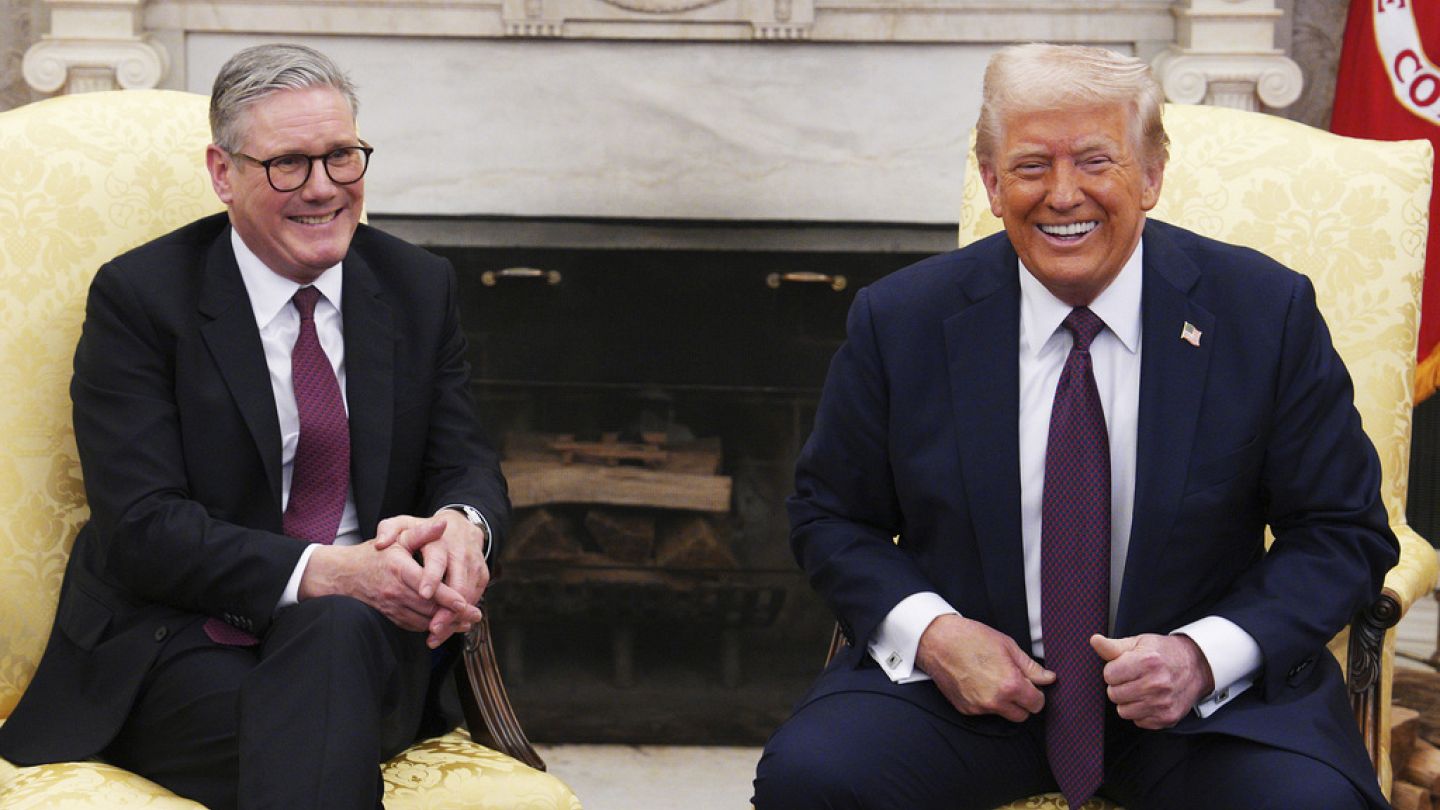
Speaking to reporters in the Oval Office, Trump highlighted that his first overseas trip during his initial term in 2017 was to Riyadh, where Saudi investments were then estimated at $350 billion. He noted that the kingdom’s financial capacity has grown since, stating, “They’ve gotten richer, we’ve all gotten older.” At Trump’s behest, the Saudis have agreed to significantly increase their investments in American companies, encompassing various sectors, notably defense. The President expressed his intention to visit Saudi Arabia to formalize this agreement, emphasizing his positive relationship with the kingdom’s leadership.

Saudi Arabia’s Crown Prince Mohammed bin Salman has been instrumental in advancing the kingdom’s Vision 2030 initiative, aiming to diversify the economy beyond oil dependence. The substantial investment in the U.S. aligns with this strategy, seeking to bolster the kingdom’s global economic footprint and strengthen bilateral relations with key allies.

The planned investment includes significant procurement of U.S. military equipment, reflecting Saudi Arabia’s ongoing efforts to modernize its armed forces amid regional security challenges. This move is expected to benefit American defense contractors and contribute to job creation within the United States.

In addition to defense, the investment is anticipated to span various sectors, potentially including technology, infrastructure, and energy. Such diversification aligns with both nations’ interests in fostering innovation and sustainable economic growth.

The announcement comes at a time when the global economy faces uncertainties, and substantial foreign investments are viewed as a positive indicator of confidence in the U.S. market. Analysts suggest that this agreement could stimulate economic activity and enhance the strategic partnership between the two countries.

However, this development is not without its critics. Some policymakers express concerns regarding the implications of deepening ties with Saudi Arabia, citing human rights issues and regional geopolitical tensions. They advocate for a balanced approach that considers both economic benefits and ethical considerations.

The forthcoming visit also holds geopolitical significance. Saudi Arabia has been taking a more prominent role in U.S. foreign policy, with plans to host a U.S.-Ukraine meeting to discuss a ceasefire in the ongoing conflict. This initiative positions Riyadh as a mediator in international affairs, potentially enhancing its diplomatic standing.

Trump’s engagement with Saudi Arabia extends to other domains. In February, he met with officials from the PGA Tour and the Saudi-owned LIV Golf to address a rift between the two organizations, indicating the breadth of U.S.-Saudi interactions beyond traditional sectors.

Matein Khalid There is no doubt in my mind that the epic US equities bull market is now over since the S&P 500 index broke its 200 day moving average while I was at the wonderful StanChart suhoor with so many old pals from the 1990’s Al Mankhool salad days when the Mexican food at Zodiac/Bordertown in the Imperial Suites provided the hottest salsa (mirchi) in Rolla […]

HANOI, VIETNAM – Media OutReach Newswire – 7 March 2025 – As Artificial Intelligence (AI) and robotics have increasingly reshaped industries and societies, promising to be the multibillion-dollar opportunity in the next decade, the VinFuture Prize is committed to recognizing and honoring pioneers who have driven this technological revolution. After the 2024 Grand Prize honored five scientists for their contributions to advancing deep learning, the Prize Council […]

SpaceX’s ambitious Starship program encountered a significant setback as its eighth test flight ended in failure. The spacecraft disintegrated minutes after launch from Boca Chica, Texas, scattering debris over the Caribbean. This incident marks the second failure for the Starship vehicle within a span of six weeks, raising concerns about the program’s trajectory and safety protocols. The test flight commenced at 5:30 p.m. CST, with the Super […]

Matein Khalid 2024 was the annus horribilis for luxury stocks as ​the Dragon Empire’s cultural DNA under Xi Dada pivoted to Maoist austerity, inflation hit the mass affluent wannabe Gatsbys of Europe and boonie America and Incredible India’s bling-bling badshahs and bhabhijis discovered the hard way that the speculative stock market mania on Dalal Street can and did end in tears. Obviously, Gandhian values are not exactly […]

Startups in India’s deep-tech and semiconductor sectors are increasingly positioning themselves as key players in the global technological race. With innovations spanning automotive semiconductors, AI-driven edge computing, and secure connectivity solutions, these startups are poised to lead the next wave of technological advancement.

The role of India’s emerging deep-tech ecosystem is gaining global recognition, especially in fields where cutting-edge technology is required to meet the rapidly evolving demands of industries. Notably, companies in the semiconductor sector are contributing significantly to the development of next-generation automotive systems. These systems rely heavily on semiconductor components to enable functions like autonomous driving, safety features, and advanced in-car connectivity, all of which are in high demand globally.

NXP Semiconductors, a global leader in semiconductor solutions, has highlighted the critical role India’s deep-tech startups are playing in this technological transformation. According to NXP executives, Indian startups are at the forefront of developing innovative solutions that can cater to the evolving needs of the automotive industry. “India’s deep-tech ecosystem is thriving, particularly in the semiconductor space, which is foundational for automotive technologies,” stated an NXP spokesperson. These startups are not only serving the domestic market but are also well-positioned to tap into the vast global market for automotive semiconductors.

India’s progress in automotive technology is attributed to a blend of innovation, government support, and a rapidly growing pool of highly skilled engineers and entrepreneurs. The country’s focus on fostering startups through initiatives like the ‘Startup India’ programme has provided a conducive environment for these companies to flourish. Additionally, the Indian government’s emphasis on expanding its semiconductor manufacturing capabilities has laid the foundation for more home-grown innovations in this sector.

While the automotive sector is receiving significant attention, Indian startups are also making strides in other high-growth sectors like AI-driven edge computing. These technologies are revolutionizing industries by enabling faster data processing at the source of data generation, as opposed to relying solely on cloud infrastructure. The ability to process data at the edge, especially in real-time applications such as smart cities and industrial IoT , is proving to be a game-changer. Indian startups are developing solutions that make edge computing more scalable, efficient, and secure, which is crucial for industries that demand low-latency operations and enhanced security.

India’s deep-tech startups are playing a vital role in advancing secure connectivity solutions, an area that has seen increasing demand with the rise of the Internet of Things and the digitalisation of services. In an era where data security is paramount, these companies are creating cutting-edge technologies to secure communications and data transmissions across various platforms. The emphasis on cybersecurity and secure communication protocols is vital in safeguarding critical infrastructure, especially with industries such as healthcare, finance, and defence becoming more interconnected.

Industry leaders believe that the synergy between India’s deep-tech startups and the government’s efforts to boost innovation will create a strong foundation for India’s dominance in these high-tech sectors. A key component of this success lies in the startups’ ability to develop customised solutions for both domestic and international markets. This is where their deep understanding of local challenges combined with global aspirations gives them a competitive edge.

With significant investments flowing into the country’s startup ecosystem, especially in semiconductors, AI, and edge computing, the outlook for India’s deep-tech sector is promising. The advent of 5G technology, in particular, is expected to further accelerate demand for these innovative solutions, particularly in automotive, smart cities, and industrial sectors. The country’s deep-tech startups are expected to play an instrumental role in the development and deployment of 5G-enabled technologies, which will provide them with more opportunities to scale globally.

India’s push towards developing indigenous semiconductor manufacturing capabilities has also opened doors for local companies to cater to the international semiconductor market. The government has actively sought to reduce India’s reliance on imported semiconductors, which has led to a surge in the development of local semiconductor fabs and research and development facilities. With global supply chains under pressure due to geopolitical factors, the demand for domestic semiconductor solutions has risen sharply. Indian startups are emerging as key players in this sector, meeting both the needs of the domestic market and providing competitive alternatives to global suppliers.

Experts predict that Indian deep-tech startups are not only set to lead in traditional areas like automotive and semiconductor technologies but are also likely to make breakthroughs in emerging fields such as quantum computing, robotics, and biotechnology. With the convergence of AI, machine learning, and quantum technologies, Indian startups are uniquely positioned to innovate at the intersection of these fields, driving future technological revolutions.

One of the challenges Indian startups face, however, is the scaling-up process. While the innovation coming out of India is impressive, the ability to scale these technologies globally remains a complex task. To overcome these challenges, Indian startups are increasingly collaborating with global players and securing strategic partnerships that help them expand their reach and capabilities. These partnerships also provide them with access to crucial markets and resources, enabling them to scale their solutions faster and more efficiently.

Oil prices in the Middle East have experienced a significant decline, with the cost of Oman crude on the Gulf Mercantile Exchange falling below Brent crude for the first time since late 2024. This shift marks the end of the Middle Eastern grade’s longest run of premiums over the global benchmark since 2023. The downturn is largely attributed to the anticipated increase in oil supplies from OPEC+ nations, prompting a selloff in the region’s crudes.

The Organization of the Petroleum Exporting Countries and its allies, collectively known as OPEC+, have confirmed plans to proceed with a gradual increase in oil production starting April 2025. This decision involves unwinding the 2.2 million barrels per day of voluntary production cuts that were implemented to stabilize the market. The phased approach will see an average monthly rise of 137,000 bpd, extending until September 2026. Notably, the United Arab Emirates will receive a 300,000 bpd increase in its production target over this period.

This strategic move by OPEC+ reflects a response to healthier market fundamentals and a positive outlook for global oil demand. However, the group has emphasized flexibility, stating that the planned production increases may be paused or reversed if market conditions warrant such adjustments. This adaptability aims to maintain oil market stability amid evolving economic landscapes.

The announcement has exerted downward pressure on global oil prices. Brent crude futures fell by 1.6%, settling at $71.62 per barrel, while West Texas Intermediate crude dropped by 2.0%, closing at $68.37 per barrel. These figures represent the lowest closing prices for Brent and WTI since early December 2024.

Market analysts attribute the price decline to multiple factors beyond the anticipated OPEC+ supply boost. President Donald Trump’s recent announcement of imposing tariffs on imports from Canada and Mexico, as well as increasing duties on Chinese goods, has raised concerns about potential dampening effects on energy demand. Additionally, the U.S. decision to pause military aid to Ukraine and speculation about easing sanctions on Russia have contributed to market volatility and uncertainty.

The increase in oil production is expected to come from several OPEC members and their allies, adding approximately 2.2 million barrels over the next 18 months. Analysts suggest that this decision could lead to oversupply issues, further pressuring prices if demand does not keep pace. This situation has negatively impacted major oil company stocks, with significant declines observed in Exxon Mobil, Chevron, BP, Shell, and Total Energies.

The shifting dynamics in the oil market underscore a potential transition of influence from traditional producers like OPEC to other global players. The rise of electric vehicles, advancements in fuel efficiency, and reduced reliance on oil for power and heating have contributed to weaker demand, challenging the market power of oil-producing nations.

European nations are accelerating defense initiatives in response to concerns over the United States’ commitment to NATO under President Donald Trump. French President Emmanuel Macron has urged European Union members to increase defense spending to between 3% and 3.5% of GDP, citing the necessity for Europe to assume greater responsibility for its security. The European Commission, led by Ursula von der Leyen, has proposed an €800 billion […]

Abu Dhabi’s Etihad Airways has delayed its anticipated $1 billion initial public offering until at least next month, following the Eid al-Fitr holiday, according to individuals familiar with the matter.

While the airline had not officially announced a specific date for the IPO, sources previously indicated that an announcement was expected last week, coinciding with Etihad’s report of a significant profit increase. This IPO would mark the first major Gulf airline listing in nearly two decades.

The reasons for the postponement remain undisclosed, with insiders speaking on condition of anonymity due to the sensitivity of the information. Both Etihad and its owner, Abu Dhabi’s $225 billion wealth fund ADQ, declined to comment on the matter.

Etihad, established in 2003, had planned to offer approximately 20% of its business through the IPO to fund its growth ambitions. The airline recently reported a net profit of $476 million, more than tripling its earnings from the previous year. This financial upturn follows a multi-year restructuring and management overhaul, with expansion efforts underway under the leadership of CEO Antonoaldo Neves.

The Gulf region’s airline sector has faced challenges such as delivery delays, labor disruptions, rising costs, and engine issues. In this context, Etihad’s planned IPO could present a promising opportunity for investors, highlighting the resilience and potential of the Middle Eastern aviation market.

Etihad’s strategic initiatives include enhancing Abu Dhabi’s position as a global travel hub connecting Asia and Europe. The airline aims to expand its network to over 125 destinations and increase its fleet to more than 160 aircraft by 2030. These efforts are part of the “Journey 2030” strategy, focusing on sustainable growth and operational excellence.

Abu Dhabi’s Etihad Airways has deferred its anticipated $1 billion initial public offering until at least next month, following the Eid al-Fitr holiday, according to individuals familiar with the matter. While the airline had not officially announced a specific date for the IPO, sources indicated that an announcement was expected last week, coinciding with Etihad’s report of a substantial profit increase. The reasons for the delay remain undisclosed, as those privy to the situation have chosen to remain anonymous. Both Etihad and its parent company, Abu Dhabi’s $225 billion wealth fund ADQ, have declined to comment on the postponement.

The planned IPO is significant, marking the first major listing of a Gulf airline in nearly two decades. Etihad, established in 2003, had intended to offer approximately 20% of its business through the share issuance to support its growth ambitions. The airline has undergone extensive restructuring and management changes in recent years but has shown signs of expansion under the leadership of CEO Antonoaldo Neves. In its latest financial disclosures, Etihad reported a net profit that more than tripled to $476 million, reflecting a robust recovery in the aviation sector.

The Gulf region has witnessed a surge in IPO activity as governments seek to diversify their economies beyond oil revenues. Etihad’s move to go public aligns with this broader strategy, aiming to attract foreign investment and enhance corporate governance. However, the airline industry globally has faced challenges, including delivery delays, labor disruptions, and rising operational costs. Despite these hurdles, Etihad’s planned IPO has been viewed as a potential bright spot for investors, given the airline’s strategic position and growth prospects.

The delay in the IPO may prompt investors and industry analysts to reassess the timing and valuation of the offering. Market conditions, geopolitical factors, and internal strategic considerations often influence such decisions. As the new timeline extends beyond the Eid al-Fitr holiday, stakeholders will be keenly observing Etihad’s next steps and any further communications regarding the IPO.

By Nitya Chakraborty The U.S. President Donald Trump has fired his missile on Europe, especially, France, UK and Germany by suspending arms aid to Ukraine after categorically making it clear that President Zelensky has to agree to the peace and security deal proposed by Trump on Friday in the White House meeting. The deal is […]

HA LONG, VIETNAM – Media OutReach Newswire – 4 March 2025 – Vingroup and global investment firm JTA Investment Qatar have announced a Memorandum of Understanding (MOU), opening up strategic investment opportunities in the electric vehicle and tourism sectors. Accordingly, JTA Investment Qatar recognizes VinFast’s global growth strategy, alongside the significant value of Vinpearl’s premium hotels and resorts, leading amusement parks and entertainment clusters, thereby aiming to […]

OPPO is one of the first smartphone brands to implement Private Computing Cloud and has further integrated applications with Google Gemini so users can soon take action across OPPO apps in Gemini. During MWC2025, OPPO unveiled new AI features, including AI Call Translator and AI VoiceScribe, and has committed to releasing new AI updates roughly every month. OPPO plans to bring generative AI features to around 100 […]

VISHNU RAJA
RYO YAMADA
HITORI GOTOH
IKUYO KITA