News related to
next

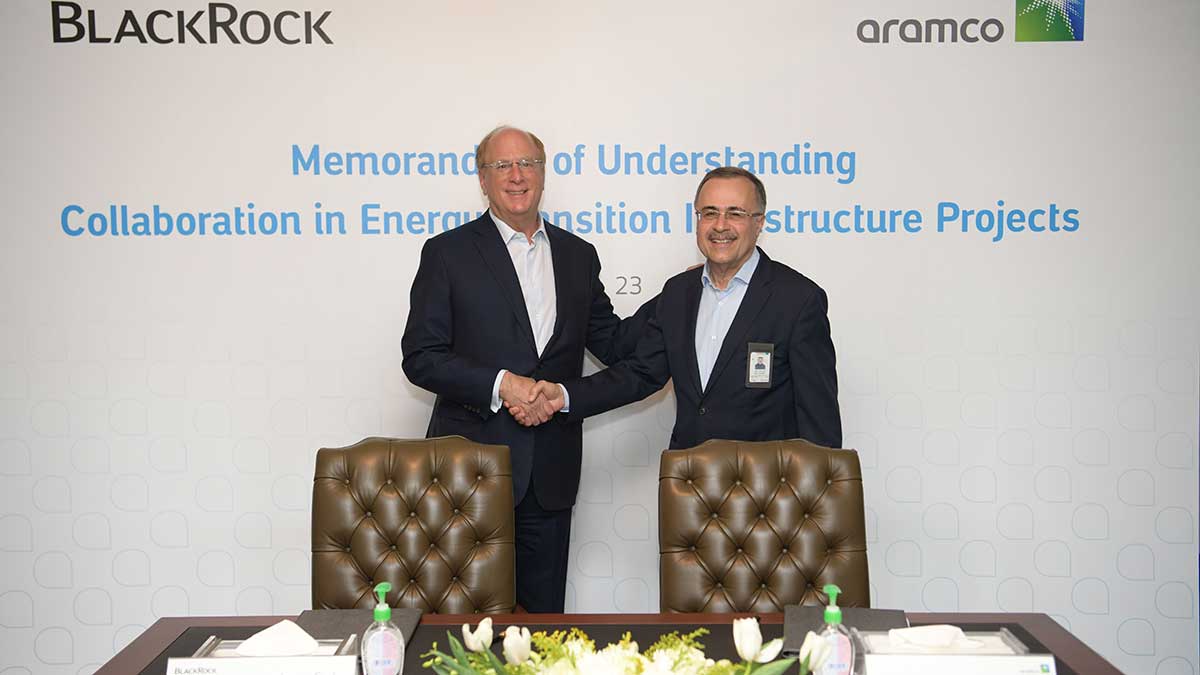
BlackRock Inc is reportedly engaged in discussions with Saudi Aramco over the future ownership of its stake in the leasing rights of a major natural gas pipeline network. The asset manager, which entered the arrangement in 2021, acquired the rights as part of a $15.5 billion lease-and-leaseback agreement. Sources close to the matter indicate BlackRock now values its position at several billion dollars and is considering divesting the stake back to the state oil major.

In 2021, BlackRock joined a consortium to purchase a 49 per cent interest in an entity known as Aramco Gas Pipelines Co under a lease-and-leaseback deal, financing the project with bridge loans and later issuing bonds to refinance the structure. The network comprises critical infrastructure integral to Saudi Arabia’s petroleum operations, serving both domestic consumption and export logistics.

Financial analysts highlight that BlackRock’s move represents a shift in strategy for pipeline investments. As bond markets recover from turbulence and the global energy transition reshapes demand, investors are recalibrating their exposure to long-cycle fossil fuel assets. One advisor noted that BlackRock will “weigh other options if discussions don’t lead to agreement,” indicating the firm might pursue third‑party sales or stake dilution.

Saudi Aramco’s interest in regaining full control aligns with its broader strategy of asset consolidation. Reacquiring the lease rights would enhance its operational sovereignty and reduce dependency on external partners in a sector that underpins national energy security. Aramco’s share in regional indices has already seen modest gains, supported by optimism over non-oil growth; the company itself has been trading up by around 0.9 per cent in recent sessions.

The bonds issued by the consortium in 2024—worth $3 billion across tranches due in 2036 and 2042—were aimed at refinancing initial acquisition debts. Demand for those bonds was robust, with subscription levels significantly exceeding issuance. BlackRock’s majority ownership of Greensaif Pipelines Bidco grants it leverage in shaping any transaction, whether through direct sale or restructuring of lease terms.

Market observers note that BlackRock’s pivot may be driven as much by strategic repositioning as by financial calculation. With global pressure building on climate policy and energy transition commitments, large institutional investors are under increasing scrutiny over holdings tied to fossil fuel extraction and transport. Divesting from pipeline leases allows BlackRock to reallocate capital to renewable infrastructure or alternative energy real estate, while still preserving long-term client relationships.

However, the sale would mark a significant return on investment. The original acquisition and bond refinancing positioned BlackRock to gain from stable, long-duration lease revenues pegged to volume throughput. Exiting now at a multi-billion-dollar valuation ensures a profitable wind-down of exposure while the asset remains robust. Some of the stakeholders in the consortium may view this as a precedent for handling similar assets in other jurisdictions.

Observers anticipate a negotiation process extending into the next quarter, with both parties likely to focus on valuation frameworks, lease renewal terms, and host‑country regulatory approvals. Any agreement may set a template for future transactions between global asset managers and sovereign energy entities, particularly in the Gulf region. While details of the discussions are confidential, the size and strategic nature of the pipeline network suggest that a deal could shift later this year.

Investment flows in the Middle East have showed renewed strength. Saudi and Emirati stock markets climbed this week, powered by stronger service-sector indices and easing of global trade tensions. Against this backdrop, Aramco’s potential repurchase aligns with sovereign objectives to consolidate energy assets in the hands of national champions.

Should talks falter, analysts predict BlackRock may explore secondary-market sales to other infrastructure investors, or retain partial control under renegotiated terms. A phased exit or continued minority stake is also plausible, contingent on pricing, return targets, and geopolitical sensitivities.

Artificial intelligence (AI) eases administrative burden and offers insightful analytics. This technology also provides a multi-faceted platform for improving team operations. Continue reading to learn about the benefits of integrating AI into your management practices below. Exploring the Role of AI Management Tools for Team Efficiency AI management tools transform the traditional approach to team management. By automating routine tasks, these systems free up valuable time for […]

Ukrainian President Volodymyr Zelensky has formally stated he is prepared to meet Russian President Vladimir Putin in person to negotiate a ceasefire and work towards ending the conflict. He emphasised that a direct encounter between the two leaders is the only path to a meaningful halt in hostilities. Zelensky’s announcement follows previous calls for a 30‑day ceasefire that would hold until a summit could be arranged between him and […]

Get Ready for Unmissable Program Highlights! BANGKOK, THAILAND – Media OutReach Newswire – 3 July 2025 – In an era where creativity is the driving force behind economic and social development, the presence of a regional creative festival in Isan — the Northeast region of Thailand — is more essential than ever. It goes beyond art, culture, and innovation; it serves as a vital platform that inspires […]

Archer Aviation completed a successful test flight of its Midnight electric vertical take-off and landing aircraft at Al Bateen Executive Airport in Abu Dhabi, advancing its push to establish commercial air taxi operations in the UAE. The trial flight marked the first time the company has operated the Midnight aircraft under Middle Eastern environmental conditions, demonstrating its airworthiness and operational viability in one of the world’s most challenging climates.

The test flight was designed to evaluate the aircraft’s vertical lift and descent capabilities while enduring extreme heat, high humidity levels, and airborne dust — factors that are critical to address for obtaining certification in the UAE. The company said these environmental stressors, particularly in the summer season, present unique challenges not faced in temperate regions, and their successful navigation is essential for regional rollout.

With support from the UAE’s Smart and Autonomous Systems Council, Archer Aviation conducted the operation in the presence of officials from the General Civil Aviation Authority, the Abu Dhabi Investment Office, the Integrated Transport Centre, Abu Dhabi Airports, and Abu Dhabi Aviation. Several of Archer’s regional partners also attended, underscoring the strategic significance of the flight for the broader effort to integrate urban air mobility into the UAE’s transportation ecosystem.

This development is part of a broader expansion plan by Archer Aviation, which aims to commence commercial operations in the UAE within the next year. The company confirmed that more flight tests will follow in the coming months as it works toward regulatory approval. These tests will build on data gathered during the Al Bateen flight and are aimed at fine-tuning the aircraft’s performance and ensuring compliance with the UAE’s civil aviation standards.

Archer’s Midnight aircraft is a four-passenger, one-pilot eVTOL designed to reduce urban congestion by providing an environmentally sustainable alternative to short-haul ground transport. It operates entirely on electric power and has a claimed range of around 100 miles, though it is optimised for rapid trips of around 20 miles, enabling multiple short urban hops on a single charge. The company has highlighted its low noise profile and rapid recharge time as key advantages for integration into densely populated cities.

The Abu Dhabi test forms part of a larger strategic partnership between Archer and Abu Dhabi authorities, with the emirate positioning itself as a pioneer in urban air mobility. The Abu Dhabi Investment Office has previously announced financial and regulatory backing for companies involved in the advanced air mobility sector, aiming to transform the capital into a hub for emerging aerospace technologies. Archer’s work is also aligned with the UAE’s long-term vision to build a diversified, innovation-driven economy, especially in sectors like aerospace and smart mobility.

The involvement of multiple UAE transport and aviation stakeholders in the test flight indicates strong institutional interest in accelerating the commercialisation of eVTOL technologies. Abu Dhabi has been actively working to establish the regulatory, financial, and operational groundwork required to deploy air taxis, including digital airspace management systems and vertiport infrastructure. The city’s integrated approach, bringing together regulatory bodies, investors, and transport operators, is viewed by industry experts as a model for emerging air mobility ecosystems globally.

This milestone for Archer also arrives amid growing international competition in the eVTOL space. Companies such as Joby Aviation, Vertical Aerospace, and Lilium are developing similar platforms, with plans to launch air taxi services in urban centres worldwide. However, the harsh environmental conditions in the Gulf region offer a unique proving ground for aircraft performance, and successful operations in Abu Dhabi may serve as a powerful validation for the Midnight platform in other markets with extreme climates.

Archer has previously announced its intention to base a portion of its operations in the UAE, including flight testing, pilot training, and maintenance services. The company is also working on joint ventures and local partnerships to support these initiatives, suggesting a long-term commercial and logistical commitment to the region. Discussions are underway to align with regional airports and private operators to facilitate a network of air taxi routes, which could link major business hubs, residential zones, and tourist attractions across the UAE.

By K Raveendran President Donald Trump’s latest volley in the global economic battleground — a proposal to impose a 500 percent tariff on countries that do business with Russia — marks the continuation of a pattern that has come to define his trade diplomacy: bold, blustering declarations followed by strategic backpedalling. The move, targeted at […]

KUALA LUMPUR – Media OutReach Newswire – 2 July 2025 – This Thursday at 12:30 p.m. UTC, the U.S. Bureau of Labor Statistics will release its highly anticipated Nonfarm Payroll (NFP) report. While typically issued on the first Friday of each month, this week’s release has been brought forward due to the upcoming U.S. Independence Day holiday. The NFP report is traditionally considered to be the most […]

Advertisements

A specialised Indian geological team has been dispatched to Zambia to commence a three‑year survey of copper and cobalt within a 9,000 km² exploration zone. The initiative, authorised by the Zambian government earlier this year, aligns with New Delhi’s broader drive to shore up supplies of strategic minerals essential for its energy‑transition and technological ambitions. Zambia, a major exporter of copper—Africa’s second‑largest producer after the Democratic Republic of […]

90 percent of organisations consider skills-related initiatives to be highly important 61 percent of organisations have implemented skills-based programs to address top talent priorities Career development is emerging as the biggest use case for skills-related initiatives SINGAPORE – Media OutReach Newswire – 2 July 2025 – Aon plc (NYSE: AON), a leading global professional services firm, has released insights from its 2025 Asia Pacific (APAC) Skills Impact […]

Cloud accounting is software for managing financial records that operates online. Unlike traditional on-premise solutions, you don’t need to install programs on your computer — just a browser and internet access. All data is stored on secure servers, allowing you to access your accounting anytime, from any device. In the UAE, the digital economy is rapidly growing, and the government supports businesses adopting modern technologies. Cloud accounting […]

By Nitya Chakraborty Prime Minister Narendra Modi faces a tough task in improving India’s image as defender of the interests of Global South at the coming meeting of the BRICS at Rio de Janeiro in Brazil on July 6 and 7 which he will be attending. The 17th BRICS summit will be hosted by Brazil […]

After discovering institutional inefficiencies in traditional finance, this young CFA is helping investors access opportunities previously reserved for Wall Street. The mahogany-paneled conference room fell silent. On the 47th floor of one of Wall Street’s most prestigious firms, Tan Gera stared at his computer screen in disbelief. The evidence of systematic insider trading was not only shocking—it was the final piece of a puzzle he’d been putting […]

Legendary Italian chef Umberto Bombana joins forces with the Executive Chefs of his Macau and Shanghai restaurants to celebrate the season of Australian Black Truffle and award-winning wine list at 8½ Otto e Mezzo BOMBANA at Galaxy Macau MACAU SAR – Media OutReach Newswire – 1 July 2025 – Galaxy Macau™, the world-class luxury integrated resort, stands as a premier culinary destination with its exquisite and diverse […]

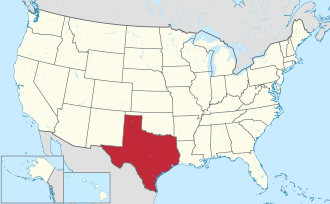
Governor Greg Abbott has enacted House Bill 1056, authorising Texans to use gold and silver as legal tender for routine financial transactions beginning on 1 May 2027. The measure amends the state government code, empowering the comptroller’s office to set the metal-to-dollar exchange rate at the time of each transaction.

Abbott emphasised that the move draws upon Article I, Section 10 of the United States Constitution, which restricts states from issuing currency other than gold or silver coins. Although federal reserve notes will remain lawful, the new law permits their coexistence and makes acceptance of precious metals optional for businesses and consumers.

Supporters regard the law as a historic step toward financial sovereignty, providing residents with greater control over their assets. The initiative is the latest in Texas’s broader push toward alternative currencies, complementing the establishment of a state strategic bitcoin reserve. Advocates say this diversification could act as a hedge against inflation and enhance the resilience of the state’s economy.

The meteoric trajectory from legislative passage to effective implementation is significant, but practical details remain in development. Texans will deposit metals into accounts at the Texas Bullion Depository in Leander and access them using a debit-card system. Each transaction will convert metal to dollar value based on comptroller-set pricing, though specifics on fees and merchant participation are yet to be disclosed.

While market reaction has been measured, analysts predict the legislation could lift local demand for physical gold and silver, particularly if residents embrace the option. Economists also note that instituting this system requires robust authentication and verification mechanisms, as stakeholders raise concerns over counterfeit metal use.

Retailers might face logistical hurdles, including securing reliable point-of-sale systems and managing valuations for fluctuating metal prices. Abbott’s office has indicated that public education campaigns and pilot programmes are planned to facilitate adoption.

Texas is the first state to operationalise gold and silver for daily commerce on this scale, though several states maintain statutes recognising their role as legal tender without establishing transaction mechanisms. Prior experiments in alternative currency systems include “Goldbacks,” privately issued gold notes accepted in select locations, but these lacked legal backing at the state level.

The new law’s dual focus on precious metals and bitcoin underscores Texas’s ambition to position itself at the forefront of monetary innovation. By leveraging constitutional provisions, state officials aim to expand the toolkit available to residents and businesses, offering both tangible and digital currency options.

Nonetheless, detractors caution that the metal-based system may complicate transactions and add regulatory burdens. Verification protocols, pricing transparency and merchant liability issues will need careful management to avoid undermining public confidence. Texas’s comptroller is expected to issue guidance on these matters in the coming months to ensure a smooth rollout.

Implementation will proceed incrementally over the next 22 months, with the comptroller’s office overseeing regulatory design and infrastructure setup. If executed effectively, the scheme could serve as a model for other states contemplating alternatives to fiat currency; if not, it may highlight the complexity of adding precious metals to everyday monetary flows.

Mohamed bin Zayed University for Artificial Intelligence has unveiled a pioneering embodied‑AI framework called Tactile Skills, enabling robots to master intricate physical tasks with human‑level precision. Spearheaded by Sami Haddadin, MBZUAI’s vice‑president for research, and published in Nature Machine Intelligence on 23 June 2025, the approach promises to bridge a long‑standing divide between human dexterity and robotic automation. The system leverages a structured curriculum inspired by vocational training and neurobiology. Host‑defined process taxonomies […]

Over ninety per cent of employees in India use generative artificial intelligence tools at work, with 92 per cent logging daily use, according to a recent report by the Boston Consulting Group. This figure places India well above the global average of about 72 per cent.

The BCG study, based on a survey of 10,600 workers across 11 countries, highlights India’s prominence in integrating generative AI. Alongside this, some 17 per cent of workers report that their organisations have embedded AI agents into daily workflows, ranking India among the top three nations globally for such integration.

High adoption has come with heightened concern. Nearly half of Indian employees—48 per cent—believe their roles are at risk of disappearing within the next decade due to AI, outpacing global levels at 41 per cent. Anxiety is compounded by low levels of understanding and guidance: only 33 per cent say they comprehend how AI agents function, while just 36 per cent feel they have received adequate training.

Despite these concerns, AI is delivering tangible productivity benefits. Almost half of Indian users report saving more than an hour per day through AI assistance, yet only one‑third receive support in leveraging that time for strategic tasks. Workflow redesign is emergent as a key differentiator: companies that pivot beyond tool deployment to reengineer tasks, offer structured training, and secure leadership backing are achieving stronger outcomes.

Experts cite several critical enablers for successful AI adoption. In‑person upskilling, access to approved AI platforms, and visible executive endorsement dramatically enhance uptake. In fact, where frontline workers report robust leadership support, regular usage jumps from 41 per cent to 82 per cent.

Security and governance issues remain pressing. About 46 per cent of workers worry that AI decisions lack sufficient human oversight, 35 per cent fear bias or unfairness, and 32 per cent question accountability for errors. Parallel research highlights that 92 per cent of executives flag security vulnerabilities—ranging from cyber‑attacks to data privacy—as major hurdles in AI implementation.

India’s trajectory is supported by robust public and private investment. The UN Trade and Development’s 2025 Technology and Innovation Report names India tenth globally in private‑sector AI investment. Infrastructure initiatives, such as the IndiaAI Mission’s goal to build one of the world’s largest AI compute networks by 2027, are bolstered by efforts from academia and industry. Centres of excellence at institutions like IIT Delhi and IIIT Hyderabad, alongside corporate alliances, are driving innovation and applied AI solutions.

AI’s impact is felt across sectors. In public services, digital infrastructure and chatbots are enhancing citizen access. In agriculture, finance and healthcare, predictive analytics and generative AI are reshaping service delivery. Private‑sector growth projections suggest India’s AI services market could reach up to US $17 billion by 2027.

Nonetheless, workforce readiness remains uneven. While 74 per cent of participants in a Microsoft‑sponsored skills programme hailed from smaller towns—and 65 per cent were women—skilling delivery is uneven, with many employees still left to self‑learn or rely on unauthorised tools.

For companies seeking competitive edge, the insight is clear: widespread tool usage alone does not guarantee impact. Only by pairing AI with thoughtful workflow redesign, ethical governance and targeted training can businesses capture the full value of generative intelligence.

Google has entered a landmark 200‑megawatt power purchase agreement with Commonwealth Fusion Systems, in what is being hailed as the world’s first corporate direct offtake of fusion energy. The power will be supplied by CFS’s ARC fusion reactor, planned for a site in Chesterfield County, Virginia, a critical data‑centre hub. Under the agreement, Google will also boost its equity stake in CFS, matching its commitment from a […]

Decentralised exchanges now account for 27.92% of global spot trading volume compared with centralised exchanges, marking a sharp rise from just 0.36% in June 2020.

Trading platforms operating without intermediaries have attracted a growing user base. The surge is primarily driven by rapid token listings, enhanced accessibility, and traders seeking autonomy over assets.

Crypto‑analytics firm CryptoRank reports the 27.92% figure as of 27 June 2025. On the same date, CoinStats and Cointelegraph confirmed that DEX activity has surpassed one quarter of combined CEX volumes.

Market analysts say this shift reflects a fundamental change in how users approach crypto. DEXs often offer immediate listing for new tokens, while CEXs enforce extensive vetting, delaying token debut. This gives DEXs an edge for traders looking to seize early opportunities.

Industry professionals highlight improved user interfaces, multi‑chain support, and deep wallet integration—such as MetaMask and Coinbase Wallet—as key enablers reducing friction for users.

At the same time, spot volume on CEXs has declined, reverting to levels last seen in 2020, according to CryptoQuant data. This drop has fed into the rising share of DEXs even if total trading volumes remain flat.

Numerous industry insiders emphasise that long‑term holders, or ‘HODLers’, are withdrawing assets from centralised platforms to personal wallets. This trend has further depressed CEX volumes and benefited decentralized trading.

Beyond token listings, privacy and transparency concerns have played a role. Faced with heightened scrutiny of centralised platforms and regulatory pressures, users often gravitate towards DEXs that allow control over private keys and transaction traceability.

The market has witnessed high‑value token offerings, including memecoins and Web3 project tokens, debuting exclusively on DEXs where speculative interest is strong. These listings typically bypass CEX vetting procedures, reinforcing DEX popularity among investors seeking first‑mover advantage.

Despite DEX progress, CEXs still dominate overall trading: the remaining 72.08% of spot volume remains on centralised systems. Their robust liquidity, institutional investor access, and features like leverage trading continue to appeal to many investors.

Analysts caution that DEX market share gains may plateau unless total trading activity grows or CEX volume drops further. However, if DEX share surpasses 30%—a threshold some industry observers regard as a tipping point—it could reshape how trading infrastructure evolves.

Technological strides are helping drive DEX adoption. Layer‑2 rollout, smart-contract efficiency, and multisignature governance have reduced fees and slippage. Cross‑chain bridges further improve functionality, with networks like Ethereum, Solana, and Polygon enabling seamless movement across blockchains.

Security remains a concern, however. DEX platforms, while reducing risks associated with central custodians, expose users to smart‑contract vulnerabilities. High‑profile exploits continue to underscore these weaknesses. That said, liquidity protocols such as Uniswap v3 and LayerZero have incorporated rigorous audits, bug‑bounty programmes, and verifiable codebases to bolster confidence.

Regulation continues to loom over both exchange types. Centralised platforms must comply with KYC/AML rules and are vigilant following recent regulatory crackdowns. DEXs operate in a more decentralised fashion but may face scrutiny for permitting unvetted tokens. Some global jurisdictions are investigating DEX platforms for facilitating illicit finance.

Emerging market participants – from speculative traders to institutional investors – are now evaluating DEXs as viable alternatives. These platforms support algorithmic trading bots, liquidity pools, yield‑farming incentives, and governance staking. Both market segments are adapting to a blended ecosystem.

Looking ahead, analysts are watching developments in decentralised autonomous organisations and algorithmic market‑making, which may reshape trading dynamics. Advances in privacy protocols, like zero‑knowledge rollups, could further catalyse DEX appeal by enhancing user confidentiality.

Institutional adoption remains cautious. Regulatory clarity, custody solutions, and conventional compliance standards are still being developed. Yet a growing cohort of fintech firms are exploring hybrid DEX‑CEX offerings, combining institutional-grade services with decentralised execution.

While DEX market share has reached unprecedented levels, it remains uncertain whether this marks a permanent realignment. The next pivotal indicator will be whether DEXs can sustain growth in a stable or expanding market, rather than merely displace CEX volume amid stagnation.

Generative artificial intelligence is revolutionising research and innovation, empowering humans to push the boundaries of creativity and discovery. According to Innovation Endeavors, one in eight workers now engages with AI monthly—90 percent of that growth occurring in the past six months. Tools are reshaping software development by merging programming, design and product planning into unified pipelines. Meta is aggressively competing, launching a “Superintelligence” research wing, hiring top-tier talent—including […]

Google has transferred ownership of its Agent2Agent protocol—including its specification, developer SDKs and tooling—to the Linux Foundation, ushering in a new era of open, vendor-neutral collaboration on AI agent interoperability. Announced on 23 June at the Open Source Summit North America, the move positions more than 100 organisations, including AWS, Cisco, Microsoft, Salesforce, SAP and ServiceNow, to jointly steward and evolve the protocol under a neutral governance […]

Bhutan has become the first country to integrate cryptocurrency payments across its entire tourism infrastructure, enabling visitors to use Binance Pay for everything from booking flights and paying visa fees to purchasing local goods in rural areas. The system, implemented in partnership with Binance Pay and fully digital DK Bank, supports over 100 cryptocurrencies—including Bitcoin, Binance Coin and USD Coin —and is accepted at more than 100 merchants nationwide.

Tourists can complete transactions via static or dynamic QR codes, with DK Bank instantly converting crypto payments into Bhutanese ngultrum, avoiding volatility for merchants and eliminating traditional card fees. Real‑time confirmations, two‑factor authentication, encryption, and zero gas fees ensure a secure and efficient experience. Department of Tourism director Damcho Rinzin emphasised that the solution “empowers even small vendors in remote villages to participate in the tourism economy”.

The initiative aligns with Bhutan’s broader strategy of embedding digital assets into its economy, which already includes green Bitcoin mining powered by hydropower. With a cryptocurrency reserve worth over US$600 million and bitcoin holdings exceeding 12,000 BTC, Bhutan aims to leverage its carbon‑neutral energy for economic diversification and sustainable growth.

Binance CEO Richard Teng described the partnership as “setting a precedent for how technology can bridge cultures and economies”, reflecting a vision that blends tradition and digital innovation. The kingdom’s emphasis on Gross National Happiness underpins this move: by making tourism more accessible and inclusive, Bhutan hopes to reinforce community wellbeing and economic opportunity across all regions.

Bhutan’s payments infrastructure ties into existing efforts to tackle youth unemployment—estimated at between 16.5 % and 19 %—and brain drain by cultivating jobs in blockchain, AI, and fintech. Since 2019, the sovereign wealth fund Druk Holding and Investments Ltd. has mined cryptocurrencies using surplus hydropower, channelled gains into public salaries, and fostered youth training to build a future-proof economy.

Initial adoption has drawn participation from boutique hotels, tour operators, and rural artisans. By enabling markets in Thimphu and remote mountain villages to accept digital payments without traditional banking hardware, the system extends financial inclusion where it has been limited. Analysts note that reducing transaction friction and foreign‑exchange costs is likely to enhance Bhutan’s appeal to digital‑savvy travellers and boost tourism revenues.

Bhutan’s model emerges amid a global rise in crypto‑enabled travel. Nations such as Thailand and El Salvador have piloted tourism payments, but Bhutan’s national‑level implementation is unprecedented. The country also plans major future investments, including expanding hydropower from 3.5 GW to an estimated 15 GW over the next decade and exploring smart‑city projects like Gelephu Mindfulness City to further embed digital and green infrastructure.

Challenges remain. Regulatory clarity for cryptocurrencies in Bhutan is still evolving, and full infrastructure rollout in remote areas will test logistics and connectivity. Moreover, sustainability will depend on maintaining the balance between technological advancement and the country’s core value of environmental stewardship.

A new Qingdao Overseas Integrated Service Centre launched at the China‑Arab Business Forum in Qingdao is set to deepen commercial ties between China and the Gulf region by enhancing the current $400 billion trade corridor.

Abdulla Albasha Alnoaimi, UAE commercial attaché to China, and Zeng Zanrong, Qingdao’s municipal party secretary, formally unveiled the centre, established by SepcoIII Electric Power Construction Co and Hisense Group. Drawing on their extensive foothold in the UAE and the broader Middle East, the centre is intended to act as a bridge to support Chinese firms entering Arab markets.

At the forum, 40 projects worth $5.93 billion were signed, spanning high‑end equipment, new energy, advanced materials and next‑generation information technology. These agreements signal a deliberate shift towards elevating the technological content and sophistication of trade between the regions.

Bilateral trade between China and Arab countries reached more than $400 billion in 2024, compared to just $36.7 billion in 2004, marking a ten‑fold rise over two decades. Saudi Arabia and the UAE led these exchanges, recording $107.53 billion and $101.838 billion respectively in 2024, with the latter growing by 7.2 per cent year‑on‑year.

Mohammed Saqib, secretary‑general of the CHIMENA Business Council, emphasised the centre’s role in aligning public and private sectors to drive economic cooperation, cultural exchange and joint investment initiatives. He noted it will act through mechanisms such as overseas industrial parks, procurement matching and international exhibitions.

China’s expansion into the Gulf forms part of its broader geopolitical strategy to diversify trade alliances and reduce dependency on Western markets, especially the US. Chinese firms are now deeply involved in infrastructure development across the MENA region, including ports, industrial zones, and renewable energy projects.

The forum drew 465 multinational firms, including 135 from the Fortune Global 500 and 330 leading industry enterprises across 43 countries. Three focused matchmaking sessions brought together over 300 Chinese companies with counterparts in Egypt, the UAE and Saudi Arabia.

Co‑hosts of the event included the Qingdao municipal government, China’s Ministry of Commerce and the Shandong provincial department of commerce, signalling full institutional support and coordination.

With its strategic location in the UAE, the centre is expected to catalyse an export‑oriented alliance, supporting Chinese firms in sectors such as energy, manufacturing and new materials, as well as bolstering the implementation of the Belt and Road Initiative across Gulf markets.

This initiative aligns with a historical trajectory of Sino‑Arab exchange, tracing back over two millennia via the Silk Route. Contemporary developments reflect a sharpened focus on innovation‑driven partnerships.

The unfolding dynamics underscore a growing economic interdependence between China and Gulf states. The QOISC adds an institutional anchor to sustain momentum, foster deeper investment flows, and integrate advanced technology and green energy into bilateral commerce.

However, observers caution China must continue to navigate geopolitical sensitivities, particularly in managing strategic competition with the US and ensuring sustainable and balanced partnerships that benefit local economies.

Australia’s earnings from mining and energy exports are set to decline over the coming years, with rising gold revenues unable to fully offset weak demand and price falls in iron ore, liquefied natural gas and coal. Government projections show a fall from A$415 billion in 2023–24 to A$385 billion in 2024–25, and further to A$352 billion by 2026–27. The Office of the Chief Economist highlights that surplus global supply—particularly in […]

HÀ TĨNH, VIETNAM – Media OutReach Newswire – 29 June 2025 – VinFast has officially inaugurated its electric vehicle (EV) manufacturing plant in Hà Tĩnh, located in the Vũng Áng Economic Zone, less than seven months after construction began. Spanning 360,000 square meters and with a designed capacity of 200,000 vehicles per year, this marks VinFast’s fifth manufacturing facility worldwide, highlighting the Vietnamese brand’s remarkable execution speed […]

VISHNU RAJA
RYO YAMADA
HITORI GOTOH
IKUYO KITA