News related to
next

HONG KONG SAR – Media OutReach Newswire – 20 November 2024 – Opportunity London, a new public-private initiative aimed at attracting capital investment to the city, will be heading to the Asia Pacific market for the first time. With a unique prospectus featuring 12 active projects valued at over US$12 billion, it will showcase specific investment opportunities across six asset classes – Low Carbon, Life Sciences, Leisure […]

Kyndryl, a global leader in IT infrastructure services, has introduced a specialized AI private cloud in Japan, marking a significant step in accelerating AI adoption across various industries. This innovative cloud platform is designed to provide businesses with robust, scalable, and secure infrastructure to deploy artificial intelligence applications, positioning Kyndryl at the forefront of Japan’s rapidly expanding AI market. The AI private cloud aims to address the […]

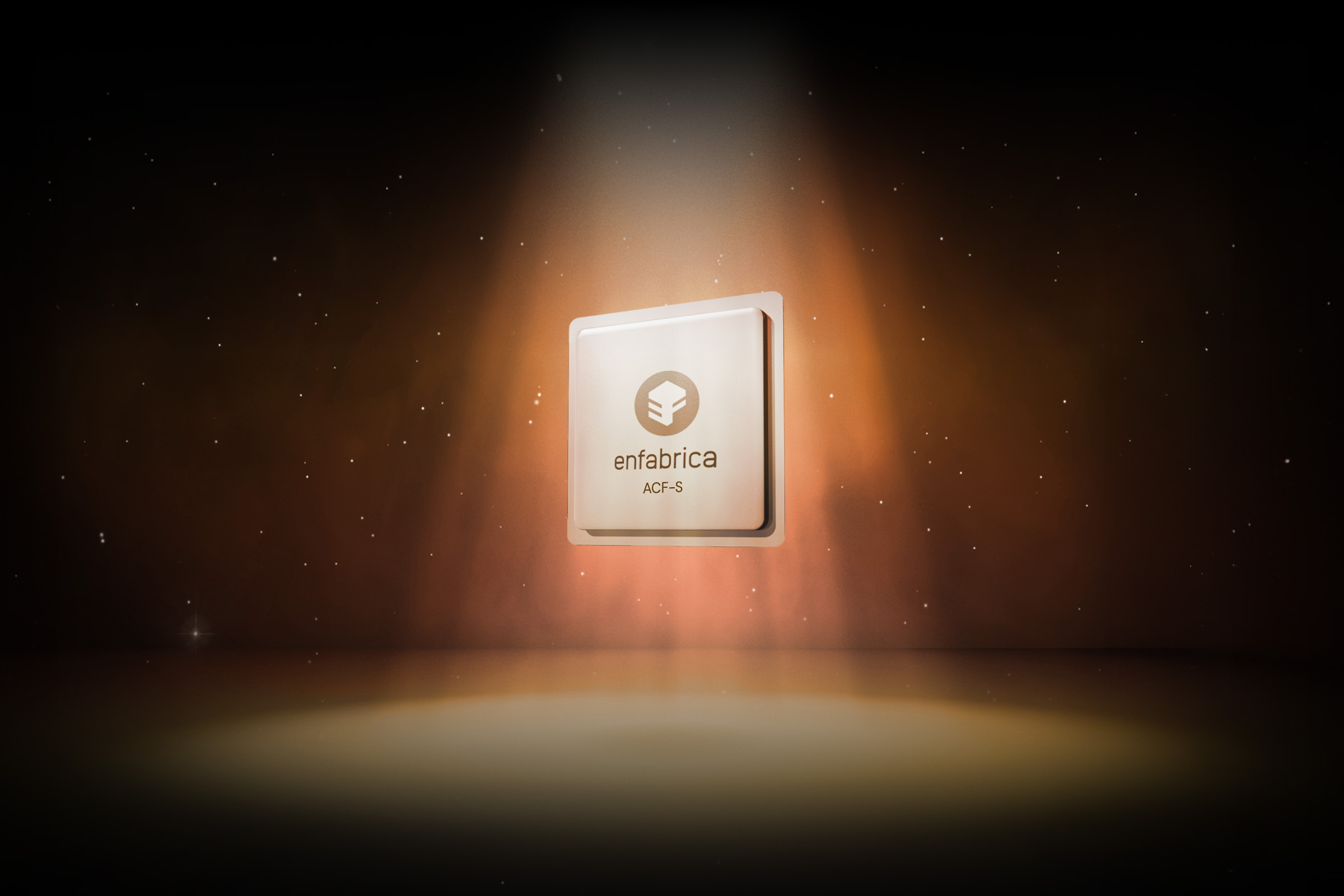
Enfabrica, a leading provider of high-performance networking silicon for accelerated computing and artificial intelligence (AI), has secured $115 million in a Series C funding round. The announcement was made at Supercomputing 2024 (SC24), a key event for the global high-performance computing (HPC) community. The oversubscribed round was led by prominent investors, underscoring growing confidence in Enfabrica’s solutions aimed at transforming AI workloads through specialized networking technologies.

This funding marks a significant milestone for the company, which focuses on delivering innovations in data center infrastructure designed to optimize network performance for compute-intensive AI applications. The company’s solutions address key challenges in AI, including bottlenecks caused by traditional networking methods, by providing high-speed, low-latency connections tailored for the demands of modern AI and machine learning (ML) workloads.

The funds will be used to further enhance Enfabrica’s product portfolio and expand its market presence. CEO and co-founder Dr. Ramin Moghaddam highlighted that the new capital will support the company’s efforts in accelerating the development of next-generation networking technologies and increasing its customer base. Enfabrica’s products have already attracted significant interest from leaders in the tech and AI sectors, with major cloud providers and enterprise customers looking to deploy its silicon to improve their AI capabilities.

According to Enfabrica, its networking solutions are designed to integrate seamlessly with the latest advancements in semiconductor and cloud technologies, offering customers the ability to scale AI workloads more efficiently and at lower cost. These capabilities are crucial as enterprises and research institutions push the boundaries of AI models that require more data processing and faster communication between computing resources.

The need for specialized networking solutions has never been more apparent. AI workloads, especially those in training large-scale models, demand ultra-fast data transfers, precision, and reliability. Traditional networking infrastructure, often based on general-purpose designs, struggles to meet these requirements, leading to inefficiencies that hinder performance. Enfabrica’s networking silicon aims to bridge this gap by offering purpose-built solutions optimized for the specific needs of AI, deep learning, and other advanced computational applications.

Enfabrica’s network solutions are built around a custom silicon architecture designed to handle the large volumes of data generated by AI models. With increasing demand for computational power in AI research, the company’s innovations are timely, aligning with the broader industry trend towards purpose-built hardware that enables breakthroughs in AI performance.

The funding round has drawn attention to the growing importance of specialized hardware in driving AI and machine learning breakthroughs. Companies across the semiconductor, AI, and cloud sectors are racing to develop more efficient and scalable technologies to support the exponential growth in AI use cases, ranging from generative models to autonomous systems. Enfabrica’s contributions to this ecosystem are poised to play a central role in the next phase of AI innovation.

In a statement, Dr. Moghaddam expressed enthusiasm about the funding’s potential to help Enfabrica meet the growing demand for advanced networking infrastructure. He emphasized that AI’s rapid evolution presents an opportunity for companies like Enfabrica to address the scalability and performance challenges faced by AI practitioners.

“We are excited to partner with our investors to drive forward the next generation of networking technologies for AI,” said Moghaddam. “Our focus is to deliver infrastructure that supports the exponential growth of AI workloads, providing our customers with the speed, efficiency, and scalability they need to remain competitive in this rapidly changing market.”

The funding round also highlights the investor community’s increasing interest in infrastructure startups that are positioning themselves as essential players in the AI ecosystem. With the influx of capital, Enfabrica will be able to scale its operations to meet the growing demand for AI-focused network technologies, which are becoming integral to the success of AI applications across industries, including finance, healthcare, and autonomous driving.

As AI and machine learning continue to evolve, Enfabrica’s innovations could help alleviate the data transfer bottlenecks and processing delays that hamper the performance of modern AI systems. The company’s solutions promise to enhance the efficiency of training deep learning models and optimize the interaction between compute nodes in large-scale AI deployments, which could have far-reaching implications for industries that rely on AI-driven solutions.

With the market for AI networking solutions expanding rapidly, Enfabrica is well-positioned to capitalize on the demand for specialized hardware. The company’s Series C funding provides a strong foundation for further advancements in AI networking and positions Enfabrica as a key player in the evolving AI infrastructure landscape.


Artificial intelligence (AI) is advancing rapidly, and its potential integration into cryptocurrencies is growing. According to Jesus Rodriguez, the CEO of IntoTheBlock, AI agents could revolutionize how digital currencies are used in the AI ecosystem. However, challenges remain that could delay the full realization of this vision.

Rodriguez highlighted the possibility of a future where AI agents and cryptocurrencies converge to reshape financial systems. He noted that cryptocurrencies could play a crucial role as the financial backbone of AI networks, enabling seamless, efficient transactions for AI-powered applications. Yet, he stressed that this transformation requires overcoming significant hurdles, such as scalability, regulatory clarity, and interoperability between various blockchain systems.

As AI continues to disrupt multiple industries, from healthcare to finance, its integration with blockchain and cryptocurrencies seems like a logical step. AI agents, capable of autonomously conducting transactions and executing decisions, could enhance the functionality of digital currencies by enabling AI to manage crypto portfolios, optimize investments, and facilitate payments in decentralized ecosystems. The rapid rise of decentralized finance (DeFi) platforms already illustrates the growing role of blockchain in the digital economy, but AI’s potential to manage and interact with these platforms in real-time is what could drive the next phase of crypto’s growth.

However, while the promise is clear, the reality is complex. One of the major challenges lies in improving the scalability of blockchain networks. Rodriguez explained that current blockchain technologies are struggling to handle the massive transaction volumes required by AI-driven applications, which often involve complex computations and large datasets. Blockchain platforms, including Ethereum and Bitcoin, face limitations in transaction speed and costs, making them impractical for real-time AI-driven applications that demand high throughput and low latency.

Regulatory issues continue to pose a significant barrier to the widespread adoption of AI and cryptocurrencies. Governments around the world are grappling with how to regulate digital currencies and ensure their security and stability. The regulatory landscape for crypto is still fragmented, with some regions adopting stringent laws while others are taking a more relaxed approach. For AI-driven cryptocurrencies to become mainstream, there needs to be a cohesive, global regulatory framework that provides both innovation and investor protection.

Rodriguez also pointed to interoperability as another crucial factor in realizing the potential of AI and crypto. Different blockchains operate with varying consensus mechanisms, protocols, and features, which makes it difficult for them to interact seamlessly. To enable AI to work efficiently across blockchain networks, developers need to create solutions that allow different blockchain platforms to communicate and work together without friction. This is especially important for AI agents that may need to access and operate across multiple decentralized platforms in order to execute transactions or access data.

Despite these challenges, there are promising developments on the horizon. Blockchain projects that aim to solve scalability issues, such as Ethereum’s transition to Ethereum 2.0 and the rise of Layer 2 solutions like Polygon, are providing a glimpse into the future of faster, more efficient blockchain networks. Additionally, advancements in AI technology are opening up new possibilities for how AI could operate on decentralized platforms. For example, AI models could be trained on blockchain-based datasets and then used to optimize blockchain transactions or identify patterns in the cryptocurrency market that human traders might miss.

One of the most exciting prospects is the possibility of creating AI agents that can autonomously participate in the crypto market. These AI agents would not only manage investments but could also interact with decentralized applications (dApps), participate in governance decisions, and execute smart contracts without human intervention. As AI systems continue to become more sophisticated, the idea of autonomous crypto agents could significantly reduce the friction and inefficiency in the current market, offering benefits such as improved liquidity, faster transaction times, and more accurate price predictions.

However, Rodriguez cautioned that the integration of AI into the crypto ecosystem requires more than just technical advancements. “The underlying infrastructure needs to be robust enough to handle the new demands of AI and crypto integration. It’s not just about faster blockchains; it’s about creating a whole new ecosystem that can support both AI and crypto at scale,” he said. This includes creating user-friendly tools for developers, as well as ensuring that AI-powered systems are transparent and accountable, which will be crucial for building trust among users and investors.

Looking forward, the role of AI in cryptocurrency could become even more prominent as both technologies evolve. AI’s ability to process vast amounts of data and make autonomous decisions is ideally suited for the highly dynamic and data-driven world of cryptocurrency. Whether it’s helping users optimize their portfolios or powering decentralized finance applications, AI could help crypto achieve greater utility in everyday transactions and financial services.

The MOU will establish the Security Technology Experience Centre (STEC), a dedicated hub for delivering training and upskilling initiatives to security professionals SINGAPORE – Media OutReach Newswire – 20 November 2024 – Canon Singapore (Canon Singapore Pte. Ltd.) today announced a strategic partnership with Temasek Polytechnic to advance the professional development of security personnel in Singapore. The Memorandum of Understanding (MOU), signed between both parties and witnessed […]

BANGKOK, THAILAND – Media OutReach Newswire – 19 November 2024 – ONYX Hospitality Group, Thailand’s leading management company for premier hotels, resorts, serviced apartments, and luxury residences, as well as a diverse range of hospitality experiences, is proud to announce the launch of an exciting new joint venture with Equatorial Group from Malaysia to co-develop “EQ Phuket”, a luxury hospitality project in Phuket, Thailand. Expected to open […]

OPPO enhances ColorOS 15 with Google’s leading AI capabilities ColorOS 15 will include the Google Gemini app and Circle to Search with Google on OPPO devices SHENZHEN, CHINA – Media OutReach Newswire – 19 November 2024 – OPPO is bringing advanced AI experiences, Google Gemini, and Circle to Search with Google, to its upcoming ColorOS 15. “With ColorOS, our goal has always been to create an easy-to-use, […]

Advertisements

Microsoft and Atom Computing have announced a groundbreaking achievement in quantum computing during the Microsoft Ignite conference. The collaboration successfully entangled 24 logical qubits using neutral atoms, a record-setting accomplishment in the field. This system, leveraging lasers to maintain atom positions, includes advanced error detection and correction capabilities, addressing a persistent challenge of atomic “disappearance” in quantum setups. The system has demonstrated its potential by running the […]

The Emirates Nuclear Energy Company (ENEC) has unveiled a refreshed brand identity that highlights its evolving role as a key national player in the UAE’s energy sector. The rebranding aims to emphasize the company’s commitment to sustainable, low-carbon energy production, alongside its growing influence in the global nuclear energy landscape.

The new visual identity, which includes an updated logo, color palette, and tagline, was designed to reflect ENEC’s focus on innovation, environmental responsibility, and its future role in the UAE’s energy transition. The rebranding also signifies ENEC’s transition from being a project-centric organization to one with broader operational and strategic capabilities as it continues to oversee the Barakah nuclear power plant, the UAE’s flagship nuclear energy facility.

The launch event in Abu Dhabi, which featured senior leadership from ENEC, government officials, and energy industry experts, showcased the company’s vision of a sustainable energy future. ENEC’s CEO, Mohamed Al Hammadi, spoke about how the new brand reflects the company’s core values of innovation and environmental stewardship. “Our new identity is not just about how we look, but what we stand for,” Al Hammadi stated. “As we embark on the next phase of our journey, our rebrand symbolizes our commitment to ensuring that nuclear energy is a central pillar of the UAE’s energy mix for decades to come.”

The Barakah nuclear power plant, located in the Al Dhafra region of the UAE, serves as a crucial part of the country’s strategy to diversify its energy sources. ENEC’s role in operating and managing the plant has placed it at the forefront of the UAE’s ambitious energy goals. With the completion of its four reactors, the Barakah facility is expected to provide up to 25% of the country’s electricity, contributing significantly to the UAE’s carbon-neutrality targets for 2050.

This shift in identity comes as ENEC prepares to expand its operations and partner with international entities to further develop nuclear energy. The UAE’s successful nuclear program has already made significant strides in promoting global collaboration in nuclear technology, with ENEC having signed agreements with organizations such as the International Atomic Energy Agency (IAEA) and other national nuclear operators.

Energy experts view the rebranding as a strategic move that highlights ENEC’s ambitions to not only lead in the UAE but to become a recognized authority in the global nuclear energy sector. The company’s new identity is being seen as part of a broader narrative of energy transition and innovation, with a focus on sustainability. ENEC’s efforts align with the UAE’s long-term vision for energy diversification, as outlined in the UAE Energy Strategy 2050, which seeks to increase the share of clean energy in the national energy mix.

ENEC’s transformation also comes in the wake of increasing global interest in clean energy solutions and nuclear power’s potential in addressing energy security and climate change. With countries around the world looking to reduce their carbon footprints, nuclear energy is increasingly seen as a viable option. The UAE’s nuclear energy ambitions, guided by ENEC’s expertise, are positioning the country as a leader in the global nuclear industry.

The company’s new branding was also designed to reflect ENEC’s forward-looking vision, with an emphasis on technology, transparency, and corporate social responsibility. Al Hammadi noted that the rebranding is not just a visual change but also a reflection of how ENEC operates internally and interacts with its stakeholders. The emphasis on sustainability and environmental stewardship is clear in the new logo, which incorporates elements of nature, underscoring the company’s commitment to providing energy in an environmentally responsible manner.

As ENEC moves into the next phase of its development, the company is expected to increase its focus on expanding its expertise in nuclear operations, safety, and technology. The UAE’s commitment to nuclear energy, as part of a broader strategy to achieve net-zero emissions, places ENEC at the forefront of the region’s energy transformation. This rebranding also positions the company to play a pivotal role in the UAE’s efforts to become a key player in the global clean energy economy.

With the UAE’s first nuclear plant now fully operational, ENEC is exploring new opportunities for nuclear energy development, both within the UAE and internationally. As part of its evolving strategy, ENEC is considering partnerships with other nations seeking to adopt nuclear energy as a low-carbon energy source. This global expansion will help ENEC build a reputation as a trusted partner in nuclear energy, contributing to the company’s efforts to drive innovation and excellence across the nuclear sector.

The AI Lab will collaborate with ecosystem partners including government agencies, research organisations, and technology firms. The Lab will also work with institutes of higher learning to provide local students with hands-on experiences and internships. SINGAPORE – Media OutReach Newswire – 19 November 2024 – Prudential plc (“Prudential”) today launched the Prudential AI Lab in Singapore, with the aim of accelerating the adoption of AI, generative AI […]

Merak Capital has launched an $80 million fund to support startups in the gaming sector across the Middle East, North Africa (MENA), and Asia. The initiative includes an accelerator program aimed at fostering innovation and enhancing the region’s gaming ecosystem. The fund was announced during LEAP 2024, a major technology conference hosted in Saudi Arabia, which secured $888 million in investments for various tech and entrepreneurial initiatives. […]

By Nitya Chakraborty The interim Government of Bangladesh which took office on August 8 this year completed its first one hundred days on November 16. On this occasion, head of the interim Government Dr. Muhammad Yunus in a televised address to the nation on Sunday urged the people to keep patience and promised road map […]

Donald Trump is set to hold a private meeting with Coinbase CEO Brian Armstrong to discuss key personnel appointments related to his vision for the cryptocurrency sector. The meeting, which marks a significant step in Trump’s growing interest in digital currencies, will also address plans for a potential presidential advisory commission focused on Bitcoin and other cryptocurrencies. This commission, if Trump secures a second term in office, could have a profound impact on U.S. crypto policy, aiming to provide clearer regulatory guidelines and bolster the integration of digital assets into the economy.

Trump’s vocal support for Bitcoin and its role in the future of finance has been consistent, with his proposals reflecting a desire to integrate digital currency into mainstream financial structures. The advisory commission, should it be formed, would likely influence major regulatory decisions, potentially reshaping how government agencies view cryptocurrencies and their role in global markets. Given Armstrong’s influence in the crypto world, his involvement signals a pivotal moment for both the industry and Trump’s campaign, aligning political support with the priorities of one of the world’s largest cryptocurrency exchanges.

The planned collaboration comes as Coinbase, under Armstrong’s leadership, has continued to push for greater regulatory clarity in the United States. The company has been at the forefront of the battle for clear and consistent crypto regulations, often vocal about the need for lawmakers to establish more defined rules that can foster innovation while safeguarding investors. Coinbase’s legal team has been embroiled in a high-profile lawsuit against the U.S. Securities and Exchange Commission (SEC), accusing the regulator of stifling the development of the cryptocurrency market with unclear and inconsistent guidelines.

The SEC’s position on cryptocurrencies, particularly its classification of certain digital assets as securities, has long been a point of contention within the industry. Coinbase’s legal challenge is one of several efforts to create a more predictable regulatory environment. Armstrong and other industry leaders argue that clearer regulations would help drive innovation in the sector, attract new investors, and support the wider adoption of blockchain technologies.

In addition to its legal battles, Coinbase has made strategic moves to influence policy decisions in the crypto space. The company launched Stand With Crypto, a nonprofit organization dedicated to advocating for pro-crypto policies and legislation. Stand With Crypto focuses on educating lawmakers, regulators, and the public about the potential benefits of cryptocurrencies and the need for a regulatory framework that supports growth while protecting consumers. The organization’s efforts have brought Coinbase into the heart of the debate on crypto regulation, aligning the company with others in the industry seeking to make their voices heard in Washington, D.C.

Armstrong’s private discussions with Trump may be part of a broader strategy to position the cryptocurrency sector more favorably within the next administration. If Trump moves forward with his plans for a Bitcoin and crypto-focused advisory commission, it could help reduce the uncertainty that has plagued the sector. This move would also underscore Trump’s interest in securing the support of tech and finance sectors, particularly as he seeks to widen his base of support among younger voters who are more likely to invest in or embrace digital currencies.

The meeting between Trump and Armstrong is also noteworthy in the context of the political climate surrounding cryptocurrencies. While some politicians view Bitcoin and other cryptocurrencies with skepticism, fearing that they could be used for illicit activities or undermine traditional financial systems, others see them as essential to the future of finance. Trump’s involvement could shift the narrative, casting digital currencies as an innovative force in the economy that deserves the same level of attention as traditional financial institutions.

However, the political and regulatory landscape remains complicated. The U.S. has struggled to balance the need for innovation with the potential risks associated with cryptocurrencies. Proponents argue that cryptocurrencies have the potential to enhance financial inclusion, reduce transaction costs, and offer new opportunities for economic growth. Critics, on the other hand, raise concerns about the volatility of digital assets, the environmental impact of Bitcoin mining, and the potential for fraud and market manipulation.

The cryptocurrency sector’s push for regulatory clarity is not confined to the United States. Globally, countries are taking varied approaches to managing the growth of digital currencies. Some nations, like El Salvador, have embraced Bitcoin as legal tender, while others have cracked down on its use. The lack of a unified global approach to crypto regulation has created challenges for companies like Coinbase, which operate across multiple jurisdictions and must navigate different legal requirements.

Trump’s proposed advisory commission could also help bring the U.S. in line with global trends, positioning the country as a leader in the cryptocurrency space rather than a passive observer. The commission could provide a forum for industry leaders, regulators, and lawmakers to work together on creating a regulatory framework that promotes innovation while addressing concerns about security, consumer protection, and market stability.

Bitcoin’s mining difficulty, a crucial metric in the cryptocurrency ecosystem, has reached an all-time high of 102.29 trillion, underscoring the increasing computational power required to validate transactions and secure the blockchain network. This development highlights the sustained interest and participation of miners, reflecting the robustness and security of Bitcoin’s decentralized architecture.

The mining difficulty, which adjusts approximately every two weeks, is a measure of the effort required to mine a new block. This mechanism ensures the consistent production of Bitcoin blocks despite fluctuations in the number of miners or their collective computational power. The latest adjustment represents a significant milestone, outpacing the previous record and marking a nearly 20% rise since mid-2024.

This surge aligns with a broader increase in Bitcoin’s hash rate, the computational power dedicated to mining activities. The hash rate also touched an all-time high of over 900 exahashes per second (EH/s) before stabilizing at around 730 EH/s. These metrics underscore the network’s resilience and scalability, even as it attracts new participants globally. The rise in difficulty and hash rate indicates the expanding network size and miner competition, which collectively enhance Bitcoin’s security.

Market analysts attribute this growth to advancements in mining hardware and the increasing accessibility of energy-efficient mining solutions. Several companies have launched next-generation mining equipment that optimizes energy consumption, making mining operations more feasible even in regions with higher electricity costs. Furthermore, large-scale operations in countries with renewable energy sources have played a pivotal role in driving these metrics upward.

Despite the technical advancements, Bitcoin’s price has seen fluctuations, peaking at $69,500 earlier this week before stabilizing around $66,500. This volatility, while common in the cryptocurrency market, does not seem to have deterred mining activities or network engagement. Instead, it reflects broader market trends and macroeconomic influences, including regulatory developments and shifts in institutional adoption.

Analysts suggest that the climbing difficulty and hash rate signal confidence in Bitcoin’s long-term viability. As the mining landscape evolves, these metrics also emphasize the growing decentralization and security of the blockchain. With more miners entering the ecosystem, the network becomes more robust against potential threats, reinforcing its position as a leader in the cryptocurrency sector.

SHENZHEN, CHINA – Media OutReach Newswire – 18 November 2024 – On November 6, 2024, the Establishment Agreement of the International Mangrove Center was officially signed in Shenzhen, Guangdong. Representatives from the first batch of 18 member countries jointly signed the agreement and unveiled the International Mangrove Center. China will use this platform to deepen communication and cooperation with all members, promote global joint actions for mangrove […]

TAIPEI, TAIWAN – Media OutReach Newswire – 18 November 2024 – Arla Foods Ingredients is moving forward with its acquisition of Volac’s Whey Nutrition business, after it was approved by the UK’s Competition and Markets Authority. The regulator’s go-ahead followed an agreement between the two companies, which was signed in April 2024. Arla Foods Ingredients The business is built around a processing facility at Felinfach in Wales, […]

By Nantoo Banerjee from Manila The US-backed new Philippine Maritime Zones Act and Archipelagic Sea Lanes Act clearly defining the extent and boundaries of the country’s maritime zones and nullifying China’s sweeping claims in the South China Sea promises to raise fresh tensions in the region threatening to affect the estimated global maritime trade of […]

Bitcoin’s historical price movements following halving events have sparked speculation about its trajectory in the cryptocurrency market. Bitwise Asset Management’s research highlights that Bitcoin prices tend to peak approximately 400 days after a halving, a phenomenon closely tied to the cryptocurrency’s supply mechanics. With 213 days elapsed since the last halving on April 11, 2024, projections suggest that Bitcoin’s next peak may materialize around May 2025.

Halving events, occurring roughly every four years, reduce the rewards for mining Bitcoin, effectively decreasing the supply entering circulation. These supply contractions have historically catalyzed upward price movements. Following the 2020 halving, Bitcoin reached a new all-time high of $69,000 in November 2021, about 530 days after the event. The delayed peak compared to earlier halvings has been attributed to evolving market dynamics and increasing institutional involvement.

Analyzing past patterns, the first halving in 2012 saw Bitcoin rise from $12 to $260 within a year. The subsequent halving in 2016 initiated a bull run that peaked at $20,000 by late 2017. These trends underline a consistent correlation between halvings and significant price surges, typically within a 12 to 18-month window. Such trends are often supported by reduced supply, which bolsters scarcity-driven demand.

The broader cryptocurrency market context also plays a crucial role in shaping Bitcoin’s price movements. Regulatory clarity, institutional adoption, and macroeconomic factors like interest rate policies and inflation expectations influence investor sentiment. As of late 2024, Bitcoin has shown resilience, maintaining prices above $30,000 despite market volatility, signaling steady interest from both retail and institutional investors.

Technical indicators, including Relative Strength Index (RSI) and Moving Average Convergence Divergence (MACD), suggest mixed signals for Bitcoin’s short-term trajectory. The RSI levels hover near overbought conditions, while MACD trends remain bullish, indicating potential consolidation before any significant upward movement. Analysts argue that Bitcoin’s price stability is underpinned by its increasing role as a hedge against inflation and store of value, mirroring traditional safe-haven assets.

Elon Musk has revealed a concept video of “Terminus,” a proposed city on Mars designed to support human life and sustainable living on the Red Planet. The video, shared via SpaceX’s official platforms, offers a glimpse into Musk’s long-standing vision of interplanetary colonization. The concept, described as futuristic and ambitious, features advanced technologies that would enable the city to function in the harsh Martian environment. The video […]

Pure Harvest Smart Farms, a controlled environment agriculture (CEA) pioneer based in the UAE, is setting the stage for rapid expansion beyond the Middle East. The company, which specializes in growing crops in climates that are inhospitable to traditional agriculture, is attracting significant investment to fuel its growth. With a focus on expanding into new markets, Pure Harvest aims to take advantage of the increasing global demand for sustainable food production solutions.

In a recent round of funding, Pure Harvest secured $180.5 million from international investors, including a mix of private equity firms and corporate partners. These funds are intended to help the company scale its operations, introduce new technologies, and explore product extensions. The investors are betting on Pure Harvest’s ability to expand into new geographic areas, particularly in Asia, where controlled-environment agriculture is seen as a solution to food security challenges caused by climate change. With the support of these investors, the company is poised to grow significantly over the next few yearsarvest’s investment in technology and innovation is at the heart of its strategy. The company’s cutting-edge CEA systems allow it to grow produce with less water and land compared to traditional farming methods. This technology has proven especially important in regions with extreme weather conditions, like the UAE, where water scarcity and high temperatures make farming a challenge. By using hydroponics, aeroponics, and other advanced techniques, Pure Harvest can produce crops year-round, making it a reliable food source even in harsh climates .

The ceadership has been crucial to its growth. Pure Harvest’s co-founders, who include former executives with backgrounds in agriculture, technology, and sustainability, have worked to create a business model that is both scalable and environmentally responsible. Their vision for a sustainable future has resonated with investors, as evidenced by the backing from firms like IMM Investment Corp and the Olayan Financing Company. The conancial backers believe that Pure Harvest is well-positioned to thrive in a market that is becoming increasingly concerned with food security and sustainability.

Beyond expanding its technology and operations, Pure Harvest is also exploring new product lines. The company is investigating ways to use its expertise in water-efficient systems to produce fodder, a key ingredient for animal feed, in areas where water is scarce. This initiative could not only provide a new revenue stream but also contribute to global efforts to improve food security.

DataBank, a leader in high-performance computing and edge colocation solutions, has attained certification under the NVIDIA DGX-Ready Data Center program. This recognition positions DataBank among a select group of data centers equipped to support NVIDIA DGX systems, tailored for advanced artificial intelligence and machine learning applications. The certification highlights DataBank’s commitment to meeting the stringent requirements of AI workloads, which demand robust infrastructure, energy efficiency, and cutting-edge […]

The UAE grocery retail market, valued at around $40 billion, is set for significant growth over the next few years. Projections suggest a compound annual growth rate (CAGR) of approximately 6.5%, which is expected to fuel expansion across multiple sectors. This growth trajectory comes despite challenges such as inflationary pressures and shifts in consumer behavior due to economic volatility and changing shopping patterns. Supermarkets and hypermarkets continue […]

Understood. I’ll get started.

Nokia, in partnership with Islalink, has set a new benchmark in optical technology by achieving an 800Gbps data transmission rate on the IONIAN subsea cable system. Spanning 330 kilometers and connecting Crotone, Italy, to Preveza, Greece, the trial underscores the transformative capabilities of Nokia’s sixth-generation Photonic Service Engines (PSE-6s). This success marks a critical advancement in high-speed data transfer for Europe’s burgeoning digital economy.

The IONIAN cable system, developed to enhance connectivity between Western Europe and the Balkans, leverages the latest submarine optical fiber technology. The trial employed dual C-band and L-band wavelength systems, demonstrating the ability to maintain ultra-high-speed transmissions while significantly reducing power consumption per bit by 60%, a major leap toward sustainable digital infrastructure.

Beyond the subsea link, the trial also included terrestrial segments in Greece, with the PSE-6s delivering up to 1Tbps over the 452-kilometer route from Preveza to Athens and the extended 975-kilometer northern route to Thessaloniki. These achievements reflect the system’s adaptability to diverse network environments, ensuring robust performance across both submarine and terrestrial routes.

Islalink emphasized the importance of this milestone for regional connectivity, noting that the IONIAN system is now poised to support next-generation digital services in Italy, Greece, and beyond. This accomplishment also positions the IONIAN network as a critical player in meeting the growing demand for secure and high-speed data transmission by major tech firms and cloud providers.

Nokia’s PSE-6s technology has drawn industry attention for its ability to drive high-capacity networks while cutting operational costs and environmental impact. This innovation aligns with broader efforts to enhance data center interconnectivity and improve network efficiency for global service providers. By integrating advanced signal processing and spectral shaping techniques, the technology ensures that network operators can push the boundaries of existing infrastructure without compromising reliability or sustainability.

The successful deployment of 800Gbps channels on the IONIAN subsea cable demonstrates the readiness of European digital infrastructure to cater to future demands. As industries increasingly adopt cloud-based operations and data-heavy applications, the need for such high-capacity systems is more critical than ever. The collaboration between Nokia and Islalink highlights the role of private-public partnerships in driving technological advancements and building resilient connectivity ecosystems.

The US-based private capital software platform sets up base in Sydney as part of Investment NSW’s efforts to grow New South Wales into a thriving global hub for business. SYDNEY, AUSTRALIA / SINGAPORE – Media OutReach Newswire – 14 November 2024 – Carta today announced its expansion into the Australian market, marking a significant milestone in the company’s roadmap to connect more startups and investors with its […]

VISHNU RAJA
RYO YAMADA
HITORI GOTOH
IKUYO KITA