News related to
secure

Central Board of Secondary Education has cancelled all Class 12 board examinations scheduled between March 16 and April 10 across several Middle Eastern countries, citing security concerns linked to the widening conflict involving Iran and regional powers.

The decision affects CBSE-affiliated schools in Bahrain, Iran, Kuwait, Oman, Qatar, Saudi Arabia and the United Arab Emirates, where thousands of expatriate students were preparing for the final phase of the 2026 board examination cycle. The board said all remaining and previously postponed examinations for Class 12 in these locations stand cancelled and that an alternative evaluation method for students will be announced separately.

Officials indicated that safety considerations were the primary factor behind the move as tensions and military activity across parts of West Asia disrupted normal operations, including international travel and school schedules. Schools across the region had already reported logistical difficulties, uncertainty among students and disruptions to classroom teaching as governments issued security advisories and airlines altered flight routes.

The cancellation marks the culmination of a series of escalating measures by the board over the past weeks. Earlier in March, several examinations scheduled for overseas centres in the region were first postponed following a review of the geopolitical situation. Papers scheduled between March 9 and March 11 were delayed, with authorities saying conditions would be reassessed before deciding whether to continue with the examination calendar.

Subsequent circulars extended the postponement to additional dates as regional uncertainty deepened, affecting exam centres that serve large expatriate student communities in Gulf states. The board had already cancelled Class 10 examinations in the region earlier in the month, indicating that authorities were increasingly concerned about the ability of schools to conduct secure and orderly examinations during the conflict.

CBSE-affiliated institutions in the Gulf represent a significant segment of the overseas education network linked to the board’s curriculum. More than 150 schools operate across West Asia under CBSE affiliation, serving children of expatriate professionals working in sectors ranging from construction and healthcare to technology and finance. These schools follow the same academic calendar and examination framework as institutions in India, with board examinations playing a decisive role in university admissions.

Students and parents across the region had been closely monitoring official notifications as the situation evolved. The postponements earlier triggered confusion among candidates preparing for key subjects, particularly because board examinations typically determine eligibility for higher education programmes both in India and internationally.

Education administrators say the uncertainty surrounding examinations has added pressure on students who had spent months preparing for the crucial assessments. Community organisations representing expatriate families in Gulf countries had appealed to authorities for a decision that would prioritise student welfare and minimise academic disruption.

School leaders in the United Arab Emirates and Saudi Arabia described the board’s decision as a difficult but necessary step given the circumstances. Administrators had warned that maintaining examination schedules amid heightened security concerns could expose students, invigilators and school staff to unnecessary risks, especially in locations where travel advisories or temporary airspace restrictions complicated logistics.

Education experts note that examination cancellations in overseas centres remain rare, reflecting the exceptional circumstances affecting the region. Board examinations are normally conducted simultaneously across India and international centres to maintain standardised assessment procedures.

Authorities are now expected to announce a mechanism for evaluating the performance of affected students. Education analysts say possible options could include internal assessment scores, practical examination results or a formula combining school-based evaluations with earlier academic performance. Similar methods have been used during extraordinary disruptions in the past to ensure students are not disadvantaged in university admissions.

Universities and higher-education institutions that admit CBSE students are also monitoring developments closely. Admission timelines in many countries coincide with the board examination season, making timely declaration of results critical for students applying to degree programmes abroad.

Parents and teachers say clarity on the evaluation process will be essential in the coming days. Many schools have begun counselling sessions and online support programmes to help students manage anxiety and remain focused on academic planning despite the upheaval.
Chainlink’s native token LINK climbed more than 2 per cent as Bitcoin surged beyond the $73,000 threshold, reinforcing a broader recovery across the cryptocurrency market and drawing renewed attention to blockchain infrastructure projects tied to decentralised finance. Market data shows LINK trading near $9.2–$9.3 during the rally, giving the token a market capitalisation of roughly $6.5 billion and placing it among the leading digital assets by value. […]

Pressure from Washington for allies to help secure shipping lanes in West Asia has placed Tokyo in a delicate strategic position, with senior figures signalling that dispatching Japanese military vessels to the Middle East would face formidable political and legal barriers. Takayuki Kobayashi, policy chief of the ruling Liberal Democratic Party, stated that any move to send Japanese naval assets to escort commercial vessels through the Strait […]

Al Habtoor Polo and Jehangiri Polo have secured places in the final of the fourth Dubai Polo Challenge Cup after winning their respective qualifying matches at the Al Habtoor Polo Resort and Club in Dubai, setting up a decisive clash in one of the region’s prominent mid-handicap tournaments. The competition, staged at the sprawling polo grounds on the outskirts of Dubai, features four teams with handicap ratings […]

Arabian Post Staff -Dubai Firefighters and emergency teams contained a blaze in the emirate of Fujairah after debris from an intercepted drone fell in the area on Saturday, authorities said, with no injuries reported. Officials confirmed that air-defence systems intercepted the unmanned aerial vehicle before it reached its intended target, but fragments from the interception landed on the ground and ignited a fire. Civil defence crews responded […]

New Delhi has pressed Tehran to allow more India-bound vessels to cross the Strait of Hormuz after two liquefied petroleum gas carriers carrying critical fuel supplies cleared the strategic waterway, highlighting the vulnerability of energy flows through one of the world’s most important maritime chokepoints.

Officials confirmed that two Indian-flagged LPG carriers, Shivalik and Nanda Devi, passed through the strait with cargo bound for ports in Gujarat, transporting roughly 92,700 tonnes of cooking gas. The shipments represent more than a day’s requirement for household LPG consumption, providing partial relief amid tightening supplies.

Government representatives indicated that discussions with Iranian authorities are continuing to secure safe transit for additional tankers waiting in the Persian Gulf. More than twenty vessels carrying crude oil and gas destined for India have been held up near the waterway during the standoff, raising concerns over prolonged disruptions to fuel deliveries.

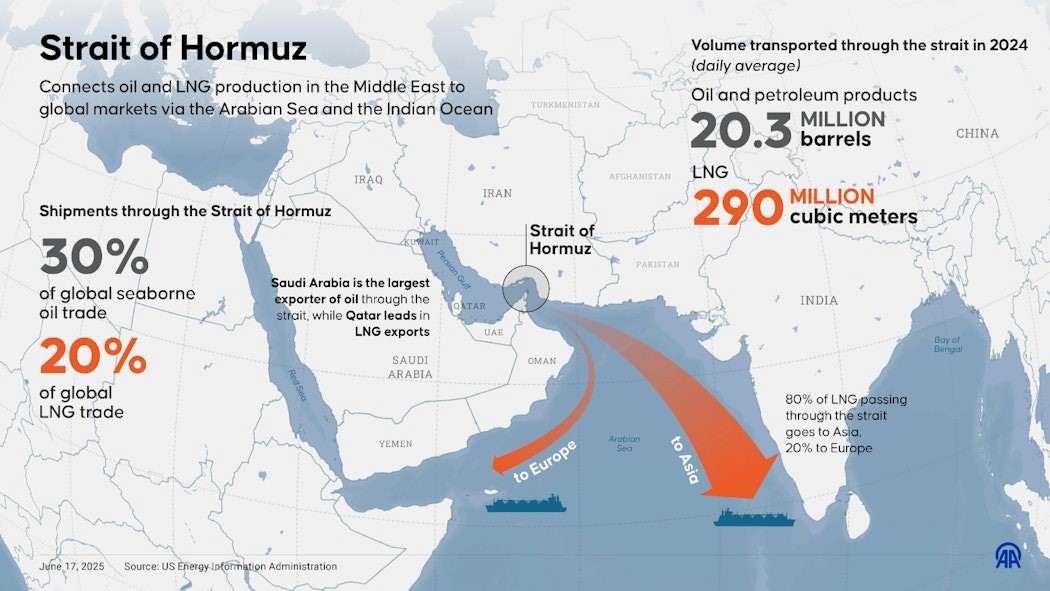
The Strait of Hormuz, situated between Iran and Oman, handles about a fifth of global oil and liquefied natural gas shipments. Any disturbance along this narrow corridor has the potential to reverberate across global energy markets and shipping routes. Escalating tensions across West Asia have already led to attacks on several vessels and heightened security risks for commercial shipping in the region.

Iran’s decision to permit the two LPG carriers to sail through the strait marked an exception to restrictions imposed after military action targeting Iranian infrastructure triggered a broader confrontation. Tehran has maintained that vessels from most countries can navigate the passage but warned that ships from states viewed as hostile could face restrictions or heightened scrutiny.

Diplomatic engagement between New Delhi and Tehran played a role in securing the initial transit. Conversations between Prime Minister Narendra Modi and Iran’s president Masoud Pezeshkian, along with discussions between foreign ministers, focused on safeguarding energy shipments and the safety of nationals in the conflict-affected region.

India depends heavily on Middle Eastern suppliers for its energy needs. About 90 per cent of the country’s imported LPG originates from the region, while a substantial share of crude oil imports also passes through the Strait of Hormuz. That reliance has made the stability of the shipping lane central to the country’s energy security strategy.

Officials from the shipping ministry confirmed that Indian authorities are coordinating with regional partners and monitoring maritime traffic closely. Naval vessels deployed in the Gulf under Operation Sankalp have been keeping watch over merchant ships heading towards the subcontinent, providing situational awareness and escort support where necessary.

Energy analysts say the partial reopening of the route for Indian cargo illustrates the delicate balance between geopolitical confrontation and commercial necessity. Countries reliant on Gulf hydrocarbons have sought diplomatic channels to keep trade flowing even as military tensions complicate navigation in the region.

Oil markets reacted sharply to the conflict surrounding the strait, with benchmark crude prices surging amid fears of prolonged disruption to supply. Traders remain wary that even isolated incidents could affect tanker movements through the corridor, where narrow shipping lanes and heavy traffic leave little room for error.

The two LPG carriers now sailing toward the western coast highlight the importance of maintaining uninterrupted access to the strait. With domestic demand for cooking gas remaining high, authorities have prioritised household supply chains while assessing contingency measures for industrial users if shipments continue to face delays.

Shipping industry figures note that vessels have increasingly adopted precautionary routes or delayed departures until security conditions improve. Insurance costs for tankers operating in the Gulf have also climbed, reflecting the heightened risk environment created by missile strikes, drone attacks and naval deployments in surrounding waters.

Strategic calculations extend beyond immediate fuel deliveries. India has been strengthening diplomatic engagement with Gulf producers and maritime partners to ensure continued energy access during periods of instability. The country has also expanded storage capacity and diversified crude sources over the past decade to mitigate supply shocks.

Even with those measures, the Strait of Hormuz remains a critical artery for trade between the Gulf and Asia. Any sustained restriction would affect not only India but also large importers such as China, Japan and South Korea, which depend on the same route for oil and gas shipments.

By K Raveendran #Oil markets have entered a phase of acute uncertainty as military escalation involving strikes on Iran and the resulting closure of the Strait of Hormuz begin to reverberate through global energy supply chains. Within just over a week of the disruption, more than 12 million barrels of oil equivalent per day of […]

The article Analysts See Prolonged War Cutting Up To 70% Of Crude Output appeared first on Latest India news, analysis and reports on Newspack by India Press Agency).

Advertisements

Clair Obscur: Expedition 33 secured the Game of the Year title at the 26th annual Game Developers Choice Awards, marking one of the most significant recognitions yet for the role-playing game that has dominated industry accolades over the past year. The awards ceremony, held alongside the Game Developers Conference in San Francisco, saw the title collect five trophies in total, reinforcing its reputation as one of the […]

Bosch SDS and NxtGen Datacenter & Cloud Technologies have unveiled plans to launch a sovereign artificial intelligence cloud platform designed to accelerate Industry 4.0 adoption across India’s manufacturing and industrial sectors. The initiative aims to give enterprises secure domestic infrastructure for deploying advanced AI applications, including predictive maintenance, asset optimisation and real-time industrial data orchestration from factory floors to cloud platforms.

The partnership brings together Bosch’s software and digital engineering capabilities with NxtGen’s hyperscale data-centre infrastructure and managed cloud services. Executives involved in the project say the platform is intended to address a growing demand among industrial companies for locally hosted AI environments that comply with national data sovereignty expectations while enabling modern digital manufacturing systems.

Manufacturers across sectors such as automotive, energy, logistics and heavy engineering are increasing investment in AI-driven automation as global supply chains shift toward greater efficiency and resilience. Analysts say many firms are seeking platforms capable of processing large volumes of machine data generated by connected sensors, robotics systems and industrial equipment. The Bosch–NxtGen cloud aims to provide such capabilities by linking edge computing devices installed on factory floors with secure domestic cloud infrastructure.

Industry 4.0 technologies depend heavily on real-time analytics and machine learning models trained on operational data from equipment and production lines. Engineers use these tools to forecast equipment failures, schedule maintenance more efficiently and optimise energy use in industrial facilities. Bosch SDS has developed software frameworks and digital twin technologies designed to model industrial processes, while NxtGen operates data centres capable of hosting high-performance computing and AI workloads.

Executives from both companies say the sovereign AI cloud will enable manufacturers to run advanced analytics while ensuring sensitive operational data remains within national boundaries. Data localisation requirements have become an important consideration for companies adopting AI technologies, particularly in sectors linked to critical infrastructure and strategic industries.

Industrial data orchestration represents a central component of the project. Factories typically generate vast amounts of information from sensors embedded in machines, assembly lines and supply-chain systems. The new platform aims to unify these streams into a single architecture that allows companies to analyse operational patterns and automate decision-making across production networks.

Predictive maintenance stands among the most prominent applications expected to benefit. Machine-learning models trained on historical equipment data can detect early warning signs of mechanical problems before breakdowns occur. Companies adopting such systems report improvements in production uptime and reductions in maintenance costs. Asset optimisation tools can also adjust equipment performance dynamically based on real-time operational conditions, helping plants operate more efficiently.

Bosch SDS, a digital engineering and IT services division of the Bosch Group, has built a strong presence in industrial software development, automotive electronics and embedded systems. The organisation provides engineering services to manufacturing clients globally and has increasingly expanded into artificial intelligence and Internet of Things technologies.

NxtGen Datacenter & Cloud Technologies operates hyperscale data-centre infrastructure in several metropolitan regions and provides cloud platforms designed for enterprise workloads requiring high performance and data security. The company has promoted the concept of sovereign cloud infrastructure as governments and corporations seek greater control over digital assets and regulatory compliance.

Demand for domestic cloud infrastructure has expanded as companies become more cautious about where critical data is stored and processed. Sovereign cloud environments typically guarantee that data remains within a country’s jurisdiction and that infrastructure operators comply with local legal frameworks. Such models have gained traction among governments and enterprises concerned about cross-border data transfer risks.

Industrial companies are also moving toward hybrid architectures combining edge computing and centralised cloud platforms. Edge devices located inside factories can process sensor data close to the source, enabling immediate operational responses, while cloud platforms provide the computing power required for large-scale analytics and machine-learning training. Integrating these environments allows enterprises to monitor production lines in real time while developing predictive insights from aggregated data.

Artificial intelligence adoption within manufacturing has accelerated as companies pursue automation and efficiency gains. Industrial AI applications include quality control using computer vision, supply-chain forecasting, energy-efficiency optimisation and autonomous robotics. Technology providers see manufacturing as one of the largest growth markets for AI deployments because factories generate extensive data suitable for machine-learning models.

Digital transformation initiatives in India’s industrial sector have gained momentum as manufacturers attempt to strengthen global competitiveness. Government-backed programmes promoting advanced manufacturing and smart factories have encouraged investment in automation, robotics and digital infrastructure. Large technology firms and industrial groups have launched multiple projects aimed at building domestic platforms capable of supporting AI-driven manufacturing systems.

Bosch and NxtGen executives say the sovereign AI cloud will provide enterprises with tools to modernise legacy manufacturing operations while maintaining strict security and governance standards. Industrial clients are expected to gain access to modular services including AI development environments, digital twin simulations and scalable computing resources tailored to industrial workloads.

Technology analysts note that partnerships combining industrial engineering expertise with specialised cloud infrastructure have become increasingly common as companies seek to accelerate digital transformation. Providers that can integrate operational technology systems with enterprise cloud platforms are viewed as well positioned to serve manufacturers adopting Industry 4.0 strategies.

Government plans to establish an $11 billion fund aimed at accelerating semiconductor development, a move designed to strengthen the country’s position in the global electronics supply chain and reduce dependence on imported chips. The proposed initiative, valued at more than ₹1 trillion, is under active discussion and could be unveiled within months as part of a broader push to expand domestic technology manufacturing.

Semiconductors form the backbone of modern technology, powering devices ranging from smartphones and laptops to vehicles, industrial equipment and artificial intelligence systems. Officials believe the new fund will provide subsidies for chip design, semiconductor manufacturing equipment and the development of supporting supply chains, while encouraging investment from both domestic conglomerates and international technology companies.

Policy planners view the programme as a key step in transforming the country into a major centre for semiconductor manufacturing and design. Industry specialists say the fund would complement earlier government initiatives aimed at building a full semiconductor ecosystem, including design, fabrication, assembly, testing and packaging capabilities.

The proposal builds on earlier efforts launched in 2021 under the semiconductor incentive scheme, which earmarked about $10 billion to attract chip manufacturers and component makers. That programme sought to cover a significant share of the capital costs associated with establishing fabrication and assembly plants, a strategy widely adopted by governments worldwide seeking to secure technology supply chains.

Authorities have framed semiconductor development as a strategic priority amid rising global demand for advanced electronics. The push is also tied to ambitions of expanding the domestic electronics manufacturing sector, which has grown rapidly over the past decade as multinational companies diversify production away from traditional manufacturing hubs.

Major industrial projects linked to this strategy are already underway. A semiconductor assembly and testing facility led by Tata Group in the northeast is expected to become one of the country’s first large-scale chip processing plants, while U. S. firm Micron is developing a packaging facility valued at about $2.7 billion. These projects represent early steps toward creating an integrated semiconductor ecosystem spanning design, fabrication and advanced packaging.

Other proposals include joint ventures between technology firms and global chipmakers. One such project involves a partnership between HCL Group and Taiwan’s Foxconn to establish a semiconductor unit near Jewar airport in Uttar Pradesh. The facility is designed to produce display driver chips used in consumer electronics and could reach an output of tens of millions of units annually once operational.

Government officials have also focused on strengthening the talent pipeline required for the semiconductor industry. A national programme known as “Chips to Startups” aims to train around 85,000 engineers in chip design across more than 300 academic institutions, reflecting recognition that workforce development is critical for sustaining a competitive semiconductor sector.

Industry leaders note that chip manufacturing remains one of the most capital-intensive segments of the technology economy. Fabrication plants require investments that can exceed $10 billion, along with long development timelines and highly specialised expertise. As a result, government subsidies and strategic partnerships are widely seen as essential for building a viable domestic semiconductor base.

Global competition in the semiconductor sector has intensified as governments race to secure supply chains for critical technologies. The United States has enacted multi-billion-dollar incentives through its CHIPS and Science Act, while China continues to channel state funding into chip design and manufacturing. Similar programmes have emerged in Europe, Japan and South Korea, underscoring the geopolitical significance of semiconductor production.

Economic planners argue that strengthening chip capabilities could support broader industrial growth, particularly in sectors such as electric vehicles, telecommunications, defence electronics and artificial intelligence infrastructure. Demand for semiconductors is expected to surge as digitalisation spreads across industries and emerging technologies such as machine learning, cloud computing and smart devices expand globally.

Technology companies have shown growing interest in establishing operations in the country as electronics manufacturing scales up. Smartphone assembly has expanded sharply, with global firms increasing production capacity and boosting exports, reflecting a shift in supply chains that had previously centred heavily on East Asia.

Private investment in semiconductor start-ups has also gained momentum. State-backed funds and regional initiatives have begun supporting chip design ventures working on networking processors and communications hardware, signalling a move toward building indigenous intellectual property alongside manufacturing capacity.

Challenges remain significant. Establishing advanced chip fabrication facilities requires complex infrastructure, steady power supply, large water resources and access to specialised equipment dominated by a small number of global suppliers. Analysts say progress will depend on sustained policy support, long-term financing and collaboration with established semiconductor companies.

Artificial intelligence has moved from experimentation to operational priority across industries, yet many organisations struggle to turn promising pilots into large-scale value. Executives and technology leaders increasingly argue that the barrier is no longer access to powerful models or computing infrastructure but a lack of organisational capability to use them effectively. Analysts and industry researchers say AI literacy — the ability of employees and leaders to understand, […]

Google has finalised its $32 billion acquisition of the cloud security firm Wiz, marking one of the largest deals in the cybersecurity sector and underscoring the growing importance of protecting complex cloud infrastructure as companies expand their use of artificial intelligence and distributed computing. The purchase brings Wiz into the Google Cloud division while allowing the company’s technology to continue operating across multiple cloud platforms. Executives from […]

Capital from a subsidiary of Abu Dhabi’s sovereign wealth fund has flowed into a Hong Kong-based private credit manager, signalling continued appetite among Gulf investors for property-linked lending opportunities across developed Asia-Pacific markets. Dignari Capital Partners said a wholly owned unit of the Abu Dhabi Investment Authority has committed capital to its Asia Pacific Developed Markets Private Credit Strategy, a fund designed to finance real-estate-related projects and […]

Arabian Post Staff -Dubai Debt issuance across Gulf financial markets has slowed sharply as geopolitical tensions linked to the confrontation involving Iran inject volatility into global credit markets, prompting borrowers and investors to reassess financing plans. Analysts warn that the shift could ripple across emerging market borrowing trends, given the Gulf region’s growing share of international dollar-denominated debt issuance. Credit rating agency assessments indicate that bond deals […]

Pressure on cooking gas supplies has pushed households and businesses across the country toward more polluting fuels, including kerosene, biomass and fuel oil, highlighting the vulnerability of energy supply chains during geopolitical upheaval.

Authorities have authorised the wider use of alternative fuels to ease the strain on liquefied petroleum gas and natural gas networks after disruptions to shipments from West Asia tightened availability and drove up prices. The shift marks a temporary reversal of a decade-long policy drive aimed at replacing traditional fuels such as coal, wood and kerosene with cleaner LPG and piped gas.

Officials say the measures are designed to shield households from the worst effects of the supply squeeze while allowing industries and commercial establishments to adapt by switching to alternative fuels. Hospitality businesses, restaurants and small manufacturers have been among the first to face curbs on LPG allocations as authorities prioritise residential supply. Environmental regulators have advised state pollution control boards to permit the temporary use of biomass, kerosene, refuse-derived fuel pellets and coal in certain sectors to maintain operations during the shortage.

The supply stress is linked to the conflict in West Asia, which has disrupted energy shipments through the Strait of Hormuz, a crucial corridor for crude oil, liquefied petroleum gas and liquefied natural gas moving from the Gulf to Asian markets. The country imports a large share of its LPG needs and has limited strategic reserves of the fuel, leaving the domestic market exposed to sudden supply shocks and price spikes when global trade routes are interrupted.

Government agencies have sought to reassure consumers that domestic cooking gas deliveries remain stable even as authorities adopt contingency measures. Emergency powers have been invoked to instruct refiners to maximise LPG production, diverting propane and butane toward household cooking fuel and away from petrochemical uses. Oil marketing companies have also tightened commercial sales and redirected supplies to residential consumers, a move affecting hotels, restaurants and other energy-intensive sectors.

As part of the response, officials have increased allocations of kerosene to states through the public distribution system to ensure access for households that depend on subsidised fuels. Additional supplies of the product are being released to meet growing demand in areas where LPG refills have become harder to secure.

Energy analysts say the sudden return to older fuels underscores the complexity of managing the transition to cleaner energy sources in a country with rapidly rising consumption. Over the past decade, policies promoting LPG connections for low-income households helped drive a significant decline in the use of biomass and kerosene for cooking, improving public health outcomes and reducing indoor air pollution. Programmes designed to expand LPG access reached tens of millions of homes and sharply increased the penetration of modern cooking fuels in rural regions.

Yet the current disruption reveals how heavily the system relies on global supply chains. Nearly two-thirds of the country’s LPG consumption is met through imports, with a substantial portion arriving from Gulf producers. When shipments are delayed or rerouted, domestic supply can tighten quickly, forcing policymakers to intervene to stabilise markets and protect vulnerable consumers.

Industry groups warn that sustained disruptions could place additional strain on manufacturing and services, particularly sectors that rely heavily on natural gas or LPG for process heat. Fertiliser plants, petrochemical complexes and small industrial units have already faced adjustments to gas allocations, and some facilities have reduced operations as fuel availability fluctuates.

Energy companies have responded by diversifying import sources in an effort to offset supply disruptions from the Gulf. Cargoes are being sourced from producers in North America, Europe and other regions as traders seek alternative routes and suppliers. This diversification strategy is intended to reduce dependence on any single supply corridor and cushion the domestic market from geopolitical shocks.

At the same time, officials are urging consumers and businesses to conserve fuel where possible and avoid panic buying. Authorities have intensified monitoring of fuel distribution channels to prevent hoarding and black-market sales, which can worsen shortages and inflate prices during periods of uncertainty.

Environmental experts note that the temporary return to dirtier fuels may carry consequences for air quality and emissions if prolonged. Burning kerosene, coal and biomass releases higher levels of particulate matter and greenhouse gases compared with LPG, potentially undermining progress made through clean cooking initiatives.

Policy planners therefore face a delicate balancing act: ensuring reliable energy supplies for households and industry while maintaining momentum toward cleaner fuels and reduced emissions. The current crisis has renewed debate among energy economists over the need for larger strategic reserves of LPG and natural gas, as well as expanded domestic production and storage capacity to cushion future shocks.

HONG KONG SAR – Media OutReach Newswire – 13 March 2026 – KCM Trade, a leading global CFD broker, has recently announced the launch of KCM Trade Copy, a new mobile copy trading platform officially released in February and now available on both iOS and Android. The launch comes as the company marks its 10th anniversary, highlighting a decade of growth and innovation in the global trading industry.

A Platform Designed for Collaboration

KCM Trade Copy is a dedicated mobile application that allows clients to automatically replicate the trades of experienced Master Traders in real time. Through the app, users can browse detailed trader profiles, review historical performance data, and select strategies that match their individual goals and risk preferences.

Once a Master Trader is selected, their trades are automatically replicated in the client’s account in real time, allowing users to participate in the markets without the need for constant monitoring or manual trading. Meanwhile, experienced traders can join the platform as Signal Providers, showcase their performance, grow a following, and earn profit-sharing fees, fostering a collaborative and opportunity-driven trading community.

Key features of KCM Trade Copy include:

  • Real-time automated trade replication
  • Full transparency through detailed performance data
  • User control with adjustable lot sizes and risk limits
  • The ability to follow multiple Masters simultaneously
  • Secure infrastructure with segregated accounts and SSL protection
  • Fast execution and competitive trading conditions

By combining these capabilities within a single mobile application, KCM Trade Copy provides clients with a convenient and efficient way to engage with the global financial markets.

Supporting Traders Through Innovation

The launch of KCM Trade Copy is part of KCM Trade‘s broader strategy to continuously improve the trading experience for clients around the world. By integrating new technology alongside its established MT4 and MT5 offerings, the company is expanding opportunities for traders of all experience levels to participate in the markets with greater flexibility and convenience.

Commitment to Client-Centric Growth

With the launch of KCM Trade Copy, the company aims to foster a more inclusive environment where clients can choose strategies that align with their individual goals while strengthening long-term relationships with its global client base.

Looking ahead, the company plans to further enhance the platform, including the development of a web-based version, as part of its ongoing efforts to build a comprehensive suite of trading tools designed to serve modern investors.

Hashtag: #KCMTrade #KCMTradeCopy #10years #globalbrokers


The issuer is solely responsible for the content of this announcement.

LG Energy Solution is preparing to commercialise an upgraded iron-based battery designed for large-scale energy storage, marking a strategic push by the South Korean manufacturer to capture a larger share of the rapidly expanding global market for grid and renewable-energy storage systems. The company plans to introduce the higher-performance lithium-iron-phosphate battery model next year, seeking to strengthen its position in the energy storage sector at a time […]

Cyber-criminals have compromised hundreds of legitimate WordPress websites in a global operation designed to infect unsuspecting visitors with information-stealing malware, raising fresh concerns about the security of widely used web platforms and the increasing sophistication of social-engineering attacks. Threat researchers at cybersecurity firm Rapid7 say attackers infiltrated more than 250 websites across at least 12 countries, including the United Kingdom, United States, Germany, Canada, Australia, Brazil, Israel […]

Chinese authorities have begun restricting the use of OpenClaw artificial-intelligence applications on office computers within banks, government departments and state-owned enterprises, responding to mounting security concerns surrounding the emerging technology. Instructions circulated through regulatory and internal administrative channels direct public institutions and state-controlled companies to halt installation or use of OpenClaw AI tools on official devices and internal networks. The move reflects a tightening approach to generative […]

More than 10,000 citizens of the People’s Republic of China have returned safely from several West Asian countries including the United Arab Emirates, Oman and Saudi Arabia, according to a spokesperson from the Ministry of Foreign Affairs in Beijing, highlighting coordinated efforts by diplomatic missions and local authorities to assist travellers during a period of heightened regional uncertainty.

Officials stated that consular teams across multiple countries worked closely with airlines, airport authorities and host governments to organise departures and ensure that travellers were able to leave safely. The effort covered Chinese tourists, business travellers and temporary workers who had been present across several Gulf states when concerns about travel disruptions intensified.

Authorities described the return of more than 10,000 citizens as part of a broader emergency response mechanism that allows embassies and consulates to provide rapid assistance to nationals overseas. Diplomatic missions in Abu Dhabi, Riyadh, Muscat and other regional capitals coordinated with Chinese carriers and international airlines to arrange flights and secure transit permissions, ensuring orderly departures from major regional airports.

Embassy staff reportedly maintained continuous communication with travellers through consular hotlines and digital messaging platforms, offering guidance on documentation, airport procedures and available transport routes. Officials also worked with host governments to facilitate safe passage to airports and ensure travellers received assistance where needed.

Chinese diplomatic representatives emphasised that governments across the Gulf region extended cooperation during the operation, helping to maintain stability at airports and allowing evacuation plans to proceed without major disruptions. Aviation authorities in the region assisted with flight scheduling and airport logistics, enabling large numbers of travellers to depart over a relatively short period.

The spokesperson noted that consular protection remains a central responsibility of the foreign ministry and its overseas missions. Chinese embassies regularly issue safety advisories to citizens abroad and maintain contingency plans for large-scale assistance operations when circumstances require urgent coordination.

Travel between China and the Gulf has grown significantly during the past decade, driven by tourism, trade and energy cooperation. The United Arab Emirates in particular has become a major destination for Chinese tourists and business travellers, supported by visa-on-arrival policies and expanding air connectivity between Chinese cities and Gulf hubs such as Dubai and Abu Dhabi.

Tourism authorities in the Emirates have highlighted the importance of Chinese visitors to the hospitality and retail sectors. Before the global pandemic disrupted international travel, Chinese travellers represented one of the fastest-growing visitor segments to Dubai, contributing strongly to hotel occupancy and shopping activity across the city.

Saudi Arabia has also expanded tourism cooperation with China as part of broader economic diversification plans. Initiatives linked to the kingdom’s Vision 2030 programme have encouraged tourism flows, cultural exchanges and investment partnerships, drawing increasing numbers of visitors from Asia.

Oman has similarly sought to attract Chinese tourists and investors by easing visa procedures and promoting cultural heritage destinations, while maintaining strong commercial ties with Chinese energy companies involved in infrastructure and industrial development.

Consular officials said the return operation involved travellers from multiple Gulf states as well as other nearby countries where Chinese citizens had been working, studying or travelling. Embassy staff helped verify identities, issue emergency travel documents where necessary and assist those who required medical or logistical support before departure.

Airlines operating between the Gulf and East Asia played a central role in transporting travellers. Carriers from the region, alongside Chinese airlines, expanded seat capacity on several routes and adjusted flight schedules to accommodate additional passengers returning home.

Officials indicated that the successful movement of thousands of travellers reflects increasing coordination between diplomatic networks, aviation authorities and emergency management agencies. Governments have developed more structured protocols for assisting nationals overseas following earlier crises that highlighted the need for rapid response capabilities.

Chinese authorities have emphasised that citizens travelling abroad should remain attentive to official travel advisories and maintain contact with embassies and consulates when circumstances change. Digital registration systems have also been introduced to allow travellers to inform diplomatic missions of their presence in foreign countries, improving the ability of officials to provide assistance if required.

Ripple Labs is preparing to obtain an Australian Financial Services Licence through the acquisition of payments firm BC Payments, a step aimed at strengthening the company’s regulatory standing and expanding its cross-border services in the country’s financial sector. The blockchain payments company plans to complete the deal on 1 April, allowing it to gain access to the licence framework regulated by the Australian Securities and Investments Commission. […]

OpenAI has agreed to acquire Promptfoo, a fast-growing artificial intelligence security platform, in a move aimed at strengthening the safety and reliability of enterprise AI systems as companies accelerate the deployment of autonomous agents and generative models across critical operations. The acquisition will bring Promptfoo’s specialised testing and vulnerability-detection technology into OpenAI’s enterprise environment, known as OpenAI Frontier, a platform designed to help organisations develop and operate […]

Dubai has retained its position as the world’s cleanest city for a sixth consecutive year, strengthening the emirate’s global reputation for urban management and environmental standards as international rankings continue to highlight its sustained focus on municipal services, waste management and public hygiene. Recognition comes through the Global Power City Index, an annual assessment issued by the Institute for Urban Strategies at Japan’s Mori Memorial Foundation. The […]

Cybersecurity researchers have uncovered a malicious software package disguised as a legitimate developer tool that quietly installs an advanced data-stealing program on victims’ machines, raising fresh concerns about software supply-chain attacks targeting programmers and technology companies. Security analysts say a rogue npm package named @openclaw-ai/openclawai impersonates the legitimate OpenClaw command-line interface, a tool designed to help developers manage artificial-intelligence agents and related workflows. The counterfeit package installs […]

VISHNU RAJA
RYO YAMADA
HITORI GOTOH
IKUYO KITA