News related to
secure

Mashreq Bank has secured a US$500 million Sukuk issuance through its special-purpose vehicle, Mashreq Al Islami Sukuk Company Ltd, with a secondary listing on Nasdaq Dubai. The trust certificates, set to mature in 2030, were unveiled under the bank’s US$2.5 billion Trust Certificate Issuance Programme. The issuance drew overwhelming appetite in the primary market, with subscriptions reaching nearly US$2.9 billion—almost six times the issued amount—before being admitted for trading on Nasdaq Dubai. […]

OpenTrade, a London-based fintech infrastructure provider, has closed a £5.5 million funding round, led by Notion Capital and Mercury Fund, raising its total capital to around £8.5 million since inception. The investment is earmarked to scale its build-out of real-world asset-backed stablecoin yield services across high-inflation markets in Latin America and Europe.

OpenTrade embeds “yield-as-a-service” into fintech apps, allowing users to earn interest on USD and EUR stablecoins—rates that significantly outperform traditional banking options. Fintech clients such as Criptan in Spain and Littio in Colombia now offer yields up to 9%, compared with local bank APRs of under 0.5%.

Co-founders Dave Sutter, Jeff Handler, and Tom Niermann have close links to USDC’s Centre consortium and hold decades of digital assets experience. They launched OpenTrade in early 2024 to address demand from emerging markets, where inflation erodes savings and dollar-denominated banking returns are negligible. The platform has since managed approximately $47 million in assets and processed nearly $200 million in transaction volume, growing at an average of 20% month-over-month.

The round also saw participation from a16z crypto, AlbionVC, and CMCC Global, reflecting continued investor confidence. OpenTrade intends to direct the funds towards enhancing its technological capabilities, supporting growth in client-facing applications, and broadening its product suite to include a wider range of real-world asset-backed instruments.

The company’s timing aligns with a broader surge in stablecoin infrastructure. Globally, stablecoin transaction volumes now exceed $20 trillion annually—outpacing conventional payment systems such as Visa, Mastercard, and PayPal. For fintech firms in emerging economies, embedding stablecoin yields into everyday platforms is reshaping perceptions of crypto, transforming digital currencies from purely transactional tools into accessible savings vehicles.

Argentina and Colombia exemplify this shift. Dollar accounts are rare, and where available, yields are negligible. In Colombia, dollar-denominated APRs are below 0.4%, while Littio users, through OpenTrade, attract up to 6%. Spain’s Criptan offers up to 9% in EUR stablecoin returns—generating user traction by outperforming traditional savings products.

Despite the rapid uptake of stablecoins, mainstream users in many regions face roadblocks: regulatory frameworks for safe yield generation have lagged behind adoption. OpenTrade bridges this gap by offering compliant real-world asset backing and embedded yield capabilities, supporting regulatory alignment while extending market reach.

This funding arrives amid a regulatory pivot in Europe. The Financial Conduct Authority plans to unveil discussion papers on stablecoin issuance and custody in Q4 2025, aligning with the EU’s Markets in Crypto-Assets framework. OpenTrade’s growth strategy demonstrates fintechs’ ambition to navigate both innovation and regulation in stablecoin infrastructure.

Fintech founders view embedded stablecoin yield as essential for financial inclusion. Sutter has emphasized that stablecoins have become crypto’s “killer app” and that over a third of Latin American consumers have used them for purchases. OpenTrade is positioned as an enabler: the platform supports deposits, withdrawals, and yield generation directly within existing fintech interfaces.

Investor sentiment adds context. Notion Capital’s Itxaso del Palacio remarked that the $240 billion stablecoin market needs robust infrastructure. Mercury Fund’s Samantha Lewis described OpenTrade as “core financial infrastructure for the next generation of fintech”. These endorsements highlight confidence in both OpenTrade’s leadership and market relevance.

Looking ahead, OpenTrade aims to expand its reach over the next 12–18 months. Key areas include launching new yield products, incorporating diverse asset classes, and enhancing the user experience for fintech clients. The vision is to become the go-to partner for compliant stablecoin yield solutions, competing across developed and emerging economies where rising inflation, currency volatility, and limited access to traditional deposits persist.

MediLink Therapeutics Ltd. is preparing to launch an initial public offering in Hong Kong, having secured China International Capital Corp., JPMorgan Chase & Co. and Morgan Stanley as its lead advisers, according to people with knowledge of the matter. The move comes as the clinical-stage biotech firm seeks to capitalise on growing investor interest in advanced tumour-targeting therapies and consolidate its platform of antibody‑drug conjugates.

Founded in 2020 and headquartered in Suzhou with R&D operations in Shanghai and Boston, MediLink has developed a proprietary ADC technology known as TMALIN®. The platform facilitates precise delivery of cytotoxic agents to tumour cells, with the intention of widening therapeutic windows for solid tumour treatments. Its pipeline includes programs that have advanced to clinical stages in both China and the United States, supported by a Series B financing round of approximately USD 70 million in 2022.

MediLink’s strategic engagement of three underwriters reflects heightened confidence in anchor investors and broader syndication. China International Capital Corp. brings deep roots in Chinese capital markets and extensive IPO experience in the biotech sector. JPMorgan and Morgan Stanley add global banking heft and access to international investors.

CICC itself is emerging as a top-tier sponsor for Hong Kong listings. It led or co-led 19 IPOs for Chinese corporates last year, raising USD 3.84 billion, positioning it as a dominant force amid market revival. The engagement of internationally renowned banks alongside CICC is likely aimed at boosting MediLink’s valuation and widening investor interest both locally and abroad.

While IPO details remain confidential, analysts suggest MediLink could seek a valuation in the mid‑to‑high hundreds of millions of dollars. That would reflect both the advanced stage of its pipeline and prevailing market multiples for ADC developers. Comparable biotech flotations in Hong Kong and the U.S. have reflected growing appetite for oncology-focused platforms.

Alongside listing ambitions, MediLink continues to advance its clinical and licensing goals. In March it unveiled preclinical data at the American Association for Cancer Research annual meeting; earlier in the year it received FDA clearance for its IND application for YL217, its lead candidate. YL201, another programme, received Breakthrough Therapy Designation in January for treatment of recurrent/metastatic nasopharyngeal carcinoma.

The company has also pursued strategic licensing agreements with global pharmaceutical firms to expand development and commercialisation capabilities. A licensing deal under discussion ahead of the IPO is believed aimed at enhancing distribution reach while reinforcing MediLink’s balance sheet.

The IPO effort is part of a broader resurgence in biotech listings in Hong Kong, where authorities have eased regulations to attract innovation-driven offerings. CICC and other banks have ramped up support for ADC and gene therapy companies, signalling a turning point after a lull in listings.

MediLink’s choice of banks aligns with a wider trend: CICC has co-sponsored blockbuster floats including the forthcoming mega‑IPO of CATL, while banks like Goldman Sachs and Morgan Stanley have also participated. In this context, MediLink is positioning itself to tap both deep domestic networks and international capital.

Stakeholder sentiment appears optimistic. MediLink’s management team, comprised of co‑founders Tony Xue and Jiaqiang Cai alongside C‑suite leaders experienced in drug development and financial strategy, has overseen steady progress in its ADC pipeline and established global partnerships. Jason Li’s appointment as CFO in 2023 reportedly strengthened the company’s capital market readiness.

Market observers highlight challenges ahead. ADC development remains capital-intensive, clinical risks high, and competition fierce among domestic and international peers. Success will hinge on late‑stage data and licensing traction. At the same time, geopolitical tensions and volatility in Hong Kong equity markets may affect investor sentiment.

MediLink must also navigate post‑IPO obligations, including regulatory reporting and corporate governance under Hong Kong’s Main Board requirements. Mitigating execution risk will be critical, underscoring the role of its chosen bankers in underwriting diligence and market support.

Analysts describe the listing as a pivotal moment: it offers the backing to fund Phase II/III efforts while elevating MediLink’s corporate profile. For banks, it reinforces Hong Kong’s appeal as a biotech capital market when compared with established centres like Nasdaq.

With its IPO process underway, MediLink now awaits market timing and regulatory clearances before formally filing a prospectus. The company is expected to continue advancing clinical data, strengthening licensing ties, and preparing investor materials aligned with regulatory requirements.

Dubai master developer Emaar Properties has introduced VYOM, a digital resale platform designed to streamline the sale of Emaar homes through secure, transparent and user‑controlled processes. Available now to global users, the platform enables homeowners and investors to manage listings, upload images, set prices and handle inquiries—all within an integrated, intuitive interface.

Mohamed Ali Alabbar, Emaar’s founder, emphasised that VYOM reflects a shift towards autonomy, trust and speed in the property market. “VYOM is more than a platform—it’s a new way of thinking about property resale,” he said, adding that it places control firmly in the hands of customers. The move addresses persistent inefficiencies in traditional resale methods, including pricing opaqueness, communication delays and fragmented processes.

VYOM emerges as part of Emaar’s broader digital transformation strategy. The platform aims to reduce friction in resale transactions, allowing direct buyer‑seller interactions without intermediaries. For users, the result is a streamlined experience: creation of personalised listings, real‑time updates, and enhanced transparency across the transaction journey.

Analysts suggest the launch positions Emaar ahead in a market increasingly adopting digital property solutions. Industry commentary notes that VYOM could prompt competitors—such as Damac Properties—to roll out similar digital resale or even rental platforms. One real estate expert reflected, “With Damac launching its e‑commerce property site, a trend is underway”—a transformation likely driven by rising online demand.

Emaar views VYOM as the first stage of a phased rollout. Future enhancements include integrated rental management and expanded analytics tools, offering marketing insights and valuation support to users. The initial launch focuses on resale, but the roadmap points to a full‑cycle platform guiding owners from purchase through resale and rental.

Market conditions in Dubai reinforce the appeal of digital platforms. Transaction volumes remain buoyant, and buyers are increasingly seeking end‑to‑end online clarity. Traditional resale has been hampered by agents’ commissions and uneven quality, often leaving sellers and buyers without real‑time updates or direct communication. VYOM seeks to bridge these gaps.

Emaar’s track record lends weight to this evolution. The company has been steadily digitising its portfolio, incorporating virtual tours, property management apps and smart home integrations in key UAE developments. VYOM aligns with these investments, reinforcing Emaar’s image as a tech‑forward developer.

Technology infrastructure behind VYOM is built on robust security and data‑protection standards, ensuring user authenticity, encrypted communications, and verified listings. This digital-first model is expected to reduce instances of fraud and misinformation that sometimes plague secondary property markets.

Investor sentiment appears optimistic. Although Emaar has not disclosed specific growth targets, experts believe VYOM could significantly boost customer retention and retention rates for repeat domestic and overseas investors. A senior property economist commented that such platforms “elevate resale liquidity and deepen buyer confidence in the Emaar brand”.

The Dubai Land Department, while not officially commenting, has previously expressed support for digitisation in property services and title registration. Platforms like VYOM may dovetail with government efforts to digitalise real estate transactions across the emirate, including escrow reforms and blockchain‑enabled land registry trials.

Homeowners who have previewed VYOM report an improved experience. One early user noted that the ability to revise prices instantly and manage viewings through the platform eliminated delays often caused by agent coordination. The user highlighted how features such as buyer messaging templates helped standardise and speed up negotiations, while integrated market insights assisted pricing strategies.

Emaar has also invested in training programmes for sales teams and customer‑care staff to ensure consistent support for VYOM users. This back‑end readiness suggests the platform will do more than merely exist online; it will be backed by human expertise and service continuity.

Financial analysts underscore the commercial implications. VYOM can retain undisclosed resale transaction fees and promote secondary market activity within Emaar’s ecosystem. Over time, data harvested from user behaviour could feed predictive tools, generating new revenue through ancillary services such as refinancing, renovation or interior design partnerships tied to resale activity.

While VYOM’s earliest phase targets the resale of Emaar properties—off‑plan and completed—broader implications may follow. Market watchers consider the platform a bellwether for digital transformation in real‑estate heavyweights, signalling a shift towards owner-empowered brokerage and vertical integration.

Gulf Navigation Holding PJSC has signed a definitive agreement to acquire the assets and subsidiaries of Nasdaq‑listed Brooge Energy for AED 3.2 billion, a move set to significantly expand its midstream oil and gas capacity. The transaction spans a blend of cash, share issuance, and mandatory convertible bonds, with completion anticipated by the close of the third quarter of 2025, subject to regulatory and shareholder approvals.

The bulk of the deal involves taking over Brooge Petroleum and Gas Investment Company FZE, its Phase III FZE entity, and BPGIC Phase 3 Limited—each operating advanced crude, fuel oil, and refined petroleum storage facilities in Fujairah. These strategically located assets will double GulfNav’s existing infrastructure, reinforcing its footprint at a key UAE bunkering and storage hub.

Under the structured settlement, GulfNav will allocate 358.8 million new shares at AED 1.25 each to Brooge Energy, enforceable with a 12‑month lock‑up period. It will also issue AED 2.336 billion in mandatory convertible bonds convertible at the same share price and restricted similarly. Existing shareholders have access to AED 500 million in MCBs at AED 1.10 per share, with major investors covering any unclaimed portion. Additionally, AED 460 million will be disbursed in cash.

Chief Executive Ahmad Kilani described this acquisition as transformational, explaining that integrating Brooge’s storage infrastructure with GulfNav’s maritime services will “unlock operational synergies, enhance storage capacity and drive long‑term value for shareholders.” Incoming facilities in Fujairah are expected to enhance logistical efficiency, lower costs, and broaden GulfNav’s revenue mix.

This move aligns with GulfNav’s strategy to transition from a legacy maritime operator to a diversified energy‑logistics conglomerate. The firm’s board was authorised in March 2025 to proceed with the asset acquisition, capital increase, and issue of MCBs, all in light of its shareholders’ approval. Regulatory processes and amendments to the company’s articles of association—particularly regarding foreign ownership—are now underway.

Brooge Energy has previously attracted scrutiny. In December 2024, U.S. investors filed a fraud claim against auditor Ernst & Young, alleging that revenues were overstated by between 30% and 80% during 2018–2020. The firm reached a $5 million settlement with the U.S. Securities and Exchange Commission over irregular accounting practices. Despite these concerns, GulfNav maintains the deal offers strategic value, citing diligence and planned regulatory housekeeping prior to close.

Analysts note the landmark nature of this deal; GulfNav’s storage assets are poised to surge, positioning it as a key player in the region’s rapidly evolving energy-logistics ecosystem. Fujairah’s strategic location outside the Strait of Hormuz means its terminals are well placed to serve global crude oil logistics, with Brooge’s high-tech blending capabilities offering an edge in operational efficiency.

Transaction conditions encompass customary requirements: shareholder approvals, regulatory consents, debt settlements, and commercial registration. GulfNav expects to finalise the share and bond issuance in tandem with regulatory clearance, with the goal of closing by end‑Q3 2025. After completion, the Brooge Energy shareholders and bondholders will receive equity in GulfNav under lock‑up terms.

Post-acquisition, GulfNav’s board plan includes integrating Brooge’s board representatives to ensure continuity and operational alignment throughout the transition. Integration is expected to elevate GulfNav’s EBITDA margins and open fresh revenue streams via enhanced storage, blending, and bunkering services.

Although GulfNav navigates complexities from Brooge’s previous accounting controversies, analysts emphasise the strategic benefits—particularly the ability to offer complete maritime-to-storage and product blending services from a single platform. The expanded Fujairah facilities will allow GulfNav to capitalise on growing crude export flows, further supported by Abu Dhabi’s energy growth ambitions.

With conventional execution risk low, attention now shifts to securing regulatory and legal clearances, along with capital-raising for the MCB component. Successful completion will mark GulfNav’s transformation into a fully integrated energy logistics powerhouse, ready to meet regional demand while delivering enhanced returns to investors.

Security teams globally face mounting pressure as artificial‑intelligence‑driven “hackbots” emerge as a new front in cyber warfare. These autonomous agents, powered by advanced large language models and automation frameworks, are increasingly capable of probing systems, identifying exploits, and in some instances, launching attacks with minimal human intervention. Experts warn that if left unchecked, hackbots could rapidly outpace traditional scanning tools and elevate the scale of cyber threats. […]

Emirates NBD, the UAE’s second-largest bank by total assets, has initiated a mandate for a possible 10-year fixed-rate “Kangaroo” bond denominated in Australian dollars under its A$4 billion Kangaroo Debt Issuance Programme. The bank is seeking indications of interest at initial price thoughts of about 195 basis points above the relevant asset swap rate, aiming to meet growing appetite among institutional investors for high-quality yield. The bond is […]

Advertisements

Arqaam Capital is stepping up its equity capital markets, debt capital markets, and loan syndication operations in response to an upswing in transaction volume across Saudi Arabia and the UAE, positioning itself as a more prominent regional player. The Dubai‑based financial services firm, with licenced offices in the UAE, Saudi Arabia, Egypt and Lebanon, has secured permissions in the Kingdom of Saudi Arabia to advise on ECM […]

BANGKOK, THAILAND – Media OutReach Newswire – 10 June 2025 – Gother, a tourism service platform, operated by Search Engine Optimization, a joint venture between Beacon Venture Capital (venture arm of Kasikornbank) and Krungthai Ventures (venture arm of Krungthai Bank) is showing strong upward momentum following a 300% business growth in just seven months since launch in the past year. Aimed at upgrading its platform, Gother is […]

BlackRock’s iShares Bitcoin Trust surpassed $70 billion in assets under management on 6 June, achieving the fastest accumulation ever seen for a spot ETF—reaching the milestone in just 341 trading days. That pace outstrips the previous record held by SPDR Gold Shares, which took 1,691 days, marking a fivefold acceleration.

IBIT now holds approximately 662,707 BTC, nearly 20 per cent of the total 3.4 million bitcoins held by public and private entities, government bodies, exchanges, and decentralised finance protocols. Such concentration under BlackRock’s control is reshaping the distribution of Bitcoin supply across institutional players.

Secondary spot Bitcoin ETFs—led by Fidelity’s Wise Origin with roughly $21.3 billion AUM, and Grayscale’s GBTC at $19.3 billion—lag far behind IBIT in scale. Ark 21Shares and Bitwise report assets under $5 billion. Analysts note that IBIT’s dominance reflects not only investor appetite for regulated exposure to Bitcoin but also confidence in BlackRock’s operational strength and trust in its custody and compliance framework.

The ETF’s structural advantages lie in its cost-effective fee, integration with Coinbase Prime custody, and BlackRock’s institutional-grade infrastructure. It provides market participants with direct Bitcoin exposure without requiring them to navigate private key management or self-custody complexities.

Bitcoin’s value hierarchy has been boosted by IBIT’s growth. With total holdings just shy of 663,000 BTC, the trust exceeds erstwhile leader MicroStrategy, which held 582,000 BTC. A rising number of publicly traded companies are preparing to expand their Bitcoin treasuries. Corporate treasurers are watching IBIT’s capital inflows closely, signalling a shift in institutional allocation strategies from traditional assets into digital scarcity.

The influence of corporate buyers extends beyond small-scale investments. Michael Saylor’s MicroStrategy remains a strong presence, but other blue‑chip corporates are signalling potential acquisitions. Arkham Intelligence data indicates that incremental corporate accumulation may further redistribute Bitcoin supply, previously more diversified across governments, miners and individual holders.

IBIT’s momentum accelerated in May, posting its largest monthly inflow yet. Bloomberg reports this surge synchronised with Bitcoin trading above $108,000, hinting at institutional investors strategically buying ahead of broader market highs.

Secondary market activity reinforces the appetite for IBIT shares. In April, the ETF recorded a single‑day trading volume of $4.2 billion—with Bitcoin hovering around $91,000—underscoring its liquidity and the appetite among both retail and institutional investors.

Industry experts suggest this liquidity is a key attractor. IBIT’s trading activity consistently outpaces competitors, offering tighter spreads and reduced transaction costs, which in turn fuels further inflows.

Regulatory clarity remains pivotal. The official IBIT prospectus confirms the trust is governed by Delaware law, uses Coinbase as custodian and prime broker, and implements safeguards to align on‑chain Bitcoin with the ETF shares. This structure mitigates risks of mispricing or premium/discount discrepancies, giving institutional investors assurance. It also reveals that IBIT is not registered under the Investment Company Act of 1940, though it complies with major U.S. securities and exchange rules.

Meanwhile, BlackRock hints at international ambitions. A European equivalent to IBIT is under regulatory consideration, targeting Swiss registration under evolving EU cryptocurrency taxonomy. The success of the U.S. product strengthens its case for cross‑jurisdiction expansion.

Market analysts emphasise that the dilution of available Bitcoin supply via institutional custody may tighten free float and reduce volatility. With one entity holding a fifth of the publicly held Bitcoin, even modest inflows from public companies or IBIT could exert noticeable price effects.

A shift in supply concentration also raises systemic questions. As BlackRock and corporate treasuries secure larger holdings, the dynamics of price discovery may move away from retail and miner-driven liquidity pools. On‑chain analytics firms suggest emerging demand imbalance between supply locked in long‑term institutional wallets and tradable supply available to speculative or transactional buyers.

Critics argue that increasing centralisation challenges the decentralised ethos of Bitcoin. The risk is that a few large custodians could accrue disproportionate influence over market flows and network sentiment. Proponents counter that regulated trust models and robust custody reduce systemic risk and enhance asset legitimacy among institutional participants.

IBIT’s fee structure is also under scrutiny in comparison to competing ETFs. At 0.25 per cent, it positions itself competitively against alternatives, though slightly higher than passive gold or broad‑market ETFs. Nevertheless, institutional investors appear willing to pay a premium for regulatory certainty and deep liquidity.

Speculation is mounting around BlackRock’s next moves. The firm is reportedly exploring tokenised treasury products across other asset classes, including corporate bonds and money‑market instruments. Observers suggest that if IBIT’s performance continues, similar frameworks could be deployed for Ethereum or thematic digital‑asset baskets.

As rivals respond, competition intensifies. Fidelity’s FBTC and Grayscale’s GBTC have begun marketing enhancements and lower fees. Field analysts expect them to intensify efforts, particularly as Bitcoin continues to test and potentially surpass all‑time high prices near $112,000.

Dubai’s Crown Prince Sheikh Mohammed bin Rashid Al Maktoum has marked the commencement of work on the long-planned Dubai Metro Blue Line, laying the foundation stone for its first station—an architectural masterpiece poised to become the world’s highest metro stop at 74 metres. The AED 56 billion project will see construction of a 30 km rail corridor featuring 14 stations and 15.5 km of tunnels. When completed in 2029, it will extend Dubai’s transit network to 131 km with 78 stations, serviced by 168 trains.

Laying out the design, Sheikh Mohammed described the station—named ‘Emaar Properties’—as an “architectural icon” that aligns with Dubai’s cultural landmarks. Designed by Skidmore, Owings & Merrill, the station spans approximately 11,000 m² and is expected to handle 160,000 passengers daily, rising to 70,000 by 2040. Built to bridge Dubai Creek via a 1.3 km viaduct, the alignment also encompasses advanced sustainable features and full Platinum-level green building certification.

The Blue Line will connect nine key districts, from Bur Dubai/Deira through Dubai Silicon Oasis to Academic City, also establishing interchanges with the existing Red and Green lines at Al Rashidiya and Al Jaddaf respectively. Travel time is expected to be between 10 and 25 minutes, with a projected ridership of 200,000 by 2030 and up to 320,000 by 2040.

Oversight for the project was awarded five months ago to a consortium led by Turkey’s MAPA and Limak, with China’s CRRC delivering rail systems. The contract, valued at AED 20.5 billion, follows an international tender detailed by the Roads and Transport Authority. Construction began in April under RTA supervision and is slated to complete by September 2029, coinciding with the Metro’s 20th anniversary.

The Blue Line is not only a transport project but also a key driver of Dubai’s broader economic and urban strategy, under the Dubai 2040 Urban Master Plan. Analysts predict it could deliver AED 2.60 in economic, social, and environmental benefits for every dirham invested by 2040, with potential reduction of road congestion by 20% and a 25% uplift in land values near stations.

At a ceremony held on June 9 2025, Sheikh Mohammed was accompanied by Mattar Al Tayer, RTA Director‑General, and representatives from the MAPA-Limak-CRRC group, as he laid the foundation stone for the Emaar Properties Station in Dubai Creek Harbour. The station’s design reflects a fusion of traditional stone, bronze, and glass to evoke a modern heritage, with natural lighting enhancing passenger experience.

Beyond the landmark station, the Blue Line includes Dubai’s largest underground interchange station at International City 1, covering 44,000 m² and capable of processing 350,000 passengers per day. The elevated–subterranean route is engineered for flexibility: a Y‑junction system allows trains to run directly from Academic City to either Creek or Centrepoint without passenger transfers.

An important feature of the new line is the metro’s first-ever bridge spanning Dubai Creek—a 1.3 km link set to provide scenic and efficient connectivity between the city’s burgeoning north‑east and the urban core.

Emaar Properties has secured naming rights for the iconic station under a ten-year agreement beginning at its 2029 inauguration. Similar agreements for other stations are expected to follow.

Since opening in 2009, the Dubai Metro has carried over 2.5 billion passengers, averaging 900,000 day-to-day users. With the Blue Line operational, that figure is projected to only grow—annual ridership is expected to surpass 300 million by 2026.

SOM’s involvement as design lead brings a legacy of landmark architecture—its portfolio includes global icons such as the Burj Khalifa, New York’s Olympic Tower, and Chicago’s Willis Tower. The firm’s concept of a “crossing gateway” symbolises Dubai’s ambition to blend aesthetics and connectivity in its infrastructural projects.

As Dubai develops rapidly under its 2040 plan, transport-oriented infrastructure such as the Blue Line serves multiple objectives: reducing road travel times, supporting high-density developments like Dubai Creek Harbour and Academic City, and promoting sustainable urban growth. Amenities across Blue Line stations will include bus bays, taxi ranks, bike and e-scooter zones, and full accessibility provisions tailored to ‘people of determination’.

The $5.6 billion deal for the Blue Line contract, confirmed by Reuters in December 2024, sets high expectations for the consortium’s delivery through to 2029. Monthly monitoring by the RTA forecasts a phased construction schedule that aligns with urban expansion milestones tied to Expo City Dubai and continuing population growth.

By 2040, the RTA projects that the Metro network will serve 320,000 riders per day on the Blue Line alone, integrated with over 80% of city services reachable within a 20-minute public transit ride—supporting the ‘20‑Minute City’ goal.

The Blue Line is expected to be a catalyst for new patterns of mobility, shaping development in under-served districts like Mirdif, Al Warqa, and Ras Al Khor, while reinforcing Dubai’s status as a testbed for smart and sustainable infrastructure. The combination of landmark design, intermodal connectivity, and environmental ambition positions the line as a model for future metro expansions globally.


Newly Added Arlo Intelligence-Powered Feature Empowers Arlo Secure Subscribers to Make Better Informed Decisions to Protect What Matters Most SINGAPORE – Media OutReach Newswire – 10 June 2025 – Arlo Technologies, Inc. (NYSE: ARLO), a leading smart home security brand, has just announced the next evolution of Arlo’s industry-leading home security subscription service in Australia & New Zealand featuring groundbreaking AI technology, Advanced Audio Detection. “Arlo continues […]

Etihad Airways and Ethiopian Airlines have launched a strategic codeshare partnership designed to broaden travel options and enhance connectivity across their global networks. This collaboration enables passengers to access a wider array of destinations with seamless transfer options, utilising the complementary routes of the two carriers. The agreement allows Etihad, based in Abu Dhabi, and Ethiopian Airlines, headquartered in Addis Ababa, to offer joint flight services where […]

Red Bull is staging a groundbreaking multiplayer gaming finale in Dubai this December, where elite competitors will face off in Tetris on a dramatic canvas: the 150‑metre Dubai Frame, illuminated by more than 2,000 drones. The spectacle promises to be the largest live playable Tetris game ever, combining digital skill with live drone artistry. Red Bull’s global tournament roll‑out kicked off on World Tetris Day, drawing an […]

Vietnam is first market in Southeast Asia to embrace Click to Pay, offering unmatched convenience, security, and efficiency in e-commerce transactions. HCMC, VIETNAM – Media OutReach Newswire – 9 June 2025 – Visa, a world leader in digital payments, is introducing its issuer-offered Click to Pay solution to the market. Military Commercial Joint Stock Bank (MB), Vietnam Technological and Commercial Joint Stock Bank (Techcombank), JSC Bank for […]

Mistral AI has unveiled Mistral Code, a comprehensive AI-powered coding assistant designed specifically for enterprise software development. The platform integrates advanced language models with secure, customisable deployment options, aiming to address the stringent compliance and security requirements of large organisations. Mistral Code offers a suite of features tailored for enterprise needs, including in-IDE assistance, on-premise deployment capabilities, and robust enterprise tooling. Built upon the open-source project Continue, […]

Murena has unveiled /e/OS 3.0, the latest iteration of its open-source, privacy-centric mobile operating system. This update introduces a suite of features aimed at bolstering user privacy and providing enhanced parental controls, positioning /e/OS as a compelling alternative for those seeking to minimize reliance on mainstream tech ecosystems. A notable addition is the integration of Murena Find, a search engine powered by Qwant. Operating in a default […]

India is poised to release a comprehensive discussion paper on cryptocurrency regulation in June 2025, marking a significant shift in its approach to digital assets. This initiative aims to establish a clear policy framework, drawing from international standards set by the International Monetary Fund and the Financial Stability Board . The move comes amid growing global acceptance of cryptocurrencies and domestic pressures, including a nudge from the Supreme Court, to clarify India’s stance on digital assets.

Currently, India’s cryptocurrency landscape is characterized by a 30% tax on gains and a 1% transaction levy, without formal recognition of crypto assets. These stringent tax measures have led to over 90% of Indian crypto trading shifting offshore, as reported by industry sources. The forthcoming discussion paper is expected to address these issues and invite public feedback, potentially paving the way for a more structured and innovation-friendly crypto ecosystem in the country.

Despite the government’s move towards regulation, the Reserve Bank of India maintains a cautious stance on cryptocurrencies. RBI Governor Sanjay Malhotra reiterated concerns about the potential risks to financial stability and monetary policy, emphasizing that there has been no change in the central bank’s position. The RBI continues to promote its own digital currency, the e₹, as a safer alternative to private digital assets.

In parallel with developments in the crypto sector, the Indian government has introduced stricter requirements for claiming tax deductions in the assessment year 2025-26. Taxpayers are now mandated to provide detailed documentation when filing their Income Tax Returns , particularly under the old income tax regime. For instance, claiming House Rent Allowance now necessitates disclosing the place of work, actual HRA received, rent paid, and landlord information. Similarly, deductions under sections 80C and 80D require specific policy or receipt numbers and details of the insurance providers. These measures aim to reduce fraudulent claims by enabling the tax department to cross-verify the eligibility of deductions.

To assist taxpayers in navigating these complex requirements, AI-driven platforms like TaxBuddy have emerged as valuable tools. TaxBuddy simplifies the tax filing process by offering automation that pre-fills ITR forms using data from PAN, Aadhaar, and uploaded documents. The platform reduces manual data entry and minimizes errors, making the process faster and more efficient. Additionally, TaxBuddy provides expert assistance for complex tax situations, post-filing support for notices or audits, and secure data handling for peace of mind.

Meanwhile, affluent individuals are increasingly leveraging agricultural income exemptions to reduce their tax liabilities. Under the Income Tax Bill 2025, while genuine agricultural income remains tax-free, the government has introduced stricter documentation requirements to verify farming activities. This move aims to curb the misuse of agricultural income exemptions by wealthy individuals who invest in farmlands primarily for tax benefits. Tax experts have highlighted cases where individuals with substantial agricultural revenues have legally avoided significant tax payments, underscoring the need for more transparent and equitable tax policies.

WASHINGTON D.C, US – Media OutReach Newswire – 7 June 2025 – Vietnam’s Minister of Agriculture and Environment Do Duc Duy led a delegation of nearly 50 agencies, agribusinesses, and associations to the United States from June 2–6, 2025, to promote trade and increase imports of agricultural and timber products. The delegation held business dialogues in Iowa, Ohio, Maryland and Washington, D.C. MoU signing to purchase US […]

Cryptocurrency exchange Gemini, co-founded by Cameron and Tyler Winklevoss, has confidentially filed for an initial public offering in the United States, signaling a significant step toward entering public markets. The firm is collaborating with investment banks Goldman Sachs and Citigroup on the offering, according to individuals familiar with the matter. While the timeline and final decision remain pending, the confidential nature of the filing allows Gemini to prepare for a potential listing without immediate public disclosure.

This move follows the conclusion of a nearly two-year investigation by the U.S. Securities and Exchange Commission into Gemini’s operations. In February, Cameron Winklevoss announced that the SEC had closed its inquiry without recommending enforcement action, removing a significant regulatory hurdle. Additionally, Gemini settled a separate lawsuit with the Commodity Futures Trading Commission in January, agreeing to a $5 million penalty over allegations related to its 2017 bid to offer Bitcoin futures contracts.

Gemini’s decision to pursue an IPO comes amid a broader shift in the U.S. regulatory landscape under the current administration, which has adopted a more crypto-friendly stance. This environment has encouraged several digital asset firms, including Kraken and Circle, to explore public listings. Notably, the Winklevoss twins were among approximately 30 crypto executives who attended a White House summit focused on digital assets, reflecting the administration’s engagement with the industry.

Founded in 2014, Gemini has positioned itself as a regulated and secure platform for cryptocurrency trading and custody. The exchange operates in multiple global markets, including New York, Singapore, London, and Dublin. In late 2024, Gemini expanded its services to France in anticipation of new EU cryptocurrency regulations. The company has also diversified its offerings, launching products such as the Gemini Dollar stablecoin and acquiring the NFT platform Nifty Gateway in 2019.

Despite its growth, Gemini has faced challenges, particularly related to its Earn program, which allowed customers to lend crypto assets to the now-bankrupt lender Genesis. The program’s suspension in November 2022 led to approximately $940 million in customer assets being frozen. However, a rise in crypto prices has since enabled Gemini and Genesis to return over $2 billion worth of crypto to affected customers.

Elon Musk’s social media platform X has entered into a partnership with Polymarket, a cryptocurrency-based prediction market, enabling users to place bets on future events directly through the platform. This collaboration aims to integrate Polymarket’s forecasting capabilities with X’s user interface, allowing for real-time betting on topics ranging from political elections to economic indicators.

Polymarket, established in 2020, operates as a decentralized platform where users can wager on the outcomes of various events using cryptocurrency. The platform utilizes blockchain technology to ensure transparency and security in transactions. By partnering with X, Polymarket seeks to broaden its user base and bring prediction markets into mainstream social media usage.

Shayne Coplan, CEO of Polymarket, emphasized the significance of this partnership, stating that it represents a convergence of two platforms committed to truth-seeking and transparency. He highlighted that the integration would provide users with a more interactive and informed experience when engaging with current events on X.

The collaboration is set to introduce features that allow users to participate in prediction markets seamlessly within the X platform. This includes the ability to place bets on live events, access real-time data, and receive AI-generated insights to inform their decisions. The integration is designed to enhance user engagement by combining social media interaction with financial incentives tied to real-world outcomes.

Elon Musk has previously expressed interest in the predictive power of markets like Polymarket, suggesting that they can offer more accurate insights than traditional polling methods. By incorporating such a platform into X, Musk aims to provide users with tools that reflect collective intelligence and market-based forecasting.

The partnership also aligns with Musk’s broader vision of transforming X into a multifaceted platform that extends beyond traditional social media functionalities. By integrating financial services, content creation tools, and now prediction markets, X is positioning itself as a comprehensive digital ecosystem.

While the integration promises to offer users new ways to engage with content and events, it also raises questions about regulatory compliance and the potential for market manipulation. Polymarket has faced scrutiny in the past, including a $1.4 million fine from the Commodity Futures Trading Commission in 2022 for operating an unregistered derivatives trading platform. The company has since taken steps to restrict access for U.S. users and ensure compliance with relevant regulations.

As the partnership unfolds, both X and Polymarket will need to navigate the complex landscape of financial regulations, user privacy concerns, and the ethical implications of integrating betting mechanisms into social media. The success of this collaboration will depend on their ability to balance innovation with responsibility, ensuring that users can engage with prediction markets in a secure and informed manner.

The integration is expected to roll out in phases, with initial features becoming available to select users before a broader launch. Both companies have indicated that they will provide updates on the progress of the integration and any new features that become available.

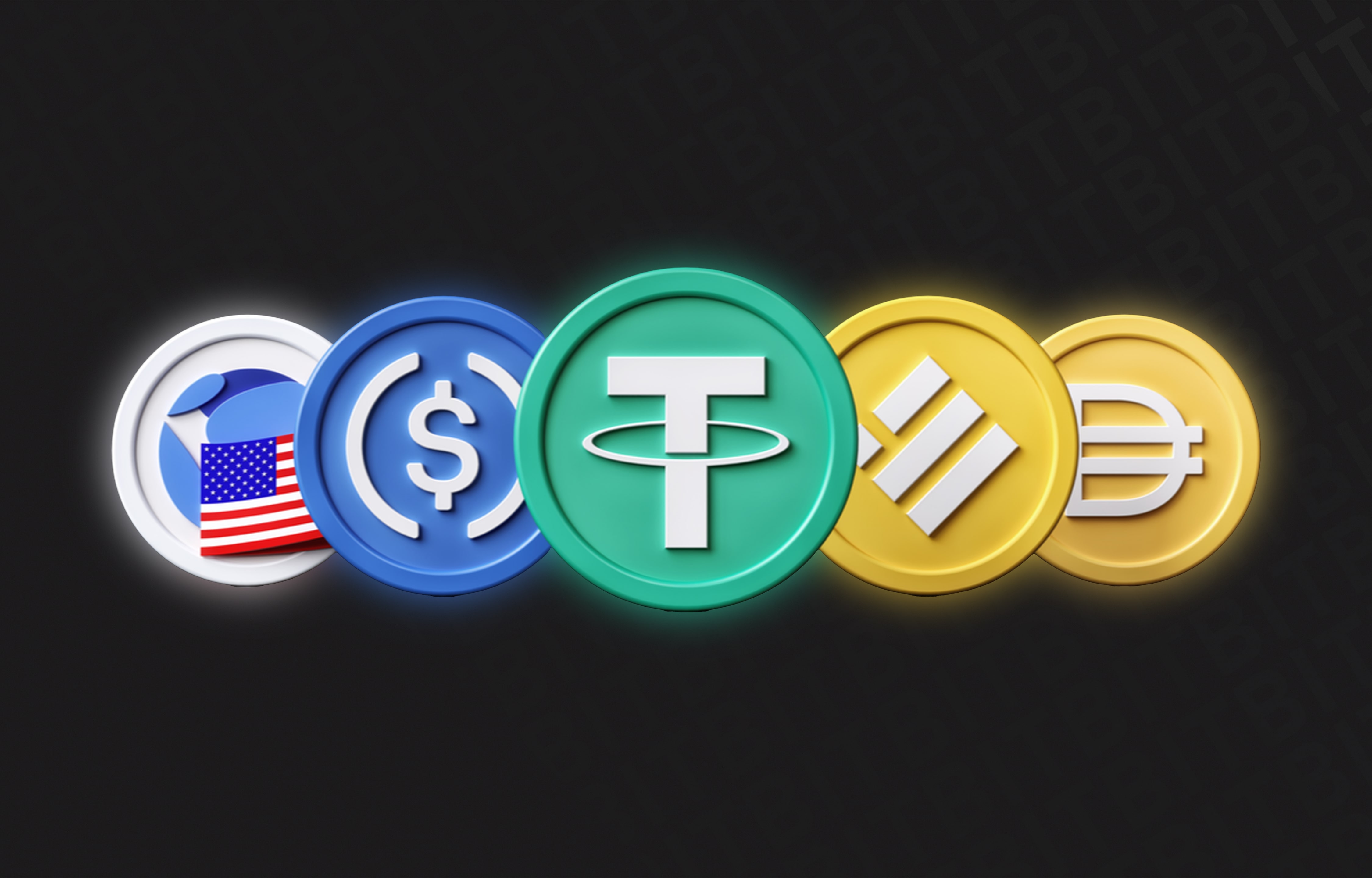
Major technology companies are exploring stablecoin integration to reduce transaction fees and enhance global payment efficiency, signaling a potential shift in the digital payments landscape.

Apple is reportedly in discussions with Circle, the issuer of the USDC stablecoin, to explore potential integration of stablecoin payments into its ecosystem. This move could enable seamless, tap-to-pay transactions using USDC on Apple devices, leveraging the company’s recent decision to open its NFC technology to third-party developers. Such integration would allow users to conduct transactions without relying on traditional banking intermediaries, potentially reducing costs and increasing transaction speed.

Airbnb is collaborating with Worldpay to explore stablecoin payouts, aiming to mitigate the high fees associated with Visa and Mastercard transactions. By integrating stablecoin payments, Airbnb seeks to offer a more cost-effective and efficient payment solution for its global user base. Worldpay’s partnership with stablecoin infrastructure startup BVNK further supports this initiative, enabling businesses to make payouts using stablecoins without the need to handle digital assets directly.

X, formerly known as Twitter, is developing its payments platform, X Money, which is set to launch later this year. The platform will feature Visa as its first partner, enabling secure and instant funding to users’ X Wallets via Visa Direct. X Money has obtained money transmitter licenses in 41 US states and is banking with Citibank, with agreements with Stripe and Adyen. The integration of stablecoin payments into X Money could offer users a seamless and efficient payment experience, aligning with Elon Musk’s vision of transforming X into an “everything app.”

Google Cloud has already taken steps toward stablecoin integration by supporting PayPal’s PYUSD on its Web3 Faucet. This initiative allows developers to access testnet PYUSD on Ethereum and Solana, facilitating the development and testing of applications that utilize stablecoin payments. By providing these tools, Google Cloud aims to support the growth of Web3 applications and the broader adoption of stablecoins in digital commerce.

Switzerland has ratified a plan to commence the automatic exchange of information on cryptoassets with 74 partner countries from January 2026, aligning its financial transparency framework with the OECD’s Crypto-Asset Reporting Framework . The inaugural data exchange is slated for 2027, contingent upon mutual agreement and adherence to OECD standards.

The Federal Council’s decision marks a significant expansion of Switzerland’s Automatic Exchange of Information regime, previously limited to traditional financial accounts. Under the new framework, cryptoasset service providers, including exchanges and wallet operators, will be mandated to collect and report detailed information on their clients’ holdings and transactions. This data will be transmitted to the Swiss Federal Tax Administration and subsequently shared with participating jurisdictions.

The CARF, developed by the OECD in collaboration with G20 nations, aims to enhance tax compliance and combat illicit financial activities in the rapidly evolving digital asset sector. It requires Crypto-Asset Service Providers to implement stringent due diligence procedures, including the identification of users’ tax residencies and the verification of taxpayer identification numbers. The framework encompasses a broad spectrum of digital assets, including cryptocurrencies, stablecoins, and non-fungible tokens , while explicitly excluding central bank digital currencies .

Switzerland’s adoption of the CARF necessitates amendments to existing federal laws and ordinances governing the AEOI. The Federal Council initiated a consultation process in May 2024 to solicit feedback on the proposed legislative changes. A subsequent consultation in August 2024 focused on determining the partner states for the cryptoasset information exchange, with stakeholders given until November 15, 2024, to submit their comments.

The selection of partner countries is predicated on their commitment to the CARF and their ability to ensure data confidentiality and security. The Global Forum on Transparency and Exchange of Information for Tax Purposes assesses the data protection measures of potential partner jurisdictions. Only those that meet the requisite standards will be eligible to participate in the information exchange. Notably, the United States and Saudi Arabia are currently excluded from the agreement.

The implementation of the CARF in Switzerland introduces enhanced compliance measures, including criminal penalties for negligent violations of due diligence and reporting obligations. These provisions underscore the Swiss government’s commitment to upholding international tax transparency standards and maintaining the integrity of its financial system.

The integration of cryptoassets into the AEOI framework represents a paradigm shift in global tax reporting practices. By extending the scope of information exchange to encompass digital assets, Switzerland aims to mitigate the risks associated with tax evasion and money laundering in the crypto sector. The move also reinforces Switzerland’s reputation as a cooperative and transparent financial hub.

Swiss cryptoasset service providers are now tasked with adapting their operations to comply with the forthcoming regulations. This entails the implementation of robust client identification procedures, the establishment of secure data reporting mechanisms, and the alignment of internal compliance protocols with the CARF requirements. The transition period leading up to the 2026 implementation date is critical for ensuring a seamless integration of these new obligations.

Startups across India are increasingly turning to non-dilutive funding options to secure capital while retaining full ownership and control. This shift is driven by a desire to avoid the equity dilution often associated with traditional venture capital, especially amid fluctuating valuations and heightened investor scrutiny. Non-dilutive funding encompasses various financial instruments, including venture debt, revenue-based financing, and government grants. These options provide startups with the necessary capital […]

VISHNU RAJA
RYO YAMADA
HITORI GOTOH
IKUYO KITA