Just in:
Nvidia appoints Colette Kress interim chief after Huang departure // Lego restores BrickLink marketplace after security investigation // Saudi fund assets forecast to cross $400 billion // TORRAS Launches Two New iPhone Duo Cases from Its Popular Ostand Series, Addressing Foldable Phone Users’ Concerns About Difficult Stand Positioning and Scratches // Microsoft apologises as Outlook services recover after outage // US resumes flights after nationwide air traffic shutdown // 11 Boutique Xinjiang Wineries to Debut in Singapore // Crescent Enterprises venture arm funds Oyster Therapeutics development // Salik posts Dhs1.045bn profit despite lower toll traffic // China Reconciled To U.S. Curbs On Chips Exports, Woos South Korea For Supply // UAE crews sustain coastal oil removal as beaches reopen // The Honey Trap Is The Headline, The Chip Pipeline Is The Story // L’OCCITANE Celebrates 50 Years Of Provençal Craftsmanship With Holiday 2026 Collection // From Dubai to the EU: how UAE-based crypto firms can expand under MiCA // IEA forecasts fourth-quarter oil surplus as Gulf shipments rebound // China’s Taiwan warning tests Washington’s defence commitments // US authorities dismantle North Korean cryptocurrency deception infrastructure // Yicura BioMed Advances Dual Capital and Industrial Strategy: Completes First Closing of Series B Financing Led by Gobi Partners // October Food Price Shock Has Far Reaching Consequences // Microsoft outage leaves Outlook and Teams users disconnected //

News related to
secure

Polymarket, the world’s largest blockchain-based prediction market platform, is on the verge of completing a funding round exceeding $200 million that would value the company at over $1 billion. The strategic investment reflects growing investor confidence in forecasting platforms as tools for real-time insights and market intelligence.

The company, founded in 2020 by Shayne Coplan and headquartered in New York, has previously secured $70 million across Series A and B rounds led by General Catalyst, Founders Fund, alongside participation from Ethereum co-founder Vitalik Buterin. That capital helped Polymarket scale its operations offshore, particularly following regulatory setbacks in the United States, where it withdrew services under pressure from the Commodity Futures Trading Commission.

Sources indicate the new investment round will build on these foundations, raising upwards of $200 million and propelling Polymarket into unicorn status with a valuation north of $1 billion. Those close to the transaction describe a diverse syndicate of venture capital firms, strategic investors and high-profile figures from the crypto and financial sectors, though official names are yet to be disclosed.

Polymarket’s appeal lies in its novel combination of decentralised finance, crowd-sourced wisdom and smart contract automation. The platform allows participants to trade on real-world events—ranging from elections and policy outcomes to entertainment and economic indicators—by buying and selling shares reflective of outcome probabilities. Transactions occur using USDC on Polygon, ensuring on-chain settlement and transparency.

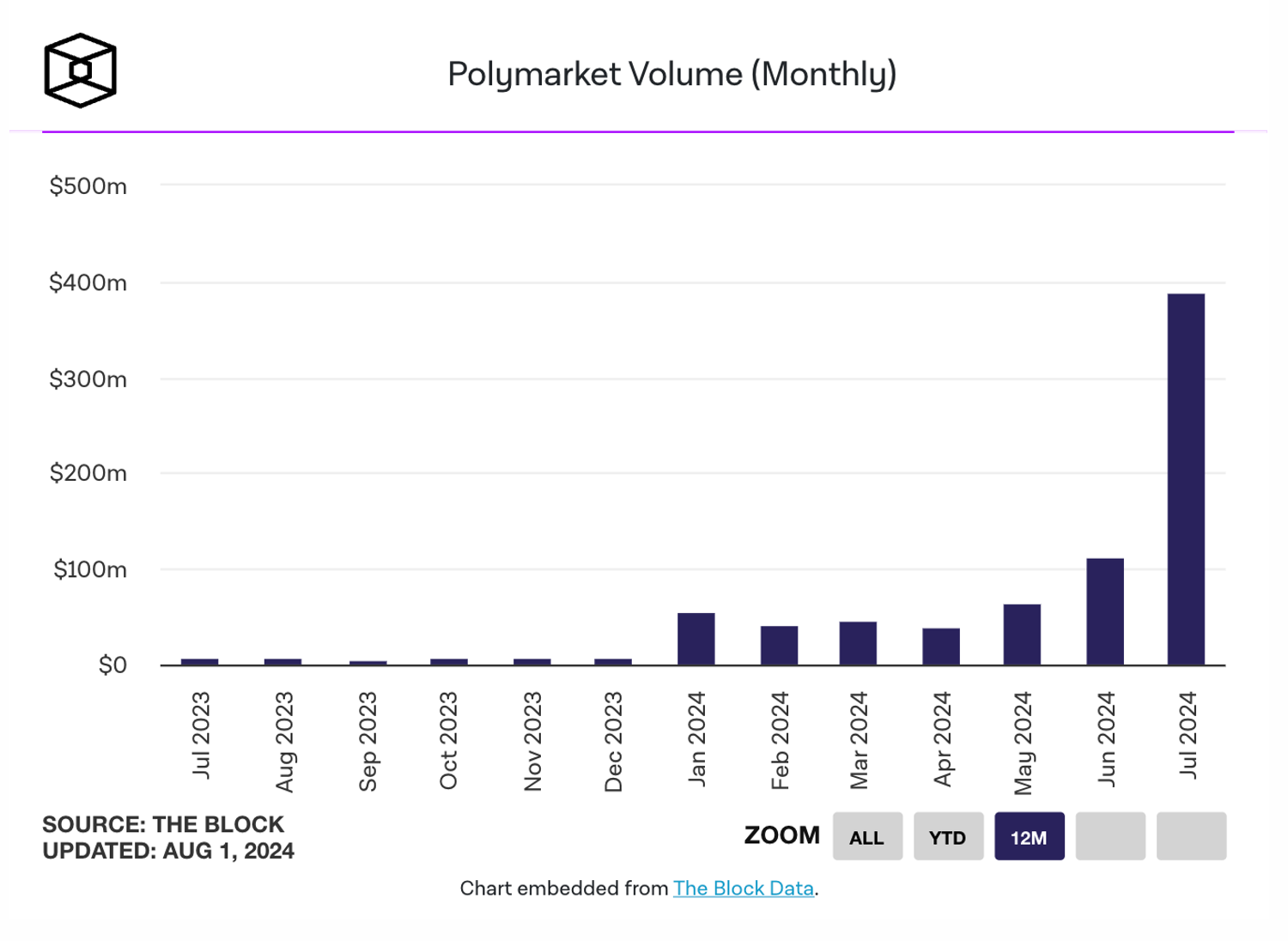
Trading volumes attest to the platform’s influence. In August 2024 alone, Polymarket processed approximately $472 million in trades, with political markets—especially those related to the US presidential election—accounting for nearly $1 billion in wagers by November 2024. Peter Thiel’s Founders Fund highlighted its trust in Polymarket’s market intelligence: “checking Polymarket when breaking news happens has become a habit”.

That compelling performance comes amid regulatory headwinds. Polymarket has barred US users since reaching a settlement with the CFTC in early 2022, which included a US$1.4 million fine and the appointment of former CFTC chairman J. Christopher Giancarlo to its advisory board. These changes aimed to address compliance concerns as the platform expanded internationally. More recently, the FBI reportedly raided Coplan’s home in autumn 2024 as part of an investigation into whether US-based activity violated these agreements.

Despite these challenges, Polymarket has continued to deepen its appeal. Ethereum co-founder Vitalik Buterin has publicly supported the broader application of prediction markets, terming them pioneers in “Info Finance,” an area he believes can enhance journalism, governance and scientific transparency. Polymarket’s data is now cited within Bloomberg’s Terminal services, offering institutional investors fresh analytical layers based on global betting dynamics.

The potential $200 million funding round is expected to include an allocation of token warrants enabling investors to participate in a future token issuance by Polymarket. Earlier reporting by CoinDesk and The Defiant in late 2024 highlighted a $50 million interim funding plan tied to a utility token offering, intended to integrate with or supplant the UMA oracle dispute-resolution system. That mechanism would allow users—or token holders—to validate market outcomes, an evolution that could expand Polymarket’s governance and on-chain autonomy.

Market observers view this token strategy as a logical advancement. Rising volumes and user engagement on election forecasts have revealed limitations in relying solely on external oracles; introducing a native token could decentralise verification and cement Polymarket’s position in the governance of its own markets.

Emerging trends suggest Polymarket is transitioning from an insurgent, crypto-native prediction exchange to a mainstream information infrastructure. Its user base now spans political analysts, financial professionals and retail traders. The recent partnership with X integrates Polymarket’s probabilistic feeds into social media dynamics, allowing users to access market sentiment in real-time alongside breaking news.

Yet questions over regulatory alignment remain. The CFTC is reportedly examining off-shore platforms that permit US bettor access, and lawmakers are considering broader prohibitions on event-based derivatives. The fallout from the 2024 FBI inquiry adds a layer of legal uncertainty, even as Polymarket navigates regulatory environments in Europe and Asia, where its platform has faced access restrictions from gambling regulators in Belgium, Poland, Singapore and France.

As Polymarket nears completion of its landmark funding round, it stands at a crossroads defined by opportunity and scrutiny. A valuation exceeding $1 billion would underscore investor conviction in its model, but unlocking the full potential of prediction markets may depend as much on regulatory clarity as on capital infusion.

Avalonia UI has secured a €3 million sponsorship deal with Devolutions, the provider of Remote Desktop Manager, to boost the development of the Avalonia Accelerate suite over the next three years. This partnership aims to accelerate improvements in documentation, tooling, and core functionality, benefiting the entire Avalonia community. The alliance between Devolutions and Avalonia arrives as the latter seeks new means to sustain its open‑source framework while delivering […]

By Saifur Rahman The International Monetary Fund (IMF) has approved the allocation of US$1.33 billion to Bangladesh to support the country’s economy that witnessed slowdown since the change of government in August 2024. The allocation is part of the US$4.7 billion combined support package authorised by the IMF in January 2023 under the US$3.3 billion Extended Credit Facility (ECF) and Extended Fund Facility (EFF) and US$1.4 billion […]

When it comes to choosing a broker, it’s essential to consider not only the trading conditions but also how convenient and safe it is to work with the platform every single day. After all, trading isn’t just about placing orders—it’s also about comfort, support, and confidence in tomorrow. That’s exactly why more and more traders are choosing Rock-West. Every element of the service here is designed with […]

Iran has launched a new wave of missile and drone strikes against Israel, following U.S. airstrikes that obliterated key Iranian nuclear facilities under Operation Midnight Hammer. The ripple effects are already being felt in global oil markets, while diplomatic channels strain under mounting pressure. The bombardment hit Israeli cities including Tel Aviv and Ashdod, with satellite monitoring confirming sirens and intercepted projectiles. Iran disclosed the deployment of […]

Businesses across Houston are accelerating their transition to Voice over Internet Protocol blended with cloud services, aiming to streamline communication, enhance customer experience and reduce costs. Leading this shift is Phonoscope Communications, a Houston-based provider that leverages its fibre-optic metro network to integrate VoIP and cloud-based services for enterprises across eight counties. With a history dating to 1953—and pioneering two-way videotelephony in schools—Phonoscope now supplies unified voice, […]

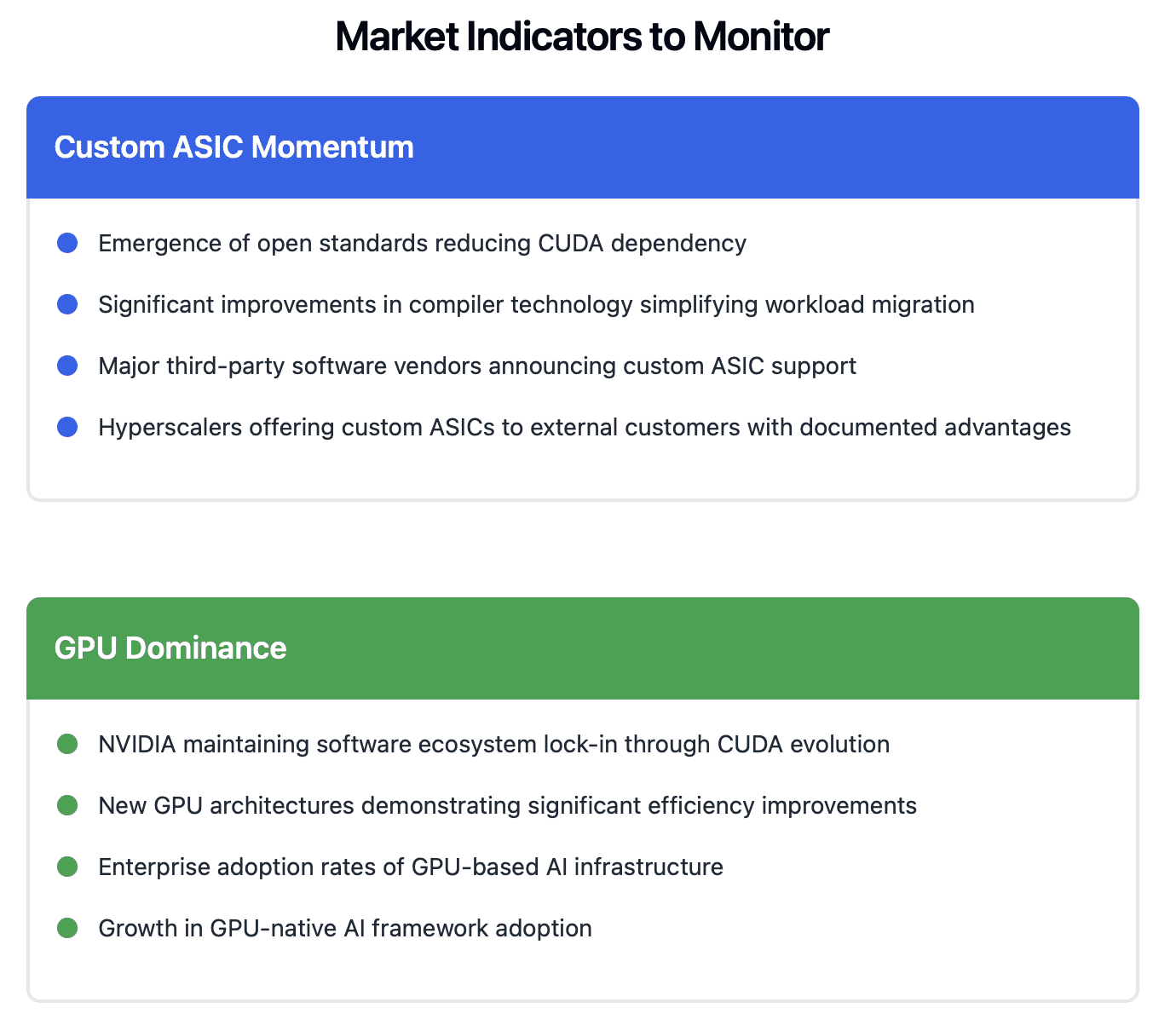
Cloud computing giants AWS, Google, Microsoft, Meta and OpenAI are accelerating in-house development of custom application‑specific integrated circuits, aiming to erode NVIDIA’s dominance in high‑performance AI datacentres. Industry reports highlight a projected annual growth rate of around 50% for ASIC purchases by hyperscalers, marking a strategic pivot in the AI hardware landscape.

NVIDIA’s premium-priced solutions—including Blackwell GPUs—have placed pressure on hyperscalers to secure more cost‑efficient, scalable systems. With single GPUs ranging from $70,000 to $80,000 and fully configured servers tallying up to $3 million, these companies are betting on internal design to manage costs and supply risks.

Amazon Web Services has notably moved ahead with its in‑house chips—Trainium for training and Inferentia for inference—reporting 30 – 40% greater cost efficiency compared with NVIDIA hardware. AWS is also collaborating with Marvell and Taiwan’s Alchip on next‑generation Trainium versions. Internal indications suggest AWS may deploy as many as half‑a‑million ASIC units in its data centres, an expansive scale‑up that could rival NVIDIA’s installed base.

Google, meanwhile, has scaled its TPU v6 Trillium chips, transitioning from single‑supplier to dual‑supplier design by partnering with MediaTek. With deployments reportedly hitting 100,000‑unit clusters to support Gemini 2.0 workloads, Google claims competitive cost-performance metrics relative to NVIDIA GPUs. Microsoft’s forthcoming Maia 200 chip, co‑designed with GUC using TSMC’s 3 nm process, is scheduled for commercial release in 2026.

Meta’s Meta Training and Inference Accelerator, developed alongside Broadcom, Socionext and GUC, is expected in early 2026 on TSMC’s 3 nm node, featuring HBM3e memory—another step towards self‑sufficiency in AI compute. OpenAI has also announced a proprietary training processor, with mass production anticipated at TSMC by 2026.

Market projections reflect this tectonic shift. ASICs are poised to claim between $100 billion and $130 billion of custom AI accelerator spend by 2030, with Broadcom estimating a market of $60 billion to $90 billion by 2027. Traditional ASIC powerhouses—Broadcom, Marvell, MediaTek, Alchip and GUC—are experiencing surging demand as they support hyperscaler transitions.

Despite these developments, hyperscalers continue to reserve capacity for NVIDIA chips, recognising the GPU giant’s entrenched ecosystem—especially its CUDA software stack—and the steep technical barriers to immediate elimination of GPU dependencies.

The trend resembles historical transitions in specialised compute. Just as cryptocurrency mining moved from GPUs to ASICs for lower costs and greater efficiency, hyperscalers now aim to fragment the AI compute supply chain and diversify their hardware portfolios.

TSMC stands to benefit significantly, serving as the foundry for both NVIDIA’s mass‑market GPUs and hyperscaler ASICs. Its chairman emphasises that the competition between NVIDIA and cloud‑designed chips is ultimately beneficial to TSMC, ensuring a broad customer base.

Broadcom has emerged as a frontrunner, with its ASIC and networking chipset revenues soaring 220% to $12.2 billion in 2024. Hyperscalers are investing in clusters featuring up to one million custom XPUs over open‑Ethernet networks—an architecture that places Broadcom and Marvell in strategic positions. Networking ASICs are expected to account for 15–20% of AI data‑centre silicon budgets, rising from the 5–10% range.

Revenue trends reflect these structural shifts. Marvell has secured a multi‑year AI chip deal with AWS and anticipates its AI silicon revenue jumping from $550 million in 2024 to over $2.5 billion in 2026. Broadcom, similarly, is redirecting significant investment toward hyperscaler ASIC demand.

Nevertheless, NVIDIA retains a commanding lead in AI training and general‑purpose GPU compute. Its end‑to‑end platform—from hardware to software—remains deeply embedded in the AI ecosystem. Custom ASICs, by contrast, offer task‑specific gains but lack the breadth of software compatibility that NVIDIA enables.

Analysts caution that the AI compute landscape is evolving toward a more fragmented, mixed‑architecture model combining GPUs and ASICs. Hyperscalers’ shift signals strategic recognition of rising costs, supply constraints, and performance demands. Yet, they also underscore persistent obstacles: software ecosystem maturity, long development cycles, and the complexity of large‑scale deployment.

Questions remain regarding the timeframe in which hyperscalers can meaningfully shift workloads away from NVIDIA GPUs. Industry roadmaps project new ASIC deployments through 2026–27. Analysts expect GPU market share erosion may begin toward the end of the decade, provided in-house ASICs deliver consistent performance and efficiency.

The stage is set for a multi‑year contest in datacentre compute. NVIDIA faces increasing pressure from hyperscalers building bespoke chips to optimise workloads and control supply. The next evolution of AI infrastructure may look less like a GPU‑centric world and more like a diverse ecosystem of specialised, interlocking processors.

Advertisements

An Estonian-based blockchain project is upending traditional cryptocurrency mining by enabling everyday mobile users to mine Bitcoin Solaris via a smartphone app. The Solaris Nova App, currently in its private beta, allows earning tokens through adaptive, low‑energy background processes—sidestepping the need for ASIC rigs and high electricity costs.

The platform combines conventional Proof‑of‑Work with Delegated Proof‑of‑Stake, boasting energy efficiency nearly 99.95% lower than Bitcoin yet capable of processing over 10,000 transactions per second with two‑second finality. It includes built‑in wallet features, real‑time analytics, gamified leaderboards and a marketplace for leasing computational power, aiming for a secure but user‑friendly experience.

Engagement has surged. Over 11,500 users have joined the presale, contributing more than $5 million, at an average price of $8 a token, with scheduled price increases to $9 ahead of a $20 launch value. Phase 7 is underway, confirming momentum as the project enters its final presale phase.

Independent audits from Cyberscope and Freshcoins, plus KYC verification, reinforce security credibility. Market analysts such as Ainvest note the platform’s one‑tap mining and liquid staking features as transformational for retail traders.

Bitcoin Solaris’s dual‑layer architecture merges SHA‑256 Proof‑of‑Work with a high-speed Delegated Proof‑of‑Stake layer. This enables smartphone‑based mining via the Nova App, steering the network’s validation duties to unused storage and CPU cycles—a model described as authentic on-chain participation rather than gamified simulation.

Device‑level mining accommodates Android, iOS, desktop and browser setups. It adjusts load according to hardware: simpler algorithmic backend for phones, scalable tasks for laptops. Energy consumption remains negligible compared to traditional setups. These advancements allow earning BTC‑S tokens immediately, even enabling leasing of computing capacity via smart contracts, and fostering deeper DeFi involvement through liquid staking.

Tokenomics emulate Bitcoin’s scarcity: 21 million total tokens, with 66.7% allocated to mining over 90 years, 20% set aside for presale, and 5% for liquidity. Early presale investors also access bonus slots—up to 10% in earlier phases—highlighting the company’s emphasis on accessible wealth-building.

Crypto commentators highlight its egalitarian potential. Coin World describes it as aimed at making mining accessible to average traders. Analytics Insight suggests mobile mining is generating a wave of new crypto millionaires. Observers such as Crypto Nitro, Crypto Infinity and Crypto Show emphasise its blend of energy efficiency with scalability and inclusivity.

Technical infrastructure rests on security measures, including zero‑knowledge proofs, rotating smart validator sets and continuous audits. Developers argue this permits afforded decentralisation without sacrificing speed or integrity.

Operationally, the project is on a tight timeline: the private beta is active, presale entering its final stage, and full exchange listing expected by July–August. Marketing strategies include referral bonuses, token rewards and daily spins, designed to sustain engagement as broader exposure looms.

Critics note that presale hype may inflate expectations and urge diligence. But Bitcoin Solaris counters with transparent audits, robust KYC, and smart contract evidence of functioning architecture. The simplicity of an app‑based mining system breaks from older models that few retail users can access profitably.

Industry significance could be profound. By transforming everyday devices into contributors to blockchain consensus, Bitcoin Solaris substantially lowers barriers. This may redefine early‑phase crypto wealth dynamics, where first movers historically held advantage via specialist mining investments.

As global attention turns to scalable, eco‑conscious blockchain models, Bitcoin Solaris positions itself at the intersection of accessibility and utility. With the Nova App reaching beta testers and node count rising, the platform is providing tangible participation alternatives for small investors.

João Almeida secured the general classification at the Tour de Suisse on 22 June, overpowering Kevin Vauquelin in a commanding mountain time trial, while Filippo Baroncini clinched his first overall win at the Baloise Belgium Tour on the same day. The victories mark a milestone weekend for UAE Team Emirates‑XRG, pushing its season tally to a record-breaking 50 wins.

Almeida, wearing the yellow jersey, staged a remarkable turnaround during the 10.1 km ascent from Beckenried to Stockhütte. Starting the final stage 33 seconds behind Vauquelin, he posted a blistering 27:33—beating the Frenchman by 1:40 and sealing the victory by a 1:07 margin. His performance ensured he not only claimed the overall title but also the points jersey.

The Tour de Suisse had already seen Almeida recover from an early setback—losing over three minutes on stage one—by capturing stage four and seven victories, and grinding out bonus seconds during stage seven to stay within reach. The final time trial confirmed his status as one of the WorldTour’s most consistent climber–time‑trial specialists.

Baroncini’s triumph at the Baloise Belgium Tour marked his debut general classification success. He topped the podium with a slender four-second lead over Ethan Hayter, after a tactically astute five‑stage campaign. Baroncini’s consistency in the Ardennes-style terrain and strategic riding during the Golden Kilometre bonus sprints proved decisive.

These wins reflect a broader surge in form across the Emirati team. With Almeida’s mastery in time trials and mountain terrain, complemented by Baroncini’s emergence in hilly classics, the squad demonstrates depth and versatility—especially crucial as attention now turns to the Tour de France.

Analysts highlight that Almeida parlayed a challenging start into a commanding campaign by dominating critical stages and leveraging team support. He paid tribute to his riders and staff after stage seven, noting that every second counted and his boost in morale hinged on teamwork.

Baroncini, meanwhile, operated quietly yet effectively—conserving energy and nabbing time bonuses without making headlines until the final standings were published. His victory signals maturity beyond a first-time winner; his profile suggests he could emerge as a versatile contender in mountainous races later this season.

UAE Team Emirates‑XRG, under the stewardship of General Manager Mauro Gianetti and Team Manager Matxin Fernández, stands third in the UCI WorldTeam rankings this season, boasting eight overall stage‑race victories and seventeen individual stage wins. Tadej Pogačar has led the charge with seven wins, yet Almeida and Baroncini are edging into prominence.

The team’s momentum also offers tactical flexibility for the upcoming Tour de France, where Almeida is expected to support Pogačar, and Baroncini may be deployed in breakaways or mountain stages. Their successes in Switzerland and Belgium send a clear signal: UAE Team Emirates‑XRG will field a multi‑faceted and potent challenge in the Grand Départ.

Reddit is exploring integration of Worldcoin’s iris‑scanning Orb technology to verify that account holders are genuine, unique individuals while preserving user anonymity. The move aims to curb bot activity and AI‑generated content, and to comply with emerging age‑verification regulations. In discussions with Tools for Humanity, the Orb would capture an encrypted representation of a user’s iris—known as an IrisCode—to assign a secure, anonymous World ID. That identifier confirms […]

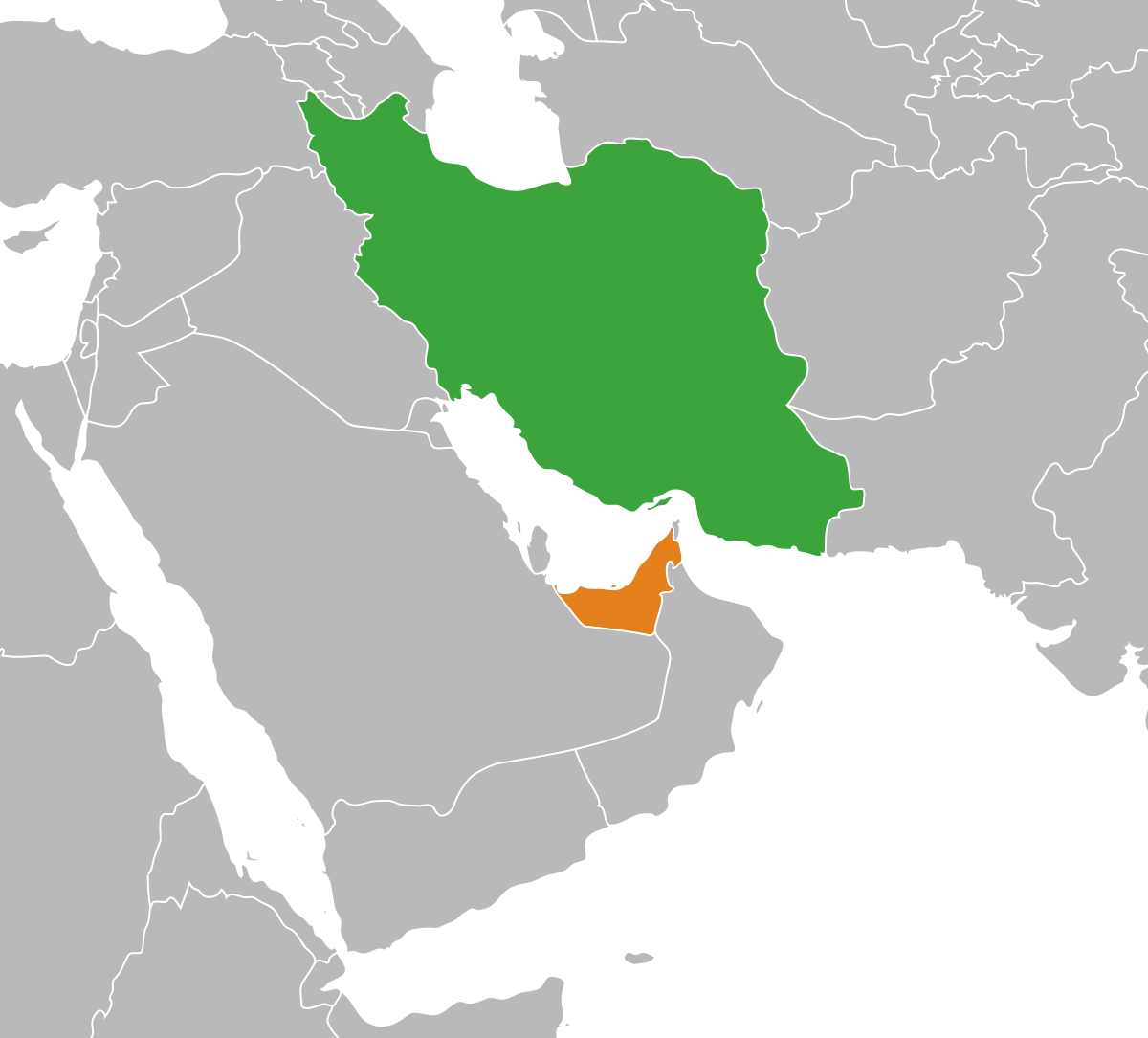
UAE authorities have successfully airlifted both citizens and expatriate residents from Iran amid mounting regional tensions stemming from the ongoing Israel–Iran conflict. These evacuation flights were carried out in full coordination with Iranian officials, who provided necessary transit clearances and logistical assistance, according to the UAE’s Ministry of Foreign Affairs and International Cooperation.

Passengers greeted on arrival in Abu Dhabi included Emirati nationals and resident visa holders. Some were visibly emotional—footage released by WAM showed arrivals embracing airport staff, while others knelt in gratitude upon disembarking. UAE officials confirmed that all evacuees underwent health screening and security checks; no medical emergencies were reported during the operation.

The decision to evacuate was prompted by intensifying hostilities between Iran and Israel, which have resulted in reciprocal missile and drone strikes targeting Iran’s nuclear and military infrastructure. Since 13 June, airspace closures across Iran and neighbouring countries have disrupted commercial flights, leaving many foreign nationals stranded.

While Tehran’s nuclear sites have been under attack, Tehran’s government issued public messages minimising panic, yet civilians promptly fled towards northern provinces, leading to fuel shortages, transport gridlocks, and relief operations along highways. Over 100,000 people are believed to have relocated internally by 15 June, while a few hundred foreign evacuees have used authorised border crossings to exit Iran.

UAE’s timely action reflects an expansion of its foreign crisis response capabilities, built through previous evacuations from conflict zones such as Ukraine, Sudan, and Afghanistan. Evacuating via a mix of chartered aircraft and government-operated flights, the UAE used carefully planned air routes to skirt high-risk regions.

Parallel efforts by Gulf neighbours highlight broader regional coordination. Bahrain, Oman and others secured safe passage for their own nationals via land and air corridors; Oman alone registered over 150 evacuees through Bandar Abbas and Iraq logistics networks. Countries including India, China, the US, Germany and Poland activated repatriation schemes—India’s “Operation Sindhu” successfully repatriated 110 nationals through Armenia by 18 June.

While evacuation pipelines opened, Dubai and Abu Dhabi remain operational, and companies across the Gulf are updating contingency plans amid concerns over possible spill‑over and disruptions to critical infrastructure. Risk advisory firms are reporting heightened demand for intelligence services, crisis preparedness, and staff security measures.

The UAE Ministry of Foreign Affairs has reiterated its call for diplomacy as the sole pathway to stability. Its continuous diplomatic outreach has involved deep engagement with international partners and a strong appeal to the UN Security Council to broker de‑escalation amid what it describes as “exceptional circumstances”.

The evacuation marks a rare cooperative moment between the UAE and Iran, whose bilateral relations have at times been strained. Yet Iranian authorities’ facilitation of access to airports and transit permissions demonstrated a mutual willingness to protect civilians from broader geopolitical fallout.

With all Gulf evacuations through this phase concluded, attention now turns to whether diplomatic avenues will succeed in preventing further civilian displacement. Businesses and governments remain on alert, reinforcing emergency protocols and intelligence monitoring systems to safeguard personnel and operations in the face of uncertainty.

ArabyAds has secured the prestigious Snapchat Advanced Partner badge, marking a significant milestone that positions the UAE-based ad-tech firm at the forefront of digital innovation across the Middle East and North Africa. The designation grants the company exclusive access to Snapchat’s latest tools, data analytics, and strategic support, enabling clients and creators in the region to harness full‑funnel campaign opportunities on the platform.

This recognition underlines ArabyAds’ deliberate investment in human capital and know‑how, rather than simply technical capability. As part of the Snapchat Advanced Partner programme, the company gains access to private training sessions, expert enablement, account‑management backing and early‑stage features like Snap’s Creator Discovery API and Snap Creator Marketplace Beta. The badge also comes with visibility and credibility as Snapchat builds its ecosystem through trusted agency partnerships.

ArabyAds Vice‑President of Digital, Ayah Reyad, emphasised that working with Snapchat has been instrumental in expanding market share and inspiring creativity, and that the advanced partner status will deepen relationships with clients and unlock new possibilities in digital storytelling. The move adds another layer to ArabyAds’ portfolio of regional achievements, which include being named Marketing Platform of the Year 2023 by MMA Smarties MENA and the prior launch of their AI‑powered Household Graph for cross‑platform audience reach.

Snapchat states that over 67% of users follow creators to see real, everyday moments, underlining the emphasis on authentic connection. The platform reports that 97% of users are open to brand‑sponsored creator content, and 59% have made purchases following exposure to such campaigns. This context sets the stage for ArabyAds to broker more effective creator partnerships on behalf of brands, using bespoke targeting informed by data and platform insight.

The Advanced Partner badge places ArabyAds among an elite selection of regional agencies, including Publicis Groupe‑Content Practice, Creo, InHype and The Goat Agency MENA. Snap’s pilot cohort benefits from direct collaboration opportunities with Snapchat teams, hands‑on enablement events and tailored access to analytics and certification from Snap Focus. A Partner Enablement Day in Dubai offered immediate immersion into platform tools and strategic best practice, reinforcing the parent company’s goal to build a vibrant creator economy across the MENA region.

Senior figures from other agencies in the cohort echoed Snap’s confidence in ArabyAds. Timothée Desormeaux, Managing Partner and Co‑founder of Acquisit, noted that Snap values their data‑driven and measurement‑focused approach, which has helped solve complex client challenges in the region.

Snap’s head of agency relations in the region, Rasha El‑Ghoussaini, described the partner initiative as part of a broader strategy to support agencies amid rapid transformation across digital markets.

For ArabyAds’ clients, the benefits are multifaceted. The Creator Discovery API enables mapping and analysis of over 100,000 MENA creators, enabling data‑led influencer alignment. End‑to‑end ROI tracking, combined with advancement in AR and creative strategy, allows brands to build measurable campaigns that drive deeper engagement and conversions.

ArabyAds is now well placed to offer clients a full‑stack solution on Snapchat: from creator identification and certification through Snap Focus, to influencer campaign activation using the Creator Marketplace, and ongoing optimisation via account management and platform insights. The firm’s trajectory signals intention not only to maintain growth, but to shape what high‑impact creator collaboration looks like in the region.

UAE authorities have flown back several nationals and residents from Iran as part of a security-driven emergency operation amid intensifying regional uncertainty. The coordinated move, which involved direct communication between officials in Abu Dhabi and Tehran, was aimed at ensuring swift and safe repatriation in light of mounting geopolitical instability in the region. The evacuation operation, which took place without prior public notice, was disclosed by the […]

China is confronting significant disruption to its Iranian crude oil supply, risking both its energy security and geopolitical ambitions in the Middle East. With over 90 per cent of Iran’s oil exports directed to China via Kpler, the contraction of that flow places Beijing’s $400 billion 2021 cooperation deal in jeopardy. Major Chinese independent refiners, the so‑called “teapots” in Shandong province, are enduring mounting losses as deepening discounts on Iranian […]

Aldar has secured over AED 3.5 billion in sales during the initial launch week of its Fahid Beach Residences and The Beach House on Fahid Island, underscoring strong demand for the developer’s new coastal wellness vision. Sales encompass a mix of 1- to 4‑bedroom apartments, townhouses and penthouses, with prices starting from around AED 3 million for residential units, and represent a pivotal milestone for the island’s debut as Abu Dhabi’s […]

Niger’s military-led government announced on 19 June 2025 that it is nationalising the Somair uranium joint venture, formerly dominated by French nuclear fuel company Orano. The announcement, aired on national television, declared that the State will now hold full ownership and management of the mine, citing inappropriate and inequitable conduct by Orano. Authorities assert that the 63 per cent stake held by Orano—alongside the remaining 37 per cent via state firm […]

Travel + Leisure Luxury Awards Asia Pacific 2025 and Tatler Best Hong Kong and Macau Awards 2025 Recognise Galaxy Macau with Top Honours MACAU SAR – Media OutReach Newswire – 20 June 2025 – Galaxy Macau™ (“Galaxy Macau”) the World-class Luxury Resort, celebrates a glittering array of award wins in the Travel + Leisure Luxury Awards Asia Pacific 2025, and the Tatler Best Hong Kong and Macau […]

The United Arab Emirates drew AED 167.6 billion in foreign direct investment in 2024, climbing to tenth position globally, according to the UN Conference on Trade and Development’s World Investment Report 2025. This 48.7 percent surge from 2023 cements the UAE as a top-tier destination for international capital, with greenfield projects playing a central role. Foreign investors backed 1,369 new greenfield ventures worth AED 53.3 billion, placing the UAE second globally in […]

Security researchers have uncovered an enormous password cache comprising 16 billion unique login credentials spanning major platforms such as Apple, Facebook, Google, Telegram, GitHub, VPN services and even government portals—making it the largest credential leak known to date. These credentials were harvested via at least 30 substantial datasets, some containing up to 3.5 billion records, indicating multiple infostealer malware operations operating at a large scale during 2025. Researchers found […]

A dramatic explosion ripped through SpaceX’s Starbase test site near Brownsville, Texas, at approximately 11 p.m. Central Time on Wednesday, June 18, when the Starship prototype designated Ship 36 detonated during a routine static‑fire test ahead of its anticipated tenth flight. The stainless‑steel vehicle was engulfed in flames following a “major anomaly” while being fuel‑led for a multiple‑engine ignition sequence, according to SpaceX. All personnel remained outside the secured […]

Murena has introduced Murena Find, a privacy-first search engine embedded in its latest /e/OS 3.0 update, delivering an ad‑free, no‑tracking search experience powered by Qwant. Designed to launch without user configuration, the engine ensures searches remain private while maintaining quality results. As part of /e/OS 3.0, Murena Find is one of several significant upgrades aimed at fortifying users’ privacy. Alongside enhancements such as weekly privacy reports, end‑to‑end encrypted vaults, […]

Greenlogue/AP Mubadala Investment Company and the Abu Dhabi Projects and Infrastructure Centre have formalised a partnership designed to accelerate the emirate’s infrastructure agenda. The agreement, inked during the opening of the Abu Dhabi Infrastructure Summit 2025, establishes a broad cooperation blueprint aimed at advancing key development projects. The accord commits both entities to conduct thorough feasibility studies and share knowledge to assess the viability of proposed ventures. It also […]

U.S. President Donald Trump has appealed directly to the House of Representatives to pass the GENIUS Act—a bipartisan stablecoin regulation bill cleared by the Senate—without any amendments or delays, stressing that it will position the country as the “undisputed leader” in digital assets.

The Senate passed the bill on 17 June with a decisive 68‑30 vote, supported by senators from both parties. It introduces stringent rules for stablecoin issuance, including full backing of coins with liquid reserves and monthly disclosures of reserve compositions, alongside audit and Treasury oversight provisions. Trump openly praised the legislation, calling it “pure genius” and urging House Republicans to advance a “clean” version so it reaches his desk before Congress breaks for its August recess.

Major market players reacted positively. The approval spurred significant gains in related equities: shares of Circle Internet, issuer of the USDC stablecoin, surged between 16% and 27%, reflecting investor optimism for regulatory clarity and mainstream token adoption.

The GENIUS Act’s framework mandates that only permitted issuers—such as banks or federally approved payment companies—may issue stablecoins for U.S. users. It requires a one‑to‑one reserve ratio in U.S. dollars or Treasuries and monthly public disclosures about reserve composition. Additionally, it introduces safeguards for consumer protection and bankruptcy protocols prioritising stablecoin holders. Large issuers will have to undergo annual audits, and the bill prohibits stabilecoin ownership by Congress members, though it excludes the President and Vice President.

While Trump’s endorsement reflects his broader pro-crypto pivot—underscored by investments like Bitcoin, policy appointments, and support from his digital-assets advisory council—critics have flagged potential conflicts of interest. Trump and his family hold substantial stakes in crypto ventures including World Liberty Financial and its USD1 stablecoin, having earned tens of millions in 2024. Critics stress that exemption of the President from the bill’s conflict-of-interest ban leaves a loophole that some fear could be exploited.

Senators on both sides celebrated the bill. Republican sponsor Bill Hagerty described it as a “paradigm-shifting development” that moves the U.S. toward global leadership in crypto. Senate Banking Chair Tim Scott described it as “the most significant digital assets legislation ever to pass the U.S. Senate”. Treasury Secretary Scott Bessent projected that the bill could expand the stablecoin market to $3 trillion‑plus by decade’s end.

Nonetheless, the path ahead is not without hurdles. Some Democrats, including Elizabeth Warren, Jeff Merkley and others, raised objections during Senate negotiations, warning the bill could grant a “super‑highway for corruption” and fails to curtail potential for big tech firms entering the stablecoin market. Senate negotiators incorporated numerous amendments to secure support, but key concerns remain unresolved.

Cushman & Wakefield Greater China has been honoured with three five‑star awards at the 2025 Asia Pacific Property Awards, recognising its excellence in commercial real estate services across the region. The firm also received an additional “Award Winner” designation, strengthening its regional leadership credentials. Judged by an expert panel comprising property professionals, these awards are regarded as one of the industry’s most prestigious marks of quality, celebrating […]

VISHNU RAJA
RYO YAMADA
HITORI GOTOH
IKUYO KITA