News related to
secure

By Nitya Chakraborty The NDA led by the BJP has swept the assembly polls in Bihar stunning the RJD and the other constituents of the INDIA Bloc by the extent of the win of the NDA constituents in the 243 member state assembly. The initial results till this afternoon indicate that the NDA has got […]

The article INDIA Bloc Must Take Proper Lessons From Big Jolt In Bihar Assembly Polls appeared first on Latest India news, analysis and reports on Newspack by India Press Agency).

Expanding Cross-border Payment and Shariah-Compliant Solutions Across ASEAN SINGAPORE – Media OutReach Newswire – 14 November 2025 – XTransfer, the world’s leading B2B cross-border trade payment platform, and Maybank, a leading bank in ASEAN, are pleased to announce a strategic partnership to expand cross-border payment and Shariah-compliant solutions. Coinciding with Singapore FinTech Festival 2025, senior representatives of XTransfer and Maybank officially signed the Memorandum of Understanding (MOU) […]

PARIS, FRANCE – Media OutReach Newswire – 13 November 2025 – Olight, a global leader in innovative tactical equipment, will showcase the latest evolution of its advanced combat solutions at Milipol Paris 2025, from November 18-21. Headlining the presentation at Hall 5A, Booth D001, is the OSIGHT X GN, the much-anticipated green dot variant in its established OSIGHT series of tactical optics Engineered for superior performance, the […]

MEGA IDC Project Team Honoured as Technology Team of the Year, Infrastructure HONG KONG SAR – Media OutReach Newswire – 13 November 2025 – SUNeVision Holdings Ltd. (“SUNeVision”; SEHK: 1686), the largest data centre provider in Hong Kong and the technology arm of Sun Hung Kai Properties Limited (“SHKP”), has been honoured with the Gold Stevie® Award in the 2025 Stevie Awards for Technology Excellence, earning the […]

HANOI, VIETNAM – Media OutReach Newswire – 12 November 2025 – VinFast continues to break records in the domestic automotive market by successfully delivering 20,380 electric cars of various models in October 2025, bringing the total number of VinFast vehicles delivered nationwide to 124,264 units in the first 10 months of the year. After becoming the first automaker in the history of the Vietnamese auto market to […]

Dubai Electricity and Water Authority has opened the door for qualified companies and consortiums to submit their proposals for the seventh phase of the Mohammed Bin Rashid Al-Maktoum Solar Park, one of the largest renewable energy projects in the world. This expansion is set to significantly enhance Dubai’s efforts to diversify its energy mix and meet its sustainability targets. The upcoming phase will incorporate 2,000 megawatts of […]

Guyana’s energy landscape is set to undergo a transformation following the approval of major international companies to begin exploration activities within its borders. TotalEnergies, QatarEnergy, and Petronas have each received government approval to explore potential oil and gas reserves off the country’s coast, a move that could help diversify the sector and reduce reliance on the existing dominant players.

The country has long struggled to expand its energy portfolio beyond the consortium led by U. S.-based ExxonMobil, which has been instrumental in developing the region’s significant offshore oil fields. However, Guyana has faced challenges in fostering competition and attracting foreign investment that could assist in broadening its energy capabilities.

ExxonMobil has long held a near-monopoly over Guyana’s booming oil sector, benefiting from the vast discoveries made in the Stabroek Block, an area off the coast of Georgetown. While the company’s presence has led to substantial growth in the nation’s oil production, the reliance on a single foreign entity has raised concerns about the need for greater diversification. The new approvals for TotalEnergies, QatarEnergy, and Petronas mark a significant departure from the status quo, with these firms now poised to play an essential role in shaping the future of Guyana’s energy industry.

Guyana’s government has emphasized the importance of inviting new players into the market to boost local industry development and foster a more competitive environment. This move is seen as a strategic decision to counterbalance the influence of ExxonMobil, as well as to ensure that Guyana can better control its resources, rather than remaining overly dependent on a single operator.

Each of the three companies—TotalEnergies, QatarEnergy, and Petronas—brings a wealth of experience and resources to the table. TotalEnergies, headquartered in France, has been a significant player in the global oil and gas market for decades. Similarly, QatarEnergy, which is part of the energy powerhouse Qatar Petroleum, has vast experience in the exploration and production of natural gas and oil across several regions, including the Middle East and North Africa. Petronas, Malaysia’s state-owned oil and gas company, adds to this pool of expertise, with a strong track record of international exploration ventures.

The approval process involved extensive environmental and technical assessments to ensure that exploration activities would be conducted in line with Guyana’s regulatory standards. This includes adhering to the country’s stringent environmental protection measures, aimed at safeguarding its fragile marine ecosystems while extracting valuable energy resources.

While the trio of companies now entering Guyana’s oil and gas sector have been given the green light to explore, the real test will come as exploration progresses and potential discoveries are made. Industry analysts remain cautious but optimistic about the long-term prospects of this diversification. Some experts suggest that bringing in additional operators could drive increased investment and innovation, while others warn that challenges remain in ensuring the effective management of these newly opened opportunities.

The Guyanese government has promised to leverage the revenue generated from these new ventures to foster greater economic diversification. The hope is that the newfound wealth will benefit sectors such as infrastructure, healthcare, and education, helping to reduce the country’s historical dependence on oil. Critics, however, caution that managing the inflow of capital from new oil projects requires careful planning to avoid the so-called “resource curse,” which has plagued other resource-rich nations in the past.

Advertisements

JPMorgan has unveiled its blockchain-based deposit token, JPM Coin, aimed at enhancing the efficiency of cross-border payments for its institutional clients. This move is seen as a significant step forward in the bank’s ongoing efforts to integrate blockchain technology into mainstream finance, expanding its digital asset offerings.

The launch of JPM Coin follows years of research and development into blockchain’s potential to streamline financial transactions. JPMorgan has long been a proponent of blockchain’s transformative capabilities, initially launching the token as part of a pilot programme in 2019. Now, the bank has rolled out JPM Coin more broadly, offering institutional clients an innovative method to transfer U. S. dollar deposits securely and quickly across borders.

JPMorgan’s new service allows clients to transfer money using blockchain, reducing the friction and cost often associated with international payments. Blockchain’s real-time settlement capabilities make the process faster and more transparent, minimising the risk of human error and the complexities of traditional payment systems. JPM Coin will primarily be used by major institutional clients, including corporations, banks, and government entities, allowing them to transact more efficiently without relying on conventional financial infrastructure.

The use of JPM Coin signifies the growing interest in blockchain-based financial solutions among large-scale institutional clients. The token allows these clients to send payments instantly, avoiding the delays associated with traditional banking systems. Furthermore, the blockchain’s inherent security features help protect against fraud and reduce the need for third-party intermediaries.

JPMorgan’s blockchain offering is part of a broader trend where traditional financial institutions are gradually adopting digital currencies and distributed ledger technologies. The bank’s move also aligns with increasing regulatory scrutiny surrounding cryptocurrencies and the growing demand for digital solutions in financial markets. While JPM Coin is designed specifically for institutional clients, the wider implications for the financial sector are evident. As digital currencies gain traction, more banks are likely to explore blockchain technology’s potential to enhance financial services.

Notably, JPMorgan has been a pioneer in institutional adoption of blockchain, having previously launched its own blockchain platform, Liink, for facilitating faster, more transparent transactions. Liink, like JPM Coin, operates on a permissioned blockchain and is designed to cater to the needs of global financial institutions, offering faster payment settlements and reduced costs compared to traditional systems.

The introduction of JPM Coin follows a string of similar innovations by other global financial institutions, as banks increasingly seek ways to harness blockchain’s advantages to improve payment speed, reduce costs, and enhance security. While JPM Coin currently operates exclusively in U. S. dollars, its potential for future integration into other currencies could further expand its use cases in global financial markets.

The development and adoption of JPM Coin signal the bank’s belief in blockchain as an essential technology for modernising financial infrastructure. As a major player in global finance, JPMorgan’s embrace of this technology is expected to have a ripple effect throughout the industry, spurring further investment in blockchain projects by other financial institutions.

However, the move is not without its challenges. While JPM Coin offers substantial benefits, including cost savings and faster transactions, it also raises questions about the role of traditional banking institutions in the future of digital currencies. The launch of JPM Coin puts JPMorgan at the forefront of an evolving digital payments landscape but also invites scrutiny from regulators and policymakers concerned about the risks associated with blockchain-based financial products.


China is intensifying its efforts to import liquefied natural gas from Russia, despite the ongoing sanctions imposed by the United States and the European Union. As part of these efforts, China has begun developing a fleet of ships designed to transport the super-cooled fuel, with the aim of circumventing international sanctions that prevent direct shipments of Russian LNG to Western markets.

The growing need for energy security and a steady supply of LNG has driven China to explore alternative ways to obtain natural gas, as it faces increasing pressure from energy demand and geopolitical challenges. With European nations largely cutting ties with Russia due to the conflict in Ukraine, China sees an opportunity to secure more of Russia’s vast natural gas reserves. However, the US and EU sanctions, which prohibit companies from providing services and equipment that facilitate the transportation of Russian LNG, have posed significant barriers to the direct importation of Russian gas.

To sidestep these restrictions, China is reportedly building a “shadow fleet” of vessels—tanker ships capable of transporting LNG without being registered under the jurisdictions of Western countries. These ships are often equipped with modified technologies and reflagged to nations that do not enforce the same sanctions as Western powers. Experts suggest this new fleet could potentially enable China to bypass regulatory hurdles and enhance its access to Russia’s energy exports.

This development comes amidst growing concerns about energy supply in both Russia and China. For Russia, the loss of its traditional European export markets has accelerated the search for new buyers in Asia. China, with its vast and growing energy demands, has become the ideal partner for Russia, with both nations keen to deepen their trade relations in the energy sector.

In recent months, reports from various trade bodies and maritime sources have indicated that Chinese shipping companies have begun to work closely with Russian counterparts to facilitate these energy exchanges. According to analysts, these operations are being conducted with the support of intermediaries who play a critical role in enabling the shipment of Russian gas to China. These intermediary companies typically operate under the radar, helping to shield the true origins of the LNG shipments from scrutiny.

The expansion of this fleet raises important questions about the international regulatory landscape and the extent to which sanctions can be effectively enforced in an increasingly interconnected global economy. While Western powers have imposed sanctions on Russia’s energy exports, many analysts argue that their impact has been diluted by countries like China and India, who have continued to purchase Russian energy despite the restrictions.

The move to build a shadow fleet also highlights the growing divide in global energy politics. As Western nations look to reduce their dependency on Russian energy, China has emerged as a key player in filling the gap. With this increasing trade of Russian LNG to China, there are indications that both countries are fortifying their positions in the global energy market, positioning themselves as key energy suppliers to the global south.

China’s energy imports from Russia are also seen as a key component of the broader geopolitical shifts that have been underway in recent years. By continuing to build its energy relationship with Russia, China is further diversifying its sources of energy, ensuring that it has a reliable and growing supply of natural gas that is less susceptible to the fluctuations of the global market. This is especially important as China seeks to meet its ambitious energy and industrial goals in the coming decades.

The logistical complexities of importing LNG are considerable, and China’s efforts to expand its shadow fleet reflect the nation’s determination to secure a more consistent energy supply. These vessels, which are currently being constructed and modified, will be able to bypass many of the traditional channels through which Western powers exert control over Russian energy exports. This represents a significant shift in the global LNG market, with China positioning itself as a key recipient of Russian energy.

AgriFi, an innovative platform harnessing blockchain technology, is aiming to transform the agriculture sector by offering more accessible financing solutions to farmers through real-world staking and profit-sharing mechanisms. This groundbreaking model seeks to revolutionise agricultural investment by enabling both small-scale farmers and institutional investors to participate in the wealth generation of the farming industry, while providing transparency, security, and increased efficiency through blockchain’s decentralised system. The platform’s […]

SoFi has achieved a significant milestone in the world of financial services, becoming the first nationally chartered bank in the United States to introduce cryptocurrency trading, including Bitcoin. This development positions the company as a key player in bridging traditional banking with the expanding digital currency market.

The move allows SoFi’s customers to buy, sell, and hold cryptocurrencies directly through their existing accounts, enhancing the platform’s appeal as a one-stop-shop for financial services. This shift comes amid growing demand for crypto investments, particularly as more consumers seek alternatives to traditional investments in stocks and bonds.

With the new crypto offering, SoFi customers will have the ability to trade a variety of digital assets, starting with Bitcoin. The platform also plans to expand its range to include other major cryptocurrencies such as Ethereum in the near future. SoFi’s seamless integration of crypto trading with its other services, including personal loans, mortgages, and investing, aims to simplify the crypto experience for users who are new to the digital asset space.

This landmark move also signals a growing acceptance of digital currencies within mainstream financial institutions, traditionally hesitant about embracing the volatile market. SoFi’s decision to allow crypto trading comes at a time when other financial services companies are cautiously exploring similar offerings. Many banks and payment companies are entering the crypto space, but SoFi stands out as the first to secure national banking status and roll out a comprehensive crypto trading service.

The firm, which already holds a charter as a savings and loan institution under the supervision of the Office of the Comptroller of the Currency, secured approval from the regulatory body to add crypto trading to its list of services. This approval was seen as a crucial step in the broader trend of regulatory authorities gradually adapting to the rapid growth of the cryptocurrency sector.

SoFi’s expansion into cryptocurrency trading also aligns with the broader trend of increased institutional interest in digital currencies. Over the past few years, various asset management firms and banks have slowly begun offering crypto-related services to their customers, albeit cautiously. SoFi’s move to offer crypto trading through a fully regulated bank platform could catalyse further innovation in the sector, prompting other financial institutions to follow suit.

While this development represents a win for SoFi, it also raises questions about the future of traditional banking as the line between conventional and digital finance continues to blur. As digital currencies gain traction, banks and financial institutions will need to adopt increasingly flexible approaches to remain competitive. SoFi’s move reflects its strategy to capture the younger, tech-savvy demographic that is more inclined to explore digital currencies and alternative investments.

The introduction of crypto trading by SoFi also opens up opportunities for the firm to expand its revenue streams. With the growing popularity of cryptocurrencies, companies that offer crypto services have seen significant growth in customer acquisition and engagement. SoFi’s vast user base, which includes millennials and Generation Z, could see increased activity on the platform, potentially boosting its financial performance in the coming quarters.

However, the regulatory landscape surrounding cryptocurrencies remains a concern. Despite increasing adoption, regulators continue to grapple with how to effectively oversee the space. This includes determining the appropriate level of consumer protection, tax implications, and how to mitigate potential illegal activities associated with digital currencies. SoFi’s decision to offer crypto trading within a regulated environment could provide some reassurance to customers concerned about the risks of engaging in the volatile crypto market.

Ahead of the 2025 Morocco Showcase Summit, industry leaders assess the kingdom’s readiness for 2030, analyzing investment and strategies to match demand CASABLANCA, MOROCCO – EQS Newswire – 11 November 2025 – As hospitality and investment leaders prepare to gather at the Marriott Hotel in Casablanca for the Morocco Showcase Summit on November 19-20, 2025, a critical question takes center stage: Is Morocco’s hospitality supply growth keeping […]

BYLINE ARTICLE FOR COP30 11 NOVEMBER 2025 BELEM, BRAZIL – Media OutReach Newswire – 11 November 2025 – Malaysia is not simply setting goals; it is actively translating its ambition into reality. Following the introduction of the Malaysia Pavilion theme, ‘Climate Action Now: Net Zero Pathways Unlocked,’ at the recent International Greentech & Eco Products Exhibition and Conference Malaysia (IGEM 2025), we have cemented our commitment in […]

The high-end Solaya waterfront development in Dubai has already garnered significant attention, despite the fact that construction has yet to begin. With luxury penthouses priced upwards of $24 million, wealthy individuals from across the globe are competing in an intense bidding process. This unique approach to real estate sales has elevated the project’s status as one of the most anticipated luxury developments in the region. The project, […]

The GCC bond market has seen a significant uptick in activity this week, as borrowers capitalise on advantageous financial conditions. With borrowing costs narrowing to exceptionally tight levels, issuers from various sectors have eagerly entered the market, resulting in a diverse range of mandates. A total of nine mandates were launched, spanning sovereigns, banks, and corporations. The focus of most issuers was on subordinated US dollar instruments, […]

Abu Dhabi has made a significant stride in advancing its ambitions to be a global leader in smart and sustainable mobility with the launch of the first vertiport network in the emirate. This initiative, developed through a collaborative effort involving the Abu Dhabi Investment Office, the General Civil Aviation Authority, the Integrated Transport Centre, a division of the Department of Municipalities and Transport, and Abu Dhabi Airports, is aimed at laying the foundation for the integration of advanced air mobility technologies.

The launch of the vertiport network is a critical component of Abu Dhabi’s broader strategy to enhance its transport infrastructure, paving the way for the introduction of new, innovative transportation solutions. As part of the emirate’s push towards innovation and sustainability, the vertiports will serve as key hubs for electric vertical take-off and landing aircraft, which are expected to revolutionise both passenger and freight transport.

This move comes under the framework of the Smart and Autonomous Vehicle Industries cluster, a key element of the emirate’s economic diversification strategy. The SAVI cluster aims to foster innovation across a range of technologies, with a particular focus on creating a robust ecosystem for smart and autonomous transport solutions. The vertiport network is positioned as a crucial development within this ecosystem, enabling Abu Dhabi to become a testing ground for the integration of AAM technologies.

The first vertiport network will offer the necessary infrastructure to support the take-off, landing, and maintenance of advanced air mobility vehicles. These vehicles are anticipated to play an essential role in reducing congestion and providing environmentally friendly alternatives to traditional modes of transport. The network’s design ensures that it is adaptable to accommodate a wide range of eVTOL aircraft, which will play a pivotal role in the city’s future transport mix.

The initiative is aligned with Abu Dhabi’s long-term goals of transforming into a global hub for cutting-edge technologies and sustainable practices. As part of the Emirate’s sustainability drive, the focus on air mobility is not only about enhancing transport solutions but also about reducing the environmental footprint of traditional transportation. The eVTOL aircraft, with their zero-emissions technology, are an important step in aligning with the broader vision of sustainability and reducing reliance on fossil fuels.

Abu Dhabi’s commitment to leading the way in smart mobility is also reflected in its support for autonomous vehicles. As part of its efforts to integrate autonomous technology into its transport infrastructure, the emirate is working towards creating a fully connected and smart transport network. This includes the deployment of autonomous taxis and buses alongside the introduction of electric air vehicles.

The collaboration between ADIO, GCAA, DMT, and ADA exemplifies the strategic approach taken by Abu Dhabi’s leadership in bringing together public and private sector stakeholders to accelerate innovation. These partnerships are crucial in creating a seamless regulatory and infrastructural environment to enable the development and deployment of advanced transport technologies. The comprehensive regulatory framework being developed will ensure that the new air mobility solutions are safe, secure, and sustainable, providing a clear path forward for the industry.

By Nantoo Banerjee It is difficult to grasp the fact that even 78 years after its independence, India, the world’s most populous country, continues to be heavily dependent on imported fertilizer to produce crops to feed its 1.46 billion-plus population. The prospect of a sudden fertiliser price surge ahead of its most important Rabi (winter) […]

The article Fertiliser Import Price Surge May Hit India’s Rabi Crop Output appeared first on Latest India news, analysis and reports on Newspack by India Press Agency).

EdgeNext, a global edge cloud platform, has partnered with Rack Centre to launch its Content Delivery Network and cloud hosting services in Nigeria. The move is aimed at improving the digital experience for local users, enhancing speed and reliability across video, social media, gaming, and e-commerce platforms. Nigeria, with a population exceeding 200 million, is one of Africa’s fastest-growing digital markets. The country’s young demographic and rising […]

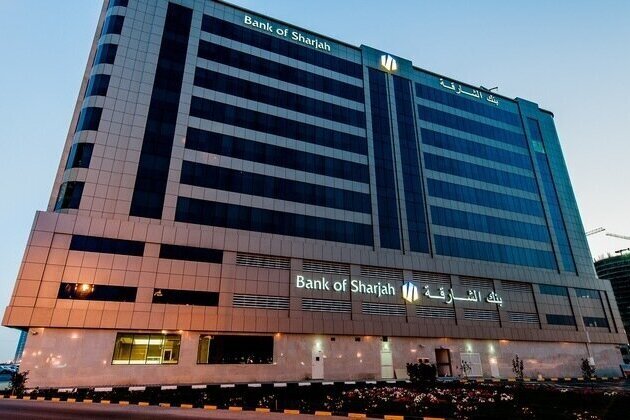
Bank of Sharjah played a key role in Ittihad International Investment LLC’s latest financing success, serving as Joint Lead Manager and Bookrunner in a US$550 million senior unsecured Sukuk issuance. The five-year bond offering attracted overwhelming investor interest, with the order book oversubscribed more than four times, peaking at US$2 billion. This level of demand highlights the strong confidence investors have in Ittihad International’s financial health and future growth prospects.

The Sukuk issuance represents a major milestone for Ittihad International Investment LLC, a prominent UAE-based investment group. With a focus on diversified investments across various sectors, Ittihad International has consistently shown its ability to adapt to market changes and maintain robust financial fundamentals. The success of the Sukuk offering is a clear reflection of the group’s strategic vision, which continues to resonate well with both regional and international investors.

The issuance attracted a diverse mix of institutional investors, including sovereign wealth funds, banks, and asset managers from across the globe. The appetite for the bond offering was not only driven by Ittihad’s strong credit profile but also by the stability and potential growth of the UAE’s economy, which remains a key driver for investment in the region. The overwhelming demand for the Sukuk underscores the high level of trust investors place in Ittihad’s long-term business strategies.

This successful transaction is a significant achievement for Bank of Sharjah, which has built a strong reputation in the financial sector for its role in leading major capital market deals in the region. The bank’s involvement as Joint Lead Manager and Bookrunner further solidifies its position as a leading financial institution in the UAE and the broader Middle Eastern market. Bank of Sharjah’s role in this high-profile Sukuk offering is seen as an endorsement of its deep understanding of regional markets and its ability to facilitate complex transactions for clients in a competitive environment.

The Sukuk, which is based on a Sharia-compliant structure, offers investors an attractive return while supporting Ittihad International’s strategic initiatives. The proceeds from the issuance are expected to be used for general corporate purposes, which include financing new investments and expanding the company’s portfolio in the UAE and beyond. The success of the transaction is a testament to Ittihad’s ongoing efforts to strengthen its financial position and drive long-term value for its stakeholders.

The Sukuk market in the Middle East has been thriving in recent years, with increasing interest from both local and international investors in Islamic finance products. The demand for Sukuk remains strong due to the region’s large and growing investor base, as well as the broader appeal of Sharia-compliant financial instruments. The Ittihad Sukuk transaction highlights the continued maturity of the Middle East’s debt capital markets and reinforces the role of Islamic finance in diversifying global investment opportunities.

The deal’s success also comes at a time when investor confidence in the UAE remains high, bolstered by the country’s continued economic recovery, business-friendly policies, and strong infrastructure development. These factors have contributed to the UAE’s attractiveness as a destination for both regional and international investors looking to capitalise on the country’s growth potential.

The ongoing government shutdown has forced airlines to cancel hundreds of flights, deepening travel chaos across the United States. Major airports in New York City, along with others nationwide, have been hit with severe delays and cancellations, as air traffic controllers and federal aviation staff are affected by the furloughs. The Federal Aviation Administration has significantly reduced staffing levels in several air traffic control centres, leading to […]

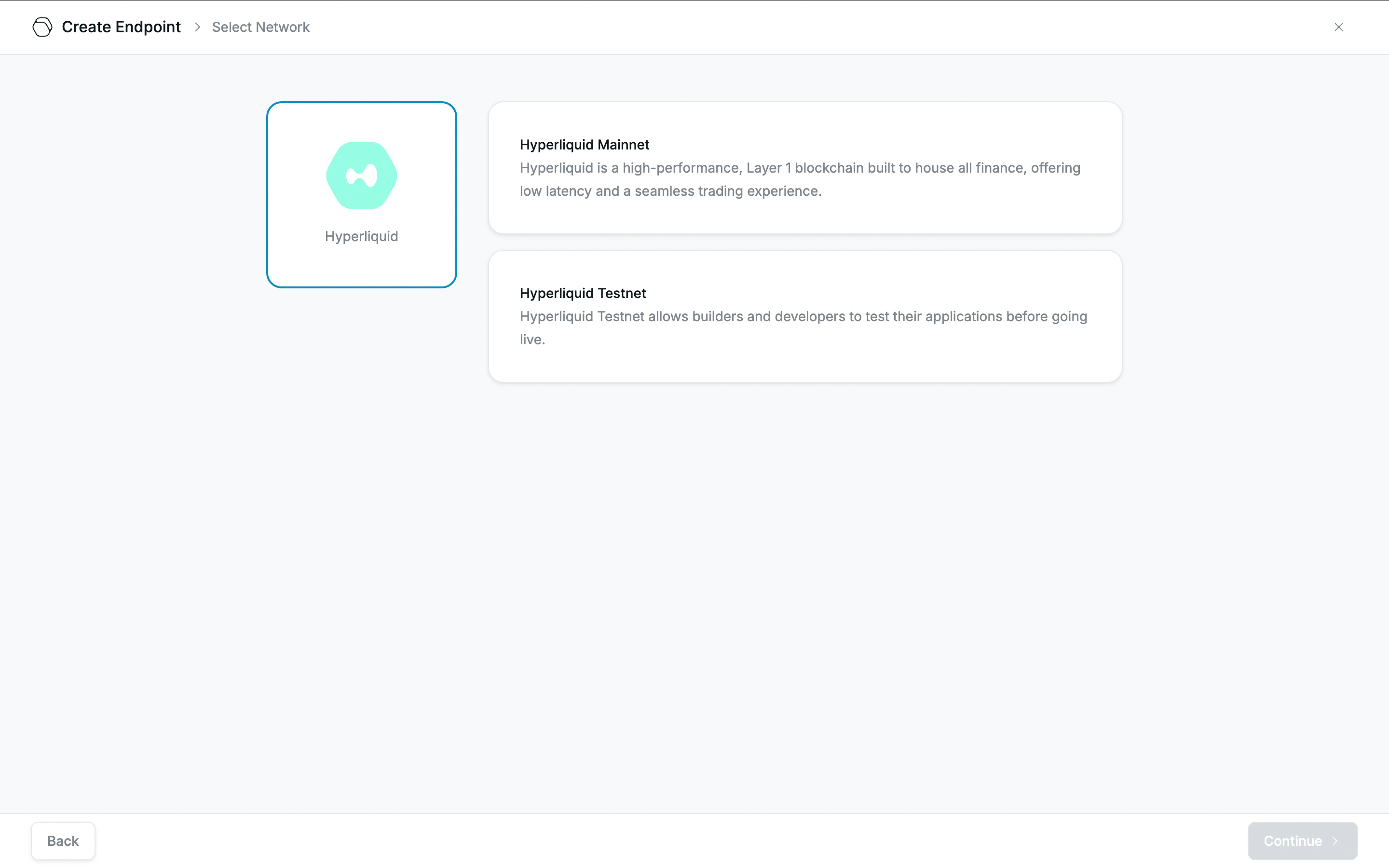
Hyperliquid, a prominent decentralized finance platform, is currently trialing a new feature known as the BorrowLendingProtocol on its Hypercore testnet. This marks a significant development in the platform’s broader efforts to enhance its functionality and user offerings within the DeFi ecosystem. With the test phase underway, the protocol is expected to reshape the way users interact with digital assets on Hyperliquid, particularly for those seeking to borrow and lend.

The BLP is designed to support both USDC and PURR tokens, offering a dual functionality for users who wish to either supply their assets for lending or borrow assets for liquidity purposes. This borrowing and lending mechanism could open up new opportunities for users to maximize their holdings, allowing them to earn interest on idle assets or leverage borrowed funds to enhance their trading capabilities.

As speculation grows, many industry observers believe that the BLP will eventually become the foundation of Hyperliquid’s Multi-Margin system. This system would enable users to borrow multiple assets for margin trading, potentially unlocking a more sophisticated layer of DeFi tools on the platform. However, as the feature is still in its testing phase, no official confirmation has been provided regarding this integration.

Hyperliquid’s decision to test the protocol on the Hypercore testnet is a strategic one, allowing the team to assess the feature’s performance and ensure it is operating as intended before rolling it out to the broader user base. The testnet serves as a proving ground for new developments, offering an environment where bugs and issues can be identified and rectified without risking the platform’s mainnet integrity.

The introduction of BLP into the DeFi space is significant not only for Hyperliquid but also for the broader market. Borrowing and lending protocols have become a cornerstone of DeFi ecosystems, enabling more dynamic interactions between users and assets. These protocols allow for enhanced liquidity, allowing users to access funds without needing to sell their holdings. In addition, they create new ways for investors to diversify their strategies, from borrowing to take advantage of price movements to lending assets for passive income generation.

The launch of BLP could position Hyperliquid as a more competitive player in the crowded DeFi space. As more platforms introduce borrowing and lending features, the demand for flexible, secure, and user-friendly systems grows. Hyperliquid’s focus on providing a seamless, highly functional borrowing and lending experience could attract more users looking for a comprehensive DeFi solution.

As the trial progresses, Hyperliquid will closely monitor user feedback and performance metrics to ensure the system meets the expectations of its community. Any adjustments to the protocol will be made based on this data, ensuring that the final version is robust and capable of handling the demands of an active user base.

The BLP’s potential integration into Hyperliquid’s Multi-Margin system could pave the way for new strategies within the platform. Multi-margin systems allow traders to use their collateral across various assets, enhancing their ability to take on larger positions without increasing their initial outlay. By combining BLP with Multi-Margin, Hyperliquid could offer traders a more versatile toolset for managing risk and maximizing returns.

Lendlease Global Commercial REIT, a real estate investment trust listed in Singapore, has secured a major acquisition, purchasing a 70% stake in Singapore’s Paya Lebar Quarter mall. The deal, valued at $679 million, sees the Singapore-listed trust take ownership of a significant portion of the property from the Abu Dhabi Investment Authority. The acquisition comprises 70% of the total issued units in the PLQM Trust, which owns […]

The GCC bond market has experienced a surge in activity this week, with borrowers from various sectors seizing the opportunity to tap into favourable financial conditions. The tightening of borrowing costs has created a window of opportunity for sovereigns, banks, and corporations, leading to a total of nine mandates being issued.

The rush for capital comes at a time when borrowing costs have reached historically low levels. For many issuers, this represents an ideal moment to lock in cheap debt ahead of any potential future rate hikes. Among the most notable developments in this surge are the issuances of subordinated US dollar-denominated instruments, which have become increasingly popular among borrowers.

Sovereign issuers have been particularly active, with a mix of established and emerging players entering the market to raise funds for various development projects. These sovereign bonds are typically seen as safe investments, attracting strong interest from global investors. The preference for subordinated debt, which is ranked lower than senior debt in the event of default, reflects the confidence investors have in the region’s economic stability despite global uncertainties.

Banks, too, have been prominent participants in this market rally. With liquidity abundant, financial institutions have been eager to raise funds through bonds in order to strengthen their balance sheets and support lending activities. Several major GCC banks have launched bond issues, with a focus on long-term debt offerings to manage their refinancing needs and capital adequacy requirements.

Corporate borrowers, meanwhile, have been drawn to the bond market as a means of financing expansion and strategic initiatives. In particular, companies with strong credit ratings have capitalised on the tight borrowing conditions to secure funding at competitive rates. The demand for subordinated instruments has allowed corporates to issue debt with slightly higher yields, while still benefiting from the current low-rate environment.

One of the key drivers behind this bond market activity is the broader economic stability in the GCC region. Despite global challenges such as oil price volatility and geopolitical tensions, the region’s sovereign wealth funds and strong fiscal management have provided investors with confidence. Additionally, the implementation of economic diversification strategies across the Gulf States has helped bolster investor sentiment.

Another contributing factor is the continued strength of the US dollar, which is pegged to most of the GCC currencies. With the Federal Reserve maintaining its policy stance and the dollar remaining strong, issuers are able to tap into deep liquidity pools from global investors who are looking to park funds in stable currencies. As a result, demand for US dollar-denominated bonds from the GCC remains robust, particularly in the context of tightening global financial conditions.

The trend towards subordinated debt issuance has also been partly driven by investor demand for higher-yielding instruments, as investors seek returns in an otherwise low-interest-rate environment. Subordinated debt typically offers a higher yield due to its increased risk profile, making it attractive for investors seeking greater returns, especially as other asset classes provide limited growth.

Looking ahead, it is expected that this trend will continue in the short term as issuers capitalise on the current favourable market conditions. Analysts predict that the next few weeks may see even more issuances, as sovereigns and corporates look to take advantage of tight borrowing costs before any potential shifts in the global financial landscape.

Abu Dhabi National Oil Company is poised to significantly ramp up its global trading operations, with plans to increase the volume it handles by two-thirds over the next few years. This expansion is part of a broader strategy to strengthen ADNOC’s position on the global stage and tap into new revenue streams. The move signals the growing ambition of the UAE’s state-owned oil giant to enhance its commercial footprint beyond traditional oil and gas production.

Since the establishment of its trading arm in 2018, ADNOC has been gradually building its global network, positioning itself as a major player in international energy markets. The company has already set up trading offices in key financial hubs such as Singapore and Geneva, with the United States next on its list. This expansion is seen as a strategic initiative aimed at consolidating ADNOC’s presence in both the fuel trading and energy markets, where it competes with some of the world’s largest oil companies.

Ahmed Bin Thalith, CEO of ADNOC Global Trading, outlined the company’s goals during a recent interview. He explained that ADNOC’s trading operations are central to its broader strategy of extracting greater value from the fuel produced not only in the UAE but from global markets. Thalith emphasized that the expansion of the trading unit is integral to ADNOC’s vision of becoming a more diversified energy enterprise, moving beyond its traditional role as a major oil producer.

The UAE, known for its vast reserves of oil and natural gas, is under pressure to diversify its economy, which is heavily dependent on hydrocarbons. By expanding its trading operations, ADNOC seeks to secure additional revenue streams from the global sale of fuel products, a vital step as the world moves towards a more sustainable energy future. The move aligns with the UAE’s broader vision of positioning itself as a global energy hub, diversifying into renewable energy and other industries, such as technology and manufacturing.

ADNOC’s global trading expansion follows a series of similar moves by other Gulf oil companies seeking to broaden their operations beyond the traditional export of crude oil. Companies like Saudi Aramco have been pursuing similar strategies to increase their influence in the global energy trading market. However, ADNOC’s strategy to build a robust trading platform since 2018 gives it a more established presence in the field. The company is now looking to leverage its growing infrastructure to manage an even greater volume of trades, both within the Middle East and globally.

In addition to expanding its physical presence in strategic locations, ADNOC Global Trading is also exploring new technologies to improve its operations. This includes the use of data analytics and advanced digital tools to monitor and predict market trends, a crucial aspect for maintaining competitiveness in the volatile global energy market. By integrating cutting-edge technology into its trading practices, ADNOC aims to stay ahead of the curve and better position itself in a market where agility and adaptability are paramount.

The decision to enter the U. S. market is one of the more ambitious elements of ADNOC’s expansion plans. The company aims to tap into the largest energy market in the world, which has seen significant changes in recent years due to the shale revolution and growing interest in alternative energy sources. By establishing a presence in the U. S., ADNOC hopes to gain access to new trading opportunities, as well as foster relationships with key players in the global energy sector.

The expansion also reflects ADNOC’s long-term vision of becoming a more diversified energy company that is not solely reliant on crude oil exports. The UAE has been increasingly investing in renewable energy, and ADNOC’s trading division is seen as a key pillar in achieving this transition. As part of its sustainability strategy, ADNOC has set ambitious targets for reducing its carbon footprint and increasing its investment in cleaner energy technologies, including solar power and hydrogen.

VISHNU RAJA
RYO YAMADA
HITORI GOTOH
IKUYO KITA