News related to
secure

The International Monetary Fund projects Abu Dhabi’s economy to expand by 4.2% in 2025, accelerating to 5.8% in 2026, while Dubai’s growth is forecasted at 3.3% in 2025, increasing to 3.5% in 2026. Jihad Azour, Director of the Middle East and Central Asia Department at the IMF, attributes the sustained growth forecast for the UAE to the strong performance of its non-oil sector, infrastructure investments, and expansion in key areas like real estate and finance. He anticipates the UAE economy to grow by 4% in 2025, with growth accelerating to 5% in the following year.

Azour emphasised that the Gulf Cooperation Council states do not have identical economic structures or reserve levels, leading to varied responses to global market fluctuations. He noted that the UAE’s adaptability to global economic and geopolitical changes, its role as a critical hub between major economic blocs, and its position as a centre for international events have contributed to its economic resilience.

The IMF’s projections come amid a broader context of global economic uncertainty. The IMF has reduced its 2025 economic growth forecast for the Middle East and North Africa region to 2.6%, down from 4% projected in October 2024, due to rising global uncertainties from trade tensions, declining oil prices, and ongoing regional geopolitical tensions. Despite these challenges, the UAE’s economy has shown remarkable adaptability and utilised modern technology to thrive, maintaining high growth rates.

Key factors supporting the UAE’s positive economic outlook include investments in digital and technological sectors, renewable energy, and green initiatives, along with the country’s strategy of diversifying investment sources and promoting climate sustainability. The UAE has undergone considerable transformation in recent years, embracing advanced technologies to enhance its services, boost competitiveness, and solidify its position as a global economic and financial hub.

The UAE has enhanced its reputation as a premier destination for global investments through significant commitments in promising sectors like technology, technological infrastructure, and renewable energy. Major economic events, including Expo 2020 Dubai and the upcoming COP28 climate conference, have also contributed to this heightened attractiveness.

Dubai, in particular, has emerged as a secure haven for investors and a strategic planning location. Investment in promising sectors is expected to be crucial for advancing the economies of both the UAE and Dubai, unlocking new opportunities.

DP World has successfully raised $1.5 billion via a 10-year green sukuk, priced at 145 basis points over U.S. Treasuries with a 5.5% coupon rate. The issuance attracted orders exceeding $3.3 billion, underscoring investor confidence in the company’s financial health and sustainability initiatives. The sukuk, set to be issued on May 8, 2025, under Regulation S and Rule 144A, is facilitated through DP World Crescent Limited, a […]

Chelsea Football Club has signed a landmark partnership agreement with DAMAC Properties, appointing the Dubai-based luxury real estate developer as the club’s official Property Development Partner. The collaboration will see the launch of Chelsea Residences by DAMAC, a high-end residential development in Dubai that will merge world-class football branding with luxurious living.

The development will be situated in Dubai Maritime City, an area known for its premium waterfront views and proximity to the heart of Dubai. This location will offer residents seafront views and easy access to the city’s key attractions. Chelsea Residences is slated to include over 1,400 residential units, ranging from apartments to luxury villas, designed to meet the needs of affluent buyers seeking both high-end living and a touch of football culture in their homes.

The project’s design promises to blend the elegance of Chelsea’s iconic blue branding with the sophisticated and modern style synonymous with DAMAC Properties. It will feature Chelsea-branded amenities, including state-of-the-art fitness centres, wellness facilities, and a football-themed community space, which aims to embody the values of health, fitness, and well-being that the club advocates both on and off the pitch.

In addition to providing a distinctive football-themed residential experience, the collaboration will also see the creation of exclusive lifestyle experiences for residents. This could include special events, VIP access to Chelsea games, and potential meet-and-greet opportunities with players and management. The project is expected to attract not only football fans but also investors interested in combining luxury living with a globally recognized sports brand.

This partnership marks a strategic move by Chelsea FC to further enhance its brand value beyond football, entering the lucrative real estate market. For DAMAC Properties, the association with one of the world’s most popular football clubs is an opportunity to expand its portfolio and tap into new demographics, particularly those with a passion for football.

The project also underscores Dubai’s status as a global hub for luxury real estate and sports investment. The city, known for its ambitious development projects and high-profile partnerships, continues to draw attention from international investors. By combining the global appeal of Chelsea FC with DAMAC’s reputation for delivering top-tier residential projects, Chelsea Residences aims to attract both local and international buyers looking for a distinctive and luxurious living environment.

The development aligns with the UAE’s wider strategy to position itself as a leader in luxury lifestyle offerings, particularly in the areas of hospitality, sports, and entertainment. Dubai has long been a magnet for wealthy expatriates and investors, with its real estate market offering a unique blend of high-end developments and tax-free benefits.

While DAMAC Properties is no stranger to branding collaborations, this partnership with Chelsea FC is particularly notable for its scale and the integration of football culture into real estate. Previous DAMAC ventures have included high-profile collaborations with fashion brands like Versace and Fendi, but the Chelsea partnership takes it a step further by incorporating a sport with such a massive global following.

Chelsea Residences by DAMAC is part of a broader trend of football clubs seeking new ways to monetise their brand through property developments and other ventures outside of traditional sponsorship deals. Similar moves have been made by other top European clubs, which have entered the real estate market to capitalize on their large, global fanbases. However, this development is unique for its strong focus on the football experience and its integration of Chelsea’s ethos and values.

The project is expected to be completed in phases, with the first units likely to be ready for occupancy within a few years. The development’s timeline will likely be influenced by factors such as the economic climate and demand for luxury properties in the region. However, early interest in the project is anticipated to be strong, particularly among Chelsea fans and international investors looking to secure a piece of the high-end Dubai market.

This partnership also highlights a growing trend in the sports industry, where clubs are diversifying their revenue streams and looking beyond traditional matchday earnings, broadcasting deals, and merchandise sales. With its extensive global fanbase, Chelsea FC’s partnership with DAMAC opens up the potential for new revenue streams, while offering DAMAC a chance to strengthen its brand association with one of the most successful football clubs in the world.

QEMU 10.0, the latest iteration of the open-source virtualisation platform, introduces substantial improvements across multiple instruction set architectures , notably RISC-V, x86, and ARM64. This release is poised to benefit developers and system architects by enhancing emulation capabilities and performance. A significant development in this version is the expanded support for RISC-V, an open-source ISA gaining traction in various computing domains. QEMU 10.0 adds emulation support for […]

Eric Trump, son of former U.S. President Donald Trump, has issued a stark warning to the global banking industry: without embracing cryptocurrency, particularly Bitcoin, banks could face extinction within the next decade. In a bold statement, he emphasised that financial institutions must adapt to the evolving landscape of digital finance or risk being rendered obsolete by the rise of decentralised financial systems. Trump’s remarks come at a […]

Microsoft CEO Satya Nadella has confirmed that between 20% and 30% of the company’s code is now written by artificial intelligence , underlining a significant shift in how software is being developed. Speaking at Meta’s LlamaCon conference, Nadella explained that AI’s growing role in coding reflects broader trends in the tech industry, where machine learning models and advanced algorithms are streamlining development processes and augmenting human programmers’ […]

The Grindery team has introduced Aventino, a new wallet infrastructure designed to streamline payments for AI agents. This development marks a significant advancement in the realm of artificial intelligence, offering an innovative solution aimed at improving the transaction process between AI agents and users. Aventino was launched after extensive efforts to build a permissionless payments layer for AI agents, making it easier for these systems to engage in secure, autonomous transactions without the need for human intervention.

Aventino, a developer-focused platform, seeks to solve the complex problem of integrating payment functionalities into AI systems. The wallet is crafted to provide smart wallets that allow AI agents to store, manage, and transfer digital assets seamlessly. The introduction of this platform opens up new opportunities for automation, enabling AI agents to handle transactions, subscriptions, and various forms of digital exchanges autonomously, with minimal oversight from humans.

Grindery, already known for its Telegram-based smart wallet, has taken a step further with Aventino, targeting developers seeking to build decentralized applications and tools for AI-driven systems. By offering a robust and scalable wallet infrastructure, Aventino positions itself as a crucial building block in the rapidly evolving world of AI and blockchain technology. Developers can now integrate these payment systems directly into their AI agents, facilitating a smoother user experience and greater functionality.

The importance of such infrastructure cannot be overstated, as AI systems continue to gain sophistication and autonomy. For AI agents to function efficiently in various real-world applications—whether in financial services, healthcare, or supply chain management—they need a secure and reliable method of handling transactions. Aventino’s design addresses this need by offering an easy-to-use interface that makes it simple for AI agents to interact with blockchain networks.

Aventino provides a permissionless structure, meaning it does not require centralised control or approval to facilitate transactions. This feature is particularly appealing in an age where decentralisation is a priority for many industries, including finance and AI. It also aligns with the growing push for greater transparency and security in digital finance systems. By offering a decentralised infrastructure, Aventino enhances the autonomy of AI agents, allowing them to make decisions and execute transactions without the need for a trusted third party.

The wallet infrastructure also integrates with existing blockchain ecosystems, including Ethereum, which is widely recognised for its smart contract capabilities. This compatibility ensures that AI agents using Aventino can easily participate in decentralized finance activities, as well as interact with a broader ecosystem of dApps. With the rise of DeFi, it is crucial for AI systems to have access to this fast-growing financial network, and Aventino positions itself as a gateway to these opportunities.

The development of Aventino is part of a broader trend of increasing automation within the digital economy. As AI continues to penetrate various industries, the demand for autonomous payment solutions grows. Traditional payment systems have limitations in handling the high volume and speed of transactions required by AI-driven systems. With Aventino, the Grindery team is offering a tailored solution that ensures AI agents can operate with the same efficiency and reliability expected from human-driven transactions.

Grindery’s approach to AI agent payments is also notable for its emphasis on ease of integration. Developers do not need to build their own payment systems from scratch. Instead, they can leverage Aventino’s infrastructure to quickly integrate payment capabilities into their AI systems. This not only saves time and resources but also allows developers to focus on other aspects of AI development, such as functionality and user experience.

The potential use cases for Aventino are vast. In industries like finance, AI agents can manage portfolios and execute trades based on real-time market data. In healthcare, they could manage patient records and process payments for services without human involvement. Similarly, in logistics, AI agents can oversee supply chain transactions, ensuring that payments are made on time and that goods are delivered as scheduled. Aventino enables these applications by ensuring that transactions are secure, fast, and reliable.

Grindery’s decision to design Aventino for developers shows a deep understanding of the needs within the AI and blockchain communities. The platform is built to offer flexibility, allowing developers to customise the wallets to meet the specific needs of their AI agents. Whether it’s a simple transaction or a more complex payment structure, Aventino can handle a variety of transaction types, providing developers with a powerful tool to bring their projects to life.

One of the core advantages of Aventino is its scalability. As AI adoption grows, so too will the demand for AI-driven payment solutions. Aventino’s infrastructure is designed to scale with the increasing complexity of AI systems and the growing volume of transactions. This ensures that the platform can accommodate the needs of both small developers and large enterprises as they seek to build more advanced AI applications.

Advertisements

HONG KONG SAR – Media OutReach Newswire – 30 April 2025 – The Chinese University of Hong Kong (CUHK) continues to attract top talent from Vietnam, as demonstrated by Ryan Le Minh Khue, a Year 3 student in the Integrated Bachelor of Business Administration (IBBAC) Programme. Coming from the prestigious Nguyen Hue High School for the Gifted in Hanoi, Ryan represents a growing trend of Vietnamese students […]

Loan Assets Reach a Record High of HK$3.13 billion Customer Deposits Have Significant Growth of 74% Net Interest Income Surged 70% to over HK$130 million In 2024, PAObank achieved outstanding performance across key operational indicators, with net interest income increasing significantly by 70% year-on-year to over HK$130 million. Dedicated to empowering SMEs, PAObank remains committed to supporting their upgrade and transformation. In 2024, total loans and advances […]

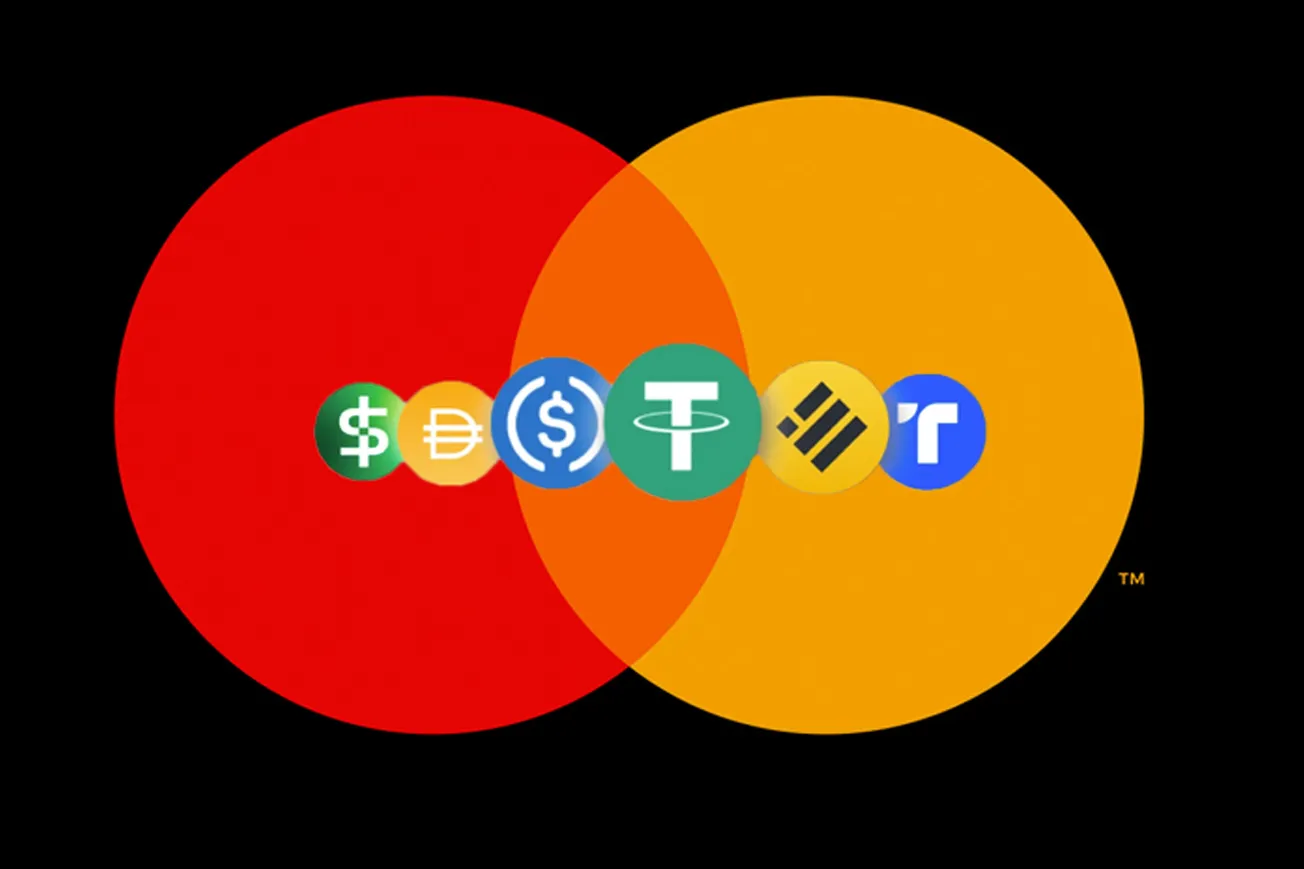
Mastercard has moved to expand its digital asset footprint by unveiling a stablecoin-powered global payment system that aims to bridge traditional finance with blockchain technology. The initiative incorporates wallet integration, card issuance, merchant settlement, and on-chain remittances, signalling a major endorsement for stablecoins within mainstream financial services.

The payments giant will partner with OKX to launch the OKX Card, offering users the ability to spend crypto assets seamlessly through Mastercard’s established infrastructure. The collaboration is positioned to provide cardholders with the option to convert their digital holdings into fiat currency at the point of sale, utilising USDC stablecoins to facilitate transactions in real time.

Mastercard’s broader collaboration also includes Circle, Nuvei, and Paxos, three key players in the stablecoin and blockchain space. The strategy centres on enabling direct merchant settlement using stablecoins, starting with USDC. The move is expected to accelerate merchant acceptance of digital currencies by eliminating the need for fiat conversions and complex intermediary processes.

Raj Dhamodharan, Mastercard’s head of crypto and blockchain, stated that the company is building a “future-proof” payments ecosystem that integrates digital assets responsibly and securely. He emphasised that Mastercard’s framework would ensure compliance with existing regulations and uphold strong consumer protection measures while offering the benefits of blockchain efficiencies.

By embedding stablecoins into payment rails, Mastercard is seeking to address long-standing challenges that have limited wider adoption of digital currencies, including volatility, liquidity management, and interoperability between financial systems. Stablecoins, which are typically pegged to fiat currencies like the US dollar, offer price stability that traditional cryptocurrencies like Bitcoin do not, making them more suitable for everyday transactions.

The OKX Card is expected to launch initially in select markets, with expansion plans to follow based on regulatory approvals and market demand. OKX’s president Hong Fang described the partnership as a “game-changer” that will “empower millions to experience the future of payments today.” The card will allow users to link their crypto wallets directly and spend their digital assets without the need to manually convert them into fiat beforehand.

Mastercard’s collaboration with Circle is particularly noteworthy as Circle’s USDC stablecoin is widely regarded for its regulatory compliance and transparency. Circle CEO Jeremy Allaire welcomed the partnership, highlighting that direct merchant settlement in USDC would reduce transaction costs, enhance speed, and provide greater transparency across payment processes.

Nuvei and Paxos will contribute to strengthening the backend settlement capabilities. Nuvei, a global payment technology firm, brings extensive experience in integrating alternative payment methods for merchants, while Paxos, a regulated blockchain infrastructure platform, provides trusted stablecoin issuance and custody solutions.

This new framework comes at a time when global financial institutions are increasingly exploring digital currencies. The Bank for International Settlements reported an upsurge in central bank digital currency projects globally, with a growing focus on how stablecoins and blockchain could complement traditional payment systems rather than disrupt them.

Mastercard has been experimenting with blockchain and digital assets for several years, conducting pilot programmes with various crypto companies and financial institutions. The company’s partnership with the Reserve Bank of Australia and the Digital Finance Cooperative Research Centre on a central bank digital currency pilot was another key step illustrating its commitment to innovating responsibly within the space.

Mastercard’s stablecoin settlement model follows a successful pilot in Australia, where live transactions using USDC and Mastercard’s network proved the technical viability and regulatory feasibility of using stablecoins for real-world transactions. The pilot included collaboration with Cuscal and Mintable, showcasing the ability to settle card transactions directly on blockchain networks.

Through these developments, Mastercard appears to be positioning itself as a leader among traditional financial service providers seeking to integrate blockchain into their core offerings. This approach not only supports digital asset adoption but also builds bridges between traditional payment providers and emerging decentralised finance ecosystems.

Industry analysts note that Mastercard’s entry into stablecoin-powered payments could force other major payment processors to accelerate their blockchain strategies. Visa, which has been running its own stablecoin settlement pilots, will likely view Mastercard’s moves as a call to action to deepen its blockchain integration efforts to remain competitive.

There are challenges ahead, particularly regarding regulatory clarity. Stablecoins have come under increasing scrutiny from regulators concerned about financial stability, money laundering, and consumer protection risks. Mastercard has indicated that its stablecoin programme will operate within regulated frameworks, ensuring that only stablecoins backed by transparent and compliant reserves are included.

The initiative also highlights growing merchant interest in accepting digital currencies without bearing volatility risks. Direct stablecoin settlement allows merchants to receive payment in a stable asset without relying on third-party crypto-to-fiat conversion services, streamlining operations and reducing costs.

As stablecoins continue to evolve beyond speculative assets into functional financial tools, Mastercard’s system reflects an understanding that digital currencies must serve real-world use cases to achieve mainstream adoption. The company’s ability to integrate stablecoin technology with traditional card networks could significantly alter how digital assets are used in daily commerce.

Mastercard’s latest announcement also underlines a broader industry shift toward interoperability. By supporting transactions across multiple blockchain networks and integrating with different stablecoin issuers, Mastercard aims to create a unified ecosystem where users, merchants, and financial institutions can interact seamlessly across both traditional and digital finance landscapes.

Tether’s tokenised gold product, XAU₮, has reached a major milestone with over 7.7 tonnes of physical gold now backing the asset, pushing its market capitalisation to $770 million as of 28 April 2025. This development marks a significant expansion of Tether’s portfolio beyond its flagship stablecoin USDT and highlights growing investor interest in digital assets secured by tangible commodities.

XAU₮, which represents ownership of one troy ounce of gold held in Swiss vaults, has seen steady accumulation over the past year amid fluctuating economic conditions and shifting investor sentiment towards inflation-resistant assets. According to market data, the token’s supply growth has mirrored increasing demand for alternative stores of value as concerns around fiat currency stability and geopolitical tensions continue to drive diversification strategies.

Tether’s disclosure that XAU₮ is now underpinned by more than 7.7 metric tonnes of physical gold signals strengthened efforts by the company to reinforce confidence in its tokenisation products. Analysts observing this trend note that digital gold products have carved a distinct niche, combining the traditional appeal of precious metals with the technological advantages of blockchain systems, including faster settlement times and greater accessibility for a global investor base.

Paolo Ardoino, CEO of Tether, stated that the surge in XAU₮’s backing reflects broader demand for hybrid assets that bridge the gap between conventional wealth preservation tools and new digital financial infrastructure. He added that Tether remains committed to transparency and robust management practices as it expands its product suite.

Since its launch, XAU₮ has distinguished itself by providing a clear legal structure for ownership claims over specific gold bars, with serial numbers and weight details disclosed through regular attestations. This level of verification has been crucial in appealing to institutional participants who require clear regulatory and custodial assurances before engaging with tokenised assets.

The achievement of a $770 million market cap also places XAU₮ among the most substantial gold-backed cryptocurrencies in circulation, competing with platforms like Paxos Gold and Perth Mint Gold Token . However, Tether’s strong brand presence and expansive network have given XAU₮ a competitive edge in terms of liquidity and market penetration.

Gold itself has continued to perform as a relatively stable asset amid volatile equity markets, stubborn inflation in key economies, and unpredictable monetary policy shifts. As of late April, gold prices hovered around $2,350 per ounce, with analysts forecasting further strength if macroeconomic uncertainty persists. This backdrop has reinforced the appeal of tokenised gold products like XAU₮, especially for investors looking for easily tradable options without the logistical challenges of physical storage.

XAU₮ has also benefited from integration with major exchanges and decentralised finance platforms, allowing users to utilise tokenised gold in broader financial applications such as lending, borrowing, and yield farming. This flexibility contrasts with traditional gold investment avenues, which typically lack interoperability with modern financial tools.

Institutional interest has played a critical role in the token’s growth trajectory. Asset managers, family offices, and corporate treasuries have increasingly explored tokenised commodities as a way to diversify their holdings while maintaining exposure to traditional safe havens. The ability to transfer ownership efficiently and transparently across jurisdictions has further bolstered the attractiveness of XAU₮.

Tether has continually faced scrutiny over its reserve management practices, particularly regarding USDT. However, the company’s detailed disclosures regarding XAU₮’s physical gold reserves appear to have mitigated similar concerns for this product. Regular attestations by third-party auditors have provided additional layers of reassurance to stakeholders wary of opaque reserve practices.

The evolving regulatory environment for stablecoins and tokenised assets may also influence the trajectory of products like XAU₮. Jurisdictions such as the European Union, the United Arab Emirates, and Singapore have introduced or are in the process of finalising frameworks aimed at ensuring greater oversight and consumer protection within the digital asset space. These regulations are expected to encourage higher standards of reporting and reserve management among issuers, benefiting products that already maintain rigorous transparency protocols.

Market participants have observed that gold tokenisation is emerging as a sector with strong fundamentals, particularly as broader adoption of blockchain technology reshapes traditional financial services. XAU₮’s growth demonstrates that tokenisation is not limited to speculative assets but can extend to historically conservative sectors such as commodities.

While challenges remain — including regulatory uncertainty, technological security risks, and the need for robust custodial solutions — the success of Tether’s XAU₮ underscores a maturing digital asset market increasingly focused on quality, transparency, and tangible backing. Observers suggest that continued institutional adoption and technological advancements could position tokenised gold as a staple component of diversified digital portfolios.

Nscale, a rapidly growing artificial intelligence startup, is positioning itself to raise around $2.7 billion in funding as it prepares for a high-profile partnership with ByteDance Ltd. The deal comes at a crucial time for Nscale, which is also grappling with a significant debt load estimated at $1.8 billion. The company, which is less than a year old, has quickly captured attention in the AI sector with […]

Revolut has reported a significant pre-tax profit of $1.4 billion for 2024, marking a 149% surge compared to the previous year. This surge is largely attributed to the company’s strategic expansion, diversified revenue streams, and growing customer base. The fintech firm has also taken a key step in its plans to further solidify its presence in the financial sector with the acquisition of a UK banking licence. […]

SINGAPORE – Media OutReach Newswire – 28 April 2025 – On April 23, at the inaugural GITEX ASIA 2025 in Singapore, iFLYTEK made a grand entrance by unveiling its On-Prem LLM All-in-One Solution to global acclaim. This turnkey appliance is meticulously engineered for enterprises that demand robust levels of data sovereignty and bespoke AI capabilities, enabling organizations to train, fine-tune, and deploy large language models entirely within […]

Arabian Post Staff Deliveroo has confirmed the appointment of a new general manager to oversee its operations across the Middle East, marking a significant leadership transition for the online food delivery platform. Anis Harb, who has been with the company for nearly a decade, is stepping down from his role and will be succeeded by Susana Voces, a senior executive with extensive experience in international e-commerce and […]

stc Group has been ranked as the top company for career development in Saudi Arabia for 2025 by LinkedIn, reinforcing its position as a major driver of professional advancement in the region. The recognition reflects the telecommunications giant’s continued investment in employee growth, skills enhancement, and leadership opportunities during a period of rapid digital transformation in the Kingdom.

The LinkedIn Top Companies list, published annually, evaluates organisations based on several critical pillars, including skills growth, company stability, external opportunity, company affinity, gender diversity, and educational background of employees. stc Group secured the top spot after outperforming competitors across these measures, highlighting its emphasis on creating a dynamic and sustainable work environment.

The company’s prioritisation of employee development aligns with Saudi Arabia’s Vision 2030 agenda, which seeks to diversify the economy and build a thriving private sector. stc Group has implemented numerous initiatives aimed at cultivating talent, including internal leadership academies, technical training programmes, and partnerships with leading educational institutions. These efforts are designed to equip its workforce with the digital capabilities and leadership competencies required to thrive in a highly competitive and evolving market.

LinkedIn’s analysis highlighted that stc Group demonstrated exceptional commitment to employee advancement, with many staff members acquiring new skills and transitioning into leadership roles within the company. This has contributed to the organisation’s reputation as a destination employer for professionals seeking both stability and growth in the Kingdom’s vibrant technology and communications sector.

stc Group’s strong performance is also attributed to its comprehensive employee benefits packages, flexible working arrangements, and strategic focus on diversity and inclusion. The company has been recognised for fostering an inclusive workplace culture where opportunities for advancement are accessible across gender and educational backgrounds. This approach is particularly significant as the Kingdom intensifies efforts to boost female participation in the workforce.

The telecommunications sector has seen a major expansion across Saudi Arabia as part of broader efforts to build a digital economy. stc Group has played a central role in deploying 5G infrastructure, expanding fibre optic networks, and investing in emerging technologies such as cloud computing, artificial intelligence, and cybersecurity. This strategic positioning has not only driven the company’s financial success but has also created a wealth of career opportunities for local and international talent.

In addition to its domestic achievements, stc Group has expanded its presence across regional markets, acquiring stakes in companies in Bahrain, Kuwait, and other Gulf Cooperation Council countries. This regional footprint has enabled the company to offer diverse career pathways and foster cross-border professional experiences for its employees.

stc Group’s emphasis on continuous learning has been underscored by the launch of its dedicated Digital Academy, which offers specialised programmes in areas such as data science, cybersecurity, software development, and project management. Through a combination of classroom instruction, online modules, and practical experience, the academy equips employees with the technical expertise needed to lead in the Fourth Industrial Revolution.

The company’s innovation-driven culture has been further reinforced by its establishment of various innovation hubs and research centres, encouraging employees to work on cutting-edge projects that have direct commercial and societal impact. This approach has strengthened employee engagement, enhanced creativity, and driven a spirit of entrepreneurship within the organisation.

The recognition by LinkedIn also comes as stc Group pursues its ambitious DARE strategy, aimed at driving digital transformation, accelerating business growth, reinforcing operational efficiency, and enabling sustainability initiatives. The company’s strategy outlines a clear roadmap for adapting to global technology trends while building a future-ready workforce.

According to data from LinkedIn’s survey, professionals employed at stc Group have experienced higher levels of job satisfaction and career advancement compared to peers in other companies. Many employees have cited the firm’s mentorship programmes, skills training, and international exposure as key reasons for their professional development.

Notably, the company’s focus on promoting female leadership has begun to bear fruit, with women increasingly occupying senior roles across various divisions. This achievement mirrors the broader social and economic reforms underway in Saudi Arabia, where gender parity and empowerment initiatives are gaining momentum across industries.

Saudi Arabia’s labour market has been undergoing a transformation, with employers placing greater emphasis on skills-based hiring and career progression pathways. stc Group’s leadership position in this context underlines its ability to adapt to changing workforce expectations and technological shifts, ensuring that it remains an employer of choice for top talent.

The telecommunications giant’s recognition is expected to further enhance its brand reputation among young professionals and graduates, many of whom view LinkedIn’s Top Companies list as an important guide when considering future employers. stc Group’s investment in youth initiatives, graduate recruitment programmes, and internships has positioned it strongly to attract the next generation of digital leaders.

Beyond technical expertise, stc Group has also focused on cultivating soft skills such as leadership, collaboration, and adaptability among its workforce. The company’s comprehensive talent development strategy is designed to build holistic capabilities, ensuring employees are well-prepared to navigate the complexities of the global digital economy.


A major scientific breakthrough in quantum research has sparked optimism that practical quantum encryption could be realised within the next decade, while a fully developed quantum internet may become achievable within the next half-century, according to leading physicists and technology experts. Researchers at Delft University of Technology in the Netherlands confirmed they had successfully demonstrated quantum entanglement between distant nodes in a network in a stable, reliable […]

HONG KONG SAR – Media OutReach Newswire – 28 April 2025 – In early 2025, Aice, a leading ice cream brand in Southeast Asia, attracted significant attention from global investors following a new round of investment from major shareholders, including China Mengniu Dairy Group – its controlling shareholder. This capital injection is widely viewed as providing both financial and strategic support for Aice’s rapid expansion across Southeast […]

Lebanon’s government is optimistic about securing a staff-level agreement with the International Monetary Fund within the coming months. The move represents a significant step towards addressing the country’s crippling financial crisis, which has left the Lebanese pound in freefall, unemployment rates soaring, and inflation skyrocketing. The news has brought a flicker of hope for a nation desperate for international assistance, after enduring years of economic turmoil exacerbated by political instability and the effects of the 2019 Beirut port explosion.

The announcement, made by Lebanon’s Minister of Economy and Trade, Amin Salam, comes at a time when the country is facing its worst economic collapse since the end of the civil war in the 1990s. Despite the IMF’s cautious stance on extending its aid to Lebanon, negotiations are progressing, and the country is hopeful that an agreement could finally be reached. Salam stated that the aim is for the Lebanese authorities to finalise discussions with the IMF, which would then allow Lebanon to access critical funding to stabilise its economy.

Securing a deal with the IMF is a priority for Lebanon as it seeks to unlock international loans and support. Lebanon has been in talks with the IMF for over two years, with the institution imposing strict financial reforms as a condition for assistance. These reforms are designed to rebuild Lebanon’s crippled financial institutions, tackle rampant corruption, and implement fiscal discipline. However, these measures have been met with resistance from political elites, many of whom have been accused of contributing to the financial crisis through mismanagement and corruption.

The IMF’s requirements include reforms such as restructuring Lebanon’s financial sector, implementing measures to improve the country’s fiscal transparency, and reducing public sector spending. The institution has made it clear that Lebanon must address these structural weaknesses before it can secure international aid. Lebanon’s political class, long known for its infighting and inability to push through reforms, has struggled to meet these expectations, with reforms stalling in the face of political resistance.

Despite these challenges, some experts believe that the IMF agreement is crucial to any hopes of Lebanon stabilising its economy. The Lebanese government has faced mounting pressure from citizens who are increasingly disillusioned with their leaders’ inability to address the country’s dire financial situation. Protests have erupted across the country in recent years, calling for an end to corruption and better governance. While these protests have led to some changes, they have not been enough to reverse the economic downturn.

Economic indicators show the extent of Lebanon’s struggles. The Lebanese pound, which once traded at 1,500 to the dollar, now hovers around 100,000 pounds to the US dollar on the black market, reflecting a dramatic devaluation. Inflation has surged, with food prices spiraling out of control, and essential services such as healthcare and education becoming increasingly unaffordable for many Lebanese citizens. This economic decline has driven more than 60% of the population into poverty, according to estimates from the United Nations and local organisations.

The IMF’s involvement is seen as a necessary step in restoring confidence in Lebanon’s financial system. However, the road to recovery will be long and fraught with challenges. A key issue is the need for political unity. Lebanon’s fractious political system, which is based on a delicate sectarian balance, has hindered the passage of many essential reforms. The lack of a functioning president, with the presidential seat remaining vacant for several months due to political deadlock, has added to the uncertainty.

International donors, including the European Union and Gulf countries, have signalled their support for Lebanon’s recovery plan, but they are also waiting for concrete reforms before committing significant funds. They have been clear that Lebanon’s political elite must demonstrate the political will to implement the reforms required for a sustainable recovery.

Hashdex, the prominent crypto asset management firm based in Brazil, has launched the world’s first spot XRP exchange-traded fund on B3, the São Paulo-based stock exchange. The ETF, known as the Hashdex XRP Fund , started trading this week, marking a significant milestone not only for Latin America’s evolving crypto landscape but also for the global cryptocurrency investment market.

Trading commenced after months of regulatory processes and product development, during which Hashdex worked closely with Brazil’s Comissão de Valores Mobiliários , the national securities regulator. The fund offers direct exposure to XRP, the digital asset created by Ripple Labs, without requiring investors to manage the underlying cryptocurrency themselves. The launch of XRP11 follows a broader trend of growing institutional acceptance of crypto assets in Brazil, where regulatory frameworks have been more accommodating compared to major markets like the United States.

Hashdex’s move underscores Brazil’s increasingly assertive position as a hub for cryptocurrency innovation. Marcelo Sampaio, CEO of Hashdex, said during the fund’s launch that the introduction of a spot XRP ETF aligns with the company’s mission to “bridge the gap between traditional finance and digital assets”. Sampaio added that the demand for diversified crypto investment vehicles has been consistently growing among Brazilian investors, citing the success of earlier Hashdex crypto ETFs such as HASH11, which tracks a basket of cryptocurrencies.

Brazil’s regulatory environment has played a key role in facilitating this development. The CVM has exhibited a proactive stance towards regulating crypto assets while encouraging innovation. In contrast, regulatory bodies like the US Securities and Exchange Commission have taken a more cautious approach, creating delays and uncertainties around the approval of spot crypto ETFs, particularly for assets beyond Bitcoin and Ethereum.

XRP, the digital token linked to Ripple Labs, has had a complex relationship with regulators globally. A significant development came after Ripple secured a partial legal victory against the SEC, wherein a US federal court ruled that XRP sales on public exchanges did not constitute investment contracts. This ruling, while still subject to ongoing litigation and appeals, provided a degree of clarity that has emboldened issuers like Hashdex to pursue XRP-focused financial products in other jurisdictions.

The Hashdex XRP Fund is structured similarly to traditional ETFs. Units of XRP11 are backed 100% by physically held XRP tokens, which are stored in institutional-grade custody solutions provided by trusted crypto custodians. The fund is priced and settled in Brazilian reals, and its portfolio is independently audited to ensure transparency and security for investors.

The move by Hashdex is seen by analysts as a strategic attempt to cement its leadership in the crypto asset management sector within Latin America. Hashdex has already been at the forefront of innovation, having earlier collaborated with Nasdaq to launch a Bitcoin futures ETF in the United States through a hybrid strategy. The launch of XRP11 marks the company’s first foray into offering single-asset spot ETFs focused on altcoins.

Investor response to the new product has been encouraging. Trading volumes for XRP11 on the first day exceeded initial expectations, indicating substantial appetite among retail and institutional investors for regulated crypto products. Paulo Mesquita, Head of Business Development at Hashdex, commented that “the robust reception signals a maturation of crypto investing in Brazil, with investors seeking broader exposure beyond Bitcoin.”

Attention now turns to the potential for similar products in the United States, where the SEC’s approach to spot crypto ETFs has been cautious, despite recent approvals of Bitcoin spot ETFs involving major financial institutions like BlackRock, Fidelity, and Grayscale. Market participants are closely monitoring whether Hashdex’s success in Brazil might embolden US asset managers to push harder for spot ETFs centred on altcoins such as XRP.

Several experts suggest that the SEC’s attitude towards XRP remains a critical obstacle. James Seyffart, an ETF analyst at Bloomberg Intelligence, noted that “until the regulatory status of XRP is definitively settled in the United States, it is unlikely that a spot XRP ETF will gain approval”. However, he added that legal outcomes favourable to Ripple could eventually open the door to similar products in the American market.

Brazil’s advancement comes at a time when global demand for cryptocurrency investment vehicles continues to evolve. Investors are increasingly seeking exposure to digital assets through traditional financial instruments, particularly those offering regulated, easy access without the complexities of direct crypto ownership. Latin America, driven by countries like Brazil, is emerging as a significant frontier for such innovations, offering lessons for larger markets grappling with regulatory hesitations.

Beyond XRP, Hashdex is reportedly exploring the possibility of launching additional single-asset ETFs focused on other major cryptocurrencies such as Solana and Polygon , depending on market conditions and regulatory developments. Such diversification could position Brazil as a critical player in the next wave of crypto investment products, rivalling traditional centres like the US, Europe, and parts of Asia.

World Host Group has expanded its footprint in the web hosting industry by acquiring FastComet, a move that is expected to enhance its global hosting capabilities and deepen its presence among developer-focused customers. The strategic acquisition underscores World Host Group’s broader ambition to position itself as a leader in premium hosting services, capitalising on FastComet’s strong reputation for performance, reliability, and customer support. FastComet, known for its […]

Advancing Asset Management and Structured Products Offering HONG KONG SAR – Media OutReach Newswire – 28 April 2025 – Victory Securities today announced that it has officially obtained two significant regulatory consent from the Securities and Futures Commission (SFC) of Hong Kong to provide virtual asset (VA)-related products and services: 1) provision of discretionary account management services (DAMS) to retail and professional investors, investing in spot VA, […]

By Nitya Chakraborty Three days have passed since the savage terrorist attack at Pahalgam resulting in the death of 26 people, mostly tourists. The communal tenor of the massacre shocked the Indian people. There was unequivocal demand from the people supported by all sections of the political parties that the Narendra Modi government must take […]


PENN Entertainment has unveiled a $180–$200 million initiative to transition its Ameristar Casino Hotel Council Bluffs from riverboat operations to a land-based facility, rebranding it as Hollywood Casino Council Bluffs. The Iowa Racing and Gaming Commission approved the proposal, which includes a 15-year extension of Ameristar’s partnership with the Iowa West Racing Association.

The new development will encompass approximately 125,000 square feet, featuring 58,000 square feet of gaming space with over 1,000 gaming positions on a single level. This facility will complement the existing ESPN BET sportsbook, a 160-room hotel, and dining options currently available in the landside portion of the infrastructure. The existing riverboat, which presently offers gaming across three levels, will be vacated upon the opening of the new property.

PENN has secured an option to partner with Gaming and Leisure Properties, Inc. to facilitate and fund up to $150 million of the expected project budget. The financing may be structured as either rent or a five-year term loan, pre-payable at any time without penalty. Construction is anticipated to take approximately 18–24 months following the design and permitting approval process.

This move aligns with PENN’s broader strategy to modernize its gaming operations and enhance customer experiences. The transition from riverboat to land-based gaming reflects industry trends favoring more accessible and expansive facilities.

VISHNU RAJA
RYO YAMADA
HITORI GOTOH
IKUYO KITA