News related to
secure

Ika’s latest mainnet upgrade has widened its native cross-chain capabilities to cover Solana, Zcash, Cardano, Stellar, Near and several other ecosystems that depend on EdDSA signatures, marking a significant step in efforts to streamline secure multi-chain interoperability. The network, which positions itself as a high-performance parallel MPC infrastructure, said the development enables decentralised wallets on its platform to generate EdDSA signatures directly, removing a key barrier for users aiming to execute transactions across diverse blockchain environments without intermediaries.

Executives described the rollout as a fulfilment of a core commitment to allow seamless control of digital assets across multiple chains through native authentication mechanisms. Analysts tracking the sector noted that Ika’s move arrives at a moment when blockchain networks are intensifying competition to offer deeper interoperability, improved security guarantees and lower latency for institutional and retail users transacting across a dispersed ecosystem. The company’s upgrade introduces direct support for chains with distinct cryptographic architectures, giving developers a more unified environment for building decentralised applications that interact across networks with minimal friction.

EdDSA, a signature scheme valued for speed and resistance to certain attack vectors, has become a standard across several major chains. By integrating native support for it, Ika has aligned itself with a widening group of protocols that rely on this cryptographic approach. Engineers familiar with cross-chain bridging mechanisms said the enhancement reduces the need for external validators or proprietary signing modules, both of which have historically created vulnerabilities that attackers have exploited. The company’s emphasis on decentralised key generation and distributed signing is aimed at addressing those concerns, with the upgrade designed to ensure that no single node gains access to full private key material during any point of the transaction process.

Developers working on multi-chain tools have highlighted that Solana and Zcash pose demanding requirements given their divergent architectures, throughput characteristics and privacy frameworks. Solana’s focus on parallel transaction processing and Zcash’s shielded transaction system require precise signature handling. Ika’s engineers said the upgrade underwent extensive compatibility tests to ensure that signature validity, network confirmation times and verification methods aligned with native standards on each chain. Market observers added that Cardano’s adoption of Ed25519, Stellar’s reliance on simple yet robust distributed consensus, and Near’s sharded architecture also required tailored integration approaches that maintain performance targets while preserving decentralisation.

The extended coverage is expected to attract developers seeking infrastructure capable of delivering verifiable computations and secure multi-party controls without depending on centralised custodial layers. Industry analysts have reported a growing appetite for MPC-based solutions as institutional participants demand cryptographic guarantees that reduce counterparty risk and strengthen operational security. Ika’s parallel design allows multiple signing operations and computations to run simultaneously, a feature the company argues positions it for high-volume environments such as decentralised exchanges, cross-chain liquidity networks and tokenisation platforms.

Executives said the upgrade also lays groundwork for supporting additional ecosystems that may adopt or transition to EdDSA-based cryptography. While the company has not disclosed timelines for further integrations, the MPC network’s architecture is designed to accommodate expanded signature schemes without major reconfiguration. That adaptability has become an important differentiator for infrastructure providers aiming to keep pace with evolving cryptographic standards and the emergence of new blockchain protocols built around enhanced privacy or throughput.

Blockchain security specialists noted that the industry continues to grapple with vulnerabilities in cross-chain bridges, some of which have seen major exploits over the past two years due to weaknesses in multi-signature setups and validator coordination. Ika’s MPC-driven approach seeks to mitigate these risks by distributing trust and eliminating single-point signing authority. By enabling native EdDSA signatures within its distributed wallet environment, the company aims to reduce exposure to the types of exploits linked to compromised custodial keys or flawed verification mechanisms.
HONG KONG SAR – Media OutReach Newswire – 5 December 2025 – Those prioritizing safety and security now have a cost-effective option. Southco’s E3 VISE ACTION® Compression Latch with Visual Indicator is now available in zinc. The latch features red, reflective indicator wings that can be easily viewed when open, allowing latch status to be monitored at all times. This offering further expands the line of MAKE […]

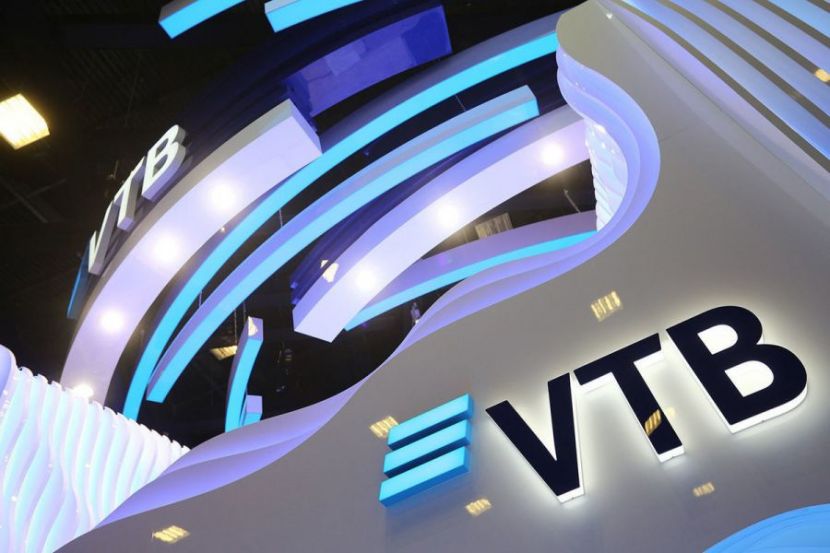
VTB — Russia’s second-largest bank by assets — has announced plans to allow its clients to directly buy, sell and hold cryptocurrencies through its brokerage accounts starting in 2026. The move was disclosed by the head of its brokerage services at an investment conference in Moscow, signalling a shift from derivatives-based crypto exposure toward full asset-level trading.

At present, VTB already offers clients access to cryptocurrency derivatives. The planned service would enable investors to acquire digital assets such as Bitcoin through regular investment or brokerage accounts once regulatory approval is secured. The bank is canvassing regulators and expects authorisation to come through within months.

This development comes against a broader backdrop of rapid evolution in Russia’s digital-asset infrastructure. The Moscow Exchange has recently launched ruble-settled Bitcoin futures and other crypto-linked instruments for institutional investors — part of a broader effort to open new investment channels under carefully structured legal regimes.

Under the current regulatory framework, only “specially qualified” investors — those with high net worth or significant annual income — can directly engage in cryptocurrencies. VTB’s new offering may broaden participation beyond derivatives and institutional-only vehicles, assuming the financial regulator approves the shift.

For VTB, the initiative represents a diversification of its services at a time when Russian banks face mounting pressures. The bank is grappling with new capital requirements imposed by the Central Bank of Russia, which its chief has described as a major challenge going forward.

SINGAPORE – Media OutReach Newswire – 4 December 2025 – Pursuing higher education abroad represents a significant financial commitment. According to a report by The Straits Times, annual tuition fees at top global universities can range from US$30,000 to US$50,000. Total expenditure for a four-year programme, including accommodation and living costs, exceeding S$500,000 in destinations such as the United States, United Kingdom and Australia. In comparison, international […]

HONG KONG SAR – Media OutReach Newswire – 3 December 2025 – XTransfer, World’s Leading B2B Cross-Border Trade Payment Platform, announces the publication of the industry’s first Unified Global B2B Trade Settlement Network and Risk Control Platform Whitepaper. The whitepaper presents an end-to-end framework designed to resolve long-standing inefficiencies in B2B cross-border payments and establish a secure, scalable, and standardized global trade infrastructure for SMEs. X-Net, a […]

Qatar and the United States have moved to cement their military cooperation with high-level commitments that signal a recalibration of regional security dynamics. The Qatari Prime Minister and Foreign Minister, Sheikh Mohammed bin Abdulrahman bin Jassim Al-Thani, met with the Commander of the US Central Command, Admiral Charles Bradford Cooper, to discuss expanding bilateral defence cooperation. The talks pointed to broad agreement on enhancing joint military readiness, intelligence sharing and coordination on regional security challenges.

The defence discussions follow a backdrop of heightened tensions after an airstrike on Qatari territory by Israel targeting Hamas political leaders. The strike led to strong condemnation across Gulf states and sparked a broader reassessment of the security framework anchoring US presence in the Gulf. The United States responded by reaffirming its commitment to Qatar’s sovereignty.

An executive order signed by US leadership has committed Washington to defending Qatari territory and infrastructure if subjected to external attack, including by military means if necessary. This formal guarantee elevates Qatar’s strategic importance in the US security architecture.

Concurrently, Washington and Doha have arranged deeper integration of military infrastructure. An agreement has been finalised to build a facility at a US Air Force base in Idaho to host a contingent of Qatari F-15QA fighter jets and associated personnel. The facility aims to enhance combined training, preparedness and interoperability under US command — though ownership and command remain US-controlled, eliminating concerns about a permanent foreign base on US soil.

These developments follow multiple engagements aimed at strengthening mutual defence ties. The November meeting between the Qatari Prime Minister and CENTCOM’s commander underscored mutual interest in “support and strengthen” shared strategic goals in defence domains.

Observers interpret this phase as part of a broader US strategy to reinforce alliances in a volatile Middle East. The enhanced cooperation offers Qatar increased security assurances and greater leverage in regional diplomacy, while offering the US a more secure and integrated network of partnerships to project influence and stability. Critics, however, warn that such deepening military ties may further entangle Gulf states in US-led strategic rivalry and increase regional polarization.

HANOI, VIETNAM – Media OutReach Newswire – 2 December 2025 – In December 2025, UnionPay International (UPI) and the National Payment Corporation of Vietnam (NAPAS) officially launched a pilot program for cross-border QR payments connecting China and Vietnam. This program aims to further enhance the mobile payment experience for Chinese tourists in Vietnam and foster closer economic, trade, and cultural exchanges between the two countries. In October […]

Advertisements

Iraq’s Oil Ministry has launched a formal process to invite a handful of major US oil companies to directly negotiate the takeover of the 75 percent stake in the West Qurna-2 oil field — currently held by Lukoil — following international sanctions imposed on the Russian company. The ministry’s announcement emphasises that transferring control to a US operator would support global market stability while preserving Iraq’s vital […]

The all-electric championship ABB FIA Formula E World Championship rolled into Jeddah’s Corniche Circuit for its first-ever double-header round, delivering a pair of night races under floodlights that combined high-speed action with a strategic twist. The event marked the debut of PIT BOOST, a mid-race 600 kW fast-charging stop that injects roughly 10 percent extra energy into the cars — a shift set to redefine Formula E’s competitive dynamics.

Drivers navigated the 3.001-kilometre layout of the Jeddah Corniche Circuit — adapted for Formula E with 19 turns and modified chicanes to test energy management and overtaking skill. In Round 3, pole-sitter Maximilian Günther of DS Penske held off rivals across a chaotic mid-race charge stop to secure victory, with Oliver Rowland and Taylor Barnard completing the podium. Gundther also posted the fastest lap during the race.

Round 4 turned tactics upside down when Rowland turned pole position into a commanding win, while Barnard and Jake Hughes clinched second and third. The contrasting race results underlined how PIT BOOST can influence race outcomes dramatically — positioning at the start matters less when energy strategies diverge mid-race.

PIT BOOST compelled all 22 drivers to make a mandatory stop for a 30-second battery recharge, adding roughly 3.85 kWh mid-race. Only one car per team may use the charging rig at a time, and no mechanical work is permitted during the stop. The concept, first mooted several seasons ago, had been delayed until technical and safety standards were satisfied.

Organisers believe this innovation will bring Formula E’s technological mission full-circle — showcasing fast-charging EV tech on the track that could accelerate adoption in road-going electric vehicles. Critics warn, however, that the 30-second pit stops risk breaking the flow of close racing, as cars may emerge at very different times and spread the field. Teams will need to master pressure-packed decisions on when exactly to pit as well as how to deploy the extra energy — a decision that could make or break a race.

Merck & Co has agreed to acquire Cidara Therapeutics for approximately $9.2 billion, paying $221.50 per share in cash to acquire all outstanding Cidara stock. The deal secures for Merck access to Cidara’s lead candidate, CD388, a long-acting antiviral designed to prevent influenza A and B infections, particularly among individuals at elevated risk of complications. CD388 is currently undergoing Phase III trials after earlier data demonstrated promising […]

A planned fiscal overhaul in Zimbabwe would raise the royalty on gold miners from 5 % to 10 % whenever the metal sells above US$2,500 per ounce, a move that Caledonia Mining Corporation says will sharply dent profits at its flagship operation, Blanket Mine, and imperil the viability of its new expansion project. The firm, listed on London’s AIM and other exchanges, said that if applied to […]

Coupang has admitted that unauthorised access exposed the personal information of 33.7 million customer accounts, marking the worst data leak in South Korean history. The leaked data includes names, email addresses, phone numbers, delivery addresses and some order histories, while payment credentials and login details are said to remain secure. The breach first began on 24 June and remained undetected until 18 November, when the company discovered suspicious access affecting about 4,500 accounts — a figure swiftly revised upward as investigators uncovered the full scale of the leak.

Police investigators are analysing server logs and have identified the IP address used in the attack, triggering efforts to trace the suspect. Authorities have not confirmed the nationality of the person under suspicion, though local media have pointed to a former employee of Chinese origin. Coupang filed a formal complaint on 25 November under legislation covering unauthorised access and data theft, and the probe has since turned into a full-fledged criminal investigation.

In response to mounting public concern, the Ministry of Science and ICT convened an emergency meeting to examine whether Coupang violated national data-protection laws. The government has warned that the exposed information — though not financial in nature — could easily be used for phishing, identity theft or other scams, particularly given the extent of the leak and the volume of personal data involved.

Coupang says it blocked the breach route as soon as the intrusion was confirmed and has engaged external cybersecurity experts to strengthen internal monitoring. The firm also issued a public apology through its chief executive, pledging full cooperation with law enforcement and regulatory bodies.

Publisher Electronic Arts states that 98 per cent of games in Battlefield 6 were played without cheater interference during the week following its launch. According to the company’s report, only about 2 per cent of matches showed signs of cheating — a significant drop compared with many contemporary online shooters. The backbone of this shift is the kernel-level anti-cheat system EA Javelin, which the publisher credits with […]

ADES Holding Company has announced that its wholly owned subsidiary Shelf Drilling has secured a two-year contract with Brunei Shell Petroleum for the deployment of the Compact Driller standard jack-up rig offshore Brunei, with a contract value of roughly SAR 236 million. The rig is slated to begin operations in the fourth quarter of 2026 after undergoing contract-preparation procedures in Singapore; it is currently engaged under contract in India until May 2026.

The contract will see the jack-up rig employed for plug-and-abandonment operations in Bruneian waters, signalling an expansion of ADES’s footprint in Southeast Asia. The award represents the first contract secured under the newly finalised merger between ADES and Shelf Drilling, following acquisition of all outstanding shares of the UAE-based firm.

Completion of the acquisition marked a major expansion of ADES’s global reach, bringing its offshore fleet to 83 jack-up rigs, including 46 premium units, along with on- and offshore assets deployed across 19 countries. The company, headquartered in Al Khobar, emphasises its strong fleet capacity and geographic diversification as strategic advantages.

HONG KONG SAR – Media OutReach Newswire – 28 November 2025 – Trend Micro Incorporated (TYO: 4704; TSE: 4704), a global cybersecurity leader, today released its annual Security Predictions Report for 2026, warning that the coming year will mark the true industrialization of cybercrime. Artificial intelligence (AI) and automation are now enabling threat actors to run entire campaigns autonomously, from reconnaissance to extortion, creating unprecedented speed, scale, […]

Dogecoin has attracted fresh attention as price action strengthens in tandem with the debut of its first U. S. spot ETFs, even though initial institutional demand appears muted. Trading volume surged and chart patterns suggest growing bullish conviction among some market participants.

The first U. S.-listed spot Dogecoin ETF, Grayscale GDOG ETF, began trading on the NYSE Arca with a zero-fee structure for early investors. Its opening-day volume totalled just $1.41 million—well below some analyst estimates—but the listing nevertheless marks a milestone, signalling growing institutional interest in meme-coins like Dogecoin. The ETF’s modest start prompted tempered expectations, yet it underscores a desire among asset managers to provide regulated exposure to DOGE beyond speculative retail trading.

Parallel to the ETF launch, DOGE’s price behaviour has drawn attention. The token has been defending a support zone around the $0.15 level. Technical indicators show a compression of exponential moving averages and the formation of a falling wedge on daily and 12-hour charts—structures often interpreted by analysts as consolidation preceding a potential breakout. Should DOGE clear the resistance zone near $0.154–$0.16 with convincing volume, traders believe a move toward $0.18–$0.20 could follow.

Some traders cite the emergence of “higher lows” in recent trading sessions as evidence that buying pressure is gradually building. That pattern reflects increasing confidence in the token’s support base, potentially signalling a shift away from prolonged downtrends that have weighed on many altcoins over recent months.

Still, scepticism persists among observers. The low launch volumes of both the Grayscale ETF and comparable products highlight caution among institutional players. Compared with high-visibility fund flows into leading cryptocurrencies such as Bitcoin, the uptake of DOGE appears subdued—underscoring doubts about the token’s long-term appeal beyond meme status.

Macroeconomic conditions and broader market sentiment remain uncertain. Elevated volatility in crypto markets, combined with macroeconomic headwinds, may continue to dampen aggressive accumulation strategies. For DOGE to sustain upward momentum, technical breakout must align with renewed investor conviction.

At present, DOGE’s trajectory appears to hinge on whether it can secure a decisive breakout above the $0.16 resistance zone backed by volume. A successful move could ignite a rally toward $0.18–$0.20 and possibly higher; failure to do so may leave the token vulnerable to further consolidation or declines.

Stock market information for Dogecoin

AI’s most celebrated breakthroughs have lived almost entirely behind glass. Models generate words, sketches and synthetic universes, but the physical world remains stubbornly uninterpreted and largely untouched by this computational flourish. As companies push toward systems that move, react and collaborate like autonomous agents, a quieter truth is settling in across California’s innovation core: intelligence can no longer remain suspended inside screens. The next era is about […]

Marking a milestone for Singapore’s digital arts education landscape, 3dsense Media School has been ranked top 5 worldwide in the Top Creative Schools category of the prestigious Rookies Global School Rankings® 2025. Evaluated by leading industry experts, the institution’s achievement reflects its commitment to nurturing world-class talent, further demonstrated by top-tier rankings across other major categories, including Motion Graphics. SINGAPORE – Media OutReach Newswire – 27 November […]

85% of businesses from the region indicate they plan to participate in the festive shopping period Almost 75% of consumers surveyed across these same markets intend to be active shoppers Consumer trust remains a challenge, however, as only about half of the region’s shoppers trust offers presented —underscoring the need for transparency and reliable delivery SINGAPORE – Media OutReach Newswire – 26 November 2025 – Black Friday […]

Abu Dhabi now offers public rides in fully driverless robotaxis operated jointly by WeRide and Uber, marking the first deployment of such services on the Uber platform outside the United States. Passengers can hail an autonomous vehicle on Yas Island using the Uber app — either through UberX or Uber Comfort — or select the newly added “Autonomous” ride option for a dedicated robotaxi.

The launch follows grant of a city-level commercial permit for Level 4 autonomous driving, issued in late October to WeRide, allowing the company to operate robotaxis without a safety driver on board. Local transport authorities approved the licence after WeRide demonstrated its technology and safety protocols through extensive testing over several months. This regulatory clearance and licensing represent a breakthrough in public acceptance of self-driving mobility in the region.

Initial operations are restricted to the tourist and leisure enclave of Yas Island, home to the Formula 1 Grand Prix circuit, where road traffic and infrastructure are relatively controlled. WeRide and Uber plan to expand coverage into central Abu Dhabi by the end of the year, aiming to broaden the footprint beyond the initial zone. The fleet — managed in collaboration with local operator Tawasul Transport — includes GXR-class robotaxi vehicles equipped with multiple sensors and cameras to navigate urban streets autonomously.

WeRide retains what it describes as a four-year first-mover advantage in deploying robotaxis in Abu Dhabi, having operated test and pilot robotaxi services since 2021. The company’s broader Middle East fleet already includes more than 100 robotaxis, with ambitions to scale into thousands over the coming years. This launch fits into Uber’s global vision for autonomous mobility, which aims to expand driverless operations to at least 10 cities by the end of next year.

Ride-hailing firms and autonomous-vehicle companies have long eyed the Middle East as a favourable terrain for self-driving deployment, thanks to relatively predictable urban layouts, supportive regulators, and growing appetite for smart mobility solutions. For Uber and WeRide, the Abu Dhabi rollout demonstrates that regulatory, technological and commercial challenges can be addressed in unison.

City officials from the Integrated Transport Centre have emphasised that the licensing process required rigorous review of safety standards and compliance steps before granting commercial operator status. WeRide had earlier secured a national-level licence for self-driving vehicles in 2023, and the new city-level permit is among the first of its kind outside the United States. That dual-licence history helped accelerate trust among authorities and the public.

Drivers and ride-hailing staff will still be involved behind the scenes — Uber, through Tawasul Transport, will handle fleet maintenance, cleaning, charging and vehicle readiness, while WeRide retains responsibility for sensor calibration, software updates and compliance. That model reflects a hybrid approach aimed at balancing technology, operations and safety.

Passengers have reacted with cautious optimism. Some early users welcomed the novelty and convenience of driverless rides, especially in a region with extreme weather and limited public transport options. Others raised concerns over reliability, data privacy, and how the autonomous system would respond to unpredictable road events such as pedestrians or errant drivers.

GFH Partners, the real-estate investment arm of GFH Financial Group headquartered in Dubai, has secured a majority stake in Devmark Real Estate Brokers, a UAE-based consultancy specialising in real-estate development sales and marketing. The acquisition marks a strategic step by GFH to deepen its presence in the Gulf’s residential real-estate ecosystem. GFH did not reveal the financial terms or size of the stake acquired. Devmark, established in […]

Bahrain has lowered the minimum real estate investment needed to secure its 10-year Golden Residency visa from BD 200,000 to BD 130,000. The adjustment by the Ministry of Interior’s Nationality, Passports and Residence Affairs is expected to boost interest in premium properties and make the residency scheme more accessible to a wider group of investors.

Under the revised threshold, people purchasing property worth at least BD 130,000 now qualify for long-term residence. Previously this benefit was available only to those investing BD 200,000 or more. The Golden Residency programme — launched in 2022 — offers a 10-year renewable permit that allows holders to work, sponsor family members, and enter and exit the kingdom freely. Those migrating under the scheme need not tie their status to an employer or lock in property ownership permanently.

The change may prove timely given growing competition in Gulf real-estate markets. Experts point out that the lower entry cost could reshape demand patterns, especially among mid-to-high net-worth expatriates seeking a base in the Gulf without committing the higher investment required by rival regional programmes. Real estate brokers report a noticeable uptick in enquiries from foreign nationals since the announcement — many exploring apartments and villas that now meet the updated investment threshold.

The authorities emphasised that despite the relaxed investment criteria, the high standards of the Golden Residency system remain intact. Investors must meet all documentation and qualification processes managed by the Ministry of Interior. Other pathways to qualify — including employment of a certain tenure and salary, retirement income or official recognition of exceptional talents — remain unaffected.

For property developers and brokers, the revised threshold may translate into renewed velocity in Bahrain’s high-end property segment. Several luxury residential projects are now being re-marketed, stressing that units previously deemed beyond reach now fall within qualification range. This could lead to increased sales volume, stronger investor inflows, and potentially an uptick in real-estate pricing.

Gulf-region expatriates assessing residency options have long compared the Kingdom’s Golden Residency with similar visas in neighbouring states. The reduced investment bar adds appeal to Bahrain’s model — with its combination of long-term residency, flexibility of employment, opportunity for family sponsorship and comparatively modest financial commitment.

STA. ROSA, LAGUNA, PHILIPPINES – Media OutReach Newswire – 26 November 2025 – DHL Summit Solutions, Inc. (DSSI), the joint venture between DHL Supply Chain APAC and JG Summit Holdings, Inc., today marked a major milestone in its sustainability journey with the inauguration of its Electric Vehicle (EV) fleet. With its investment in 23 electric vehicles and 22 prime movers, DSSI is becoming one of the largest […]

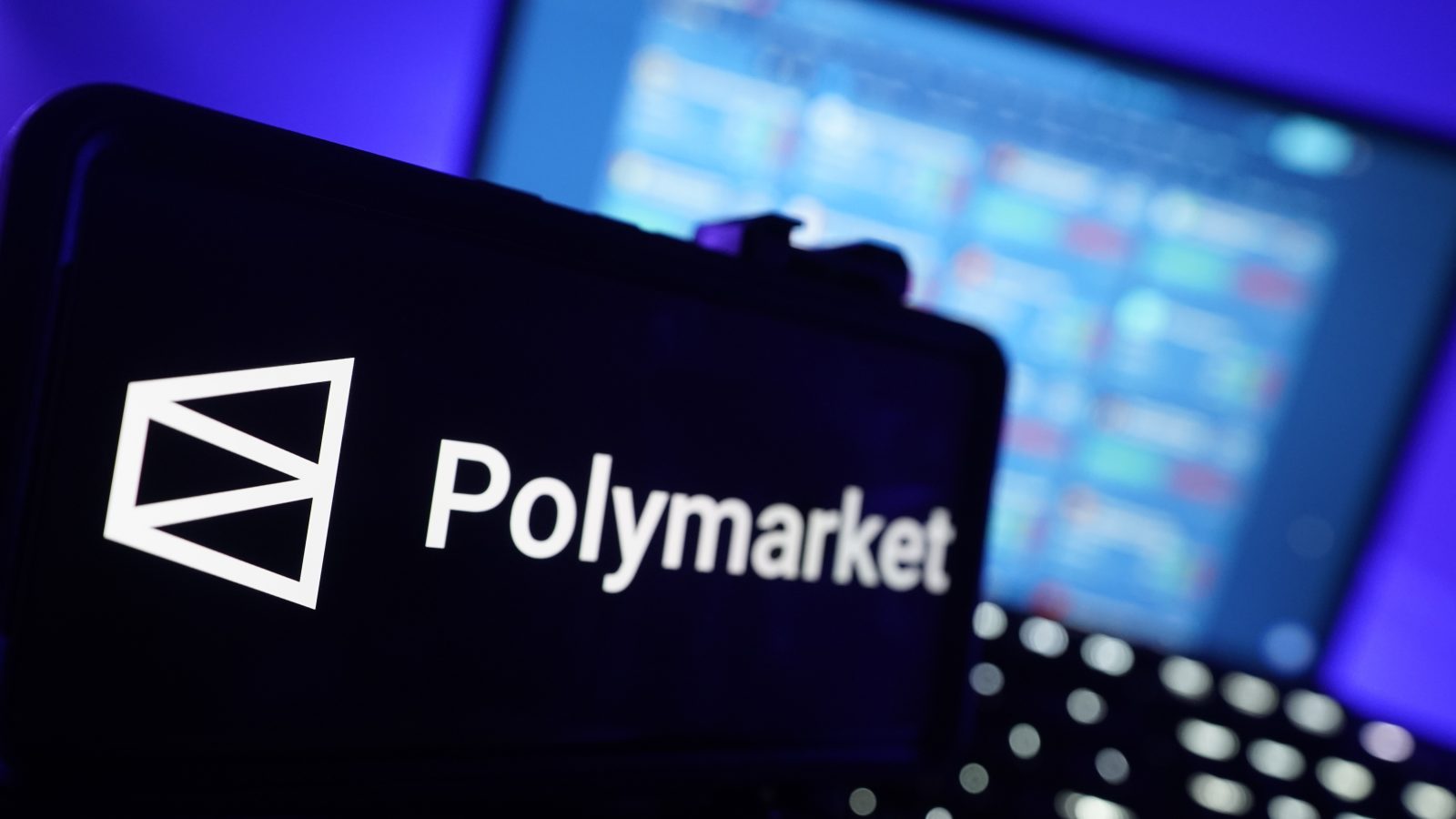
The prediction-market platform Polymarket has gained regulatory clearance to resume operations in the United States following approval from the Commodity Futures Trading Commission. The move positions Polymarket to re-enter a market it exited after a settlement with the regulator in 2022, signalling a major shift in how event-based trading may evolve in the US financial ecosystem.

Polymarket, founded by Shayne Coplan in 2020 and headquartered in New York City, agreed to pay a US$1.4 million penalty in 2022 for running an unregistered derivatives trading platform for US users and subsequently blocked American access. The company operated offshore in the interim. The pathway back into the domestic market opened when Polymarket acquired QCX LLC, a Florida-based derivatives exchange and clearinghouse that already held CFTC licences. That acquisition cost US$112 million, paving the way for regulatory compliance. Filings show QCX was designated as a “designated contract market” by the CFTC on 9 July 2025.

In September the CFTC issued a no-action letter to QCX and QC Clearing, exempting them from certain swap-data reporting and record-keeping requirements in relation to event contracts. This relief underpinned Polymarket’s return plans. According to sources the platform is now onboarding select US customers in a beta phase ahead of full rollout, with initial trading markets expected to focus on sports and pop-culture outcomes. Polymarket has stated it will operate through a fully regulated US-compliant structure and self-certify markets for US users.

Polymarket stands in a more competitive field than when it left. Peer Kalshi, likewise a US-licensed event-contract platform, secured major funding and a US regulatory victory in the preceding period. Kalshi’s US positioning has prompted other entrants—including FanDuel and DraftKings—to develop federally compliant “predictions” offerings. Polymarket’s re-entry means the event-trading sector is becoming a more mainstream component of financial and sentiment-based markets rather than a niche crypto experiment.

Industry watchers view the CFTC’s approval as indicative of a broader regulatory willingness to accommodate prediction markets, provided they operate under transparent, licenced frameworks. Acting CFTC Chair Caroline Pham has previously described event contracts as an “important new frontier.” Polymarket’s CEO Coplan declared on social media: “Polymarket has been given the green light to go live in the USA by the @CFTC. Credit to the Commission and staff for their impressive work. This process has been accomplished in record timing.”

Polymarket claims that global users placed about US$6 billion worth of predictions in the first half of 2025 alone on its platform, covering politics, entertainment and economy. Critics contend that even under regulated models, event markets carry risks of gambling-style behaviour and could present transparency and integrity challenges. Some US state regulators have expressed concern that such products may bypass traditional gaming laws under the guise of financial contracts.

VISHNU RAJA
RYO YAMADA
HITORI GOTOH
IKUYO KITA