News related to
secure

SINGAPORE – Media OutReach Newswire – 16 June 2025 – ST Telemedia Global Data Centres (STT GDC), a leading data centre service provider headquartered in Singapore, today published its 2024 Environmental, Social and Governance (ESG) report. The report details progress toward STT GDC’s ESG targets, as well as its three main ESG pillars – carbon-neutral data centre operations by 2030; a safe, secure, diverse and inclusive workplace; […]

Malé’s foreign exchange reserves have surged by more than $400 million, marking a notable strengthening of the nation’s external liquidity following a currency swap arrangement with the Reserve Bank of India. The Maldives Monetary Authority drew down the entire $400 million facility in October 2024, with the impact reflecting sharply in the country’s gross reserves, which rose to approximately $856 million by April 2025 from a low of $371 million earlier in the year.

Fitch Ratings has affirmed the Maldives’ Long‑Term Foreign‑Currency Issuer Default Rating at ‘CC’, citing the infusion from the RBI swap as a key factor in easing the country’s liquidity pressures. The agency also credited sustained tourism receipts and the implementation of the Foreign Currency Act, which compels tourism‑related businesses to convert a mandated portion of their monthly foreign‑currency revenues, for boosting reserves.

Despite the uplift in reserves, Fitch emphasised that gross holdings now cover just 1.5 months of external payments—well below the three‑and‑a‑half‑month median for comparable peers. Net reserves, after subtracting short‑term liabilities, remain critically thin at around $28 million. In its rating statement dated 12 June 2025, Fitch maintained the view that a sovereign default “remains a likely scenario within the foreseeable future” absent significant further support or reform.

The agency highlighted looming debt repayments of $688 million in the second half of 2025, rising to $1.1 billion in 2026, including bonds and sukuk. Policymakers in Malé are negotiating with external partners—including India, China, multilateral lenders and possibly the IMF—to secure deferments, fresh currency‑swap lines, or restructuring deals. Notwithstanding the swap, Fitch reiterated its concerns over persistent fiscal imbalance: the fiscal deficit is projected to widen to 14.5 per cent of GDP in 2025, public debt is set to reach 125 per cent of GDP by 2026, and important reforms—particularly in subsidy and healthcare spending—have been delayed on political grounds.

India formally welcomed the strengthening of Maldivian reserves, with the Indian High Commission in Malé posting on X that it “noted with satisfaction” the impact of the $400 million swap in easing external liquidity pressures. The move is part of broader bilateral economic cooperation anchored within the SAARC framework, signalling a continued role for India in supporting economic stability in Maldives.

Tourism continues to underpin the archipelago’s economy, with record visitor numbers bolstering inflows. Policymakers hope that the expansion of resort capacity and full operation of the new terminal at Velana International Airport will sustain growth and further cushion foreign currency earnings. Fitch projects GDP growth of around 4.8 per cent in 2025, increasing to 6.0 per cent in 2026 as tourism infrastructure develops.

The Foreign Currency Act, introduced last year as a fiscal measure, requires tourism businesses to sell at least 20 per cent of their monthly foreign exchange earnings to licensed banks. Separately, the MMA raised mandatory bank conversion thresholds from 60 per cent to 90 per cent, measures aimed at shoring up foreign‑exchange liquidity.

While the currency swap has delivered a temporary liquidity bridge, analysts caution that it falls short of addressing structural weaknesses. The MMA and government officials have underscored intentions to pursue fiscal consolidation and attract medium‑term financing. But Fitch has warned that absent sustained reserve accumulation, clear evidence of reform, and stronger fiscal discipline, the Maldives remains vulnerable to credit deterioration or a potential sovereign default.

India’s willingness to extend financial assistance underscores geopolitical and strategic interests. The inclusion of swap facilities, alongside ongoing debt negotiations with China and potential IMF engagement, may provide short‑term relief, but Maldives must improve its debt servicing capacity and rebuild buffers to avert future policy shocks.

Abu Dhabi hosted the culminating round of the Grand Prix Grappling World Tour at Mubadala Arena, Zayed Sports City, drawing hundreds of athletes from over 50 nations yesterday. The UAE secured top position in the overall standings, with 31,000 points, narrowly surpassing Brazil’s 30,600 and Russia’s 19,000, highlighting Emirati athletic rise in combat sports.

Leading the charge was Khaled Al Shehhi, who seized gold in the professional division after a series of commanding performances. Demonstrating exceptional physical strength and technical finesse, Al Shehhi attributed his victory to years of rigorous training and unwavering institutional backing from national leadership. He praised the diversity of grappling styles present and affirmed that the title represents a “significant milestone” in his career.

In the heavyweight division, Pouya Rahmani also took home gold. He commended the tournament’s professionalism, citing world‑class refereeing and flawless logistical arrangements, which, he added, elevated his performance amid a passionate crowd.

Organised by the Abu Dhabi Jiu‑Jitsu Pro Federation, the event underlined Abu Dhabi’s growing stature as a global combat‑sports hub. Its presence on the AJP calendar consistently attracts elite talent and contributes to the city’s international sporting profile.

Analysts note that this iteration—held on 14 June 2025—reflects a wider trend of rising investment and performance in grappling disciplines across the Gulf. With significant prize money and global ranking points at stake, UK‑based grappling commentator James Carter remarked: “This tournament is fast evolving into a key international stage for pro grapplers—it draws tactical competitors from Europe, South America, and Asia alike.”

Data from AJP shows this year’s event awarded 2,000 global ranking points to each champion—an incentive that has increased both participation and competitive intensity.

At the closing ceremony, Tareq Al Bahri, general manager of AJP, lauded the standard of competition and Emirati athletes’ achievements. He emphasised that national development programmes have been instrumental in nurturing home‑grown talent, with jiu‑jitsu federations investing in grassroots camps and international coaching exchanges.

Veteran coach Maria Fernandez, who oversees female grappling teams across the region, observed that the UAE’s multi‑tiered strategy—combining youth training, scholarships, and elite events at Mubadala Arena—has yielded visible results. “What we’ve seen here isn’t just isolated wins; it’s structural change. The UAE is visibly closing the gap with traditionally dominant nations like Brazil and Russia,” she said.

Looking ahead, organisers confirm that the Abu Dhabi stop is set to remain a keystone of the 2025‑26 AJP Grappling World Tour. Future events, including youth and professional categories, will continue at Mubadala Arena and additional venues across the emirate, reinforcing Abu Dhabi’s role in hosting elite martial‑arts competition.

For Khaled Al Shehhi and Pouya Rahmani, the gold medals on home soil represent both personal triumph and national pride. Their performances, supported by a robust governance and funding framework, signal a shifting landscape in global grappling—a sport now gaining serious ground in the Middle East.

Tencent is reportedly in discussions to acquire Nexon, the developer behind MapleStory and Dungeon & Fighter, in a deal that could exceed US$15 billion, signalling a strategic push into South Korea’s gaming and Web3 sectors.

Chinese tech conglomerate Tencent has approached the family of Nexon’s late founder Kim Jung‑ju, which controls a 44.4 per cent stake through NXC Corp, to explore acquiring a substantial portion or full control of the company. The proposed transaction, valued at around 20 trillion won, aims to secure Tencent long‑term rights to Nexon’s celebrated intellectual property while bolstering its position in South Korea’s lucrative gaming market.

Nexon, founded in Seoul in 1994 and now headquartered in Tokyo, is best known for its enduring franchises MapleStory and Dungeon & Fighter. The firm has been a pioneer in integrating games with Web3 technologies, launching a blockchain division dubbed NEXPACE and rolling out MapleStory Universe—complete with NFT item mechanics, token economies and a gasless transaction system on the Avalanche network. The NXPC token was listed on major crypto exchanges, reflecting deep commitment to a decentralised gaming strategy.

While Tencent had previously tried to acquire Nexon in 2019—efforts fell through over valuation disagreements—the company has since fortified its global gaming footprint with a US$1.3 billion investment in Ubisoft and a 10 per cent stake in South Korea’s SM Entertainment, a major K‑pop label. Its renewed interest in Nexon aligns with a broader ambition to dominate both blockchain and traditional gaming domains, despite sector‑wide funding slowdowns and reduced daily active user metrics in Web3 games.

Sources emphasise that while discussions are underway, no definitive agreement has been reached and terms remain fluid. The Kim family is reportedly consulting financial advisers on the potential sale. Part of the complexity stems from their decision last year to transfer shares to settle inheritance taxes, a move that added governmental and family stakeholders into the mix.

Nexon has seen its share price rise over 10 per cent in 2025, though it remains about 30 per cent below its 2021 peak. The Tokyo‑listed firm was valued at approximately US$15–16.6 billion, depending on market conditions.

Tencent’s remote stance with acquired studios suggests that any purchase may leave Nexon’s operational autonomy largely intact. But the deal could deliver Tencent stronger access to Western and Asian markets, reinforcing its Web3 and blockchain ambitions.

For Nexon, aligning with Tencent offers capital resources to scale blockchain gaming efforts and deepen development of blockchain-enabled platforms such as MapleStory Universe. Since launching MapleStory N in May 2025, the company has leveraged its Web3 unit’s Abu Dhabi‑based NEXPACE to expand global blockchain gaming operations.

With Tencent prioritising organic growth and strategic minority investments—such as expanding its blockchain infrastructure partnerships with TON Foundation and Chainbase—this potential acquisition represents one of its most ambitious M&A moves post‑2020 Chinese regulatory tightening.

Should negotiations succeed, Tencent would gain direct control over multiple high‑value IPs and a formidable presence in South Korea’s gaming ecosystem, presenting both strategic advantages and regulatory scrutiny across jurisdictions. The deal’s complexity—woven through family, government, and market dynamics—ensures that stakeholders across the industry are closely watching every development.

G42 has unveiled a new London‑based subsidiary, G42 Europe & UK, designed to amplify its AI infrastructure and services across the United Kingdom and continental Europe. The entity, co‑chaired by Omar Mir and Marty Edelman, will deliver end‑to‑end AI offerings—from advisory and model deployment to supercomputing infrastructure—for sectors including finance, healthcare, energy and manufacturing. The launch comes as G42 continues its strategic European rollout, following the roll‑out of AI compute […]

WazirX has unveiled a revised restructuring plan under Singapore High Court oversight that proposes to repay approximately 85% of users’ pre‑hack balances, while the remaining 15% would be settled over time through a Recovery Token mechanism. A final court decision is expected by 20 June, setting the stage for ensuing repayments.

A hack that occurred on 18 July 2024 led to the theft of nearly US $235 million from the exchange’s wallets, widely attributed to North Korean Lazarus Group operatives. WazirX parent company Zettai Pte Ltd subsequently secured a moratorium in Singapore and initiated a formal Scheme of Arrangement allowing creditors to vote on recovery proposals.

By April, rebalancing of assets was completed, enabling the exchange to present each affected user’s USD and INR valuations based on their 18 July 2024 holdings. Around 93% of creditors voted in favour of this plan in April, far exceeding the 75% threshold required by law.

Under the scheme, the initial payment—estimated at 85% of the original holdings—would be disbursed in either the original asset or USDT within ten business days of court approval. The remaining 15% would be issued as RTs, tradable tokens redeemable via quarterly buybacks funded from WazirX’s profits or recovered assets.

Risks remain, however: if creditors reject the plan, the court may order liquidation under Section 301 of the Singapore Companies Act. That scenario could trigger asset fire‑sales, reducing recovery potential and extending the timeline until 2030.

Community reaction is mixed. Many users have expressed doubts over the exchange’s transparency and the partial compensation model. Subreddits suggest a collective legal response is forming in Kerala and beyond. One user asserted:

“If anyone still believes that WazirX will return our funds without us taking any action — that hope is gone after yesterday’s court decision.”

Meanwhile, creditor‑activist voices have argued the restructuring represents a better outcome than liquidation. As one FTX creditor remarked, it is “far superior to liquidation” for preserving value.

CoinSwitch has also launched a parallel initiative named CoinSwitch Cares, offering affected users a potential path to full recovery—up to ₹600 crore—with added incentives for sign‑ups and referrals. However, that scheme depends on WazirX restoring withdrawal functionality.

The Singapore High Court’s deadline of 20 June will determine whether the court grants final sanction to WazirX’s Scheme of Arrangement. Should it proceed, initial disbursements would begin between late June and July. If it’s rejected, WazirX would head into liquidation—triggering a protracted, uncertain payout stretching possibly until 2030, with potentially deep losses.

WazirX’s recovery architecture combines immediate restitution and long‑term tools designed to align creditor outcomes with the firm’s future performance. The RT buyback mechanism underscores this approach, offering users potential upside linked to the exchange’s profitability and asset recovery.

Users must act to verify claims through WazirX’s Claim Tracker, accept the rebalanced valuations, and monitor further updates. Approval hinges on the court’s formal order and the willingness of creditors to embrace a controlled, phased repayment versus the uncertain prospects of full liquidation.

Brazil is charting a potential first for any G20 economy by moving through its legislature a proposal to allocate up to 5 per cent of its approximately $370 billion foreign‑exchange reserves into Bitcoin. Bill PL 4501/2023, currently advanced by the Economic Development Committee, would establish a Sovereign Strategic Bitcoin Reserve—dubbed “RESBit”—under the joint oversight of the Central Bank and the Ministry of Finance, with stringent storage protocols and biannual audits.

The bill’s sponsor, Federal Deputy Eros Biondini, argues the measure would reinforce Brazil’s financial sovereignty and diversify its reserve holdings beyond traditional assets. Parliamentarian Luis Gastão, acting as rapporteur, emphasises a cautious, phased implementation aimed at managing volatility exposure while boosting institutional resilience. This contrasts with El Salvador’s executive decree model; the Brazilian plan proceeds through parliamentary channels, potentially setting a more enduring legal precedent.

Storage and transparency are at the core of the proposal: BTC holdings would be secured via cold wallets, underpinned by mandated audits every six months, and reported directly to Congress. Advocates hope this methodical governance framework will ease institutional apprehensions while allowing crypto assets to form part of state‑backed fiscal strategy.

Market reaction has been swift. Analysts highlight the timing, noting that Bitcoin trades near $107,500, with a market capitalisation exceeding $2.1 trillion and a 30 percent rise over 90 days. Within Latin America, Brazil would stand alongside El Salvador as a pioneer, but its parliamentary route marks a significant departure, offering a scalable model potentially attractive to larger economies.

Experts say integration of Bitcoin into sovereign reserves could unlock strategic advantages. Proponents highlight potential hedging against inflation and dollar dependency, while warning of crypto’s inherent risk. Central Bank and finance ministry coordination could foster system-level stability, aligning with policy objectives such as the issuance of a central bank digital currency.

A global ripple effect may follow. Brazil’s initiative has garnered attention across financial and crypto communities; social‑media commentators suggest it may herald the second phase of sovereign Bitcoin adoption, one grounded in legislative legitimacy rather than executive fiat.

Opposition voices within the finance sector remain vigilant. Critics question Bitcoin’s volatility and liquidity as state assets, urging robust risk frameworks before proceeding. Analysts stress the need for comprehensive impact assessments, including stress‑testing against currency and gold reserves.

Advertisements

G42 has inaugurated a London-based subsidiary, named G42 Europe & UK, marking a strategic expansion into the continent’s private and public sectors. The entity aims to deliver AI-driven solutions and collaborate with governments and industry partners to erect critical AI infrastructure across continental Europe. The new operation will be co‑chaired by Omar Mir, a board member at World Wide Technology with over 20 years’ experience in 5G, edge computing, […]

The Ethereum Foundation has pledged a significant $500,000 to support the legal defence of Roman Storm, co-founder of Tornado Cash, a cryptocurrency privacy mixer under legal scrutiny. The funds are designated for Storm’s upcoming trial in the United States, where he faces charges related to facilitating money laundering.

EF maintains that Storm’s actions—creating computer code to enable financial privacy—should not be criminalised. According to their position, penalising code that protects user privacy sets a dangerous legal precedent, potentially criminalising open-source software development.

Complementing its own contribution, the Eastern blockchain non‑profit has also committed to matching up to $750,000 in community donations. This initiative highlights a growing trend among privacy advocates and open‑source groups rallying behind the principle that privacy-preserving tools like Tornado Cash are legitimate forms of expression.

Storm was sanctioned by the US Office of Foreign Assets Control in 2022 following accusations of facilitating transactions for illicit actors. Prosecutors allege that he developed and operated the protocol despite knowing it could be used for crime. EF’s funding underscores a global debate over the legality of cryptographic tools and the boundary between code development and criminal liability.

Legal scholars warn that punishing software developers for downstream misuse of their code risks criminalising a broad array of programmers. EF counsel Mark Richardson stated that the Foundation views the case as emblematic: “Drawing a line at coding privacy tools criminalises essential computer science.”

Meanwhile, Storm’s defence team asserts he has complied with all legal sanctions since 2022 and is legally entitled to defend himself. His lawyers argue that code is not money, and that the US charges threaten basic digital rights globally.

The donation has triggered mixed reactions across the crypto ecosystem. Privacy-focused developers and activists have welcomed the move, viewing it as a bulwark against overreach. Others caution that aligning with a figure sanctioned for money-laundering may tarnish the reputations of supportive institutions.

Industry analysis shows similar defence funds are emerging. After Tornado Cash co-founder Alexey Pertsev was indicted in 2023, a contingent of blockchain attorneys and developers established a legal support fund that raised over $1 million. That effort helped secure pro bono counsel and led to a plea deal later that year, avoiding jail time.

This pattern reflects an emerging ecosystem of legal defence organisations in crypto. Legal incubators like the Blockchain Advocacy Group are also gaining prominence. Their efforts underscore how the infrastructure behind open‑source development is evolving—from purely technical endeavours to encompassing legal and policy support.

Globally, courts are increasingly confronting the tension between code as speech and legal responsibility for misuse. In the US, landmark cases such as Bernstein v. US DOJ recognised source code as protected expression under the First Amendment. However, the legal landscape remains uncertain as more privacy tools face legal action.

Ethereum’s own legacy in decentralisation and censorship-resistance makes this move philosophically consistent. Other projects, including Monero and Zcash, have similarly supported neutral stances on privacy technologies while discouraging illicit misuse. Some funders in the Ethereum ecosystem have previously financed legal defences for developers under regulatory pressure.

Legal experts caution that outcomes in Storm’s trial could have far-reaching implications. If the prosecution succeeds, it may embolden regulators to pursue software developers in other jurisdictions—potentially chilling innovation in cryptography and privacy tools.

EF’s donation also coincides with debates in Europe and the US over privacy regulation. In the EU, digital privacy laws are being reformed; shielding cryptographic tools may soon gain legislative clarity. In the US, government task forces are evaluating whether sanctions should extend to software developers whose code is used unlawfully.

Public reaction has been vocal. Twitter and Telegram forums dedicated to crypto privacy have confirmed that EF’s announcement prompted a surge in community donations. Some analysts estimate over $200,000 has been raised within just 24 hours of the announcement.


Sharjah Publishing City Free Zone has been awarded the globally recognised “Great Place to Work” certification for the second year running, underscoring its commitment to cultivating a top-tier workplace. The accolade, granted by an independent authority with over three decades of experience in measuring workplace culture, reflects outstanding performance across key employee experience metrics.

Employees gave the organisation exceptionally high ratings, with 94 per cent satisfaction in workplace hospitality, 90 per cent approval of leadership behaviour, 87 per cent for engagement and 86 per cent in innovation. Equity and fairness also scored strongly—over 70 per cent in relevant categories. A remarkable 99 per cent of staff reported feeling physically safe at work and welcomed upon arrival, while 96 per cent noted unbiased, gender-neutral treatment and approachable management. These figures speak to a supportive environment where employees feel secure, valued and motivated.

Behind these high scores lies a deliberate strategy focused on trust-building, transparent leadership and collaborative culture. Through the Great Place to Work® Trust Model™, SPC’s approach places employees as the cornerstone of its service delivery model. The environment it fosters not only benefits staff morale but also translates into superior customer experience, reflected in prompt and efficient services.

The achievement is particularly notable given the scale of SPC’s operations. The free zone hosts more than 9,600 businesses spanning over 40 countries, including more than 1,500 publishers and investors, and is a vital hub for educational and cultural content creation. Its ecosystem supports not only publishing but also broader creative, technological and entrepreneurial sectors.

SPC’s origins date back to its launch in 2017 under the guidance of Dr Sheikh Sultan bin Muhammed Al Qasimi, Ruler of Sharjah, as the world’s first dedicated publishing free zone. From the outset, it was positioned to capitalise on Sharjah’s increasing appeal as a global cultural and knowledge-based economy, offering 100 per cent foreign ownership, full capital repatriation and a broad spectrum of licensing activities.

Since its establishment, SPC has continuously upgraded both its work environment and customer services. In May 2024, it introduced 24/7 operational support and guaranteed a three-business-day turnaround for bank account openings. It also pioneered an AI-enabled “instant licence” system in collaboration with Sharjah’s Investor Services Centre, delivering trade licences in under five minutes. These initiatives demonstrate its dedication to efficiency and tech-enabled service delivery.

The free zone’s appeal stretches well beyond the publishing community. Over 2,000 Indian-owned businesses operate in SPC, drawn by its strategic location and integrated support infrastructure. These enterprises benefit from a platform that promotes global expansion and cross-border reach. SPC has also diversified licensing options to include e‑commerce, cybersecurity, AI, biotech and robotics, reflecting its ambition to cater for a wide range of creative and technological ventures.

Yet SPC has not been without critique. Some business owners on public forums have expressed frustration over service quality and administrative delays during setup. One Reddit user described licences issued “once you get the hang of things” albeit noting initial frustrations, while another labelled the free zone as “incredibly frustrating to deal with” but acknowledged smooth operation post-launch. These mixed reviews highlight areas for SPC to improve consistency in customer experience and operational support.

Despite these occasional criticisms, SPC remains a top choice for entrepreneurs and SMEs. An MoU with Amazon UAE in August 2024 aims to aid free zone businesses in scaling digitally and accessing Amazon’s e‑commerce network. Additionally, partnerships with financial institutions like Mashreq Bank provide priority banking services and support to its licensees.

The second consecutive Great Place to Work certification confirms SPC’s rising profile within Sharjah’s broader economic ecosystem. It aligns with Sharjah’s strategy to diversify its economy through nurturing creative, cultural and knowledge-based industries. Leadership at SPC points to this workplace accolade as affirming its role in attracting and retaining talent, as well as driving innovation in service delivery.

5 Finalists Each in the Bread & Viennoiseries and Cake Categories Compete for Top Honours SELANGOR, MALAYSIA – Media OutReach Newswire – 13 June 2025 – The Anchor Pastry Challenge 2025, organised by Anchor Food Professionals Malaysia & Brunei, celebrated Malaysia’s most promising young pastry chefs, offering them a platform to showcase creativity and technical mastery. Winners of the Cake Category, alongside Chef Jean-François Arnaud, Head Judge […]

Dubai has unveiled a landmark recruitment drive, inviting skilled expatriates to fill key roles across public-sector departments with monthly salaries reaching AED 40,000. The official Dubai Careers Portal currently lists ten positions spanning healthcare, education, IT, infrastructure, social welfare and urban planning, signalling a strategic move to diversify talent in government ranks. Audit Manager roles in energy and industry auditing, Air Traffic Controller posts at Dubai International Airport, […]

Foxconn’s latest customs data confirms that from 1 March to 31 May 2025, an overwhelming 97 per cent of all iPhones assembled in India were destined for the United States, totalling $3.2 billion in exports—nearly double the 50 per cent average seen throughout 2024. May alone accounted for almost $1 billion, the second‑highest monthly export value ever recorded—just behind March’s $1.3 billion. This sharp shift reflects Apple’s concerted effort to navigate escalating U.S. tariffs targeting Chinese […]

Crypto WINNAZ has rolled out an on‑chain yield engine aimed at meme coins, promising returns between 20× and 300× for participants who lock tokens into its lottery‑style prize pool starting 15 June. The initiative seeks to inject utility into tokens that traditionally rely on community hype, offering holders an alternative to sell‑driven volatility.

Meme coins have long suffered from a fundamental flaw: lacking intrinsic utility, they depend solely on speculative interest. This often leads to boom‑and‑bust cycles that leave latecomers holding the bag. Crypto WINNAZ’s model, however, introduces a structured yield mechanism. Participants lock in their meme coins, entering a provably fair lottery that rewards winners with a share of the prize pool—effectively turning stagnant holdings into yield‑bearing positions.

By embedding this financial gameplay at the smart‑contract level, WINNAZ separates itself from conventional meme‑coin launches that prioritise hype over structure. Industry analysts note this innovation addresses the “utility gap” that plagues such assets. Instead of value being purely speculative, holders gain access to periodic payouts, creating behavioural incentives around long‑term holding and moderating the hyper‑volatility typical of pump‑and‑dump schemes.

The timing of the launch coincides with broader meme‑coin ecosystem trends. Platforms such as Solana’s Pump.​fun and Justin Sun’s SunPump have pioneered meme‑coin launch infrastructure, underscoring growing demand for structured token launch engines. WINNAZ adds to the wave by focusing on yield—a pivot emphasised in a 2024 sector analysis which identified “launchpads” and liquidity engines as defining features of the current meme‑coin cycle.

Critics highlight potential risks: lottery models entail asymmetric payoff structures that may favour early or large liquidity contributors. Smaller investors face low probabilities of winning, and on‑chain yield frameworks have occasionally been undermined by exploit attempts. Crypto WINNAZ asserts its lottery contracts are transparent and secured via third‑party audits, although full external verification is pending.

Front‑line voices in the sector emphasise the importance of incentives aligned with holder interests. An HTX Research report on meme‑coin platform evolution underscores that sustainability hinges on blending cultural momentum with financial structure. WINNAZ exemplifies this hybrid, pairing community excitement with measurable yield.

Market reception to the launch announcement is mixed. Early presale interest suggests enthusiasm among yield‑chasing investors, yet sceptics note that without broader ecosystem integration—such as staking utility, cross‑chain interoperability or DAO governance—the yield engine may function fleetingly as a novelty.

Crypto WINNAZ has unveiled a roadmap that outlines evolving functionality, including integration with DeFi protocols and launchpad collaborations. These enhancements could expand utility beyond prize pools and foster secondary‑market liquidity, a recognised challenge for meme coins according to analytics platforms like Artemis, which found meme tokens delivered returns six times higher than average in 30‑day windows, but often lack persistent demand.

As part of its social engagement strategy, WINNAZ is introducing community initiatives and giveaways, aiming to sustain interest across diverse token sub‑communities. In line with developer insights from meme‑coin launch ecosystems, community traction is critical to underpinning utility mechanisms.

Crypto WINNAZ’s experiment brings together two volatile elements: meme‑coin culture and on‑chain yield mechanics. If successful, this hybrid defines a new meme‑coin archetype—one where token holders are rewarded for participation, not just speculation. Its launch could prompt rival projects to consider similar on‑chain utility frameworks when building meme economies.

Emaar Properties today unveiled VYOM, its global digital platform for reselling homes, offering users a streamlined, secure and transparent alternative to conventional resale methods. The platform enables homeowners and investors to list properties, upload images and directly manage buyer inquiries through a single online portal, granting full autonomy over the resale process. Emaar’s founder, Mohamed Ali Alabbar, described VYOM as more than a tool—it represents a shift in resale […]

All countries under DHL Supply Chain APAC are now certified DHL Supply Chain Japan becomes the newest office to achieve certification SINGAPORE – Media OutReach Newswire – 13 June 2025 – DHL Supply Chain, the global leader in contract logistics, has been certified as a Great Place to Work® across Asia Pacific. DHL Supply Chain Japan is the latest country office to achieve this certification, bringing the […]

Running a business in 2025 is increasingly moving online — and documentation is no exception. One of the most common questions among entrepreneurs and freelancers is how to quickly and correctly issue an invoice without involving accountants, dealing with paperwork, or registering on complex platforms. While managing finances and sending invoices is becoming simpler, it’s just as important to have a reliable online presence to support your […]

OpenAI is holding discussions with a range of international investors—including Saudi Arabia’s Public Investment Fund, Reliance Industries of India, and Abu Dhabi’s MGX—to raise around $40 billion in fresh equity. The move marks a pivotal effort to underwrite its ambitious next-generation AI models and the expansive Stargate infrastructure initiative. The round is being led by Japan’s SoftBank, which aims to shepherd significant capital into artificial intelligence advancements. At […]

Basketball legend Shaquille O’Neal has reached a tentative settlement to resolve claims in a class‑action lawsuit filed by investors over his involvement with FTX, agreeing to pay $1.8 million. The deal, pending court approval, would shield him from any future legal actions and prevent him from seeking repayment from FTX’s bankruptcy estate.

O’Neal had been among a number of high‑profile figures accused of promoting FTX as a safe investment, acting in contrast to other endorsers who have dropped out of the case. Though he did not admit wrongdoing, the settlement stipulates his payment in exchange for legal closure.

Lawyers for the plaintiffs argued that O’Neal’s public statements—through social media and other media appearances—played a role in encouraging investors to view FTX as secure. The settlement documents reportedly assert that his endorsement carried weight and may have influenced investment decisions.

FTX collapsed spectacularly in late 2022, with founder Sam Bankman‑Fried’s empire crumbling under scrutiny over misappropriated customer funds and questionable internal controls. Backers like O’Neal, who appeared in ads and social media campaigns, have faced growing legal scrutiny as regulators and civil claimants try to establish accountability.

Earlier in the proceedings, several defendants were dismissed from the lawsuit, either through court rulings or individual settlements. This latest proposal ensures O’Neal will exit the litigation entirely once the $1.8 million is paid, with neither party admitting liability. It also blocks him from filing any future claims against the FTX estate, consolidating the resolution of his legal obligations in one definitive agreement.

Experts suggest the settlement reflects a broader trend of high‑net‑worth endorsers seeking to distance themselves swiftly from legal exposure linked to FTX. By settling, O’Neal may avoid burdensome depositions, prolonged litigation, and unpredictable jury verdicts.

Legal analysts note that the sum paid by O’Neal is modest compared to his estimated net worth, but legally sufficient to satisfy the criteria for settlement under class‑action rules. It also sets a benchmark; similar deals could be expected for other prominent individuals named in the suit.

Representatives for O’Neal declined to comment on the matter. Investor and plaintiff attorneys, while welcoming the proposed deal, are continuing litigation against other endorsers. They highlighted the need to hold accountable those whose promotional efforts may have contributed to widespread investor losses.

FTX’s bankruptcy proceedings remain ongoing. The estate is attempting to maximise recoveries for defrauded investors, including pursuing litigation against companies and individuals believed to have benefited from or enabled the exchange’s operations. The exclusion of O’Neal from future claims ensures one less claim the estate must monitor.

Court filings indicate that a judge will hold a hearing in the coming weeks to approve or modify the terms of the settlement. If endorsed, O’Neal’s payment will be directed to a fund for distribution to class‑action members, in line with established legal protocols.

The outcome of this deal will likely shape the strategy of other defendants in the class action. Some may follow O’Neal’s lead, opting to settle quickly to avoid long‑term exposure, while others may choose to litigate further, challenging allegations in court.

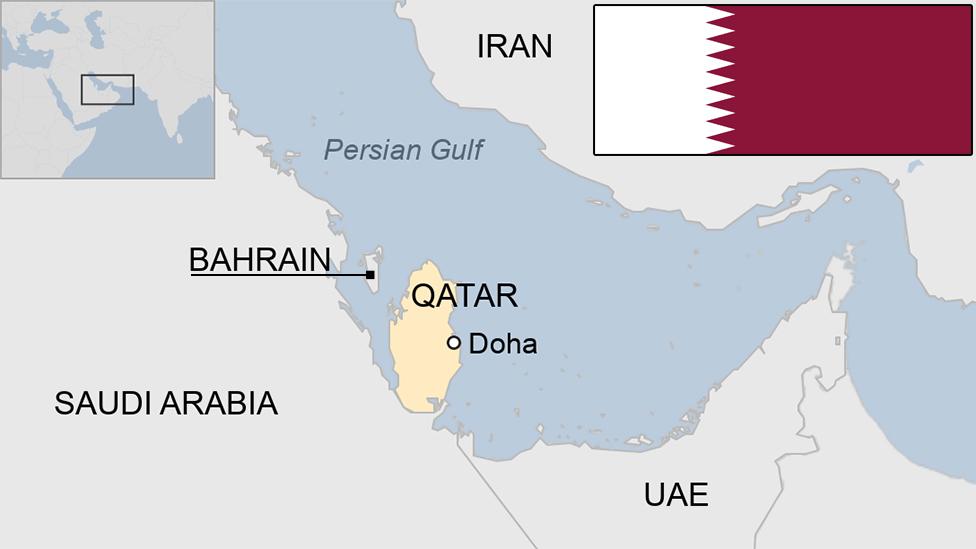
Defense Secretary Pete Hegseth informed the Senate Appropriations Committee on 11 June 2025 that the United States and Qatar have not yet formalised any agreement transferring a Boeing 747‑8 jetliner gifted by the Qatari royal family for potential use as Air Force One. Lawmakers pressing for details were met with repeated deferrals, as Hegseth invoked security and confidentiality concerns.

Senators voiced concern over the lack of transparency surrounding the gift. Senator Jack Reed of Rhode Island demanded insight into contractual terms and timeframe for retrofitting the aircraft to meet presidential standards, only to be told such information was “not for public consumption”. The Pentagon has neither disclosed cost estimates nor identified a specific US contractor for the extensive upgrade work required, including secure communications, defensive capabilities and airworthiness certification.

Despite earlier assurances from Air Force Secretary Troy Meink that retrofitting expenses could remain under USD 400 million, Democrats remain sceptical. Senator Chris Murphy pointed out that past Air Force One modernisation efforts have encountered significant budget escalations, sometimes reaching billions, and questioned the wisdom of funding work on a foreign jet when replacement aircraft are already in production.

Republicans, including Senators Jim Risch and Roger Marshall, defended the deal, asserting that Qatar and the UAE are strong US allies and that the jet donation alleviates procurement delays with Boeing. Secretary Hegseth echoed this view, suggesting that accepting Qatar’s jet could temporarily ease reliance on delayed Boeing‑built VC‑25B aircraft, though he declined to specify projected completion dates or key benchmarks.

Ethical concerns persist across party lines. Opponents argue that accepting a luxury aircraft from a foreign government may trigger Foreign Emoluments Clause issues or at least generate the appearance of impropriety. Qatar, meanwhile, has maintained that the nature of the transaction is under review—possibly a lease or outright purchase rather than a gift—though final details remain unresolved.

The Boeing 747‑8 in question, approximately 13 years old, features lavish interiors and advanced technology, earning it the nickname “palace in the sky.” Converting it to a presidential transport requires secure communications suites, defensive countermeasures, and structural modifications—a process estimated to span years. While Pentagon officials suggest costs may be contained beneath USD 400 million, analysts warn that upgrades for classified systems and nuclear safety could push costs well above one billion dollars.

Beyond the technical and ethical dimensions, questions remain over how accepting Qatar’s jet might affect broader US defence priorities. Some argue that prioritising resources for a foreign-made interim aircraft could detract from funding the delayed VC‑25B programme, which is pivotal to modernising the presidential fleet.

At the same hearing, Hegseth also dismissed calls for transparency, stating that budgetary and negotiating processes must remain classified for national security. This response intensified criticism from Democratic senators, who claim taxpayers deserve clarity on military expenditures and foreign transfers of high-value assets.

Meanwhile, Senate Republicans rejected two resolutions aiming to pause arms sales to Qatar and the UAE, signalling ongoing bipartisan support for the Gulf states despite growing unease over Trump administration’s foreign dealings. Republicans emphasised the strategic importance of maintaining strong defence cooperation, downplaying concerns over the aircraft gift.

The debate is set to continue as the Air Force advances planning and preliminary feasibility studies. Key upcoming moments include formalisation of the memorandum of understanding, selection of retrofit contractors, and disclosure of cost and timeline projections. The outcome will test the administration’s balance between diplomatic expediency, financial responsibility, and institutional transparency.

Dubai Land Department’s second tokenised property offering was fully subscribed in just one minute and 58 seconds, marking the fastest-ever blockchain-backed real estate transaction globally. The project, made available through the PRYPCO Mint platform, attracted 149 investors across 35 nationalities, while more than 10,700 others joined a waitlist to participate. The speed of uptake underscores growing trust in digital property ownership within the emirate’s broader Property Tokenization Initiative.

The feature property—a one‑bedroom apartment in Kensington Waters on Mohammed Bin Rashid City—was valued at AED 1.5 million, discounted from an estimated AED 1.875 million. Fractional ownership began at AED 2,000, enabling micro‑investing in prime Dubai real estate. This landmark offering followed an inaugural tokenisation in May 2025, which sold out within 24 hours, suggesting escalating global appetite for fractional property investments.

PRYPCO Mint is jointly operated by the Dubai Land Department and PRYPCO, under a regulatory framework accredited by the Virtual Asset Regulatory Authority, the UAE Central Bank, and Dubai Future Foundation within the Real Estate Sandbox initiative. The blockchain infrastructure is built by Ctrl Alt on the XRP Ledger and supported by Zand Digital Bank, ensuring tokens align with official title deeds.

Market data indicates robust momentum behind this pivot to tokenisation. In May, Dubai recorded total real estate sales of AED 66.8 billion, a 44 per cent increase year-on-year. The surge was driven by a 314 per cent rise in primary sales, with experts citing tokenisation as a catalyst for further growth. Scott Thiel, CEO of Tokinvest, observed that “tokenisation will not just accompany the next record, we believe, it will help drive it,” signalling strong confidence in the emerging asset class.

Dubai’s roadmap for tokenised real estate charts transformative ambitions. The DLD estimates that by 2033 tokenised assets could account for 7 per cent of the city’s total real estate market—equivalent to roughly US$16 billion. The first offering had drawn 224 investors from over 40 countries, with certificates of ownership now logged on the blockchain to ensure legal validity.

Industry insiders have noted the implications across the investment ecosystem. Zaher El Orm, a blockchain advocate in Dubai, commented that the asset “sold out in less than two minutes … with an average investment of around AED 10,000, a clear demonstration of the market’s appetite for on‑chain, fractional property investment,” adding that title certifications were issued within hours.

Earlier in the year, DAMAC Group—one of the UAE’s major developers—agreed to tokenize its assets worth US$1 billion via the MANTRA platform, reinforcing Dubai’s ambition to become a global digital assets hub. This aligns with regulatory updates from VARA in May extending tokenisation frameworks to real-world assets, bolstering transparency and operational efficiency.

Dubai Land Department and PRYPCO are now preparing to expand PRYPCO Mint’s offerings, encouraging investors to register early. Future phases aim to include international participants and onboard additional developers, scaling the initiative beyond its pilot phase.

Tokenisation is reshaping Dubai’s real estate landscape. By lowering barriers to entry, increasing liquidity, and embedding ownership in blockchain-secured records, Dubai is forging a path toward a digitally enabled property market that caters to both local and global investors. As the platform extends its reach, tokenised offerings may soon become a mainstream vehicle for property investment.

Global law enforcement has dismantled over 20,000 malicious IP addresses and domains used to serve 69 variants of information‑stealing malware, in a sweeping cybercrime operation spanning 26 countries across the Asia‑Pacific region. The coordinated effort—dubbed Operation Secure—uncovered the digital infrastructure behind credential‑harvesting malware, led to the seizure of 41 servers, over 100 GB of illicit data, and the arrest of 32 suspects, officials said. The four‑month initiative, conducted […]

Kyiv’s parliament has introduced draft Bill 13356, empowering the National Bank of Ukraine to incorporate virtual assets—primarily Bitcoin—into its official gold and foreign-exchange reserves. The legislation would not compel the central bank to adopt such assets, but merely grant it the legal framework to do so.

Lead author Yaroslav Zheleznyak, first deputy chair of the Rada’s Finance Committee, highlighted that the bank would retain full discretion over timing, volume, and methodology of any crypto acquisitions. He described the measure as a pivotal move to “integrate Ukraine into global financial innovations” and bolster macroeconomic resilience while catalysing the digital economy.

Ukraine currently holds approximately 46,351 BTC—valued at over $5 billion—though these holdings originate from asset seizures, donations, and fundraising during wartime, and remain under civil-servant control rather than central-bank custody. If passed, the law would permit the bank to transition some of those coins into officially recognised reserves.

The proposal mirrors a broader trend: several nations are charting similar initiatives. The United States launched a Strategic Bitcoin Reserve under an executive order issued on 6 March by former President Trump, consolidating government‑owned cryptos into a national asset. Pakistan, Brazil and the Czech Republic are exploring mechanisms to incorporate digital assets into sovereign financial systems. El Salvador, which adopted Bitcoin as legal tender in 2021, holds over 6,000 BTC, while Bhutan maintains mining‑powered reserves worth around $750 million.

Yet the move is not without detractors. Critics emphasise Bitcoin’s volatility, liquidity constraints and concentration within corporate entities like MicroStrategy, which undermine its suitability as a stable reserve asset. The Swiss National Bank’s governor, Martin Schlegel, reaffirmed this stance on 25 April in Bern, warning that crypto lacks the stability and liquidity required for central‑bank reserve portfolios. ECB President Christine Lagarde has echoed similar concerns, stating that digital assets do not meet the criteria for eurozone reserve holdings.

Proponents argue that strategic inclusion could buffer Ukraine against inflation and currency devaluation, offering rapid, secure transferability unmatched by physical assets. Zheleznyak’s Telegram statement emphasised that implementation would be fully at the central bank’s professional discretion.

Operationalising the proposal will require establishing robust legal and procedural frameworks: anti‑money‑laundering protocols, cybersecurity safeguards, digital custody infrastructure, and accounting mechanisms. Banking analysts suggest that careful integration and risk management will be essential to balance innovation with financial stability.

Ukraine’s draft arrives amid growing global debate on digital money. Central bank digital currencies are being piloted worldwide, such as Turkey’s digital lira, China’s e‑renminbi, and Nigeria’s e‑Naira. Meanwhile, debates continue over whether public‑sector balance sheets should venture into decentralised finance or maintain traditional gold‑forex portfolios.

As parliamentarians prepare to debate Bill 13356, attention will turn to amendments that might specify asset types, risk parameters, and accounting standards—or narrow discretionary power for the central bank. The legislation must also align with IMF frameworks and comply with anti‑money‑laundering regulations.

Applications from African professionals to American MBA programmes are climbing sharply, driven by robust scholarship support, evolving diversity strategies, and a post-pandemic appetite for international career mobility. African candidates are finding new momentum in American business schools thanks to generous funding sources such as the TY Danjuma MBA Scholarship, established in 2011. The fund supports admissions at top‑ranked global institutions, awarding 64 students from nations including Nigeria, […]

VISHNU RAJA
RYO YAMADA
HITORI GOTOH
IKUYO KITA
Just in:
Danone expands consumer insight capabilities to accelerate nutrition innovation through Southeast Asia R&I Application Lab upgrade // Hong Kong schedules Gulf-Asia investment forum for 2027 // EU levies definitive duties on five steel suppliers // Pink Economy report puts equal rights at the heart of Thailand’s road to Bangkok WorldPride 2030 // Microsoft apologises as Outlook services recover after outage // China Reconciled To U.S. Curbs On Chips Exports, Woos South Korea For Supply // Salik posts Dhs1.045bn profit despite lower toll traffic // US authorities dismantle North Korean cryptocurrency deception infrastructure // October Food Price Shock Has Far Reaching Consequences // IEA forecasts fourth-quarter oil surplus as Gulf shipments rebound // Hong Kong International Airport Online Shop Winter Festive Offer // HKGSEO Launches New SEO×GEO Dual-Engine Optimization Monthly Plan // Fitch maintains UAE rating as 2026 growth persists // TORRAS Launches Two New iPhone Duo Cases from Its Popular Ostand Series, Addressing Foldable Phone Users’ Concerns About Difficult Stand Positioning and Scratches // Usha cleared for IOA voting // OpenAI unveils ChatGPT Wallet for agent-led purchases // Iran claims six-drone operation against US radar in Bahrain // Sun World Ba Den Mountain marks Vietnam Culture Day, welcoming Cambodian visitors over Bon Om Touk // Bitcoin rebounds after weekend plunge wipes billions from cryptocurrencies // US resumes flights after nationwide air traffic shutdown //