News related to
secure

Switzerland has ratified a plan to commence the automatic exchange of information on cryptoassets with 74 partner countries from January 2026, aligning its financial transparency framework with the OECD’s Crypto-Asset Reporting Framework . The inaugural data exchange is slated for 2027, contingent upon mutual agreement and adherence to OECD standards.

The Federal Council’s decision marks a significant expansion of Switzerland’s Automatic Exchange of Information regime, previously limited to traditional financial accounts. Under the new framework, cryptoasset service providers, including exchanges and wallet operators, will be mandated to collect and report detailed information on their clients’ holdings and transactions. This data will be transmitted to the Swiss Federal Tax Administration and subsequently shared with participating jurisdictions.

The CARF, developed by the OECD in collaboration with G20 nations, aims to enhance tax compliance and combat illicit financial activities in the rapidly evolving digital asset sector. It requires Crypto-Asset Service Providers to implement stringent due diligence procedures, including the identification of users’ tax residencies and the verification of taxpayer identification numbers. The framework encompasses a broad spectrum of digital assets, including cryptocurrencies, stablecoins, and non-fungible tokens , while explicitly excluding central bank digital currencies .

Switzerland’s adoption of the CARF necessitates amendments to existing federal laws and ordinances governing the AEOI. The Federal Council initiated a consultation process in May 2024 to solicit feedback on the proposed legislative changes. A subsequent consultation in August 2024 focused on determining the partner states for the cryptoasset information exchange, with stakeholders given until November 15, 2024, to submit their comments.

The selection of partner countries is predicated on their commitment to the CARF and their ability to ensure data confidentiality and security. The Global Forum on Transparency and Exchange of Information for Tax Purposes assesses the data protection measures of potential partner jurisdictions. Only those that meet the requisite standards will be eligible to participate in the information exchange. Notably, the United States and Saudi Arabia are currently excluded from the agreement.

The implementation of the CARF in Switzerland introduces enhanced compliance measures, including criminal penalties for negligent violations of due diligence and reporting obligations. These provisions underscore the Swiss government’s commitment to upholding international tax transparency standards and maintaining the integrity of its financial system.

The integration of cryptoassets into the AEOI framework represents a paradigm shift in global tax reporting practices. By extending the scope of information exchange to encompass digital assets, Switzerland aims to mitigate the risks associated with tax evasion and money laundering in the crypto sector. The move also reinforces Switzerland’s reputation as a cooperative and transparent financial hub.

Swiss cryptoasset service providers are now tasked with adapting their operations to comply with the forthcoming regulations. This entails the implementation of robust client identification procedures, the establishment of secure data reporting mechanisms, and the alignment of internal compliance protocols with the CARF requirements. The transition period leading up to the 2026 implementation date is critical for ensuring a seamless integration of these new obligations.

Startups across India are increasingly turning to non-dilutive funding options to secure capital while retaining full ownership and control. This shift is driven by a desire to avoid the equity dilution often associated with traditional venture capital, especially amid fluctuating valuations and heightened investor scrutiny. Non-dilutive funding encompasses various financial instruments, including venture debt, revenue-based financing, and government grants. These options provide startups with the necessary capital […]

Ripple’s US dollar-pegged stablecoin, RLUSD, has secured regulatory approval from the Dubai Financial Services Authority , authorising its use within the Dubai International Financial Centre . This development enables RLUSD to be integrated into Ripple’s DFSA-licensed payments platform and utilised by other DFSA-registered entities operating in the DIFC.

The approval positions RLUSD among a select group of stablecoins recognised under the DFSA’s crypto token regime, which includes Circle’s USDC and EURC. RLUSD is designed for enterprise use, offering features such as 1:1 USD backing with high-quality liquid assets, segregated reserves, third-party audits, and clear redemption rights. It is issued under a New York Department of Financial Services Trust Company Charter, subjecting it to stringent regulatory standards.

Reece Merrick, Ripple’s Managing Director for the Middle East and Africa, noted the growing interest from businesses in the UAE for cross-border payments and digital asset custody solutions. He emphasised the dynamic nature of the UAE’s digital economy and expressed optimism about RLUSD’s role in facilitating real-time, cost-effective international transactions.

Ripple is collaborating with local partners, including digital bank Zand and fintech platform Mamo, who are expected to be early adopters of RLUSD. Additionally, RLUSD will support the Dubai Land Department’s initiative to tokenize real estate title deeds on the XRP Ledger, aiming to digitize and record property ownership using blockchain technology.

The DFSA’s recognition of RLUSD follows Ripple’s earlier approval to offer blockchain-powered payment solutions within the DIFC, obtained in March. This dual approval allows Ripple to integrate RLUSD into its global payment services in Dubai and the UAE, while also enabling other DFSA-licensed firms in the region to incorporate the stablecoin into their offerings.

Jack McDonald, Ripple’s Senior Vice President of Stablecoins, stated that the DFSA’s approval validates RLUSD as a trusted and compliant stablecoin built for global business. He highlighted the stablecoin’s potential to bring value across payments, decentralised finance , and real-world asset tokenization.

GridFree AI has secured $5 million in funding to fast-track the deployment of modular artificial intelligence data centres, signalling a significant shift in how computational infrastructure will be developed and scaled worldwide. The funding round, led by Montauk Climate alongside other strategic investors, aims to support GridFree AI’s ambition to optimise the construction, operation, and scalability of AI data centres with a modular, climate-conscious approach. Emerging from […]

Global cryptocurrency exchange BYDFi and hardware wallet manufacturer Ledger have initiated a worldwide campaign targeting digital creators and key opinion leaders within the Web3 community. The initiative centres around the distribution of a limited-edition BYDFi x Ledger Nano X hardware wallet, with only 500 units available globally.

Participants are encouraged to engage by posting on the social media platform X using the hashtag #BYDFixLedger, sharing their perspectives on the collaboration, and completing an application form via the official campaign page. Successful applicants will receive the exclusive hardware wallet along with additional benefits as part of the partnership programme.

The BYDFi x Ledger Nano X is a customised version of Ledger’s flagship cold wallet, featuring Bluetooth and USB-C connectivity, and support for over 15,000 cryptocurrencies and NFTs. It is designed with a mobile-first approach, compatible with iOS, Android, macOS, and Windows platforms. Security features include a CC EAL5+ certified secure element, ensuring private keys remain offline and protected from remote threats associated with custodial wallets or centralised platforms. Integration with Ledger Live allows for seamless asset tracking, staking, and transactions.

This collaboration underscores a shared vision between BYDFi and Ledger to promote secure, user-controlled asset management as a cornerstone of the Web3 movement. Michael, Co-founder of BYDFi, emphasised the importance of self-custody, stating, “True ownership starts with self-custody. Our collaboration with Ledger aims to equip users with secure, intuitive tools to manage their digital assets with confidence—anytime, anywhere.”

Ledger, established in 2015, has sold over 6 million devices without a single reported hack, solidifying its reputation in digital asset security. Its products, including the Nano series and Ledger Live app, enable users and enterprises to manage their cryptocurrencies, NFTs, and data securely in the Web3 era.

BYDFi, founded in 2020, serves over 1 million users across more than 190 countries and regions. Recognised by Forbes as one of the Best Crypto Exchanges & Apps for Beginners in 2025, BYDFi offers a comprehensive product suite, including spot trading, perpetual contracts, copy trading, automated bots, and on-chain tools, catering to both novice and professional traders.

The limited-edition BYDFi x Ledger Nano X made its debut at TOKEN2049 Dubai, coinciding with BYDFi’s fifth anniversary. Attendees at the event had the opportunity to receive the wallet through on-site interactive activities. The wallet retains the advanced security features of the original Ledger Nano X while incorporating custom BYDFi design elements, including visual branding and customised packaging.

In addition to the wallet launch, BYDFi showcased its on-chain trading solution, MoonX, at the event. As part of BYDFi’s “CEX + DEX” dual-engine strategy, MoonX combines the transparency of on-chain execution with the high-speed performance of centralised systems, delivering a seamless trading experience tailored to the demands of DeFi users.

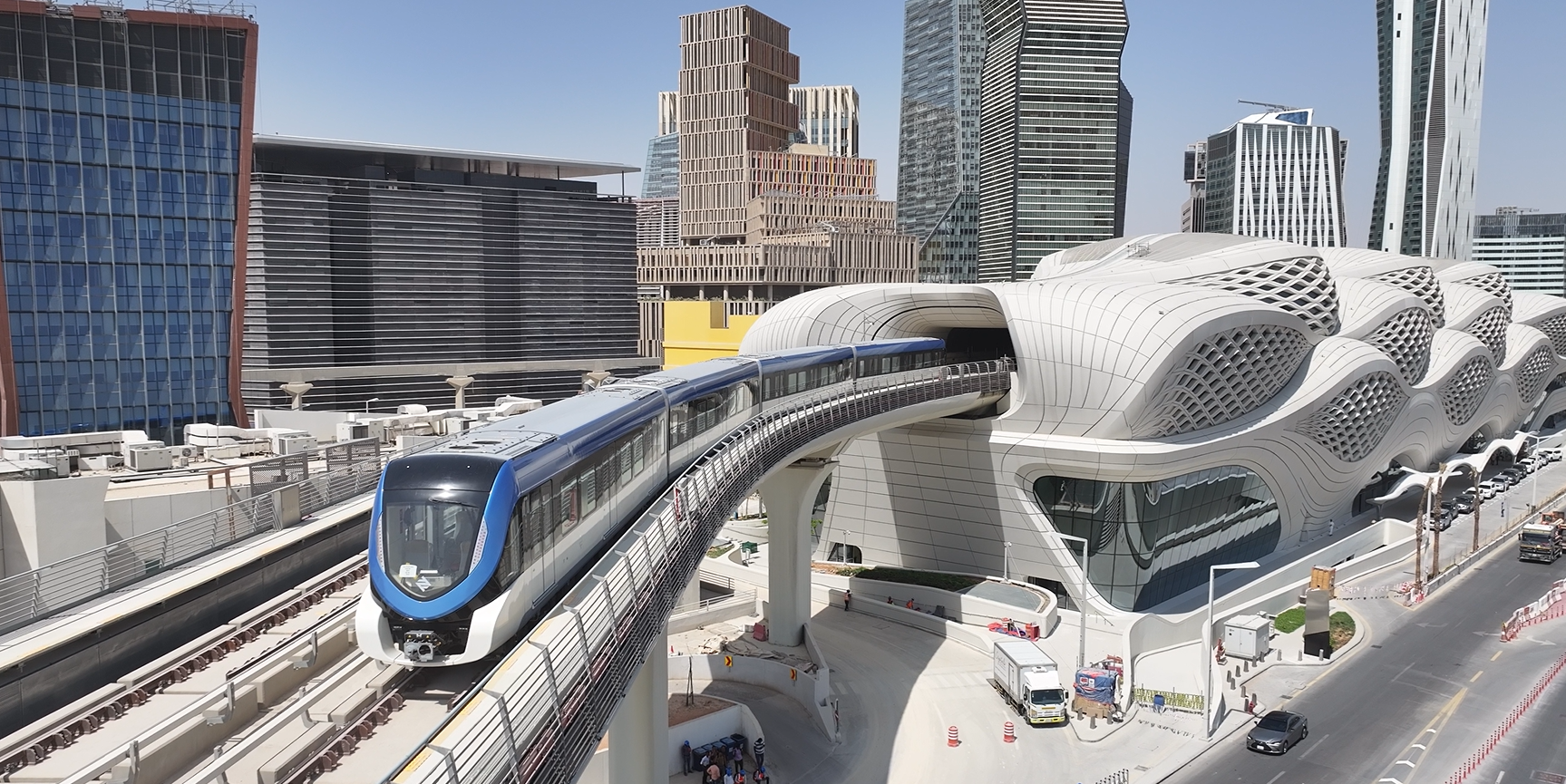
Bechtel Corporation has been appointed as the delivery partner for three new terminals at King Salman International Airport in Riyadh, marking a significant advancement in one of the world’s most ambitious aviation infrastructure projects.

The agreement, formalised during a high-profile visit by U.S. President Donald Trump to Saudi Arabia, entrusts the U.S.-based engineering firm with managing the development of a terminal for commercial airlines, Terminal 6 for low-cost carriers, and a private aviation terminal complete with hangars. This collaboration underscores the strengthening infrastructure ties between the United States and Saudi Arabia.

KSIA is poised to become the world’s largest airport upon completion, a cornerstone of Saudi Arabia’s Vision 2030 initiative aimed at diversifying the nation’s economy and enhancing global connectivity. The airport is designed to handle an anticipated capacity of 185 million passengers and 3.5 million tonnes of cargo annually by 2050. It will feature six parallel runways and encompass an area of 57 square kilometres, integrating advanced sustainable practices to achieve LEED Platinum certification across all terminals.

Darren Mort, President of Bechtel’s Infrastructure Business, expressed enthusiasm about the project, stating, “The King Salman International Airport is a landmark project that will reshape Riyadh and enhance the lives and communities it serves.” He highlighted Bechtel’s extensive experience in delivering complex airport projects globally, including Hamad International Airport in Qatar, Dubai International Airport in the UAE, and London City Airport in the UK.

Marco Mejia, Acting CEO of the King Salman International Airport Development Company, emphasized the project’s commitment to innovation and sustainability. He noted that the selection of Bechtel as the delivery partner reflects the project’s dedication to elevating aviation infrastructure standards through collaboration with a company possessing over 120 years of global experience.

The new terminals are expected to replace existing facilities at King Khalid International Airport, enhancing Riyadh’s status as a global hub for transportation, tourism, and trade. The development aligns with Saudi Arabia’s broader goals of economic diversification and infrastructure modernization.

Bechtel’s role in the KSIA project builds upon its longstanding presence in Saudi Arabia, where it has completed over 300 projects, including the recently inaugurated Riyadh Metro. The company’s involvement in KSIA signifies a continued commitment to supporting the kingdom’s transformative infrastructure initiatives.

Katsina State has secured 3,500 positions in the federal government’s Technical and Vocational Education and Training programme, marking a significant step in Nigeria’s efforts to equip its youth with practical, job-ready skills. The allocation is part of a broader initiative by the Federal Ministry of Education, which has launched a nationwide TVET programme aimed at enhancing industry-relevant skill development across the country. The programme invites Skill Training […]

Advertisements

K Wave Media Ltd., a Nasdaq-listed Korean entertainment conglomerate, has secured a $500 million equity financing agreement with Bitcoin Strategic Reserve KWM LLC. The capital infusion is earmarked for operating Bitcoin Lightning Network nodes and investing in Bitcoin infrastructure, signalling a significant strategic shift towards digital assets.

The Lightning Network, a second-layer solution built atop the Bitcoin blockchain, facilitates faster and more cost-effective transactions by enabling off-chain settlements through payment channels. This technology addresses Bitcoin’s scalability issues, allowing for a higher volume of transactions with reduced fees.

K Wave Media’s move aligns with a broader trend of corporations integrating Bitcoin into their financial strategies. Companies like LQWD Technologies have also been expanding their Bitcoin holdings and Lightning Network operations, aiming to generate yield through transaction fees and enhance payment efficiencies.

The $500 million financing will enable K Wave Media to establish and operate Lightning Network nodes, contributing to the network’s robustness and decentralization. Additionally, the investment will support the development of Bitcoin infrastructure, potentially fostering innovation in digital payment solutions and financial services.

This strategic pivot reflects K Wave Media’s commitment to embracing emerging technologies and adapting to the evolving financial landscape. By investing in Bitcoin infrastructure, the company positions itself at the forefront of digital asset integration within the entertainment industry.

The partnership with Bitcoin Strategic Reserve KWM LLC underscores the growing institutional interest in Bitcoin and its associated technologies. As more companies explore the potential of digital assets, investments in infrastructure like the Lightning Network are becoming increasingly prevalent.

K Wave Media’s initiative may also influence other entertainment and media companies to consider similar ventures into the digital asset space. The integration of Bitcoin infrastructure could lead to new business models, revenue streams, and enhanced engagement with tech-savvy audiences.

Akamai Technologies has solidified its position as a major contender in the public cloud Infrastructure as a Service landscape, according to the latest vendor evaluation by a leading industry analyst. The assessment highlights Akamai’s strategic focus on expanding its datacenter footprint, advancing security technologies, and enhancing low-latency application delivery as key factors that strengthen its appeal to enterprises undergoing cloud transformation. The report underscores Akamai’s extensive expertise […]

Saudi Arabia is advocating for accelerated increases in oil production within the OPEC+ coalition, aiming to reclaim market share lost during past output cuts. The kingdom is reportedly pressing the group to raise supplies by more than 400,000 barrels per day for August and possibly September, signalling a clear shift in strategy amid evolving global energy demands.

The decision underscores Saudi Arabia’s intent to capitalise on high seasonal demand in the northern hemisphere summer months. By scaling back production curbs more aggressively, Riyadh seeks to boost revenue and solidify its influence over global oil markets as supply dynamics shift. This approach reflects broader geopolitical and economic calculations, especially as global economies adjust to fluctuating energy needs and the ongoing transition to cleaner energy sources.

OPEC+ has been managing oil supply carefully since 2020, following the severe demand shock caused by the pandemic and ensuing market volatility. Initial drastic cuts helped stabilise prices, but the alliance has gradually increased output to balance rising demand. Saudi Arabia, as the largest producer within OPEC+, holds substantial sway in determining the group’s production policies and has been central to managing these supply adjustments.

This move to hasten production hikes also coincides with concerns over emerging market demand and the possible impact of economic slowdowns in key economies such as China and Europe. Saudi officials appear confident that increased output will prevent rivals, including the US shale sector and other non-OPEC producers, from expanding their share amid tightening market conditions.

Industry experts highlight that Saudi Arabia’s push for faster supply growth may be aimed at pre-empting market share erosion by ensuring that OPEC+ remains the dominant supplier globally. Since mid-2022, the kingdom has carefully recalibrated its production to respond to volatile price trends and geopolitical uncertainties, including tensions in the Middle East and disruptions caused by sanctions on Russia.

The timing of the proposed output rise is critical. Summer months traditionally bring peak consumption due to higher energy needs for cooling in developed markets, which can drive up prices. Saudi Arabia’s intention to increase supply during this window suggests an effort to maximise returns while stabilising prices to avoid sharp fluctuations that could undermine consumer confidence and economic recovery.

Global oil markets remain sensitive to a variety of factors including inflationary pressures, currency fluctuations, and shifting consumer behaviour. While demand for fossil fuels is under pressure from environmental policies and the accelerating transition to renewables, oil remains a crucial commodity in the global energy mix. Saudi Arabia’s strategy to secure market share through supply management is thus seen as a pragmatic response to balancing short-term profitability with long-term market relevance.

OPEC+ member countries have historically struggled to reach consensus on output levels, with diverse national interests shaping negotiations. Saudi Arabia’s dominant position, reinforced by its vast production capacity and financial reserves, often allows it to influence group decisions. However, some members have expressed concerns about aggressive supply increases potentially undermining prices and fiscal stability.

The broader geopolitical landscape also plays a role in shaping OPEC+ policies. Tensions involving key players such as Russia, which holds a significant share in the alliance, and ongoing conflicts in the Middle East add layers of complexity to supply decisions. Riyadh’s leadership in pushing for larger hikes indicates confidence in managing these risks while maintaining its strategic goals.

Market analysts note that US shale producers have responded to higher prices by increasing output, albeit with some operational constraints. Saudi Arabia’s efforts to accelerate OPEC+ production are seen as a counterbalance to this trend, aiming to keep global supply within manageable limits and avoid price spikes that could trigger demand destruction or accelerate the shift to alternatives.

Saudi Aramco, the kingdom’s state-owned oil giant, plays a pivotal role in implementing the supply strategy. Its vast infrastructure, including refineries and export terminals, supports the planned output increases. Aramco’s ability to ramp up production rapidly without incurring excessive costs provides Saudi Arabia with a competitive edge in the global energy market.

Environmental considerations also influence production decisions. While the global push for net-zero emissions is intensifying, OPEC+ nations, led by Saudi Arabia, continue to argue for the essential role of oil in energy security and economic development. The kingdom is simultaneously investing in cleaner technologies and diversifying its economy to reduce dependence on hydrocarbons in the long term.

The interaction between Saudi Arabia’s production policy and global economic indicators remains closely monitored by investors and policymakers alike. Oil prices affect inflation rates, trade balances, and geopolitical stability, making OPEC+ decisions crucial beyond the energy sector. The kingdom’s assertive stance on output could signal a more proactive approach to managing these broader economic impacts.

Analysts emphasize that while Saudi Arabia seeks to regain market share, the volatility of global markets and uncertainties surrounding demand growth require cautious optimism. Supply increases must be balanced against potential oversupply risks, which could trigger price declines detrimental to all producers within OPEC+.

Royal Challengers Bengaluru clinched their maiden Indian Premier League trophy in a dramatic final that showcased resilience and strategic brilliance. Punjab Kings fought valiantly, propelled by Shashank Singh’s determined unbeaten 61 off 30 balls, which pushed the contest into the final over, but Bengaluru’s composed chase secured a narrow victory that ended their long-standing title drought.

The final was held at the Narendra Modi Stadium in Ahmedabad, a venue known for its electric atmosphere and capacity to host large crowds, intensifying the stakes for both teams. Royal Challengers Bengaluru, having faced near-misses in past editions, approached the match with a balanced squad and a clear focus on executing their game plan.

Bengaluru’s opening batter, Faf du Plessis, delivered a crucial start with a measured innings that kept the scoreboard ticking, while Virat Kohli, the team’s captain, demonstrated exceptional leadership and composure under pressure. Kohli’s emotional response after the victory reflected the significance of this win, marking a landmark achievement in his illustrious career and for the franchise as a whole.

Punjab Kings’ campaign was bolstered by consistent performances throughout the tournament, with Shashank Singh emerging as a key figure in the final stages. His aggressive hitting in the final over rekindled Punjab’s hopes, underscoring his ability to perform in high-pressure situations despite being a less experienced player compared to some of the tournament’s big names.

The match unfolded with Bengaluru setting a competitive total, thanks to disciplined bowling and tight fielding that disrupted Punjab’s batting rhythm. The team’s bowling unit, featuring young pace talents and seasoned spinners, executed their plans effectively, exploiting pitch conditions that favoured variation and accuracy over sheer pace.

Punjab’s chase was anchored by Shashank Singh’s late surge, supported by contributions from seasoned campaigners in the middle order. The game’s intensity escalated in the final overs as both teams exchanged momentum shifts. Bengaluru’s fielding unit rose to the occasion with sharp catches and crucial run-outs, demonstrating the importance of athleticism in T20 cricket.

Kohli’s leadership was pivotal throughout the tournament and especially in the final, where his tactical decisions—such as bowling changes and field placements—proved decisive. His decision to trust emerging players and balance the bowling attack between spin and pace showcased his evolving captaincy style, blending experience with youth.

This victory holds particular weight for Royal Challengers Bengaluru, who had faced criticism for their inability to convert strong squads into championship wins despite featuring some of the world’s best cricketers over the years. Their perseverance and strategic adjustments reflect the franchise’s commitment to learning from past shortcomings and building a cohesive team culture.

On the other side, Punjab Kings’ performance signals their growing stature in the IPL landscape. Their squad, combining experienced international stars and dynamic local talent, has laid the groundwork for sustained competitiveness in future seasons. Shashank Singh’s emergence as a clutch player adds a new dimension to their batting arsenal.

The tournament itself highlighted evolving trends in the IPL, such as the increasing value of all-rounders who can contribute in multiple facets of the game, and the growing importance of data analytics in shaping team strategies. Teams that adapted quickly to pitch variations and managed player workloads effectively gained a competitive edge.

Royal Challengers Bengaluru’s triumph also reflects the broader trend of franchises investing in nurturing young talent alongside marquee signings. The blend of youth and experience in their squad created a balanced dynamic, enabling flexibility in match situations and resilience during pressure moments.

Virat Kohli’s emotional celebration after the victory symbolised not just personal triumph but also the fulfilment of collective team ambition. His dedication and on-field performances throughout the tournament served as inspiration to his teammates and fans alike, reaffirming his status as one of the modern era’s leading cricketers.

The success of the final, both in terms of competitive quality and spectator engagement, underscores the IPL’s position as a premier cricket league that blends entertainment with high-performance sport. It also sets a precedent for future editions, where teams will look to replicate Bengaluru’s model of combining strategic planning with individual brilliance.

This landmark title for Royal Challengers Bengaluru may well signal a shift in the IPL’s competitive balance, encouraging franchises to prioritise long-term team-building and leadership stability. The franchise’s journey from perennial runners-up to champions illustrates the evolving nature of T20 cricket, where adaptability and mental toughness are as vital as raw talent.

With the IPL continuing to attract global stars and expanding its audience, the implications of this final extend beyond the trophy itself. It provides valuable insights into how teams can harness both data-driven decision-making and traditional cricketing skills to succeed in a highly competitive environment.

Dubai is poised to make a significant impact at the upcoming IMEX event, reinforcing its status as a premier destination for global meetings and events. The city’s persistent rise in the meetings and incentives travel sector has been highlighted by its sustained ranking as the top meeting destination in the Middle East and Africa, according to the latest industry data. The recognition by Cvent, a leading meetings […]

South Korea’s newly inaugurated President has signalled an intent to extend negotiations with the United States over critical trade agreements, aiming to secure more favourable terms that could shape the trajectory of the country’s export-driven economy. The administration recognises the complexity of current talks and the high stakes for sectors that form the backbone of South Korea’s global economic influence, including semiconductors, automotive manufacturing, and shipbuilding.

The president, Lee Jae-myung, who took office following a highly competitive election, has prioritised trade diplomacy with Washington as a cornerstone of his economic agenda. South Korea’s reliance on exports to the US market makes the outcome of these talks pivotal for sustaining growth and competitiveness. The decision to request additional time highlights the government’s cautious approach amid mounting international uncertainties and intensifying global supply chain disruptions.

Lee’s administration faces pressure to address contentious issues such as tariff reductions, intellectual property protections, and technology transfers that have been key sticking points in negotiations. American officials have pushed for greater access to South Korea’s semiconductor sector, a world leader in chip production, while Seoul is equally keen to safeguard its industrial strengths against onerous restrictions. Balancing these priorities requires delicate diplomacy, with the stakes heightened by rising geopolitical tensions in the Indo-Pacific region.

Economic analysts observe that the extended timeframe could provide South Korea with a strategic advantage, allowing deeper consultation with domestic industries and stakeholders. The government is expected to leverage this period to refine proposals that accommodate emerging global trends, including shifts in supply chain localisation, heightened environmental standards, and evolving digital trade frameworks.

South Korea’s chipmakers, which dominate global markets with advanced memory and logic chips, are particularly attentive to outcomes of the talks. Recent moves by the US to incentivise domestic semiconductor manufacturing through legislative packages have raised concerns about potential trade barriers and competitive disadvantages for South Korean firms. The extended negotiation window offers a chance to clarify terms and possibly negotiate exemptions or compensatory measures to protect the industry’s international standing.

Similarly, the automotive sector, a pillar of South Korea’s industrial base, stands to gain or lose significantly depending on trade terms. The rise of electric vehicles and changing regulatory regimes worldwide necessitate adaptive trade policies that accommodate new technologies and market realities. The extended talks will enable Seoul to press for provisions that support its carmakers’ access to the US market, while also addressing issues related to tariffs and environmental regulations.

Shipbuilding, another vital sector for South Korea’s economy, faces challenges from global competition and evolving demand patterns, especially as the maritime industry shifts towards greener technologies. Negotiations with the US could influence the sector’s export potential, especially if environmental standards or subsidy regulations become part of trade discussions. Lee’s government is likely to emphasise the need for fair competition frameworks that protect the industry while fostering innovation.

The broader geopolitical context also plays a significant role in shaping these negotiations. South Korea’s balancing act between its strategic alliance with the US and its economic ties with China demands a nuanced trade policy. With tensions escalating between the US and China, Seoul must navigate these complexities carefully, ensuring that its trade agreements do not alienate either partner while maximising economic benefits.

South Korea’s trade ministry has indicated a willingness to engage constructively with American counterparts, stressing the mutual benefits of a comprehensive deal. The government has also engaged business leaders and experts to gather insights and build consensus on negotiation priorities. This inclusive approach aims to ensure that trade agreements align with long-term national interests rather than short-term gains.

Lee’s outreach to Washington comes at a time when global trade dynamics are undergoing rapid transformation. Protectionist sentiments and the realignment of supply chains following the pandemic have created both risks and opportunities for export-driven economies. South Korea’s strategic response through extended negotiations seeks to position the country favourably in this new environment.

Industry observers note that while additional time may raise concerns about potential delays or uncertainties, it also reflects a pragmatic recognition of the complexities involved in modern trade agreements. The extended timeline allows for more thorough impact assessments, stakeholder engagement, and the incorporation of emerging trade issues such as digital commerce, data security, and sustainability commitments.

Lee’s government is also expected to pursue parallel initiatives to strengthen domestic competitiveness alongside trade talks. Investments in innovation, infrastructure, and workforce skills development are seen as complementary measures to enhance South Korea’s economic resilience in a volatile global market.

The trade discussions have attracted close attention from international partners and economic forums, given South Korea’s integral role in global supply chains. The outcome will not only influence bilateral relations with the US but also set precedents for future trade policies across the Asia-Pacific region.

Multi-Award Winning Development Captures International Attention with 2-Star Fitwel Certification, Asia Pacific Property Awards, and PropertyGuru Excellence Recognition BANGKOK, THAILAND – Media OutReach Newswire – 4 June 2025 – Proud Real Estate has unveiled an extraordinary investment opportunity at ROMM Convent—Bangkok’s premier wellness-integrated residence in the prestigious Sathorn-Silom CBD. The only two duplex sky penthouses available, representing the pinnacle of luxury wellness living in Southeast Asia, are […]

The Alliance of Sahel States has taken a decisive legal step by establishing a regional criminal court aimed at addressing terrorism, violent extremism, and human rights violations within the Sahel region. This initiative, agreed upon at a recent interministerial meeting of justice ministers from Burkina Faso, Mali, and Niger, signals a strengthened commitment to unified judicial responses against complex security and governance challenges plaguing the region. The […]

EDGE, the United Arab Emirates’ premier defence technology conglomerate, has secured a landmark AED 9 billion contract with the Kuwait Ministry of Defence for the supply of eight FALAJ-3 class missile boats. This agreement represents the largest naval shipbuilding export in the Middle East and ranks among the highest-value naval export deals globally.

Under the terms of the contract, EDGE will serve as the prime contractor, overseeing the design, construction, trials, and delivery of the 62-metre vessels. The agreement also encompasses integrated logistics support and in-service support, with EDGE providing ammunition for the ships. Abu Dhabi Ship Building , EDGE’s naval subsidiary, has been designated as the build subcontractor for the programme.

Hamad Al Marar, Managing Director and CEO of EDGE, described the deal as a significant milestone that deepens long-term defence ties between the UAE and Kuwait. He emphasised that the agreement brings a proven class of advanced vessels into regional service and reinforces EDGE’s position as a trusted international partner. Al Marar highlighted the rapid industrial and engineering progress achieved by EDGE, noting the company’s ability to design, build, and deliver complex naval platforms at scale.

The FALAJ-3 class missile boats are designed for high performance and advanced combat capabilities, tailored to meet Kuwait’s operational requirements. These vessels are equipped for littoral defence operations, featuring advanced combat systems and enhanced capabilities to safeguard Kuwait’s maritime interests.

The Kuwaiti Ministry of Defence stated that the acquisition of these vessels will contribute to raising the level of combat readiness, enhancing maritime security, and protecting the vital and strategic maritime interests of the State of Kuwait. The ministry highlighted that the contract aligns with Kuwait’s strategic objectives to bolster its naval capabilities and ensure the security of its territorial waters.

The FALAJ-3 class has also been adopted by the UAE Navy, with the first vessel, ALTAF, commissioned into service in February 2025. This operational deployment underscores the vessel’s proven capability and performance in regional waters.

The signing ceremony was attended by Sheikh Dr. Abdullah Meshal Mubarak Al Sabah, Undersecretary of the Kuwait Ministry of Defence; Dr. Matar Al Neyadi, UAE Ambassador to Kuwait; Hamad Al Marar, Managing Director and CEO of EDGE; and Omar Al Zaabi, President of Trading and Mission Support at EDGE.

This contract is not the first collaboration between EDGE and Kuwait. Previously, EDGE subsidiary ADSB delivered eight landing craft to Kuwait and provided maintenance, repair, and overhaul services to the Kuwaiti Coast Guard. The current agreement further solidifies the defence partnership between the two nations and demonstrates EDGE’s commitment to delivering comprehensive defence solutions.

The FALAJ-3 class vessels are based on the Fearless-class ships originally designed by Singapore’s ST Engineering for the Republic of Singapore Navy. EDGE has adapted and enhanced these designs to meet the specific needs of regional clients, offering a versatile platform capable of operating in both littoral and blue waters. The vessels can be equipped with a range of weapons, including missiles, rockets, and medium-calibre guns, providing robust defensive capabilities against various threats.

By Saifur Rahman Nisus Finance Investment Consultancy FZCO (NiFCO Dubai), a subsidiary of India’s Nisus Finance Services Company Limited (NIFCO), said it will place funds and assets worth up to US$500 million (Dh1.83 billion) for tokenisation in the UAE. NiFCO Dubai said, it has signed a Memorandum of Understanding (MoU) with Xchain Technologies FZCO (Toyow), a leading blockchain-based forensic and advisory firm, for the tokenisation of funds […]

Adobe has expanded its Photoshop ecosystem by launching a free version of its flagship image editing software for Android devices, marking a significant shift in mobile creative tools. This move aims to make professional-grade photo editing accessible to a wider audience while leveraging advances in mobile technology to rival traditional desktop experiences. The free Android app offers a comprehensive suite of Photoshop’s core features, allowing users to […]

KUALA LUMPUR, MALAYSIA – Media OutReach Newswire – 4 June 2025 – Octa, a global regulated broker since 2011, conducted a survey to learn more about Malaysian traders’ security habits and behaviours, both in everyday life and in trading. Below are some insightful takeaways on how traders approach one of the most crucial aspects of their craft. There is an old saying, ‘How you do anything is […]

Bitcoin’s network hashrate has reached a new peak, hitting a seven-day average of 942.6 exahashes per second , even as the cryptocurrency’s price dipped below $106,000. This milestone underscores the growing computational power dedicated to securing the Bitcoin blockchain, reflecting increased participation and investment in mining activities.

The network’s mining difficulty—a measure of how hard it is to find a new block—has also climbed to an all-time high of 126.98 trillion. This 4.38% increase indicates that miners are facing more competition, as more computing resources are being deployed across the globe. The adjustment in difficulty is a built-in mechanism to ensure that blocks are added to the blockchain at a consistent rate, approximately every ten minutes.

Despite the intensified mining landscape, the profitability for miners has seen fluctuations. The hashprice, which represents the revenue miners earn per unit of hashrate, fell to $52 per petahash per second following the difficulty adjustment. This decline erases much of the gains observed since early May, when the hashprice briefly spiked to $58 per PH/s amid Bitcoin’s price surge to $112,000.

The current market conditions present a complex scenario for miners. While the increased hashrate and difficulty suggest a robust and secure network, they also imply higher operational costs and thinner margins for mining enterprises. These dynamics may prompt smaller or less efficient miners to reassess their strategies or exit the market, potentially leading to further consolidation in the mining industry.

Bitcoin’s price volatility adds another layer of complexity. After reaching record highs, the cryptocurrency’s value has declined, trading around $105,000. Analysts attribute this downturn to a combination of factors, including global economic uncertainties and shifting investor sentiment. Some projections suggest that Bitcoin’s price could dip further, with potential support levels around $97,000.

Despite these challenges, the long-term outlook for Bitcoin mining remains cautiously optimistic. Advancements in mining technology, coupled with strategic investments and potential regulatory clarity, could enhance efficiency and profitability. Moreover, the sustained interest in cryptocurrencies and blockchain technology continues to drive innovation and adoption across various sectors.

Dubai Future District Fund has reported securing over $1.65 billion in capital commitments and supporting more than 190 startups, marking a significant milestone in its mission to bolster the emirate’s innovation ecosystem.

Anchored by the Dubai International Financial Centre and the Dubai Future Foundation , DFDF unveiled these achievements at its Annual General Meeting, reflecting its alignment with Dubai’s economic vision and commitment to fostering a resilient innovation landscape.

In 2024, DFDF expanded its portfolio through direct investments and 12 Fund of Funds initiatives, aligning with the Dubai Economic Agenda to advance technology, talent, and venture capital in the region.

His Excellency Khalfan Belhoul, Chairman of DFDF’s Board and CEO of the Dubai Future Foundation, emphasized the fund’s role in driving the growth of Dubai’s digital economy, highlighting its focus on innovation and future technologies across key sectors.

Beyond capital allocation, DFDF engaged in strategic partnerships with entities like Dubai Land Department and Dubai Health, exploring innovation collaborations that align government priorities with startup-driven solutions.

Nader Albastaki, Managing Director at DFDF, noted that 2024 was pivotal for the fund, scaling investments and supporting innovators driving meaningful change. He expressed enthusiasm for 2025, designated as the Year of the Community, focusing on deeper collaboration and ecosystem resilience.

DFDF’s investment strategy involves deploying capital into venture capital funds with a local focus and directly into startups, aiming to boost venture capital investing and business activity in Dubai and the region.

The fund’s commitment to sustainability was underscored by allocating up to 20% of its AED 1 billion fund to climate technology and innovation, aligning with the UAE’s broader vision for economic diversification and sustainable development.

Arif Amiri, CEO of DIFC Authority and DFDF Board Member, highlighted the fund’s dedication to driving growth and supporting sustainability-focused tech ventures, emphasizing the importance of collaboration in cultivating innovation.

DFDF’s efforts contribute to Dubai’s ambition to establish itself as a global technology and innovation hub, reinforcing its position as a premier destination for global talent and entrepreneurship.

South Korea has witnessed the first notable instance of an institutional investor divesting cryptocurrency assets following the government’s decision to lift its long-standing ban on crypto trading by financial institutions. This marks a significant moment in the country’s evolving digital asset landscape, as regulatory shifts continue to reshape market dynamics and investor behaviour.

The institution in question, a major South Korean asset management firm, has reportedly sold off a substantial portion of its cryptocurrency portfolio. This move comes amid growing caution within the sector, despite regulatory relaxation intended to encourage wider institutional participation. Analysts suggest that the sale signals a pragmatic reassessment by financial entities, weighing regulatory clarity against market volatility and emerging geopolitical risks.

South Korea’s approach to cryptocurrency regulation has long been characterised by stringent restrictions designed to curb speculation and protect investors. The ban on crypto holdings by institutional investors, introduced several years ago, effectively excluded major banks, pension funds, and asset managers from direct crypto market involvement. This policy, aimed at stabilising the financial system, has limited the scale and scope of institutional crypto activity compared to other leading markets.

However, government authorities have recently signalled a more open stance, allowing institutions to hold and trade digital assets under stricter compliance and transparency frameworks. The removal of the ban reflects a broader effort to position South Korea as a competitive hub for blockchain technology and crypto innovation while addressing investor protection concerns. Regulatory bodies have emphasised enhanced due diligence, anti-money laundering measures, and consumer safeguards as prerequisites for institutional engagement.

Despite the regulatory easing, the initial institutional response appears cautious. The divestment by the asset management firm highlights lingering uncertainties, including the lack of comprehensive global regulatory harmonisation and fluctuating crypto valuations. Financial executives involved in the transaction point to increased scrutiny from compliance teams and internal risk committees, which have recommended a more conservative stance amid the unpredictability of crypto markets.

Market observers note that institutional investors have been closely monitoring international regulatory developments, including regulatory crackdowns in major economies such as the United States and the European Union. These external pressures, combined with domestic regulatory adaptations, create a complex environment where institutional players must balance opportunity with risk management.

South Korea’s crypto market itself continues to show robust retail participation, with local exchanges reporting increased trading volumes and new account openings. However, institutional activity remains limited, constrained by cautious regulatory interpretations and the need for clearer operational guidelines. Industry insiders indicate that infrastructure development, such as secure custody solutions and regulatory-approved trading platforms, will be critical to attracting sustained institutional capital.

The government’s gradual liberalisation has also been accompanied by initiatives to bolster blockchain technology development and related financial products. South Korean regulators are promoting pilot projects and innovation hubs, fostering partnerships between traditional finance firms and crypto startups. These efforts aim to build an ecosystem that supports not only trading but also tokenisation, decentralized finance applications, and digital asset custody.

Analysts highlight the importance of regulatory certainty for institutional confidence. The absence of clear rules has historically driven many South Korean financial institutions to adopt a wait-and-see approach, fearing potential legal repercussions and reputational damage. The recent institutional exit underscores the delicate balance regulators must maintain between fostering innovation and imposing adequate safeguards.

Investor sentiment is further influenced by macroeconomic factors, including global interest rate trends, currency fluctuations, and geopolitical tensions impacting asset flows. Cryptocurrency’s volatility relative to traditional assets remains a key consideration for institutional portfolio managers. Many firms are adopting phased approaches, initiating pilot crypto investments or forming dedicated teams to evaluate blockchain’s long-term potential before committing substantial capital.

The South Korean government’s broader digital finance strategy integrates cryptocurrency within its fintech agenda, aiming to create a sustainable and regulated market environment. However, achieving widespread institutional adoption will require ongoing dialogue with industry stakeholders, continuous regulatory refinement, and enhanced transparency mechanisms.

The current institutional crypto divestment could serve as a valuable indicator for regulators and market participants alike, revealing the challenges and reservations that remain despite policy shifts. Financial institutions appear to be navigating a transitional period, balancing innovation enthusiasm with prudent risk controls.

By Nantoo Banerjee Gaza’s Hamas militants face an unmitigated disaster as Israel is all set to take full control over Gaza strip after a gap of almost 20 years. Simultaneously, Israel seems to be gearing up to annex a substantial portion (Area C) of West Bank ignoring protests from France, the United Kingdom and Sweden […]

Karol Nawrocki, a conservative historian with nationalist leanings, has narrowly secured the presidency of Poland, capturing 50.89% of the vote against liberal Warsaw Mayor Rafał Trzaskowski’s 49.11%. The outcome, confirmed by the National Electoral Commission, reflects a deeply divided electorate and poses significant challenges to Prime Minister Donald Tusk’s centrist, pro-European government. At 42, Nawrocki is set to assume office on 6 August, succeeding Andrzej Duda. Despite […]

VISHNU RAJA
RYO YAMADA
HITORI GOTOH
IKUYO KITA