News related to
secure

The UAE Funds Transfer System saw a substantial surge in the value of transactions during the first five months of 2025, reaching a remarkable AED9.528 trillion. This reflects the continued growth of the UAE’s banking sector and its central role in facilitating both domestic and international financial transfers.

According to the Central Bank of the UAE, the total value of transfers executed by banks amounted to AED5.963 trillion, a figure that highlights the significant volume of financial activities managed by UAE banks. These transfers are essential for business operations, both locally and globally, given the UAE’s strategic position as a key financial hub in the Middle East.

The monthly breakdown reveals a steady increase in transaction values throughout the first five months of the year. January recorded AED1.1 trillion, February saw AED983.99 billion, while March’s figures jumped to AED1.238 trillion. The upward trend continued into April with AED1.273 trillion, and May closed at AED1.089 trillion, suggesting robust financial momentum across the banking sector.

In addition to bank-to-bank transfers, customers also contributed significantly to the total volume. The total value of transfers executed by customers surpassed AED3.834 trillion. January recorded AED677.65 billion, with February following closely at AED649.48 billion. March saw a spike, reaching AED791.313 billion, while April’s figures hit AED879.94 billion. By May, customer-initiated transfers amounted to AED836.157 billion, demonstrating the increasing role of personal and corporate banking in the country’s financial ecosystem.

The UAEFTS, which facilitates secure and efficient transfers between financial institutions, plays a pivotal role in the country’s economic framework. The consistent growth of these transactions reflects the ongoing strength of the UAE’s banking infrastructure, which continues to cater to a diverse range of financial services, from basic retail banking to complex corporate transactions.

One of the key drivers of this growth is the UAE’s growing stature as a global financial centre. The country’s strategic initiatives to position itself as an international financial hub have attracted a wide variety of global institutions. With its advanced technological infrastructure and regulatory framework, the UAE has positioned itself as a leader in financial services in the Gulf region.

The rise in customer transfers can be attributed to a range of factors, including the increasing integration of digital banking platforms. The shift towards online and mobile banking has made it easier for customers to conduct transfers in real-time, contributing to the overall growth in transaction volumes.

While the total value of transfers is substantial, it also highlights a key trend in the UAE’s financial sector: the increasing reliance on electronic systems for everyday financial transactions. As customers continue to embrace digital banking solutions, the volume of these transactions is likely to rise, further reinforcing the UAE’s reputation as a hub for innovation in financial technology.

The UAE’s banking sector is also witnessing a diversification of services, with many institutions offering enhanced value-added services such as cross-border payment solutions, investment management, and wealth management. These services, which cater to both individual and corporate clients, contribute to the rise in transfer volumes, particularly in a market that has become increasingly open to global trade and investment.


Backpack Exchange, a leading digital asset platform, has announced the launch of daily Proof of Reserves audits, marking a significant step in promoting transparency and security within the cryptocurrency exchange space. This move, verified by cybersecurity firm OtterSec, aims to provide users with real-time assurance that the exchange maintains more than enough reserves to cover all customer deposits.

The PoR initiative is part of a broader effort by cryptocurrency platforms to rebuild trust after a series of high-profile exchange collapses. These audits will detail the reserve ratio, with Backpack Exchange’s current reserve ratio standing at 100.42%. This indicates that for every unit of cryptocurrency held in customer accounts, the exchange holds an equivalent amount and more, ensuring liquidity and solvency.

The verification process, carried out by OtterSec, involves rigorous checks on Backpack Exchange’s crypto holdings and liabilities. This third-party validation is designed to increase investor confidence by ensuring that the platform does not engage in risky lending practices or operate with insufficient backing. The daily audits will be publicly accessible, allowing users to independently verify the platform’s financial stability.

This move comes as part of a growing trend in the cryptocurrency industry, where exchanges are being pressed to adopt higher standards of transparency in the wake of the collapse of firms like FTX and Celsius. These platforms were accused of operating with insufficient reserves and failing to disclose critical financial information to users and regulators. In response, many exchanges, including Backpack Exchange, are now taking proactive steps to restore credibility and accountability.

One of the major concerns that has plagued the crypto industry is the lack of clear regulation and oversight. While governments around the world have begun to implement new laws to protect investors, many exchanges have faced criticism for not providing enough information about their financial operations. Backpack Exchange’s decision to make PoR a daily practice is an attempt to address this concern directly, giving users the tools they need to assess the health of the platform without relying solely on regulatory bodies.

While the PoR audits provide an additional layer of transparency, experts caution that these measures should be viewed as part of a broader effort to ensure that exchanges operate within a secure and well-regulated framework. “Proof of reserves is important, but it does not guarantee the absence of other risks, such as fraud or mismanagement,” says Laura Tan, a blockchain security expert. “It is crucial that exchanges continue to improve their operational practices, beyond just audits, to protect users.”

The timing of Backpack Exchange’s announcement is also noteworthy, as it comes amid increasing scrutiny from both regulators and the public. In many jurisdictions, regulators are seeking to enforce stricter compliance requirements on cryptocurrency exchanges, including mandatory audits and greater financial disclosures. This trend is part of a larger push for comprehensive regulation in the crypto space, aimed at reducing market manipulation, fraud, and investor losses.

Despite the growing regulatory pressure, the cryptocurrency industry remains largely self-regulated, with few standardized practices for exchanges to follow. As a result, platforms like Backpack Exchange that adopt self-imposed transparency measures may set the bar for others to follow. Experts believe that this trend could encourage further innovation in the space, driving exchanges to develop new methods of ensuring financial integrity and user protection.

Another key benefit of daily PoR is its potential to deter malicious actors. By making the platform’s reserve status publicly available, Backpack Exchange creates an environment where any attempt to manipulate reserves would be immediately apparent. This level of visibility can help prevent fraud and instil confidence among users, knowing that they can rely on independent verification of the platform’s solvency at any given moment.

The decision to implement daily audits reflects a growing recognition that the cryptocurrency market must evolve to attract and retain mainstream investors. Institutional investors, in particular, have been cautious about entering the market due to concerns about security and transparency. With daily PoR audits, Backpack Exchange may be positioning itself as a more secure and trustworthy platform, appealing to both retail and institutional traders.

This transparency initiative also places significant pressure on other exchanges to adopt similar measures. As the market matures and regulatory bodies continue to apply pressure, exchanges that fail to provide adequate transparency or secure user funds may struggle to compete. Backpack Exchange’s early adoption of daily PoR audits could set a new standard for transparency in the crypto industry, raising the bar for exchanges across the board.

SINGAPORE – Media OutReach Newswire – 19 August 2025 – With the demand for accountancy and finance professionals growing amid Singapore’s transition to a digital and sustainable economy, the Institute of Singapore Chartered Accountants (ISCA) today launched a $2 million Career Support Programme to help jobseekers and mid-career individuals pivot confidently into the accountancy profession. Unveiled by Ms Indranee Rajah, Minister in the Prime Minister’s Office, Second […]

The combined platform supports agribusinesses in meeting EU Deforestation Regulation (EUDR) and ESG requirements with end-to-end transparency across key commodities. SINGAPORE – Media OutReach Newswire – 19 August 2025 – Agridence Grp Holdings Pte. Ltd. (“Agridence”), a Singapore-based leader in digital agri-commodity supply chain solutions, announced its acquisition of farmer connect, a European compliance and traceability platform. This acquisition comes alongside Agridence’s newly secured investment, enabling the […]

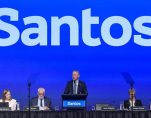
Australia’s Santos revealed that a takeover proposal valued at US $18.7 billion, spearheaded by a consortium under the Abu Dhabi National Oil Company, will not be concluded by the extended 22 August deadline and now faces a delay of at least four weeks. The investment group, including ADNOC’s XRG arm, Abu Dhabi Development Holding Company and private equity firm Carlyle, cited the need to finalise regulatory and due diligence clearances across multiple jurisdictions—including Australia, Papua New Guinea and the United States—before completing a binding scheme implementation agreement.

Santos confirmed that negotiations remain “collaborative” yet incomplete, with both parties still to secure agreement on acceptable terms for a binding SIA. Given the outstanding conditions, signing before the end of the week appears unlikely.

The implications for Santos’ investors were swift: its shares slid up to 3.5 per cent, reaching A$7.68—a five-week low—marking it as one of the ASX 200’s most notable underperformers.

The bid, if executed, would become Australia’s largest-ever all-cash corporate takeover. Santos’ enterprise value, factoring in net debt, stands at approximately A$36.4 billion, signalling a major transaction in the energy sector.

Industry analysts emphasise that regulatory approvals remain the most significant obstacles. Australia’s Foreign Investment Review Board, in particular, presents a critical test given the strategic sensitivity of energy infrastructure. Papuan New Guinea and U. S. authorities also must grant clearance.

James Hood of Regal Funds Management expressed palpable market unease, observing that the share price response reflects “increased risk and uncertainty.” Kaushal Ramesh from Rystad Energy characterised the execution of a deal of this magnitude as “never going to be an easy transaction”, especially with national energy security and regulatory scrutiny in play. Another investor, Jamie Hannah of Van Eck, reiterated that the key challenge isn’t procedural but regulatory—from the FIRB in Australia.

As a result of the delay, Santos will release its interim earnings on 25 August, instead of the previously planned 20 August.

Interest in the Pikka oil project in Alaska—expected to commence production mid-2026—adds further strategic weight to Santos’ asset base and may influence regulatory and investor perspectives on the transaction.

Helium balloons add instant magic to any outdoor celebration whether it’s a birthday, wedding, or corporate gathering. Their bright colors and floating elegance can transform an ordinary space into a festive wonderland. However, many people discover that setting up helium balloons outdoors is trickier than it looks. Strong winds, direct sunlight, or poor anchoring can quickly turn your decoration plans into a disappointment. In this guide, we’ll […]

French authorities have initiated dialogue with Mali to secure the immediate release of a French national working at the embassy in Bamako, whose detention Bamako’s military regime justifies with allegations of involvement in a destabilisation plot. The French foreign ministry has dismissed these allegations as baseless, emphasising that the detained individual is entitled to protections under the Vienna Convention on Diplomatic Relations. French officials argue that the […]

Advertisements

A bold partnership between the Central Bank of the UAE and Presight, the AI arm of G42, is unfolding a new era in financial infrastructure. The joint venture will embed artificial intelligence across core systems – spanning digital currency, instant and real-time payments, card services and open finance platforms – designed, built, and managed within the UAE. The agreement places AI at the heart of systems such as the Central Bank Digital Currency, Instant Payments, Domestic Card Scheme, National Card Switch, Real-Time Gross Settlement, and Open Finance network.

The initiative underpins the Financial Infrastructure Transformation Programme, a sweeping architectural modernisation blueprint launched by CBUAE in February 2023, with full deployment anticipated by 2026. Where CBUAE once relied on external vendors for supervisory technology and data systems, the new venture shifts toward a sovereign, AI-driven approach.

Ebrahim Obaid Al Zaabi, Assistant Governor for Monetary Policy and Financial Stability, characterised the venture as a strategic move “to ensure the UAE’s financial market infrastructure remains resilient, secure, efficient and future-ready.” He also noted that merging FIT’s leadership with Presight’s technological prowess will reinforce the UAE’s financial ecosystem and underpin national economic stability, strengthening its position as a global financial centre.

Thomas Pramotedham, Chief Executive of Presight, described the venture as a “decisive leap forward,” stating that by “focusing exclusively on AI-driven financial solutions, we are creating a sovereign finance technology powerhouse that will redefine how financial markets operate—faster, with applied intelligence, and more securely than ever before.”

Already, FIT has delivered functional platforms like Instant Payments and the Jaywan card scheme, with CBDC infrastructure currently under development. The venture now takes over these critical functions — charged with developing, maintaining and safeguarding them under a sovereign, AI-backed framework.

Beyond financial rails, this AI integration offers promise across several performance benchmarks: settlement speed, fraud detection, transparency, and cost efficiency all stand to improve. These enhancements align with broader technological sovereignty goals: reducing dependence on foreign providers, enhancing cybersecurity responsiveness, and supporting fintech innovation with locally administered smart infrastructure.

In a parallel development, the Emirates Institute of Finance’s Innovation Hub has entered into a Memorandum of Understanding with HSBC, Al Maryah Community Bank, Presight, and Core42 to explore applications of both traditional and generative AI across banking. The objective is to augment operational efficiency, strengthen cybersecurity, and enrich customer service within the banking sector.

In the broader academic and regulatory sphere, scholars have analysed the transformative potential of AI in finance, alongside its risks: regulatory opacity, bias, data privacy issues, systemic vulnerabilities, and ethical concerns. Recent studies advocate for explainability, human oversight, auditability, and adaptive, principled governance frameworks to safeguard trust while fostering innovation.

By embedding AI at the infrastructure layer, the UAE initiative intersects with these academic prescriptions — though realisation of such ideals will hinge on effective governance, transparency, and operational resilience. As financial systems globalise and grow increasingly complex, ensuring AI’s reliable, accountable implementation will determine whether this model achieves its promise.

Kotak Mahindra International Limited, a subsidiary of Kotak Mahindra Bank, has made a significant stride in expanding its footprint in the UAE’s financial sector. The firm has officially received a licence from the Securities and Commodities Authority, granting it the ability to manage investments and portfolios within the emirate’s capital markets. This makes KMIL the first Indian financial institution to obtain such a licence, opening the door to a wider range of investment opportunities in the region.

The SCA’s approval allows KMIL to operate in a competitive, high-growth financial market that is rapidly evolving. As a result, the firm is now positioned to offer both retail and institutional clients a broader spectrum of services, ranging from portfolio management to investment advisory. This move is expected to enhance the firm’s existing capabilities and leverage the UAE’s status as a global financial hub.

KMIL’s entry into the UAE market signifies a strategic effort to tap into the growing demand for professional investment services in the region, especially as the Middle East continues to be a lucrative market for global financial players. The UAE’s business environment is becoming more conducive to foreign investments, with its forward-thinking regulatory framework and attractive tax incentives drawing a significant number of international financial institutions.

The SCA’s move to issue such licences aligns with the UAE’s broader economic diversification strategy. By encouraging international firms to set up operations in the country, the UAE government aims to fortify its capital markets and establish itself as a leading financial centre in the region. The decision also underlines the country’s commitment to maintaining a stable and robust regulatory environment for financial services.

Kotak Mahindra’s strategic expansion comes at a time when global interest in the UAE’s financial markets is surging. The country’s strategic location, tax-friendly policies, and world-class infrastructure have led to an influx of capital from around the world, positioning it as an ideal base for firms like Kotak Mahindra International to service clients in both the Gulf Cooperation Council region and beyond.

The company’s move also reflects a growing trend of Indian financial institutions seeking to diversify their portfolios and expand internationally. With this licence, Kotak Mahindra International joins a select group of global players that have made the UAE their home for managing investments and portfolios. This development underscores the increasing prominence of the UAE as a financial epicentre.

KMIL’s parent company, Kotak Mahindra Bank, has long been a key player in India’s banking and financial services landscape. With its new licence, the bank’s international arm can now offer its expertise to a new set of clientele while taking advantage of the burgeoning investment opportunities in the Middle East. The UAE’s progressive economic policies and its positioning as a global financial hub make it an attractive destination for firms looking to serve the broader Middle Eastern, African, and Southeast Asian markets.

Industry experts note that the SCA’s licence is a vital step in enhancing the overall appeal of the UAE’s financial services sector. The SCA, tasked with overseeing the functioning of capital markets, is committed to fostering a conducive environment for businesses to thrive. By offering such licences to international firms, the authority is sending a strong signal about its readiness to support the financial community and encourage further investments into the UAE economy.

BEIJING, CHINA – Media OutReach Newswire – 18 August 2025 – The 42nd “Baidui Cup” Football Tournament kicked off in the rain on the August 8th. It brought a refreshing coolness of summer to the young players and once again ignited a football fever in Beijing, the “Dual Olympic City”. A player goes for goal during a Baidui Cup match, August 2025. As 51-year-old Chinese football legend […]

Greenlogue/AP SNB Capital has successfully facilitated the completion of a significant SAR7.1 billion capital increase for Acwa Power, a leading Saudi developer, investor, and operator of power generation and desalination plants. The deal, executed through a rights issue on the Saudi Exchange, marks one of the largest transactions of its kind in the region. The transaction involved the issuance of 33.93 million new shares, priced at SAR210 […]

Dubai’s office real estate market has experienced a remarkable upswing, with sales transactions reaching AED5.4 billion in the first half of the year, an 84% year-on-year increase. This surge comes on the back of a dynamic and growing demand for commercial spaces, particularly in the prime office and logistics segments, as noted in Cavendish Maxwell’s latest Dubai Office Market Report. According to the report, the number of […]

Cohere has raised $500 million in new funding, propelling its valuation to an impressive $6.8 billion as the company accelerates its push to reshape enterprise AI. This significant investment will bolster its efforts to expand its security-first agentic AI platform, a product designed to enhance organizational productivity through advanced, secure artificial intelligence. The AI sector has seen rapid growth over the last few years, with businesses increasingly […]

Dubai Metro has taken a significant step forward with the integration of artificial intelligence into its operational maintenance model, marking a notable enhancement in its rail system’s efficiency and safety protocols. The shift to AI-powered solutions aims to revolutionise how maintenance is approached, ensuring quicker response times and more proactive management of the city’s rapidly expanding metro infrastructure.

The new AI technology focuses on automating the detection of faults and predicting potential breakdowns before they occur. This shift towards predictive maintenance is in line with Dubai’s wider goals of improving transportation infrastructure through innovation. AI’s role in this transformation goes beyond simply automating tasks; it serves as a core tool in enabling more intelligent decision-making for the Dubai Metro’s operations.

With a network that spans 75 kilometres and operates across multiple lines, the Dubai Metro has grown to be one of the most recognised urban transit systems in the world. Over 200,000 passengers rely on the metro each day, making it essential to maintain high levels of safety and operational reliability. By integrating AI, the metro can now leverage real-time data to monitor equipment and infrastructure, identifying anomalies that would otherwise be overlooked by human inspection.

AI-driven algorithms allow for continuous analysis of various parameters, including train speed, track conditions, and mechanical performance. This data is gathered via sensors installed across the metro system, from trains to trackside infrastructure. When any irregularities are detected, the system alerts maintenance teams, prioritising interventions based on urgency and potential impact. The technology also facilitates remote diagnostics, reducing the need for engineers to physically inspect the system unless absolutely necessary.

This predictive maintenance model promises to cut costs and downtime significantly. According to experts, the AI system is expected to reduce unplanned disruptions by up to 30%, which will directly benefit both passengers and operational teams. Reduced downtime means trains will spend less time off-track for repairs, contributing to a smoother, more reliable service.

The integration of AI into the Dubai Metro’s maintenance strategy is expected to pave the way for similar technological applications across other sectors of the city’s public transportation network. With Dubai’s long-term plans to further expand its metro network, AI will be crucial in ensuring that the growth of this infrastructure remains sustainable and efficient.

However, the implementation of such sophisticated technology also poses challenges, particularly in terms of data privacy and system security. As AI becomes more deeply integrated into the operational framework of Dubai Metro, it is essential to establish robust cybersecurity measures to prevent potential hacking or system failures. The Dubai Roads and Transport Authority, which oversees metro operations, has already placed emphasis on maintaining secure networks, working closely with experts to safeguard sensitive operational data.

AI’s potential in transforming public transport is not unique to Dubai. Several cities globally are also exploring how AI can be applied to enhance the efficiency and sustainability of urban rail systems. In Europe and Asia, metros have begun adopting similar technologies to improve service reliability and reduce the environmental impact of their operations. Dubai’s adoption of AI technology, however, stands out as a benchmark for its scope and ambition, setting a new standard for metro operations in the region.

Futu Securities International has launched Solana trading on its Futu NiuNiu App in Hong Kong, marking a significant step in expanding access to digital asset markets. The launch comes on the heels of a broader push for crypto adoption across Asia and aims to offer more flexible trading opportunities to the region’s retail investors.

This move positions Futu Securities, an influential brokerage firm, as a key player in the competitive landscape of cryptocurrency trading in Hong Kong. The company has been focusing on bridging traditional financial services with digital asset trading, reflecting a growing trend in the region towards integrating blockchain technology into mainstream investment platforms.

The new trading feature allows users to trade Solana directly, a cryptocurrency known for its high-speed transactions and scalability, which have positioned it as a potential competitor to Ethereum. The decision to add Solana to the platform follows a series of strategic partnerships and product enhancements by Futu, aimed at capturing a share of the rapidly evolving crypto trading market.

Solana’s inclusion is particularly notable given the increasing popularity of decentralized finance platforms and non-fungible tokens, sectors where Solana has made significant strides. Its fast transaction speeds and lower fees have made it a favourable option for developers and traders alike. By offering this asset, Futu Securities provides its customers with greater flexibility to tap into the growth of blockchain-based applications.

The launch also comes at a time when other crypto trading platforms are making similar moves to expand their offerings. The competitive pressure is particularly intense in Hong Kong, a city that is positioning itself as a major hub for digital assets in Asia. Several firms are already catering to the burgeoning demand for cryptocurrency products, prompting regulators to adapt to the new landscape.

Hong Kong’s regulators have taken a balanced approach to crypto oversight, striving to foster innovation while ensuring the protection of investors. This regulatory stance has attracted firms like Futu to launch new offerings with confidence, knowing that the regulatory framework is supportive of such developments.

Futu’s move into the retail Solana trading space also ties into the broader trend of financial firms integrating digital currencies into their portfolios. The platform already offers trading in various other digital assets, including Bitcoin and Ethereum, making Solana’s addition a natural extension of their crypto offerings.

This shift is not isolated to Hong Kong alone. Several other financial institutions in Asia have been exploring ways to incorporate blockchain technology into their traditional business models. Many see digital currencies as a way to diversify their service offerings and attract a new wave of tech-savvy investors who are more inclined to explore innovative financial products.

Futu Securities’ push into the crypto space also follows its international expansion strategy. The company has been actively seeking ways to grow its customer base beyond the borders of mainland China, where stricter crypto regulations have limited access to digital asset markets. By capitalising on Hong Kong’s more open regulatory environment, Futu aims to strengthen its position in the broader Asia-Pacific region.

As retail investors in Hong Kong and across Asia continue to show increasing interest in cryptocurrencies, platforms like Futu NiuNiu are tapping into this growing demand by offering accessible and secure trading options. This aligns with broader trends in the financial industry where the lines between traditional and digital assets are becoming increasingly blurred.

The decision to offer Solana trading comes at a pivotal moment for the cryptocurrency market. Solana has garnered attention as a potential alternative to Ethereum, largely due to its speed and lower costs. With the platform’s growing user base, the ability to trade SOL on a mainstream brokerage app represents an important shift in how digital assets are perceived by traditional investors.

Binance’s Chief Security Officer, Jimmy Su, has identified North Korean hacking groups as one of the most significant threats facing the cryptocurrency sector in 2025. As the world’s largest cryptocurrency exchange, Binance has been at the forefront of monitoring and responding to cyber threats. Su’s recent statements have highlighted the urgency of addressing the escalating risk posed by North Korean cyber actors targeting the crypto industry.

The North Korean government has long been linked to a series of cyberattacks aimed at funding its regime through illicit means, with cryptocurrency exchanges being prime targets. These attacks have become more sophisticated over time, with state-backed hackers employing advanced techniques to infiltrate systems and steal millions of dollars’ worth of digital assets. Experts argue that this is part of a broader strategy to bypass international sanctions imposed on North Korea.

Su’s comments, made during an industry event in early 2025, point to a clear rise in the volume and sophistication of these attacks. According to Binance’s internal threat intelligence, these cybercriminals are using increasingly advanced malware, social engineering tactics, and even direct network intrusions to steal sensitive data and crypto assets.

An ongoing investigation by Binance’s security team revealed that these hackers have been exploiting vulnerabilities in the infrastructure of crypto exchanges and DeFi platforms. In some cases, they have used phishing emails and fake job offers to target employees of key financial institutions, hoping to gain access to privileged systems. Such tactics are a clear indication of a well-coordinated operation with global ambitions.

One of the most concerning trends identified is the use of sophisticated ransomware attacks, which have forced some exchanges to pay hefty ransoms to prevent the loss of critical data. The high-profile hacks have raised questions about the resilience of the global financial ecosystem to such breaches, especially as more governments and institutions begin to integrate blockchain technology into their operations.

North Korean actors, according to cybersecurity experts, have also shown an increasing willingness to attack smaller and lesser-known exchanges. This shift in focus comes as these platforms often lack the robust security protocols that larger exchanges like Binance and Coinbase have implemented. As a result, they are seen as softer targets, vulnerable to exploitation.

The financial implications of these attacks are staggering. Since 2019, estimates suggest that North Korean hackers have stolen over $2 billion in cryptocurrency. This is in addition to the $250 million reportedly taken from a major South Korean exchange in 2023. The stolen funds are typically laundered through complex networks of wallets and mixers, making it challenging for authorities to track and recover the stolen assets.

Su’s remarks have sparked a broader discussion about the need for improved cybersecurity measures within the cryptocurrency sector. Many industry leaders have called for a more collaborative approach, involving private companies, governments, and international law enforcement agencies. A unified strategy could help create a more secure environment for the rapidly expanding digital asset market.

The North Korean government has long denied any involvement in cyberattacks. However, international cybersecurity firms have linked numerous incidents to Pyongyang’s operatives, underscoring the persistent threat posed by the country’s cyber espionage efforts. Furthermore, it is widely believed that these hacking groups are funded by the regime to help finance its nuclear weapons programme and other illicit activities.

Efforts to combat these threats have led to increased investment in security technology, including more advanced encryption methods, real-time monitoring tools, and fraud detection systems. In addition to these technological solutions, some exchanges are considering implementing stricter Know-Your-Customer regulations to combat money laundering and ensure compliance with international financial rules.

As the stakes continue to rise, both industry players and regulators face a significant challenge. The rapid growth of blockchain technologies, along with the increasing use of decentralised finance applications, has created a complex and evolving landscape where traditional security measures are often inadequate. As a result, companies must remain vigilant and proactive in defending against cyber threats from state-sponsored actors like North Korea.

While North Korea’s cyber campaign remains a major concern, it is not the only threat facing the cryptocurrency sector. Other nation-states, including Iran and Russia, have been linked to similar activities, further complicating efforts to secure the digital assets market. However, the ongoing attention on North Korean actors serves as a reminder of the global reach and scale of the problem.

The U. S. government is reportedly negotiating a potential stake in semiconductor giant Intel, as part of efforts to bolster the nation’s chip manufacturing capabilities. According to sources familiar with the matter, the deal could be a significant move in Washington’s ongoing strategy to strengthen domestic manufacturing of critical technologies, particularly semiconductors. Intel has been facing mounting challenges in the competitive semiconductor industry, with delays in its […]

SINGAPORE – Media OutReach Newswire – 15 August 2025 – SUNRATE, the global payment and treasury management platform, today announced it has secured a payment business licence in China following its successful acquisition of a 100% stake in Transfar Pay, a unit of Shenzhen-listed Transfar Group. The RMB 315 million (USD 43.8 million) acquisition has received approval from relevant Chinese regulatory authorities. This transaction had been previously […]

Singapore has firmly established itself at the forefront of global digital finance innovation, particularly in the realm of tokenized assets. The city-state’s embrace of blockchain technology is reshaping the investment landscape, enabling quicker, more accessible, and transparent transactions. As financial institutions, startups, and regulatory bodies collaborate, Singapore is positioning itself as a pivotal player in the tokenization of assets.

Tokenization, the process of converting assets into digital tokens on a blockchain, has garnered significant attention for its potential to revolutionize various sectors, from real estate to commodities. In Singapore, tokenized finance is progressing from pilot projects to full-scale adoption, driving the country’s financial ecosystem towards greater efficiency and market accessibility.

One of the main driving forces behind Singapore’s success in this area is its robust regulatory framework. The Monetary Authority of Singapore has been instrumental in fostering innovation by providing a clear set of rules that encourage experimentation while maintaining investor protection. This regulatory clarity has given businesses the confidence to explore tokenized finance solutions without fear of running afoul of the law.

The growth of blockchain technology in Singapore has been swift, particularly in sectors like real estate, where tokenized property shares allow for fractional ownership. Investors no longer need substantial capital to gain exposure to high-value properties. Instead, they can purchase smaller stakes in tokenized properties, broadening the pool of potential investors and promoting liquidity in traditionally illiquid markets.

Equally noteworthy is the role of Singapore’s thriving fintech sector. The city has seen a surge in startups developing blockchain-based solutions, ranging from platforms for trading tokenized securities to services that facilitate the creation and management of digital assets. This startup ecosystem is supported by venture capital, which has flooded the market with investment, accelerating the development of blockchain applications in finance.

Global players are also taking note of Singapore’s advancements in tokenization. International banks and financial institutions are increasingly setting up operations in the city, attracted by the favourable regulatory environment and the city’s growing reputation as a hub for blockchain and digital asset innovation. For instance, HSBC and Standard Chartered have partnered with local firms to explore tokenized securities and digital asset offerings, cementing Singapore’s status as a global leader in this space.

The introduction of projects like Project Ubin has been pivotal in demonstrating the benefits of blockchain technology within the financial services sector. Initiated by the MAS, Project Ubin explored the use of blockchain for the clearing and settlement of payments, offering proof of concept for tokenized digital currencies. This project not only advanced the understanding of blockchain within financial markets but also helped to strengthen Singapore’s position as a blockchain innovation leader.

The government’s commitment to blockchain and tokenization goes beyond regulation. Singapore has also established itself as a key player in blockchain research and development, with several academic institutions focusing on the technology’s financial applications. Collaborations between private companies and research bodies ensure that Singapore stays at the cutting edge of blockchain development.

Tokenization also promises to democratize finance, giving more people access to investment opportunities that were once restricted to the wealthy. By lowering the barriers to entry, tokenized assets open up new possibilities for retail investors, who can now invest in a wide range of tokenized products with much smaller capital commitments.

Despite these advancements, challenges remain. As tokenization grows, concerns about security, compliance, and the stability of the underlying blockchain systems need to be addressed. Singapore’s regulatory bodies are aware of these risks and continue to refine regulations to ensure that tokenized markets remain secure and trustworthy. The development of more sophisticated security protocols and smart contract auditing tools is expected to further strengthen the ecosystem.

Lumen Technologies has surpassed a significant milestone by crossing the 1,000-customer mark on its expanding Network-as-a-Service platform. This achievement underscores the growing demand for flexible, scalable enterprise connectivity solutions as businesses accelerate their digital transformations. NaaS, which enables organisations to streamline and scale their network infrastructure without the need for heavy investments in hardware, has become an essential offering in today’s fast-evolving technology landscape. The milestone reflects […]

Brian Armstrong, CEO of Coinbase, has outlined a bold vision for the future of finance, predicting that all assets, from stocks to real estate, will eventually transition onto the blockchain. This shift, according to Armstrong, will revolutionise the way financial transactions are conducted, making them faster, more efficient, and significantly cheaper. The move is expected to create a completely decentralised financial ecosystem, one where traditional intermediaries like banks may no longer play a central role.

Armstrong’s statement comes at a time when blockchain technology is gaining increasing traction among various sectors. While blockchain has long been associated with cryptocurrencies, Armstrong suggests its potential far exceeds digital currencies alone. He believes that within the next decade, the technology could become the backbone for managing and transferring all types of assets. This would include everything from equities and bonds to even more complex forms of ownership like real estate and intellectual property.

Blockchain’s ability to offer decentralisation and transparency, he argues, will be key to this transformation. As assets move onto the blockchain, they will become tokenised, meaning that rather than relying on centralised systems to manage ownership records, the blockchain will store and verify ownership in a secure, distributed ledger. According to Armstrong, this will eliminate the need for intermediaries, thereby reducing transaction fees and processing times.

Despite the significant potential, Armstrong acknowledges that this shift will not happen overnight. He envisions a gradual, step-by-step transition, with larger, more established companies leading the charge. These companies, he suggests, will start by leveraging blockchain technology to raise capital, such as through initial coin offerings or security token offerings, which could serve as models for others to follow.

One of the major hurdles to widespread adoption, Armstrong notes, is the regulatory landscape. Governments and regulators around the world have yet to fully define how blockchain-based assets will be governed, and this uncertainty could delay the integration of blockchain into traditional markets. However, Armstrong remains optimistic, citing the increasing number of regulators engaging with blockchain technology as a sign of progress. He believes that once clear frameworks are established, the technology will gain broader acceptance, even among conservative sectors like banking.

In addition to blockchain’s efficiency gains, Armstrong sees another major advantage: greater accessibility. One of the core tenets of blockchain technology is decentralisation, which could potentially provide more individuals with access to the financial markets. Traditional financial systems often rely on intermediaries, such as brokers and banks, that can impose high fees or create barriers to entry for those outside the traditional financial system. Blockchain’s decentralised nature, on the other hand, allows for peer-to-peer transactions that bypass these intermediaries, opening the doors to a more inclusive financial ecosystem.

The implications of a fully tokenised world are far-reaching. If Armstrong’s predictions hold true, the ability to fractionalise ownership through tokenisation could unlock trillions of dollars in previously illiquid assets. Real estate, for example, could be fractionalised into smaller, tradable units, making it more accessible to a broader base of investors. Similarly, assets such as fine art or rare collectibles could be more easily traded without the need for high transaction costs or complicated paperwork.

Armstrong argues that blockchain could also play a role in reducing fraud. Because each transaction is recorded on a public ledger, it would become nearly impossible to falsify ownership or alter the transaction history. This level of transparency would provide a higher degree of security for all parties involved, potentially driving further adoption by consumers and institutional investors alike.

While the shift to a fully blockchain-based financial ecosystem remains a vision for the future, there are already signs that the trend is gaining momentum. In the past few years, major financial institutions and investment firms have started to explore blockchain applications, from using it to facilitate cross-border payments to tokenising real estate portfolios. These early moves by large players, combined with the increasing interest from retail investors, signal that the path Armstrong envisions could be on the horizon.

Yet, challenges remain. The infrastructure required to support a fully on-chain economy, including high-performance blockchains capable of handling vast amounts of data, is still in development. Furthermore, the environmental impact of blockchain networks, particularly those that rely on proof-of-work consensus mechanisms, has raised concerns about sustainability. These issues will need to be addressed if blockchain is to truly become the ubiquitous technology that Armstrong envisions.

Sharjah AcquireHub has been launched by the Sharjah FDI Office in collaboration with Transworld Business Advisors, marking the emirate’s first government-led digital platform designed to streamline mergers and acquisitions across all business scales. The platform offers investors, SMEs, local and international entrepreneurs an end-to-end digital M&A ecosystem. Its features include seamless online registration, tailored advisory support, post-transaction assistance and robust confidentiality safeguards such as non-disclosure agreements and […]

CI Financial has been officially taken private by Mubadala Capital following the completion of all necessary approvals, effective 12 August 2025. The deal, structured under a statutory plan of arrangement governed by Ontario’s Business Corporations Act, sees Mubadala Capital purchasing all outstanding common shares of CI Financial for C$32 per share, valuing the company’s equity at approximately C$4.7 billion and implying an enterprise value near C$12.1 billion. […]

Paving the way for dispatchable clean energy in New South Wales SYDNEY, AUSTRALIA – Media OutReach Newswire – 14 August 2025 – Clean energy solutions provider Gentari yesterday marked the groundbreaking of the Maryvale Solar & Energy Storage project (Project Maryvale), a key milestone in delivering reliable, low-carbon energy for New South Wales (NSW). Gentari & PCL leaders break ground at Maryvale Solar & Energy Storage Facility […]

VISHNU RAJA
RYO YAMADA
HITORI GOTOH
IKUYO KITA