Just in:
APT29-linked campaign exploits outdated Apple and Android software // ADIA and partners establish $1.4 billion aviation venture // Vance attributes Republican midterm defeats to Iran conflict // OpenAI identifies 948 Linux privilege escalation flaws using AI // After Reaching 7 Million Users in the Philippines, Skyro Launches Transparent Cash Loans in Malaysia // Cloudflare unveils Zero Wire vulnerability intelligence service // Pinarayi faults UDF over mounting road crashes // Arrow Electronics showcases technologies advancing intelligent robotics, mobility and digital infrastructure // Cyberport Venture & Capital Forum 2026 Grand Opening // Hong Kong mandates crypto transaction disclosures to tax authorities // Burying Head In “India Made Poverty Reduction” Data Is Dangerous // Middle East governments assess Iran war after US vote // Dubai boat show confirms international shipyard line-up for November // Emirates Group records AED 4.1 billion half-year profit // Asia Left Behind: Ten international companies have yet to report delivering on their cage-free egg pledges across the region // Fast Just Got Fastest: STING Energy Boost™ Celebrates Kimi Antonelli’s Formula 1® World Championship and the Fan Energy Behind It // U.S. Mid Term Result Is A Clear Verdict Against Trump’s Authoritarianism // AI trust gap reveals distinct retail priorities: Divergent paths to consumer growth in Hong Kong and the GBA // Anthropic to prohibit persistent abuse of Claude chatbot // Ta’ziz finalises $1.39bn funding for Ruwais industrial facilities //

News related to
work

Professional-Quality Camera System and Advanced Features Redefine the Mobile Photography Experience, arriving in Singapore on 6 December 2024 SINGAPORE – Media OutReach Newswire – 5 December 2024 – SHARP, the renowned leader in consumer technology, will officially launch its latest flagship smartphone, AQUOS R9 pro, tomorrow (6 December 2024). With professional-grade camera capabilities, immersive visuals, and robust performance, this new release is a dream come true for […]

By Satyaki Chakraborty France landed on Wednesday night once again into a deeper political crisis after a no-confidence vote brought down the government, ending the beleaguered minority coalition of the conservative Prime Minister Michel Barnier propped up by the far right National Rally (RN) after only three months. The no-confidence motion brought by an alliance […]

Ripple has announced a delay in the launch of its RLUSD stablecoin, clarifying that it will not debut the product today as initially expected. The company, a leading blockchain-based payments firm, cited the need for final approval from the New York Department of Financial Services (NYDFS) before proceeding with the launch.

This postponement has added to the mounting attention surrounding the regulatory landscape for digital assets in the U.S., particularly in the wake of growing scrutiny by state and federal regulators. The RLUSD stablecoin, which is designed to function as a regulated digital dollar, is seen as a key component of Ripple’s strategy to expand its offerings in the cryptocurrency and payments market.

Ripple’s announcement of the delay comes as the company continues to navigate its ongoing legal battle with the U.S. Securities and Exchange Commission (SEC), which has raised questions about the classification of certain cryptocurrencies as securities. Despite this, Ripple remains confident that the stablecoin will eventually receive approval from the NYDFS, a crucial step for its broader plans to integrate stablecoin services within the existing financial ecosystem.

The NYDFS is one of the primary regulatory bodies overseeing cryptocurrency and blockchain-based financial products in New York, a state known for its strict regulations. Ripple’s delay highlights the growing regulatory complexities facing cryptocurrency firms as they seek approval for new products. Stablecoins, in particular, have become a focal point for regulators, due to concerns over their potential to affect the stability of traditional financial systems and facilitate illicit activities.

As the U.S. government tightens its oversight of cryptocurrencies, Ripple’s RLUSD stablecoin represents an attempt to align itself with regulatory expectations, especially as the company aims to create a transparent and fully compliant digital currency. The product is designed to offer greater stability and transparency compared to other digital currencies, with the backing of traditional assets such as the U.S. dollar, which would be held in reserves.

Ripple has emphasized that the RLUSD stablecoin is intended to address several key challenges within the cryptocurrency industry, including volatility and lack of regulatory clarity. By working closely with the NYDFS and other regulators, the company aims to ensure that its new product meets the highest standards of compliance and consumer protection.

This development is just the latest chapter in Ripple’s ongoing efforts to expand its influence within the digital currency space, where competition among firms is intensifying. Ripple’s existing services, including its flagship XRP token, are widely used for cross-border payments, and the addition of a stablecoin product would allow the company to further diversify its portfolio. However, the regulatory hurdles facing Ripple are significant, as the company must satisfy a variety of legal requirements to launch the RLUSD coin.

Stablecoins like RLUSD have gained increasing prominence as more people and businesses look for ways to transact with digital currencies without the extreme price fluctuations associated with assets like Bitcoin or Ethereum. In many ways, the rise of stablecoins has mirrored the growing demand for decentralized finance (DeFi) solutions, which aim to provide financial services without the need for traditional banks or financial institutions.

Despite the popularity of stablecoins, regulators have expressed concerns over the potential for these assets to be used in money laundering, terrorist financing, and other illicit activities. Some U.S. lawmakers have called for stricter oversight of stablecoin issuers, citing the risks posed by unregulated digital currencies. The delay in Ripple’s stablecoin launch underscores the challenges facing all cryptocurrency companies in balancing innovation with compliance in a rapidly evolving regulatory environment.

Ripple’s decision to delay the RLUSD launch also raises questions about the future of digital currencies and their integration into mainstream finance. While the cryptocurrency industry has seen significant advancements in recent years, including the rise of central bank digital currencies (CBDCs) and growing institutional interest, regulatory uncertainty continues to be a major obstacle.

As Ripple awaits approval from the NYDFS, the company is likely to face continued scrutiny from both U.S. regulators and international bodies, as governments around the world grapple with how to regulate cryptocurrencies. The outcome of this approval process could have significant implications not only for Ripple but for the broader stablecoin market, which has grown to become a multi-billion-dollar industry.

Ripple’s ongoing efforts to secure the necessary regulatory approvals for RLUSD reflect the broader trend within the cryptocurrency industry, as companies seek to operate within the bounds of national and international laws. While the company’s legal battle with the SEC may dominate headlines, the approval process for RLUSD could shape the future of Ripple’s product offerings and its relationship with regulators moving forward.

Kyndryl, a leading global IT infrastructure services provider, and Nokia have broadened their strategic partnership to deliver enhanced data center networking solutions worldwide. This move comes as businesses increasingly seek to optimize and secure their digital infrastructures to keep pace with evolving technological demands. By integrating their respective capabilities, the two companies aim to provide robust, scalable, and secure networking solutions designed to accelerate digital transformation for […]

Human resources professionals play a critical role in managing employee data, making them a prime target for cyber threats. With businesses increasingly digitizing their operations, experts are emphasizing the importance of equipping HR professionals with the necessary skills to safeguard sensitive data and mitigate cyber risks. According to leading industry figures, the need for HR professionals to receive adequate cyber security training has become an urgent matter […]

Bitcoin has crossed a major milestone, emerging as the world’s 10th largest asset by market capitalization. This significant shift places the cryptocurrency ahead of both the Australian dollar and the Swiss franc, marking a new chapter in the ongoing evolution of digital assets. The latest surge in Bitcoin’s value showcases its growing influence within the global financial landscape.

The cryptocurrency has made headlines with a substantial increase in its market cap, which now exceeds $500 billion. This has been driven by a combination of factors, including a stronger adoption rate among institutional investors and a renewed interest from retail investors. As the digital currency continues to gain traction, its market value surpasses that of traditional currencies, positioning Bitcoin among the top 10 global assets.

The rise of Bitcoin comes at a time when financial markets are grappling with the volatility of traditional assets and currencies. The Australian dollar and Swiss franc, long seen as safe-haven currencies, are now being overshadowed by the growing dominance of Bitcoin in the financial markets. Bitcoin’s ability to secure its place among the top assets has further solidified its reputation as a digital store of value and an alternative investment class.

What makes this development even more striking is Bitcoin’s ability to challenge conventional asset classes, particularly in the context of growing concerns over inflation and economic instability. Investors are increasingly looking for assets that are decentralized and immune to government manipulation, making Bitcoin an attractive option.

A key contributor to Bitcoin’s rise is the influx of institutional investors, including hedge funds and publicly traded companies, that have begun adding Bitcoin to their portfolios. Large financial institutions like BlackRock, Fidelity, and MicroStrategy have embraced Bitcoin as a legitimate asset, fueling its upward trajectory. These investors view Bitcoin as a hedge against inflation, as it is perceived as being less susceptible to the monetary policies that affect traditional currencies.

At the same time, Bitcoin’s growing acceptance among retail investors has been a significant driver of its value. As more individuals recognize the potential of Bitcoin as both an investment vehicle and a medium of exchange, the demand for the cryptocurrency continues to soar. This has led to a steady increase in Bitcoin’s price and, consequently, its market capitalization.

The rising popularity of decentralized finance (DeFi) platforms has also contributed to Bitcoin’s ascension. DeFi applications, which are built on blockchain technology, are providing users with more ways to earn, borrow, and lend digital assets. As Bitcoin plays a central role in the DeFi ecosystem, its value is becoming increasingly linked to the success of these platforms.

Despite the volatility that has often been associated with cryptocurrencies, Bitcoin’s market dominance is a testament to its resilience. Unlike traditional financial markets, where volatility can be exacerbated by central bank interventions and geopolitical tensions, Bitcoin operates within a decentralized network that is free from government control. This has made Bitcoin a particularly attractive option during times of global uncertainty.

The broader crypto ecosystem, however, remains highly competitive. Ethereum, which ranks second in market capitalization, continues to challenge Bitcoin for dominance in the digital asset space. Despite this, Bitcoin has maintained its position as the leader in terms of market cap, even as other cryptocurrencies such as Binance Coin and Cardano grow in value.

Experts also note that Bitcoin’s status as a store of value is likely to continue strengthening as more people move away from traditional investment vehicles. The ongoing development of Bitcoin-related financial products, such as exchange-traded funds (ETFs) and futures contracts, is helping to integrate the cryptocurrency into mainstream financial markets. This trend suggests that Bitcoin’s role in the global financial system will only expand further in the coming years.

While the current rally in Bitcoin’s market value has garnered attention, analysts remain cautious about the sustainability of its growth. Bitcoin’s price has historically been prone to volatility, with sudden fluctuations often causing uncertainty in the market. Despite this, the long-term outlook for Bitcoin remains optimistic, as its underlying blockchain technology continues to garner support from both institutional and retail investors.

As Bitcoin continues to gain ground, questions remain about its role in the broader economy. While many view it as a hedge against inflation and a store of value, others are concerned about its environmental impact, given the energy consumption associated with mining operations. Moreover, regulatory scrutiny of cryptocurrencies is intensifying in several countries, with governments and financial regulators grappling with how to treat digital assets.

Bitcoin’s rise in market capitalization also highlights the increasing integration of cryptocurrencies into the global financial system. As more financial institutions adopt Bitcoin and other digital assets, it is likely that cryptocurrencies will continue to play an influential role in shaping the future of global finance. The potential for Bitcoin to be used as a widely accepted form of payment, along with its increasing recognition as an asset class, positions it as a key player in the evolution of the financial sector.

HONG KONG SAR – Media OutReach Newswire – 5 December 2024 – Hong Kong’s economic outlook and business confidence are set to further improve in 2025, CPA Australia’s latest survey shows. With more than half of respondents predicting their company’s revenue will grow in 2025, companies are becoming more aggressive in their expansion plans and hiring intentions are the highest since 2020. (from left to right) Mr […]

Advertisements

The Liwa International Festival 2025 (LIWA 2025) will commence on December 13 in the Al Dhafra region of Abu Dhabi, running through January 4. The event, known for attracting motorsport enthusiasts from around the world, promises a captivating blend of high-octane motorsport competitions, cultural exhibitions, and family-friendly activities. With its strong focus on desert racing, LIWA 2025 is expected to offer unparalleled excitement for both competitors and spectators.

Held annually in the stunning Al Dhafra desert, the festival is a key highlight of the UAE’s motorsport calendar. This year’s event is anticipated to showcase a series of thrilling off-road racing events, including the famed Liwa Desert Challenge, where drivers compete against the harsh desert landscape in a test of skill and endurance. The challenge draws some of the world’s best off-road racers and features a range of vehicles, including 4x4s, motorcycles, and dune buggies.

LIWA 2025 will also spotlight the growing popularity of motorsports in the Middle East, a region that has increasingly become a hub for international racing events. This year’s festival is expected to be one of the largest yet, with organizers estimating that tens of thousands of visitors will flock to the desert over the course of the three-week event. The event’s success is partly attributed to its ability to attract a diverse crowd, with motorsport fans, local families, and international tourists all eager to experience the blend of speed, culture, and tradition.

One of the festival’s main draws is its ability to combine thrilling motorsports with cultural experiences. Alongside the races, LIWA 2025 will feature traditional Bedouin music and dance, local food stalls, and displays of regional crafts. This fusion of culture and sport is one of the reasons why the festival has grown in popularity over the years. Visitors can explore the region’s rich heritage while enjoying the electrifying atmosphere of the races.

The festival is not just for motorsports aficionados. The event also hosts a number of family-oriented activities, including camel races, falconry displays, and a vibrant market that showcases handicrafts and local products. These attractions offer a more immersive experience, allowing visitors to connect with the history and traditions of the UAE.

This year’s festival also aims to bring attention to sustainability efforts. Organizers have incorporated eco-friendly initiatives into the event’s planning, ensuring that it not only celebrates motorsports but also respects the fragile desert environment. This includes using solar-powered lighting, minimizing waste, and encouraging the use of electric vehicles for transportation around the festival grounds. These efforts reflect a growing trend in the region to balance high-impact events with environmental responsibility.

The Al Dhafra region, known for its vast and dramatic sand dunes, provides a spectacular backdrop for the festival. The desert’s unique landscape offers an exciting and challenging terrain for participants. The extreme conditions make it a true test of endurance, skill, and precision for drivers who face both natural and technical obstacles throughout the race. The Liwa Desert Challenge is considered one of the toughest off-road racing events globally, and it continues to attract drivers eager to test their mettle.

Beyond the races, LIWA 2025 will also feature an exhibition of cutting-edge automotive technology and innovation. Manufacturers and vendors will display the latest advancements in off-road vehicles, providing a glimpse into the future of motorsports. This expo is expected to draw significant attention from industry professionals, as well as fans eager to see the newest vehicles and gadgets designed for desert racing.

The Liwa International Festival’s reputation as a major motorsport and cultural event is not just limited to local audiences. The festival has seen increasing international attention in recent years, with visitors and competitors from across the globe making the journey to Abu Dhabi for the event. It serves as an important meeting point for motorsports enthusiasts, industry leaders, and cultural tourists alike.

The festival provides a platform for local businesses to showcase their products and services. The event offers sponsorship opportunities for a variety of brands, ranging from automotive companies to luxury goods and local hospitality services. These partnerships help fuel the growth of the event and ensure its continued success, benefiting both the motorsport industry and the local economy.

One of the key components of the festival is the opportunity it provides for networking within the motorsports community. As a hub for off-road racing, the festival allows competitors, fans, and industry professionals to meet and exchange ideas. It is an event where business, sports, and culture collide, fostering collaborations and partnerships that extend beyond the festival itself.

As the event grows in stature, the UAE continues to position itself as a major player on the global motorsports stage. With world-class facilities, a growing fan base, and a strategic location that connects East and West, the UAE is becoming a key destination for motorsport events, not just in the Middle East, but globally. This trend is expected to continue with events like the Liwa International Festival setting the standard for excellence in the region.

Organizers of LIWA 2025 are confident that the festival will be a major success, citing the growing interest in motorsports and the UAE’s strong infrastructure. With support from the government, as well as private sector partnerships, the event is set to leave a lasting impression on all who attend.


As the cryptocurrency market continues to evolve, Cardano and Dogecoin millionaires are setting their sights on an emerging token, PropiChain, sparking significant attention from seasoned investors. This real-world asset (RWA) token is attracting major players in the space, with projections suggesting an explosive rise of up to 50,000%. The surge in interest comes as more investors turn their focus from speculative digital currencies to tokens linked to tangible real-world assets, offering a unique blend of security and potential for massive returns.

PropiChain, designed to bridge the gap between blockchain technology and traditional asset markets, has captured the interest of high-profile investors from the Cardano and Dogecoin communities, both of which have seen substantial gains in recent years. These communities, known for their large, dedicated following, are now seeking opportunities in new tokens with a real-world utility, a trend that could redefine the future of decentralized finance (DeFi). PropiChain aims to provide a decentralized solution for tokenizing real-world assets, such as real estate, commodities, and even intellectual property, opening up a wide range of possibilities for asset-backed investments on the blockchain.

What sets PropiChain apart from other tokens is its ability to tether digital currencies to tangible, regulated assets. This connection offers a degree of stability that many DeFi investors find appealing. By leveraging blockchain’s transparency and immutability, PropiChain enhances liquidity for traditionally illiquid assets, such as real estate, while ensuring that investors have access to a more secure investment vehicle. The market for tokenized real-world assets has been growing steadily, with PropiChain positioning itself as a leading contender in this emerging space.

The token’s potential to revolutionize asset-backed investments has caught the attention of not only individual investors but also institutional players. In recent months, there has been a notable shift in how institutional investors view cryptocurrencies and blockchain technology. Traditionally, institutions have been wary of the volatility and lack of regulation in the crypto market, but with projects like PropiChain offering clear pathways for integrating blockchain into established asset classes, the door is now open for greater institutional participation.

PropiChain’s backing comes from a team of developers with deep expertise in both blockchain and traditional finance. The project’s roadmap includes partnerships with real-world asset platforms and real estate developers, further solidifying its credibility and appeal. These collaborations are expected to enhance the platform’s real-world impact, enabling PropiChain to tokenize a diverse array of physical assets. The combination of robust technological infrastructure and real-world applicability makes PropiChain one of the most anticipated projects in the blockchain space.

For Cardano and Dogecoin investors, the appeal of PropiChain lies in its potential for massive returns. Both Cardano and Dogecoin have experienced significant growth over the past few years, driven in part by their strong communities and high-profile endorsements. As investors from these networks look for new opportunities, PropiChain’s innovative approach to bridging the digital and physical worlds presents a promising avenue for continued growth. PropiChain has captured the attention of these seasoned investors by offering the chance to be part of a project with exponential growth potential.

The token’s unique value proposition and the ongoing expansion of the decentralized finance sector have made PropiChain a rising star in the crypto market. Its underlying technology provides the foundation for a more secure, scalable, and transparent investment ecosystem. This makes PropiChain particularly attractive in a market that is becoming more focused on long-term sustainability and real-world use cases.

As the broader cryptocurrency market remains volatile, investors are increasingly searching for tokens that offer something beyond the speculative trading opportunities that have dominated much of the market in recent years. PropiChain, with its promise of tangible, asset-backed investments, represents a shift towards a more pragmatic approach to crypto investing. By focusing on real-world assets, PropiChain is poised to be at the forefront of the next wave of blockchain innovation, one that blends the best of traditional finance with the cutting-edge possibilities of decentralized technology.

The projected 50,000% increase in PropiChain’s value has sparked significant enthusiasm among crypto investors who see the token as a future powerhouse in the evolving landscape of blockchain-based asset management. While many tokens in the crypto space are often linked to speculative trends or abstract digital concepts, PropiChain offers a solid foundation grounded in physical asset backing. This gives it a distinct edge in attracting a broader range of investors, from those seeking stability to those chasing massive gains.

Dubai-based billionaire Hussain Sajwani’s Edgnex Data Centers has entered a joint venture with PPC Group, a major European utility, to build and operate a state-of-the-art data center in Greece. This collaboration comes with an initial investment of €150 million ($157 million), marking a significant step in Edgnex’s expansion strategy into the European data infrastructure market.

The partnership between Edgnex, a leading data center provider in the Middle East, and PPC Group, a key player in Greece’s energy sector, aims to capitalize on the growing demand for cloud computing, data storage, and digital transformation services across Europe. The planned facility will offer high-performance data storage and cloud infrastructure solutions designed to meet the needs of businesses and government agencies in Greece and the broader region.

The data center, to be located in a strategic area in Greece, will be designed to provide a sustainable and scalable infrastructure to meet the growing demand for data services. Both Edgnex and PPC Group aim to position the new facility as a key asset in Europe’s digital economy, enabling businesses to operate more efficiently and support the region’s transition to a more digitally connected and technologically advanced landscape.

Edgnex’s investment in Greece follows the company’s recent push into international markets. The Dubai-based firm is focusing on expanding its footprint beyond the Middle East, responding to a surge in demand for robust digital infrastructure and advanced technology solutions. The decision to partner with PPC Group allows Edgnex to leverage local expertise and infrastructure, making the venture highly strategic as it seeks to capture a larger share of the European market.

PPC Group, for its part, brings significant experience in managing large-scale infrastructure projects, with a long history in the energy and utilities sector. Its involvement in the joint venture ensures that the project will benefit from Greece’s extensive energy network, ensuring that the data center operates sustainably and efficiently. With a commitment to supporting the energy transition in Europe, PPC Group’s contribution underscores the growing importance of sustainable energy practices in the development of modern data infrastructure.

This collaboration aligns with broader trends in the data center industry, where there is an increasing emphasis on environmental sustainability and energy efficiency. As data centers consume substantial amounts of energy, the sector has been under increasing scrutiny to adopt greener practices. Edgnex’s data center in Greece is expected to integrate cutting-edge technologies to minimize its environmental impact, positioning it as a leader in sustainable data infrastructure development.

Greece itself has become an attractive location for data center investments due to its strategic geographical position, favorable regulatory environment, and growing digital economy. The Greek government has been actively working to position the country as a hub for digital innovation and technology services, providing incentives for international investors to develop critical infrastructure. These efforts have been paying off, as more global players look to establish a presence in Greece to serve the region’s increasing demand for digital services.

The Edgnex-PPC Group venture is expected to further bolster Greece’s position as a key player in Europe’s digital economy. By attracting major investments in the data infrastructure space, the country is laying the groundwork for future growth in sectors such as cloud computing, artificial intelligence, and big data analytics. As these industries continue to evolve, the demand for secure, high-performance data centers will only increase, making Edgnex and PPC Group’s investment a timely and strategic move.

Edgnex’s foray into the European market reflects the growing trend of Middle Eastern companies expanding their presence globally. With its strong financial backing and expertise in data center operations, Edgnex is well-positioned to compete with other global players in the European market. The joint venture with PPC Group is expected to serve as a model for future collaborations, as both companies aim to capitalize on the burgeoning demand for digital infrastructure services across the continent.

The joint venture is also poised to generate significant economic benefits for Greece, creating jobs, boosting local economies, and supporting the country’s digital transformation. As the demand for data storage and cloud services continues to rise, the development of new, advanced data centers will play a crucial role in supporting the growth of industries such as e-commerce, finance, and telecommunications.

As data privacy and security concerns continue to grow, the joint venture is also expected to address the increasing need for secure data storage solutions. The data center will meet high international standards for cybersecurity, ensuring that the data hosted on the site remains protected against emerging threats. This focus on security is expected to make the facility particularly attractive to clients in highly regulated industries such as finance and healthcare.

Looking ahead, Edgnex and PPC Group’s venture in Greece is poised to be a catalyst for further investment in the data center sector, not only in Greece but across Europe. The ongoing digital transformation across industries makes the demand for reliable, efficient, and sustainable data infrastructure more critical than ever. As businesses increasingly rely on data-driven solutions to stay competitive, the need for cutting-edge data centers to support this growth will continue to rise, creating opportunities for companies like Edgnex to expand their operations and meet this demand.

Edgnex Data Centers, a leading player in the global data center market, has entered into a joint venture (JV) with a prominent Greek investment group, marking a significant move into Europe. The new venture will focus on building data center infrastructure in Greece, with an initial investment commitment of $157 million. This collaboration, spearheaded by Dubai billionaire Hussain Sajwani’s company, is expected to accelerate the digital transformation […]

Saudi Arabia’s presidency of COP16 has spotlighted the pressing need for enhanced funding for land restoration, urging the private sector to take a leading role in addressing the critical financial shortfall. As the world confronts escalating environmental challenges, the call aims to overcome what experts have described as a “blackhole” of financial resources necessary to restore degraded lands globally. The issue of land restoration has gained momentum […]

Hedge fund Dymon Asia has marked its first entry into the Middle East with the opening of an office in Dubai. The move signals a broader strategic push as the firm seeks to tap into the region’s burgeoning investment opportunities. Known for its strong presence in Asia, the fund’s expansion into Dubai highlights the city’s growing significance as a financial hub and a base for global investors. […]

Importers in the Gulf region can now easily access a wide range of products manufactured by India’s Micro, Small, and Medium Enterprises (MSMEs) thanks to the launch of Post Office Export Centres (POECs). This new initiative, spearheaded by India’s Ministry of Communications, aims to streamline the export process for MSMEs and provide global access to their products, specifically targeting markets like the Gulf, which holds significant trade potential for small businesses in India.

The Post Office Export Centres are designed to function as export hubs within India’s vast postal network, connecting small-scale manufacturers to international buyers. By leveraging the extensive infrastructure of the India Post system, the initiative makes it easier for businesses in the Gulf and other foreign markets to procure products directly from Indian MSMEs. With post offices already having a presence in even remote areas of the country, this expansion is expected to break down logistical barriers, especially for smaller businesses that previously lacked the resources to access international trade networks.

The launch of the POECs is part of the broader vision to promote “Made in India” goods globally, especially MSME products that often struggle to find export channels. MSMEs make up a substantial portion of India’s industrial output, and their products are diverse, ranging from handmade textiles to agricultural goods and electronic components. These enterprises form the backbone of India’s economy but have long faced challenges when it comes to reaching international markets, particularly due to complicated and expensive export processes.

India Post’s established network of over 150,000 post offices across the country is now being utilized to open avenues for MSMEs to participate in global trade. This network, one of the largest in the world, will enable businesses in the Gulf to access Indian-made goods efficiently, while also simplifying the complexities often associated with international shipping and customs processes. The Post Office Export Centres will act as intermediaries, assisting with everything from documentation to packaging and final delivery.

With the Gulf region being a major trading partner for India, this move is seen as a strategic one to strengthen trade relations further. The UAE, Saudi Arabia, Qatar, and Kuwait are some of the leading destinations for Indian exports, and the introduction of POECs will make it easier for businesses there to tap into a wide variety of Indian products. This initiative also aligns with India’s “Atmanirbhar Bharat” campaign, which encourages self-reliance and seeks to boost exports from the country’s smaller enterprises, which are often overlooked in traditional trade practices.

Through these Post Office Export Centres, Indian MSMEs will be able to list their products in a more streamlined manner for foreign buyers. The system simplifies the process of exporting by allowing these enterprises to bypass the complexities typically associated with traditional export methods, such as dealing with multiple intermediaries and navigating intricate customs procedures. Additionally, India Post will provide support in areas such as financial transactions, ensuring that payments are secure and efficiently processed.

This move is expected to bring about a considerable shift in how MSMEs interact with the global market. By utilizing the postal system, which is known for its trust and reliability, India Post is positioning itself as a crucial facilitator of international trade for smaller businesses. The initiative also promises to open doors for a broader range of products, including those from underserved sectors like handicrafts, textiles, and regional food products.

The launch of POECs underscores a significant push towards enhancing digital infrastructure within the Indian postal system. While physical infrastructure remains key, the integration of online platforms for cataloging products, processing orders, and tracking shipments is also a crucial part of the system. The digitalization aspect will ensure that MSMEs are equipped to handle international trade in a manner consistent with global standards, fostering transparency and improving overall efficiency.

For businesses in the Gulf, this system will enable greater access to the vast array of goods that India produces. This is especially significant as Gulf countries have long been important partners for Indian exporters, with a growing demand for diverse products that include textiles, spices, and high-tech gadgets. The opening of these export centres makes the procurement of Indian goods more accessible and cost-effective for Gulf-based importers.

Experts view the initiative as a win-win for both India and the Gulf region. For India, the initiative will boost the export of MSME products and contribute to economic growth, while for the Gulf, it will bring in affordable and high-quality products from India. Additionally, the ease of access through the Post Office Export Centres offers a level of convenience that has been missing in the past, particularly for small-scale importers who often find it difficult to engage in international trade.

SPIMACO, one of Saudi Arabia’s prominent pharmaceutical companies, has decided to cancel its agreement to acquire a majority stake in the pharmaceutical manufacturer Osmopharm. The move comes after a series of strategic shifts in both companies’ corporate plans, signaling a pause in the anticipated merger that was initially expected to expand SPIMACO’s footprint in the healthcare sector.

The agreement, which was first announced earlier this year, outlined SPIMACO’s purchase of a 68% stake in Osmopharm, an acquisition that was set to position SPIMACO as a more dominant player in the region’s pharmaceutical market. The deal had been under negotiation for several months and represented a significant step for SPIMACO to strengthen its portfolio in a market that is becoming increasingly competitive.

Sources familiar with the decision revealed that the cancelation stems from a combination of factors, including shifting market conditions and adjustments to corporate strategies. These reasons were not immediately disclosed, but industry experts note that SPIMACO may have reconsidered its investment in Osmopharm amidst changing regulatory landscapes and economic uncertainty in the region.

The Saudi pharmaceutical industry has been undergoing significant transformations, with both local and international companies seeking to capitalize on the region’s expanding healthcare needs. Saudi Arabia’s Vision 2030, which includes an emphasis on privatization and healthcare sector reform, has made the pharmaceutical industry a focal point of investment. However, the cancellation of the SPIMACO-Osmopharm deal highlights the volatility and risks that even established firms face in navigating these shifts.

Osmopharm, which has a growing presence in the manufacturing of a variety of medical products, was expected to benefit from the infusion of capital and resources that SPIMACO would have provided. The company’s expansion plans are now uncertain as it seeks alternative avenues for growth. Both companies had previously expressed their enthusiasm for the merger, with Osmopharm eager to take advantage of SPIMACO’s strong distribution network across the Middle East.

The deal had garnered attention due to its potential to create one of the largest pharmaceutical entities in the region. SPIMACO’s acquisition of a majority stake in Osmopharm would have placed it in a position to compete more aggressively with global players operating in the Saudi market. However, with the cancellation, both companies must now recalibrate their future strategies in order to sustain growth in a market that continues to evolve at a rapid pace.

The decision has raised questions among investors and analysts who were closely monitoring the deal, particularly those who saw the merger as a key factor in SPIMACO’s long-term growth trajectory. In response to the change, SPIMACO’s board has reassured stakeholders that the company remains committed to expanding its footprint in the regional pharmaceutical industry through other avenues, including organic growth and potential future acquisitions that align with its revised strategic goals.

The uncertainty surrounding the deal has also had a ripple effect in the market, with stock analysts revisiting their forecasts for both companies. While SPIMACO’s decision to pull back from the acquisition has led to a temporary dip in investor confidence, market observers suggest that the company’s solid financial base and ongoing projects will allow it to weather the short-term impact.

Meanwhile, Osmopharm’s future remains uncertain as it navigates this setback. The company has yet to comment publicly on the scrapped deal, but sources close to the firm suggest it will explore new opportunities for collaboration or acquisition. The pharmaceutical sector, which is expected to continue growing in the coming years, will likely see other players attempting similar mergers and acquisitions as they strive to expand their reach and capitalize on the region’s burgeoning healthcare needs.

Robinhood, the prominent commission-free trading platform, has confirmed its plans to expand into the Asia-Pacific (APAC) region by 2025. The company has chosen Singapore as its base of operations for this significant expansion, a move aimed at tapping into the fast-growing financial markets in Asia. This decision signals the company’s ambition to diversify its global footprint and cater to a region increasingly focused on digital finance and investment opportunities.

The decision to establish an office in Singapore reflects the city-state’s role as a key financial hub in Asia. Singapore’s favorable regulatory environment and its status as a regional fintech leader make it an attractive destination for global fintech companies looking to scale operations in the APAC region. The country has long been known for its pro-business stance, stable financial system, and robust technological infrastructure, all of which provide a conducive environment for a tech-driven financial firm like Robinhood.

Singapore has also seen a growing influx of financial startups and established companies expanding their reach to the Southeast Asian markets, making it a logical choice for Robinhood’s foray into the region. By setting up operations in Singapore, Robinhood hopes to capture a portion of the region’s burgeoning retail investor base, particularly as wealth in Asia grows rapidly, and more individuals gain access to financial markets through mobile apps and platforms.

Robinhood’s move into the APAC region also comes at a time when the fintech sector is undergoing significant changes. With the increasing use of smartphones and the internet, retail investment is seeing massive growth in Asia, especially among young investors who are tech-savvy and eager to explore stock trading. Robinhood’s low-cost, no-commission trading model aligns well with the financial preferences of these investors, making the company an appealing option in a region where many investors are looking for cost-effective and transparent trading solutions.

While Robinhood’s expansion into Asia is an exciting development, it will not be without its challenges. The company must navigate the diverse regulatory environments across various countries in the region, each with its own rules for digital finance, securities, and trading platforms. Although Singapore provides a strong starting point, Robinhood will need to carefully assess the regulatory frameworks in markets like Japan, South Korea, and India, where financial regulations can differ significantly.

As part of its regional expansion strategy, Robinhood is also expected to partner with local financial institutions and fintech startups in Asia. This could help the company tailor its services to the specific needs and preferences of consumers in each market. The company may also look to introduce new features that cater to local market conditions, such as investment options that are popular in certain countries or currencies that are more widely used in the region.

At the same time, Robinhood’s entry into Asia also brings the company into competition with established players in the region, including traditional brokerage firms and other fintech companies. In markets like Japan, South Korea, and Hong Kong, Robinhood will need to prove its ability to offer a compelling value proposition compared to local platforms, many of which already have a strong presence in their respective countries. To succeed, Robinhood will need to balance the advantages of its existing business model with the need to adapt to the unique dynamics of the Asian financial markets.

Despite the competition, Robinhood’s reputation as a disruptor in the financial services industry, combined with its innovative approach to retail investing, could provide a strong foundation for its success in the APAC region. The company’s ability to offer commission-free trading and easy-to-use mobile platforms has made it popular among retail investors in the United States, and it hopes to replicate this success in Asia, a region where digital adoption is accelerating.

Robinhood has also demonstrated its adaptability in the past, introducing new features and expanding into new territories as it seeks to broaden its user base. The company has already expanded its operations in Europe and Canada, and its move into Asia represents a natural next step in its global growth strategy. Given the rising demand for accessible investment tools across Asia, Robinhood’s entry into the region could prove to be a game-changer for retail investing in the APAC markets.

Circle, the issuer of the USD Coin (USDC), has officially confirmed that its stablecoin has met the criteria to qualify as a Value-Referenced Crypto Asset (VRCA) under Canada’s regulatory framework. This approval ensures USDC will remain in compliance with Canadian law and continue its operations in the country beyond the December 31, 2024, deadline.

The Canadian Securities Administrators (CSA) introduced stringent regulations in 2023 aimed at creating a safe and secure environment for digital assets. These rules require all stablecoins operating in the country to meet the VRCA requirements, a set of standards designed to guarantee that crypto assets are fully backed by reserves that are easily redeemable at par value. This regulatory framework is part of Canada’s broader strategy to bring digital currencies in line with existing financial systems, increasing transparency and protecting investors.

Circle’s achievement marks a significant milestone in the integration of stablecoins into national financial systems. USDC is the first stablecoin to meet the VRCA’s strict criteria, a move that positions it as a critical player in Canada’s evolving crypto landscape. As the only stablecoin to have secured this compliance, USDC now has a distinct advantage in the Canadian market, ensuring its ongoing use for payments, remittances, and other financial applications within the country.

The approval also signals a growing acceptance of digital currencies in Canada. The country has long been considered one of the more progressive jurisdictions in terms of cryptocurrency adoption, with regulators working to balance innovation with investor protection. The VRCA classification reflects a recognition of stablecoins’ utility in the broader financial ecosystem, especially for international transactions where volatility is a concern.

Circle’s commitment to regulatory compliance has been a cornerstone of its strategy. The company has worked closely with regulators around the world to ensure that USDC adheres to local laws while maintaining its stability and utility. This proactive approach has helped build trust with both users and governments, a critical factor in the growing acceptance of stablecoins.

Stablecoins like USDC are pegged to fiat currencies such as the U.S. dollar, offering a relatively stable value compared to the broader cryptocurrency market, which can experience significant price fluctuations. The ability to convert USDC easily into Canadian dollars under the new regulatory framework provides Canadian users with a reliable and efficient means of conducting digital transactions.

This regulatory approval by Canada also has broader implications for the global cryptocurrency market. As other nations consider how to regulate stablecoins, the Canadian example could serve as a model for establishing clear, comprehensive guidelines that protect users while fostering innovation. By creating a clear framework for stablecoins, Canada sets a precedent for how other jurisdictions might approach similar regulatory challenges in the coming years.

Circle’s compliance with Canada’s VRCA requirements may open the door for more stablecoin issuers to seek similar approvals in other jurisdictions, ultimately pushing the global regulatory landscape toward greater consistency. For now, USDC’s approval in Canada helps to reinforce its role as a leading stablecoin in the global market, used by a wide range of entities, from financial institutions to decentralized finance (DeFi) applications.

Despite these positive developments, the global regulatory landscape for stablecoins remains fragmented. Different countries have taken varying approaches to stablecoin regulation, with some adopting a more cautious stance and others moving forward with more aggressive regulatory frameworks. As regulators continue to refine their approaches, Circle’s success in meeting Canada’s VRCA standards may be a pivotal moment in shaping the future of stablecoins.

Understood. Let me work on that for you. Please hold on. Artificial intelligence is reshaping the sports industry at an unprecedented pace, with its market value in sports projected to reach $19.2 billion by 2030, growing from $3.4 billion in 2022. The adoption of AI is not only enhancing game performance and athlete analytics but is also revolutionizing fan engagement, content management, and operational efficiency. The integration […]

Cuba’s national power grid has collapsed, leaving millions of citizens without electricity and causing widespread disruption across the country. Late Wednesday, officials reported that the country was only generating enough electricity to meet one-sixth of its peak demand. This power failure comes as Cuba continues to grapple with energy infrastructure issues, highlighting the vulnerabilities in its aging electrical system.

The power outage, which began hours before the statement from the state-owned Electric Union of Cuba, resulted in a total blackout in several regions, including the capital Havana and major provincial cities. The grid collapse came as temperatures soared, exacerbating the already difficult living conditions for many Cubans. The government has faced mounting criticism over its inability to provide a consistent and reliable electricity supply, with the national grid experiencing periodic failures throughout the year.

Cuban officials blamed the national grid’s collapse on a combination of factors, including weather-related issues and aging infrastructure. While the authorities have taken steps to mitigate the crisis, such as shifting to emergency power generation and rationing electricity in some areas, the situation remains dire. Reports from residents describe long-lasting blackouts, with some parts of the country still waiting for power to be restored more than a day after the incident.

The impact of the blackout is severe, affecting daily life and businesses alike. Hospitals, schools, and other essential services have had to operate on backup generators, placing further strain on resources that were already stretched thin due to Cuba’s ongoing economic struggles. With the government focusing efforts on restoring power, many are also questioning the broader implications for the country’s energy policy and infrastructure development.

Power shortages have long been a concern in Cuba, with frequent blackouts and unreliable energy supplies being a part of daily life in many regions. The situation has worsened in recent months, as the country faces an economic crisis compounded by the ongoing effects of the COVID-19 pandemic and international sanctions. These challenges have placed significant pressure on the energy sector, which has been struggling to meet the needs of a population already facing considerable hardship.

Energy experts have pointed out that Cuba’s power grid is outdated and in need of significant investment and modernization. The country relies heavily on oil for electricity generation, but fuel shortages have been a common issue in recent years. The collapse of the power grid is seen by many as the latest sign of systemic failure within the country’s energy sector, which has failed to keep pace with the demands of a growing population and the complexities of modern energy production.

The government has said it is working to restore the grid and minimize further disruptions. However, some experts have warned that the root causes of the crisis will require long-term planning and investment to address. As part of its efforts, Cuba has turned to its allies in the region, seeking assistance with both emergency energy supplies and technical expertise to overhaul its electricity infrastructure.

In the meantime, the Cuban government has been forced to impose rolling blackouts, a move that has drawn widespread criticism from citizens who have endured long periods without power. Many have taken to social media to voice their frustration, accusing the government of failing to provide basic services despite the country’s vast natural resources. The government, for its part, has insisted that it is working diligently to restore full power, but has also acknowledged the difficulties in overcoming the challenges posed by the aging infrastructure.

The situation has prompted a broader debate over Cuba’s energy policy and its reliance on outdated systems and foreign aid. While the country is rich in renewable energy resources, such as solar and wind, it has been slow to transition to more sustainable energy solutions. Experts have long recommended that the government invest in renewable energy infrastructure, but progress has been slow. Critics argue that more aggressive steps should have been taken years ago to modernize the energy sector, reducing Cuba’s dependence on imported oil and providing more sustainable energy options for its citizens.

Cuban President Miguel Díaz-Canel, in a public address, acknowledged the severity of the power failure and promised to take immediate action to address the crisis. He reassured the public that the government would prioritize restoring power to the most affected areas and was working with international partners to bring in additional resources. However, the situation remains fluid, with many still uncertain about the long-term solutions to the country’s energy challenges.

This power outage is not the first of its kind in Cuba, and it is unlikely to be the last unless substantial investments are made to address the underlying issues. As the country continues to struggle with an outdated and overburdened grid, the question of how to modernize Cuba’s energy infrastructure and move towards more sustainable solutions is becoming increasingly urgent. The current crisis serves as a stark reminder of the challenges facing the Cuban government and its citizens in securing reliable access to electricity.

Saudia, the Kingdom of Saudi Arabia’s national carrier, has entered into a strategic Memorandum of Understanding (MoU) with Air France-KLM to expand its maintenance, repair, and overhaul (MRO) capabilities, marking a significant step in its aviation development goals. This partnership aligns with Saudi Vision 2030’s emphasis on localization and technological advancement.

The agreement, signed in Riyadh, encompasses a range of collaborative efforts. Saudia will focus on localizing MRO services for GE90 engines, primarily used on Boeing 777 aircraft, with at least half of the work allocated to Air France-KLM. The partnership also explores establishing a joint venture for servicing GEnx engines, which power Boeing 787 jets. Saudia will leverage these initiatives to enhance its domestic technical capabilities while expanding its global operational reach.

Saudia’s collaboration extends beyond technical services. It aims to strengthen commercial ties with Air France-KLM by expanding codesharing agreements, providing increased connectivity on domestic and international routes, and improving operations at Paris Charles de Gaulle Airport. These efforts underscore the mutual benefits of the agreement for both airlines and the broader SkyTeam alliance, of which both are members.

Bitcoin has surged to a historic high, edging closer to the $100,000 mark and signaling a broader recovery in cryptocurrency markets. The rally has gained momentum following Donald Trump’s electoral win in early November, with his administration’s anticipated pro-crypto stance sparking investor enthusiasm. This political shift has revitalized the cryptocurrency sector after months of stagnation.

The digital asset reached $99,314, driven by a 4% increase within 24 hours, as recorded during Asian trading hours. Bitcoin’s market capitalization now stands at $1.97 trillion, nearing the $2 trillion benchmark that would signify a pivotal moment for institutional acceptance of cryptocurrencies. Analysts attribute the growth to heightened trading volumes, with approximately $95.84 billion worth of Bitcoin exchanged within a day.

Robinhood Markets has announced remarkable performance metrics, highlighting its growing prominence in the cryptocurrency sector. The platform’s crypto trading volumes exceeded $30 billion during November, demonstrating substantial investor engagement in digital assets. This figure underscores a strong rebound in trading activity compared to earlier periods.

Robinhood revealed a significant increase in its user base, with over 400,000 new funded accounts added in November. This growth reflects a broader interest in the platform’s diversified financial offerings, including its recent expansion of cryptocurrency options. Assets under custody also climbed to over $190 billion, marking a 15% increase from October and a striking year-over-year growth, showcasing the company’s steady appeal to retail investors.

Robinhood’s strategy of introducing new tokens, such as Solana, Cardano, and XRP, has positioned the platform as a key player in adapting to evolving regulatory landscapes. Analysts have identified Robinhood as a potential beneficiary of anticipated regulatory changes favoring cryptocurrency trading. Bernstein research estimates the company’s crypto revenue share could rise to 38% of total revenues by 2025, significantly higher than the 7% recorded in 2023. This optimistic projection is supported by the platform’s cautious yet strategic approach to token listings under existing regulatory constraints.

Ranked the 2nd highest among nine global vendors evaluated by top global research firm in current offering and strategy categories HANGZHOU, CHINA – Media OutReach Newswire – 5 December 2024 – Alibaba Cloud, the digital technology and intelligence backbone of Alibaba Group, has been recently named a Leader in The Forrester Wave™: Public Cloud Platforms Q4 2024 report. Alibaba Cloud believes this designation recognizes its depth of […]

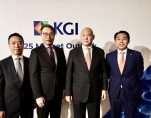
Balancing Global Dynamics HONG KONG SAR – Media OutReach Newswire – 4 December 2024 – Today, KGI has released its 2025 Market Outlook, covering regions including Mainland China, Hong Kong, Taiwan, the U.S., Singapore, and Indonesia. (From left) Cusson Leung, Chief Investment Officer at KGI; James Chu, Chairman at KGI Securities Investment Advisory; James Wey, Head of International Wealth Management at KGI; Kenny Wen, Head of Investment […]

VISHNU RAJA
RYO YAMADA
HITORI GOTOH
IKUYO KITA