Just in:
U.S. Mid Term Result Is A Clear Verdict Against Trump’s Authoritarianism // Emirates Group records AED 4.1 billion half-year profit // Asia Left Behind: Ten international companies have yet to report delivering on their cage-free egg pledges across the region // mamun raises US$3 million to finance cross-border trade between the Gulf and Asia // SC to examine students’ exam plea today // xCube Access Welcomes Entrust Capital Limited  Expanding Access to Professional Portfolio Management // Burying Head In “India Made Poverty Reduction” Data Is Dangerous // Govt opposes Arlekar’s PSC action // ADIPEC leaders urge investment in global energy networks // XRG secures agreement for $1.45bn Australian LNG stake // As AI Reshapes Education, Singapore Convenes Global Dialogue on the Future of Early Childhood Education // Cyberport Venture & Capital Forum 2026 Grand Opening // Middle East governments assess Iran war after US vote // OpenAI identifies 948 Linux privilege escalation flaws using AI // Anthropic to prohibit persistent abuse of Claude chatbot // Cloudflare unveils Zero Wire vulnerability intelligence service // Vingroup And Legends Global Announce Strategic Partnership For VinFast – Trong Dong Stadium // Arrow Electronics showcases technologies advancing intelligent robotics, mobility and digital infrastructure // DIP Holding targets Dh1.12 IPO price and $529m proceeds // AI trust gap reveals distinct retail priorities: Divergent paths to consumer growth in Hong Kong and the GBA //

News related to
work

HANOI, VIETNAM – Media OutReach Newswire – 9 December 2024 – By electrifying its taxi fleet, Jakarta could significantly reduce emissions and improve air quality, as shown by the success of electric taxis in cities around the world. One standout example is Xanh SM in Vietnam, which has also reshaped public attitudes toward electric vehicles (EVs). Xanh SM fleet in Vietnam. Photo: GSM Jakarta is no stranger […]

KUALA LUMPUR, MALAYSIA – Pinion Newswire – 9 December 2024 – In 2024, OctaTrader has emerged as a popular trading platform, demonstrating a six-fold year-on-year growth in its user base since its launch in late 2022. Recognized for its seamless and user-friendly experience, OctaTrader now introduces “Space,” a sophisticated analytics hub integrated into its platform, catering to traders worldwide. Introducing Space: Elevating Decision-Making for Traders Launched in […]

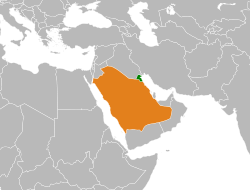
Saudi Arabia and Kuwait have concluded a significant agreement aimed at eliminating double taxation on income, marking a notable advancement in bilateral economic cooperation between the two Gulf nations. This treaty, announced after extensive negotiations, underscores a mutual commitment to fostering trade, investment, and economic collaboration in the region.

The agreement, officially signed in Riyadh, addresses taxation challenges for individuals and entities operating in both countries. It is structured to provide relief by preventing dual taxation and establishing clear tax allocation rules. Key provisions include reduced tax rates on cross-border dividends, interest, and royalties, and streamlined tax compliance mechanisms to encourage smoother business operations. The pact aligns with international standards, including guidelines from the Organisation for Economic Co-operation and Development (OECD), ensuring robust adherence to global tax practices.

This treaty also incorporates measures to prevent tax evasion, a critical concern for governments globally. Transparency and information exchange mechanisms are included to curb potential misuse, reflecting a shared dedication to fiscal accountability. The Saudi Ministry of Finance noted that the agreement would improve the ease of doing business while reinforcing investor confidence in the region.

Economic analysts view the deal as a strategic initiative to attract foreign investment. By mitigating the financial burdens of double taxation, it provides incentives for businesses to establish or expand operations in both Saudi Arabia and Kuwait. Observers also highlighted its potential to bolster intra-GCC (Gulf Cooperation Council) economic integration, a cornerstone of regional policy objectives.

The Kuwaiti government expressed optimism regarding the agreement, emphasizing its alignment with national economic reform goals. This move complements Kuwait’s strategy of diversifying its economy and strengthening its non-oil sectors. The agreement reflects a broader regional trend of adapting fiscal policies to enhance global competitiveness.

This taxation treaty comes amid a period of intensified economic diplomacy within the GCC. Saudi Arabia has been actively pursuing similar agreements with other nations as part of its Vision 2030 reforms. These efforts aim to position the kingdom as a leading hub for global business, promoting a diversified and resilient economy. Similarly, Kuwait has prioritized economic agreements to expand its international partnerships, reflecting a pragmatic approach to sustaining growth in the evolving global market.

The treaty’s implementation will involve detailed frameworks to ensure compliance and efficiency. Tax authorities in both countries are expected to establish bilateral mechanisms to facilitate smooth application, including dispute resolution protocols for any arising conflicts. Experts believe these operational guidelines will be crucial in realizing the full benefits of the agreement.

Economic ties between Saudi Arabia and Kuwait have been historically strong, driven by shared cultural and economic values. This latest agreement further solidifies their partnership, creating a model for regional cooperation that other GCC members may consider replicating. Analysts suggest it could pave the way for broader multilateral tax agreements within the GCC, fostering a more cohesive economic bloc.

As businesses and stakeholders prepare to navigate the new regulatory landscape, the focus remains on how effectively the agreement’s provisions are enacted. Both governments are expected to launch awareness campaigns to educate taxpayers on the treaty’s specifics, ensuring widespread understanding and compliance.

This treaty is set to take effect following ratification by both countries’ legislative bodies, a standard protocol for international agreements. Its ratification process is anticipated to progress swiftly, given the mutual benefits and strong political will driving the initiative.

The UAE has implemented a significant tax reform aligning with global standards by introducing a 15% top-up tax for multinational enterprises (MNEs) with annual revenues exceeding €750 million. This development, effective January 2024, is part of the UAE’s commitment to the OECD’s Inclusive Framework on Base Erosion and Profit Shifting (BEPS), specifically Pillar Two of the global minimum tax rules.

This measure targets large corporations operating in multiple jurisdictions to ensure they pay a fair share of taxes. The top-up tax seeks to bridge gaps where corporate tax obligations in the UAE fall below the global minimum. Without such a provision, profits earned in the UAE could face additional taxation in countries where the parent entities are based. The reform is a step toward aligning with international tax principles, reducing tax avoidance, and fostering equitable competition.

The framework of the top-up tax is embedded in the Federal Decree-Law No. (60) of 2023. This legislation amends earlier provisions in the UAE Corporate Tax Law, detailing the mechanism to calculate and apply the new tax rate. The law mandates that multinational corporations calculate their effective tax rate in the UAE and apply a top-up to meet the 15% threshold if needed. This move not only strengthens compliance with global tax norms but also positions the UAE as a cooperative jurisdiction for international businesses.

The impact on businesses is multifaceted. For affected corporations, compliance involves meticulous record-keeping and aligning reporting standards with the OECD’s guidelines. Tax professionals in the UAE have emphasized the importance of early preparation, as the top-up tax applies retroactively to fiscal years beginning after the law’s effective date. Companies are advised to review their structures and consult experts to navigate the complexities of these changes.

From an economic perspective, this reform underscores the UAE’s proactive approach in maintaining its appeal as a global business hub while adhering to international expectations. It is anticipated that this move will encourage transparency and accountability among multinational corporations, ensuring their contributions align with their global earnings.

While the 15% tax does not alter the UAE’s standard corporate tax rate of 9%, it exclusively targets the largest global players operating within the country. Small and medium-sized enterprises, as well as those earning less than the revenue threshold, remain unaffected. The delineation ensures that the UAE continues to foster a supportive environment for smaller businesses while holding large corporations accountable for their tax obligations.

The UAE’s participation in the OECD’s BEPS initiative reflects its commitment to global economic collaboration. By adopting Pillar Two, the UAE joins over 140 jurisdictions working to implement minimum tax standards. This alignment not only safeguards the country’s reputation but also contributes to broader efforts to address tax base erosion and profit shifting by multinational enterprises.

AI Lab opened synchronously to drive Hong Kong forward a new milestone of “AI Plus” HONG KONG SAR – Media OutReach Newswire – 9 December 2024 – Cyberport’s Artificial Intelligence Supercomputing Centre (AISC), first of this kind currently in Hong Kong, officially commences operations, and the AI Lab is also open concurrently. The opening ceremony of the AISC and AI Lab was held today at AI Lab […]

To truly make a difference, scientific innovation must translate into tangible benefits for society. VinFuture’s award criteria reflect this commitment to recognizing research with real-world applications. HANOI, VIETNAM – Media OutReach Newswire – 9 December 2024 – Prof. Richard Friend, Professor of Physics at the University of Cambridge (UK), Chair of the VinFuture Prize Council, expressed his enthusiasm for this year’s groundbreaking awards. He noted that the […]

Saudi Arabia has taken a significant step toward its environmental ambitions by officially launching the National Sustainability Committee. The initiative, which aligns with the Kingdom’s Vision 2030 reform program, aims to spearhead the country’s efforts in sustainability, focusing on comprehensive environmental reforms across various sectors. The committee’s formation is a direct response to the growing global demand for sustainable development practices, as well as the Kingdom’s commitment […]

Advertisements
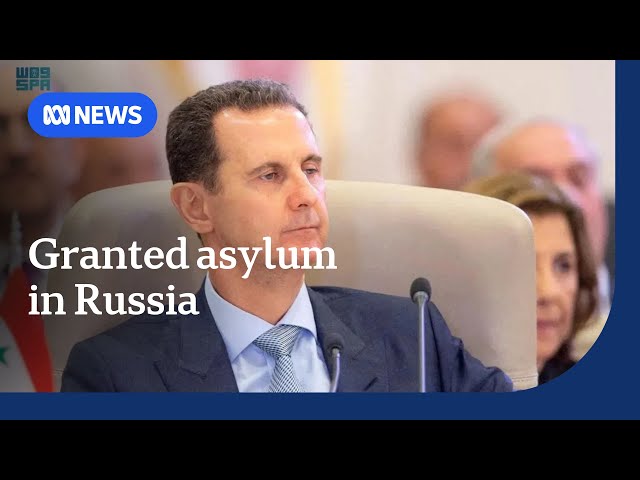
By Nitya Chakraborty The already war ravaged West Asian region has entered into a new phase of geo political turmoil with the ouster of the Syrian President Bashar-al Assad Government and the President fleeing from Damascus on Sunday to Moscow and granted asylum there by the Russian Government. The defeat of the Syrian Bath Party […]

New supply to weigh on office sector rental levels, while core retail high street rents continue to recover Grade A office year-to-date (YTD) net absorption as at mid-November recorded 1 million sq ft, with overall rents down by 5.9% in the same period. Rents are forecast to experience further downwards pressure in the 7%–9% range in 2025. Prime retail high street store leasing momentum slightly picked up […]

The Al Dhafra Book Festival, hosted in the scenic Madinat Zayed Public Park from December 9 to 15, has become a vibrant celebration of literature and culture. Organized by the Abu Dhabi Arabic Language Centre under the Department of Culture and Tourism – Abu Dhabi, this year’s event promises an enriching experience with over 50,000 books on display and a curated lineup of 200 diverse events catering to readers and cultural enthusiasts alike.

This edition, themed “Celebrating a Cultural Legacy,” underscores the region’s literary and artistic contributions. Attendees can engage in workshops, poetry nights, and interactive storytelling sessions, making the festival a platform for fostering community connections. Notable highlights include activities honoring the UAE’s literary figures, sessions promoting environmental awareness through art, and initiatives showcasing the talents of people of determination.

Polen Capital, a prominent global asset management firm, has announced its plans to open an office in Abu Dhabi, marking a significant step in its strategy to expand its operations in the Middle East. The firm, which has a strong track record in managing equity and fixed-income portfolios, aims to tap into the growing wealth and investment opportunities in the region. This move underscores the increasing importance […]

Eric Trump, the son of former U.S. President Donald Trump, is set to deliver a keynote address at the Bitcoin MENA conference in Abu Dhabi, marking his debut at a major cryptocurrency event. The conference, one of the most anticipated gatherings of cryptocurrency enthusiasts and investors in the Middle East and North Africa (MENA) region, comes at a time when the global digital asset market is experiencing a surge in both interest and investment.

Bitcoin MENA, which is scheduled to take place in Abu Dhabi in the coming weeks, will bring together industry leaders, investors, regulators, and developers from around the world to discuss the future of digital currencies and blockchain technology. The event is expected to focus on the rapid developments in the cryptocurrency space, regulatory changes, and opportunities for growth, especially in emerging markets.

Eric Trump’s involvement is seen as significant given his family’s established prominence in the political and business arenas. As the executive vice president of the Trump Organization, Eric Trump has been involved in several business ventures, though this marks a rare public appearance in the cryptocurrency sector. His participation is seen as part of a broader trend where mainstream business figures are increasingly engaging with digital assets as part of their investment strategies.

The cryptocurrency market has seen explosive growth over the past few years, with Bitcoin and other digital currencies reaching all-time highs in value. The MENA region, in particular, has emerged as a key player in the global crypto space, with several countries, including the UAE, creating favorable environments for blockchain and cryptocurrency innovations. Abu Dhabi, with its burgeoning tech infrastructure and regulatory framework, has positioned itself as a hub for fintech and digital finance in the region.

The UAE, where Bitcoin MENA is taking place, has been proactive in adopting blockchain technology. The UAE government’s initiative to integrate blockchain into various sectors, including finance, real estate, and healthcare, has been a driving force in the rise of digital assets within the region. The UAE’s progressive stance on cryptocurrencies has attracted significant foreign investment and a growing number of startups focused on blockchain technology.

In particular, the Abu Dhabi Global Market (ADGM), a financial free zone, has been pivotal in shaping the regulatory landscape for cryptocurrencies in the region. ADGM has implemented clear regulations for cryptocurrency exchanges and trading, creating a safer and more attractive environment for investors and businesses. The UAE’s leadership has also signaled its intent to develop the nation into a leading global fintech center, with blockchain technology at the forefront of these ambitions.

The timing of the Bitcoin MENA conference is particularly notable given the broader context of the cryptocurrency market’s performance. Bitcoin, the largest cryptocurrency by market capitalization, recently surpassed $35,000, reaching new heights despite some ongoing concerns around regulatory scrutiny and market volatility. Analysts suggest that the market is entering a new phase, characterized by institutional adoption and growing acceptance of cryptocurrencies as a legitimate asset class.

Several factors have contributed to the rise of cryptocurrency, including the increasing institutional interest in digital assets, as well as the growing recognition of blockchain technology’s potential to revolutionize various industries. Investment firms, hedge funds, and even governments are increasingly looking at ways to incorporate digital currencies into their portfolios, with some countries exploring the creation of central bank digital currencies (CBDCs) as part of their financial strategies.

For Eric Trump, his appearance at the Bitcoin MENA conference aligns with his family’s broader interest in global business opportunities, including those in the tech and finance sectors. Though primarily known for his family’s real estate business, the Trump Organization has diversified its interests into various fields over the years. Eric Trump’s participation is also likely to draw attention from investors who are looking to connect the worlds of traditional business and cryptocurrency.

The UAE’s role as a key player in the digital economy is also attracting increasing interest from global investors, particularly those looking for opportunities in the cryptocurrency and blockchain sectors. The country’s focus on diversifying its economy away from oil dependence has led to a greater emphasis on tech-driven industries, including fintech, artificial intelligence, and digital assets. This approach aligns with the global trend toward digitization and offers promising prospects for growth in the cryptocurrency market.

As Bitcoin and other cryptocurrencies continue to gain traction across the globe, the role of events like Bitcoin MENA will be crucial in shaping the discourse around regulation, innovation, and market development. The conference will provide an opportunity for thought leaders and experts to engage in discussions on the future of digital currencies, including their impact on global financial systems and their potential to disrupt traditional industries.


Three companies in the United Arab Emirates (UAE) have been granted official licenses to operate lotteries, a significant move as the country aims to regulate and expand its gaming sector. These operators are now the only entities legally permitted to offer lottery services, while other unauthorized operators face orders to cease their activities. This decision follows ongoing efforts by UAE authorities to ensure the integrity and transparency of gambling operations, which have long been tightly regulated.

The UAE’s legal framework for gambling and lottery activities has historically been restrictive, with laws primarily prohibiting most forms of gambling. However, the introduction of licensed lottery services marks a departure from previous norms, aligning with the government’s broader efforts to modernize and diversify its economy. The decision to issue licenses to these operators is expected to generate significant revenue, contributing to the UAE’s economic diversification goals, particularly as the country looks to reduce its dependency on oil exports.

The three licensed operators have been authorized to offer a range of lottery products, including traditional draw-based games and instant-win formats. These services are expected to be heavily regulated, with strict oversight by government agencies to ensure compliance with ethical standards and consumer protection laws. The UAE’s new approach emphasizes transparency in operations, with the aim of attracting both local and international consumers.

While the licensed companies move forward with their operations, the crackdown on unauthorized operators has been swift. Several businesses that were previously offering lottery-like services without official approval have been ordered to shut down. Authorities have stated that any company found in violation of the law will face stringent penalties, including heavy fines and potential legal action.

The decision to regulate the lottery market more extensively has been met with mixed reactions. Proponents argue that the move will help generate revenue for public services and infrastructure projects, benefiting the wider community. By legalizing lottery services, the UAE government hopes to prevent the growth of underground gambling operations that often operate without oversight or regulation, which can lead to illegal activities and financial instability.

On the other hand, critics of the new regulations express concerns about the potential for gambling addiction and other social consequences. They argue that while lotteries are often marketed as a form of entertainment, they can lead to harmful behavior, particularly among vulnerable populations. There are also concerns about the transparency and fairness of the lotteries, with calls for the government to ensure that the operators are fully accountable and that the processes are closely monitored.

The regulatory framework for gambling in the UAE has evolved over time, with the country gradually relaxing some of its earlier restrictions. However, this shift towards legalizing certain forms of gambling has been carefully controlled, with only a limited number of operators allowed to participate. The UAE’s regulatory authorities are reportedly working to ensure that the market remains fair and responsible, with clear rules and guidelines in place to protect consumers.

International operators are also showing interest in the newly regulated market, with several global gaming companies considering partnerships with the licensed UAE operators. The move could potentially open the door for foreign investment, further boosting the country’s gaming sector. While the focus remains on lotteries for now, experts suggest that the UAE could gradually expand its licensing framework to include other forms of regulated gambling, such as sports betting and online casino games.

As the lottery sector begins to take shape, the UAE government has also placed a strong emphasis on ensuring that proceeds from the games are used for the public good. A portion of the revenue generated by the lotteries is expected to be allocated to social programs, including education, healthcare, and infrastructure development. This approach aims to ensure that the financial benefits of the new gambling activities are directed toward improving the quality of life for UAE citizens.

The establishment of licensed operators also raises the possibility of collaboration with international regulatory bodies. The UAE is reportedly engaging with global gaming regulators to ensure that its framework meets international standards. This collaboration could help strengthen the credibility of the UAE’s lottery system, boosting confidence among consumers and investors alike.

In addition to the regulatory changes, the UAE is investing in technology to ensure the security and transparency of lottery operations. The government has emphasized the importance of using advanced technologies, such as blockchain, to track lottery transactions and prevent fraud. This technological investment is expected to play a critical role in building trust among consumers and ensuring that the lottery services are fair and secure.

Oil prices have seen a notable uptick in recent weeks as escalating political tensions and shifting alliances in Syria continue to have a significant impact on the region’s oil production and global energy markets. As the influence of Bashar al-Assad’s regime wanes in the wake of Syria’s civil conflict, key players in the Middle East are positioning themselves to capitalize on the country’s vast energy resources, contributing to global price fluctuations.

Syria, once a minor oil producer in the Middle East, has become a focal point of geopolitical struggles. Despite being marred by years of civil war and under heavy international sanctions, the country still holds a considerable amount of oil, mostly concentrated in its northeastern region. For years, the Assad regime has relied on these oil fields for revenue, yet the ongoing conflict has severely hampered production and distribution capabilities.

One of the main factors contributing to the current rise in oil prices is the shifting control over Syria’s oil fields. While the Assad regime’s hold over these assets has weakened, both Kurdish forces and various regional actors have taken advantage of this power vacuum. The Kurdish-led Syrian Democratic Forces (SDF), with support from U.S. military forces, have been managing oil extraction in the northeast. However, their trade has been fraught with complications, as they have continued to sell crude to both Iraq’s Kurdistan Regional Government (KRG) and indirectly to the Assad regime, albeit under clandestine circumstances.

This complex trade network has drawn attention from global powers, with Washington’s policy fluctuating between trying to limit Assad’s access to these resources while also preventing the rise of other regional powers, including Russia, from exploiting the vacuum. U.S. efforts to maintain influence over the oil-rich regions have been complicated by the increasing involvement of Russian companies, such as Gulfsands Petroleum, which is now positioning itself to gain access to Syria’s energy assets. This has raised concerns that a shift toward Russian control could stabilize Assad’s regime financially and politically, but at the cost of U.S. objectives in the region.

As these power struggles unfold, oil prices have responded to market uncertainty. The Kurdish-controlled Syrian oil fields, despite being heavily damaged by the conflict, continue to produce, although at lower volumes compared to pre-war levels. However, the trade of oil at below-market prices has become more common, especially with the involvement of entities like Delta Crescent Energy. The U.S. company, which was initially granted a license to help the Kurdish-controlled Autonomous Administration of North and East Syria (AANES) boost its oil exports, faced significant challenges, including a lack of progress in securing long-term contracts. The Biden administration’s decision to revoke Delta Crescent’s license earlier this year has left the situation even more uncertain, and it remains to be seen whether the U.S. will allow new energy companies to enter the market.

Simultaneously, global oil prices have been influenced by shifts in Syria’s energy landscape. The ongoing conflict, the role of U.S. sanctions, and the intervention of Russia in the region’s oil trade have all contributed to price increases, as the Middle East remains a volatile hub for energy production. Additionally, international sanctions against Syrian oil exports have inadvertently created opportunities for black-market trading, often circumventing established sanctions regimes. As a result, global oil markets are left grappling with the complex realities of these geopolitical maneuvers.

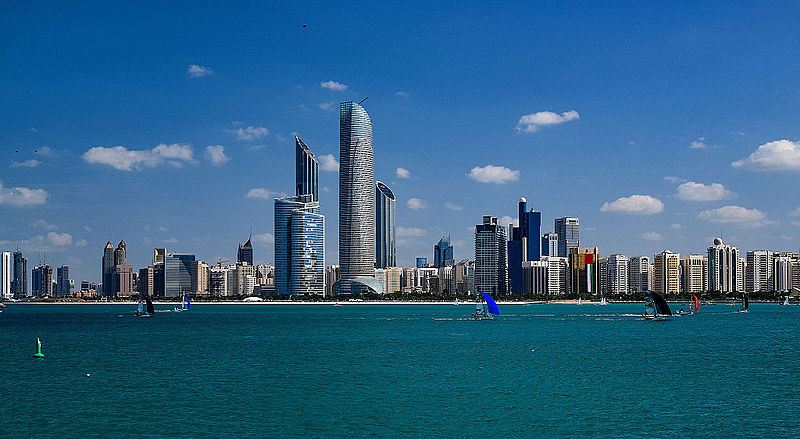
Abu Dhabi is steadily positioning itself as a global financial hub, attracting an increasing number of international bankers, investors, and financial institutions. The capital of the United Arab Emirates (UAE) has long been known for its oil wealth, but in recent years, its economic diversification strategies have begun to bear fruit, transforming it into a key player in the world’s financial markets. This shift is no longer just a future possibility; it is happening now, with rising interest from top-tier banking executives seeking to leverage the city’s infrastructure, favorable regulatory environment, and strategic position at the crossroads of Europe, Asia, and Africa.

As part of its ambition to become a leader in global finance, Abu Dhabi has made significant strides in enhancing its financial services ecosystem. Financial institutions, including major international banks, are increasingly opening branches and expanding operations in the city, attracted by its strategic location and investor-friendly policies. The UAE capital has also established itself as a center for private equity, wealth management, and Islamic finance, sectors where it continues to see consistent growth.

The financial sector in Abu Dhabi has grown rapidly, not just due to its historical advantages but because of deliberate policy decisions made by the government. For example, the Abu Dhabi Global Market (ADGM), a financial free zone established in 2015, has been pivotal in attracting foreign investment. ADGM offers a robust regulatory framework, tax exemptions, and a business-friendly environment that allows for greater ease of doing business compared to other regions in the Middle East.

Another factor drawing attention is Abu Dhabi’s growing role as a leading center for sustainable finance. The UAE has positioned itself as a key player in the global push towards greener investments, with Abu Dhabi at the forefront of green bonds and other sustainable financial products. In addition to the nation’s investment in renewable energy projects like the massive solar farm at Mohammed bin Rashid Al Maktoum Solar Park, the UAE has been a significant proponent of integrating environmental, social, and governance (ESG) criteria into investment strategies.

Abu Dhabi’s rise as a financial powerhouse is not only benefiting the city’s banks but also drawing the attention of global investment funds, particularly those looking to invest in markets with high growth potential. Financial giants from New York to London are setting up operations to tap into the rapidly growing wealth in the Gulf region, with Abu Dhabi being a prime location. The city’s appeal is also reinforced by its relatively low tax environment, particularly for foreign businesses, and the increased liberalization of the banking sector. This has helped make Abu Dhabi a go-to destination for global funds seeking to access emerging markets with fewer barriers.

The UAE government has long supported policies that encourage the diversification of the economy beyond oil, and banking and finance have become pivotal to this transformation. The establishment of the Financial Services Regulatory Authority (FSRA) has played an essential role in strengthening the regulatory framework, providing international businesses with confidence in operating within the emirate’s borders. This system offers a well-defined legal framework, based on international best practices, which ensures transparency and stability in the financial sector.

Abu Dhabi is seeking to capitalize on the global demand for fintech, especially with the increased adoption of digital financial services. Many leading global fintech companies have established a presence in the emirate, while government-backed initiatives continue to promote innovation in the sector. The growth of digital banking, blockchain technologies, and cryptocurrency is becoming more pronounced, positioning the city as an attractive destination for tech-driven financial services. The authorities in Abu Dhabi are keen to foster an ecosystem conducive to fintech startups, leveraging the city’s burgeoning tech infrastructure and access to venture capital funding.

In addition to financial services, Abu Dhabi’s ambitions are evident in its wealth management strategies. With a high concentration of wealthy individuals and families, Abu Dhabi has seen a surge in the demand for sophisticated wealth management services. The city’s wealth managers, private banks, and family offices are increasingly seeking to provide tailored services that cater to the unique needs of their clients. As such, Abu Dhabi is establishing itself as a key player in the high-net-worth individual (HNWI) market, attracting wealthy clients from the Gulf region and beyond.

International investors, particularly from Europe and Asia, are closely monitoring the developments in Abu Dhabi as they seek to capitalize on the economic growth that the emirate is experiencing. Many analysts view the city as one of the best places to invest in the Middle East, noting its ability to offer competitive returns and stability, especially in comparison to other regional markets that have seen geopolitical instability in recent years. Moreover, the city’s efforts to embrace innovation, sustainability, and diversification are making it an increasingly attractive destination for both traditional investors and those seeking to invest in cutting-edge sectors like green technologies and digital finance.

Hanwha Life, a leading South Korean financial powerhouse managing assets worth over $300 billion, has announced a strategic investment in Abu Dhabi-based Shorooq Partners. The announcement was made during the Abu Dhabi Finance Week, underlining Hanwha’s ambitions to expand its influence in the Gulf region and strengthen its foothold in alternative investments globally. Shorooq Partners, an eminent venture capital firm in the Middle East, North Africa, and […]

HANOI, VIETNAM – Media OutReach Newswire – 9 December 2024 – The Vietnamese F88 Business Joint Stock Company has been certified by Synesgy for excellent compliance with environmental, social and governance (ESG) principals, fully in line with national and international best practices. Earning an ESG Score of ‘A’ indicates that F88’s performance is at an excellent level of sustainability. Synesgy is a digital platform supporting organisations and […]

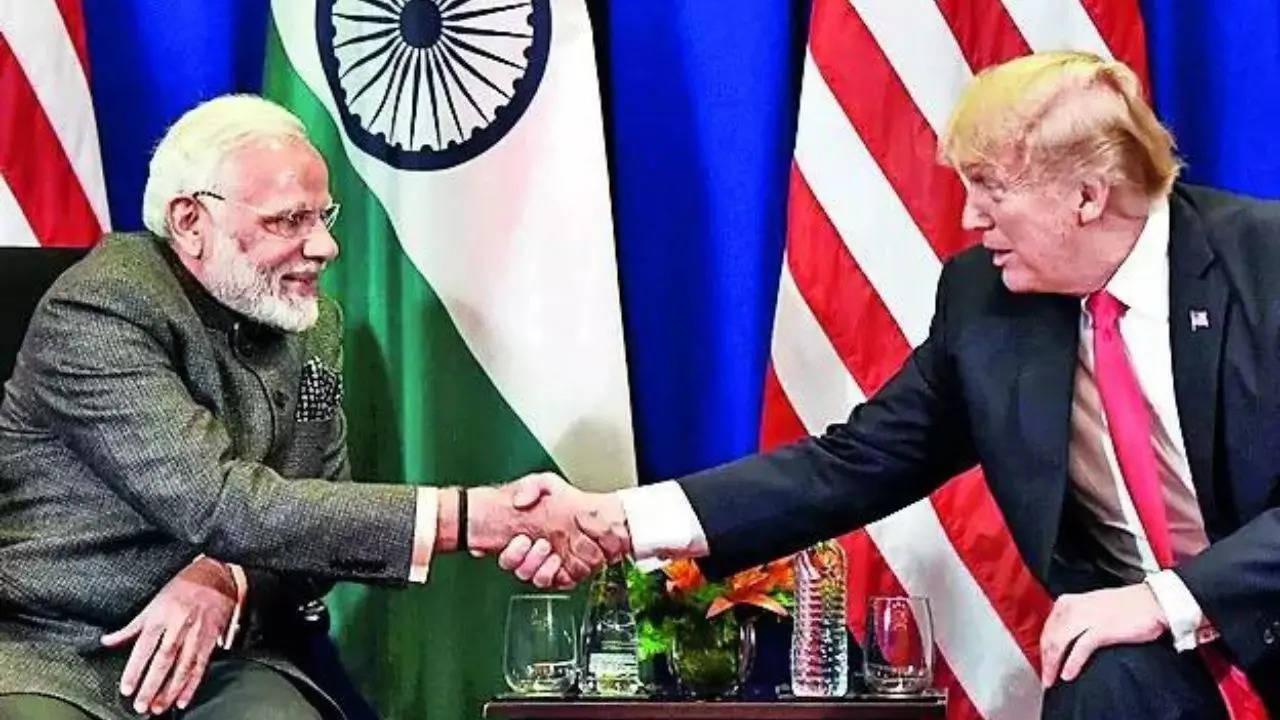
By Girish Linganna Donald Trump’s re-election as U.S. President could have a big impact on India-US relations, especially in areas like technology, chips, and semiconductors. As he begins his second term on January 20 next year ,, both countries will face a mix of opportunities and challenges that could shape their tech and economic ties […]

KUALA LUMPUR, MALAYSIA – Media OutReach Newswire – 5 December 2024 – Gold has been valued for its stability when the financial fires are raging. That stable nature was underscored in 2024 when its price shot upward, gaining over $700 per ounce. This amounted to a 34% increase since January. The vibrant price increase has gotten traders and investors all jazzed up again about gold, with the […]

The Abu Dhabi Investment Office (ADIO) has taken a decisive step in advancing sustainability through a collaboration with Partanna, a Bahamian climate technology firm. This initiative not only brings Partanna’s regional headquarters to Abu Dhabi but also establishes a manufacturing facility in the emirate to produce innovative building materials capable of actively removing carbon dioxide from the atmosphere. This partnership is part of ADIO’s larger vision to […]

Increasing global insolvency levels heighten risks for executives. The febrile geopolitical landscape poses liability challenges for global corporations caught up in world events. “AI washing” is an emerging risk trend, leading to securities class action lawsuits. D&O market remains competitive but a step up in scrutiny of corporate conduct around the globe means loss potential is still high. SINGAPORE – Media OutReach Newswire – 5 December 2024 […]

MACAO SAR – Media OutReach Newswire – 5 December 2024 – On December 4, 2024, the “Celebration of the 25th Anniversary of Macao’s Return to the Motherland: The Story of Centenary Hotel Central Book Launch & Documentary Screening” event, organized by Lek Hang Group and supported by the Macao Government Tourism Office and the Commerce and Investment Promotion Institute, was held at Bona International Cineplex in Macau. […]

Schneider Electric has introduced a new suite of data center solutions aimed at addressing the growing energy demands of artificial intelligence (AI) systems. With AI adoption accelerating across industries, the need for more efficient and sustainable data processing infrastructure has become increasingly urgent. The company’s latest innovations offer advanced technologies designed to optimize energy consumption while supporting the complex needs of AI workloads. At the heart of […]

Fortinet has unveiled its new cloud-delivered platform, FortiAppSec Cloud, a cutting-edge solution designed to address the escalating complexities of securing modern web applications across multiple cloud environments. The launch marks a significant step in the cybersecurity provider’s ongoing efforts to offer a unified approach to web application security, ensuring businesses can safeguard their digital infrastructure in an era of rapidly evolving threats. The FortiAppSec Cloud platform is […]

VISHNU RAJA
RYO YAMADA
HITORI GOTOH
IKUYO KITA
Just in:
AI trust gap reveals distinct retail priorities: Divergent paths to consumer growth in Hong Kong and the GBA // After Reaching 7 Million Users in the Philippines, Skyro Launches Transparent Cash Loans in Malaysia // ADIPEC leaders urge investment in global energy networks // Vance attributes Republican midterm defeats to Iran conflict // Cyberport Venture & Capital Forum 2026 Grand Opening // Middle East governments assess Iran war after US vote // OpenAI identifies 948 Linux privilege escalation flaws using AI // SC to examine students’ exam plea today // Democrats secure Senate majority after Republican election losses // Anthropic to prohibit persistent abuse of Claude chatbot // U.S. Mid Term Result Is A Clear Verdict Against Trump’s Authoritarianism // mamun raises US$3 million to finance cross-border trade between the Gulf and Asia // XRG secures agreement for $1.45bn Australian LNG stake // Vingroup And Legends Global Announce Strategic Partnership For VinFast – Trong Dong Stadium // Fast Just Got Fastest: STING Energy Boost™ Celebrates Kimi Antonelli’s Formula 1® World Championship and the Fan Energy Behind It // Ta’ziz finalises $1.39bn funding for Ruwais industrial facilities // Cloudflare unveils Zero Wire vulnerability intelligence service // As AI Reshapes Education, Singapore Convenes Global Dialogue on the Future of Early Childhood Education // Asia Left Behind: Ten international companies have yet to report delivering on their cage-free egg pledges across the region // Democrats capture Senate majority with seven Republican seats //