News related to
work

A marked rise in the number of AI specialists in the UAE signals the nation’s growing commitment to becoming a global leader in artificial intelligence. According to a recent report by BCG Global, the country has seen a 40% increase in AI experts since 2022, underscoring the rapid transformation in the local tech ecosystem. This surge comes as the UAE continues to prioritise technological innovation as a key driver of its economic diversification strategy.

This surge in AI talent reflects the UAE’s ambition to develop a robust digital economy and foster new industries, creating opportunities not just for local talent, but also for international professionals looking to leverage the UAE’s forward-thinking approach to technology. The UAE government’s focus on AI, highlighted by initiatives such as the UAE Artificial Intelligence Strategy 2031, has made the country a major hub for AI investment and innovation.

The UAE’s push to lead the Middle East in AI innovation stems from the wider global trend of accelerating technological advancement, with governments and private companies racing to harness the potential of AI. Within the UAE’s strategic vision, AI has become integral to a range of sectors, from healthcare and finance to logistics and education. The significant increase in AI talent coincides with the country’s broader plans to invest heavily in technology and digital transformation, ensuring that the necessary human capital is available to drive future innovations.

Key to this growth is the country’s commitment to creating an ecosystem that supports both local and global talent. Major initiatives, such as the launch of the AI Lab and the establishment of the Mohammad Bin Zayed University of Artificial Intelligence, have provided resources and educational opportunities designed to attract and nurture talent. As AI technology continues to evolve, the UAE’s investment in cultivating a skilled workforce has played a crucial role in positioning the nation as a competitive player on the global stage.

In addition to a focus on talent development, the UAE’s thriving private sector has also contributed to this growth. Tech giants, including IBM, Microsoft, and Google, have established significant operations in the country, offering both employment opportunities and collaborative platforms to foster the development of AI technologies. These companies, in partnership with local organisations, have accelerated the pace of innovation, allowing the UAE to make substantial strides in areas like machine learning, data analytics, and robotics.

The rapid expansion of AI expertise in the UAE also reflects broader trends within the region, as neighbouring countries look to emulate the UAE’s success. The UAE’s proactive stance on AI has set an example for other Gulf Cooperation Council nations, which are also exploring ways to integrate AI into their own national strategies. Bahrain, Saudi Arabia, and Qatar have made moves towards enhancing their technological capabilities, yet the UAE remains the most advanced in terms of both AI talent and technological infrastructure.

The increase in AI specialists in the UAE is not without its challenges. While the demand for talent is high, there remains a shortage of professionals with the necessary advanced skills. This gap has led to fierce competition for qualified AI experts, with companies and institutions offering increasingly attractive salaries and benefits to recruit the best talent from across the world. For example, AI professionals with expertise in areas like natural language processing, robotics, and autonomous systems are particularly sought after, with firms willing to pay premium wages to secure such expertise.

To mitigate this, the UAE has implemented several initiatives aimed at upskilling its existing workforce. The government’s emphasis on education and training, through initiatives like the National Programme for Artificial Intelligence, has helped to bridge the skills gap. Moreover, collaboration with international educational institutions has also played a vital role in ensuring that the nation is preparing its future generations for the digital economy.

Experts point out that while the country’s investments in AI talent are impressive, further efforts are needed to maintain the momentum. As AI becomes increasingly integrated into more sectors, it will be essential for the UAE to continue fostering a culture of innovation and collaboration between the public and private sectors. The government’s vision of positioning the UAE as an AI-driven economy is dependent on a continual supply of skilled professionals capable of both advancing the technology and applying it to real-world challenges.

Everdome, a Dubai-based leader in the metaverse space, has announced a strategic partnership with Immerso, an artificial intelligence company affiliated with one of the largest film studios globally. This collaboration marks a significant milestone in the evolution of digital entertainment, blending cutting-edge technology with immersive virtual experiences. The partnership aims to harness Immerso’s AI capabilities alongside Everdome’s virtual reality infrastructure to offer innovative entertainment experiences. Immerso, a […]

Tesla and SpaceX CEO Elon Musk’s ambitious “buyout” offer, made available to employees, has seen an overwhelming response as the deadline draws near. By Wednesday, more than 40,000 employees from a mix of industries had expressed interest in the scheme. The initiative, which provides employees with the opportunity to exit their respective positions in exchange for a generous severance package, is creating a ripple effect across the corporate landscape.

Musk, known for his unorthodox management style, initially pitched the buyout programme with the goal of reducing costs and restructuring his growing empire. The offer, which includes a lump-sum severance and additional benefits, was extended to both salaried and hourly employees. However, it also comes with the stipulation that interested parties must leave by the end of February, with a severance package set to be paid out through September.

Industry observers have expressed mixed reactions to Musk’s strategy. On one hand, it could be a calculated move to reduce headcount while offering an attractive exit for employees seeking a change. On the other hand, the rapid sign-up rates have sparked concerns over potential long-term impacts on talent retention within Musk’s companies.

The initial wave of interest is largely attributed to the promise of a significant payout, which is perceived as a rare opportunity for employees to leave with financial security. While some see this as a chance to pursue personal or entrepreneurial goals, others have raised questions about the longer-term implications for Musk’s companies, particularly in light of the growing demands on SpaceX’s staffing and Tesla’s continued expansion.

The offer also reflects broader trends within corporate restructuring and employee turnover. Many companies are increasingly offering severance packages as part of cost-cutting measures, especially as the global economy faces uncertainty. These buyout schemes are seen by some as a win-win: employees get a financial cushion, while companies streamline their workforce to navigate economic pressures.

Though the buyout offer has been met with a high level of interest, particularly among those seeking a fresh start or financial independence, it is also revealing deeper issues within Musk’s companies. Employees have voiced concerns about the overall work environment, including high stress, long hours, and the fast-paced nature of the job. These concerns have contributed to the attractiveness of the buyout, especially among those who feel they may be reaching a breaking point.

Despite the swelling numbers of employees seeking to leave, Musk’s companies are not facing an immediate staffing crisis. Experts suggest that many of those opting for the buyout may not represent critical roles, and the company could ultimately come out ahead by shedding positions that are not central to its operations. Furthermore, it allows Musk to consolidate control and reduce costs, which is a common goal for companies seeking to increase profitability.

However, the growing popularity of the buyout scheme highlights a significant shift in employee-employer dynamics. With workers increasingly looking for work-life balance and more control over their professional futures, companies are being forced to reconsider their relationship with staff. Musk’s initiative could be seen as an attempt to meet this demand by offering a financial exit, but it may also be indicative of the pressures faced by employees in high-performance environments like those at Tesla and SpaceX.

The ultimate success of the buyout offer will likely hinge on its ability to balance financial incentives with long-term strategic goals. While Musk is not new to bold business strategies, this offer marks a critical juncture for the companies he leads. Employees’ decision to accept or decline the buyout will shape the future direction of Tesla, SpaceX, and other ventures under Musk’s control.

As the deadline for the buyout scheme approaches, Musk will likely face tough decisions regarding the impact on his companies. If more employees continue to sign up, the effect on organisational structure and morale could become a pressing concern. Conversely, if a smaller pool of workers leaves, Musk could be seen as having succeeded in streamlining operations without sacrificing too much talent.

Vietjet Aviation Joint Stock Company has reported unprecedented financial performance for 2024, marking its most successful year since the onset of the COVID-19 pandemic. The airline’s consolidated revenue reached approximately 52.2 trillion VND , reflecting a 19% increase compared to the previous year. Consolidated after-tax profit stood at 1.4 trillion VND , a significant rise of 564% year-over-year.

Throughout 2024, Vietjet transported over 19.6 million passengers across 104,000 flights, achieving year-over-year increases of more than 6% in passenger numbers and 2% in flight operations. The airline’s fleet of 85 aircraft maintained an average seat utilization rate of 87% and a technical reliability rate of 99.7%. Cargo operations also saw substantial growth, with a total volume of 88,964 tons transported, marking a 73% increase from the previous year and capturing over 10% of the freight market share among Vietnamese airlines.

As of September 30, 2024, Vietjet’s total assets were valued at nearly 94 trillion VND . The company’s debt-to-equity ratio was reported at 2.25, and its liquidity ratio stood at 1.4, both considered safe levels within the aviation industry. Cash, bank deposits, and cash equivalents totaled nearly 3,997 billion VND , ensuring sufficient liquidity and working capital.

In the first nine months of 2024, Vietjet paid nearly 5.56 trillion VND in direct and indirect taxes and fees, underscoring its role as a significant contributor to economic growth, trade, and tourism.

The airline expanded its network to 155 routes, comprising 43 domestic and 112 international destinations. New direct routes were launched, including Da Nang to Ahmedabad and Xi’an to Ho Chi Minh City, with increased frequencies on existing routes such as Ho Chi Minh City to Perth, as well as other regional destinations like South Korea, Japan, and Hong Kong.

In line with its fleet expansion strategy, Vietjet and Airbus signed a contract for 20 new-generation wide-body A330neo aircraft, valued at US$7.4 billion. Additionally, the airline partnered with Rolls-Royce for the supply of 40 Trent 7000 engines and TotalCare services for the A330neo aircraft. A comprehensive service agreement was also signed with Lufthansa Technik, a leading provider of aircraft maintenance services.

Vietjet has been actively pursuing the research, development, and use of sustainable aviation fuel in collaboration with international partners, as part of its commitment to environmental, social, and governance goals. The airline continues to innovate consumer services on its e-commerce platform, prioritizing technology-driven solutions for a seamless passenger experience.

First Abu Dhabi Bank , the UAE’s largest lender, reported a profit before tax of AED 19.9 billion for 2024, marking a 13% increase from the previous year. This growth was underpinned by a 15% rise in revenue, reaching AED 31.6 billion.

The bank’s net profit stood at AED 17.1 billion, reflecting a 4% year-on-year growth. This performance was driven by robust client activity and favorable economic conditions, leading to a 15% increase in operating income to AED 31.6 billion. Both net interest and non-interest income contributed to this uptick.

FAB’s total assets expanded by 5% to AED 1.2 trillion. Loans and advances grew by 9% to AED 528 billion, while customer deposits increased by 8% to AED 820 billion. The international segment of FAB’s operations saw a 33% rise in revenue, now accounting for 22% of the group’s total revenue.

The bank maintained strong asset quality, with a non-performing loan ratio of 3.8% and a liquidity coverage ratio of 140%. The return on tangible equity was reported at 17.1%, aligning with the bank’s medium-term target of over 16%.

Hana Al Rostamani, FAB’s Group Chief Executive Officer, highlighted the bank’s client-centric strategy as a key factor in its performance. She emphasized the importance of enhancing customer engagement and broadening relationships across various segments, contributing to the bank’s growth both domestically and internationally.

Lars Kramer, Group Chief Financial Officer, noted that strong business momentum and favorable economic conditions were reflected in volume growth and diversified income streams. He also pointed out the significant role of the bank’s international franchise in delivering diversified sources of growth.

FAB’s performance aligns with the UAE’s broader economic growth, supported by diversification efforts and strategic initiatives. The UAE Central Bank has projected a 4% GDP growth for 2024, bolstered by non-oil sector expansion and global economic agreements.

In the first half of 2024, FAB reported a net profit of AED 8.4 billion, with a 16% increase in revenue to AED 15.7 billion. The bank’s total assets at the end of June 2024 were AED 1.2 trillion, reinforcing its position as the largest bank in the UAE.

The bank’s strategic focus includes leveraging its international network to capitalize on global market opportunities and reinforcing its position as a leading financial institution in the MENA region. This approach is in line with the UAE’s national ambitions and economic diversification strategies.

Global Partners and Distributors Recognized for Outstanding Contributions to Cybersecurity SINGAPORE – Media OutReach Newswire – 6 February 2025 – SonicWall proudly honored its exceptional partners and distributors at the annual SonicWall Partner Awards, celebrating their unwavering commitment to safeguarding customers in a dynamic and increasingly complex threat landscape. This prestigious award acknowledges partner organizations worldwide that have demonstrated remarkable dedication to delivering innovative cybersecurity solutions. “While […]

SINGAPORE – Media OutReach Newswire – 6 February 2025 – 24/7 FITNESS, one of Hong Kong’s most renowned fitness brands, has officially debuted in Singapore with the opening of its flagship club on Orchard Road. This expansion follows the acquisition of local fitness chain GymmBoxx, marking 24/7 FITNESS’s commitment to providing accessible, world-class fitness solutions to Singaporeans. With plans to open 40 locations over the next three […]

Advertisements

SINGAPORE – Media OutReach Newswire – 5 February 2025 – Coopers Hill, an international consultancy specialising in landscape architecture, urban design and masterplanning, today announced its acquisition of Scape Design UK, Europe’s premier hospitality and luxury lifestyle landscape architects. With its new London studio, Coopers Hill establishes its first European office marking the firm’s seventh international office following its Dubai opening in 2023. With a 40-year legacy […]

Markets flourish with predictability. Companies require consistency to strategize effectively. However, the current US administration’s erratic approach to trade is fostering the opposite environment. Donald Trump’s eleventh-hour decision to postpone sweeping tariffs on Mexico and Canada provides temporary relief but does not address the core issue: the United States is becoming an increasingly erratic economic ally. Investors are already experiencing the repercussions. This latest suspension is the […]

New Jersey’s AI ecosystem has received a significant boost with the addition of Microsoft and CoreWeave as founding partners of the New Jersey Artificial Intelligence Hub . The initiative, which launched in winter 2024 under the leadership of Governor Phil Murphy and Princeton University President Christopher L. Eisgruber, aims to solidify the state’s position as a frontrunner in artificial intelligence research and development. The collaboration between Microsoft, […]

Australia has moved to ban the DeepSeek AI system from all government devices due to escalating concerns over potential security threats. The decision, announced by the federal government, underscores growing fears surrounding the software’s links to the Chinese government and the risks it poses to national security and data privacy. DeepSeek, a powerful artificial intelligence tool used for data analysis and decision-making, has been increasingly scrutinised for […]

The surge in gold prices has sparked a corresponding rise in gold-backed cryptocurrencies, which have gained significant traction in the wake of global economic uncertainties and a prolonged trade war. The value of gold has climbed nearly 10% this year, reaching new heights as investors look for stable assets amidst volatile market conditions, while most major cryptocurrencies have struggled to maintain positive momentum.

Gold-backed digital currencies, which are pegged to the price of gold, have become increasingly popular as both a hedge against inflation and a secure store of value. These cryptocurrencies provide investors with the benefits of blockchain technology, offering fast, secure transactions and lower fees, while still being tied to the tangible value of gold. As the price of gold breaks records, these digital assets have seen a sharp rise in value, attracting attention from institutional investors who are traditionally more risk-averse and have historically favoured physical gold for their portfolios.

The economic backdrop fueling this surge is primarily the ongoing trade tensions between major global economies. With trade disputes, particularly between the United States and China, showing no signs of abating, the global economy faces mounting pressure. These trade conflicts have led to fears of inflation and slower growth, pushing investors to seek refuge in traditional safe-haven assets like gold. As a result, the demand for gold-backed cryptocurrencies has risen, with investors increasingly willing to embrace digital assets that offer stability amid uncertain times.

Gold-backed cryptocurrencies differ from typical cryptocurrencies such as Bitcoin and Ethereum, which are not directly tied to any physical asset. Instead, the value of gold-backed tokens is directly correlated to the price of gold, which has proven to be a reliable store of value for centuries. This connection appeals to investors who seek the benefits of cryptocurrency without the volatility associated with unbacked tokens.

Several platforms have emerged in recent years offering gold-backed digital currencies, and their growth is being driven by the increasing adoption of blockchain technology across multiple sectors. These platforms typically work by holding physical gold reserves in vaults and issuing tokens that represent ownership of a specific amount of gold. Investors can trade these tokens on various exchanges, and they can also redeem them for physical gold if desired. This hybrid approach offers a unique combination of traditional financial instruments and the advantages of digital currencies.

Notably, the surge in gold prices has been driven by several factors, including concerns over inflation, geopolitical tensions, and the economic fallout from the ongoing trade war. As central banks continue to print money to stimulate economies, the fear of inflation has grown, leading to greater demand for gold as a hedge. In times of economic instability, gold has historically served as a safe-haven asset, with its value often rising when other markets falter. With the US dollar weakening and bond yields remaining low, gold’s appeal as an investment has only increased.

Meanwhile, the trade war, which has disrupted global supply chains and created uncertainty in the markets, has further compounded these concerns. Both the US and China have imposed tariffs on each other’s goods, resulting in higher prices for consumers and reduced global trade. This ongoing uncertainty has prompted many investors to turn to assets like gold-backed cryptocurrencies, which offer the potential for stability in an unpredictable economic environment.

One of the key advantages of gold-backed cryptocurrencies is their ability to provide exposure to the price of gold without the need for physical ownership or storage. Traditional gold investors often face challenges related to the high costs of securing and storing physical gold. By contrast, digital currencies offer a more accessible and efficient way to invest in gold. As more investors seek to diversify their portfolios, gold-backed tokens provide an attractive option for those looking to capitalise on the price of gold while avoiding some of the logistical issues associated with owning physical gold.

Despite the growth of gold-backed cryptocurrencies, challenges remain. The volatility of the broader cryptocurrency market can still affect the price of gold-backed tokens, and there are concerns around regulation and the potential for government crackdowns on digital currencies. While some countries have embraced blockchain technology and cryptocurrency as part of their financial systems, others remain cautious or outright hostile to the sector. This regulatory uncertainty could pose a risk to the long-term growth of gold-backed cryptocurrencies, as potential investors weigh the risks of government intervention and the stability of the market.

Successful Event Draws 200,000 Global Visitors with Hong Kong’s Local Creativity 29 January to 2 February 2025: 38 Featured Creations & 16 Visiting Hong Kong Comics Artists/ Illustrators Watch drawing demonstrations by Hong Kong comics artists in real-time at one of the top three major overseas comics festivals in the world February to May 2025: All the participating artists will be invited to share their exchange experiences […]

The Czech National Bank has agreed to assess the possibility of including Bitcoin in its foreign reserve strategy. This decision follows a recent meeting of the Bank Board, which reviewed a report outlining the bank’s plans for international reserve management in 2024. The move marks a significant step towards considering digital currencies, such as Bitcoin, as a potential asset in the country’s financial strategy.

As part of its ongoing efforts to modernise reserve management, the CNB has acknowledged the growing importance of cryptocurrencies in global financial markets. The move is aimed at diversifying the country’s reserves, which have traditionally been composed of more conventional assets like gold, foreign currencies, and government bonds. The bank’s evaluation will focus on the feasibility of incorporating Bitcoin, given its rising prominence in both investment and economic contexts.

The decision to review Bitcoin as an investment option reflects broader global trends. Central banks and financial institutions worldwide are increasingly exploring the role of digital currencies in their portfolios, with some even establishing direct ties to blockchain technology. The CNB’s assessment, however, is in its early stages and will require careful consideration of Bitcoin’s volatility, regulatory implications, and long-term stability.

For the Czech Republic, the potential inclusion of Bitcoin could enhance its international reserve strategy by introducing a new layer of diversification. This step could also signal the CNB’s proactive stance in adapting to the evolving landscape of global finance.

While the CNB’s proposal is yet to be formalised, the board’s willingness to examine Bitcoin is indicative of the growing recognition of cryptocurrencies as legitimate financial assets. A full review is expected to take place in the coming months, with experts predicting that the CNB could use this period to explore Bitcoin’s role within the broader context of digital finance.

Global interest in cryptocurrencies has surged over the past few years, with Bitcoin being the most prominent of the digital assets. As Bitcoin’s market capitalisation continues to grow, its appeal as a store of value has caught the attention of investors, central banks, and regulators alike. However, its inherent volatility remains a concern for many institutions considering its potential as part of official reserve holdings.

For the Czech National Bank, this proposal comes amid broader discussions on how central banks should respond to the rise of cryptocurrencies and the increasing use of blockchain technologies. Other central banks, including the European Central Bank , have expressed interest in researching the potential benefits and risks of incorporating digital currencies into their portfolios.

One of the main challenges for the CNB will be understanding how Bitcoin’s unpredictable price movements could impact its reserve strategy. Bitcoin’s value has experienced dramatic fluctuations, making it difficult for central banks to predict the asset’s future performance with any degree of certainty. Despite this, there is a growing belief that Bitcoin and other cryptocurrencies may become more stable over time, particularly as the market matures and becomes more integrated into the global financial system.

The CNB’s move also aligns with the broader shift towards digitalisation in the financial sector. The adoption of blockchain and digital currencies is reshaping traditional financial markets, with many institutions seeking to capitalise on the emerging technologies. Bitcoin’s decentralised nature and its ability to function outside of traditional banking systems are among the factors contributing to its growing popularity as an asset class.

Despite the potential benefits, several questions remain unanswered regarding the role of Bitcoin in reserve management. A key concern for the CNB will be the regulatory landscape surrounding digital currencies. As global regulators seek to establish frameworks for cryptocurrency markets, the CNB will need to carefully assess the legal and regulatory implications of holding Bitcoin as part of its official reserves.

In addition to regulatory concerns, the CNB will need to consider the impact of Bitcoin on the country’s broader monetary policy. Bitcoin’s decentralised nature means that it is not subject to the same policies as traditional currencies, which could complicate the CNB’s ability to manage the national economy in times of crisis or economic instability.

The proposal has sparked a broader debate among financial experts about the future role of cryptocurrencies in national reserve systems. While some experts view Bitcoin as a hedge against inflation and a potential safe haven asset, others caution that its volatility and lack of regulation could make it a risky addition to central bank reserves.

As the CNB moves forward with its evaluation, the decision will likely have wider implications for central banks across the globe. If successful, the Czech National Bank’s exploration of Bitcoin could serve as a model for other institutions considering the integration of digital assets into their financial strategies. It could also pave the way for greater acceptance of cryptocurrencies as a mainstream investment option, particularly in the context of government-backed reserves.

Accellera has officially approved the Universal Verification Methodology for Mixed-Signal 1.0 standard, a significant milestone aimed at enhancing verification processes for analog and mixed-signal designs. The new standard, built upon the UVM IEEE Std. 1800.2, represents a unified approach to AMS verification, offering improved consistency, efficiency, and accuracy for engineers working across a wide range of semiconductor and electronic systems. This new methodology aims to streamline the […]

Ethereum is on the cusp of a significant upward movement, with market analysts predicting a surge towards $4,000. This optimistic outlook comes as the cryptocurrency sector experiences a wave of renewed interest, despite Bitcoin’s relatively stagnant performance around the $97,000 mark. Ethereum’s unique positioning within the broader crypto ecosystem, alongside developments in blockchain technology and growing institutional interest, has been key in driving its bullish momentum.

Ethereum’s price has seen a consistent increase over the past few months, breaking key resistance levels and showing resilience in the face of broader market fluctuations. While Bitcoin has maintained a more stable trajectory, Ethereum’s performance has been notably more volatile, attracting both retail and institutional investors. Ethereum’s recent gains are attributed to a combination of factors, including significant advancements in Ethereum 2.0, which promises to enhance the network’s scalability, security, and energy efficiency.

The transition from Ethereum’s proof-of-work to a proof-of-stake consensus mechanism, completed in 2022, has already demonstrated its potential to address long-standing issues such as high transaction fees and slow processing times. As the network continues to evolve, there is increasing confidence that Ethereum could maintain its position as a dominant player in the blockchain space. Experts believe that the enhanced infrastructure will make Ethereum more attractive to developers, encouraging the creation of decentralised applications and DeFi platforms.

A critical development driving Ethereum’s rise is the expanding interest from institutional investors. While Bitcoin has long been the preferred choice for large-scale investment, Ethereum’s appeal is growing due to its diverse use cases beyond simple transactions. The Ethereum network supports a wide range of applications, from smart contracts to NFTs , giving it a level of versatility that Bitcoin lacks. This has led to increased recognition of Ethereum’s potential as a long-term investment.

One of the most significant drivers of Ethereum’s growth is the continued expansion of the DeFi ecosystem. DeFi protocols, which allow for peer-to-peer lending, borrowing, and trading without intermediaries, have been gaining traction, with Ethereum at the centre of this movement. Ethereum-based projects such as Uniswap, Aave, and MakerDAO have attracted billions of dollars in total value locked , reflecting the growing trust in the platform’s ability to support decentralised financial services. As more individuals and institutions embrace the benefits of decentralisation, Ethereum’s role in the sector is expected to grow, further driving demand for the cryptocurrency.

The increasing mainstream adoption of blockchain technology is also playing a pivotal role in Ethereum’s rise. Ethereum’s smart contract functionality is being used by a wide variety of industries, from supply chain management to healthcare, creating new use cases that extend far beyond the traditional financial sector. As more businesses realise the potential of blockchain to streamline operations and reduce costs, demand for Ethereum’s underlying technology is likely to grow. This growing recognition of Ethereum’s capabilities has strengthened investor confidence, fuelling its price increase.

Ethereum’s transition to PoS has resulted in reduced energy consumption, positioning the network as a more sustainable alternative to Bitcoin. Environmental concerns have been a major point of contention for cryptocurrencies that rely on PoW, such as Bitcoin. As the world becomes more conscious of climate change, Ethereum’s PoS system provides a compelling case for those who are hesitant to invest in energy-intensive assets. Ethereum’s commitment to sustainability has made it an appealing option for environmentally conscious investors looking to capitalise on the growth of the crypto sector without contributing to its environmental impact.

Ethereum’s growing ecosystem of Layer-2 solutions, such as Optimism and Arbitrum, has further bolstered its scalability and transaction efficiency. These Layer-2 solutions are designed to reduce congestion on the Ethereum mainnet, enabling faster and cheaper transactions. As these solutions gain traction, they are expected to attract more users to the Ethereum network, which could lead to increased demand for ETH, the native token of the Ethereum network. With the scaling issues that once hindered Ethereum’s growth being addressed, it is expected that the network will be able to support even more users and applications in the coming months.

Another factor contributing to Ethereum’s potential rally is the broader positive sentiment within the crypto market. While Bitcoin has struggled to break through significant resistance levels, Ethereum has benefited from a more optimistic outlook among retail and institutional investors. The growing acceptance of cryptocurrencies as an asset class, combined with increased regulatory clarity in key markets, has provided a more stable environment for Ethereum to thrive. As market participants regain confidence in the sector, Ethereum is poised to capitalise on this positive sentiment, potentially reaching new all-time highs.

Despite the bullish outlook for Ethereum, challenges remain. Volatility in the broader cryptocurrency market, regulatory uncertainty, and competition from other blockchain platforms are all factors that could impact Ethereum’s price trajectory. However, as Ethereum continues to evolve and address its scalability and energy efficiency issues, its long-term growth prospects remain strong.

Tether, the prominent stablecoin issuer behind USDT, has announced the launch of a new artificial intelligence software development kit platform designed to drive the convergence of AI and cryptocurrency. The move positions Tether as a key player in blending these two transformative technologies, aiming to reshape the cryptocurrency landscape with AI-powered solutions. The new platform is expected to facilitate the development of AI-driven applications and services that […]

Canadian technology firm Nebula Block has entered into a strategic partnership with AI-focused blockchain platform Swan Chain, focusing on the acquisition and deployment of GPU resources. The deal is designed to address the growing demand for high-performance computing power, which is critical for the evolving landscape of AI and blockchain applications. Nebula Block, a prominent player in the cloud computing and hardware supply sector, has long been […]

DeepSeek, a trailblazer in artificial intelligence, has unveiled a cutting-edge low-cost AI model poised to revolutionise the optical communication industry. This development is expected to significantly influence the growth of optical transceivers, with shipment projections indicating an impressive 56.5% increase in 2025. The widespread adoption of this technology is set to enhance data centre interconnectivity, positioning the sector for a new wave of demand driven by the […]

Ethereum has witnessed significant volatility, dropping by over 20% in a 24-hour period before making a swift recovery. Despite the ongoing fluctuations in the broader cryptocurrency market, a new entrant is making waves with the announcement of an innovative platform that promises to reshape the future of decentralised finance . Skyren DAO, a decentralised autonomous organisation , is preparing to launch its groundbreaking airdrop platform aimed at both rewarding early adopters and expanding its user base within the DeFi ecosystem.

The recent movement in Ethereum’s price has captured the attention of traders, investors, and analysts alike. The cryptocurrency saw a sharp drop, prompting concerns about its stability. Ethereum’s price plummeted by 20%, sending shockwaves through the market. However, within hours, ETH began its recovery, regaining some of the lost value. This sharp fluctuation highlights the volatility inherent in the cryptocurrency market, with digital assets often facing rapid changes in value.

While Ethereum’s volatility remains a key point of focus for investors, the announcement by Skyren DAO introduces a new dimension to the crypto landscape. Skyren DAO’s airdrop platform is being touted as a game-changer, aiming to incentivise the growth of decentralised finance projects by rewarding users for their participation. The DAO is positioning itself as a key player in the airdrop space, with its platform designed to allow users to claim tokens from DeFi projects by simply engaging with the platform and completing tasks.

Skyren DAO’s airdrop platform seeks to address the growing demand for DeFi services, providing users with an opportunity to engage directly with innovative projects. The platform will offer token distributions that can be claimed by users who complete specific actions, such as holding certain tokens, participating in governance decisions, or interacting with the Skyren ecosystem. This initiative is aimed at increasing participation and encouraging a broader audience to join the DeFi revolution.

The platform is expected to foster a sense of community by offering rewards in the form of tokens from up-and-coming DeFi projects. By doing so, Skyren DAO hopes to facilitate the growth of its ecosystem while simultaneously giving back to its users. Airdrops have become a popular marketing strategy for DeFi projects, but Skyren DAO’s approach goes beyond simple token distribution. The platform will also integrate educational resources, allowing users to learn more about DeFi, blockchain technology, and the projects they are supporting.

The DAO’s new airdrop platform is part of a broader trend within the crypto industry, where decentralised organisations and projects are looking for ways to engage more users and promote participation. Airdrops have become a standard tool for spreading awareness about new projects and incentivising users. However, Skyren DAO’s approach distinguishes itself by combining rewards with educational opportunities, creating a more inclusive and interactive experience for users.

Skyren DAO’s move comes at a time when the DeFi sector is gaining momentum, with increasing interest in decentralised applications , liquidity pools, and yield farming. The sector has seen a surge in both the number of projects and the amount of capital flowing into the space. Skyren DAO’s airdrop platform aims to capitalise on this momentum by providing users with a simple entry point into the world of DeFi, incentivising them to become more involved in the ecosystem.

The launch of the platform is particularly timely, as the broader cryptocurrency market is in a state of flux. Investors are seeking opportunities that offer more stability amid the volatility, and DeFi platforms are increasingly seen as a viable option. Skyren DAO’s innovative airdrop platform is expected to play a key role in attracting users who may be new to the space, as well as those looking to diversify their portfolios and engage with emerging DeFi projects.

While Ethereum’s volatility continues to stir uncertainty, Skyren DAO is moving forward with its plans to expand the DeFi ecosystem. The DAO’s airdrop platform, by encouraging user participation, is expected to bolster the growth of the Skyren ecosystem and provide a much-needed boost to the broader DeFi market.

As Ethereum’s market price continues to fluctuate, it remains to be seen how this will impact the DeFi sector and the success of new initiatives such as Skyren DAO’s airdrop platform. With Skyren DAO positioning itself at the forefront of this wave of decentralisation, the platform could play a pivotal role in shaping the future of DeFi and bringing more users into the fold.

Cryptocurrency markets began the day with a notable lack of movement, as trading volumes dropped by nearly 30%, marking a period of consolidation. Amid this trend, both bullish and bearish forces have remained active, but the lack of significant price fluctuations points to a potential for range-bound consolidation in the coming period. As major assets like Bitcoin, Ethereum, and XRP continue to experience subdued movement, two particular blockchain projects—Solana and SUI—stand out as they face pivotal moments in their market trajectories.

Solana, once considered one of the leading contenders in the blockchain space, is encountering a crucial juncture. The network, which rose to prominence with its promise of fast transaction speeds and low fees, has seen its price experience a steady decline. As the broader market grapples with low liquidity, Solana’s ability to maintain relevance is being tested. Despite an initial surge fueled by optimism regarding its scalability and unique consensus mechanism, Solana now faces concerns over network outages and heightened competition from other smart contract platforms, including Ethereum and newer contenders such as Avalanche and SUI.

Recent updates from Solana Labs highlight ongoing improvements to the network, including enhancements to decentralisation and transaction throughput. However, these developments have not been enough to stem the downward price pressure that has plagued SOL for months. The volatility seen in its earlier days is now replaced by uncertainty. While Solana remains a top-tier blockchain in terms of market capitalization, many analysts are watching closely to determine whether the project can sustain its position or if it risks falling into the shadows of more dominant platforms.

At the same time, the SUI network—launched with the backing of former Meta engineers—has been positioning itself as a potential long-term winner in the smart contract ecosystem. While it is still in its infancy compared to more established blockchains, SUI has garnered attention for its innovative approach to scalability. Its unique Move programming language, designed to offer flexibility and efficiency in asset management, could differentiate it from competitors.

However, SUI is still in a critical phase where the market must confirm whether it can deliver on its promise. Despite some initial interest, the lack of a clear price surge has left many investors on edge, waiting for concrete signs of bullish momentum. The current market conditions, combined with the cautious stance of many institutional investors, have led to a stagnation in SUI’s growth. Many analysts are closely observing SUI’s ability to break through its resistance levels, which could indicate the start of a more pronounced rally.

As Solana faces its critical point, SUI’s development remains a topic of growing importance in the crypto space. The two projects, while vastly different in terms of their technology and goals, both embody the shifting dynamics of blockchain development. Solana’s struggle to regain its former strength is tempered by the rising expectations around SUI, which is yet to prove itself on a large scale.

The outlook for Solana hinges significantly on its ability to address its scalability issues while maintaining a stable, decentralized network. With its price below key support levels, market watchers have been closely monitoring for any signs of recovery. Some experts argue that Solana might need to focus on strengthening its developer ecosystem, as many of the more successful blockchain platforms owe their success to vibrant communities and continuous innovation.

On the other hand, SUI’s success is largely dependent on its ability to convince both developers and users of its scalability and security advantages. Although SUI’s underlying technology is promising, many in the industry remain sceptical about whether it can achieve significant adoption and whether its distinct approach to data handling will stand the test of time.

The broader market environment plays a crucial role in shaping the trajectories of both networks. If the overall crypto market begins to recover, both Solana and SUI could stand to benefit. However, the current market sentiment remains cautious, as traders wait for more definitive signals. The drop in trading volume indicates that many are waiting for a trigger that might set off the next phase of market activity, whether it’s a bullish breakout or another downtrend.

As it stands, the near-term outlook for Solana is one of continued consolidation, with a focus on whether its core development team can introduce updates capable of restoring confidence in the network. For SUI, the situation is somewhat different; it still has to prove itself in terms of user adoption and building out its ecosystem. While the blockchain space is rife with competition, SUI’s innovative features may yet allow it to carve out a significant position if the market sees an influx of interest in its offerings.

Donald Trump’s administration is making significant strides towards shaping the future of cryptocurrency regulation in the United States, with new initiatives aimed at establishing the country as a leader in the global digital asset market. At the heart of this push is the creation of a National Bitcoin Reserve, a plan intended to secure Bitcoin’s position as a foundational pillar of the U.S. financial system. Alongside this, a comprehensive set of pro-crypto regulations is being crafted, promising to reshape how digital assets are treated under American law.

Trump’s crypto czar, David Sacks, has been vocal in driving this initiative, positioning the U.S. to be at the forefront of the digital revolution. Speaking to a gathering of industry leaders, Sacks emphasised the importance of a robust regulatory framework that would not only protect investors but also provide a clear roadmap for businesses and startups in the crypto space. His statements have echoed the administration’s intent to balance innovation with security, fostering a thriving digital economy.

The National Bitcoin Reserve, a key component of this strategy, aims to establish a large-scale reserve of Bitcoin, ensuring that the U.S. government holds a significant stake in the leading cryptocurrency. Proponents argue that this move would reinforce the dollar’s dominance in the global financial market, positioning Bitcoin as a safe and stabilising asset. The plan has already garnered attention from financial experts, some of whom see it as a potential game-changer, strengthening the U.S. dollar while also promoting the mainstream adoption of cryptocurrency.

Alongside this reserve, the Trump administration is working on a comprehensive package of regulations that would provide clarity and stability to the rapidly evolving crypto landscape. These regulations are set to address a range of concerns, from tax treatment to anti-money laundering measures, ensuring that cryptocurrency transactions are conducted in a secure and transparent manner. Sacks has stressed the need for a regulatory environment that encourages innovation while preventing misuse, striking a delicate balance between growth and security.

This shift in policy comes at a time when the global cryptocurrency market is experiencing rapid growth, with governments around the world racing to establish their regulatory frameworks. In Europe, regulators are moving towards stricter rules aimed at controlling the industry, while countries like China have adopted an outright ban on crypto mining and trading. Against this backdrop, Trump’s administration is aiming to position the U.S. as a haven for crypto businesses, creating an environment where innovation is encouraged, and regulatory certainty is assured.

The role of the U.S. government in this new crypto ecosystem has been a subject of much debate. Critics of the plan argue that such a large government stake in Bitcoin could lead to potential conflicts of interest, with the government holding too much influence over the digital asset market. Others have expressed concerns about the lack of international coordination on crypto regulations, fearing that differing approaches could create barriers to global crypto trade. However, Sacks remains confident that the National Bitcoin Reserve will not only benefit the U.S. economy but will also set a positive precedent for other nations looking to integrate digital currencies into their financial systems.

Key to this vision is the backing of the U.S. Senate and House, where bipartisan support for crypto regulation has been steadily growing. Lawmakers have recognised the economic potential of digital assets and the need to create a framework that fosters innovation while ensuring investor protection. This shift in legislative attitude has led to the formation of a joint committee, aimed at crafting a set of laws that will provide clarity and direction for the future of cryptocurrency in the U.S. The committee is expected to work closely with the Department of Treasury and other federal agencies, ensuring that all aspects of the crypto market are addressed in the new regulatory framework.

While the proposed regulations are still in the early stages, they are set to cover a wide range of issues. The focus will be on ensuring that cryptocurrency transactions are transparent, that businesses comply with tax requirements, and that anti-money laundering protocols are in place. Additionally, the regulations will seek to address the volatility of digital assets, with some proposing the creation of stablecoins as a more secure alternative for everyday transactions. Stablecoins, which are pegged to the value of traditional currencies like the U.S. dollar, have been gaining traction in the crypto space as a way to reduce volatility and encourage mainstream adoption.

Another key element of the plan is the proposed tax incentives for crypto businesses. The Trump administration is looking to create a favourable tax environment for companies in the digital asset space, including tax breaks for startups and incentives for blockchain-based innovations. This approach is designed to attract the best and brightest minds in the crypto world to the U.S., boosting the country’s competitiveness in the sector. With many countries struggling to balance regulatory control with business incentives, the U.S. is positioning itself as a global leader in crypto innovation.

As part of the broader strategy, Trump’s team has also been working to enhance collaboration with the private sector, bringing together industry leaders, financial institutions, and technology experts to create a cohesive and forward-thinking crypto ecosystem. Sacks has highlighted the importance of public-private partnerships in ensuring that the regulatory framework is both effective and practical, reflecting the needs of the rapidly changing digital asset landscape.

Bitcoin traders are bracing for a possible downturn as market sentiment shifts. The flagship cryptocurrency has been under pressure for weeks, with experts warning that a significant price drop could be on the horizon. According to on-chain metrics, factors such as increased selling activity and a slowing bullish momentum are contributing to the growing concern.

Bitcoin, which has long been a cornerstone of the cryptocurrency market, has experienced remarkable volatility in recent months. After reaching new highs, the cryptocurrency has struggled to maintain its upward momentum, with many analysts suggesting that the market is entering a phase of heightened risk. A key factor in this shift is the increasing sell-off activity by long-term holders and institutional investors, who have been cashing in on their positions after a period of sustained growth.

As Bitcoin faces heightened selling pressure, experts point to several signs indicating a potential price correction. On-chain metrics, which track activity on the blockchain, show that many investors are currently in a profit-taking mode. This has created a significant imbalance between buying and selling, with more sellers than buyers in the market. Historically, this has been a precursor to price declines as selling pressure increases, and Bitcoin’s price fluctuates as a result.

Several prominent analysts have expressed concern about Bitcoin’s price trajectory, with some predicting that the cryptocurrency could plummet to as low as $74,000 if the current trend continues. This figure is significantly lower than Bitcoin’s recent highs, marking a potential decline that could shake investor confidence. For many in the crypto community, this warning serves as a reminder of the market’s inherent volatility, where massive swings in value are not unusual.

Despite these concerns, there are still optimists within the market who believe Bitcoin’s current price levels are merely part of a natural correction. Many investors argue that the cryptocurrency market is in the midst of a healthy consolidation phase, which often precedes further upward movement. They point to Bitcoin’s resilience over the years and the increasing adoption of digital assets by traditional financial institutions as reasons to remain bullish in the long term. However, even among these optimists, the prevailing sentiment is that market conditions are growing more uncertain.

At the heart of the current debate is the role of institutional investors. Bitcoin has increasingly attracted attention from large-scale investors, many of whom have been instrumental in driving its previous price surges. However, their involvement has also introduced a new level of complexity to the market. Institutional investors tend to take a more measured approach, often selling off their holdings when they perceive a downturn, which can amplify downward pressure on the price.

The technical indicators also suggest that Bitcoin is facing a critical juncture. On-chain analysis reveals that key support levels are being tested, and a break below these levels could trigger a cascade of selling. If the price drops below $74,000, many analysts expect further liquidation from investors, which could accelerate the decline. This potential scenario has left some traders on edge, as they weigh their options amid the uncertainty.

Adding to the unease is the broader economic environment. The cryptocurrency market, like many others, is not immune to the effects of global economic shifts. In recent months, regulatory scrutiny around cryptocurrencies has increased, particularly in major markets such as the United States and the European Union. The prospect of stricter regulations or increased taxes on crypto transactions has the potential to further weigh on Bitcoin’s price, as it could reduce market liquidity and discourage new investment.

Despite these pressures, there are also several factors working in Bitcoin’s favour. The increasing institutional adoption of digital currencies continues to grow, with companies like Tesla and Square adding Bitcoin to their balance sheets. This trend is expected to continue, as more traditional companies see Bitcoin as a hedge against inflation and a store of value. Moreover, Bitcoin’s use as a digital asset for cross-border payments and remittances continues to expand, particularly in regions where inflation and currency instability are concerns.

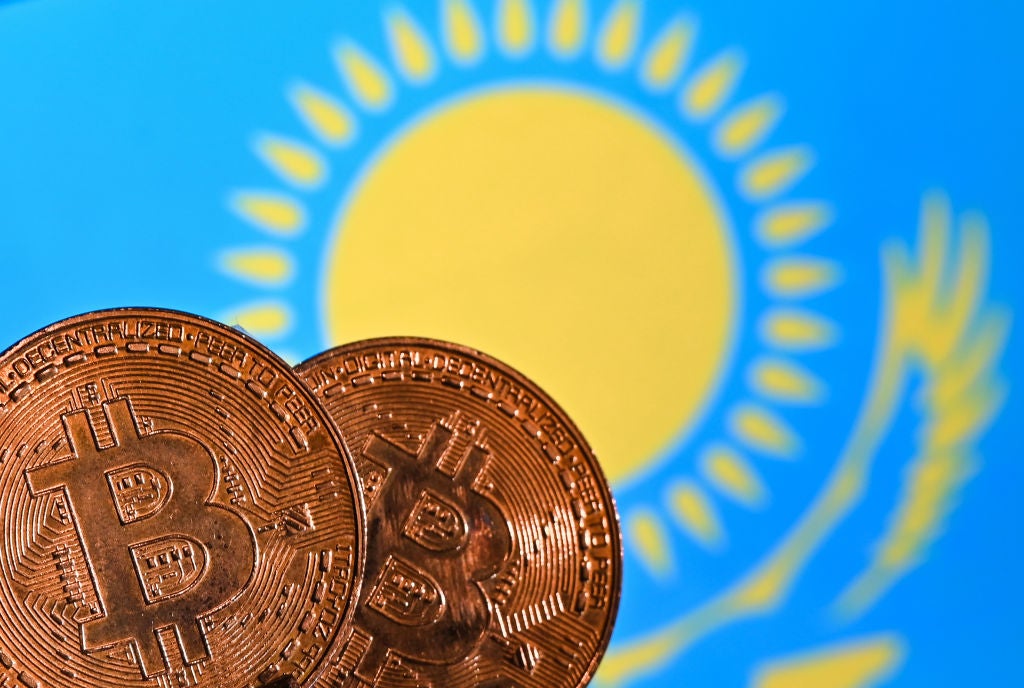
Kazakhstan’s President, Kassym-Jomart Tokayev, has called for the swift expansion of the nation’s cryptocurrency infrastructure, acknowledging its crucial role in shaping the future of the financial sector. Tokayev’s remarks, made during a government meeting on 28 January 2025, highlight the growing importance of digital currencies and assets, particularly in the face of advancements in artificial intelligence.

Addressing government officials, Tokayev pointed out that the global financial landscape is undergoing a significant transformation, with cryptocurrencies becoming a key part of economic systems worldwide. He emphasised that Kazakhstan must capitalise on these developments to stay competitive in an increasingly digital economy. The President outlined the necessity of building a robust and secure digital infrastructure that can support the growing demand for cryptocurrency transactions and services.

Kazakhstan has emerged as a critical player in the global cryptocurrency market in recent years. With a favourable regulatory environment and a relatively low cost of electricity, the country has become a hotspot for cryptocurrency mining. In fact, Kazakhstan currently ranks among the top ten countries globally in terms of Bitcoin mining hash rate, despite facing challenges such as rising energy consumption and concerns over the environmental impact of mining operations.

Tokayev’s call to action for the expansion of crypto infrastructure aligns with broader efforts to position Kazakhstan as a leader in digital finance. The government has already taken steps to strengthen the country’s position in the crypto space, including establishing regulations aimed at attracting foreign investment and enhancing market transparency. However, Tokayev stressed that the pace of development must accelerate to keep up with global trends and technological advancements.

Artificial intelligence , which Tokayev identified as a fundamental factor in the evolving financial landscape, is also seen as a major driver for the adoption of digital assets. The President pointed to the intersection of AI and blockchain technology as a pivotal area for innovation. AI’s ability to optimise blockchain processes, increase security, and enable the creation of decentralised applications is expected to drive further growth in the sector.

Kazakhstan’s proactive stance on crypto infrastructure is particularly important as the country navigates the challenges posed by global economic uncertainty and the increasing prevalence of digital assets. While digital currencies have faced volatility and regulatory hurdles in some parts of the world, Kazakhstan’s government remains committed to fostering an environment conducive to their development. Tokayev’s vision includes creating a comprehensive ecosystem that incorporates not only cryptocurrency mining and trading, but also other digital financial services such as digital banking, insurance, and payment systems.

The potential for Kazakhstan to become a regional hub for digital finance is underscored by its strategic location at the crossroads of Europe and Asia. As more businesses and individuals seek access to alternative financial systems, Kazakhstan’s crypto-friendly policies could position the country as a key player in the global digital economy.

Despite the optimistic outlook, challenges remain. One of the key concerns is ensuring the security of digital assets and protecting consumers from the risks associated with crypto investments. Tokayev acknowledged that while cryptocurrencies offer numerous opportunities, they also present risks, particularly in terms of cyber threats and fraud. As such, the President called for the development of a robust regulatory framework to safeguard the interests of investors and ensure that the benefits of digital assets are fully realised.

The government’s approach to crypto infrastructure is also focused on improving public awareness and fostering educational initiatives. As cryptocurrency adoption continues to grow, it is essential for both the public and private sectors to work together to enhance understanding and encourage responsible usage. Tokayev highlighted the need for collaboration with international experts and stakeholders to create best practices for the crypto industry and establish Kazakhstan as a trusted destination for digital asset innovation.

The push for enhanced crypto infrastructure comes at a time when global financial markets are increasingly focused on the intersection of technology and finance. Countries around the world are competing to establish themselves as leaders in the digital asset space, and Kazakhstan is determined to stake its claim. Tokayev’s remarks reflect a sense of urgency in ensuring that Kazakhstan does not fall behind in the race to capitalise on the potential of cryptocurrencies and blockchain technology.

VISHNU RAJA
RYO YAMADA
HITORI GOTOH
IKUYO KITA
Just in:
Vance attributes Republican midterm defeats to Iran conflict // Dubai boat show confirms international shipyard line-up for November // APT29-linked campaign exploits outdated Apple and Android software // Anthropic to prohibit persistent abuse of Claude chatbot // xCube Access Welcomes Entrust Capital Limited  Expanding Access to Professional Portfolio Management // BJP’s Aggressive Response Exposes Anxiety Over Opposition Unity // SC to examine students’ exam plea today // U.S. Mid Term Result Is A Clear Verdict Against Trump’s Authoritarianism // Emirates Group records AED 4.1 billion half-year profit // After Reaching 7 Million Users in the Philippines, Skyro Launches Transparent Cash Loans in Malaysia // Arrow Electronics showcases technologies advancing intelligent robotics, mobility and digital infrastructure // Burying Head In “India Made Poverty Reduction” Data Is Dangerous // ADIA and partners establish $1.4 billion aviation venture // AI trust gap reveals distinct retail priorities: Divergent paths to consumer growth in Hong Kong and the GBA // OpenAI identifies 948 Linux privilege escalation flaws using AI // Pinarayi faults UDF over mounting road crashes // Cloudflare unveils Zero Wire vulnerability intelligence service // Meraas showcases five residential zones at Dubai Design Week // Cyberport Venture & Capital Forum 2026 Grand Opening // Asia Left Behind: Ten international companies have yet to report delivering on their cage-free egg pledges across the region //