News related to
work

By Manish Rai While on my recent visit to Iraqi Kurdistan, I visited several frontline positions of the Peshmerga forces, where they are facing the Iraqi Army and active ISIS cells. Firstly, I visited Brigade 14 headquarters near Dibak, approximately 60 km from the Kurdistan capital, Erbil. There, I met with Brigadier General Almi Mzuri; he is a seasoned soldier who worked in the Iraqi Army for […]

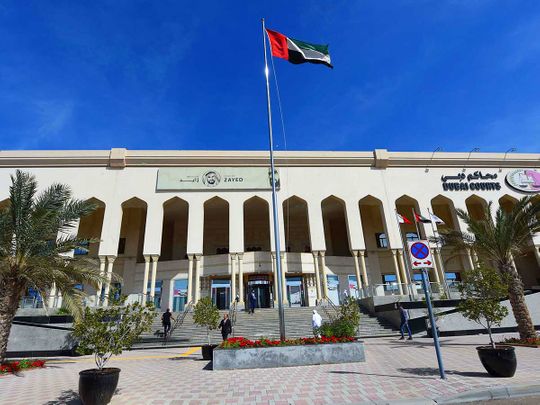
Dubai’s law enforcement agencies have successfully dismantled two major international money laundering networks, collectively responsible for illicit transactions exceeding AED 641 million. The Dubai Public Prosecution has charged 26 individuals, including a 21-year-old Emirati national, 21 British nationals, two Americans, a Czech national, and two companies owned by the Emirati, with laundering AED 461 million, forgery of official documents, and their use.

Investigations revealed that the networks smuggled funds from the United Kingdom into the United Arab Emirates, disguising the illicit money as legitimate business transactions. The funds were funneled through two local companies owned by the Emirati national, who is among those charged.

Dubai Police, in collaboration with international counterparts, conducted extensive surveillance and intelligence operations to uncover the complex financial activities of these networks. The accused employed sophisticated methods, including the use of cryptocurrencies and forged trade documents, to obscure the origins of the funds and integrate them into the financial system.

The successful operation underscores Dubai’s commitment to combating financial crimes and maintaining the integrity of its financial system. Authorities have emphasized that the UAE will not tolerate the misuse of its financial infrastructure for illicit activities and will continue to work closely with international partners to detect and dismantle such networks.

This crackdown is part of a broader initiative by Dubai to enhance its anti-money laundering (AML) and counter-terrorist financing (CTF) measures. The UAE has been under increased scrutiny by international bodies, such as the Financial Action Task Force (FATF), to strengthen its regulatory frameworks and enforcement actions against financial crimes.

In recent years, Dubai has been perceived as a hub for international money laundering activities, attracting criminal organizations seeking to exploit its financial system. The city’s strategic location, coupled with its status as a global financial center, has made it an attractive destination for illicit financial flows.

The dismantling of these networks serves as a warning to other criminal organizations that Dubai is intensifying its efforts to detect and prosecute financial crimes. Authorities have reiterated their commitment to implementing stringent AML and CTF measures, including enhanced due diligence procedures, increased transparency in financial transactions, and robust enforcement actions against violators.

The accused individuals are currently awaiting trial in the Dubai Criminal Court of First Instance. If convicted, they face severe penalties, including substantial fines and lengthy prison sentences, reflecting the serious nature of their offenses. The authorities have also initiated procedures to confiscate the illicit funds and any assets acquired through these criminal activities.

This operation highlights the importance of international cooperation in combating money laundering and other financial crimes. Dubai’s collaboration with foreign law enforcement agencies was instrumental in uncovering the complex operations of these networks, demonstrating the effectiveness of coordinated efforts in addressing transnational criminal activities.

The UAE has been taking significant steps to align its financial regulations with international standards. Recent legislative reforms have been introduced to enhance the country’s ability to prevent, detect, and prosecute financial crimes. These measures are aimed at reinforcing the UAE’s position as a secure and transparent global financial hub.

Financial institutions operating within the UAE are also being urged to strengthen their internal controls and compliance programs. Authorities have issued guidelines to ensure that banks and other financial entities implement effective customer due diligence, monitor transactions for suspicious activities, and report any potential violations to the relevant authorities.

BANGKOK, THAILAND – Media OutReach Newswire – 27 December 2024 – PTT Oil and Retail Business Public Company Limited (OR) is driving international growth and sustainable innovation, leveraging its diverse portfolio to navigate volatile global markets. Amid geopolitical uncertainties and fluctuating oil prices, OR has posted robust financial results and unveiled a strategic roadmap aimed at transforming its business for a sustainable and inclusive future. For the […]

BANGKOK, THAILAND – Media OutReach Newswire – 27 December 2024 – The Ministry of Higher Education, Science, Research, and Innovation (MHESI), through the National Innovation Agency (Public Organization) or NIA, is forging ahead to support high-potential Thai startups and SMEs in the medical and health innovation sectors, granting them access to Germany, one of Europe’s largest and most significant MedTech markets. As part of the ‘Digital Innovation […]

Formulated with 90% naturally-derived ingredients and Dermal Precision Technology to maximise absorption and minimise irritation SINGAPORE – Media OutReach Newswire – 27 December 2024 – Pigeon, the go-to brand for mother-and-baby essentials, expands its support for mothers with the new Natural Botanical Maternity skincare range, designed to provide mothers with safe, effective, and eco-conscious, self-care solutions during pregnancy and postpartum. This unique range combines 90% naturally derived […]

Manmohan Singh, the former prime minister credited with steering India through one of its most transformative periods of economic reform, has passed away at the age of 92. A technocrat-turned-politician, Singh’s leadership in the late 1990s and early 2000s reshaped India’s global economic standing, laying the foundation for its emergence as a major player in the international arena.

Singh’s legacy as a pivotal figure in India’s economic history is unparalleled. Serving as finance minister in the early 1990s under Prime Minister P.V. Narasimha Rao, he orchestrated bold economic reforms that shifted the country away from a protectionist, state-driven economy to one that embraced liberalization, privatization, and globalization. This shift unlocked India’s vast potential, transforming it into one of the world’s fastest-growing major economies.

Under Singh’s leadership as prime minister from 2004 to 2014, India saw continued economic growth despite facing challenges such as the global financial crisis of 2008. His tenure also marked significant strides in foreign policy, healthcare, and social welfare, although his government was often criticized for inefficiency and corruption scandals. Despite these challenges, Singh’s image as a steady and pragmatic leader remained intact, earning him respect both domestically and internationally.

Born on September 26, 1932, in Gah, a village now in Pakistan, Singh was educated at the University of Cambridge and the University of Oxford, where he earned a doctorate in economics. His early career was steeped in academia and international organizations, including the United Nations and the World Bank, where he worked on developmental issues.

Singh’s journey into politics was unexpected. He was appointed as the finance minister by Rao during a time of severe economic crisis in 1991. Faced with a collapsing economy, Singh oversaw the liberalization of India’s trade policies, the reduction of import tariffs, and the reduction of government intervention in the market. These reforms, considered radical at the time, set India on a path of rapid economic growth that lasted for decades.

His tenure as prime minister began in 2004, when he became the first person from outside the Congress party’s political elite to hold the office. Initially seen as a “reluctant king” — a term used by many to describe his quiet and reserved nature — Singh proved his mettle by leading India through a series of crises. His ability to work within a coalition government, which included various regional and ideological factions, was vital to his success. Singh’s pragmatic approach helped balance India’s need for economic reforms with the demands of social welfare programs.

His government’s accomplishments included the expansion of social security programs, especially in rural areas, and efforts to modernize infrastructure. Singh was instrumental in securing India’s nuclear deal with the United States in 2008, a landmark agreement that further integrated India into the global economic and political system. Despite facing criticism from some quarters about his handling of domestic issues, including rampant corruption within his administration, Singh remained a respected figure in India’s political landscape.

Singh’s calm and measured demeanor stood in stark contrast to the often combative political environment of India. He was regarded as an intellectual, often eschewing the public spotlight and preferring a more subdued form of leadership. His style of governance, however, drew mixed reviews. While some appreciated his cautious approach to reform, others believed he was too passive in confronting challenges within his party and government.

Throughout his tenure, Singh navigated tensions between economic modernization and India’s deeply entrenched social issues. His policies aimed at expanding access to education, healthcare, and rural development were seen as critical in tackling the vast disparities that continue to exist across India’s population. Despite the political hurdles he faced, Singh’s vision for India was one of a globally integrated economy balanced with robust social safety nets.

Following his time as prime minister, Singh continued to remain an influential voice in Indian politics, though his political party, the Congress, faced challenges in the years after his leadership. His tenure, which ended with the 2014 elections, was marked by the rise of new political forces, most notably the Bharatiya Janata Party (BJP) and its leader Narendra Modi, who became prime minister in 2014. While Singh retired from active politics, his thoughts on the country’s future remained highly regarded, often offering critiques of the policies of his successors.


By Dr. Gyan Pathak The Indian National Congress has postponed the grand convention – Jai Gandhi, Jai Bhim, Jai Samvidhan – on the second day of the Extended Congress Working Committee Meet at Belagavi in Karnataka. Instead, a condolence meeting was held to mourn the sad demise of the former Prime Minister Manmohan Singh. But […]
Advertisements

Dubai’s law enforcement agencies have dismantled two international money-laundering operations involving the illicit transfer of funds and cryptocurrencies, leading to multiple arrests, according to official statements.

The first operation targeted a syndicate responsible for laundering approximately Dh400 million through a complex network of front companies and digital currency exchanges. Investigators revealed that the group utilized unlicensed platforms to convert illicit funds into cryptocurrencies, facilitating anonymous cross-border transfers. This method allowed the perpetrators to obscure the origins of the money, complicating detection efforts.

In the second operation, authorities intercepted a scheme involving the laundering of Dh240 million. This network employed traditional banking channels alongside shell corporations to move funds across multiple jurisdictions. The conspirators exploited regulatory gaps in international financial systems to evade scrutiny, making the trail difficult to trace.

Dubai’s Financial Intelligence Unit (FIU) played a pivotal role in these investigations, analyzing suspicious transaction reports and coordinating with international counterparts. The FIU’s enhanced monitoring capabilities have been instrumental in identifying and disrupting sophisticated money-laundering activities.

The arrested individuals, whose identities have not been disclosed pending further investigation, face charges under the UAE’s stringent anti-money laundering (AML) laws. Convictions could result in substantial fines and lengthy prison sentences, reflecting the country’s commitment to combating financial crimes.

These operations underscore Dubai’s ongoing efforts to strengthen its financial regulatory framework. In 2023, the UAE seized assets worth $639 million linked to money-laundering violations, demonstrating a robust stance against financial misconduct.

The UAE has also intensified scrutiny of high-risk sectors, including real estate and precious metals, which are often exploited for money-laundering purposes. Recent enforcement actions have targeted non-compliant entities within these industries, resulting in fines and operational suspensions.

International collaboration remains a cornerstone of the UAE’s AML strategy. The country has entered into multiple mutual legal assistance treaties to facilitate cross-border cooperation in financial crime investigations. These agreements enable the exchange of information and joint operations, enhancing the effectiveness of enforcement actions.

Experts note that while significant progress has been made, challenges persist due to the evolving nature of financial crimes. The increasing use of digital currencies and complex corporate structures necessitates continuous adaptation of regulatory and enforcement mechanisms.

The UAE’s commitment to combating money laundering is further evidenced by its efforts to align with international standards set by organizations such as the Financial Action Task Force (FATF). Ongoing legislative reforms aim to address identified vulnerabilities and enhance the transparency of financial transactions.

The South Korean won has plunged to its lowest level against the U.S. dollar in over 15 years, trading at approximately 1,471.8 won per dollar. This significant depreciation is attributed to escalating political instability following President Yoon Suk Yeol’s declaration of martial law and subsequent impeachment.

The currency’s decline has had a pronounced impact on the cryptocurrency market, particularly on Upbit, South Korea’s leading exchange. Korean investors are now paying a premium of 3% to 5% to exchange won for Bitcoin (BTC) and Tether (USDT) on the platform.

This premium, often referred to as the “Kimchi Premium,” indicates a higher trading price for cryptocurrencies in South Korea compared to global markets. Such disparities typically emerge during periods of heightened demand or market volatility. The current economic and political climate has intensified investor interest in digital assets as alternative investment vehicles.

The Bank of Korea has expressed concerns over the rapid depreciation of the won, highlighting potential risks to economic growth. In response, the central bank is considering measures to stabilize the financial markets, including flexible management of foreign exchange transactions and expanding foreign exchange swap lines.

The cryptocurrency market in South Korea has historically been influenced by domestic economic conditions and regulatory developments. The current premiums on Upbit suggest a surge in demand for digital assets, possibly as a hedge against the weakening won and the prevailing political uncertainties.

HANOI, VIETNAM – Media OutReach Newswire – 27 December 2024 – Driven by the vision of widespread electrification, VinFast is dedicated to making electric vehicles accessible to everyone. To achieve this, the company is actively building a robust green ecosystem across Asia while simultaneously enhancing its sustainable manufacturing processes to meet the surging and undeniable demand for electric mobility. Asia’s booming industries and growing population have made […]

US expatriates, already burdened with complex tax obligations, are expressing growing optimism following the introduction of a bill aimed at offering tax relief for Americans living abroad. The bill, which seeks to address the long-standing issue of double taxation, is being viewed as a potential game-changer for millions of US citizens who are taxed by both the United States and their host countries. This new development has also sparked hope that relief could be on the horizon, particularly after President-elect Donald Trump’s campaign promise to end double taxation.

For US citizens living abroad, the tax situation has been a source of frustration for many years. Unlike most countries, the United States imposes taxes on its citizens’ worldwide income, regardless of where they reside. As a result, Americans living abroad are required to file tax returns in both their country of residence and the United States, which can lead to double taxation, unless they claim specific exemptions. While certain tax relief provisions, like the Foreign Earned Income Exclusion (FEIE) and the Foreign Tax Credit (FTC), exist to mitigate this burden, the process is still overwhelmingly complex and costly. The tax compliance costs, legal fees, and the administrative burden involved in navigating both systems are often cited as major deterrents for many expatriates.

The newly proposed bill seeks to address these issues by allowing US citizens abroad to declare themselves as non-citizens for tax purposes. If passed, this legislation could drastically reduce the tax obligations of expatriates by eliminating the need to file US tax returns altogether. This proposal has been met with considerable enthusiasm, especially among expatriates who view it as a promising step toward ending what they consider an outdated and unfair taxation system.

Currently, the US is the only developed country that taxes its citizens on the basis of citizenship rather than residency. This unique tax policy has led to significant financial and emotional strain for millions of expatriates, many of whom have built lives and businesses abroad. The law forces expatriates to navigate two separate tax systems, which often results in confusion and inadvertent mistakes. For example, many expatriates struggle to comply with the complex reporting requirements of the Foreign Account Tax Compliance Act (FATCA), which mandates US citizens to disclose foreign bank accounts and assets over a certain threshold. Non-compliance can lead to severe penalties, further adding to the stress of managing multiple tax jurisdictions.

In contrast, most other nations tax their citizens based on residency, not citizenship. This system allows individuals to only pay taxes in the country where they live and work, reducing the potential for double taxation. For instance, countries like the United Kingdom, Canada, and Australia all follow residency-based taxation, which simplifies the tax process for their expatriates. While these countries may still require individuals to report foreign income, they do not enforce taxation on it in the same way the US does.

Proponents of the proposed bill argue that this change is long overdue. They point to the increasing number of Americans who are choosing to renounce their citizenship due to the financial and administrative burdens imposed by the current tax system. According to some estimates, more than 5,000 Americans renounced their citizenship in 2023 alone, a figure that has been steadily rising in recent years. Many of these individuals cite the cost and complexity of managing their taxes in two countries as a primary reason for their decision to relinquish their US nationality.

The prospect of tax relief has not only generated excitement among expatriates but has also garnered support from US lawmakers. Several bipartisan sponsors have expressed a commitment to pushing the bill through Congress, with advocates arguing that it will help level the playing field for Americans living abroad. By reducing the burden on expatriates, they contend, the US can foster stronger relationships with its citizens overseas and promote greater international business ties.

However, the proposal is not without its critics. Some lawmakers argue that the bill could result in lost revenue for the US government, as expatriates would no longer be required to pay taxes on their worldwide income. The US government has long relied on taxes from its citizens abroad as a significant source of income. These concerns are especially heightened as the country faces increasing budgetary pressures and a growing national debt. Some fear that the loss of tax revenue could exacerbate the US’s financial challenges.

There are concerns about the potential for abuse under the new tax framework. Some critics worry that it could open the door for high-income earners or wealthy individuals to avoid taxes by declaring themselves as non-citizens while still maintaining strong ties to the US. To address this, some provisions may be introduced to prevent individuals from taking advantage of the new system by establishing stricter criteria for declaring non-citizenship.

The casino industry is undergoing a significant transformation as emerging technologies reshape traditional gaming experiences. Artificial intelligence (AI), virtual reality (VR), augmented reality (AR), blockchain, and 5G connectivity are at the forefront of this evolution, enhancing player engagement, security, and operational efficiency. Artificial intelligence is revolutionizing casino operations by enabling personalized gaming experiences and improving customer service. AI algorithms analyze player behavior to tailor game recommendations, promotions, […]

Sheikh Mohammed bin Rashid Al Maktoum, Vice President and Prime Minister of the UAE and Ruler of Dubai, recently conducted a comprehensive review of the progress of multiple development initiatives in Hatta, a picturesque enclave situated in the UAE’s Hajar Mountains. These initiatives, part of a broader $980 million revitalization program, aim to transform the region into a prime tourism and economic hub, enhancing the quality of […]

Finnish authorities have seized a tanker in the Baltic Sea suspected of causing significant damage to undersea power cables and internet lines. The vessel, carrying Russian oil, is believed to have been involved in an incident that led to a power outage affecting Finland and Estonia, as well as the disruption of four internet connections between the countries. The operation took place on Thursday when Finland’s coast […]

Equinix, a leading global digital infrastructure company, has announced an agreement to acquire BT Group’s data center operations in Ireland for €59 million. The transaction encompasses two carrier-neutral facilities located in Dublin’s Citywest and Ballycoolin areas, collectively covering approximately 150,000 square feet. Subject to regulatory approvals, the deal is anticipated to conclude in the first half of 2025. This strategic move aligns with BT’s ongoing shift towards […]

Ethiopia has made significant strides in transforming its energy resources into a digital economy powerhouse, with Bitcoin mining emerging as a key driver. The Grand Ethiopian Renaissance Dam (GERD), a major hydropower project, is central to this transformation, providing a green energy solution that is powering Bitcoin mining operations across the country. The utilization of this renewable energy has turned excess electricity into a lucrative asset, with Bitcoin mining accounting for a substantial portion of Ethiopia’s electric power revenue.

The country’s Bitcoin mining industry, which was virtually nonexistent just a few years ago, is now booming. By harnessing the abundant electricity from GERD, which is Africa’s largest hydropower plant, Ethiopia has been able to tap into the global cryptocurrency market. The country has rapidly become a destination for Bitcoin miners, leveraging low-cost and sustainable energy to make the industry viable on a large scale.

Bitcoin mining requires substantial electricity, as it involves solving complex mathematical problems in exchange for cryptocurrency rewards. However, one of the most significant challenges for miners worldwide is the cost of energy. In Ethiopia, this challenge is alleviated by the low-cost and sustainable electricity generated by GERD, which has become a powerful draw for Bitcoin mining firms looking to cut down on operational costs.

The financial impact of this burgeoning sector is already significant. According to Ethiopian Electric Power (EEP), Bitcoin mining now generates about 18% of its total revenue. This revenue stream has surpassed earnings from electricity exports, positioning the country’s energy sector in a stronger financial position. The influx of investment from Bitcoin mining firms has spurred the growth of related industries and job creation, as mining operations often require substantial infrastructure, technology, and skilled labor.

The country’s government has recognized the potential of Bitcoin mining as a key economic driver. Ethiopia has entered into agreements with at least 25 Bitcoin mining firms, which have established operations across the country. These deals are expected to further boost the economy, as the mining sector continues to grow. The partnerships are not only providing immediate economic benefits but also fostering long-term innovation in the energy and technology sectors.

Ethiopia’s shift toward using renewable energy for Bitcoin mining comes at a time when the global demand for sustainable energy solutions is rising. The country’s emphasis on green energy aligns with global trends toward environmentally friendly technologies. As Bitcoin mining faces growing scrutiny over its environmental impact, Ethiopia’s model could serve as a blueprint for other nations seeking to balance economic growth with sustainability.

However, the growth of the Bitcoin mining sector has raised some concerns. Despite the benefits, critics argue that Bitcoin mining could lead to excessive energy consumption, which could strain Ethiopia’s power grid. As the mining industry expands, there are concerns about the long-term sustainability of energy use. The government will need to monitor the sector closely to ensure that mining operations do not overburden the country’s power supply.

In response, the Ethiopian government has made efforts to manage the expansion of Bitcoin mining responsibly. Regulatory measures are being put in place to balance the growth of the sector with the need to protect the national energy grid. These measures include ensuring that Bitcoin miners do not consume more electricity than is sustainable, and promoting efficient energy use within the sector. The government has also been working to diversify its energy mix to ensure that the country’s energy needs are met in the long term.

One of the most important factors contributing to the success of Ethiopia’s Bitcoin mining industry is the country’s rich renewable energy resources. Ethiopia has one of the largest hydropower potentials in Africa, with the GERD alone providing a substantial portion of the country’s electricity. In addition to hydroelectric power, Ethiopia is investing in other renewable energy sources, such as wind and solar power, to further diversify its energy portfolio.

The growing importance of Bitcoin mining in Ethiopia has caught the attention of international investors, who are increasingly looking for opportunities in the country’s emerging digital economy. The cryptocurrency industry has been experiencing rapid growth, and Ethiopia’s strategic positioning as a low-cost, renewable energy hub for Bitcoin mining could attract significant foreign direct investment. As global demand for Bitcoin continues to rise, Ethiopia’s green energy Bitcoin mining model could become a key player in the international market.

Emirates NBD has formally joined the National Incubator Network through a newly signed memorandum of understanding (MoU) with Sandooq Al Watan, a strategic step aimed at enhancing the country’s startup ecosystem. The collaboration is expected to unlock new opportunities for entrepreneurs and further drive the UAE’s vision of fostering a dynamic, innovation-driven economy.

The MoU, signed by Yasser Al Gergawi, Director-General of Sandooq Al Watan, and representatives from Emirates NBD, marks a significant development in the UAE’s efforts to provide enhanced support for emerging businesses. This partnership will integrate Emirates NBD’s business incubator into the National Incubator Network, aligning the bank’s existing resources and expertise with a national strategy to empower local startups and entrepreneurs.

The move is seen as a direct response to the growing demand for incubators and accelerators that can help navigate the challenges faced by startups, particularly in competitive sectors such as technology, fintech, and healthcare. As the UAE continues to position itself as a hub for innovation, initiatives like this are crucial in ensuring that new businesses have the tools and networks needed to scale and succeed.

Emirates NBD’s business incubator brings a wealth of resources to the table, including access to funding, strategic mentorship, and operational support. These elements are designed to help startups refine their business models, gain market traction, and ultimately reach their potential in an increasingly complex marketplace. Through this collaboration, entrepreneurs will have the opportunity to tap into a wide range of resources from both the bank and other key players in the National Incubator Network.

Sandooq Al Watan’s involvement adds another layer of support, providing access to its vast network of investors, thought leaders, and other stakeholders crucial for business development. With its mission to drive sustainable economic growth through innovation and knowledge sharing, Sandooq Al Watan plays a pivotal role in connecting the dots between entrepreneurs and potential sources of funding and expertise. This collaboration will not only boost the prospects of individual startups but will also contribute to the broader objective of diversifying the UAE’s economy away from its traditional reliance on oil and gas.

The National Incubator Network, a key initiative under the UAE government’s broader innovation agenda, has seen growing momentum since its inception. The network’s focus on collaboration, knowledge exchange, and resource-sharing is expected to create a more robust and interconnected ecosystem for entrepreneurs. By joining this network, Emirates NBD and Sandooq Al Watan are signaling their commitment to nurturing homegrown talent and supporting the growth of startups that can drive forward the UAE’s long-term economic vision.

This initiative also aligns with the UAE’s broader vision for the future, where innovation is a cornerstone of national development. With a growing focus on sustainable industries, the UAE has been keen to promote the development of technology-driven startups that can address key challenges such as climate change, urbanization, and healthcare.

The partnership between Emirates NBD and Sandooq Al Watan is not only a win for entrepreneurs but also an indication of the increasing role that private sector institutions are playing in the UAE’s broader economic transformation. Banks and financial institutions, traditionally viewed as gatekeepers to capital, are now becoming key players in the startup ecosystem, offering more than just financial support. The collaboration between the two organizations exemplifies this shift, providing entrepreneurs with a comprehensive package of services and opportunities designed to accelerate their business growth.

One of the notable aspects of this collaboration is the focus on knowledge sharing. Both Emirates NBD and Sandooq Al Watan are well-positioned to leverage their extensive networks to connect startups with mentors, industry leaders, and investors who can provide invaluable advice and insights. This exchange of knowledge is critical in helping young companies navigate the challenges of scaling operations, managing growth, and positioning themselves for long-term success.

As the UAE moves forward with its innovation agenda, it is clear that partnerships like the one between Emirates NBD and Sandooq Al Watan will play an integral role in shaping the future of the country’s startup ecosystem. By connecting entrepreneurs with the right resources, expertise, and networks, this collaboration is set to drive forward a new wave of growth and innovation in the UAE’s economy.

Binance, a leading global cryptocurrency exchange, has projected that India will spearhead international cryptocurrency regulation by 2025. This perspective follows Binance’s registration with India’s Financial Intelligence Unit (FIU-IND) as a reporting entity, marking its 19th regulatory achievement worldwide.

The registration underscores Binance’s commitment to adhering to anti-money laundering (AML) standards and enhancing security within the digital asset ecosystem. By aligning with India’s regulatory framework, Binance aims to offer services tailored to Indian users, contributing to the global evolution of digital assets.

India’s proactive approach to cryptocurrency regulation is evident through its recent initiatives. The Securities and Exchange Board of India (SEBI) has expressed openness to overseeing cryptocurrency trade, proposing a multi-regulatory approach. This stance contrasts with the Reserve Bank of India’s preference for a ban, highlighting a divergence in regulatory perspectives within the country.

Despite stringent regulations and high taxes on crypto trading, India has led the world in cryptocurrency adoption for the second consecutive year. A report by Chainalysis indicates extensive usage of both centralized exchange and decentralized finance assets in the country. This widespread adoption reflects the resilience and adaptability of the Indian crypto community.

Binance’s registration with FIU-IND comes after a period of regulatory challenges in India. In June 2024, the Financial Intelligence Unit imposed a fine of approximately $2.25 million on Binance for operating in the country without proper registration, violating local anti-money laundering regulations. Following this, Binance took corrective measures to comply with Indian laws, leading to its current registered status.

The Indian government’s stance on cryptocurrencies has evolved over time. While the Reserve Bank of India had previously imposed a ban on crypto dealings in 2018, this was overturned by the Supreme Court. Subsequently, the government implemented a tax on crypto transactions and required exchanges to register locally, indicating a shift towards regulation rather than prohibition.

Industry experts predict that by 2025, the crypto industry will experience mainstream adoption, regulatory clarity, and financial integration. This anticipated evolution underscores the importance of robust regulatory frameworks to ensure the safe and efficient operation of digital asset markets.

Binance’s commitment to compliance is further demonstrated by its substantial investments in compliance programs. In 2023, the company spent $213 million on compliance, a 35% increase from the previous year. This investment includes expanding staffing and incorporating artificial intelligence to enhance efficiency, reflecting Binance’s dedication to turning compliance into a competitive edge.

In a remarkable turn of events, the cryptocurrency market has witnessed the emergence of DOGEN, a new digital asset that has achieved a staggering 500-fold increase in value during its presale phase. This unprecedented growth has positioned DOGEN ahead of established cryptocurrencies such as Solana and Avalanche, capturing the attention of investors and analysts alike.

DOGEN, a meme-inspired token, has been marketed as catering to individuals seeking luxury and success. Its presale has garnered significant interest, with reports indicating that it has raised over $4 million, reflecting strong investor confidence in its potential.

The token’s appeal is further enhanced by its community-driven approach, offering features such as airdrop rewards, staking options, and a multi-level referral program. These incentives have been designed to build a robust community of early adopters and alpha leaders, aiming to dominate the market.

Analysts have noted that DOGEN’s growth trajectory mirrors the explosive rises of other meme tokens like BONK, WIF, and Popcat, which have previously achieved substantial gains. However, DOGEN’s rapid ascent during its presale phase has set it apart, with some experts predicting that it could surpass well-known cryptocurrencies like Dogecoin by 2024.

Despite its impressive performance, some experts caution that the meme token market is highly volatile and speculative. They advise potential investors to conduct thorough research and exercise caution, as the rapid gains associated with such tokens can be accompanied by significant risks.

The United Arab Emirates (UAE) has enacted legislation requiring companies emitting 500,000 metric tons or more of carbon dioxide annually to monitor and report their greenhouse gas emissions. This initiative, effective December 28, 2024, positions the UAE as the first Middle Eastern nation to mandate such comprehensive emissions tracking, underscoring its commitment to achieving climate neutrality by 2050. The new regulation applies to both direct emissions (Scope […]

SINGAPORE – Media OutReach Newswire – 27 December 2024 – Black Group Investment Holding Pte Ltd (Black Group) and Zenzic Oasis Holding Pte Ltd (Zenzic Oasis) today announced that they have signed an investment and strategic partnership agreement with the goal of expanding the use of cell-based therapeutic solutions, including personalised treatments. Above (from left): Dr. Lim Kah Meng, Tan Zi Jing and Dato Sri’ Alan Lee […]

HANOI, VIETNAM – Media OutReach Newswire – 26 December 2024 – While the EV industry is entering a period of sustainable but somewhat slower growth, VinFast’s long-term commitment to pure electric vehicles and the support of its parent company, Vingroup, give it a unique advantage. With a long-term vision for green mobility, VinFast has leveraged the industry slowdown to strategically expand its presence and build strong growth […]

By Dr. Gyan Pathak A Joint Director of the Department of Woman and Child Development and the Special Secretary of the Health and Family Welfare Department of the National Capital Territory of Delhi placed public notices in newspapers on December 25, 2024, stating that two state government schemes of their respective departments were “fraudulent”. This […]


Climate change poses a significant threat to the survival of frog species endemic to Brazil’s Araucaria Forest. Recent studies predict that these species could lose between 35% and 100% of their suitable habitats within the next 50 years. The Araucaria Forest, located in southeastern Brazil, is home to several frog species found nowhere else on Earth. These amphibians are particularly vulnerable to environmental changes due to their […]

VISHNU RAJA
RYO YAMADA
HITORI GOTOH
IKUYO KITA
Just in:
CR Longdation Aethereal Cybersecurity × Global Cybersecurity Alliance (GCSA) Join Hands to Establish the “AI and Cybersecurity Research Centre” // The “1st Greater Bay Area Health and Longevity Summit & Awards Ceremony” concludes successfully in Macao // OpenAI introduces GPT-6 Cyber with restricted security access // After Reaching 7 Million Users in the Philippines, Skyro Launches Transparent Cash Loans in Malaysia // APT29-linked campaign exploits outdated Apple and Android software // Oil and chip shares retreat after Democratic victories // Xi Jinping Preparing For A Trilateral Summit With Trump And Putin At APEC Summit On Nov 18-19 // Millions Of Indians May Soon Be Deprived Of Government Assistance // Private varsities bill all set to face the axe // Trump’s Iran War Has A Share Of Contribution To His Midterm Debacle // Meraas showcases five residential zones at Dubai Design Week // Ousted top Kochi cop gets IG post // Beyond the exhibition floor: How robots, AI and networks are moving into the real world // Dubai details five-year visa benefits for returning visitors // Hong Kong mandates crypto transaction disclosures to tax authorities // UK air traffic outage inflicted £33m financial losses // Cloudflare unveils Zero Wire vulnerability intelligence service // Geely’s i-HEV Intelligent Hybrid Technology Offers a New Direction Vision for Gasoline-Powered Vehicles // TVM –Mangaluru Vande Bharat claims top spot // e-Crime Bureau Signs Cybersecurity Partnership With Smart Africa, Reinforcing Its Global Expansion //