Just in:
AI trust gap reveals distinct retail priorities: Divergent paths to consumer growth in Hong Kong and the GBA // After Reaching 7 Million Users in the Philippines, Skyro Launches Transparent Cash Loans in Malaysia // XRG secures agreement for $1.45bn Australian LNG stake // mamun raises US$3 million to finance cross-border trade between the Gulf and Asia // Utilities pursue ₹1,992 cr in unpaid bills // Pinarayi faults UDF over mounting road crashes // Govt opposes Arlekar’s PSC action // xCube Access Welcomes Entrust Capital Limited  Expanding Access to Professional Portfolio Management // ADIPEC leaders urge investment in global energy networks // Cloudflare unveils Zero Wire vulnerability intelligence service // Vance attributes Republican midterm defeats to Iran conflict // Fast Just Got Fastest: STING Energy Boost™ Celebrates Kimi Antonelli’s Formula 1® World Championship and the Fan Energy Behind It // Vingroup And Legends Global Announce Strategic Partnership For VinFast – Trong Dong Stadium // As AI Reshapes Education, Singapore Convenes Global Dialogue on the Future of Early Childhood Education // Democrats secure Senate majority after Republican election losses // OpenAI identifies 948 Linux privilege escalation flaws using AI // ADIA and partners establish $1.4 billion aviation venture // BJP’s Aggressive Response Exposes Anxiety Over Opposition Unity // Middle East governments assess Iran war after US vote // Democrats capture Senate majority with seven Republican seats //

News related to
work

Hong Kong Tourism Poised for Growth; Cruise Business Fuels Economic Recovery HONG KONG SAR – Media OutReach Newswire – 7 December 2024 – Royal Caribbean International, the world’s leading and Hong Kong’s longest-standing homeporting cruise line, is set to double its Hong Kong homeport sailings next year with an extended season of 10 roundtrip sailings. The Quantum Ultra Class Spectrum of the Seas and sister ship Ovation […]

KUALA LUMPUR, MALAYSIA – Media OutReach Newswire – 7 December 2024 – Artificial intelligence is transforming trading, delivering unprecedented power in data analysis, pattern recognition, and decision-making. However, around 40% of traders hesitate to fully trust AI-driven decisions as they fear losing control over critical trading outcomes. Kar Yong Ang, financial markets analyst at Octa Broker, explores how traders can harness the power of AI while maintaining […]

HAIKOU, CHINA – Media OutReach Newswire – 6 December 2024 – From Dec. 2 to 6, the 29th Asian Seed Congress was held in Sanya, Hainan, bringing together over 1,500 participants from 52 countries and regions. It provided a comprehensive platform for seed industry enterprises worldwide to present new varieties and explore opportunities for trade cooperation. According to the Asia and Pacific Seed Association (APSA), the region […]

HANOI, VIETNAM – Media OutReach Newswire – 7 December 2024 – The VinFuture Foundation has honored four scientific breakthroughs in 2024. The US$3 million Grand Prize is awarded to “transformational contributions to the advancement of deep learning.” Three VinFuture Special Prizes are awarded to “innovative improvement of oral cholera vaccination in developing countries,” “advancement in design of polymeric biomaterials and methods for biomedical applications,” and “development of […]

Mubadala Investment Company, Abu Dhabi’s prominent sovereign wealth fund, is strengthening its focus on the Asia-Pacific region through a strategic partnership with Goldman Sachs Asset Management. This collaboration aims to deploy $1 billion into private credit opportunities across APAC markets, a move that aligns with Mubadala’s strategy to expand its footprint in this fast-evolving economic landscape. The sovereign fund, which manages an estimated $276 billion in assets, […]

The Dubai International Financial Centre (DIFC) has unveiled its ambitious decarbonisation strategy, aiming to achieve Net Zero emissions by 2045. The strategy aligns with the UAE’s national goals to reduce carbon emissions and foster sustainability within the financial sector, emphasizing the critical role of financial institutions in shaping a low-carbon future. As part of its roadmap, DIFC is prioritizing sustainability through various initiatives, including increasing energy efficiency, […]

Uber Technologies has officially rolled out autonomous ride-hailing services in Abu Dhabi in collaboration with WeRide, a leading autonomous vehicle technology firm. This strategic partnership marks a significant step forward in integrating autonomous mobility solutions within the region, leveraging WeRide’s advanced autonomous vehicle systems on Uber’s platform. WeRide, recognized for operating the largest autonomous fleet in the UAE through its TXAI app, secured national authorization in 2023 […]

Advertisements

A group of 15 individuals has been charged in the UAE with orchestrating a sophisticated operation involving tax evasion and money laundering, amounting to an estimated Dh107 million. Authorities have uncovered the elaborate scheme, which spanned several years, and involved the deliberate manipulation of financial systems across multiple sectors. The accused face serious charges that include falsifying financial documents, illegal financial transactions, and laundering proceeds from illicit activities.

The UAE’s economic crime investigators worked in coordination with international law enforcement to bring down this network. The operation primarily targeted various business entities that utilized complex mechanisms to evade taxes while diverting funds to illegal channels. The group allegedly funneled money through multiple shell companies, inflating expenses, underreporting revenues, and misclassifying transactions to disguise the flow of illicit funds.

UAE authorities have stressed the importance of holding individuals accountable for such financial crimes, particularly given the impact on the nation’s reputation as a global financial hub. The case has sparked significant concern within the business community, as it underscores the need for more stringent financial controls to prevent similar occurrences in the future. The accused individuals include both local and foreign nationals, some of whom held significant managerial positions within their companies.

While the investigation is still ongoing, authorities have already identified numerous accomplices who facilitated the fraudulent transactions. As part of the investigation, multiple properties and assets have been seized, including luxury real estate and high-value vehicles, which investigators claim were purchased with the proceeds of illicit activities. The scale of the financial misdeeds has drawn the attention of both national and international regulators, prompting calls for enhanced monitoring systems and tighter enforcement of anti-money laundering laws.

The UAE government has long been committed to strengthening its legal framework to combat money laundering, tax evasion, and other financial crimes. As part of its efforts, the government has been working closely with international organizations such as the Financial Action Task Force (FATF) to ensure that the country’s financial institutions adhere to the highest standards of transparency and accountability. This case serves as a stark reminder that the UAE remains vigilant in its fight against financial misconduct and will continue to take aggressive steps to uphold its global standing as a leading financial center.

In light of these developments, experts are warning businesses to ensure that their financial operations are fully compliant with the country’s regulations. Financial institutions in the UAE are now under increasing pressure to implement enhanced monitoring systems and report any suspicious activities promptly to the authorities. With the financial landscape rapidly evolving, there is a growing emphasis on the need for businesses to maintain rigorous internal controls and transparency in their operations to avoid falling victim to similar schemes.

The accused individuals are expected to face significant penalties if convicted, including heavy fines and lengthy prison sentences. UAE authorities are taking a firm stance on white-collar crime, with an increasing number of high-profile cases being brought to trial in recent years. As the legal proceedings continue, it is expected that further revelations may emerge about the scope of the operation and the individuals involved, shedding light on the complex networks that facilitate financial fraud and money laundering.

Fortress Investment Group, a global investment firm backed by Mubadala Investment Company, has expressed strong interest in expanding its footprint in the Middle East. The firm, known for its private equity, credit, and real estate investments, is exploring new opportunities across the region as it seeks to capitalize on the growing economic diversification efforts of Middle Eastern countries. These efforts, led by a focus on non-oil industries and infrastructural growth, present an ideal environment for Fortress to leverage its financial resources.

Fortress, which operates a range of alternative investment strategies, has built a significant presence in global markets. The firm’s interest in the Middle East comes at a time when several countries in the region are pushing for an increase in foreign investment, particularly in non-energy sectors. These efforts align with Mubadala’s strategy of diversifying its assets and enhancing its international partnerships. Mubadala’s backing provides Fortress with the resources and access to secure a competitive advantage as it pursues opportunities in the Middle East.

The firm’s regional strategy is already taking shape, with a focus on sectors that align with the region’s long-term goals, such as technology, infrastructure, and renewable energy. The Middle East, particularly the Gulf Cooperation Council (GCC) countries, has become a key area for private equity firms due to its increasing openness to foreign investment. Saudi Arabia, the UAE, and Qatar have implemented various economic reforms to improve their business environments, making them attractive destinations for global investors.

For Fortress, this interest is driven by the region’s growing demand for capital to fund large-scale development projects. The economic transformations underway in countries like Saudi Arabia, under its Vision 2030 plan, aim to reduce reliance on oil exports and diversify economies through infrastructure development, tourism, and technological innovation. Fortress, with its established expertise in financing major projects and navigating complex markets, is well-positioned to contribute to these ambitious goals.

The UAE and Saudi Arabia, in particular, have been making strides in attracting foreign investors with initiatives like the Dubai International Financial Centre and Saudi Arabia’s Public Investment Fund. Fortress has expressed interest in tapping into these new avenues, especially in sectors such as real estate development, which continues to see high demand across the region. The firm’s extensive experience in managing large portfolios and its global network of partners give it an edge in securing substantial investments in the region.

As Fortress moves forward with its Middle East strategy, it is also looking to expand its relationships with local partners. Mubadala, a key player in Fortress’s growth strategy, continues to be instrumental in helping Fortress secure new investments and navigate the regulatory landscape. The partnership with Mubadala ensures that Fortress has the local knowledge and strategic insight needed to make informed decisions in the fast-evolving Middle Eastern market.

With the global investment landscape becoming increasingly competitive, Fortress’s plans to expand in the Middle East highlight the region’s growing importance in the broader financial ecosystem. As Middle Eastern countries continue to invest in large-scale infrastructure projects and diversify their economies, private equity firms like Fortress will play a critical role in driving innovation and fueling economic growth.

The firm’s focus on technology and renewable energy aligns well with the region’s sustainable development goals. The UAE’s ongoing commitment to clean energy initiatives, exemplified by projects like Masdar City, presents a compelling opportunity for Fortress to leverage its expertise in green technologies. Similarly, Saudi Arabia’s efforts to foster technological innovation through its NEOM city and other initiatives offer a platform for Fortress to deploy capital in high-growth sectors.

Fortress’s involvement in the Middle East also reflects the broader trend of increased foreign interest in the region, particularly as it diversifies its economies. While oil remains a dominant economic driver, there is growing recognition of the need to build sustainable, diversified industries that can withstand global economic shifts. Fortress, with its established track record in navigating complex markets, is expected to be an important player in this transformation.

Arabian Post Staff -Dubai The UAE has cemented itself as a hub for high-net-worth individuals (HNWIs), with an influx of the world’s ultra-wealthy seeking refuge in its stable economic and political climate. Analysts highlight a surge in wealthy expatriates relocating to the region, driven by factors such as geopolitical instability, tax incentives, and a thriving real estate market. A UBS executive predicts that investments in the Middle […]

TAIPEI, TAIWAN – Media OutReach Newswire – 6 December 2024 – Organized by the Ministry of Education (MOE) of the Republic of China (R.O.C., Taiwan), the 2024 Taiwan International Student Design Competition (TISDC), the largest international student design competition in the world, has announced its winners. Students from the R.O.C., Taiwan achieved remarkable success, securing the competition’s highest honor, the Grand Prix as well as gold and […]

By Nitya Chakraborty Prime Minister Narendra Modi invited Russian President Vladimir Putin to visit India at the time of his visit to the BRICS summit at Kazan in Russia in October this year. This was immediately accepted by President Putin and in the last six weeks since the Kazan conclave on October 22-23 this year, […]

Cryptocurrency trading in South Korea shows a clear preference for altcoins, with 93% of transactions in the country involving digital assets other than Bitcoin. This trend starkly contrasts with the U.S., where Bitcoin continues to hold a larger share of the market, accounting for 29.5% of cryptocurrency transactions.

The growing dominance of altcoins in South Korea is reflective of broader trends within the cryptocurrency ecosystem. While Bitcoin remains the first and most recognized cryptocurrency worldwide, the South Korean market has become a hotspot for alternative cryptocurrencies. These digital assets, often referred to as altcoins, have gained significant traction, with a variety of tokens fueling both investment and speculative trading.

The data highlighting this shift reveals a marked preference for altcoins among South Korean investors, who appear to favor the variety and potential for high returns that altcoins offer. This preference may be driven by a combination of factors, including technological innovation, market volatility, and the potential for faster gains that altcoins can provide compared to Bitcoin, which has a more established presence and slower growth trajectory.

Several of these altcoins have gained popularity due to their specific utility in different sectors, from decentralized finance (DeFi) to gaming and non-fungible tokens (NFTs). The South Korean market, known for its high engagement with emerging technologies and trends, has also seen a growing interest in blockchain projects that offer more than just a store of value, making altcoins an attractive option for a broad base of retail investors.

In contrast, Bitcoin still holds significant sway in the U.S. market, accounting for almost a third of all cryptocurrency transactions. The U.S. has historically been a leader in the cryptocurrency space, with early adoption of Bitcoin paving the way for widespread acceptance. Institutional investment in Bitcoin, along with its status as the first cryptocurrency, has helped maintain its dominance in the American market.

Bitcoin’s larger share of the market in the U.S. is often attributed to its role as a store of value and the most recognized cryptocurrency. Despite the rise of altcoins globally, Bitcoin continues to be viewed as a safer, more stable investment option by many, particularly in more developed markets like the U.S. where institutional investors are a key component of the cryptocurrency ecosystem.

South Korea’s crypto trading landscape is also influenced by the country’s government policies and regulatory environment, which have been both restrictive and supportive of the crypto industry. South Korean regulators have implemented measures to curb speculative trading, including restrictions on anonymous crypto trading and a tax on crypto earnings. However, the country has also embraced blockchain technology and is a significant player in the global cryptocurrency market, making it a key area of focus for cryptocurrency exchanges and investors.

The dominance of altcoins in South Korea also reflects broader regional trends in Asia. Countries like Japan and China have had varying levels of cryptocurrency regulation, but South Korea has emerged as a prominent hub for crypto trading in Asia. The country’s crypto exchanges, such as Upbit, Bithumb, and Coinone, are among the largest in the world by trading volume, underscoring the importance of South Korea in the global digital asset market.

The high volume of altcoin transactions in South Korea is also indicative of a more risk-tolerant investor base. Many South Korean traders are known for their willingness to engage in speculative trading, often seeking to capitalize on the volatility of smaller cryptocurrencies. This risk appetite has created a market where altcoins, despite their relative instability compared to Bitcoin, are seen as more appealing due to the potential for higher rewards.

Despite these trends, Bitcoin’s position in South Korea is not negligible. Although it represents a smaller portion of the overall market compared to altcoins, it remains a key asset in the portfolios of many crypto traders. Bitcoin’s continued relevance is supported by its use as a benchmark for the broader cryptocurrency market, as well as its position as the largest and most well-established cryptocurrency.

Global trends in the cryptocurrency market suggest that the preference for altcoins in South Korea could have implications for other markets, particularly in Asia. As cryptocurrencies evolve and new technologies emerge, the demand for more specialized tokens could increase, leading to further shifts in market dynamics. While Bitcoin remains dominant in many regions, the rise of altcoins is a testament to the diversity and innovation that continues to characterize the cryptocurrency space.

The ongoing global competition between Bitcoin and altcoins reflects the broader evolution of the cryptocurrency ecosystem. As new use cases for digital assets continue to emerge, investors in markets like South Korea are looking beyond Bitcoin to find the next big opportunity. This trend highlights the complex and fast-changing nature of the crypto world, where innovation is constant and market preferences can shift rapidly.


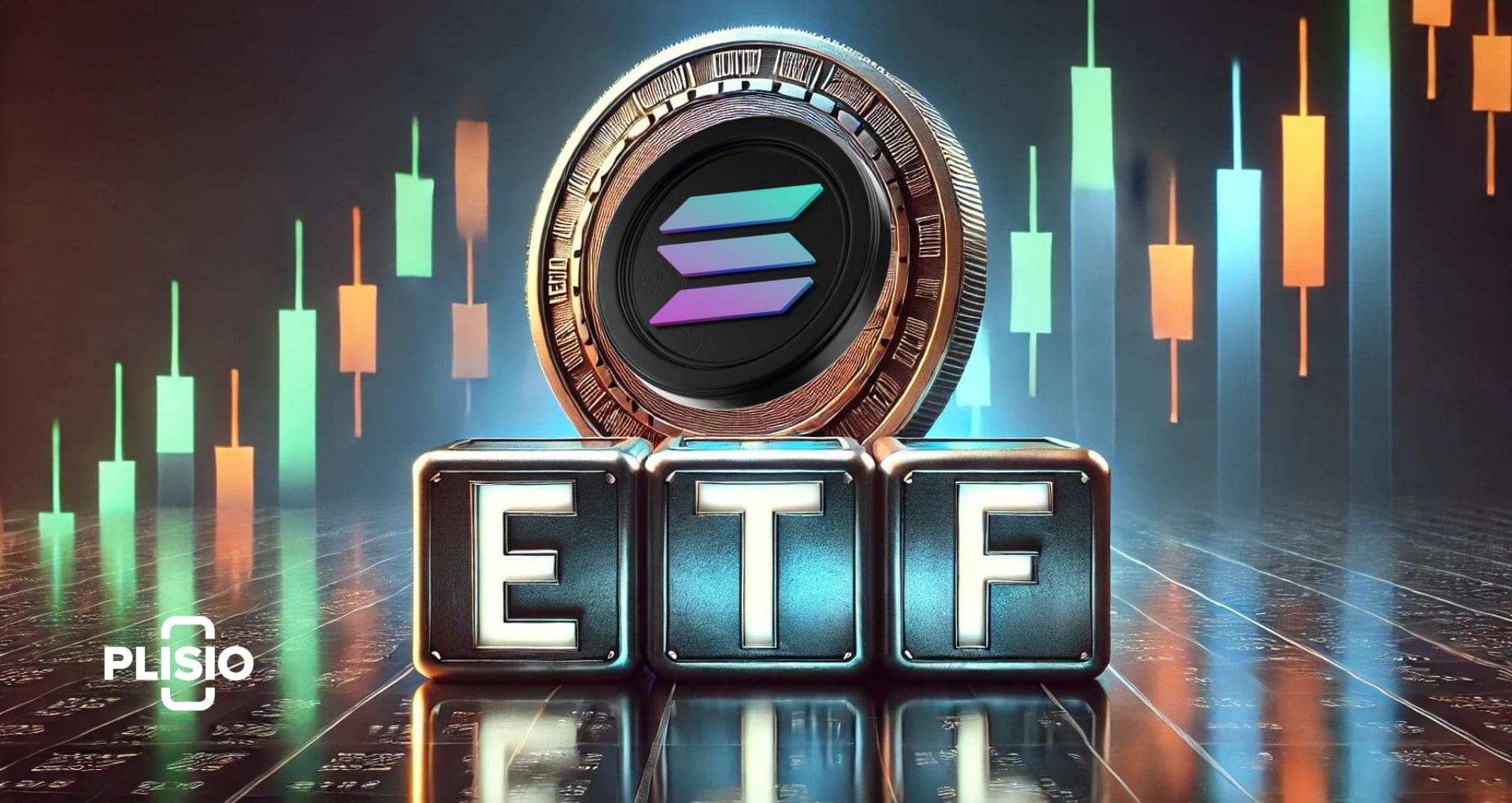
The U.S. Securities and Exchange Commission (SEC) has taken steps to halt progress on Solana exchange-traded fund (ETF) applications submitted by multiple issuers. These ETFs, designed to offer investors direct exposure to Solana (SOL), have encountered significant regulatory resistance. This marks a substantial setback for proponents of cryptocurrency-based ETFs within the United States.

At least two of the five firms seeking SEC approval for Solana ETFs, including prominent asset managers like VanEck and 21Shares, were informed their applications under the 19b-4 rule would not proceed. These filings, which represent a request to amend exchange listing rules to accommodate new financial products, are a critical step toward launching ETFs. However, the SEC’s decision to reject these applications indicates the regulatory body’s ongoing unease with the cryptocurrency market. Reports suggest the agency is particularly concerned about the classification of Solana as an unregistered security and its implications for the broader financial system.

The SEC’s scrutiny comes amid heightened attention on cryptocurrencies, with regulators debating whether certain digital assets, including Solana, function as securities or commodities. Solana’s rapid adoption and integration into decentralized finance (DeFi) ecosystems have spurred investor interest, but the ambiguity surrounding its regulatory status has made institutional adoption in the U.S. challenging.

The rejected filings were submitted through the Chicago Board Options Exchange (Cboe) earlier this year. While some issuers remain optimistic that changes in the regulatory environment could reopen discussions, others view the SEC’s stance as a signal that cryptocurrency ETFs, especially those based on altcoins like Solana, will face significant hurdles under the current administration.

International markets, however, have taken a different approach. In Brazil, a Solana-based ETF recently gained approval from local regulators, highlighting the divergence in regulatory attitudes between jurisdictions. This development has provided a glimmer of hope for cryptocurrency advocates, who argue that the U.S. risks falling behind in fostering innovation in digital assets.

The SEC’s position reflects broader challenges faced by cryptocurrency ETFs, with regulatory concerns extending beyond Solana to include issues such as market manipulation, investor protection, and systemic risk. The rejection of Solana ETF filings echoes the agency’s previous denials of spot Bitcoin ETFs, which similarly struggled to address regulatory apprehensions.

DHL’s GoHelp program equips local employees with critical disaster response skills to enhance resilience 20 years after the 2004 Indian Ocean tsunami devastated Sri Lanka COLOMBO, SRI LANKA – Media OutReach Newswire – 6 December 2024 – DHL Group has expanded its GoHelp Disaster Response Team (DRT) training to Sri Lanka, strengthening resilience and preparedness against disasters in the Asia Pacific region. DHL Group’s first GoHelp Disaster […]

BANGKOK, THAILAND – Media OutReach Newswire – 6 December 2024 – The Philippines’ Energy Development Corporation (EDC), a global renewable energy leader, has been awarded the Green Company of the Year at the 2024 Asia Corporate Excellence & Sustainability (ACES) Awards. This prestigious accolade recognises EDC’s unwavering commitment to advancing the country’s renewable energy sector while championing biodiversity, forest restoration, and climate change mitigation. Energy Development Corporation […]

HANOI, VIETNAM – Media OutReach Newswire – 5 December 2024 – Visa, a global leader in digital payments, and FPT Corporation, Vietnam’s leading technology company, have signed a Memorandum of Understanding (MOU) to drive digital transformation and financial inclusion in Vietnam’s government sector. The collaboration aims to modernize government services and empower businesses, particularly small and medium-sized businesses (SMEs). Building on previous successful engagements, both parties will […]

Securonix, a leader in cybersecurity solutions, has appointed Dipesh Kaura as the new Head of India Sales. With over 23 years of expertise in the cybersecurity domain, Kaura is set to drive the company’s growth in the Indian market by expanding its footprint, fostering strategic partnerships, and delivering tailored security solutions. His appointment comes at a time when India is witnessing an increasingly complex cybersecurity landscape.

Kaura brings with him extensive experience from his tenure at Cyble Inc., where he played a pivotal role in driving CXO-level engagements and formulating growth strategies across South Asia. His background includes significant leadership positions at Kaspersky and PwC, where he focused on account planning, channel development, and relationship management, particularly in the cybersecurity and technology sectors.

In his new role at Securonix, Kaura’s primary focus will be on enhancing the company’s cybersecurity offerings to meet the unique challenges faced by organizations in India. His deep understanding of the region’s business and security needs is expected to position Securonix as a trusted partner for enterprises navigating the complex threat landscape. His strategic vision is aligned with Securonix’s goals of expanding its market reach and strengthening customer relationships across key sectors.

Commenting on his appointment, Kaura emphasized the growing sophistication of cyber threats and the need for organizations to implement robust, business-aligned security strategies. He expressed enthusiasm about working with Securonix’s team to address these challenges while driving the company’s growth in India.

Dubai has become a global hub for innovative fitness experiences, attracting individuals looking to improve their health and well-being. The city offers diverse options, but one trend continues to stand out— fitness boot camps. These programs have gained significant popularity due to their ability to combine intense training sessions with a supportive group environment. Participants often choose these camps to achieve better health, build teamwork skills, and […]

The Permanent Account Number (PAN), long a cornerstone of India’s financial ecosystem, is undergoing a significant transformation with the launch of PAN 2.0, aimed at modernizing and streamlining taxpayer services. The revamped system is set to revolutionize how citizens and businesses interact with the country’s tax framework, enhancing transparency, accountability, and overall efficiency.

Traditionally, the PAN has served as a critical identifier for taxpayers, widely used for income tax purposes, financial transactions, and identity verification. It has been a pivotal tool in ensuring compliance and curbing tax evasion. However, as the nation continues to digitize its services and move toward a more paperless economy, the existing PAN system faced limitations. The introduction of PAN 2.0 addresses these challenges by integrating cutting-edge technology, aimed at simplifying the process for taxpayers while improving the accuracy of the system.

One of the key upgrades in PAN 2.0 is its deeper integration with digital platforms. The system now allows for easier access to tax records and services, making it possible for individuals and businesses to manage their financial obligations online more seamlessly. This digitalization has become particularly important as the Indian government continues to push for a cashless economy, promoting digital payments and reducing the reliance on traditional, in-person transactions.

Another significant improvement is the enhancement of PAN security features. With cyber threats becoming more sophisticated, the government has strengthened the encryption mechanisms surrounding PAN data, ensuring that individuals’ financial identities are protected against fraud and unauthorized access. The new PAN system uses advanced biometric data and digital signatures, allowing for better authentication processes. These security measures are expected to minimize cases of identity theft and fraudulent activities that have plagued the old system.

PAN 2.0 introduces a faster, more efficient system for taxpayers to apply for a PAN or update their details. The process, once bogged down by paperwork and delays, is now automated and simplified, reducing the time it takes to receive a PAN card. The online application process is intuitive, ensuring that even those with minimal digital literacy can easily access the services. These enhancements are designed to not only reduce administrative burdens but also ensure that people can quickly and easily resolve any issues with their accounts.

The revamped system is also tailored to assist non-resident Indians (NRIs) and foreign investors. By allowing them to track their tax obligations and make necessary amendments to their PAN details with ease, the new system fosters a more inclusive approach, particularly in attracting foreign investments. This change is expected to bolster the Indian government’s efforts to position India as a global financial hub. International businesses seeking to navigate India’s vast market will find the system more user-friendly and responsive, enhancing their overall experience with the country’s tax system.

As part of the ongoing modernization, PAN 2.0 also comes equipped with real-time data analysis and reporting tools for tax authorities. These tools allow for a more accurate and immediate assessment of taxpayers’ compliance with the country’s tax laws. The integration of artificial intelligence and machine learning into the system means that potential tax fraud and discrepancies can be identified more efficiently. The new system also incorporates features that automate tax filings and ensure that taxpayers remain up-to-date on their obligations without manual intervention.

The rollout of PAN 2.0 is part of India’s broader efforts to strengthen its tax administration and combat tax evasion. Over the years, the government has been working on initiatives like the Goods and Services Tax (GST) and the Digital India campaign, both of which aim to bring more of the economy under formal tax channels. The PAN system’s modernization serves as a key pillar in these reforms, helping to build trust in the tax system while improving tax compliance.

Despite these advancements, experts caution that the success of PAN 2.0 will depend on its adoption by the public and the business community. While the government has invested heavily in digital infrastructure and public awareness campaigns, there are still challenges related to internet access and digital literacy in some regions of the country. To address this, local support centers and helplines have been established to assist individuals who may face difficulties navigating the new system.

Global cryptocurrency trading volumes surged to record highs in November, with spot markets witnessing a transaction volume of $2.7 trillion, marking the most significant activity since mid-2021. This dramatic increase coincided with substantial developments in the political and economic landscape, catalyzing heightened market enthusiasm. Futures trading also experienced a remarkable boost, with Bitcoin and Ethereum futures dominating the derivatives segment.

The momentum in the cryptocurrency market followed the reelection of Donald Trump as U.S. President, a development that fueled optimism around potential regulatory reforms. The departure of SEC Chair Gary Gensler added to this positive sentiment, as his tenure was marked by stringent scrutiny of digital assets. Market participants anticipate a more supportive stance toward cryptocurrencies under the new administration, especially after campaign promises to position the U.S. as a global hub for digital finance.

Bitcoin approached the $100,000 mark for the first time, underscoring a bull run driven by multiple factors. The approval of Bitcoin ETFs in several jurisdictions further encouraged institutional investment, with a combined inflow of $6.87 billion during November. This development was instrumental in providing institutional investors with a more streamlined pathway to crypto exposure, signaling a shift toward mainstream adoption.

The global market cap for cryptocurrencies rose to $3.47 trillion, reflecting robust investor confidence. Exchanges such as Binance and Kraken reported unprecedented activity in perpetual contracts, with altcoins like Solana and Dogecoin showing significant trading volume increases. Dogecoin, often viewed as a speculative asset, briefly surpassed Ethereum in daily trading volumes, highlighting its growing appeal among traders.

Regulatory shifts outside the U.S. also contributed to the rally. Nations in Asia and Europe introduced or committed to frameworks for digital assets, providing much-needed clarity for investors. These developments have encouraged both institutional and retail investors to explore opportunities in the cryptocurrency ecosystem, further driving up trading volumes.

The macroeconomic environment also played a pivotal role. The U.S. Federal Reserve’s decision to ease monetary policy injected additional liquidity into financial markets. Investors flocked to cryptocurrencies as a hedge against inflation, drawn by their scarcity and potential for high returns. This influx of capital was particularly evident in Bitcoin, which saw substantial growth in both spot and futures markets.

Professional-Quality Camera System and Advanced Features Redefine the Mobile Photography Experience, arriving in Singapore on 6 December 2024 SINGAPORE – Media OutReach Newswire – 5 December 2024 – SHARP, the renowned leader in consumer technology, will officially launch its latest flagship smartphone, AQUOS R9 pro, tomorrow (6 December 2024). With professional-grade camera capabilities, immersive visuals, and robust performance, this new release is a dream come true for […]

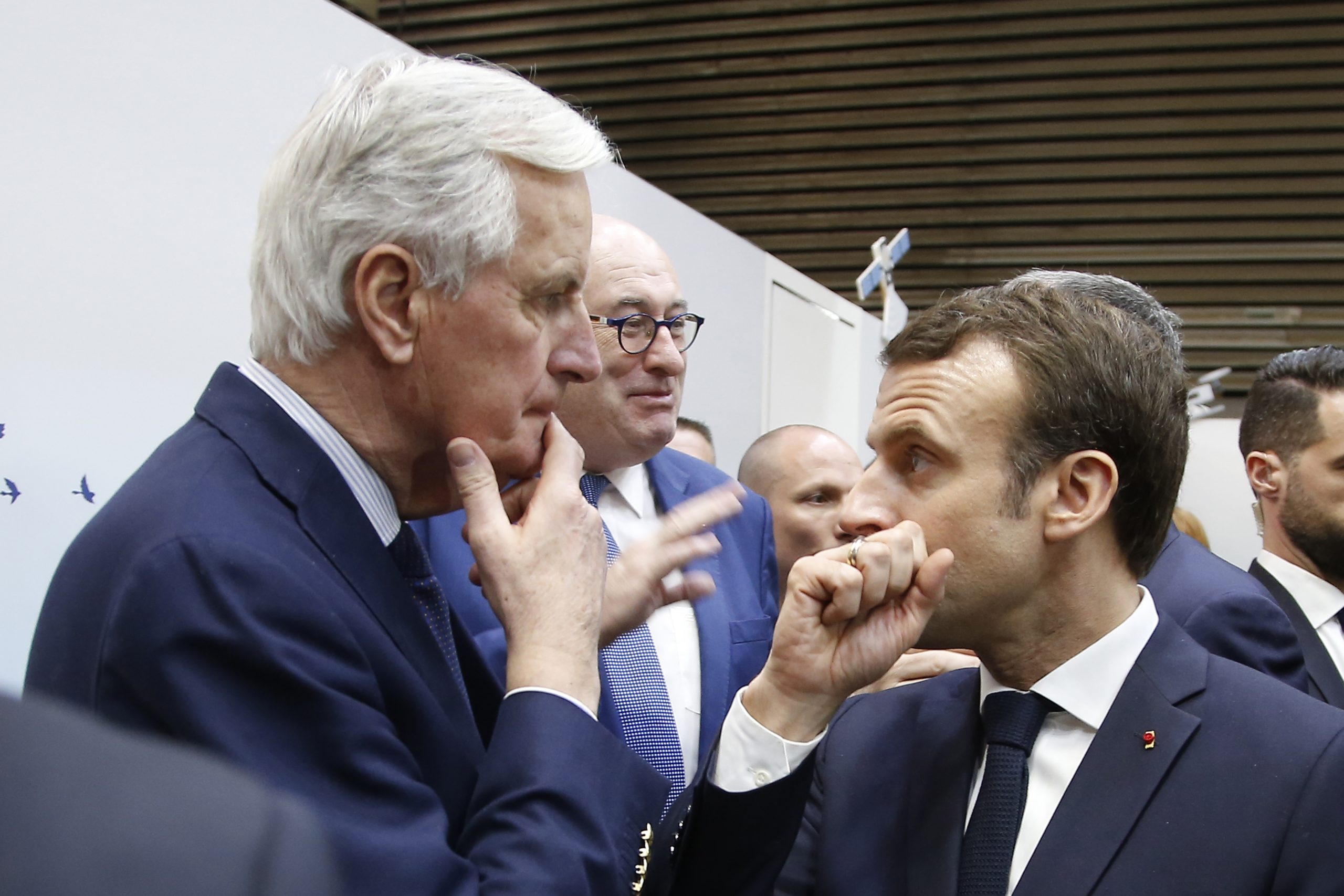
By Satyaki Chakraborty France landed on Wednesday night once again into a deeper political crisis after a no-confidence vote brought down the government, ending the beleaguered minority coalition of the conservative Prime Minister Michel Barnier propped up by the far right National Rally (RN) after only three months. The no-confidence motion brought by an alliance […]


Ripple has announced a delay in the launch of its RLUSD stablecoin, clarifying that it will not debut the product today as initially expected. The company, a leading blockchain-based payments firm, cited the need for final approval from the New York Department of Financial Services (NYDFS) before proceeding with the launch.

This postponement has added to the mounting attention surrounding the regulatory landscape for digital assets in the U.S., particularly in the wake of growing scrutiny by state and federal regulators. The RLUSD stablecoin, which is designed to function as a regulated digital dollar, is seen as a key component of Ripple’s strategy to expand its offerings in the cryptocurrency and payments market.

Ripple’s announcement of the delay comes as the company continues to navigate its ongoing legal battle with the U.S. Securities and Exchange Commission (SEC), which has raised questions about the classification of certain cryptocurrencies as securities. Despite this, Ripple remains confident that the stablecoin will eventually receive approval from the NYDFS, a crucial step for its broader plans to integrate stablecoin services within the existing financial ecosystem.

The NYDFS is one of the primary regulatory bodies overseeing cryptocurrency and blockchain-based financial products in New York, a state known for its strict regulations. Ripple’s delay highlights the growing regulatory complexities facing cryptocurrency firms as they seek approval for new products. Stablecoins, in particular, have become a focal point for regulators, due to concerns over their potential to affect the stability of traditional financial systems and facilitate illicit activities.

As the U.S. government tightens its oversight of cryptocurrencies, Ripple’s RLUSD stablecoin represents an attempt to align itself with regulatory expectations, especially as the company aims to create a transparent and fully compliant digital currency. The product is designed to offer greater stability and transparency compared to other digital currencies, with the backing of traditional assets such as the U.S. dollar, which would be held in reserves.

Ripple has emphasized that the RLUSD stablecoin is intended to address several key challenges within the cryptocurrency industry, including volatility and lack of regulatory clarity. By working closely with the NYDFS and other regulators, the company aims to ensure that its new product meets the highest standards of compliance and consumer protection.

This development is just the latest chapter in Ripple’s ongoing efforts to expand its influence within the digital currency space, where competition among firms is intensifying. Ripple’s existing services, including its flagship XRP token, are widely used for cross-border payments, and the addition of a stablecoin product would allow the company to further diversify its portfolio. However, the regulatory hurdles facing Ripple are significant, as the company must satisfy a variety of legal requirements to launch the RLUSD coin.

Stablecoins like RLUSD have gained increasing prominence as more people and businesses look for ways to transact with digital currencies without the extreme price fluctuations associated with assets like Bitcoin or Ethereum. In many ways, the rise of stablecoins has mirrored the growing demand for decentralized finance (DeFi) solutions, which aim to provide financial services without the need for traditional banks or financial institutions.

Despite the popularity of stablecoins, regulators have expressed concerns over the potential for these assets to be used in money laundering, terrorist financing, and other illicit activities. Some U.S. lawmakers have called for stricter oversight of stablecoin issuers, citing the risks posed by unregulated digital currencies. The delay in Ripple’s stablecoin launch underscores the challenges facing all cryptocurrency companies in balancing innovation with compliance in a rapidly evolving regulatory environment.

Ripple’s decision to delay the RLUSD launch also raises questions about the future of digital currencies and their integration into mainstream finance. While the cryptocurrency industry has seen significant advancements in recent years, including the rise of central bank digital currencies (CBDCs) and growing institutional interest, regulatory uncertainty continues to be a major obstacle.

As Ripple awaits approval from the NYDFS, the company is likely to face continued scrutiny from both U.S. regulators and international bodies, as governments around the world grapple with how to regulate cryptocurrencies. The outcome of this approval process could have significant implications not only for Ripple but for the broader stablecoin market, which has grown to become a multi-billion-dollar industry.

Ripple’s ongoing efforts to secure the necessary regulatory approvals for RLUSD reflect the broader trend within the cryptocurrency industry, as companies seek to operate within the bounds of national and international laws. While the company’s legal battle with the SEC may dominate headlines, the approval process for RLUSD could shape the future of Ripple’s product offerings and its relationship with regulators moving forward.

VISHNU RAJA
RYO YAMADA
HITORI GOTOH
IKUYO KITA
Just in:
xCube Access Welcomes Entrust Capital Limited  Expanding Access to Professional Portfolio Management // Democrats secure Senate majority after Republican election losses // Asia Left Behind: Ten international companies have yet to report delivering on their cage-free egg pledges across the region // As AI Reshapes Education, Singapore Convenes Global Dialogue on the Future of Early Childhood Education // After Reaching 7 Million Users in the Philippines, Skyro Launches Transparent Cash Loans in Malaysia // Fast Just Got Fastest: STING Energy Boost™ Celebrates Kimi Antonelli’s Formula 1® World Championship and the Fan Energy Behind It // Democrats capture Senate majority with seven Republican seats // Middle East governments assess Iran war after US vote // XRG secures agreement for $1.45bn Australian LNG stake // U.S. Mid Term Result Is A Clear Verdict Against Trump’s Authoritarianism // Vingroup And Legends Global Announce Strategic Partnership For VinFast – Trong Dong Stadium // SC to examine students’ exam plea today // DIP Holding targets Dh1.12 IPO price and $529m proceeds // ADIA and partners establish $1.4 billion aviation venture // mamun raises US$3 million to finance cross-border trade between the Gulf and Asia // Cloudflare unveils Zero Wire vulnerability intelligence service // Vance attributes Republican midterm defeats to Iran conflict // Utilities pursue ₹1,992 cr in unpaid bills // OpenAI identifies 948 Linux privilege escalation flaws using AI // BJP’s Aggressive Response Exposes Anxiety Over Opposition Unity //