Just in:
Ta’ziz finalises $1.39bn funding for Ruwais industrial facilities // Govt opposes Arlekar’s PSC action // Pinarayi faults UDF over mounting road crashes // Emirates Group records AED 4.1 billion half-year profit // xCube Access Welcomes Entrust Capital Limited  Expanding Access to Professional Portfolio Management // Burying Head In “India Made Poverty Reduction” Data Is Dangerous // ADIA and partners establish $1.4 billion aviation venture // CR Longdation Aethereal Cybersecurity × Global Cybersecurity Alliance (GCSA) Join Hands to Establish the “AI and Cybersecurity Research Centre” // APT29-linked campaign exploits outdated Apple and Android software // Democrats capture Senate majority with seven Republican seats // SC to examine students’ exam plea today // UK air traffic outage inflicted £33m financial losses // After Reaching 7 Million Users in the Philippines, Skyro Launches Transparent Cash Loans in Malaysia // e-Crime Bureau Signs Cybersecurity Partnership With Smart Africa, Reinforcing Its Global Expansion // AI trust gap reveals distinct retail priorities: Divergent paths to consumer growth in Hong Kong and the GBA // Dubai boat show confirms international shipyard line-up for November // Oil and chip shares retreat after Democratic victories // OpenAI identifies 948 Linux privilege escalation flaws using AI // As AI Reshapes Education, Singapore Convenes Global Dialogue on the Future of Early Childhood Education // Middle East governments assess Iran war after US vote //

News related to
work

Koei Tecmo Holdings has unveiled a significant leadership restructuring, appointing Hisashi Koinuma as the new President and Chief Executive Officer, effective April 1, 2025. This transition marks a pivotal moment for the Japanese video game developer and publisher, renowned for franchises such as “Dynasty Warriors” and “Ninja Gaiden.”

Koinuma, who currently serves as Representative Director and Executive Vice President, will ascend to the roles of President and CEO. His tenure at Koei Tecmo began in April 1994, and he has since held various key positions, including Chief Operating Officer of Koei Tecmo Games. His leadership has been instrumental in steering the company’s entertainment division, particularly in the development of popular titles.

The company’s co-founder, Yoichi Erikawa, will transition from his current position as President and CEO to assume the role of Representative Director and Chairman of Koei Tecmo Holdings. Erikawa, also known by his pen name Kou Shibusawa, co-founded Koei in 1978 alongside his wife, Keiko Erikawa. Under their guidance, the company evolved from a personal computer sales venture into a prominent entity in the gaming industry, eventually merging with Tecmo in 2008 to form the current Koei Tecmo Holdings.

Keiko Erikawa, who has been serving as Representative Director and Chairman, will step down from her current roles to become Director and Chairman Emeritus. In addition, she will take on the position of Representative Director and President of a newly established subsidiary, Koei Tecmo Corporate Finance, effective April 1, 2025. This new entity will absorb the investment functions of Koei Tecmo Games, aiming to enhance governance related to investments and optimize cash management across the organization.

The leadership changes are part of Koei Tecmo’s strategic initiative to separate business execution from management supervision, thereby strengthening its corporate governance framework. The company has been preparing for this transition through deliberations within its Nomination and Compensation Committee, with the objective of achieving sustained growth and profitability.

In an official statement, Koei Tecmo articulated its vision: “Our group aims to become the world’s number one digital entertainment company under the spirit of ‘creativity and contribution.'” The company believes that the new management structure, commencing in the fiscal year 2025, will be pivotal in realizing this ambition.

Hisashi Koinuma’s promotion to CEO is anticipated to bring a fresh perspective to Koei Tecmo’s leadership. His extensive experience within the company, particularly in overseeing the entertainment division, positions him well to navigate the evolving landscape of the gaming industry. Koinuma has been a driving force behind several successful projects and is expected to continue fostering innovation and expansion in his new role.

The establishment of Koei Tecmo Corporate Finance signifies the company’s commitment to bolstering its investment capabilities. By creating a dedicated subsidiary focused on financial management, Koei Tecmo aims to streamline its investment processes and enhance overall financial efficiency. This move is expected to provide a robust foundation for the company’s future projects and strategic initiatives.


Vedanta Aluminium, India’s leading aluminium producer, has introduced an AI-powered drone system to bolster safety measures at its Jamkhani coal mine in Odisha. This initiative, developed in collaboration with Vedanta’s Spark program, aims to enhance operational efficiency and safety protocols within the mining sector.

The AI-driven drones are equipped with advanced software capable of real-time aerial surveillance, automatically detecting and tracking human, animal, and vehicle movements within a 500-meter radius of blasting zones. This technology enables remote monitoring, providing live-streaming alerts for unauthorized activities and facilitating seamless audio communication between officials, drone pilots, and blasting officers for precise coordination.

Sunil Gupta, Chief Operating Officer of Vedanta Aluminium, emphasized the company’s commitment to workplace safety, stating that the integration of AI-powered drones signifies a significant advancement in creating a secure work environment while improving monitoring and compliance.

David Stone, Chief Executive Officer of Vedanta’s Coal Mines, highlighted the impact of this technology, noting that the deployment of AI-powered drones sets a new benchmark for mine safety by enhancing situational awareness and risk management.

The Jamkhani coal mine, Vedanta’s first greenfield project in Odisha, plays a crucial role in supplying fuel to the company’s Jharsuguda plant, one of the world’s largest aluminium smelters. The introduction of AI-powered drones is part of Vedanta Aluminium’s broader strategy to implement digital transformation across its operations, leveraging technologies such as artificial intelligence, robotics, the Internet of Things , and smart safety solutions.

Amitesh Sinha, Vice President and Head of CVC & Spark at Vedanta, underscored the importance of corporate-startup collaborations in driving innovation. He mentioned that the partnership with Skylark Drones and the Vedanta Mines team reflects the company’s focus on safety innovation, with the Spark program actively working with over 70 startups and deploying more than 100 projects to integrate AI and digital solutions into manufacturing.

Beyond technological advancements, Vedanta Aluminium remains committed to Odisha’s socio-economic development, engaging in initiatives that encompass education, healthcare, sustainable livelihoods, and rural infrastructure enhancement. As India’s largest aluminium producer, the company manufactured 2.37 million tonnes in the fiscal year 2024, supplying critical industries and reinforcing its leadership in sustainable mining and digital innovation. Notably, Vedanta Aluminium ranks second globally in the S&P Global Corporate Sustainability Assessment 2024 for the aluminium industry, reaffirming its dedication to responsible mining practices and a greener future.

The integration of AI-powered drones into mining operations signifies a transformative approach to safety and efficiency in the industry. By providing comprehensive surveillance and instant communication capabilities, this technology empowers mining teams with greater situational awareness, enabling swift responses to potential hazards and ensuring a safer working environment.

The AI-driven drones operate autonomously, scanning the designated areas and identifying any unauthorized movement or anomalies. Upon detection, the system generates immediate alerts, allowing for prompt intervention to prevent potential incidents. This proactive approach not only mitigates risks but also enhances overall operational efficiency by reducing downtime associated with manual inspections and clearances.

The collaboration between Vedanta Aluminium and technology startups exemplifies a growing trend in the industry, where established corporations partner with agile innovators to co-develop solutions that address complex operational challenges. Such partnerships facilitate the rapid adoption of cutting-edge technologies, driving continuous improvement in safety standards and operational practices.

In addition to enhancing safety, the deployment of AI-powered drones contributes to environmental sustainability. By ensuring precise monitoring and control over mining activities, the technology helps in minimizing ecological disturbances and promotes adherence to environmental regulations. This aligns with Vedanta Aluminium’s commitment to sustainable practices and its efforts to reduce the environmental footprint of its operations.

The successful implementation of AI-driven drone technology at the Jamkhani coal mine serves as a model for the mining industry, demonstrating how digital transformation can lead to safer and more efficient operations. As the industry continues to evolve, the integration of such innovative solutions is poised to become a standard practice, setting new benchmarks for safety and operational excellence.

Vedanta Aluminium’s proactive approach in adopting advanced technologies reflects its strategic vision of leading the industry towards a more sustainable and technologically advanced future. By prioritizing safety, efficiency, and environmental responsibility, the company not only enhances its operational capabilities but also contributes positively to the broader socio-economic landscape.

A significant shift in American financial trends has emerged: the number of U.S. adults owning Bitcoin now exceeds those carrying student loan debt. This development highlights the growing adoption of cryptocurrency amidst ongoing concerns over educational debt.

Recent data indicates that approximately 65.7 million American adults, or 28% of the adult population, currently own cryptocurrency, with Bitcoin being the predominant asset. This marks a substantial increase from 15% in 2021, suggesting a rising public confidence in digital currencies. In contrast, about 42.7 million Americans hold federal student loan debt, collectively amounting to $1.693 trillion. This figure represents a 42% increase over the past decade, reflecting both the escalating costs of higher education and the broader accessibility of college degrees.

The surge in cryptocurrency ownership can be attributed to several factors. The “crypto winter” of 2022, characterized by significant market downturns, appears to have been a temporary setback. Since then, the market has rebounded, with Bitcoin’s value reaching record highs. Notably, in December 2024, Bitcoin rallied past $107,000, fueled by President-elect Donald Trump’s proposal to establish a U.S. Bitcoin strategic reserve. This policy initiative, coupled with the inclusion of companies like MicroStrategy in major stock indices, has bolstered investor confidence and attracted substantial capital inflows.

Demographic analyses reveal that cryptocurrency adoption varies across different groups. Men aged 18 to 29 are the most prominent investors, with 42% reporting that they have engaged with cryptocurrencies. This contrasts with 17% of women in the same age bracket. Racial and ethnic disparities are also evident: 28% of Asian adults have invested in cryptocurrencies, compared to approximately 20% of Black and Hispanic adults, and 14% of White adults. Income levels further influence investment patterns, with 23% of adults in upper-income households participating in the crypto market, versus 14% in lower-income households.

Despite the increasing popularity of cryptocurrencies, skepticism persists. A survey conducted in October 2024 found that 63% of U.S. adults lack confidence in the safety and reliability of cryptocurrencies. This sentiment underscores the volatile nature of digital assets and the regulatory uncertainties surrounding them.

Conversely, the student loan landscape presents its own challenges. The percentage of households with student debt has more than doubled from 10% in 1992 to 21% in 2022. This rise is partly due to more Americans pursuing higher education and the escalating costs associated with it. The financial burden of student loans has far-reaching implications, affecting borrowers’ ability to purchase homes, start businesses, and save for retirement.

Policy responses to these issues have been varied. The Trump administration has expressed skepticism towards widespread student debt forgiveness, favoring targeted relief measures instead. In contrast, Vice President Kamala Harris has advocated for more comprehensive solutions, including significant debt cancellation and the promotion of free college education to address systemic inequalities.

The cryptocurrency market witnessed an unprecedented surge in token creation in January 2025, with over 600,000 new tokens minted, a twelvefold increase from the monthly average of 50,000 observed between 2022 and 2023. This rapid expansion has raised significant concerns among analysts regarding potential liquidity fragmentation and its impact on the market’s stability.

The acceleration in token issuance became particularly notable in the fourth quarter of 2024, with monthly figures reaching 400,000 before escalating to January’s record levels. Bobby Ong, co-founder of CoinGecko, highlighted this trend, attributing it to the emergence of user-friendly token creation platforms. One such platform, Pump.fun, operating on the Solana blockchain, enables users to launch meme coins without requiring technical expertise. This democratization of token creation has lowered barriers to entry, allowing a broader spectrum of individuals to participate in the crypto ecosystem.

While the proliferation of new tokens reflects a vibrant and innovative market, it also poses challenges. Gabriel Halm, a research analyst at IntoTheBlock, expressed concerns that the sheer volume of new tokens could lead to liquidity fragmentation. With investor attention and capital spread across an ever-growing number of assets, the liquidity of individual tokens may diminish, potentially resulting in increased volatility and difficulties in executing large trades without significant price impacts.

The surge in token creation is not occurring in isolation. The broader cryptocurrency market has experienced notable fluctuations. In January 2025, the overall market capitalization saw gains, with Bitcoin’s price increasing by 9% month-over-month, reaching an intramonth high of approximately $109,000. However, this growth has been accompanied by heightened volatility, partly attributed to macroeconomic factors such as elevated U.S. Treasury yields, which have exerted pressure on risk assets, including cryptocurrencies.

The influx of new tokens also raises questions about the quality and viability of these assets. The ease of token creation may lead to an oversupply of tokens with limited utility or value, potentially diluting investor confidence and capital. This environment necessitates rigorous due diligence from investors to discern valuable projects from those lacking substantive foundations.

The rapid expansion of the token landscape could have regulatory implications. As the market becomes increasingly saturated, regulators may scrutinize the legitimacy and compliance of new token offerings more closely. This could lead to stricter regulatory frameworks aimed at protecting investors and ensuring market integrity.

In response to these developments, market participants are advocating for enhanced transparency and standards in token issuance. Establishing clear guidelines and best practices could help mitigate risks associated with the proliferation of new tokens and support the sustainable growth of the cryptocurrency market.

The current landscape presents a paradox: while the surge in token creation signifies innovation and growth, it also introduces complexities that could undermine market stability. Balancing the enthusiasm for new digital assets with prudent risk management and regulatory oversight will be crucial in navigating the evolving dynamics of the cryptocurrency market.

Chinese state-sponsored hacking group Salt Typhoon has intensified its cyber-espionage activities, targeting telecommunications providers worldwide by exploiting known vulnerabilities in Cisco network devices. Despite previous exposure and sanctions, the group continues to infiltrate critical infrastructure, compromising sensitive communications data. Between December 2024 and January 2025, Salt Typhoon successfully breached at least five telecommunications networks, including two based in the United States. Other affected entities include a U.S.-based […]

By Dr. Gyan Pathak In pursuance of Equality of opportunity and treatment, an ILO Committee of Experts has asked India again to amend the definition of wage, ensure job evaluation, equal remuneration for the same job to male and female workers, and end discrimination on religious or caste basis especially for Dalit Muslims and Dalit […]

The Trump administration has directed the Department of Homeland Security to terminate all climate-related activities, effectively removing climate considerations from the agency responsible for managing disaster responses across the United States. This directive, issued through an internal memo, signifies a substantial shift in federal disaster preparedness and response strategies. The memo, disseminated to DHS leadership, mandates the cessation of programs and initiatives that address climate change impacts, […]

Advertisements

The New York Stock Exchange’s electronic trading platform, NYSE Arca, has formally requested approval from the U.S. Securities and Exchange Commission to permit Ethereum staking within Grayscale’s Ethereum exchange-traded funds . This proposal, submitted on February 14, 2025, aims to amend the operational framework of the Grayscale Ethereum Trust ETF and the Grayscale Ethereum Mini Trust ETF, enabling these funds to participate in Ethereum’s staking mechanism.

Ethereum staking involves validators locking up a certain amount of Ether to support network operations such as block validation and security. In return, stakers receive rewards proportional to their staked amount. By integrating staking into its ETFs, Grayscale intends to enhance investor returns by generating additional income through these rewards.

The official filing outlines that, if approved, the Trusts will stake Ether through reputable staking service providers. This approach is designed to benefit fund shareholders directly, ensuring that the staked assets remain under the custody of the Trusts’ current custodian. Grayscale emphasizes that this method differs from other staking-as-a-service models previously scrutinized by the SEC, as it does not involve pooling assets with third parties.

Grayscale has clarified that while staking is intended to generate additional income, the firm will not guarantee or promote any specific level of returns to investors. This cautious stance likely reflects an awareness of regulatory concerns and market volatility associated with cryptocurrency investments.

The move to incorporate staking comes at a time when Ethereum’s role in the cryptocurrency ecosystem is expanding, particularly after its transition to a proof-of-stake consensus mechanism. This shift allows Ether holders to participate in network validation and earn rewards, making staking an attractive feature for investment funds aiming to maximize returns.

The proposal also highlights that the Trusts’ participation in staking is designed to comply with existing regulatory frameworks. By keeping staked assets under the Trusts’ custody and avoiding third-party pooling, Grayscale aims to mitigate potential risks and align with SEC guidelines.

The SEC’s decision on this proposal could set a significant precedent for the integration of staking features into cryptocurrency investment products. A favorable ruling may encourage other asset managers to explore similar enhancements, potentially leading to a broader acceptance of staking within traditional financial products.

However, the regulatory environment surrounding cryptocurrency staking remains complex. The SEC has previously taken action against certain staking programs it deemed as unregistered securities offerings. Grayscale’s proposal seeks to differentiate its approach by emphasizing direct benefits to fund shareholders and adherence to regulatory standards.

Market analysts suggest that if the proposal is approved, it could enhance the appeal of Grayscale’s Ethereum ETFs by offering investors additional income streams through staking rewards. This development may also influence the competitive landscape of cryptocurrency ETFs, prompting other issuers to consider similar features to attract investors.

As of now, the SEC has not provided a timeline for its decision on the proposal. Stakeholders within the cryptocurrency and financial sectors are closely monitoring the situation, recognizing its potential implications for the future of crypto-based investment products.

In the broader context, this initiative reflects the ongoing efforts by financial institutions to integrate innovative blockchain features into traditional investment vehicles. The outcome of this proposal may serve as a benchmark for future endeavors aiming to bridge the gap between decentralized finance and mainstream financial markets.

Investors are advised to stay informed about the SEC’s forthcoming decisions and to consider the potential risks and benefits associated with staking-enabled investment products. As the regulatory landscape continues to evolve, due diligence and a thorough understanding of the mechanisms involved remain essential for making informed investment choices.

South Korea’s manufacturing sector has witnessed a significant decline in employment, reaching its lowest point in over a decade. Data from Statistics Korea indicates that as of January, the number of individuals employed in manufacturing stood at approximately 4.39 million, a reduction of 56,000 compared to the same period last year. This figure represents the most substantial drop since January 2013, when employment in the sector was […]

As 2025 unfolds, entrepreneurs are strategically positioning themselves to harness emerging trends across various sectors. Key areas such as artificial intelligence , sustainability, and remote work are at the forefront, offering a plethora of innovative business opportunities. The AI industry is witnessing significant advancements, with startups like Figure AI leading the charge. The company is reportedly in discussions to secure $1.5 billion in new funding, potentially elevating […]

By K Raveendran The Indo-US joint declaration presents a striking imbalance, appearing more as a dictated statement than a mutually crafted agreement. The document is overwhelmingly skewed in favour of the United States, particularly in the domain of defence procurement, where it reads less like a diplomatic understanding and more like a sales pitch for […]


Artificial Intelligence has become an integral part of various industries, enhancing efficiency and decision-making processes. Central to harnessing the full potential of AI is the art of prompt engineering—the craft of designing inputs that guide AI models to produce desired outputs. This report delves into the various prompting techniques that have emerged, offering insights into their applications and effectiveness. Zero-Shot Prompting Zero-shot prompting involves instructing an AI […]

Sony Group Corporation has reported a significant surge in PlayStation 5 sales during the holiday quarter, contributing to a notable increase in the company’s overall financial performance. Between October and December 2024, Sony shipped 9.5 million PS5 units, surpassing the 8.2 million units sold in the same period the previous year. This achievement brings the total PS5 shipments to over 75 million units since its launch.

The gaming division’s success has been a pivotal factor in Sony’s financial growth. For the nine months ending December 31, 2024, the company reported an 8.2% year-on-year increase in sales, amounting to ¥10.33 trillion. Operating income during this period rose by 22.9%, reaching ¥1.2 trillion. The third quarter alone saw a 3% increase in quarterly profit, totaling ¥373.7 billion, with sales climbing 18% to ¥4.4 trillion.

In response to these robust figures, Sony has revised its annual profit forecast upward to ¥1.08 trillion, citing favorable currency exchange rates and increased sales in network services as contributing factors. The company’s gaming unit experienced a 37% rise in quarterly profit, driven by strong PS5 sales and higher revenue from network services. Additionally, the music segment reported a 28% increase in operating profit, largely due to streaming services.

The impressive performance of the PS5, now in its fifth year, has solidified Sony’s dominant position in the console gaming market. Analysts have noted the potential for higher game margins and anticipate continued growth with upcoming game releases. The introduction of the PlayStation Pro in November 2024 has also contributed to the surge in console sales.

Sony’s strategic acquisitions, including Bungie and Crunchyroll, along with an increased stake in Kadokawa, have expanded its content library and market presence. These moves align with the company’s focus on enhancing its entertainment sectors under the leadership of President Hiroki Totoki, who is set to assume the role of CEO in April. Totoki has emphasized the need for Sony to bolster its global competitiveness, particularly in its entertainment divisions.

The United Arab Emirates has initiated a groundbreaking project to map air corridors and establish regulatory frameworks for piloted and autonomous air taxis and cargo drones. This ambitious endeavour aims to integrate advanced air mobility solutions into the nation’s urban infrastructure, enhancing transportation efficiency and connectivity.

The General Civil Aviation Authority , in collaboration with the Advanced Technology Research Council’s entities—Technology Innovation Institute and ASPIRE—announced the initiative during the World Government Summit 2025. The project is slated for completion within the next 20 months, during which aerial corridors and comprehensive regulations will be defined.

These designated routes are planned to link major international airports with prominent urban landmarks, facilitating the seamless operation of air taxis and cargo drones across the UAE’s cities. This development is poised to alleviate traffic congestion, promote sustainable urban growth, and position the UAE as a leader in advanced air mobility.

Saif Mohammed Al Suwaidi, Director General of the GCAA, highlighted the significance of this milestone: “Air corridor mapping for piloted and autonomous air taxis and drones is a crucial milestone that will enable the seamless implementation of advanced air mobility into the UAE’s infrastructure.” He emphasized that this initiative ensures the safe and efficient adoption of air mobility, paving the way for a smarter, more connected future.

The UAE’s commitment to innovative transportation solutions is further exemplified by its history of embracing cutting-edge technologies. In 2017, Dubai commenced testing two-seater, propeller-driven flying taxis developed by Germany’s Volocopter, marking an early foray into autonomous aerial transport. Building on this foundation, the current project seeks to operationalize such technologies on a broader scale.

In September 2024, U.S.-based air-taxi manufacturer Joby Aviation applied for certification to operate commercial air transport services in the UAE. This move signifies growing international interest in the UAE’s burgeoning advanced air mobility sector. The certification process involves developing operational manuals, facility inspections, and comprehensive training programs for pilots and maintenance personnel, underscoring the rigorous standards set by the GCAA.

Dr. Najwa Aaraj, CEO of TII, underscored the transformative potential of this collaboration: “By advancing airspace management and integrating piloted and autonomous air taxis and cargo drones, we are not only enhancing urban connectivity but also driving sustainable and accessible mobility solutions that will benefit future generations.” TII’s role focuses on developing advanced airspace management systems to ensure the safe integration of these new aerial vehicles into existing urban environments.

ASPIRE, tasked with coordinating among regulators, industry stakeholders, and researchers, aims to create a flexible and diverse transportation system. Stephane Timpano from ASPIRE noted: “Addressing real-time urban mobility challenges through innovative solutions like air taxis and drones is a major step forward.” This initiative is expected to ease pressure on traditional road networks and foster the development of smarter, more resilient cities.

The UAE’s strategic vision encompasses the integration of artificial intelligence and smart automation to manage and optimize these air corridors. This approach ensures predictive maintenance, efficient traffic management, and robust safety protocols, aligning with global trends in smart city development.

Aston Martin Aramco Formula One Team has entered into a groundbreaking multi-year sponsorship agreement with cryptocurrency exchange platform Coinbase, marking a significant milestone in the integration of digital finance within elite motorsport. This partnership is distinguished by its financial arrangement: the entire sponsorship fee will be transacted in USD Coin , a stablecoin pegged 1:1 to the U.S. dollar.

This collaboration represents the first instance of a Formula One team publicly announcing the full payment of a partnership using a stablecoin. By embracing USDC for this transaction, Aston Martin signals a forward-thinking approach to financial operations, highlighting the efficiency and global reach of cryptocurrency in high-stakes industries.

Jefferson Slack, Managing Director of Commercial at Aston Martin Aramco, expressed confidence in the alliance, stating, “This partnership shows the trust and confidence we place in Coinbase’s expertise as a leader in digital finance. By transacting this deal fully in USDC, we’re signaling our commitment to innovation, building a sustainable, forward-thinking relationship with Coinbase.”

Coinbase’s branding will feature prominently on Aston Martin’s AMR25 race cars, specifically on the halo and rear-wing end plates, as well as on the racing suits of drivers Fernando Alonso and Lance Stroll throughout the upcoming Formula One season. This visibility aligns with Coinbase’s strategy to expand its global presence and promote the adoption of digital currencies across diverse audiences.

Gary Sun, Vice President of Marketing at Coinbase, highlighted the significance of this venture: “This is a huge moment for Coinbase, marking the first time we’ve invested in a sports partnership entirely in cryptocurrency. It’s also our debut in Formula One, and we’re thrilled to align with a sport that values pushing boundaries with transformative ideas and technology.”

The decision to utilize USDC for the sponsorship underscores the practical benefits of stablecoins in large-scale transactions, offering stability, reduced transaction costs, and seamless cross-border payments. While Coinbase remains open to transacting in various cryptocurrencies based on partner preferences, the selection of USDC for this deal reflects its suitability for substantial financial agreements.

This partnership emerges amidst a growing trend of cryptocurrency integration within Formula One. In June 2021, Crypto.com secured a multi-year deal with Formula One, later expanding its involvement with a significant nine-year, $100 million agreement in 2022, which included naming rights to the Miami Grand Prix. Individual teams have also embraced the crypto movement; for instance, Red Bull Racing has collaborated with platforms like Bybit and Mysten Labs to enhance fan engagement through blockchain technology.

Aston Martin’s alliance with Coinbase not only enhances the team’s financial portfolio but also paves the way for innovative, blockchain-based fan engagement initiatives. As the season progresses, supporters can anticipate unique on-chain experiences designed to deepen their connection with the team and the sport.

The cryptocurrency market has witnessed a remarkable development with DOGEN, a meme-inspired token on the Solana blockchain, experiencing an unprecedented 500% surge in value. This rapid ascent has positioned DOGEN as a formidable contender among meme coins, drawing significant attention from investors and enthusiasts alike.

Initially launched at a modest price of $0.0003 during its presale phase, DOGEN’s value has escalated to $0.0019 by the conclusion of its 13-stage presale. This trajectory not only signifies a 500% increase but also underscores the growing investor confidence in the token’s potential. Analysts have noted that such a meteoric rise is indicative of strong market momentum and a robust community backing.

The success of DOGEN can be attributed to its strategic positioning within the Solana ecosystem. Solana’s blockchain offers high transaction speeds and low fees, creating an ideal environment for meme coins to thrive. The network’s scalability has attracted a plethora of meme-inspired tokens, with DOGEN emerging as a standout due to its impressive growth metrics.

Market data reveals that the Solana meme coin sector boasts a market capitalization of approximately $17.8 billion, with a 24-hour trading volume reaching $8.14 billion. Within this vibrant ecosystem, DOGEN has distinguished itself, not only through its price appreciation but also by fostering a community-centric approach. The token’s official channels report a burgeoning community of over 30,000 followers on platforms like X , reflecting a strong and engaged user base.

The broader cryptocurrency landscape has also been influenced by recent political developments. The inauguration of President Donald Trump has led to a surge in interest for meme coins, particularly those associated with his brand. Tokens such as $TRUMP and $MELANIA experienced rapid value increases, with $TRUMP’s market capitalization peaking at $15 billion before stabilizing around $7 billion. This phenomenon has contributed to heightened activity on platforms like the Solana network, which had previously faced challenges related to low user engagement.

A federal judge in Washington, D.C., has approved a 60-day halt to the U.S. Securities and Exchange Commission’s civil lawsuit against Binance, the world’s largest cryptocurrency exchange. This decision follows a joint motion by both parties, aiming to allow time for the SEC’s newly established crypto task force to potentially influence the case’s resolution.

The lawsuit, initiated by the SEC in June 2023, accuses Binance and its founder, Changpeng Zhao, of multiple violations, including artificially inflating trading volumes, diverting customer funds, and misleading investors about regulatory oversight. These allegations have been a significant point of contention between the regulatory body and the crypto exchange.

The recent establishment of the SEC’s crypto task force, led by Commissioner Hester Peirce, known for her supportive stance on digital assets, signifies a potential shift in the agency’s approach to cryptocurrency regulation. This development comes under the administration of President Donald Trump, who has expressed intentions to position the United States as a global hub for the crypto industry. The nomination of Paul Atkins, a pro-crypto attorney, as the new SEC chair further underscores this directional change, although his confirmation by Congress is still pending.

In their joint motion, the SEC and Binance highlighted that the task force’s work “may impact and facilitate the potential resolution of this case.” They proposed to submit a joint status report at the end of the 60-day period to inform the court about the case’s status and the necessity of extending the stay.

This pause in legal proceedings reflects a broader trend within the SEC, as the agency reassesses its regulatory framework concerning digital assets. Under the previous leadership of Gary Gensler, the SEC adopted a stringent stance towards cryptocurrency platforms, leading to multiple lawsuits and enforcement actions. The current shift suggests a more collaborative approach, aiming to develop clear guidelines that balance investor protection with industry innovation.

Binance has welcomed this development, reiterating its commitment to compliance and regulation. A spokesperson for the company stated, “The SEC’s case has always been without merit, and we are eager to put this behind us and to continue our focus on keeping Binance the most secure, licensed, and trusted exchange in the world.”

South Korea’s prominent cryptocurrency exchange, Bithumb, has expanded its offerings by incorporating Thena into its Korean Won trading market. Trading commenced at 4 PM KST on February 14, 2025, providing users with a new asset in their investment portfolios.

Deposits and withdrawals for Thena were enabled within three hours following the announcement. Bithumb supports transactions exclusively through the BNB Smart Chain for this asset, explicitly stating that deposits from other networks are not accepted. The initial base price for Thena was established at 1,019 KRW, with a requirement of 15 deposit confirmations to ensure transaction security.

To maintain a stable trading environment during the initial phase, Bithumb implemented temporary restrictions. For the first five minutes post-launch, buying orders were prohibited. Additionally, selling orders faced constraints if the price deviated beyond -10% or +100% of the standard price during this period. Automated trading features, such as stop-loss or take-profit orders, were activated only after the first successful trade.

Thena operates as a community-driven decentralized exchange, utilizing a self-optimizing ve3,3 model to cater to the liquidity needs of BNB Chain projects. This listing on Bithumb signifies a strategic move to enhance Thena’s accessibility and liquidity within the South Korean market.

Cullman High School seniors Nora Sheffield and Elianna Hollis have been distinguished as National Merit Finalists, a prestigious recognition awarded to high-achieving students across the United States. This accolade underscores their exceptional academic performance and dedication.

The National Merit Scholarship Program annually identifies and honors students who demonstrate outstanding academic abilities. Out of approximately 1.3 million entrants, only about 15,000 advance to the Finalist stage, representing less than 1% of U.S. high school seniors. These students are now eligible for various National Merit Scholarships, which will be awarded based on their abilities, skills, and accomplishments.

Principal Allison Tuggle of Cullman High School expressed immense pride in Sheffield and Hollis’s achievements. “This incredible achievement is a testament to their hard work, dedication, and academic excellence,” Tuggle stated. “Reaching this level of distinction is no small feat, and it reflects not only their academic prowess but also their commitment to personal growth and excellence.”

The journey to becoming a National Merit Finalist begins with the Preliminary SAT/National Merit Scholarship Qualifying Test , which serves as an initial screening for program entrants. Students who score in the top percentile are designated as Semifinalists and must then fulfill several requirements to advance to the Finalist stage. These include maintaining an outstanding academic record, securing a recommendation from a school official, writing a personal essay, and achieving SAT or ACT scores that confirm their earlier performance.

In addition to Sheffield and Hollis, St. Bernard Preparatory School’s senior Willa Smith has also been named a National Merit Finalist. Headmaster Phuong Nguyen announced Smith’s accomplishment during a gathering in the school’s dining hall, highlighting the significance of her achievement. “Out of 3.6 million students who took the PSAT/NMSQT, Willa is among the 15,000 students nationwide who have advanced to Finalist standing,” Nguyen remarked. “This distinction not only recognizes her exceptional academic ability but also qualifies her for National Merit Scholarship opportunities.”

Smith’s peers, faculty, and family celebrated her success with a congratulatory event, acknowledging her hard work and dedication. She plans to attend the University of Alabama in Tuscaloosa, aiming to further her education and pursue her academic interests.

The National Merit Scholarship Corporation is a not-for-profit organization established in 1955 to conduct the National Merit Scholarship Program. Its mission is to recognize and honor academically talented students and to encourage the pursuit of academic excellence at all levels of education. Each year, the NMSC awards approximately 7,500 National Merit Scholarships, worth more than $30 million, to deserving students.

The recognition of Sheffield, Hollis, and Smith as National Merit Finalists brings pride not only to their respective schools but also to the broader Cullman community. Their achievements serve as an inspiration to fellow students, exemplifying the rewards of dedication, hard work, and a commitment to academic excellence.

As these students advance in the National Merit Scholarship competition, they embody the values of perseverance and intellectual curiosity. Their successes reflect the supportive educational environments fostered by Cullman High School and St. Bernard Preparatory School, institutions committed to nurturing the potential of their students.

The National Merit Scholarship winners are slated to be announced between April and July 2025. These scholarships are awarded based on a comprehensive evaluation of the Finalists’ academic records, the rigor of the courses taken, leadership roles, contributions to school and community activities, and other significant accomplishments.

Zed, the innovative code editor developed by Zed Industries, has unveiled a groundbreaking feature designed to enhance developer productivity: Edit Prediction. This tool anticipates a programmer’s subsequent edits, allowing for seamless code writing and reducing manual input. The feature is powered by Zeta, Zed’s newly introduced open-source language model. Edit Prediction operates by suggesting the next logical code insertion as developers type. By pressing the ‘tab’ key, […]

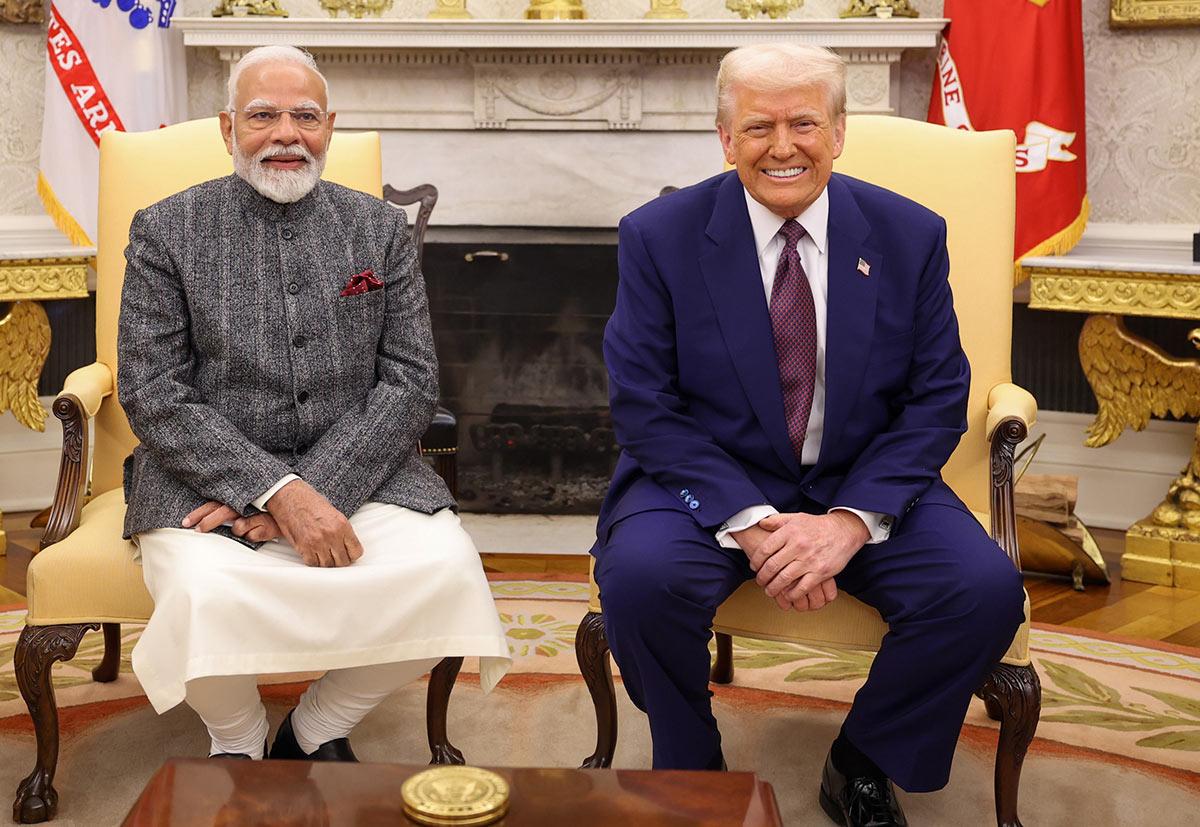
By Nitya Chakraborty The outcome of Prime Minister Narendra Modi’s meeting with the U.S. President Donald Trump in White House on February 13 may have its impact on the interim government of Bangladesh headed by Dr. Mohammad Yunus, who is in power since August 8, 2024 in the wake of the ouster of Sheikh Hasina […]

Vertiv, a global provider of critical digital infrastructure solutions, has announced the worldwide launch of its Liquid Cooling Services portfolio. This initiative aims to support data center operators in enhancing system reliability and efficiency, particularly for artificial intelligence and high-density computing applications. The newly introduced services encompass a range of solutions designed to manage the complexities of advanced liquid cooling systems. Vertiv’s certified technicians and field engineers […]

Pump.fun, a prominent Solana-based memecoin launchpad, has introduced a mobile application for iOS and Android devices, aiming to enhance user accessibility in the burgeoning memecoin market. This development coincides with a significant increase in token creation, with over 600,000 new tokens launched in January 2025, raising concerns about potential liquidity fragmentation within the cryptocurrency ecosystem.

The newly launched Pump.fun app enables users to create, launch, and trade memecoins directly from their mobile devices, streamlining the process for both novice and experienced traders. This initiative reflects the platform’s commitment to adapting to the evolving needs of its user base and capitalizing on the growing interest in memecoins.

However, the rapid proliferation of new tokens has prompted industry experts to voice concerns about market liquidity. Bobby Ong, Chief Operating Officer of CoinGecko, highlighted the potential risks associated with the surge in token issuance, noting that an excessive number of tokens could dilute trader attention and liquidity, potentially hindering significant price movements in alternative cryptocurrencies.

The ease of token creation facilitated by platforms like Pump.fun has democratized access to the cryptocurrency market, enabling a diverse range of individuals to participate in token generation. While this inclusivity fosters innovation, it also raises questions about the sustainability and quality of the tokens being introduced.

In addition to operational challenges, Pump.fun is currently navigating legal complexities. The platform faces a proposed class-action lawsuit alleging violations of U.S. securities laws, underscoring the regulatory scrutiny that accompanies the rapid expansion of the memecoin sector. Despite these hurdles, the company remains focused on its mission to provide a user-friendly platform for memecoin enthusiasts.

The memecoin phenomenon has been characterized by speculative trading and high volatility, with tokens often experiencing rapid price fluctuations. This environment has attracted a wide array of participants, from casual investors to those engaging in high-risk trading strategies. The introduction of mobile applications like Pump.fun’s is poised to further amplify this trend by making memecoin trading more accessible to a broader audience.

Market analysts caution that the influx of new tokens, while indicative of a vibrant and innovative ecosystem, may lead to challenges such as liquidity fragmentation. This occurs when the market’s liquidity is spread thinly across a multitude of tokens, potentially resulting in decreased trading volumes and increased volatility for individual assets. Such conditions could make it more difficult for traders to execute large orders without significantly impacting token prices.

The memecoin market’s rapid expansion has also drawn attention from regulatory bodies worldwide. The lack of clear guidelines and oversight in this nascent sector poses risks for investors, particularly concerning the potential for fraudulent schemes and market manipulation. As platforms like Pump.fun continue to lower the barriers to entry for token creation and trading, the call for comprehensive regulatory frameworks becomes increasingly pertinent.

Blockchain.com, a prominent digital asset exchange, has appointed Justin Evans as Chief Financial Officer and Mike Wilcox as Chief Operating Officer as it advances towards a potential initial public offering . Evans, formerly the head of crypto investment banking at Goldman Sachs Group Inc., brings extensive experience in financial strategy and capital markets. Wilcox, who previously served as Chief Financial Officer at Velocity Global and was an investment manager at Point72 Asset Management, adds significant operational expertise to the team.

These strategic hires align with Blockchain.com’s objective to position itself for a public listing, capitalizing on the growing institutional adoption of cryptocurrencies and a more favorable regulatory environment. The company joins a cohort of cryptocurrency firms aiming to enter public markets, reflecting a broader trend within the industry.

In parallel, other major cryptocurrency firms are also exploring public listings. BitGo, a cryptocurrency custodian services provider, is reportedly considering an IPO as soon as the second half of this year. The firm is in discussions with potential advisers, although no final decision has been made. BitGo, founded in 2013, serves over 1,500 institutional clients across 50 countries and processes approximately 8% of global Bitcoin transactions by value. In 2023, the company raised $100 million, achieving a valuation of $1.75 billion.

Similarly, Gemini, the cryptocurrency firm backed by the Winklevoss twins, is considering an IPO as early as this year. This move underscores the increasing trend of cryptocurrency companies seeking public listings to access broader capital markets and enhance transparency.

The momentum for crypto-related IPOs is further evidenced by Circle Internet Financial’s plans. The company, known for issuing the stablecoin USDC, announced its intention to relocate its headquarters from Boston to New York City’s One World Trade Center in early 2025, ahead of its planned IPO. This relocation signifies the cryptocurrency industry’s deeper integration with traditional financial hubs.

The surge in IPO considerations among cryptocurrency firms is influenced by several factors, including increased institutional adoption of digital assets and evolving regulatory landscapes. The U.S. IPO market experienced significant growth in 2024, with companies raising over $41 billion, marking the most successful year since 2021. This resurgence is anticipated to continue into 2025, driven by favorable economic conditions and a more supportive regulatory environment.

However, not all major players are rushing to go public. Companies like SpaceX and OpenAI, despite substantial investor interest, are expected to delay their public offerings due to strong private funding. This trend indicates that while the IPO market is becoming more attractive, some firms prefer to remain private, leveraging ample private capital to fuel their growth.

In the retail trading sector, eToro has submitted confidential filings to the U.S. Securities and Exchange Commission for an IPO in New York, potentially valuing the company at over $5 billion. This move follows eToro’s previous attempt to go public in 2022 via a $10.4 billion deal with a blank-check company, which was halted due to unfavorable market conditions.

The increasing number of cryptocurrency and fintech firms pursuing public listings reflects a strategic shift towards greater transparency, regulatory compliance, and access to capital. As the industry matures, these public offerings are poised to reshape the financial landscape, bridging the gap between traditional finance and the burgeoning digital asset economy.

VISHNU RAJA
RYO YAMADA
HITORI GOTOH
IKUYO KITA
Just in:
Meraas showcases five residential zones at Dubai Design Week // APT29-linked campaign exploits outdated Apple and Android software // Cyberport Venture & Capital Forum 2026 Grand Opening // ADIA and partners establish $1.4 billion aviation venture // Oil and chip shares retreat after Democratic victories // Anthropic to prohibit persistent abuse of Claude chatbot // CR Longdation Aethereal Cybersecurity × Global Cybersecurity Alliance (GCSA) Join Hands to Establish the “AI and Cybersecurity Research Centre” // As AI Reshapes Education, Singapore Convenes Global Dialogue on the Future of Early Childhood Education // Ta’ziz finalises $1.39bn funding for Ruwais industrial facilities // Govt opposes Arlekar’s PSC action // UK air traffic outage inflicted £33m financial losses // Emirates Group records AED 4.1 billion half-year profit // Middle East governments assess Iran war after US vote // xCube Access Welcomes Entrust Capital Limited  Expanding Access to Professional Portfolio Management // Hong Kong mandates crypto transaction disclosures to tax authorities // OpenAI identifies 948 Linux privilege escalation flaws using AI // Fast Just Got Fastest: STING Energy Boost™ Celebrates Kimi Antonelli’s Formula 1® World Championship and the Fan Energy Behind It // AI trust gap reveals distinct retail priorities: Divergent paths to consumer growth in Hong Kong and the GBA // Vance attributes Republican midterm defeats to Iran conflict // Dubai boat show confirms international shipyard line-up for November //