Just in:
Cyberport Venture & Capital Forum 2026 Grand Opening // UK air traffic outage inflicted £33m financial losses // Asia Left Behind: Ten international companies have yet to report delivering on their cage-free egg pledges across the region // Emirates Group records AED 4.1 billion half-year profit // OpenAI identifies 948 Linux privilege escalation flaws using AI // Burying Head In “India Made Poverty Reduction” Data Is Dangerous // CR Longdation Aethereal Cybersecurity × Global Cybersecurity Alliance (GCSA) Join Hands to Establish the “AI and Cybersecurity Research Centre” // APT29-linked campaign exploits outdated Apple and Android software // Middle East governments assess Iran war after US vote // Meraas showcases five residential zones at Dubai Design Week // Democrats capture Senate majority with seven Republican seats // AI trust gap reveals distinct retail priorities: Divergent paths to consumer growth in Hong Kong and the GBA // After Reaching 7 Million Users in the Philippines, Skyro Launches Transparent Cash Loans in Malaysia // xCube Access Welcomes Entrust Capital Limited  Expanding Access to Professional Portfolio Management // Govt opposes Arlekar’s PSC action // Anthropic to prohibit persistent abuse of Claude chatbot // ADIA and partners establish $1.4 billion aviation venture // Dubai boat show confirms international shipyard line-up for November // Pinarayi faults UDF over mounting road crashes // U.S. Mid Term Result Is A Clear Verdict Against Trump’s Authoritarianism //

News related to
work

Telecommunications provider du has launched a new Travel eSIM service aimed at enhancing connectivity for transit passengers passing through the United Arab Emirates . This initiative allows travellers to maintain seamless data connectivity across more than 190 countries without the need for physical SIM cards.

The Travel eSIM is designed to offer convenience and affordability to international travellers. By scanning a QR code, users can activate the eSIM on their compatible devices, enabling immediate access to data services without the hassle of purchasing local SIM cards or incurring roaming charges. This digital solution aligns with the global shift towards eSIM technology, which integrates SIM functions directly into devices, eliminating the need for physical cards.

Fahad Al Hassawi, CEO of du, highlighted the company’s commitment to enhancing customer experiences: “Our Travel eSIM is a testament to du’s dedication to innovation and customer-centric solutions. We understand the needs of modern travellers and aim to provide them with seamless connectivity, no matter where they are in the world.”

The eSIM offers a range of data bundles tailored to different durations and data requirements. For instance, users can select packages that provide unlimited data for specific periods, such as one day or seven days, depending on their travel needs. This flexibility ensures that both short-term visitors and long-term travellers can find a plan that suits their usage patterns.

To activate the eSIM, travellers can visit du’s official website or authorized retailers to purchase a data bundle. After completing the purchase, they receive a QR code, which, when scanned, installs the eSIM profile on their device. It’s recommended to activate the eSIM upon arrival at the destination to ensure the data bundle period aligns with the travel schedule. Devices must be eSIM compatible and network unlocked to utilize this service.

The introduction of the Travel eSIM addresses common challenges faced by international travellers, such as the inconvenience of swapping physical SIM cards and the unpredictability of roaming charges. By offering a digital solution, du aims to streamline the connectivity process, allowing users to stay connected with ease.

In addition to data services, the eSIM provides access to local networks, enhancing the quality and reliability of the connection. This feature is particularly beneficial for business travellers who require consistent and high-speed internet access for work-related tasks.

The global eSIM market has been experiencing significant growth, driven by the increasing adoption of eSIM-compatible devices and the demand for flexible connectivity solutions. Analysts predict that the number of eSIM-enabled smartphones will continue to rise, further solidifying the importance of services like du’s Travel eSIM in the telecommunications industry.

Travellers have expressed positive feedback regarding the convenience of eSIMs. A user on a travel forum shared their experience: “I arrived in Dubai and was able to get a tourist eSIM from the Virgin mobile shop. It was a straightforward process and didn’t involve getting a normal SIM as a stepping stone.” Such testimonials underscore the practicality and user-friendliness of eSIM technology.

However, it’s essential for users to ensure their devices are compatible with eSIM technology. Most modern smartphones from leading manufacturers support eSIM functionality, but travellers are advised to verify compatibility before attempting to install the eSIM. Additionally, devices should be network unlocked to prevent any activation issues.

Binance, a leading cryptocurrency exchange, has announced it will discontinue trading pairs involving stablecoins that do not comply with the European Union’s Markets in Crypto-Assets regulation for users in the European Economic Area by March 31, 2025. This decision aligns with the EU’s efforts to establish a standardized regulatory framework for crypto-assets, aiming to enhance transparency and consumer protection.

The affected stablecoins include Tether , First Digital USD , TrueUSD , Pax Dollar , Dai , Augmint Euro Token , TerraUSD , TerraClassicUSD , and PAX Gold . Binance has advised its EEA users to convert their holdings in these non-compliant stablecoins to those that meet MiCA standards, such as USD Coin and Euro Coin , or directly to euros.

The MiCA regulation, which came into force in June 2023, seeks to create a cohesive regulatory environment for crypto-assets across the EU. It introduces stringent requirements for stablecoin issuers, including maintaining adequate reserves and adhering to transparency and consumer protection standards. Stablecoins are categorized under MiCA as either e-money tokens , which reference a single official currency, or asset-referenced tokens , which are linked to multiple assets.

Circle’s USD Coin and Euro Coin are among the few stablecoins that have achieved MiCA compliance. This compliance ensures their continued availability and use within the EEA. In contrast, prominent stablecoins like Tether and MakerDAO’s Dai have not met MiCA requirements, leading to their delisting from platforms operating within the EU.

Binance’s move is part of a broader trend among cryptocurrency exchanges to align with the new regulatory landscape. Other exchanges, such as Crypto.com and Kraken, have also announced plans to delist non-compliant stablecoins to adhere to MiCA standards. For instance, Crypto.com has outlined its intention to halt deposits of certain stablecoins by January 31, 2025, with full delisting scheduled for March 31, 2025. Similarly, Kraken is preparing to remove Tether and four other stablecoins from its platform in the EEA to comply with the regulations.

The European Securities and Markets Authority has set a deadline of March 31, 2025, for digital asset firms to ensure compliance with MiCA. This regulatory push underscores the EU’s commitment to fostering a secure and transparent crypto market, mitigating risks associated with stablecoins, and protecting investors.

MiCA’s implementation has also spurred the development of new compliant stablecoins. Dutch fintech company Quantoz Payments, for example, is set to launch two stablecoins, EURQ and USDQ, both licensed by the Dutch Central Bank as e-money tokens. These developments indicate a shift towards regulated digital finance in Europe, providing consumers with more secure and compliant options for digital payments.

BANGKOK, THAILAND – Media OutReach Newswire – 3 March 2025 – ONYX Hospitality Group, is delighted to announce its outstanding achievements at the Traveller Review Awards 2025, hosted by Booking.com. This year marks the 13th edition of the prestigious awards, celebrating exceptional hospitality across the globe. In 2025, ONYX Hospitality Group is proud to have 26 award-winning properties across its diverse portfolio. These accolades highlight ONYX’s ongoing […]

Vietnam’s government has initiated the development of a legal framework for digital assets and currencies, aiming to bolster economic growth to at least 8% by 2025. Prime Minister Pham Minh Chinh has directed the Ministry of Finance and the State Bank of Vietnam to draft the necessary regulations, with a proposal expected to be submitted this month. This initiative is part of Directive No. 05, which outlines measures to stimulate the nation’s economic expansion.

The absence of a formal legal framework for digital assets has left Vietnamese investors vulnerable to potential scams and financial losses. Currently, cryptocurrency transactions occur without specific regulatory oversight, increasing the risk for participants. The government’s move to establish clear regulations seeks to protect users and enhance trust in blockchain technology and related applications.

Nguyễn Duy Hưng, Chairman of Saigon Securities Incorporation, highlighted Vietnam’s significant position in the global digital asset market, noting that the country ranks among the top four in terms of transaction volume. He emphasized the necessity of a transparent legal framework to ensure that both developers and investors are protected, thereby fostering a secure environment for market participants and deterring fraudulent activities.

The urgency for regulation has been underscored by incidents such as a recent $100 million cryptocurrency fraud, which exploited the regulatory vacuum. Lawyer Phạm Ba Đô, Director of SJKLAW Law Firm, pointed out that the lack of comprehensive legal guidelines has created fertile ground for such fraudulent schemes. He advocates for the prompt establishment of clear definitions and regulations concerning virtual currencies and assets, recognizing their potential for trade and payment in specific contexts while clarifying their status as legal means of payment.

Vietnam’s strategic move to regulate digital assets aligns with its broader economic ambitions. The country has revised its GDP growth target for 2025 to at least 8%, up from the previous range of 6.5% to 7.0%. This adjustment reflects the government’s commitment to rapid economic development. The National Assembly has approved significant infrastructure projects, including the construction of the country’s first nuclear power plants and a rail link connecting northern Vietnam’s major seaport to China. These initiatives are expected to enhance the nation’s industrial capabilities and trade connectivity.

The manufacturing sector continues to be a cornerstone of Vietnam’s economy, with value added projected to reach $108.7 billion by 2025, growing at a compound annual growth rate of 3.33% from 2025 to 2029. The country’s strategic location, coupled with labor costs approximately 50% lower than China’s, makes it an attractive destination for international businesses seeking relocation. Government tax incentives and participation in trade agreements like the Comprehensive and Progressive Agreement for Trans-Pacific Partnership and the EU-Vietnam Free Trade Agreement further enhance Vietnam’s appeal as a manufacturing hub.

However, achieving the ambitious 8% GDP growth target is not without challenges. The Asian Development Bank forecasts Vietnam’s GDP growth at 6.2% for 2025, while the World Bank projects a slightly higher rate of 6.6%. These figures, though optimistic, fall short of the government’s target, indicating the need for effective policy implementation and favorable external conditions to realize the desired growth.

The development of a legal framework for digital assets is expected to attract foreign investment and stimulate innovation within the financial sector. By providing legal clarity, Vietnam aims to position itself as a regional leader in the digital economy, capitalizing on the growing global interest in cryptocurrencies and blockchain technology.

The global cryptocurrency market capitalization has soared beyond the $3 trillion mark, reaching approximately $3.185 trillion, following a significant policy shift by the United States government. President Donald Trump announced the establishment of a U.S. strategic cryptocurrency reserve, initially comprising digital tokens such as XRP, Cardano , and Solana .

This unprecedented move led to immediate and substantial price increases across the cryptocurrency market. XRP’s value surged from $2.23 to $2.99, boosting its market capitalization by $44 billion. Similarly, SOL’s price escalated from $140 to $168, while ADA experienced an increase from $0.68 to nearly $1. Subsequently, President Trump expanded the reserve to include Bitcoin and Ethereum , prompting further market rallies. Bitcoin’s price escalated by 9% to $93,000, adding $166 billion to its market capitalization, and Ethereum saw a 13% rise to $2,516.

The creation of this strategic reserve signifies a notable shift in the U.S. government’s stance toward digital assets, aiming to bolster the crypto industry and provide governmental support. This initiative contrasts with previous regulatory approaches and is expected to accelerate institutional adoption, offer regulatory clarity, and enhance U.S. leadership in digital asset innovation.

Market analysts have responded positively to these developments. Anthony Scaramucci, manager of a leading crypto exchange-traded fund , forecasts Bitcoin reaching $200,000 in 2025, potentially becoming a $4 trillion asset. Similarly, analysts anticipate a significant bull market for Bitcoin and crypto miners, projecting Bitcoin to reach $225,000, driven by historical price cycles and a potentially favorable regulatory environment under the Trump administration.

However, the establishment of the strategic reserve has raised questions regarding its operational framework and potential implications for investors. Concerns have emerged about how the reserve will function and whether it includes mechanisms to protect investors from potential losses. Additionally, the administration has prohibited the U.S. Federal Reserve from developing a digital dollar and announced tariffs on goods from Canada, Mexico, and China, introducing further variables into the economic landscape.

The surge in cryptocurrency values has also led to increased market activity and liquidity. Major exchanges have reported heightened trading volumes, indicating intensified investor interest and confidence in digital assets. This influx of capital suggests a bullish trend, with potential upward price movements across various cryptocurrencies.

KUALA LUMPUR, MALAYSIA – Media OutReach Newswire – 3 March 2025 – Kenanga Investors Berhad (“Kenanga Investors“) was presented with a total of five (5) awards at the LSEG Lipper Fund Awards 2025 (“Awards“). This year, the firm surpassed its previous successes, earning recognition across multiple categories, marking a continued commitment to excellence in fund management. From left to right: Brandon Ong, Portfolio Manager; Low Pei Yee, […]

Thousands of Israelis converged on Tel Aviv’s Hostages Square on Saturday, demanding the immediate release of hostages held by Hamas as the initial phase of the Gaza ceasefire concluded without a clear path forward. The demonstrators, comprising families of captives and supporters, voiced frustration over the stalled negotiations and the uncertain fate of their loved ones. The 42-day truce, which began on January 19, halted 15 months […]

Advertisements

Apple’s efforts to revolutionise its voice assistant, Siri, with advanced artificial intelligence capabilities have encountered notable setbacks. Internal sources indicate that a fully modernised, conversational version of Siri is now projected to debut with iOS 20, anticipated in 2027, marking a substantial delay from earlier plans.  The tech giant had initially aimed to integrate large language models into Siri, enhancing its ability to understand and process natural […]

The longstanding business model of India’s information technology industry is facing obsolescence due to the rapid advancements in artificial intelligence , according to industry leaders. At the recent Nasscom Technology and Leadership Forum in Mumbai, HCL Technologies’ CEO, C Vijayakumar, emphasized the urgency for IT companies to adopt a “paranoid” mindset to remain relevant and drive growth.

Vijayakumar highlighted that the traditional model, characterized by a linear scaling of revenues and personnel over the past three decades, is now ripe for disruption. He revealed that HCL has been challenging its teams to achieve double the revenue with half the workforce, leveraging AI-driven automation to enhance productivity. This approach underscores the necessity for the industry to rethink its operations in the face of AI’s transformative potential.

Echoing this sentiment, Infosys CEO Salil Parekh concurred on the need for vigilance to stay relevant in the evolving landscape. He noted that a significant portion of the industry operates on input-based models and stressed the importance of transitioning to output and platform-based services. Parekh emphasized that AI is a massive productivity development tool, bringing in new work that otherwise wouldn’t have been possible.

The rise of generative AI technologies, which can automate tasks such as code generation, has been identified as a significant factor disrupting current business models. Vijayakumar pointed out that AI’s impact is considerably different from past technological shifts like cloud computing and digitization, necessitating proactive measures including the creation of new revenue streams and business ventures. For instance, generative AI can greatly enhance productivity by accelerating project timelines, exemplified by a potential reduction of a billion-dollar, five-year tech program to three and a half years.

To mitigate dependency on external models and geopolitical risks, Vijayakumar advocated for Indian tech firms to invest in building their own language models, citing the decreasing costs of setting up training infrastructure. This move could offer a long-term competitive advantage as costs decrease. Infosys has already taken steps in this direction by launching an open-source responsible AI toolkit to enhance trust and transparency in AI, furthering its commitment to creating an inclusive AI ecosystem that ensures safety, security, privacy, and fairness.

Sharon AI and New Era Helium have initiated plans to develop a 250-megawatt net-zero energy data center in Ector County, Texas. The companies have signed a non-binding letter of intent with GROW Odessa, an economic development corporation, to acquire a 200-acre site for the project. The proposed data center will be powered by natural gas supplied by New Era Helium, with plans to implement carbon capture utilization […]

TAIPEI, TAIWAN – Media OutReach Newswire – 3 March 2025 – The Asian Electronics Online Exhibition 2025 (ASIANTRONICS 2025) is set to redefine global sourcing and collaboration in the electronics sector. Running from March 3, 2025, to June 30, 2025, this hybrid event seamlessly integrates virtual and physical elements, providing an unparalleled platform for buyers to connect with top-tier Asian suppliers, manufacturers, and exporters. Jointly organized by […]

Saudi Arabia has successfully issued its first sovereign green bond, raising €1.5 billion and marking a significant step in the Kingdom’s commitment to sustainable financing. The issuance attracted substantial investor interest, with bids totaling €7.25 billion, indicating strong confidence in Saudi Arabia’s environmental initiatives. The green bond is part of a dual-tranche euro-denominated issuance, which also included a 12-year conventional bond. The green tranche has a 7-year […]

Dubai’s Roads and Transport Authority and Dubai Holding have entered into a landmark agreement valued at AED 6 billion to significantly enhance the emirate’s road infrastructure. The signing ceremony, attended by H.H. Sheikh Ahmed bin Saeed Al Maktoum, Chairman of Dubai Holding, underscores the city’s dedication to improving connectivity and reducing traffic congestion across key urban areas.

The comprehensive plan focuses on upgrading access points and internal road networks in several prominent communities, including Jumeirah Village Circle , Dubai Production City, Business Bay, Palm Jumeirah, and International City . These enhancements aim to streamline traffic flow, bolster road safety, and significantly reduce travel times for residents and visitors alike.

In Jumeirah Village Circle, the project entails the development of four additional access points featuring grade-separated interchanges. This initiative is designed to double the capacity of the area’s entry and exit points, potentially reducing travel time on internal roads and access points by up to 70%. The improvements are also expected to enhance traffic safety and ensure seamless flow at intersections.

For Dubai Production City, new bridges will be constructed to improve access from Sheikh Mohammed bin Zayed Road. These upgrades are anticipated to cut travel time at entry and exit points and improve traffic flow on internal roads by 50%.

In Business Bay, the agreement includes surface improvements at intersections leading from Sheikh Zayed Road and the construction of a pedestrian bridge at the intersection with First Al Khail Road. These measures aim to enhance pedestrian safety and optimize traffic flow. Upgrades to internal roads in the Towers Area are expected to reduce travel time by 30% across entry and exit points and internal routes.

Palm Jumeirah will see the construction of additional acceleration and deceleration lanes at six locations to optimize traffic flow. Two pedestrian bridges will replace at-grade crossings, enhancing mobility and ensuring pedestrian safety while reducing travel time within Palm Jumeirah by 40%.

The project also covers the expansion of the road marking the entrance into International City from Manama Street by adding a new lane, widening internal roads, and upgrading surface intersections with traffic signals. These enhancements are expected to streamline traffic flow, enhance road safety, and reduce travel time from 15 minutes to just five minutes.

H.H. Sheikh Ahmed bin Saeed Al Maktoum emphasized that this strategic partnership reflects a shared vision of a city that is not only innovative but also seamlessly accessible. He stated that through projects like these, Dubai Holding reaffirms its commitment to shaping the future of the emirate by developing world-class communities and infrastructure that enhance connectivity, mobility, and quality of life for all who call Dubai home. Together with RTA, they are reinforcing Dubai’s position as a leading global hub in urban innovation.

Mattar Al Tayer, Director-General and Chairman of the Board of Executive Directors of RTA, expressed his pleasure in signing the agreement with Dubai Holding to enhance access points for the group’s key development areas. He stated that this agreement will enhance the capacity of internal roads and access points, leading to reduced travel times, improved connectivity for residents and visitors, and greater road safety for all users. Al Tayer added that RTA remains dedicated to fostering strategic partnerships with real estate developers to ensure the road infrastructure in development areas can effectively accommodate traffic demand, enhancing seamless mobility for residents and visitors. The projects under this agreement are expected to reduce travel time and increase the capacity of entry and exit points by 30 to 70%.

Amit Kaushal, Group Chief Executive Officer of Dubai Holding, underscored the company’s support for RTA and its efforts to enhance connectivity and accessibility across the city, particularly in some of Dubai’s most dynamic destinations. He noted that Dubai Holding is dedicated to delivering integrated, future-ready developments that meet the evolving needs of businesses and communities. Kaushal highlighted that these road enhancements will not only reduce travel times and improve road capacity but also elevate the overall experience of their communities, reinforcing Dubai Holding’s commitment to shaping a more connected and sustainable Dubai.

This agreement aligns with Dubai’s broader strategy to invest in infrastructure that supports economic growth and enhances the quality of life for its residents. By collaborating on such large-scale projects, RTA and Dubai Holding aim to address the growing transportation needs of the city, ensuring efficient and safe mobility for all.

The Ethereum Foundation has announced a significant restructuring of its leadership, appointing Hsiao-Wei Wang and Tomasz Stańczak as co-executive directors, effective from 17 March 2025. This move coincides with Aya Miyaguchi’s transition from executive director to president of the organization. Additionally, prominent Ethereum developer Danny Ryan has joined Etherealize, a new venture aiming to bridge Ethereum with institutional investors.

Hsiao-Wei Wang brings seven years of experience as a core researcher at the EF, contributing notably to the development of the Beacon Chain and fostering Ethereum’s community in Taiwan. Her deep understanding of Ethereum’s foundational principles positions her well for this leadership role. Tomasz Stańczak, founder and CEO of Nethermind, an Ethereum client development firm, has been instrumental in enhancing Ethereum’s infrastructure and scalability. His technical expertise and leadership within the developer community are expected to drive further innovation within the EF.

Aya Miyaguchi’s elevation to president reflects her ongoing commitment to Ethereum’s mission. Having served as executive director since 2018, Miyaguchi has played a pivotal role in expanding Ethereum’s global reach and fostering partnerships across various sectors. Her new role will allow her to focus on strategic initiatives and broader ecosystem development.

In a parallel development, Danny Ryan, a longtime Ethereum researcher and developer, has joined Etherealize as a co-founder. Etherealize, established by former banker Vivek Raman, aims to bridge the gap between Ethereum and traditional financial institutions by educating and engaging with institutional investors. Ryan’s involvement underscores a concerted effort to position Ethereum as a serious asset within mainstream finance.

These leadership changes come at a critical juncture for Ethereum, as the platform seeks to address scalability challenges and enhance its infrastructure. The appointment of Wang and Stańczak introduces a co-leadership model aimed at fostering collaboration and leveraging diverse expertise. This approach aligns with the EF’s commitment to decentralization and community-driven development.

Bitlayer, a prominent player in the Bitcoin Layer 2 ecosystem, has announced strategic collaborations with five major blockchain networks: Base, Starknet, Arbitrum, Sonic, and Plume Network. This initiative aims to integrate Bitlayer’s BitVM technology, thereby unlocking approximately $1.9 trillion in Bitcoin liquidity and expanding its utility within decentralized finance ecosystems.

The integration of BitVM, a trust-minimized Bitcoin bridge developed by Bitlayer, is central to these partnerships. This technology facilitates secure and programmable interactions between Bitcoin and various blockchain platforms, enabling users to leverage their Bitcoin holdings across multiple DeFi applications.

Base, an Ethereum Layer 2 solution developed by Coinbase, is among the networks collaborating with Bitlayer. Through this partnership, Bitcoin holders can utilize their assets within Base’s ecosystem, bridging the gap between Bitcoin and Ethereum-compatible decentralized applications. This integration is expected to enhance Bitcoin’s liquidity within the Base network, offering users access to a broader range of financial services.

Starknet, a permissionless decentralized ZK-rollup, is also integrating with Bitlayer’s BitVM Bridge. This collaboration aims to provide Bitcoin users with seamless access to Starknet’s ecosystem, enabling instant transactions with minimal fees in a trust-minimized environment secured by STARK proofs. The integration is anticipated to create a Bitcoin DeFi hub, allowing users to fully exploit the potential of their Bitcoin holdings.

Arbitrum, known for its robust and highly liquid DeFi ecosystem, is another key partner in this initiative. By integrating with Bitlayer’s BitVM Bridge, Arbitrum users will be able to bridge assets to and from Bitcoin under a trust-minimized framework. This development positions Arbitrum as a pioneer in bringing genuine DeFi solutions to the Bitcoin space, further enhancing the interoperability between Bitcoin and Ethereum-compatible networks.

The Plume Network, recognized as the first full-stack Layer 1 Real World Asset chain and ecosystem purpose-built for RWAFi, is also collaborating with Bitlayer. Through the BitVM Bridge, Plume Network aims to achieve optimal liquidity for diverse use cases within the Bitcoin ecosystem. This partnership is expected to advance RWAs as a cornerstone for bringing institutional-grade products to the blockchain space, thereby broadening the scope of Bitcoin’s utility.

Sonic, the first SVM to launch on Solana, is integrating with Bitlayer’s BitVM Bridge to transform how users interact with games and applications. This collaboration is set to enhance the gaming and decentralized application landscape by incorporating Bitcoin’s liquidity and security features, offering users a more enriched experience.

Collectively, these integrations are poised to unlock Bitcoin’s substantial liquidity across multiple blockchain ecosystems. Users on Base, Starknet, Arbitrum, Sonic, and Plume Network will gain access to a variety of DeFi opportunities, including yield farming, liquidity pools, staking, lending, and borrowing, all while benefiting from Bitcoin’s renowned security and decentralization.

Bitcoin experienced a notable surge, climbing nearly 10% to reach $86,500, following the White House’s announcement of its inaugural Cryptocurrency Summit scheduled for March 7. President Donald Trump, who has previously identified himself as America’s “first crypto president,” is set to host the event, underscoring his administration’s commitment to positioning the United States at the forefront of the digital currency revolution.

The summit is expected to convene prominent figures from the cryptocurrency industry, including founders, CEOs, and leading investors. This initiative aims to foster dialogue on regulatory frameworks, technological advancements, and the broader adoption of digital assets. The announcement has been met with enthusiasm within the crypto community, reflecting a growing recognition of the sector’s significance in the global financial landscape.

Prior to this development, Bitcoin had been trading below $80,000, reflecting a period of bearish pressure influenced by broader economic uncertainties. Analysts had observed a significant decline from its all-time high of $109,000, attributing the downturn to concerns over U.S. economic instability, particularly inflation and trade policies. President Trump’s confirmation of tariffs on Mexico and Canada had exacerbated these worries, potentially sparking inflation and impacting investments in higher-risk assets like cryptocurrencies and stocks.

In the immediate aftermath of the summit’s announcement, Bitcoin’s price surged by approximately 8%, reaching $86,500. This rapid appreciation underscores the market’s sensitivity to policy signals and institutional engagement. The surge was accompanied by a significant increase in trading volume, highlighting growing anticipation among both institutional and retail investors.

Market analysts are now closely monitoring Bitcoin’s trajectory. Some predict that the cryptocurrency may remain range-bound between $89,000 and $108,000 in the coming weeks, while others caution about potential further declines due to ongoing market volatility. The Relative Strength Index indicates that Bitcoin is nearing oversold levels, suggesting a potential rebound if selling pressures ease.

The upcoming summit also raises questions about potential regulatory shifts. President Trump’s pro-crypto stance has been well-documented, and his administration’s policies have been perceived as supportive of digital assets. The summit may provide further clarity on regulatory approaches, potentially influencing market dynamics and investor sentiment.

In the broader context, Bitcoin’s recent price movements mirror trends observed in traditional safe-haven assets like gold. The precious metal recently reached an all-time high above $2,900 per ounce, driven by economic uncertainties and trade tensions. If Bitcoin continues to follow this pattern, some analysts speculate that it could recover past $100,000 and target $125,000 in the near future.

However, it’s essential to approach such projections with caution. The cryptocurrency market is inherently volatile, influenced by a complex interplay of factors including macroeconomic indicators, regulatory developments, and technological innovations. Investors are advised to conduct thorough research and consider their risk tolerance when engaging with digital assets.

Microsoft has officially announced the end of Skype’s era as the company shifts its focus towards Teams as its primary platform for video calling and communication. After 23 years of providing messaging, voice, and video calling services to millions globally, Skype will no longer be a key player in Microsoft’s communication strategy. This move underscores a broader trend in the tech industry where organisations are consolidating their […]

Matein Khalid All roads lead to Riyadh, which has replaced Geneva as the epicentre of global diplomacy in 2025. Presidents Trump and Putin will meet in the Saudi capital amid the most dramatic U-turn in US foreign policy as Washington switches sides in the Ukraine war in favour of the Kremlin, bypassing the EU and the embattled Ukraine state. Egyptian President Abdul Fattah al-Sisi is in Riyadh to coordinate the Arab […]

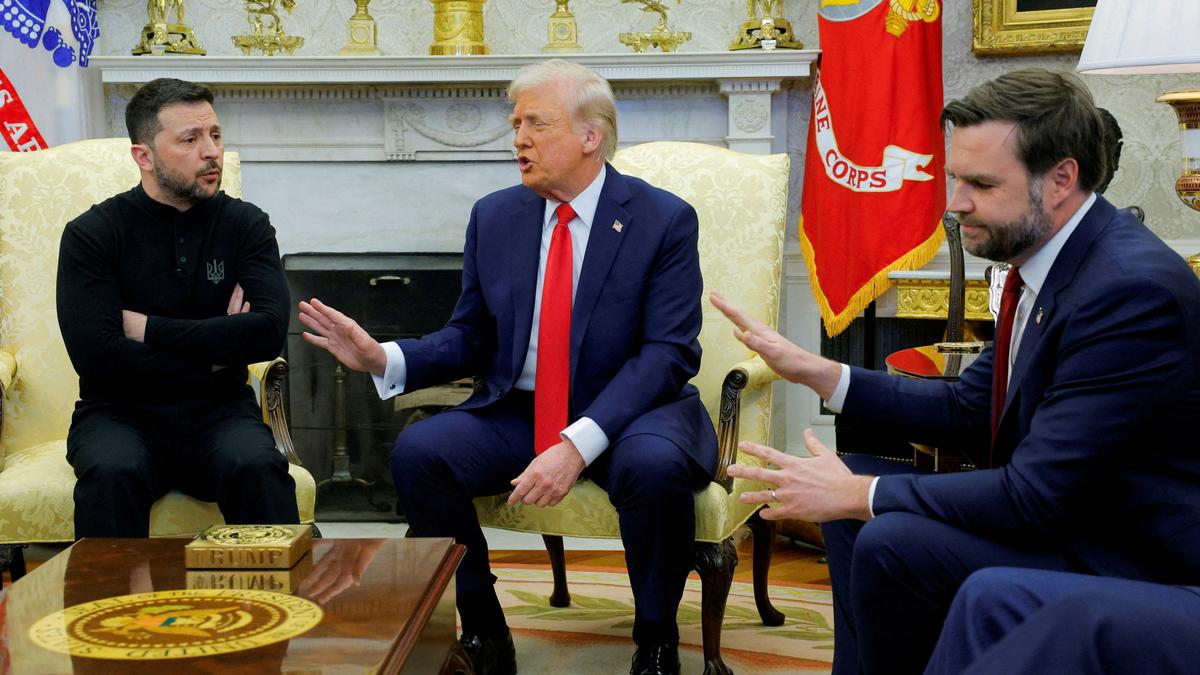
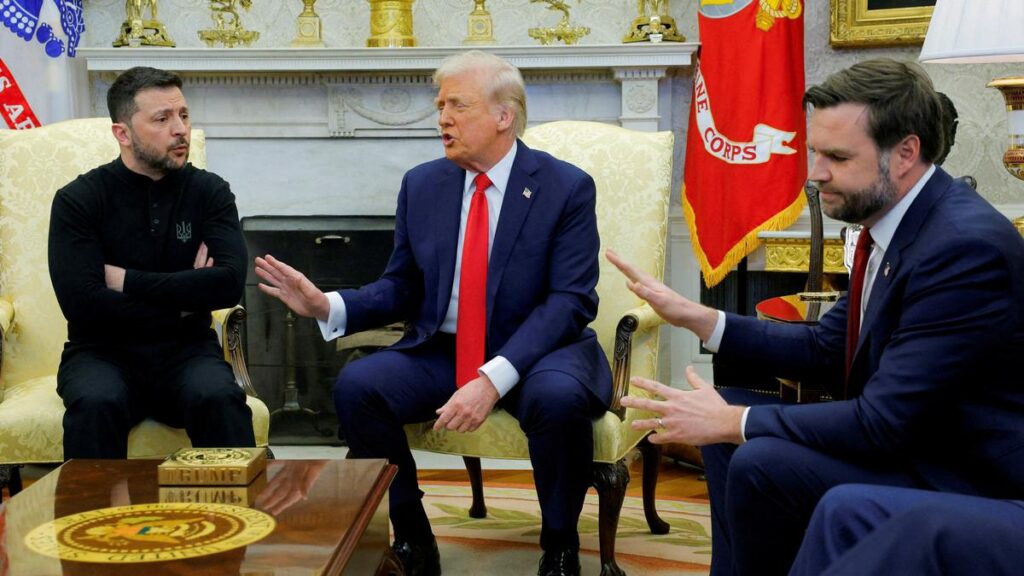
By Nitya Chakraborty Is the global geopolitics moving a full circle after 80 years since the end of the Second World War in 1945? The question is now extremely relevant after the world saw on Friday in TV channels the unprecedented spat between the United States president Donald Trump and the Ukrainian president Volodymyr Zelenskyy. […]


VideoLAN, the creator of the popular media player VLC, has marked its 20th anniversary with a bold leap forward in the tech world. The open-source project, renowned for its adaptability and reliability, has achieved a remarkable milestone by successfully integrating its player with the Lunar Reconnaissance Orbiter , enabling users to view space exploration footage in real-time. This move not only celebrates VLC’s two decades of innovation […]

Electronic Arts has released the source code for four iconic Command & Conquer titles—Tiberian Dawn, Red Alert, Renegade, and Generals—under the open-source GPL license. This initiative aims to support the modding community and ensure the preservation of these classic games. The source code is now accessible on EA’s GitHub page, although game assets and cinematics remain proprietary. This move is not EA’s first foray into open-sourcing; in […]

National Central Cooling Company PJSC , a leading district cooling provider in the United Arab Emirates, has successfully issued a $700 million five-year green sukuk. This strategic move underscores the company’s commitment to sustainable financing and positions it prominently within the rapidly expanding green finance sector. The sukuk, structured under Regulation S, carries a fixed profit rate of 5.29% per annum, with payments scheduled semi-annually. Initially marketed […]

Saudi Arabia’s leading low-cost airline, Flynas, has secured a Murabaha financing agreement worth SAR 495 million with Bank Aljazira to fund the acquisition of three Airbus A320neo aircraft. This strategic move aligns with Flynas’s ambitious expansion plans, aiming to enhance its operational capacity and competitiveness within the regional aviation sector.

The financing deal underscores Flynas’s commitment to modernizing its fleet and expanding its network coverage. The addition of the A320neo aircraft is expected to improve operational efficiency and support the airline’s goal of adding over 100 aircraft by the end of 2030, as part of a total order of 280 aircraft. This expansion is anticipated to contribute significantly to the growth of the Saudi aviation sector, aligning with the Kingdom’s Vision 2030 objectives.

Bank Aljazira’s involvement in this financing arrangement highlights the bank’s role in supporting the aviation industry’s growth in Saudi Arabia. The Sharia-compliant Murabaha financing structure reflects the bank’s commitment to providing tailored financial solutions that meet the specific needs of its clients while adhering to Islamic banking principles.

In July 2022, Flynas became the first airline to sign a purchase and leaseback agreement with AviLease, a subsidiary of the Public Investment Fund , for 12 Airbus A320neo aircraft. This collaboration marked a significant milestone in Flynas’s expansion strategy and demonstrated the airline’s proactive approach to fleet modernization.

The recent financing agreement with Bank Aljazira is a continuation of Flynas’s efforts to strengthen its fleet and expand its operations. The acquisition of the new A320neo aircraft is expected to enhance Flynas’s competitiveness in the regional aviation market and support the airline’s long-term growth objectives.

Flynas’s expansion plans are also expected to have a positive impact on the Saudi aviation sector as a whole. The airline’s growth is anticipated to increase connectivity within the Kingdom and beyond, supporting tourism and economic development in line with Vision 2030.

The financing agreement with Bank Aljazira demonstrates the bank’s commitment to supporting key sectors in Saudi Arabia, including aviation. By providing Sharia-compliant financing solutions, Bank Aljazira is playing a crucial role in facilitating the growth of the aviation industry and supporting the Kingdom’s economic diversification efforts.

The addition of the new Airbus A320neo aircraft to Flynas’s fleet is expected to enhance the airline’s operational efficiency and support its expansion into new markets. The A320neo is known for its fuel efficiency and advanced technology, making it a valuable asset for airlines seeking to optimize their operations and reduce environmental impact.

A significant gathering of influential figures from the cryptocurrency and technology sectors will take place at the White House next week, marking a pivotal moment in the ongoing discussions around the future of digital currencies and artificial intelligence. U.S. President Donald Trump will join key stakeholders, including the nation’s Crypto and AI Czar, David Sacks, alongside prominent founders, CEOs, and investors.

The meeting comes as the U.S. government intensifies its efforts to define a clearer regulatory framework for cryptocurrency markets and artificial intelligence technologies. This roundtable aims to address critical issues surrounding the regulation of digital assets, the role of emerging technologies in the economy, and how the U.S. can maintain its competitive edge on the global stage.

David Sacks, appointed as the Crypto and AI Czar, will play a central role in leading the conversation. Known for his leadership in both the cryptocurrency and technology spaces, Sacks brings a wealth of experience from his work with major tech companies and his active involvement in crypto ventures. His insights into the intersection of digital assets and artificial intelligence are expected to shape the discourse during the session, where attendees will discuss the potential impact of AI on financial markets and the wider economy.

The roundtable also comes amid growing concerns over the security and integrity of cryptocurrency markets. Following the surge in digital currency trading, alongside the increasing adoption of blockchain technologies, the sector has faced a wave of scrutiny. Critics have raised questions about the potential for illicit activities, market manipulation, and investor protection. The White House meeting aims to establish a clear regulatory stance on these issues, with particular focus on ensuring the safe integration of crypto technologies within the broader financial ecosystem.

At the same time, artificial intelligence continues to raise both opportunities and concerns within the tech world. While AI presents significant benefits in fields ranging from healthcare to autonomous vehicles, its application within the cryptocurrency industry has sparked debates. Many believe that AI-driven systems could transform the way digital currencies are mined, traded, and secured, but they also fear that AI could be used to exploit market vulnerabilities. The White House gathering is set to delve into the risks and rewards of incorporating AI in crypto markets, seeking to strike a balance between innovation and regulatory oversight.

The presence of top industry leaders at the roundtable signals the growing recognition of the importance of dialogue between government and the private sector in addressing these complex challenges. With major players from Silicon Valley and the broader cryptocurrency industry involved, the meeting will offer a platform for high-level discussions aimed at aligning policy with the evolving landscape of digital finance.

President Trump’s participation underscores his administration’s commitment to engaging directly with the tech and crypto sectors to shape policies that will impact both domestic and international markets. The outcome of the discussions could have far-reaching consequences, setting the stage for future policy decisions that might influence everything from tax laws and securities regulations to international trade agreements.

As the U.S. seeks to position itself as a leader in both cryptocurrency and artificial intelligence, the White House is taking a proactive stance in shaping the regulatory environment. The administration’s focus on these emerging technologies reflects a broader global trend, as governments worldwide grapple with the implications of digital transformation. In Europe, regulators have already taken steps to impose stricter regulations on cryptocurrencies, while Asian markets continue to innovate in the blockchain and AI space. The outcome of the White House roundtable could help to inform similar policy frameworks across the globe.

VISHNU RAJA
RYO YAMADA
HITORI GOTOH
IKUYO KITA
Just in: