Just in:
Emirates Group records AED 4.1 billion half-year profit // CR Longdation Aethereal Cybersecurity × Global Cybersecurity Alliance (GCSA) Join Hands to Establish the “AI and Cybersecurity Research Centre” // TVM –Mangaluru Vande Bharat claims top spot // Oil advances towards $100 as tanker attacks persist // Hong Kong mandates crypto transaction disclosures to tax authorities // Ningbo Consensus on Collaborative Development released at 2026 Global Mayors Dialogue · Ningbo // Asia Left Behind: Ten international companies have yet to report delivering on their cage-free egg pledges across the region // Dubai boat show confirms international shipyard line-up for November // UK air traffic outage inflicted £33m financial losses // Miss Universe Hong Kong Jen Zhou Departs for Puerto Rico to Compete in the 75th Miss Universe World Final // OpenAI introduces GPT-6 Cyber with restricted security access // The “1st Greater Bay Area Health and Longevity Summit & Awards Ceremony” concludes successfully in Macao // Motorola introduces Signature 27 flagship priced at $1,599 // Oil and chip shares retreat after Democratic victories // Kochi police detain two actors over bid to honey trap doctor // Ousted top Kochi cop gets IG post // Meraas showcases five residential zones at Dubai Design Week // APT29-linked campaign exploits outdated Apple and Android software // Technology shares plunge as Nasdaq enters correction // Beyond the exhibition floor: How robots, AI and networks are moving into the real world //

News related to
work

Dubai International Chamber has successfully attracted 207 new companies in 2024, marking a significant 56% rise compared to the previous year. This surge reflects the chamber’s strategic initiatives to strengthen Dubai’s position as a global business hub and enhance its appeal to international enterprises. The chamber’s efforts have also led to an influx of 182 delegations, comprising over 500 international participants, aimed at fostering new partnerships and exploring investment opportunities.

The Dubai International Chamber has long been a key player in the emirate’s ambitious economic strategy, which is focused on diversifying the economy and establishing Dubai as a center of trade, innovation, and global commerce. Through various initiatives, including business matchmaking events, networking platforms, and bilateral talks, the chamber has facilitated connections between Dubai-based businesses and international counterparts.

One of the driving factors behind the chamber’s success is Dubai’s robust economic framework, which includes pro-business policies, tax incentives, and state-of-the-art infrastructure. These factors continue to attract both new businesses and foreign investors, making the city an ideal location for expansion and growth in diverse sectors, including technology, finance, trade, and manufacturing.

The influx of companies is a reflection of Dubai’s global stature and economic resilience, which were put to the test during the global challenges of the past few years. In particular, sectors like fintech, renewable energy, and tourism have seen significant growth, aligning with Dubai’s broader economic objectives. By attracting a diverse range of companies, Dubai International Chamber is helping to strengthen not only the local economy but also regional and global trade networks.

The 56% increase in new businesses in 2024 comes as part of Dubai’s ongoing efforts to create a business-friendly environment. The Dubai International Chamber, under the direction of Dubai Chamber of Commerce, has consistently worked to provide valuable support for companies looking to establish a presence in the emirate. Services offered by the chamber include assistance with legal, regulatory, and logistical challenges, as well as facilitating access to Dubai’s world-class infrastructure and market opportunities.

The chamber’s strong push to engage international delegations has also proven successful. By hosting 182 delegations, the chamber has facilitated critical discussions that focus on international cooperation, investment, and trade partnerships. With over 500 participants in these delegations, Dubai has further cemented its role as a major gateway for global commerce.

The year 2024 also marked an expansion in Dubai’s global network, with significant engagement in the Middle East, Asia, Europe, and Africa. International companies are increasingly looking to Dubai as a springboard for their regional expansion, thanks to its strategic location, modern infrastructure, and well-established business ecosystem.

Dubai’s approach to international partnerships has resonated with companies seeking to tap into the growing markets of the Gulf Cooperation Council region and beyond. Dubai’s free zones, which offer tax exemptions, 100% foreign ownership, and simplified regulatory procedures, continue to be a major draw for foreign businesses.

According to experts, Dubai’s integration into global trade networks has been instrumental in boosting investor confidence. The city has long been recognized for its stability, high quality of life, and ease of doing business, factors that are particularly appealing to multinational companies.

As businesses from a variety of sectors choose Dubai as their base for expansion, the city has positioned itself as a leader in key industries such as technology, fintech, logistics, and sustainability. This is further evidenced by the growing number of tech startups, venture capital investments, and global corporations establishing operations in Dubai.

The Dubai International Chamber’s growing prominence highlights the city’s pivotal role in driving economic growth and fostering international collaboration. As part of its mission, the chamber is committed to ensuring that Dubai remains a global business hub that attracts investment, supports entrepreneurship, and provides companies with the resources needed to thrive in the global market.

Japan has taken a major step toward bolstering its space capabilities with the successful launch of a navigation satellite aboard its new H3 rocket on February 3, 2025. The launch marks a significant milestone in Japan’s pursuit of an independent, more precise satellite-based positioning system, designed to reduce reliance on foreign alternatives such as the United States’ GPS system.

The satellite, launched from the Tanegashima Space Center, is part of the country’s efforts to enhance its infrastructure and technological prowess. Japan’s space agency, JAXA, led the mission, which aims to place the country on a trajectory to develop a more autonomous and reliable global navigation system. This ambitious project, known as the Quasi-Zenith Satellite System , has been under development for several years and is seen as vital for both national security and economic growth.

The QZSS is expected to complement, and eventually replace, some aspects of global positioning systems , providing more reliable and accurate data in urban areas, mountainous regions, and other places where satellite signals from foreign systems can be weak or blocked. This development is seen as part of Japan’s broader efforts to ensure its technological sovereignty in the face of global geopolitical shifts, as well as a response to growing concerns about cybersecurity and the risks of dependency on external sources for critical navigation information.

One of the key features of the QZSS is its ability to offer highly precise positioning in regions where the GPS system struggles. Unlike GPS, which relies on a constellation of satellites orbiting the Earth, the QZSS will use a combination of geostationary and inclined geosynchronous satellites. This arrangement allows for better coverage over Japan and surrounding areas, ensuring more consistent and accurate positioning, even in dense urban areas or mountainous terrain.

The launch of this satellite represents the latest development in Japan’s space exploration efforts, which have accelerated in recent years. The country has made significant investments in space technologies, with a focus on both civilian and military applications. This new positioning system will not only improve navigation for the general public but also support the country’s burgeoning space industries, autonomous vehicle technologies, and the Internet of Things .

Japan’s focus on self-reliance in space technology is also a reflection of the evolving global space race. With countries like China and the United States making rapid advancements in space exploration and satellite systems, Japan aims to position itself as a leader in space technology. The success of the H3 rocket launch further strengthens Japan’s ambitions, as the H3 is designed to be a more cost-effective and reliable means of deploying satellites into orbit.

The H3 rocket, which carried the new navigation satellite, is an upgraded version of Japan’s H-IIA rocket, which has been used for a variety of missions over the past two decades. The new design is intended to lower the cost of launching satellites while maintaining the high reliability that Japan’s space programs are known for. This successful mission signals that Japan’s space agency has overcome some of the technical challenges associated with the H3’s development, and it sets the stage for future satellite launches.

The H3 rocket’s successful deployment of the QZSS satellite is expected to open new opportunities for Japanese companies involved in satellite manufacturing and launch services. It also positions Japan as a potential player in the global satellite services market, where demand for accurate and secure positioning data is growing rapidly. As global navigation and communication systems become more integral to economies and military operations, the ability to control and operate one’s own satellite network is viewed as an increasingly important asset.

In addition to its economic and security benefits, Japan’s new navigation satellite system will also have applications in disaster management. Japan, which is prone to earthquakes, tsunamis, and typhoons, could benefit greatly from having a more reliable navigation system in place during natural disasters. The QZSS can provide real-time data that can help coordinate rescue operations, monitor disaster zones, and even support evacuation efforts, ensuring that critical services can be delivered in times of crisis.

The QZSS satellite is the first in a series of planned launches as Japan builds out its own navigation system. The country aims to have a full constellation of satellites in orbit by the early 2030s, providing global coverage and ensuring that it has a fully operational navigation system that can compete with international systems. As Japan moves forward with this initiative, it is also exploring potential collaborations with other nations and private companies to enhance its capabilities and expand its reach in the global space community.

PEPETO, a new cryptocurrency project, has garnered significant attention with its innovative approach to memecoins. The ongoing presale has raised over $3.9 million, reflecting strong investor interest.

Unlike traditional memecoins that often lack substantial utility, PEPETO offers features such as staking rewards and a cross-chain bridge, aiming to provide real value to its users.

The presale, which began on October 26, 2024, and is scheduled to conclude on January 27, 2025, has been structured to encourage early investment. The token’s price has increased with each stage, incentivizing early participation.

PEPETO’s tokenomics allocate 30% of the total supply to the presale, 30% to staking rewards, 20% to marketing efforts, 12.5% to liquidity, and 7.5% to project development. This distribution strategy aims to ensure liquidity, incentivize long-term holding, and support the project’s growth.

Grayscale, a major player in the cryptocurrency investment space, has debuted its Bitcoin Miners ETF on the New York Stock Exchange Arca on January 30, 2025. The fund targets a niche segment of the market by offering investors a focused approach to Bitcoin mining companies, allowing them to gain exposure to the rapidly growing sector.

The new exchange-traded fund is designed to track the performance of a basket of global Bitcoin miners, including prominent players such as Marathon Holdings, Riot Platforms, and Core Scientific. These companies are central to the Bitcoin mining ecosystem, responsible for securing and validating transactions on the blockchain. By offering a financial product that represents these mining firms, Grayscale aims to provide investors with an alternative way to participate in the cryptocurrency industry without the complexities of directly purchasing and holding Bitcoin itself.

The Grayscale Bitcoin Miners ETF is passively managed, meaning it will replicate the performance of an underlying index, rather than being actively overseen by portfolio managers. This approach allows the fund to provide a straightforward, low-cost means for investors to gain exposure to the performance of mining firms tied to Bitcoin’s value, rather than the cryptocurrency directly. The ETF’s strategy is to offer “targeted, pure-play exposure” to Bitcoin mining operations, making it an attractive investment for those looking to capitalize on the booming demand for Bitcoin while avoiding the volatility associated with directly investing in the digital asset.

Bitcoin mining has become a highly lucrative industry in the past decade, with the increasing demand for the cryptocurrency driving the need for more mining infrastructure. Companies involved in Bitcoin mining operate large-scale data centers, using specialized hardware to perform the computational tasks necessary to add new blocks to the Bitcoin blockchain. As the network becomes more complex and competitive, these firms are under constant pressure to improve efficiency and reduce costs, making them subject to the fluctuations in Bitcoin’s price.

The launch of the Grayscale Bitcoin Miners ETF comes amid a wave of interest in Bitcoin and cryptocurrency-related financial products. Institutional investors have been increasingly looking for ways to gain exposure to the cryptocurrency market, and exchange-traded funds are one of the most popular tools. ETFs offer liquidity, transparency, and ease of trading, making them an appealing choice for those interested in cryptocurrencies but wary of the risks associated with directly holding digital assets.

One of the major benefits of investing in a Bitcoin miners-focused ETF is that it provides diversification. Rather than betting on the volatile price of Bitcoin itself, investors can gain exposure to the performance of the mining companies, which are influenced by a range of factors beyond just Bitcoin’s price. These include operational efficiency, energy costs, and regulatory considerations, which can create opportunities for investors looking to reduce risk while still gaining exposure to the broader cryptocurrency market.

The launch of this ETF also marks a significant milestone for Grayscale, a company known for its prominent digital asset investment products, including the Grayscale Bitcoin Trust . Grayscale has long been a leader in the cryptocurrency investment space, and this latest product further solidifies its position in the growing market for crypto-related financial products.

The introduction of the Bitcoin Miners ETF could also have broader implications for the cryptocurrency market. It may serve as an indicator of increased institutional confidence in the Bitcoin mining sector, which has often been criticized for its environmental impact due to the high energy consumption of mining operations. With the ETF offering a more traditional financial structure, it could help bring Bitcoin mining into the mainstream and open the door for further innovation and investment in this space.

Despite the potential for growth, the Bitcoin mining industry is not without its challenges. The sector faces regulatory scrutiny in several countries, and many governments are considering imposing taxes or other restrictions on mining operations due to concerns over their environmental footprint. Additionally, the price of Bitcoin remains highly volatile, which can have a direct impact on the profitability of mining operations. As a result, the Grayscale Bitcoin Miners ETF will likely see fluctuations in performance as these external factors come into play.

The success of the ETF will largely depend on how well Bitcoin’s price performs over the long term, as mining companies tend to thrive when Bitcoin prices rise. However, even in times of market downturns, these companies can sometimes continue to operate profitably by optimizing their operations and lowering costs.

Bitcoin and Ethereum exchange-traded funds have drawn significant investment inflows, despite a sharp decline in cryptocurrency prices. A notable $318.56 million was poured into Bitcoin ETFs, while Ethereum ETFs saw a more modest but still considerable $27.78 million, signaling investor confidence in these digital assets even amid market uncertainty.

The surge in Bitcoin ETF investments comes at a time when the cryptocurrency has seen substantial volatility. Bitcoin’s value has fluctuated dramatically, yet it remains a central figure in the broader digital asset landscape. Despite this instability, investors have expressed their continued belief in the long-term potential of Bitcoin, driven by increasing institutional interest and Bitcoin’s role as a store of value.

Ethereum, although less volatile than Bitcoin, has also experienced challenges in recent months, but its relatively stable performance in comparison to other altcoins has contributed to its steady inflow of investment into ETFs. Ethereum’s role as the underlying network for decentralized finance applications, alongside its recent network upgrades, has maintained its appeal.

The rise of Bitcoin and Ethereum ETFs is a reflection of a broader trend where institutional investors are beginning to explore digital assets through traditional financial vehicles, providing a sense of legitimacy and accessibility to cryptocurrency markets. These ETFs allow investors to gain exposure to cryptocurrencies without directly holding the underlying assets, providing a safer option for those wary of the risks of self-custody and the volatility in crypto markets.

The appeal of Bitcoin ETFs has been particularly strong in the United States, where regulatory developments have slowly begun to shape the future of cryptocurrency trading. The U.S. Securities and Exchange Commission has been cautious about approving crypto ETFs but has recently signaled increasing openness to their potential. This regulatory stance, while stringent, has created a foundation for the growing number of Bitcoin ETFs, making the asset more accessible to a wider audience. A Bitcoin ETF effectively offers exposure to the digital asset with the benefits of liquidity, security, and the oversight of regulated financial markets.

Ethereum ETFs, though not as numerous, have gained traction as investors look to capitalize on the expanding Ethereum ecosystem. Ethereum’s move to proof-of-stake with the Ethereum 2.0 upgrade has made the network more energy-efficient and scalable, which in turn bolstered its investment prospects. The Ethereum network’s prominence in smart contracts and DeFi projects positions it well for future growth, maintaining investor enthusiasm even when broader market conditions are challenging.

Despite the downturn in the broader crypto market, where other digital currencies have suffered heavy losses, Bitcoin and Ethereum continue to be seen as strong pillars in the space. According to recent reports, Bitcoin’s dominance in the market remains high, and Ethereum’s blockchain continues to be the backbone of many decentralized applications , providing further justification for the influx into their respective ETFs.

The cryptocurrency market’s decline, however, has not been without its consequences. The broader market correction has led to a drop in valuations across the board, impacting altcoins and other tokens. Despite this, Bitcoin and Ethereum remain relatively insulated due to their established networks and larger market caps. As a result, institutional investors are likely to continue favoring these two cryptocurrencies, not only because of their relative stability but also because of the increasing institutional infrastructure that supports their adoption.

Crypto ETFs have also grown in popularity outside the U.S., with Canadian and European markets seeing an influx of Bitcoin and Ethereum-focused ETFs. These markets have been more progressive in embracing crypto-based ETFs, which have now become a significant part of the investment landscape. Europe, in particular, has seen rapid adoption of cryptocurrency ETFs as investors look for more regulated exposure to digital assets.

The correlation between traditional financial markets and cryptocurrency prices has been a focal point for analysts. Many believe that the increase in ETF inflows into Bitcoin and Ethereum may be a sign of institutional investors diversifying their portfolios to hedge against inflation and economic uncertainty. The expansion of ETFs into the crypto space reflects broader trends in the financial markets, where there is growing interest in incorporating alternative assets into investment portfolios.

TA’ZIZ, the joint venture between Abu Dhabi National Oil Company and ADQ, has awarded a $1.7 billion engineering, procurement, and construction contract for a major methanol plant in Abu Dhabi. This development underscores the continued strategic expansion of the UAE’s industrial sector, as it further solidifies the nation’s position as a key player in the global chemical and energy markets. The contract has been awarded to a […]

The UAE’s rapidly expanding mega projects in sectors like infrastructure, renewable energy, and real estate are creating a surge in sukuk and bond issuances. As the country follows a clear strategic vision that integrates sustainability into its economic policies, these initiatives are expected to continue influencing the financial landscape in the coming years. With large-scale developments such as Expo 2020’s legacy projects, smart cities, and green energy […]

Advertisements

Dubai is continuing to strengthen its position as a global luxury real estate hub with the introduction of new $100 million mansions aimed at attracting the world’s ultra-wealthy buyers. These high-end properties, designed with a blend of opulence and cutting-edge technology, offer unparalleled luxury and exclusivity, reinforcing the city’s appeal among high-net-worth individuals seeking a lavish lifestyle in one of the most cosmopolitan cities in the world.

The move comes amid Dubai’s ongoing efforts to diversify its economy and reduce dependence on oil. By creating an environment conducive to wealth generation, the city aims to secure its place as a key player in the global luxury real estate market, appealing to billionaires and other affluent individuals from various industries such as finance, technology, and entertainment. The launch of these multimillion-dollar homes aligns with Dubai’s broader strategy to foster growth in its property sector while attracting international investors.

The new mansions are situated in some of the city’s most prestigious neighborhoods, including Palm Jumeirah and Emirates Hills, both of which are synonymous with opulence and sophistication. These locations are well-established as the prime residential areas for Dubai’s elite, boasting spectacular views, private beach access, and proximity to world-class facilities such as five-star hotels, shopping malls, and golf courses. The homes, which range in size from 20,000 to 30,000 square feet, offer unmatched privacy and security, with residents benefiting from state-of-the-art surveillance systems and 24-hour concierge services.

Architecturally, the mansions represent a fusion of traditional Arabian design with modern, minimalist aesthetics. The developers have incorporated advanced technologies such as home automation systems, environmental sustainability features, and even artificial intelligence-driven energy efficiency, ensuring that the properties meet the highest standards of luxury and functionality. Many of these homes also come with private pools, spas, cinemas, and expansive outdoor spaces designed for both relaxation and entertainment.

Another attractive feature is the availability of bespoke services tailored to the needs of each buyer. Personalized interior design, exclusive art collections, and even custom-built furniture are part of the package, allowing wealthy residents to create a space that reflects their individual tastes and lifestyles. The presence of renowned luxury brands like Rolls-Royce and Lamborghini further enhances the appeal, with private showrooms and exclusive car services available to residents.

Dubai’s real estate market has been resilient even in the face of global economic challenges. The city’s stable political environment, tax-free policies, and world-class infrastructure make it an attractive destination for the ultra-wealthy, particularly in light of geopolitical uncertainties elsewhere. The luxury sector has seen steady growth, fueled by a consistent influx of foreign investors seeking safe havens for their wealth. The introduction of these new mansions is expected to build on that momentum, catering to the growing demand for extraordinary homes that offer both lavish living and a secure, high-profile address.

While the $100 million price tag may seem astronomical to many, the value proposition is clear for those looking to buy into Dubai’s elite real estate market. The growing trend of “safe haven” investments, where the ultra-wealthy look to protect their assets in politically stable environments, makes Dubai’s prime properties even more appealing. As the city continues to position itself as a beacon for global wealth, the demand for luxury residences remains high, with Dubai consistently ranking among the world’s most sought-after destinations for property investment.

In addition to the allure of luxury living, these new mansions offer buyers a unique opportunity to be part of Dubai’s thriving cultural and social scene. The city’s reputation as a global business hub, its numerous luxury shopping destinations, and its burgeoning arts and entertainment industries provide an attractive backdrop for those seeking not just a home, but an elevated lifestyle.

Despite the substantial cost, the market for Dubai’s high-end properties is seeing increasing interest from international buyers, especially from regions such as Europe, Russia, and China. These global buyers are attracted not only by the mansions themselves but by the broader appeal of Dubai as a tax-free haven, providing access to a safe, stable environment for both living and investing. The city’s legal framework, which is favorable to foreign investors, also ensures that the luxury real estate market remains competitive and attractive.

Dubai’s government has been proactive in making it easier for foreign buyers to invest in property. Recent reforms, such as offering long-term residency visas to investors and property owners, have further contributed to the growth of the luxury real estate market. The ease of doing business in the city, combined with its strategic location at the crossroads of Europe, Asia, and Africa, ensures that Dubai remains an ideal base for wealthy individuals looking to expand their global portfolios.

Abu Dhabi’s real estate market experienced a significant surge in activity during January, reaching a total value of $2.88 billion in transactions. This marks a considerable increase in both sales and investments, reflecting growing investor confidence in the emirate’s property sector.

The uptick in transactions follows a series of market dynamics that have been shaping the real estate landscape in the UAE capital. According to the latest figures from the Abu Dhabi Department of Municipalities and Transport , the volume of deals spans various segments, including residential, commercial, and industrial properties. Notably, the residential sector continues to dominate, with a large portion of transactions involving high-value villas and apartments in sought-after areas.

The government’s commitment to fostering economic growth, especially through initiatives targeting real estate, has played a key role in stimulating demand. These policies have aimed at attracting foreign investments, bolstering infrastructure, and improving overall market conditions. New regulatory measures, such as those aimed at simplifying property ownership laws for non-residents and expanding property options, have also helped to enhance market stability.

Throughout January, luxury real estate in prime locations, particularly on Yas Island and Saadiyat Island, saw a noticeable uptick in demand. These areas, known for their high-end residential developments and world-class amenities, have become magnets for international buyers. Properties in these locations have attracted investors looking for both secure capital growth and high rental returns.

The office space market has also shown resilience, as businesses continue to expand operations in Abu Dhabi, despite global challenges. Leasing activity for commercial properties remains strong, especially for Grade-A office spaces, as companies seek modern and flexible work environments. The UAE capital’s status as a regional business hub has contributed to this demand, alongside its increasing appeal as a destination for multinational corporations.

The data further highlights the rise of off-plan sales, with developers offering new projects across multiple residential communities. These off-plan sales, which accounted for a significant portion of the month’s total value, demonstrate the ongoing confidence in Abu Dhabi’s long-term real estate prospects. The availability of flexible financing options and competitive prices in comparison to global property markets have positioned Abu Dhabi as a desirable market for investors seeking stable returns.

The UAE’s Vision 2021 agenda, which aims to diversify the economy and reduce reliance on oil, has undoubtedly influenced the real estate sector’s strong performance. A considerable focus has been placed on infrastructure development and sustainability, including green building initiatives and smart city projects, which align with global trends. These initiatives are expected to sustain the growth of Abu Dhabi’s property market in the long term, as both local and international investors turn their attention to properties with sustainable features and advanced technologies.

The value of transactions in the commercial sector, including retail and hospitality properties, has shown positive movement. As the UAE recovers from the global disruptions caused by the COVID-19 pandemic, tourism and hospitality sectors are also seeing a boost, with a surge in demand for short-term rental spaces. Investors are capitalizing on this, focusing on both residential and commercial assets that cater to the increasing influx of tourists and business travelers.

Analysts suggest that the robust performance of the real estate market is also tied to global economic conditions. As many countries continue to grapple with inflationary pressures and market volatility, Abu Dhabi’s relatively stable economic environment is increasingly seen as a safe haven for investors. This trend is expected to continue, with forecasts pointing to sustained growth in the property market throughout 2025.

As Abu Dhabi continues to make strides toward becoming a global financial and cultural hub, its real estate market is likely to remain a key contributor to the emirate’s economic growth. The government’s focus on developing a diverse and attractive real estate sector, along with ongoing investments in infrastructure, is expected to support the market’s expansion.

HONG KONG SAR – Media OutReach Newswire – 3 February 2025 – VEGA, a global leader in AV/IT solutions, announces two major milestones: the relocation of its global headquarters to Champion Tower at 3 Garden Road, Hong Kong, and the appointment of Max Davies, formerly a senior leader at Crestron, as Country Manager for VEGA Australia. These developments underline VEGA’s commitment to innovation, leadership, and delivering exceptional […]

By Dr. Gyan Pathak Union Minister of Finance Nirmala Sitharaman has emphasized on 100 per cent skilled labour with meaningful employment; 100 per cent quality, good school education; and access to quality, affordable and comprehensive healthcare as part of Vikasit Bharat initiative in her speech while presenting Union Budget 2025-26 on February 1. However, the […]

LOS ANGELES, USA – Newsaktuell – 31 January 2025 – High levels of governance have masked a slow decline in Germany, with political, economic, and social fractures “festering over years”, a new scientific report released only weeks ahead of the February 23 parliamentary elections concludes. On February 23, Germany elects a new Bundestag. The issue of migration plays a particularly important role, not least for supporters of […]

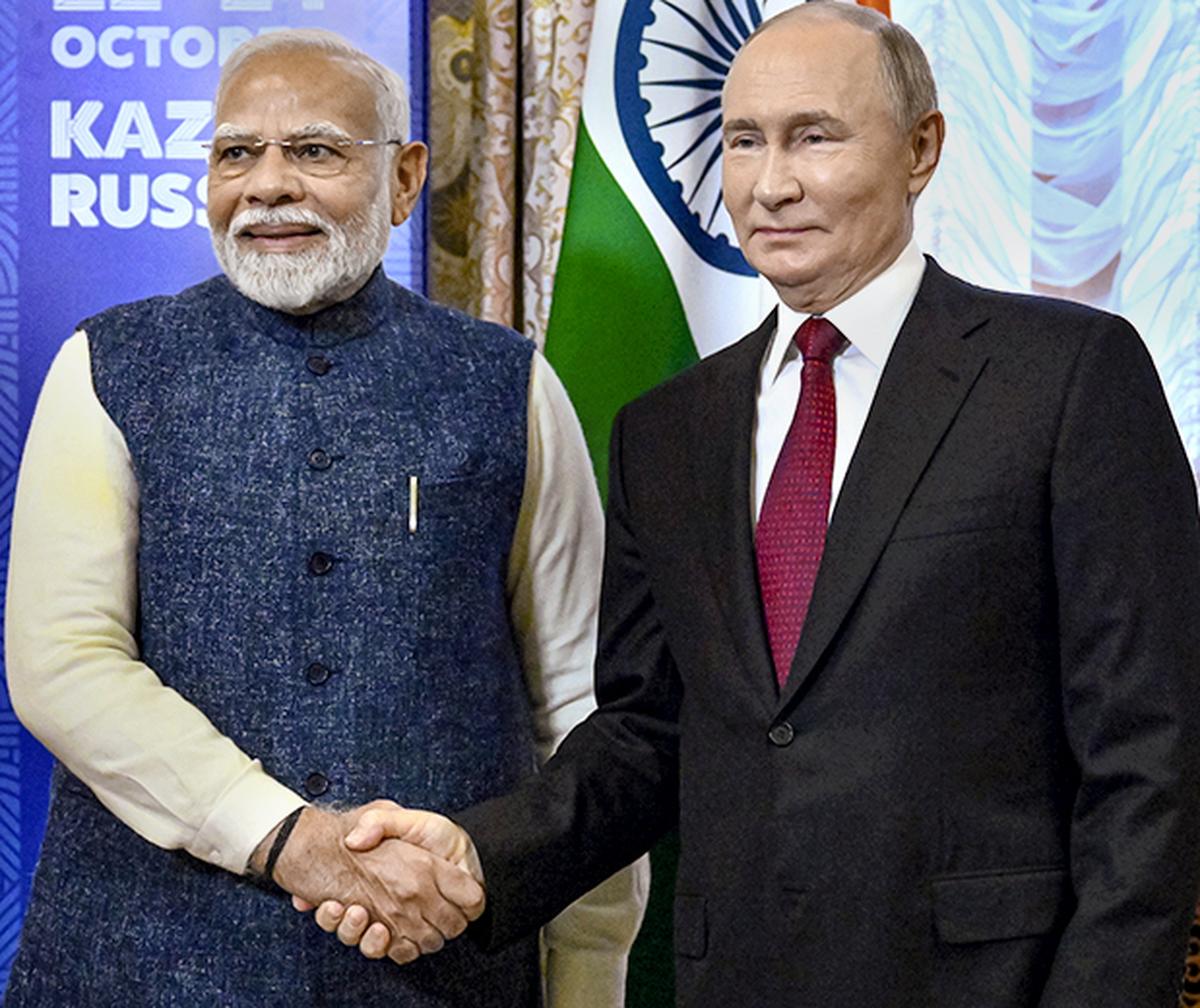
By Nitya Chakraborty What is happening to the proposed official visit of the Russian President Vladimir Putin to India early this year? Is the Prime Minister Narendra Modi’s invitation to the Russian President to visit India given at the BRICS summit at Kazan on October 22 still valid? Doubts are being raised about the visit […]


Salik, Dubai’s toll operator, has implemented a new variable pricing system aimed at enhancing traffic management and offering a more efficient driving experience across the city. The updated pricing structure applies to all Salik gates throughout the year, except during the holy month of Ramadan, and introduces distinct toll rates based on the time of day. The move is expected to improve traffic flow during peak hours […]

Mashreq Bank announced a significant financial performance in 2024, with its net profit reaching AED 9 billion, reflecting a 4 percent increase compared to the previous year. The bank’s net profit before tax stood at AED 9.9 billion, marking a 12 percent rise. This robust growth highlights Mashreq’s continued strength in the face of global financial challenges, including interest rate cuts. The bank reported an impressive AED […]

Arabian Post Staff -Dubai Dubai International Airport achieved a remarkable milestone in 2024, handling 92.3 million passengers, marking a nearly 6 percent annual increase. This achievement further cements Dubai’s status as one of the world’s leading global tourist hubs and the busiest airport by international traffic. The figure surpasses the airport’s November forecast of 91.9 million passengers, underscoring the sustained growth of Dubai’s aviation sector. This year’s […]

KUALA LUMPUR, MALAYSIA – Media OutReach Newswire – 31 January 2025 – Memecoins were on the rise in 2024. Their overall market capitalisation increased from $20 billion last January up to $120 billion in December 2024. Such coins as DOGE, PEPE, or SHIB have thrived, primarily driven by community support and innovative strategies. Some experts have even acknowledged meme coins as a viable crypto trend. TRUMP, a […]

By Dr. Nilanjan Banik The Budget deals with allocating money towards areas where the government thinks it is essential to spend, and finding out ways such as taxes, to finance it. The government primarily requires money to spend on social infrastructure (such as schools, hospitals, water, sanitation, etc.), physical infrastructure (such as railways, roads, airports, […]


With the theme “Resource Wealth. Energy Access. Investment Opportunities” the two-day summit will explore what this means for private sector opportunities in depth ARUSHA, Tanzania – EQS Newswire – 30 January 2025 – The expansion of the East African regional energy sector is happening right now and is set for future growth. This was the clear message from the East Africa Energy Cooperation Summit (EA-ECS) as the […]

Oligo Security, a prominent provider of Application Detection and Response solutions, has successfully raised $50 million in a Series B funding round led by Greenfield Partners. The round also saw participation from Red Dot Capital Partners, Strait Capital, and existing investors Ballistic Ventures. This substantial investment underscores the growing emphasis on advanced cybersecurity measures in today’s digital landscape. Founded by CEO Nadav Czerninski, CTO Gal Elbaz, and […]

As generative artificial intelligence becomes an increasingly integral part of corporate strategies, a growing number of IT leaders are expressing concerns about its potential cybersecurity vulnerabilities. According to a new survey, while 65% of IT leaders have adopted GenAI technologies in their organizations, a significant 89% remain worried that these technologies could expose their companies to serious cyber risks. Generative AI, a subset of AI designed to […]

Blockchain technology is increasingly intersecting with renewable energy initiatives, offering transformative solutions that enhance transparency, efficiency, and accessibility in the energy market. This convergence is fostering a new era of decentralized energy systems, where consumers and producers engage in more direct and efficient transactions. UrbanChain, established in 2017 and based in Manchester Science Park, has developed a green energy marketplace that utilizes artificial intelligence and distributed ledger […]

LinkedIn, the professional networking platform owned by Microsoft, is confronting a class-action lawsuit filed in a California federal court. The suit alleges that LinkedIn unlawfully shared private messages from its Premium subscribers with third parties to train artificial intelligence models without obtaining proper user consent. The legal action seeks $1,000 per user for violations of the Stored Communications Act, along with additional damages for breach of contract […]

NEW DELHI: Skilling and job creation will be a major theme in the Budget as government seeks to fill a critical gap and in the process boost income and demand in the economy.   Indian companies are looking for skilled workers, including at construction sites within the country, and the skilling initiative will help meet […]

VISHNU RAJA
RYO YAMADA
HITORI GOTOH
IKUYO KITA
Just in:
TVM –Mangaluru Vande Bharat claims top spot // Xi Jinping Preparing For A Trilateral Summit With Trump And Putin At APEC Summit On Nov 18-19 // Ningbo Consensus on Collaborative Development released at 2026 Global Mayors Dialogue · Ningbo // OpenAI introduces GPT-6 Cyber with restricted security access // Emaar approves Development buyout ahead of planned delisting // Emirates Group records AED 4.1 billion half-year profit // Trump’s Iran War Has A Share Of Contribution To His Midterm Debacle // Miss Universe Hong Kong Jen Zhou Departs for Puerto Rico to Compete in the 75th Miss Universe World Final // Beyond the exhibition floor: How robots, AI and networks are moving into the real world // OpenAI abandons secrecy agreements for future data centres // APT29-linked campaign exploits outdated Apple and Android software // Hong Kong mandates crypto transaction disclosures to tax authorities // Motorola introduces Signature 27 flagship priced at $1,599 // Kochi police detain two actors over bid to honey trap doctor // Meraas showcases five residential zones at Dubai Design Week // Ousted top Kochi cop gets IG post // Geely’s i-HEV Intelligent Hybrid Technology Offers a New Direction Vision for Gasoline-Powered Vehicles // Asia Left Behind: Ten international companies have yet to report delivering on their cage-free egg pledges across the region // Oil and chip shares retreat after Democratic victories // Dubai boat show confirms international shipyard line-up for November //