News related to
work

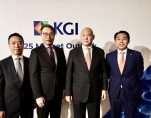
Balancing Global Dynamics HONG KONG SAR – Media OutReach Newswire – 4 December 2024 – Today, KGI has released its 2025 Market Outlook, covering regions including Mainland China, Hong Kong, Taiwan, the U.S., Singapore, and Indonesia. (From left) Cusson Leung, Chief Investment Officer at KGI; James Chu, Chairman at KGI Securities Investment Advisory; James Wey, Head of International Wealth Management at KGI; Kenny Wen, Head of Investment […]

71% of organisations are using AI in their finance operations 57% of leaders say ROI is exceeding their expectations, compared to 29% of others. Financial reporting is the most common usage area – but this is widening out to include treasury management, risk management and tax Nearly three-quarters of leaders have developed principles and guidelines on the responsible use of AI HONG KONG SAR – Media OutReach […]

RIYADH, SAUDI ARABIA – Media OutReach Newswire – 4 December 2024 – The prestigious Best Places to Work certification program has revealed its 2024 rankings, recognizing leading organizations in Saudi Arabia that excel in creating outstanding workplaces focused on employee satisfaction, engagement, and well-being. The rankings are divided into three categories based on company size: large, mid-sized, and small. In the Large Companies category (over 1,000 employees), […]

Saudi Aramco, the world’s leading energy firm, has unveiled plans to establish one of the largest carbon capture and storage (CCS) hubs in Jubail. The project is part of the company’s ambitious initiative to tackle carbon emissions and advance global decarbonization efforts. By collaborating with two major industry players, Linde and SLB, Aramco aims to position Saudi Arabia at the forefront of technological solutions addressing climate change. […]

Efforts to mitigate the escalating impact of drought across the globe received a significant boost as the Global Drought Resilience Partnership announced a substantial funding commitment of $12 billion. The initiative aims to address water scarcity and bolster the resilience of vulnerable communities, focusing on sustainable solutions and enhanced international cooperation. The partnership, a coalition of nations, environmental organizations, and private entities, has prioritized creating adaptive strategies […]

Abu Dhabi’s National Marine Dredging Company (NMDC) has expanded its reach into new sectors with the establishment of a dedicated logistics unit. This strategic move aims to enhance the company’s service offerings and leverage its operational expertise to capitalize on the growing demand for integrated logistics services. The new division will focus on providing logistics solutions for a wide range of industries, marking a significant shift in NMDC’s business trajectory.

The expansion comes at a time when the global logistics market is experiencing rapid growth, driven by advancements in technology and an increase in trade activities. NMDC’s decision to establish a logistics unit underscores its ambitions to diversify beyond its traditional dredging and marine operations. The move also positions the company to tap into a sector that is becoming increasingly vital to the supply chain, particularly in the Middle East, where infrastructure development continues to surge.

The logistics unit will provide end-to-end services, including transportation, storage, and distribution, aimed at industries such as construction, oil and gas, and infrastructure development. By venturing into this space, NMDC is poised to offer a broader suite of solutions to its existing client base while also attracting new customers from sectors that require sophisticated logistical support. The company’s extensive experience in project management and large-scale operations positions it well to integrate these new services into its existing portfolio.

According to industry experts, NMDC’s entry into the logistics market is a timely response to the increasing need for efficient supply chain solutions. The UAE, and particularly Abu Dhabi, is seeing a rise in demand for specialized logistics services driven by its growing infrastructure and energy sectors. With a well-established reputation for executing large-scale maritime and dredging projects, NMDC’s expansion into logistics is seen as a natural progression.

The establishment of the logistics division is expected to improve operational efficiency by streamlining the movement of goods, materials, and equipment across different sectors. Furthermore, the move aligns with broader economic trends in the UAE, where non-oil sectors are becoming a focal point of the country’s long-term economic diversification strategy. The UAE government has made significant investments in infrastructure, including airports, seaports, and transport systems, which have spurred demand for robust logistics capabilities.

One of the key advantages of NMDC’s new unit is its potential to integrate its marine expertise with logistics operations. Given the company’s vast experience in marine dredging, port construction, and offshore services, it is well-positioned to offer seamless transportation solutions for industries dependent on sea-based logistics. This expertise could offer a significant competitive edge, particularly in the context of the UAE’s strategic location as a hub for global trade. The integration of marine logistics with land-based services is expected to create a more efficient supply chain, allowing NMDC to offer cost-effective and timely solutions.

NMDC’s logistics expansion also reflects broader trends within the UAE’s corporate sector, where companies are diversifying to stay competitive amid evolving market conditions. The logistics sector, in particular, has attracted substantial investments from both public and private entities due to its role in supporting economic growth. As a result, many firms are increasingly seeking ways to enhance their capabilities to meet the demands of industries such as e-commerce, retail, and manufacturing.

The logistics unit will also have a significant impact on job creation within the region. As the company scales up its operations, it is expected to generate a range of employment opportunities, particularly for skilled workers in fields like supply chain management, transportation, and warehousing. The initiative also aligns with the UAE’s ongoing efforts to cultivate a competitive workforce and reduce dependency on foreign labor by providing more opportunities for local talent.

NMDC’s growth strategy involves not only expanding its reach in logistics but also enhancing its overall service capabilities to support the UAE’s broader economic objectives. The logistics division is expected to bolster the company’s presence in key regional markets, particularly as demand for efficient transportation services increases across the GCC and North Africa. By extending its services, NMDC aims to position itself as a leading player in the logistics sector, much like it has in the marine and dredging industries.

The logistics market in the UAE has witnessed significant growth in recent years, with an increasing number of companies entering the field to cater to the rising demand for transport, warehousing, and distribution services. NMDC’s move to enter this competitive market, however, comes with its own set of challenges. The logistics sector is highly competitive, with established players already commanding significant market share. However, industry analysts believe that NMDC’s reputation for successful large-scale project execution and its ability to integrate advanced technology into operations could give it a competitive advantage in the long term.

Technological innovation is expected to be a key focus for the logistics unit, with NMDC likely to implement smart logistics systems and automation to streamline processes. Technologies such as artificial intelligence, Internet of Things (IoT), and blockchain are increasingly becoming integral to the logistics sector, enabling companies to improve efficiency and transparency. By integrating such technologies, NMDC can not only optimize its logistics operations but also offer value-added services to customers who are increasingly seeking more digitized and automated solutions.

Artificial intelligence computing company Tenstorrent has successfully closed its Series D funding round, raising $693 million at a valuation of $2 billion. The round saw significant participation from leading investors such as Samsung Securities and AFW Partners, further bolstering the company’s position as a key player in the rapidly expanding AI sector. This latest funding brings Tenstorrent’s total raised capital to over $1 billion since its inception. […]

Advertisements

Arabian Post Staff -Dubai The United Arab Emirates has firmly established itself as a global leader in the new economy, marked by its vibrant and competitive marketplace, forward-thinking innovation ecosystem, and dynamic workforce. A report by the Statistical Centre for the Cooperation Council for the Arab Countries of the Gulf (GCC-Stat) highlights the nation’s remarkable strides in fostering a society driven by progress and sustainability. Released to […]

KUALA LUMPUR, MALAYSIA – Media OutReach Newswire – 4 December 2024 – Commerce Dot Com Sdn. Bhd. (CDC) achieved an extraordinary milestone at the Malaysia Public Relations Awards (MPRA) 2024, taking home an unprecedented three gold awards for its outstanding campaigns. This landmark victory underscores CDC’s leadership in corporate communications and its unwavering commitment to excellence, ethics, and innovation. These accolades highlight CDC’s dedication to crafting narratives […]

High-level delegations from India and the UK have agreed to strengthen bilateral relations, with a shared commitment to expanding cooperation under the India-UK Roadmap 2030. The talks, held between senior officials from both nations, aimed to evaluate the progress made so far and chart a new course for future collaboration. The discussions centered on finding new avenues to deepen ties across various sectors, including trade, defense, technology, and education.

The talks reflect the desire of both governments to reinvigorate a strategic partnership that has evolved over decades. Despite challenges posed by geopolitical changes and shifting global priorities, both sides are looking to position their relationship as a cornerstone of global stability. The emphasis is on enhancing mutual cooperation in areas that align with the evolving needs and opportunities of both countries.

Trade relations between the two countries have historically been a significant driver of bilateral cooperation, but the roadmap discussions highlighted the need for more diversification. Both nations recognize that expanding beyond traditional sectors like trade and finance will be essential to building a more resilient partnership in the face of global economic uncertainties. Technology, particularly in digital infrastructure and cybersecurity, has emerged as a key focus, with the UK expressing keen interest in strengthening its technological exchanges with India.

The defense sector is another area where both countries are seeking closer alignment. India’s increasing focus on modernizing its defense capabilities, coupled with the UK’s expertise in defense technology, is creating new opportunities for collaboration. The conversations also touched on regional security issues, including maintaining peace and stability in the Indo-Pacific region. Both countries affirmed the importance of a rules-based international order and emphasized the need for deeper defense ties to ensure regional security.

Educational exchange remains a strong pillar of the India-UK partnership, with an increasing number of students from India choosing the UK for higher education. Both governments see the potential for even greater collaboration in this space, particularly in research and innovation. India’s growing prominence as a knowledge hub complements the UK’s renowned academic institutions, and both sides are eager to capitalize on this synergy.

The meetings also underscored the importance of deepening people-to-people connections. Both nations acknowledged that cultural exchanges and collaborations in the arts, sports, and tourism continue to strengthen bilateral ties. These soft power initiatives, while less formal than trade agreements or defense cooperation, play an essential role in cultivating mutual understanding and trust.

The global context of these discussions cannot be ignored, as both nations are seeking to adapt to a rapidly changing geopolitical landscape. The UK’s exit from the European Union has prompted the country to reassess and recalibrate its international alliances. India, with its growing economic influence and strategic importance in the Indo-Pacific region, is seen as a vital partner for the UK as it redefines its global role outside of the EU framework.

Both countries are committed to collaborating on global issues such as climate change, sustainable development, and public health. As the world faces mounting challenges, the India-UK relationship is seen as one that can offer practical solutions to some of the most pressing global concerns. In this context, the countries have agreed to continue working together to implement initiatives that address environmental sustainability, promote public health, and support multilateral cooperation.

While the roadmap discussions were largely seen as a positive step toward revitalizing the partnership, both sides acknowledged that there is much work to be done. The key takeaway from the meeting was a shared recognition of the importance of continuously adapting the relationship to meet emerging challenges. As both nations embark on this renewed chapter of cooperation, it is clear that the India-UK partnership will play a crucial role in shaping the future of global diplomacy.

An important component in many industries is stainless steel screws and fasteners. Their advantages include high strength, corrosion resistance and possibility to operate at elevated temperatures. All fasteners, including hex bolts, nuts and other fastening components, have different kinds of threads; fasteners are fitted with threads and the external threading types determine how these fasteners will perform with given bolts or nuts. Therefore, reliability and performance of […]

Opens to the Public on December 4 Sparking Inspiration With a Line-up of Design Events HONG KONG SAR – Media OutReach Newswire – 4 December 2024 – Hong Kong Design Centre’s (HKDC) new landmark, DX design hub (the Hub) successfully concluded its Launching Party today. The celebratory event was attended by guests comprising of top government officials, business leaders and Mainland and France delegations. The Cultural and […]

By Nitya Chakraborty As the year 2024 is ending and India is on the threshold of beginning a New Year 2025, Prime Minister Narendra Modi and his senior officials in both PMO and the external affairs ministry are relaxed and looking for positive developments in the coming year for Indian diplomacy. Narendra Modi has reasons […]

Tron (TRX) has experienced a remarkable surge in its value, skyrocketing by nearly 95% within the past 24 hours. The cryptocurrency’s price surged from $0.22 to more than $0.43, hitting a new all-time high. This dramatic spike comes as part of a broader rally in the altcoin market, where various digital currencies have also seen significant price gains. Analysts suggest that a combination of factors, including market sentiment and upcoming network upgrades, has contributed to the bullish trend surrounding Tron.

The surge in Tron’s price has caught the attention of both retail and institutional investors, as the digital asset’s trading volume has skyrocketed. Data shows a sharp increase in trading activity across major cryptocurrency exchanges. Investors have poured into TRX, driven by the optimism surrounding the coin’s future developments, including network upgrades that promise to improve scalability and efficiency. The sharp upward movement also reflects a broader confidence in the cryptocurrency market as a whole, especially within the altcoin sector, which has been experiencing a resurgence in value.

A significant factor in Tron’s recent price jump has been its integration with decentralized finance (DeFi) protocols and the platform’s growing adoption in the digital asset ecosystem. Tron’s blockchain network, known for its high transaction speeds and low fees, has been a key selling point for DeFi projects looking for cost-effective and scalable solutions. Over the last few months, there has been a marked increase in the number of decentralized applications (dApps) and DeFi platforms being built on the Tron blockchain, contributing to the surge in demand for TRX.

The broader altcoin rally, in which Tron has played a prominent role, comes as Bitcoin’s dominance within the cryptocurrency market has slightly decreased. Altcoins have been gaining ground as investors diversify their portfolios, attracted by the potential for higher returns compared to Bitcoin, which has seen relatively more stable price movements. Ethereum, Cardano, and Solana, along with Tron, have been among the most notable beneficiaries of this altcoin surge, with their prices also reaching new highs in recent trading sessions.

Several market analysts point to the growing institutional interest in cryptocurrencies as another key factor driving the altcoin market. Companies and investment funds are increasingly recognizing the value of blockchain technology and its potential to revolutionize industries ranging from finance to supply chain management. As part of this trend, Tron has garnered attention for its scalability and efficiency, which are highly appealing to both developers and investors looking for innovative blockchain solutions.

Tron’s founder, Justin Sun, has been actively engaging with the crypto community, leveraging social media to promote developments on the network. Sun’s presence and advocacy have helped to boost Tron’s visibility, especially during times of market volatility. The platform’s development team has also focused on strategic partnerships with various blockchain projects, which has further contributed to the growing demand for TRX.

The altcoin market’s growth has been partly fueled by the increasing use of cryptocurrencies in mainstream industries. Several sectors, including gaming, real estate, and digital advertising, are beginning to integrate blockchain solutions into their business models. As a result, the demand for digital assets like Tron has increased, with the altcoin now being viewed by some investors as a key player in the future of decentralized finance.

One of the factors fueling Tron’s growth has been its ongoing improvements to the network’s protocol. Tron’s recent shift to a decentralized autonomous organization (DAO) governance model has empowered its community members to propose and vote on network upgrades. This decentralized decision-making process has created a sense of ownership among TRX holders and further strengthened the commitment to the ecosystem. TRX holders are now more engaged than ever, making the Tron blockchain a more attractive platform for developers and users alike.

As the global economy continues to face uncertainties, the cryptocurrency market, including altcoins like Tron, has become an appealing alternative for some investors. Cryptocurrencies, which are less tied to traditional financial markets, offer a hedge against inflation and currency devaluation. This narrative has gained traction, particularly as inflationary pressures persist in various parts of the world, driving more attention to alternative assets. The rise of cryptocurrencies as an asset class has also been aided by favorable regulatory shifts in certain jurisdictions, adding legitimacy to digital assets and encouraging further investment.

Solana has surged past Ethereum in decentralized exchange (DEX) trading volume, achieving nearly double Ethereum’s total in November 2024. This significant leap is attributed to an explosion in memecoin trading and a broader rally in Solana’s token value, positioning it firmly at the forefront of the decentralized finance (DeFi) landscape. Ethereum, long the leader in blockchain-based transactions, now faces competition from a variety of emerging chains, including Solana and Base, which have strengthened their positions as prominent players in the DeFi ecosystem.

Data from November 2024 shows Solana reached a trading volume of $129 billion, nearly doubling Ethereum’s $70.6 billion. This shift comes amid a broader growth in decentralized trading, driven by a variety of factors including the rise of meme tokens and investor speculation. The performance of Solana is not an isolated event but part of a trend in the DeFi space, where new and established platforms alike are seeking to tap into the booming interest in cryptocurrency trading.

Ethereum’s established dominance has been questioned in recent months, with new blockchain platforms emerging as strong competitors. Base, for instance, has reinforced its position in the DeFi market, securing third place in trading volume at $45.7 billion in November. Despite Ethereum’s strong brand and infrastructure, its slow transaction speeds and higher costs have driven users and developers to explore alternatives, particularly those offering lower fees and faster transaction times.

Solana’s remarkable rise is largely attributed to the growing popularity of memecoins, a category of cryptocurrency tokens that has gained substantial attention in the market. These coins, often based on internet memes or viral trends, have flooded decentralized exchanges, leading to a sharp increase in activity on the Solana blockchain. The platform’s high-speed transaction capabilities and relatively low transaction costs have made it an attractive venue for traders seeking to capitalize on the memecoin frenzy.

Solana’s blockchain operates with a unique consensus mechanism known as Proof of History (PoH), which allows it to process thousands of transactions per second (TPS), significantly outperforming Ethereum in terms of scalability. This has made Solana an attractive platform for decentralized applications (dApps) and exchanges, positioning it as a key competitor to Ethereum in the DeFi space.

The memecoin boom has provided a strong catalyst for Solana’s growth, as many memecoins are traded on its network. These tokens are often subject to rapid fluctuations in value and tend to attract retail investors looking for high-risk, high-reward opportunities. As such, Solana’s ability to facilitate fast and inexpensive transactions has drawn significant interest from users looking to capitalize on these volatile markets.

Base, a layer-2 blockchain solution, has also seen impressive growth. Developed by Coinbase, Base integrates seamlessly with Ethereum, offering lower transaction costs and faster processing times. Base’s trading volume in November was $45.7 billion, a solid performance that demonstrates the increasing demand for alternative platforms that improve upon Ethereum’s limitations. While still trailing behind Solana and Ethereum in terms of overall volume, Base’s growth signals a shifting preference among developers and traders towards networks that prioritize scalability and lower fees.

Other blockchain platforms such as BNB Chain, Arbitrum, and Polygon are also significant players in the DEX space, with their respective trading volumes reaching $35.3 billion, $33.6 billion, and $8.8 billion in November. These platforms are all vying for a share of the growing DeFi market, each offering unique features that cater to different types of users and applications. BNB Chain, for instance, has benefited from its association with Binance, the world’s largest cryptocurrency exchange, which has led to strong liquidity and high trading volumes.

Arbitrum, built on Ethereum’s architecture, focuses on scalability by utilizing Optimistic Rollups, a layer-2 solution designed to reduce transaction costs and increase throughput. Polygon, known for its focus on Ethereum compatibility and scalability, also attracts a large number of decentralized applications, thanks to its low fees and fast transaction speeds. As the DeFi space continues to evolve, these platforms are gaining traction, though none have yet reached the scale of Solana or Ethereum.

At the same time, newer projects such as Avalanche, Sui, and Optimism are beginning to make their presence felt, each with their own value propositions for decentralized finance. Avalanche, which reached $7.9 billion in DEX trading volume, has carved out a niche by offering high-speed transactions and low fees. Sui, a blockchain designed for high-performance applications, saw $7.8 billion in volume, while Optimism, with its focus on Ethereum scaling solutions, contributed $5 billion in trading activity.

Despite their increasing market presence, these platforms are still dwarfed by the volume of transactions on Solana and Ethereum. However, the diversity of platforms now available to users highlights the growing fragmentation of the DeFi market, with different chains catering to different use cases, transaction speeds, and cost structures.


Grayscale Investments has initiated a move to convert its Solana Trust into an exchange-traded fund (ETF), marking a significant step in expanding its ETF offerings. The trust, which was launched in 2021 as a closed-end fund, currently manages $134 million in assets, focusing exclusively on Solana, a blockchain platform known for its speed and low transaction costs. The conversion filing comes as Grayscale continues to build on […]

SIEM REAP, CAMBODIA – Media OutReach Newswire – 4 December 2024 – Prince Foundation, the philanthropic arm of Prince Holding Group, proudly supported the ASEAN Regional Mine Action Center (ARMAC) during the recently concluded Siem Reap-Angkor Summit on a Mine-Free World. The Foundation provided strategic communications expertise and exhibition design that highlighted ARMAC’s innovative victim assistance programs and technological initiatives, engaging over 700 delegates from more than […]

The supply of Tether (USDT) on the Telegram Open Network (TON) blockchain has skyrocketed more than tenfold since May, with the value of USDT held on the network surging from $100 million to $1.2 billion. This dramatic increase signals both the growing adoption of TON and the growing importance of stablecoins in decentralized ecosystems.

As of December 2024, TON’s integration of USDT is seeing significant traction among both users and projects within the blockchain space. Tether’s growth on the network reflects broader trends in the cryptocurrency industry, where stablecoins continue to gain prominence due to their stability compared to more volatile assets like Bitcoin or Ethereum.

The massive surge in USDT supply comes as the TON blockchain has made considerable strides in attracting decentralized finance (DeFi) applications, exchanges, and users. TON’s unique features, including its high scalability and low transaction fees, make it an attractive option for stablecoin transactions. Experts believe this rapid increase in USDT on the network could further cement TON’s position as a critical infrastructure layer in the world of decentralized finance.

TON’s relationship with stablecoins is not new; however, the scale of USDT’s growth is unprecedented for the network. In May 2024, TON hosted just $100 million in Tether, but by December, this figure had expanded to an impressive $1.2 billion. This rapid increase is viewed by some analysts as an indicator of increasing demand for reliable, decentralized financial products and services, with TON becoming a central player in facilitating such services.

Key industry figures have speculated that the surge in USDT supply is tied to the rise of decentralized finance protocols built on the TON blockchain. These platforms allow users to trade, borrow, and lend cryptocurrency with the stability of USDT, which is backed 1:1 by the US dollar. Stablecoins like USDT provide much-needed price stability, which makes them particularly useful for trading and lending within volatile cryptocurrency markets. With TON’s infrastructure becoming more robust, the ecosystem appears to be maturing rapidly, attracting more liquidity and institutional interest.

In addition to DeFi protocols, centralized exchanges are also becoming key players in the surge of USDT on TON. Exchange platforms have started to offer TON-based USDT as a trading pair alongside other cryptocurrencies. This is particularly important for TON as it enables easier conversion between USDT and more widely used cryptocurrencies like Bitcoin and Ethereum. The seamless liquidity that TON offers for stablecoin transfers is an attractive proposition for both traders and institutional investors, further fueling the growth of USDT on the network.

The surge in USDT supply on TON is also reflective of broader trends in stablecoin use across the cryptocurrency space. Stablecoins have become integral to the global crypto ecosystem, particularly as they provide a less volatile alternative to traditional cryptocurrencies. They are also commonly used for remittances, as their stability makes them a preferred option for cross-border transactions. As cryptocurrency regulations tighten in various jurisdictions, the demand for stablecoins, especially those like USDT, is likely to increase.

The growth of USDT supply on the TON blockchain aligns with the broader trend of stablecoins becoming more entrenched in decentralized financial ecosystems. A critical element of this growth is the increasing acceptance and integration of blockchain-based stablecoins into traditional financial systems. This trend is most evident in regions where cryptocurrency adoption is high, and stablecoins are actively used in cross-border payments, as well as for preserving value in unstable economic environments.

At the same time, the growing prominence of TON as a platform for stablecoin transactions also highlights the increasing competitiveness in the blockchain space. While Ethereum, Binance Smart Chain, and Solana have long been major players in the decentralized finance space, TON is emerging as a strong contender. Its emphasis on scalability, cost-effectiveness, and fast transactions makes it an attractive option for projects that require efficiency and reliability at scale.

As for Tether itself, the surge in USDT supply on TON signals increasing acceptance of the stablecoin within both centralized and decentralized finance ecosystems. Tether’s dominance in the stablecoin market has been firmly established over the past few years, with its market capitalization consistently ranking among the highest of any cryptocurrency. The expansion of USDT on TON represents a new chapter in Tether’s journey, as it expands into new blockchain environments and becomes deeply integrated into the decentralized finance fabric of blockchain networks like TON.

Despite the rapid rise of USDT supply on TON, concerns remain regarding the long-term sustainability of such growth. Some market analysts caution that the exponential rise of stablecoin liquidity on a single blockchain could lead to concentration risk, where a significant portion of the financial activity on the network could become overly reliant on Tether. This could result in instability should Tether ever face a crisis of confidence or face regulatory scrutiny.

However, many in the industry view the current growth in USDT on TON as a positive sign for the broader ecosystem. The significant jump in USDT supply could signal growing confidence in the TON blockchain’s scalability and its ability to handle large volumes of transactions in a decentralized manner. This could open the door for more institutional participation in TON-based DeFi projects and encourage further development of the TON ecosystem, particularly as regulations in major markets evolve.

Tether’s USDT stablecoin has achieved a historic milestone, with its market capitalization surpassing $135 billion. This marks a significant achievement for the world’s largest and most traded stablecoin, which has seen consistent growth and increased usage across various sectors of the cryptocurrency market. This surge in market cap highlights the growing demand for stable assets in a volatile crypto environment and Tether’s continued dominance in the stablecoin arena.

The rise in Tether’s market cap comes amid increasing interest in decentralized finance (DeFi), trading platforms, and cross-border transactions, where stablecoins like USDT play a critical role. USDT is often used by traders as a safe haven during periods of market uncertainty, offering a stable alternative to the volatility of other cryptocurrencies like Bitcoin and Ethereum. The stability of Tether’s value, typically pegged 1:1 to the U.S. dollar, has made it an attractive option for users looking for liquidity while maintaining relative security in their digital asset holdings.

The demand for Tether’s USDT has been particularly notable as it has become an essential liquidity provider on major cryptocurrency exchanges and decentralized platforms. USDT is frequently used as a trading pair for the majority of crypto-to-crypto transactions, thus cementing its role as a key facilitator in the cryptocurrency ecosystem. Its presence across hundreds of exchanges worldwide has contributed significantly to its growing market cap, with billions of dollars being traded daily.

Tether’s ability to maintain its peg to the U.S. dollar has been a subject of scrutiny and debate since its inception. Critics have raised concerns over Tether’s reserves, questioning whether the company has sufficient assets backing every USDT token in circulation. However, Tether has consistently defended its position, asserting that its reserves are fully backed by real assets, and has even undergone audits to demonstrate its financial transparency. Despite these concerns, the demand for USDT continues to grow, bolstered by increasing adoption and its wide acceptance across the crypto space.

Another key factor contributing to the increase in Tether’s market capitalization is the broader adoption of blockchain technology. As digital currencies gain traction among institutional investors, Tether has positioned itself as a key player in facilitating institutional investment in the crypto market. Major players in finance, including hedge funds and asset managers, have increasingly used USDT as a means to trade digital assets while mitigating exposure to price fluctuations in the broader crypto market.

The rise of stablecoins, and specifically Tether, has also been linked to growing interest from regulators and governments. Stablecoins, with their promise of stability and faster settlement times compared to traditional financial systems, have drawn the attention of regulators worldwide. Some jurisdictions have moved to regulate stablecoins as part of their broader efforts to establish a framework for cryptocurrencies. Despite regulatory scrutiny, Tether remains a dominant force, often seen as a bridge between traditional financial markets and the rapidly expanding crypto ecosystem.

Tether’s expansion comes at a time when the cryptocurrency industry is seeing greater institutional involvement. A growing number of companies and investors are turning to blockchain and digital currencies as part of their portfolio diversification strategies. With USDT acting as a stable vehicle in volatile markets, Tether has cemented its place at the heart of this digital transformation, acting as both a safe haven and a gateway for new investment.

The growing interest in DeFi protocols has contributed to the rise in demand for stablecoins like USDT. These decentralized platforms often rely on stablecoins for their liquidity pools, lending services, and transactions. As DeFi platforms expand and more users engage with decentralized applications, the need for reliable, stable assets has only intensified. Tether, being one of the most widely recognized and accessible stablecoins, has benefitted greatly from this trend, further solidifying its position in the market.

Tether’s ability to maintain liquidity and keep its peg to the U.S. dollar has enabled it to capture a significant share of the stablecoin market. As of now, Tether accounts for a substantial portion of the total stablecoin market capitalization, with competitors like USD Coin (USDC) and Binance USD (BUSD) trailing behind. While Tether’s market dominance remains undisputed, competition within the stablecoin sector continues to grow, especially as new players enter the market with varying levels of decentralization and regulatory compliance.

Despite its success, Tether continues to face challenges, particularly in the realm of regulatory compliance. Global financial authorities are focusing on stablecoins, with some countries proposing stricter regulations or even outright bans on certain stablecoins. Tether has taken steps to address these concerns, including efforts to enhance transparency and meet regulatory requirements. However, the regulatory landscape for stablecoins remains uncertain, and Tether’s continued growth will depend on its ability to navigate the shifting landscape.

The growth of Tether’s market capitalization also reflects broader trends in the global financial ecosystem. The increasing adoption of digital assets, the rise of decentralized finance, and the integration of blockchain technology into traditional finance are all contributing factors. As more investors, businesses, and financial institutions adopt digital currencies, the demand for stablecoins like USDT is expected to continue its upward trajectory.

Bitcoin dominance has dropped significantly, falling from 61.53% in November 2024 to 55.24%, marking a substantial shift in the cryptocurrency market. This decline has allowed altcoins to rise, with over 75% of the top 100 altcoins outperforming Bitcoin in recent market trends. The surge in altcoin performance is reflected in the Altcoin Season Index, which has surged to 88 points, signaling a potential shift in investor focus toward alternative cryptocurrencies.

The fall in Bitcoin’s dominance comes at a time when altcoins, including Ethereum, Solana, and newer entrants, have gained traction. Investors, once solely focused on Bitcoin, are now diversifying their portfolios, seeing opportunities in altcoins that offer different use cases and growth potential. Ethereum, the second-largest cryptocurrency by market cap, has benefited from its upgrades and use cases in decentralized finance (DeFi) and non-fungible tokens (NFTs). Similarly, Solana’s faster transaction times and lower fees have made it an attractive alternative for developers and traders alike.

The decline in Bitcoin dominance indicates a broader trend in the market where investors are increasingly seeking higher returns by diversifying their holdings. Bitcoin, long viewed as a store of value, has struggled to maintain its dominance amidst growing competition from altcoins offering more advanced technological solutions. While Bitcoin remains the most recognized cryptocurrency, the emerging competition presents a challenge to its market supremacy.

The rise of decentralized finance platforms, smart contract capabilities, and innovations such as layer-2 solutions have further contributed to the growing popularity of altcoins. These technologies promise greater scalability, lower costs, and faster transaction speeds, which make them more appealing for developers and users alike. In particular, layer-2 networks built on Ethereum, such as Optimism and Arbitrum, have seen increasing use due to their ability to handle transactions more efficiently, leading to greater adoption in sectors like gaming and decentralized exchanges (DEXs).

Ethereum’s network upgrades have played a significant role in shifting the focus away from Bitcoin. Ethereum’s transition to Proof of Stake (PoS) with the Merge in 2022 reduced its energy consumption, which in turn attracted more environmentally-conscious investors. Moreover, Ethereum’s growing role in enabling decentralized applications (dApps) and facilitating the rise of NFTs has contributed to its recent resurgence in market performance.

Solana, with its high throughput capabilities, is emerging as a strong competitor. The blockchain’s fast transaction speeds, scalability, and low fees have made it an attractive option for both developers and users. Additionally, Solana’s ecosystem is growing rapidly with more decentralized applications (dApps) and projects built on the blockchain. These developments have attracted substantial capital and boosted Solana’s position among the top altcoins.

Several newer altcoins such as Polkadot, Cardano, and Avalanche have also garnered attention from both investors and developers. Polkadot’s focus on interoperability between different blockchains allows for a more interconnected decentralized ecosystem, making it a key player in the altcoin market. Similarly, Avalanche’s consensus protocol, which promises to enable faster transaction finality and scalability, has helped it build a solid user base.

The increasing performance of these altcoins has been evident in various metrics, from market capitalization to developer activity and adoption by decentralized finance platforms. As the dominance of Bitcoin wanes, a broader market shift toward alternative cryptocurrencies seems to be underway, with altcoins now commanding a more significant portion of the market share. The Altcoin Season Index, which tracks the performance of the top 50 altcoins in comparison to Bitcoin, has surged to 88 points, indicating that altcoins are now outpacing Bitcoin in the current market environment.

As the altcoin season intensifies, the shifting focus of investors toward these alternative cryptocurrencies may continue. While Bitcoin remains a significant force in the cryptocurrency space, its market dominance is being challenged by altcoins that are gaining relevance due to their innovation, use cases, and technological improvements. The increased performance and adoption of these cryptocurrencies signal a potential new phase for the digital asset market, with altcoins leading the way in growth.

Two of the most influential projects in the Linux ecosystem, KDE and GNOME, are venturing into uncharted territory by developing their own Linux distributions. KDE is working on the “KDE e.V.” project, while GNOME is crafting its own end-user-focused system. This marks a significant shift from their traditional roles as providers of desktop environments to becoming full-fledged Linux distribution creators. Both initiatives aim to offer optimized, integrated […]

Grayscale Investments has formally applied to launch a Solana-based exchange-traded fund (ETF) on the New York Stock Exchange (NYSE), a move signaling the growing institutional interest in blockchain networks beyond Bitcoin and Ethereum. This filing positions Grayscale among a cohort of financial institutions vying to broaden the accessibility of cryptocurrency investments through regulated markets.

The proposed Solana ETF seeks to enable traditional investors to gain exposure to Solana’s ecosystem without directly owning the cryptocurrency. This initiative aligns with Grayscale’s strategy to expand its suite of single-asset ETFs, having already introduced ETFs for Bitcoin, Ethereum, and other digital assets. The application underscores the maturation of Solana, which is recognized for its high transaction throughput and scalability within the blockchain space.

Grayscale’s filing adheres to NYSE Arca Rule 8.800-E, which governs the listing and trading of digital asset-based securities. This compliance ensures the ETF will maintain stringent custody and trading standards, addressing concerns often raised by regulators about the security of cryptocurrency holdings. Coinbase Custody has been named as the custodian for the fund, leveraging multi-region secure storage of private keys to mitigate risks associated with digital assets.

Solana’s inclusion in an ETF reflects its surging adoption among decentralized finance (DeFi) applications, non-fungible token (NFT) marketplaces, and payment solutions. By bringing Solana into the ETF structure, Grayscale aims to bridge the gap between institutional investors and decentralized blockchain technologies, offering a pathway to diversify portfolios within a regulated framework.

This announcement comes amid a broader wave of applications by asset management firms seeking approval for cryptocurrency ETFs in the United States. Firms such as BlackRock and Fidelity have pursued similar strategies, aiming to address pent-up demand from investors hesitant to navigate the complexities of direct cryptocurrency ownership. The Securities and Exchange Commission (SEC) has recently signaled openness toward such proposals, creating optimism within the crypto industry.

SHANGHAI, CHINA – Media OutReach Newswire – 4 December 2024 – On December 3, 2024, the opening ceremony of the Pudong Shipping Week 2024(PDSW) was held in Shanghai. Pudong New Area will promote the development of high-end shipping services to create a dynamic shipping industry ecosystem in Shanghai’s free trade zone. The six-day PDSW has arranged several industry exchange events, including a conference hosted by the Shanghai […]

BANGKOK, THAILAND – Media OutReach Newswire – 3 December 2024 – Capstone Asset Co., Ltd. proudly unveils Peylaa Phuket Bang Tao, a THB 3.4 billion luxury condominium development in the iconic Bang Tao area of Phuket. Renowned for its world-class attractions and vibrant lifestyle offerings, this neighbourhood provides residents with proximity to Boat Avenue, golf courses, international schools, cafes, restaurants, shopping malls, and more. Peylaa Phuket Bang […]

VISHNU RAJA
RYO YAMADA
HITORI GOTOH
IKUYO KITA
Just in:
After Reaching 7 Million Users in the Philippines, Skyro Launches Transparent Cash Loans in Malaysia // U.S. Mid Term Result Is A Clear Verdict Against Trump’s Authoritarianism // AI trust gap reveals distinct retail priorities: Divergent paths to consumer growth in Hong Kong and the GBA // ADIA and partners establish $1.4 billion aviation venture // Emirates Group records AED 4.1 billion half-year profit // xCube Access Welcomes Entrust Capital Limited  Expanding Access to Professional Portfolio Management // Anthropic to prohibit persistent abuse of Claude chatbot // Democrats capture Senate majority with seven Republican seats // OpenAI identifies 948 Linux privilege escalation flaws using AI // CR Longdation Aethereal Cybersecurity × Global Cybersecurity Alliance (GCSA) Join Hands to Establish the “AI and Cybersecurity Research Centre” // Burying Head In “India Made Poverty Reduction” Data Is Dangerous // Asia Left Behind: Ten international companies have yet to report delivering on their cage-free egg pledges across the region // e-Crime Bureau Signs Cybersecurity Partnership With Smart Africa, Reinforcing Its Global Expansion // Pinarayi faults UDF over mounting road crashes // Ta’ziz finalises $1.39bn funding for Ruwais industrial facilities // Cloudflare unveils Zero Wire vulnerability intelligence service // Govt opposes Arlekar’s PSC action // UK air traffic outage inflicted £33m financial losses // Oil and chip shares retreat after Democratic victories // Hong Kong mandates crypto transaction disclosures to tax authorities //