News related to
work

PHU QUOC, VIETNAM – Media OutReach Newswire – 19 December 2024 – Phu Quoc is rapidly solidifying its position as a new luxury resort paradise in the world, with the arrival of renowned hospitality brands, including Rixos, Ritz-Carlton Reserve and The Luxury Collection in the near future. This December represents a pivotal moment for Phu Quoc and Vietnam, with two events being hailed as ‘historic milestones’ for […]

DUBAI, UAE – Media OutReach Newswire – 19 December 2024 – The Best Places to Work organization has officially announced the Top 50 Best Places to Work in the Middle East for 2024, showcasing the companies that lead the way in employee satisfaction, engagement, and workplace culture. This year’s rankings highlight organizations that have demonstrated exceptional commitment to creating positive work environments, fostering employee growth, and embracing […]

Employers in the ICT and Creative Media Industries Place Greater Emphasis on Soft Skills; Growing Recognition for Higher Diploma Graduates’ Competencies HONG KONG SAR – Media OutReach Newswire – 20 December 2024 – Led by Hong Kong Baptist University (HKBU) and funded by The Hong Kong Jockey Club Charities Trust, the Jockey Club Multiple Pathways Initiative – CLAP-TECH Pathway (CLAP-TECH) has conducted its second annual survey, exploring […]

Despite significant challenges posed by extreme weather conditions in Indonesia and Australia, Delta Dunia Group reported a stable revenue of USD 1.35 billion during 9M 2024. EBITDA for 9M 2024 declined by 16% YoY to USD 252.3 million, impacted by weather-related production declines and planned investments. Net loss significantly improved to USD 17.4 million, down from USD 26.6 million reported in 1H 2024, despite a 20% increase […]

Hyundai’s commitment to sustainable transport solutions has taken a significant step forward with the launch of two Hydrogen Fuel Cell Buses into public service in Abu Dhabi. This move marks a milestone in the Emirate’s ongoing efforts to reduce its carbon footprint and transition toward more environmentally friendly transportation options. The buses, Hyundai’s Elec City FC and Universe FC, are now operational, providing a cleaner, quieter alternative to conventional diesel-powered vehicles.

The buses are part of a broader initiative to enhance the UAE’s public transport infrastructure with cutting-edge, eco-friendly technologies. Hyundai, in partnership with its exclusive UAE distributor, Juma Al Majid Co., is working to introduce hydrogen-powered vehicles that align with the UAE’s sustainability goals. These buses emit zero emissions, relying on hydrogen fuel cells to generate electricity, which is a significant step in tackling urban pollution and promoting energy-efficient transit options.

The launch follows the successful delivery of the first two hydrogen fuel cell buses in November 2024. The Emirate of Abu Dhabi has set its sights on becoming a leader in green technologies, with public transportation being a key area of focus. The hydrogen buses are a critical part of this transition, offering a practical solution to reducing the reliance on fossil fuels while meeting growing urban mobility demands.

The new buses are designed for both efficiency and comfort, providing passengers with a smooth and quiet ride. The Elec City FC is a fully electric bus equipped with a hydrogen fuel cell system, while the Universe FC, a larger model, is intended for longer journeys and is also powered by hydrogen fuel cells. Both models are expected to meet the rigorous standards of public transport fleets while offering a significant reduction in greenhouse gas emissions.

Juma Al Majid Co. has been instrumental in making this transition possible. As Hyundai’s exclusive distributor in the UAE, the company has facilitated the deployment of these advanced vehicles as part of its wider strategy to introduce green technology solutions across various sectors in the UAE. Their efforts are aligned with the UAE’s Vision 2021, which includes plans to reduce the country’s carbon emissions by 16 percent by 2025.

The UAE government’s commitment to clean energy is exemplified by the National Agenda, which includes ambitious targets for sustainability and diversification of energy sources. The introduction of hydrogen buses is a step toward fulfilling these targets, particularly in the transport sector, which is one of the largest contributors to emissions. Public transport in Abu Dhabi, already home to a growing fleet of electric buses, is being transformed into a more energy-efficient system through such innovations.

Hydrogen-powered vehicles have been gaining traction globally due to their ability to offer long ranges and quick refueling times compared to traditional battery-powered electric vehicles. Hydrogen buses, which use fuel cells to convert hydrogen into electricity, are particularly suited to long-distance travel and heavy-duty applications like public transportation. The technology behind hydrogen fuel cells allows for a high energy density, enabling the buses to travel longer distances without the need for frequent refueling.

The UAE has increasingly focused on hydrogen as a key component of its energy strategy, with a series of government-backed initiatives aimed at making the nation a hub for hydrogen production and utilization. The launch of the hydrogen fuel cell buses is part of a broader strategy to position the UAE as a leader in the global shift towards hydrogen energy. The nation is working on establishing hydrogen hubs and expanding its infrastructure for the production, storage, and distribution of hydrogen fuel.

Experts suggest that hydrogen will play an essential role in the future of transportation, not just in the UAE, but globally. With its clean energy potential, hydrogen is seen as a promising solution for reducing emissions in sectors that are difficult to electrify, such as long-haul transport, heavy-duty trucks, and buses. The successful operation of the first hydrogen fuel cell buses in Abu Dhabi may pave the way for other cities across the UAE to adopt similar technologies, contributing to the region’s green transition.

The introduction of these buses comes at a time when the world is increasingly focused on sustainable transportation solutions. With the transport sector contributing significantly to global carbon emissions, many countries are investing in green technologies to reduce their environmental impact. Hydrogen fuel cells, alongside electric batteries, are seen as key alternatives to conventional fossil fuel engines.

Abu Dhabi’s use of hydrogen buses is expected to encourage further investment in alternative fuel technologies. The public sector’s role in championing clean energy solutions is essential in building consumer confidence in these new technologies. The continued success of hydrogen-powered buses will not only help reduce emissions but also serve as a model for other cities in the region.

The long-term impact of this initiative could extend beyond public transportation. As hydrogen technology advances, the integration of hydrogen fuel cells into other sectors, such as construction, logistics, and even aviation, could become a viable option. In the coming years, the infrastructure for hydrogen production and distribution is expected to expand significantly, further enabling its adoption across various industries.

Green hydrogen, once heralded as a cornerstone of the global transition to clean energy, is encountering significant economic challenges due to its high production costs. This reality is prompting a reevaluation of its role in future energy strategies. A study from Harvard University, published in the journal *Joule*, reveals that the comprehensive costs associated with green hydrogen—including production, storage, and distribution—render it a prohibitively expensive method for […]

HONG KONG SAR – Media OutReach Newswire – 20 December 2024 – The first baijiu company listed on the Hong Kong Stock Exchange, ZJLD Group Inc. (“ZJLD” or the “Company”, SEHK stock code: 06979. HK), is pleased to announce that it has been awarded the 2024 Hong Kong Corporate Governance and ESG Excellence Award by the Chamber of Hong Kong Listed Companies (“CHKLC”). This accolade recognizes ZJLD’s […]

Advertisements

Tropical cyclones, long known for their devastating flooding, are now expected to bring even greater risks as climate change accelerates. Recent studies examining past hurricanes suggest that under a warmer climate, the extent and intensity of flooding will grow significantly, especially when compound flooding from multiple weather drivers such as storm surge and precipitation interact. A recent study led by researchers from several institutions, including L.E. Grimley […]

HONG KONG SAR – Media OutReach Newswire – 20 December 2024 – The “Immersive Hong Kong” exhibition opened today (December 20) in Dubai, the United Arab Emirates, making its fifth stop after successful runs in Jakarta, Indonesia; Bangkok, Thailand; Kuala Lumpur, Malaysia; and Guangzhou, China, staged by the Information Services Department of the Hong Kong Special Administrative Region Government. Organised in collaboration with the Hong Kong Economic […]

The all-weather indoor sportainment complex, JOYPOLIS SPORTS HONG KONG, grandly opens today. With five stories and nearly 30,000 square feet, it features dozens of sports entertainment activities. With the mission of “Sports for All Generations,” it combines sports and entertainment under the concept of Sportainment. The first SEGA-licensed SONIC Stadium and the top-floor themed restaurant “Hungry Tiger, Hidden Dragon” are also unveiled simultaneously. Mr Shuji Utsumi, SEGA […]

DP World, the Dubai-based global logistics leader, has issued a $100 million Blue Bond, marking the Middle East and North Africa’s inaugural corporate Blue Bond. This five-year bond, priced at a 5.25% coupon rate, aims to fund sustainable projects in marine transportation, port infrastructure, marine pollution mitigation, and water-positive initiatives. The primary investor in this groundbreaking issuance is T. Rowe Price Associates, Inc., a prominent investment management […]

The Central Bank of the United Arab Emirates (CBUAE) and the Hong Kong Monetary Authority (HKMA) have formalized an agreement to enhance cooperation between their financial markets. This development follows a bilateral meeting held in Hong Kong on December 20, 2024, where both institutions signed a Memorandum of Understanding (MoU) aimed at establishing connectivity between their debt capital markets and related financial infrastructures. The MoU focuses on […]

Elite Group Holding, a diversified UAE-based conglomerate, has announced plans to develop a one million square foot integrated facility in Dubai Industrial City, with an investment of Dhs100 million. This strategic move aims to bolster the company’s presence in the automotive and e-commerce sectors.

The new facility is expected to support Elite Group Holding’s expansion and strengthen its foothold in these industries. The company, known for its luxury automotive dealership, The Elite Cars, holds exclusive partnerships with brands such as Zenvo Automotive, Jetour, and Soueast. Additionally, it operates ART Elite Car Rental and other subsidiaries.

Saud Abu Alshawareb, Executive Vice President of Industrial at TECOM Group, emphasized the significance of the automotive industry’s pursuit of innovation in driving economic activity, attracting investment, and creating new skill-based jobs. He noted that Elite Group Holding’s investment underscores the growing confidence in the UAE’s robust business ecosystem and its attractiveness for companies seeking to expand their regional footprint.

The project aligns with several UAE national strategies, including Operation 300bn, Make it in the Emirates, and the Dubai Economic Agenda ‘D33’. By enhancing efficiencies across vital sectors such as automotive and e-commerce, the new hub is expected to catalyze industry excellence and positively impact society and the economy.

Tamer Abu Khalaf, partner of Elite Group Holding, expressed enthusiasm about the company’s future growth and the project’s role in expanding its presence in key sectors. He stated that this investment marks a pivotal step in broadening their footprint across key sectors and solidifying their presence in the dynamic region. Khalaf highlighted that Dubai Industrial City aligns perfectly with their vision to innovate and lead in industries shaping tomorrow’s economy, offering a center of excellence to drive efficiency, sustainability, and innovation across their operations.

The group’s growth strategy includes launching new branches, expanding dealership networks, and building strategic partnerships to bring leading luxury and premium automotive brands to the UAE. Their focus on eco-friendly solutions, such as electric and hybrid vehicles, and advancing digital integration across e-commerce and automotive operations aligns with the UAE’s sustainability goals.

The facility’s strategic location within Dubai Industrial City offers several advantages, including proximity to Al Maktoum International Airport, Jebel Ali Port, and key national roadways. This positioning will allow Elite Group Holding to streamline operations and expand its reach in both local and international markets. The site will also benefit from an Etihad Rail freight terminal, further enhancing its logistics capabilities.

Arabian Post Staff -Dubai The United Arab Emirates (UAE) generates between AED 10 and 11 billion annually through indirect taxes, constituting a substantial portion of the federal budget, which totals approximately AED 65 billion. Younis Haji Al Khoori, Undersecretary of the Ministry of Finance, highlighted the pivotal role of these tax revenues in bolstering economic growth and strengthening the federal government’s financial position. Indirect taxes in the […]

Cryptocurrency exchanges across the European Union are preparing to delist stablecoins that fail to comply with the forthcoming Markets in Crypto-Assets (MiCA) regulations, set to be fully enforced by December 30, 2024. Notably, Tether’s USDT, the world’s largest stablecoin by market capitalization, is among those facing delisting due to non-compliance with MiCA’s stringent requirements.

MiCA aims to establish a comprehensive regulatory framework for crypto-assets within the EU, enhancing transparency, consumer protection, and market integrity. A key provision mandates that stablecoin issuers obtain an e-money license, ensuring tokens are fully backed by reserves held in independent banks and that issuers maintain robust transaction monitoring systems. Tether has not yet secured this license, rendering USDT non-compliant under the new regulations.

In response, major cryptocurrency exchanges operating in the EU have announced plans to delist USDT and other non-compliant stablecoins. Coinbase Europe, for instance, has informed its users of the impending delisting, advising them to convert their USDT holdings into compliant alternatives such as USD Coin (USDC) or Euro Coin (EURC), both issued by Circle and fully compliant with MiCA standards. This move is in line with Coinbase’s commitment to adhere to regulatory requirements and ensure the security of its users’ assets.

The delisting of USDT is expected to have significant implications for the European cryptocurrency market. USDT has been a cornerstone of crypto trading, providing liquidity and a stable store of value for traders and investors. Its removal could lead to reduced liquidity, increased trading costs, and potential disruptions in the market. Market participants are concerned that the absence of USDT may hinder trading activities and slow the growth of the crypto ecosystem within the EU.

Tether’s non-compliance stems from its current operational structure, which does not align with MiCA’s requirements for reserve backing and regulatory oversight. The company has faced scrutiny over the transparency and adequacy of its reserves, with critics alleging insufficient backing for the tokens in circulation. Tether has previously defended its practices, asserting that its tokens are fully backed and that it operates with a commitment to transparency and regulatory compliance.

The implementation of MiCA represents a significant step toward the formalization and regulation of the cryptocurrency industry within the EU. By enforcing strict compliance standards, the EU aims to mitigate risks associated with crypto-assets, including fraud, money laundering, and market manipulation. The regulation also seeks to foster innovation by providing clear guidelines and a stable regulatory environment for businesses and investors.

However, the delisting of prominent stablecoins like USDT raises questions about the balance between regulation and market dynamics. While regulatory compliance is essential for market integrity and consumer protection, the sudden removal of widely used assets could disrupt market operations and negatively impact users who rely on these tokens for trading and value transfer.

Exchanges are taking steps to minimize disruption by offering users options to convert their USDT holdings into compliant alternatives. For example, Coinbase has facilitated the transition by providing seamless conversion services and detailed guidance to its users. Other exchanges are expected to implement similar measures to ensure a smooth transition and maintain user trust.

The Indian Institute of Technology Delhi (IIT Delhi) has launched a six-month Certificate Programme in Generative AI, commencing on February 15, 2025. This initiative aims to equip professionals with advanced skills in artificial intelligence, focusing on Large Language Models (LLMs) such as GPT, BERT, and T5.

The program is structured to provide a comprehensive understanding of both foundational and advanced AI concepts. It begins with mathematical foundations, including linear algebra and probability theory, and progresses to machine learning techniques like linear regression, logistic regression, and unsupervised learning methods. Participants will delve into artificial neural networks, covering perceptrons, multilayer networks, and backpropagation.

A significant portion of the curriculum is dedicated to Natural Language Processing (NLP). Topics include basic text processing, language modeling, part-of-speech tagging, parsing, and text classification. The program emphasizes practical applications, offering hands-on experience with tools such as Python, NumPy, Pandas, PyTorch, TensorFlow, NLTK, and spaCy.

One of the program’s highlights is its focus on Generative AI for text. Participants will explore neural language models, including Convolutional Neural Networks (CNN), Recurrent Neural Networks (RNN), Long Short-Term Memory (LSTM), Gated Recurrent Units (GRU), and the Sequence-to-Sequence (Seq2Seq) model. The curriculum also covers the attention mechanism, self-attention, and transformer architecture, providing insights into pre-trained models like BERT, GPT, and T5.

The program addresses advanced topics such as Reinforcement Learning with Human Feedback (RLHF) and Vision-Language Models (VLMs). It also emphasizes responsible AI, covering ethical considerations, bias mitigation, and fairness in AI applications.

Delivered in a direct-to-device format, the program offers flexibility for working professionals. Live online sessions are scheduled every Sunday from 9:00 AM to 12:00 PM IST, totaling 60 hours of instruction. The faculty comprises esteemed professors from IIT Delhi and industry experts, ensuring a blend of academic rigor and practical insights.

Eligibility criteria include a graduate or postgraduate degree in Science, Technology, Engineering, or Mathematical Sciences. While prior coding experience is not mandatory, a background in programming is advantageous. The program fee is ₹1,69,000 plus applicable taxes, with installment options available. The application deadline is December 24, 2024.

Upon successful completion, participants will receive a certificate from the Continuing Education Programme (CEP) at IIT Delhi. To qualify, candidates must maintain a minimum attendance of 70% and achieve at least 50% overall marks. Those scoring below 40% with a minimum of 60% attendance will receive a Certificate of Participation.

The program is designed for a diverse audience, including AI/ML professionals seeking to enhance their expertise in Generative AI and LLMs, data scientists and engineers interested in NLP and deep learning frameworks, tech leaders aiming to integrate AI-driven innovations, product managers focusing on AI-powered solutions, academics exploring advanced AI techniques, software developers keen on AI optimization, and AI enthusiasts aspiring to transition into the AI/ML domain.

IIT Delhi’s initiative comes at a time when Generative AI is reshaping various industries, including art, media, technology, healthcare, finance, and autonomous systems. The program aims to bridge the AI talent gap in India, preparing professionals to leverage AI’s creative potential and lead innovation in the field.

Professor Tanmoy Chakraborty of IIT Delhi emphasized the transformative potential of Generative AI, stating that it will redefine the future of work. He highlighted the program’s role in empowering professionals to not just adapt to this change but to lead it.


By Dr. Soma Marla The Union Ministry of Agriculture recently circulated a new draft for a policy framework concerning agricultural marketing. Faiz Ahmed Kidwai, additional secretary in the ministry, proposed the draft to revamp the existing framework. According to the government, the proposed universal tax on agricultural produce will increase farmers’ incomes. The committee has […]

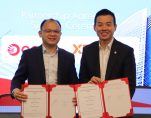
“Global Multi-Currency Accounts” Empowers SMEs with New Market Opportunities SHANGHAI, CHINA – Media OutReach Newswire – 20 December 2024 – XTransfer, the World’s Leading & China’s No.1 B2B Cross-Border Trade Payment Platform, and OCBC, the second largest financial services group in Southeast Asia, jointly announced the comprehensive partnership. OCBC China will leverage the OCBC Group’s extensive regional network and resources in its key markets of Singapore, Hong […]

The Fedora Project, in collaboration with the Asahi Linux initiative, has unveiled Fedora Asahi Remix 41, a Linux distribution tailored for Apple Silicon devices. This release introduces significant enhancements, notably x86/x86-64 emulation and support for AAA gaming, broadening the functionality of Apple’s M1 and M2 hardware. Built upon Fedora Linux 41, the remix integrates the latest software versions, ensuring a robust and high-quality user experience. It offers […]

Charabanc Transportation has unveiled a new fleet of Ankai buses in the UAE, marking a significant expansion of its operations. The move is set to revolutionize the region’s public transport infrastructure and enhance the travel experience for commuters across the country.

The fleet of Ankai buses, produced by the Chinese manufacturer Ankai, has been designed with advanced features aimed at improving comfort, efficiency, and sustainability. Charabanc’s decision to invest in these buses comes as part of its long-term strategy to modernize its offerings, catering to the growing demand for eco-friendly and technologically advanced public transport solutions.

The introduction of Ankai buses signals a significant step in the UAE’s ongoing efforts to develop a more sustainable and modern transportation network. The country has been focusing on reducing its carbon footprint, with various initiatives aimed at promoting electric and hybrid vehicles across different sectors. By adding Ankai’s energy-efficient buses to its fleet, Charabanc is not only contributing to these sustainability goals but also providing a more reliable and comfortable option for passengers.

Ankai buses are known for their high standards of quality, durability, and safety. With a wide range of models tailored for different needs—ranging from city buses to long-distance coaches—the company offers a versatile solution for urban and intercity travel. The new fleet in the UAE will include both electric and hybrid models, further aligning with the region’s commitment to environmental sustainability. These buses come equipped with state-of-the-art technology, offering features such as enhanced air filtration systems, Wi-Fi connectivity, and real-time passenger tracking, ensuring a modern and seamless travel experience.

The addition of these buses is also expected to boost Charabanc’s competitive edge in the UAE’s growing transportation sector. As one of the key players in the region’s bus transportation industry, the company is positioning itself to meet the demands of an increasingly urbanized population. The UAE’s population is rapidly expanding, with a growing number of residents and tourists in major cities like Dubai, Abu Dhabi, and Sharjah. This surge in population, coupled with increasing urbanization, has placed a heavy burden on the existing transportation infrastructure, highlighting the need for more efficient, reliable, and sustainable public transport options.

By introducing Ankai buses, Charabanc is addressing these challenges while enhancing the overall quality of public transportation. The company’s decision also comes as the UAE government has been investing heavily in infrastructure, with a focus on green transportation initiatives. The UAE Vision 2021 plan, which aims to make the country a hub for sustainable development, has spurred investment in green technology, especially in the transportation sector.

As part of its rollout, Charabanc Transportation has focused on not only expanding its fleet but also ensuring that the buses meet the stringent safety and environmental standards set by the UAE authorities. The buses are equipped with cutting-edge safety systems, including collision detection, automated emergency braking, and advanced driver-assistance systems. These features are designed to improve road safety and reduce the likelihood of accidents, contributing to the overall safety of commuters.

The introduction of Ankai buses also signals the company’s commitment to improving the overall experience for passengers. As cities become more congested, the demand for efficient, comfortable, and environmentally friendly transport options continues to rise. Charabanc aims to meet this demand by offering a modernized fleet that not only meets the practical needs of commuters but also enhances their travel experience. The addition of onboard amenities like Wi-Fi, air conditioning, and ergonomic seating ensures that passengers have a comfortable journey, whether they are traveling for business or leisure.

The UAE government’s support for sustainable public transport solutions has played a critical role in shaping the industry landscape. With the nation’s leadership prioritizing green initiatives, Charabanc’s introduction of Ankai buses aligns well with the government’s goals. Public transport is seen as a crucial component of the country’s broader environmental strategy, and the integration of eco-friendly buses into the system is expected to be a major step forward in reducing the carbon footprint of transportation in the UAE.

Ankai buses are already widely used in several countries, including China, where the manufacturer is headquartered. The company has built a reputation for producing high-quality buses that are both cost-effective and eco-friendly, making them an attractive choice for public transport operators worldwide. By choosing Ankai, Charabanc is tapping into a trusted brand that has proven its reliability in various international markets.

Charabanc’s investment in this new fleet comes at a time when many transportation companies are looking to modernize their services to meet the needs of the 21st century. The shift towards more sustainable, efficient, and technologically advanced transport solutions is becoming increasingly important in the UAE and beyond. As the region’s public transport infrastructure continues to evolve, the introduction of Ankai buses represents a forward-thinking approach that blends innovation with sustainability.

In a groundbreaking advancement for global telecommunications, New Zealand has become the first country to offer nationwide satellite text messaging services. This achievement results from a collaboration between SpaceX’s Starlink and local telecom operator One NZ, formerly known as Vodafone New Zealand. The service, branded as One NZ Satellite TXT, enables users to send and receive text messages in areas previously lacking cellular coverage. This development is […]

Amazon Web Services (AWS) has announced a significant $10 billion investment in Ohio’s data center infrastructure, aimed at transforming the state into a major technological hub by 2030. The move, which aligns with AWS’s broader expansion plans in the U.S., will lead to the creation of hundreds of new jobs and bolster the local economy while enhancing cloud services to meet growing demand. AWS’s investment will primarily […]

Dogecoin’s 11% decline has positioned it as the leading loser among major cryptocurrencies, reflecting broader market concerns as Bitcoin also experiences notable drops. These movements have cast a shadow over the crypto sector during the holiday season, stirring unease in an industry already grappling with volatility and uncertainty.

Market experts attributed the downturn to a combination of factors, with QCP Capital, a trading firm, pointing to an overconfidence in market positioning. Their analysis, shared in a Friday report, suggests that traders had adopted overly bullish strategies, which backfired as the market sentiment shifted. This pattern is not isolated to Dogecoin alone but has been echoed across other key cryptocurrencies, with Bitcoin and Ethereum also facing downward pressure.

While Bitcoin remains the dominant player in the market, its decline has been significant, with the cryptocurrency losing ground as investor sentiment wavers. Experts have raised concerns about the future direction of the market, particularly as Bitcoin struggles to regain its footing. Dogecoin’s movement, which often follows trends set by Bitcoin, adds to the growing anxiety about the sector’s stability. The dip is widely seen as part of the broader correction phase that has affected digital currencies in the last few weeks.

The relationship between Bitcoin and altcoins like Dogecoin remains closely intertwined. Historically, shifts in Bitcoin’s price have had a ripple effect, influencing altcoin trends. As Bitcoin’s performance falters, smaller cryptocurrencies, including Dogecoin, often experience more pronounced fluctuations. This pattern appears to be playing out once again, with Dogecoin feeling the brunt of the market’s uncertainty. Traders had previously shown increasing optimism, but now face a sudden correction that has thrown off short-term projections.

Several factors have contributed to the market’s current mood. The ongoing scrutiny of crypto regulations globally has created an environment of caution among investors. As regulators consider tighter controls over digital assets, some market players are reconsidering their positions. For Dogecoin, a currency that has been driven in part by social media sentiment and celebrity endorsements, the external pressures are especially pronounced. Unlike Bitcoin, which is seen as a store of value by many, Dogecoin has struggled to maintain consistent long-term investor confidence.

Investor enthusiasm for digital currencies had been buoyed by the promise of blockchain technology and decentralized finance, but now, market corrections are bringing those expectations into sharper focus. Cryptocurrencies, once seen as the future of finance, are increasingly viewed as speculative assets vulnerable to short-term sentiment shifts. These developments come as the global economy faces uncertainty, with inflationary pressures and geopolitical tensions contributing to the overall risk appetite in the markets.

The combination of technical factors and macroeconomic concerns has created a more cautious environment for crypto trading. As a result, some investors are choosing to hold off on major positions until the market stabilizes. This cautious outlook has been exacerbated by the holiday season, traditionally a time when market activity can be less predictable due to lower trading volumes.

As the crypto industry navigates these challenges, market analysts are keeping a close eye on the broader trends. While Bitcoin and Dogecoin face immediate hurdles, many experts continue to view the long-term potential of cryptocurrencies as promising. However, in the short term, the volatility is likely to persist, leaving many traders to reassess their strategies. The ability of Dogecoin and other altcoins to recover will depend on several factors, including Bitcoin’s price trajectory and the ongoing regulatory landscape.

The ripple effect of Bitcoin’s struggles has also been felt among smaller crypto projects, with many seeing similar patterns of decline. However, some market observers are cautious about the depth of these corrections, noting that the crypto space has a history of bouncing back after sharp declines. While Dogecoin’s fall has been steep, it is far from the first time the currency has experienced significant volatility.

Cryptopia, the New Zealand-based cryptocurrency exchange that was forced into liquidation following a 2019 hack and a 2021 employee theft, has initiated the process of returning millions of dollars in cryptocurrency to its users. So far, the exchange has repaid over NZ$400 million (approximately $224.9 million) to 10,000 verified account holders, with plans to distribute further amounts in the coming year.

The exchange, once one of the largest in the country, had a tumultuous few years after the hack, which saw the loss of millions in cryptocurrency from user accounts. Despite attempts to recover from the breach, Cryptopia was unable to regain trust and was ultimately placed into liquidation in 2019.

Since the liquidation, efforts have been underway to recover and redistribute the funds owed to users, as the exchange’s liquidators worked through the complexities of returning assets from the frozen and compromised accounts.

Cryptopia’s situation has been a key example of the challenges faced by cryptocurrency exchanges when confronted with security breaches and internal fraud. The combination of the hack, followed by the theft of additional funds by a former employee, left the exchange struggling to meet its obligations to users. While liquidators have been able to recover significant portions of the stolen cryptocurrency, the process of returning funds to account holders has been slow, as the legal and financial hurdles surrounding such cases are often intricate and time-consuming.

The decision to liquidate the exchange followed an extensive investigation into the breach and the theft. Liquidators were tasked with identifying and recovering the stolen cryptocurrency, while also determining how to fairly distribute the recovered assets among the thousands of affected account holders.

Cryptopia’s repaid funds represent a significant portion of what users lost during the breaches. For many, the payout marks a long-awaited resolution to years of uncertainty. However, the process has been slow, and some users still await their full compensation.

The return of these funds is significant not only for the users who have been directly affected but also for the wider cryptocurrency community. It highlights the complexities of ensuring secure exchanges and the challenges of managing asset recovery after a breach. While no system can be completely foolproof, the incident underscores the importance of robust security measures and vigilant oversight in the cryptocurrency sector.

As the distribution continues into 2024, Cryptopia’s case will likely serve as a reference point for future regulatory and security measures in the cryptocurrency exchange industry. The liquidation process itself is also likely to be closely studied as an example of how the legal frameworks surrounding cryptocurrency asset recovery evolve.

The exchange’s repayment process has raised questions about how other crypto exchanges could better protect user assets and respond in the event of a breach. The emergence of new regulations for cryptocurrency exchanges in various countries may help prevent similar situations, although the industry remains largely unregulated in many areas.

This case also draws attention to the evolving nature of cryptocurrency regulations, particularly regarding the responsibilities of exchanges in safeguarding user funds. Regulatory bodies worldwide are working toward creating standards that would compel crypto exchanges to adopt stronger security practices, further ensuring that users’ assets are better protected.

While some have praised Cryptopia’s efforts to repay users, others remain critical of the delay in compensation, especially for those whose funds were tied up for years. The distribution process itself has been meticulous and slow, as the liquidators work to ensure that payouts are fair and based on the exact amounts owed to each individual.

Despite these challenges, the successful repayment to 10,000 account holders has offered hope that, even in cases where exchanges are compromised, users can still recover their assets, albeit after considerable time and effort. The unfolding process continues to unfold in New Zealand courts, with further payouts expected in the next year.

VISHNU RAJA
RYO YAMADA
HITORI GOTOH
IKUYO KITA
Just in:
Cloudflare unveils Zero Wire vulnerability intelligence service // Anthropic to prohibit persistent abuse of Claude chatbot // CR Longdation Aethereal Cybersecurity × Global Cybersecurity Alliance (GCSA) Join Hands to Establish the “AI and Cybersecurity Research Centre” // Arrow Electronics showcases technologies advancing intelligent robotics, mobility and digital infrastructure // As AI Reshapes Education, Singapore Convenes Global Dialogue on the Future of Early Childhood Education // Cyberport Venture & Capital Forum 2026 Grand Opening // APT29-linked campaign exploits outdated Apple and Android software // Pinarayi faults UDF over mounting road crashes // Burying Head In “India Made Poverty Reduction” Data Is Dangerous // Democrats capture Senate majority with seven Republican seats // Oil and chip shares retreat after Democratic victories // Vance attributes Republican midterm defeats to Iran conflict // Fast Just Got Fastest: STING Energy Boost™ Celebrates Kimi Antonelli’s Formula 1® World Championship and the Fan Energy Behind It // xCube Access Welcomes Entrust Capital Limited  Expanding Access to Professional Portfolio Management // Emirates Group records AED 4.1 billion half-year profit // OpenAI identifies 948 Linux privilege escalation flaws using AI // AI trust gap reveals distinct retail priorities: Divergent paths to consumer growth in Hong Kong and the GBA // Asia Left Behind: Ten international companies have yet to report delivering on their cage-free egg pledges across the region // Govt opposes Arlekar’s PSC action // Middle East governments assess Iran war after US vote //