Singapore is preparing to provide almost S$70,000, or nearly Dh200,000, in direct financial support for every citizen child as it confronts a record collapse in fertility and mounting pressure from an ageing population.
The new SG Child Support Package will extend government assistance from birth through age 17, replacing a system that concentrates much of its financial help around a child’s early years. Payments under the redesigned framework are scheduled to begin in April 2027.
Prime Minister Lawrence Wong unveiled the package at the National Day Rally on August 23, describing a broader shift towards supporting parents throughout the years of raising a family rather than relying mainly on incentives linked to childbirth.
Every Singapore citizen newborn covered by the new arrangements will receive a S$10,000 Baby Gift and a S$5,000 MediSave grant. A Child Development Account will receive an initial S$5,000 grant, with the government matching parental savings dollar for dollar up to another S$5,000.
Children will then receive S$2,000 in annual Child Credits from age one through 16. Government support will also include annual Edusave top-ups during primary and secondary education and a S$10,000 payment into the Post-Secondary Education Account at age 17.
Taken together, the measures will provide almost S$70,000 in direct financial assistance for each citizen child. Unlike the existing Baby Bonus and Large Families schemes, the basic level of support will no longer depend on birth order.
The overhaul comes after Singapore’s resident total fertility rate dropped to 0.87 births per woman in 2025, its lowest level on record and down sharply from 0.97 in 2024. The replacement rate required to maintain a population without migration is about 2.1.
Only 30,004 live births were recorded in 2025, an 11 per cent decline from 33,703 a year earlier. Resident births fell 10.6 per cent to 27,529, while citizen births declined 10.4 per cent to 26,201.
The figures have intensified concerns about the size of Singapore’s future workforce and the ability of a smaller working-age population to support growing numbers of elderly citizens. More than one-fifth of citizens are already aged 65 or above, placing Singapore among societies experiencing particularly rapid demographic ageing.
Financial incentives are only one part of the policy response. Wong acknowledged that decisions about having children are deeply personal and cannot be determined by government payments alone. The package therefore combines cash assistance with measures targeting childcare costs, parental leave, housing and workplace pressures.
Childcare leave will be expanded according to family size. Working parents will receive eight days each if they have one child aged 12 or below, 10 days with two children and 12 days with three or more children.
A working couple with three primary-school children would consequently have 24 days of childcare leave between them, compared with four days under the existing arrangements for parents whose youngest child is above six.
The government will also cover the financial cost of all statutory child-related leave up to the applicable reimbursement limit, reducing the expense borne by employers and seeking to limit any employment disadvantage associated with parenthood.
Preschool costs are another major target. Government-supported centres currently provide places for about 80 per cent of preschoolers, but full-day childcare can cost close to S$600 a month for some families, while infant care can exceed S$1,000.
Authorities aim eventually to bring full-day childcare fees at government-supported preschools down to S$150 a month and infant care fees to S$300. The lower fee structure is intended to apply regardless of household income, while lower-income households will continue to qualify for additional subsidies. Implementation will take several years as the network of supported operators expands.
Housing policy is being adjusted alongside the family package. The monthly household income ceiling for Build-To-Order public housing will rise from S$14,000 to S$16,000, while the ceiling for Executive Condominiums will increase from S$16,000 to S$18,000.
First-time families applying for a new flat will receive an additional ballot chance for every child they have or are expecting, giving larger households greater priority in securing subsidised housing. Further healthcare, transport and housing assistance for larger families is also under consideration.
Project integrates UNESCO-recognized Can Gio mangrove forest as core climate infrastructure, expanding ESG to include Regeneration and Climate Adaptation
HANOI, VIETNAM – Media OutReach Newswire – 26 August 2026 – Vinhomes Green Paradise, the 2,870-hectare coastal urban development in Can Gio, has become the first greenfield project worldwide to receive the Interim Custom ISO 37122 Smart City Certification from the World Council on City Data (WCCD), even before the arrival of its first residents.
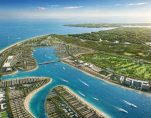
An aerial master plan of Vinhomes Green Paradise in Can Gio, the world’s first greenfield project to achieve early-stage ISO 37122 Smart City Certification from the World Council on City Data.
The milestone reinforces Vinhomes’ pioneering “ESG++” model for the project, a framework that moves beyond traditional environmental, social and governance pillars to explicitly incorporate Regeneration and Climate Adaptation as core design principles.
By placing the adjacent UNESCO-recognized Cần Giờ Mangrove Biosphere Reserve at the center of its urban strategy, rather than treating it as peripheral landscape, Vinhomes is demonstrating that large-scale coastal development can simultaneously address biodiversity loss, carbon sequestration and long-term climate resilience.
A measured response to the global urban health crisis
The urgency of rethinking urban models is underscored by global health data. According to the Health Effects Institute’s State of Global Air 2025 report, air pollution was linked to 8.1 million deaths worldwide in 2021, overtaking tobacco to become the second-leading global risk factor for death and the leading cause of death for children under five after malnutrition. The World Health Organization estimates that approximately 89% of the 4.2 million annual premature deaths attributed to outdoor air pollution occur in low- and middle-income countries, precisely the regions experiencing the fastest urban growth.
This reality has redirected global capital flows. Grand View Research projects the global smart-city market to reach USD 3.76 trillion by 2030, compounding at nearly 30% annually, one of the fastest expansion rates across any industry sector. In this context, the question is no longer whether smart cities are worth building, but which developments can demonstrate independently verifiable performance.
Vinhomes Green Paradise has addressed this global benchmark through its Interim Custom ISO 37122 Smart City Certification, awarded by the World Council on City Data (WCCD), which validates its smart infrastructure and data-driven urban governance against international standards.
Moving beyond conventional standards, the project operates under an elevated philosophy known as ESG++, integrating two commitments that extend well past standard corporate reporting: Regeneration and Climate Adaptation. Under the pillar of Regeneration, the development goes beyond traditional conservation by actively restoring local coastal ecosystems through targeted mangrove reforestation, biodiversity preservation and community environmental education.
Concurrently, its Climate Adaptation strategy re-engineers urban infrastructure to proactively withstand long-term environmental hazards such as sea-level rise, storm surges and coastal erosion, ensuring the city is built for future resilience rather than simply reacting to present conditions.
Community perspectives reflect the broader appeal of this approach. Ho Chi Minh City-based content creator FABO Nguyen, speaking to CNBC, described his affection for the city’s dynamism alongside growing concerns about air quality and congestion. For him, and for many urban residents weighing similar trade-offs, the Vinhomes Green Paradise model offers a forward-looking alternative that does not require leaving the region, but instead redefines what a sustainable, livable urban environment can look like.
Mangrove forests as climate infrastructure
What sets Vinhomes Green Paradise apart from most coastal megaprojects globally is not merely its size, but its ecological adjacency. The development borders the Can Gio Mangrove Biosphere Reserve, a UNESCO-recognized site spanning over 75,000 hectares, one of southern Vietnam’s most valuable natural assets.
Recent scientific research has revalued the role of mangroves in climate regulation. A study published in Nature Communications indicates that while mangroves account for just 0.36% of global forest area, they sequester carbon per hectare at nearly four times the rate of mature terrestrial forests, making them among the most efficient natural carbon sinks on Earth. According to the Blue Carbon Initiative, a single hectare of mangrove forest can store carbon equivalent to approximately 1,500 tons of CO₂, a figure no concrete structure can replicate.
Against a backdrop where global mangrove cover has declined by as much as 67% in some estimates, Vinhomes has adopted a preservation-first strategy. The Vinhomes Green Paradise master plan limits building density to just 16% of the total area and establishes a dedicated Forest Regeneration and Climate Adaptation Fund. These measures treat the adjacent mangrove ecosystem not as passive scenery but as active, natural defensive infrastructure against coastal erosion and storm surges, precisely the approach that climate scientists are urging coastal cities worldwide to adopt.
This ecological commitment aligns with measurable economic value. JLL’s research across Asia Pacific, based on an analysis of nearly 3,100 Grade A office buildings in 14 cities, shows that green-certified buildings can command rental premiums as high as 28% over non-certified equivalents in the region’s tightest markets, with supply continuing to lag behind occupier demand. Sustainability, in other words, has ceased to be simply a virtue and has become a measurable asset class.
Similarly, the global energy transition reinforces the viability of Vinhomes Green Paradise’s renewable-energy targets. The Global Wind Energy Council forecasts offshore wind capacity to nearly triple from 83 GW in 2024 to approximately 238 GW by 2030, while the International Energy Agency projects global renewable capacity to grow by 4,600 GW over the same period, equivalent to adding the combined current generation capacity of China, the European Union and Japan. Against this backdrop, Vinhomes Green Paradise’s ambition to run on offshore wind, solar and battery storage reflects a broader global trajectory rather than an isolated pledge.
A blueprint for 21st-century urbanization
Taken together, the ISO 37122 certification, the ESG++ framework, the strategic integration of the Can Gio mangrove ecosystem and the economic revaluation of green assets, Vinhomes Green Paradise presents a coherent response to a defining question in contemporary real estate: how to build cities that are both worth living in and built to endure.
The project’s recognition as the first Official Participant in New7Wonders’ global “7 Wonders of Future Cities” campaign further underscores its international relevance. Vinhomes Green Paradise serves as a notable reference point for coastal urban development, illustrating how economic growth and ecological preservation can be integrated in regional contexts.
Hashtag: #Vinhomes
The issuer is solely responsible for the content of this announcement.
About Vinhomes
Vinhomes is Vietnam’s largest residential real estate and integrated township developer. The company pioneers the development of synchronized, modern large-scale townships, delivering premium living standards and unlocking sustainable investment opportunities for domestic and international clients.
By Subrata Majumder In the post Japanese Yen appreciation era, Japanese overseas investment shifted to China and ASEAN for low-cost manufacturing, leaving India behind. The trajectory is now witnessing movement in the reverse gear, owing to US President Trump’s high reciprocal tariff. Japanese investment has surged in India, leaving China and ASEAN behind. While Japanese […]
Claims that outgoing White House press secretary Karoline Leavitt confirmed a Donald Trump-branded “Golden Token” can be exchanged at Bank of America for $3 million have no substantiated basis, with official government information and the bank’s published material showing no such redemption programme exists. The allegation has circulated through social-media and messaging accounts promoting purported Trump Golden Tokens as an extraordinary wealth opportunity. Some posts claim holders […]
Ukrainian President Volodymyr Zelenskyy has awarded Elon Musk the Order of Freedom as Kyiv intensifies efforts to secure broader access to SpaceX’s Starlink network for military operations against Russia. The honour, announced by presidential decree on Wednesday, recognises Musk for his contribution to protecting human life and freedom and for strengthening relations between Ukraine and the United States. Musk, the head of SpaceX and Tesla, has emerged […]
Arabian Post Staff -Dubai Dubai International Airport’s passenger recovery accelerated through the second quarter, with traffic climbing month by month as airlines restored capacity and international connections began returning after severe disruption to Gulf aviation earlier this year. DXB handled 13 million passengers between April and June. Monthly volumes increased from 3.5 million in April to 4.5 million in May and 5 million in June, a rise […]
SpaceX has unveiled plans to invest $100 billion in a vast Louisiana spaceport designed to become its largest launch complex and support thousands of Starship missions each year. The project, named Starbase Louisiana, will occupy about 125,000 acres in Vermilion Parish near Pecan Island on the Gulf Coast. Construction is expected to begin in 2027, while SpaceX is targeting its first Starship launch from the site in […]
Ferrari World Yas Island will mark Emirati Women’s Day with a women-only indoor running event on August 30, offering 2.5km, 5km and 10km races through the Abu Dhabi theme park and neighbouring Yas Mall. The third edition of the Ladies Run will be staged entirely in air-conditioned surroundings, allowing participants to compete during the summer without exposure to outdoor heat. The event has been structured for different […]
Alibaba Group Holding’s powerful insiders have stepped in to buy shares after its $10.2 billion equity placement, but their show of confidence has done little to settle investor unease over dilution and the rising cost of the company’s artificial intelligence ambitions.
Founder Jack Ma bought more than HK$600 million worth of Alibaba’s Hong Kong-listed shares over consecutive trading days, while chairman Joe Tsai and chief executive Eddie Wu together purchased more than HK$200 million of stock. The buying helped shares recover modestly after the placement triggered their sharpest setback in months, but the stock remained well below levels preceding the deal.
Alibaba priced 710 million new shares at HK$112.70 each, raising HK$80 billion, or about $10.2 billion. The price represented an 8.4% discount to the August 21 Hong Kong close of HK$123 and increased the company’s outstanding share count by roughly 3.7%.
Hong Kong-listed shares slumped 8.5% on August 24, closing at HK$112.50 after trading as low as HK$110.10. They recovered 1.5% to HK$114.20 on Tuesday as purchases by senior executives became known, leaving them still more than 7% below the price immediately before the placement was announced.
The transaction has become a test of whether investors will continue financing increasingly expensive AI expansion despite the near-term pressure it places on earnings and cash generation. Alibaba has earmarked all net proceeds for its full-stack AI capabilities, covering computing infrastructure, chips, models and other technologies required to expand its cloud and generative AI businesses.
Demand for the offering itself was strong. Investor orders reached roughly $28 billion, making the placement almost three times subscribed. Sovereign wealth funds and long-only institutional investors accounted for a sizeable portion of allocations. The deal ranks as the largest primary follow-on share offering by a Hong Kong-listed company.
The discomfort instead centres on the scale and timing of Alibaba’s capital requirements. The company spent close to $10 billion on capital expenditure during the three months through June, an increase of about 75% from a year earlier. Net profit dropped about 75%, while free cash flow turned into an outflow of roughly $6.6 billion.
Alibaba has already deployed almost half of the 380 billion yuan it pledged last year to spend on AI and cloud infrastructure over three years. Management has argued that rapidly growing demand justifies accelerating investment and has shortened its expected payback period for AI expenditure to about two-and-a-half years from three years.
That argument is supported by Alibaba Cloud’s accelerating expansion. Revenue from the cloud business has been growing strongly, helped by demand for AI-related products, while the company continues to build computing capacity overseas. Alibaba Cloud this month opened a third data centre in South Korea, taking its network to 104 availability zones across 30 regions.
Its Qwen family of large language models has also strengthened Alibaba’s position among leading Chinese AI developers. New iterations have improved performance in coding, reasoning and agent-based tasks, helping the company compete with models from domestic rivals and leading US technology groups.
Investors nevertheless face a difficult balance between the longer-term AI opportunity and the immediate financial cost. Expensive processors, servers, data centres and networking equipment require large upfront commitments, while competition is pushing model providers towards lower prices. Alibaba is simultaneously spending heavily on quick commerce and other consumer businesses, adding pressure to margins.
The share sale has also revived scrutiny of capital allocation. Alibaba spent years repurchasing billions of dollars of its own shares, only to issue new equity at a sizeable discount as AI spending accelerated. Although the company still has substantial cash resources, investors have questioned why such a large equity raising was preferable to greater use of its balance sheet or debt financing.
The Linux Foundation has taken TRACE, an open specification designed to create hardware-backed evidence of how artificial intelligence agents operate, under vendor-neutral governance as companies seek stronger controls over increasingly autonomous AI systems. TRACE, short for Trust, Runtime Attestation and Compliance Evidence, creates cryptographically verifiable records showing what software executed, the policies governing it, the class of data it accessed and the tools it called. The initiative […]
Issac John Uzbekistan has emerged from the three-day Silk Road Finance & Technology Forum with an audacious ambition: to establish Tashkent as Central Asia’s financial technology gateway and, increasingly, as a bridge between the region and the $6 trillion global Islamic finance industry. The question is whether this is achievable — or is it just another aspirational hub strategy in an increasingly crowded financial geography. There […]
Arabian Post Staff -Dubai WETEX 2026 will give greater prominence to advanced water technologies as Dubai seeks to strengthen water security, expand efficient desalination and accelerate the use of artificial intelligence in utility networks. The 28th Water, Energy, Technology and Environment Exhibition, organised by Dubai Electricity and Water Authority, will run from 20 to 22 October at the Dubai World Trade Centre. The exhibition is being held […]
HONG KONG SAR – Media OutReach Newswire – 26 August 2026 – Redress, the Asia-focused environmental NGO dedicated to reducing clothing’s negative environmental impacts since 2007, is calling on consumers worldwide to vote online for their favourite Finalist in the Redress Design Award 2026, the world’s leading sustainable fashion design competition. Voting for the People’s Choice Award is open until 31 August 2026, with the winner to be announced at the Grand Final Fashion Show in Hong Kong on 2 September.
The Finalists’ collections showcase innovative approaches to tackling textile waste, transforming discarded leather offcuts, secondhand hardware and industrial waste through reconstruction and upcycling techniques, while exploring next-generation materials such as biodegradable fruit leather and ethical non-livestock wool to reimagine raw materials for circular fashion.
Organised by Redress and supported by the Cultural and Creative Industries Development Agency (CCIDA) of the Government of the Hong Kong Special Administrative Region as Lead Sponsor, the Redress Design Award invites the public to discover the tactile beauty of circular fashion through its latest photoshoot and cast their votes to champion sustainable fashion while empowering the next generation of circular design talents.
The photoshoot: sensory storytelling
Photographed by acclaimed Hong Kong creative Paul Sunga with hair by Davines and makeup by MakeupBees, the photoshoot celebrates the creative decisions behind each Finalist’s collection, highlighting the unique textures, craftsmanship and natural imperfections of their materials while underscoring why design matters: 80% of a garment’s environmental impact is determined at the design stage[1].
“The Finalists of the Redress Design Award are proving that thoughtful design can transform textile waste into something beautiful. Getting up close to these garments, you see how every material choice, texture and technique tells a story, reminding us that the biggest opportunity to reduce fashion’s environmental impact begins at the design stage. I can’t wait for people to discover these collections through the photoshoot and vote for their favourite,” says photoshoot photographer Paul Sunga.
The Finalists’ collections are transported from overseas to Hong Kong for the photoshoot and upcoming Grand Final using DHL Express’ GoGreen Plus service. This service helps reduce greenhouse gas emissions through a Book & Claim mechanism, where the environmental attributes of Sustainable Aviation Fuel (SAF) are allocated to participating shipments. Made from alternative raw materials with a lower-emission energy profile, such as used cooking oil, waste and hydrogen, SAF can reduce the air transport shipments’ lifecycle greenhouse gas emissions by around 80 percent compared with conventional jet fuel.
Find out who wins at the grand final show
The People’s Choice Award winner will be announced at the Redress Design Award 2026 Grand Final Fashion Show, along with the coveted first prize including a week-long trip to the UK to connect with leading voices in sustainable fashion through a visit to Simple Approach’s Manchester operations to gain insight into responsible fashion design, development, and manufacturing, and an intensive experience with the team at luxury womenswear brand Roksanda to work on an upcycling design project.
The Redress Design Award 2026 Grand Final Fashion Show is open to an exclusive in-person audience and will be livestreamed globally on 2 September 2026 (Wednesday), at 5pm HKT / 11am CET via Facebook and WeChat. Save the date here.
Alumni showcase at centrestage open to public
Redress will also present a total of six Redress Alumni brands as part of both the Grand Final Fashion Show, and at a showcase of Alumni brands at CENTRESTAGE in Hong Kong from 2–5 September 2026 (Wednesday–Saturday, 11am–7pm) supported by DHL. Industry professionals and the public alike are all welcome to come, meet designers, and see up close their sustainable, waste-reducing collections.
The Redress Design Award 2026 Photoshoot Credits
Photographer: Paul Sunga
Models: Pak Yan Wong (Self Management Hong Kong), Max Holmström (Primo Management Ltd)
Production: Katt Bidegain, Charly Cheung, Nancy Liu
Studio: Soho House Hong Kong
Lighting: Ming Suet
BTS videographer: Jimmy Yu
BTS photographer: Nicky Chan
[1] European Commission: Directorate-General for Enterprise and Industry and Directorate-General for Energy, Ecodesign your future – How ecodesign can help the environment by making products smarter, European Commission, 2012
Hashtag: #Redress
The issuer is solely responsible for the content of this announcement.
Redress
Redress (www.redress.com.hk) is a Hong Kong-based, Asia-focused environmental NGO with a mission to accelerate the change to a circular fashion industry by educating and empowering designers and consumers so as to reduce clothing’s negative environmental impacts.
The Redress Design Award
The Redress Design Award(www.redressdesignaward.com) is the world’s leading sustainable fashion design competition that educates and empowers emerging fashion designers about circular design techniques to reduce fashion’s negative environmental impacts. Organised by Hong Kong-based, Asia-focused environmental NGO Redress since 2011, the competition partners with academic institutions globally and attracts designer applicants from over 50 countries and regions to win prizes that connect them with global-leading fashion businesses to accelerate the change to a circular fashion industry.
Cultural and Creative Industries Development Agency (CCIDA)
The Cultural and Creative Industries Development Agency (CCIDA) (www.ccida.gov.hk), formerly known as Create Hong Kong (CreateHK) since 2009, was established in June 2024. CCIDA is a dedicated office under the Culture, Sports and Tourism Bureau of the Government of the Hong Kong Special Administrative Region (HKSAR Government) to provide one-stop services and support to the cultural and creative sectors with a mission to foster a conducive environment in Hong Kong to facilitate development of the arts, culture and creative sectors as industries. CCIDA’s strategic foci are nurturing talent and facilitating start-ups, exploring markets, promoting cross-sectoral and multi-disciplinary collaboration, promoting industrialisation of the arts, culture and creative sectors under the industry-oriented principle, and fostering a creative atmosphere in the community, thereby reinforcing Hong Kong as Asia’s creative capital and our positioning as the East-meets-West centre for international cultural exchange.
Disclaimer: The Government of the Hong Kong Special Administrative Region provides funding support to the project only, and does not otherwise take part in the project. Any opinions, findings, conclusions or recommendations expressed in these materials/events (or by members of the project team) are those of the project organisers only and do not reflect the views of the Government of the Hong Kong Special Administrative Region, the Culture, Sports and Tourism Bureau, the Cultural and Creative Industries Development Agency, the CreateSmart Initiative Secretariat or the CreateSmart Initiative Vetting Committee.
Arabian Post Staff -Dubai Iran and Oman have moved towards a temporary arrangement to restore safer commercial shipping through the Strait of Hormuz, proposing a jointly managed navigation corridor and mine-clearing operation while negotiations continue on a permanent system for the strategic waterway. Foreign Minister Abbas Araghchi and his Omani counterpart Badr Albusaidi discussed the phased framework during talks in Tehran on Tuesday, August 25. The proposal […]
SHANGHAI, CHINA – Media OutReach Newswire – 26 August 2026 – From tapping into the metro and paying at local shops to claiming tax refunds, booking family stays and unlocking dining benefits, Shanghai Summer 2026 is introducing visitor-focused products designed to make exploring the city easier for international travellers.
Running from July to October under the theme “Shanghai Summer, Join the Family Fun,” the international consumption season brings together payment networks, banks, hospitality groups and mobility providers to improve the visitor journey.
As a global strategic partner of Shanghai Summer, Visa is expanding its payment-friendly network across the city. Visa’s contactless “Tap to Pay” experience covers dining, accommodation, transport, tourism, shopping and entertainment. Visa data shows that in the first quarter of 2026, offline card spending by international visitors in Shanghai increased by more than 50% year-on-year, while transaction volumes rose by more than 60%.
China UnionPay is expanding its support for international visitors through the Nihao China App, an all-in-one digital platform combining payments, transportation, travel information and multilingual services. Available in more than 160 countries and regions, the app allows users to top up with international Visa or Mastercard cards and pay via UnionPay QR codes at more than 100,000 merchant locations. It also supports metro and bus travel in Shanghai, real-time translation, navigation and instant tax-refund services.
Bank of China Shanghai Branch has launched an upgraded Tax Refund 2.0 programme during Shanghai Summer. The initiative expands tax-refund services into hotels, supermarkets, restaurants, attractions and international talent service centres, supported by integrated POS refund functions and self-service tax-refund machines.
For travellers navigating the city, Shanghai Pass combines transportation, sightseeing and merchant benefits in one product. The card can be used across Shanghai’s metro, buses, ferries, suburban railways, Maglev services and taxis, while cardholders can access privileges at nearly 150 merchants.
Jin Jiang International is taking a similar integrated approach through its “2026 Jin Jiang ∞ Journey, Shanghai Summer” programme, combining hotels with cultural attractions, dining, guided city experiences and family entertainment. Its Shanghai Gourmet Passport 2.0 also connects dining, hotels and cultural experiences for international travellers.
Together, these products are making payment, transport, tax refunds, hotels, dining and attractions more connected — helping international visitors move more freely, pay more simply and experience more of Shanghai.
Hashtag: #ShanghaiSummer
The issuer is solely responsible for the content of this announcement.
Financial pressures and burnout emerge as key challenges to life preparedness according to Etiqa Insurance Singapore Life Preparedness Survey 2026
SINGAPORE – Media OutReach Newswire – 26 August 2026 – Only 49% of Singaporeans feel prepared for the next decade, despite 76% already taking action to improve their financial wellbeing, health and future readiness. The findings, unveiled in Etiqa Insurance Singapore’s Life Preparedness Survey 2026, reveal a disconnect between Singaporeans’ confidence about the future and the proactive steps they are taking today.
This survey, conducted by Kantar in May 2026, tracks indicators of life preparedness across body, mind, money, and future among 1,017 Singapore Citizens and Permanent Residents aged 18 and above.
These findings highlight a growing preparedness gap across these dimensions, suggesting that being prepared today requires more than financial discipline alone. It calls for resilience and ability to navigate uncertainty and changing demands in life.
Key findings of the survey include:
Financial security emerged as the single strongest definition of preparedness, with 68% of Singaporeans identifying it as the most important factor in being future ready. Nearly half of Singaporeans (47%) cite lack of money as their biggest barrier to life preparedness, significantly ahead of lack of knowledge (20%), lack of time (16%), and lack of motivation (15%).
68% of Singaporeans expressed readiness to take action to improve their life preparedness. They are most likely to start or increase savings (55%), exercise regularly (49%), spend more quality time with loved ones (38%), improve sleep habits (37%), and learn a new skill or take a course (33%).
76% of Singaporeans have already taken action to address their concerns for 2026. Some of the key concerns are financial worries (49%), conflict issues (32%), lack of exercise (30%), and limited time to upskill (28%).
Life preparedness takes a back seat for older mid-life Singaporeans
One in three (39%) Singaporeans aged 45 to 54 are not ready to take action to improve their life preparedness. Among this group, 24% prioritise managing household finances, while 21% are most concerned about planning for their future care needs.
These findings point to the pressures faced by Singapore’s mid-life population, where financial responsibilities and future caregiving concerns compete with longer-term planning. As competing demands increase, broader life preparedness goals such as improving health, building resilience, and preparing for the future can take a back seat.
Burnout emerges as a key challenge to future life preparedness
Over half (56%) of Singaporeans reported experiencing burnout in the past year, with one in five feeling burned out “very often”.
Burnout begins early in life, affecting 44% of Singaporeans aged 18 to 24. For the 18 to 24 age group, burnout is driven primarily by uncertainty about the future (49%), financial worries (43%), and workload or job demands (43%).
Despite these pressures, 42% of Singaporeans aged 18 to 24 identified wealth accumulation as their top focus area for 2026. This highlights a generation striving to build long-term stability despite elevated levels of mental and emotional strain.
Avoidance of future-planning conversations continues to hinder life preparedness
Many Singaporeans are uncomfortable discussing future care needs, finances and legacy planning with their families. Only 21% of Singaporeans have had open and detailed discussions with their family about these topics. Among Singaporeans aged 55 and above, 13% prefer to handle these matters on their own, reflecting a desire for independence and self-reliance when planning.
The findings suggest there is an opportunity to encourage earlier and more open conversations around future care, finances, and legacy planning to help reduce uncertainty and improve long-term preparedness.
Life Preparedness to navigate life’s uncertainties
“Financial readiness remains an important foundation, but resilience today also requires stronger support systems and more open conversations around long-term planning. People are more likely to take meaningful action when they feel supported, informed and empowered,” said Ms Claudia Soh, CEO, Etiqa Insurance Singapore.
“Our findings show that Singaporeans are taking positive steps to improve their financial wellbeing, health and future readiness, yet many still lack confidence about the future,” added Ms Soh.
“Life preparedness today is not just about financial discipline. It is about having resilience, support and flexibility to navigate life’s uncertainties, from rising living costs and caregiving responsibilities to health challenges and career transitions. Strengthening preparedness therefore requires building positive daily habits and longer-term planning horizons that help people feel more confident about the future.”
Etiqa Insurance Singapore life preparedness programmes
Etiqa Insurance Singapore supports the community through a range of initiatives focused on improving financial literacy, emotional wellbeing, and future planning. Through community outreach programmes, educational workshops, and accessible insurance solutions, Etiqa Insurance Singapore aims to help Singaporeans build greater confidence in navigating financial, emotional, and lifestyle challenges while preparing for the future.
The full Etiqa Insurance Singapore Life Preparedness Survey 2026 can be accessed here. For more information on our products and services, please visit us at www.etiqa.com.sg Hashtag: #Etiqa
The issuer is solely responsible for the content of this announcement.
About Etiqa Insurance Pte. Ltd. (Etiqa Insurance Singapore)
Protecting customers since 1961, Etiqa Insurance Pte. Ltd. (EIPL) is a life and general insurance company licensed and regulated by the Monetary Authority of Singapore and governed by the Insurance Act 1966. Having protected customers in Singapore since 1961 under the name United General Insurance Co. Sdn. Bhd., the company transitioned into the Singapore branch of Etiqa Insurance Berhad in 2009. Today, EIPL in Singapore stands as the pivotal operating entity of Etiqa Insurance Group, a leading insurance and takaful provider in ASEAN.
EIPL offers a comprehensive range of life and general insurance products accessible through its diverse distribution channels, including bancassurance, agents, brokers, financial advisers, partnerships, direct and online sales via Tiq by Etiqa. Etiqa is rated ‘A’ by credit rating agency Fitch for the group’s ‘Favorable’ business profile. The company is a member of the Maybank Group.
Etiqa Insurance Singapore Life Preparedness Survey 2026
The Etiqa Insurance Singapore Life Preparedness Survey was conducted in collaboration with Kantar in May 2026, surveying 1,017 Singapore Citizens and Permanent Residents aged 18 and above. This study delves into the attitudes, perceptions, and behaviours of Singaporeans, with a focus on life preparedness across body, mind, money, and future.
By TN Ashok The much-awaited political reunion between the Bharatiya Janata Party and the Shiromani Akali Dal appears to have hit the rocks even before the two former allies could formally sit down to negotiate a seat-sharing formula for the 2027 Punjab Assembly election. The problem is not ideology. Nor is it the bitter history […]
OpenAI has disclosed performance results for its first custom artificial intelligence chip, saying the processor beat Nvidia’s leading systems on key measures of inference speed and energy efficiency. The chip, called Jalapeño, was developed with Broadcom as part of OpenAI’s push to gain greater control over the computing infrastructure powering ChatGPT and its other artificial intelligence services. Tests released on Tuesday showed the processor delivering between 1.5 […]
Arabian Post Staff -Dubai Dubai’s Museum of the Future will close temporarily from September 1 as it begins its most extensive transformation since opening, replacing its main exhibitions with a new generation of immersive experiences scheduled to debut in early 2027. The landmark attraction has urged visitors to see its existing exhibitions before the end of August, bringing forward an earlier indication that the current visitor experience […]
India’s data centre real estate footprint is projected to exceed 101 million square feet by 2030, nearly four times the 27 million square feet recorded in the first half of 2026, as artificial intelligence, cloud computing and hyperscale investments accelerate demand for digital infrastructure.
The expansion is being backed by more than $300 billion in announced investment commitments across data centres and associated digital infrastructure, putting the sector among the country’s fastest-growing infrastructure segments. The development pipeline could lift installed data centre capacity beyond 6.7 gigawatts by the end of the decade from more than 1.8 GW in the first half of 2026.
The scale of investment reflects a fundamental shift in the market as generative AI dramatically increases computing requirements. Cloud migration, digital payments, video streaming, 5G networks, enterprise digitisation and growing demand for local processing capacity are adding to workloads that require high-density computing facilities operating around the clock.
Forecasts differ considerably because industry studies use different definitions of operational capacity, committed projects and IT load. A separate assessment released in July projects operational data centre capacity at 12 GW by 2030, compared with 2.2 GW in 2025, as AI-focused capacity expands sharply. AI-dedicated capacity alone could rise from about 275 MW in 2025 to more than 6.5 GW by the end of the decade.
Power availability is emerging as one of the biggest constraints on that growth. Electricity demand from data centres is estimated to reach 13.56 GW by 2031-32, requiring major additions to generation, transmission and renewable-energy infrastructure. Developers are also adopting direct-to-chip liquid cooling, immersion cooling and other technologies designed to reduce the electricity and water requirements of increasingly dense AI computing installations.
Mumbai Metropolitan Region and Chennai remain the largest established data centre markets, benefiting from submarine cable connectivity, fibre infrastructure and concentrations of enterprise customers. Their position at international cable routes connecting Europe, West Asia and Southeast Asia has helped establish both regions as major gateways for hyperscale capacity.
Hyderabad, Delhi-NCR and Bengaluru are now attracting a larger share of planned development as operators seek new land, power and connectivity options. Hyderabad could add 600-700 MW by 2030 to its existing capacity of about 178 MW, while Delhi-NCR is expected to receive another 500-600 MW against a current base of roughly 179 MW.
Global technology companies and large domestic groups are driving the investment cycle. Google has begun construction of an AI hub in Visakhapatnam as part of an approximately $15 billion investment planned between 2026 and 2030. The project combines gigawatt-scale computing infrastructure with subsea connectivity and new energy capacity, making Visakhapatnam an emerging data centre location on the east coast.
Reliance Industries is developing a 168 MW AI-enabled data centre in Jamnagar that Meta will lease, with an option to expand capacity. The facility, expected to be delivered within two years of the June 2026 announcement, will use renewable electricity and desalinated seawater for cooling. It will become Meta’s first built-to-suit data centre capacity in the country.
Real estate groups are also moving into infrastructure traditionally dominated by specialised data centre operators. Lodha Developers has earmarked about 400 acres at Palava near Mumbai for a data centre park and plans roughly 1 GW of powered-shell capacity, with Amazon Web Services and STT Global Data Centres identified as anchor operators. The powered-shell development alone is expected to require roughly ₹10,000 crore to ₹11,000 crore.
Other projects are expanding the competitive field. Yotta Infrastructure is developing additional capacity in Greater Noida, Anant Raj is targeting 357 MW of IT load across locations in Haryana by FY2032, while Prestige Group and NTT Data have agreed to develop a Bengaluru facility with 100 MW of overall capacity and 67.2 MW of critical IT load. NTT is also among the companies pursuing substantial additions in Hyderabad.
HONG KONG SAR– Media OutReach Newswire – 25 August 2026 – The Hong Kong Designers Association (HKDA) hosted the Hong Kong Design Summit cum BDA Brand Award 2026 Presentation Ceremony Gala Dinner at The Fullerton Ocean Park Hotel Hong Kong, bringing together an elite audience of 180 leading professional designers, creative industry pioneers, and corporate executives, this year’s flagship event serves as an authoritative platform celebrating excellence in design application, cross-sector matching, and strategic design-tech partnerships.
The Summit was honored to have Miss Yvonne Ip, Acting Commissioner for Cultural and Creative Industries, as the Guest of Honour. In her address, Miss Ip highlighted the power of design to drive business growth and emphasized that the Hong Kong Design Summit, now in its third year, has become a key platform for industry exchange and collaboration, bringing design talent and enterprises together through flagship initiatives like DesignMatch, to turn creative ideas into commercial results. The Hong Kong Designers Association has been a pioneering force in the local design ecosystem for half a century, and CCIDA is proud to partner with HKDA to nurture design professionals, accelerate industrialization, and help local enterprises expand into international markets — advancing Hong Kong’s creative economy together.
Chairman’s Welcome: Driving Real Impact Through Strategic Focus
Opening the evening gala, Ms. Mui Kinoshita, Chairman of HKDA, delivered a heartfelt welcoming address reflecting on the Association’s post-pandemic transformation and strategic vision.
Reflecting on the Association’s post-pandemic vision, Ms. Kinoshita highlighted HKDA’s core strategy—”Two Awards, One Summit, One Platform“—designed to deliver tangible benefits by recognising individual design excellence, honoring corporate design investment, and driving commercial partnerships through DesignMatch. She celebrated HKDA’s expansion from 900 to over 1,300 members, calling it a testament to industry trust. Honoring the Association’s 50-year legacy, she paid tribute to founding pioneers whose dedication laid the foundation for Hong Kong’s creative sector. She concluded with a passionate call for open dialogue and unified collaboration to build a stronger, more caring design industry for the next generation.
Star-Studded Gathering of Design Icons and Industry Leaders
The Gala Dinner was anchored by an extraordinary gathering of creative heavyweights, founding pioneers, and distinguished guests across the design, creative sectors, and corporate leaders. Joining Guest of Honour Miss Yvonne Ip and Officiating Guests, including Dr. Kan Tai-Keung, SBS, BBS, Former Chairman of HKDA (Tenure: 1986, 1987, 1988), Mr. Steve Leung, BBS, Chairman of Hong Kong Design Centre, Mr. Alan Cheung, MH, Chairman of Hong Kong Design Council, Federation of Hong Kong Industries, Mr. Kevin Yeung, Chairman of Hong Kong Fashion Designers Association, were celebrated global design icons and industry leaders who attended in strong support of the Summit, including Ms. Vivienne Tam, Designer and Founder, Vivienne Tam Fashion House, Mr. Tino Kwan, Founder and Principal Consultant of the Tino Kwan Lighting Consultants Limited, and Mr. Gu Wei, Head of AIGC Design Business, Alibaba International Digital Commerce Group. The evening was further graced by prominent design masters, industry executives, and organisational representatives. Their presence, alongside premier corporate partners and judging leaders, underscored the unified strength and collective vision of Hong Kong’s creative community.
The annual event unfolds in two key segments: the Hong Kong Design Summit, featuring the Kick-off Ceremony, DesignMatch business matching, and a landmark MOU signing; followed by the BDA Brand Award 2026 Presentation Ceremony.
Hong Kong Design Summit 2026
The opening segment convenes industry leaders and creative professionals to foster commercial growth and educational innovation:
1. DesignMatch Business Matching Sessions: An exclusive, high-impact B2B networking initiative designed to bridge corporations and design professionals, driving immediate business opportunities and accelerating the translation of creative capital into commercial success.
2. Award-Winning Brands Showcase: A curated, high-visibility showcase where outstanding design firms and corporate awardees demonstrate successful project outcomes and share strategic market insights.
3. Strategic Tripartite MOU Signing: A milestone collaboration between School of Design, The Hong Kong Polytechnic University, Alibaba International Design, and Hong Kong Designers Association. The parties intend to explore opportunities for collaborative initiatives in design and AI-related education in the creative industry, as well as strategic collaboration for industry development across Hong Kong and the Greater Bay Area (GBA). Key potential areas of collaboration include: A) Joint development and delivery of academic and professional training courses (with AI courses as the initial program collaboration); B) Industry–academia partnerships to foster design-tech innovation and applied research; C) Co-organisation of training courses, flagship events, forums, and summits to promote design excellence and cross-sector collaboration.
BDA Brand Award 2026 Presentation Ceremony
The second part of the event highlights design leadership and commercial results through an elite evening program, the BDA Brand Award 2026 Presentation Ceremony. An elite gathering celebrating outstanding brand design applications and recognizing excellence across diverse industries. This year’s competition attracted 150 brand entries from diverse industries, further solidifying BDA’s authoritative position as one of Hong Kong’s top brand awards. The BDA Brand Award invites nominations from professional designers or organizations, with submissions evaluated by a panel of experts based on three aspects: brand story, development, and achievements. Additionally, five assessment criteria are considered: 1) Environmental & Social Impact, 2) Cultural Impact, 3) Innovation & Technology, 4) Brand Image, Identity & User Experience and 5) Market Performance & Value.
The awards celebrated winners across multiple categories, including 1) Best Branding Image Award, 2) Best Cultural & Heritage Award, 3) Best ESG Award, 4) Best Innovation & Technology Award, 5) Best Media & Communication Award, as well as Best Award, Grand Award, and the prestigious Best of the Best Award.
A professional jury panel comprised of esteemed first-round judges—Prof Anthony Kong (Assistant Professor, School of Design, The Hong Kong Polytechnic University), Mr. Kirin Leung (Founder, Kirin+lab), Mr. Joe Wong (Founder, Joe Wong Design), Mr. Kenny Li (Founder, FM+ Concepts & FAVEbyKennyLi), and Mr. Jay Leung (Founder, Starz Group) as well as final-round judges—Ms. Mui Kinoshita (Chairman, HKDA), Prof. Viveca Chan (Founder and Chairman, WE Marketing Group), Ms. Hilda Chan (Chief Marketing Officer, HKSTP), Mr. Bosco Leung (Social Responsibility Lead, MTR Corporation Limited), and Mr. Jimmy Li (Head of Brand Partnership, Harvey Nichols Hong Kong). The judges meticulously assessed submissions through a rigorous process, including an initial online evaluation and live presentations.
From a pool of 150 exceptional brand entries, the jury evaluated each brand’s overall excellence, market impact, and alignment with the selection criteria in their respective fields. It is with great pleasure that we announce Sino Group「GoCircular」as the winner of the Best of the Best Award and fwah! as the winner of the Best of the Best Award (Startups). These brands have demonstrated unparalleled excellence, and their selection as winners is a testament to their outstanding achievements.
Additionally, 14 outstanding brands have been recognized with the Grand Award, including (in alphabetical order)
1. a²CIRCLE x TENKA TAIHEI
2. Bone Studio骨子裡
3. BrainX
4. Cohere Design柏納遨天
5. DCH Living 大昌行生活
6. Gridword Communications Ltd
7. HKUST International Summer Campus
8. ISABELLE.C 伊裳
9. Leo Paper Group 利奧紙品集團
10. LOUDER
11. Mini Greeny Heroes
12. Jumbo Kingdom – Tai Pak Floating Restaurant 珍寶王國 – 太白海鮮舫
13. The Living Art
14. Tiger Circle
The full winner list of BDA Brand Award 2026 is listed on Appendix A.
Fostering Strategic Synergies and Future Growth
The 2026 Summit reinforces HKDA’s commitment to elevating design as a core commercial driver while empowering the next generation of designers through AI-driven education and regional integration. Through structured business matching, strategic academia-industry partnerships, and award recognition, the event continues to solidify Hong Kong’s position as a premier global hub for commercial design innovation.
For more details on the event and program updates, please visit the official website at https://www.hkda.hk/
Appendix A – BDA Brand Award 2026 Winners (*in Alphabetical order)
3. ESG VISA – The Global Passport for Sustainable Business
4. PARTYDAY
5. Silver Innovation
6. Starry Learning
7. Xinera by FoodTrack
Startups – Best ESG Award
1. ESG Visa
Startups – Best Cultural & Heritage Award
1. Tu by Tu
Startups – Best Branding Image Award
1. Excelsior interior design limited
2. EyeComfi
3. LegalOne Global Limited
4. 非遺美食 INTANGIBLE CULTURAL HERITAGE FOOD
5. Renovation Guide Consultant Limited
6. Ripple & Co.
Hashtag: #HKDA #BDABrandAward #BDA品牌大獎
The issuer is solely responsible for the content of this announcement.
About Hong Kong Designers Association (HKDA)
Established in 1972, the Hong Kong Designers Association (HKDA) was the first of its kind in Hong Kong and is a founding member of the Hong Kong Design Centre. Its core mission is to promote design’s public interest, cultivate young designers, and elevate the professional status of practising designers across sectors.
HKDA’s flagship programmes include the Global Design Award (GDA) (formerly known as Asia Design Awards), which has been celebrating outstanding global designs biennially since 1975; the Hong Kong International Poster Triennial (HKIPT), which has been documented the development of local and international poster design through competition, exhibition and symposium since 2000; the Sponsorship for International Design Awards (SIDA), a distinguished funding scheme for local designers and design-applying enterprises who are winners of international design awards, which has been running since 2011; Design X Technology (DXT), a progressive programme that integrates design and technology as core components in business strategy to drive innovation and competitive advantage since 2020; and BDA Brand Award (BDA) (formerly known as BDA Brand Design Awards), this award evaluates outstanding brand performance through a professional design lens, honoring long-term strategic commitment to design excellence, and was debuted in 2023, also other strategic initiatives including the Hong Kong Design Summit and the DesignMatch business matching programme connect design professionals directly with market demand across government, commercial, and industrial sectors.
With over 1,300 individuals and corporations in its diverse membership base, HKDA offers a wide range of membership options for professionals, associates, affiliates, students, and corporations that cover six design disciplines: Graphics, Spatial, Product, Digital, Fashion, and Education. Prioritising design excellence, education, technology integration, sustainability, business support, diversity, and inclusivity, HKDA has established itself as a vital platform for its members, as well as designers, businesses, and organisations throughout the Asia-Pacific region. Through its commitment to advancing these key areas, HKDA provides valuable resources, networking opportunities, and expert guidance to its members while also serving as a hub for innovation and collaboration in the design industry.
HKDA is committed to raising public awareness of the value and importance of design in society. It partners and collaborates with other design organisations and institutions worldwide, such as the World Design Organization (WDO) and International Council of Design (ico-D), to promote global design excellence, cultural diversity, and international design exchanges. By working with other design organisations on a global scale, HKDA aims to contribute to the development and advancement of the design industry, both locally and internationally.
Flipkart has emerged as a serious challenger to India’s established quick-commerce platforms two years after launching Minutes, with daily orders surging past one million and its fulfilment network expanding rapidly across large and smaller cities.
The Walmart-owned company’s rapid-delivery service is handling an estimated 1.1 million to 1.2 million orders a day, compared with roughly 390,000 to 400,000 in November. That has brought Flipkart Minutes within striking distance of Swiggy Instamart, which is processing about 1.4 million daily orders.
Blinkit remains well ahead, with estimated daily volumes of roughly 3.4 million to 3.6 million orders, while Zepto handles about 2.4 million to 2.6 million. The gap nevertheless underlines the speed with which Flipkart has transformed itself from a late entrant into a major force in one of the country’s fastest-growing retail segments.
Flipkart Minutes was launched in August 2024, several years after Swiggy introduced Instamart and after Zepto established itself around ultra-fast grocery delivery. Blinkit’s origins stretch further back to Grofers, which began as an online grocery service before moving towards the dark-store model.
Flipkart has compensated for that late start with an aggressive infrastructure build-out. Minutes crossed 1,000 micro-fulfilment centres in June and now covers more than 130 cities and 8,000 pin codes. The company plans to expand its network to about 1,500 centres by the end of 2026. Orders have increased fivefold year on year.
The expansion is increasingly focused beyond the largest metropolitan markets. Around 90 cities added to the Minutes network over the past year are in smaller urban centres, where demand is growing from a relatively low base. Flipkart says its tier-two and tier-three business has expanded 42-fold compared with a year earlier.
That strategy distinguishes Flipkart from competitors that built much of their quick-commerce scale in affluent metropolitan neighbourhoods. The company can draw on an established e-commerce customer base, logistics infrastructure and merchant relationships while extending instant delivery to places where dark-store penetration remains lower.
Average baskets also offer Flipkart another competitive lever. Its average order value has been estimated at about ₹700, reflecting efforts to broaden rapid delivery beyond groceries into electronics, beauty products, wellness items and lifestyle merchandise. Fruits and vegetables remain important, but the average order value within that category has risen about 30% as customers become more comfortable buying larger baskets through Minutes.
The market itself continues to expand sharply. The six largest quick-commerce platforms together are now processing more than nine million orders a day. Blinkit, Zepto and Instamart still account for nearly four-fifths of that volume, but the accelerating expansion of Flipkart and Amazon is changing a market once dominated almost entirely by venture-backed start-ups.
Amazon is scaling its Now service while Reliance and other retailers are also seeking a larger share of instant commerce. Competition is increasingly shifting from simply entering new cities to placing additional fulfilment centres inside already-served pin codes, shortening delivery distances and expanding product selection.
For Swiggy, the pressure comes as Instamart concentrates increasingly on economics rather than network growth alone. The platform operates more than 1,200 dark stores across over 130 cities and serves more than 14 million monthly transacting users. Its gross order value reached ₹7,907 crore in the first quarter of fiscal 2027, rising 40% year on year, while its contribution-margin loss narrowed to 0.2% of gross order value. More than 45% of its dark-store network is contribution-margin positive.
Swiggy is also moving Instamart towards an inventory-led structure after changes to its foreign ownership arrangements, a model designed to improve purchasing efficiency, reduce wastage and give the company greater control over assortment and margins.
Walmart’s financial strength gives Flipkart considerable capacity to sustain investment while the quick-commerce business scales. Walmart International reported a 19% increase in e-commerce sales in its fiscal second quarter, while its operating income benefited partly from lower e-commerce losses. Flipkart’s advertising operations also remained a growth driver for the international division.
Washington has sanctioned the Wellbred commodities group and businesses spanning Singapore, the UAE, Switzerland and France, expanding pressure on a global commercial network linked to Iranian oil trader Mohammad Hossein Shamkhani. The measures designate Singapore-based Wellbred Capital Pte Ltd, UAE-based Wellbred Trading FZCO and Switzerland-based Wellbred Trading SA. La Nivernaise de Raffinage SAS, a French cooking-oil refinery controlled by Wellbred Trading SA, has also been placed under […]







 www.redress.com.hk