

Arabian Post Staff -Dubai
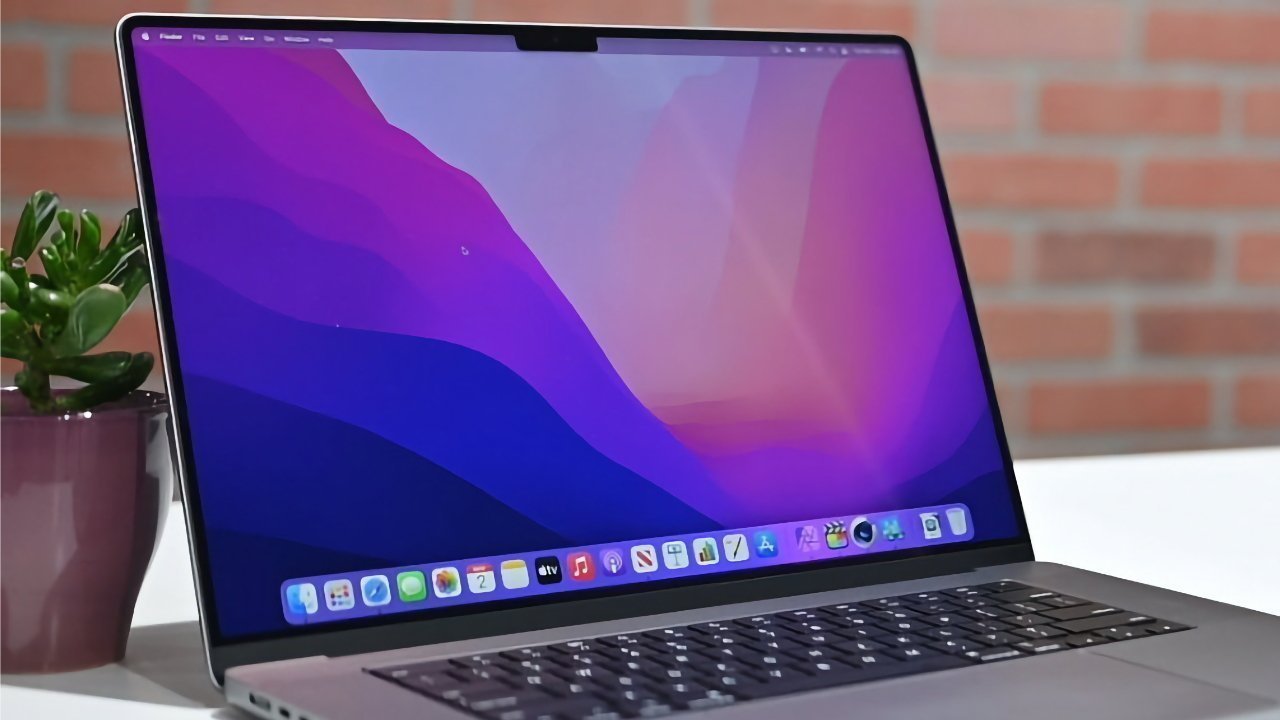
Apple is reportedly ready to unveil a major revamp of its MacBook Pro line, introducing a touch-enabled OLED display and a hole-punch front camera in models expected during 2026 or early 2027, according to people familiar with the matter.
The upgrade is slated for Apple’s high-end 14- and 16-inch Pro models, internally codenamed K114 and K116, and will be powered by the forthcoming M6 chip family. Apple is said to aim for a slimmer, lighter chassis to accompany the new display and feature set. Bloomberg first disclosed the plans, and the narrative has since been discussed across multiple tech outlets.
One of the biggest changes is the shift from the current Mini-LED panels to OLED, which allows deeper contrast, richer blacks, and improved power efficiency in mixed-use scenarios. Samsung Display is widely viewed as the likely OLED supplier, given its existing capacity in Gen 8.6 OLED fabrication lines suited for laptop-scale panels. The plan may incorporate “tandem” OLED designs to boost efficiency and brightness.
Another departure: the notch design housing the front camera is expected to be replaced by a small hole-punch cutout, similar in concept to that employed on iPhones. Apple is thought to be engineering the hinge and screen frame to resist flexing or bounce when the user taps the display, an issue long cited by critics of touch-screen laptops.
Despite these changes, the Pro models will preserve a full trackpad and keyboard, emphasising that touch is intended as an optional input, complementing—not replacing—traditional controls.
Analyst Ming-Chi Kuo echoed the timing of the shift, asserting that Apple may begin mass production of a touch-screen OLED MacBook Pro by late 2026. That aligns with speculation that the company will follow its usual rhythm of fall product launches. Earlier in 2026, Apple is still expected to release incremental upgrades—M5 Pro and M5 Max models—retaining the current chassis and non-touch design.
This pivot marks a substantive break from Apple’s historical posture. Co-founder Steve Jobs long dismissed the notion of touching Mac displays, citing ergonomic impracticalities. More recently, Apple executives had maintained that the Mac and iPad should remain distinct in terms of interaction models. Yet mounting consumer demand for more versatile input methods may now be driving a reassessment.
Scepticism persists, however. macOS was not built around touch navigation, and menu elements may become harder to access beneath a finger or stylus. Further, fingerprints and smudges on large displays represent an aesthetic tradeoff that Apple’s industrial design teams must contend with.
From a strategic perspective, Apple appears to risk blurring the lines between its Mac and iPad product lines. How it positions or differentiates the user experience—especially across macOS and iPadOS—could determine whether this shift strengthens or undermines its ecosystem.
Market watchers also anticipate that these design enhancements will come at a premium. Early rumours suggest the new Pro models could cost several hundred dollars more than current equivalents, which already command steep price points.
Engineering challenges remain. Among them are perfecting consistent colour and brightness across large OLED panels, ensuring durability under frequent touch interactions, and managing heat dissipation in ever-thinner designs. Whether Apple can execute this transition without sacrificing reliability or performance will be under close scrutiny.
Follow Arabian Post
Select Arabian Post as your preferred source on Google and MSN News for trusted business news and Arab politics and updates.




