British travellers visiting Jeddah, Dammam or most Saudi airports could jeopardise their travel insurance after the UK government expanded its warnings amid missile and drone attacks on the kingdom. The Foreign, Commonwealth & Development Office (FCDO) now advises against all but essential travel to both cities and every airport in Saudi Arabia except Medina International Airport. The updated guidance, issued on 11 October, remained current on Tuesday. […]
By Ben Chacko LONDON: The over 200,000 people who demonstrated in London on Saturday, on the 37th national march for Palestine, show that the issue has not gone away, despite Ed Miliband’s admission that: “You were right.” They were not alone. More than 200 organisations across 60-plus countries — including civil society groups, trade unions, […]
Debut of ASEAN and Qinghai Pavilions alongside four key themes spanning energy, technology, green cities and waste management
ECO Expo Asia 2026 – Connecting the World for a Sustainable Future
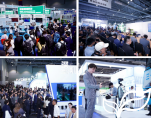
HONG KONG SAR – Media OutReach Newswire – 12 October 2026 – Eco Expo Asia 2026, jointly organised by the Hong Kong Trade Development Council (HKTDC) and Messe Frankfurt (HK) Ltd, co-organised by the Environment and Ecology Bureau of the Government of the Hong Kong Special Administrative Region (HKSAR), will be held from 26 to 29 October at AsiaWorld-Expo.
HKTDC Associate Executive Director Silas Chu said: “Last month, the Hong Kong SAR Government unveiled the Policy Address and first Five-Year Plan, setting out a vision for building a green and liveable city. Across the region and beyond, China, the European Union and many ASEAN economies are actively pursuing carbon-neutrality or net-zero emission targets, and driving decarbonisation through regulations and industrial policies. Green transformation has shifted from policy aspiration to market rule. As global demand for ESG and green solutions continues to grow, Eco Expo Asia will bring together green technologies, innovative solutions, and global business opportunities to help enterprises capitalise on the new prospects emerging from this transition.”
He added, “This year’s Eco Expo Asia brings together over 340 exhibitors from 16 countries and regions, including first-time participants from Indonesia, Laos, Myanmar, the Philippines, Thailand, and Vietnam, highlighting the Expo’s growing international reach. Some 200 key officials and representatives of semi-official organisations from the Chinese Mainland, Hong Kong, Belt and Road countries, and ASEAN, will attend and tour the Expo, further promoting cross-regional cooperation and exchange.”
Speaking at the press conference, the Deputy Director of the Environmental Protection Department of the HKSAR Government, Dr Vanessa Au, expressed: “The 21st edition of Eco Expo Asia, held under the theme ‘Connecting the World for a Sustainable Future’, dovetails with the HKSAR Government’s First Five-Year Plan, and implements the Policy Address precisely aligning with the National 15th Five-Year Plan. It underscores our commitment to advancing Hong Kong’s green transformation, fostering green innovation, seizing the opportunities presented by the low-carbon economy, creating economic benefits and enhancing citizen well-being. Key highlights of this year’s expo include the HKSAR Government booth, the Environmental Campaign Committee Pavilion, the Hong Kong Pavilion and the newly established comprehensive experience zone for green technology. This year during the expo, the Environment and Ecology Bureau and the Ministry of Ecology and Environment of the People’s Republic of China will, for the first time, co-host the Belt and Road Green Innovation Conference in Hong Kong. In addition, the Environmental Protection Department, in association with the Belt and Road Initiative International Green Development Coalition and the Chinese Academy of Sciences, will jointly organise the second edition of the ‘Green Silk Road’ International Training Programme. This expo brings together stakeholders from all sectors, uniting our efforts to advance global carbon neutrality and sustainable development.”
Businesses show continued strong confidence in Hong Kong as an ESG business hub
The HKTDC has also released the “HKTDC ESG Index 2026”. The latest ESG Index stood at 67.3, up from 64.2 last year and well above the neutral threshold of 50, reflecting the continued strengthening of corporate confidence in Hong Kong’s role as an ESG hub. The survey also showed that 93% of respondents have integrated ESG into their overall business decision-making processes, while the share of businesses sourcing or selling ESG-related products and services rose from 29% in 2025 to 46% in 2026.
Silas said, “The rise in the ESG index reflects the continued strengthening of global businesses’ confidence in Hong Kong’s role as an ESG business hub. Results further demonstrate that ESG is increasingly being built into business decisions on investment, sourcing, and supply chain management, fuelling steady growth in demand for ESG products, services and solutions. ESG has evolved beyond a compliance requirement into a source of competitive advantage for companies.”
With strong demand for ESG solutions, Hong Kong is well positioned to unlock commercial opportunities across banking and finance, professional services, and innovation and technology. In terms of technological innovation, surveyed businesses identified the most impactful Hong Kong digital and ESG platforms for boosting performance as sustainable supply chain platforms (45%), AI analytics (37%), and cloud data reporting (30%). On supply chain management, respondents most valued Hong Kong’s ESG certification services (50%), followed by transparency and traceability tools (41%), and ESG audit and risk analysis solutions (36%).
Pavilion line-up expands with ASEAN and Qinghai Pavilion debuts
Eco Expo Asia brings together green innovations and technologies from around the world, offering the industry a platform to exchange ideas and explore new business opportunities. This year, the number of participating pavilions has risen to 18, covering a wider spread of regions. On the Chinese Mainland front, Qinghai Province makes its first appearance with a pavilion of its own, joined by the nine Chinese Mainland cities in the Greater Bay Area, Macao, Guangxi, Hunan, Shanghai, and Nanjing in Jiangsu Province.
Among the international group pavilions, the headline addition is a new ASEAN Pavilion, featuring 13 green technology companies from eight member countries, including Singapore, Laos, Malaysia, Myanmar, the Philippines, Indonesia, Thailand, and Vietnam. An ASEAN networking reception on the opening day will further strengthen business ties with the region. In addition, Korea Institute of Fusion Energy (KFE), bringing two companies, will showcase their marine environmental technologies and waste gas treatment equipment. The US State of Illinois returns after several years, while Canada, Italy, and the Netherlands maintain their regular presence.
Regarding Hong Kong exhibitors, the Hong Kong Science and Technology Parks Corporation once again leads 11 start-ups to the Expo to showcase local green innovation achievements. The Hong Kong Pavilion, supported by the Environmental Protection Department and coordinated by the Federation of Hong Kong Industries, is back with 19 local exhibitors presenting a diverse range of eco-friendly products, technologies and solutions. Rounding off the home-grown line-up, the HKSAR Government booth, featuring 11 bureaux and departments including the Environment and Ecology Bureau, and the Environmental Campaign Committee Pavilion, will highlight the city’s latest work in environmental protection and green development.
As a member of the HKSAR Government’s GoGlobal Task Force, the HKTDC will set up a GoGlobal Connect Zone, helping Chinese Mainland environmental enterprises tap international markets through Hong Kong’s professional services. A seminar on going global rounds out the programme, sharing practical experiences in expanding overseas.
Four thematic areas spotlight green innovation
Aligned with global trends and policy directions, this year’s Expo centres on four areas: Green Energy in Motion, Frontier Green Tech, Building for a Greener City and From Waste to Worth, showcasing the latest innovative green technologies, products, and solutions.
Under”Green Energy in Motion“, the Expo features green energy solutions spanning the maritime, land transport and aviation sectors. Echoing the call in the Policy Address and Hong Kong’s First Five-Year Plan to build a Sustainable Aviation Fuel (SAF) industry chain, EcoCeres Ltd. (Booth: 3-F30), a global leading SAF producer, makes its Expo debut with its advanced renewable SAF made from waste materials, alongside Hydrotreated Vegetable Oil (HVO). The Hong Kong Science and Technology Parks Pavilion (Booth: 3-E02) will also focus on energy, with start-ups presenting innovations such as EV chargers and modular EV conversion technology.
Under the “Frontier Green Tech” theme, around 30 start-ups and university spin-offs will show how research achievements have been transformed into practical environmental applications. Among them, first-time exhibitor Stellerus Technology Limited (Booth: 6-D27) will display the Multi‑Spectral Imaging Carbon Observatory (MUSICO), the world’s first lightweight, high‑resolution, high‑precision synergistic greenhouse gases observatory, which has already been deployed on China’s Tiangong space station. MUSICO monitors greenhouse gas emissions, supporting enterprises in formulating emission-reduction measures and supplying precise data to green finance institutions.
In keeping with the “building a green and liveable city” policy direction under Hong Kong’s Five-Year Plan, the “Building for a Greener City” theme gathers a host of innovations now in real-world use. Green Vigor Limited (Booth: 3-E02) will exhibit a modular hydropower system that converts wasted hydraulic resources from water tanks and cooling systems in buildings into electricity, a solution already in use in local shopping malls, commercial buildings and schools. AEC GreenTech Innovations Limited (Booth: 3-C20) brings a robot designed for plastering and paint spraying, which works at least five times faster than manual labour while halving material use, delivering environmental benefits. The technology has been adopted in local construction projects.
The fourth area, “From Waste to Worth“, assembles a number of leading Chinese Mainland enterprises in the waste management sector, including Chongqing Sanfeng Environment Group (Booth: 3-E30), named among Top 50 Environmental Enterprises in China and the Top 10 Influential Enterprises in China’s Solid Waste Industry, as well as listed environmental companies Dynagreen Environmental Protection Group (Booth: 3-B30) and Beijing Enterprises Environment Group (Booth: 3-D30), showcasing their waste management and resource circular solutions. Hong Kong-based Green AI Technology Limited (Booth: 3-E26) will launch REV, its new generation of the unmanned recycling station at the Expo, demonstrating how AI and automation can be applied to recycling.
Over 30 key events to gather experts from government, industry, academia and research
More than 30 forums and seminars will be held during the Expo, bringing together over 80 government officials, industry leaders and business representatives from the Chinese Mainland, Australia, Malaysia, Thailand, and other Belt and Road countries to share insights on green opportunities, success stories and forward-looking strategies.
The annual flagship event, Eco Asia Conference, will also feature a series of seminars centred on four key themes, with industry and academic experts presenting the latest developments. On 26 October, Professor Su Hui, Chair Professor in the Department of Civil and Environmental Engineering at HKUST, who spearheaded the development of MUSICO, will join ProfessorKenneth Leung, Director of the State Key Laboratory of Marine Environmental Health at CityUHK, to discuss technologies for monitoring extreme weather and explore Hong Kong’s role as a regional green innovation hub. On 27 October, representatives from the Construction Industry Council and China State Construction Engineering (Hong Kong) Ltd will examine green building development from the perspectives of policy, certification and practice.
On 28 October, Avinash Persaud, Special Advisor on Climate Change to the President of the Inter-American Development Bank (IDB) and a member of the High-Level Expert Group on Climate Finance for the COP26, 27 and 28 Presidencies, will take to the stage. Drawing on his extensive experience spanning international finance, public policy, and climate finance, he will analyse emerging global trends in the field.
Public Dayinvites everyone to embrace green lifestyles
The final day of the Expo (29 October) will be Public Day, with free admission for the public, aiming to raise awareness of environmental protection and sustainability and to encourage the adoption of green lifestyles. A series of seminars on climate, environmental protection and food waste upcycling will be held that day. Speakers include representatives from the Hong Kong Observatory, Hong Kong meteorologist and former Assistant Director of the Hong Kong Observatory Leung Wing Mo, and guests from Ways Out HK, a local social enterprise that turns food waste into jewellery. Visitors can also take part in interactive workshops, including a recycled paper making workshop, green cleaners making workshop and green mini games, enabling participants to learn hands-on how to put resource recycling and green living into practice.
By Dr Arun Mitra The unprecedented security arrangements in Delhi, which have virtually turned the capital into a cantonment, are reminiscent of the British Raj, when colonial rulers resorted to brute force to suppress popular movements and crush dissent. The arrests of leaders and activists of CJP, AISF, SFI and AISA, along with students and […]
Guided by the Central Passport, LANDMARK invites visitors to experience Central anew— from Louis Vuitton’s global spectacle to cultural, dining and seasonal celebrations.
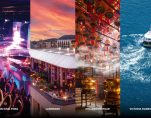
HONG KONG SAR – Media OutReach Newswire – 9 October 2026 – LANDMARK today unveils Destination CENTRAL, inviting local residents and international visitors to rediscover the many sides of Central through the collectible Central Passport. The programme celebrates the district’s long-standing role as Hong Kong’s gateway for arrival, exchange and discovery. Inspired by the spirit of travel, Destination CENTRAL connects experiences across Central, bringing together travel-inspired activations in partnership with Hong Kong Tramways and Asia Miles; district-wide dining privileges; a global spectacle by Louis Vuitton; and THE CHATER, an exclusive dining concept presented by LANDMARK.
Your Passport to Central
Created by LANDMARK, the luggage-inspired Central Passport is a collectible guide bringing together experiences both within LANDMARK and across the wider district into a seamless journey. Inside, a curated map is paired with personal stories and recommendations from people who know Central closely—from tram motormen, singers and public figures to athletes, celebrated chefs and bar founders—inviting visitors to uncover the area’s hidden character.
Available from collection points across the district, the Central Passport can be personalised with stamps from eight designated locations. Visitors who collect any three stamps can visit the Destination CENTRAL Redemption Counter on 2/F, LANDMARK ATRIUM to enter a lucky draw and unlock a surprise gift. Lucky winners stand a chance to receive up to 66,000 Asia Miles—equivalent to a round-trip business-class flight to Japan—alongside photobooth experiences, limited-edition keepsakes and dining vouchers. The Central Passport also includes exclusive dining privileges from more than 40 participating partners, including Lan Kwai Fong and The Murray.
Louis Vuitton at LANDMARK
Following iconic presentations on the Champs-Élysées in Paris, 57th Street in New York and ‘The Louis’ in Shanghai, Louis Vuitton brings the latest chapter of its global series to Hong Kong. Unveiling soon, the Maison will present a monumental mega-art installation at LANDMARK, reimagining its enduring “Spirit of Travel”. Complemented by the pop-up store currently at LANDMARK ATRIUM and the upcoming dedicated Basement Brand Exhibition , the experience offers a captivating glimpse into the world of Louis Vuitton—setting the stage for the highly anticipated Louis Vuitton Maison at LANDMARK.
Transit Through Central’s Changing Landscape
The travel narrative continues with the LANDMARK Tram Station and Heritage Route, created in partnership with Hong Kong Tramways. Together, they offer an interactive look at Central’s transport heritage and evolving urban landscape—from its early harbourfront and trading past to today’s connected city centre. The LANDMARK Tram Station recreates one of the city’s first-generation trams, fitted with authentic archive pieces from Hong Kong Tramways, including a traditional ticket punch, a coin box, driving console and “Dick, Kerr” controller.
A First Class Stop for Dining and Views
Taking the travel theme into hospitality, LANDMARK presents THE CHATER, an exclusive dining concept opening on 6 October, featuring an all-day menu curated by Mandarin Oriental, Hong Kong. Inspired by the elegance and anticipation of a grand station lounge, the new venue brings together Hong Kong and international flavours, with highlights including bubble tea and gourmet quick bites, alongside Pierre Hermé macarons and gelato set to be launched later in the season. The experience will extend to Platform 1889 on 3/F, a first-class railway carriage-inspired feature within THE CHATER’s terrace. Named for the year Sir Paul Chater co-founded Hongkong Land, Platform 1889 pays tribute to a defining moment in Central’s history while offering a prime view of Louis Vuitton’s monumental mega-art installation and the Central skyline.
Halloween Takes Over Central
From 17 to 31 October, Hongkong Land, supported by the Hong Kong Tourism Board and district partners, presents Halloween in Central—a heritage-led celebration that transforms Central’s iconic streetscape into a citywide Halloween playground.
At Statue Square Gardens, South, four large-scale installations set a striking scene: I Am Watching You, a giant eyeball rising over the fountain; The Awakening, a monumental gateway; the photo-ready Coffin Throne; and The Jail, a haunted reimagining of the pavilion.
On Chater Road, the programme begins with Boo-st Your Mood – Pickleball Day in partnership with Pick & Match on 17 October, a wellness-focused afternoon of active fun. This is followed by OPEN by HE.R – Halloween in Central Kick-Off Party on 18 October, bringing live music and high-energy celebrations to the street. Monster Mash Fest – Family Day arrives on 24 October with costumes, face painting, themed bouncy-castle sessions, performances and Halloween treats, before Halloween Day Unleashed closes the programme on 31 October, featuring cosplay, roving characters, themed performances and late-night festivities. Full details are available at https://www.halloweenincentral.com/
“As a key stakeholder deeply rooted in Central, Hongkong Land is delighted to bring Destination CENTRAL to life alongside our district partners, inviting the public to discover the extraordinary charm of Central anew,” said Olivia Luk, General Manager, Marketing, Hong Kong Central, Hongkong Land Limited. “Together with a rich programme of dining privileges and seasonal celebrations, we hope everyone—from daily office workers and local residents to visitors—can shape their own memorable story of Central.”
Exclusive Rewards and Privileges
Destination CENTRAL brings added benefits to every qualifying LANDMARK visit with HSBC-exclusive offers for BESPOKE members. From 28 September to 18 November 2026, eligible BESPOKE members paying with an HSBC Privé Mastercard® or HSBC Premier Mastercard® can receive up to HK$3,000 in BESPOKE Bonus Reward Vouchers, up to 135,000 Bonus BESPOKE Points, and Complimentary Beverage Passes to Platform 1889 at THE CHATER upon registration of cumulative same-day eligible spending.
Terms and conditions apply. For full programme and promotional details, including specific Central Passport mechanisms, please visit https://destinationcentral.hk.
@landmarkhk #LANDMARKHK #DestinationCENTRAL
APPENDIX
Please visit the Destination CENTRAL website at https://destinationcentral.hk for the latest programme details, terms and conditions.
Central Passport Collection & Reward Details (28 September – 18 November 2026)
Collection Points
Stamp Station Checkpoints
Over 20 Collection Points across Central, including:
Destination CENTRAL Stamping Stations
Destination CENTRAL Redemption Counter (2/F, LANDMARK ATRIUM)
Destination CENTRAL Photobooth (3/F, LANDMARK ATRIUM)
LANDMARK Concierges
Hongkong Land Office Lobby Concierges
The Plaza LKF Lobby (21 D’Aguilar Street, Central)
HSBC Main Building (LG/F, 1 Queen’s Road Central — Until 7 October)
Please refer to the website for the complete list of collection points.
Eight Designated Checkpoints Across Central
Louis Vuitton Pop-up Store (G/F, LANDMARK ATRIUM — Until 29 October)
Central MTR Exit (B/F, Near LANDMARK)
The LANDMARK Tram Station (West Bridge, 2/F LANDMARK ATRIUM)
THE CHATER (2/F, LANDMARK CHATER)
BaseHall 01 (LG/F, Jardine House)
Frenchies (1/F, LANDMARK PRINCE’S)
HSBC Main Building (LG/F, 1 Queen’s Road Central — Until 7 October)
The Plaza LKF Lobby (21 D’Aguilar Street, Central)
Other Destination CENTRAL Activities At A Glance
Experiences & Highlights
Dates
Locations
Inside LANDMARK
Destination CENTRAL Redemption Counter
28 September 2026 – 28 February 2027
2/F LANDMARK ATRIUM
The LANDMARK Tram Station & The Heritage Route
28 September 2026 – 18 November 2026
West Bridge, 2/F LANDMARK ATRIUM
Destination CENTRAL Photo Booth
28 September 2026 – 28 February 2027
3/F Edinburgh Tower
THE CHATER
From 6 October onwards
2/F LANDMARK CHATER
Platform 1889
Late October
2/F LANDMARK CHATER
Louis Vuitton At LANDMARK
Louis Vuitton Pop-up Store
11 September – 29 October
G/F LANDMARK ATRIUM
Louis Vuitton Mega Art Installation
Late October
G/F LANDMARK ATRIUM
Louis Vuitton Basement Exhibition
Late October
B/F LANDMARK ATRIUM
Halloween In Central
Central Halloween Takeover
17 October – 31 October
Statue Square Gardens, South
Boo-st Your Mood – Pickleball Day
17 October 2:00pm – 6:00pm
Chater Road
OPEN By HE.R – Halloween In Central Kick-off Party
18 October 3:00pm – 10:00pm
Chater Road
Monster Mash Fest – Family Day
24 October 12:00pm – 9:00pm
Chater Road
Halloween Night Unleashed
31 October – 1 November
2:00pm – 1:00am
Chater Road
Destination CENTRAL Redemption Gifts
66,000 Asia Miles—equivalent to one Cathay Pacific Business Class round-trip ticket to Japan*
26,000 Asia Miles—equivalent to one Cathay Pacific Economy Class round-trip ticket to Japan*
Destination CENTRAL Tram Plush Charm
Destination CENTRAL Magnet
Destination CENTRAL Photobooth Experience
Destination CENTRAL Mini Camera
Ami Signature Beef Sando
BaseHall HK$50 Gift Certificate
THE CHATER HK$50 Gift Certificate
*Based on Cathay Flight Awards – Standard Awards as of 1 September 2026. Terms and conditions apply.
Hashtag: #LANDMARKHK
The issuer is solely responsible for the content of this announcement.
About LANDMARK
LANDMARK represents the epitome of top-tier luxury shopping and lifestyle experiences. Drawing from a rich heritage which began in 1904 – LANDMARK today is the luxury shopping destination of Hongkong Land’s Central portfolio including 4 iconic connected buildings, LANDMARK ATRIUM, LANDMARK ALEXANDRA, LANDMARK CHATER and LANDMARK PRINCE’S. LANDMARK offers approximately 208 of the finest stores and restaurants, all seamlessly linked by pedestrian bridges. From high fashion and accessories to watches and jewellery, from luxury living to beauty and grooming, from international cuisine to authentic gourmet dining, LANDMARK brings the ultimate shopping experience to the discerning customer.
About Hongkong Land
Hongkong Land is a major listed property investment, management and development group. The Group focuses on developing, owning and managing ultra-premium mixed-use real estate in Asian gateway cities, featuring Grade A office, luxury retail, residential and hospitality products. Its mixed-use real estate footprint spans more than 850,000 sq. m., with flagship projects in Hong Kong, Singapore and Shanghai. Its properties hold industry leading green building certifications and attract the world’s foremost companies and luxury brands. The Group’s Hong Kong Central portfolio represents some 450,000 sq. m. of prime property. The Group has a further 165,000 sq. m. of prestigious office space in Singapore mainly held through joint ventures and five retail centres on the Chinese mainland, including a luxury retail centre at Wangfujing in Beijing. In Shanghai, the Group owns a 43% interest in a 1.1 million sq. m. mixed-use project in West Bund, which is due to be completed in 2028. Hongkong Land Holdings Limited is incorporated in Bermuda and has a primary listing on the London Stock Exchange, with secondary listings in Bermuda and Singapore. Hongkong Land is a member of the Jardine Matheson Group.
Protection for ageing parents up to age 100 against conditions such as dementia, with maximum entry age at 80* and no medical underwriting required
Lifetime protection for the child, covering death, terminal illness, total and permanent disability, with optional crisis care add-ons
SINGAPORE – Media OutReach Newswire – 8 October 2026 – Prudential Singapore (“Prudential”) has launched PRUActive Family Care (PAFC), a whole-of-life protection plan designed for Singaporeans caring for multiple generations. The plan enables caregivers to provide protection for both their child and ageing parents under a single policy.
PAFC provides lifetime protection for the caregiver’s child, as the life assured, covering death, terminal illness, total and permanent disability (TPD). It also offers critical illness add-ons that cover 182 conditions including juvenile conditions and mental illness.
The plan also includes Parent Guard Benefit that provides protection for the caregiver’s ageing parents up to age 100, without the need for medical underwriting. It offers financial and income support when a parent is diagnosed with specified age-related conditions, including Alzheimer’s disease, Dementia, Parkinson’s disease and Progressive Supranuclear Palsy.
Often, older adults may find it challenging to get insurance coverage due to health-related underwriting requirements. By including protection for parents under the caregiver’s policy, PAFC helps families address the protection gap.
The launch of PAFC comes as Singapore has become a super-aged society as the proportion of citizens aged 65 and above was at 21.4 per cent in 2026, an increase from 13.7 per cent in 2016. By 2035, more than one in four citizens is expected to be aged 65 and above1. As such, there will be an increasing number of people taking on caregiving responsibilities.
Mr Manu Tandon, Chief Health & Protection Officer of Prudential Singapore, said: “As Singapore’s population ages and families become smaller, many caregivers in the “sandwiched generation” are caring for their ageing parents while raising their young children. These caregivers can face significant financial and emotional stress as they need to fund their children’s education, meet their parents’ healthcare needs – particularly when ongoing care is required – and save for their own retirement.”
Prudential’s recent research2 also highlights the financial challenges many caregivers face. Nearly three in four Singaporeans (72 per cent) cited financial support as the most important form of assistance for caregivers, yet only 13 per cent believed their household would have enough savings if a caregiver had to stop working to provide care.
Added Mr Tandon: “PRUActive Family Care helps families prepare for rising caregiving demands with protection for both parents and child under one plan, while safeguarding the caregiver’s financial future. Importantly, the Parent Guard Benefit extends protection to the caregiver’s ageing parents without underwriting required, who may otherwise find it difficult to obtain coverage.”
Supporting the Needs of the Multigenerational Families by Protecting Ageing Parents
Reflecting the diverse needs of caregivers, PRUActive Family Care offers flexibility for individuals with or without children. It allows the caregiver (the policyowner) or their child to be the life assured, with the option to enhance the life assured’s coverage by up to five times through the Multiplier Benefit. In addition, the Parent Guard Benefit provides coverage for both parents of the caregiver.
The Parent Guard Benefit offers the following financial and income support3:
Diagnosis Support: 20 per cent sum assured (SA) upon parent’s diagnosis of covered conditions (Alzheimer’s disease, Dementia, Parkinson’s disease and Progressive Supranuclear Palsy)
Income Support: Up to 5 years upon parent undergoing the first treatment due to the diagnosis of the covered condition
Accidental Fracture Hospital Income: Upon parent’s hospitalisation due to an Accidental Bone Fracture, a daily income of $150 will be paid for up to 10 days. This is an additional benefit that does not reduce the Parent Guard Sum Assured (SA).
Family Support: Up to 8 per cent of SA upon parent’s death
Up to two parents can be included in the plan, with entry up to age 80* and coverage to age 100. Benefits are payable for eligible diagnoses in any of 13 recognised countries**.
Supporting Recovery and Rehabilitation
Beyond financial protection, PAFC is a holistic plan that provides value-added service to support recovery long after treatment or hospitalisation. The caregiver (policyholder), his/her child and parents, can tap on the recovery and rehabilitation services including physiotherapy, chiropractic care, osteopathy and traditional Chinese medicine, and home care and medical services.
With ageing, the risk of developing health conditions increases. In Singapore, an estimated 72,000 people were living with dementia in 2023, and the Ministry of Health projects this figure could rise to 135,000 by 2030 (Source: Ministry of Health Parliamentary QA, 4 November 2025)
This protection is especially relevant as about 90 to 100 new cases of childhood cancer are detected each year in Singapore among children under the age of 15 (Source: Singhealth website, 5 October 2026)
1 in 3 adolescents aged 10–18 experience symptoms of anxiety, depression and loneliness (Source: Youth Epidemiology and Resilience (YEAR) Study, National University of Singapore, 2024)
** Diagnosis must be provided by a registered medical practitioner in one of the following: Singapore, Australia, Brunei Darussalam, Canada, China (limited to class 3 hospitals in designated cities), Hong Kong, Macau, Malaysia, New Zealand, Taiwan, United Arab Emirates (Abu Dhabi and Dubai), United Kingdom, United States
The issuer is solely responsible for the content of this announcement.
About Prudential Assurance Company Singapore (Pte) Ltd (Prudential Singapore)
Prudential Assurance Company Singapore (Pte) Ltd is one of the top life and health insurance companies in Singapore, serving the financial and protection needs of the country’s citizens for 95 years. As at 31 December 2025, it has S$66.3 billion funds under management. The company has an AA Financial Strength Rating from leading credit rating agency Standard & Poor’s and delivers a suite of well-rounded product offerings in Protection, Savings and Investment through multiple distribution channels including a network of 5,400 financial representatives.
Hackers have compromised hundreds of GitHub repositories by inserting malicious automation workflows designed to steal SSH keys, cloud credentials and access tokens, with security researchers confirming the theft of 26 secrets from 13 repositories. Cybersecurity company GitGuardian identified 772 affected public repositories belonging to 373 users and organisations during an attack campaign spanning August 31 to September 30. The malicious workflows targeted 2,577 secrets, although the overwhelming […]
Coinbase has completed the integration of crypto derivatives platform Deribit, creating Coinbase Global Exchange and preparing to introduce options trading, spot margin and unified portfolios over the coming weeks. The company said on Wednesday that Coinbase Financial Markets, its US-regulated futures commission merchant, will soon connect eligible US customers with global crypto derivatives liquidity through regulated infrastructure. The move brings together operations that had been split between […]
BlockTower Capital founder Ari Paul has accused Coinbase of failing to return about $25 million belonging to his firm, while alleging that similar security breaches affected at least a dozen institutions and involved more than $1 billion. Paul, BlockTower’s founder and chief investment officer, made the claims in a social-media post on September 28, saying the loss occurred “a couple years ago”. He alleged that what initially […]
We’re heading into earnings season again in Corporate America, and S&P 500 earnings are forecast to climb 27% in the third quarter, and for the first time since 2021, every single sector is expected to grow its profits. For two years sceptics have argued the AI boom is a narrow bet on a handful of technology companies. These numbers point to an investment wave now feeding profits […]
By Dr. Gyan Pathak Tamil Nadu politics is undergoing a great churning. Tamilaga Vettri Kazhagam (TVK) led by CM Chandrasekaran Joseph Vijay has formally joined the INDIA bloc on October 3, 2026. It is indeed the biggest strategic shift in Tamil Nadu politics in recent times, which the Tamil Nadu Congress Committee president Manickam Tagore […]
By Arun Srivastava The political economy of a state is the interdisciplinary study of how a government’s political institutions, laws, and power dynamics interact with its economic system to produce, distribute, and manage wealth and public policy. The political economy of Uttar Pradesh is shaped by its massive electoral weight, profound caste-class cleavages, and a […]
By Dr. Gyan Pathak Members of Parliament of INDIA bloc and other opposition parties began their Save Democracy March on Tuesday October 6 from the Parliament to Election Commission of India (ECI) in protest of “Vote Theft” and irregularities in SIR process, but only to be stopped by the Delhi Police. They were not allowed […]
By Annie Domini Jeffrey Archer, British writer and politician synonymous with pot-boilers, page-three scandals and perjury, but also page-turners that were among the biggest publishing blockbusters of all times, has died at 86. Archer was a household name in India, and incidentally sold more copies his books here than in his home turf, the UK, […]
Israel’s election campaign has been jolted by the attempted seizure of a Flydubai flight, with Prime Minister Benjamin Netanyahu presenting the episode as validation of his pre-election security warnings while opponents accuse him of turning a still-unfolding investigation into political ammunition. The dispute has intensified as investigators in the United Arab Emirates examine the September 30 attack aboard Flight FZ1073 from Dubai to Tel Aviv. UAE Attorney-General […]
Tectonic stress on two major Southern California fault systems has climbed to exceptional levels, with researchers identifying Cajon Pass as a critical junction that could permit a future rupture to propagate between the San Andreas and San Jacinto faults. A peer-reviewed study published in the Journal of Geophysical Research: Solid Earth found that modelled stress on several fault segments around the pass is at or above the […]
Transforming QS Practice in a New Era: Integrating Digital Construction, Collaborative Contracting and Payment Security
HONG KONG, CHINA – Media OutReach Newswire – 3 October 2026 – The Hong Kong Institute of Surveyors (HKIS) Quantity Surveying Division hosted the HKIS Quantity Surveying Division Conference 2026 (the Conference) today at the CIC-Zero Carbon Park.
This year’s theme, “Transforming QS Practice in a New Era: Integrating Digital Construction, Collaborative Contracting and Payment Security”, reflects the evolving role of Quantity Surveyors during a time of economic restructuring.
The Conference brought together around 200 participants both in person and online, including government officials, industry leaders, professionals, academics, and young practitioners.
Mr LAU Chun Kit, Ricky, JP, Permanent Secretary for Development (Works) for Development Bureau of the HKSAR Government, attended as the Guest of Honour and delivered a keynote speech.
Quantity Surveyors are trained professionals with expert knowledge of construction costs and contracts who play a crucial role throughout the project development cycle, from investment feasibility studies and procurement strategy to commercial governance, contract administration, and dispute management. The seminar aims to explore how, amidst the ever-changing landscape of the digital revolution and the implementation of new legislation, quantity surveyors can evolve from their traditional roles in contract and cost management into enablers who drive successful value creation in construction projects.
Mr. LAU Chun Kit, Ricky, JP, Permanent Secretary for Development (Works), Development Bureau, said: “The theme of this year’s conference is both timely and visionary. The Conference serves as a strategic platform for surveying practitioners and professionals to exchange insights, explore best practices, and formulate a collective vision for the future of the surveying profession. The insights and best practices generated will not only contribute in advancing the role of surveying profession in the new era, but also reinforcing Hong Kong’s position as a leader in construction excellence.”
The conference featured 20 distinguished speakers from Hong Kong Government bureaux and departments, the private sector, academia, professional institutions, and law firms to share their insights and best practices in the quantity surveying field. Through thought-provoking discussions, the event not only enhanced participants’ technical knowledge but also catalyzed long-term cross-sector collaboration, empowering the industry to continuously deliver highly efficient and resilient built assets in the future.”
Sr WAN Wai Ming, Tony, President of the Hong Kong Institute of Surveyors, noted in his welcome speech, “As the construction landscape undergoes profound shifts, quantity surveyors are evolving from traditional cost guardians into strategic value architects. Under this year’s theme, we gather to explore emerging challenges, tackle critical issues, and seize new opportunities. Together, we redefine our professional identity, share actionable insights, and shape a forward-looking roadmap for the quantity surveying industry in Hong Kong.”
Sr TING Yuen Chun, Eric, Chairman of the HKIS Quantity Surveying Division, acknowledged that the built environment is facing increasingly complex social and economic pressures. He emphasised that these challenges serve as an important reminder that, while technology is a vital enabler of progress, built-environment professionals must continue to apply their expertise and professional judgement, while strengthening collaboration across disciplines, to navigate change and deliver sustainable value to society.
Sr WONG Kin Yan, Winnie, Organising Committee Chair of the Conference stated in her closing remarks, “Developments in Collaborative Contracting, Digital Construction, and Payment Security present an opportunity for our profession to evolve beyond traditional cost management.
Today’s quantity surveyors are increasingly called upon to serve as trusted advisers, driving collaboration, leading digital transformation, and championing transparency and fairness across the entire project lifecycle. By embracing these changes, we can continue to play a pivotal role in delivering sustainable, resilient and high-performing built assets for our community.”
List of Speakers (in order of presentation delivery)
Keynote Speech by Guest of Honour
Mr LAU Chun Kit, Ricky, JP, Permanent Secretary for Development (Works), Development Bureau, HKSARG
Session 1: Collaborative Contracting
Mr LEUNG Lap Ki, Francis, Team Leader (Trade & Procurement), Development Bureau, HKSARG
Sr CHOI Wing Chung, Hayman, Project Strategy and Delivery Leader (Asia), Mott MacDonald Hong Kong Limited
Ir LEUNG Cheuk Lun, NEC Strategic Advisor, Civil Engineering and Development Department, HKSARG
Ir WANG Yan Hua, Chairman and Managing Director, China Road and Bridge Corporation (Hong Kong)
Sr Yau Wan Fong, Deputy Director, WT Partnership (HK) Limited
Mr Put HUI, Senior Digital Transformation Lead, Innovative Technology, Gammon Construction Limited
Mr Ronald CHAN, Head of Sustainability for APAC, Currie & Brown
Sr Sunny CHOI, Chairman of Digitalisation Sub-committee, Quantity Surveying Division, The Hong Kong Institute of Surveyors; Past Chairman of Quantity Surveying Division, The Hong Kong Institute of Surveyors (2021-2023)
Sr Dr Paul HO, Past Chairman of Quantity Surveying Division, The Hong Kong Institute of Surveyors (2005-2006)
Session 3: Payment Security
Sr Tommy CHAN, Executive Director, Arcadis Hong Kong Limited
Cr Sr Ir ZA Wai Gin, Tony, Executive Director, Hip Hing Construction Co., Ltd.
Sr Hinson CHEUNG, Partner, Pinsent Masons
Sr Terry CHAK, Director of North Asia Region, Rider Levett Bucknall Limited
Sr TT CHEUNG, BBS, JP, Past President, The Hong Kong Institute of Surveyors
Sr CHONG Lui Chuen, Executive Committee Member, CSHK Professional Committee
Mr Eric CHUNG, Barrister-at-Law, Pacific Chambers
Sr Prof LEUNG Hing Fung, Professor and Head, Department of Law and Business, Hong Kong Shue Yan University; Adjunct Professor, Department of Real Estate and Construction, University of Hong Kong; Barrister-at-law, Arbitrator and Mediator
Ir Prof Thomas HO, JP, Chairman, Construction Industry Council;
Sr Amelia FOK, Chairman, The Association of Consultant Quantity Surveyors;
Ir Prof Michael YAM, Head of Department and Professor, Department of Construction Management and Intelligence, The Hong Kong Polytechnic University;
Sr Renee CHAN, Senior Lecturer, Department of Design and Architecture, Technological and Higher Education Institute of Hong Kong
First Row: Past Presidents of the Hong Kong Institute of Surveyors, Executive Committee of the Hong Kong Institute of Surveyors, and Council Member of the Quantity Surveying Division, the Hong Kong Institute of Surveyors
007 Sr Winnie WONG, Organising Committee Chair of the HKIS Quantity Surveying Division Conference 2026, delivered closing remarks.
008 The Conference gathered around 200 industry professionals, participating in person and online.
The issuer is solely responsible for the content of this announcement.
About the Hong Kong Institute of Surveyors
Established in 1984, The Hong Kong Institute of Surveyors (HKIS) is the only surveying professional body incorporated by ordinance in Hong Kong. As of 30 September 2026, the number of members reached 11248, of which 8301 (FHKIS: 579, MHKIS: 7722) were corporate members, 49 were associate members and 2898 were probationers and students.
HKIS work includes setting standards for professional services and performance, establishing codes of ethics, determining requirements for admission as professional surveyors, and encouraging members to upgrade skills through continuing professional development.
The Institute has an important consultative role in government policy making and on issues affecting the profession. We have advised the government on issues such as building safety and unauthorized building works, problems of property management, town planning and development strategies, construction quality, construction costs and housing problems. We have also issued guidance notes on floor area measurement, real estates valuation and land boundary survey, etc.
We have an established presence in the international arenas, have overseas connections, and have entered into reciprocal agreements with professional surveying and valuation institutes in Australia, Canada, Japan, New Zealand, Singapore, the United Kingdom, and Mainland China recognizing the counterpart’s member’s qualifications. In addition, HKIS is a member of various leading international surveying organisations.
By Dr. Gyan Pathak On the very first day of the protests on October 2, by INDIA bloc and other opposition political parties, Cockroach Janata Party (CJP), Civil societies, and common people against CEC demanding his resignation across the country, particularly in Delhi and Mumbai, the campaign entered a consequential phase and at a political […]
UAE President Sheikh Mohamed bin Zayed Al Nahyan travelled by Etihad Rail from Abu Dhabi to Dubai on Monday as the national railway network prepared to add Dubai to scheduled passenger operations. The presidential journey preceded the inauguration of Etihad Rail’s Dubai Station at Al Yalayis by Sheikh Hamdan bin Mohammed bin Rashid Al Maktoum, Crown Prince of Dubai, Deputy Prime Minister and Minister of Defence, and […]
Open USD, a dollar-backed stablecoin supported by major payments, technology and cryptocurrency companies, has gone live with a model that distributes reserve income and ownership to businesses that help expand its use. The stablecoin began operating on Wednesday across Ethereum, Solana, Base and Tempo, according to Open Standard, the independent company behind the project. Coinbase, Mastercard, Shopify, Stripe and Visa are its founding partners and investors, and […]
By Dr. Gyan Pathak On the morning of September 30, 2026, Delhi witnessed display of a series of hoardings, unclaimed by any organization but believed to have been put on behalf of the BJP, that targeted leaders of opposition before INDIA bloc meeting, and claiming rift among their leaders. BJP separately criticised Leader of Opposition […]
By Ashis Biswas Nearly a month after the shocking glacial slide in the Himalayas close to the China/Nepal border that killed hundreds of people, angry Nepalis are pressing for immediate ‘climate justice’ in well attended rallies at home and abroad. Sadly international response to one of the worst natural disasters the world has seen has […]
HONG KONG SAR – Media OutReach Newswire – 22 September 2026 – Hong Kong’s Chief Executive John Lee announced the First Five-Year Plan for Economic and Social Development of the Hong Kong Special Administrative Region (HKSAR) (2026-2030) and his fifth Policy Address on September 16, rolling out measures to further sharpen Hong Kong’s edge amid global competition, consolidate development of the Guangdong-Hong Kong-Macao Greater Bay Area (GBA) and promote green transformation.
Initiatives aim to support high-quality development of the GBA, align rules and mechanisms within the region, and promote cross-boundary collaboration.
“The HKSAR Government will continue its efforts in fostering synergistic development of the GBA,” said Mr Lee. “We will strengthen co‑operation in technological innovation, promote ‘hard connectivity’ in infrastructure, foster ‘soft connectivity’ by deepening the alignment of rules and mechanisms, and achieve ‘connectivity of hearts’ among residents of the three places.”
The HKSAR Government will continue to actively participate in the development of the various major co-operation platforms, including Qianhai of Shenzhen, Nansha of Guangzhou, Hengqin of Zhuhai and the Hetao Shenzhen-Hong Kong Co-operation Zone, to promote mutual benefits.
In terms of “hard connectivity” the HKSAR Government will support Nansha in its role as a high‑standard gateway for opening up, including encouraging the trade to participate in Nansha’s infrastructure development.
“To promote the co‑ordinated development of rail transit in Guangdong, Hong Kong and Macao, we are pressing ahead with the Northern Link Project and the Hong Kong‑Shenzhen Western Rail Link (Hung Shui Kiu‑Qianhai), with target commissioning in 2034 and 2035 respectively, to fully connect the rail transit networks of Hong Kong and Shenzhen,” Mr Lee said.
Regarding “soft connectivity”, Mr Lee said the HKSAR Government will set up a Task Force to explore ways to advance the alignment of rules and mechanisms within the GBA.
To achieve “Connectivity of Hearts” among residents across the GBA, Hong Kong will strengthen co-operation between its higher education institutions and those in other GBA cities by establishing cross‑disciplinary partnerships, facilitating scientific research, knowledge transfer, and commercialisation, with a view to promoting high‑level research.
Hong Kong’s Secretary for Constitutional and Mainland Affairs, Janice Tse, noted that the First Five-Year Plan clearly states that Hong Kong will participate in the development of the GBA into an international first‑class bay area and a world‑class city cluster with global influence.
“Hong Kong will forge closer alignment and synergy with the nine GBA cities in Guangdong Province and Macao, making full use of our respective advantages to jointly promote the high-quality development of the GBA,” Miss Tse said.
To foster financial development in the GBA, Hong Kong will continue to capitalise on institutional innovation, financial infrastructure upgrading and enhanced regulatory alignment to encourage the orderly flow of financial elements among GBA cities.
The Hong Kong Exchanges and Clearing Limited’s Core Climate, in collaboration with the Guangzhou Power Exchange Centre, is working towards the pilot trading of national renewable‑energy, green electricity certificates in Hong Kong in 2026.
“On connecting the Chinese Mainland and the world, the HKSAR Government will continue to support green technology development through the HK$400 million (aboutUS$51 million) Green Tech Fund, leveraging Hong Kong’s function as a springboard for green technology and assisting national green technologies and products in going global,” said Hong Kong’sSecretary for Environment and Ecology, Tse Chin-wan. “On the development of hydrogen energy, we have participated in drafting national hydrogen energy standards with a view to helping these standards align with international practice.”
To meet the country’s “dual carbon” targets and fulfil Hong Kong’s commitment to achieving carbon neutrality before 2050, the HKSAR Government steered the establishment of a production base for sustainable aviation fuel (SAF) in Dongguan, leveraging the leading position of Hong Kong enterprises in the international SAF industry.
“By combining technology strengths with industrial foundation, Hong Kong and Guangdong will jointly develop a globally influential green industry,” Mr Lee said.
The HKSAR Government will take forward the construction of an SAF blending facility in Hong Kong to build an end‑to‑end SAF value chain and reduce logistics costs to make SAF prices more competitive. The target is to achieve an SAF consumption ratio of 1% to 3% for flights departing from Hong Kong International Airport in 2030.
Hong Kong’s Five-Year Plan promotes the integrated development of culture, sports, and tourism, to develop the GBA into a cultured bay area.
Under the strategic framework of the Agreement on Strengthening of Sports Cooperation and Promotion of Integrated Development, Hong Kong will deepen co-operation, and strive to co‑organise important regional and international single‑sport events. It will also strengthen cultural exchanges, pass on Cantonese opera and the characteristics of Lingnan culture, and promote the sales and cross‑boundary exhibition of Hong Kong publications.
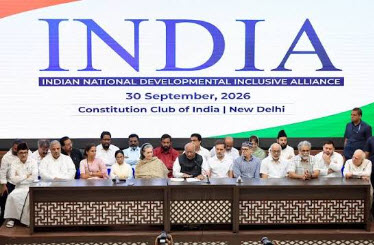
By Dr. Gyan Pathak The proposed INDIA bloc meet — scheduled on September 30, 2026 in New Delhi against the Chief Election Commissioner’s (CEC’s) ‘illegal’ and ‘unauthorised’ actions as recorded by the two fellow Election Commissioners (ECs) — aims at not only taking a unified stand on demand of removal of the CEC and initiating […]



 https://www.hktdc.com/event/ecoexpoasia/en
 https://www.instagram.com/hktdclifestyle/




 https://sg.linkedin.com/company/prudential-assurance-company-singapore
 https://www.facebook.com/PrudentialSingapore/






 https://www.youtube.com/@hkisofficial



 https://x.com/Brand_HK/