News related to
City

GUIYANG, CHINA – Media OutReach Newswire – 29 August 2025 – On August 28, the 2025 China International Big Data Industry Expo opened in Guiyang, Guizhou Province. Launched in 2015, it has become the world’s premier platform for the development of big data industry. Opening ceremony venue of the 2025 China International Big Data Industry Expo During the opening ceremony, head of the National Data Administration of […]

Efforts to standardise digital experiences across government platforms are gaining traction through the UX4G initiative. Run by the National e‑Governance Division under the Ministry of Electronics & IT, UX4G provides a unified design framework, making websites and apps more consistent, accessible and intuitive for users across all states and central departments.

The initiative offers a comprehensive design system that includes ready‑to‑use Figma kits, a pattern library, code components and visual tokens like typography, colour palettes and layout grids. This toolkit expedites development, cuts redundant work and ensures uniformity in user experience across the digital government landscape. Modular elements such as atoms, molecules and organisms facilitate scalable interface building, promoting efficiency for both designers and developers.

Central to UX4G’s mission is accessibility. The framework integrates tools like text resizing, colour inversion, dyslexia‑friendly fonts, dark‑ and light‑modes, and other assistive widgets. These are vital for inclusive interaction, especially for users with disabilities, aligning with the Government of India’s Guidelines for Indian Government Websites. GIGW calls for WCAG‑compliant standards, and UX4G reinforces this by embedding accessibility into every layer of design.

UX4G also promotes continuous improvement through tools like the UX Health Self‑Check and Audit 360, which provide structured self‑assessment and automated audits against user experience benchmarks. These tools help departments maintain usability and accessibility standards through various stages of design and deployment.

Workshops and capacity building form a cornerstone of the initiative. More than 50 awareness and sensitisation workshops have been conducted across states and central departments, with thousands of participants trained in UX principles, design systems, audit methods and accessibility practices. Significant sessions took place in states such as Rajasthan, Himachal Pradesh, Nagaland, Meghalaya, Telangana and Delhi during mid-2025.

Government services including UMANG, DigiLocker, DIKSHA, API Setu and Poshan Tracker have served as pilot platforms and case studies for UX4G’s implementation. These platforms showcase smoother navigation, interface consistency and improved usability—demonstrating the initiative’s capacity to reshape citizen‑government interactions.

Origins of the initiative trace back to 2021 under the Digital India programme, launched to replace fragmented digital designs across departments. UX4G addresses long‑standing inconsistencies in interface design and poor mobile responsiveness by providing a shared foundation that accelerates service rollout and enhances user satisfaction.

Version 1 of the design system was released in June 2023, following a development timeline that began in late 2022 and continued through mid‑2023. Throughout this period designers and developers participated in usability testing and iterative improvements, validating components and documentation to enhance effectiveness and ease of adoption.

Greenlogue/AP Veolia has moved to acquire the remaining 30 per cent stake in its Water Technologies and Solutions subsidiary from CDPQ, in a deal valued at around US$1.75 billion, positioning the company for greater strategic agility and cost-efficiency. The transaction is expected to bring about €90 million in run‑rate cost synergies by 2027, simplification of the group’s structure, and added value through streamlined decision‑making and integration. The move forms […]

3 Cross-regional fashion events kicking off at CENTRESTAGE in Hong Kong followed by a fashion show and exhibition in Seoul Bringing together 35 units of renowned and emerging designers from Guangdong-Hong Kong-Macao Greater Bay Area and Korea to present over 100 creations Breaking cultural boundaries with Cantopop, K-pop and films from Hong Kong and Korea to open a new frontier in cultural exchange HONG KONG SAR – […]

Mozambique’s authorities have approved projects totalling more than US$4.2 billion during the first half of 2025, with investment concentrated in the industrial, agro-industrial and tourism sectors. Gil Biles, director-general of the Agency for Investment and Export Promotion, made the disclosure at the South Africa–Mozambique Business Forum, held alongside FACIM 2025. He identified the Dondo Industrial Park among the standout ventures, characterising it as one of the most […]

A quarter of white‑collar professionals in the UAE express concern that artificial intelligence might one day replace their roles, yet more than half acknowledge that AI tools have made their work noticeably easier—presenting a complex picture of apprehension tempered by appreciation.

LinkedIn data shows that 80 per cent of professionals in the UAE now use AI tools “regularly,” a significant increase from 56 per cent in 2024. This puts the UAE second globally in AI adoption behind only India, where the figure stands at 85 per cent. Confidence in experimenting with AI is high, with 81 per cent of local professionals saying they enjoy exploring AI tools, and 73 per cent reporting more frequent and confident usage compared with the previous year. Many describe learning AI as “a second job.”

A survey by The National found that roughly 25 per cent of the 200 respondents worry about AI’s future impact on their jobs. Yet more than half affirm that AI has made their current tasks easier, and 7 per cent report that their roles have already been replaced—though they emphasise this is based on a small sample. Roles in media, advertising and marketing appear particularly vulnerable to automation. Nevertheless, David Mackenzie of recruitment firm Mackenzie Jones Middle East maintains that, at present, AI lacks the sophistication to supplant senior professionals in white‑collar roles.

Broader sentiment in the UAE workforce is largely optimistic. A Korn Ferry workforce report indicates that 82 per cent of employees in the UAE feel positive about AI’s potential—a stance mirrored in neighbouring Saudi Arabia. Moreover, a survey reveals only 7 per cent of UAE professionals would resist working alongside AI as a colleague, compared with 21 per cent globally. There is, however, cautious pragmatism: 35 per cent support limiting automation in sensitive sectors such as healthcare and education, and 61 per cent would endorse full automation only if accompanied by a universal basic income or welfare compensation, compared with 40 per cent worldwide.

These mixed perspectives take shape against a backdrop of national ambition and infrastructural investment. The UAE has broadened its Golden Visa programme to attract global talent in AI, climate technology and advanced digital industries—a strategic move to make itself a hub for technological innovation and sustainable growth. The country’s AI strategy also includes the establishment of dedicated institutions and leadership structures, such as the Ministry of State for Artificial Intelligence, Digital Economy and Remote Work Applications, led by Omar Sultan Al Olama, who was appointed in 2020 as the world’s first minister for artificial intelligence.

Academic insights reinforce the nuanced impact of AI across sectors. A recent study of creative professionals—including journalists and filmmakers—reveals that while AI enhances operational efficiency and reduces costs, it also raises concerns about authenticity, cultural integrity and skill erosion. The absence of sector‑specific guidelines leaves individuals to navigate AI adoption on their own.

On a global scale, developments are shaping discourse on AI’s real effects. A Stanford‑led study has documented a 16 per cent decline in employment among workers aged 22–25 in sectors vulnerable to automation, such as customer service and software development, between late 2022 and mid‑2025. Experienced workers remain comparatively shielded as AI takes over repetitive tasks. The report emphasises the importance of policies that favour human‑AI collaboration rather than outright replacement. Microsoft’s AI chief Mustafa Suleyman urges professionals not to fear job loss, but rather stagnation—championing reskilling, collaboration, and a growth mindset.

These threads converge as the UAE continues to pursue its goal of becoming an AI leader by 2031—anchored in education, infrastructure, investment and workforce transformation. Yet the responses of professionals remain varied: a blend of anxiety, adaptability and optimism defines the evolving relationship between AI and work in the UAE.

SINGAPORE – Media OutReach Newswire – 29 August 2025 – Hun Ming Kwang, founder of Singapore-based coaching and consulting practice InnerWork Circle, has received the Excellence in Professional Coaching award at the Ignite Global Awards 2025. The ceremony, held in Bangkok on 16 August, recognised leading practitioners in coaching and personal development from around the world. Ignite Global is an international platform that promotes professional coaching and […]

Advertisements

UAE companies are recalibrating their compensation strategies amid evolving market pressures, rising costs, and intensifying competition for skilled professionals.

Salary growth across the board is projected at a modest 4 per cent in 2025, reflecting economic moderation rather than exuberance. Mercer’s Total Remuneration Survey indicates that more than 28 per cent of firms plan to increase headcount, signalling a continuing demand for talent despite budgetary constraints. In-demand sectors such as technology, life sciences, and consumer goods are expected to see slightly higher increases—around 4.2 to 4.5 per cent—while energy and financial services align with the broader average.

MaxHR’s projections paint a slightly more optimistic picture for key verticals: salary hikes for technology roles could reach 8–12 per cent, while finance and banking roles may grow by 5–7 per cent, significantly outpacing other industries.

Employers are embracing variable compensation as cash-strapped budgets and workforce expectations diverge. There is a growing preference for pay-for-performance models, personalised benefits, and flexibility—designed to engage younger professionals who prioritise purpose and work-life integration alongside financial reward.

These shifts align with broader market signals. Tuscan Consulting notes that after post‑pandemic salary surges, firms are now reassessing compensation strategies, balancing retention needs with cost control. Executive packages increasingly include sign‑on or retention bonuses, deferred incentives, and more nuanced benchmarking—often comparing pay between UAE and KSA to remain competitive.

Yet not all data points suggest growth. Business Insider reports that salaries across the UAE may remain flat in 2025, attributed to a swelling expat population that expands the available talent pool and reduces pressure on employers to offer premium pay. Meanwhile, exponential increases in living costs—rent rose 16 per cent in the prior year—have squeezed middle-income professionals, eroding disposable income despite tax‑free earnings.

At the same time, the Dubai government is extending a labour-market lifeline to targeted expatriates, offering roles with monthly salaries up to Dh 50,000. This contrasts with the broader cautious recruitment trends in the private sector, where AI, automation, and tax uncertainties are prompting a more measured approach to hiring.

Dubai’s finance sector is expanding—hiring regulators, investment bankers, and compliance professionals to match its rapid growth. Compensation packages often exceed those in London by up to four times once tax advantages and relocation benefits are included, although professionals note that reward expectations and infrastructure pressures are testing the city’s appeal.

A cohesive picture emerges: employers are shifting from purely salary-driven offerings to total-reward packages that integrate flexibility, performance incentives, and career development. While headline salaries may be easing off, especially for mid-tier roles, specialized sectors and public entities continue to push compensation envelopes to secure talent and drive strategic priorities.

Dubai’s population has exceeded four million residents in 2025, marking one of its most rapid growth phases. Analysts from DXBinteract report that over the past year, the city welcomed more than 231,000 new residents—achieving a 6.13 per cent increase—underscoring the emirate’s position among the globe’s fastest-expanding urban centres.

The city’s demographic growth trajectory reflects a profound transformation. In 2008 Dubai was home to some 1.6 million people; today that figure has surged to over four million. This expansion has occurred alongside a widening appeal as a global hub for commerce, real estate investment and multicultural living.

The implications for infrastructure and property markets are immediate. DXBinteract data indicates that Dubai now hosts more than 2,000 developers, nearly 29,400 real estate agents and close to 8,800 brokerages—highlighting a highly competitive market environment. AI-backed forecasts anticipate the emirate’s population reaching five million by 2029–2030, a scenario that would require construction of at least 300,000 additional housing units.

Key factors behind the demographic surge include robust economic diversification, progressive residency policies and enhanced global connectivity. Visa reforms such as the Golden Visa, the allowance of 100 per cent foreign ownership in designated zones, and development of specialized free zones are drawing entrepreneurs, professionals, and high-net-worth individuals to the city.

Natural population growth also plays a role, coupled with sustained net migration. DXBinteract notes that over the span of 14 years—from 2011 to today—Dubai’s population has effectively doubled, moving from around 1.93 million to more than four million inhabitants.

Parallel figures from Gulf News further underpin this narrative: by 25 August, the population stood at an estimated 3,999,247, reflecting an increase of 3.5 per cent—or over 134,000 people—since the beginning of the year. Local citizens’ numbers also rose, reaching nearly 300,000 Emiratis, the highest local population recorded to date.

These demographic patterns are stretching the city’s infrastructure. Housing markets are responding with rapid development across residential zones—both to meet rental demand and home-purchase interest. Expanded transport networks, public services and retail facilities are also under strain.

Looking ahead, AI-driven projections suggest a growth-to-consolidation shift rather than unchecked expansion. Larger real estate firms and tech-oriented platforms are expected to gain greater market share in response to evolving supply dynamics.

Dubai’s expanding population deepens its role on the global stage as a crossover centre for trade, tourism and investment. But with accelerated urban growth comes a renewed emphasis on sustainability, quality of life and long-term planning to ensure that infrastructure and housing keep pace with demographic ambitions.

HONG KONG SAR / SINGAPORE – Media OutReach Newswire – 28 August 2025 – Regent Hong Kong has been crowned the Best Hotel in Hong Kong 2025, earning the prestigious Best Brand Hotel title at this year’s Virtuoso Travel Week in Las Vegas. This global recognition by Virtuoso’s network of elite travel agencies, advisors, and partners underscores Regent’s reputation for unparalleled service, refined design, and a timeless […]

ADNOC has sealed a 15‑year Sales and Purchase Agreement with Indian Oil Corporation Ltd for the annual supply of 1 million tonnes of liquefied natural gas, marking a definitive move from the previous memorandum. The cargoes will be eligible for delivery to any port across India, reinforcing ADNOC’s position as a dependable supplier to meet India’s expanding energy needs and energy security demands. ADNOC’s Ruwais LNG project, […]

MOSCOW, RUSSIA – Media OutReach Newswire – 28 August 2025 – SIBUR has produced the first test batch of hexene – a key component in the production of premium grades of polyethylene – at the first hexene facility in Russia and the CIS. The company plans to supply the product both to the domestic market and for export to the CIS and Asian countries, including China and […]

A surge in travellers tracing the on‑screen footsteps of K‑dramas is reshaping tourism across unexpected global landscapes. From lakeside Swiss villages to tranquil Japanese islets and coastal Korean towns, the ‘K‑Wave’ is turning fictional settings into real‑world destinations.

Fans of Crash Landing On You have placed the Swiss lakeside village of Iseltwald on the map. A modest community of 406 residents now sees approximately 1,000 visitors daily at the dock featured in the series. Access fees have yielded nearly 245,000 Swiss francs in 2024, with public toilet revenues adding a further 58,000 francs. Local authorities emphasise that funds are channelled into essential services, including waste management, restroom upkeep and additional staffing, rather than generating profit. Authorities also responded to the influx by installing signage and creating an informational website to encourage respectful tourist behaviour.

In Asia, Korea’s own locales continue to benefit from film‑induced tourism. Following the broadcast of Winter Sonata, visits to Nami Island soared, rising from 250,000 to over 650,000 — the iconic kissing‑spot statue now a pilgrimage for fans. Similarly, Hometown Cha‑Cha‑Cha elevated Pohang’s tourism profile, revitalising its commercial district, while Yangju’s Chang Ucchin Museum of Art attracted enquiries after featuring in episode twelve, prompting VR‑based fan tours leveraging immersive content.

This pattern extends beyond Korea. Swiss sites exemplify how global K‑drama audiences are contributing to local economies, especially in destinations outside traditional tourism circuits. The case of Iseltwald illustrates both the economic boost and the logistical strains of sudden fame. On the other hand, domestic examples underline how coordinated efforts—with content, tourism boards and local authorities collaborating—can shape sustained visitor interest.

Tourism experts note a broader shift: entertainment has become a powerful impetus for travel, transcending conventional marketing. The emotional investment viewers feel with characters and storylines often precedes a desire to experience the settings firsthand. In South Korea, advertisers and tourism agencies have capitalised on this trend. Data from 2025 shows searches for Seoul increased by 30 per cent in the first half of the year, while Busan’s surged by 50 per cent, fuelled by exposure in K‑dramas and social media travel content. Over 32 per cent of young global travellers cited K‑pop or K‑dramas as their primary reason for visiting, with 60 per cent motivated by food and cultural experiences.

Meanwhile, the broader economic ripple effect is apparent. A recent report highlights that the Korean Wave is driving increases in tourist spending across multiple regions and sectors—far beyond traditional attractions. Cultural soft power, rooted in entertainment, fashion, cuisine and beauty, is proving a more enduring and profitable tourism strategy.

This phenomenon underscores the dual nature of film-induced tourism. On one hand, it delivers tangible economic dividends—reviving rural towns, funding infrastructure, generating income for small businesses. On the other hand, communities face challenges: overburdened infrastructure, privacy concerns, and maintaining authenticity amid influxes of enthusiastic visitors.

The contrast between organic growth in Korean towns and the spontaneous boom in European villages like Iseltwald highlights critical factors. Locally coordinated strategies, preparedness and managed growth tend to yield more sustainable outcomes. Yet even unplanned surges can be harnessed—if responded to with planning, investment and community engagement.

NMC Healthcare, one of the United Arab Emirates’ foremost private healthcare providers, has turned to Snowflake’s AI Data Cloud platform to elevate its patient-care capabilities. The agreement empowers NMC to consolidate operational and clinical data from across its network of 70 facilities, enabling real-time, AI-powered analytics to enhance point‑of‑care decision‑making and patient experience.

Christopher Habib, Chief Strategy Officer at NMC Healthcare, has emphasised that Snowflake’s infrastructure equips teams to “act on insights in real time — whether that’s enhancing patient care and experience or optimising operations.” This development represents a significant stride in the organisation’s digital transformation and innovation trajectory.

Centralising data across numerous outlets lays the groundwork for scalable systems tailored to evolving regulatory, operational, and patient‑care demands. By deploying an AI‑ready platform, NMC intends to boost speed‑to‑insight and enrich its analytics capacity across the board.

Analysts note that real‑time analytics are increasingly pivotal in healthcare—particularly amid growing volumes of patient data and demand for timely interventions. Platforms like Snowflake support seamless integration of disparate data sources, enabling care teams to deliver personalised responses and predictive insights.

Beyond regional impact, Snowflake has cultivated a growing presence in Middle Eastern healthcare initiatives, positioning AI‑powered data platforms as strategic enablers of digital health advancement.

NMC’s embrace of Snowflake underscores a wider pivot among UAE healthcare providers towards data‑driven operations. Consolidated data empowers administrators to monitor performance across locations, refine resource allocation, and respond swiftly to patient needs.

Industry voices suggest that accessible 360‑degree patient profiles—enabled by secure, unified data platforms—enhance clinicians’ ability to anticipate complications, tailor treatments, and improve outcomes.

Operationally, the shift supports more efficient workflows. With instantaneous analytics, NMC can optimise scheduling, predict demand surges, and better manage inventory across its hospital network. This aligns with corporate growth strategy and innovation goals.

Centralising analytics also simplifies compliance. A unified platform helps ensure consistent data governance, audit capabilities, and adherence to evolving healthcare regulations focused on patient privacy and data security.

Although immediate rollout details remain undisclosed, the scale of NMC’s network suggests that implementation could significantly elevate operational agility. Snowflake’s cloud‑native design also offers flexibility—allowing future expansion and integration with emerging health‑tech tools.

NMC Healthcare’s strategic turn signals that Middle Eastern private health systems are entering a new era—where advanced data infrastructure not only supports clinical decisions, but also underpins broader organisational resilience.

Emerging trends suggest that demand for AI‑enabled, centralised data ecosystems will rise further, particularly as providers seek to standardise care quality and scalability across regions. NMC’s move may well serve as a model for other networks aiming to harmonise operations and elevate patient care through data intelligence.

Finance watchers may note that Snowflake, listed on NYSE under the ticker SNOW, continues to grow its market presence, backed in part by strategic partnerships like this one. The company’s capabilities align neatly with healthcare sector demands for secure, interoperable data solutions.


HONG KONG SAR – Media OutReach Newswire – 27 August 2025 – In celebration of French creativity and cultural exchange, the Alliance Française de Hong Kong (AFHK) and Tramplus, a sister company of Hong Kong Tramways, have partnered to launch the Tram Design Competition, transforming one of the city’s most iconic modes of transport into a moving canvas of French-inspired imagination. This initiative marks a new chapter […]

Dubai’s top-tier residential sector continues to outperform the global market, with capital values climbing over 5 per cent in the first half of 2025 and rental returns holding firm.

Dubai’s prime residential property market emerged as one of the strongest worldwide, ranking third behind Tokyo and Berlin in capital value growth during the first six months of 2025. Prime capital values rose by over 5 per cent, substantially ahead of the 0.7 per cent average recorded across 30 global cities. This momentum reflects robust investor confidence, sustained immigration and constrained luxury supply. Savills projects further gains of between 4 and 5.9 per cent in the second half of the year, underscoring the city’s enduring appeal for global investors.

Rental markets in the emirate also remain buoyant. Prime rental rates rose by 2.9 per cent over the past six months and have surged by 13.3 per cent year-on-year to June 2025. High renewal rates and continued demand from high-net-worth individuals and long-term residents have contributed to sustained rental resilience.

Across Savills’ global index of prime markets, Tokyo led with an 8.8 per cent increase in capital values, driven by acute scarcity of stock and strong demand from both domestic and international buyers. Dubai, Berlin and Seoul each recorded gains exceeding 5 per cent, with supply constraints emerging as a key driver across these markets.

Savills’ analysis highlights a shift in global dynamics: prime rental growth across these cities reached 2 per cent on average, outpacing capital appreciation. Just over half of the markets monitored logged positive capital growth in the period, and declines in others were largely modest.

In Dubai, the combination of sustained immigration flows, investor-friendly policies and limited high-end housing supply continues to buttress market strength. A mature mortgage environment—with 15–30-year loan options and competitive deposit requirements, including 15 per cent for citizens and 20 per cent for expatriates—offers further support to both local and foreign investors, with financing often used strategically to manage capital and liquidity.

The emirate’s global connectivity, ever-expanding infrastructure developments and relatively low transaction costs further reinforce its position as a global real estate powerhouse.

Although the pace of rental inflation across general residential segments has slowed—with broader market indices showing deceleration from 14.3 per cent in January to 8.5 per cent in May—prime residential rentals remain robust and significantly outpace broader averages.

While anecdotal evidence and other data point to a record-breaking bull run in Dubai’s real estate sector—with average property prices rising by some 75 per cent since early 2021 and transactions approaching pre-2008 levels—these trends can come with cautionary signals regarding sustainability over the medium term.

Menzies Aviation, the wholly owned subsidiary of logistics firm Agility, has completed its acquisition of G2 Secure Staff for a total enterprise value of $305 million, with an additional $10 million payable in 2026 upon meeting performance targets. The transaction immediately doubles Menzies’ U. S. footprint, adding more than 110 locations across key hubs such as Atlanta, Los Angeles and Denver. Menzies will consolidate G2’s operations under its own brand and begin integration at once to ensure continuity for staff, clients and partners.

The acquisition is projected to result in a 20 per cent uplift to group revenue, taking it beyond $3.1 billion based on fiscal 2024 figures. This marks a pivotal expansion within the United States—arguably the world’s most dynamic aviation market—and fortifies Menzies’ standing as the largest independent aviation services provider in the U. S.

Menzies now operates across 350 airports in 65 countries, supported by a workforce numbering tens of thousands. The addition of G2’s expertise in passenger assistance, cabin cleaning, ground and air cargo handling significantly enhances its service portfolio.

Menzies’ Executive Vice-President for the Americas, John Redmond—who has led the region for nearly two decades—will continue to steer U. S. operations with support from G2’s senior leadership. Both companies emphasise that the culture and values of each will be integrated to benefit employees and clients.

Hassan El-Houry, Executive Chairman of Menzies Aviation, frames the acquisition as a strategic bet on enduring demand in the U. S. aviation sector. He notes that U. S. passenger traffic is expected to exceed one billion by 2040, amid rising airport infrastructure investments, and says the deal builds structural capacity for growth, digital transformation, and labour demand.

Group CEO Philipp Joeinig describes the deal as more than simple expansion. He highlights that the added infrastructure is “high-readiness,” tailored to meet growing airline demand for seamless service across multiple airports. Menzies plans to roll out its leading standards in training, safety, sustainability, and technology to the newly acquired operations.

Menzies and G2 are now aligned to elevate operational excellence, with the rebranded operations aimed at reinforcing both efficiency and service standards. The integration promises job creation and upskilling for the combined U. S. workforce, which will operate under unified management and best-in-class protocols.

By Tajul Islam When Bangladesh’s students took to the streets last year, their demands were clear: dismantle the structures of fascism, restore democracy, and build a government that put the people before politics. Their movement culminated in a historic moment on August 8, when Nobel laureate and Grameen Bank founder Dr. Muhammad Yunus was sworn in as Chief Advisor to the interim government. The appointment followed the […]

Kenya Airways has reported a pretax loss of 12.17 billion Kenyan shillings in the first half of 2025, marking a sharp reversal from the 634 million shilling profit earned in the same period last year. The slump is largely attributed to grounded aircraft—three Boeing 787-8 Dreamliners were sidelined for maintenance, constraining capacity and dragging down revenue to 74.5 billion shillings from 91.5 billion shillings previously. In response […]

Google Cloud has introduced the Google Cloud Universal Ledger, a Layer-1 blockchain platform tailored for financial institutions, now operating in a private testnet. Developed with Python-based smart contracts and designed for 24/7 capital markets operations, the platform aims to support tokenisation, payments, settlements and asset management at scale. It follows a pilot with the Chicago Mercantile Exchange, which completed integration testing in March, and signals broader plans […]

Djebba, a city in northwestern Tunisia, is in the spotlight as it hosts the annual Fig Festival, a vibrant celebration of the region’s agricultural heritage. This year’s festival, held in the Beja Governorate, has once again drawn large crowds, with visitors from across Tunisia and abroad eager to partake in the festivities. Djebba has earned its reputation as the agricultural heart of Tunisia, particularly for its fig […]

Greenlogue/AP Dubai’s Madinat Jumeirah is set to welcome the climate and sustainability community on 26 and 27 November 2025 as it hosts the MENA edition of CARE—Climate Action & Renewable Energy Expo. The B2B summit offers a platform for governments, tech innovators, financiers and corporate leaders to converge around actionable decarbonisation and renewable energy strategies. Under the global initiative of CARE, organised by Trescon, this two-day event […]

UAE-based Space42 has entered into a five-year memorandum of understanding with Microsoft and Esri to create the most comprehensive digital base map across Africa, aiming to serve more than 1.4 billion people and catalyse economic and infrastructural development. The “Map Africa Initiative” seeks to transform fragmented and outdated geospatial data into timely, accurate intelligence for governments, businesses and communities.

Under the agreement, Space42 will coordinate fundraising and project management, supply satellite data via its sovereign and commercial networks, devise AI-driven digital-twin models, and lead research and automation of map-production processes. Esri will handle the creation of the base maps using GeoAI and remote-sensing technologies while training regional teams to ensure long-term sustainability. Microsoft will provide Azure cloud infrastructure and AI capabilities to enable large-scale processing and secure data sharing.

Africa faces persistent challenges of unreliable and inaccessible mapping information, constraining infrastructure planning, investment decisions and service delivery. The Map Africa Initiative aims to address these by offering a uniform, high-resolution mapping platform, licensed to governments and updated locally by national mapping agencies. This platform is expected to foster a new commercial ecosystem, with African startups benefiting from access to essential geospatial intelligence. Data will be hosted in data centres managed by G42 and Microsoft across the continent.

The mapped data promises significant impact across multiple sectors. In logistics and ports, enhanced terrain mapping can facilitate route optimisation and reduce bottlenecks. Energy developers will gain more precise site-selection tools for solar and wind infrastructure. Governments will benefit from improved border monitoring, disaster preparedness and resource management. Urban planners and smart-city developers will gain foundational geospatial data critical for designing efficient public services and digital economies.

For Space42, the agreement deepens strategic partnerships with Microsoft and Esri, enlarges its African footprint, and opens pathways in analytics, licensing, and infrastructure. It positions Space42 as a trusted partner to governments in delivering scalable geospatial solutions. Peng Xiao, Chief Executive Officer of G42, stressed the broader goal: to close the “intelligence gap” by delivering AI-powered insights that enable smarter planning, sustainable development and inclusive innovation across the Global South.

Hasan Al Hosani, CEO of Smart Solutions at Space42, stated that partnership is integral to the UAE’s approach; this collaboration signals a strategic, not merely technical, advance. Jack Dangermond, President of Esri, emphasised the technical rigour required to convert satellite imagery into detailed, accurate base maps—a capability Esri brings to the initiative.

The initiative aligns closely with the broader UAE strategy. In 2024, the UAE was Africa’s largest investor, deploying around US $44 billion, nearly matching investment levels from the UK and China combined. Space42, as the UAE’s national space entity, serves as both a conduit for exporting data-driven development solutions and a facilitator of knowledge transfer between the UAE and Africa.

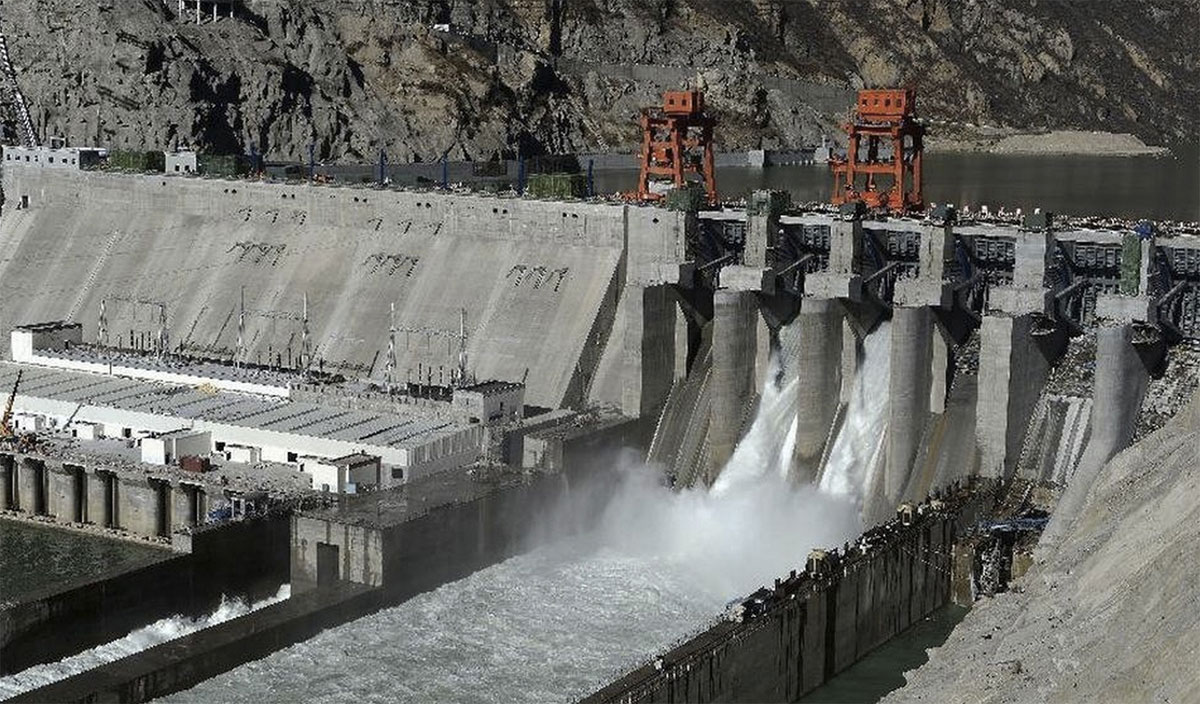
China has officially launched the construction of a massive hydropower project along the Yarlung Tsangpo river, known as the Brahmaputra in India. This new initiative, expected to be one of the largest of its kind globally, has ignited significant debate over its environmental, geopolitical, and economic implications. The hydropower station is a crucial part of China’s long-term strategy to increase its control over water resources in the region and boost its energy supply.

Located in Tibet, the project is designed to harness the Yarlung Tsangpo’s potential as a major energy source. The proposed mega-dam is anticipated to produce electricity on an unprecedented scale, contributing to China’s ambitious goal of transitioning to cleaner energy. However, experts warn that the dam could have wide-ranging effects on the downstream nations—particularly India and Bangladesh—which rely on the river for water and agricultural needs.

The Yarlung Tsangpo originates in the Tibetan Plateau before flowing southward into India and Bangladesh, making it a critical water source for millions of people. The river’s significance has led to increasing tensions between China and its neighbours. India, for instance, has raised concerns over Beijing’s unilateral control over the river’s upstream resources, which could result in reduced water flow for Indian states like Arunachal Pradesh and Assam. This could severely impact agriculture, water supply, and biodiversity in the region.

China, on the other hand, justifies the project as an essential component of its energy diversification plan and a step towards ensuring a sustainable future. The dam is expected to meet growing energy demands, particularly in Tibet and other western provinces. The country has already constructed several smaller dams on the river, and the new project will dwarf them in terms of capacity. However, this unprecedented scale has raised alarms among environmental groups who argue that the dam could lead to severe ecological disruption.

One major concern is the impact on the fragile ecosystem surrounding the Yarlung Tsangpo, which is home to a variety of endangered species, including the Tibetan antelope and snow leopard. The dam will alter the flow of the river, potentially threatening the habitats of these species and disrupting the delicate balance of the ecosystem. Further, large-scale water diversion for hydropower could lead to changes in sediment flow, which may erode downstream landscapes, damage fertile agricultural land, and affect the livelihoods of millions of people.

Experts also warn that the construction of the dam could have a devastating impact on the lower riparian states in South Asia. Bangladesh, for example, is already grappling with water scarcity issues, and any reduction in the flow of the Brahmaputra could worsen the country’s challenges. Furthermore, the dam’s potential to alter seasonal flooding patterns could increase the likelihood of both droughts and devastating floods in the region, exacerbating the socio-economic instability of affected areas.

The project has raised diplomatic tensions between China and India. Relations between the two countries have been strained in recent years, with territorial disputes and military standoffs adding to the complexity of the situation. The Yarlung Tsangpo project further complicates these dynamics, with India voicing concerns over China’s increasing control over vital river systems. Although Beijing claims that the project will not harm neighbouring countries, it has not provided detailed assessments of the dam’s potential downstream effects, leaving a sense of uncertainty and mistrust.

China’s actions have triggered calls for international cooperation and regulation regarding transboundary rivers. Critics argue that there is a need for a multilateral framework to manage shared water resources, particularly in areas like the Himalayas, where multiple countries depend on rivers originating in one nation. The lack of transparency around the environmental impact assessments for such large-scale projects has also raised concerns within the global community, with some advocating for stronger environmental safeguards.

VISHNU RAJA
RYO YAMADA
HITORI GOTOH
IKUYO KITA