News related to
City

Step Inside a World of Anime Collectibles, Disney Magic, Travel Must-Haves, DIY Inspiration, and Unique Gifts SINGAPORE – Media OutReach Newswire – 20 May 2025 – OH!SOME, the trendy retail brand popular in Southeast Asia, has officially opened its doors at Suntec City Mall. Known for its stylish and carefully curated global selections, OH!SOME is now introducing four specially themed zones featuring a handpicked collection of lifestyle […]

Mubadala Investment Company has unveiled Mubadala Bio, a new life sciences entity designed to bolster the United Arab Emirates’ pharmaceutical manufacturing capabilities and enhance healthcare resilience. The initiative aligns with the country’s Centennial 2071 vision, aiming to position Abu Dhabi as a regional hub for biopharmaceutical innovation.

Mubadala Bio’s infrastructure encompasses ten facilities across Asia, Africa, and Europe, with six situated within the UAE. Collectively, these sites span 110,000 square metres and possess an annual production capacity exceeding 2.5 billion tablets and capsules, along with 120 million intravenous and injectable units. The company’s extensive portfolio includes over 10,000 medical products, serving more than 100 countries worldwide.

The company’s focus extends across the entire continuum of care, from prevention and diagnostics to treatment and supportive therapies. This comprehensive approach aims to address pressing global health challenges and improve patient outcomes.

Dr. Bakheet Al Katheeri, CEO of Mubadala’s UAE Investments Platform, stated that the launch of Mubadala Bio represents a transformative step toward strengthening national drug security and fostering innovation in life sciences. He emphasized that this positions Mubadala at the forefront of the industry, enabling long-term economic growth and the development of a resilient life sciences ecosystem.

Ismail Ali Abdulla, Executive Director of UAE Clusters at Mubadala, highlighted the company’s commitment to supporting the UAE’s ambition to become a global leader in the life sciences industry. By focusing on local manufacturing and enhancing distribution and logistics capabilities, Mubadala Bio aims to build a self-sustaining sector prepared for future challenges.

Mubadala Bio plans to establish strategic partnerships with global life sciences firms and academic institutions to accelerate biopharmaceutical innovation and nurture world-class talent within the UAE. These collaborations are intended to drive advancements in healthcare and support the country’s transition to a knowledge-based economy.

The company’s launch will be formally introduced at the upcoming Make it in the Emirates 2025 event, showcasing the UAE’s success in building a competitive life sciences industry. This event serves as a national industrial showcase, reinforcing the country’s position as a hub for innovation and local manufacturing.

Mubadala Bio is designated as one of Mubadala’s “National Champions,” entities established to support strategic sectors aligned with the UAE’s long-term development goals. Through its initiatives, the company aims to accelerate the UAE’s economic diversification, particularly in healthcare and biotechnology.

An Extraordinary Gala Dinner Celebrates the Refinement of Thai Flavors and the International Prestige of Thai SELECT Certification BANGKOK, THAILAND – Media OutReach Newswire – 19 May 2025 – The Department of International Trade Promotion (DITP), Ministry of Commerce, will host the Thai SELECT Royal Gala Night on Wednesday, May 28, 2025, at the Mandarin Oriental Hotel, Bangkok. Presided over by Her Royal Highness Princess Ubolratana Rajakanya […]

Spain has increased reliance on its more expensive gas-fired power plants as it confronts challenges in maintaining grid stability following a nationwide blackout that exposed vulnerabilities in managing a surge of renewable energy on the system. The blackout disrupted power supplies for thousands, prompting urgent measures by grid operators to strengthen electricity generation from fossil fuel sources while balancing the country’s ambitious green energy goals. The blackout […]

A comprehensive study conducted by the American University of Ras Al Khaimah has raised alarms over the under-recognised threat posed by enteroviruses in the Arabian Gulf region, particularly among children. The research underscores the urgent need for enhanced public health surveillance and awareness to mitigate potential outbreaks.

Enteroviruses, a group of RNA viruses, primarily infect the gastrointestinal tract but can lead to severe complications, especially in infants and young children. These complications include aseptic meningitis, encephalitis, myocarditis, and acute flaccid paralysis. Despite their global prevalence, data on enterovirus infections in the Gulf Cooperation Council countries remain scarce, leading to potential underdiagnosis and mismanagement.

The AURAK study highlights that the limited reporting and research on enteroviruses in the region have resulted in a lack of comprehensive understanding of their epidemiology, transmission patterns, and clinical manifestations. This gap hampers the development of effective public health strategies to combat these infections.

One of the significant concerns raised by the study is the vulnerability of children to enterovirus infections. Factors such as crowded living conditions, inadequate hygiene practices, and limited access to healthcare contribute to the increased risk among this demographic. The study emphasizes the importance of targeted interventions to protect children, including public education campaigns and improved sanitation measures.

The research also points to the need for enhanced diagnostic capabilities in the region. Currently, the lack of specialized laboratories and trained personnel limits the ability to accurately identify and monitor enterovirus outbreaks. Investing in laboratory infrastructure and training programs is crucial to improve diagnostic accuracy and response times.

The study calls for the establishment of a regional surveillance network to monitor enterovirus activity across the GCC countries. Such a network would facilitate the sharing of data, resources, and best practices, enabling a coordinated response to potential outbreaks. Collaboration among public health authorities, academic institutions, and international organizations is essential to build this capacity.

The AURAK researchers recommend that policymakers prioritize enterovirus research and allocate funding to support studies on virus behavior, transmission dynamics, and vaccine development. Understanding the genetic diversity and evolution of enteroviruses is critical to developing effective prevention and treatment strategies.

Professor Mohamed Yakub Janabi has been nominated as the next Regional Director of the World Health Organization African Region, following a special session of the WHO Regional Committee for Africa. His nomination comes after the untimely death of Dr Faustine Ndugulile, who was elected to the position in August 2024 but passed away before assuming office. Professor Janabi, a seasoned cardiologist and healthcare administrator, currently serves as […]

Austria has secured its third Eurovision Song Contest victory, with 24-year-old countertenor JJ clinching the title in Basel, Switzerland, through his emotive performance of “Wasted Love.” This win marks Austria’s first since 2014, following Conchita Wurst’s triumph. JJ, born Johannes Pietsch, delivered a compelling blend of operatic vocals and contemporary techno elements, captivating both jury and public votes. His performance resonated deeply, earning Austria a combined score […]

Advertisements

NIO’s sub-brand ONVO unveiled its flagship SUV, the L90, at Auto Shanghai 2025, marking a significant stride in the electric vehicle market. Positioned as a full-size, six-seat SUV, the L90 is built on NIO’s NT3.0 platform and features a 900V high-voltage architecture, aiming to cater to families seeking spacious and efficient electric mobility.

Measuring 5,145 mm in length, 1,998 mm in width, and 1,786 mm in height, with a wheelbase of 3,110 mm, the L90 offers a substantial presence on the road. Its design incorporates a distinctive “shark nose” front, frameless doors, and hidden door handles, contributing to a sleek and modern aesthetic. The vehicle’s exterior is further enhanced by the “Star Path Illumination” pixel headlight system, which supports adaptive lighting functions and customizable light patterns.

One of the L90’s standout features is its storage capacity. The SUV boasts a 240-liter front trunk, or “frunk,” which ONVO claims is the largest among current models in China. This front compartment can accommodate two 20-inch suitcases and a smaller bag, while the rear cargo area is designed to hold seven standard 20-inch suitcases, even when all six seats are occupied.

Under the hood, the L90 offers both rear-wheel-drive and all-wheel-drive configurations. The rear-wheel-drive model is equipped with a 340 kW motor, while the all-wheel-drive variant adds a 100 kW front motor, resulting in a combined output of 440 kW . Both versions come standard with an 85 kWh battery pack, available in lithium iron phosphate and ternary lithium chemistries. The SUV also supports NIO’s battery swap technology, allowing for quick battery replacements at designated stations.

The L90’s suspension system features a double-wishbone independent front suspension and a multi-link independent rear suspension, complemented by an air suspension setup for enhanced ride comfort. Additionally, the vehicle includes electric side steps and a thick D-pillar design, contributing to its robust and commanding appearance.

Inside, while the full interior has yet to be revealed, ONVO emphasizes the L90’s focus on space efficiency and intelligent mobility systems. The SUV is designed to accommodate various travel scenarios, supporting configurations like “six passengers and ten suitcases.” The vehicle also incorporates a pure vision-based autonomous driving solution, indicated by the presence of two roof-mounted cameras.

The L90 is scheduled for official launch in the third quarter of 2025. ONVO aims to position the SUV competitively in the market, targeting middle-income families seeking a spacious and technologically advanced electric vehicle. The brand has set ambitious sales targets, with plans to achieve 20,000 monthly deliveries by March 2025.

Sweden has embarked on a major technological initiative to establish a National AI Cloud infrastructure, with the Nordic data centre provider atNorth selected as the host for this critical platform. The project, led by 6G AI Sweden, aims to significantly enhance the country’s capacity to develop and deploy artificial intelligence technologies by providing state-of-the-art cloud computing resources tailored for AI research and industrial applications. This National AI […]

Dubai’s booming real estate sector continues to attract global investors with promises of tax-free gains, high rental yields, and luxury living. However, behind the glossy brochures and aggressive marketing campaigns lie significant risks that could catch unprepared buyers off guard—particularly those unfamiliar with the city’s legal, financial, and regulatory landscape.

Property prices in Dubai have surged by 75% since early 2021, nearing levels last seen before the 2008 crash. This growth is fuelled by foreign capital, liberalised visa policies, and a construction spree that includes nearly 76,000 new units slated for completion in 2025. Yet, this rapid expansion raises concerns about potential oversupply, especially in mid-range and off-plan segments, which could suppress future returns.

Off-plan properties, often sold with enticing payment plans requiring just 10–20% upfront, dominate the market. These schemes, while attractive, carry risks such as construction delays, quality issues, and even project cancellations. Despite regulatory measures like escrow accounts, buyers may still face financial losses if developers fail to deliver as promised.

The legal framework in Dubai presents challenges for foreign investors. While freehold zones permit full ownership, navigating the complexities of property inheritance, dispute resolution, and contract enforcement can be daunting. The legal system, influenced by Sharia law, may not align with the expectations of buyers from other jurisdictions, making professional legal advice essential.

Financially, the costs associated with purchasing property extend beyond the advertised price. Buyers must account for a 4% Dubai Land Department transfer fee, a 2% agent commission, and additional expenses such as title deed issuance, mortgage registration, and maintenance fees. Notably, banks no longer finance these ancillary costs, requiring buyers to have substantial liquidity upfront.

Currency exchange fluctuations pose another risk for international investors. Since the UAE dirham is pegged to the US dollar, buyers dealing in other currencies may find their investments affected by exchange rate movements, potentially eroding returns when converting profits back to their home currency.

Regulatory changes can also impact the real estate landscape. Adjustments to visa policies, property ownership laws, or mortgage regulations could alter the investment climate. For instance, while long-term residency visas have bolstered investor confidence, any future policy shifts could affect property values and rental demand.

The influx of wealthy individuals into Dubai has driven up property prices, particularly in luxury segments. However, this trend has also led to increased living costs, making affordability a growing concern for middle-income residents. Rising service charges and maintenance fees in upscale communities can further strain budgets, affecting the overall return on investment.

Abu Dhabi National Oil Company has granted contracts totaling Dh65.7 billion to nearly 400 local suppliers, contractors, and service providers during the first half of 2025. This extensive award reflects ADNOC’s ongoing commitment to strengthening the United Arab Emirates’ economy through its In-Country Value programme, which aims to bolster domestic industries and national supply chains. The contracts cover a diverse range of sectors vital to ADNOC’s operations, […]

Land saturation and rising prices in Dubai’s central residential districts are driving developers and buyers towards peripheral areas, reshaping the city’s housing landscape, according to a detailed property analysis by consultancy Savills. The report highlights a clear trend of market activity concentrating along the Al Khail Road corridor, signalling a significant shift away from traditional urban hotspots.

Transaction volumes in emerging micro-markets such as Jumeirah Village Circle , Dubailand, Damac Hills 2, The Valley, and Damac Lagoons have surged, collectively representing 55 per cent of all residential transactions in the first quarter. These locations have also been at the forefront of new project launches, accounting for 56 per cent of all newly introduced residential units, indicating robust developer confidence in these peripheral zones.

This movement stems from limited land availability in core areas like Downtown Dubai, Dubai Marina, and Jumeirah Beach Residence, where property prices have escalated sharply, reducing affordability for many prospective homeowners and investors. The scarcity of developable plots in these prime locations has further intensified competition, pushing demand towards more affordable options outside the city centre.

Jumeirah Village Circle, in particular, has emerged as a hotspot for buyers seeking reasonably priced apartments and villas within manageable commuting distance of Dubai’s business districts. The area offers a mix of mid-rise residential complexes and low-density villa communities, appealing to families and young professionals alike. This diversity in housing stock, coupled with ongoing infrastructure improvements, has underpinned JVC’s steady growth.

Similarly, Dubailand and Damac Hills 2 continue to attract interest due to expansive master-planned communities with a focus on lifestyle amenities such as parks, golf courses, and retail centres. The Valley, another significant player in this corridor, has capitalised on affordable villa offerings with modern designs and green spaces, catering to demand for spacious family homes away from the congested urban core.

The expansion along Al Khail Road also benefits from enhanced transport links, reducing travel times to central business hubs and making these peripheral areas more accessible. Investments in road infrastructure and public transport connectivity, including upcoming metro expansions, are expected to reinforce this trend, supporting long-term growth prospects for these markets.

Developers are aligning their strategies with these shifts by prioritising projects in locations that offer a balance between affordability and lifestyle appeal. The surge in launches across these corridors underscores their belief in sustained demand, especially from end-users and investors seeking value amid a competitive Dubai property market.

The report points to a broader recalibration within Dubai’s residential property sector, reflecting changing buyer preferences influenced by affordability constraints and evolving urban dynamics. While luxury properties in central districts remain sought after by high-net-worth individuals and international investors, the broader market is witnessing a democratization of choice, with peripheral communities gaining ground.

These peripheral markets offer distinct advantages, including larger plot sizes, lower price points, and a greater emphasis on community-oriented living environments. This contrasts with the high-density, premium developments that dominate Dubai’s central districts, which cater to a more niche segment of the market.

However, challenges remain for these outer zones, particularly related to ensuring infrastructure keeps pace with rapid development. Urban planners and authorities face the task of managing growth sustainably, balancing expansion with the provision of essential services such as schools, healthcare, and retail facilities. The successful integration of these factors will be critical in maintaining the attractiveness of these locations.

The property market’s health is influenced by broader economic factors including regional geopolitical stability, visa reforms, and government incentives for property ownership, all of which shape investor sentiment. Dubai’s continued efforts to position itself as a global business and tourism hub contribute positively to residential demand, although global economic uncertainties require cautious optimism.

Analysts note that while the peripheral markets currently drive volume and new supply, established central districts are unlikely to lose their appeal entirely. Instead, a more diversified property ecosystem is emerging, with each zone serving distinct buyer profiles and investment goals.


Dubai’s real estate sector, having witnessed a remarkable 70 percent surge in property values over four years, is increasingly attracting the attention of major Wall Street investors, signalling a fresh wave of international capital flowing into the market. Among those showing strong interest is Brookfield Corp., a prominent global asset manager, which is reportedly considering a significant residential project in the Dubai Hills district. This potential move marks Brookfield’s first foray into the region’s residential property market, highlighting confidence in Dubai’s continued urban growth and economic resilience.

The Dubai Hills area, known for its integrated community developments blending residential, commercial, and leisure spaces, has become a prime target for investors aiming to capitalise on the emirate’s strategic location and expanding infrastructure. Brookfield’s plans reportedly focus on creating a mixed-use community, aligning with the city’s broader vision of enhancing livability and attracting diverse demographics including expatriates, business professionals, and families. This development would add to the already dynamic residential landscape that has benefitted from Dubai’s liberal property ownership laws and tax-friendly environment.

Singapore-based Temasek Holdings Pte., through one of its property management subsidiaries, is also actively scouting investment opportunities in Dubai, reflecting growing confidence from Asian institutional investors. Temasek’s involvement would bring considerable financial firepower and experience in managing large-scale real estate assets, further validating Dubai’s position as a regional hub for property investment. The company is reportedly assessing a range of options from commercial towers to high-end residential complexes, keen on leveraging Dubai’s status as a global financial and tourism centre.

The surge in property values has been driven by a confluence of factors including Dubai’s rapid economic diversification away from oil dependence, the government’s successful rollout of major infrastructure projects, and the city’s appeal as a safe haven for wealth amid geopolitical uncertainties. The Expo 2020 event, although delayed to 2021 due to the pandemic, had a notable impact in energising the real estate market, with sustained interest seen in areas like Dubai Marina, Downtown Dubai, and Palm Jumeirah.

Experts suggest that Dubai’s regulatory framework, which includes long-term visas for property investors and entrepreneurs, has created an inviting climate for foreign capital. This has been complemented by a steady increase in expatriate population, fostering demand for rental properties and driving rental yields. The UAE’s ongoing focus on enhancing its financial services sector and promoting innovation and technology hubs further supports long-term real estate demand.

Despite the enthusiasm, the market is not without challenges. Some analysts caution that the sharp rise in prices over a short period raises concerns about affordability and potential market overheating. The post-pandemic recovery phase has also exposed vulnerabilities such as fluctuating oil prices and shifting global economic conditions, which could affect investor sentiment. Additionally, the emergence of remote working trends may reshape residential preferences, potentially influencing demand patterns in Dubai’s real estate sector.

Brookfield’s possible entry into the residential segment is seen as a strategic bet that reflects confidence in Dubai’s ability to maintain its growth trajectory. The company’s expertise in infrastructure and real estate investment positions it well to navigate the complex regulatory and operational landscape of the region. Industry insiders point out that such high-profile involvement could encourage further inflows of private equity and institutional capital, contributing to market stability and innovation in property development.

Temasek’s active exploration in Dubai also underscores the emirate’s rising prominence on the Asian investment radar. The city’s connectivity, free-trade zones, and business-friendly policies make it an attractive gateway for investors seeking exposure to the Middle East, Africa, and South Asia markets. Temasek’s investment approach, typically characterised by long-term value creation and active asset management, may influence the development of more sustainable and diversified real estate offerings in Dubai.

Market observers note that while the residential sector is gaining momentum, commercial real estate remains a vital pillar of Dubai’s property market. The growth of co-working spaces, logistics hubs, and retail developments reflects the changing nature of work and consumption in the post-pandemic world. These trends complement residential growth by fostering integrated urban environments that cater to evolving lifestyles.

Cryptocurrency mining companies have registered a notable surge following the announcement of a strategic partnership between OpenAI and CoreWeave, a leading cloud computing provider. This alliance signals a growing intersection between artificial intelligence infrastructure and blockchain technology, propelling mining stocks higher and generating renewed investor interest in the sector.

CoreWeave, known for its specialised GPU-powered cloud services tailored to AI workloads, has struck a deal to supply critical computational capacity for OpenAI’s expanding suite of applications. This development positions CoreWeave as a vital player in supporting the back-end infrastructure of AI innovation. The company’s move has rippled through the crypto mining ecosystem, where hardware capable of efficiently processing complex algorithms is central to mining operations.

Investors responded positively to CoreWeave’s enhanced profile, with shares of prominent crypto mining firms climbing on various exchanges. The broader cryptocurrency market, however, displayed a more cautious stance, maintaining a consolidation phase despite escalating inflation expectations that often trigger volatility. This divergence highlights the nuanced market dynamics where infrastructure providers linked to AI growth are gaining momentum independent of general crypto price trends.

The launch of Galaxy Digital on the Nasdaq exchange further accentuated market activity around crypto-related firms. Galaxy Digital, a diversified financial services and investment management firm focusing on digital assets and blockchain technology, made a striking debut with its share price surging significantly on the first day of trading. The successful Nasdaq listing underscores growing institutional interest in the crypto and blockchain sectors, affirming confidence in their long-term viability despite fluctuating asset prices.

Market analysts note that the OpenAI-CoreWeave partnership exemplifies the convergence of artificial intelligence and blockchain technology, two sectors undergoing rapid expansion. This synergy offers mining companies an avenue to diversify and stabilise revenues by capitalising on increased demand for computational power beyond traditional cryptocurrency mining. As AI applications become more sophisticated and resource-intensive, providers like CoreWeave stand to benefit from expanded contracts and elevated valuations.

The partnership also sheds light on evolving mining operations, which now encompass hybrid models combining cryptocurrency validation with AI data processing tasks. This integration potentially improves profitability and operational resilience amid regulatory uncertainties and market fluctuations in the crypto domain. Mining firms that embrace such technological advancements may position themselves ahead of competitors relying solely on conventional blockchain mining.

Despite these promising developments, the crypto market continues to face challenges from macroeconomic factors, notably inflation expectations that often influence investor behaviour. Although asset prices across major markets, including cryptocurrencies, largely shrugged off these concerns, some volatility is expected as central banks adjust monetary policies. Cryptocurrency’s inherent volatility remains a consideration for both retail and institutional investors, who must weigh technological advancements against broader economic risks.

CoreWeave’s strategic positioning within this ecosystem is particularly significant given the rising demand for GPU-intensive workloads. The company’s infrastructure supports not only OpenAI’s needs but also a wide array of AI-driven enterprises, creating a robust client base and diversified revenue streams. This diversification contrasts with many mining firms whose fortunes are tightly correlated to cryptocurrency price cycles, adding an element of stability that appeals to investors.

Galaxy Digital’s Nasdaq listing is emblematic of the maturing crypto investment landscape. Founded by industry veteran Michael Novogratz, the firm has established itself as a critical bridge between traditional financial markets and the digital asset space. Its successful public offering reflects growing acceptance and integration of digital assets within mainstream finance, an important milestone for the sector.

Market watchers observe that while the immediate reaction favours companies linked to AI and cloud computing, the broader cryptocurrency market is navigating a complex environment marked by geopolitical tensions, regulatory scrutiny, and shifting monetary policies. These factors contribute to a cautious sentiment among traders, with prices consolidating rather than surging dramatically.

Nonetheless, the interplay between AI infrastructure providers and crypto mining firms represents a promising frontier. This convergence may drive innovation in both fields, fostering new business models and operational efficiencies. Companies that adapt to this trend could harness the dual momentum of AI growth and blockchain technology to sustain competitive advantages.

Greenlogue/AP Enel, Italy’s largest utility, and Abu Dhabi-based renewable energy firm Masdar are in preliminary discussions to jointly develop battery storage capacity within Italy. The announcement was made by Enel CEO Flavio Cattaneo during a business conference in Milan. The companies, already partners in renewable energy ventures in Spain, are considering expanding their collaboration to include energy storage systems in Italy. Cattaneo highlighted a shared vision with […]

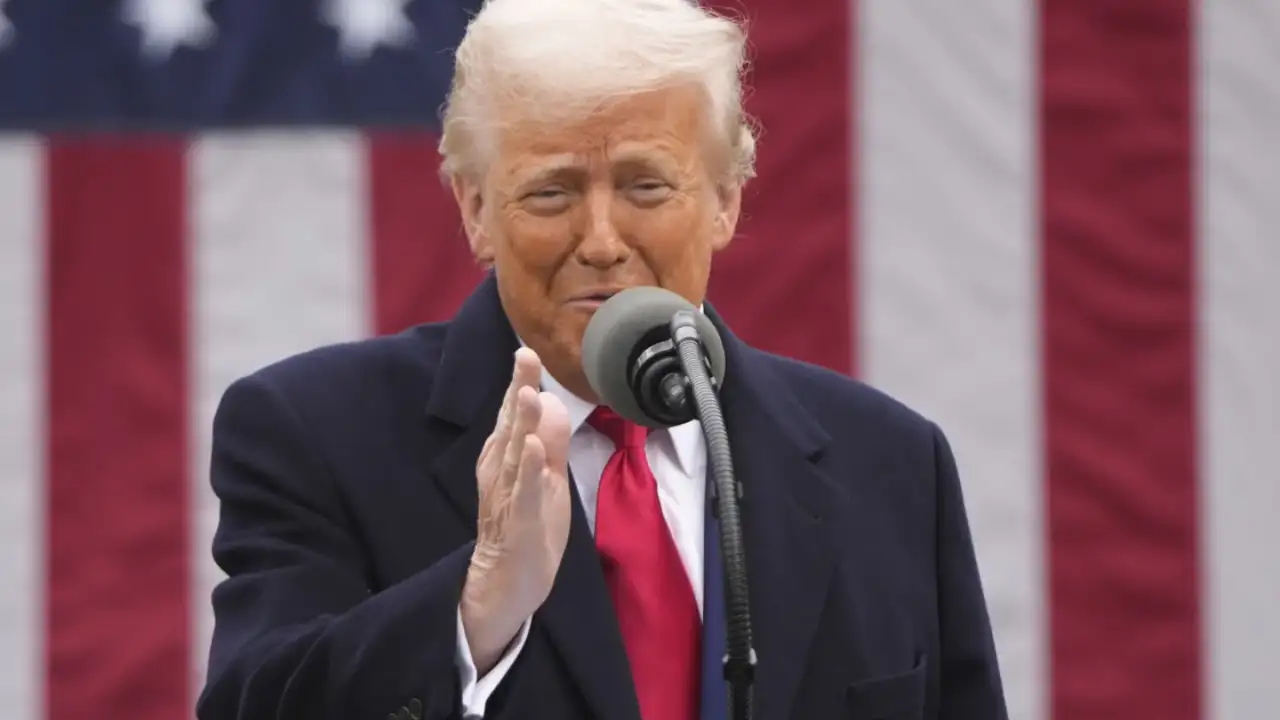
The United Arab Emirates has finalised a significant agreement with the United States to import advanced American-made artificial intelligence semiconductors, marking a pivotal step in Abu Dhabi’s ambition to become a global AI hub. The deal, announced during President Donald Trump’s Gulf tour, permits the UAE to import 500,000 Nvidia H100 chips annually, facilitating the development of large-scale data centres in the region.

This agreement coincides with the UAE’s broader commitment to invest $1.4 trillion in the U.S. over the next decade, focusing on sectors such as AI infrastructure, semiconductors, energy, and manufacturing. The investment framework includes partnerships with major U.S. companies like BlackRock, Microsoft, and Global Infrastructure Partners, aiming to mobilise up to $100 billion for next-generation data centres and energy infrastructure.

A key component of the deal is the construction of a 10-square-mile, 5-gigawatt data centre in Abu Dhabi, led by Emirati firm G42 and involving several U.S. tech companies. This facility is set to be the largest of its kind outside the United States, significantly enhancing the UAE’s data processing capabilities and supporting its AI initiatives.

The agreement also includes substantial U.S. investments in the UAE, with American energy companies expected to invest in upstream oil and gas and unconventional energy projects. Top U.S. firms such as ExxonMobil, Oxy, and EOG Resources are involved in these initiatives, reflecting a deepening of bilateral energy ties.

President Trump’s Gulf tour, which included visits to Saudi Arabia, Qatar, and the UAE, focused on securing financial commitments from wealthy energy producers to boost the U.S. economy and create jobs. The UAE’s pledge to increase its energy sector investments in the United States to $440 billion by 2035, up from the current $70 billion, underscores the success of this diplomatic effort.

The UAE’s strategic shift towards the U.S. in technology and energy sectors is seen as a move to decouple from Chinese influence, particularly in AI. Emirati officials have explicitly pursued this realignment to secure U.S. technology transfers, including advanced semiconductors like Nvidia’s H100 GPUs. This pivot follows U.S. pressure to remove Chinese equipment from critical infrastructure, exemplified by G42’s removal of Huawei technology from its data centres.

The $1.4 trillion investment framework also encompasses initiatives in critical minerals and industrial capacity. The UAE’s $1.2 billion mining partnership with Orion Resource Partners targets lithium, cobalt, and rare earth metals essential for AI hardware and renewable energy systems. Additionally, Emirates Global Aluminum plans to build the first new aluminum smelter in the U.S. in 35 years, aiming to nearly double the country’s domestic production.

By Dr. Nilanjan Banik Renowned Nobel laureate economist Robert Solow was once asked if having a trade deficit is bad for any economy. He answered by saying he would always have a trade deficit with his barber and would always run a trade surplus with his students. Such is the nature of the game in […]

Greenlogue/AP Abu Dhabi Future Energy Company PJSC – Masdar has successfully raised $1 billion through its latest green bond issuance, marking a significant step in its commitment to expanding renewable energy initiatives globally. The issuance, structured in two equal tranches of $500 million with maturities of five and ten years, attracted substantial investor interest, culminating in an order book that peaked at $4.6 billion, reflecting an oversubscription […]

VinFast, Vietnam’s electric vehicle champion, is steering into the Gulf with ambition and pride, transforming the nation’s global image from factory floor to innovation force. HANOI, VIETNAM- Media OutReach Newswire – 16 May 2025 – Ford means America. Toyota means Japan. And now VinFast – a name unfamiliar to most Westerners just 8 years ago – is becoming synonymous with Vietnam. The automaker, born from the Vingroup […]

SINGAPORE – Media OutReach Newswire – 16 May 2025 – LussoCitta, a Singapore-based online platform selling branded and designer products, has entered a partnership with KrisShop, flagship omnichannel retailer. The collaboration, which commenced in October 2024, forms part of Lusso Città’s broader retail expansion strategy aimed at making luxury products more accessible to a wider audience. Lussocitta is partnering with KrisShop Elevating the Shopping Experience for KrisFlyer […]

Adani Airport Holdings Limited has abruptly ended its partnership with DragonPass, a China-based global airport lounge access provider, just a week after announcing the collaboration. The termination, effective immediately, means DragonPass customers will no longer have access to lounges at Adani-managed airports. The company assured that other customers’ travel experiences will remain unaffected.

The partnership, announced on May 8, 2025, was facilitated by Adani Digital Labs, a digital extension of AAHL and Adani Enterprises Ltd. It granted DragonPass access to all Adani airport lounges and key lounges across India. DragonPass, headquartered in Guangzhou, China, operates internationally with offices across Asia and the UK. Its UK branch, DragonPass International Limited, is a wholly-owned subsidiary of the Chinese parent company.

The decision to end the partnership was made quickly, though further details regarding the reasons behind the abrupt termination have not been disclosed. This swift move highlights a sudden change in Adani’s strategic alliances concerning airport service offerings.

Adani currently operates seven airports across India, including those in Mumbai, Ahmedabad, Lucknow, Mangaluru, Jaipur, Guwahati, and Thiruvananthapuram, and is developing a new airport in Navi Mumbai. The termination of the DragonPass partnership signifies a strategic shift in Adani’s airport services operations.

In 2024, Adani Airport Holdings Ltd faced disruptions in lounge access at airports across India due to the suspension of services by DreamFolks Services Ltd. To mitigate the impact on passengers, AAHL allowed lounges at Adani-operated airports to accept all major debit and credit cards from other access providers. The lounge access provider, which partners with several banks, violated its service agreements with the affected airports.

Adani Group has also been exploring partnerships to enhance its airport lounge services. The company is in talks with Hong Kong-based Plaza Premium Group to run airport lounges in India through a joint venture, aiming to elevate hospitality standards. Plaza Premium Group has an international footprint at 80 airports in 30 countries.

Adani One and ICICI Bank launched India’s first co-branded credit cards with airport-linked benefits in collaboration with Visa. Available in two variants—the Adani One ICICI Bank Signature Credit Card and the Adani One ICICI Bank Platinum Credit Card—the cards offer a substantial reward programme. Cardholders earn up to 7% Adani Reward Points on purchases within the Adani Group ecosystem, including bookings on the Adani One app, Adani-managed airports, CNG pumps, electricity bills, and the Trainman platform. Benefits include free air tickets, premium lounge access, Pranaam Meet and Greet Service, valet parking, and discounts at duty-free shops and airport food and beverage outlets.

Wintermute, a prominent algorithmic trading firm in the digital asset sector, has inaugurated its U.S. headquarters in New York City, marking a significant step in its global expansion strategy. This move positions the firm closer to American financial markets and regulatory bodies, enhancing its engagement with U.S.-based partners.

The establishment of the New York office aligns with Wintermute’s objective to solidify its presence in the world’s largest financial market. CEO Evgeny Gaevoy emphasized the strategic importance of this development, stating that the U.S. policy landscape has become more conducive to digital asset innovation. He noted that having a physical presence in New York enables the firm to engage more directly with institutional counterparties and respond swiftly to collaborative opportunities.

As part of its U.S. expansion, Wintermute has appointed Ron Hammond as Head of Policy and Advocacy. Hammond brings nearly a decade of experience in cryptocurrency legislation, having previously served as the Senior Director of Government Relations at the Blockchain Association. His tenure on Capitol Hill included drafting the Token Taxonomy Act, a bipartisan bill aimed at providing regulatory clarity for digital assets.

Hammond’s role at Wintermute involves leading policy engagement efforts across federal and state levels. He will provide technical input on legislation, contribute policy ideas, and coordinate responses to emerging proposals. Hammond expressed enthusiasm about joining Wintermute, highlighting the firm’s potential to contribute meaningfully to the development of the U.S. digital asset regulatory framework.

Wintermute’s decision to establish a U.S. headquarters comes amid a broader trend of crypto firms expanding into the American market, driven by evolving regulatory clarity and institutional adoption. The firm reports an average daily trading volume exceeding $15 billion and operates across more than 60 centralized and decentralized exchanges. Its services include over-the-counter trading and liquidity provision, catering to a global clientele.

Regional links enhanced and 24 bilateral accords reached HONG KONG SAR – Media OutReach Newswire – 15 May 2025 – A delegation of more than 50 business leaders from Hong Kong and Mainland China, led by Chief Executive of the Hong Kong Special Administrative Region (HKSAR) John Lee, concluded a fruitful visit to Kuwait yesterday (May 14), reaching a raft of bilateral accords and paving the way […]

Dubai has announced a comprehensive zoning initiative under its 2040 Urban Master Plan, dividing the emirate into distinct urban and rural zones. This strategic move aims to bolster public safety, optimise emergency response times, and promote sustainable development across the region. Urban zones, encompassing areas such as Downtown Dubai and Business Bay, will see a significant enhancement in security infrastructure. The deployment of advanced technologies, including artificial […]

VISHNU RAJA
RYO YAMADA
HITORI GOTOH
IKUYO KITA