News related to
City

China’s reliance on fossil fuels has been steadily declining despite increasing energy demand, marking a significant shift in the nation’s energy landscape. Coal and gas consumption saw a dip in 2025, even during a scorching July, as the government continues to prioritise clean energy sources. This is a clear sign that China’s aggressive push towards renewable energy and energy efficiency is beginning to take effect, even as the country faces unprecedented challenges in meeting its growing power needs.

Data from the National Energy Administration revealed that, in the first half of 2025, coal usage in the energy mix fell by 5% compared to the same period last year, while natural gas consumption also showed signs of contraction. The most striking development came in the power sector, where a surge in renewable energy production, particularly from solar and wind sources, helped to reduce dependency on fossil fuels.

China’s power demand soared during the summer, driven by an intense heatwave that gripped much of the country. However, the country was able to meet this surge without resorting to its usual fossil fuel-heavy energy production methods. This is partly due to the rapid expansion of its renewable energy capacity, which reached new records in both wind and solar power generation in 2025. The NEA reported that China’s total renewable energy capacity crossed 1,200 gigawatts for the first time, a crucial milestone that reflects the country’s commitment to a cleaner and more sustainable energy future.

One key driver of this change is China’s substantial investment in renewable infrastructure. The government allocated over $60 billion to clean energy projects in 2025, focusing heavily on expanding solar farms and offshore wind installations along the coast. At the same time, China has been making significant strides in energy storage technologies, which are crucial for maintaining grid stability as renewable sources, particularly solar, are intermittent.

While China remains the world’s largest coal producer and consumer, the shift towards clean energy is undeniable. The country’s coal-fired power plants, once the backbone of its energy sector, are now being gradually phased out or repurposed for lower-carbon technologies. The transition has been especially evident in regions like Inner Mongolia, where coal consumption has sharply decreased as wind and solar energy projects have taken root.

Industry experts point to a combination of factors driving this shift. First, there is the national government’s ambitious target of reaching carbon neutrality by 2060. Second, the economic pressures on coal mining companies, many of which are facing increasing scrutiny over environmental and public health concerns, are playing a role in reducing coal’s dominance. Moreover, local governments have introduced incentives for businesses to adopt cleaner energy solutions, further encouraging the transition away from fossil fuels.

The reduction in coal and gas use has also been bolstered by the rise of electric vehicles, which now account for a significant portion of the energy demand in urban centres. China’s push to become a global leader in EV manufacturing has contributed to the decrease in fossil fuel consumption in the transportation sector, where electricity now plays an increasingly prominent role.

However, while the momentum towards renewable energy is clear, challenges remain. One pressing issue is the reliability of the grid, especially in remote areas where renewable generation can be less consistent. The government is addressing this concern with the expansion of transmission infrastructure designed to transport power from renewable-heavy regions like the north and west to energy-hungry areas like the east and south.

While the clean energy push is a notable success, fossil fuels still account for a large portion of China’s energy mix. This means that the country remains vulnerable to price fluctuations in global energy markets, as seen in 2024 when rising global gas prices temporarily hindered efforts to reduce fossil fuel reliance.


The United Arab Emirates has reached a significant milestone, securing the 16th position globally in the 2025 Government Support Index, as outlined in the IMD World Competitiveness Yearbook. This index evaluates how effectively governments foster the conditions needed for businesses to thrive, measuring factors such as infrastructure, regulatory environment, and public sector efficiency. With this advancement, the UAE solidifies its standing as a global leader in creating […]

Greenlogue/AP Suqia, the UAE’s national water charity, continues to solidify its global humanitarian efforts, reaching nearly one million people in Tanzania with clean drinking water. In partnership with the Emirates Red Crescent and backed by a grant from HH Sheikh Mohammed bin Rashid Al Maktoum, this initiative aims to address water scarcity, one of the most pressing issues facing communities in East Africa. The project, a part […]

Cocoa processing in Ivory Coast saw a significant decline in July, with the nation’s cocoa grind dropping by 31.2% compared to the same period last year. According to figures released by the Ivory Coast Exporters’ Association, the volume of cocoa ground during the month amounted to just 39,301 metric tons, marking a sharp fall from the 57,125 metric tons processed in July 2023. This downturn has raised […]

BEIJING, CHINA – Media OutReach Newswire – 18 August 2025 – The 42nd “Baidui Cup” Football Tournament kicked off in the rain on the August 8th. It brought a refreshing coolness of summer to the young players and once again ignited a football fever in Beijing, the “Dual Olympic City”. A player goes for goal during a Baidui Cup match, August 2025. As 51-year-old Chinese football legend […]

Saudi Aramco has concluded an $11 billion deal for the lease and leaseback of its Jafurah natural gas processing facilities with a consortium led by Global Infrastructure Partners, a subsidiary of BlackRock. This significant agreement marks a major milestone in Aramco’s strategy to expand its natural gas production and diversify its energy portfolio.

The Jafurah field, located in the Eastern Province of Saudi Arabia, is one of the largest non-associated gas developments globally, with estimated reserves of 229 trillion standard cubic feet of raw gas and 75 billion barrels of condensate. Aramco has long prioritised Jafurah as a key part of its energy transition efforts and broader plans to bolster the Kingdom’s gas capacity, aiming for a 60% increase in gas production by 2030.

The consortium, which includes some of the world’s most prominent investment funds, will provide substantial capital to help accelerate the development of the Jafurah field. The deal enables Aramco to monetise its midstream assets while maintaining operational control over the gas reserves. This transaction is seen as a strategic move to finance the development of Saudi Arabia’s gas infrastructure without sacrificing long-term ownership or production rights.

Jafurah plays a pivotal role in Saudi Arabia’s Vision 2030, the ambitious blueprint to diversify its economy and reduce reliance on oil exports. With natural gas being seen as a cleaner alternative to oil, it is a cornerstone of the Kingdom’s strategy to increase domestic energy production and meet rising demand for electricity and industrial use.

Under the terms of the agreement, Aramco will continue to oversee the development and operation of the field, while the international consortium will take on responsibility for the infrastructure, including gas pipelines and processing plants. This partnership is seen as a win-win for both parties, as it enables Aramco to raise capital for further investments in energy projects, while the consortium gains access to one of the most valuable energy assets in the world.

GIP’s involvement in the deal signals its growing interest in the energy sector, particularly in large-scale infrastructure projects. The firm’s experience in managing complex, long-term investments in global infrastructure positions it well to handle the technical and financial challenges associated with Jafurah. As part of BlackRock’s broader investment strategy, the deal also aligns with the company’s focus on sustainable energy and infrastructure development.

The Jafurah field’s importance to Saudi Arabia’s economic future cannot be overstated. The natural gas produced from Jafurah will support the Kingdom’s power generation capacity, which is projected to increase significantly in the coming years. By tapping into the untapped potential of Jafurah, Aramco aims to reduce its reliance on crude oil for domestic power generation, freeing up more oil for export.

Saudi Arabia’s push for gas development has garnered attention from global investors, eager to tap into the Kingdom’s rich natural resources and growing energy sector. This agreement with GIP is a testament to the global interest in the Middle East’s energy markets, and the broader trend of institutional investors seeking long-term, stable returns from the region’s energy infrastructure.

The deal’s financial structure, involving both lease and leaseback elements, is designed to provide Aramco with flexibility while enabling the consortium to generate revenue from the gas assets over time. The leaseback aspect allows Aramco to retain ownership of the gas reserves, while the lease portion provides the consortium with a stable revenue stream from the operations of the Jafurah facilities.

DP World has reported a significant rise in revenue for the first half of 2025, with figures climbing 20.4 per cent to reach $11.24 billion. This growth was primarily driven by strong performance in its Ports & Terminals division, as well as the positive impact of acquisitions completed in recent months. The company’s adjusted EBITDA also saw an impressive increase, up by 21.4 per cent to $3.03 […]

Advertisements

PUTRAJAYA, MALAYSIA – Media OutReach Newswire – 18 August 2025 – Islamic Tourism Month (ITM) 2025 returns for its fourth and most exciting edition yet, inviting Malaysians and global travelers to embark on a journey of rediscovery through the rich lens of Muslim-Friendly Tourism and Hospitality (MFTH). Organised by the Islamic Tourism Centre (ITC), ITM 2025 takes place from 18 August to 30 September, showcasing the beauty, […]

Dubai’s office real estate market has experienced a remarkable upswing, with sales transactions reaching AED5.4 billion in the first half of the year, an 84% year-on-year increase. This surge comes on the back of a dynamic and growing demand for commercial spaces, particularly in the prime office and logistics segments, as noted in Cavendish Maxwell’s latest Dubai Office Market Report. According to the report, the number of […]

Arabian Post Staff Abu Dhabi has experienced a significant 10.3% rise in certificates of origin, underscoring the ongoing expansion of its non-oil exports. This increase highlights the Emirate’s growing role as a regional hub for trade and investment, further diversifying its economic landscape. Certificates of origin are essential documents for businesses, validating that products are manufactured or processed in a specific country. They play a crucial role […]

Dubai Metro has taken a significant step forward with the integration of artificial intelligence into its operational maintenance model, marking a notable enhancement in its rail system’s efficiency and safety protocols. The shift to AI-powered solutions aims to revolutionise how maintenance is approached, ensuring quicker response times and more proactive management of the city’s rapidly expanding metro infrastructure.

The new AI technology focuses on automating the detection of faults and predicting potential breakdowns before they occur. This shift towards predictive maintenance is in line with Dubai’s wider goals of improving transportation infrastructure through innovation. AI’s role in this transformation goes beyond simply automating tasks; it serves as a core tool in enabling more intelligent decision-making for the Dubai Metro’s operations.

With a network that spans 75 kilometres and operates across multiple lines, the Dubai Metro has grown to be one of the most recognised urban transit systems in the world. Over 200,000 passengers rely on the metro each day, making it essential to maintain high levels of safety and operational reliability. By integrating AI, the metro can now leverage real-time data to monitor equipment and infrastructure, identifying anomalies that would otherwise be overlooked by human inspection.

AI-driven algorithms allow for continuous analysis of various parameters, including train speed, track conditions, and mechanical performance. This data is gathered via sensors installed across the metro system, from trains to trackside infrastructure. When any irregularities are detected, the system alerts maintenance teams, prioritising interventions based on urgency and potential impact. The technology also facilitates remote diagnostics, reducing the need for engineers to physically inspect the system unless absolutely necessary.

This predictive maintenance model promises to cut costs and downtime significantly. According to experts, the AI system is expected to reduce unplanned disruptions by up to 30%, which will directly benefit both passengers and operational teams. Reduced downtime means trains will spend less time off-track for repairs, contributing to a smoother, more reliable service.

The integration of AI into the Dubai Metro’s maintenance strategy is expected to pave the way for similar technological applications across other sectors of the city’s public transportation network. With Dubai’s long-term plans to further expand its metro network, AI will be crucial in ensuring that the growth of this infrastructure remains sustainable and efficient.

However, the implementation of such sophisticated technology also poses challenges, particularly in terms of data privacy and system security. As AI becomes more deeply integrated into the operational framework of Dubai Metro, it is essential to establish robust cybersecurity measures to prevent potential hacking or system failures. The Dubai Roads and Transport Authority, which oversees metro operations, has already placed emphasis on maintaining secure networks, working closely with experts to safeguard sensitive operational data.

AI’s potential in transforming public transport is not unique to Dubai. Several cities globally are also exploring how AI can be applied to enhance the efficiency and sustainability of urban rail systems. In Europe and Asia, metros have begun adopting similar technologies to improve service reliability and reduce the environmental impact of their operations. Dubai’s adoption of AI technology, however, stands out as a benchmark for its scope and ambition, setting a new standard for metro operations in the region.

Dubai Police has added an Audi RS7 to their renowned luxury vehicle fleet, further enhancing their ability to patrol the city in style. The new addition is part of the force’s continuous strategy to maintain a cutting-edge, effective, and visually striking presence on the streets.

This high-performance sports sedan, known for its bold design and advanced technology, is not just a fast patrol car but also a symbol of Dubai’s commitment to innovation. With a 4.0-litre V8 engine that delivers 591 horsepower, the Audi RS7 can reach speeds exceeding 190 mph, making it an impressive tool for rapid response to emergencies.

Equipped with the latest in automotive technology, the RS7 comes with adaptive cruise control, a virtual cockpit, and a range of high-tech sensors designed to optimise the driving experience and enhance the vehicle’s performance during patrols. The inclusion of this car is a significant upgrade to the Dubai Police fleet, which already features luxury models like the Lamborghini Aventador and the Ferrari FF.

While the new Audi RS7 will serve its primary function as a high-speed pursuit vehicle, it is also designed to make a strong visual statement. The sleek lines of the car, along with its distinctive police livery, ensure that it is not just a functional asset but a powerful presence on Dubai’s roads.

The vehicle’s addition comes as part of Dubai’s broader approach to using advanced technology in law enforcement. The city’s police force has long been at the forefront of adopting futuristic tools, from drones to cutting-edge surveillance systems. With a history of utilising high-end vehicles for patrol, Dubai Police’s decision to integrate the Audi RS7 further reinforces the city’s status as a global leader in both innovation and public safety.

The luxury fleet serves multiple purposes. Not only does it offer superior performance for rapid response and high-speed chases, but it also projects a strong image of modernity and strength. For the city that is known for its extravagant skyline and technological innovations, the vehicles used by law enforcement need to mirror the forward-thinking ethos that characterises Dubai.

As part of Dubai’s broader strategy, the police department has also made considerable investments in eco-friendly and electric vehicles. This transition is in line with Dubai’s goal to become a global hub for green technology. The police force’s vehicle fleet includes hybrid and electric models, balancing the need for high performance with sustainability. While the Audi RS7 itself is a petrol-powered sports car, its inclusion is indicative of the continued diversity in the types of vehicles within the fleet.

Bullish bets on rising US oil prices plunged to a 16-year low as mounting expectations of an oversupplied market and cooling fears of sanctions on Russian crude prompted a sharp pullback by traders.

Net-long positions in West Texas Intermediate futures dropped by nearly 30,000 contracts in a single week, reaching just over 49,000—a level not seen since 2009. The shift came amid forecasts from the International Energy Agency and the US government signalling that global oil supplies will outstrip demand well into 2026, tipping sentiment decisively bearish.

Analysts have noted that expectations of Russian sanctions are beginning to fade. While geopolitical risks had earlier supported price premiums, markets now reckon that even if sanctions are imposed, ample spare capacity among OPEC+ producers and resilient non-OPEC output would cushion any disruptions. Compounding the downward pressure, the US Energy Information Administration reported an unexpected build of 3 million barrels in crude inventories, further weighing on prices.

The retreat in bullish positions is consistent with a broader narrative of abundant supply. In late July, hedge funds slashed their net-long WTI positions to their lowest since mid-April, driven by OPEC+ ramping up production and a surge in US crude stockpiles—a rise of 7.7 million barrels recorded at the end of July. Earlier in the year, speculators trimmed net-long holdings by half over a five-week span amid deteriorating technical outlooks, trade-war concerns and expectations that OPEC+ would taper production cuts.

Despite these bearish trends, forecasters caution that demand could provide occasional counter-currents. Wildfires in Canada have temporarily removed around 350,000 barrels per day of oil from production, supporting prices in the short term. Meanwhile, geopolitical flashpoints—including tensions around Iran’s nuclear programme and Russian export vulnerability—could intermittently bolster outlooks. But with OPEC+ intent on increasing output—for example, by 411,000 barrels per day in July—and projections indicating a supply surplus growing to over a million barrels per day by year-end, the dominant trend remains one of oversupply.

This convergence of factors—ample supplies, fading sanctions risk, swelling US inventories and rising OPEC+ output—has catalysed a reappraisal of market dynamics by speculators. The resulting collapse in bullish positioning reflects a recalibration of expectations amid shifting fundamentals.

Narratives of tight supply have lost momentum, leading to a revaluation of oil’s near-term trajectory across trading desks worldwide.

Greenlogue/AP Oman Data Park has formed a strategic alliance with Solar Wadi to establish the Sultanate’s inaugural green energy data centre, powered by solar generation. The collaboration marks a significant step in aligning ODP’s technological infrastructure with Oman’s net-zero ambitions, as the data centre is set to harness sustainable energy to lower operational emissions and improve grid resilience. ODP, long regarded as the nation’s leading provider of […]

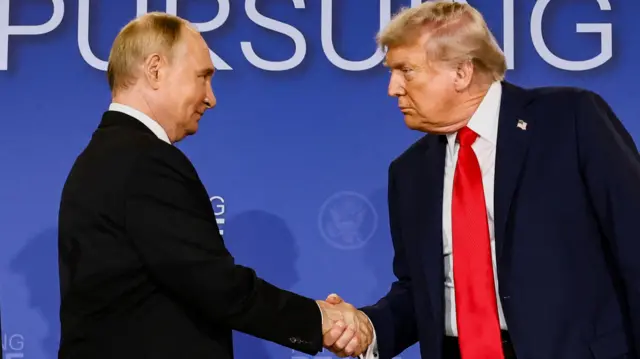
By Ashok Nilakantan Ayer ANCHORAGE, ALASKA: The much-anticipated summit between U.S. President Donald Trump and Russian President Vladimir Putin in Anchorage, Alaska, billed as a potential turning point in the grinding Ukraine war, ended without a ceasefire agreement, and without the celebratory luncheon that White House aides had originally pencilled into the schedule. After the […]

Iracemápolis, São Paulo – Media OutReach Newswire – 16 August 2025 – In the early hours of August 16 (Beijing time), GWM’s Brazil plant officially commenced operations, marked by a grand ceremony for the rollout of its first vehicle, the HAVAL H6 GT. The plant, located in Iracemápolis, São Paulo, was acquired from Daimler Group and has since been upgraded into an intelligent manufacturing base. As GWM’s […]

Greenlogue/AP The United Arab Emirates and Senegal have formalised a significant partnership aimed at addressing Africa’s escalating water and sanitation challenges. This collaboration, announced during the 2025 UN Ocean Conference, underscores a shared commitment to sustainable water management and climate resilience across the continent. At the heart of this initiative is the establishment of an integrated water-ocean management framework, designed to harmonise freshwater and marine ecosystems. This […]

Futu Securities International has launched Solana trading on its Futu NiuNiu App in Hong Kong, marking a significant step in expanding access to digital asset markets. The launch comes on the heels of a broader push for crypto adoption across Asia and aims to offer more flexible trading opportunities to the region’s retail investors.

This move positions Futu Securities, an influential brokerage firm, as a key player in the competitive landscape of cryptocurrency trading in Hong Kong. The company has been focusing on bridging traditional financial services with digital asset trading, reflecting a growing trend in the region towards integrating blockchain technology into mainstream investment platforms.

The new trading feature allows users to trade Solana directly, a cryptocurrency known for its high-speed transactions and scalability, which have positioned it as a potential competitor to Ethereum. The decision to add Solana to the platform follows a series of strategic partnerships and product enhancements by Futu, aimed at capturing a share of the rapidly evolving crypto trading market.

Solana’s inclusion is particularly notable given the increasing popularity of decentralized finance platforms and non-fungible tokens, sectors where Solana has made significant strides. Its fast transaction speeds and lower fees have made it a favourable option for developers and traders alike. By offering this asset, Futu Securities provides its customers with greater flexibility to tap into the growth of blockchain-based applications.

The launch also comes at a time when other crypto trading platforms are making similar moves to expand their offerings. The competitive pressure is particularly intense in Hong Kong, a city that is positioning itself as a major hub for digital assets in Asia. Several firms are already catering to the burgeoning demand for cryptocurrency products, prompting regulators to adapt to the new landscape.

Hong Kong’s regulators have taken a balanced approach to crypto oversight, striving to foster innovation while ensuring the protection of investors. This regulatory stance has attracted firms like Futu to launch new offerings with confidence, knowing that the regulatory framework is supportive of such developments.

Futu’s move into the retail Solana trading space also ties into the broader trend of financial firms integrating digital currencies into their portfolios. The platform already offers trading in various other digital assets, including Bitcoin and Ethereum, making Solana’s addition a natural extension of their crypto offerings.

This shift is not isolated to Hong Kong alone. Several other financial institutions in Asia have been exploring ways to incorporate blockchain technology into their traditional business models. Many see digital currencies as a way to diversify their service offerings and attract a new wave of tech-savvy investors who are more inclined to explore innovative financial products.

Futu Securities’ push into the crypto space also follows its international expansion strategy. The company has been actively seeking ways to grow its customer base beyond the borders of mainland China, where stricter crypto regulations have limited access to digital asset markets. By capitalising on Hong Kong’s more open regulatory environment, Futu aims to strengthen its position in the broader Asia-Pacific region.

As retail investors in Hong Kong and across Asia continue to show increasing interest in cryptocurrencies, platforms like Futu NiuNiu are tapping into this growing demand by offering accessible and secure trading options. This aligns with broader trends in the financial industry where the lines between traditional and digital assets are becoming increasingly blurred.

The decision to offer Solana trading comes at a pivotal moment for the cryptocurrency market. Solana has garnered attention as a potential alternative to Ethereum, largely due to its speed and lower costs. With the platform’s growing user base, the ability to trade SOL on a mainstream brokerage app represents an important shift in how digital assets are perceived by traditional investors.

Air Arabia Abu Dhabi has announced the commencement of seasonal flights connecting the UAE capital to Yekaterinburg, Russia, marking an important step in the airline’s expansion strategy. The new service, which will operate during the winter months, offers a direct, low-cost option for travellers between the two regions, catering to the rising demand for affordable travel during peak seasons.

The flights, operating non-stop, provide an efficient travel option for those seeking to connect between the UAE and Russia. Air Arabia’s Abu Dhabi-based operations have grown rapidly, with the airline seeking to solidify its position as a key player in the region’s budget airline sector. The new route to Yekaterinburg highlights the airline’s commitment to enhancing connectivity between the Middle East and Russia, particularly as demand for travel has surged.

Yekaterinburg, one of Russia’s major cultural and industrial hubs, has become a significant destination for business and leisure travel from the UAE. The city, which is located in the Ural region, is known for its rich history, thriving arts scene, and strategic importance as an economic centre. The direct flight to this city will make it easier for both tourists and business professionals to travel, bolstering the already strong ties between Russia and the UAE.

This launch also reflects a broader trend in the aviation industry, where low-cost carriers are rapidly expanding their international routes to cater to an increasing number of travellers looking for budget-friendly travel options. As competition intensifies among airlines, Air Arabia’s expansion is timely, offering more affordable alternatives to traditional, higher-priced carriers, and positioning the airline as a competitive force in the region.

The decision to introduce seasonal flights also underscores Air Arabia’s flexibility in adapting to seasonal travel demand. As the winter season typically sees an uptick in travel, the airline is poised to cater to holidaymakers and those travelling for business, aligning with the growing interest in international travel. By offering this seasonal route, Air Arabia aims to provide its customers with more options without compromising on affordability.

For the UAE market, this development is significant. As the country continues to strengthen its position as a global hub for travel and tourism, having direct air links to cities in Russia, such as Yekaterinburg, provides an added dimension to the UAE’s international appeal. The move comes as part of a wider strategy to enhance bilateral relations between the UAE and Russia, focusing on expanding both tourism and business opportunities.

Air Arabia’s service to Yekaterinburg is also expected to appeal to a broader demographic, especially Russian nationals residing in the UAE. The ease of direct travel will foster stronger connections between these communities and provide greater access to the cultural and economic opportunities of both countries. With Russia being a major trading partner of the UAE, the new flight route is expected to foster greater collaboration in both sectors.

The airline has also taken steps to ensure that its passengers are well catered for. In line with its low-cost offering, the airline continues to provide high-quality service at an affordable price, which includes modern aircraft with amenities that appeal to a wide range of customers.

– Public funds and public welfare capital accelerate circular technology – DÜSSELDORF/BERLIN – Newsaktuell – 15 August 2025 – The non-profit cooldown°earth foundation congratulates its portfolio company matterr on receiving funding confirmation from the state of North Rhine-Westphalia as part of the EFRE/JTF program “Produktives.NRW.” Minister of Economic Affairs and Climate Protection Mona Neubaur presented the funding approval on August 6 in Düsseldorf. Pictured (from left to […]

Wuhan, once at the centre of the global pandemic, is emerging as a key tourist destination. With an increasing focus on environmental sustainability and green infrastructure, the city is reinventing itself and positioning itself as a hub for cultural tourism in China.

The city is leveraging its unique geographical advantage, nestled between the Yangtze and Han rivers, with abundant lakes and natural spaces that have made it a prime candidate for eco-tourism. Wuhan’s local government has pushed to transform its tourism landscape by blending urban development with environmental preservation. This has resulted in increased green spaces, cleaner air, and a revitalised waterfront.

One of the key draws for tourists is Wuhan’s “green foundations”, which are central to its urban planning. In August 2025, the symposium “Green Foundations for a Hub City” highlighted the city’s progress in integrating nature with urban life. The event underscored Wuhan’s commitment to preserving its riverbanks, improving water quality, and fostering sustainable tourism practices. It is now home to beautifully restored parks, scenic riverfronts, and nature reserves that provide a serene escape for visitors.

The city is also known for its historical and cultural landmarks. The Yellow Crane Tower, perched on the banks of the East Lake, is a must-visit. Built over a thousand years ago, it remains a symbol of Wuhan’s deep cultural roots and has been meticulously preserved as a testament to the city’s rich history. The surrounding East Lake, one of China’s largest urban lakes, is a focal point for tourists, offering boat rides, hiking trails, and opportunities to experience Wuhan’s natural beauty.

Wuhan is also positioning itself as an arts and cultural hub. The city’s many museums and galleries, such as the Hubei Provincial Museum, provide visitors with a glimpse into the region’s history, while the bustling Wuchang District is home to vibrant street art and music scenes. The city’s transformation is not just about nature but also about cultivating a sense of creativity and modernity that appeals to both domestic and international tourists.

The shift in Wuhan’s tourism offerings is complemented by an emphasis on local cuisine. The city has long been known for its culinary offerings, including its famous hot dry noodles, which have been a staple for locals and tourists alike. Wuhan’s food scene has grown as new eateries focus on bringing innovative takes on traditional dishes. From street food vendors to upscale dining, the city’s food culture is an attraction in itself, drawing food enthusiasts from across the globe.

Wuhan is making significant strides in improving its infrastructure to accommodate the influx of tourists. The Wuhan Tianhe International Airport is expanding, with new international routes being added regularly. High-speed rail links further connect Wuhan to major cities across China, making it easier for visitors to explore the city. The government is also investing in better public transport networks, ensuring tourists can navigate the city with ease.

Despite its past association with the Covid-19 outbreak, Wuhan has worked diligently to foster a safe environment for tourists. Strict health and safety protocols are in place, with the local government promoting Wuhan as a safe and welcoming destination. This concerted effort is helping to reshape perceptions and attract visitors eager to discover what the city has to offer beyond its past.

A City Where You Can Feel the Sea WUHAN, CHINA – Media OutReach Newswire – 12 August 2025 – The symposium titled “Green Foundations for a Hub City” was held in Wuhan on August 6, 2025. It focused on Wuhan’s environmental efforts, particularly the integration and conservation of its abundant rivers and lakes. Speedboat on East Lake, like being at sea. Ramsar Convention Deputy Secretary-General Jay Alders, […]

Singapore has firmly established itself at the forefront of global digital finance innovation, particularly in the realm of tokenized assets. The city-state’s embrace of blockchain technology is reshaping the investment landscape, enabling quicker, more accessible, and transparent transactions. As financial institutions, startups, and regulatory bodies collaborate, Singapore is positioning itself as a pivotal player in the tokenization of assets.

Tokenization, the process of converting assets into digital tokens on a blockchain, has garnered significant attention for its potential to revolutionize various sectors, from real estate to commodities. In Singapore, tokenized finance is progressing from pilot projects to full-scale adoption, driving the country’s financial ecosystem towards greater efficiency and market accessibility.

One of the main driving forces behind Singapore’s success in this area is its robust regulatory framework. The Monetary Authority of Singapore has been instrumental in fostering innovation by providing a clear set of rules that encourage experimentation while maintaining investor protection. This regulatory clarity has given businesses the confidence to explore tokenized finance solutions without fear of running afoul of the law.

The growth of blockchain technology in Singapore has been swift, particularly in sectors like real estate, where tokenized property shares allow for fractional ownership. Investors no longer need substantial capital to gain exposure to high-value properties. Instead, they can purchase smaller stakes in tokenized properties, broadening the pool of potential investors and promoting liquidity in traditionally illiquid markets.

Equally noteworthy is the role of Singapore’s thriving fintech sector. The city has seen a surge in startups developing blockchain-based solutions, ranging from platforms for trading tokenized securities to services that facilitate the creation and management of digital assets. This startup ecosystem is supported by venture capital, which has flooded the market with investment, accelerating the development of blockchain applications in finance.

Global players are also taking note of Singapore’s advancements in tokenization. International banks and financial institutions are increasingly setting up operations in the city, attracted by the favourable regulatory environment and the city’s growing reputation as a hub for blockchain and digital asset innovation. For instance, HSBC and Standard Chartered have partnered with local firms to explore tokenized securities and digital asset offerings, cementing Singapore’s status as a global leader in this space.

The introduction of projects like Project Ubin has been pivotal in demonstrating the benefits of blockchain technology within the financial services sector. Initiated by the MAS, Project Ubin explored the use of blockchain for the clearing and settlement of payments, offering proof of concept for tokenized digital currencies. This project not only advanced the understanding of blockchain within financial markets but also helped to strengthen Singapore’s position as a blockchain innovation leader.

The government’s commitment to blockchain and tokenization goes beyond regulation. Singapore has also established itself as a key player in blockchain research and development, with several academic institutions focusing on the technology’s financial applications. Collaborations between private companies and research bodies ensure that Singapore stays at the cutting edge of blockchain development.

Tokenization also promises to democratize finance, giving more people access to investment opportunities that were once restricted to the wealthy. By lowering the barriers to entry, tokenized assets open up new possibilities for retail investors, who can now invest in a wide range of tokenized products with much smaller capital commitments.

Despite these advancements, challenges remain. As tokenization grows, concerns about security, compliance, and the stability of the underlying blockchain systems need to be addressed. Singapore’s regulatory bodies are aware of these risks and continue to refine regulations to ensure that tokenized markets remain secure and trustworthy. The development of more sophisticated security protocols and smart contract auditing tools is expected to further strengthen the ecosystem.

South Africa’s government is moving forward with plans to launch a credit-guarantee vehicle in July 2026 to stimulate private investment in infrastructure projects. The initiative, aimed at overcoming the financing gap for large-scale infrastructure, will engage with lenders to fund a significant portion of the programme. The government’s objective is to encourage private companies to invest in the country’s critical infrastructure, which has long been underfunded, particularly […]

VISHNU RAJA
RYO YAMADA
HITORI GOTOH
IKUYO KITA