News related to
City

Emirates and Uber have signed a strategic Memorandum of Understanding aimed at integrating ground and air transport to provide a seamless travel experience. The agreement encompasses airport transfers, loyalty rewards, and delivery possibilities, creating a unified door‑to‑destination service for passengers. Adnan Kazim, Emirates’ Deputy President and Chief Commercial Officer, and Anabel Diaz Calderon, Uber’s Vice‑President and Head of EMEA Mobility, formalised the agreement on 19 June in Dubai. They outlined […]

The United Arab Emirates drew AED 167.6 billion in foreign direct investment in 2024, climbing to tenth position globally, according to the UN Conference on Trade and Development’s World Investment Report 2025. This 48.7 percent surge from 2023 cements the UAE as a top-tier destination for international capital, with greenfield projects playing a central role. Foreign investors backed 1,369 new greenfield ventures worth AED 53.3 billion, placing the UAE second globally in […]

Saudi Energy Minister Prince Abdulaziz bin Salman told delegates at the St Petersburg Economic Forum on 19 June that OPEC+ has evolved into a “key guarantor” of global oil prices and market stability. The alliance’s capacity to respond to evolving economic and geopolitical realities distinguishes it as an effective and trustworthy instrument for safeguarding the sector. At the forum, Prince Abdulaziz emphasised that OPEC+ adapts proactively to prevailing […]

Santos Ltd’s board of directors has endorsed a US $18.7 billion cash offer from an Abu Dhabi-led consortium, pledging immediate relief for stretched gas markets but plunging Australia into a high-stakes national interest conflict. The bid, sponsored by ADNOC’s investment arm XRG alongside ADQ and Carlyle, offers A$8.89 per share—a 28 per cent premium to Santos’s market value—while assuming A$36.4 billion in enterprise debt. It marks the largest all‑cash takeover ever in […]

Citigroup analysts warn that a shutdown of the Strait of Hormuz could lift Brent crude prices to approximately $90 a barrel, although they expect any halt to shipping to be brief. They cite the strategic importance of the strait—through which nearly 20 million barrels per day flow—suggesting market reaction would be sharp but short-lived as global efforts would swiftly aim to reopen the passage.

Citigroup’s forecast is embedded in a wider reassessment of global oil dynamics amid escalating Middle East tensions, particularly stemming from the Israel‑Iran conflict. With around 3 million barrels per day of output at potential risk and Iran among OPEC’s top producers, disruptions—even temporary—could reverberate across the energy market. Citi’s base-case scenario projects Brent at $75–78 per barrel if approximately 1.1 million barrels daily of Iranian exports are affected.

A total 3 million bpd disruption, sustained over months, could even hit the $90 mark, Citi warns. Still, analysts emphasise that broader supply resilience, including increased output from non‑OPEC producers and reduced demand growth—due in part to slowing Chinese purchases—might temper a sustained rally.

Other leading financial institutions draw a similar line: Goldman Sachs and Barclays point to heightened geopolitical risk premiums, respectively estimating $10 and $15–20 per barrel add-ons if Iran’s exports are severely cut—a situation that could push prices above $100 in extreme scenarios. JPMorgan outlines a worst-case blockade of the Hormuz strait leading to a $120‑130 spike, though such events would likely be fleeting.

Analysts and experts stress that while short-term oil supply disruptions would sharply affect spot prices, structural market factors could offset prolonged volatility. OPEC has spare capacity; U.S. shale output remains nimble; and China has begun trimming its purchases as inventories fill, helping absorb supply shocks.

Geosphere Capital’s Arvind Sanger assesses a 25 percent likelihood of an actual tactical attack on critical infrastructure such as Kharg Island or Hormuz, but holds that there is a 75 percent chance hostilities do not directly impact supply chains. Shipping insurance and risk premiums are rising, though long‑term disruption remains unlikely.

Diplomatic signals, particularly from Washington playing a stabilising role in response to Iranian threats, may also help contain risks. Historical precedent—such as Rapid US naval deployments near the strait in 2008—reinforces the view that any attempt to close Hormuz by Tehran would quickly provoke international counter‑measures.

Market movements reflect this delicate balance. Brent futures recently climbed above $78 before easing to the low‑to mid‑$70s, as traders weighed the potential for escalation against buffer capacity and broader production trends. Estimates from Rystad Energy suggest oil will likely remain capped below $80 unless dramatic escalation occurs—a view echoed by Midland Reporter‑Telegram coverage.

Citi’s note, authored by Anthony Yuen and Eric Lee, highlights that even though Hormuz closure would trigger a pronounced price spike, global strategic response and logistical imperatives would likely curtail its duration. They describe that, in their bullish scenario, “any closure of the Strait could lead to a sharp price spike … but … it should not be a multi‑month closure.”

Investors are advised to monitor diplomatic channels, oil inventories, and production shifts in Saudi Arabia, UAE and the US. While a temporary supply squeeze may lift prices—potentially to the $90 level—structural growth in non‑OPEC output and strategic reserves may prevent a prolonged energy shock.

Siemens has completed its acquisition of Altair Engineering in a £8.3 billion all-cash transaction, signalling a significant evolution in its industrial software strategy. The integration of Altair’s high-performance computing, data analytics and simulation portfolio into the Siemens Xcelerator platform represents a major leap in the company’s ambition to lead in AI-powered engineering. At the heart of this consolidation lie clear financial and strategic benefits. The deal, offering Altair […]

A landmark exhibition of Thai artisanship and contemporary design, inspired by the UNESCO Creative Cities Network and featuring two debut clutches handcrafted from master-woven textiles by the SIRIVANNAVARI brand BANGKOK, THAILAND – Media OutReach Newswire – 19 June 2025 – UNESCO and Sustainable Arts and Crafts Institute of Thailand (Public Organization), a national agency promoting Thai craftsmanship, have joined hands with ICONCRAFT—Thailand’s hub of creative innovation–to launch […]

Advertisements

A dramatic explosion ripped through SpaceX’s Starbase test site near Brownsville, Texas, at approximately 11 p.m. Central Time on Wednesday, June 18, when the Starship prototype designated Ship 36 detonated during a routine static‑fire test ahead of its anticipated tenth flight. The stainless‑steel vehicle was engulfed in flames following a “major anomaly” while being fuel‑led for a multiple‑engine ignition sequence, according to SpaceX. All personnel remained outside the secured […]

ImFact today unveiled its “Blockchain Anywhere” infrastructure, enabling 6.8 billion devices—from smartphones to IoT hardware—to operate individual blockchain instances. Dubbed Personal Blockchain and On‑Device Blockchain, the rollout promises cryptographic data verification embedded directly within devices, marking a pivotal shift in trust architecture for artificial intelligence applications. The launch was showcased through Korea’s DaeguChain deployment across Daegu city and supported by a global testnet.

Personal Blockchain runs as a standalone blockchain on smartphones via mobile apps such as MyChain and Fact Stamp, allowing users to verify image authenticity, certify legal documents and complete offline transactions. In parallel, On‑Device Blockchain embeds blockchain functionality into internet-connected hardware—security cameras, autonomous vehicles, industrial sensors—assuring tamper-evident data creation at the source. Together, they integrate with ImFact’s Layer‑1 mainnet through a proprietary Station protocol.

These innovations build on six years of development and have undergone trials within DaeguChain, the civic blockchain network of Daegu city—South Korea’s fourth largest—with a population of 2.5 million. ImFact confirmed the system has proven reliable at enterprise scale. A dual‑track Testnet 2.0 currently supports more than 50,000 users across 97 countries, with participants incentivised via device mining rewards and verification incentives. The team aims to launch the Layer‑1 mainnet in Q4 2025.

Driving ImFact’s initiative is a leadership team comprising Professor Minkyu Je from KAIST—previously with Samsung—as head of hardware blockchain integration; Professor Yasin Ceran of San Jose State University and Stanford Medical School, focusing on privacy-sensitive health data verification on-device; and David Woong Jin Yoon, ex‑CEO of Gravity, steering strategic market deployment. Senior Ecosystem Builder San Jun described the development as the group’s solution to embedding blockchain functionality wherever computing power exists.

The announcement arrives against a backdrop of broader technological investment in South Korea. The government has pledged 16.1 trillion KRW over five years to boost artificial intelligence infrastructure, including data centres and GPU capacity, as outlined in a policy paper presented to the Presidential Policy Planning Committee on 18 June 2025. Key objectives include constructing AI data centres and offering open‑model development to citizens.

Industry analysts suggest that while South Korea’s blockchain strategy originated in controlled, closed networks, the growth of AI demands public and verifiable data systems. Infrastructure such as ImFact’s aligns with this strategic shift, seamlessly enabling decentralised trust within traditionally siloed environments.

ImFact positions its infrastructure as DePIN, distinct from existing offerings that rely on external validation. Instead, their data integrity is assured at the point of generation—whether it be a camera capturing footage or a sensor logging readings—with cryptographic proof to prevent tampering. The embedded nature enhances security and auditability, crucial for sectors like healthcare, autonomous vehicles, legal systems, and industrial monitoring.

While ImFact’s public roadmap outlines the L1 mainnet launch in late 2025, it is already actively engaging early adopters through Testnet 2.0. Users are deploying personal blockchain nodes on smartphones and integrating on-device blockchain chips in IoT hardware, generating token rewards and engaging in verifiable proof tasks. These early-stage validators are cultivating a nascent ecosystem that could mature rapidly ahead of commercial stage.

South Korea’s public sector stance and investment in AI and related infrastructure create a favourable landscape for projects like ImFact. The 16.1 trillion KRW policy emphasises open‑source AI models and GPU availability—initiatives that align with ImFact’s objective to offload cryptographic verification tasks to the edge of the network. The convergence of national policy and device-level trust architecture underscores an ecosystem designed to support AI at scale.

ImFact’s strategy hinges on the deployment and interoperability of three layers: personal blockchains for users, on-device blockchains for hardware, and an L1 mainnet offering global anchoring. Success depends on adoption rates of its mobile apps and IoT kits, regulatory acceptance of on-device verification for legal and medical use cases, and demonstration of clear ROI for participants in device mining.

Bitcoin Solaris is gaining rapid momentum, positioning itself as a potential outperformer of Polkadot’s early expansion. Analysts and on‑chain metrics highlight growth indicators that not only replicate Polkadot’s debut phase but in several cases significantly surpass it. Market observers attribute this shift to Solaris’s mobile‑first mining approach, hybrid consensus architecture, and aggressive presale execution.

Polkadot established its reputation through multi‑chain interoperability and shared security via parachains—a design emphasising developer adoption over mainstream user engagement. In contrast, Bitcoin Solaris is scaling through mass inclusivity. Its Solaris Nova app enables users to mine with everyday smartphones or PCs, eliminating the need for costly ASICs or complex infrastructure—barriers that still restrict Polkadot validator participation. This strategy has sparked an influx of retail interest, including among existing Polkadot investors turning to BTC‑S presale phases in search of higher short‑term returns.

Solaris’s roadmap reflects an ambition to execute where Polkadot encountered slowdowns. From launching testnet and mobile wallet in early 2026 to a full mainnet and exchange listings by late 2026, the timeline is concrete and time‑bound. In contrast, Polkadot’s parachain roll‑out, while pioneering, has been criticised for complexity and slower-than-expected mainstream uptake.

Technically, Solaris combines foundational Proof‑of‑Work for security with Delegated Proof‑of‑Stake for instant transactions and smart contracts. Its target throughput—10,000 to 100,000 TPS with finality in as little as two seconds—edges ahead of both Polkadot and competing layer‑1 networks. Validators rotate daily to enhance decentralisation, and its Helios security layer brings protocol-level safeguards comparable with Bitcoin’s scarcity model and Solana’s performance.

Energy consumption is also a focal point. Solaris claims 99%+ savings in power usage compared with legacy mining operations. With escalating scrutiny of crypto’s environmental impact, that low‑energy design resonates with both regulators and eco‑conscious investors.

The presale narrative underscores urgency. Currently in mid‑phases, token pricing has ranged from US $2–8, with anticipated exchange‑launch pricing plateauing near US $20. This structure has already attracted over US $4–5 million in capital, and presale bonuses approach 12–14% per phase.

Comparisons to Bitcoin’s early growth phase are emerging. Financial analysts argue that Bitcoin Solaris’s fixed supply, mobile mining model, and early‑stage presale echo crypto’s 2013 dynamics. Even modest investments—US $1,000 today—are being framed as having potential to outperform multi‑thousand‑dollar Bitcoin buys over a similar timeframe.

However, such enthusiasm is not without admonitions. As a relatively new protocol, Solaris remains in development, with adoption hinging upon mainstream acceptance of the Nova app, audit outcomes, smart contract integrity, and exchange listings. Polkadot’s longevity and proven ecosystem via robust parachain deployment stand as a counterpoint—Solaris must demonstrate resilience under live load.

The academic and developer communities have taken note of Polkadot’s strengths—shared security via NPoS consensus, governance frameworks, and scholarly analysis of its sharding mechanisms. Yet critiques surrounding complexity, validator cost thresholds, and centralisation risks persist. By contrast, Solaris is proactively targeting those criticisms with user‑centric design, streamlined entry, and full audit transparency.

Early data from presale participants suggests substantial uptake. West African and Southeast Asian communities—traditionally underrepresented in high‑end mining—are increasingly engaging through mobile mining accessibility. While precise regional figures are opaque, anecdotal evidence and community growth metrics from Solaris’s Telegram and X channels point to significant global traction.

Institutional interest remains unsubstantiated. Vertex Ventures and other blockchain‑focused funds have yet to announce allocations. Solaris’s validation remains retail‑driven, though its governance plan includes institutional play in later roadmap phases. By contrast, Polkadot has cultivated grants via Web3 Foundation and tapped institutional bonds for parachain funding.

As of now, the crypto community stands at a divergence point. One path reflects Polkadot’s methodical but slower‑burn strategy, centred on developer utilisation and cross‑chain infrastructure. The other is a sprint toward inclusion, speed, and mobile participation via Bitcoin Solaris.

Dubai’s Roads and Transport Authority has now enabled free, high‑speed Wi‑Fi access at all 43 public bus and marine transport stations, marking a significant upgrade in its bid to enhance commuter convenience. The deployment, completed on 17 June 2025, is part of a strategic collaboration with telecom provider e&. Commuters across the city can access the service using smartphones, tablets, or laptops while awaiting their bus or […]

Cushman & Wakefield Greater China has been honoured with three five‑star awards at the 2025 Asia Pacific Property Awards, recognising its excellence in commercial real estate services across the region. The firm also received an additional “Award Winner” designation, strengthening its regional leadership credentials. Judged by an expert panel comprising property professionals, these awards are regarded as one of the industry’s most prestigious marks of quality, celebrating […]

Oil markets surged on Tuesday and Wednesday as escalating military exchanges between Iran and Israel sparked investor anxiety. Brent crude futures climbed approximately 2.1 per cent to $74.79 a barrel by 12:02 GMT, while US West Texas Intermediate settled near $73.19—following intraday swings exceeding 2 per cent gains and drops. The gains were driven by soaring geopolitical concerns after Israel bombed Iran’s South Pars gas field—shared with Qatar—igniting a fire that prompted Iran […]

The United Arab Emirates is on track to maintain an annual growth rate of approximately 4 % from 2025 through 2028, underpinned by robust expansion in non-oil sectors and rising oil output, according to S&P Global Ratings.

S&P’s Zahabia S Gupta, Director of the Sovereign team, emphasised that even with softened oil prices and global growth headwinds, the federation and individual emirates are projected to record consecutive fiscal surpluses. Boosted liquidity and investment returns are expected to raise the UAE’s net asset position to around 177 % of GDP by 2028.

Oil production quotas agreed by OPEC+ are forecast to remain elevated, enhancing the UAE’s hydrocarbon revenues, though the non-oil sectors—such as finance, real estate, tourism, and services—are seen as the main drivers. The Central Bank raised its 2024 GDP projection to 4 % and forecasts growth of 6 % for 2025. Sectoral diversification, including continued investment in infrastructure, logistics, and digital technologies, will support sustained activity levels across the seven emirates.

Emirates’ fiscal health, backed by solid sovereign reserves and rising yields on sovereign-backed assets, positions the government to generate surpluses even amid modest global economic slowdown. Gupta points out that income from liquid investments will be critical in reinforcing net asset accumulation. This resilient fiscal trajectory contrasts favourably with regional peers.

Sharjah, however, presents a more cautious outlook. S&P recently revised its forecast for the emirate’s economic performance, predicting roughly 3 % annual growth through 2028 alongside a widening deficit that is expected to reach 6.7 % of GDP in 2024. The difference underlines the UAE’s internal variance in expansion and structural robustness.

The UAE’s medium-term macroeconomic forecast aligns with IMF projections indicating real GDP growth of about 4.2 % in 2025 and a gradual uptick to 4.5 % by 2028. Non‑oil GDP growth is expected to consistently outpace the oil sector, significantly contributing to overall diversification efforts. Financing this will involve domestic debt issuance, estimated at around US $19 billion in 2024, nearly 55 % of which will be allocated to development projects.

Market observers note that the central bank’s policy rate adjustments, tied to the US Federal Reserve, may influence domestic lending conditions, but the policy outlook remains cautious given the dirham’s peg to the dollar. Financial sector resilience—evidenced by healthy bank liquidity and expanding lending—will support private sector credit growth.

The UAE’s strategic economic pivot includes deeper integration into global supply chains, expansion of tourism and hospitality capacity, and advanced digital infrastructure rollout. High-profile projects such as the Wynn Al Marjan Island integrated resort, which is set to open in Ras Al Khaimah in 2027, reflect the commitment to economic diversification.

Investors and analysts recognise that sustaining 4 % growth will require balancing oil revenue reliance with resilient non-hydrocarbon sectors. Fiscal discipline and effective public investment will remain crucial, particularly amid geopolitical tensions and potential global demand fluctuations. S&P’s projections anticipate that the UAE will continue recording fiscal surpluses, unlike other economies which may face tightening pressures.

The UAE’s economic trajectory contrasts sharply with that of Saudi Arabia, where growth is expected to accelerate to about 4 % over the same period—yet heavily influenced by oil production—underscoring the UAE’s relative strength in non‑oil diversification. The country’s strategic position as a regional financial and logistics hub reinforces its prospects against external shocks.

Challenges persist, including global inflationary pressures, energy price volatility, and regional geopolitical uncertainty. The government’s capacity to manage these risks, while preserving capital buffers and sustaining reform momentum, will be critical to achieve projected outcomes.

Senior officials in Washington have quietly activated contingency plans for military strikes against Iranian nuclear facilities, marking a dramatic shift in US posture amid escalating Israeli–Iranian hostilities. According to multiple reports, including Bloomberg and Reuters, the White House and Defence Department are preparing the operational infrastructure needed to engage Tehran directly.

President Donald Trump, speaking on 18 June outside the White House, offered only ambiguity: “I may do it. I may not do it… nobody knows what I’m going to do.” Meanwhile, senior US generals, defence secretaries and intelligence chiefs are said to be readying federal agencies for a possible weekend strike. Forces in the Middle East have been repositioned; aircraft and ships have been moved from bases such as Al‑Udeid in Qatar and Bahrain’s Fifth Fleet port to reduce vulnerabilities.

Sources indicate that the primary target could be Iran’s underground Fordow uranium enrichment plant — a hardened bunker facility situated within a mountain and long deemed beyond Israel’s military reach without US bunker‑busting capacity. With Israel continuing airstrikes on Iran as part of ‘Operation Rising Lion’, analysts assess that a US strike would dramatically escalate the conflict.

Within the White House, debate is intensifying. The New York Times and Washington Post report that Trump, influenced by hawkish advisors such as Senator Lindsey Graham and defence chiefs, has signed off on strike plans but is awaiting final approval. His delay aims to allow Iran a final diplomatic window — offering a chance to curb uranium enrichment before force is used.

Opposition persists even within Trump’s own camp. A divide between hawks, advocating for decisive action, and MAGA-aligned isolationists, including Vice President Vance and media figure Tucker Carlson, highlights the internal tug-of-war shaping presidential decision‑making. Trump has underscored this dynamic: advisors like Gen. Dan Caine and CIA Director John Ratcliffe have pressed for a more aggressive stance, while isolationists urge restraint.

Politically, the administration faces calls for a formal congressional mandate. Critics argue the Constitution requires authorisation for military action beyond self‑defence; proponents counter the urgency of neutralising Iran’s perceived nuclear threat demands swift action.

Diplomacy continues in parallel. The UK, France and Germany are convening in Geneva to press Iran on de-escalation — a track the US has distanced itself from. Tehran has responded with warnings to Washington, promising strong retaliation if US forces become involved.

Markets have reacted with caution. Observers note fears of a broader Middle East conflict, amplified oil price volatility, and rising inflationary risks tied to increased military spending. Central banks, notably the Federal Reserve and Bank of England, must weigh geopolitical shocks alongside inflation outlooks.

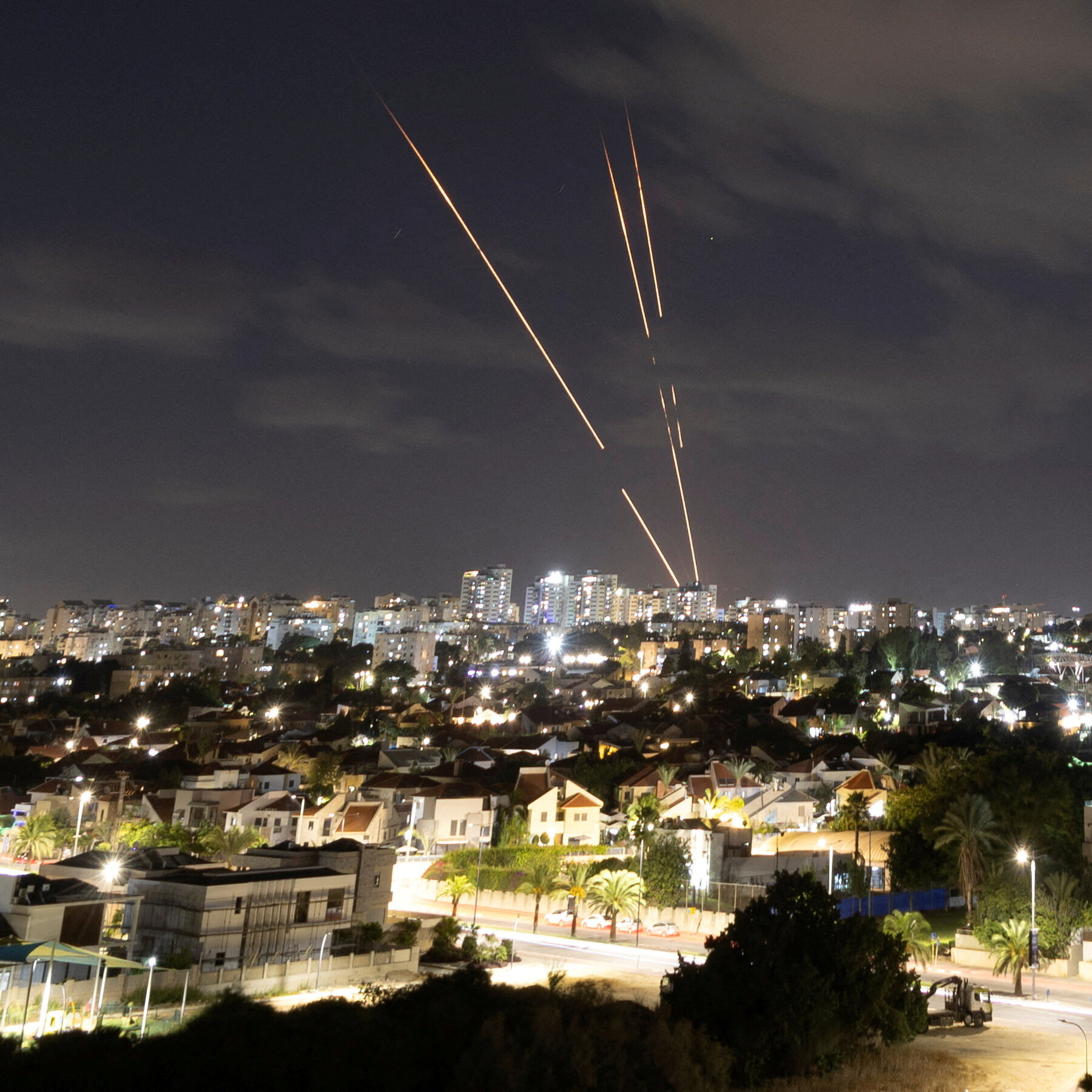
On the ground, Israeli airstrikes have continued across Iran, targeting nuclear infrastructure including Arak and Natanz, with over 1,100 sites reportedly struck since mid‑June. Iran has launched multiple missile barrages at Israeli territory; civilian casualties are said to be in the hundreds on both sides.

The timing of any US strike remains uncertain. Sources cite a possible weekend window, with final orders likely to be issued at the last moment. Pentagon leadership, including SecDef Hegseth and Gen. Caine, are expected to have operational control, while the president retains final authority.

As conflicting pressures swirl — military readiness, strategic diplomacy, domestic political debates — all eyes are on whether President Trump will strike at Iran’s underground sites or continue hedging amid rising global risk.

Approval has arrived for the unified tourist permit spanning Qatar, Saudi Arabia, Oman, Kuwait, the UAE and Bahrain, clearing the path for cross‑border travel under a single application, akin to Europe’s Schengen system. UAE Minister of Economy Abdulla bin Touq Al Marri confirmed that the visa has moved to implementation stage, now resting with GCC interior ministries and security agencies for final coordination.

Governments in all six member states have endorsed the scheme unanimously, reflecting a strategic priority to deepen tourism cooperation through the GCC 2030 strategy. Oman’s Minister of Heritage and Tourism, Salem bin Mohammed Al Mahrouqi, disclosed that preliminary blueprinting and feedback were concluded by end‑2023, and final approval occurred at the Muscat ministerial meeting this month. The GCC Secretary‑General, Jassim Al‑Budaiwi, expressed optimism about deployment by end‑2025, with technical alignment underway.

Experts anticipate the visa will be valid for at least 30 days, potentially extendable to 90, facilitating flexible travel across the region. Applications are expected to be submitted online, with a choice between single‑state access or multi‑country entry, and accompanied by standard requirements—passport, photo, accommodation proof, insurance, and return travel documentation.

Industry stakeholders predict this measure will significantly boost “bleisure” tourism by intertwining business and leisure travel, expanding multi‑destination offerings and joint marketing opportunities. Dubai alone logged 7.15 million international visitors from January to April 2025, a 7 per cent increase year‑on‑year, with regional tourism already generating $110.4 billion in 2023 from 68.1 million arrivals.

Polls by Oxford Economics estimate the visa could draw up to 22 million extra visitors and inject an additional $26 billion of tourist spending by 2030. Roland Berger further outlines that inter‑GCC travel has significant room for growth, supported by strong transport infrastructure, cultural assets and mega‑event calendars.

National tourism strategies across the Gulf have outlined commitments to invest in hotels, cultural destinations, transport connectivity and digital innovation. Economy‑diversifying goals align with visa harmonisation, which is viewed as a lever to translate policy into visitor flows.

Key questions remain around pricing and fee structure. While details have yet to emerge, observers expect integrated visa costs to be lower than applying separately to each state, with validity spanning up to three months.

The visa is also anticipated to support lesser‑visited Gulf destinations. Oman, Bahrain and Kuwait could benefit from spill‑over tourism that pilots through Dubai before exploring quieter cultural or natural sites.

Coordination challenges remain for interior ministries around border systems and security protocols. These are now being finalised ahead of implementation, with the official rollout expected later in 2025.

As the Gulf coalition moves from theory to mechanics, attention turns to how the visa will revolutionise travel dynamics. With a single application, global tourists will be empowered to hop between hyper‑modern cityscapes, desert oases and heritage enclaves—now under one permit.

Matein Khalid The deployment of 30 US air-fueling tankers to the Middle East strongly suggests that Trump has decided to escalate the war with Iran with an American led strike on the underground nuclear site at Fordo. Since the B-2 Spirit super bombers would need tankers to refuel their fighter escort. Ali Khamenei’s tweet threatening America was precisely the wrong message to send to Trump at a […]

Damac Chelsea Residences is more than just a real estate project — it’s a long-term investment in lifestyle, brand equity, and high-growth potential. Situated in the prime seafront district of Dubai Maritime City, this development by DAMAC Properties brings the prestige of Chelsea Football Club to Dubai’s property scene. As branded residences become one of the most in-demand asset classes worldwide, investors are turning their eyes toward Chelsea Residences by […]

A powerful heat wave will bring intense swelter to New York City and other major Eastern Seaboard cities, with heat indices rising into the triple digits along the I‑95 corridor. Temperatures are expected to climb well above seasonal norms from Sunday through mid‑week, driven by a strengthening high‑pressure dome and amplified humidity, posing serious health risks and heightening strain on infrastructure. Cities from Chicago to Washington, D.C.—including […]

Nivex, formerly known as Nx.one, has re-emerged in 2025 with a strategic repositioning as a cutting‑edge AI‑powered trading platform, signalling a major transformation from its Web3 origins into a global crypto‑finance innovator. Leveraging generative algorithms as the operational core, Nivex aims to elevate trading from human‑driven execution to autonomous, intelligent systems.

Powered by over 45 AI‑based strategies spanning arbitrage, trend‑following and swing trading, the platform reports impressive performance metrics. Annualised returns range from 60 % to 3 500 %, win rates hover between 85 % and 95 %, maximum drawdowns are tightly controlled at 15–70 %, and Sharpe ratios exceed 2.6 — all underpinning over USD 1 billion in assets under strategy management as of Q2 2025. One standout offering, “BTC Grid Arbitrage + AI Risk Control”, executed 540 trades in 2024 with a 92 % success rate and yielded a total return of 272 %.

At its heart, Nivex purports AI is not simply a feature, but the platform’s operating system. Users define goals and the AI assumes responsibility for detecting trends, assembling strategies, allocating capital, managing risk and executing trades at millisecond speeds. Combined with a suite of tools including spot and futures trading, dollar‑cost averaging and grid trading, the platform positions itself not as an exchange, but an intelligent asset engine.

A central component of Nivex’s offering is its AI Strategy Engine, which supports customizable parameters—such as leverage, stop‑loss, DCA and drawdown limits—and integrates institutional-grade strategies. Complemented by Smart Yield and AI Lending systems, users can earn APYs of up to 60 % on fixed terms, while automated lending tools continually optimise on‑chain opportunities.

Critical to its ambitions is delivery of institutional‑grade signal copying. By aggregating signals from global quant funds, Nivex enables retail users to subscribe and replicate live trades via automated execution, stop‑loss and performance tracking—without any coding. The company asserts this approach raises win rates by 30 % and improves execution speed by 80 % compared with manual trading.

Nivex is also developing an “Institutional Buying Heat Index” based on fusion of ETF flows, on‑chain transfers, CEX‑DEX liquidity movements and sentiment signals. This engine converts macro and micro market trends into actionable portfolios for both retail users and institutional clients via APIs and data subscriptions.

Compliance and geographic expansion underpin Nivex’s credibility. The platform operates service centres in North America, Dubai, Hong Kong, Singapore and Southeast Asia, holding licences with FinCEN and MSB, and pursuing approvals from MAS, VARA and AUSTRAC. It also hosted AI‑driven closed‑door summits at Token2049 Singapore, attracting industry leaders such as Justin Sun of TRON.

Industry analysts highlight a growing shift in trading infrastructure—from simple order‑matching to data‑driven, strategy‑oriented platforms. Nivex exemplifies this trend, providing automated AI‑based strategy execution at a time when global investment in AI surpassed USD 350 billion in 2024.

The AI trading platform market is projected to grow from USD 11.5 billion in 2024 to USD 75.5 billion by 2034, at a CAGR of 20.7 %, driven by high demand for automation, faster decision‑making and cost reduction. Within this context, major players include Kavout, Numerai and Algotraders — yet Nivex’s rapid integration of AI, compliance and global deployment positions it as a formidable contender.

Yet adoption of AI in trading brings challenges. Regulatory regimes struggle to keep pace, raising concerns about algorithmic opacity, data integrity and algorithmic bias. Nivex appears conscious of such risks, emphasising transparency, backtesting via a Strategy Lab, risk‑control features and strict KYC/AML protocols.

From a user experience angle, Nx.one’s prior focus on intuitive interface design, multi‑language support, real‑time analytics and security layer architecture—including multi‑signature wallets, cold storage, encryption, firewall defences and audit transparency—appears retained under Nivex.

CEO Simon highlighted Nivex’s core vision: “We’re not building a cheaper exchange—we’re building a smarter platform. Let the system trade for you. Let AI manage risk. Let data create wealth,” adding, “In the next five years, the most valuable asset won’t be trading skills. It’ll be your connection to a system that improves itself”.


voco Dubai The Palm has unveiled an expanded private beachfront, enhancing its leisure offering on Palm West Beach with additional space, panoramic sea views, and a curated beach day experience tailored for non-resident guests. The development adds a premium draw to Dubai’s hospitality sector, capitalising on the city’s demand for upscale coastal experiences without the need for an overnight stay. Located along the West Beach stretch of […]

By K Raveendran With the likelihood of a diplomatic solution appearing increasingly distant, West Asia is now clearly veering toward a longer and more intense confrontation, one that may significantly reshape economic, geopolitical, and energy dynamics not only in the Middle East but globally. What was initially perceived as a retaliatory exchange following months of […]


BANGKOK, THAILAND – Media OutReach Newswire – 10 June 2025 – Get ready to turn your Bangkok getaway into a rewarding adventure—in every sense of the word! The ONESIAM Global Grand Giveaway, Siam Piwat’s flagship tourism campaign, is making a grand comeback for its second year from June 20 to September 30, 2025, and is set to bring even more exclusive rewards, elevated experiences, and jaw-dropping prizes […]

Conscious Aerospace, KLM Royal Dutch Airlines and Transavia have entered a strategic Memorandum of Understanding at the Paris Air Show to co-develop a liquid‑hydrogen fuel‑cell retrofit for the De Havilland Canada Dash 8‑300 regional turboprop. The agreement, inked in front of Dutch aviation authorities, aims to outfit the aircraft with hydrogen‑electric propulsion, optimise cabin and cargo configurations, assess route viability, and model operational costs ahead of demonstration flights […]

VISHNU RAJA
RYO YAMADA
HITORI GOTOH
IKUYO KITA