News related to
City

Global oil prices have fallen to their lowest levels in over four years, driven by escalating trade tensions and fears of a global economic slowdown. Brent crude dropped by 3.79% to $60.44 per barrel, while West Texas Intermediate declined by 4.13% to $57.12, marking their lowest points since February 2021. This decline follows the United States’ implementation of 104% tariffs on Chinese imports, after Beijing maintained its 34% retaliatory tariffs on U.S. goods. The escalating tit-for-tat measures have dampened hopes for a swift resolution, raising concerns about a deepening global recession and diminishing energy demand.

Compounding the situation, the Organization of the Petroleum Exporting Countries and its allies plan to increase output by 411,000 barrels per day in May, potentially leading to a supply surplus. Analysts warn that this move could further destabilize the market. Despite a slight easing from a 1.1 million-barrel decrease in U.S. crude inventories, overall sentiment remains bearish. Goldman Sachs forecasts further declines in oil prices through 2025 and 2026. Additionally, Russia’s ESPO Blend oil has, for the first time, dropped below the $60 Western price cap, underlining the global pressure on oil markets.

In Canada, oil and gas executives are adopting a cautious approach in response to the price slump. Doug Bartole, CEO of InPlay Oil, indicated that while immediate cutbacks in production or spending are not planned, sustained low prices, especially around $50 per barrel, could prompt strategic reassessments. InPlay recently completed a C$321 million acquisition of Alberta oil assets from Obsidian Energy, despite market uncertainties. Analysts from ATB Capital Markets have downgraded InPlay’s share target based on current low WTI price levels. Economist Peter Tertzakian noted that while major oil sands companies can sustain lower prices, smaller firms may need to adjust capital expenditures if the price slump continues. Meanwhile, Birchcliff Energy CEO Chris Carlsen highlighted a potential benefit for natural gas producers, as reduced oil drilling may decrease associated gas output, potentially tightening supply.

The sharp decline in oil prices poses significant challenges for Saudi Arabia’s ambitious Vision 2030 megaprojects, including the futuristic Neom city. Oil remains the backbone of the kingdom’s economy, despite efforts to diversify. With Brent crude recently falling to $62 a barrel and forecasts suggesting further declines due to global economic instability and increased OPEC+ output, the country faces a budget deficit and reduced oil-derived income. Saudi Aramco’s anticipated dividends have dropped significantly, compounding financial pressures. Analysts expect the government may scale back or delay lower-priority projects, focus on key investments like global events, or increase borrowing and taxation. Notably, plans for “The Line” have reportedly been reduced to a 1.5-mile stretch associated with the 2034 FIFA World Cup. Despite reassurances from Saudi officials, concerns persist that the ambitious Neom development, championed by Crown Prince Mohammed bin Salman, may need to be downsized unless oil revenues recover.

The U.S. administration’s tariff policies have been a significant factor in the market’s volatility. While some argue that the tariffs, impacting about 1% of the $28 trillion U.S. economy, are intended to shift global trade dynamics in favor of the United States and counter countries like China, others believe that the market’s reaction has been exaggerated. Despite the uproar, these tariffs would channel approximately $300 billion annually to the U.S. Treasury. Critics argue that the U.S., while the world’s largest importer, has a relatively low import-to-GDP ratio compared to other countries. They contend that China has more to lose in a trade war due to its export-reliant economy and employment structure. American public sentiment appears cautiously supportive of fair trade measures, especially against perceived Chinese industrial subsidies. Some suggest that markets should adopt a wait-and-see approach rather than panicking, likening the administration’s stance to the backlash faced by UK Prime Minister Liz Truss over her economic reform attempts, suggesting a resistance to market-driven pressure.

Falling oil prices, encouraged by policies aimed at reducing regulatory burdens, may bring lower gasoline costs but also discourage new oil production due to unprofitable pricing levels and economic uncertainty. Efforts to stimulate future energy production, such as expanding drilling access and reviving coal via executive order, are counterbalanced by cautious industry investment amidst global trade tensions. Additionally, March 2025 was the second-warmest on record globally, with Arctic sea ice hitting a near half-century low, continuing a concerning trend of climate anomalies. On the tech front, battery startup Bedrock Materials is shutting down due to competitiveness issues against cheaper lithium-ion technology from China. Meanwhile, Tesla alum Drew Baglino’s Heron Power is raising $50 million to develop advanced solid-state transformers, reflecting continued clean-tech investment. Furthermore, the Bezos Earth Fund and Global Methane Hub announced a $27.4 million initiative to identify and breed cattle and sheep that emit less methane, a step toward sustainable livestock farming. These developments reflect significant intersections between policy, environment, and innovation shaping global energy and climate landscapes.

SINGAPORE – Media OutReach Newswire – 9 April 2025 – The highly anticipated Food & Hotel Asia – Food & Beverage (FHA-F&B) event officially opens today, reaffirming its position as Asia’s premier international food and beverage platform. With an expected 65,000 attendees from both local and international markets, FHA-F&B is set to once again unite industry professionals, culinary innovators, and industry leaders under one roof. The opening […]

Prime Minister Narendra Modi inaugurated the New Pamban Bridge on April 6, 2025, in Tamil Nadu’s Ramanathapuram district. This 2.07-kilometre-long bridge, constructed at a cost of ₹550 crore, connects Rameswaram Island to the mainland, significantly improving regional connectivity.

The New Pamban Bridge is India’s first vertical lift sea bridge, featuring a 72.5-metre-long central span that can be raised to allow ships to pass through. This mechanism enables the central section to rise vertically to a height of 22 metres, facilitating smoother navigation through the Palk Strait.

Constructed parallel to the original Pamban Bridge, which was opened in 1914, the new structure stands three metres higher than its predecessor, providing a navigational air clearance of 22 metres above sea level. The bridge comprises 100 spans of 18.3 metres each and is designed to accommodate double railway tracks with electrification, allowing trains to operate at speeds up to 80 km/h.

The vertical lift span is operated by an electro-mechanical system integrated with train control mechanisms. This design allows the 660-tonne span to be lifted in approximately five minutes, minimizing disruption to rail services. The bridge’s substructure has been built to support future double-line electrification, enhancing its capacity and efficiency.

The original Pamban Bridge was closed in December 2022 due to safety concerns arising from its deteriorating condition. The new bridge’s design and construction aim to address these issues, offering a more robust and reliable link between the mainland and Rameswaram Island.

The inauguration of the New Pamban Bridge is expected to boost tourism and economic development in the region by providing a more efficient transportation link. The bridge’s advanced design and construction techniques reflect India’s growing expertise in infrastructure development.

IBM has expanded its as-a-service offerings by launching IBM Storage Ceph as a Service, aiming to simplify on-premises storage management for enterprises. This fully managed, software-defined storage solution is designed to handle data-intensive workloads across hybrid cloud environments. IBM Storage Ceph as a Service provides a unified platform supporting block, file, and object storage. It offers scalability and flexibility, allowing organizations to adapt to evolving data requirements […]

Singapore’s Prime Minister, Lawrence Wong, announced the formation of a dedicated task force to address the nation’s economic vulnerabilities in light of escalating global trade tensions. This initiative aims to safeguard Singapore’s economic interests and mitigate potential adverse effects on its growth trajectory.

The catalyst for this strategic move is the United States’ recent imposition of a universal 10% tariff on imports, a policy that appears non-negotiable regardless of existing trade balances or agreements. Prime Minister Wong expressed deep concern over this development, highlighting that Singapore, with its heavy reliance on global trade, could face significant economic disruptions. He indicated that the nation’s GDP growth projections for 2025, currently set between 1% and 3%, may require downward revision.

Despite the existing free trade agreement and close bilateral ties between Singapore and the U.S., the city-state has not been exempted from these tariffs. Trade Minister Gan Kim Yong voiced disappointment over the U.S. decision, noting that while the agreement permits countermeasures, Singapore has chosen not to retaliate with counter-tariffs to avoid escalating tensions and increasing import costs. Instead, the focus will be on diplomatic engagement to address specific concerns raised by the U.S. administration.

The newly established task force will comprise key government officials, industry leaders, and economic experts. Its mandate includes analyzing the potential impact of global trade policies on Singapore’s economy, formulating strategic responses, and recommending measures to bolster economic resilience. Particular attention will be given to supporting sectors most vulnerable to trade disruptions and exploring opportunities to diversify trade partnerships.

Economists anticipate that the Monetary Authority of Singapore may adjust its monetary policy in response to these challenges. The MAS, which manages policy through the Singapore dollar nominal effective exchange rate , is expected to reduce the slope of the S$NEER band. This adjustment aims to enhance export competitiveness and cushion the economy against external shocks. Analysts, including those from Fitch Solutions and Maybank, have highlighted the potential for U.S. tariffs to significantly impact Singapore’s GDP, underscoring the need for proactive policy measures.

The global economic landscape is further complicated by rising protectionism and geopolitical tensions, particularly between major economies such as the U.S. and China. These dynamics have prompted countries to adopt more assertive trade policies, leading to a fragmented global economy. Prime Minister Wong has previously cautioned that such fragmentation could result in less trade, reduced investments, and hindered economic advancement, emphasizing the importance of maintaining open economic cooperation.

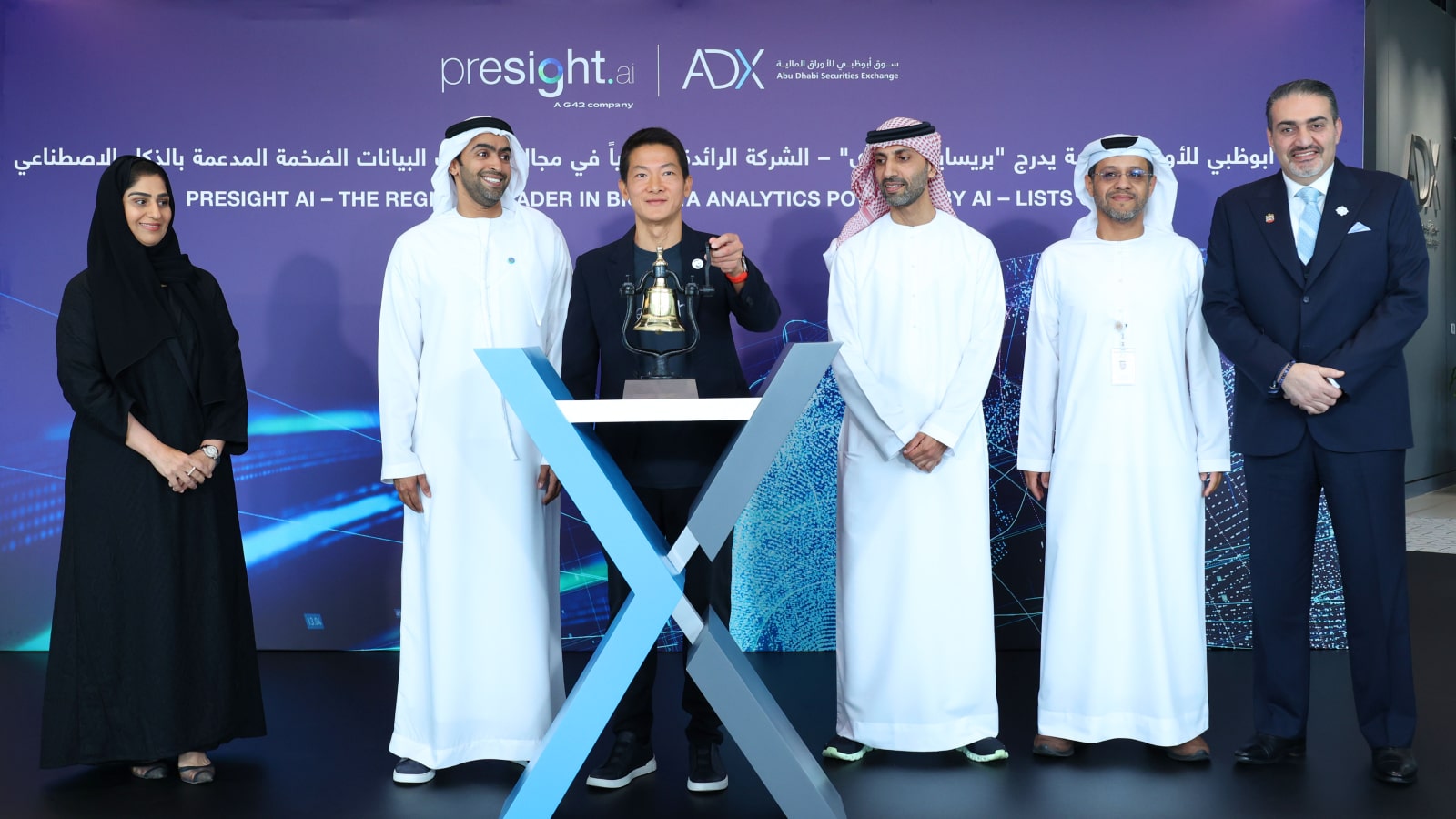
Beacon Red, a subsidiary of the EDGE Group specializing in national security solutions, has entered into a strategic Memorandum of Understanding with Presight AI, a leading provider of big data analytics powered by artificial intelligence. The agreement aims to explore synergies between Presight’s advanced AI and omni-analytics capabilities and Beacon Red’s mission-focused security solutions. The partnership was formalized during the LAAD Defence & Security 2025 exhibition at the Riocentro Exhibition and Convention Center in Rio de Janeiro, Brazil.

The collaboration between Beacon Red and Presight AI is set to leverage the strengths of both entities to develop innovative security solutions. Beacon Red has a track record of tackling complex national security challenges, offering advanced solutions in areas such as cyber defense and secure communications. Presight AI, on the other hand, has established itself as a key player in the AI and big data analytics sector, with partnerships aimed at revolutionizing crisis and disaster management through the integration of advanced data analytics and AI into emergency response systems.

This alliance is expected to focus on integrating Presight’s AI-driven analytics with Beacon Red’s security platforms to enhance situational awareness and decision-making processes in security operations. By combining Presight’s capabilities in processing and analyzing vast amounts of data with Beacon Red’s expertise in security solutions, the partnership aims to deliver comprehensive tools for threat detection and response.

The MoU signifies a commitment to joint research and development efforts, with the goal of creating solutions that address emerging security challenges. Both companies have previously demonstrated a commitment to innovation and collaboration in their respective fields. Presight AI has engaged in partnerships to enhance video analytics capabilities for smart city initiatives, while Beacon Red has been recognized for fostering a high-performance culture and developing cutting-edge security solutions.

The formalization of this partnership at LAAD Defence & Security 2025 underscores the importance of international collaboration in advancing security technologies. The exhibition serves as a platform for defense and security companies to showcase innovations and forge strategic alliances. The Beacon Red and Presight AI partnership exemplifies the trend of cross-sector collaborations aimed at leveraging technological advancements to address complex security issues globally.

As the security landscape continues to evolve with the advent of new technologies and emerging threats, collaborations such as this are poised to play a crucial role in developing solutions that are both effective and adaptable. The integration of AI and big data analytics into security operations offers the potential for more proactive and informed decision-making, ultimately contributing to enhanced security outcomes.

The partnership between Beacon Red and Presight AI reflects a strategic move to harness the power of artificial intelligence in the realm of national security. By combining their respective expertise, the two companies aim to develop solutions that not only address current security challenges but also anticipate and adapt to future threats. This collaboration is indicative of a broader industry trend where technology and security firms are joining forces to create integrated solutions that leverage the latest advancements in AI and data analytics.

While specific details of the joint initiatives have not been disclosed, the partnership is expected to focus on areas where AI can significantly enhance security operations, such as predictive analytics, real-time threat detection, and automated response mechanisms. By integrating AI into security platforms, the collaboration aims to provide security professionals with tools that offer deeper insights and more efficient processes, ultimately leading to more effective security measures.

The collaboration also aligns with broader efforts within the EDGE Group to expand its capabilities in electronic warfare and cyber technologies. The group’s focus on integrating advanced technologies into its portfolio reflects a commitment to staying at the forefront of the defense and security industry. By partnering with technology firms like Presight AI, EDGE entities such as Beacon Red are positioned to offer more sophisticated and comprehensive solutions to their clients.

In the context of global security, partnerships that bridge the gap between technology and defense are becoming increasingly important. The integration of AI into security operations offers the potential to transform how threats are detected and managed, enabling more proactive and adaptive responses. As such, collaborations like the one between Beacon Red and Presight AI are not only beneficial for the companies involved but also for the broader security landscape.

The formalization of this partnership at an international event like LAAD Defence & Security 2025 highlights the global nature of security challenges and the need for cross-border collaborations to address them effectively. By coming together, companies from different regions and sectors can combine their strengths to develop solutions that are more robust and versatile.

New global thought leadership series spotlighting the HKSTP I&T powerhouse, uniting its soft power of visionaries to rally the world to keep up with Hong Kong’s innovation HONG KONG SAR – Media OutReach Newswire – 7 April 2025 – HKSTP’s Keep Up global brand campaign has taken the world by storm, reaching over 19 million people across 240+ destinations worldwide since its launch in July 2024—a testament […]

Advertisements

Grade A office rents remained under pressure in Q1, while a tourist inflow recovery is yet to boost retail market confidence Smaller-sized residential units have been more sought-after following the relaxation of the maximum property value chargeable at a HK$100 stamp duty level as announced in the latest government budget speech, supporting first-hand residential sales. The total residential unit transaction number for Q1 climbed 24% y-o-y to […]

Greenlogue/AP NEOM Green Hydrogen Company has initiated a substantial recruitment campaign to staff its forthcoming green hydrogen facility at Oxagon in Saudi Arabia’s northwestern region. This initiative seeks to attract skilled professionals across various departments, including Corporate, Environment, Health, Safety, and Security , Risk Management, Operations & Maintenance, Finance, Information Technology, and Cyber Security. The construction of this plant is progressing on schedule, with full operational capacity […]

World’s Pioneering Drone Solution Achieving Millimetre-level Precision Setting a New Benchmark for Smart Sites in Hong Kong HONG KONG SAR – Media OutReach Newswire – 7 April 2025 – ​The Hong Kong Productivity Council (HKPC), the Civil Engineering and Development Department, and the Hyder-Meinhardt Joint Venture have co-developed the “Autonomous Air-ground Cooperative Tunnel Inspector” in the Trunk Road T2 and Cha Kwo Ling Tunnel project. This system […]

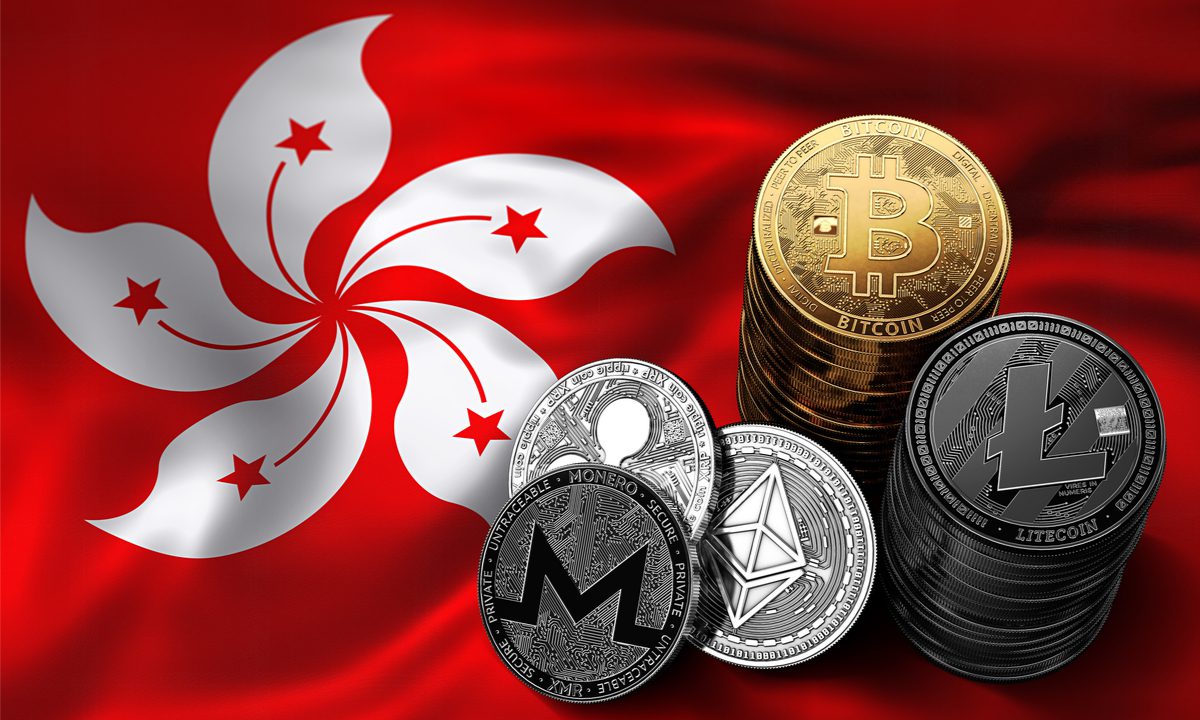
Hong Kong’s Securities and Futures Commission has intensified its scrutiny of virtual asset platforms offering staking services, emphasizing the associated risks and potential legal ramifications. The regulatory body has observed a surge in platforms promoting high-yield returns through staking, prompting a public advisory on the matter.

Staking, a process where cryptocurrency holders delegate their assets to support blockchain network operations, has gained popularity as a means to earn passive income. However, the SFC warns that many of these staking arrangements are not regulated, leaving investors vulnerable to significant risks, including the total loss of their investments. The commission highlighted that some platforms offer returns by on-lending deposited virtual assets or engaging in other investment activities without adequate transparency.

In a statement, the SFC underscored that certain staking programs might constitute unauthorized collective investment schemes . Under Hong Kong law, promoting or operating such schemes without proper authorization is a criminal offense, potentially leading to substantial fines and imprisonment.

The regulatory focus on staking services aligns with Hong Kong’s broader efforts to establish a comprehensive framework for virtual assets. The SFC has been actively exploring the introduction of new token listings, derivatives, and margin trading to enhance the city’s position as a digital asset hub. Julia Leung, the SFC’s Chief Executive, announced plans to potentially expand the regulatory framework to facilitate the listing of new tokens exclusively for professional investors and to review existing safeguards for retail offerings.

The SFC is considering the regulation of crypto derivative trading for professional investors, aiming to facilitate efficient risk transfer within the market. Staking is another area under review, with the commission planning to establish requirements governing the custody of client assets and mitigating risks associated with staking activities.

In addition to these initiatives, the SFC has been in discussions with crypto exchange-traded fund issuers about the possibility of including Ether staking options. This move could allow ETF issuers to stake ETH and generate passive income, providing investors with additional avenues for returns. However, these discussions are ongoing, and no definitive timeline has been established for implementation.

Indian metal companies are significantly expanding their operations, driven by robust domestic demand, even as they navigate complex global trade dynamics. Industry leaders such as Vedanta and JSW Steel are at the forefront of this growth, unveiling ambitious plans to scale up production capacities across various segments.

Vedanta, a prominent conglomerate, has announced a $20 billion expansion strategy encompassing sectors like zinc, aluminium, copper, iron, steel, oil, gas, and power. This initiative includes seeking global partnerships to bolster its ventures. The company is also in the process of restructuring into four distinct entities: Vedanta Aluminium, Oil and Gas, Power, and Iron and Steel. Notable investments involve allocating $2 billion to $2.5 billion for enhancing Hindustan Zinc’s production and $5 billion aimed at increasing oil output through Cairn India. Additionally, Vedanta plans to double its power portfolio and explore opportunities in nuclear energy, targeting 5 GW of nuclear power for internal consumption within India.

JSW Steel, another major player, is pursuing an aggressive expansion trajectory. The company aims to elevate its production capacity from the current 27.5 million tonnes per annum to 38.5 mtpa by the fiscal year 2024-25. This growth strategy includes commissioning iron ore and coal mines in Karnataka, Odisha, and Goa, which is expected to reduce operational costs. JSW Steel is also investing in renewable energy projects to further decrease production expenses. The company has set a target to reach a 50 mtpa capacity before 2030, reflecting confidence in sustained domestic demand growth.

Tata Steel is also contributing to the industry’s expansion by adding 5 million tonnes to its existing 21 mtpa capacity. Similarly, Jindal Steel and Power plans to increase its capacity by 6 million tonnes, building upon its current 9.6 mtpa. Collectively, these initiatives represent a substantial investment aimed at capitalizing on India’s burgeoning steel consumption, which is projected to grow between 8% to 10% in the fiscal year 2024-25.

The Indian government’s policy measures are playing a crucial role in supporting domestic manufacturers. The “Domestically Manufactured Iron and Steel Products Policy 2025,” effective from April 1, mandates that all government ministries and agencies prioritize locally produced steel products. This policy aims to protect the domestic steel industry from the influx of cheaper imports, particularly from countries like China, South Korea, and Japan. It also restricts the use of foreign certifications or stringent technical specifications that could disadvantage local suppliers and bars foreign entities from participating in Indian tenders if their home countries impose procurement restrictions on Indian mills.

Despite these protective measures, Indian steelmakers face challenges from international trade policies. The United States has imposed a flat 26% reciprocal tariff on all Indian exports, citing high Indian tariffs on U.S. goods. This move is expected to impact key Indian export sectors, including electronics, gems and jewellery, and certain aluminium and auto parts. However, pharmaceuticals and energy products are exempt from these tariffs. In response, India is engaging in negotiations with the U.S. for a new trade deal and has expressed willingness to reduce tariffs on $23 billion worth of U.S. imports. Additionally, India is exploring opportunities to expand exports in sectors like textiles, apparel, footwear, and steel, particularly as higher tariffs are levied on Chinese goods.

Elon Musk’s social media platform, X, is facing potential fines from the European Union for alleged breaches of the Digital Services Act . The European Commission has initiated formal infringement proceedings, citing concerns over content moderation, deceptive user interfaces, advertising transparency, and restricted data access for researchers. The Commission’s investigation highlights that X’s “blue checkmark” verification system may mislead users by allowing any subscriber to obtain verified […]

HONG KONG SAR – Media OutReach Newswire – 6 April 2025 – ​Associate Director-General of Investment Promotion at Invest Hong Kong (InvestHK) Mr Charles Ng will commence his duty visit to the Middle East from today (April 6) to April 10, with key engagements in Saudi Arabia and the United Arab Emirates (UAE). The visit underscores Hong Kong’s commitment to deepening economic ties with these dynamic markets […]

Beijing has announced the imposition of a 34% tariff on all imports from the United States, effective April 10, 2025, in direct response to the sweeping tariffs introduced by U.S. President Donald Trump. The Chinese Ministry of Finance stated that this measure aims to counteract what it perceives as unjust and protectionist policies from Washington.

This development follows President Trump’s declaration of “Liberation Day” on April 2, during which he unveiled a universal 10% tariff on all foreign imports, with higher rates for specific countries. China was notably targeted with an additional 34% tariff, bringing the total levy on Chinese goods to 54%. The U.S. administration justified these tariffs as necessary to rectify longstanding trade imbalances and to protect domestic industries.

In a statement, China’s Ministry of Finance condemned the U.S. actions, urging Washington to immediately withdraw the imposed tariffs to prevent further escalation. The ministry emphasized that China’s countermeasures are a legitimate response to safeguard its national interests and the multilateral trading system.

The U.S. tariffs have been met with criticism from various quarters. Economists have expressed concerns over the methodology used to calculate these tariffs, arguing that the approach is overly simplistic and could lead to unintended economic consequences. They warn that such measures might not effectively address trade deficits and could harm consumers through increased prices.

The business community is also bracing for the impact of these tariffs. In New York City, retailers are encouraging consumers to make purchases before the new tariffs lead to price increases. Products such as electronics, appliances, and automobiles are expected to see significant price hikes, prompting a surge in sales ahead of the tariff implementation.

China’s retaliatory tariffs are anticipated to affect a wide range of U.S. exports, including agricultural products, automobiles, and technology goods. This move is expected to have significant implications for American farmers and manufacturers who rely heavily on the Chinese market. Analysts predict that the escalating trade war could disrupt global supply chains and dampen economic growth in both countries.

HO CHI MINH, VIETNAM – Media OutReach Newswire – 4 April 2025 – On April 4, 2025, OH!SOME officially enters the Vietnam market, with its very first store opening at Crescent Mall in Ho Chi Minh City. OH!SOME OH!SOME, as a one-stop trendy retail brand, benefits from primary business focus on fashion retail, IP, advanced technology and expanding into diverse family entertainment centers, powered by and efficient […]

Corporate events have long gone beyond simple team building activities. They address a wide range of tasks today: helping to accelerate onboarding, improving internal communications, increasing employee engagement and strengthening corporate culture. This is especially important for employees of remote teams who risk losing contact with each other and the company due to remote working formats. In recent years, online tools have made communication easier and virtual […]

Impressive technological applications win international praise, assisting enterprises in going global to explore more opportunities HONG KONG SAR – Media OutReach Newswire – 3 April 2025 – The Hong Kong Productivity Council (HKPC) debuted with a dedicated pavilion at Hannover Messe 2025 (Hannover Messe), showcasing a range of Hong Kong’s technological applications, which were highly regarded by international companies and investors. HKPC successfully showcased the impressive achievements […]

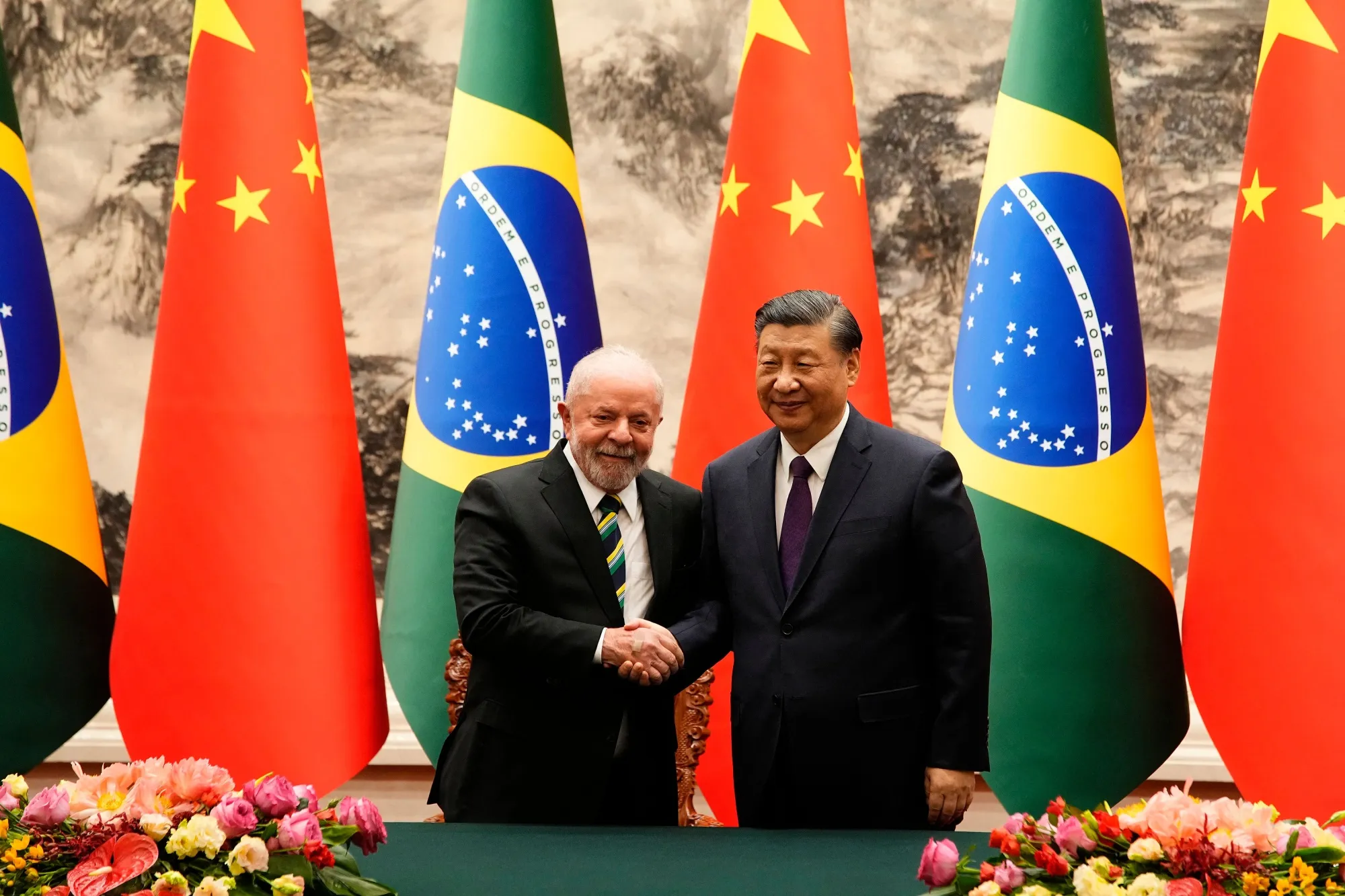
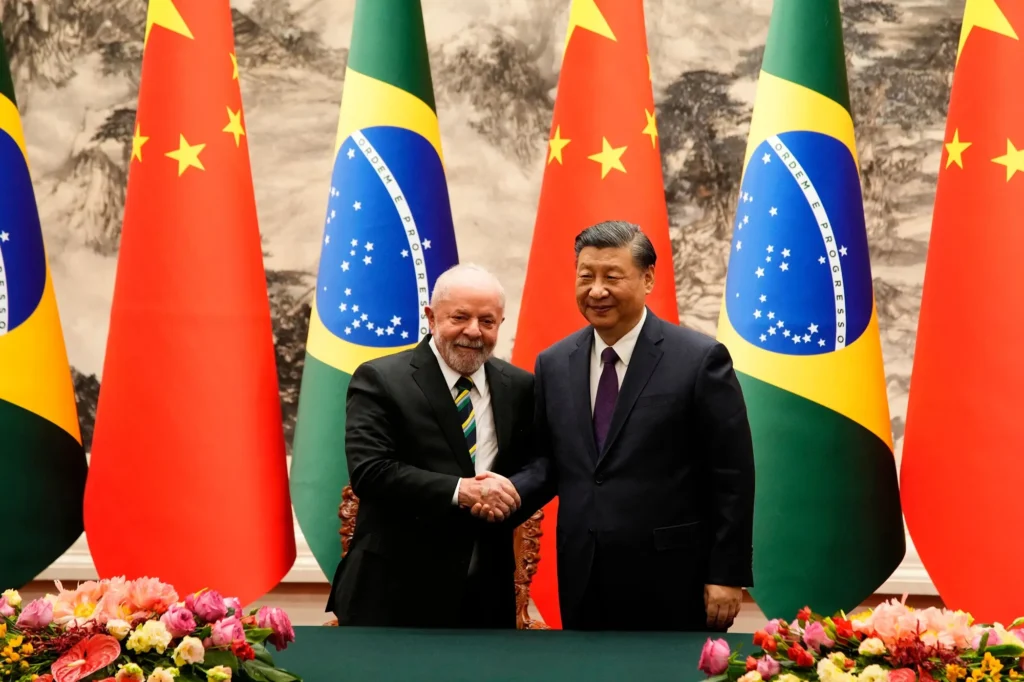
By Nitya Chakraborty Brazil’s President Luiz Inacio Lula da Silva, better known globally as Lula has launched a major initiative to meet the U.S. President Donald Trump’s unilateral tariff offensive by joining hands with Chinese President Xi Jinping and the Russian President Vladimir Putin, apart from taking assistance from South Africa and a few other […]


Dubai’s Roads and Transport Authority has entered into a strategic partnership with Uber Technologies Inc. and autonomous driving technology firm WeRide to introduce self-driving taxis to the city’s transportation network. This collaboration aligns with Dubai’s ambition to transform 25% of all journeys into autonomous trips by 2030, as part of its Self-Driving Transport Strategy.

His Excellency Mattar Al Tayer, Director General and Chairman of the Board of Executive Directors of RTA, emphasized the significance of this initiative, stating that the partnership represents a crucial step in advancing Dubai’s autonomous transportation goals. Noah Zych, Uber’s Global Head of Autonomous Mobility and Delivery Operations, expressed enthusiasm about the collaboration, highlighting the company’s commitment to integrating autonomous vehicles onto the Uber platform in Dubai, with WeRide as the initial technology partner.

WeRide, a Guangzhou-based autonomous driving company, has been expanding its global footprint. The firm previously launched a commercial robotaxi service in Abu Dhabi in December 2024, marking Uber’s first deployment of autonomous vehicles outside the United States. The expansion into Dubai signifies the second Middle Eastern city to feature WeRide and Uber’s autonomous ride-hailing service, further solidifying their presence in the region.

The collaboration will commence with pilot programs utilizing Uber’s technology to connect riders with WeRide’s autonomous vehicles, ensuring a seamless user experience. Details regarding the pilot program and subsequent phases are expected to be disclosed in the coming months. The initiative aims to enhance urban mobility by providing reliable and forward-thinking transportation solutions that align with Dubai’s vision for smart cities and future transport.

In addition to this partnership, RTA has been actively expanding its global collaborations with leading autonomous driving technology providers. The authority recently announced a partnership with Baidu’s Apollo Go to deploy autonomous taxis in Dubai, further advancing the city’s autonomous transportation objectives.

The introduction of self-driving taxis is anticipated to transform Dubai’s transport landscape by improving connectivity and reducing accidents. Trials for the autonomous vehicles are scheduled to commence this year, with a safety driver present during the initial phase. Commercial operations are projected to launch in 2026, contributing to the city’s goal of achieving 25% autonomous trips by 2030.

WeRide’s involvement in Dubai builds upon its global expertise in autonomous driving and complements Uber’s leadership in ride-hailing and mobility solutions. The partnership positions Dubai as a pioneering hub for smart transportation, leveraging advanced technology to enhance the city’s public transit system.

Dubai’s Roads and Transport Authority has entered into strategic agreements with Uber Technologies, WeRide, and Baidu’s Apollo Go to introduce autonomous taxi services in the emirate. These collaborations aim to integrate self-driving vehicles into Dubai’s transportation network, aligning with the city’s goal of making 25% of all journeys autonomous by 2030. Under the partnership, WeRide will deploy its autonomous vehicles through Uber’s platform in Dubai. WeRide, which […]

Dubai-based Edgnex Data Centers, a subsidiary of the Damac Group, has acquired Finnish data center company Hyperco, marking a significant expansion into the Nordic region. The financial terms of the deal have not been disclosed. Hyperco operates data centers in Finland and Sweden, leveraging the region’s sustainable energy resources, mature digital ecosystems, and high connectivity. The company’s three co-founders and existing team will continue to lead operations […]

SAN FRANSICO, USA – Media OutReach Newswire – 3 April 2025 – On April 1 (Pacific Standard Time), the world’s top optical communication event, the 50th Optical Fiber Communication Conference and Exhibition (OFC), opens at the Moscone Center in San Francisco, USA. As a leading Chinese enterprise in the smart grid and energy management community, Shenglong Electric displays two competitive products: AI-iPanel, an AI-powered medium- and low-voltage […]

Driving innovative solutions to tackle climate change and extreme weather challenges HONG KONG SAR – Media OutReach Newswire – 2 April 2025 – The Hong Kong Polytechnic University (PolyU) has established the Otto Poon Research Institute for Climate-Resilient Infrastructure (RICRI), a pioneering strategic research institute focused on global climate change, with the staunch support of the Otto Poon Charitable Foundation. The Research Institute aims to be a […]

VISHNU RAJA
RYO YAMADA
HITORI GOTOH
IKUYO KITA