News related to
City

Archer Aviation completed a successful test flight of its Midnight electric vertical take-off and landing aircraft at Al Bateen Executive Airport in Abu Dhabi, advancing its push to establish commercial air taxi operations in the UAE. The trial flight marked the first time the company has operated the Midnight aircraft under Middle Eastern environmental conditions, demonstrating its airworthiness and operational viability in one of the world’s most challenging climates.

The test flight was designed to evaluate the aircraft’s vertical lift and descent capabilities while enduring extreme heat, high humidity levels, and airborne dust — factors that are critical to address for obtaining certification in the UAE. The company said these environmental stressors, particularly in the summer season, present unique challenges not faced in temperate regions, and their successful navigation is essential for regional rollout.

With support from the UAE’s Smart and Autonomous Systems Council, Archer Aviation conducted the operation in the presence of officials from the General Civil Aviation Authority, the Abu Dhabi Investment Office, the Integrated Transport Centre, Abu Dhabi Airports, and Abu Dhabi Aviation. Several of Archer’s regional partners also attended, underscoring the strategic significance of the flight for the broader effort to integrate urban air mobility into the UAE’s transportation ecosystem.

This development is part of a broader expansion plan by Archer Aviation, which aims to commence commercial operations in the UAE within the next year. The company confirmed that more flight tests will follow in the coming months as it works toward regulatory approval. These tests will build on data gathered during the Al Bateen flight and are aimed at fine-tuning the aircraft’s performance and ensuring compliance with the UAE’s civil aviation standards.

Archer’s Midnight aircraft is a four-passenger, one-pilot eVTOL designed to reduce urban congestion by providing an environmentally sustainable alternative to short-haul ground transport. It operates entirely on electric power and has a claimed range of around 100 miles, though it is optimised for rapid trips of around 20 miles, enabling multiple short urban hops on a single charge. The company has highlighted its low noise profile and rapid recharge time as key advantages for integration into densely populated cities.

The Abu Dhabi test forms part of a larger strategic partnership between Archer and Abu Dhabi authorities, with the emirate positioning itself as a pioneer in urban air mobility. The Abu Dhabi Investment Office has previously announced financial and regulatory backing for companies involved in the advanced air mobility sector, aiming to transform the capital into a hub for emerging aerospace technologies. Archer’s work is also aligned with the UAE’s long-term vision to build a diversified, innovation-driven economy, especially in sectors like aerospace and smart mobility.

The involvement of multiple UAE transport and aviation stakeholders in the test flight indicates strong institutional interest in accelerating the commercialisation of eVTOL technologies. Abu Dhabi has been actively working to establish the regulatory, financial, and operational groundwork required to deploy air taxis, including digital airspace management systems and vertiport infrastructure. The city’s integrated approach, bringing together regulatory bodies, investors, and transport operators, is viewed by industry experts as a model for emerging air mobility ecosystems globally.

This milestone for Archer also arrives amid growing international competition in the eVTOL space. Companies such as Joby Aviation, Vertical Aerospace, and Lilium are developing similar platforms, with plans to launch air taxi services in urban centres worldwide. However, the harsh environmental conditions in the Gulf region offer a unique proving ground for aircraft performance, and successful operations in Abu Dhabi may serve as a powerful validation for the Midnight platform in other markets with extreme climates.

Archer has previously announced its intention to base a portion of its operations in the UAE, including flight testing, pilot training, and maintenance services. The company is also working on joint ventures and local partnerships to support these initiatives, suggesting a long-term commercial and logistical commitment to the region. Discussions are underway to align with regional airports and private operators to facilitate a network of air taxi routes, which could link major business hubs, residential zones, and tourist attractions across the UAE.

Launches Extended Round to Accelerate Climate Tech Innovation Across Indonesia SINGAPORE – Media OutReach Newswire – 3 July 2025 – GreenTeams, a rapidly growing climate technology company advancing data-driven environmental governance in Indonesia, has announced the successful close of its Series A funding round. The round was led by Oriza Greenwillow Technology Fund. Operating at the intersection of environmental intelligence, regulatory compliance, and industrial decarbonization, GreenTeams empowers […]

South Africa will receive a $474.6 million loan from the African Development Bank to overhaul its transport systems and energy infrastructure, the Bank announced on Tuesday. The financing, part of a broader international development package, aims to tackle persistent power outages, outdated rail networks and port congestion that have hampered economic performance. The loan is being deployed under the Infrastructure Governance and Green Growth Programme, the Bank’s second […]

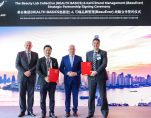
SHANGHAI, CHINA – Media OutReach Newswire – 2 July 2025 – At the 2025 China–New Zealand Trade Innovation Summit, New Zealand Prime Minister, the Right Hon. Christopher Luxon, witnessed the official signing of a strategic partnership between high-end anti-aging brand BeauEver and biotechnology leader The Beauty Lab Collective (TBLC). BeauEver Secures NZ Prime Minister’s Support in Historic China Summit to Accelerate Global Skincare Expansion This milestone partnership […]

LINYI, CHINA – Media OutReach Newswire – 2 July 2025 – From small roadside stalls to China’s largest professional market cluster, Linyi Trade City in Shandong province, has achieved leapfrog growth during the past four decades and is poised to extend its reach across the globe. Currently, there are 136 professional wholesale markets and 63,700 shops in the trade center, as well as more than 6 million […]

Aldar Investment has sealed the acquisition of 17 high‑quality warehousing and light industrial units from Waha Capital for AED 530 million, immediately expanding its net leasable area by 182,500 sq m at Almarkaz Industrial Park in Al Dhafra, Abu Dhabi. The assets, now near full occupancy, welcome a mix of international, regional and government-related tenants, reinforcing Aldar’s logistics footprint across the UAE. The Almarkaz site spans six million sq m and operates under […]

ADNOC Drilling has clinched a five-year oilfield services contract from ADNOC Onshore, valued at up to $800 million, with operations scheduled to commence in the third quarter of 2025. Although the contract’s full value hinges on the volume of services eventually requested, it marks a significant step in the company’s long-term expansion strategy. The announcement extends a streak of high-value awards for ADNOC Drilling, reinforcing its role […]

Advertisements

Dubai Holding has sealed a strategic agreement with Select Group and Emirates Strategic Investments Company to develop flagship residential and mixed‑use communities at Palm Jebel Ali and Dubai Design District. This marks Dubai Holding’s inaugural sale of strategic land at Palm Jebel Ali to an external developer, reflecting the emirate’s ambitious urban growth ambitions.

Select Group, in partnership with ESIC, will manage two major projects: a high‑end waterfront residential and hospitality enclave across seven islands and 16 fronds at Palm Jebel Ali, featuring over 90 km of beachfront spanning 13.4 km; and a dynamic, culture‑driven mixed‑use district in d3 designed to integrate innovation, creativity and modern urban living.

Khalid Al Malik, CEO of Dubai Holding Real Estate, emphasised that Palm Jebel Ali would “elevate Dubai’s global reputation as a premier waterfront destination,” and called the tie‑up with Select Group a critical step in aligning with the emirate’s broader vision under its 2040 Urban Master Plan and Economic Agenda D33. Rahail Aslam, Chairman of Select Group, described the deal as advancing the firm’s strategy to deliver “design‑forward, high‑impact” developments in key growth corridors.

Work on design and planning is underway for both locations, with further specifics on architecture, timelines and phasing due to be released in the coming months. Select Group brings experience from high‑end developments like Six Senses Residences at Palm and Dubai Marina, and Peninsula in Business Bay.

Palm Jebel Ali is being positioned as a new growth corridor in Jebel Ali and will combine luxury coastal living with pedestrian‑friendly, mixed‑use neighbourhoods, offering panoramic views of the Arabian Gulf. d3, recognised globally as part of Dubai’s UNESCO Creative City of Design network, will expand its creative ecosystem, offering residents skyline views including Burj Khalifa and further solidifying Dubai’s reputation as a hub for design and innovation.

The agreement reinforces Dubai Holding’s mission to unlock long‑term value from its master‑planned initiatives by collaborating with private developers and aligns with its goals of sustainable urban expansion. It also complements related infrastructure developments, such as the district cooling joint venture between Dubai Holding Investments and Tabreed at Palm Jebel Ali, initiated in March 2025, aimed at delivering efficient, sustainable cooling capacity expected to commence operations by 2027.

Select Group’s role in the development highlights a strategic evolution from project delivery to comprehensive neighbourhood creation. That approach reflects a growing trend among developers to craft holistic lifestyle destinations rather than standalone buildings. This shift speaks to evolving investor preferences for immersive, value‑oriented environments.

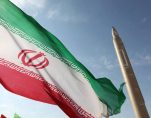
A deepening rift between Iran and international nuclear inspectors marks a turning point in Tehran’s approach to its atomic programme and signals a complex challenge for global diplomacy. Iran has formally suspended cooperation with the International Atomic Energy Agency, severing communication channels and obstructing inspections, in the wake of U.S. and Israeli military strikes on its nuclear sites.

The move was set in motion on 23 June when Iran’s parliamentary national security committee approved a framework for halting camera installation, inspections, and reporting to the IAEA unless the “security of nuclear facilities is guaranteed”. The legislation was ratified by the Guardian Council on 26 June and now awaits signature from President Masoud Pezeshkian. Parliamentary speaker Mohammad Bagher Ghalibaf justified the step, stating that cooperation should resume only when IAEA activity ceases to endanger facilities.

Iran has since implemented the decision, reportedly blocking emergency channel calls from the IAEA’s Vienna headquarters. According to a Bloomberg report, once the Incident and Emergency Centre had been in sustained dialogue since 13 June, communication has now dwindled to silence.

The suspension has intensified global worry over what happened at Fordow, Natanz and Isfahan nuclear sites that were struck in late June by U.S. and Israeli forces. Satellite imagery indicates significant damage, and the UN nuclear chief Rafael Grossi described the destruction as “enormous”, stating that centrifuges at Fordow are no longer operational. Iranian Supreme Leader Ayatollah Ali Khamenei dismissed the strikes as theatrics, displaying defiance in his first address since a ceasefire with Israel, while the IAEA has received no formal notification from Tehran about the halt.

Inspectors face a dual challenge: assessing bomb damage and reconciling it with actual uranium stockpiles. Reuters reports that uncovering whether enriched uranium was destroyed, buried in debris or clandestinely moved will be “long and arduous”. IAEA chief Grossi noted Iran informed him on 13 June it had taken measures to protect nuclear materials — raising the possibility that uranium was relocated before the bombings.

A senior diplomat cautioned that verifying the fate of enriched stocks will require extended forensic and environmental analysis. Analysts highlight that these uncertainties, coupled with Iran’s growing 60 percent enriched uranium stockpile — now surpassed 400 kg — raise proliferation concerns. Iran stands as the only non-nuclear-weapons state to produce such highly enriched material.

The crisis threatens to undermine the Nuclear Non-Proliferation Treaty. Experts warn that Iran’s rejection of oversight and potential expansion of enrichment capabilities could erode confidence in international safeguards and spark similar behaviour in other states.

Tehran counters that it remains compliant with its obligations, defending the withdrawal as a sovereignty measure and accusing the IAEA of complicity in aggression. Russian foreign minister Sergey Lavrov urged Iran to maintain IAEA cooperation. German officials echoed this sentiment, appealing for de-escalation and finer calibration.

U.S. and Israeli intelligence contend the strikes brought Iran’s enrichment efforts to a standstill, yet stop short of describing them as complete obliteration. Donald Trump claimed the attacks eliminated any need for a new nuclear deal, yet leaked U.S. intelligence suggests only a short-term delay of a few months.

Disruption of IAEA activities follows a pattern of mounting distrust. The agency censure on 12 June marked the first formal finding of non-compliance by Iran in two decades. Tehran subsequently announced expansion of enrichment infrastructure, including a third site and advanced centrifuges.

This standoff adds complexity to diplomatic efforts. Indirect U.S.–Iran negotiations held from April to June in Oman and Rome collapsed when Israel struck nuclear facilities on 13 June. Although Washington has signalled readiness to resume dialogue, Iran’s decision to suspend IAEA cooperation adds another layer of mistrust.

The prospect of tracking uranium movements amid top-secret relocation efforts, inaccessible bombed sites, and blocked communications has created a labyrinthine challenge. Inspectors and intelligence agencies alike face a “cat-and-mouse” hunt for clarity in rubble and uncertainty. Continued monitoring and a potential return to diplomatic channels will be vital in determining whether the inspection suspension is temporary or signals a more fundamental shift in Iran’s nuclear stance.

YIWU, CHINA – Media OutReach Newswire – 1 July 2025 – China has launched its first railway container terminal with mixed-mode autonomous driving capabilities, a move aimed at building an efficient, low-carbon, and intelligent modern comprehensive transportation system and reducing whole society logistics costs. The first train of the sea-rail intermodal service from Yiwu International Hub Port to Ningbo-Zhoushan Port has officially departed. The Suxi container handling […]

Abu Dhabi has claimed the top spot, with Dubai close behind, in a ranking of 97 global markets compiled by Cushman & Wakefield in its 2025 Global Data Center Market Comparison. The analysis, which evaluated 20 critical factors—from power availability and fibre connectivity to development pipelines and land pricing—places Abu Dhabi first and Dubai second among emerging data centre markets.

The report highlights a surge in demand for digital infrastructure, driven primarily by hyperscalers, cloud providers and burgeoning AI workloads. Abu Dhabi stands out with exceptional scores for power delivery timelines and cost-effective land, placing it at the very top of the emerging markets category. Dubai, closely following, benefits from robust fibre connectivity and an accelerating development pipeline.

Power availability remains the most pivotal concern across the industry. The study indicates that markets with secure, rapid power delivery attract developer attention, particularly where leading markets are experiencing delays in grid expansion. Abu Dhabi’s superior performance in this metric has become a magnet for hyperscale players and colocation operators alike, while Dubai earns marks for its strategic integration of infrastructure and favourable regulatory policy.

Pre-leasing rates further support the UAE’s ascendancy. Both Abu Dhabi and Riyadh report pre-commitments exceeding 70% on under-construction capacity, a figure surpassing most emerging markets and rivalled only by select Western hubs. This signals strong occupier confidence, as large tenants lock in space well ahead of completion.

Regional momentum is reinforced by Research and Markets, which notes that Abu Dhabi currently accounts for nearly 40% of the UAE’s upcoming data centre power capacity, with an additional 60 MW projected by the end of 2025. Sector observers estimate cumulative investment in UAE-based facilities will approach US $2.5 billion by 2026.

Global trends underscore the link between power constraints and shifting demand. While longstanding markets such as Northern Virginia and Chicago continue to dominate in operational capacity, power scarcity is pushing hyperscalers into newer regions. In Europe and APAC, markets with strong power fundamentals—particularly those offering renewable options—have seen elevated pre-leasing and accelerated construction.

In EMEA, nine of the 97 markets reviewed boast pre-lease ratios above 50%, with Milan and Berlin achieving full commitments on live builds. However, Abu Dhabi’s combination of policy support, infrastructure coordination, and land pricing renders it the leading emerging centre. Dubai’s consistent performance spots it firmly in second place.

Local dynamics also support the UAE’s climb. Emerging Middle Eastern hubs benefit from coordinated government strategies: jurisdictions like Abu Dhabi and Dubai leverage economic zones, expedited permitting, and public-private partnerships to secure both digital and energy infrastructure. These are precisely the variables weighed in the 20-factor comparison.

UAE operators are actively building modern facilities to meet new IT standards and power densities. Major entities—including government-backed developers and international names—are focused on deploying Tier III and IV facilities equipped for high-power AI use‑cases. Expectations of sovereign AI zones are further heightening the appeal of these markets among institutional and hyperscale tenants.

Regional competitors, notably Riyadh, also demonstrate strong demand fundamentals. Yet Abu Dhabi and Dubai maintain a lead in deliverability: Abu Dhabi tops the emerging list overall, with superior scores in pre-leasing, fibre availability, and land affordability. Dubai’s edge lies in its connectivity, depth of occupier demand, and policy predictability.

The broader global picture reveals a shift from established hubs to power-rich emerging sites. Worldwide operational IT load now exceeds 40 GW across the tracked markets, yet established centres still dominate capacity. Emerging markets, particularly in the Middle East, have closed ground fast, thanks to streamlined supply chains, liberal regulatory environments, and readiness for power-intensive workloads.

Cloud accounting is software for managing financial records that operates online. Unlike traditional on-premise solutions, you don’t need to install programs on your computer — just a browser and internet access. All data is stored on secure servers, allowing you to access your accounting anytime, from any device. In the UAE, the digital economy is rapidly growing, and the government supports businesses adopting modern technologies. Cloud accounting […]

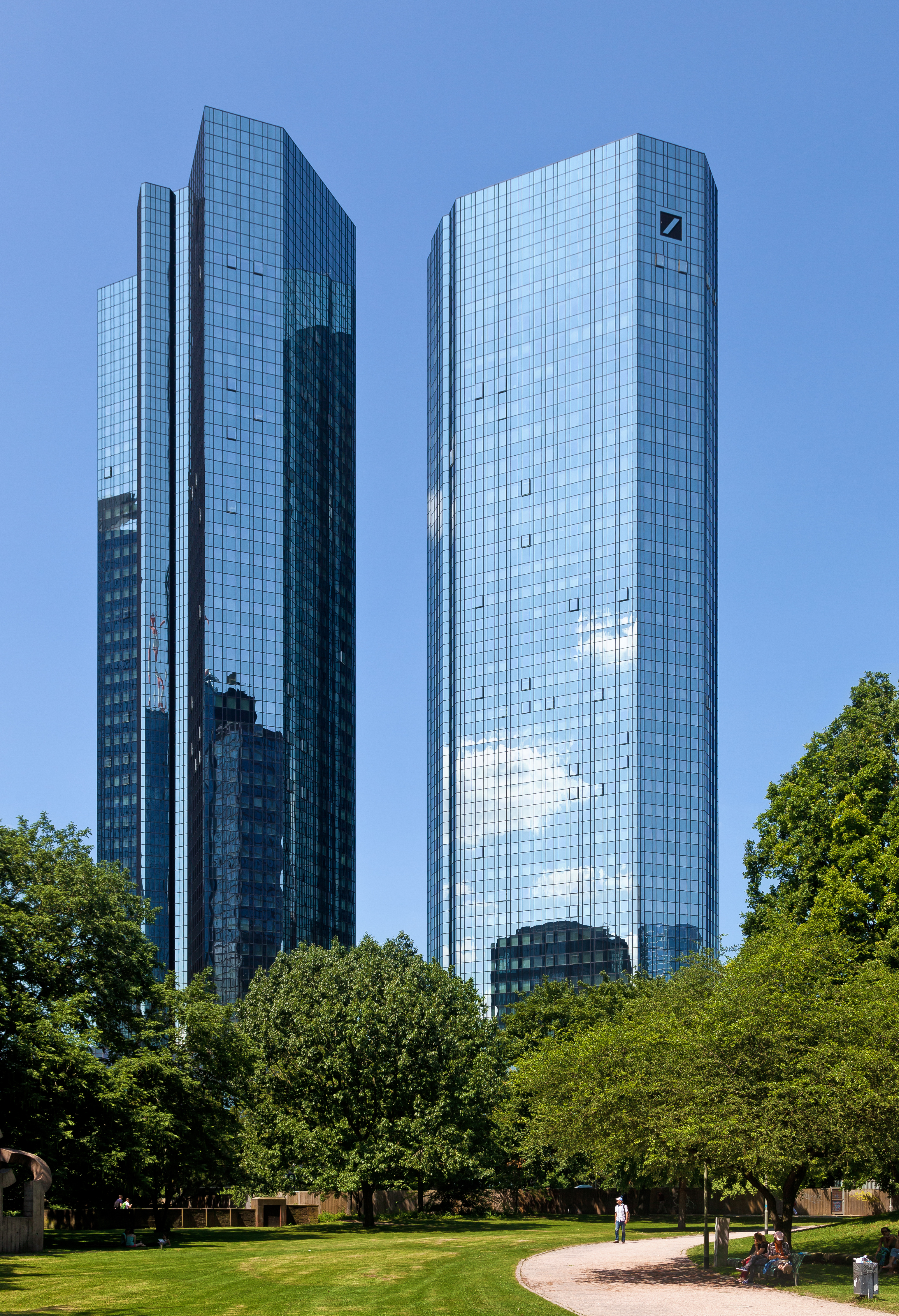
Deutsche Bank is set to roll out a digital assets custody service in 2026, joining forces with Bitpanda Technology Solutions and deepening its existing alliance with Swiss fintech Taurus SA.

Aimed at institutional and corporate clients, the bank’s custody offering is built on two pillars: custody and tokenisation capabilities powered by Taurus SA, and the digital infrastructure from Bitpanda’s technology arm. Taurus has been the backbone of Deutsche Bank’s digital asset efforts since 2023, and the integration with Bitpanda is expected to significantly expand operational capacity.

Inside sources familiar with the initiative confirm that launch preparations are already underway, with a projected go-live in early 2026. The move reflects Deutsche Bank’s view that tokenised assets could become a fundamental component of the financial ecosystem, aligning with growing projections that this market could reach hundreds of billions by the end of the decade.

Taurus SA—positioned as a leader in digital asset infrastructure—provides enterprise-grade cold, warm and hot custody solutions, along with tokenisation services that Deutsche Bank will leverage. As noted by Taurus co‑founder Lamine Brahimi in 2023, the match between the Swiss firm’s infrastructure and Deutsche Bank’s scale was a critical factor in formalising their initial partnership.

Meanwhile, Bitpanda’s technology unit will contribute real‑time, scalable digital asset operations. The Vienna‑based firm, which supports more than 4 million users across Europe, already offers regulated trading and custody services for cryptocurrencies, stocks, ETFs and commodities. Deutsche Bank’s adoption of Bitpanda’s tech could enable graduated access to a broader swathe of tokenised assets for its clients.

The partnership builds on Deutsche Bank’s cautious but steady progression into the digital asset landscape. Already serving as the banking partner for Bitpanda’s German IBAN services—and integrating Bitpanda’s platform for retail payments—Deutsche Bank has maintained a conservative stance, ensuring compliance and risk protocols are robust. According to Ole Matthiessen, global head of cash management, the bank only engages with well‑regulated platforms that meet strict compliance standards.

Deutsche Bank’s ambitions extend beyond custody. It is exploring stablecoins, tokenised deposits, and potential issuance, reflecting a broader strategy to anchor its digital asset business across the value chain. The bank’s head of digital assets, Sabih Behzad, highlighted the options ranging from reserve management to issuing stablecoins, whether solo or in consortiums.

Industry insiders point to looming regulatory clarity—particularly in Europe under MiCA and in the U.S.—as a driving force behind institutional adoption. PwC projects that tokenised assets could swell from around $40 billion today to over $317 billion by 2028, reflecting an appetite for innovation tempered by oversight.

Deutsche Bank’s strategy appears calibrated: building momentum in custody while evaluating tokenised product launches. This dual approach affords adaptability with measured risk—a model that mirrors its cautious adoption of Bitpanda’s IBAN service and Taurus custody tech.

Analysts suggest that established banking institutions will need to offer multi-custodial and tokenisation services if they are to remain relevant in a changing market. As global custodians like BNY and JP Morgan enhance real‑time asset transfer and tokenised solutions, Deutsche Bank’s 2026 launch will position it alongside peers seeking to modernise legacy models.

Deutsche Bank’s custody initiative arrives at a pivotal time. Regulatory frameworks for digital assets are crystallising, and institutional allocations to tokenised securities and stablecoins are gaining traction. Completion of the Bitpanda‑Taurus integration will be a critical milestone, forming the technological foundation of the service.

With momentum gathering, competition is intensifying. Other major banks—such as Banco Santander—are also evaluating stablecoins and custody offerings. At the same time, fintech stand‑alone firms are aggressively scaling in tokenised markets.

Yet Deutsche Bank brings two powerful advantages: it merges legacy banking infrastructure with cutting‑edge digital asset platforms and does so through meticulously selected partnerships. If its 2026 custody service delivers on promised security, compliance and efficiency, it could redefine institutional trust in the tokenised era.

Binance now commands a staggering 87 per cent of global taker futures volume, overshadowing all other platforms combined. OKX, Deribit, BitMEX and Bybit together account for just 10 per cent, underscoring Binance’s extraordinary grip on the derivatives market.

Liquidity advantages explain this dominance. Binance routinely records 24‑hour futures volumes exceeding US$50 billion and open interest of similar scale, dwarfing competitors. Such vast trading depth appeals to institutional players and retail investors alike, reinforcing Binance’s centrality in price discovery and leverage trading.

Data from on‑chain analytics firm CryptoQuant notes that Binance alone accounts for 87 per cent of global taker buy volume. This metric tracks market‑order consumption of liquidity, a key indicator of exchange activity in fast‑moving markets. Analysts say this dominance not only reflects Binance’s scale but also amplifies its influence on global derivatives flows.

While Binance’s dominance is clear, other exchanges continue to carve out niche roles. Bybit holds steady as the second largest player in perpetuals, and OKX remains a major competitor for altcoin futures. Deribit continues its leadership in the Bitcoin options space, though its slice of futures volume remains small in comparison.

Regulatory scrutiny, however, poses threats to Binance’s hegemony. The exchange has confronted legal challenges across multiple jurisdictions, including high‑profile cases in the US, UK, Canada, Belgium and Nigeria. While a US plea agreement in late 2023 imposed a US$4‑billion fine and saw Changpeng Zhao step aside, Binance has since implemented compliance reforms and launched regional ventures to navigate regulatory barriers.

Despite regulatory headwinds, Binance’s infrastructure remains formidable. Its capacity to offer up to 125× leverage on Bitcoin futures, along with hundreds of perpetual and quarterly contracts, attracts traders seeking high‑speed, high‑stakes strategies. The exchange also sustains deep liquidity across both USDT‑margined and coin‑margined instruments, further cementing its appeal.

Market observers flag potential risks in concentrated market power. Binance’s outsized role means shifts in its taker behaviour can reverberate across crypto markets. A recent dip in Binance’s taker buy/sell ratio to below 1.0—while other platforms remained net buyers—sparked concern that Binance‑driven selling pressure could herald broader price corrections.

Still, Binance’s dominance exerts a self‑reinforcing effect. Traders aim to engage where order books are deepest and execution is fastest—creating a virtuous cycle that keeps Binance at the centre. For competitors, gaining even modest gains in market share requires overcoming Binance’s head start, deep pockets and global reach.

Looking ahead, industry watchers see Binance’s influence persisting as long as it maintains technical robustness, product innovation and competitive fees. Rival exchanges are stepping up with new offerings—such as OKX’s grid trading bots, Bybit’s aggressive funding strategies, and Deribit’s options liquidity—but their futures volume remains dwarfed.

Sharjah-based carrier Air Arabia has unveiled a limited-time mega sale, offering one-way fares starting from just Dh149. The promotion runs from June 30 to July 6, 2025, and applies to travel scheduled between July 14 and September 30, 2025.

The headline offer of Dh149 applies to flights from Sharjah to Bahrain and Muscat, spurring travel demand across the Gulf Cooperation Council. Other GCC destinations such as Dammam, Riyadh, Salalah and Kuwait begin at Dh199, while routes to Abha, Tabuk and Yanbu are priced from Dh298. More premium Gulf destinations, including Doha, Jeddah, Madinah and Taif, come in at Dh399, Dh449 and Dh574 respectively.

South Asian routes feature compelling deals. From Sharjah to Ahmedabad, Delhi and Mumbai, fares are available from Dh299, Dh317 and Dh323. Flights to Thiruvananthapuram start at Dh325, while Abu Dhabi-origin flights include Dh275 for Chennai, Dh315 for Kochi, Dh499 for Dhaka and Dh549 for Chattogram.

The sale follows Air Arabia’s strong financial performance in the first quarter of 2025. The carrier reported a net profit of Dh355 million for the quarter ending March 31, up 34 per cent from Dh266 million in the same period of 2024. Total turnover rose 14 per cent to Dh1.75 billion, with passenger numbers climbing 11 per cent to 4.9 million and an average seat load factor of 84 per cent.

Analysts suggest the promotion is designed both to capitalise on peak summer travel demand and reinforce Air Arabia’s market share. “By launching a mega sale at the start of the summer period, Air Arabia is applying strategic pricing pressure in a highly competitive GCC aviation market,” says aviation expert Sara Al-Mansoori. Her analysis indicates that budget carriers increasingly must balance promotional pricing with yield management to avoid revenue dilution.

The broader aviation context in the UAE supports such aggressive offer strategies. Competing airlines, including Etihad Airways, have launched discount initiatives that match heightened travel demand. For instance, Etihad’s summer sale offers up to 25 per cent off on round-trip economy fares until July 3, with travel valid from July 20 to September 12. This trend suggests a concerted effort by regional carriers to attract price-sensitive leisure travellers, while also filling seats during off-peak hours or on emerging routes.

Air Arabia’s capacity expansion further informs its ability to run such promotions confidently. The carrier has added new destinations—including Damascus, with flights resuming 10 July—and expanded its frequency on existing routes. Increased aircraft utilisation drives down unit costs, making low base fares viable while still yielding profitability. Load factors in Q1 support this capacity strategy, reflecting solid uptake even at promotional price points.

Public response has been visible online, with travel-focused X accounts and social media threads echoing enthusiasm. A post on travelobiz’s X account states: “Air Arabia Mega Sale! Fly from Sharjah with one‑way fares starting at just Dh149!”. While social media buzz is expected, confirmed ticket pricing on stock booking platforms like Air Arabia’s official website corroborates the offers, affirming veracity beyond promotional headlines.

Consumers stand to gain from the competitive pricing, although awareness around baggage charges, seat selection fees and fare restrictions remains crucial. Budget-friendly base fares frequently exclude extras, prompting passengers to weigh overall cost versus perceived savings. Air Arabia’s spokesperson advises: “Travellers should review booking terms carefully—specifically baggage allowances and change fees—to fully assess the total cost.” Industry analysts support this guidance, advising passengers to conduct transparent comparisons including add-on fees.

The timing of the sale aligns with school holiday patterns across the GCC and parts of South Asia. Families and leisure travellers planning summer breaks ahead of the academic year can take advantage of the fare window. However, seat availability is expected to be limited on popular routes, potentially applying pressure on consumers to book early to secure the advertised fare.

From a competitive standpoint, low pricing may pressure other Gulf-based budget carriers, including flydubai. Market observers anticipate a wave of counter-promotions in the coming days, particularly targeting overlapping city pairs such as Sharjah‑Muscat and Sharjah‑Doha. For travellers, this could spell continued availability of discounted fare options through July.

In addition to stimulating short-term travel, the sale reinforces Air Arabia’s brand as a value-focused carrier, reinforcing its positioning among price-sensitive travellers. Its Q1 financial success supports ongoing network expansion and promotional flexibility, allowing the airline to use pricing as a strategic lever while preserving profit margins.

Abu Dhabi’s population surged by 7.5 per cent in 2024, reaching 4,135,985, fresh figures from the Statistics Centre – Abu Dhabi reveal. This marks a 51 per cent increase since 2014, reinforcing the emirate’s status as a magnet for global professionals and investment, outpacing many established financial centres. That population increase was driven by a 9.1 per cent expansion in the workforce, with professional roles rising 6.4 per cent. The demographic profile shows 54 per cent of […]

Autoworld International FZCO is investing AED 45 million to construct a 162,000 sq ft logistics and assembly hub in Dubai’s Jebel Ali Free Zone, aiming to strengthen its distribution of Bajaj two‑ and three‑wheelers across the Middle East and Africa. Slated for completion by 2026, the facility will incorporate an assembly line for motorcycles and auto‑rickshaws, alongside dedicated storage for spare parts, tyres and lubricants. The hub also positions the company to […]

Saudi Arabia’s Public Investment Fund posted a 60 per cent plunge in net profit for 2024, even as its assets surpassed the US $1 trillion mark, the fund disclosed on 30 June. The drop came amid persistent high interest rates, inflationary pressures, and a wave of impairments tied to escalated costs and shifting operational plans.

Net income dwindled to 25.8 billion riyals, down sharply from 64.4 billion riyals in the prior year. This contrast underscored the divergence between headline growth and bottom‑line volatility within Saudi Arabia’s principal engine for economic diversification.

Assets under management rose by 18 per cent to 4.321 trillion riyals, up from 3.664 trillion riyals in 2023. The surge came largely from fresh capital injections, including transfers from oil‑linked revenues, plus appreciation in existing holdings, particularly in domestic champions such as Saudi Aramco and Saudi National Bank.

Yet, comprehensive income—an accounting measure that factors in unrealised gains and asset revaluations—tipped into negative territory, registering a 140 billion riyals loss following a gain of 138.1 billion riyals the previous year. The swing reflected deep writedowns, tied to project revaluations across the PIF’s footprint.

Monica Malik, chief economist at Abu Dhabi Commercial Bank, attributed the downturn in part to recalibration of investment strategies. She highlighted how “prioritisation of some projects and the extension in the timelines of some giga projects could have been a factor for the impairments,” and pointed to rising costs as another pressure point.

Among these giga‑projects is NEOM, an ambitious urban megacity on Saudi’s Red Sea coast. Backed by hundreds of billions of dollars in PIF funding, NEOM remains central to the fund’s strategy, though its scale and timeline have been under increased scrutiny amid cost inflation and changing economic dynamics.

Cash reserves stood firm at 316 billion riyals, while group loans edged up to 570 billion riyals, signalling ongoing borrowing to propel expansions. This reflects PIF’s dual posture: aggressive investment on one hand, and debt financing on the other.

Historically, PIF has been pivotal to Saudi Arabia’s Vision 2030 programme—Crown Prince Mohammed bin Salman’s blueprint to reduce national dependence on oil by building world‑class tourism, tech and renewable sectors. Since 2015, the fund’s remit expanded from passive equity holdings to sovereign‑directed mega‑investments. By end‑2024, PIF had amassed over US $1 trillion in assets, bolstered by successive Aramco asset transfers.

Its investment portfolio spans global holdings—Uber, Boeing, Disney—and domestic ventures like Qiddiya, the Red Sea luxury resort and NEOM. The fund also pursued high‑profile investments, including planned stakes in Heathrow Airport and European hotel chains. Overseeing this expansion has drawn both political and governance scrutiny, reflecting complex trade‑offs under Saudi rules.

Despite today’s profit contraction, the growth in assets cements the fund’s scale and influence. Dividends from Aramco and SNB now fuel a substantial portion of PIF’s recurring income, augmenting returns from non‑oil investments.

The portfolio writedowns—particularly impairments linked to escalated project outlays—underline broader macroeconomic challenges. High global interest rates have upped the cost of capital for long‑gestating developments, while inflation has pushed construction, labour and materials costs upward. PIF’s balance sheet has borne both pressures.

Operating amid this headwind, the fund has begun recalibrating timelines and reprioritising capital deployment. Malik’s comments suggest PIF faces a complex balancing act: stewarding mega‑projects while preserving fiscal discipline. Illiquidity risk, rising debt and market exposure also feature in ongoing risk assessments.

In parallel, PIF is broadening its footprint via bond issuances and global partnerships. According to finance industry disclosures, it is preparing a seven‑year sukuk targeting US $1.25 billion in proceeds. Such moves signal evolving financing strategies that complement traditional government funding and cash reserves.

Central to this outlook is Vision 2030. Despite the profit slump, PIF retains its mandate to catalyse non‑oil economic sectors, from tourism to tech to renewable energy. Arab regional peers have pursued similar diversification, but few match PIF’s scale. The fund’s willingness to shoulder large‑scale writedowns may reflect long‑term thinking: strategic build‑out today, stabilised returns in future decades.

Global investors and markets will likely watch upcoming quarterly and full‑year data for signs of recovery or further calibrations. Rising global interest rates remain a wildcard. Additionally, cost overruns in mega‑projects may prompt sharper scrutiny and public debate about deliverables.

PIF’s holding company, chaired by the Crown Prince, retains political backing, but governance observers continue to emphasise improved transparency and oversight. The fund’s decisions now carry wider implications: not just for returns, but as a barometer for Saudi Arabia’s Long‑Term economic strategy.

Chinese automakers secured a record share of Europe’s hybrid-car segment in May, commanding more than 9% of hybrid sales and an equivalent share of the electric-vehicle market, according to Dataforce. Including internal-combustion models, Chinese-branded registrations surpassed 5% of Europe’s new-car market—an unprecedented milestone. This surge is driven by brands like BYD and SAIC’s MG, which continue to reshape the continent’s automotive landscape.

China’s push into Europe is gaining momentum, with JATO Dynamics reporting that Chinese brands more than doubled their overall market share in May to 5.9%, up from 2.9% a year earlier. These gains are occurring despite EU import tariffs on Chinese battery EVs, which have prompted manufacturers to pivot towards plug-in hybrids and full hybrids—segments not subject to tariffs.

MG held its position as Europe’s top-selling Chinese marque in May, registering 29,400 vehicles, a 30% increase year-on-year. BYD’s growth was even more dynamic, with registrations skyrocketing by nearly 400%, lifting it to just 40 units shy of Tesla’s European sales during the month.

Electric vehicle registrations across the EU rose 25% year-on-year in May, reaching 142,776 units. Plug-in hybrids saw an even sharper surge, up nearly 47% to 87,301 units. Increased consumer appetite for hybrids has powered Chinese-branded sales, enabling brands to bypass non-EV tariffs while entering the market with competitive pricing.

BYD’s strategy appears effective. Dataforce identifies that Chinese-led auto makers captured 8.9% of Europe’s EV market in April—the highest share since the summer of 2024. In addition, BYD’s global sales figures show strong overseas traction, with 89,047 new-energy vehicles shipped to international markets in May, marking a sixth consecutive record month. Notably, BYD’s total NEV sales hit 382,476 in May, reflecting a 15% year-on-year increase.

European consumers are responding to Chinese offerings that combine affordability, feature-rich builds, and tariff-smart powertrains. In-car digital features, such as BYD’s karaoke system or advanced infotainment, are often cited by analysts as differentiators. Models such as BYD’s Seal U, Dolphin, MG’s ZS hybrid, and MG3 urban hybrid are winning particular attention. The Seal U has shifted about 12,400 units this year to date; the Dolphin EV saw around 4,500 sales in the same period. MG’s ZS hybrid, priced at approximately £30,000, has outsold Tesla’s Model Y in early 2025, while the MG3 hybrid has added another 15,200 units to MG’s tally.

Tesla’s foothold in Europe is diminishing. EV registrations for Tesla fell 28% in May to 14,055 units, and the brand has now seen five straight months of declining sales in the region. Tesla’s European market share has dropped from 1.6% to under 1%, with significant year-on-year decreases—45.2% in the EU and 37.1% in the wider region including the UK and Switzerland.

Beyond BYD and MG, other Chinese manufacturers are making steady inroads. Brands like Chery, Jaecoo, Omoda, Geely-owned Polestar, and Leapmotor have launched models across Europe. Leapmotor’s T03 city EV, sold in partnership with Stellantis, registered about 2,500 units in early 2025. Polestar 4 delivery has doubled to over 9,000 units, a figure bolstered by its luxury EV market position. JATO data also highlights Chery affiliates Jaecoo and Omoda expanding beyond their initial markets, with Jaecoo registering 7,449 units and Omoda 4,213.

Chinese carmakers’ strategic pivot addresses barriers head-on. WardsAuto explains this shift from BEVs to hybrids as a direct response to both EU tariffs and growing demand for PHEVs. PHEV sales in Europe surged by 534% year-on-year, while BEVs rose 41%. Around a third of Chinese-sourced registrations now utilise hybrid powertrains.

European brand loyalty is being reshaped. The global proliferation of Chinese NEVs is contributing to Europe’s EV sales reaching record 1.6 million units by May—27% ahead of last year—with massive growth in southern Europe, including a 72% increase in Spain. Analysts caution that without swift adaptation in pricing, tech, and product strategy, legacy European brands risk further erosion of market share through the 2030s.

While European consumers are warming to Chinese vehicles, an EU probe into state subsidies lingers, casting a strategic shadow. China denies allegations. For now, market data reveals that Chinese automakers have formulated a dual-pronged approach—introducing advanced PHEVs and hybrids to outflank tariffs and strategically pricing BEVs for maximum impact.

This acceleration of Chinese brands in Europe is reframing competition. BYD’s quadrupling of sales over four months and MG’s expanding dominance among Chinese marques demonstrate a transformative shift. Tesla’s slowdown and mounting EV and hybrid demand mark a turning point—one in which Chinese manufacturers are not just participants, but increasingly prominent shapers of Europe’s automotive future.

MOSCOW, RUSSIA – Media OutReach Newswire – 1 July 2025 – SIBUR, Russia’s largest producer of polymers and synthetic rubbers, sees potential to increase supplies to Bangladesh following the launch of the Amur Gas Chemical Complex, near the Pacific coast, in 2026. In late June, SIBUR, represented by executives from both its Moscow headquarters and its Shanghai office, held a client meeting in Dhaka to present its […]

Dubai marks Social Media Day on 30 June by reaffirming its position as a global hub for digital storytelling and influencer-led marketing. The observance, established by Mashable in 2010 to recognise social media’s profound impact on communication and culture, has evolved into a significant moment for brands, governments, creators and users to engage in candid conversations about the power—and responsibilities—of online platforms. Dubai’s digital ecosystem is underpinned […]

Joby Aviation has commenced piloted test flights of its electric vertical takeoff and landing aircraft in Dubai, marking a significant advancement in the city’s urban air mobility initiatives. These flights are a pivotal step towards the anticipated launch of a commercial air taxi service by early 2026.

The test flights, conducted in the desert outskirts of Dubai, demonstrated the aircraft’s capability to transition from vertical takeoff to horizontal flight and back, a crucial milestone for eVTOL technology. This achievement underscores Dubai’s commitment to integrating sustainable and innovative transportation solutions into its urban infrastructure.

Joby’s eVTOL aircraft, designed to carry a pilot and four passengers, boasts a top speed of 200 mph and a range of approximately 150 miles. The aircraft operates with six electric motors, ensuring a quieter and more environmentally friendly alternative to traditional aviation. These features align with Dubai’s broader goals of reducing traffic congestion and lowering carbon emissions.

The Roads and Transport Authority of Dubai has been instrumental in facilitating this development. In February 2024, the RTA signed a definitive agreement with Joby Aviation, granting the company exclusive rights to operate air taxis in Dubai for six years. This partnership is part of Dubai’s strategic plan to position itself as a leader in advanced air mobility.

Construction of the first commercial vertiport at Dubai International Airport is underway, with completion expected in the first quarter of 2026. This infrastructure development is essential to support the anticipated high demand for air taxi services, particularly for routes connecting key destinations such as DXB and Palm Jumeirah.

Google has entered a landmark 200‑megawatt power purchase agreement with Commonwealth Fusion Systems, in what is being hailed as the world’s first corporate direct offtake of fusion energy. The power will be supplied by CFS’s ARC fusion reactor, planned for a site in Chesterfield County, Virginia, a critical data‑centre hub. Under the agreement, Google will also boost its equity stake in CFS, matching its commitment from a […]

HONG KONG SAR – Media OutReach Newswire – 30 June 2025 – As a global trade and financial centre and a key link in the Belt and Road Initiative (B&RI), Hong Kong plays a pivotal role in connecting the Belt and Road regions, spanning some 150 countries around the world. Hong Kong’s external trade with Belt and Road economies other than Mainland China has surged by almost […]

VISHNU RAJA
RYO YAMADA
HITORI GOTOH
IKUYO KITA