News related to
City

VATICAN CITY, ROME – Newsaktuell – 9 October 2025 – Domino’s Pizza caused a sensation in Italy with its “Pardoned Pineapple Pizza” campaign: An employee carried a pineapple pizza through the Holy Door of St. Peter’s Basilica – a door that is only opened once every 25 years. Those who pass through it are freed from all sins. Pineapple Pizza in the Vatican Domino’s seized the opportunity […]

State Street Corporation, a global asset management firm managing over $5.1 trillion in assets, has announced a significant shift in investment strategy, revealing that 60% of institutional investors plan to expand their allocations in Bitcoin and other cryptocurrencies. This move marks a notable change in the traditionally cautious stance of institutional investors toward digital assets.

The Boston-based firm’s latest report sheds light on the growing momentum in the crypto market, despite its historically volatile nature. The increase in institutional interest comes amidst an evolving regulatory landscape and a heightened focus on digital assets as an emerging class of investments. State Street’s research found that institutional investors, especially pension funds, endowments, and family offices, are increasingly viewing cryptocurrencies as viable long-term assets rather than speculative investments.

The surge in interest is partly driven by the evolving understanding of blockchain technology and its potential to revolutionise various industries. Many institutional investors, once sceptical of cryptocurrencies, are now integrating digital assets into their portfolios as part of a broader diversification strategy. State Street’s report highlights that over the next two years, the shift towards Bitcoin and crypto could lead to a more balanced investment portfolio for many institutional players.

One of the key drivers of this shift is the increasing recognition of Bitcoin as a store of value, akin to gold. With inflationary pressures persisting in traditional markets, many institutional investors are seeking alternative assets that offer the potential for significant returns, coupled with a hedge against inflation. In fact, Bitcoin’s rise over the past few years has been compared to the gold rush, attracting both institutional and retail investors keen on capitalising on its perceived scarcity.

The report highlights the rising number of crypto-friendly regulatory frameworks being developed globally. Governments and regulators in key markets, including the US and Europe, are progressively aligning with the crypto industry’s growth. Recent regulatory clarity is expected to further boost institutional confidence, providing a more stable environment for investors. This shift in regulatory attitudes signals a broader acceptance of digital currencies in the financial system.

The institutional appetite for cryptocurrencies is being encouraged by the increasing number of crypto-focused financial products. Bitcoin futures, exchange-traded funds, and custodial services have become more accessible, offering institutional investors a secure and regulated pathway into the crypto market. Major players like BlackRock and Fidelity have already launched Bitcoin ETFs, catering to the rising demand for digital asset exposure.

Despite the optimistic outlook, challenges remain. The volatility of cryptocurrencies, the risk of regulatory changes, and concerns over security are factors that continue to cause hesitation among some institutional investors. However, the growing presence of crypto in mainstream finance is undeniably reshaping perceptions and broadening the scope of opportunities within the digital asset space.

State Street’s survey also highlighted a shift in the broader financial ecosystem. As crypto adoption increases among institutional investors, the traditional financial sector is also ramping up efforts to integrate blockchain technology into its operations. From clearing and settlement systems to cross-border payments, blockchain is beginning to be recognised for its potential to enhance efficiency and transparency in financial transactions.

Smartphone storage is on the cusp of its biggest leap in years as the Universal Flash Storage 5.0 specification arrives with headline sequential bandwidth touted at up to 10.8GB/s, nearly a twofold jump over today’s mainstream UFS 4. x. The stated aim is clear: keep pace with feature-rich camera pipelines and the growing wave of on-device AI so that apps open quickly, multitasking holds steady, and background […]

The subscription window for Abdulaziz Ahmad Al-Twijri Trading Company’s initial public offering on the Nomu–Parallel Market will run from 2 to 9 November 2025, focusing exclusively on qualified investors. The offering involves 1 million shares — equivalent to 20 % of the company’s post-IPO capital. The Capital Market Authority approved the registration in June 2025.

Al-Twijri had earlier attempted an IPO in June 2023, when it proposed to list 600,000 shares; the attempt was cancelled after failing to attract full subscription. The current issue is built on a base capital prior to offering of SAR 40 million, paid up via 4 million shares at a nominal value of SAR 10 each. Post-offering, the company will issue 5 million shares, with the floated portion representing 20 %.

Al-Twijri’s core operations span wholesale of food, hygiene and personal care products, medical supplies, plus real-estate leasing and management. In its prospectus, the firm indicates plans to channel proceeds toward expansion of storage capacity and related working capital needs.

The company has appointed Yaqeen Capital as financial advisor and bookrunner, and a spectrum of Saudi capital firms — including Derayah, Al Rajhi Capital, SNB Capital, Riyad Capital, Albilad Capital, AlJazira Capital, Alistithmar Capital, Alinma Capital, ANB, Alkhabeer, SAB Capital, Sahm Capital, GIB Capital and Musharaka Capital — as receiving agents.

Under Saudi capital markets rules, the offering is limited to qualified investors as defined by CMA guidelines. The CMA has emphasised that its approval is procedural; it does not constitute an investment endorsement.

Analysts note that the timing taps into broader momentum in Saudi Arabia’s IPO market. During the second quarter of 2025, Saudi listings captured about 76 % of all GCC IPO proceeds, with strong interest in offerings on both the main market and Nomu. Participation by institutional or high-net-worth investors will be critical to achieving full allocation.

Al-Twijri’s promoters — chiefly members of the Al-Twijri family — will retain controlling interest. In past filings, Mohamed and Khalid Al-Twijri held 30.5 % each, with minority holders covering the remainder. Post-IPO, their combined share will remain significant.

Apple has removed Eyes Up, an iPhone app that collected and archived videos of U. S. Immigration and Customs Enforcement arrests, marking the second platform the company has taken down after ICEBlock. The swift removal followed concerns from U. S. law enforcement that such apps pose risks to officers. Eyes Up’s functionality allowed users to upload videos, tag arrest locations, and view past incidents on an interactive […]

Branded residential developments in the Middle East and North Africa are now capturing a larger share of global signings, with standalone projects set to make up 45 per cent of the regional portfolio—well above the global average of 36 per cent.

Data from Global Branded Residences shows that the MENA region now accounts for 36 per cent of new global branded residence signings, outstripping traditional hubs such as North America, Europe and Asia. The region currently has 99 completed branded residences and 241 under development, representing 13 per cent of existing global supply and 25 per cent of the pipeline. The UAE leads with 201 projects, followed by Saudi Arabia and Egypt.

Dubai remains the most active city globally, with nearly 160 branded developments either completed or in the pipeline—surpassing markets like Miami, London, and New York. The breakdown in MENA shows that 31 per cent of completed branded residences are standalone, while 51 per cent of the pipeline comprises standalone projects. This shift indicates broader confidence among developers in models unlinked to hotel operations.

Fashion and lifestyle brands are playing an increasingly prominent role in driving the shift away from purely hospitality-anchored residences. In MENA, fashion labels account for 51 per cent of non-hotel branded projects—nearly double the global average of 26 per cent. Non-hotel brands now represent 30 per cent of the regional pipeline, up from 24 per cent among completed schemes. In effect, branded residences in the region are diversifying beyond hotels into lifestyle, design and luxury branding.

Fairmont is poised to be the largest operator in the region, with 19 schemes across completed and pipeline stages. New entrants include jewellery brand De Grisogono and hospitality/lifestyle brand Nobu.

Globally, the branded residences sector has expanded rapidly over the past decade. The total number of schemes globally stands at 1,746—779 completed and 967 under development. Across this global portfolio, hotel brands still dominate, accounting for 79 per cent of projects. However, standalone branded residences—those without hotel attachments—are projected to rise from about 8 per cent of the world’s projects to 12 per cent over time.

Broadly, the market is seeing several converging trends. Buyers are increasingly willing to pay a premium—often 20 to 35 per cent or more—for branded units over comparable non-branded luxury real estate, citing consistency of design, service, and long-term resale value. Developers, in turn, see branding as a differentiator that supports stronger pricing, absorption rates and margins. In fast-growing wealth markets, branding provides credibility and global marketing reach.

Asia Pacific has also moved into the spotlight. GBR has formally launched operations in APAC, targeting markets such as Thailand, Vietnam, India, Malaysia and emerging resort destinations. The firm forecasts that branded development projects in APAC may more than double, with the region evolving into one of luxury real estate’s fastest growing markets.

Nevertheless, challenges remain. Aligning brand partnerships with regional regulatory, legal and operational frameworks is complex. Delivering consistent service quality over time, especially in newer locations with less mature hospitality infrastructure, is no small task. In denser branded markets, developers must differentiate amenities, design and buyer experience to avoid commoditisation.


Celebrating Thai Culture and Soft Power on the Global Stage While Highlighting the Success of Korea’s Clean Energy Transformation BANGKOK, THAILAND – Media OutReach Newswire – 9 October 2025 – B.Grimm Power, a leading global energy producer, proudly announced its successful role as the main sponsor of the “Sawasdee Seoul Thai Festival 2025,” a vibrant celebration of Thai culture held in Seoul, South Korea. The festival highlighted […]

Advertisements

Abu Dhabi National Oil Company announced that its six publicly traded subsidiaries will distribute AED 158 billion in dividends through to 2030, nearly doubling the AED 86 billion cumulative payout since the first listing in 2017.

The announcement came during ADNOC’s inaugural Investor Majlis in Abu Dhabi, where the group underscored its commitment to shareholder returns and transparent governance. The dividend programme is subject to customary approvals and will provide long-term visibility to investors across its diversified portfolio of listed entities.

ADNOC’s six listed companies currently account for more than AED 550 billion in market capitalisation on the Abu Dhabi Securities Exchange and represent nearly 40 percent of the annual dividends distributed on the market. Under the new plan, three additional entities—ADNOC Distribution, ADNOC Gas, and ADNOC Logistics & Services—will join ADNOC Drilling in issuing quarterly dividends.

Dr Sultan Ahmed Al Jaber, ADNOC’s Managing Director and CEO, also serving as UAE Minister of Industry and Advanced Technology, described the dividend target as a “landmark step” adding clarity to the group’s capital return path. He stated the move would “enhance value” for citizens, residents, and partners, and reaffirmed ADNOC’s focus on cost discipline, efficiency and growth.

Each listed unit announced specific dividend floors and policy reforms. ADNOC Drilling set a cumulative floor of AED 25 billion by 2030, representing a 26 percent minimum return over the period. ADNOC Gas pledged a target of AED 90 billion, with dividends moving to a quarterly basis from 2025 onward. ADNOC Logistics & Services raised its guidance to AED 8.1 billion for 2025–2030 and intends to adopt quarterly distributions from the third quarter of 2025.

Other units will also tighten their dividend structures. ADNOC Distribution expanded its dividend policy through 2030 and targets cumulative returns exceeding 30 percent over the 2025–2030 period. Borouge affirmed a dividend floor for 2025 and envisaged a payout ratio of 90 percent of net profit in future years. Fertiglobe flagged interim dividend payments and share buybacks for 2025 to support yield.

Beyond dividends, ADNOC disclosed key developments across its upstream, LNG and petrochemical segments. ADNOC Gas has secured a long-term feedstock agreement worth AED 147 billion with its Ruwais LNG facility. Over 80 percent of project capacity is under contract. The group also reported that the merger of its petrochemical assets with OMV—that is, combining Borouge and Borealis into Borouge Group International —remains on course for completion in Q1 2026. Financing for the transaction, valued at AED 56.6 billion, is in place and synergies of at least AED 1.8 billion annually have been identified.

Earlier this year, ADNOC transferred its stakes in several listed subsidiaries—namely Distribution, Drilling, Gas and Logistics & Services—to its wholly owned investment arm, XRG, via off-market moves. The transfers, completed or pending regulatory clearance, were explicitly stated not to affect operations, leadership or dividend policies. Control remains with ADNOC via its 100 percent ownership of XRG.

Analysts view the dividend pledge as a strategic signal in a more competitive capital-raising environment. It strengthens the case for long-term investor confidence, especially amid global volatility in energy markets and shifting sector dynamics. Some warn, however, that such large commitments require careful balance with capital expenditure demands, especially for exploration, decarbonisation and upstream expansion to meet rising regional energy and gas demand.

Arabian Post Staff -Dubai The Central Bank of the United Arab Emirates has boosted its gold reserves by about 32 percent in the first eight months of 2025, pushing the total value to AED 30.329 billion by end-August — a figure not seen before. The bank’s gold holdings stood at AED 22.981 billion at the close of December 2024. Between July and August alone, the value increased […]

Donald Trump announced that Israel and Hamas have acquiesced to the first phase of a U. S.-brokered Gaza peace plan, under which hostages would be released “very soon” and Israeli troops would withdraw to a predetermined line. He described the agreement as an opening step toward “a strong, durable, and everlasting peace.” The accord, reportedly brokered in Egypt, calls for the immediate release of all living hostages—with […]

The Internal Revenue Service announced plans to furlough almost half its employees as the U. S. government shutdown extends past its initial contingency period. The move signals a drastic scaling back of tax-collection operations and invites legal scrutiny over potential permanent layoffs. Under the updated contingency plan, around 39,870 IRS staffers—roughly 53.6 per cent of its workforce—will continue to work, while the remainder will be placed on […]

Nvidia CEO Jensen Huang dismissed assertions that the artificial intelligence boom is mirroring the dot-com bubble, saying the current momentum rests on strong fundamentals rather than speculation. He defended Nvidia’s recent investments in AI startups and pitched infrastructure build-out as the engine sustaining growth. During a wide-ranging interview on CNBC, Huang stated that what differentiates today’s environment from the dot-com era is the depth of demand: global […]

SINGAPORE – Media OutReach Newswire – 8 October 2025 – Food Japan 2025, ASEAN’s premier exhibition for Japanese food and beverage (F&B) products, technology, and services, opened today for its 13th edition. The event continues to serve as a vital platform for celebrating Japan’s culinary heritage, spotlighting cutting-edge innovations, and fostering business partnerships across the region. This year, 153 exhibitors from 35 prefectures and Singapore are participating, […]

Kocha village in the Khunti district of Jharkhand has been wired into a 40 kW solar micro-grid with IoT-enabled smart management, marking the third Climate Smart Village established under Schneider Electric India Foundation in partnership with PRADAN. The grid now supports irrigation pumps, agro-processing units, households, street lighting, a primary health centre and an e-vehicle.

The pilot builds on earlier deployments in the Gumla district’s Sehal and Chatti villages, where solar arrays of 40 kW and 45 kW were integrated with load-balancing systems to power productive use in agriculture and local enterprises. That model delivered doubling of household incomes and emission reductions of around 60,000 kg of CO₂ annually for those communities.

Officials at the inauguration in Kocha included Jharkhand’s Rural Development and Panchayati Raj Minister Dipika Pandey Singh, Khunti MP Kali Charan Munda, Torpa MLA Sudeep Gudhiya, and Damini Chaudhari, Vice President for Strategy, M&A & CSR at Schneider Electric. Deepak Sharma, MD & CEO of Schneider Electric India, emphasised the initiative’s aim to fuse renewable energy with local entrepreneurship and digital systems to empower self-sufficient rural economies.

Before the grid installation, farmers in Kocha were restricted to a single rain-fed cropping cycle each year, lacking the electricity required to operate processing machinery or irrigation pumps. Many households lacked reliable power, and migration was common owing to the scarcity of local jobs. Under the new scheme, farmers are experimenting with multi-crop production and in-village processing. A women-led Farmer Producer Organisation, Torpa Mahila Krishi Bhagwani Saykari Swalambhi Samiti, is central to aggregating, processing and marketing produce locally.

The mini-grid design employs smart energy management software that monitors demand and allocates energy dynamically, aiming for close to full utilisation of the solar capacity throughout the day. The system aggregates essential loads—agricultural, domestic and community—so that surplus power is diverted to where demand is highest at any given time.

In the Gumla villages, the success of this load-diversion strategy allowed continuous operation of irrigation pumps, oil expellers, rice hullers and small mills, effectively removing dependence on diesel backups. The result was a consistent power supply, reduced fuel costs and increased productivity. That template is now being scaled to Kocha.

SEIF intends to use the Kocha rollout as a replicable blueprint for scaling further in Jharkhand and across other states with energy-poor rural communities. The target is to reach 100,000 farmer families by 2025 through distributed, decentralised energy systems that combine renewable generation, digital control and demand flexibility.

A Memorandum of Understanding has been signed by Blykalla, evroc and Studsvik to assess the viability of co-locating small modular reactors and data centres at Studsvik’s licensed nuclear site in Nyköping, Sweden. The agreement marks a significant step in Europe’s efforts to power digital infrastructure with clean baseload energy. Under the MoU, the three organisations will form a joint steering committee to examine technical, commercial and regulatory […]

Google DeepMind has made public a new AI model, Gemini 2.5 Computer Use, capable of interacting with web and mobile user interfaces by mimicking human actions such as clicking, typing and scrolling. The model is now available in preview through the Gemini API, via Google AI Studio and Vertex AI, allowing developers to build agents that can directly operate interfaces otherwise inaccessible via backend APIs. The model […]

Wikipedia’s position as a trusted repository of knowledge is under intense pressure from the accelerating adoption of generative artificial intelligence, which poses multidimensional threats to its editorial integrity, infrastructure, and community model. Volunteer editors report surging volumes of AI-generated drafts, forcing a defensive stance rarely seen in its history. At the heart of the challenge lies the phenomenon often dubbed “AI slop” — text that superficially mimics […]

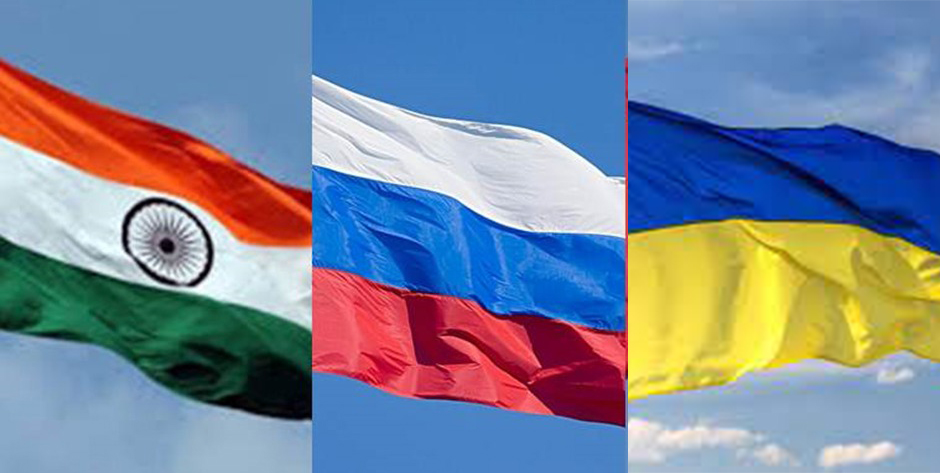
Ukraine’s 63rd Mechanised Brigade has released footage claiming that a 22-year-old Indian national, Majoti Sahil Mohamed Hussein from Morbi, Gujarat, surrendered to Ukrainian forces after fighting for Russia. The Indian Ministry of External Affairs stated it is investigating the matter, having not yet received formal confirmation from Ukrainian authorities.

In the video, Hussein says he travelled to Russia for university studies but was later convicted on drug charges and handed a seven-year prison sentence. He states that to avoid incarceration, he accepted a Russian military contract to fight in Ukraine. After only 16 days of training, he was deployed to the front lines on 1 October, and after three days of combat, asserted that a dispute with his commander prompted him to approach a Ukrainian trench position and surrender. “I immediately put down my rifle … I didn’t want to fight. I needed help,” he is heard saying in Russian. He further claims he never received promised financial compensation and that he would rather remain in custody in Ukraine than return to Russia.

Indian officials have neither confirmed his capture nor denied it. A spokeswoman from the MEA said New Delhi is “ascertaining the veracity of the report.” The Indian mission in Kyiv is reported to be seeking clarity from Ukrainian counterparts. The MEA noted it has not yet received an official notification.

If confirmed, this would mark the first verified case of an Indian national being held by Ukrainian forces after participating directly in combat on Russia’s side—although Indian nationals have previously been reported among Russian-aligned forces. In January, Indian authorities disclosed that 12 citizens had died fighting for Russia, while 16 others were listed as missing. New Delhi has repeatedly raised the issue with Moscow, urging the repatriation or discharge of Indians serving in the Russian military.

The broader phenomenon of third-country nationals entering the Russia-Ukraine war as combatants has drawn increasing scrutiny. Independent investigations estimate that more than 1,500 foreign fighters from over 48 nations have joined Russia’s military ranks. Some are believed to have been recruited under misleading promises, including job opportunities, visa benefits, or leniency in legal cases. In India’s case, accusations of coercion or trafficking have been made—families of slain Indian fighters have claimed their relatives were enticed with assurances but ultimately compelled into frontline service.

Analysts note that this case, if corroborated, underscores the murky legal and ethical terrain of foreign national participation in armed conflict. Under international humanitarian law, combatants captured in war zones may face prosecution, detainee protections, or diplomatic processes, depending on their status. The Indian government, maintaining a non-aligned posture regarding the Russia-Ukraine conflict, must balance protecting its citizens abroad with adherence to international norms and pressure from both Moscow and Kyiv.

Within India, this development is likely to intensify scrutiny over how students or migrants abroad might be exposed to recruitment schemes, particularly in countries engaged in conflict. Some previous admissions of Indians fighting for Russia suggested recruitment via third-party agents or recruitment drives run under the guise of employment for non-combat roles—later displaced into military duty. Families have, in past instances, sought intervention from Indian diplomatic missions, urging more robust preventive mechanisms.

Meanwhile, in Russia, foreign conscripts—or contracted soldiers from abroad—have been increasingly leveraged to supplement manpower. Ukrainian authorities have touted captures of foreign fighters in multiple instances, often publicising their nationality to highlight alleged exploitation or coercion. These reports frequently appear in social media or Telegram channels operated by Ukrainian units, although independent verification is sometimes challenging, given the fog of war and conflicting narratives.

The World Bank has warned of a looming cycle of poverty in Gaza, in which child malnutrition, psychological trauma and institutional collapse could entrench deprivation across generations. The economist issuing the warning, speaking in an internal briefing that has been seen by multiple international analysts, observed that Gaza’s humanitarian emergency is evolving into structural impoverishment — a process that cannot be reversed simply by aid injections. He […]

Riyadh — DataVolt, in partnership with the Energy & Water Academy and Innovatics, has inaugurated the Kingdom’s first industry-integrated National Diploma in Data Science and AI, embedding real-world projects into foundational training for Saudi talent. The diploma carries full approval from the Technical and Vocational Training Corporation and College of Excellence, and is granted endorsement by the Ministry of Communications and Information Technology alongside support from the […]

Dubai Investments has revealed that its wholly owned subsidiary, Emirates Float Glass, will expand its float-glass manufacturing capacity by launching a second production line that will raise output from 600 tonnes per day to 1,200 tonnes. The upgrade is slated to introduce Ultra Clear low-iron glass—marketed as a first in the MENA region—with advanced automation and energy-efficient systems, and is scheduled for commissioning between late 2027 and early 2028.

Under the plan, the second line will incorporate next-generation process control technology to ensure consistent product quality while curbing energy consumption and lowering the environmental footprint. Dubai Investments emphasises that this aligns with its broader industrial growth strategy and the UAE’s ambitions in high-value manufacturing.

Abdulaziz Bin Yakub Al Serkal, CEO of Dubai Investments’ Industrial Platform, described the move as crucial for strengthening regional competitiveness. He said the introduction of Ultra Clear glass will allow EFG to penetrate premium markets, give clarity advantages over conventional float glass, and support growing demand from architectural, infrastructure and design sectors. The project involves a collaboration with Germany’s HORN Glass Industries, which will supply glass-melting furnaces and associated systems, while local civil-works contractors and international project teams will oversee implementation.

EFG currently operates out of its float plant in the Industrial City of Abu Dhabi, where its capacity now stands at 600 tonnes per day. The expansion marks the second phase of investment in the plant. Dubai Investments’ announcement underlines its commitment to scaling up industrial assets and achieving technological differentiation in its manufacturing portfolio.

The expanded capacity is seen as a response to rising demand across the Gulf and broader regional markets, where premium architectural glass is gaining traction, driven by growth in high-rise construction, sustainability mandates and demand for energy-efficient façades. Analysts note that the move helps EFG hedge against rising competition from international glass producers by offering higher-clarity, value-added products.

Serbia will serve as the Future Digital Economy Partner Country at GITEX Global 2025 in Dubai, becoming the first European nation accorded that role. The designation foregrounds Serbia’s ambitions to reposition itself from outsourcing hub to innovator in global tech markets.

Serbia’s IT exports crossed €3.5 billion in 2023, and the sector has maintained close to 20 percent year-on-year growth. The number of IT firms now exceeds 4,000, with many branching into domains such as fintech, health tech, AI and gaming. The Chamber of Commerce and Industry of Serbia, which leads the national delegation, views the GITEX platform as an opportunity to elevate the country’s narrative beyond cost-competitiveness to creative capacity.

Marko Čadež, president of CCIS, said Serbian firms are now pitching themselves as long-term transformation partners rather than simple vendors. He emphasised that enterprises increasingly expect strategic collaboration, not just software delivery. Meanwhile, analysts point to Serbia’s strong foundations—high math and engineering education standards, English proficiency, and relatively affordable costs—as a competitive edge in Eastern Europe.

Yet Serbia confronts headwinds. Talent retention is an ongoing challenge: many trained professionals migrate to Western Europe or the U. S. Infrastructure remains uneven, with rural areas lagging behind Belgrade in connectivity. In addition, venture capital inflows to the Balkans are smaller compared to Western Europe, constraining the ability of startups to scale aggressively.

Serbia is attempting to counterbalance those constraints through targeted programmes. The Chamber of Commerce has launched “Start 2,” a support scheme for scale-up firms, which includes mentoring and market access, and will be showcased at GITEX Europe in Berlin. The programme focuses on Serbian companies already achieving revenues above €250,000 and aims to open doors into German and EU markets.

At GITEX Global 2025, Serbia will present a showcase of startups and products under “North Star,” highlighting innovations in AI, e-commerce, predictive analytics, and diagnostics tools. Its delegation will also include outsourcing firms pitching upscaled offerings—product co-development, R&D support, and domain expertise in sectors such as telecom and healthcare.

GITEX organisers themselves have underscored Serbia’s place among rising tech nations: the 2025 edition includes 6,800 tech enterprises, 2,000 startups, and participant countries from 180 nations. Serbia joins Brazil and Pakistan as Country Partners this year—a reflection of the broader intention to diversify the event’s global footprint. The spotlight on AI, biotech, semiconductors, data infrastructure, and robotics offers Serbia a chance to align its exposure with the global themes defining tech agendas.

Greenlogue/AP Mubadala Energy achieved a 36.5 per cent drop in its Scope 1 and 2 greenhouse gas emissions in 2024, the company’s newly published Sustainability Report reveals, underscoring the firm’s accelerating role in the energy transition. The decline was complemented by a sharp 55 per cent fall in emissions intensity, from 15.57 to 6.95 tonnes CO₂e per kilo barrel of oil equivalent. Emissions from flared gas fell […]

Over 200 films from 40 countries light up Bangkok until October 15 BANGKOK, THAILAND – Media OutReach Newswire – 8 October 2025 – The Bangkok International Film Festival (BKKIFF) has returned in spectacular form, transforming the Thai capital into a global stage for cinema and culture. Running from September 27 to October 15, 2025, the 19-day festival is now in full swing, already drawing packed audiences, international […]

VISHNU RAJA
RYO YAMADA
HITORI GOTOH
IKUYO KITA