News related to
Emirates

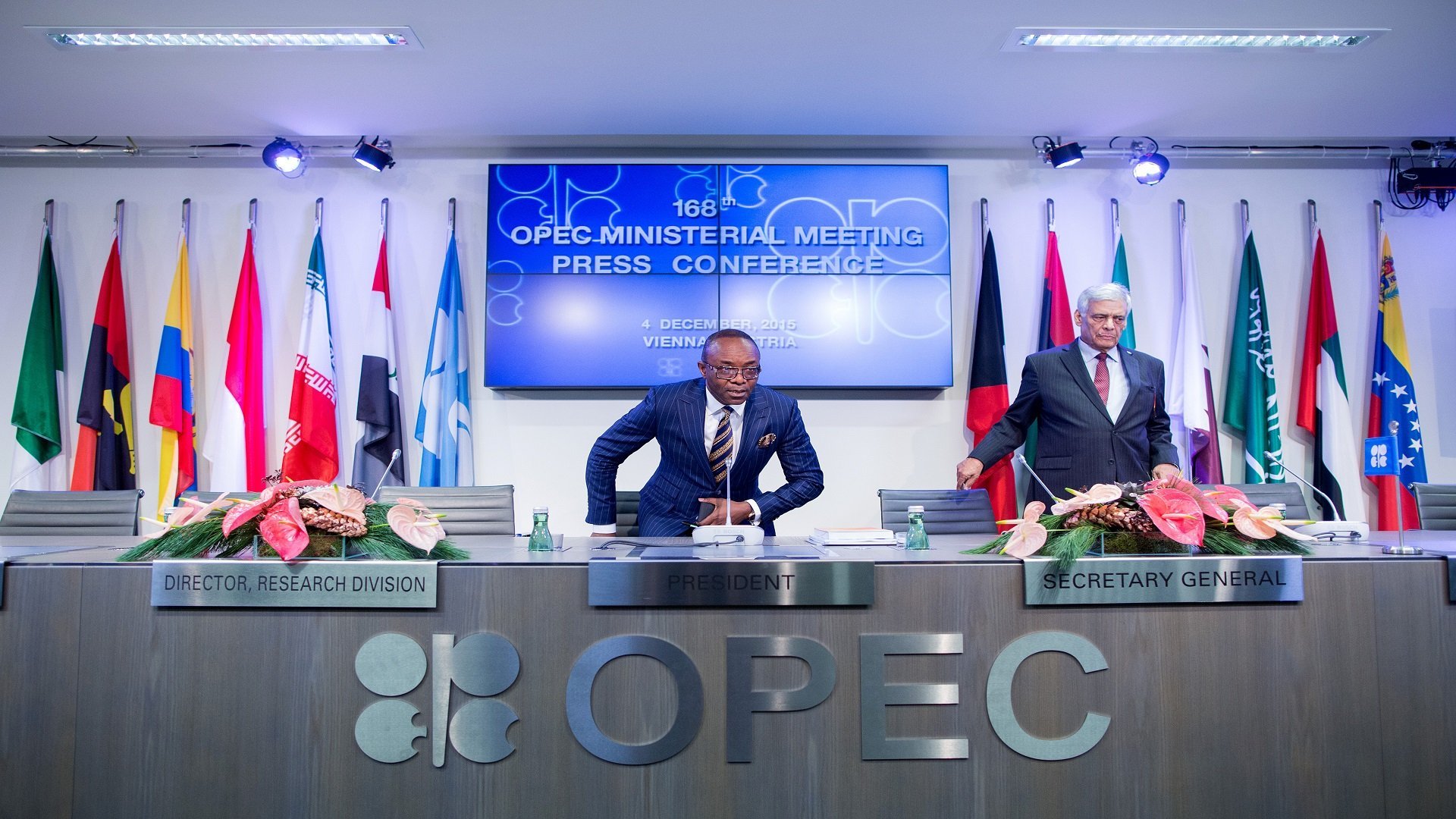
Producers grouped under OPEC+ are preparing to approve a modest rise in oil‐production targets for December, in an effort to balance market share ambitions against signals of oversupply and constrained output growth. Three delegates familiar with the discussions indicated the increase is expected to amount to roughly 137,000 barrels per day, mirroring the size of the hikes seen in both October and November.

The key players in the alliance include Saudi Arabia, Russia, the United Arab Emirates, Iraq, Kuwait, Oman, Kazakhstan and Algeria. The group’s online meeting scheduled for Sunday is expected to formalise the decision.

The incremental increase is part of a broader strategy underway since April, in which OPEC+ has raised output targets by more than 2.7 million barrels per day, amounting to about 2.5 per cent of global supply. However, the pace has been deliberately slowed from earlier months as signs emerge of an excess in global supply pools, including a forecasted surplus of over 3 million barrels per day in the current quarter.

Market analysts, including those at RBC and Rystad, anticipate the 137,000 bpd figure to represent the baseline scenario. Some delegates are also said to be weighing a pause on further hikes if supply conditions deteriorate.

Russia faces particular hurdles in supporting the quota rise, as Western sanctions limit the capacity of the Russian oil sector to boost output rapidly. That constraint is factoring into OPEC+ calculations as it debates whether to add more barrels to the market. Meanwhile, the UAE has been granted a higher production quota through to September 2026, enabling a phased increase of up to 300,000 bpd in its case.

Oil‐price behaviour reflects the tension between supply ambitions and demand concerns. Brent crude dropped to around US$60 a barrel in late October amid oversupply fears and sluggish demand from Asia, but has since climbed back toward the mid‐US$60s on the back of sanctions on Russia and trade optimism.

OPEC+’s cautious approach is informed by concerns about a supply‐demand mismatch next year. The International Energy Agency has flagged that world supplies could outstrip demand by over 3 million bpd in the current quarter, with an even larger gap potentially forming in 2026.

One industry commentator noted that unless there is clear evidence of a disruption to supply, the group is unlikely to commit to a large output hike. That view underscores the balancing act between protecting market share and avoiding a price collapse driven by oversupply.

Compliance remains another pressure point for the alliance. Some OPEC+ members have struggled to lift production to their quotas due to infrastructure, regulatory or investment constraints, diluting the impact of nominal target rises. This has helped temper the immediate effect of output increases even as quotas climb.

A further consideration is the shale oil sector in the United States, where producers are ready to capitalise on any loosening of supply discipline. OPEC+ therefore faces a strategic dilemma: raise output and risk reigniting competition, or hold back and cede ground to non-OPEC supply growth.

For December the decision appears modest, signalling a move to restore barrels cautiously rather than aggressively. The virtual meeting on Sunday will thus act as a critical test of the alliance’s ability to calibrate policy around shifting global demand patterns and geopolitical risk.
Thrifty Car Rental UAE has introduced the region’s first self-service digital car rental kiosk, a move aimed at transforming how vehicles are rented across the Emirates. The kiosk, unveiled at the lobby of Novotel and Ibis Deira Creekside Dubai, allows customers to browse available vehicles, complete identity verification and make payment entirely digitally — the car can then be delivered within one to three hours. The launch signals a clear shift toward technology-led mobility solutions in the car rental industry.

The kiosk offering is part of Thrifty’s broader strategy to engage customers seeking convenience, speed and flexibility. At the Arabian Travel Market 2025 the firm outlined its ambition to expand this self-service model across high-traffic zones, including residential areas, shopping centres and transit hubs. The head of retail at Thrifty, Chand Soni, said the company was “building more than a rental network; we’re building a connected experience.”

Industry data suggest that the regional car rental market is undergoing a fundamental digital transformation, driven by customer demand for contactless service and the tourism sector’s push for smarter mobility. A market research report covering Oman values the digitisation of car rental — including self-service kiosks and app-based models — at US$150 million and growing, citing rising smartphone penetration and government digital-economy initiatives.

Thrifty’s kiosk system employs a touchscreen interface, secure identity verification and live payment integration. Users select vehicle type, rental duration and location via the kiosk, triggering delivery logistics in what the company promises as “minutes, not hours”. The vehicle is dropped off at a location of the renter’s choice. The system is designed to address both leisure travellers and residents who may need a flexible vehicle-rental alternative without the usual counter-based rental process.

The shift comes as car rental players in the region face increased competition not just from traditional rivals but from app-based mobility services and subscription models. For example, Thrifty itself is rolling out flexible rental plans — including monthly specials and lease-to-own options — to attract customers who prefer longer-term flexibility over ownership. The kiosk adds another layer of convenience for shorter-term rentals or spontaneous plans.

The move may also help Thrifty scale more efficiently. By deploying kiosks in multiple locations, the company can reduce staffing and branch-infrastructure costs, optimise fleet utilisation and meet spontaneous demand without needing multiple full‐service outlets. Soni noted the goal of doubling the network of touchpoints in the period ahead.

However, executing this strategy will bring challenges. The initial investment in digital kiosks and supporting IT infrastructure is substantial, and the process requires robust identity verification, payment security and logistics coordination. According to regional research, smaller operators may struggle to deploy such tech due to cost constraints and customer inertia — in some markets a majority of users remain more comfortable engaging via staffed counters.

Another risk lies in customer adoption. While younger and tech-savvy users may welcome the kiosk format, others may prefer the human interaction offered by traditional rental counters. Thrifty will need to ensure service reliability, vehicle availability and customer support — especially if rentals are completed entirely digitally and delivery timelines become core customer expectations.

Regional mobility trends underscore the importance of innovation. With the UAE emphasising tourism growth, smart infrastructure and digital transformation, the launch aligns with broader national strategies. Thrifty’s positioning at the intersection of mobility, digital convenience and customer experience may help meet evolving consumer behaviour, but sustaining value will depend on execution across logistics, fleet management and customer service.

For business travel, hotel partnerships and leisure rentals, the kiosk offers a compelling convenience proposition. At the same time, Thrifty must manage fleet availability, delivery logistics and system uptime to avoid service disruptions. Monitoring how customers adopt the kiosks, how much rental behaviour changes and how much cost or revenue upside emerges will be key to assessing whether this innovation delivers long-term competitive advantage.

Dubai hosted a high-level ministerial roundtable alongside the UAE‑Africa Tourism Investment Summit 2025, assembling officials from more than 20 African nations and the United Arab Emirates to outline an investment mapping totalling about USD 6 billion aimed at boosting tourism, aviation, transport, infrastructure and digital transformation across Africa. The joint ministerial statement forecasts creation of some 70,000 jobs across participating countries. At the meeting, Abdulla bin Touq […]

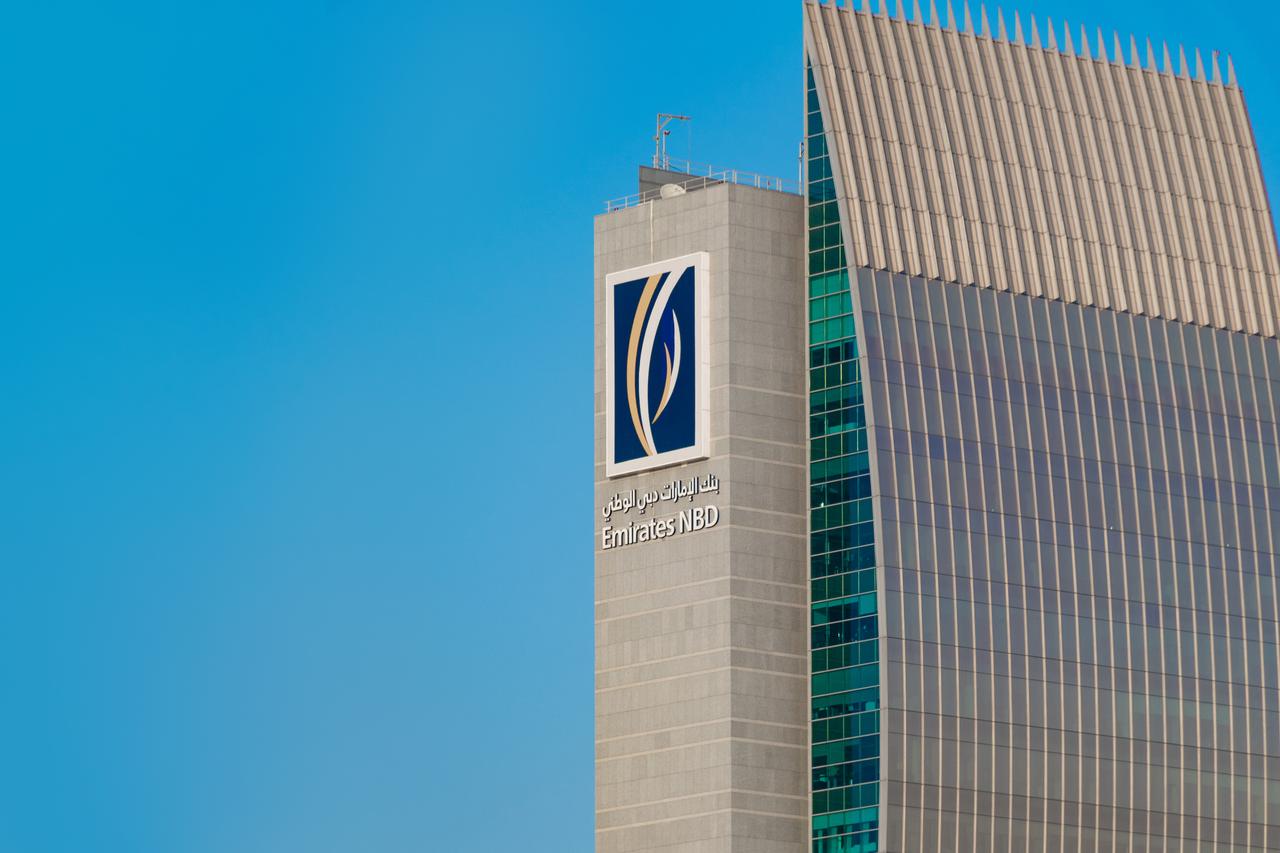
Dubai-based Emirates NBD has executed a finance-lease facility supporting the acquisition of two Airbus A321neo aircraft for India’s largest carrier IndiGo, marking the lender’s entry into aviation asset financing and underlining its commitment to the aviation sector. The transaction adds to IndiGo’s sizable fleet growth ambitions and aligns with the UAE bank’s strategy to deepen its aviation-finance capabilities.

Under the deal, Emirates NBD will supply the structured leasing facility enabling IndiGo to secure two A321neo jets, which the airline intends to deploy as it strengthens its domestic network and expands international reach. The airline currently holds an order-book of nearly 900 aircraft across the A320neo, A321neo and A321XLR families.

IndiGo’s Chief Aircraft Acquisition and Financing Officer Riyaz Peermohamed commented: “We are pleased to partner with Emirates NBD on this financing transaction and look forward to building on the success of this transaction and further strengthen our relationship in the future.” Emirates NBD’s Group Head of Wholesale Banking Ahmed Al Qassim said that the deal “demonstrates our ability to provide bespoke financing structures to support the aviation industry’s growth”, and confirmed this marks the bank’s first aircraft finance lease.

The transaction comes amid a broader context of rapid fleet expansion in India’s aviation market. Airbus has indicated that IndiGo and another Indian carrier together are due to receive some 1,260 aircraft, of which around 916 are earmarked for IndiGo alone, making it one of the largest airline backlog commitments globally. On the wide-body front, IndiGo recently converted 30 of its purchase rights into firm orders for 30 additional Airbus A350‑900 aircraft, raising its wide-body order to 60 units and signalling its desire to build a global network reach beyond its low-cost domestic model.

From the lender’s perspective, Emirates NBD is positioning itself as an aviation-finance partner of choice in the Middle East and internationally. The bank’s move into aircraft leasing coincides with a rising investor and lender interest in aviation assets, as carriers renew fleets to improve fuel efficiency and meet higher demand. For IndiGo, this lease transaction adds financing flexibility, diversifies its funding sources and supports the airline’s aircraft-asset strategy at a time when supply-chain headwinds and delivery schedules remain tight in the global aerospace market.

The groundbreaking ceremony of the world’s first gigascale round-the-clock renewable energy project took place in Abu Dhabi, marking a significant milestone in the global transition to sustainable energy. Sheikh Theyab bin Mohamed bin Zayed Al Nahyan, deputy chairman of the Presidential Court for Development and Fallen Heroes’ Affairs, was present at the event, which will see the integration of solar power and cutting-edge battery storage technologies capable […]

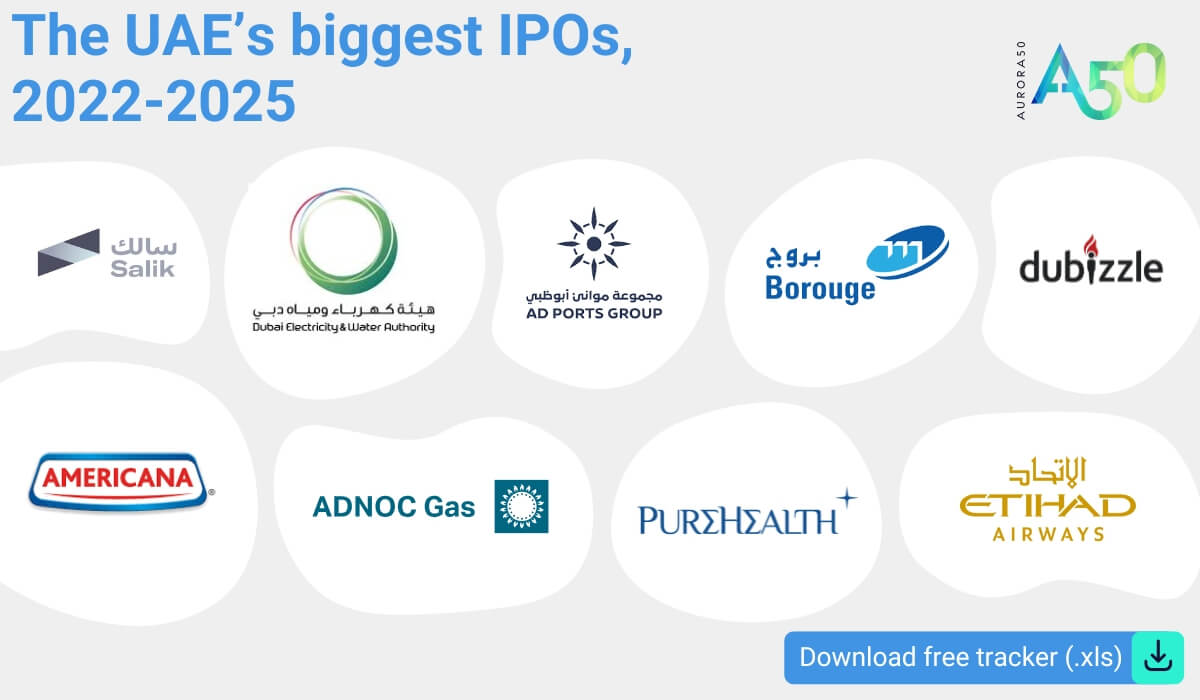
The cancellation of the highly anticipated initial public offering by UAE-based classifieds giant Dubizzle has raised serious concerns about the current state of the Middle East’s equity capital markets. Once viewed as a promising player in the region’s IPO landscape, Dubizzle’s decision to abandon its listing highlights the significant challenges the Middle East faces in generating investor confidence after a year of lacklustre aftermarket performance.

Dubizzle’s IPO was set to value the company at approximately US$2 billion, a deal that was initially expected to attract substantial interest from both regional and international investors. However, a series of setbacks, including a sharp downturn in market conditions, led to its eventual abandonment. “It’s a complete disaster for the region,” remarked a UAE-based investor, underscoring the gravity of the situation. This sentiment is echoed by many analysts who point to the stark contrast between the current climate and the boom years that saw the Middle East emerge as a dominant force in EMEA ECM.

The UAE’s IPO market has long been a significant player in the regional capital markets. Over the last few years, the area had enjoyed strong performances from listings such as the floatation of ADNOC Drilling and Dubai’s top retail operator, EMIRATES NBD. These successes painted a rosy picture of the region as a flourishing hub for high-profile public offerings. However, 2024’s market performance has been far from reflective of that growth. The Dubizzle setback is just the latest in a series of underwhelming IPO results, a trend that analysts attribute to a combination of factors, including investor caution, regional political instability, and global market headwinds.

Investor sentiment had already been fragile due to the underperformance of several high-profile companies post-IPO. Notably, Talabat, the online delivery service, saw its stock plunge nearly 40% from its initial issue price, while construction giant Alec Holdings also experienced significant losses. Both companies, initially thought to be solid IPO candidates, have fallen victim to what some analysts are calling an “overheated market” in 2023, where optimism led to inflated valuations. These negative outcomes have made investors more reluctant to engage in new listings, further dampening the appeal of subsequent IPOs, including Dubizzle.

Market observers point out that the combination of volatile regional economic conditions, which include oil price fluctuations and rising inflation, has contributed to a cautious outlook. The global economic environment, particularly in Europe and the United States, also has ripple effects in emerging markets like the UAE, with rising interest rates and a slowing global economy compounding investor fears of weak returns. These external pressures have combined with a tightening regulatory environment in the region, adding to the difficulties of orchestrating a successful IPO.

As the region grapples with these challenges, many are questioning whether the Middle East’s ECM sector can regain its former momentum. The last few years witnessed an influx of private equity and venture capital investments into the region’s tech startups, which fueled expectations that these companies would eventually go public and bolster the stock market. However, the persistent volatility and failure of IPOs to deliver on their promise have now raised doubts over whether such investments will yield the expected returns.

Dubai-based Emirates Integrated Telecommunications Company PJSC announced that its third-quarter results delivered a 7.9 per cent year-on-year jump in revenues to AED 3.87 billion, underpinned by growth in mobile, fixed and ICT businesses. The company reported an EBITDA of AED 1.85 billion, which equated to a margin of 47.8 per cent, while normalised net profit rose by 25.8 per cent to AED 732 million. Chief Executive Fahad […]

Advertisements

Gulf states are emerging as influential players in digital assets, with governments across the region intensifying efforts to regulate cryptocurrencies, tokenisation and Web3 innovations. A growing number of jurisdictions are introducing licensing frameworks for virtual asset service providers, stablecoin regimes and asset-tokenisation structures, signalling a shift in strategy from reactive oversight to proactive design.

The Central Bank of the United Arab Emirates has introduced a Payment Token Services Regulation that obliges issuers, distributors and custodians of payment tokens to maintain full reserve backing, undergo mandatory licensing and meet robust anti-money-laundering and cybersecurity standards, thereby positioning the UAE as a regulatory pioneer in the region. Across the region, countries such as Bahrain and Saudi Arabia have developed layered digital-asset frameworks, with Bahrain’s central bank among the earliest movers and Saudi launching fintech sandboxes and pilot token-asset schemes under its Vision 2030 plan.

Market data underline these developments. Analysis shows that between July 2023 and June 2024 the Middle East and North Africa region handled some US$338.7 billion in on-chain crypto value, accounting for approximately 7.5 per cent of global transaction volume. Institutional flows dominate: about 93 per cent of value transferred in the region came in amounts of US$10,000 or more.

Several regional platforms have obtained new licences under this regulatory push. The region’s first licensed crypto-asset service provider, Rain Financial Inc., has expanded its services under licence from both Bahrain’s regulator and Abu Dhabi’s ADGM-FSRA. In Bahrain, over 50 firms including nearly half focused on digital-assets are in discussions to establish operations under the Central Bank’s regime.

The tokenisation of real-world assets is gaining traction, with banks and global institutions exploring issuance of token-backed bonds, real estate and commodity-linked tokens. According to consultancy research, tokenisation could add as much as US$230 billion annually to MENA-region GDP. Major international exchanges and asset-managers are establishing footholds: for instance, the global exchange Binance uses the UAE as its regional base and has obtained a licence under Dubai’s Virtual Assets Regulatory Authority.

Despite this momentum, the region faces challenges. Implementation remains uneven: regulatory capacity across jurisdictions varies, local consumer-protection rules are still emerging and cybersecurity vulnerabilities in wallet providers and exchanges pose material risk. Energy-use and environmental impacts of crypto-mining have also drawn regulatory scrutiny: in one Gulf city, electricity consumption fell by over fifty per cent after enforcement of mining curbs.

Taxation and corporate-governance issues are also under development. In Saudi Arabia individuals currently pay no capital-gains tax on crypto, though businesses may face up to 15 per cent tax with corporate income taxed at 20 per cent plus a 2.5 per cent zakat levy. Given the youth-skewed demographics of Gulf markets and high smartphone penetration, regulators see digital-assets as both a diversification lever and a conduit to broader fintech innovation.

For global crypto and Web3 players the Gulf region offers a combination of clear regulation, large capital pools and government-driven ambition. However firms must navigate rigorous licensing conditions, reserve-backing rules, AML frameworks and evolving governance standards. The regulatory focus on stability and consumer protection underscores that the region expects digital-asset innovation to be embedded in mainstream finance rather than existing outside it.

Emirates National Oil Company and Amazon UAE have signed a memorandum of understanding to broaden customer access and enhance shopping experiences across the country by combining ENOC’s extensive retail footprint with Amazon’s advanced logistics and digital-retail technologies. The agreement allows Amazon to leverage ENOC’s fuel-station and convenience-store network, converting selected locations into quick-fulfilment hubs aimed at shortening last-mile delivery times and reducing urban traffic congestion. Amazon also […]

The manufacturing sector in the United Arab Emirates, accounting for 15 per cent of gross domestic product, is set to become the main engine of the country’s next economic phase, according to entrepreneur Mohamed Alabbar, founder of Emaar Properties and Noon. com and chairman of Eagle Hills. Speaking at the eighth Sharjah Investment Forum–World Investment Conference 2025, he emphasised that while real estate contributes around 12 per […]

Eight Democratic senators, led by Adam Schiff of California, have formally asked Steve Witkoff—the U. S. Special Envoy to the Middle East—for detailed explanations regarding his continued involvement with crypto assets tied to World Liberty Financial, a venture he co-founded with the family of Donald Trump. The lawmakers’ letter highlights potential conflicts of interest stemming from Witkoff’s dual role as a diplomat and investor.

Their concerns centre on Witkoff’s asset disclosures, which indicate he still holds stakes in entities tied to World Liberty and other crypto businesses as of his 13 August 2025 financial report. The senators press him to clarify whether he has divested these holdings, whether he has obtained ethics waivers, and whether his official capacities have overlapped with personal financial interests.

World Liberty Financial launched the stable-coin USD1, and in May 2025 a firm linked to the Abu Dhabi sovereign investment arm reportedly committed around US$2 billion to the venture. The same Gulf-state entity is connected to high-level U. S. export approvals of advanced semiconductor chips, a situation that lawmakers see as raising grave ethical questions.

Witkoff, a New York real-estate magnate and longtime Trump associate, was appointed envoy in early 2025 despite limited experience in diplomacy. While his defenders say he has taken steps to divest and comply with regulation, critics say he remains financially tied to ventures that stand to benefit from his government role. The administration has signalled it is reviewing his disclosures and ethics compliance.

In their letter, the senators request responses to seven key questions by 31 October 2025. They ask how Witkoff could sell off a real-estate holding of about US$120 million while retaining crypto interests; whether he or his family hold additional digital assets beyond those disclosed; when he divested, if at all; whether he holds any interests in Trump-family business ventures; whether he has obtained ethics guidance from the U. S. Office of Government Ethics; and whether any waiver was granted allowing him to participate in matters in which he had a financial interest.

Separately, lawmakers highlight the chronology of events: after World Liberty received the Gulf-state investment commitment, the White House approved export of advanced U. S. chips to the United Arab Emirates—raising the appearance of intertwined public and private interests. Ethics experts say this conflation of diplomacy and private profit may run afoul of federal rules under 18 U. S. C. § 208 and the constitutional emoluments clause, which bars public officials from participating in matters in which they have a financial interest.

The urban development landscape of the Emirate of Ras Al Khaimah is being reshaped as Marjan and RAK Hospitality Holding announced a landmark merger to form a unified entity under the Marjan brand, merging land-development and hospitality arms into one. Under the partnership, Marjan will consolidate real-estate development, hospitality operations and lifestyle offerings, effectively becoming one of the largest property developers in the United Arab Emirates. According […]

Abu Dhabi has unveiled Hub71+ Life Sciences, a specialist platform designed to speed up the path from laboratory research to patient-ready products across biotechnology, medical technology and digital health, with the launch staged at Hub71’s Impact Event 2025 in the UAE capital. Founders are promised streamlined access to regulators, hospitals, investors and corporate partners to test, validate and scale products from the emirate. New platform powers Abu […]

Global investment bank Goldman Sachs has secured the richest place in regional mergers and acquisitions activity in the Middle East and North Africa market, advising on 24 deals worth a combined US$104 billion in the first nine months of 2025, according to data from LSEG Deals Intelligence. The firm’s Co-head of Investment Banking for the Middle East & North Africa, Jassim AlSane, said the growth was driven by “national champions … with significant growth objectives” and government-backed strategies.

M&A volumes across the region have picked up substantially, supported by sovereign backing and major consolidation efforts. According to LSEG’s broader MENA investment banking review, M&A activity hit US$66.4 billion in the first quarter alone, illustrating a robust trajectory for the region. The strong performance underscores an increasingly active market for deals even amid global macro-economic headwinds.

Goldman’s dominance emerged as national-champion companies in the Gulf co-led big transactions. These firms often benefit from state support and predefined strategic mandates that accelerate investment decisions. AlSane highlighted that the top-10 deals for the firm in the region were “underpinned by an approved strategy” and “government-backed,” signalling a close alignment between private investment banks and states seeking large-scale diversification.

Key sectors powering the deal flow include energy-transition assets, infrastructure, and digital platforms. Observers note that the MENA region is embracing its role as a growth frontier for capital deployment, leveraging both private and sovereign funds to consolidate industries and build scale quickly. In particular, Saudi Arabia and the United Arab Emirates continue to push forward national frameworks that incentivise large transactions.

Despite the gains, the environment is not without uncertainty. Globally, deal volume has not uniformly increased — while deal value is up, the overall number of transactions in certain markets remains flat or declining. In the MENA context, some deals have faced delays or regulatory hurdles associated with cross‐border scrutiny and the need for state coordination. Critics argue that heavy reliance on government-backed mandates may reduce private-sector initiative and create hurdles in negotiation and valuation.

Goldman’s rise in the region also reflects wider trends in global investment banking. The firm posted a 42 per cent jump in investment-banking fees in the third quarter of 2025, citing advisory revenue jolts of 60 per cent year-on-year. While that data is global rather than specifically MENA-focused, it indicates that investment banking hunger for strategic transactions is rising and Goldman is benefiting. These elevated fee levels are the highest the firm has seen in years and point to a structural shift in deal-making dynamics.

Abu Dhabi — Multip­ly Group PJSC’s subsidiary Emirates Driving Company PJSC has secured a 22.5 per cent shareholding in Mwasalat Holdings LLC, the Abu Dhabi-based transport operator, with an option to raise its stake to 50.6 per cent pending regulatory approval and other conditions. The acquisition reflects Multiply Group’s push into the broader mobility sector beyond its legacy in driving education and training, positioning EDC as a […]

Dubai-based Emirates NBD PJSC is poised to acquire a 60 per cent stake in India’s RBL Bank via a $3 billion investment, marking the largest foreign direct investment ever recorded in India’s banking sector. The move, announced on 18 October 2025, is structured through a preferential share issuance of up to 959.04 million shares at ₹280 each and is subject to regulatory approvals.

RBL Bank’s management expects the deal to close within five to eight months, positioning the infusion within the current financial year, according to statements made by the lender’s leadership. Emirates NBD will assume promoter status at RBL, gaining board-nomination rights and solidifying its long-term presence in the Indian market.

The deal comes as India’s financial sector registers a surge in cross-border deals, with total deal-value reaching approximately $8 billion from January to September 2025—a 127 per cent increase over the same period last year. For its part, RBL Bank, a private lender headquartered in Mumbai with assets estimated at ₹1.46 trillion and a customer base of over 15 million, will benefit from the capital uplift and expanded ecosystem access.

Emirates NBD’s group chief executive, Shayne Nelson, said the investment underscores the bank’s confidence in India’s financial services growth trajectory and reflects its ambition to leverage RBL’s domestic franchise alongside Emirates NBD’s regional reach. RBL’s managing director & CEO, R Subramaniakumar, described the alliance as providing “an enormous opportunity” to move from mid-sized to large-bank status in India, reinforcing its ambitions to enter wealth management and strengthen corporate and retail lending.

Under the terms of the agreement, Emirates NBD will first subscribe to a preferential issue up to 60 per cent of RBL Bank, and then launch a mandatory open offer to public shareholders of up to 26 per cent at the same ₹280 per share price. The final stake will depend on maximum permissible foreign-investment limits and minimum public shareholding norms. The Indian regulatory framework allows up to 74 per cent foreign investment in private banks, but typically limits individual foreign investors to a maximum of 15 per cent unless an exemption is granted by the Reserve Bank of India, which is reported to have given informal backing to the deal.

Analysts say the deal is transformative for both parties: RBL stands to enhance its capital adequacy ratio—projected around 40 per cent post-transaction—and may scale up its corporate banking, digital payments and branch network expansion, tapping into ties between India and the Middle East. For Emirates NBD, the acquisition consolidates its Indian market access and complements its existing footprint in the Middle East, North Africa and Turkey.

Challenges remain. The transaction is subject to regulatory approvals in India and requires compliance with public-shareholding rules, which could complicate the open-offer structure. In addition, RBL has grappled with governance concerns in the past—its former CEO stepped down abruptly in 2021 following regulatory scrutiny—which means integrating under a foreign majority owner will require careful management of culture, controls and strategic alignment.

Observers suggest the deal may set a precedent for greater foreign involvement in India’s mid-sized banking sector, with implications for capital flows, market consolidation and competition. Brokers in Mumbai noted that the infusion of “confidence capital” into RBL could unlock higher credit growth and improve investor perception of the Indian private-banking sector. Meanwhile, the broader wave of cross-border activity, including Japanese and UAE groups entering Indian banks, highlights the shifting dynamics of the India-Middle East-Europe economic corridor.

The Dubai-based airline Emirates has formally marked 25 years of its flight operations to Uganda, signalling both a milestone in the company’s growth in East Africa and its deeper entrenchment in the Ugandan travel market. Since its first landing in 2000, the carrier reports transporting 2.8 million passengers on 15,900 flights between Uganda’s capital region and Dubai. At launch, the service flew three times weekly, routed via […]

Abu Dhabi’s MDGH GMTN priced a one-billion dirham Reg S five-year bond at par, carrying a coupon of 4.20 per cent. The issuer tightened guidance from an initial 4.45 per cent, and book orders surpassed AED 4.7 billion, not counting joint lead manager interest, signalling strong investor demand.

The unsecured bond is guaranteed by Mamoura Diversified Global Holding, with settlement set for 23 October and a planned listing on the London Stock Exchange Main Market. Fitch is expected to assign an “AA” rating in line with Mamoura’s sovereign backing. The issuance was led by a syndicate including Abu Dhabi Commercial Bank, Bank of China, Citi, Emirates NBD Capital, First Abu Dhabi Bank, Goldman Sachs International, HSBC, Industrial and Commercial Bank of China, National Bank of Kuwait and Standard Chartered.

This city-currency issue follows a $750 million ten-year dollar bond issued less than ten days earlier by MDGH, priced at about 55 basis points over U. S. Treasuries under the same guarantee structure. That transaction underlined the group’s growing presence in global markets.

MDGH is wholly owned by Mubadala Investment Company and plays a central role in Abu Dhabi’s strategy to diversify its economic base. In its 2024 financials, the company reported revenues of AED 39,528 million and a net profit attributable to owners of AED 37,376 million, with total assets reaching AED 596,168 million.

Credit agencies currently align Mamoura’s rating with the sovereign, with Fitch affirming an “AA” rating and stable outlook in late 2023. Moody’s and S&P assign comparable ratings of Aa2 and AA respectively.

Analysts note that the new issue shows how Abu Dhabi-linked issuers are able to tap demand for high-grade Gulf debt amid tighter global credit markets. The bond’s tight pricing and oversubscription point to strong appetite among fixed-income investors for Gulf credits backed by sovereign guarantees.

Davidson Kempner Capital Management has inaugurated an office at the Abu Dhabi Global Market, marking its first physical presence in the Gulf and becoming the latest global hedge fund to deepen its footprint in the United Arab Emirates. The new office will be led by partner Chris Krishanthan together with managing director Naveen Sabharwal.

The firm, which manages approximately $37 billion in assets, aims to tap deeper into regional capital flows and align more closely with sovereign and institutional investors across the Gulf Cooperation Council. Tony Yoseloff, managing partner and chief investment officer, described the move as a step to “further expand our investable universe” and strengthen “local relationships in a highly dynamic market.”

For years, Abu Dhabi has steadily worked to position itself as a rival to Dubai in financial services. Its strategy has included tailoring tax incentives, loosening regulatory constraints, and courting global asset managers to relocate or open branches there. As part of this wave, major hedge funds such as Brevan Howard and Marshall Wace have already established bases in ADGM; Davidson Kempner joins their ranks in what is being viewed as a consolidation of the emirate’s appeal to global capital.

The timing dovetails with a broader uptick in cross-regional trading. The CME Group recently reported a 16 percent rise in average daily trading volumes from the Middle East, with hedge fund activity surging nearly 30 percent this year. The firm’s commercial officers noted the region has become its fastest-growing market. Many attributers point to favourable time zones, regulatory allure, and close proximity to sovereign wealth capital as key drivers.

Internally, the ADGM office is intended both as a regional sourcing hub and a local relationship engine. Krishanthan and Sabharwal have previously overseen Davidson Kempner’s Middle Eastern investment activity, so the new base is meant to formalise and deepen ongoing operations. The firm describes its core strategy as rooted in credit and event-driven investing, spanning public and private markets globally.

This expansion comes amid headwinds in certain corners of the firm. In 2024, Davidson Kempner moved to shutter its Distressed Opportunities fund — once managing around $2 billion — as evolving market conditions rendered that strategy less compelling in a constrained restructuring environment. The firm indicated it would reorient distressed allocations into closed-end and multi-strategy vehicles.

Observers see the firm’s Abu Dhabi entry as both adaptive and opportunistic. By embedding itself in ADGM, Davidson Kempner seeks proximity to capital allocators, deal flow, and regional intelligence — all of which matters in markets where local networks and relationships often play outsized roles.

Competition in the region is intensifying. Abu Dhabi’s Lunate recently acquired a minority stake in Brevan Howard, launching a joint investment platform with an initial commitment of $2 billion. Regional investors have also targeted global fund firms for partnerships or co-investment models. That push underscores Abu Dhabi’s ambition to evolve into a globally competitive asset management hub, alongside regulatory hubs like London, Singapore, and Hong Kong.

The International Monetary Fund has lifted its projection for the United Arab Emirates’ economic expansion to 4.8 per cent in 2025 and sees 5.0 per cent growth in 2026, citing accelerating non-hydrocarbon activity and a rebound in oil output.

Stronger-than-expected performance in tourism, construction, trade and financial services is underpinning the upward revision. The IMF attributes resilience to the country’s diversified strategy and structural reforms such as enhanced trade agreements and sustained investment in infrastructure.

Analysts say the revision contrasts sharply with broader regional downgrades. The IMF now expects growth across the Middle East and North Africa to expand by only 2.6 per cent in 2025, constrained by policy uncertainty, volatile energy markets and geopolitical tensions.

Within the UAE, central bank data reinforce the narrative of dual expansion. The non-hydrocarbon sector is forecast to grow by around 4.5 per cent annually in both 2025 and 2026, while the hydrocarbon segment is expected to rebound more sharply—by 5.8 per cent in 2025 and 6.5 per cent in 2026—on increased output as OPEC+ quotas are relaxed.

When IMF staff visited the UAE in January 2025, they noted that domestic demand remained robust amid modest oil production, forecasting real GDP growth at about 4 per cent for the year. They projected that fiscal and external surpluses would remain comfortable, helped by elevated non-oil revenues and cautious fiscal management.

Still, risks linger. The UAE’s banking sector, while well capitalised, faces exposure to real estate, and high house prices pose concerns for asset quality. In mid-2025, exposure to property in banks’ portfolios stood at around 18 to 19 per cent of risk-weighted assets. A sudden shift in investor sentiment or capital flows could test the stability of credit markets.

On the external front, the current account surplus is projected at about 7.5 per cent of GDP, supported by stronger non-oil exports and moderating import growth. Liquidity buffers remain healthy, with international reserves covering more than eight months of imports.

European Commission officials are poised to grant approval to Abu Dhabi’s state oil company for its €14.7 billion acquisition of Germany’s Covestro, conditional on minor adjustments to compliance measures, according to sources familiar with the process. The decision could mark one of the most significant Gulf-to-EU corporate takeovers to date.

Brussels opened a detailed investigation into the deal earlier this year under its Foreign Subsidies Regulation, citing concerns that the United Arab Emirates might have leveraged state-backed advantages—such as an unlimited state guarantee and pledged capital injections—to win the bid. The Commission’s probe, initially suspended in September pending additional information, has now resumed as ADNOC submits remedial proposals.

In its revised remedy package, ADNOC has committed to removing language referencing the unlimited guarantee from Covestro’s articles of association and to preserving Covestro’s intellectual property within Europe. Sources suggest the Commission may insist on further tweaks before final clearance, but no major restructuring is expected.

ADNOC’s international investment arm, XRG, has framed the concessions as reflective of its long-term investor stance and asserted confidence that the proposals are “robust and proportionate.” The supreme size of the deal amplifies scrutiny—a deal described by analysts as ADNOC’s largest ever and among the biggest foreign acquisitions of a European company by a Gulf state.

Opponents and industry peers have raised flags about the competitive effects of the transaction. Critics argue that ADNOC’s state backing might have deterred rival bidders, distorting the playing field in Europe’s chemicals sector. Regulators collected feedback from market participants as part of the remedy review, a standard stage in EU merger oversight.

In September, the EU paused its review, citing gaps in the information submitted by the parties. ADNOC responded by accusing the Commission of issuing “disproportionate and invasive” demands. It warned such tactics jeopardised the deal’s viability. Brussels has indicated it will reset its decision deadline after receiving all necessary material. Its previous deadline had been 2 December.

Analysts suggest that the minimal expected adjustments reflect the Commission’s confidence that the core concerns have been addressed. Some believe that failure to clear the deal now would signal strained investment relations between EU institutions and sovereign-backed acquirers. Others caution that even small remedial changes—especially on governance rights or intellectual property handling—could materially alter deal returns.

Covestro, a leader in polymer materials, chemicals, coatings and adhesives, stands to bolster its growth potential under ADNOC’s ownership. The acquisition aligns with ADNOC’s drive to diversify beyond hydrocarbons toward higher-value downstream chemical operations. Yet the deal also pits strategic ambition against regulatory sensitivity—a balancing act now unfolding in the corridors of Brussels.

Dubai’s government has unveiled plans for a radical upgrade to its “Invest in Dubai” digital platform, enabling business licences to be granted in as little as 17 seconds. The platform’s new version, featuring Agentic AI capabilities, was introduced at GITEX Global 2025 and is expected to go live by the end of 2026. Ahmad Khalifa AlQaizi AlFalasi, CEO of Dubai Business Registration and Licensing Corporation, explained that […]

Mohammed Bin Rashid Housing Establishment is spotlighting a suite of digital housing solutions at GITEX Global 2025, announcing strategic tie-ups aimed at advancing smart infrastructure and inclusive living. The initiative underscores Dubai’s push to fuse technology with urban development amid intensifying global competition in digital transformation.

MBRHE is presenting new digital services engineered to optimise housing operations, energy efficiency and resident experience. At GITEX, the entity finalised a partnership with Emirates Islamic Bank to develop financing and digital payment tools tailored for homeowners, and earlier inked an agreement with AI Smart to retrofit housing units with assistive technologies for People of Determination. The latter includes deploying smart systems in five identified residences to enhance mobility and independence. These deals complement an existing MoU with Emirates Gas to supply next-generation LPG composite cylinders across MBRHE communities, complete with annual maintenance services.

As part of Dubai’s government ecosystem at GITEX, MBRHE is listed among Gold Partners in the Digital Dubai pavilion, joining over 50 public and private entities promoting the emirate’s City-as-a-Service model. This placement gives MBRHE visibility amid hundreds of technology players from more than 180 countries. The pavilion is intended to demonstrate cross-sector digital synergies across health, energy, mobility and governance spheres.

MBRHE officials emphasise a multipronged strategy. The partnership with Emirates Islamic is geared toward embedding embedded financial tools into housing services. The AI Smart alliance is positioned as a step toward inclusive smart homes. Meanwhile, the collaboration with Emirates Gas addresses energy reliability and safety in residential zones under MBRHE’s purview. In announcing the AI Smart engagement, MBRHE described it as aligning with UAE leadership’s agenda to empower all segments of society, especially People of Determination.

The move follows MBRHE’s earlier commitment with GFS Developments to launch the Smart Housing Forum 2025, a platform to convene global experts on sustainable housing innovation. That partnership, formalised in late September, frames GITEX as a conduit for showcasing outcomes and inviting further collaboration.

Industry analysts say MBRHE’s integration of housing, finance, energy and assistive technology is representative of a wider trend in the Gulf: public agencies are no longer viewing infrastructure in isolation but as an integrated service ecosystem. State-linked housing bodies are increasingly collaborating with fintech, cleantech, proptech and social inclusion tech firms to convert static assets into responsive, data-enabled platforms.

Critics caution that the true test lies in execution, particularly in integrating legacy systems, ensuring cybersecurity across interconnected modules, and managing equitable access across lower-income beneficiary groups. For instance, retrofitting older housing stock with IoT or assistive systems often requires structural upgrades, which carry cost and logistical burdens.

At GITEX, MBRHE is expected to demonstrate live pilot models of smart home systems, energy monitoring dashboards, and resident apps that tie into real estate finance. These demos will act as proof points to entice further private sector engagement and scaling. MBRHE’s role as both regulator and operator gives it leverage but also raises accountability for outcomes.

Emirates NBD is in advanced negotiations to acquire up to a 25 percent stake in Mumbai-based RBL Bank through a preferential allotment of equity and warrants, two people familiar with the matter told Reuters. The proposal would mark a major move by the Dubai-based lender into India’s private banking sector.

The Dubai bank is evaluating the terms of the deal, including pricing and structure, though both parties have yet to confirm the arrangement publicly. One of the sources indicated that the deal may be announced once approvals are in place.

On the Indian equities front, news of the talks propelled RBL’s shares higher: the stock climbed over 3 percent on 14 October, reaching its highest level since January 2024, and became one of the top gainers among private banks. Investor optimism stemmed from expectations that a reputable foreign investor might bolster transparency, governance and capital strength at RBL Bank.

Under Indian banking regulations, strategic foreign investors are generally restricted to a 15 percent stake, although exceptions have been made in high-profile cases. The Reserve Bank of India earlier permitted Sumitomo Mitsui Banking Corporation to hold 20 percent in Yes Bank, setting a precedent for flexibility in exceptional circumstances. Simultaneously, India is exploring adjustments to foreign ownership rules to enhance capital inflows into its banking sector.

Emirates NBD already holds regulatory approval in principle to convert its branches in India into a wholly owned subsidiary, positioning itself to operate on par with domestic Indian banks. That architecture would facilitate compliance with local regulations and provide greater autonomy to its Indian operations.

RBL Bank maintains a dispersed shareholding structure, with retail investors, mutual funds and small institutional holders driving most of its capital. It has no traditional promoter group. In June 2024, the bank had announced plans to raise ₹65 billion through a mix of institutional share issuance and debt instruments to support growth plans.

Previous media reports spanning earlier in 2025 suggested Emirates NBD’s interest in acquiring a minority stake in RBL, via a preferential allotment route, as part of its Asian expansion push. Those earlier discussions laid the groundwork for the current advanced negotiations.

The deal—if consummated—would align with Emirates NBD’s broader strategy of deepening its footprint in India, a market it already serves through branches in Mumbai, Chennai and Gurugram, and via its approved subsidiary structure. The bank has posted robust growth: in the first quarter of 2025, it exceeded profit expectations, buoyed by strong loan expansion and net interest income.

Still, multiple hurdles remain. Key among them are regulatory approvals from the RBI and possibly the finance ministry, clearances from capital markets regulators, and acceptance by RBL Bank’s board. Moreover, the valuation will be closely scrutinised, since acquiring a wedge of 25 percent may require pricing the equity at a premium to prevailing market values.

On the regulator’s side, officials have been deliberating over changes to banking ownership norms to attract foreign capital, particularly in systems where capital demand is rising rapidly. Some observers view case-by-case relaxation of limits as a likely path forward.

Institutional analysts have viewed Emirates NBD’s possible entry as a positive for RBL. One equity research note from ICICI Direct argued that the presence of a well-capitalised global investor could strengthen governance practices and investor confidence.

VISHNU RAJA
RYO YAMADA
HITORI GOTOH
IKUYO KITA