News related to
Emirates

Kenya is reportedly on the verge of securing a $1.5 billion loan from the United Arab Emirates (UAE), a move aimed at bolstering the country’s struggling financial position. This financing deal, which carries an interest rate of 8.2%, comes amid a widening budget deficit and persistent fiscal challenges faced by the Kenyan government. The financing arrangement is part of Kenya’s strategy to diversify its budget support sources […]

Abu Dhabi sovereign wealth fund ADQ has successfully raised $2.5 billion through a dual-tranche bond offering, marking a significant move to support its investment ambitions. The issuance included two portions: a $1.25 billion five-year bond and another $1.25 billion ten-year bond. Both were priced above U.S. Treasuries, reflecting strong market demand.

ADQ’s bond sale attracted heavy investor interest, oversubscribing by 4.4 times. The high level of demand underscores confidence in Abu Dhabi’s stable economy and the creditworthiness of ADQ. The proceeds from this bond offering are expected to bolster ADQ’s ongoing investments across sectors such as energy, aviation, and healthcare.

ADQ’s portfolio includes key assets in non-oil sectors, such as Emirates Water and Electricity, Abu Dhabi Airports, and several listed companies like TAQA and AD Ports Group. The fund plays a critical role in driving the diversification of Abu Dhabi’s economy, contributing to nearly a quarter of the emirate’s non-oil GDP in 2023.

A surge in institutional interest is significantly advancing cryptocurrency adoption in the United Arab Emirates, positioning the region as a pivotal player in the global digital assets market. Major financial institutions, including banks and investment firms, are increasingly embracing blockchain technology and digital currencies, which is reshaping the traditional financial landscape. The UAE government has long fostered a progressive regulatory framework aimed at enhancing financial innovation, making […]

Etihad Airways has announced an ambitious plan to invest $7 billion by the year 2030, signaling a significant commitment to enhancing its operations and services. The airline’s CEO, Antonoaldo Neves, emphasized that this financial injection will focus on improving customer experience, expanding the fleet, and embracing sustainability initiatives as part of a broader strategy to maintain its competitive edge in the aviation sector. The investment is part […]

Ajeej Capital and Nuwa Capital have announced the launch of a $100 million fund aimed at accelerating the growth of technology companies in the Middle East. This initiative comes amid a rapidly evolving regional tech landscape characterized by innovation and increased investment activity. The fund is designed to provide vital financial support to startups, enabling them to scale their operations and enhance their competitive edge in the global market.

The joint venture between Ajeej Capital, a private equity firm known for its focus on technology and sustainable investments, and Nuwa Capital, a venture capital firm with a robust portfolio in the MENA region, reflects a growing commitment to nurturing the technology ecosystem in the area. The fund will primarily target early-stage and growth-stage tech companies, providing them with the necessary capital, mentorship, and strategic guidance to foster innovation and drive economic development.

Several factors contribute to the burgeoning technology sector in the Middle East. Governments in the region have implemented initiatives aimed at diversifying their economies beyond oil dependency, encouraging entrepreneurship and digital transformation. The United Arab Emirates and Saudi Arabia, in particular, have introduced several policies that create a conducive environment for tech startups, including tax incentives, regulatory support, and infrastructure development. As a result, the region is witnessing a surge in venture capital investments, with more players entering the market and recognizing the potential for growth in technology.

Ajeej Capital and Nuwa Capital’s $100 million fund will not only support individual companies but also strengthen the overall technology ecosystem. The firms aim to leverage their extensive networks and industry expertise to foster collaboration among startups, established businesses, and investors. By creating a synergistic environment, they hope to facilitate knowledge sharing and accelerate innovation across various tech sectors, including fintech, health tech, and artificial intelligence.

Experts believe that this initiative is timely, as the demand for digital solutions continues to grow across the region. The COVID-19 pandemic has further highlighted the importance of technology in various sectors, prompting businesses to adopt digital strategies to remain competitive. As a result, there is an increasing appetite for investment in tech companies that can provide innovative solutions to meet these evolving demands.

The fund is expected to play a pivotal role in identifying promising startups and providing them with the resources they need to thrive. With a focus on sectors that align with the region’s economic priorities, Ajeej Capital and Nuwa Capital are poised to drive significant advancements in technology. Their commitment to supporting businesses that promote sustainability and social impact will also resonate with the values of many investors who are increasingly looking to align their investments with their ethical beliefs.

Ajeej Capital and Nuwa Capital have outlined their investment strategy as one that emphasizes not only financial returns but also the long-term sustainability of the companies they support. They plan to implement a rigorous selection process to identify startups with strong growth potential and innovative business models. Additionally, the fund will provide strategic guidance to help these companies navigate challenges and capitalize on emerging opportunities in the market.

As part of their broader mission, Ajeej Capital and Nuwa Capital are also keen on fostering a culture of innovation within the region. By providing mentorship and support to entrepreneurs, they aim to empower the next generation of leaders in the tech industry. This focus on human capital development is essential for building a robust ecosystem that can sustain growth and drive future advancements.

Investors are closely monitoring this initiative, as the successful deployment of the fund could signal a shift in the investment landscape of the Middle East. With a growing number of venture capital firms and private equity players entering the market, competition for high-potential startups is intensifying. The ability of Ajeej Capital and Nuwa Capital to identify and nurture promising ventures will be crucial in positioning them as key players in the tech investment arena.

The collaboration between Ajeej Capital and Nuwa Capital underscores a trend of partnerships among investment firms, which are increasingly recognizing the value of combining resources and expertise to maximize impact. This cooperative approach is likely to lead to more innovative funding models and investment strategies, benefiting the entire tech ecosystem in the region.

As the Middle East continues to evolve into a technology hub, the launch of this $100 million fund represents a significant step forward in supporting the growth of innovative companies. By addressing the funding gap and providing comprehensive support to startups, Ajeej Capital and Nuwa Capital are contributing to a vibrant tech landscape that has the potential to drive economic diversification and growth.

Oman’s strategic efforts to position itself as a key player in the global low-carbon fuel bunkering market are gaining momentum. The collaboration between Asyad Group, OQ Alternative Energy, and Sumitomo Corporation Middle East marks a significant development in this drive, aiming to transform Oman into a pivotal hub for low-carbon fuel. This ambitious initiative aligns with the country’s broader vision of achieving sustainability and economic diversification, positioning […]

The Ras Al Khaimah Economic Zone (RAKEZ) is among the top free zones within the United Arab Emirates territory. It is a business haven that pulls customers from all countries. RAKEZ provides several types of business Licenses, business premises, and other productive services. These features make it appealing to both new and existing firms. The RAKEZ is also appealing because of its location via the international market. […]

Advertisements

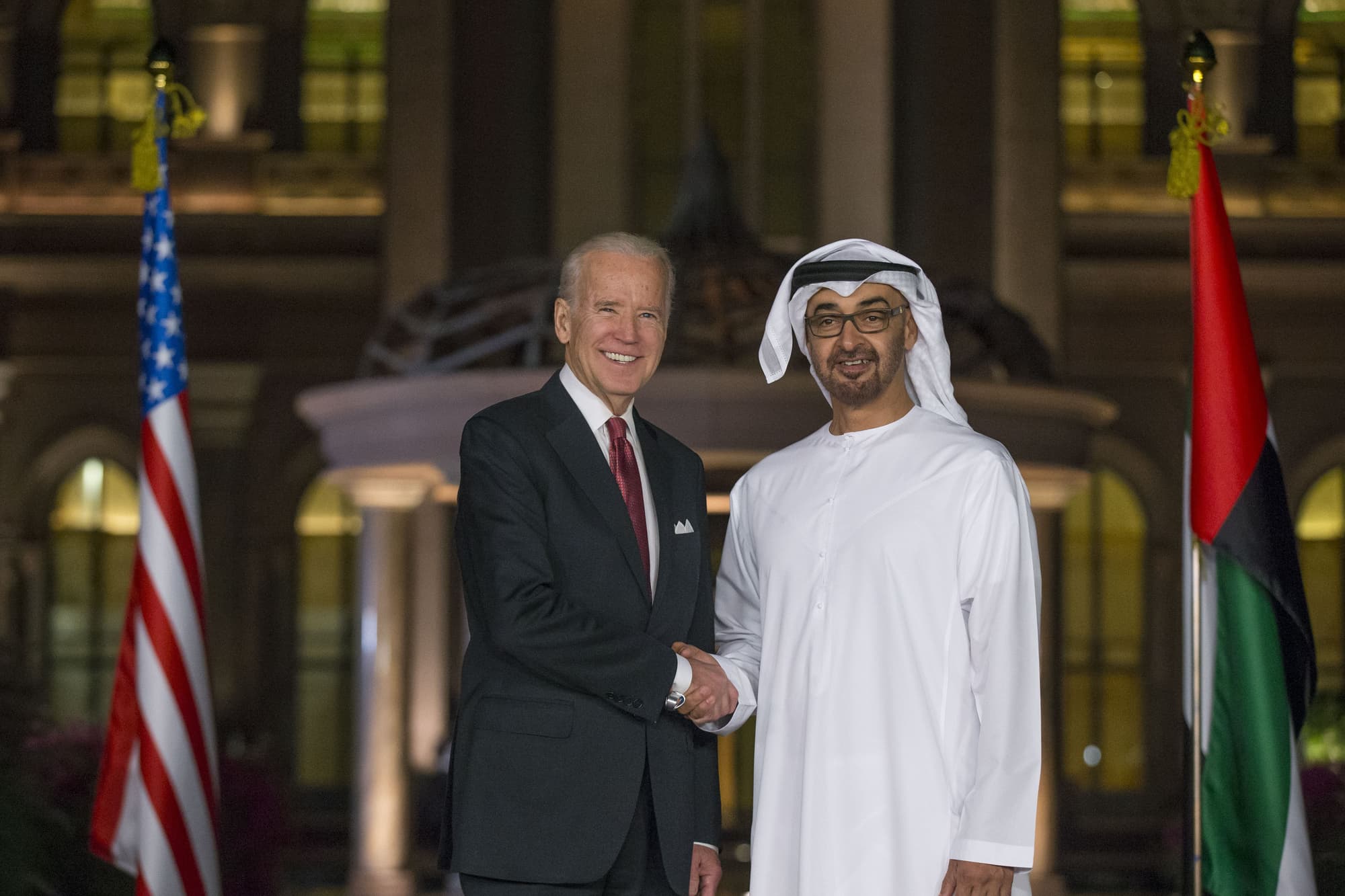
President Joe Biden has officially designated the United Arab Emirates as a major defense partner of the United States, solidifying the nation’s strategic role in the region. This move comes shortly after a similar designation was awarded to India, underscoring Washington’s efforts to build stronger alliances with Gulf and South Asian powers in the face of shifting global security dynamics. The announcement marks a significant step in US-UAE relations, enhancing defense cooperation and reaffirming the UAE’s importance in American military strategy.

The decision highlights the UAE’s evolving role as a critical player in regional security. With this designation, the UAE joins a select group of countries that enjoy preferential treatment when it comes to military cooperation with the United States. The relationship allows for greater access to advanced defense technology, streamlined military sales processes, and deeper intelligence collaboration. These developments come amid ongoing efforts by the US to recalibrate its security commitments in the Middle East, pivoting towards nations capable of contributing more significantly to their own defense.

Biden’s formal recognition of the UAE as a defense partner builds on decades of close military ties between the two nations. The UAE has long been a hub for US military operations in the region, hosting troops and serving as a staging ground for operations in neighboring conflict zones. The move is also seen as part of Washington’s broader strategy to reinforce its influence in the Gulf, where rising geopolitical tensions and the involvement of foreign powers like Russia and China continue to shape the security landscape.

For the UAE, this designation is not merely symbolic. It solidifies the nation’s status as a regional security leader and elevates its position on the global stage. It also provides the UAE with more direct access to sophisticated US defense systems, which will be critical in enhancing its defense capabilities amidst growing concerns over missile threats and other regional challenges. The UAE has long sought to upgrade its military arsenal, focusing on cutting-edge technology such as advanced fighter jets and missile defense systems. This new designation could accelerate these procurements, allowing for a faster, more seamless process.

The US government has been increasingly focused on forging deeper security ties with countries it sees as vital to countering both state and non-state actors. The UAE has been a crucial partner in US-led efforts to combat terrorism and ensure maritime security in the Gulf, particularly through its involvement in anti-piracy and anti-smuggling operations. The nation’s strategic location and military infrastructure have made it an indispensable ally in addressing threats posed by extremist groups and hostile states in the region.

Meanwhile, this development coincides with broader geopolitical shifts, as the US grapples with its role in a multipolar world. The Biden administration’s defense policy has focused on reducing its military footprint in some traditional hotspots while doubling down on partnerships that bolster regional security autonomously. The designation of both the UAE and India as major defense partners reflects a recalibrated approach to ensuring stability through cooperation, rather than direct military involvement.

The strategic importance of the UAE extends beyond the Middle East. Its influence in Africa, Central Asia, and the Indian Ocean region makes it a key player in a wider arc of geopolitical interests. With major global powers vying for influence in the Middle East, Washington’s decision to deepen its defense ties with Abu Dhabi also signals its intention to counter growing Russian and Chinese influence. China’s Belt and Road Initiative and increasing arms sales to Gulf countries, including the UAE, are clear indicators that the region is a key battleground for global influence.

The UAE’s defense relationship with the United States has grown in complexity in recent years. The two nations have regularly conducted joint military exercises, and the UAE has made substantial purchases of US-made defense equipment, including F-16 fighter jets, missile defense systems, and advanced drones. More recently, the UAE has expressed interest in acquiring next-generation US fighter jets, including the F-35, as part of its efforts to enhance its military edge. The partnership also extends to counterterrorism operations, where the two nations collaborate closely in intelligence sharing and tactical support to neutralize extremist threats.

The decision to elevate the UAE’s status comes against the backdrop of broader regional realignments. The Abraham Accords, which normalized diplomatic relations between the UAE and Israel, have reshaped the strategic landscape of the Middle East, offering new opportunities for cooperation between key US allies. This trilateral relationship between the US, UAE, and Israel is likely to deepen in the defense sphere, with potential collaborations in areas like missile defense and cybersecurity.

At the same time, the UAE faces growing security concerns closer to home. The conflict in Yemen, where the UAE has been heavily involved, continues to pose risks to regional stability. Iranian-backed Houthi rebels have launched missile and drone attacks against UAE infrastructure, raising the stakes for Abu Dhabi’s defense posture. The new designation from Washington could pave the way for more robust US support in addressing such threats, with the potential for more advanced defense systems aimed at countering missile and drone attacks.

US defense experts have praised the move, calling it a logical step in strengthening bilateral ties with a trusted partner in the Gulf. They argue that bolstering the UAE’s defense capabilities is not only in the interest of regional stability but also aligns with the US strategy of building self-reliant regional security partners. The UAE’s growing military spending and its focus on modernizing its armed forces further bolster the case for Washington’s decision.

Arabian Post Staff -Dubai Global semiconductor powerhouses TSMC and Samsung Electronics are reportedly exploring significant chip manufacturing ventures in the United Arab Emirates, with potential investments exceeding $100 billion. This development marks a strategic move as both companies seek to bolster their production capabilities amid a growing demand for chips worldwide. The discussions between TSMC and Samsung reflect a broader trend in the semiconductor industry, where supply […]

A significant collaboration between Abu Dhabi Commercial Bank (ADCB) and the Abu Dhabi Housing Authority (ADHA) is set to transform housing finance for Emiratis, offering housing loans of up to Dhs500,000. This initiative aims to support beneficiaries of the ADHA’s housing loan program, which offers loans reaching Dhs1.75 million, facilitating access to home ownership in the capital.

The ADCB has designed this offering to enhance affordability for Emirati families, enabling them to secure loans at competitive interest rates while benefiting from flexible repayment terms. The financial institution is focusing on creating accessible pathways for those looking to purchase or renovate homes, which is particularly crucial in a market where property prices continue to rise.

This partnership reflects a broader strategy by the government of Abu Dhabi to promote home ownership among its citizens. The ADHA’s housing loan program serves as a critical framework, providing essential financial support to eligible Emiratis seeking to invest in real estate. By offering loans that are both substantial and manageable, the initiative addresses one of the key challenges facing many Emirati families today: securing adequate funding for housing.

Further enhancing the appeal of the program, the ADCB’s initiative allows for a streamlined application process, aiming to reduce bureaucratic hurdles. Eligible applicants can expect a rapid turnaround on their loan applications, with decisions often made within days. This efficiency is critical in a market characterized by fast-paced transactions, ensuring that potential homeowners can act quickly on their property purchases.

The collaboration also underscores the importance of community engagement in addressing housing challenges. By aligning with the ADHA, ADCB demonstrates a commitment to the economic welfare of Emiratis. This partnership is not only about providing loans but also about fostering a sense of belonging and community development, essential components in building sustainable urban environments.

Market analysts have noted the growing demand for housing solutions tailored to Emiratis. As the population expands and housing needs evolve, financial institutions are urged to innovate. ADCB’s initiative is a timely response to these trends, positioning the bank as a leader in socially responsible lending practices. By prioritizing Emirati needs, ADCB not only enhances its brand but also contributes to the socio-economic fabric of the region.

Emerging trends in the UAE housing market indicate a shift toward more family-oriented and affordable housing options. Many Emiratis are now looking for properties that provide not just shelter, but also community amenities that cater to families. The ADCB’s housing loan program aligns with this trend, as it supports the purchase of properties in developments designed with family living in mind.

In addition to the competitive loan amounts and favorable terms, ADCB has also emphasized its commitment to financial education. By offering resources and workshops for potential homeowners, the bank aims to empower Emiratis with the knowledge needed to make informed financial decisions. This approach not only supports individual financial literacy but also enhances overall market stability.

The housing market in Abu Dhabi has been on a growth trajectory, bolstered by government initiatives aimed at boosting local ownership. Recent reports indicate a rise in property transactions, suggesting that more Emiratis are taking advantage of available financing options. This trend points to a positive outlook for the housing sector, as banks like ADCB continue to innovate and respond to the needs of the community.

Key players in the real estate and financial sectors are closely monitoring this partnership’s impact on the housing market. The collaboration is expected to set a precedent for future initiatives aimed at enhancing access to housing for Emiratis. As the demand for affordable housing continues to rise, more banks may look to follow ADCB’s lead, developing tailored products that cater specifically to Emirati families.

The ADCB initiative underscores the UAE’s broader vision of fostering a thriving economy where citizens can achieve home ownership. Government efforts are increasingly focused on creating environments where families can invest in their futures, thereby enhancing the overall quality of life in the region. This alignment of financial services with government housing policies illustrates a strategic approach to addressing the challenges faced by local populations.

Stakeholders in the real estate market, including developers and policymakers, recognize the importance of such partnerships in driving economic growth. By facilitating access to financing, the ADCB and ADHA are collectively contributing to a sustainable housing ecosystem that meets the evolving needs of Emiratis. The initiative not only promotes home ownership but also encourages responsible lending and investment practices among financial institutions.

As the collaboration unfolds, it is likely to yield insights into best practices for housing finance in the region. The emphasis on community engagement, accessibility, and financial education may serve as a model for other financial institutions aiming to enhance their offerings. With the right support, Emiratis can navigate the complexities of home buying, paving the way for a more stable and prosperous future.

A significant deal has been struck in the UAE’s energy and water infrastructure sector as the UAE Offsets Group (UOG) awarded a $453 million contract to a consortium of Al Jaber Energy Services (AJES) and Technip for the transmission package of the Fujairah desalination and power project. The signing of this agreement marks a crucial step forward in efforts to meet the rising demand for water in Al Ain and power in the Northern Emirates.

The consortium, featuring AJES as the local partner and Technip, a global leader in engineering and construction, will be responsible for the design, construction, and commissioning of a 185-kilometer pipeline. This pipeline will transport water from Fujairah to Al Ain, including a 16-kilometer extension to Al Dhaid. In addition to the pipeline, the project involves the construction of associated infrastructure such as water pumping stations and storage tanks to ensure an efficient supply of water to meet growing consumption in the region.

The contract comes at a time when power demand in the Northern Emirates is increasing by 10 to 15 percent annually, particularly during the peak summer months. Addressing these needs has become a top priority for the UAE government. The project will provide a much-needed solution to the region’s persistent power shortages while catering to the growing population and industrial expansion in the area.

Al Jaber Energy Services and Technip were selected as the preferred bidders after a competitive tender process. The successful award of the contract is part of a broader strategy by the UAE to develop its water and energy infrastructure to meet both present and future needs. The project is also aligned with the country’s sustainable development goals, particularly in water conservation and energy efficiency.

The pipeline will play a critical role in ensuring the long-term security of water supply for residents of Al Ain, a city that has seen rapid growth in recent years. The consortium is expected to deliver the project with high standards of efficiency and reliability, leveraging their combined expertise in large-scale engineering projects.

This award follows a series of projects aimed at bolstering the UAE’s infrastructure, including power generation and desalination initiatives. The Fujairah desalination plant itself, part of the overall package, will have a significant capacity to meet future water demands, thus reinforcing the UAE’s commitment to sustainable water management and infrastructure resilience.

Al Jaber, a UAE-based conglomerate with vast experience in the construction and engineering sectors, has previously been involved in major infrastructure projects across the region. Meanwhile, Technip, known for its global reach and expertise in energy infrastructure, will provide the technical know-how and engineering capabilities needed to ensure the project’s success.

This contract award highlights the importance of public-private partnerships in the UAE’s ongoing efforts to address infrastructure challenges. The UOG’s involvement ensures that the project will be executed within the strategic framework of the UAE’s national development objectives. It also underscores the growing role of international companies like Technip in supporting the UAE’s infrastructure and energy needs.

Construction on the pipeline and its associated facilities is set to begin shortly, with a tight project timeline to meet the pressing demand for water and power. The Fujairah-Al Ain pipeline is expected to significantly improve water distribution efficiency and address critical shortages that have affected the region in recent years.

The Dubai Metro Music Festival is set to transform five key metro stations into vibrant cultural stages, beginning September 21 and running until September 27. Organized by Brand Dubai and the Roads and Transport Authority (RTA), the festival will feature 20 musicians from diverse backgrounds. The performances, which include a range of instruments like the Qanun, piano, and homemade instruments, will captivate commuters at The Dubai Mall, Mall of the Emirates, BurJuman, Union, and DMCC stations.

This year’s lineup includes a nine-year-old musical prodigy, a 14-year-old pianist with autism, and various avant-garde performances featuring recycled instruments. The event, held in open public spaces at the stations, aims to enrich the commuter experience through music that spans genres from classical to contemporary. Each evening, performances will rotate between the five stations from 5 p.m. to 10 p.m., ensuring a unique atmosphere for attendees across the city.

The goal is to enhance resilience in facing the effects of climate change on occupational health and safety in schools, homes and workplaces DUBAI, UNITED ARAB EMIRATES – EQS Newswire – 20 September 2024 – The 26th Water, Energy, Technology and Environment Exhibition (WETEX), organised by Dubai Electricity and Water Authority (DEWA) will take place from 1 to 3 October 2024 at the Dubai World Trade Centre. […]

A potential shift in the real estate landscape is underway as Dubai-based developer BinGhatti explores the tokenization of its property assets. This move aligns with the growing trend of leveraging blockchain technology to enhance liquidity and accessibility in the real estate sector. Tokenization involves converting real estate assets into digital tokens, enabling fractional ownership and simplifying transactions. The initiative reflects broader changes in how real estate investments […]

Strategic economic discussions are at the forefront of the United Arab Emirates’ diplomatic agenda as officials prepare for President Mohamed bin Zayed Al Nahyan’s upcoming visit to Washington. This visit aims to reinforce economic partnerships and bolster trade relations, reflecting the UAE’s commitment to enhancing its global economic footprint amid shifting geopolitical dynamics.

The discussions are anticipated to focus on a range of issues, including technology investments, renewable energy, and sustainable development initiatives. The UAE has been proactive in positioning itself as a leader in renewable energy, with significant investments in solar and nuclear power projects. The visit comes at a time when the United States is keen on strengthening ties with Middle Eastern allies, especially in the context of energy security and economic stability.

Officials from both countries are expected to engage in talks to expand bilateral trade, which has shown resilience even in challenging global economic conditions. According to the UAE Ministry of Economy, trade between the two nations reached $24 billion in 2022, highlighting the potential for further growth. The discussions will likely include opportunities for U.S. companies to invest in the UAE’s burgeoning sectors, including technology and healthcare.

The UAE’s diversification efforts, particularly through its Vision 2021 and subsequent strategies, underscore its ambition to reduce reliance on oil revenues. With a strong focus on innovation and sustainability, the UAE is attracting foreign direct investment (FDI) and enhancing its reputation as a business hub. The ongoing development of the UAE’s technology landscape, with initiatives like the Dubai Future Foundation and Abu Dhabi’s Tech Investment Fund, positions it as an attractive destination for U.S. investors seeking new opportunities.

Key players from both sides are expected to participate in high-level meetings. Notable figures may include U.S. Secretary of State Antony Blinken and UAE Minister of Foreign Affairs Abdullah bin Zayed Al Nahyan. Their discussions are likely to revolve around fostering cooperation in areas such as cybersecurity, artificial intelligence, and advanced manufacturing. The emphasis on technology reflects the growing recognition of the digital economy’s role in driving future growth.

Moreover, the UAE’s role as a logistics and trade hub for the region presents further opportunities for collaboration. The country’s strategic location, coupled with its advanced infrastructure, makes it an ideal gateway for U.S. companies aiming to access markets in Africa, Asia, and Europe. Enhancing logistics and supply chain efficiency will be a key topic of discussion, particularly in the aftermath of the disruptions caused by the pandemic.

The economic dialogue also aligns with broader geopolitical interests. The UAE’s commitment to stability in the Gulf region is crucial for U.S. interests, particularly in light of ongoing tensions with Iran and other regional challenges. Strengthening economic ties serves to fortify alliances that are vital for regional security and economic resilience.

The upcoming visit also underscores the UAE’s efforts to position itself as a mediator in global conflicts and an advocate for multilateral cooperation. The nation’s diplomatic initiatives in promoting peace and stability in conflict zones such as Yemen and Libya have garnered international attention. This diplomatic approach is expected to be highlighted during the discussions, reinforcing the UAE’s role as a key player in regional and global politics.

Additionally, climate change is likely to be a significant theme during the meetings. The UAE has made notable commitments to sustainability, including hosting the COP28 climate summit in 2023. This platform will allow the UAE to showcase its initiatives in reducing carbon emissions and promoting green technologies. Cooperation with the U.S. on climate action can pave the way for joint ventures in renewable energy projects and innovative environmental solutions.

Furthermore, the visit may address concerns regarding the global supply chain, particularly in light of recent disruptions. Both countries are likely to explore collaborative strategies to enhance resilience in supply chains, focusing on technology-driven solutions to streamline processes and mitigate risks.

The United Arab Emirates has introduced a groundbreaking regulation requiring private joint-stock companies to include women on their boards of directors. This mandate, unveiled this week, marks a significant step in the country’s ongoing efforts to enhance gender diversity within the corporate sector.

The new rule stipulates that at least one woman must occupy a position on the board of directors in every private joint-stock company operating within the UAE. This initiative is part of a broader strategy to foster inclusive leadership and align with international standards on gender equality in the workplace.

UAE Minister of State for Advanced Sciences Sarah bint Yousif Al Amiri emphasized that this move reflects the country’s commitment to advancing gender parity across all sectors. The regulation is expected to encourage companies to recognize the value of diverse perspectives in decision-making processes, which could drive innovation and improve overall business performance.

The introduction of this regulation is not an isolated measure but part of a comprehensive agenda aimed at achieving gender balance in leadership roles. Over the past few years, the UAE has implemented various policies to promote women’s participation in the workforce, including initiatives to support women entrepreneurs and enhance their representation in governmental and private sector positions.

Several prominent business leaders and industry experts have welcomed the new mandate. They argue that including women on boards is crucial for bringing diverse viewpoints to strategic discussions, which can lead to more balanced and effective decision-making. This move aligns with global trends where companies are increasingly recognizing the importance of gender diversity for better governance and financial outcomes.

While the UAE has made considerable progress in promoting women’s rights and opportunities, some critics suggest that the effectiveness of such regulations will depend on their implementation and the commitment of companies to truly embrace gender diversity. There are concerns about the potential for tokenism if the roles are not accompanied by meaningful influence in decision-making processes.

Nevertheless, the regulation is expected to have a positive impact on the corporate landscape. Studies have shown that gender-diverse boards are associated with improved financial performance, enhanced corporate reputation, and greater innovation. By setting clear requirements for board composition, the UAE aims to set a precedent for other countries in the region and beyond.

The government’s strategy includes not only regulatory measures but also supportive initiatives to help companies comply with the new requirements. Training programs and resources will be made available to assist firms in identifying and appointing qualified female candidates for board positions. This support is intended to ensure that the mandate does not merely become a symbolic gesture but leads to tangible improvements in gender diversity.

As the UAE continues to position itself as a leader in business and economic development, this regulation underscores its commitment to creating an inclusive and equitable business environment. The emphasis on gender diversity reflects a broader understanding that economic growth and social progress are intertwined, and that diverse leadership teams are better equipped to address complex challenges and drive sustainable success.

The future of technology in the Middle East may hinge on the outcomes of the upcoming U.S. presidential election, as candidates Kamala Harris and Donald Trump present markedly different visions for foreign policy and economic engagement. Their policies could significantly influence the region’s technological landscape, which has seen accelerated growth in recent years. Kamala Harris, the current Vice President, has been a proponent of international cooperation and […]

Stonepeak Infrastructure Partners, a leading US-based investment firm with assets totaling $71 billion, has announced its strategic expansion into Abu Dhabi. This move marks a significant milestone for Stonepeak as it broadens its investment footprint in the Middle East’s growing infrastructure sector.

The firm’s decision to enter Abu Dhabi aligns with its broader strategy to capitalize on the region’s robust economic growth and its commitment to infrastructure development. Stonepeak’s expansion is set to enhance its presence in the Middle East, a region recognized for its substantial investments in infrastructure and energy projects.

Abu Dhabi, the capital of the United Arab Emirates, has become an increasingly attractive destination for global investors due to its stable economic environment and ambitious development plans. The emirate has been actively investing in infrastructure projects that support its Vision 2030 goals, which focus on diversifying the economy away from oil dependence and fostering sustainable development.

Stonepeak’s entry into Abu Dhabi is anticipated to bring substantial benefits to both the firm and the region. The investment firm, known for its focus on infrastructure and real assets, will likely engage in various projects, including energy, transportation, and utilities, leveraging its extensive expertise and global network. This move is expected to create new opportunities for collaboration with local stakeholders and further support Abu Dhabi’s development initiatives.

The expansion is also seen as a strategic maneuver to tap into the region’s growing infrastructure needs. With ongoing projects and planned developments in sectors such as renewable energy, transportation, and urban infrastructure, Abu Dhabi presents a fertile ground for investment. Stonepeak’s presence in the region will likely contribute to the acceleration of these projects and enhance their execution.

In recent years, the UAE has made significant strides in attracting international investment. The government’s focus on creating a favorable business environment, coupled with its strategic location as a gateway between Europe, Asia, and Africa, has positioned the country as a key player in the global investment landscape. Abu Dhabi, in particular, has been at the forefront of these efforts, consistently ranking high in global indices for ease of doing business and investment attractiveness.

Stonepeak’s expansion into Abu Dhabi also reflects a broader trend among global investment firms seeking to diversify their portfolios and explore emerging markets. The firm’s move is part of a larger pattern of international investors looking to capitalize on the economic opportunities presented by the Middle East’s infrastructure boom.

The timing of Stonepeak’s expansion is noteworthy, given the UAE’s ongoing efforts to enhance its infrastructure capabilities in preparation for future growth. The country is investing heavily in projects that aim to improve connectivity, enhance urban living conditions, and support sustainable development. Stonepeak’s involvement in these initiatives is expected to contribute to the successful realization of these goals.

Additionally, Stonepeak’s entry into the Abu Dhabi market is expected to foster greater collaboration between international and local players in the infrastructure sector. This collaboration can lead to the exchange of knowledge, best practices, and innovative solutions, ultimately benefiting both parties and supporting the emirate’s long-term development objectives.

As Stonepeak embarks on this new chapter in Abu Dhabi, its focus will likely be on identifying and capitalizing on high-impact projects that align with its strategic objectives. The firm’s extensive experience in managing infrastructure investments positions it well to make a meaningful contribution to the region’s development and growth.

The expansion also highlights Abu Dhabi’s growing importance as a hub for global investment and infrastructure development. The emirate’s proactive approach to creating a conducive investment environment and its strategic vision for future growth make it an attractive destination for international investors looking to make a significant impact in the region.

The United Arab Emirates (UAE) and Japan are set to begin formal discussions aimed at establishing a comprehensive trade agreement. This move reflects a strategic push by both nations to bolster their economic relationship and enhance bilateral trade flows.

The announcement of these forthcoming negotiations comes amidst a broader global trend where countries are seeking to solidify economic alliances and diversify their trade partnerships. For the UAE, a key player in the Middle Eastern economy, this deal is expected to open new avenues for trade and investment, particularly in sectors such as technology, energy, and infrastructure. Japan, renowned for its advanced technology and industrial capabilities, views this agreement as a strategic opportunity to strengthen its economic presence in the Gulf region.

Current trade between the UAE and Japan is robust, yet both countries believe that there is significant untapped potential. According to the latest figures, Japan is one of the UAE’s leading trading partners in Asia, with a notable presence in areas like automotive and electronics. However, both nations see the potential to expand their economic ties beyond these sectors, focusing on high-tech industries and sustainable development projects.

The trade discussions are expected to address a range of issues, including tariff reductions, market access, and investment protections. The goal is to create a mutually beneficial framework that not only enhances economic cooperation but also facilitates smoother business operations for companies in both countries.

Economic experts suggest that the deal could significantly impact the trade dynamics of the region. By integrating Japan’s technological advancements with the UAE’s strategic location and energy resources, the agreement may lead to innovative collaborations and investments. This aligns with the UAE’s Vision 2030, which aims to diversify its economy away from oil dependence and foster innovation and sustainability.

In recent developments, both governments have been actively preparing for these negotiations by conducting preparatory meetings and consultations with key industry stakeholders. The UAE’s Ministry of Economy and Japan’s Ministry of Foreign Affairs have been working closely to outline the negotiation framework and key areas of focus.

The potential trade agreement could also pave the way for deeper economic integration between the two nations. For Japan, which has been seeking to expand its economic footprint in the Middle East, this deal represents a significant step towards achieving greater market penetration. The UAE, on the other hand, is looking to leverage this partnership to enhance its role as a global business hub.

Additionally, the agreement is likely to cover aspects such as intellectual property rights, regulatory cooperation, and environmental standards, reflecting a modern approach to international trade agreements that goes beyond traditional tariff issues. This comprehensive approach aligns with global trade practices aimed at fostering sustainable and equitable economic growth.

Both nations are also expected to explore collaborative opportunities in emerging sectors such as renewable energy, digital technology, and advanced manufacturing. The UAE has been making substantial investments in renewable energy and technological innovation, while Japan is a global leader in high-tech industries. This alignment could lead to joint ventures and projects that benefit both economies.

As the UAE and Japan embark on these trade discussions, there is considerable optimism about the potential outcomes. The agreement is anticipated to strengthen economic ties, promote mutual investment, and contribute to regional stability. For businesses in both countries, this deal could open new markets and opportunities, further enhancing the economic relationship between these two important partners.

A celestial phenomenon combining a lunar eclipse and a supermoon lit up skies across the globe, enchanting stargazers with a rare spectacle. The lunar eclipse occurred as the Earth positioned itself directly between the Sun and the Moon, casting a shadow over the lunar surface, while the supermoon, appearing unusually large and bright, added an extra layer of fascination. This unique alignment captured the attention of millions of observers, from seasoned astronomers to casual sky watchers, as it became a global talking point.

The event took place in the early morning hours, with regions around the world experiencing different phases of the eclipse. In the Emirates, a penumbral lunar eclipse was observed at around 5 a.m., where a subtle shadow was cast by the Earth onto the Moon’s surface. This particular type of eclipse is less dramatic than its total counterpart, with only a faint dimming of the Moon’s brightness noticeable to keen observers. Despite its subtlety, the event drew significant interest from astronomy enthusiasts who gathered to witness the natural wonder.

The supermoon, occurring when the Moon is at its closest point to Earth in its elliptical orbit, known as perigee, added to the allure. Appearing around 14% larger and 30% brighter than a typical full moon, the supermoon illuminated the sky, creating a striking visual display. This rare combination of a supermoon and a lunar eclipse created a significant buzz across social media platforms, with many sharing images and experiences of the event.

The spectacle wasn’t confined to the Emirates, as different regions of the world experienced varying views of the lunar eclipse. In parts of the Americas, Europe, and Africa, the lunar eclipse occurred during the night or early morning, offering a mesmerizing show. In Asia and Australia, viewers were treated to a similar display, although weather conditions played a crucial role in visibility. Clear skies offered the best conditions for observation, allowing the supermoon’s enhanced brilliance to shine through.

Astronomers and space agencies had been preparing for the event for weeks, providing detailed guidelines and timelines for optimal viewing. The Dubai Astronomy Group, for instance, organized live viewing sessions, helping enthusiasts follow the eclipse’s progression. Across the world, amateur astronomers set up telescopes and cameras to capture every phase, while public observatories offered special events and viewing parties to celebrate the occasion.

This particular lunar eclipse fell under the category of a penumbral eclipse, where only the outer shadow of the Earth, or penumbra, falls on the Moon’s surface. Unlike a total or partial lunar eclipse, where the Earth’s shadow directly blocks sunlight from reaching the Moon, the penumbral eclipse creates a more muted effect. It is often difficult for the untrained eye to detect the subtle shading that occurs during such an eclipse, making it a more specialized observation for seasoned enthusiasts.

Nevertheless, the accompanying supermoon drew wide public interest, as its large and bright appearance is far more noticeable to casual sky gazers. Supermoons have long fascinated humans due to their rarity and visual impact, with many cultures attaching spiritual or mythological significance to the phenomenon. For scientists, supermoons provide a valuable opportunity to study the Moon’s characteristics more closely, as the increased proximity allows for clearer observation through telescopes and other instruments.

The lunar eclipse and supermoon coincided at a time when global interest in astronomy and space exploration has been on the rise. The event also coincided with the launch of several lunar exploration missions by space agencies worldwide, further heightening public interest in the Moon. NASA, for instance, has been actively promoting its Artemis program, aimed at returning humans to the lunar surface by the end of this decade. Similarly, China has made significant strides in its lunar exploration efforts, sending several missions to the Moon in recent years.

In addition to scientific pursuits, public fascination with lunar events has been boosted by the ease of access to high-quality telescopes and photography equipment. Amateur astronomers are now able to capture stunning images of celestial events like this one, sharing them widely on social media platforms and fostering a growing community of space enthusiasts. This accessibility has transformed the way people engage with astronomical phenomena, making them more widely observed and celebrated than ever before.

As with all celestial events, the lunar eclipse and supermoon served as a reminder of the delicate balance and movement of celestial bodies within our solar system. For many, these events offer a sense of wonder and curiosity about the universe, inspiring questions about the nature of space and humanity’s place within it. The awe-inspiring sight of the Moon passing through Earth’s shadow while shining brightly as a supermoon has left an indelible mark on those fortunate enough to witness it.

The United Arab Emirates is advancing a new solar energy initiative aimed at reducing electricity bills for homes in the Northern Emirates. This initiative, introduced by the UAE’s Energy and Infrastructure Ministry, focuses on leveraging solar power to enhance energy efficiency and decrease dependence on conventional electricity sources. Under this initiative, homeowners in the Northern Emirates will be encouraged to install solar panels on their properties. The […]

The Ministry of Energy and Infrastructure (MoEI) and Etihad Water and Electricity (EtihadWE) have joined forces to promote the use of renewable energy in the Northern Emirates. This collaboration focuses on expanding sustainable energy resources and reducing carbon emissions as part of the UAE’s wider goals to meet its ambitious climate targets. The initiative will involve the deployment of solar panels across various public and private sectors, […]

Etihad Water and Electricity (EtihadWE) has launched a new initiative in collaboration with the Ministry of Energy and Infrastructure (MoEI) to significantly advance the adoption of renewable energy across the Northern Emirates. This partnership underscores a strategic push to integrate sustainable energy solutions in the region, aligning with broader national goals of reducing carbon emissions and fostering environmental stewardship.

The initiative marks a significant step in EtihadWE’s ongoing efforts to diversify the energy mix and promote clean energy solutions in the UAE. By focusing on the Northern Emirates, the project aims to address regional energy needs and support the UAE’s broader commitment to sustainability. This move is expected to bolster the adoption of renewable technologies and provide a model for other regions within the country.

EtihadWE has been at the forefront of the UAE’s energy transformation, emphasizing a shift from conventional energy sources to renewable alternatives. The collaboration with MoEI is poised to accelerate this transition by facilitating the implementation of renewable energy projects, including solar and wind energy installations. This partnership aligns with the UAE’s Vision 2021 and the broader sustainability goals outlined in the UAE Energy Strategy 2050, which aims to increase the share of clean energy in the national energy mix to 50% by 2050.

The Northern Emirates, which include regions such as Ras Al Khaimah, Fujairah, Sharjah, Ajman, and Umm Al-Quwain, are set to benefit from this initiative through enhanced infrastructure and technology deployment. The focus on these areas is driven by their potential for renewable energy generation and the need to support local economic and environmental development.

The initiative will involve several key components, including the installation of solar photovoltaic panels on government buildings, schools, and other public facilities. Additionally, the project will explore the potential for wind energy, leveraging the natural wind resources available in these regions. These efforts are expected to contribute significantly to the reduction of the UAE’s carbon footprint while also providing economic benefits through job creation and energy savings.

One of the primary objectives of this partnership is to improve energy efficiency and promote sustainable practices within the local communities. Educational programs and workshops will be conducted to raise awareness about the benefits of renewable energy and encourage public participation in sustainability efforts. This approach aims to create a more informed and engaged populace, ultimately driving greater acceptance and implementation of green technologies.

The MoEI’s involvement in this initiative highlights its role in shaping the country’s energy landscape and ensuring that strategic objectives are met. The ministry will provide regulatory support and guidance throughout the project, ensuring that all renewable energy projects comply with national standards and best practices. This collaboration represents a significant alignment between government and industry efforts to achieve the UAE’s environmental and energy goals.

In addition to the direct benefits of increased renewable energy capacity, the project is expected to stimulate further investment in the region. By demonstrating the viability and advantages of renewable energy, it is anticipated that other private sector entities and investors will be encouraged to explore similar opportunities. This could lead to a broader expansion of green energy projects and innovations within the Northern Emirates and beyond.

The focus on renewable energy is part of a global trend toward more sustainable energy practices, driven by the need to address climate change and reduce reliance on fossil fuels. The UAE’s commitment to these goals reflects its position as a leader in the Middle East and a proactive participant in global environmental initiatives.

EtihadWE’s initiative, in partnership with the MoEI, exemplifies how collaborative efforts between government and industry can lead to substantial advancements in renewable energy. As the project progresses, it will be closely monitored to assess its impact and effectiveness, providing valuable insights for future energy initiatives.

The Gaza Strip has become the center of a devastating humanitarian crisis over the past 11 months, with the ongoing conflict laying bare the deep-seated issues of occupation and colonization that have long fueled geopolitical tensions. Families have been decimated, while homes, schools, and hospitals lie in ruins, creating a dire need for immediate relief. Amid this turmoil, the call for urgent humanitarian aid has resonated far beyond the borders of the Arab region, drawing global attention.

Arab philanthropies, particularly members of the Arab Foundations Forum (AFF) and other regional foundations, have been swift to respond. These organizations have mobilized resources to provide essential aid, while also working to address the broader question of philanthropy’s role in long-term rebuilding efforts. However, despite the immediate response, a more substantial conversation has emerged around the need for sustainable, impact-driven funding for Gaza and Palestine. Comparisons have been drawn between the outpouring of global support for Ukraine since the start of the war and the comparatively limited funds allocated to Gaza, a disparity that has not gone unnoticed.

A significant aspect of the Arab response has come from private individuals who have contributed millions through crowdfunding and personally funded initiatives. This grassroots mobilization has proven critical for Gazans seeking to flee to Egypt or other safe havens, as formal mechanisms for their escape remain scarce. Families and communities have largely taken on the responsibility for the lives of those in immediate danger, showcasing the deep tradition of community-driven aid that defines the region’s philanthropic spirit.

While the initial focus has been on emergency relief, many foundations have also begun to address the need for long-term development and reconstruction. These efforts aim to create a sustainable future for the region, with a focus on social justice and equity. By partnering with international organizations and fostering collaborations, Arab philanthropy is laying the groundwork for rebuilding Gaza once the violence subsides, with hopes of supporting a more equitable and just future for Palestinians.

Among the notable initiatives, Saudi Arabia has played a prominent role. The Kingdom has allocated over $158 million in humanitarian aid to Gaza, largely through the Sahem platform, which is managed by the King Salman Humanitarian Aid and Relief Center (KSRelief). This funding has been directed toward food, medical supplies, and other essential relief efforts, helping to alleviate some of the immediate suffering of the population.

The United Arab Emirates has also made significant contributions, committing over $62 million to Gaza relief. Of this, $20 million has been allocated to support the United Nations Relief and Works Agency for Palestine Refugees in the Near East (UNRWA). These funds have been used to provide food, medicine, and emergency shelter to those affected by the conflict. Other countries in the region, such as Qatar, Jordan, Morocco, Oman, and Egypt, have also played their part, offering financial support, in-kind donations, and facilitating the movement of aid to Gaza.

Despite these efforts, the magnitude of the crisis demands more. The long-term costs of rebuilding entire communities, infrastructures, and lives in Gaza are overwhelming. The eventual goal is not only to restore what has been lost but also to build a free and sovereign state for the Palestinian people. However, achieving this will require far more than the short-term emergency funds currently being allocated.

The unique nature of the Arab region’s philanthropic response lies in the overlap between official government assistance and private donations. In many Gulf countries, philanthropic efforts must be channeled through government-approved mechanisms, which complicates the ability to quantify the full scale of the sector’s contributions. Nonetheless, several Arab foundations have shown that independent philanthropy remains a vital force.

The Abdulla Al Ghurair Foundation’s Education Relief Fund is one such example of targeted intervention. This initiative supports 900 students from Gaza and the West Bank whose studies have been disrupted by the war. With a focus on students in medicine, health sciences, and STEM fields, the program offers grants to cover tuition and living expenses for those studying abroad. The goal is to ensure these students can complete their education and eventually contribute to rebuilding their communities, particularly in healthcare and scientific fields. The foundation is collaborating with the Unite Lebanon Youth Project to implement the program.

Dubai Cares has also been a key player in the Gaza relief efforts. Through its ‘Gaza In Our Hearts’ campaign, launched during Ramadan in 2024, the organization has provided emergency relief in the form of food baskets, hot meals, and shelter tents. By April 2024, the campaign had raised over AED 10.75 million, enabling the distribution of more than 20 million meals and hundreds of thousands of food baskets. This initiative forms part of the broader UAE-wide ‘Tarahum for Gaza’ response, which involves multiple charitable organizations and volunteer centers across the country.

The collective response from the Arab region was further amplified by the Arab Foundations Forum, which launched a Donor Appeal for Gaza in partnership with several prominent organizations. The appeal, which includes the Asfari Foundation, Taawon, and Life for Relief and Development, bypassed the typical bureaucratic processes to quickly channel funding to community-based organizations in Gaza. The AFF’s Pooled Fund was established to allow individuals and smaller donors to contribute to efforts on the ground, although the funds raised so far still fall far short of the estimated needs for long-term recovery.


VISHNU RAJA
RYO YAMADA
HITORI GOTOH
IKUYO KITA