News related to
Emirates

Stringent new visa rules now govern travel from Nigeria to the United Arab Emirates, marking a sharp increase in restrictions. Transit visas have been fully suspended, while tourist visas for solo applicants aged 18 to 45 are no longer allowed. Those aged 45 and above must now demonstrate a six-month bank balance of at least USD 10,000 to qualify. A directive communicated to travel agents in Dubai on Tuesday […]

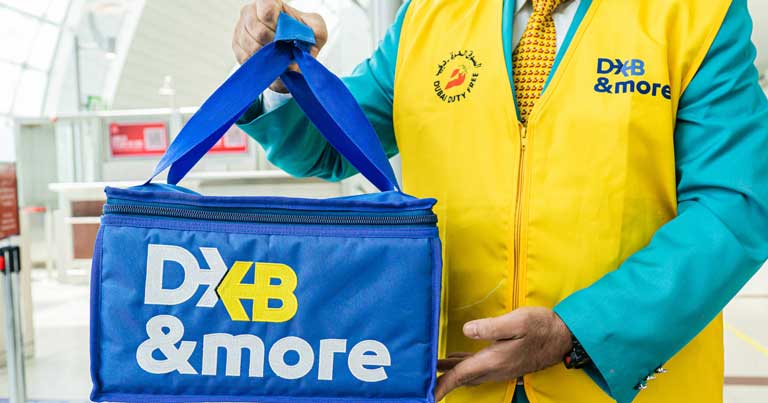
Dubai International Airport has introduced DXB Greet & Go in Terminal 3, revolutionising the way arrivals are greeted. Licensed hotels, tour operators and transport providers can now tap QR codes—replacing traditional placards—to meet guests efficiently in a dedicated arrivals area.

The initiative, officially live since early July, provides an authorised meeting zone designed to improve passenger flow and elevate hospitality standards. Dubai Airports has established this as part of its strategy to ease congestion and reduce stress at peak arrival times.

This digital-first service streamlines the reception experience: instead of waiting among crowds, drivers and host staff now scan pre-shared QR codes, guiding travellers directly to designated areas where they are met by clear signage. The system aligns with security protocols while offering better clarity and comfort.

Industry observers describe DXB Greet & Go as another milestone in Dubai’s automation and smart-performance ambitions. It complements prior enhancements—like biometric Smart Tunnels and QR-code navigation tools—designed to process high passenger volumes more swiftly while preserving a premium touchpoint.

Key regional operators have already registered. A senior operations manager at one of Dubai’s leading hospitality chains noted guest satisfaction has improved, citing fewer missed connections and faster handovers. Dubai Airports spokesperson emphasised that launch partners are primarily “licensed entities” committed to seamless, branded guest engagement.

Compliance and coordination with security teams were paramount in crafting the scheme. The dedicated meeting point follows stringent screening criteria and maintains oversight from airport operations, ensuring guest meets do not impinge on wider terminal safety. It also alleviates footfall in busy corridors, especially during peak periods.

Analysts see branding and service quality benefits. Sharply reducing wait times at arrivals enhances early impressions for high‑value guests, business travellers and VIPs—key revenues for both hotels and airport retail operators. And as QR-based systems gain traction worldwide, DXB’s approach may offer a replicable benchmark for other global gateways.

Passengers have already reported smoother arrivals. A recent poll by a GCC‑based travel blog found that 87 percent of users appreciated the clarity of designated zones and reduced crowding. Several said using the service felt more “personalised and modern”, aligning with expectations for a luxury travel experience.

Onboarding requires minimal effort: partners register via Dubai Airports’ platform, receive official QR codes linked to flight details, and station meeting personnel accordingly. QR scanning synchronises with flight schedules, activating the service only once the flight has landed and passengers have disembarked.

Dubai Airports reports the system has quickly gained traction among boutique hotels and VIP ground handlers, with expansion plans underway. Terminal 3—the main hub for Emirates—is expected to expand the service across other terminals if demand continues.

The move also integrates with existing smart journeys like DXB Express Maps, enabling visitors to navigate lounges, shops and gates by QR scanning digital kiosks. The combined effect is a frictionless experience from landing to departure, supporting ambitions to top 100 million annual passengers.

The United Arab Emirates joined the BRICS Finance Ministers and Central Bank Governors Meeting in Rio de Janeiro on 6 July 2025 under Brazil’s rotating presidency, with a focus on the global economic outlook and climate finance. Led by H. E. Mohamed bin Hadi Al Hussaini, Minister of State for Financial Affairs, the UAE delegation included key figures from the Ministry of Finance and the Central Bank of the UAE.

Al Hussaini opened his remarks by stressing the UAE’s commitment to deepening dialogue on the future of the global financial system and strengthening multilateral cooperation frameworks to face development challenges. He asserted that platforms such as BRICS provide “important opportunity to enhance global economic governance, expand access to innovative financing, and support long‑term financial stability”.

The summit’s agenda was structured into three comprehensive sessions: finance ministries, central banks, and a joint forum examining the international economic landscape, climate finance, and policy coordination. Delegates also discussed a proposal by Brazil to pilot a BRICS Multilateral Guarantee fund via the New Development Bank, aiming to mobilise private investment for infrastructure and climate-related initiatives.

In a move signalling its growing climate finance role, the UAE, alongside China, expressed intention to invest in Brazil’s Tropical Forests Forever Facility — a fund supported by BRICS to safeguard tropical forests. Leaders issued a joint statement underscoring the responsibility of developed nations to contribute to climate mitigation efforts.

Further strengthening the bloc’s role in global economic governance, BRICS finance ministers advanced a unified proposal for IMF reform. The initiative calls for a restructured quota system that reflects current global economic realities, incorporating output and purchasing power to boost representation for emerging economies. The proposal is slated for presentation at the 2025 IMF Review in December.

Discussions included plans for a cross-border payments system to enhance financial integration within BRICS, potentially reducing reliance on Western-controlled mechanisms and promoting monetary coordination among member states.

Brazilian President Luiz Inácio Lula da Silva framed BRICS as a beacon of multilateral diplomacy, likening it to the Non‑Aligned Movement, and warned against Western protectionist trends, including carbon border taxes. He emphasised that the bloc represents 40% of global output and over half the world’s population, and advocated reform of institutions like the IMF and UN Security Council.

The UAE, which joined BRICS in January 2024 and entered the NDB in October 2021, is now actively shaping the bloc’s agenda on governance, finance, and sustainability. Its support for key initiatives highlights a strategic effort to elevate its international role in emergent economies and climate action.

With Bitcoin prices soaring past $100,000 again and investor optimism at a high, the UAE’s strategic push into crypto is paying off. But what does this bull market really mean for the country’s economy, its investors, and its long-term financial future? The UAE has spent the last few years laying the groundwork to become a global crypto capital. While some countries have struggled to regulate or simply […]

Emirates Airline has formalised a strategic alliance with Crypto. com aimed at integrating Crypto. com Pay into its digital payment systems, underscoring a strong commitment to security and regulatory compliance. The partnership, set to activate next year, was marked by a Memorandum of Understanding signed by Adnan Kazim, Emirates’ Deputy President and Chief Commercial Officer, alongside Mohammed Al Hakim, President of Crypto. com’s UAE operations. The signing took place under the witness of Sheikh Ahmed bin Saeed Al Maktoum, Chairman and Chief Executive of Emirates Airline & Group, and Michael Doersam, Emirates’ Chief Financial & Group Services Officer.

Emirates’ leadership highlighted the rationale behind the move: embracing the growing demand among tech-savvy travellers and aligning with Dubai’s broader ambition to lead in financial innovation. Adnan Kazim emphasised the airline’s dedication to “meeting evolving customer preferences” and offering travelers more flexibility in payments. The integration also positions Emirates to engage with a younger demographic increasingly comfortable with digital currencies.

Crypto. com echoed this forward-looking sentiment. Eric Anziani, President and COO, described the agreement as a catalyst for wider cryptocurrency adoption in consumer finance. He welcomed Emirates as “an exceptional partner,” stressing that the integration will push momentum across the digital asset sector in the Gulf region.

The MoU outlines not only the technical integration of Crypto. com Pay but also joint marketing initiatives to increase awareness and encourage uptake. Emirates and Crypto. com intend to launch promotional campaigns aimed at customers, educating them on the convenience and security of paying with digital assets.

This collaboration reflects a broader trend within the UAE, where regulators have implemented a notable framework to encourage blockchain innovation while maintaining robust investor protection and financial system integrity. Dubai, in particular, has seen a surge in cryptocurrency utility across multiple sectors, including property, retail, and telecommunications. The MoU aligns with this ecosystem, reinforcing Dubai’s vision to be a global hub for crypto innovation.

Financial experts observing the region note that infrastructure investments, regulatory clarity, and consumer interest have driven a significant crypto inflow—valued at approximately US$34 billion between July 2023 and June 2024—suggesting strong institutional confidence. Adoption of digital payments by major consumer-facing corporations such as Emirates is seen as a transformative step in normalising cryptocurrencies as mainstream payment options.

Emirates’ approach to this partnership has been cautious yet calculated. Emphasis on security, compliance, and regulatory alignment indicates a measured strategy that places integrity at the forefront. The airline assures customers that the integration will meet “the highest security and compliance standards,” a crucial reassurance in light of global scrutiny surrounding crypto-related risks.

This is not Emirates’ first foray into strategic payment alliances. Earlier this year, the airline partnered with American Express Middle East to enhance offerings for small and medium‑sized enterprises across the Middle East and North Africa regions. The Crypto. com collaboration signals a parallel move into the emerging digital asset sphere, indicating Emirates’ growing appetite for financial innovation beyond traditional banking channels.

Industry analysts observe that including crypto payments could broaden Emirates’ appeal among adventurous travellers and those engaged in the digital economy. For Crypto. com, the partnership adds to a burgeoning presence in the GCC, enabling the company to showcase real-use cases with a prestigious flag-carrier.

The path ahead involves critical integration steps, including system upgrades, staff training, customer education, and regulatory coordination. Both parties have set a goal for full deployment by next year, providing a practical timeline for technology deployment and market engagement strategies.

To choose the best creative agency in Dubai, which is located in the center of the innovation hub of the Middle East, it is not enough to just choose a vendor; rather, it is necessary to choose a brand partner for the long term.  The city of Dubai, which is one of the most competitive, multicultural, and technologically advanced marketplaces in the world, demands advertising firms that […]

Federal Authority for Identity, Citizenship, Customs and Port Security has issued a strong and authoritative rebuttal to claims circulating that the United Arab Emirates is offering lifetime Golden Visas to certain nationalities. In its statement on 8 July, ICP emphasised that Golden Visa eligibility is strictly governed by existing laws, ministerial decisions, and official regulations. Applications are processed only via UAE government channels—no consultancy firm, internal or external, has legitimate authority to promise visa grants under simplified conditions.

The statement was prompted by alleged press releases from a foreign consultancy office claiming applicants could secure lifetime Golden Visas for all categories from abroad. ICP characterised these claims as legally baseless and made without coordination with UAE authorities. Following these claims, several Indian and UAE-based outlets reportedly published the information before the ICP clarified its position.

While ICP refrains from naming the specific consultancy, it has warned of impending legal action against entities using false promises to extract money from individuals seeking long-term residency in the UAE. “Entities spreading such false information [are] exploiting [people’s] hopes for a dignified life,” the authority stated. It urged the public to verify procedures through official sources, including its website and app, or by contacting the designated call centre at 600522222.

The ICP insisted that the Golden Visa framework remains unchanged: eligibility criteria, procedural regulations, and visa categories continue to be defined by UAE law and ministerial orders alone. The visa remains accessible only to those meeting these statutory provisions, and all processes must follow the established, government-operated digital platforms.

This response comes amid a broader pattern of misinformation regarding Golden Visa eligibility. Earlier this month, another wave of misleading reports claimed investors in digital currencies—particularly in Toncoin—had qualified for a ten-year Golden Visa by staking cryptocurrency. In response, ICP, alongside the Securities and Commodities Authority and the Virtual Assets Regulatory Authority, issued a joint statement rejecting those claims and reminded the public that cryptocurrency investment is not a recognised category for Golden Visa issuance.

Under the official programme, Golden Visa eligibility remains targeted to specific categories: real-estate investors, entrepreneurs, exceptional talents, qualified professionals, scientists and researchers, high-performing graduates and students, frontline workers, humanitarian pioneers, and notable maritime asset holders. The ICP reaffirmed that these criteria are set in accordance with legal frameworks and are unchanged by the rumours.

Despite the cross-border spread of misinformation, UAE authorities appear resolute in their commitment to transparency, integrity, and regulatory enforcement. The ICP has stated that all application processes must occur through official digital services, and only those platforms bear the authority to collect fees or accept documentation. Third-party entities claiming to facilitate visa applications risk legal consequences.

Experts underscore the potential fallout from such false claims. “Misleading promises fuel public confusion and pose reputational risks for the UAE’s visa systems,” noted one legal analyst based in Dubai, requesting anonymity. Misinformation casts doubt on the authenticity of the Golden Visa programme and could encourage fraud. UAE authorities increasingly rely on legal measures and public advisories to counteract false narratives.

The timing of this clarification aligns with heightened international interest in UAE residency schemes. In early July, news emerged that the UAE was piloting a streamlined lifetime Golden Visa pathway for Indian nationals under the UAE‑India Comprehensive Economic Partnership Agreement. Under the pilot, eligible Indian applicants could receive life-long residency without property investment, upon nomination and the payment of AED 100,000. This development appears to have driven a surge in media attention and consultation requests aimed at service providers.

While the ICP has not confirmed or elaborated on a pilot programme specific to any nationality, it advised the public to seek information strictly through official platforms. Interested parties are encouraged to consult the ICP website or app for updates on visa categories, including any new arrangements introduced under international agreements.

Signals from the UAE government reflect a dual strategy: expanding its talent- and investment-focused Golden Visa system, while firmly safeguarding procedural integrity. Through legislative collaboration, digital transformation, and cross-border trade agreements, the UAE continues to enhance its residency framework. However, officials remain vigilant against exploitation and fraudulent intermediaries.

As the visa environment evolves, clarity from ICP and associated authorities remains vital. Their recent intervention serves to remind the public that any deviations from established criteria are unauthorised and legally questionable. For those pursuing Golden Visa status, due diligence and reliance on official channels are indispensable.


Advertisements

Dubai’s ultra‑luxury real estate market surged in April to June 2025, with transactions for homes priced above $10 million reaching US $2.6 billion, a 37 % rise from the previous quarter and a 63 % increase year‑on‑year, according to London‑based researcher Knight Frank. The emirate recorded 143 such deals in Q2, up from fewer in Q2 2024, underscoring its dominance in the global super‑prime segment. Palm Jumeirah held its status as the top destination […]

Dubai‑based hospitality firm Tashas Group is entering a rapid new phase of expansion across the Middle East and South Africa, with founder Natasha Sideris spearheading a strategy that balances boutique charm with accelerated growth. Operating 40 venues in five countries—including 18 in South Africa, 17 across the UAE, three in Saudi Arabia, and single locations in Bahrain and the UK—the group plans to open a further 15 […]

Toncoin has unveiled a trailblazing ten-year Golden Visa programme in collaboration with the United Arab Emirates, allowing high-net-worth crypto investors to secure long-term residency by staking TON tokens. Applicants must commit US $100,000 worth of TON for a fixed period of three years and pay a one-time processing fee of US $35,000. The staked assets remain under holders’ control in a decentralised smart contract and may be withdrawn in full at the end of the lock‑in term.

Approved applicants are expected to obtain a ten-year residency permit within approximately seven weeks, considerably faster and more cost-effective than traditional real estate investment routes that often require more than US $500,000. Visa privileges extend to spouses, children and parents, subject to standard government charges. During the lock‑in period, investors can benefit from annualised returns estimated between 3–4 per cent.

This marks the UAE’s first blockchain‑native residency initiative, reflecting a strategic shift towards attracting high‑calibre digital‑asset investors. By tying long‑term staking of TON to visa access, the initiative aims to fortify the TON network via sustained investment while reinforcing the UAE’s reputation as an innovative, crypto‑friendly jurisdiction.

Experts suggest this move may herald a new model of residency-by-investment, linking public policy with decentralised finance. It could prompt other nations to pursue blockchain‑based residency pathways, reshaping global strategies in investment migration.

The programme addresses legal and regulatory concerns: staking occurs through a decentralised smart contract verifiable on the TON blockchain, and all application and staking procedures take place exclusively via Toncoin’s official website to protect against fraud.

For participants, the appeal lies in combining stable residency with liquidity and yield. Unlike property‑based Golden Visas—which demand large capital and tie up assets—the TON pathway offers asset flexibility. Investors retain control of their tokens, receive modest returns, and avoid holding illiquid real estate.

The partnership arrives at a critical stage for both parties. The TON network is actively seeking to expand its user base and institutional credibility, while the UAE continues to promote itself as a global hub for digital asset innovation. Leveraging the visa incentive may draw both high‑net‑worth individuals and entrepreneurial crypto talent to contribute to the local blockchain ecosystem.

Initial market response has been positive. TON’s price reportedly rose by around 5 per cent following news of the partnership, signalling investor optimism about both demand for TON and confidence in the UAE’s adoption strategy. Trading volume also spiked, indicating intensified market activity around the token.

Analysts caution, however, that crypto‑volatility could affect returns. The estimated 3–4 per cent APY depends on token price stability during the staking period. A significant market downturn could erode incentive value, potentially discouraging participants.

Long‑term credibility will hinge on seamless visa processing and continued operational transparency. While seven‑week approval is promising, execution must consistently match the timeline. The emphasis on official platforms and smart‑contract security aims to build user trust, but the unknown remains whether demand will justify sustained asset flow into staking.

Backers of the initiative view it as a strategic alliance between public sector and crypto innovation. The UAE gains by attracting financial and intellectual capital; TON benefits from enhanced staking support and elevated legitimacy. The broader blockchain community may see this as a template for combining financial incentives with regulatory alignment.

Dubai and Abu Dhabi have emerged as epicentres of a pioneering surge in electric air taxi trials, with two leading US firms—Joby Aviation and Archer Aviation—making significant strides toward establishing urban air mobility networks in the Emirates. Both pilots mark landmark achievements in eVTOL technology, underscoring the UAE’s ambition to lead the field by the mid-2020s.

Joby Aviation achieved a milestone in Dubai by completing its first manned transition flights. The aircraft executed full vertical take‑off, horizontal cruising and vertical landing sequences, signalling readiness for commercial operations as early as 2026. With a range reaching 160 km and cruise speeds up to 320 km/h, these flights demonstrate capability to transform journeys such as those between Dubai International Airport and Palm Jumeirah—cutting travel time from 45 minutes by road to around 12 minutes by air. Joby’s entry follows a six-year exclusivity agreement with Dubai’s Roads and Transport Authority, aligned with infrastructure build-out including a vertiport at DXB.

Almost simultaneously in Abu Dhabi, Archer Aviation conducted its inaugural test flight of the Midnight eVTOL at Al Bateen Executive Airport. The design, a carbon‑fibre‑skinned craft powered by multiple independent motors and battery packs, was evaluated under extreme climate conditions—high temperatures, humidity and dust—to validate UAE‑specific operational readiness. Emirati authorities, including personnel from the General Civil Aviation Authority, Abu Dhabi Investment Office and Abu Dhabi Airports, observed the flight, reinforcing the regulatory support behind the project.

Archer is impressively backed by institutional investors and strategic partnerships, having raised nearly US$2 billion, including funding from Stellantis, United Airlines and Abu Dhabi’s 2 Point Zero, positioning it well to deploy a “Launch Edition” fleet of air taxis in Abu Dhabi in early 2026. Its Midnight aircraft can accommodate one pilot and four passengers, reach speeds of up to 240 km/h, and recharge rapidly between Flights.

Dubai and Abu Dhabi’s dual-hosting of these test flights underscores a competitive yet complementary approach to cultivating the UAE as a global urban air mobility hub. Joby holds exclusive Dubai rights, while Archer has pledged infrastructure investment in Abu Dhabi, including converting facilities like the Cruise Terminal helipad into dual-use vertiports. Both firms enjoy the government‑backed Smart and Autonomous Systems Council and its SAVI cluster as key enablers.

Challenges persist: both operations require final regulatory approvals, sustainable vertiport rollout, and demonstration of consistent performance under harsh environmental conditions. Financial markets have already factored in execution risks; for example, Morgan Stanley moderated its price target for Joby amid aerospace supply-chain pressures. Yet ambitions remain bold. Joby is advancing FAA certification and aims to launch in other global markets, such as New York and Los Angeles, once Dubai begins operations. Meanwhile, Archer is linking global playbooks, forming networks with United Airlines and gearing for Olympic deployment in Los Angeles.

As both eVTOL manufacturers drive testing deeper into summer, UAE regulators are working in parallel to issue flight clearances. Joby’s vertiport in Dubai is set for Q1 2026 completion, while Aviation Authorities in both emirates coordinate type certifications.

The nation’s progressive embrace of air taxis represents a strategic leap in sustainable urban transit. Quiet, electric, zero-emission profiles align with broader UAE clean‑tech objectives. With ambitions to integrate these vehicles into daily commutes, airport shuttles and even rescue missions, policymakers are betting on airborne mobility becoming a normalised, accessible element of future transport regimes.

A landmark regulation issued by the UAE General Civil Aviation Authority introduces the world’s first official framework enabling electric Vertical Take-Off and Landing aircraft and conventional helicopters to operate interchangeably using the same infrastructure. This innovation positions the nation at the forefront of the global Advanced Air Mobility revolution, merging cutting-edge technology with established aviation systems. At the heart of this framework lies the decision to permit […]

Abu Dhabi, Dubai – The United Arab Emirates has climbed to second place in the 2025 VisaGuide Digital Nomad Visa Index, surpassing established destinations such as the Bahamas, Hungary, and Montenegro, and trailing only Spain. This ascent reflects the UAE’s strategic pivot from an oil-driven economy to a digital-first global destination, underpinned by technological infrastructure, favourable tax regimes, and quality of life enhancements.

With a score of 4.48 out of 5, the UAE trails Spain’s top score of 5.00 on the index. VisaGuide’s assessment considered six key factors: cost of living, visa income thresholds, taxation policies, internet connectivity, healthcare provisions, and tourism appeal. Among these, the UAE excels particularly in internet speed—the highest among index participants—and its zero income tax environment.

Industry experts highlight the UAE’s Virtual Working Programme as central to its success. The visa requires applicants to demonstrate a monthly income of at least USD 5,000, but offers long-term stability with a one-year renewable visa and a pathway to tax residency after 183 days of occupancy. As a result, the nation is increasingly perceived as a strategic location for professionals seeking financial efficiency and high-speed connectivity.

Beyond the index metrics, the UAE has invested heavily in public–private partnerships aimed at improving urban liveability. Smart city initiatives in Dubai and Abu Dhabi have brought upgrades to healthcare, public transport, cultural amenities, and green spaces—features that cater to both expatriates and nomads. Local business leaders report rising demand for flexible work hubs, with coworking operators expanding operations across the emirates to accommodate this new demographic.

At the same time, the nation’s positioning as a global events centre—hosting high-profile conventions, sporting events and art exhibitions—has enhanced its appeal. The UAE now markets itself as a lifestyle destination which balances professional infrastructure and cultural vibrancy.

Global digital nomad trends further bolster the UAE’s rise. Industry reports suggest there are now between 40 and 80 million digital nomads worldwide, with significant proportions working in full-time remote positions. The majority are aged between 25 and 44, well-educated, and drawn to locations offering work–life synergies, cost-efficiency and mobility—all areas where the UAE measures strongly.

Nevertheless, some critique remains. The USD 5,000 income requirement places the UAE out of reach for lower-earning nomads, in contrast to more accessible programmes in Eastern Europe or Latin America. That said, proponents argue the premium threshold aligns with the UAE’s higher cost of living and positions the country as a destination for highly skilled professionals capable of contributing to its Vision 2030 economic diversification goals.

VisaGuide’s shift in ranking—from fourth place in 2023 to second in 2025—signals a rapidly evolving policy landscape. Since launching the Virtual Working Programme in mid-2021, the government has continued refining visa issuance processes, digitising applications, and exploring expanded visa durations and multi-entry permits. Such developments are likely to reinforce the UAE’s standing as a top-tier remote-work hub as demand continues to grow.

Looking ahead, rising competition from Spain and Montenegro—which offer lower income thresholds and EU access—suggests the UAE must maintain its digital edge. Experts recommend continued investment in affordable living solutions, broadband enhancements, and nomad-focused community services. The introduction of satellite cities and regional hubs is also under consideration to spread digital infrastructure beyond the emirate centres.

For aspiring nomads plotting their next move, the UAE’s rapid climb sends a clear message: remote work is no longer tethered to temperate climates or journey-to-work simplicity. With its borderless toolkit—tax freedom, connectivity, modern urbanism—it has repositioned itself as a compelling alternative to traditional European destinations.

Heads of government gathered in Rio de Janeiro for the 17th BRICS summit on 6–7 July 2025, yet Iran’s President Masoud Pezeshkian will not attend in person, opting to join virtually amid escalating regional tensions. This marks a notable shift in IRGC diplomatic strategy and signals Tehran’s cautious engagement with the global bloc. Brazilian host Lula da Silva extended formal invitations to all member nations, including Iran. […]

Amazon has unveiled a new mobile‑only shopping section called Bazaar within its Amazon. ae app in the UAE, delivering value‑focused products across fashion, home and lifestyle categories. Launching initially in beta for select users, the platform offers items priced mostly under AED 25, with some starting at just AED 4, alongside tiered savings, fast delivery, and a 15‑day returns policy.

Stefano Martinelli, Vice‑President of Amazon MENA, said Bazaar is meant to be “fun and effortless to browse”, offering the trusted reliability of Amazon combined with surprising value. A launch‑month promotion grants shoppers a 25 per cent discount across all Bazaar purchases in July.

Accessible via the “Bazaar” icon in the Amazon. ae app or by searching “Bazaar”, the platform also supports browsing on mobile web at amazon. ae/bazaar. Desktop users must scan a QR code in the browser to open the feature within the app.

Bazaar has its own search, cart and checkout system, distinct from the main Amazon experience. The interface is vibrant and purpose‑built for quick deal discovery. The platform integrates reviews and star ratings to aid user decisions.

Delivery is standard across Amazon Bazaar accounts: orders above AED 90 qualify for free shipping and typically arrive within 6–12 days. Returns are free within 15 days for most products.

Beyond initial price advantage, Bazaar encourages bulk purchases with automatic discounts: 5 per cent off orders over AED 150, and 10 per cent off for orders over AED 300. Combined with the launch‑month 25 per cent promotion, savings can accumulate significantly.

In the UAE’s booming e‑commerce environment—forecast to exceed US$ 13.8 billion by 2029—Bazaar positions Amazon to capture more bargain‑seeking consumers, complementing existing daily‑need offerings.

Dharmesh Mehta, Vice‑President at Amazon, referred to the local variant as Amazon Bazaa r or “Amazon Haul” as in other markets, noting its alignment with prior launches in the US, UK, Germany and Saudi Arabia. Gulf Business, Khaleej Times, What’s On, Times of India and Arabian Business all report that Bazaar has launched in the UAE over the past week, emphasising its mobile‑first approach and bargain pricing.

Analysts say the platform could strengthen Amazon’s value proposition in the region and give competitors like Noon, Carrefour, and Mumzworld a run for their money in the low‑cost segment. Bazaar’s playful app interface—especially its “crazy‑low” deals and under‑AED 25 “super savers” sections—appeals to price‑sensitive shoppers.

Iran has reopened its airspace and most airports to domestic and international flights after a total shutdown that began on 13 June amid escalating hostilities with Israel. Transit operations over central and western regions are permitted between 05:00 and 18:00 local time, though services from Isfahan and Tabriz remain on hold until essential safety measures are reinstated.

Authorities confirmed that both Mehrabad and Imam Khomeini airports in Tehran, alongside facilities in the north, east, west and south, are now operational during daylight hours. Western and central corridors are open solely to international transit flights, while eastern airspace had already been accessible continuously. Domestic flights to and from Tehran and regional airports will resume once infrastructure is fully restored in line with civil aviation guidelines.

The closure followed a series of Israeli airstrikes on Iran—targeting nuclear sites, missile production facilities and senior military figures—which prompted a robust Iranian response and prompted precautionary airspace closures across neighbouring nations, including Iraq, Jordan and the Gulf states. Airlines rerouted or cancelled flights as a prelude to the region-wide suspension of air travel.

A ceasefire that took effect on 24 June gradually paved the way for these reopenings. Initial access was granted to the eastern region on 25 June, subsequently extended to central and western sectors by 28 June. However, intermittent military alerts and infrastructure disruptions have delayed full normalisation, particularly in Isfahan and Tabriz, where further runway and navigation enhancements are ongoing.

The staggered reopening reflects Tehran’s cautious approach. Majid Akhavan, a spokesman for the Ministry of Roads and Urban Development, made it clear that air traffic remains under stringent review. He urged travellers to monitor official announcements and refrain from heading to airports until confirmed schedules are issued, citing lingering security concerns.

Flight carriers are cautiously recalibrating their routes. Dubai-based Emirates, while slated to resume flights to Tehran on 5 July, continues to suspend services citing regional instability. Air Arabia, flydubai and other Gulf-based airlines are restoring routes to Iran incrementally, yet remain poised to implement rapid reroutes if tensions escalate. India’s airlines, affected by reroutes over Pakistan earlier this year, are closely tracking developments as Iran reopens key air corridors.

The restoration also supports humanitarian efforts, as demonstrated in June when Iran temporarily opened its airspace for Operation Sindhu, aiding the evacuation of around 1,000 students via charter flights. That exception underscored a willingness to prioritise civilian movement despite the turbulent context.

Analysts indicate that Iran’s role as a major air transit hub linking Europe and Asia makes its airspace a strategic asset for global aviation. The closure had already prompted prolonged flight schedules, increased operational costs and forced carriers into longer routes over Central Asia or Gulf nations. Renewed access is expected to alleviate congestion, reduce costs and enhance connectivity—provided the ceasefire endures.

Security remains the overriding determinant. The aftermath of Israeli strikes revealed Iranian air defences were significantly degraded, prompting internal crackdowns, arrests and increased surveillance across Tehran. This atmosphere continues to inform aviation authorities and airlines evaluating the risks of resuming services fully.

As daylight flight operations proceed, aviation experts caution that any flare-up could trigger speedier closures than in June. The Ministry has signalled readiness to reinstate restrictions at short notice. Safety advisories emphasise real-time assessments of missile threats, missile defence readiness and diplomatic ties.

HAIKOU, CHINA – Media OutReach Newswire – 3 July 2025 – This summer, journalists and photographers from the United States, Japan, South Korea, Spain, the United Arab Emirates, and other countries gathered at China’s Hainan Free Trade Port, experiencing firsthand the vibrant pulse of its industrial development. The international media team immersed itself in the colorful experience that the “cool island” of Hainan offered in summer. (Photo […]

Economic indicators confirm that the UAE’s non‑oil private sector maintained growth in June, as the S&P Global Purchasing Managers’ Index rose to 53.5 from 53.3 in May. A reading above 50 denotes expansion, illustrating continued momentum despite mounting headwinds from regional instability. Amid rising output, firms are focused on easing backlogs even as new orders decelerate to their slowest pace in nearly four years. The PMI sub‑index […]

Archer Aviation completed a successful test flight of its Midnight electric vertical take-off and landing aircraft at Al Bateen Executive Airport in Abu Dhabi, advancing its push to establish commercial air taxi operations in the UAE. The trial flight marked the first time the company has operated the Midnight aircraft under Middle Eastern environmental conditions, demonstrating its airworthiness and operational viability in one of the world’s most challenging climates.

The test flight was designed to evaluate the aircraft’s vertical lift and descent capabilities while enduring extreme heat, high humidity levels, and airborne dust — factors that are critical to address for obtaining certification in the UAE. The company said these environmental stressors, particularly in the summer season, present unique challenges not faced in temperate regions, and their successful navigation is essential for regional rollout.

With support from the UAE’s Smart and Autonomous Systems Council, Archer Aviation conducted the operation in the presence of officials from the General Civil Aviation Authority, the Abu Dhabi Investment Office, the Integrated Transport Centre, Abu Dhabi Airports, and Abu Dhabi Aviation. Several of Archer’s regional partners also attended, underscoring the strategic significance of the flight for the broader effort to integrate urban air mobility into the UAE’s transportation ecosystem.

This development is part of a broader expansion plan by Archer Aviation, which aims to commence commercial operations in the UAE within the next year. The company confirmed that more flight tests will follow in the coming months as it works toward regulatory approval. These tests will build on data gathered during the Al Bateen flight and are aimed at fine-tuning the aircraft’s performance and ensuring compliance with the UAE’s civil aviation standards.

Archer’s Midnight aircraft is a four-passenger, one-pilot eVTOL designed to reduce urban congestion by providing an environmentally sustainable alternative to short-haul ground transport. It operates entirely on electric power and has a claimed range of around 100 miles, though it is optimised for rapid trips of around 20 miles, enabling multiple short urban hops on a single charge. The company has highlighted its low noise profile and rapid recharge time as key advantages for integration into densely populated cities.

The Abu Dhabi test forms part of a larger strategic partnership between Archer and Abu Dhabi authorities, with the emirate positioning itself as a pioneer in urban air mobility. The Abu Dhabi Investment Office has previously announced financial and regulatory backing for companies involved in the advanced air mobility sector, aiming to transform the capital into a hub for emerging aerospace technologies. Archer’s work is also aligned with the UAE’s long-term vision to build a diversified, innovation-driven economy, especially in sectors like aerospace and smart mobility.

The involvement of multiple UAE transport and aviation stakeholders in the test flight indicates strong institutional interest in accelerating the commercialisation of eVTOL technologies. Abu Dhabi has been actively working to establish the regulatory, financial, and operational groundwork required to deploy air taxis, including digital airspace management systems and vertiport infrastructure. The city’s integrated approach, bringing together regulatory bodies, investors, and transport operators, is viewed by industry experts as a model for emerging air mobility ecosystems globally.

This milestone for Archer also arrives amid growing international competition in the eVTOL space. Companies such as Joby Aviation, Vertical Aerospace, and Lilium are developing similar platforms, with plans to launch air taxi services in urban centres worldwide. However, the harsh environmental conditions in the Gulf region offer a unique proving ground for aircraft performance, and successful operations in Abu Dhabi may serve as a powerful validation for the Midnight platform in other markets with extreme climates.

Archer has previously announced its intention to base a portion of its operations in the UAE, including flight testing, pilot training, and maintenance services. The company is also working on joint ventures and local partnerships to support these initiatives, suggesting a long-term commercial and logistical commitment to the region. Discussions are underway to align with regional airports and private operators to facilitate a network of air taxi routes, which could link major business hubs, residential zones, and tourist attractions across the UAE.

Aldar Investment has sealed the acquisition of 17 high‑quality warehousing and light industrial units from Waha Capital for AED 530 million, immediately expanding its net leasable area by 182,500 sq m at Almarkaz Industrial Park in Al Dhafra, Abu Dhabi. The assets, now near full occupancy, welcome a mix of international, regional and government-related tenants, reinforcing Aldar’s logistics footprint across the UAE. The Almarkaz site spans six million sq m and operates under […]

Dubai Holding has sealed a strategic agreement with Select Group and Emirates Strategic Investments Company to develop flagship residential and mixed‑use communities at Palm Jebel Ali and Dubai Design District. This marks Dubai Holding’s inaugural sale of strategic land at Palm Jebel Ali to an external developer, reflecting the emirate’s ambitious urban growth ambitions.

Select Group, in partnership with ESIC, will manage two major projects: a high‑end waterfront residential and hospitality enclave across seven islands and 16 fronds at Palm Jebel Ali, featuring over 90 km of beachfront spanning 13.4 km; and a dynamic, culture‑driven mixed‑use district in d3 designed to integrate innovation, creativity and modern urban living.

Khalid Al Malik, CEO of Dubai Holding Real Estate, emphasised that Palm Jebel Ali would “elevate Dubai’s global reputation as a premier waterfront destination,” and called the tie‑up with Select Group a critical step in aligning with the emirate’s broader vision under its 2040 Urban Master Plan and Economic Agenda D33. Rahail Aslam, Chairman of Select Group, described the deal as advancing the firm’s strategy to deliver “design‑forward, high‑impact” developments in key growth corridors.

Work on design and planning is underway for both locations, with further specifics on architecture, timelines and phasing due to be released in the coming months. Select Group brings experience from high‑end developments like Six Senses Residences at Palm and Dubai Marina, and Peninsula in Business Bay.

Palm Jebel Ali is being positioned as a new growth corridor in Jebel Ali and will combine luxury coastal living with pedestrian‑friendly, mixed‑use neighbourhoods, offering panoramic views of the Arabian Gulf. d3, recognised globally as part of Dubai’s UNESCO Creative City of Design network, will expand its creative ecosystem, offering residents skyline views including Burj Khalifa and further solidifying Dubai’s reputation as a hub for design and innovation.

The agreement reinforces Dubai Holding’s mission to unlock long‑term value from its master‑planned initiatives by collaborating with private developers and aligns with its goals of sustainable urban expansion. It also complements related infrastructure developments, such as the district cooling joint venture between Dubai Holding Investments and Tabreed at Palm Jebel Ali, initiated in March 2025, aimed at delivering efficient, sustainable cooling capacity expected to commence operations by 2027.

Select Group’s role in the development highlights a strategic evolution from project delivery to comprehensive neighbourhood creation. That approach reflects a growing trend among developers to craft holistic lifestyle destinations rather than standalone buildings. This shift speaks to evolving investor preferences for immersive, value‑oriented environments.

Abu Dhabi has claimed the top spot, with Dubai close behind, in a ranking of 97 global markets compiled by Cushman & Wakefield in its 2025 Global Data Center Market Comparison. The analysis, which evaluated 20 critical factors—from power availability and fibre connectivity to development pipelines and land pricing—places Abu Dhabi first and Dubai second among emerging data centre markets.

The report highlights a surge in demand for digital infrastructure, driven primarily by hyperscalers, cloud providers and burgeoning AI workloads. Abu Dhabi stands out with exceptional scores for power delivery timelines and cost-effective land, placing it at the very top of the emerging markets category. Dubai, closely following, benefits from robust fibre connectivity and an accelerating development pipeline.

Power availability remains the most pivotal concern across the industry. The study indicates that markets with secure, rapid power delivery attract developer attention, particularly where leading markets are experiencing delays in grid expansion. Abu Dhabi’s superior performance in this metric has become a magnet for hyperscale players and colocation operators alike, while Dubai earns marks for its strategic integration of infrastructure and favourable regulatory policy.

Pre-leasing rates further support the UAE’s ascendancy. Both Abu Dhabi and Riyadh report pre-commitments exceeding 70% on under-construction capacity, a figure surpassing most emerging markets and rivalled only by select Western hubs. This signals strong occupier confidence, as large tenants lock in space well ahead of completion.

Regional momentum is reinforced by Research and Markets, which notes that Abu Dhabi currently accounts for nearly 40% of the UAE’s upcoming data centre power capacity, with an additional 60 MW projected by the end of 2025. Sector observers estimate cumulative investment in UAE-based facilities will approach US $2.5 billion by 2026.

Global trends underscore the link between power constraints and shifting demand. While longstanding markets such as Northern Virginia and Chicago continue to dominate in operational capacity, power scarcity is pushing hyperscalers into newer regions. In Europe and APAC, markets with strong power fundamentals—particularly those offering renewable options—have seen elevated pre-leasing and accelerated construction.

In EMEA, nine of the 97 markets reviewed boast pre-lease ratios above 50%, with Milan and Berlin achieving full commitments on live builds. However, Abu Dhabi’s combination of policy support, infrastructure coordination, and land pricing renders it the leading emerging centre. Dubai’s consistent performance spots it firmly in second place.

Local dynamics also support the UAE’s climb. Emerging Middle Eastern hubs benefit from coordinated government strategies: jurisdictions like Abu Dhabi and Dubai leverage economic zones, expedited permitting, and public-private partnerships to secure both digital and energy infrastructure. These are precisely the variables weighed in the 20-factor comparison.

UAE operators are actively building modern facilities to meet new IT standards and power densities. Major entities—including government-backed developers and international names—are focused on deploying Tier III and IV facilities equipped for high-power AI use‑cases. Expectations of sovereign AI zones are further heightening the appeal of these markets among institutional and hyperscale tenants.

Regional competitors, notably Riyadh, also demonstrate strong demand fundamentals. Yet Abu Dhabi and Dubai maintain a lead in deliverability: Abu Dhabi tops the emerging list overall, with superior scores in pre-leasing, fibre availability, and land affordability. Dubai’s edge lies in its connectivity, depth of occupier demand, and policy predictability.

The broader global picture reveals a shift from established hubs to power-rich emerging sites. Worldwide operational IT load now exceeds 40 GW across the tracked markets, yet established centres still dominate capacity. Emerging markets, particularly in the Middle East, have closed ground fast, thanks to streamlined supply chains, liberal regulatory environments, and readiness for power-intensive workloads.

By Nitya Chakraborty Prime Minister Narendra Modi faces a tough task in improving India’s image as defender of the interests of Global South at the coming meeting of the BRICS at Rio de Janeiro in Brazil on July 6 and 7 which he will be attending. The 17th BRICS summit will be hosted by Brazil […]

Arabian Post Staff Amazon UAE has introduced Amazon Bazaar, a budget‑friendly shopping hub embedded within the Amazon.ae mobile app, offering users a curated selection of fashion, lifestyle and homeware products—most priced at AED 25 or less, with some deals dropping to AED 4. The new Bazaar section operates independently within the app, featuring its own search, cart and checkout systems. Launched in beta for select UAE customers, it is […]

VISHNU RAJA
RYO YAMADA
HITORI GOTOH
IKUYO KITA