News related to
Emirates

Russia is hosting the latest BRICS summit in a strategic demonstration of strength and unity as it seeks to challenge the geopolitical dominance of the West. The BRICS group – comprising Brazil, Russia, India, China, and South Africa -has evolved beyond its original purpose as a coalition of rapidly developing economies. Initially founded to represent economic growth prospects, BRICS has since transformed into a powerful geopolitical forum, […]

Britain’s wealthy are increasingly eyeing the UAE as a prime destination for relocation, with over 800 high-net-worth individuals (HNWIs) expected to make the move in 2024. The UAE, renowned for its strategic location, luxurious lifestyle, and favorable tax policies, has become a top choice for millionaires worldwide. The Henley Private Wealth Migration Report reveals that this year, the UAE will welcome a record-breaking 6,700 millionaires, of which […]

Air India is implementing a comprehensive restructuring of its airfare policies, covering all cabin classes, amid its ongoing efforts to enhance its global presence and profitability. This shift comes in the context of the airline’s broader plans under the Tata Group to integrate services with Vistara and streamline operations. The changes reflect a strategic push to attract a diverse range of passengers, including premium, budget, and corporate travelers.

As part of this overhaul, Air India is simplifying its fare structures across Economy, Premium Economy, Business, and First Class, introducing more transparent pricing tiers that provide passengers with clearer value propositions. The airline aims to improve customer engagement by ensuring that ticket prices across its global network are competitive while delivering a higher standard of service onboard. The restructuring includes expanding its flexibility options for Economy passengers and improving the availability of premium services for frequent flyers.

In Economy class, Air India is now offering greater flexibility in ticket choices, introducing distinct tiers for passengers with varying needs, such as free baggage, meal services, and flexibility on changes and cancellations. This move is designed to make air travel more accessible while allowing customers to personalize their experiences based on their requirements and budgets.

Premium Economy, a class that has gained significant popularity on international routes, will also see enhancements. Air India is revising its fare structures to provide more competitive rates and improved onboard services, such as more spacious seating, additional baggage allowances, and enhanced meal options, appealing to passengers seeking a mid-tier experience between Economy and Business Class.

Business and First Class passengers are expected to benefit the most from this policy restructuring. The airline has committed to upgrading its premium services across these classes, particularly focusing on improving the inflight experience with better meal options, entertainment, and more personalized services. By enhancing its premium product offering, Air India aims to capture a larger share of the corporate travel market, which is seeing a gradual recovery post-pandemic.

The changes coincide with the broader integration of Vistara into Air India’s operations. As Vistara’s routes and services are absorbed into Air India, starting November 2024, passengers will notice more uniformity in fares and service levels across the combined airline. This integration is set to streamline operations while maintaining the customer-centric approach both airlines have championed. Additionally, frequent flyers from Vistara will find their loyalty points transferred to Air India’s Flying Returns program, ensuring continuity in customer rewards.

The restructuring aligns with Air India’s efforts to transform itself into a leading global airline. Under the ownership of the Tata Group, which took over the airline in 2022, Air India has embarked on an aggressive turnaround plan aimed at regaining its position in the international market. In tandem with these changes, the airline has placed a significant aircraft order to renew and expand its fleet, adding more fuel-efficient planes that will support its long-haul routes.

Part of the fleet expansion includes the introduction of wide-body aircraft that are better suited for long-haul international travel, offering a more comfortable experience for premium passengers and greater seating capacity for economy travelers. This expansion aligns with the airline’s goal to serve more destinations in Europe, North America, and Asia-Pacific, positioning itself as a major player in the international aviation market.

The fare restructuring is also expected to better align Air India’s pricing with global standards, making it more competitive against international carriers such as Emirates, Qatar Airways, and Singapore Airlines. Air India’s management has emphasized that the new policies aim to balance affordability with service excellence, ensuring that the airline can cater to a diverse demographic while maintaining profitability.


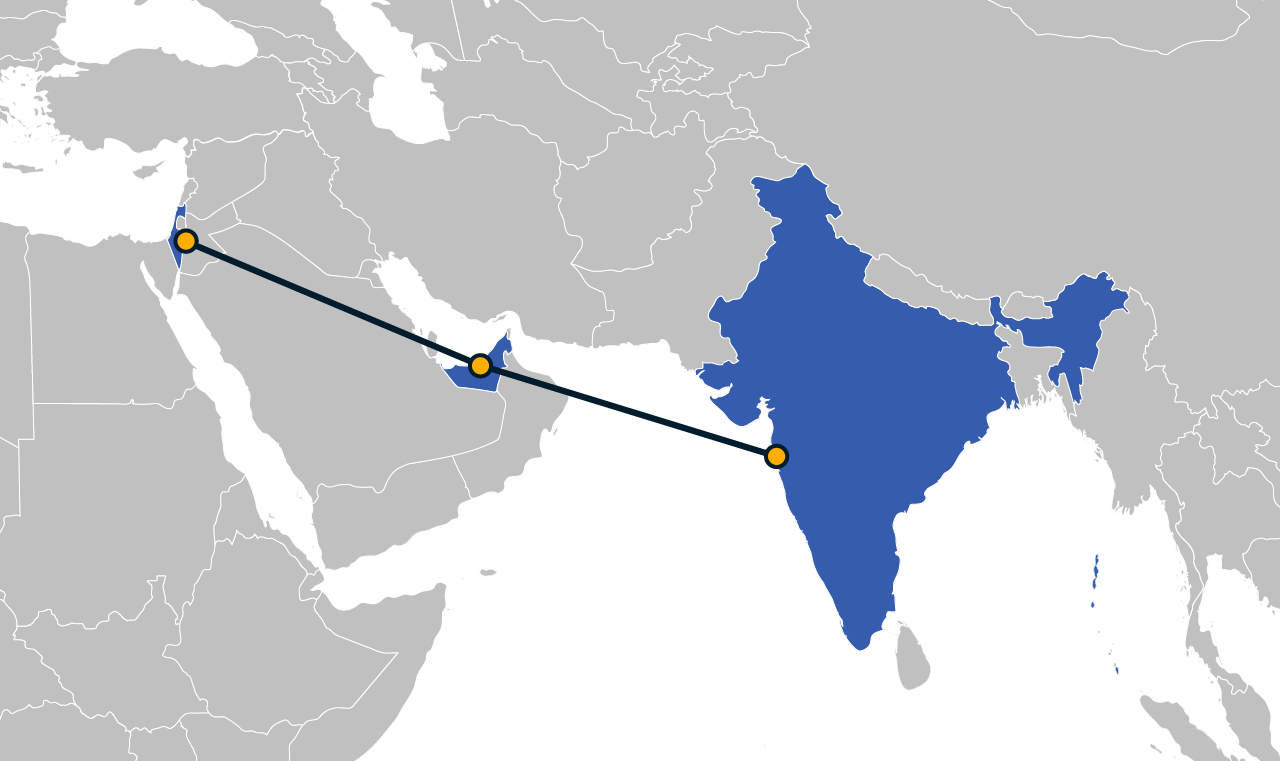
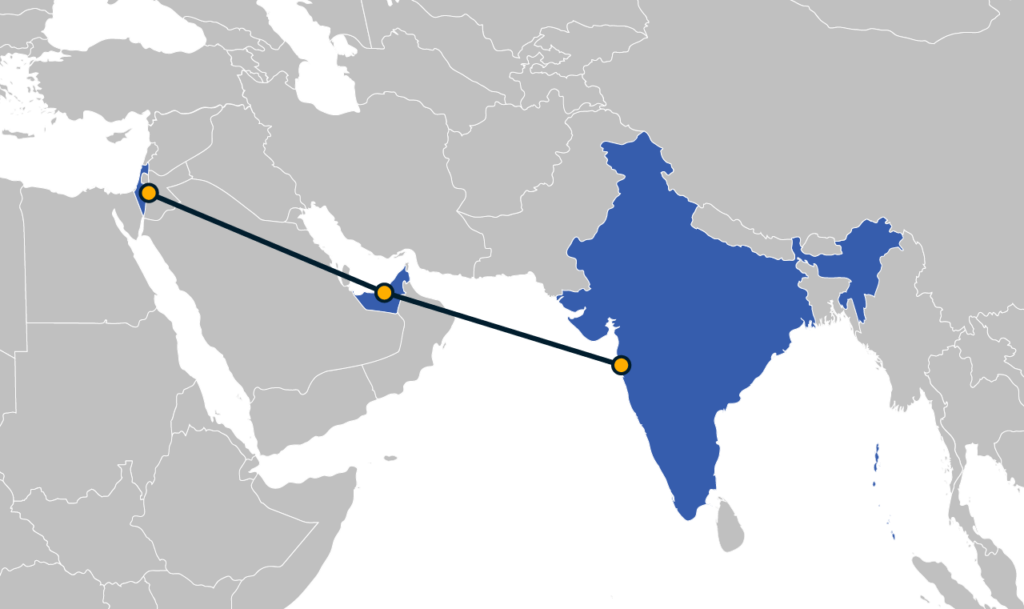
By Nantoo Banerjee It is good to note that the proposed India-UAE food corridor has already roped in a third partner, Israel. The project is expected to eventually involve the United States as well. The US was a key initiator of the historic four-nation I2U2 virtual summit in July 2022 bringing together leaders of India, […]

Emirates has made a significant investment in its cargo capabilities by ordering five additional Boeing 777 freighters, marking a strategic move to enhance its air freight operations. This latest acquisition will expand the airline’s freighter fleet to 21 aircraft by the end of 2026, allowing it to meet growing global demand for air cargo services. The new freighters are expected to deliver improved efficiency and capacity, supporting Emirates’ commitment to providing reliable and high-quality logistics solutions.

The decision to enhance the fleet comes amid a surge in e-commerce and a rise in international trade, factors that have contributed to increased demand for air freight services. As global supply chains evolve, airlines are adapting to changing market dynamics, and Emirates is no exception. The Boeing 777 freighter, known for its operational efficiency and cargo capacity, is a popular choice among airlines looking to optimize their cargo operations.

Emirates SkyCargo, the cargo division of Emirates, has been at the forefront of this growth, leveraging its extensive network to facilitate the transport of goods worldwide. The division has invested in modernizing its fleet and expanding its facilities to accommodate the needs of its customers. By introducing additional freighters, Emirates aims to solidify its position as a leader in the air cargo market.

The order for the new 777 freighters is part of Emirates’ broader strategy to expand its cargo operations. The airline has been actively increasing its capacity to handle a diverse range of goods, from perishables to pharmaceuticals. The 777 freighter can carry up to 102 metric tons of cargo, making it well-suited for transporting high-volume shipments.

Market analysts have highlighted the importance of air cargo in the global supply chain, particularly in the wake of disruptions caused by the pandemic. The resilience of the air freight sector has become evident as businesses increasingly rely on fast and efficient transportation of goods. Emirates’ investment reflects its confidence in the recovery and growth of the global economy, as well as its commitment to meeting the demands of its customers.

Emirates’ freighter fleet expansion aligns with industry trends that show a robust recovery in air cargo volumes. According to the International Air Transport Association (IATA), air cargo demand remains strong, driven by the ongoing e-commerce boom and a shift in consumer behavior. The IATA has reported that air freight is not only resilient but also a crucial enabler of trade, providing businesses with the ability to reach global markets swiftly.

The new freighters will support Emirates SkyCargo’s operations across its extensive network, which spans six continents. The airline currently operates in over 130 destinations, offering a range of logistics services tailored to the needs of different industries. Emirates SkyCargo has established itself as a trusted partner for businesses seeking reliable air freight solutions.

In addition to expanding its fleet, Emirates has also invested in infrastructure improvements at its hub in Dubai. The Dubai International Airport has undergone significant upgrades to enhance its cargo handling capabilities. These enhancements include state-of-the-art facilities for temperature-sensitive goods and specialized handling processes for fragile and high-value items. Such investments are essential for maintaining the airline’s reputation for quality and reliability.

Industry experts predict that the demand for air cargo will continue to rise in the coming years, driven by factors such as globalization, increasing consumer expectations, and the need for rapid delivery. This positive outlook has prompted airlines to invest heavily in their freighter fleets and logistics capabilities.

Emirates’ commitment to sustainability is also reflected in its fleet expansion strategy. The airline has been actively pursuing initiatives to reduce its carbon footprint and improve operational efficiency. The new Boeing 777 freighters are designed with advanced technology that enhances fuel efficiency, contributing to Emirates’ goals of sustainable aviation.

As Emirates prepares to welcome the new freighters into its fleet, it remains focused on providing exceptional service to its customers. The airline’s dedication to innovation and quality service has garnered it a loyal customer base, further strengthening its position in the competitive air cargo market.

Growing economic ties between Russia and the United Arab Emirates (UAE) are underscored by a notable increase in trade, which has reportedly tripled over the last three years, according to President Vladimir Putin. This significant surge in bilateral commerce reflects a strengthening partnership that encompasses various sectors, including energy, agriculture, and technology. Both nations have shown a commitment to further expanding these economic relations, particularly in the […]

Dubai-based Emirates SkyCargo has announced a significant expansion of its cargo operations with a new order for additional Boeing 777F freighters. This move underscores the airline’s commitment to enhancing its global logistics capabilities and meeting the increasing demand for air freight services. The deal is expected to bolster Emirates SkyCargo’s position as a leading player in the global air cargo industry, which has witnessed remarkable growth amid […]

Advertisements

KUALA LUMPUR, MALAYSIA – Media OutReach Newswire – 17 October 2024 – BRICS represents a formidable economic bloc that significantly influences global trade and geopolitics. In January, the alliance of Brazil, Russia, India, China, and South Africa formally welcomed Egypt, Ethiopia, Iran, and the United Arab Emirates into its fold. Recent discussions have focused on expanding BRICS to include nations like Malaysia and Indonesia, presenting these countries […]

By Nitya Chakraborty Prime Minister Narendra Modi is attending the summit of the expanded BRICS block at Tatarstan city of Kazan in Russia on October 22 to 24 to be hosted by President Putin. This summit is of crucial importance for both the Indian PM as also the President Putin. Narendra Modi is attending it […]

First Abu Dhabi Bank (FAB), the largest lender in the United Arab Emirates, has reported a remarkable performance for the third quarter of 2024. The bank posted a net profit of $1.2 billion, exceeding analysts’ expectations and reflecting a robust 38% year-on-year growth. This surge is attributed to a diversified revenue mix and strong growth across its core banking operations and investment banking division. FAB’s positive performance […]

A coalition of eleven nations has committed to the Middle East Green Initiative, aimed at addressing climate change and promoting sustainable development across the region. This significant expansion follows a recent summit where leaders gathered to discuss collaboration on environmental issues, further cementing the initiative’s role as a central platform for regional cooperation on sustainability. The Middle East Green Initiative, launched by Saudi Arabia, is designed to […]

NMC Health, one of the leading healthcare providers in the United Arab Emirates, is set to invest millions of dollars in a significant expansion of its health services across the region. This initiative, announced by the company’s CEO, aims to enhance access to quality healthcare and cater to the growing demand for medical services within the UAE. The new health centers will focus on providing comprehensive healthcare […]

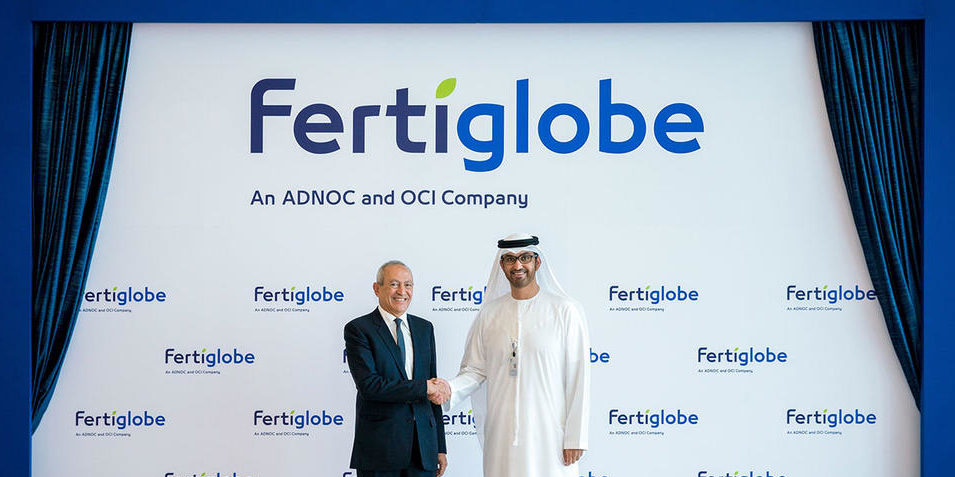
Fertiglobe, a prominent player in the nitrogen fertilizer industry, is making significant strides in securing long-term ammonia contracts, a move that could reshape its growth trajectory. The CEO, Hassan Badrawi, recently emphasized that these contracts are pivotal in bolstering the company’s market position and enhancing its profitability in an evolving landscape.

The company, a joint venture between Abu Dhabi National Oil Company (ADNOC) and OCI N.V., has been actively pursuing long-term agreements with key industrial clients globally. These contracts, spanning multiple years, are designed to provide stable pricing and guaranteed supply, allowing Fertiglobe to navigate the volatility often seen in the commodity markets. Badrawi noted that securing these contracts not only solidifies relationships with clients but also ensures a consistent revenue stream that supports long-term investments in production capacity and technology.

Fertiglobe’s approach aligns with broader industry trends, where manufacturers are increasingly prioritizing sustainability and supply chain resilience. The global ammonia market has experienced fluctuations due to geopolitical tensions, trade dynamics, and changing regulatory environments. Fertiglobe aims to mitigate these challenges by locking in long-term agreements that provide predictability in supply and pricing. This strategy is particularly crucial as countries transition towards more sustainable agricultural practices and seek reliable sources of nitrogen fertilizers.

The CEO highlighted the importance of innovation in Fertiglobe’s operations. The company has been investing heavily in technology to enhance production efficiency and reduce carbon emissions. Fertiglobe is committed to producing “green ammonia,” which is generated using renewable energy sources and is expected to play a crucial role in meeting future fertilizer demand while addressing environmental concerns. This commitment to sustainability resonates with clients who are increasingly seeking eco-friendly solutions in their supply chains.

The ammonia market is witnessing robust growth, fueled by rising global food demand and a push for more sustainable agricultural practices. As populations expand and dietary patterns shift, the need for effective fertilizers has never been more critical. Fertiglobe’s strategic focus on long-term contracts positions it favorably to capitalize on this growth, ensuring that it can meet the needs of its customers while also contributing to global food security.

Fertiglobe’s operational footprint is another factor that enhances its competitive advantage. The company’s facilities, located in the United Arab Emirates, benefit from proximity to key markets and access to essential raw materials. This geographical advantage not only reduces transportation costs but also improves supply chain efficiency. By securing long-term contracts with local and regional clients, Fertiglobe is poised to solidify its role as a reliable ammonia supplier.

Analysts are optimistic about Fertiglobe’s strategy. The company is seen as a key player in the ammonia sector, with the potential to expand its market share significantly. The move towards long-term contracts aligns with investor expectations for stability and growth, particularly in a sector characterized by fluctuations in demand and supply. As the agricultural sector increasingly emphasizes sustainability, Fertiglobe’s initiatives in producing green ammonia are likely to attract attention and investment.

Fertiglobe’s commitment to transparency and ethical practices strengthens its position in the market. As stakeholders demand greater accountability from corporations, Fertiglobe’s focus on sustainable practices and responsible sourcing is expected to enhance its reputation and foster long-term relationships with clients. This ethical approach not only appeals to consumers but also aligns with the growing expectations from investors for companies to prioritize environmental, social, and governance (ESG) factors.

Fertiglobe’s initiatives reflect a broader industry shift towards greater collaboration among key players. The establishment of long-term contracts is not just about securing sales; it also involves sharing knowledge and resources to drive innovation in fertilizer production and distribution. As Fertiglobe continues to forge strategic partnerships, the potential for collaborative projects that enhance sustainability and efficiency becomes increasingly feasible.

As the global market for ammonia evolves, Fertiglobe is well-positioned to adapt to changing dynamics. The emphasis on long-term contracts reflects a proactive strategy to ensure stability and growth, while the commitment to innovation and sustainability aligns with industry trends. With food security and environmental sustainability at the forefront of global concerns, Fertiglobe’s initiatives in securing long-term ammonia contracts underscore its role as a pivotal player in the agricultural supply chain.

The upcoming BRICS summit in Kazan, Russia, is closely monitored for potential developments in economic cooperation and currency strategies. With the introduction of new members and the ongoing development of a BRICS currency, this gathering could mark a significant turning point in international finance. Will the summit unveil a new era of economic cooperation and bring about a new currency? Global broker Octa provides the analytics. The […]

Emirates Transport is set to embark on a pioneering initiative to pilot test hydrogen and electric vehicles as part of its strategy to transition toward sustainable transportation. This ambitious project aligns with the UAE’s broader commitment to reducing carbon emissions and advancing environmental sustainability within the transportation sector. The initiative represents a significant step toward achieving the goals outlined in the UAE’s Vision 2021 and the National […]

Ardian, a global investment firm, is reportedly evaluating potential co-investment opportunities in the green hydrogen sector alongside two prominent players: Masdar and the Public Investment Fund (PIF) of Saudi Arabia. This collaborative venture could significantly impact the renewable energy landscape, reflecting a growing commitment to sustainable investments as nations strive to meet climate goals. The interest in green hydrogen arises from its potential to serve as a […]

The World Bank forecasts a 4.1% growth for the United Arab Emirates’ GDP in 2025, supported by diversification efforts and recovery in tourism and trade. This projection comes amidst ongoing economic reforms and investments in infrastructure and technology that aim to bolster the country’s long-term economic resilience. In its latest report, the World Bank emphasizes that the UAE’s economy has shown remarkable adaptability, bouncing back from the […]

Microsoft’s cloud ecosystem is poised to significantly bolster the UAE’s economy, contributing over $74 billion in the next four years. This substantial impact underscores the growing role of technology in driving economic growth and digital transformation within the region. As businesses increasingly migrate to cloud platforms, the demand for advanced digital services is surging, transforming traditional business models and fostering innovation.

The projections stem from Microsoft’s commitment to enhancing its cloud infrastructure in the UAE, which aligns with the nation’s broader vision of becoming a global tech hub. The company has been actively investing in local data centers and expanding its cloud services, such as Azure, Dynamics 365, and Microsoft 365. These initiatives are expected to accelerate digital adoption among enterprises, enabling them to harness advanced analytics, artificial intelligence, and other cutting-edge technologies.

A recent report from a leading market research firm highlights that the UAE’s digital economy is on an upward trajectory, driven by initiatives such as the National Digital Economy Strategy and the Emirates Digital Economy Council. These efforts aim to create a resilient, competitive, and sustainable digital economy that supports diverse sectors, including finance, healthcare, and education.

Microsoft’s investments also play a crucial role in fostering job creation and skills development in the region. As more companies transition to cloud-based operations, the demand for skilled professionals in cloud computing, data analysis, and cybersecurity is escalating. Microsoft has pledged to provide training programs and certifications to empower local talent, addressing the skills gap and enhancing employability within the tech sector.

The collaboration between Microsoft and the UAE government signifies a robust public-private partnership that can drive economic diversification. The government’s push to embrace digital transformation aligns with Microsoft’s expertise in cloud computing and innovation, creating a synergistic relationship that enhances the overall economic landscape.

As companies in the UAE adapt to the digital age, the reliance on cloud services is becoming increasingly vital. The cloud offers flexibility, scalability, and cost-effectiveness, allowing businesses to respond swiftly to changing market dynamics. This shift not only enhances operational efficiency but also opens new avenues for innovation and collaboration.

The UAE’s strategic location as a gateway to the Middle East and North Africa (MENA) region further amplifies the significance of Microsoft’s investments. By positioning itself as a leader in cloud technology, Microsoft is not only catering to local enterprises but also targeting international businesses looking to establish a foothold in the MENA market. This approach is expected to attract foreign direct investment (FDI) and enhance the UAE’s competitiveness as a business hub.

Microsoft’s commitment to sustainability aligns with the UAE’s ambitious goals for a greener future. The company is dedicated to achieving carbon neutrality by 2030 and has initiated programs aimed at reducing the environmental impact of its data centers. This emphasis on sustainability resonates with the UAE’s vision for sustainable development, positioning Microsoft as a responsible corporate citizen in the region.

Industry experts have lauded Microsoft’s efforts in enhancing the UAE’s digital landscape. The collaboration between tech giants and governments is seen as a catalyst for innovation and economic growth. Analysts believe that the ripple effects of Microsoft’s cloud ecosystem will extend beyond direct contributions to GDP, influencing various sectors and fostering a culture of innovation among local enterprises.

As part of its cloud initiatives, Microsoft is leveraging partnerships with local startups and enterprises to drive innovation and foster entrepreneurship. These collaborations aim to create a vibrant ecosystem that nurtures creativity and supports the growth of homegrown businesses. By empowering startups with access to cutting-edge technology and resources, Microsoft is contributing to a thriving entrepreneurial landscape in the UAE.

The anticipated economic impact of Microsoft’s cloud ecosystem is not only a testament to the company’s strategic vision but also reflects the UAE’s determination to embrace digital transformation as a cornerstone of its economic future. As the nation continues to evolve into a technology-driven economy, the partnership with Microsoft positions it at the forefront of the global digital landscape.

A significant step has been taken to strengthen the UAE’s publishing industry, as the Emirates Publishers Association (EPA) signed a Memorandum of Understanding (MoU) with Aramex Emirates LLC. This agreement aims to bolster the logistics framework for local publishers, offering tailored services that improve the distribution and global reach of Emirati publications. The collaboration also marks a pivotal move in positioning the UAE as a hub for the publishing industry in the region.

The partnership promises logistical solutions that will streamline the movement of books and publications from Emirati publishers to local and international markets. The MoU highlights Aramex’s commitment to leveraging its extensive logistics expertise to ensure a seamless distribution network for EPA members. The arrangement is expected to significantly enhance the efficiency of book deliveries, helping local publishers manage supply chains more effectively while cutting costs and delays.

The UAE’s publishing sector has experienced notable growth in recent years, with an increasing demand for Arabic and English titles. This MoU reflects the need for robust logistics solutions that can meet the distribution challenges faced by local publishers, especially in reaching international audiences. By partnering with Aramex, the EPA aims to provide its members with access to a wider readership and promote Emirati literature on a global scale.

According to the EPA, the agreement will offer a comprehensive range of logistics services, including warehousing, shipping, and real-time tracking for all types of publications. This will provide greater flexibility for publishers to manage their inventories, allowing them to cater to fluctuating market demands without being hindered by logistics constraints. Publishers will also benefit from customized solutions that address the specific needs of their operations, whether they focus on digital or print media.

EPA President Ali bin Hatem emphasized that the MoU is an essential step in creating an infrastructure that can support the long-term sustainability of the UAE’s publishing industry. He noted that enhancing logistics services is critical in ensuring that the country’s literary output can be effectively distributed both domestically and internationally. “Our partnership with Aramex will allow publishers to expand their market reach and access new opportunities,” bin Hatem said.

For Aramex, this collaboration further underscores the logistics firm’s strategic focus on supporting key industries in the UAE, including publishing. Aramex’s regional CEO, Othman Aljeda, expressed confidence that the company’s extensive network and expertise in logistics would help local publishers overcome many of the challenges they face in distribution. “We are committed to providing efficient and reliable logistics solutions that will allow Emirati publishers to focus on what they do best – producing high-quality content,” Aljeda stated.

The logistics industry plays a crucial role in the publishing sector, especially as publishers increasingly rely on global distribution networks to reach readers. Aramex’s solutions are expected to reduce shipping times and costs for Emirati publishers, enabling them to respond more quickly to customer demands. Moreover, the integration of digital tools such as real-time shipment tracking will give publishers greater control over their distribution processes, allowing for better planning and inventory management.

As part of the agreement, EPA members will also receive preferential rates on Aramex’s logistics services, making it more cost-effective for smaller publishers to distribute their titles. This is seen as a key benefit for emerging publishers who may struggle to navigate the complexities of international shipping. The partnership is also expected to enhance the visibility of Emirati publications at global book fairs and literary events, further positioning the UAE as a center of cultural and literary production.

The Emirates Publishers Association, which was founded in 2009, has been instrumental in promoting the growth of the local publishing industry and advocating for the interests of its members. With over 200 publishers registered under the EPA, the organization has played a vital role in elevating the UAE’s status as a literary hub. The MoU with Aramex is the latest in a series of initiatives aimed at supporting local publishers and addressing the logistical challenges they face in today’s fast-evolving market.

This partnership comes at a time when the global publishing industry is undergoing significant transformations due to the rise of e-books and digital publishing platforms. By offering solutions tailored to the needs of modern publishers, the EPA-Aramex collaboration is expected to facilitate both traditional print distribution and digital content delivery. This will help local publishers adapt to the changing landscape of the industry while maintaining a strong presence in international markets.

Publishers have welcomed the initiative, praising the EPA’s efforts to address one of the most pressing issues in the industry: distribution. Several local publishers have expressed optimism about the impact of this partnership on their ability to reach wider audiences. The integration of logistics solutions is seen as a game-changer that will allow Emirati publishers to compete more effectively in both regional and global markets.

The World Bank has adjusted its economic growth forecasts for the Middle East and North Africa (MENA) region, citing heightened uncertainties stemming from the ongoing Gaza conflict. This revised outlook reflects the significant impact of geopolitical tensions on the economic stability of nations within the region.

In its latest report, the World Bank projected that MENA’s economy would grow by 2.4% in 2024, a decrease from its previous estimate of 3.1%. This downgrade highlights the fragile state of the region’s recovery amid escalating conflicts and rising inflation. The report emphasizes that the disruption caused by the Gaza war could have ripple effects across the region, particularly affecting trade, investment, and tourism.

Countries in the Gulf Cooperation Council (GCC) are expected to demonstrate more resilience, with projected growth rates of around 4.1%. However, the report notes that even these nations may not be immune to the broader economic downturn. With a notable dependency on global oil prices, any fluctuations could hinder growth potential. The World Bank attributes the GCC’s relative strength to high oil revenues, which are supporting government spending and infrastructure development.

The impact of the Gaza conflict is significant for several reasons. The humanitarian crisis in Gaza has raised concerns about stability in neighboring countries, which could lead to an influx of refugees and strain public services. Additionally, the ongoing conflict has prompted discussions about energy security in the region, particularly given Europe’s efforts to reduce its reliance on Russian gas.

Analysts also point to the potential for increased military spending in response to the conflict, which could divert resources from social and economic development initiatives. Such shifts in government spending could hinder long-term growth prospects for nations striving to diversify their economies away from oil dependency.

Tourism, a critical sector for many MENA economies, particularly in the Levant and North Africa, is facing headwinds as well. The Gaza conflict has raised travel advisories from various countries, impacting visitor numbers and spending. Countries such as Egypt and Jordan, which rely heavily on tourism, are expected to see a decline in revenues. The report indicates that the tourism sector’s recovery may lag behind other industries, affecting job creation and economic stability in these nations.

The region faces persistent challenges related to inflation and food security. Rising global commodity prices, exacerbated by supply chain disruptions from the Ukraine conflict, are contributing to higher living costs. Many MENA countries are grappling with food inflation, which has emerged as a significant issue for households, particularly in countries with already high poverty rates.

The report identifies key players who are likely to shape the region’s economic landscape. Saudi Arabia, with its Vision 2030 initiative, continues to drive efforts to diversify its economy and attract foreign investment. The United Arab Emirates is also making strides in positioning itself as a global business hub, focusing on technology and innovation. However, the volatility created by geopolitical tensions could impede these efforts and delay the realization of ambitious economic goals.

Lebanon, meanwhile, remains in a precarious economic situation. The ongoing political instability and the fallout from the 2020 port explosion continue to affect economic recovery efforts. Inflation has skyrocketed, and essential services have deteriorated, leading to widespread discontent among the population. International support remains critical for Lebanon as it navigates this challenging landscape.

As the World Bank’s report underscores, addressing these challenges will require coordinated efforts among MENA nations. Investment in renewable energy, improvements in infrastructure, and enhancements in governance and institutional frameworks are essential for fostering sustainable growth. The current geopolitical landscape presents both risks and opportunities for the region, highlighting the need for adaptive policies that can respond to emerging threats.

Concerns over increasing precious metal exports from the United Arab Emirates to India have sparked discussions between officials from both nations. As the UAE has emerged as a crucial hub for gold trading, India’s government is seeking measures to regulate the flow of these metals, which have seen a substantial rise in volume and value. The issue gained traction following the report that India had imposed a […]

Abu Dhabi National Oil Company (ADNOC) has enhanced its ownership in Fertiglobe, a leading producer of nitrogen fertilizers, with an aim to advance the development of low-carbon ammonia. This strategic move signals ADNOC’s commitment to reinforcing its position within the global fertilizer market and addressing the increasing demand for sustainable agricultural solutions. By increasing its stake from 67% to 80% in Fertiglobe, ADNOC is poised to play […]

The Middle East saw an impressive surge in sustainable bond issuances, reaching a total of $16.7 billion in the first three quarters of 2024, according to S&P Global Ratings. This figure reflects the growing commitment of governments and corporations in the region to finance green initiatives and projects aimed at addressing climate change and promoting sustainability. Notably, the surge in issuances is driven by increased awareness of […]

Dubai’s flagship carrier, Emirates, has voiced strong dissatisfaction with Boeing regarding another significant delay in the delivery of the much-anticipated 777X aircraft. The airline, which had originally anticipated the arrival of the aircraft several years ago, has faced continuous postponements, leading to operational disruptions and strategic adjustments. Emirates has long been the largest customer of the 777X model, with an order for 126 units, and the repeated […]

VISHNU RAJA
RYO YAMADA
HITORI GOTOH
IKUYO KITA