News related to
Emirates

Regional links enhanced and 24 bilateral accords reached HONG KONG SAR – Media OutReach Newswire – 15 May 2025 – A delegation of more than 50 business leaders from Hong Kong and Mainland China, led by Chief Executive of the Hong Kong Special Administrative Region (HKSAR) John Lee, concluded a fruitful visit to Kuwait yesterday (May 14), reaching a raft of bilateral accords and paving the way […]

Lakshmi Mittal, the steel magnate and one of Britain’s wealthiest individuals, has secured ownership of a lavish mansion in Dubai’s Emirates Hills, a neighbourhood often referred to as the “Beverly Hills of Dubai.” The transaction, completed earlier this year, underscores the growing trend of affluent individuals investing in the city’s luxury real estate market. Emirates Hills, developed by Emaar Properties, is renowned for its exclusivity and opulence. […]

U.S. President Donald Trump has announced plans to lift longstanding U.S. sanctions on Syria, in place since 1979 and intensified during the Syrian Civil War. During his Middle East tour, Trump revealed the decision at the U.S.-Saudi Investment Forum, describing the sanctions as historically significant yet now detrimental. The sanctions had frozen Syrian assets, banned petroleum imports, and isolated the country from the global economy. Critics highlight […]

Arabian Post Staff -Dubai Qatar Airways has finalised a monumental agreement to acquire up to 210 Boeing aircraft, marking the largest wide-body order in the company’s history. The deal, valued at $96 billion, was announced during U.S. President Donald Trump’s visit to Doha, underscoring a significant enhancement in U.S.-Qatar economic relations. The order encompasses 130 Boeing 787 Dreamliners, 30 777X jets, and options for an additional 50 […]

Sobha Realty has successfully completed a $500 million sukuk issuance, marking a significant milestone in its financing strategy. The issuance, part of a $1.5 billion Sukuk Issuance Programme, attracted substantial investor interest, with the order book oversubscribed three times, reaching $1.54 billion. This strong demand led to a tightening of the yield to 8% per annum, down from the initial price thoughts of 8.375%. The sukuk, maturing […]

Mukesh Ambani, chairman of Reliance Industries and Asia’s wealthiest individual, is set to attend a high-profile state dinner in Doha on Wednesday evening alongside U.S. President Donald Trump and Qatar’s Emir Sheikh Tamim bin Hamad Al-Thani, according to individuals familiar with the matter. The gathering is part of President Trump’s Middle East tour, which has centred on investment and economic diplomacy.

While no formal business discussions are scheduled, Ambani’s presence underscores his growing influence in global business and diplomacy. His conglomerate, Reliance Industries, has longstanding ties with the Qatar Investment Authority , which has invested in various Reliance ventures over the years. Additionally, Ambani maintains strategic partnerships with U.S. technology giants such as Google and Meta.

The state dinner is being hosted at Lusail Palace, the official residence of the Qatari Emir. Another prominent business figure, based in London and known for close ties to both the Trump administration and Qatari leadership, is also expected to attend the event. Further details of Ambani’s itinerary have not been disclosed, and Reliance Industries has not responded to queries regarding his visit.

This meeting follows the Qatari Emir’s visit to India in February, during which Qatar committed to investing $10 billion across various Indian industries. The commitment reflects the strengthening economic ties between the two nations.

President Trump’s visit to Qatar is part of a broader Middle East tour focused on fostering investment opportunities. Following his engagements in Doha, Trump is scheduled to travel to the United Arab Emirates on Thursday.

Arabian Post Staff -Dubai A gas leak ignited a fire at Pearl View Restaurant and Cafeteria in Dubai’s Al Barsha 1 district late Tuesday evening, prompting a swift response from emergency services. Dubai Civil Defence teams managed to contain the blaze in record time, preventing any reported injuries. The incident occurred in a restaurant situated on the lower floor of a residential building, just metres from the […]

Advertisements

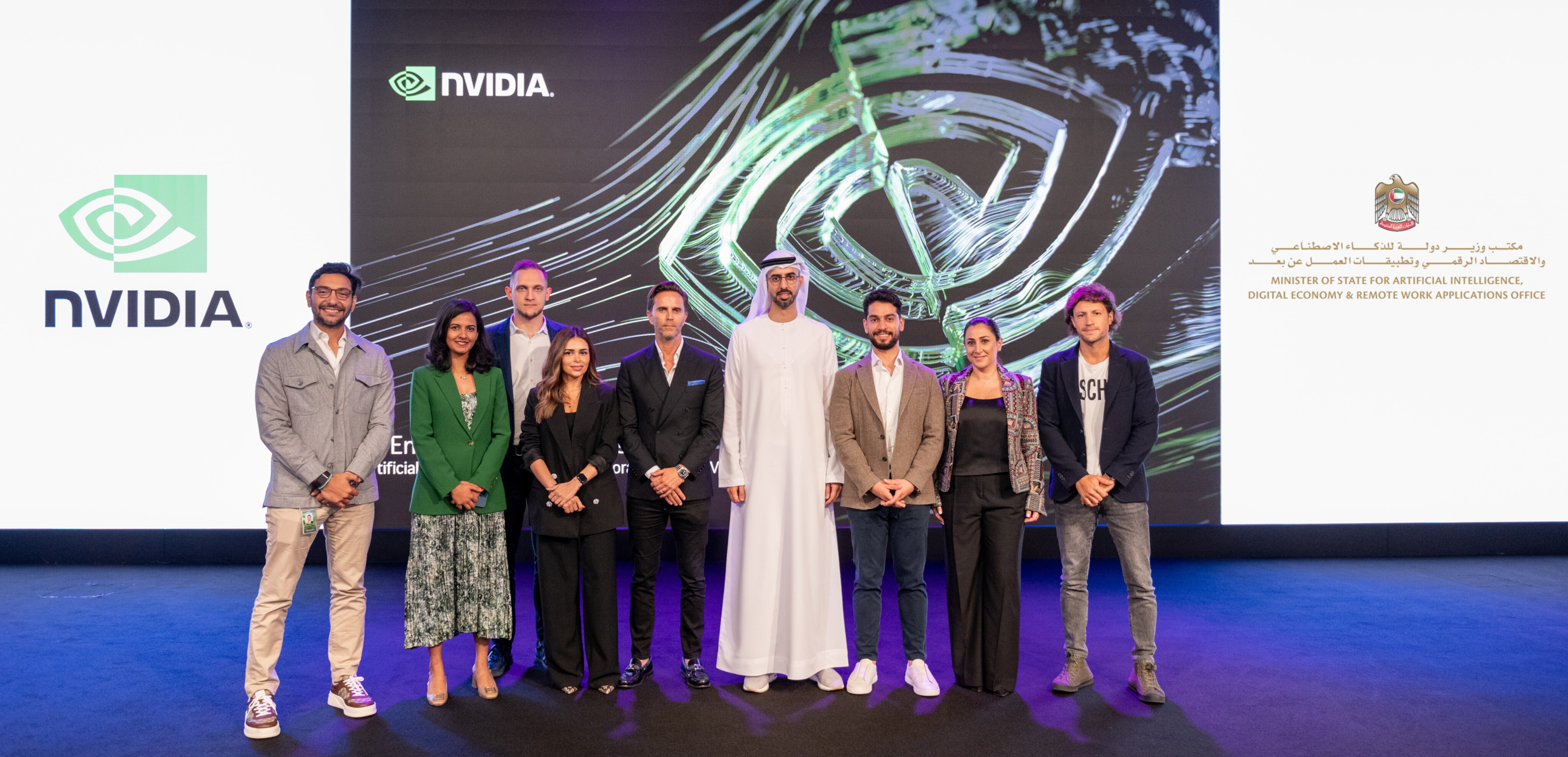
The United States is deliberating a significant agreement that would permit the United Arab Emirates to acquire over one million advanced Nvidia AI chips, a move that could reshape the technological landscape in the Gulf region. The proposed arrangement, still under negotiation, would allow the UAE to import 500,000 of Nvidia’s most sophisticated chips annually through 2027. Approximately 20% of these chips are earmarked for G42, an Abu Dhabi-based artificial intelligence firm, while the remainder would support U.S. companies establishing data centers within the UAE.

This potential deal marks a notable shift from the stringent export controls implemented during the Biden administration, which aimed to limit the proliferation of advanced AI technologies to certain regions. The Trump administration’s consideration of this agreement aligns with its broader strategy to bolster alliances and counterbalance China’s growing technological influence.

G42 has been at the forefront of the UAE’s AI ambitions, developing a bilingual Arabic-English large language model named Jais and collaborating with global tech giants to enhance its capabilities. The firm’s efforts to sever ties with Chinese entities and comply with U.S. regulations have been pivotal in facilitating this prospective deal.

The U.S. Department of Commerce’s introduction of the Validated End User program has further streamlined the export process for advanced technologies to trusted partners. Under this program, foreign data centers that meet rigorous security and compliance standards can receive AI chips without the need for individual export licenses. This initiative aims to safeguard national security while promoting international technological collaboration.

Nvidia’s advanced chips, particularly the H100 and the newer GB300 Blackwell models, are integral to the development of cutting-edge AI applications. The company’s collaboration with Saudi Arabia’s AI startup, Humain, to deliver 18,000 AI chips underscores the region’s commitment to becoming a global AI hub. These chips are set to power a 500-megawatt data center in Saudi Arabia, reflecting the Gulf’s substantial investments in AI infrastructure.

The UAE’s strategic partnerships extend beyond Nvidia. A notable collaboration between Microsoft and G42 has received U.S. approval, allowing the export of advanced AI chips to a Microsoft-operated facility in the UAE. This partnership is part of a broader U.S. effort to counter China’s Digital Silk Road initiative by strengthening technological ties with Gulf nations.

Despite these advancements, concerns persist regarding the potential for U.S. technologies to be accessed by adversarial nations. The U.S. government has imposed strict conditions on these deals, including prohibitions on the use of exported chips for model training by individuals from countries under U.S. arms embargoes, such as China. Regular audits and compliance checks are mandated to ensure adherence to these restrictions.

The UAE’s pursuit of AI sovereignty is evident in its initiatives to develop indigenous AI capabilities and infrastructure. Core42, a subsidiary of G42, has established a “regulated technology environment” to deploy Nvidia’s H100 Tensor chips securely within the country. This setup ensures that sensitive technologies are handled under strict guidelines, aligning with the UAE’s objectives to safeguard data and maintain control over its AI systems.

The United States has approved a $1.4 billion arms sale to the United Arab Emirates, encompassing six CH-47F Chinook helicopters and maintenance support for F-16 fighter jets. This development coincides with President Donald Trump’s diplomatic visit to the Middle East, highlighting the strengthening of US-UAE defense relations. The CH-47F Chinook helicopters, produced by Boeing, are renowned for their heavy-lift capabilities and versatility in various military operations. The […]

Arabian Post Staff -Dubai President Donald Trump’s ambitious pursuit of $1 trillion in investment pledges from Saudi Arabia is encountering a formidable challenge: the kingdom’s own sweeping economic transformation plans, which are projected to cost nearly twice that amount. As Trump embarks on his first Middle East tour of his second term, his administration is focusing on securing substantial trade and investment agreements with Gulf allies, including […]

SAS has intensified its focus on ethical artificial intelligence by unveiling a suite of governance tools and strategic partnerships aimed at fostering responsible innovation across industries, with a particular emphasis on healthcare. At the SAS Innovate 2025 event in Orlando, the company highlighted its commitment to transparency, accountability, and trust in AI deployment. Reggie Townsend, Vice President of Data Ethics at SAS, underscored the importance of proactive […]

Primark, the renowned UK-based fashion retailer, is poised to make its debut in Dubai, marking a significant expansion into the Middle East market. The brand plans to open three flagship stores in early 2026, strategically located in Dubai Mall, Mall of the Emirates, and City Centre Mirdif. This move is part of a strategic partnership between Primark and Alshaya Group, a leading international retail franchise operator. The […]

UAE-based airlines have resumed flights to Pakistan following the reopening of the country’s airspace, which had been closed due to military tensions along the border with India. The resumption of services marks a significant step in improving regional connectivity, with both Emirates and Etihad Airways promptly reinstating their routes to key Pakistani cities such as Islamabad, Karachi, and Lahore.

The closure of Pakistan’s airspace, which began earlier this year, had caused substantial disruption to air travel, especially for international carriers operating flights between the UAE and Pakistan. The airspace restrictions had forced airlines to reroute their flights, resulting in longer travel times, higher operational costs, and a reduction in passenger services. The renewed access is expected to enhance the efficiency of flight operations and restore passenger convenience between the two countries.

The airspace closure came as a consequence of escalating tensions between Pakistan and India, triggered by the ongoing disputes over the Kashmir region. These tensions led to a series of military confrontations, prompting both countries to take precautionary measures, including limiting access to their respective airspaces. The situation remained tense for several months, with the international community expressing concern over the stability of the region.

Diplomatic efforts led by the United States and other global powers played a crucial role in the eventual resolution of the situation. After several rounds of negotiation and pressure from major stakeholders, including the United Nations, Pakistan and India reached a ceasefire agreement, paving the way for the reopening of the airspace. While the terms of the agreement have not been publicly disclosed in full, both sides have reportedly committed to reducing military activity along the disputed borders, with the aim of stabilising the region.

The reopening of airspace holds significant economic implications, particularly for the UAE, which has a considerable number of expats from Pakistan. The demand for air travel between the two nations is substantial, and the resumption of direct flights will provide greater convenience for passengers. Additionally, it will enable airlines to operate more cost-effectively, as they will no longer need to take longer routes to avoid restricted airspace. The UAE’s flag carriers, Emirates and Etihad, are both highly reliant on international travel, and the restoration of these routes is expected to boost their bottom line, offering more frequent and efficient connections.

The reopening of the airspace comes at a critical time, as global air travel continues to recover from the impact of the COVID-19 pandemic. The pandemic led to a massive decline in air traffic worldwide, and the recovery of international routes is seen as a vital part of the aviation industry’s return to pre-pandemic levels of operations. For Pakistan, the resumption of flights is seen as a positive step in regaining access to the global aviation network and supporting its economic recovery.

Despite the positive developments, analysts warn that the situation remains fragile. The underlying political tensions between Pakistan and India have not been fully resolved, and the potential for flare-ups in the future remains a concern. While the ceasefire agreement has been welcomed, it is clear that long-term peace will require continued diplomatic engagement and confidence-building measures between the two nuclear-armed neighbours.

The UAE’s strategic interests in the region further underscore the importance of restoring stable air travel. As one of the Middle East’s key aviation hubs, Dubai, in particular, benefits from its role as a transit point for passengers travelling between Asia, Europe, and North America. The connectivity between Pakistan and the UAE is a significant component of this hub-and-spoke model, and the restoration of these routes will reinforce Dubai’s position as a global aviation leader.

The aviation sectors in both countries are now preparing to increase flight frequencies, with airlines already announcing plans to expand services in the coming months. Emirates, for instance, has indicated that it will gradually return to pre-crisis levels of capacity, while Etihad has committed to restoring full operations between Abu Dhabi and Lahore. These developments highlight the recovery of not just the airlines but also the broader travel and tourism sectors, which rely on air connectivity for economic growth.

The reopening of airspace signals a potential shift in how air travel can be affected by geopolitical tensions. While airlines and passengers generally hope for stability, there is an increasing awareness that political events and military tensions can have a significant impact on flight operations. In this context, air carriers are likely to continue exploring contingency plans and alternative routes to safeguard operations in the event of future escalations.

Sobha Realty has mandated a consortium of banks to arrange a new three-year, dollar-denominated Reg S benchmark sukuk, marking another significant move in the UAE’s Islamic finance landscape. The issuance will be conducted under Sobha Sukuk I Holding Limited’s $1.5 billion Trust Certificate Issuance Programme. The appointed joint lead managers and bookrunners include Abu Dhabi Commercial Bank, Abu Dhabi Islamic Bank, Arqaam Capital, Dubai Islamic Bank, Emirates […]

Oman has allocated approximately OMR60 million towards artificial intelligence initiatives between 2021 and 2024, as part of its strategic drive to position itself as a regional leader in digital innovation. This investment, overseen by the Ministry of Transport, Communications and Information Technology, underscores the sultanate’s commitment to integrating AI across various sectors to enhance public service efficiency and stimulate economic growth. The National Programme for Artificial Intelligence […]

By Saifur Rahman The Emirates Group reported an 18 percent growth in profit before tax exceeding US$6.2 billion (Dh22.7 billion) – a new record – in the financial year 2024-25. This is the first financial year that the UAE corporate tax, enacted in 2023, is applied to the Emirates Group. After accounting for the 9 percent tax charge, the Group’s profit after tax reached US$5.6 billion (Dh20.5 […]

The UAE’s blockchain market is expected to experience robust growth, with a compound annual growth rate of approximately 42% from 2025 to 2030. This surge is being driven by strategic government initiatives aimed at harnessing the potential of blockchain technology, positioning the UAE as a global leader in the sector.

The Emirates Blockchain Strategy 2021, alongside the Dubai Blockchain Strategy, has been a key factor in propelling the country’s blockchain ambitions. The UAE government aims to transform Dubai into the first city fully powered by blockchain technology, establishing the city as a central hub for digital innovation. The National Blockchain Strategy, launched to cover the period from 2021 to 2031, outlines a bold vision for the country, with a target to convert 50% of government transactions into blockchain-based systems. This initiative is set to fundamentally reshape the public sector, enhancing transparency, efficiency, and security in governmental operations.

At the heart of this growth is a clear government-driven commitment to blockchain, which has fostered a conducive environment for both local and foreign investors. By encouraging blockchain adoption across various sectors, the UAE has attracted substantial interest from international businesses seeking to tap into this emerging market.

Blockchain’s applications in sectors beyond government administration, such as finance, healthcare, and logistics, are seeing increased adoption across the UAE. The integration of blockchain into these industries promises to revolutionise processes, particularly in terms of data security and automation.

The rise in interest surrounding digital assets, especially cryptocurrencies such as Bitcoin and Ethereum, has further bolstered blockchain’s relevance in the UAE. As a growing hub for cryptocurrency, the UAE’s regulatory bodies have facilitated the establishment of secure environments where blockchain-powered digital assets can thrive. The Abu Dhabi Global Market and Dubai Multi Commodities Centre have set high standards for crypto businesses, ensuring that these ventures operate within a structured, regulated framework. This regulatory clarity has positioned the UAE as a safe and attractive destination for cryptocurrency investors and entrepreneurs.

The surge in blockchain-related developments has also had a ripple effect on startup ecosystems in the UAE. Many tech startups are focusing on blockchain innovations, tapping into the opportunities offered by a market eager for cutting-edge technology solutions. The government has offered various incentives to these startups, making it easier for entrepreneurs to develop and launch blockchain solutions across different industries. This includes support for research and development, tax incentives, and access to venture capital funding.

International investors have also shown significant interest in the UAE’s blockchain market. The country’s stable regulatory environment, coupled with its proactive stance on blockchain integration, makes it an attractive destination for global investors seeking exposure to the digital economy. The UAE’s financial and regulatory bodies, such as the UAE Central Bank, have been instrumental in ensuring that blockchain technologies are seamlessly integrated into existing financial infrastructure, laying the groundwork for future innovations in digital banking and transactions.

The UAE’s focus on blockchain adoption has resulted in collaborations with global technology giants. International companies, especially those from the fintech and tech sectors, are increasingly establishing a presence in the UAE, taking advantage of the region’s favourable business environment. These collaborations are not only elevating the UAE’s technological landscape but also contributing to the global development of blockchain technology.

One of the UAE’s strategic advantages is its ability to position itself as a gateway for the Middle East, Africa, and Asia in terms of blockchain technology. The country’s well-established infrastructure, highly developed financial services industry, and strong governmental support provide an ideal backdrop for the scaling of blockchain-related businesses and projects.

In addition, the UAE is committed to building a strong talent pool in blockchain technology. With the rapid rise of blockchain across industries, there has been a growing demand for professionals with expertise in blockchain development, smart contracts, and digital asset management. The UAE has introduced various educational initiatives to address this demand, including partnerships with international universities and the establishment of blockchain-focused training programmes.

Despite the promising outlook, the UAE’s blockchain market faces challenges, including the need for continuous technological innovation and regulatory adaptation to keep pace with the rapidly evolving sector. The country will need to ensure that its legal and financial infrastructure remains flexible and dynamic, catering to the needs of blockchain developers, crypto investors, and businesses seeking to integrate blockchain into their operations.

The adoption of blockchain technology across various sectors will require overcoming cultural and institutional resistance. Although the government has made significant strides in promoting blockchain, further education and awareness campaigns may be needed to ensure that blockchain’s potential is fully realised across all industries.


LONDON, UNITED KINGDOM – Media OutReach Newswire – 7 May 2025 – Diginex Limited (“Diginex”) (NASDAQ: DGNX), a global leader in ESG sustainable RegTech, is pleased to announce that His Highness Shaikh Mohammed Bin Sultan Bin Hamdan Al Nahyan, a member of the Abu Dhabi Royal Family, has purchased warrants to purchase 6.75 million Ordinary Shares of Diginex (the “Warrants”) in a private transaction for a consideration […]

Strong northwesterly winds reaching up to 50 km/h have swept across the United Arab Emirates, triggering widespread dust storms and a noticeable drop in temperatures. The National Center of Meteorology has issued alerts for reduced visibility and hazardous sea conditions, advising residents to exercise caution.

The NCM reported that horizontal visibility has fallen below 3,000 metres in several coastal and inland areas due to suspended dust and sand. The Arabian Gulf is experiencing rough to very rough seas, with wave heights reaching up to seven feet, while the Sea of Oman remains rough. These conditions are expected to persist through Wednesday, with the weather remaining dusty to partly cloudy.

Temperature fluctuations have been recorded across the country. In Abu Dhabi, temperatures range between 27°C and 36°C; Dubai sees a similar pattern with lows of 28°C and highs of 35°C. Fujairah stands out with a maximum temperature of 42°C and a minimum of 34°C, while Ras Al Khaimah and Al Ain report highs of 38°C.

The NCM attributes the current weather pattern to an extension of surface low pressure from the east and high pressure from the west, coupled with an upper-air high-pressure system. This combination has intensified northwesterly winds, leading to the current dusty conditions and temperature drops.

Looking ahead, the NCM forecasts that Thursday will continue to be dusty to partly cloudy, with light to moderate northwesterly to southwesterly winds turning active during the day. Wind speeds are expected to range between 10 to 25 km/h, reaching up to 40 km/h. The Arabian Gulf will remain rough to very rough, and the Sea of Oman is expected to be rough.

By Friday, the weather is anticipated to be clear to partly cloudy and humid at night and on Saturday morning, with a possibility of fog or light fog formation in some coastal and internal areas. Winds will be light to moderate southwesterly to northwesterly, becoming active and dust-stirring during the day, with speeds ranging between 10 to 25 km/h, reaching up to 40 km/h. The Arabian Gulf will be moderate to regular, and the Sea of Oman will be regular.

The United Arab Emirates has called upon India and Pakistan to exercise restraint and prioritise diplomatic engagement following a surge in cross-border hostilities that has heightened fears of a broader conflict in South Asia.

Sheikh Abdullah bin Zayed Al Nahyan, the UAE’s Deputy Prime Minister and Minister of Foreign Affairs, issued a statement on Wednesday urging both nations to avoid further escalation that could jeopardise regional and international peace. He emphasised that diplomacy and dialogue remain the most effective means of resolving crises peacefully and achieving shared aspirations for stability and prosperity.

The appeal comes in the wake of India’s missile strikes targeting nine sites in Pakistan and Pakistan-administered Kashmir, reportedly aimed at militant infrastructure linked to the April 22 attack in Indian-administered Kashmir that killed 26 tourists. India’s Defence Ministry stated that the strikes were focused, measured, and non-escalatory, asserting that no Pakistani military facilities were targeted. However, Pakistan reported that the attacks resulted in at least 19 casualties, including women and children, and damaged several mosques and a medical clinic.

In retaliation, Pakistan claimed to have shot down five Indian fighter jets and launched strikes into Indian-administered Kashmir, reportedly killing three people. The heightened conflict has led to school closures, disrupted international flights, and drawn global concern, with calls for restraint from China, the United Nations, and U.S. leaders.

Sheikh Abdullah’s statement underscores the UAE’s commitment to supporting initiatives aimed at peaceful conflict resolution and mitigating humanitarian consequences. He stressed the importance of heeding voices calling for dialogue and mutual understanding to prevent military escalation and strengthen stability in South Asia.

The UAE has a history of mediating in regional conflicts and has previously facilitated exchanges between conflicting parties. Its call for restraint reflects a broader international consensus urging India and Pakistan to de-escalate tensions and engage in constructive dialogue to resolve their longstanding disputes.

A high-level delegation from Abu Dhabi has arrived in Tokyo for the inaugural Abu Dhabi Investment Forum, marking a significant step towards deepening the economic ties between the UAE capital and Japan. The four-day visit, running from May 6 to 9, sees top officials and private sector leaders from Abu Dhabi engaging with their Japanese counterparts to explore new areas of collaboration, particularly in advanced industries such […]

Emirates Integrated Telecommunications Company has reported a strong financial performance for the first quarter of 2025, reflecting substantial growth in both net profit and revenues. The company’s net profit surged by 19.8%, reaching AED 722 million , while revenues increased by 7.4% year-on-year to AED 3.8 billion. The results highlight du’s resilience and strategic initiatives in a highly competitive telecom market.

The strong growth in net earnings is primarily attributed to du’s effective management of its revenue mix and operational costs. The company’s EBITDA also saw a notable increase of 15%, amounting to AED 1.8 billion. This growth in earnings before interest, tax, depreciation, and amortisation was aided by the improved cost management strategies and a more balanced revenue distribution, which contributed to an EBITDA margin of 47.4%. This marked a 3.1 percentage-point improvement from the same period last year.

du’s performance in Q1 2025 underscores the success of its ongoing transformation efforts aimed at strengthening its market position. The company has made significant strides in diversifying its product and service offerings, tapping into new revenue streams, and expanding its digital services portfolio. These measures have not only helped improve its financial outcomes but also bolstered its competitiveness in an evolving telecommunications landscape.

The telecom industry in the UAE, which continues to be driven by technological advancements and digital transformation, has seen both du and its competitors adapt to changing consumer demands. With an increasing reliance on mobile data, fibre optics, and digital platforms, du has managed to capitalise on this shift by enhancing its service delivery and improving customer experience. The company’s digitalisation strategy has been integral to this growth, positioning it as a strong player in both consumer and business sectors.

In terms of operational performance, du has placed a significant emphasis on network optimisation and infrastructure upgrades. This includes expanding its 5G capabilities, which have become a crucial part of the telecom landscape in the UAE. As 5G networks continue to roll out across the country, du’s investments in next-generation technologies are likely to provide a competitive edge, enabling it to meet the growing demand for faster and more reliable mobile connectivity.

The company has also focused on improving its cost management strategies, which have been a key factor in its improved profitability. By streamlining operations, reducing unnecessary expenditures, and optimising its resource allocation, du has been able to maintain a healthy margin despite the competitive pressures in the telecom sector.

Another factor contributing to du’s success has been its continued focus on expanding its customer base. The company has increased its customer acquisition efforts, both in the consumer and enterprise markets, offering tailored solutions to meet the needs of various segments. With a robust digital strategy, du has been able to deliver value-added services, such as cloud solutions, IoT, and advanced cybersecurity offerings, which are highly sought after by businesses and government entities.

Looking ahead, du’s financial outlook remains positive, with analysts forecasting continued growth in the upcoming quarters. The company’s strong market position, enhanced service offerings, and commitment to technological innovation are expected to support its long-term growth trajectory. Furthermore, the UAE’s ongoing infrastructure development and plans for economic diversification are likely to present further opportunities for du to expand its footprint.

Despite the challenging nature of the telecom industry, characterised by high competition and regulatory pressures, du’s performance demonstrates its ability to adapt and thrive. The company’s proactive approach to cost control, investment in technology, and customer-centric focus have proven to be effective strategies in maintaining profitability and growth.

Dubai’s equity market emerged as the top performer among Gulf Cooperation Council bourses in April 2025, registering a 4.1% gain driven by robust activity in the real estate and banking sectors. This contrasts with the broader S&P GCC Composite Index, which declined by 1% during the same period, reflecting mixed performances across the region amid fluctuating oil prices and global trade uncertainties.

The banking sector played a pivotal role in Dubai’s market ascent. Dubai Islamic Bank , the largest Sharia-compliant lender in the UAE, reported an 8% year-on-year increase in net profit for the first quarter of 2025. This growth was underpinned by a 7% rise in net financing and sukuk investments, reaching AED 212 billion. DIB’s asset quality improved significantly, with impairment charges dropping by 71% to AED 407 million and the non-performing financing ratio decreasing to 4%. The bank’s shares responded positively, posting a 5.4% gain in April.

In the real estate sector, Emaar Properties experienced a 1.5% decline in its stock price, contributing to a 0.4% dip in Dubai’s main index on April 30. Despite this, the overall monthly performance remained strong, bolstered by gains in other financial institutions. Emirates NBD, for instance, saw its shares rise by 1.2%, reflecting investor confidence in the banking sector’s resilience.

Abu Dhabi’s stock market also recorded positive movement, with its index climbing 1.8% in April. First Abu Dhabi Bank , the UAE’s largest lender by assets, exceeded first-quarter profit expectations, reporting a 23% year-on-year increase in net profit to AED 5.13 billion. This performance was driven by a substantial rise in non-interest income, which grew by 22% to AED 3.8 billion. FAB’s strategic restructuring, including the appointment of Linos Lekkas as head of investment banking and a reorganisation into four operational divisions, has been positively received by investors, with the bank’s shares gaining 8.7% over the month.

Qatar’s equity markets posted a 2.2% growth in April, supported by a 1.4% increase in Qatar Islamic Bank shares. However, the broader market sentiment was tempered by declines in other sectors, such as a drop in Qatar Gas Transport’s stock ahead of its earnings report.

In contrast, Saudi Arabia’s main index experienced a slight decline of 0.1% on April 30, influenced by falling oil prices and weaker corporate earnings. Saudi Aramco’s shares fell by 0.6%, while Americana Restaurants International saw a 2.2% decrease following a drop in quarterly profits. Alinma Bank’s stock also declined by 1.2% due to a sequential drop in quarterly profits.

A constellation of jazz virtuosos illuminated Abu Dhabi’s Etihad Arena on April 30, marking the culmination of the 14th International Jazz Day. The event, orchestrated by UNESCO and the Herbie Hancock Institute of Jazz, showcased a tapestry of performances that underscored jazz’s enduring global resonance. Herbie Hancock, the event’s artistic director, led a diverse ensemble of musicians from 14 countries. The concert featured luminaries such as Dee […]

VISHNU RAJA
RYO YAMADA
HITORI GOTOH
IKUYO KITA