News related to
Emirates

Arabian Post Staff -Dubai During a private audience at the Vatican, Pope Francis offered high praise for the United Arab Emirates, describing the country as a “global model” for promoting the values of coexistence and human fraternity. He underlined the readiness of the Holy See to deepen cooperation with the Higher Committee of Human Fraternity, an initiative rooted in the landmark February 2019 document on human fraternity. […]

A collaboration between the Technology Innovation Institute and Space42 will deliver the first space-to-ground quantum-communication network in the United Arab Emirates, signalling a significant step in national cyber-security strategy. The partnership, unveiled at the Dubai Airshow, brings together TII’s advanced research into Quantum Key Distribution and Space42’s satellite infrastructure to form a sovereign system capable of ultra-secure data transfer between orbiting platforms and terrestrial stations. TII and […]

First Abu Dhabi Bank has mandated a group of global and regional banks to arrange investor calls on Wednesday, 19 November, signalling the preparation of a benchmark USD-denominated Additional Tier 1 capital issuance. The Abu Dhabi-based lender, rated Aa3 by Moody’s and AA- by both S&P and Fitch, is targeting a fixed-rate, resettable perpetual instrument with a non-call six-year structure, expected to be rated Baa3 by Moody’s, subject to market conditions.

FAB has appointed Abu Dhabi Commercial Bank, Barclays, Emirates NBD Capital, itself, HSBC and Standard Chartered Bank as joint lead managers and bookrunners for the issuance, reflecting a strong syndicate backing. According to institutional-market briefings, the period of investor calls is intended to gauge pricing, demand, and issuance size ahead of launch.

This move marks FAB’s first benchmark AT1 issuance in approximately five years and comes as the bank seeks to bolster its capital buffer amid evolving regulatory expectations. Market-specialist commentary notes that such securities serve a dual purpose: providing permanent capital that counts towards Tier 1 regulatory ratios while offering issuers the flexibility of a call option after a set period — in this case six years — to redeem, subject to certain conditions.

FAB’s prior issuance of a senior green bond earlier this month — a €850 million deal priced at mid-swaps plus 70 basis points after opening at plus 100 basis points — underlined its readiness to access capital markets. That deal illustrated investor appetite for the bank’s funding instruments and the bank’s willingness to tap diverse instruments and jurisdictions. The proposed AT1 issuance broadens FAB’s capital-raising toolkit further.

In assigning an expected rating of Baa3 by Moody’s for the proposed issue, the bank is effectively targeting the lowest investment-grade category from that agency for this level of instrument. Such ratings reflect the subordinated nature of AT1 securities; they rank lower than senior debt in the creditor hierarchy and often incorporate features such as coupon discretion and loss-absorption mechanisms — factors that carry higher credit risk for investors compared to senior bonds.

Emerging-markets commentators note that demand for Gulf-region AT1 securities has been relatively scant over the past year as investors have weighed macro-economic headwinds, rising interest-rate environments and regulatory adjustments. The Gulf region’s total primary issuance of bonds and sukuk for the first quarter of the year was reported at USD 51.5 billion, down from USD 55.5 billion in the same period a year prior; within this, financial-institution capital instruments formed a subset of activity. Nevertheless, select banks continue to tap issuance windows that align with investor sentiment.

For FAB, the timing appears strategic: the bank’s common equity Tier 1 ratio stands at 13.7 per cent — a figure comfortably above its internal threshold of 13.5 per cent but lower than the 14.3 per cent recorded a year earlier. This suggests room for issuing capital-absorption securities like AT1 to reinforce buffers without triggering market concern. Regulatory changes also loom: UAE banks are due to face a 50-basis-point increase in the counter-cyclical buffer next year, which will raise total capital requirements and heighten the capital-management imperative.

Investor calls scheduled on 19 November are expected to cover structuring options, timing of launch, target size and investor syndication. Initial market commentary anticipates that FAB may aim for a headline size in the region of USD 750 million — consistent with its last AT1 benchmark in 2020 — although precise sizing will hinge on demand and market dynamics.

The joint bookrunners assemble a strong global footprint: Barclays, HSBC and Standard Chartered provide global investor access while Emirates NBD Capital and Abu Dhabi Commercial Bank offer regional distribution strength. That reflects FAB’s dual aim of tapping both GCC-based and international institutional investors. Market observers believe that if oversubscription builds, pricing could tighten relative to initial guidance and the syndicate may consider increasing sizing accordingly.

Dubai-based upstream operator Dragon Oil has announced a major new oil discovery offshore Egypt’s Gulf of Suez, a development that industry watchers say could underpin its ambition to boost production significantly by 2026. The company, a unit of Emirates National Oil Company, made the find at its North-East Ramadan Concession, reaching a total depth of 13,425 feet to intersect the Crystal NER-1X reservoir in the Honey Sand formation. Initial wireline logs confirmed a 224-foot hydrocarbon column, indicating meaningful commercial potential.

The well was drilled under the company’s commitment agreement in the NE Ramadan concession in partnership with Egypt’s Egyptian General Petroleum Corporation and the Gulf of Suez Petroleum Company. The pair of state-owned Egyptian entities jointly operate with Dragon Oil in the concession. The flow to production is projected at around 3,000 barrels per day once the well is tied into existing infrastructure. Final wireline logging, core sampling and reservoir evaluation are underway before full integration into the production grid scheduled for July.

The discovery supports Dragon Oil’s longer-term plan to raise output from its current base of more than 140,000 barrels of oil per day and achieve an aggregate target of roughly 300,000 barrels of oil equivalent per day by 2026, according to the company’s investor materials. The Gulf of Suez investment follows earlier gains from assets in Turkmenistan, Iraq and Algeria. Additionally, the firm signed a strategic memorandum of understanding with PETRONAS in late October to explore upstream growth opportunities in Asia-Pacific and other frontier regions, signalling a willingness to pursue both organic and acquisition-driven expansion.

In Turkmenistan, Dragon Oil expects production to rise to approximately 200,000 bopd by 2030, leveraging digital-technology programmes such as artificial-intelligence-enabled reservoir modelling and real-time monitoring. The company has invested more than US$11 billion in the country’s oil sector since the production-sharing agreement began in 1999 and has added more than 200 social-development projects in local regions. That upstream base remains a pillar of its global growth model.

Analysts say the Egyptian find is particularly significant because it taps an under-developed offshore domain using advanced Ocean-Bottom Node seismic technology that identified the Honey Sand formation. The drilling from the existing Al-Fanar platform avoided major new infrastructure investment, improving cost efficiency and time to tie-in. The fact that Dragon Oil already holds the working interest via its GUPCO joint venture means it can fast-track upstream investment and production.

Nevertheless, a number of risks remain. The Egyptian concession still requires commercial validation of reservoir behaviour and sustained flow testing; many wells encounter initial signs of hydrocarbons but fail to deliver long-term viability. The broader upstream industry is also under increasing pressure from the energy-transition agenda and environmental-regulation developments. Investors and stakeholders will watch closely how Dragon Oil balances growth ambitions with the demands of sustainability, given the global shift away from fossil fuels.

Company leadership emphasises that the teamwork between its Dubai and Cairo operations, together with EGPC and GUPCO partners, reflects a mature technical capability that bodes well for further exploration success. Chief Executive Abdulkarim Ahmed Al Maazmi said the technical result “demonstrates the strength of our technical partnership and underlines our vision to unlock new opportunities across our assets in Egypt.”

Regionally, the Gulf of Suez has been a mature producing basin, yet the new find suggests there remains untapped potential when combined with modern subsurface imaging and drilling techniques. Some energy-sector commentators believe the discovery could encourage other operators to revisit older fields or deeper formations, heightening competition.

Starting a business in Dubai is one of the most exciting ventures you can undertake in 2026. The city’s dynamic economy, global connectivity, and investor-friendly policies make it an ideal destination for entrepreneurs and corporations alike. However, navigating government approvals, visa processing, and licensing can be time-consuming if you go it alone. That’s where PRO services in Dubai comes into the picture. These professional support services simplify […]

Dubai – GE Aerospace has secured two high-value engine agreements with Dubai-based carriers Emirates Airline and Group and flydubai at the 2025 Dubai Airshow 2025, underscoring the resilience and expansion of the UAE’s aviation sector. Emirates has committed to 130 additional GE9X engines to power 65 new Boeing 777-9 aircraft, bringing its total order for that engine type to more than 540 units. The contract includes spares and long-term service provisions. At the same time, flydubai has agreed to acquire 60 GEnx-1B engines with full support services for its first wide-body fleet of 30 Boeing 787-9 aircraft.

Emirates’ deal with GE not only affirms its status as the largest global customer for the GE9X engine, but also reinforces its long-standing partnership with Boeing Commercial Airplanes. Emirates’ chairman and chief executive, Sheikh Ahmed bin Saeed Al Maktoum, described the transaction — valued at US$38 billion at list prices — as “a long-term commitment and testament to our partnership with Boeing and GE”. This investment aligns with Dubai’s wider ambition to develop into a major aerospace hub.

On the flydubai front, the selection of the GEnx-1B engine marks a strategic shift for the carrier, which has historically operated a 737-only fleet. The agreement is structured to support the airline’s entry into long-haul operations and buttresses its network expansion into new markets. flydubai’s chief executive, Ghaith Al Ghaith, noted that engine performance, durability and services will play a critical role as the airline moves into wide-body territory amid intensifying competition and growing demand for air travel through Dubai’s gateway.

The significance of these deals extends beyond fleet numbers. For GE Aerospace the twin contracts cement its dominance in the high-thrust engine market, particularly in a region with challenging operating conditions and high growth potential. The GE9X engine — developed exclusively for the Boeing 777X family — boasts a 10 per cent improvement in specific fuel consumption compared with its predecessor, the GE90-115B, and has been certified to run on approved sustainable aviation fuel blends. The GEnx-1B, likewise, powers a majority of the Boeing 787 fleet and is already deployed widely in long-haul service.

For Emirates, the 65 additional 777-9 airframes raise its total 777X orderbook to 270 units, making it Boeing’s largest customer for that aircraft family. With this deal, the airline has options to convert some of the order to the future 777-10 or 777-8 variants, signalling confidence in the production programme despite earlier certification and delivery delays. The carrier expects deliveries of the initial 777-9 aircraft to begin from the second quarter of 2027. Emirates’ fleet strategy centres on operating a young, modern wide-body fleet aligned with Dubai’s infrastructure expansion.

Flydubai’s expansion into wide-body aircraft, powered by GEnx engines, places the carrier at a pivotal juncture in its evolution. Having grown rapidly in point-to-point markets, reserving its primarily single-aisle fleet for short to medium-haul routes, the move to wide-body aircraft reflects a transition towards intercontinental services. The engine order includes spares and a long-term services agreement, highlighting the importance of lifecycle support and operational reliability in emerging growth trajectories.

The UAE’s positioning as a major aviation hub is reinforced by these developments. The engine orders strengthen the supply-chain footprint in the region, benefit maintenance-, repair-and-overhaul infrastructure, and support the country’s ambition to attract high-value aerospace manufacturing and engineering activities. GE Aerospace announced a US$50 million investment in a new “On Wing Support” facility in Dubai South alongside the shows, underscoring its commitment to local presence.

From an industry-perspective the deals reflect broader trends: airlines placing large long-haul orders amid intense competition for slots and access, engine manufacturers capturing value through integrated services and support, and the Middle East remaining a key battleground for aerospace OEMs seeking growth beyond legacy domestic markets. For Emirates and flydubai, the agreements mark purposeful steps in fleet renewal and network expansion, though execution risks remain — notably aircraft delivery timelines, engine certification, and global economic headwinds.

Analysts caution that while the headline order values are striking, actual transaction prices typically fall beneath list values, and aircraft-programme delays can erode carrier scheduling and capacity planning. For Emirates the 777-9 programme has been subject to repeated postponements, while for flydubai the challenge lies in transitioning from narrow-body operations to wide-body logistics, route infrastructure and long-haul network economics.


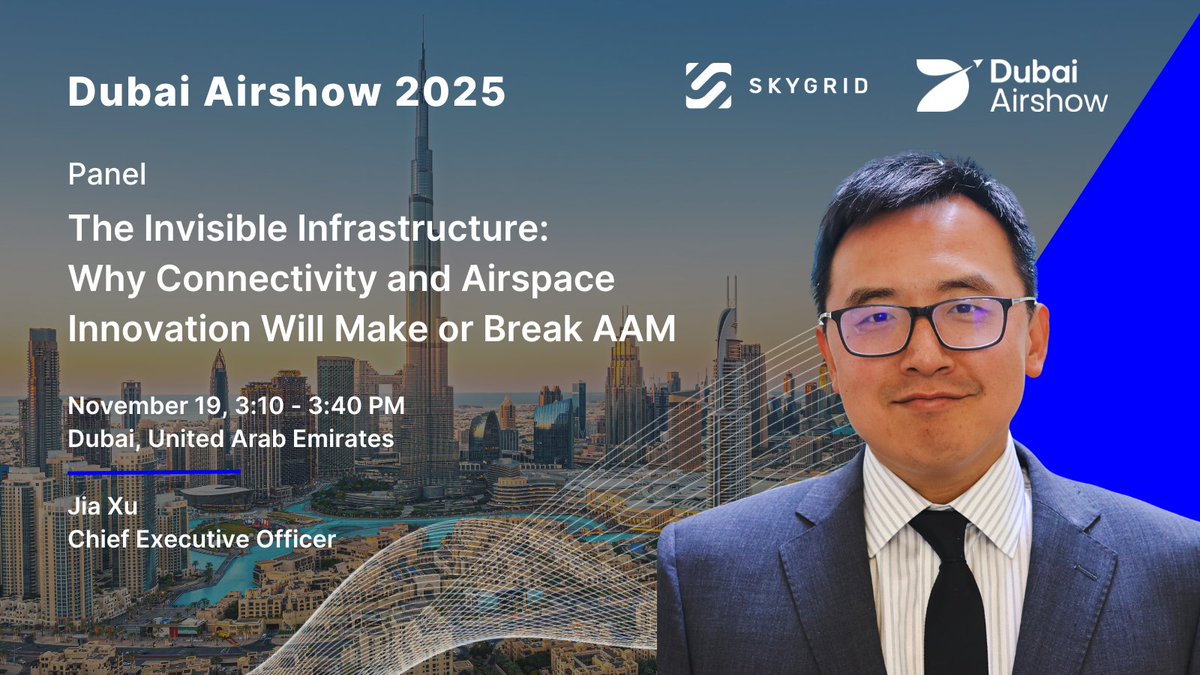
A pact between SkyGrid and High Lander has been signed at the Dubai Airshow 2025 to construct a framework for advanced air-mobility operations in the United Arab Emirates, focusing on integrating crewed and uncrewed aerial vehicles. The memorandum of understanding calls for development of airspace management ecosystems, digital operations for electric vertical take-off and landing aircraft and cargo drones, vertiport planning and cybersecurity protocols. SkyGrid, headquartered in Austin, Texas, acts as a third-party service provider for advanced air mobility operations, while High Lander offers unmanned traffic-management and drone-fleet-management solutions. The deal is part of the UAE’s ambition to position Abu Dhabi as a hub for next-generation aviation services.

Under the agreement the firms will jointly assess “Advanced Air Mobility Supporting Operational Environments” to develop technology road-maps and regulatory frameworks that facilitate scalable AAM operations. The collaboration targets areas including airspace integration, enabling vertiport infrastructure, securing digital operations and ensuring safe coexistence of crewed and uncrewed aircraft. SkyGrid chief executive Jia Xu said the alliance “represents a significant milestone in shaping the digital foundation of Advanced Air Mobility in the UAE and across the Middle East”. High Lander’s chief executive Alon Abelson commented that the environment in the UAE, supported by major aerospace players, constitutes “the perfect environment to demonstrate how automation, data-driven management and cross-industry collaboration can transform the future of air mobility”.

Analysis of this partnership places it amid a broader global push for uncrewed traffic-management systems and urban or regional air-mobility networks. Industry research shows that UTM ecosystems are considered vital for the safe scaling of commercial beyond-visual-line-of-sight drone operations. A 2024 readiness index issued by the Global UTM Association named both companies among participants in task forces shaping digital airspace adoption worldwide. That makes this UAE-based partnership a concrete step from theoretical planning to operational readiness.

The UAE’s Economic Vision 2030 describes diversification into technology, aerospace and transport as key pillars. The SkyGrid–High Lander partnership explicitly links with these goals, signalling industry-scale intentions rather than pilot programmes alone. By creating a unified operational blueprint, regulators and operators in the Gulf region may be asked to adapt their air-space classification, licensing and infrastructure regimes. Implementation will still depend on national aviation regulator approvals, air-traffic-management integrations, and standards alignment with international frameworks.

Despite the ambition, challenges remain. Data-sharing protocols across crewed and uncrewed systems must meet stringent safety and cybersecurity standards. Vertiport infrastructure—dedicated landing and take-off sites for eVTOL vehicles—is still nascent globally and will require investment and spatial planning, especially in congested urban zones. Moreover, global certification regimes for eVTOLs and unmanned systems are evolving; regulatory uncertainty may slow deployment. Analysts caution that while the Gulf region offers less airspace congestion than some metropolitan centres, integration of new aircraft types must still ensure separation from traditional air-traffic flows.

Advertisements

Aster DM Healthcare has secured a substantial financial boost of AED 265 million from the Emirates Development Bank, marking a significant step towards expanding its healthcare footprint in Dubai. The funding is designed to support the development of two multi-specialty hospitals, which will be pivotal in enhancing the UAE’s healthcare infrastructure. The facility, with potential for upsizing, underscores the growing demand for advanced healthcare services in the […]

GE Aerospace has reached significant milestones at the Dubai Airshow 2025, signing major engine agreements with two of the UAE’s most prominent carriers—Emirates and flydubai. The deals highlight the ongoing growth and resilience of the UAE’s aviation sector, which continues to see robust demand for both commercial aircraft and high-performance engines, despite the global challenges facing the industry.

The first of these landmark agreements was signed with Emirates, the world-renowned airline based in Dubai. Under the terms of the agreement, GE Aerospace will supply advanced engines for a number of Emirates’ new aircraft, including both narrowbody and widebody models. The deal underscores the airline’s commitment to expanding its fleet with cutting-edge technology to enhance fuel efficiency, performance, and sustainability.

For flydubai, the agreement is equally important as it continues its rapid growth trajectory. Flydubai, known for its extensive network across the Middle East, Africa, and Asia, will also integrate GE engines into its fleet expansion plans. The airline’s strategic focus on upgrading its fleet with advanced engine technology aims to improve operational efficiency while reducing carbon emissions—an essential move in line with global environmental goals.

GE Aerospace’s role in both of these agreements solidifies its position as a leader in the global aviation industry, especially in the Middle East, a region that has become a critical hub for air travel. These deals are seen as a testament to GE’s cutting-edge engineering capabilities, which align perfectly with the UAE’s ambitious aviation growth plans. The country’s major airlines, particularly Emirates, have long been at the forefront of technological advancements in the aviation industry, pushing the envelope on fuel efficiency and operational performance.

The Dubai Airshow itself has served as a vital platform for aerospace companies to showcase new technologies and forge strategic partnerships. The agreements with Emirates and flydubai are a clear indication of the UAE’s ongoing investments in its aviation infrastructure, which is poised to continue its rapid expansion over the coming years. Aviation experts suggest that these deals are also part of a broader trend in the region, where carriers are increasingly prioritising the integration of more fuel-efficient and environmentally sustainable technologies into their fleets.

In addition to fleet expansion, both Emirates and flydubai are working to increase their market share, not only within the Gulf region but also globally. With air travel demand rebounding in many parts of the world, the strategic importance of the UAE’s aviation sector cannot be overstated. Emirates, with its vast global reach, remains a key player in international air travel, while flydubai has emerged as a critical part of the UAE’s broader air transport network, offering affordable travel options to key regional destinations.

GE Aerospace’s engine technology plays a crucial role in supporting both airlines’ efforts to stay competitive and sustainable in the evolving air travel market. The next-generation engines provided by GE offer improved fuel economy and significantly lower emissions, aligning with international targets for reducing aviation’s environmental footprint. In addition to offering operational benefits, these engines will provide long-term economic advantages, ensuring that both Emirates and flydubai remain agile in a highly competitive market.

The Middle East’s aviation market is poised for an extraordinary expansion, according to Airbus’s Global Market Forecast 2025. The region, currently experiencing rapid economic growth and a surge in travel demand, is expected to see its in-service fleet more than double over the next two decades. The forecast reveals that the fleet will increase from 1,480 aircraft in 2024 to 3,700 by 2044, driven by both the […]

Airbus has forecasted a significant expansion in the Middle East’s aviation sector, predicting the need for 4,080 new passenger aircraft deliveries over the next two decades. This growth is expected to bring the region’s in-service fleet from 1,480 aircraft in 2024 to 3,700 by 2044, reflecting the region’s expanding demand for air travel. The Middle East has long been a key player in global aviation, and this […]

Abu Dhabi National Hotels, a leading hospitality investment and management company in the UAE, has made a significant move into Ras Al Khaimah’s burgeoning luxury real estate sector. The company has officially announced the launch of The Residences at Nasim Al Bahr, part of the prestigious Luxury Collection Resort & Spa located on Al Marjan Island. This waterfront development is valued at Dhs3 billion and represents a major step for ADNH in diversifying its portfolio to include high-end residential properties.

Designed to offer an elevated living experience, The Residences at Nasim Al Bahr combines contemporary architectural design with premium amenities, setting a new standard for luxury in the region. The project is poised to cater to a growing demand for exclusive residential options in Ras Al Khaimah, which is rapidly becoming a sought-after destination for affluent buyers looking for both tranquillity and luxury living close to nature and world-class leisure offerings.

Located in one of the most picturesque areas of Ras Al Khaimah, the development aims to integrate seamlessly with its surroundings while providing residents with unparalleled access to the resort’s vast amenities, including a luxurious spa, gourmet dining options, and recreational facilities. The residential complex is part of a wider trend in the UAE, where demand for upscale properties, particularly those offering a mix of leisure and residential facilities, has surged in recent years.

The development is not only a milestone for ADNH but also a reflection of the broader trends shaping the UAE’s real estate market. The emirate of Ras Al Khaimah has long been known for its pristine landscapes, including its beaches, mountains, and desert terrain. As a result, luxury developments, particularly those offering panoramic views and exclusive features, have become increasingly popular among investors, both locally and internationally.

According to industry experts, the success of this development hinges on its ability to cater to an increasingly sophisticated clientele seeking privacy, comfort, and luxury in a serene environment. This move into Ras Al Khaimah comes as part of ADNH’s strategy to tap into the growing demand for luxury properties that cater to high-net-worth individuals and families seeking to invest in the UAE’s most prestigious residential locations.

Ras Al Khaimah has witnessed notable growth in its real estate sector in recent years, thanks to a series of strategic initiatives by the local government to promote the emirate as a hub for both tourism and high-end residential developments. The launch of The Residences at Nasim Al Bahr comes at a time when the UAE’s northern emirates are gaining increasing attention from investors, further diversifying the real estate landscape beyond the traditionally dominant markets of Dubai and Abu Dhabi.

This project also complements the UAE’s broader ambition to expand its luxury tourism and hospitality sectors, positioning itself as a global leader in high-end living and leisure experiences. The addition of The Residences to the portfolio of the Luxury Collection Resort & Spa is expected to attract a diverse range of international buyers, who are increasingly looking beyond the major urban centres for exclusive and private residences.

A fresh roster of innovators, and increased sums of investment, had global innovators eyeing Hong Kong’s I&T capabilities HONG KONG SAR – Media OutReach Newswire – 7 November 2025 – Hong Kong Science and Technology Parks Corporation (HKSTP) has successfully concluded EPIC 2025 Presented by Cathay and HSBC. Ideas took flight at today’s Grand Finale; NEU Battery Materials brought home the Overall Championship and won the Green […]

A field of 73 thoroughbreds are set to line up at Meydan Racecourse in Dubai for the opening evening of the 2025-26 Dubai Racing Carnival, with seven races and a total prize purse of AED 1.33 million. The fixture marks the beginning of a five-month season which culminates with the landmark 30th edition of the Dubai World Cup on 28 March 2026. Trainers and jockeys boasting international […]

Business conditions across the United Arab Emirates’ non-oil private sector eased with the headline S&P Global UAE Purchasing Managers’ Index slipping from 54.2 in September to 53.8 in October. Growth remained above the mid-year trend but the moderation highlights emerging caution amid new challenges. The decline in the PMI reflects a tempering of momentum, notably in hiring and new business orders. While the headline index still signals […]

The governments of the northern United Arab Emirates have taken a bold step into natural-hydrogen exploration with the collaboration among the Sharjah National Oil Corporation, Siemens Energy and Decahydron to assess the use of naturally occurring hydrogen for power generation and other industrial applications. This marks a decisive departure from traditional fossil reliance and underscores Sharjah’s ambition to secure a foothold in the emerging hydrogen economy. The initiative rides on ongoing technical studies by Decahydron and SNOC at an existing exploration well in Sharjah, with initial findings reported as encouraging and further drilling scheduled for 2026 to gather detailed resource data and measure flow rates.

The emerging project will evaluate whether natural hydrogen — distinct from hydrogen produced by electrolysis or reforming — can feed power turbines or serve heavy industry without the extensive storage, transport and conversion infrastructure typically required for conventional “green” or “blue” hydrogen. Siemens Energy brings its global hydrogen and energy-system expertise into the alliance, while Decahydron focuses on mineralisation and subsurface hydrogen resources. SNOC, as the emirate-owned upstream and midstream energy company, provides the local infrastructure and regulatory engagement needed to steer the resource development. The companies frame the effort as a potential new low-carbon energy source that could serve data centres, manufacturing plants and other energy-intensive uses in the UAE.

Figures within the consortium underscore the significance of the move. SNOC’s chief executive, Khamis Al Mazrouei, said the feasibility study could mark “a new chapter in Sharjah’s energy landscape—providing an abundant, naturally occurring source of clean energy.” Siemens Energy’s UAE managing director, Khalid Bin Hadi, described hydrogen as central to decarbonising the power sector, adding that this collaboration sets a new course for natural-hydrogen in the Gulf region. Decahydron’s CEO, Arnaud Lager, said early findings suggest the potential for continuous supply directly from subsurface sources and that Sharjah and the northern Emirates hold “exceptional potential”.

Global context reinforces the ambition behind the project. The UAE aims to become one of the top ten hydrogen-producing countries and to capture a 25 per cent share of the low-carbon hydrogen key markets, according to statements from leading federal energy officials. Sharjah’s drive aligns with this broader national strategy. Previously SNOC announced its intent to explore green hydrogen and carbon capture within its portfolio as part of its pathway to net-zero emissions. Now the emphasis on naturally occurring hydrogen marks a notable shift in approach.

The technical front remains complex. Natural hydrogen projects remain nascent worldwide, with questions around resource size, continuity of flow, well economics, contaminants and commercial usability still to be resolved. The Sharjah initiative is built on preliminary well-site data, but the drilling slated for 2026 will be critical in determining resource scale and flow rate viability, which in turn will affect whether the hydrogen can be used directly for power generation or whether it will need conversion. Siemens Energy’s role will involve analytical and technical verification of commercial potential, while SNOC’s project governance will oversee permitting, regulatory interaction and integration with Emirate infrastructure.

Industrial demand in the Gulf region adds urgency to the project. With increasing energy consumption from data centres, hydrogen applications in manufacturing, and a drive to decarbonise hard-to-abate sectors, natural hydrogen presents a complementary path to electrolytic hydrogen and renewables. The potential upside includes bypassing some of the cost and complexity of hydrogen storage and pipeline transport by tapping subsurface reservoirs directly. If proven viable, the Sharjah project could serve as a model for other Middle East jurisdictions investigating hydrogen from unconventional sources.

Strategic risks remain. Project economics will depend on the continuity and purity of hydrogen flows, the cost of drilling and well development, regulatory frameworks, and the readiness of industrial hosts to adapt infrastructure. Market competition is intensifying: electrolytic green hydrogen is scaling rapidly and could outpace unconventional hydrogen if production and storage costs fall further. Moreover, hydrogen certification, transport logistics, and industrial offtake agreements remain evolving domains globally. For Sharjah and the GNOC-Siemens-Decahydron alliance, time to commercial decision-making will be an important metric.

Dubai’s fuel-retail market marked a shift this week as Emirates Petroleum Company opened its 158th service station, the “Al Buhaira” site in Barsha South, incorporating what the company describes as the GCC’s first dedicated Electric Vehicle Service Centre. This move underscores Emarat’s response to evolving mobility trends as electric vehicles gain traction across the region. Located in Dubai’s New Dubai zone, the Al Buhaira station not only […]

Microsoft has announced a commitment to invest approximately $15.2 billion in the United Arab Emirates by the end of 2029, while securing U. S. export licences to ship advanced AI chips to the Gulf state. The investment is centred on building and expanding cloud infrastructure, artificial-intelligence data centres and talent development in partnership with local entities.

The majority of this sum will flow into the construction and operation of AI-enabled data-centre campuses, with Microsoft Vice-Chair and President Brad Smith describing the growth of those facilities as “by far” the largest element of the investment. The U. S. export licences permit shipment of tens of thousands of the latest-generation Nvidia GB300 Grace Blackwell GPUs to the UAE, enabling Microsoft to deploy higher-end compute capacity in its regional centres.

The investment timeline outlines that Microsoft had invested just over $7.3 billion between 2023 and the end of the present year and plans to spend more than $7.9 billion from 2026 to 2029. Of the latter, over $5.5 billion is earmarked for capital expenditure on data-centres and cloud systems, with the remainder directed at local operating expenses and workforce development. The export licence approvals follow a strategic arrangement between Washington and Abu Dhabi, reflecting shifting U. S. policy on high-end chip exports and technology partnerships with Gulf states.

By leveraging the licences, Microsoft gains the ability to scale AI infrastructure in the UAE under its own operation and in concert with regional firms. The firm emphasizes talent and ecosystem-building alongside infrastructure, noting its launch of a Global Engineering Development Centre in Abu Dhabi, and targeting wide-scale skilling of AI talent across the region. Local partner G42-based in Abu Dhabi plays a key role, with Microsoft having invested $1.5 billion for a minority stake and a board seat for Smith. G42’s board participation and Microsoft’s alignment reinforce the strategy of blending global tech capability with regional execution.

Beyond the financials, the deeper strategic purpose illuminates broader geopolitical dynamics. The U. S. decision to grant chip-export licences to the UAE signals a recalibration of export controls in favour of trusted partners, even as Washington manoeuvres to counter Chinese influence in the global AI supply-chain. The UAE’s ambition to become a global AI hub, and to host one of the world’s largest data-centre complexes in Abu Dhabi, aligns with Microsoft’s drive to diffuse AI at scale. The chip-export approvals are bound by stringent cyber-security and physical-security conditions; Smith emphasised that Microsoft became “the first company” under this administration to obtain such licences for the Gulf region.

Concerns remain, however. Some U. S. lawmakers have flagged that the UAE’s past technology ties with China raise questions about enforcement of export-control safeguards and potential technology diversion. The export licences carry conditional compliance obligations; any lapses may provoke regulatory scrutiny. For Microsoft and the UAE, execution risk spans multiple fronts: timely deployment of infrastructure, talent acquisition and retention, regulatory alignment, and ensuring that capital investment yields operational returns in a cloud and AI market set to intensify.

For the UAE, the benefits are manifold: access to cutting-edge AI hardware, alignment with global technology leaders, and bolstered credentials as a regional innovation hub. For Microsoft, the Gulf expansion offers a new growth frontier outside its traditional markets, delivering cloud-services scale and AI-model hosting in a region keen to adopt generative-AI applications at high per-capita levels. According to Microsoft’s own AI diffusion data, the UAE leads global per-capita use of generative AI, with 59.4 per cent of its population reported to be active users, ahead of second-placed Singapore at 58.6 per cent.

The United Arab Emirates has established itself as a leading hub for innovation and the deployment of advanced technology in the energy sector, according to George Bou Mitri, President of Honeywell for the Middle East, Türkiye and Central Asia. Speaking at the sidelines of the Abu Dhabi International Petroleum Exhibition & Conference 2025, he highlighted how the country’s digital transformation initiatives are serving as a global model for sustainable, technology-driven energy systems.

Bou Mitri said the UAE presents a distinctive example of openness, collaboration and synergy between public and private sectors in driving innovations that are making a tangible global impact in the energy industry. “The solutions created here in the UAE extend their influence far beyond its borders,” he commented. He noted that the country is actively integrating advanced technologies across its energy ecosystem, including expanding the use of LNG, hydrogen, solar and developing sustainable aviation fuel and bio-fuel as part of its emissions-reduction drive.

Honeywell is playing a significant role in this transformation. Bou Mitri pointed to the company’s participation in a landmark project with Abu Dhabi National Oil Company for the Ruwais LNG facility, expected to produce about 9.6 million tonnes annually. He also revealed that Honeywell is developing the region’s first fully autonomous control room powered by agent-based artificial intelligence in partnership with Borouge, aimed at managing petrochemical operations without direct human intervention.

Bou Mitri stressed that digital transformation forms the backbone of the sector’s future. He noted that global energy demand is projected to increase by 32 percent by 2050, while electricity demand is expected to grow by more than 75 percent in the same period, necessitating comprehensive tech solutions to balance growth with emission reduction and operational efficiency. He added that the UAE is clearly adopting that approach, emphasising that the country’s facilities are becoming important development grounds for technologies related to emissions management, artificial intelligence applications and workforce productivity improvements through digitalisation.

The autonomous control-room initiative with Borouge stands out as a practical demonstration of this strategy. According to Borouge, the project will deliver the petrochemical industry’s first AI-driven control room at its UAE plant operations and forms part of its “AIDT” programme with a targeted value generation of US$575 million. The collaboration is intended to optimise production, reduce energy use and enhance safety while lowering costs at what is set to be the world’s largest petrochemical site.

The UAE’s positioning as an innovation frontier for energy technologies comes at a time when the industry is under growing pressure to adapt. Emerging themes include the convergence of artificial intelligence, digital twins, autonomous operations, and clean-energy integration. The broader Middle East region is witnessing major energy investment momentum, with expectations of exceeding US$130 billion this year in oil and gas alone, and simultaneous major expansion in clean-energy investments including hydrogen, LNG and carbon capture projects.

For Honeywell, the UAE’s energy ecosystem is a fertile environment for deploying its digital and automation technologies, but challenges remain. Among these are workforce skills deficits — Bou Mitri pointed out that more than 50 percent of the global energy workforce is aged over 45 — and the need to transfer accumulated expertise to a younger generation. In a sector where downtime, operational safety and emissions control have high stakes, the technology must deliver in real-world conditions, not just in controlled test environments.

Critics might point to the scale of investment required, potential cybersecurity and data governance risks as operations become more connected and autonomous, and the difficulty of scaling pilot programmes into full-scale operations across multiple sites. Nonetheless, the UAE’s strategic posture — combining government backing, private-sector capability and a willingness to test and deploy cutting-edge systems — presents a compelling case study for the global energy community.

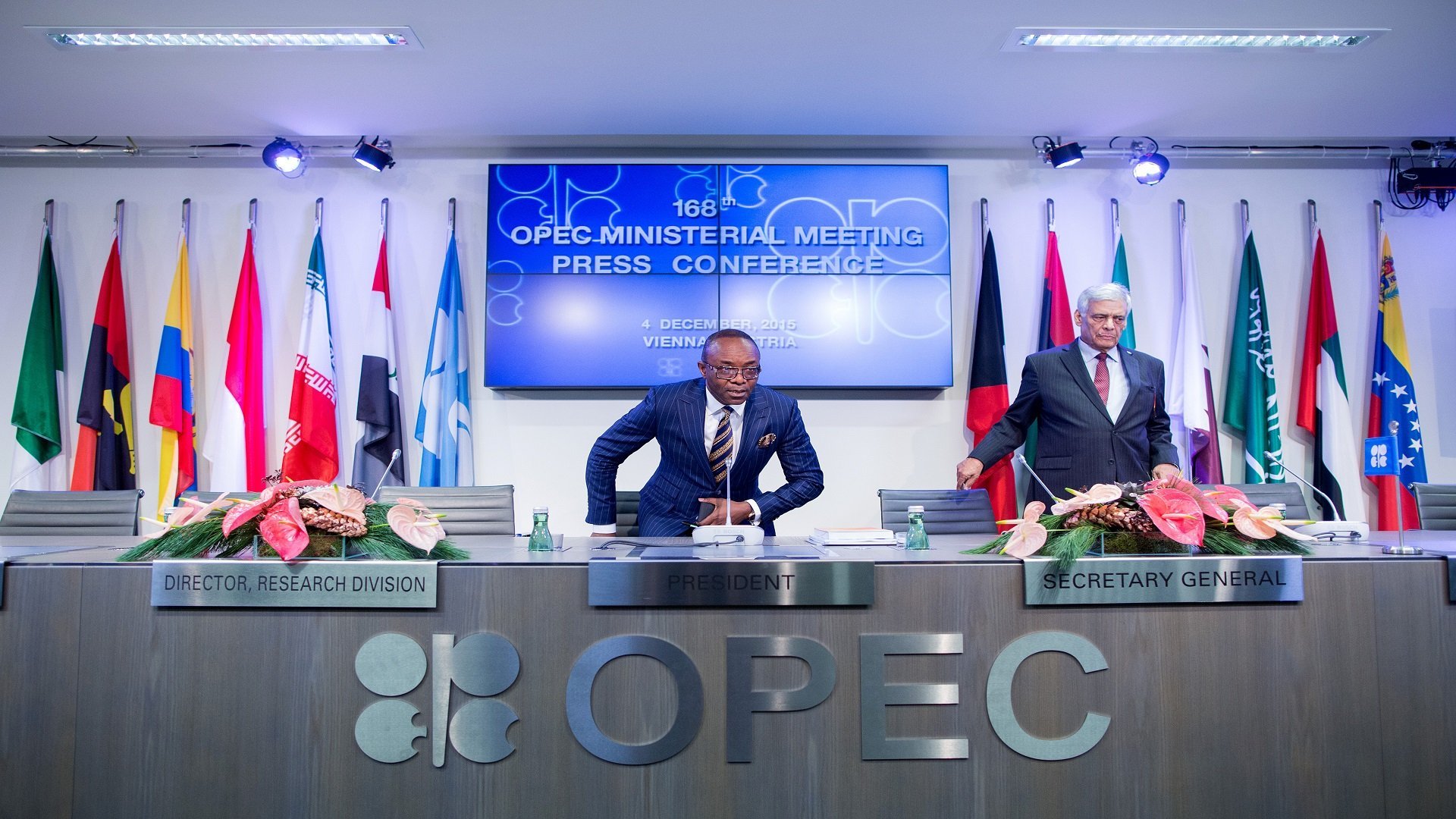
The production-alliance led by OPEC+ has agreed to raise crude oil output by 137 000 barrels per day for December, but will refrain from further increases during the first quarter of 2026. The decision reflects mounting concerns about global oil supply exceeding demand and comes amid sanctions on Russia and anticipated seasonal weakness in demand. The eight-member subgroup comprising Saudi Arabia, Russia, the United Arab Emirates, Iraq, […]

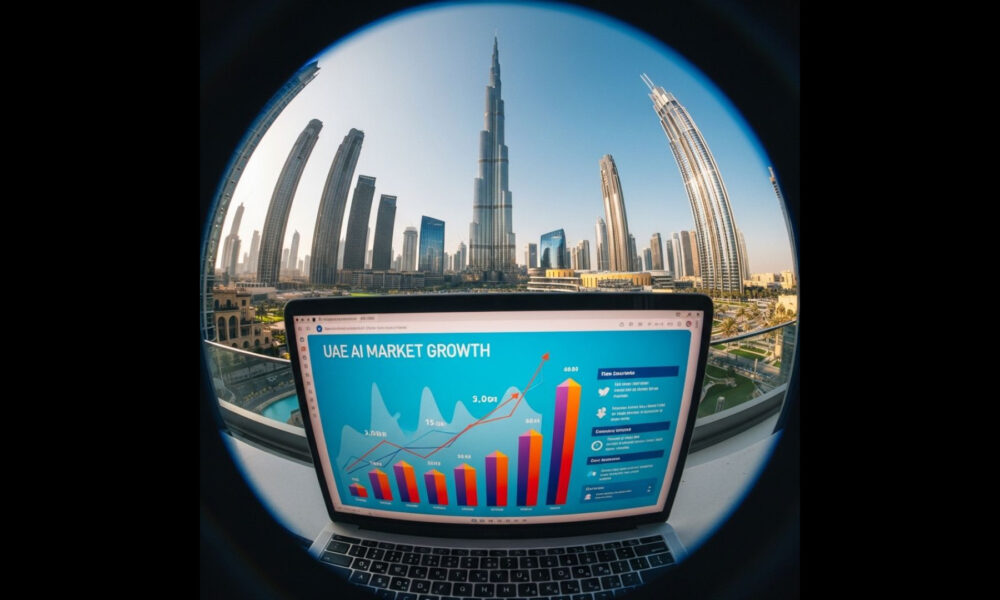
The United Arab Emirates is poised to become a major global hub for artificial intelligence, with its AI market projected to reach around Dh170 billion by 2030, according to a new study by market-research firm Grand View Research. The report indicates that the AI sector in the UAE is growing alongside the broader Middle East and North Africa region, where the AI market is forecast to expand to roughly US$166.3 billion by the end of the decade.

Key government initiatives are helping to drive this expansion. The UAE unveiled its first Arabic-language AI model earlier in the year and launched its “Strategic Plan 2031”, with the ambition of leveraging AI to improve federal-government efficiency and accelerate economic diversification. Grand View Research’s managing director, Swayam Dash, described the country and the wider region as “no longer just adopters of global AI technologies – they are shaping their own playbook,” pointing to sovereign-fund backing and proactive policy as major enablers.

The MENA region’s AI market, valued at about US$11.9 billion in 2023, is expected to grow at a compound annual growth rate of approximately 44.8 per cent between 2024 and 2030, reaching the projected US$166.3 billion figure. Within that broader region, the UAE’s market value is identified as roughly US$3.47 billion in 2023, with a projected CAGR of 43.9 per cent leading to the US$46.33 billion mark by 2030.

Analysts emphasise several drivers behind this growth. Public-sector adoption of AI for urban management, energy optimisation and security is mounting. Large language models and analytics tools are being integrated into government and enterprise workflows. Moreover, the UAE is building infrastructure to support AI ecosystems, including data centres, specialised talent programmes and partnerships with global technology firms.

However, growth is not without its challenges. The rapid adoption of AI raises concerns about data privacy, cybersecurity, ethical governance and workforce disruption. Some observers warn that regulatory frameworks may struggle to keep up with innovation rates. Others caution that scaling advanced AI beyond pilot projects into broad commercial deployment remains a complex and expensive endeavour.

Within the enterprise segment, cloud-based AI services are gaining traction, with the UAE’s cloud AI market estimated at approximately US$2.365 billion in 2024 and expected to reach US$11.08 billion by 2030. Meanwhile, the UAE healthcare-AI market is forecast to grow from US$17.2 million in 2023 to US$137.9 million by 2030, a CAGR of about 34.6 per cent.

Producers grouped under OPEC+ are preparing to approve a modest rise in oil‐production targets for December, in an effort to balance market share ambitions against signals of oversupply and constrained output growth. Three delegates familiar with the discussions indicated the increase is expected to amount to roughly 137,000 barrels per day, mirroring the size of the hikes seen in both October and November.

The key players in the alliance include Saudi Arabia, Russia, the United Arab Emirates, Iraq, Kuwait, Oman, Kazakhstan and Algeria. The group’s online meeting scheduled for Sunday is expected to formalise the decision.

The incremental increase is part of a broader strategy underway since April, in which OPEC+ has raised output targets by more than 2.7 million barrels per day, amounting to about 2.5 per cent of global supply. However, the pace has been deliberately slowed from earlier months as signs emerge of an excess in global supply pools, including a forecasted surplus of over 3 million barrels per day in the current quarter.

Market analysts, including those at RBC and Rystad, anticipate the 137,000 bpd figure to represent the baseline scenario. Some delegates are also said to be weighing a pause on further hikes if supply conditions deteriorate.

Russia faces particular hurdles in supporting the quota rise, as Western sanctions limit the capacity of the Russian oil sector to boost output rapidly. That constraint is factoring into OPEC+ calculations as it debates whether to add more barrels to the market. Meanwhile, the UAE has been granted a higher production quota through to September 2026, enabling a phased increase of up to 300,000 bpd in its case.

Oil‐price behaviour reflects the tension between supply ambitions and demand concerns. Brent crude dropped to around US$60 a barrel in late October amid oversupply fears and sluggish demand from Asia, but has since climbed back toward the mid‐US$60s on the back of sanctions on Russia and trade optimism.

OPEC+’s cautious approach is informed by concerns about a supply‐demand mismatch next year. The International Energy Agency has flagged that world supplies could outstrip demand by over 3 million bpd in the current quarter, with an even larger gap potentially forming in 2026.

One industry commentator noted that unless there is clear evidence of a disruption to supply, the group is unlikely to commit to a large output hike. That view underscores the balancing act between protecting market share and avoiding a price collapse driven by oversupply.

Compliance remains another pressure point for the alliance. Some OPEC+ members have struggled to lift production to their quotas due to infrastructure, regulatory or investment constraints, diluting the impact of nominal target rises. This has helped temper the immediate effect of output increases even as quotas climb.

A further consideration is the shale oil sector in the United States, where producers are ready to capitalise on any loosening of supply discipline. OPEC+ therefore faces a strategic dilemma: raise output and risk reigniting competition, or hold back and cede ground to non-OPEC supply growth.

For December the decision appears modest, signalling a move to restore barrels cautiously rather than aggressively. The virtual meeting on Sunday will thus act as a critical test of the alliance’s ability to calibrate policy around shifting global demand patterns and geopolitical risk.

Thrifty Car Rental UAE has introduced the region’s first self-service digital car rental kiosk, a move aimed at transforming how vehicles are rented across the Emirates. The kiosk, unveiled at the lobby of Novotel and Ibis Deira Creekside Dubai, allows customers to browse available vehicles, complete identity verification and make payment entirely digitally — the car can then be delivered within one to three hours. The launch signals a clear shift toward technology-led mobility solutions in the car rental industry.

The kiosk offering is part of Thrifty’s broader strategy to engage customers seeking convenience, speed and flexibility. At the Arabian Travel Market 2025 the firm outlined its ambition to expand this self-service model across high-traffic zones, including residential areas, shopping centres and transit hubs. The head of retail at Thrifty, Chand Soni, said the company was “building more than a rental network; we’re building a connected experience.”

Industry data suggest that the regional car rental market is undergoing a fundamental digital transformation, driven by customer demand for contactless service and the tourism sector’s push for smarter mobility. A market research report covering Oman values the digitisation of car rental — including self-service kiosks and app-based models — at US$150 million and growing, citing rising smartphone penetration and government digital-economy initiatives.

Thrifty’s kiosk system employs a touchscreen interface, secure identity verification and live payment integration. Users select vehicle type, rental duration and location via the kiosk, triggering delivery logistics in what the company promises as “minutes, not hours”. The vehicle is dropped off at a location of the renter’s choice. The system is designed to address both leisure travellers and residents who may need a flexible vehicle-rental alternative without the usual counter-based rental process.

The shift comes as car rental players in the region face increased competition not just from traditional rivals but from app-based mobility services and subscription models. For example, Thrifty itself is rolling out flexible rental plans — including monthly specials and lease-to-own options — to attract customers who prefer longer-term flexibility over ownership. The kiosk adds another layer of convenience for shorter-term rentals or spontaneous plans.

The move may also help Thrifty scale more efficiently. By deploying kiosks in multiple locations, the company can reduce staffing and branch-infrastructure costs, optimise fleet utilisation and meet spontaneous demand without needing multiple full‐service outlets. Soni noted the goal of doubling the network of touchpoints in the period ahead.

However, executing this strategy will bring challenges. The initial investment in digital kiosks and supporting IT infrastructure is substantial, and the process requires robust identity verification, payment security and logistics coordination. According to regional research, smaller operators may struggle to deploy such tech due to cost constraints and customer inertia — in some markets a majority of users remain more comfortable engaging via staffed counters.

Another risk lies in customer adoption. While younger and tech-savvy users may welcome the kiosk format, others may prefer the human interaction offered by traditional rental counters. Thrifty will need to ensure service reliability, vehicle availability and customer support — especially if rentals are completed entirely digitally and delivery timelines become core customer expectations.

Regional mobility trends underscore the importance of innovation. With the UAE emphasising tourism growth, smart infrastructure and digital transformation, the launch aligns with broader national strategies. Thrifty’s positioning at the intersection of mobility, digital convenience and customer experience may help meet evolving consumer behaviour, but sustaining value will depend on execution across logistics, fleet management and customer service.

For business travel, hotel partnerships and leisure rentals, the kiosk offers a compelling convenience proposition. At the same time, Thrifty must manage fleet availability, delivery logistics and system uptime to avoid service disruptions. Monitoring how customers adopt the kiosks, how much rental behaviour changes and how much cost or revenue upside emerges will be key to assessing whether this innovation delivers long-term competitive advantage.

Dubai hosted a high-level ministerial roundtable alongside the UAE‑Africa Tourism Investment Summit 2025, assembling officials from more than 20 African nations and the United Arab Emirates to outline an investment mapping totalling about USD 6 billion aimed at boosting tourism, aviation, transport, infrastructure and digital transformation across Africa. The joint ministerial statement forecasts creation of some 70,000 jobs across participating countries. At the meeting, Abdulla bin Touq […]

VISHNU RAJA
RYO YAMADA
HITORI GOTOH
IKUYO KITA