News related to
Emirates

Etihad Water and Electricity (EtihadWE) has launched a new initiative in collaboration with the Ministry of Energy and Infrastructure (MoEI) to significantly advance the adoption of renewable energy across the Northern Emirates. This partnership underscores a strategic push to integrate sustainable energy solutions in the region, aligning with broader national goals of reducing carbon emissions and fostering environmental stewardship.

The initiative marks a significant step in EtihadWE’s ongoing efforts to diversify the energy mix and promote clean energy solutions in the UAE. By focusing on the Northern Emirates, the project aims to address regional energy needs and support the UAE’s broader commitment to sustainability. This move is expected to bolster the adoption of renewable technologies and provide a model for other regions within the country.

EtihadWE has been at the forefront of the UAE’s energy transformation, emphasizing a shift from conventional energy sources to renewable alternatives. The collaboration with MoEI is poised to accelerate this transition by facilitating the implementation of renewable energy projects, including solar and wind energy installations. This partnership aligns with the UAE’s Vision 2021 and the broader sustainability goals outlined in the UAE Energy Strategy 2050, which aims to increase the share of clean energy in the national energy mix to 50% by 2050.

The Northern Emirates, which include regions such as Ras Al Khaimah, Fujairah, Sharjah, Ajman, and Umm Al-Quwain, are set to benefit from this initiative through enhanced infrastructure and technology deployment. The focus on these areas is driven by their potential for renewable energy generation and the need to support local economic and environmental development.

The initiative will involve several key components, including the installation of solar photovoltaic panels on government buildings, schools, and other public facilities. Additionally, the project will explore the potential for wind energy, leveraging the natural wind resources available in these regions. These efforts are expected to contribute significantly to the reduction of the UAE’s carbon footprint while also providing economic benefits through job creation and energy savings.

One of the primary objectives of this partnership is to improve energy efficiency and promote sustainable practices within the local communities. Educational programs and workshops will be conducted to raise awareness about the benefits of renewable energy and encourage public participation in sustainability efforts. This approach aims to create a more informed and engaged populace, ultimately driving greater acceptance and implementation of green technologies.

The MoEI’s involvement in this initiative highlights its role in shaping the country’s energy landscape and ensuring that strategic objectives are met. The ministry will provide regulatory support and guidance throughout the project, ensuring that all renewable energy projects comply with national standards and best practices. This collaboration represents a significant alignment between government and industry efforts to achieve the UAE’s environmental and energy goals.

In addition to the direct benefits of increased renewable energy capacity, the project is expected to stimulate further investment in the region. By demonstrating the viability and advantages of renewable energy, it is anticipated that other private sector entities and investors will be encouraged to explore similar opportunities. This could lead to a broader expansion of green energy projects and innovations within the Northern Emirates and beyond.

The focus on renewable energy is part of a global trend toward more sustainable energy practices, driven by the need to address climate change and reduce reliance on fossil fuels. The UAE’s commitment to these goals reflects its position as a leader in the Middle East and a proactive participant in global environmental initiatives.

EtihadWE’s initiative, in partnership with the MoEI, exemplifies how collaborative efforts between government and industry can lead to substantial advancements in renewable energy. As the project progresses, it will be closely monitored to assess its impact and effectiveness, providing valuable insights for future energy initiatives.

The Gaza Strip has become the center of a devastating humanitarian crisis over the past 11 months, with the ongoing conflict laying bare the deep-seated issues of occupation and colonization that have long fueled geopolitical tensions. Families have been decimated, while homes, schools, and hospitals lie in ruins, creating a dire need for immediate relief. Amid this turmoil, the call for urgent humanitarian aid has resonated far beyond the borders of the Arab region, drawing global attention.

Arab philanthropies, particularly members of the Arab Foundations Forum (AFF) and other regional foundations, have been swift to respond. These organizations have mobilized resources to provide essential aid, while also working to address the broader question of philanthropy’s role in long-term rebuilding efforts. However, despite the immediate response, a more substantial conversation has emerged around the need for sustainable, impact-driven funding for Gaza and Palestine. Comparisons have been drawn between the outpouring of global support for Ukraine since the start of the war and the comparatively limited funds allocated to Gaza, a disparity that has not gone unnoticed.

A significant aspect of the Arab response has come from private individuals who have contributed millions through crowdfunding and personally funded initiatives. This grassroots mobilization has proven critical for Gazans seeking to flee to Egypt or other safe havens, as formal mechanisms for their escape remain scarce. Families and communities have largely taken on the responsibility for the lives of those in immediate danger, showcasing the deep tradition of community-driven aid that defines the region’s philanthropic spirit.

While the initial focus has been on emergency relief, many foundations have also begun to address the need for long-term development and reconstruction. These efforts aim to create a sustainable future for the region, with a focus on social justice and equity. By partnering with international organizations and fostering collaborations, Arab philanthropy is laying the groundwork for rebuilding Gaza once the violence subsides, with hopes of supporting a more equitable and just future for Palestinians.

Among the notable initiatives, Saudi Arabia has played a prominent role. The Kingdom has allocated over $158 million in humanitarian aid to Gaza, largely through the Sahem platform, which is managed by the King Salman Humanitarian Aid and Relief Center (KSRelief). This funding has been directed toward food, medical supplies, and other essential relief efforts, helping to alleviate some of the immediate suffering of the population.

The United Arab Emirates has also made significant contributions, committing over $62 million to Gaza relief. Of this, $20 million has been allocated to support the United Nations Relief and Works Agency for Palestine Refugees in the Near East (UNRWA). These funds have been used to provide food, medicine, and emergency shelter to those affected by the conflict. Other countries in the region, such as Qatar, Jordan, Morocco, Oman, and Egypt, have also played their part, offering financial support, in-kind donations, and facilitating the movement of aid to Gaza.

Despite these efforts, the magnitude of the crisis demands more. The long-term costs of rebuilding entire communities, infrastructures, and lives in Gaza are overwhelming. The eventual goal is not only to restore what has been lost but also to build a free and sovereign state for the Palestinian people. However, achieving this will require far more than the short-term emergency funds currently being allocated.

The unique nature of the Arab region’s philanthropic response lies in the overlap between official government assistance and private donations. In many Gulf countries, philanthropic efforts must be channeled through government-approved mechanisms, which complicates the ability to quantify the full scale of the sector’s contributions. Nonetheless, several Arab foundations have shown that independent philanthropy remains a vital force.

The Abdulla Al Ghurair Foundation’s Education Relief Fund is one such example of targeted intervention. This initiative supports 900 students from Gaza and the West Bank whose studies have been disrupted by the war. With a focus on students in medicine, health sciences, and STEM fields, the program offers grants to cover tuition and living expenses for those studying abroad. The goal is to ensure these students can complete their education and eventually contribute to rebuilding their communities, particularly in healthcare and scientific fields. The foundation is collaborating with the Unite Lebanon Youth Project to implement the program.

Dubai Cares has also been a key player in the Gaza relief efforts. Through its ‘Gaza In Our Hearts’ campaign, launched during Ramadan in 2024, the organization has provided emergency relief in the form of food baskets, hot meals, and shelter tents. By April 2024, the campaign had raised over AED 10.75 million, enabling the distribution of more than 20 million meals and hundreds of thousands of food baskets. This initiative forms part of the broader UAE-wide ‘Tarahum for Gaza’ response, which involves multiple charitable organizations and volunteer centers across the country.

The collective response from the Arab region was further amplified by the Arab Foundations Forum, which launched a Donor Appeal for Gaza in partnership with several prominent organizations. The appeal, which includes the Asfari Foundation, Taawon, and Life for Relief and Development, bypassed the typical bureaucratic processes to quickly channel funding to community-based organizations in Gaza. The AFF’s Pooled Fund was established to allow individuals and smaller donors to contribute to efforts on the ground, although the funds raised so far still fall far short of the estimated needs for long-term recovery.

Imtiaz Developments has teamed up with the Emirates Environmental Group (EEG) to launch an ambitious sustainability project aimed at enhancing environmental conservation in the UAE. The collaboration, dubbed “One Tree, One Apartment,” focuses on integrating green practices into residential development projects, with each new apartment contributing to the planting of a tree. The initiative represents a significant step in Imtiaz Developments’ commitment to environmental responsibility. For every […]

Middle Eastern countries are poised to become pivotal players in the global artificial intelligence (AI) landscape, thanks to their abundant energy resources. This potential was underscored by a recent statement from a World Economic Forum (WEF) official, who highlighted how the region’s energy assets could significantly boost AI advancements.

The Middle East’s vast reserves of oil and natural gas have long been a cornerstone of its economic strategy. However, their role in supporting emerging technologies is gaining increasing attention. The WEF’s insights suggest that the region’s energy surplus offers a unique advantage for AI development, especially as the technology demands substantial computing power.

The substantial energy resources in the Gulf states, including Saudi Arabia and the United Arab Emirates, present an opportunity to power AI infrastructure that requires extensive data centers and high-performance computing capabilities. The WEF official emphasized that this energy surplus not only supports the operational needs of AI systems but also underpins investments in AI research and development.

Saudi Arabia, with its Vision 2030 initiative, is actively investing in AI and related technologies. The kingdom’s strategic investments aim to diversify its economy away from oil dependency, placing a strong emphasis on technology and innovation. Recent developments in the Saudi AI sector include partnerships with global tech giants and the establishment of research hubs focused on AI advancements.

Similarly, the UAE has launched ambitious projects to enhance its technological landscape. The country’s national AI strategy outlines plans to integrate AI into various sectors, from healthcare to transportation. Dubai’s role as a technology and innovation hub in the region is complemented by its energy resources, which support the infrastructure required for these technological advancements.

The growing synergy between the Middle East’s energy sector and AI research is evident in the region’s increasing investment in data centers and supercomputing facilities. These investments are crucial for developing and deploying AI technologies, as they provide the necessary computational power and storage capabilities.

Moreover, the WEF official pointed out that the Middle East’s focus on AI aligns with global trends where technology plays a central role in economic growth. The region’s ability to leverage its energy resources for technological progress reflects a broader strategy to enhance its global economic standing.

The rise of AI-driven industries in the Middle East also presents opportunities for job creation and economic diversification. As AI technologies advance, there is a growing need for skilled professionals in data science, machine learning, and related fields. The region’s investments in AI are likely to stimulate growth in these areas, contributing to its economic resilience and technological leadership.

In addition to these developments, the Middle East’s strategic geographic location enhances its role in the global AI ecosystem. The region’s connectivity between Europe, Asia, and Africa positions it as a crucial player in the international technology arena. The energy advantage, combined with strategic investments, enables the Middle East to act as a bridge between various global markets and technological advancements.

However, the shift towards AI and technology also presents challenges. Ensuring that the workforce is equipped with the necessary skills to thrive in an AI-driven economy is critical. Educational and training programs must evolve to meet the demands of this new technological landscape.

Furthermore, while energy resources provide a significant advantage, the transition to a technology-driven economy requires careful management of environmental impacts. Balancing energy use with sustainability goals is essential to maintain the region’s environmental and economic health.

Dubai is set to host the inaugural Aviation Future Week, a landmark event organized by Emirates and the Museum of the Future. Scheduled to take place from September 23 to 27, 2024, the week-long conference will spotlight transformative technologies and operational strategies that promise to shape the future of aviation. This groundbreaking event aims to bridge the gap between emerging technologies and practical applications in aviation, offering a comprehensive platform for discussions on advancements in cargo, logistics, maintenance, repair, and overhaul (MRO) services, workforce development, and sustainability.

The event will bring together industry leaders, technology innovators, and key stakeholders to explore a broad spectrum of topics. Central to the conference will be discussions on the integration of artificial intelligence (AI) and machine learning in aviation operations. These technologies are expected to enhance efficiencies, reduce operational costs, and improve safety protocols. The focus will be on showcasing how AI-driven systems can revolutionize flight operations, predictive maintenance, and cargo handling.

A significant highlight of the Aviation Future Week will be the sessions dedicated to operational synergies across various segments of the aviation industry. Experts will delve into how cargo and logistics operations can be streamlined through innovative technologies, aiming to boost efficiency and reliability. The role of digital twins and simulation technologies in optimizing logistical processes will also be a key topic of discussion. These technologies offer the potential to create virtual models of physical assets, providing real-time data that can significantly enhance decision-making processes.

Workforce development will also feature prominently in the event’s agenda. As the aviation sector evolves, there is a pressing need to cultivate a new generation of skilled professionals who are adept at handling cutting-edge technologies. Workshops and panels will focus on strategies for upskilling and reskilling the workforce, ensuring that future employees are equipped to meet the demands of a rapidly changing industry. Emphasis will be placed on educational partnerships, training programs, and the integration of advanced simulation tools into educational curriculums.

Sustainability remains a crucial aspect of the event, reflecting the global shift towards greener aviation practices. Discussions will cover advancements in sustainable aviation fuels (SAFs), electrification of aircraft, and the development of more efficient propulsion systems. The goal is to identify actionable strategies for reducing the aviation industry’s carbon footprint and achieving long-term environmental goals.

One of the key components of Aviation Future Week will be the exhibit showcasing the latest innovations in aviation technology. Participants will have the opportunity to interact with pioneering solutions, ranging from next-generation aircraft designs to cutting-edge air traffic management systems. This hands-on experience is designed to provide a tangible understanding of how these technologies can be implemented in real-world scenarios.

The event will also feature keynote speeches from prominent figures in the aviation sector. These leaders will share their insights on the future of aviation, highlighting emerging trends and outlining their vision for the industry’s evolution. Their contributions are expected to offer valuable perspectives on how the industry can navigate the challenges and opportunities presented by technological advancements.

Networking opportunities will be a key aspect of the conference, enabling participants to forge connections with peers, potential collaborators, and industry influencers. These interactions are anticipated to facilitate knowledge exchange and foster collaborations that can drive innovation and growth within the aviation sector.

Emirates NBD, one of the largest banking groups in the Middle East, has launched a groundbreaking initiative aimed at boosting participation in the UAE equity markets. The bank is offering customers the opportunity to invest in domestic stocks without incurring transaction fees, a move designed to stimulate investment in local companies and support the broader economic goals of the UAE.

A foreign bank operating in the United Arab Emirates (UAE) has been fined $1.4 million (Dhs 5 million) by the UAE central bank for insufficiently addressing money laundering, financing of terrorism, and related regulatory deficiencies. The financial penalty was announced on Monday as part of the central bank’s commitment to strengthening the country’s financial system and ensuring adherence to global standards in financial transparency and integrity. The […]

Advertisements

British ministers have commenced a crucial visit to the Gulf Cooperation Council (GCC) nations to negotiate a new trade agreement aimed at strengthening economic ties and enhancing bilateral trade. The delegation, led by UK Trade Secretary Kemi Badenoch, is engaging with key officials across the GCC to explore opportunities for expanding trade and investment.

The UK government’s strategic pivot towards the GCC underscores its intent to bolster trade relations with this economically significant region. The GCC, comprising Saudi Arabia, the United Arab Emirates, Qatar, Kuwait, Oman, and Bahrain, represents a substantial market for British goods and services, with potential benefits for both sides in diversifying and growing their economies.

The discussions are expected to cover a range of topics including tariff reductions, market access, and cooperation in sectors such as technology, finance, and energy. The UK is particularly interested in enhancing its exports of high-value products like aerospace components and pharmaceuticals, while also seeking greater access for its services sector.

The timing of this visit is significant as the GCC countries are investing heavily in their economic diversification plans, notably through initiatives like Saudi Arabia’s Vision 2030 and the UAE’s Economic Diversification Strategy. These plans aim to reduce the region’s dependence on oil revenues and stimulate growth in non-oil sectors. The UK, with its expertise in various industries, is well-positioned to contribute to these goals.

Recent economic data highlights the growing importance of GCC nations as trade partners for the UK. In 2023, UK exports to the GCC reached £10 billion, marking a 15% increase from the previous year. The GCC’s investments in infrastructure, renewable energy, and technology create substantial opportunities for British companies, especially in sectors where the UK has a competitive edge.

During the visit, British officials will also address bilateral investment agreements. The UK and GCC have already signed several agreements to promote and protect investments, but the new talks aim to update and expand these frameworks to better reflect the evolving economic landscape. The focus will be on creating a more transparent and business-friendly environment, which is expected to attract further investment from both sides.

Energy cooperation will be a significant area of discussion. The GCC countries, particularly Saudi Arabia and the UAE, are major players in the global energy market and are also investing in renewable energy projects. The UK’s experience in offshore wind and green technology could play a crucial role in supporting these initiatives, fostering joint ventures, and driving innovation.

The trade negotiations are also taking place against a backdrop of geopolitical shifts and trade realignments. The UK’s post-Brexit trade strategy emphasizes expanding relationships beyond the European Union, and the GCC represents a key component of this strategy. Strengthening trade ties with the GCC aligns with the UK’s broader goals of securing diverse and resilient trade partnerships worldwide.

As the talks progress, there is a strong emphasis on ensuring that the trade deal addresses both economic and regulatory concerns. The British delegation is expected to negotiate terms that facilitate easier market access for British businesses while addressing any barriers to trade and investment.

The UAE’s clean energy sector has reached a significant milestone, with renewable energy now comprising 27.83% of the country’s total energy mix, as revealed by the nation’s energy minister. This development underscores the UAE’s continued commitment to diversifying its energy sources and reducing its carbon footprint amid growing global concerns about climate change. The country’s leadership has been keen on positioning itself as a pioneer in the […]

The UAE’s General Civil Aviation Authority (GCAA) has entered into an interim agreement with Hong Kong-based Volar Air Mobility to establish the Emirates’ first green aviation technology centre. The initiative is part of the UAE’s broader strategy to strengthen its environmental sustainability efforts, particularly within the aviation sector, which has seen significant investment in recent years to reduce carbon emissions and promote cleaner energy solutions.

The centre will focus on advancing clean energy technology and driving research and development in sustainable aviation solutions. Aiming to serve as a hub for collaboration between international stakeholders, regulators, and innovators, the project is positioned as a crucial step toward making aviation more eco-friendly in one of the world’s busiest air travel hubs.

Sustainability is a central pillar of the UAE’s Vision 2050, a national plan that targets a balance between economic growth and environmental responsibility. The GCAA has emphasized that the collaboration with Volar Air Mobility will not only bolster the UAE’s efforts to lead in green aviation but will also pave the way for future innovations that could be adopted globally. This initiative reflects a growing awareness among Middle Eastern nations of the need to integrate sustainable practices across various industries.

Volar Air Mobility, known for its cutting-edge technology in electric vertical take-off and landing (eVTOL) aircraft, has positioned itself at the forefront of green air mobility. The company’s expertise in developing low-emission transport solutions is expected to play a critical role in shaping the future of aviation in the Emirates. By leveraging Volar’s technology, the new centre will explore ways to integrate sustainable practices into existing aviation infrastructure, including the development of low-emission aircraft and green fuel alternatives.

The agreement comes at a time when the global aviation industry faces mounting pressure to reduce its carbon footprint. Aviation accounts for around 2-3% of global CO2 emissions, with air travel expected to grow significantly in the coming decades. Many countries are now focusing on developing green technologies to meet ambitious emission reduction targets set by international agreements such as the Paris Accord. The UAE’s green aviation technology centre is aligned with these goals and aims to address some of the most pressing challenges faced by the industry.

While the GCAA has not yet disclosed the specific location for the centre, officials have hinted that it will be based in one of the country’s major aviation hubs, likely in close proximity to Dubai or Abu Dhabi airports. Both cities are home to some of the world’s busiest airports, making them ideal candidates for a green aviation initiative that seeks to marry innovation with practicality.

The centre will also aim to attract global talent and research teams to the UAE, encouraging collaboration between local and international experts in green aviation technologies. In addition to research and development, the facility will provide a testing ground for new technologies that could eventually be implemented in commercial aviation. This is expected to include the trial of electric and hydrogen-powered aircraft, as well as the exploration of biofuels and synthetic fuels that promise lower emissions than traditional jet fuels.

The agreement between the UAE and Volar Air Mobility also underscores the importance of international partnerships in tackling the global challenges of climate change. The aviation sector, which is heavily reliant on fossil fuels, is one of the industries most in need of innovation to meet global climate goals. By teaming up with a tech leader like Volar, the UAE is positioning itself as a key player in the global push for sustainable aviation solutions.

The collaboration comes on the heels of other major sustainability initiatives within the UAE’s aviation sector. Earlier this year, Emirates Airline announced its commitment to using sustainable aviation fuel (SAF) across its fleet, while Etihad Airways has invested in the development of hybrid-electric and fully electric aircraft. Both airlines have signaled their intent to drastically cut their carbon emissions over the coming decades, aligning with the UAE’s broader environmental goals.

Sustainability has become a growing priority for the UAE government across multiple sectors, with aviation identified as a key area for transformation. The nation’s commitment to becoming a global leader in green technology is evident in its support for projects such as Masdar City, a pioneering green city designed to be a hub for clean energy companies, and its investments in renewable energy projects like solar and wind farms.

The new aviation technology centre is expected to build upon these efforts by promoting innovation that can be applied not only in the UAE but also globally. The centre’s emphasis on collaboration with international stakeholders suggests that the UAE sees this project as a stepping stone toward becoming a global leader in green aviation. The country’s strategic location as a global travel hub makes it an ideal place to test and implement new aviation technologies, which could eventually influence the practices of airports and airlines worldwide.

The United Arab Emirates (UAE) and China are continuing to deepen their diplomatic and economic ties, signaling a strong and flourishing partnership that has grown substantially in recent decades. This relationship has evolved into what both nations now refer to as a “comprehensive strategic partnership,” driven by their mutual economic interests, cultural exchanges, and high-level political engagement.

Diplomatic relations between the UAE and China date back to 1984, when both nations formally established ties. Since then, the two countries have signed over 140 bilateral agreements, covering various sectors such as trade, technology, infrastructure, education, and culture. The partnership took a significant step forward with Chinese President Xi Jinping’s visit to the UAE in 2018, which set the stage for closer cooperation in critical areas such as energy, investment, and technology.

The UAE has emerged as one of China’s most important partners in the Middle East, not only due to its strategic geographic position but also because of its role as a major hub for the Belt and Road Initiative (BRI), the massive infrastructure project spearheaded by China. The UAE is regarded as a critical player in facilitating the success of this initiative, thanks to its logistics capabilities and connectivity to Europe, Asia, and Africa.

Non-oil trade between the two countries reached a record high of approximately $81 billion in 2023, marking significant growth and making China the UAE’s largest trading partner. The majority of this trade involves China’s exports to the UAE, which consist of electronics, machinery, and manufactured goods, while the UAE exports primarily aluminum, chemicals, and re-exported goods to China.

Another important aspect of the relationship is tourism. China’s growing middle class has shown an increasing interest in the UAE, with over one million Chinese tourists visiting the country in the first ten months of 2023 alone. Additionally, the UAE has embraced Chinese language and culture, introducing Mandarin into hundreds of schools across the country and hosting various cultural festivals to strengthen people-to-people connections.

Investment ties are equally robust. From 2003 to 2023, the total value of UAE investments in China was approximately $11.9 billion, while Chinese investments in the UAE reached $7.7 billion over the same period. These investments have been directed toward sectors like telecommunications, renewable energy, infrastructure, and tourism. Moreover, the UAE pledged $10 billion to a joint investment fund with China aimed at supporting projects under the Belt and Road Initiative, particularly in East Africa.

China’s technology giants are also expanding their footprint in the UAE. Companies like Huawei and Alibaba are integral players in developing the UAE’s digital infrastructure, contributing to the nation’s ambitions to become a leading technology hub in the region.

Politically, both nations have maintained a close dialogue on international issues. Mutual visits between leaders have further solidified their bond, including the pivotal visit of Sheikh Mohamed bin Zayed Al Nahyan to China in 2019, which emphasized their shared vision for global economic and security cooperation. The two countries continue to align on various international platforms, reinforcing their strategic interests on the global stage.

Cultural ties between the two countries are also flourishing. One notable example is the Sheikh Zayed Centre for Arabic Language and Islamic Studies in Beijing, which promotes Arab culture in China and serves as a bridge for cultural exchange. Additionally, both nations have promoted student exchanges and collaborative research efforts, which have contributed to stronger educational links.

As the UAE and China look to the future, their relationship is poised to grow even further. Both nations are investing heavily in sustainable technologies and clean energy, areas in which they are already cooperating closely. China’s expertise in renewable energy, particularly solar, aligns with the UAE’s Vision 2050, which seeks to diversify its energy mix and reduce its dependence on oil.

Marc Hirschi secured another impressive victory at the GP Peccioli-Coppa Sabatini, marking his fourth consecutive win for UAE Team Emirates. The Swiss rider’s performance has been a highlight of the cycling season, showcasing his exceptional form and tactical prowess.

In a highly competitive field, Hirschi’s strategy and endurance stood out. The race, held in Italy, brought together top international cyclists, all eager to claim the prestigious title. Hirschi’s win underlines his dominance and the strong showing of UAE Team Emirates in recent races.

The GP Peccioli-Coppa Sabatini, a key event in the cycling calendar, tests riders with its challenging terrain and demanding pace. Hirschi’s ability to maintain his lead and execute a winning strategy was evident throughout the race. His performance not only solidifies his position as a leading rider but also highlights the effectiveness of his team’s support and preparation.

The Swiss rider’s recent victories reflect his consistent performance and strategic acumen. His ability to adapt to different race conditions and respond to competitors’ strategies has been crucial in securing these wins. The UAE Team Emirates has benefited from Hirschi’s form, as he continues to deliver strong results across various competitions.

The significance of this win extends beyond just the individual achievement. It reinforces the UAE Team Emirates’ growing reputation in the professional cycling arena. The team’s strategy, which combines experienced riders with rising talents, has proven successful. Hirschi’s victories contribute to the team’s overall success and bolster its standing in the competitive cycling world.

Hirschi’s win at the Coppa Sabatini is part of a series of notable performances this season. Each victory adds to his growing list of accomplishments and demonstrates his capability to compete at the highest level. The consistency of his results suggests a rider who is not only in peak physical condition but also possesses the mental toughness required for top-level competition.

The implications of Hirschi’s success are significant for both his personal career and UAE Team Emirates. It enhances his profile as one of the top cyclists in the world and provides the team with valuable points and recognition in the cycling community. This momentum is likely to continue benefiting the team as they prepare for upcoming races and aim for further successes.

Emirates is set to introduce additional routes to China next year, reflecting a strengthening relationship between the UAE and China in both trade and investment. This expansion comes as part of the UAE’s broader strategy to boost connectivity with key global markets, capitalizing on increasing demand for travel and business interactions between the two countries. The airline’s decision to expand its China network aligns with the growing […]

The President of the United Arab Emirates, Sheikh Mohamed bin Zayed Al Nahyan, and Premier Li Qiang of China have engaged in high-level discussions aimed at reinforcing their countries’ Comprehensive Strategic Partnership. This dialogue marks a significant step in deepening the bilateral ties between the two nations, reflecting their mutual interests in expanding cooperation across various sectors. During their meeting, Sheikh Mohamed and Premier Li underscored the […]

ENBD REIT, the real estate investment trust managed by Emirates NBD Asset Management, has disclosed a significant 40% decrease in its Funds From Operations (FFO) for the latest financial quarter. This sharp decline is primarily attributed to a substantial rise in provisions related to potential loan defaults and valuation adjustments.

The financial report reveals that the trust’s FFO fell to AED 28.4 million in the second quarter of 2024, down from AED 47.4 million in the previous quarter. This downturn reflects broader challenges within the real estate sector, including increased provisioning against loan impairments and a weakening of property valuations.

The provision for impairments surged to AED 18 million, compared to AED 7 million in the preceding quarter. This increase underscores growing concerns over the stability of income streams from ENBD REIT’s property portfolio, which includes a mix of commercial and residential assets across the UAE.

According to industry analysts, the heightened provisions signal a cautious outlook from ENBD REIT regarding the performance of its assets. This trend is part of a larger pattern affecting many real estate trusts in the region, driven by ongoing economic uncertainties and fluctuations in property values.

ENBD REIT’s management has emphasized that despite the current decline in FFO, the trust remains committed to its strategic objectives and operational efficiency. The team is actively reviewing its portfolio and financial strategies to mitigate risks and enhance long-term value.

The real estate sector in the UAE has faced various headwinds, including fluctuating demand and evolving economic conditions. Analysts suggest that these factors have contributed to a tightening of credit and increased scrutiny on asset valuations, which in turn affects the financial performance of REITs like ENBD.

The broader real estate market dynamics include a mixed performance across different property segments. While some areas, particularly those linked to tourism and retail, show signs of recovery, others, especially in the office space sector, continue to struggle with high vacancy rates and reduced rental yields.

As ENBD REIT navigates these challenges, the focus is shifting towards strategic asset management and cost control measures. The trust is also exploring potential opportunities for diversification and enhancing its revenue streams to counterbalance the pressures on its existing portfolio.

The downturn in FFO for ENBD REIT is part of a wider trend observed among similar investment vehicles in the region. Real estate investment trusts are increasingly grappling with the effects of economic fluctuations, regulatory changes, and market volatility, which have collectively impacted their financial stability.

In response to these pressures, ENBD REIT is expected to implement several strategic initiatives aimed at bolstering its financial position. These may include adjustments in asset management strategies, enhancements in operational efficiencies, and a focus on acquiring high-yield assets that can provide more stable income streams.

The trust’s latest financial performance underscores the importance of adaptive strategies in a challenging economic environment. Investors and stakeholders will be closely monitoring how ENBD REIT manages its asset portfolio and provisions in the upcoming quarters to gauge its resilience and potential for recovery.

Emirates is poised to take delivery of its inaugural Airbus A350 aircraft in October, marking a significant milestone in the airline’s fleet modernization efforts. The introduction of this advanced aircraft is expected to enhance the airline’s operational efficiency and passenger experience.

The Airbus A350, renowned for its fuel efficiency and advanced technology, represents a major leap forward in aviation. Emirates’ decision to integrate this aircraft into its fleet aligns with its commitment to reducing carbon emissions and operating a more environmentally friendly fleet. The A350’s design features include a lighter composite structure, advanced aerodynamics, and new-generation engines that contribute to its superior fuel efficiency.

This new addition to Emirates’ fleet is anticipated to bolster the airline’s competitive edge in the global aviation market. With its long-range capabilities and spacious cabin design, the A350 is well-suited for both long-haul and high-density routes, allowing Emirates to offer enhanced service on popular international routes.

The A350’s cabin is designed to provide a superior passenger experience with its quiet environment, improved air quality, and larger windows that offer panoramic views. Emirates plans to utilize the A350 on routes that demand high capacity and efficiency, providing passengers with a more comfortable and enjoyable flying experience.

The delivery of the Airbus A350 aligns with Emirates’ broader strategy to modernize its fleet and enhance operational capabilities. The airline has been focused on expanding its fleet with the latest aircraft models to maintain its competitive position in the aviation industry. The introduction of the A350 is part of this strategic initiative, reflecting Emirates’ commitment to leveraging cutting-edge technology to improve efficiency and passenger satisfaction.

As Emirates prepares for the arrival of its first A350, the airline is also gearing up for a series of promotional events and activities to highlight the new aircraft’s features and benefits. This includes showcasing the A350’s advanced technology and passenger amenities through various media channels and customer engagement initiatives.

The arrival of the Airbus A350 also underscores the growing trend among major airlines to invest in newer, more efficient aircraft. As airlines worldwide seek to address environmental concerns and operational costs, the A350’s advanced features make it an attractive option for fleet expansion and modernization.

Airbus’ A350 program has been well-received across the aviation industry, with numerous airlines globally adopting this model for its technological advancements and performance. Emirates’ decision to integrate the A350 into its fleet is expected to set a new benchmark in the industry, demonstrating the airline’s commitment to maintaining a state-of-the-art fleet and offering exceptional service to its passengers.

The introduction of the A350 is a testament to Emirates’ ongoing efforts to enhance its operational efficiency and environmental sustainability. By investing in this advanced aircraft, the airline is not only improving its own capabilities but also contributing to the broader goal of reducing the aviation industry’s carbon footprint.

As the global aviation industry continues to evolve, Emirates’ strategic move to incorporate the Airbus A350 into its fleet represents a significant step forward. The airline’s focus on adopting advanced technologies and modernizing its fleet positions it for continued success in a highly competitive market.

India and the United Arab Emirates (UAE) signed a significant nuclear cooperation agreement in New Delhi on Monday, marking a crucial step in their growing strategic partnership. The memorandum of understanding (MoU) was signed during a high-profile meeting between Indian Prime Minister Narendra Modi and UAE Crown Prince Sheikh Khaled bin Mohamed bin Zayed Al Nahyan, who was on his first official visit to India as Crown […]

Standard Chartered has announced the introduction of digital asset custody services in the United Arab Emirates, marking a significant expansion in its financial offerings. This new service is set to cater to institutional clients and high-net-worth individuals looking to safeguard their digital assets in a region known for its growing interest in cryptocurrency and blockchain technology. The launch comes at a time when the UAE is emerging […]

Joby Aviation, the electric vertical takeoff and landing (eVTOL) aircraft manufacturer, has formally applied for aircraft certification in the United Arab Emirates. This strategic move marks a significant step in the company’s expansion plans, aiming to establish a presence in the Middle Eastern market for its innovative flying taxis.

The application, submitted to the General Civil Aviation Authority (GCAA) of the UAE, represents a crucial milestone for Joby Aviation, which has been at the forefront of developing urban air mobility solutions. The certification process will involve rigorous testing and compliance with the UAE’s stringent aviation regulations, designed to ensure safety and operational standards for new aircraft technologies.

Joby Aviation’s eVTOL aircraft, characterized by its all-electric propulsion and vertical takeoff capabilities, is positioned to revolutionize urban transportation by reducing travel time and congestion. The company’s push into the UAE market is part of a broader strategy to tap into emerging global markets where infrastructure and regulatory frameworks are increasingly supportive of advanced aviation technologies.

The UAE has been actively working to become a hub for cutting-edge technologies, including advancements in aviation and transportation. The government’s initiatives to support smart city projects and sustainable transport align with Joby Aviation’s mission to provide efficient and eco-friendly transport solutions. As part of its expansion strategy, Joby has engaged in discussions with various stakeholders in the UAE to explore potential partnerships and operational frameworks that would facilitate the integration of its aircraft into the local transportation network.

The certification process will require Joby Aviation to demonstrate the safety, reliability, and efficiency of its aircraft under the UAE’s aviation standards. This involves a comprehensive evaluation of the aircraft’s performance, maintenance procedures, and safety features. The GCAA will oversee this process to ensure that the aircraft meets all necessary criteria before it is allowed to operate commercially in UAE airspace.

Joby’s entry into the UAE market comes at a time when there is growing interest in urban air mobility solutions globally. Several countries and cities are exploring similar technologies, driven by the need to address urban congestion and environmental concerns. By seeking certification in the UAE, Joby is positioning itself to capitalize on the increasing demand for innovative transportation solutions in a region known for its rapid development and technological adoption.

The company has already made significant strides in its home market of the United States, where it has received substantial investment and support from various stakeholders, including government agencies and private investors. The UAE certification is seen as a key step in Joby Aviation’s international growth strategy, which aims to bring its flying taxi services to major cities around the world.

As Joby Aviation progresses through the certification process, it will likely face several challenges, including navigating the regulatory landscape and establishing operational infrastructure in a new market. However, the company’s commitment to advancing urban air mobility and its track record of innovation position it well for success in the UAE.

The outcome of this certification process will not only impact Joby Aviation but also influence the broader landscape of urban air mobility. If successful, it could pave the way for other companies in the sector to enter the UAE market and contribute to the development of a new dimension in urban transportation.

The UAE’s proactive approach to integrating advanced technologies and supporting sustainable initiatives provides a promising environment for Joby Aviation’s ambitions. The company’s application for certification is a clear indication of the growing global interest in eVTOL aircraft and the potential for such technologies to transform urban travel.

As the aviation industry continues to evolve, the introduction of eVTOL aircraft represents a significant leap forward in the quest for more efficient and environmentally friendly transportation solutions. Joby Aviation’s efforts to gain certification in the UAE underscore the importance of regulatory support and innovation in shaping the future of urban mobility.

The UAE’s ambitious high-speed rail initiative has officially entered its prequalification stage, marking a significant step toward transforming the country’s transport infrastructure. This development follows the recent unveiling of a strategic plan to revolutionize rail travel across the United Arab Emirates.

Etihad Rail, the state-owned company spearheading the project, is inviting companies to submit their qualifications to participate in the development of the rail network. This marks a pivotal moment as the UAE aims to introduce a high-speed rail system that will significantly enhance connectivity between key cities and economic hubs.

The high-speed rail project is part of a broader vision to modernize the UAE’s transportation infrastructure, reduce road congestion, and promote sustainable travel options. When completed, it is expected to link major cities including Abu Dhabi, Dubai, and Sharjah, and extend to other Gulf Cooperation Council (GCC) countries, enhancing regional connectivity.

This initiative is not just about speed but also about efficiency and sustainability. The planned rail network will feature state-of-the-art technology aimed at providing a reliable and eco-friendly alternative to conventional transportation methods. The project underscores the UAE’s commitment to sustainable development and its ambition to become a leading player in global transport innovation.

The prequalification process is crucial for ensuring that only the most capable and experienced companies are involved in the project. Etihad Rail is seeking firms with proven expertise in high-speed rail systems, construction, and project management. This phase will help identify and shortlist potential partners who can contribute to the successful delivery of the rail network.

The high-speed rail system is expected to have a transformative impact on the UAE’s economy. By improving transportation efficiency, it will facilitate better movement of goods and people, potentially boosting economic activities and reducing travel time significantly. This aligns with the UAE’s broader economic diversification strategy, which aims to reduce reliance on oil revenues and foster growth in other sectors.

Key players in the global rail industry are closely watching the progress of this project. Companies from Europe, Asia, and the Americas are anticipated to show interest, bringing a wealth of international experience and technological advancements to the table. This influx of expertise will be crucial for the successful implementation of such an ambitious undertaking.

The UAE’s commitment to high-speed rail reflects a broader trend in the region towards investing in advanced infrastructure projects. Similar initiatives are underway in neighboring countries, with the aim of creating a cohesive and integrated transport network across the GCC. The UAE’s project is poised to set a benchmark for other nations in the region and beyond.

As the prequalification phase progresses, it will be essential for Etihad Rail to ensure transparency and fairness in the selection process. This will help build trust among potential partners and stakeholders and pave the way for a successful collaboration. The project’s success will not only enhance the UAE’s transportation infrastructure but also contribute to its economic and environmental goals.

Abu Dhabi is set to embark on a transformative energy project, aiming to expand its gas-fired power generation capacity by 5 gigawatts (GW). This significant investment underscores the emirate’s commitment to maintaining energy security and supporting its economic growth while transitioning towards a more diversified energy mix. The initiative is a key component of Abu Dhabi’s broader strategy to balance its energy portfolio and enhance its position […]

Oman is set to make waves in the Gulf region’s financial markets with the largest initial public offering (IPO) in the country’s history. Oman’s state energy company OQ SAOC has announced plans to raise approximately $2 billion by selling a 25% stake in its exploration and production unit, OQ Exploration & Production SAOG (OQEP). The valuation of the entire OQEP business could reach around $8 billion, based […]

The United Arab Emirates has completed its first-ever successful test flights of High-Altitude Pseudo-Satellites (HAPS), marking a significant milestone in the country’s efforts to become a global leader in advanced aerospace technologies. The HAPS flights, carried out in the UAE’s desert regions, offer groundbreaking potential for long-duration aerial monitoring, communication, and surveillance operations at high altitudes, a capability that could revolutionize industries ranging from agriculture to national […]

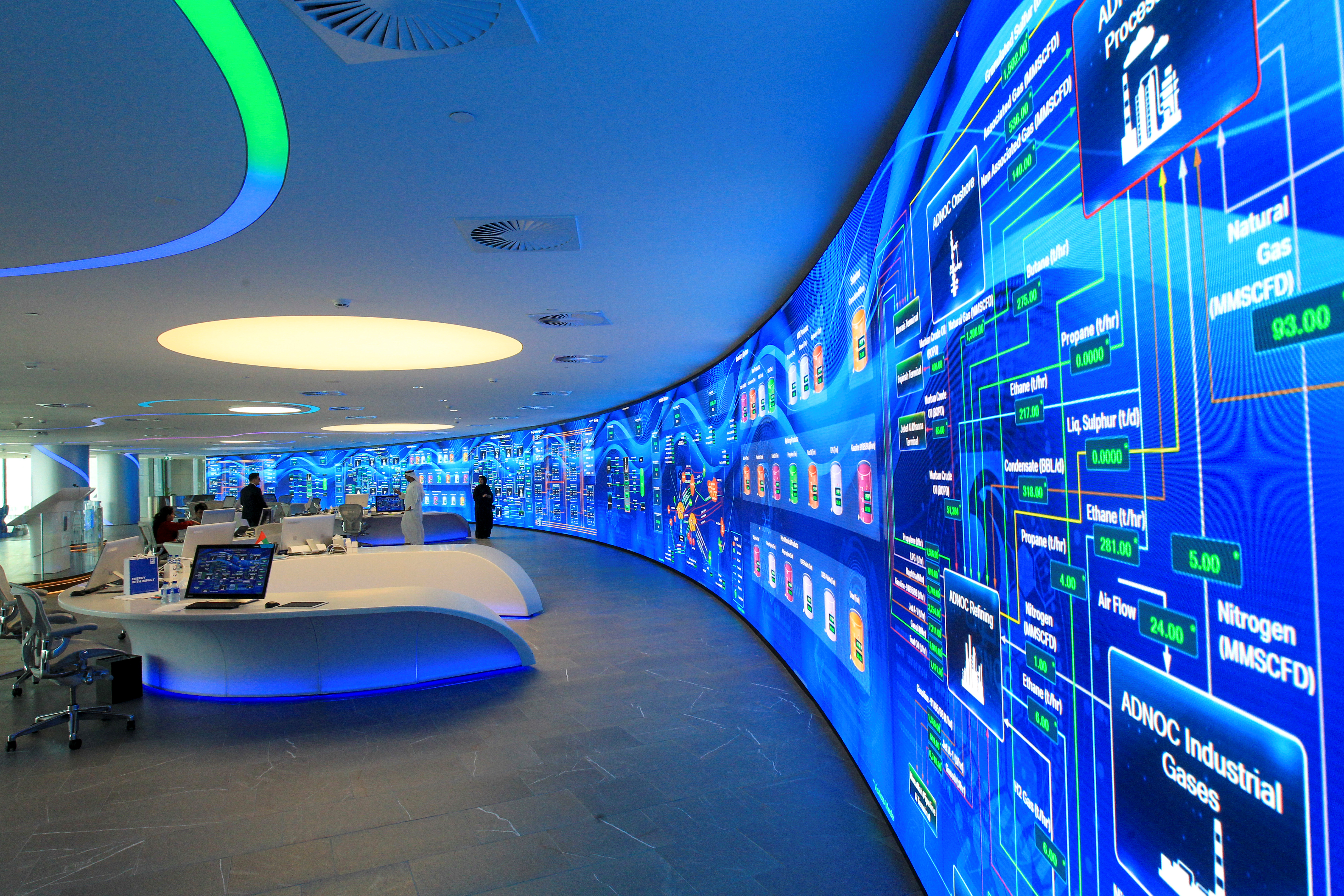
Abu Dhabi National Oil Company (Adnoc) has entered into a significant 15-year agreement with Indian Oil Corporation (IOC), aimed at supplying 1 million tonnes per year of liquefied natural gas (LNG) to India. This long-term deal highlights the strengthening energy ties between the United Arab Emirates (UAE) and India, reflecting a broader strategic partnership across various sectors.

The agreement, unveiled this week, underscores the UAE’s commitment to bolstering its role in the global energy market while addressing India’s growing energy demands. For Adnoc, the deal represents a key milestone in its international expansion strategy, reinforcing its position as a leading LNG supplier. Indian Oil, India’s largest commercial enterprise, will benefit from a stable and substantial supply of LNG, crucial for meeting the country’s increasing energy needs and supporting its transition to cleaner fuels.

This collaboration emerges amidst a backdrop of heightened energy cooperation between the UAE and India. Both nations have been working to deepen their engagement in the energy sector, aiming to enhance energy security and drive sustainable development. The deal is expected to facilitate greater stability in energy supplies for India, which is seeking to diversify its sources of energy amidst a global shift towards more sustainable practices.

Adnoc’s decision to supply LNG to India aligns with its broader strategy to secure long-term contracts and expand its footprint in key global markets. The UAE has been actively pursuing agreements with various countries to ensure a steady demand for its hydrocarbon resources, reflecting a calculated approach to navigating the evolving dynamics of global energy markets.

Indian Oil, on the other hand, is focusing on expanding its portfolio of energy sources to support India’s ambitious goals of transitioning to a greener energy mix. As the country ramps up its efforts to reduce carbon emissions and increase the use of natural gas, the partnership with Adnoc will play a pivotal role in securing a reliable supply of LNG, which is seen as a cleaner alternative to coal and oil.

The deal also reflects the strategic importance of LNG in the current global energy landscape. LNG is becoming an increasingly vital component in the global energy mix, offering a flexible and cleaner energy solution compared to traditional fossil fuels. As countries around the world seek to balance their energy needs with environmental considerations, LNG is emerging as a key player in the energy transition.

For both Adnoc and Indian Oil, this agreement represents a significant step towards achieving their long-term strategic objectives. Adnoc’s commitment to supplying LNG aligns with its vision of becoming a leading global energy player, while Indian Oil’s focus on securing reliable energy sources supports its efforts to drive sustainable growth and energy security for India.

The agreement also highlights the growing trend of energy cooperation between nations, driven by mutual interests in ensuring energy security and promoting sustainable development. As countries navigate the complexities of the global energy market, strategic partnerships like the one between Adnoc and Indian Oil are becoming increasingly important.

In addition to its strategic significance, the deal is expected to have a positive impact on the economies of both nations. For the UAE, it represents a substantial export opportunity and a means of leveraging its abundant natural resources. For India, it provides a crucial supply of LNG that will support its economic growth and energy transition goals.

VISHNU RAJA
RYO YAMADA
HITORI GOTOH
IKUYO KITA