News related to
Emirates

HONG KONG SAR – Media OutReach Newswire – 23 January 2025 – Financial Secretary of the Hong Kong Special Administrative Region (SAR), Paul Chan, is among nearly 3,000 political leaders, financial officials and business elites attending the World Economic Forum (WEF) Annual Meeting in Davos, Switzerland. Hong Kong SAR’s Financial Secretary, Paul Chan, speaks at the “2025 Davos-Caixin CEO Luncheon” in Davos, Switzerland. Promoting Hong Kong’s advantages […]

DUBAI, UNITED ARAB EMIRATES – EQS Newsroom – 22 January 2025 – COFICERT announces the renewal of the University of Dubai’s MSI 20000 certification for a second consecutive cycle, marking its continuous compliance with the standard requirements. Late 2020, the University of Dubai undertook an in-depth assessment of its financial governance in accordance with the MSI 20000 Standard, to become the first educational institution in the region […]

ADNOC Gas has entered into a strategic partnership with the Emirates Water and Electricity Company (EWEC), marked by a 10-year natural gas sales and purchase agreement valued at $10 billion. This collaboration ensures a stable and flexible supply of natural gas, a critical component in the United Arab Emirates’ (UAE) ongoing energy transformation efforts. Fatema Al Nuaimi, CEO of ADNOC Gas, emphasized the significance of this alliance, […]

Dubai Islamic Bank (DIB), the United Arab Emirates’ largest Shariah-compliant lender by assets, has increased its shareholding in Türkiye’s T.O.M. Group from 20% to 25%. This strategic move underscores DIB’s commitment to expanding its presence in Türkiye’s burgeoning digital banking and financial technology sectors. The initial acquisition occurred in October 2023, marking DIB’s entry into Türkiye’s digital financial services market. The T.O.M. Group, established by Aydın Group, […]

The United Arab Emirates (UAE) has solidified its position as the leading destination for foreign direct investment (FDI) within the Arab region, according to the Arab Investment and Export Credit Guarantee Corporation (Dhaman). In 2022, the UAE accounted for approximately 57% of all FDI projects in Arab countries, translating to 923 out of 1,617 total projects. This significant influx of investment is attributed to the UAE’s strategic […]

Numou, a subsidiary of Abu Dhabi Global Market (ADGM), has significantly expanded its digital lending marketplace by partnering with prominent institutions, including the Khalifa Fund for Enterprise Development and private credit providers such as Credible-X, Klubworks, and NymCard Payment Technologies. This initiative aims to revolutionize financing for small and medium-sized enterprises (SMEs) in the United Arab Emirates (UAE), offering a seamless, fully digital application process that connects […]

The UAE Securities and Commodities Authority (SCA) has appointed a new chairperson following the resignation of its CEO, marking a significant leadership transition at the country’s main financial regulatory body. This appointment comes as the UAE continues its efforts to modernize and enhance the resilience of its financial markets amidst global challenges.

The SCA, tasked with overseeing the UAE’s securities and commodities markets, plays a crucial role in shaping the financial ecosystem, ensuring transparency, and safeguarding investor interests. This leadership change is being closely observed by financial stakeholders, especially as the region seeks to bolster investor confidence and attract global capital.

Industry experts point to the leadership change as part of a broader wave of reforms aimed at streamlining the regulatory environment. Over the past few years, the UAE has enacted several measures to strengthen its financial infrastructure, promote corporate governance, and boost market liquidity. This reshuffle at the SCA comes at a time when the government is keen on expanding the role of the UAE’s stock markets on the global stage.

The outgoing CEO had held the position for several years, during which he was instrumental in driving the authority’s modernization initiatives. Under his leadership, the SCA took steps to improve the regulatory framework and enhance market supervision, earning praise for its efforts in fostering a more transparent environment. However, his departure, described as a personal decision, comes at a time when the UAE stock market is seeing increasing volatility, driven by external factors such as oil price fluctuations and shifting geopolitical dynamics.

The incoming head of the SCA is well-regarded within the financial community for their experience in both private and public sector financial services. Experts believe the new leadership will bring a renewed focus on innovation, digital transformation, and the diversification of financial products. Analysts are optimistic that the new chairperson will continue to build on the momentum of regulatory reforms while focusing on long-term sustainability and investor protection.

As the UAE stock market continues to evolve, regulatory oversight will remain a key element in its development. Analysts predict that the SCA’s new leadership will prioritize initiatives aimed at increasing market transparency and aligning with global best practices. These efforts are seen as essential in maintaining investor confidence, particularly in an era of rapid technological advancements and growing demands for sustainable finance.

Financial analysts also note the critical role that the SCA will play in the UAE’s broader economic diversification efforts. With the government’s ambitious Vision 2030 initiative in full swing, the financial sector is expected to contribute more significantly to the country’s GDP, particularly as sectors like technology, renewable energy, and tourism continue to expand. The new leadership is expected to drive initiatives that not only safeguard financial stability but also support the growth of non-oil industries, which are increasingly becoming central to the country’s economic future.

Market analysts will be watching the SCA’s next moves closely, especially as the UAE government seeks to enhance its attractiveness as a financial hub. This will include aligning with global standards for financial reporting and disclosure, which is seen as a crucial step in attracting more international investors. As the global economy continues to face headwinds, from trade tensions to economic slowdowns, the UAE’s efforts to position itself as a robust financial center will be critical to its long-term success.

With the leadership transition underway, there is anticipation that the SCA will further accelerate its efforts to improve market liquidity, streamline regulations, and increase the range of investment products available to both domestic and international investors. Many expect the incoming leadership to continue efforts to expand the scope of capital markets, exploring new avenues such as sustainable investing and green finance, in line with the UAE’s commitment to sustainable development goals.

Advertisements

The United Arab Emirates (UAE) is accelerating its renewable energy initiatives, positioning itself as a leader in solar power development. The nation has unveiled several significant projects aimed at enhancing its clean energy capacity and reducing reliance on fossil fuels.

In January 2025, the UAE’s state-owned renewable energy company, Masdar, inaugurated a $6 billion facility designed to generate 1 gigawatt of uninterrupted clean power. Located in the Abu Dhabi desert, the facility spans 90 square kilometers and is set to commence operations by 2027. This project is a pivotal step in making renewable energy a reliable baseload power source, as emphasized by Sultan Al Jaber, Chairman of Masdar and CEO of Abu Dhabi National Oil Co (ADNOC). Energy Minister Suhail al-Mazrouei highlighted that this initiative marks the beginning of unlocking solar energy’s full potential in the region.

In addition to domestic projects, the UAE is extending its renewable energy expertise internationally. On January 15, 2025, Italy, Albania, and the UAE signed a clean energy cooperation agreement. This agreement aims to utilize the UAE’s experience to produce solar, wind, and other renewable energy sources in Albania, with a portion of the energy transmitted to Italy via an undersea cable. The project, valued at approximately €1 billion, is expected to assist Italy in meeting its electricity needs and fulfilling sustainable energy commitments made at United Nations climate conferences. Sultan al-Jaber noted that the agreement contributes to tripling renewable energy, aligning with the UAE’s goal of achieving carbon neutrality by 2050.

Domestically, the UAE continues to expand its solar energy infrastructure. The Mohammed bin Rashid Al Maktoum Solar Park in Dubai, the world’s largest single-site solar park, is projected to reach a production capacity of 5,000 MW by 2030. This initiative is expected to reduce annual carbon emissions by over 6.5 million tons upon completion. Owned by Dubai Electricity and Water Authority (DEWA), the sixth phase of the park will provide clean energy to 540,000 residences in Dubai.

The UAE has approved four renewable energy projects totaling 4.6 GW. These include three photovoltaic plants in Al Faya, Al Khazna, and Al Zarraf, and a 140-megawatt wind farm in Sila. These developments are part of the UAE’s broader efforts to reduce reliance on fossil fuels and promote an ambitious energy transition.

The United Arab Emirates’ state-owned energy firm, Masdar, has entered the Philippine renewable energy market by signing a $15 billion agreement to develop solar, wind, and battery energy storage systems. This initiative aims to deliver up to 1 gigawatt (GW) of clean power by 2030, with plans to scale up to 10 GW by 2035. Philippine Energy Secretary Raphael Lotilla described the partnership as a transformative step […]

Dubai has unveiled the Creators HQ, a pioneering initiative aimed at attracting 10,000 influencers to the United Arab Emirates (UAE) in the coming years. Located in Emirates Towers, this hub is designed to empower digital content creators by providing comprehensive support, including assistance with UAE Golden Visa applications, relocation services, and business setup facilitation. The Creators HQ was inaugurated during the third edition of the 1 Billion […]

Chinese solar giant Trinasolar is seeking a strategic partner in the United Arab Emirates (UAE) for a major solar power initiative valued at $5 billion. This ambitious project is designed to further the company’s foothold in the Middle East’s rapidly expanding renewable energy sector. The program aims to leverage Trinasolar’s advanced technologies and the UAE’s increasingly aggressive push towards sustainability, a combination that could mark a significant […]

Kenya has found a new partner for its ambitious railway expansion project, turning to the United Arab Emirates after China scaled back its financial commitment to the initiative. The move comes at a time when Kenya is striving to complete its multi-billion-dollar railway infrastructure plans aimed at connecting key cities and boosting economic activity. The shift in Kenya’s funding strategy emerged following a reduction in the financing […]

Abu Dhabi’s Emirates Nuclear Energy Corporation (ENEC) is strategically expanding its footprint in the global nuclear power industry, aiming to become a significant player in energy markets beyond the UAE. The initiative comes at a time when the world is focusing on achieving carbon-neutral goals and ensuring sustainable energy solutions. ENEC’s pursuit of global growth underscores the UAE’s ambition to diversify its energy sources and establish itself as a leader in clean energy technologies.

ENEC, founded in 2009, has made considerable strides in the UAE’s nuclear power sector, with the Barakah Nuclear Energy Plant being the centerpiece of its operations. The plant, located in the Al Dhafra region, is the first nuclear power plant in the Arab world, with four reactors now operational. The successful implementation of Barakah has positioned ENEC as a model for nuclear energy projects in the Middle East and has given it the confidence to pursue expansion into international markets.

One of the key drivers behind ENEC’s global ambitions is its desire to capitalize on growing global demand for low-carbon energy solutions. As countries strive to meet their climate goals, there is an increasing emphasis on nuclear energy as a reliable and scalable option for reducing greenhouse gas emissions. The International Atomic Energy Agency (IAEA) has reported a steady rise in interest in nuclear power projects worldwide, especially in Asia and Europe, where governments are pushing for clean energy investments.

The UAE’s commitment to carbon neutrality by 2050 has propelled ENEC’s expansion plans. Nuclear energy, which is free from carbon emissions during its generation phase, aligns with the country’s goal of reducing reliance on fossil fuels. By expanding its nuclear operations globally, ENEC is not only seeking to help other nations achieve their climate objectives but also to strengthen the UAE’s geopolitical standing as a leader in energy innovation.

ENEC’s global ambitions are supported by the robust technological expertise it has developed over the years. The company has already partnered with international firms and organizations to develop state-of-the-art nuclear power technologies. One of the most notable partnerships is with Korea Electric Power Corporation (KEPCO), which has provided engineering and design expertise for the Barakah plant. This collaboration has enhanced ENEC’s capacity to build and operate nuclear power plants efficiently, making the company well-positioned to expand its presence abroad.

ENEC’s strategy to pursue international nuclear energy ventures is multifaceted. The company is looking at countries with high energy demands and those committed to reducing their carbon footprints. In particular, ENEC is eyeing markets in Asia, Europe, and parts of Africa, where energy infrastructure is rapidly developing, and nuclear power is seen as a critical part of the energy mix.

In Asia, where the demand for electricity continues to grow, nuclear power is gaining traction as a solution to meet the surging energy needs while curbing emissions. Countries like India, China, and South Korea are already investing heavily in nuclear energy projects, and ENEC’s experience and expertise make it an attractive partner for these nations. Additionally, ENEC has expressed interest in the potential of expanding its influence in Eastern Europe, where countries such as Ukraine and Poland are looking to diversify their energy sources in the face of rising energy security concerns.

ENEC’s drive for global expansion is not limited to providing nuclear plants; the company is also looking to position itself as a comprehensive energy services provider. This includes offering nuclear safety consultancy, training services for operating nuclear plants, and contributing to the development of nuclear infrastructure in emerging economies. ENEC’s efforts to enhance its global standing go hand in hand with its long-term commitment to developing nuclear energy that adheres to the highest international safety standards.

While ENEC’s expansion plans are ambitious, they come with challenges. Nuclear energy, while growing in demand, still faces significant scrutiny due to concerns about safety, waste management, and the long-term environmental impact. Despite the rigorous safety standards that ENEC follows, including compliance with the highest regulatory protocols from the UAE’s nuclear authorities, the company will need to work proactively to address public concerns about nuclear energy’s potential risks. Furthermore, the costs associated with nuclear power plants, including construction, decommissioning, and waste disposal, remain high, which could be a deterrent for some countries exploring nuclear options.

Nevertheless, ENEC’s management believes that the long-term benefits of nuclear power far outweigh these concerns. By promoting nuclear energy as a key component of a diversified energy strategy, ENEC hopes to help countries reduce their reliance on fossil fuels, stabilize energy prices, and enhance energy security. Nuclear power, with its capacity for reliable, large-scale energy generation, can complement renewable sources like wind and solar, ensuring a balanced energy grid that is capable of meeting the needs of an evolving global market.

Global sukuk issuance is forecasted to approach $190 billion to $200 billion in 2025, driven by monetary easing and substantial financing needs in core Islamic finance countries, according to S&P Global Ratings.

In 2024, the total issuance stabilized at $193.4 billion, slightly down from $197.8 billion in 2023. This performance was underpinned by a significant increase in foreign currency-denominated issuance and a drop in local-currency issuance. The stabilization was further aided by strong financing needs in core Islamic finance countries, the need to attract foreign capital, and improving global liquidity conditions, with major central banks starting to ease their monetary policy.

Local currency-denominated sukuk issuance fell by 14.6% year on year, primarily due to lower issuance in Malaysia, Pakistan, Turkiye, and Indonesia. The largest drop was in Malaysia, where government issuance decreased because of a smaller fiscal deficit due to the reduction of subsidies. Similarly, Malaysia’s central bank’s issuance fell as a result of tighter liquidity conditions for the Islamic banks as their financing growth continued to outpace deposit growth. Pakistan also saw lower local-currency issuance, as the government’s fiscal position remains under pressure and monetary conditions remain tight, as did Turkiye, where tight monetary conditions resulted in lower local currency-denominated issuance. However, local-currency issuance in Saudi Arabia resumed its growing trend as the government tapped the market with jumbo issuance and started issuing retail sukuk.

Conversely, foreign currency-denominated sukuk issuance increased significantly, rising to $72.7 billion in 2024 from $56.5 billion in 2023. This surge was mainly attributable to the Gulf Cooperation Council (GCC) countries, Malaysia, and Indonesia. Among GCC countries, Saudi Arabia and Kuwait led the way, with banks, corporations, and the government of Saudi Arabia stepping up their foreign-currency issuance, while banks and corporations in Qatar and Oman were also more active in this area. The United Arab Emirates ended the year with marginally lower foreign-currency sukuk issuance than last year. In Malaysia, performance was mainly underpinned by increased issuance by the International Islamic Liquidity Management Corporation and a couple of issuances by the central bank and the sovereign wealth fund. Indonesia’s higher sukuk volumes were due to the country’s increased sovereign issuance.

Fitch Ratings reported that global outstanding sukuk grew 8.5% year-on-year to $900 billion by the end of the third quarter of 2024. Sukuk held a large 30% share of the global debt capital market outstanding in core markets. In the GCC, the debt capital market is about $1 trillion outstanding, with sukuk holding a 37% share.

The U.S. Federal Reserve’s 50-basis-point rate cut in September improved financing conditions, leading to a rise in global sukuk issuances. Fitch expects rates to reach 4.5% at the end of 2024 and 3.5% at the end of 2025, boosting issuance activity in the fourth quarter of 2024 and into 2025. A further decline in interest rates is anticipated to support refinancing upcoming maturities and funding diversification goals.

Despite the positive outlook, risks to the sukuk pipeline remain. Sharia-related complexities, rising geopolitical risks, and oil price volatilities could affect market growth. Bashar Al Natoor, global head of Islamic finance at Fitch Ratings, noted that while there is a build-up of the sukuk pipeline partially supported by the recent Fed cut, these downside risks could impact the market.

In the first half of 2024, global sukuk issuance reached $91.9 billion, a slight increase from $91.3 billion during the same period in 2023. This growth was significantly influenced by a 23.8% rise in foreign currency issuances, which hit $32.7 billion by June 30, 2024, up from $26.4 billion the previous year. Saudi Arabia, the United Arab Emirates, Oman, Malaysia, and Kuwait were the main contributors to this increase.

However, the market might face disruptions starting next year with the adoption of the Accounting and Auditing Organization for Islamic Financial Institutions’ (AAOIFI) Standard 62 guidelines. These guidelines, which transition the industry toward asset-backed sukuk by requiring the real transfer of underlying assets to investors, could impact the market depending on investor and issuer response. Despite potential challenges, existing sukuk are unlikely to be disrupted as any changes in contractual obligations would require investor consent.

Abu Dhabi is set to become the site of the world’s largest 24/7 solar photovoltaic (PV) and battery storage facility, a groundbreaking project that aims to deliver 1 gigawatt (GW) of uninterrupted renewable energy daily. This initiative marks a significant advancement in the United Arab Emirates’ (UAE) commitment to sustainable energy and positions the nation as a global leader in renewable energy innovation. The project, a collaboration […]

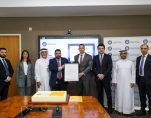
Abu Dhabi’s state-owned holding company, ADQ, has acquired a 22% stake in Aramex, a leading global logistics and transportation solutions provider. This strategic investment aims to bolster the United Arab Emirates’ position in the international logistics and transportation sector.

The acquisition was executed through a series of on-market transactions and an off-market special deal. Murtaza Hussain, ADQ’s acting chief investment officer for M&A and alternative investments, stated that Aramex’s global leadership in logistics complements ADQ’s existing investments, including Abu Dhabi Ports, Abu Dhabi Airport, and Etihad Rail, as the company works to expand the UAE’s logistics ecosystem.

Established in 1982, Aramex has grown into a global provider of logistics and transportation solutions, with over 600 offices in more than 65 countries. The company offers a wide range of services, including domestic and international express delivery, e-commerce shipping and fulfillment solutions, road, air, and sea freight, supply chain management, and more.

In September 2020, ADQ initially acquired the 22% stake in Aramex through its subsidiary, Alpha Oryx Limited. This move was part of ADQ’s broader strategy to invest in key sectors that support the UAE’s economic diversification and growth.

Subsequently, in January 2022, Alpha Oryx transferred its 22.32% stake in Aramex to Abu Dhabi Ports Group, another ADQ subsidiary. This transfer aimed to create synergies between Aramex’s global logistics operations and Abu Dhabi Ports’ regional infrastructure, enhancing the UAE’s logistics capabilities.

Aramex has been actively restructuring its operations to adapt to the evolving logistics landscape. In September 2021, the company split its core businesses into Aramex Express, focusing on business-to-consumer deliveries, and Aramex Logistics, handling business-to-business operations. This strategic realignment was designed to capture growth opportunities in the post-COVID-19 transportation and logistics industry.

The UAE’s logistics sector has been experiencing significant growth, driven by increasing e-commerce demand and strategic investments in infrastructure. ADQ’s acquisition of a substantial stake in Aramex aligns with the nation’s vision to become a global logistics hub, leveraging its strategic location and advanced infrastructure.

ADQ, established in 2018, is one of the region’s largest holding companies, with a broad portfolio spanning key sectors, including utilities, tourism and hospitality, aviation, transportation, logistics, industrial, real estate, media, healthcare, food and agriculture, and financial services. The company’s investment in Aramex reflects its commitment to enhancing the UAE’s economic competitiveness and diversification.

A consortium led by the Arab Energy Fund (TAEF), formerly known as the Arab Petroleum Investments Corporation (APICORP), has acquired a 100% stake in Metito Utilities, a Dubai-based global investor and operator specializing in sustainable water management solutions. The acquisition, conducted in partnership with Saudi Arabia’s Zamil Group Investment Company and the Ghandour family, aligns with TAEF’s strategic vision to enhance energy security and sustainability by investing […]

Ajman’s real estate market experienced a significant surge in December 2024, with transactions totaling AED2.28 billion, marking a 102% increase compared to the same period in 2023. This growth underscores the emirate’s expanding appeal to investors and its robust property sector. The Department of Land and Real Estate Regulation reported that December 2024 saw 1,169 real estate transactions, including 935 property sales valued at over AED1.86 billion. […]

Andrey Rogachev provides insights into the dynamics of Dubai as the regional design and architectural hub. Investor and strategic management expert Andrey Rogachev discusses the role of international partnerships in the UAE, using the example of the exclusive representation of the German premium construction paint brand Profitec. in an interview with Arabian Post, he shares insights on how industry leaders are driving nearby markets forward to take […]

Iran’s oil sector is confronting significant challenges as former President Donald Trump prepares to re-enter the White House, raising concerns about the future of its oil production and exports. The reimposition of stringent sanctions could severely disrupt Iran’s oil industry, which has already been under pressure from previous U.S. measures. In December, Iran’s oil output decreased by 70,000 barrels per day (bpd), totaling 2.85 million bpd. This […]

Emirates NBD Bank PJSC, a leading financial institution based in Dubai, has announced the issuance of five-year notes, set to be listed on the Taipei Stock Exchange (TPEx) in Taiwan. This strategic move aims to diversify the bank’s investor base and enhance its presence in the Asian financial markets. The notes, denominated in U.S. dollars, are scheduled for listing on TPEx on or about January 31, 2024. […]

Venture capital funding in Saudi Arabia and the UAE has experienced a notable decline, as shifting investor priorities and regional economic trends impact the growth of startups and early-stage businesses in both countries. The drop reflects broader changes in the global investment landscape, marked by a heightened focus on risk-adjusted returns and increased caution in the face of global economic uncertainty. In the past year, venture capital […]

The UAE’s construction sector is witnessing a significant surge in tender prices as the country’s real estate market continues its upward trajectory. The sharp increase is primarily attributed to soaring demand for residential, commercial, and hospitality projects, fueling competition among contractors and suppliers. As a result, construction companies are facing higher material and labor costs, which in turn has led to inflated tender bids.

Analysts and industry experts have pointed out that this rise in tender prices is indicative of the broader economic recovery within the UAE, where the real estate market has seen remarkable growth. With major developments underway in cities like Dubai and Abu Dhabi, the demand for construction services and materials has skyrocketed, resulting in an intensified bidding environment. This trend is expected to persist as the UAE gears up to host major international events, such as the World Expo 2025 and the FIFA World Cup 2026, driving further demand for infrastructure projects.

In particular, high-end residential and commercial real estate developments have seen the sharpest price increases in tenders. Dubai’s luxury residential projects, including sprawling villas and multi-story towers, have been in high demand. These projects often require specialized labor and premium materials, pushing up both direct and indirect costs. As developers rush to complete these high-profile projects, contractors are forced to submit higher tenders to secure the necessary resources and meet the expected timelines.

Meanwhile, the UAE government’s investment in infrastructure projects has also contributed to the surge in prices. Initiatives such as the development of new airports, expanded metro systems, and ambitious plans for sustainable urban growth have intensified the competition for skilled labor and construction materials. Experts highlight that these large-scale government-funded projects are consuming a significant portion of the available workforce, further driving up tender prices.

The pressure on construction companies is further compounded by global supply chain disruptions. Factors such as the ongoing geopolitical tensions, rising fuel prices, and inflation have contributed to higher costs for imported construction materials, such as steel, cement, and aluminum. This has made it more challenging for contractors to keep tender prices competitive without compromising on the quality of their work.

Labor shortages have become a pressing issue in the UAE’s construction sector. The rapid expansion of the real estate market has created a demand for skilled workers, leading to rising wages, particularly in niche trades such as electrical and mechanical installation. As a result, contractors are adjusting their pricing models to reflect these elevated labor costs, further pushing up tender prices. Additionally, the labor shortage is expected to worsen as new construction projects are announced, making it difficult for companies to meet deadlines and cost expectations without increasing bids.

Some industry players have warned that this trend could lead to delays in project completion. With construction costs spiraling, developers may face challenges in managing their budgets, which could result in postponed or scaled-back projects. This scenario is already unfolding in some sectors, with several major real estate projects experiencing delays due to the rising costs of construction and labor.

On the other hand, real estate developers continue to express optimism about the future prospects of the UAE’s property market. Despite the soaring tender prices, many believe that the long-term value of their investments will more than offset the increased upfront costs. Dubai, in particular, continues to attract international investors and homebuyers, with its status as a global financial hub and safe haven from geopolitical uncertainties. The influx of foreign capital is expected to keep demand for real estate high, even as construction costs climb.

The real estate boom is also being bolstered by the UAE government’s ongoing efforts to attract foreign investment. Initiatives such as the implementation of long-term visas for investors and the expansion of freehold property ownership for expatriates have increased demand for residential and commercial properties. Additionally, the UAE’s focus on becoming a hub for technology and innovation has driven up demand for modern office spaces and smart city infrastructure, further stimulating the construction sector.

One noteworthy impact of this real estate boom is the shift towards sustainability and green building practices. Developers are increasingly incorporating energy-efficient technologies and sustainable materials into their projects to meet both local and international environmental standards. While these features can add to the cost of construction, they also offer long-term savings through lower energy consumption and maintenance costs. This focus on sustainability has attracted global investors who are willing to pay a premium for green-certified properties, thereby helping to offset some of the rising construction costs.

However, the rise in tender prices may present challenges for smaller construction firms. As larger companies dominate the bidding process for major projects, smaller contractors may struggle to remain competitive. This could lead to a consolidation of the market, where larger, more established construction firms are able to absorb the rising costs, while smaller firms face greater difficulties securing contracts. Industry experts believe that this could result in a shift towards greater specialization, with smaller firms focusing on niche markets or lower-scale projects that do not face the same degree of competition as larger developments.


The United Arab Emirates’ non-oil private sector expanded at its fastest pace in nine months in December, driven by strong demand and increased business activity. The S&P Global UAE Purchasing Managers’ Index (PMI) rose to 55.4 from November’s 54.2, marking the third consecutive monthly increase and remaining well above the 50.0 threshold separating growth from contraction. New business saw a significant uptick, but export demand growth softened, […]

VISHNU RAJA
RYO YAMADA
HITORI GOTOH
IKUYO KITA