News related to
Emirates

Crude oil markets across the Middle East have become increasingly constrained as the United Arab Emirates (UAE) takes steps to limit its oil exports, while international sanctions continue to affect flows from Iran. These combined actions have contributed to a tightening of global oil supplies, pushing prices higher for key Middle Eastern grades.

The UAE, one of the world’s top oil producers, has recently implemented measures to limit its output, joining other OPEC+ members in their efforts to stabilize oil markets amid fluctuating demand and economic uncertainty. This move is part of a broader strategy by the UAE to control production levels more closely, ensuring that the global supply remains in balance with the demand.

Meanwhile, the ongoing sanctions on Iran have added another layer of complexity to the Middle Eastern oil landscape. Despite some efforts to revive the nuclear deal, Tehran continues to face restrictions that prevent it from fully participating in the global oil trade. As a result, Iran’s oil exports have been significantly curtailed, with the country struggling to bypass restrictions designed to limit its oil revenues. This has further squeezed the market and contributed to higher prices for several crude grades.

The tightening of the market has had a noticeable impact on prices. For example, the price of Dubai crude, a key benchmark for Middle Eastern oil, has seen a substantial increase, reflecting the reduced availability of supply. The price uptick is particularly significant for countries in Asia, where Middle Eastern crude is a primary source of oil. The sharp rise in prices has prompted concerns among buyers about the sustainability of the situation, especially as global energy demand continues to grow.

Oil prices in the Middle East have also been influenced by broader geopolitical and economic trends. As countries like China and India recover from the pandemic and resume higher levels of industrial activity, their demand for crude oil has surged. This demand has been further amplified by supply restrictions in other regions, notably from Russia and Venezuela, where political and economic challenges have hampered production. These dynamics have intensified the pressure on Middle Eastern producers to ensure they can meet the global demand while managing the ongoing challenges posed by sanctions and production cuts.

The UAE’s decision to limit its oil exports aligns with broader efforts within the Organization of the Petroleum Exporting Countries (OPEC+) to curb production in response to shifting market conditions. OPEC+ has long been at the forefront of managing global oil output to prevent significant price fluctuations that could destabilize the market. However, the ongoing cuts, which have been in place for much of 2024, are a delicate balancing act. If production levels are reduced too much, they risk pushing prices too high, which could spark inflationary pressures around the world.

This delicate balance is evident in the price movements of several key crude grades. Brent crude, the global benchmark, has risen steadily, driven by supply concerns from key oil-producing regions, including the Middle East. Similarly, West Texas Intermediate (WTI) has seen price increases, partly due to concerns about the tight supply from OPEC+ nations.

Sanctions on Iran continue to play a significant role in these price shifts. Despite some efforts by Tehran to circumvent sanctions by selling oil on the black market, international restrictions remain in place, making it difficult for the country to regain its former market share. Iran’s oil exports, which once accounted for a substantial portion of global supply, have dropped significantly since the US re-imposed sanctions after exiting the nuclear deal. While there have been sporadic efforts to negotiate a return to the deal, these have so far yielded little in terms of significant policy changes or sanctions relief.

For the oil markets, these combined challenges—UAE production cuts and Iranian sanctions—represent a dual pressure point that is expected to persist throughout 2024. Experts warn that the global oil market will continue to face volatility as geopolitical uncertainties, economic growth trajectories, and supply disruptions intertwine.

While the UAE’s actions are likely to continue to drive the market dynamics in the short term, the long-term outlook for the region’s oil supply remains uncertain. The UAE, along with other key players like Saudi Arabia, will need to carefully navigate the challenges of balancing global demand with domestic energy strategies. In particular, the UAE’s push to manage its oil output more closely may have significant implications for global oil prices, especially if other members of OPEC+ follow suit.

Arab nations have ramped up their recruitment of migrant workers, capitalizing on the global surge in demand for labour across various sectors. As economic recovery accelerates worldwide, these countries are seeing an influx of foreign workers filling key roles in industries such as construction, hospitality, healthcare, and retail. The trend has intensified due to the increasing need for skilled and semi-skilled labour, particularly in the wake of the COVID-19 pandemic, which had earlier disrupted migration flows.

This growing demand for foreign labour in the Gulf states, such as the United Arab Emirates (UAE), Saudi Arabia, Qatar, and Kuwait, reflects a broader global phenomenon where labour shortages are pushing countries to adopt more flexible immigration policies. These nations have long relied on migrant workers to fuel their economies, but the scale and scope of the current influx are higher than before, driven by ambitious infrastructure projects, the rapid expansion of new industries, and a burgeoning consumer market.

The demand for migrant workers is particularly high in the construction sector. With large-scale projects such as the World Expo 2020 in Dubai and the 2022 FIFA World Cup infrastructure projects in Qatar, Arab nations have become magnets for workers from countries like India, Bangladesh, Pakistan, and the Philippines. In these countries, millions of people are seeking better opportunities abroad, often choosing the Gulf region for its proximity, relatively higher wages, and work availability. The UAE, for instance, has seen an increase in foreign labour as it continues to diversify its economy, moving away from oil dependency and investing in tourism, real estate, and technology.

In response, governments in the Gulf have streamlined visa processes, introduced new work schemes, and made significant changes to labour laws in an attempt to better manage the growing migrant population. The Saudi government, for example, has rolled out its Vision 2030 initiative, which includes large-scale projects requiring substantial foreign manpower, while also pushing for reforms to ensure fairer treatment of migrant workers.

Despite these efforts to regulate and manage the migrant workforce, challenges remain. Migrant workers often face difficult working conditions, including long hours and low wages, especially in the construction and service industries. Human rights organizations have regularly highlighted concerns over worker exploitation, inadequate living conditions, and restrictions on freedom of movement. These concerns have prompted some governments to introduce reforms aimed at improving the welfare of migrant workers, including enhancing housing standards and addressing unpaid wages.

The COVID-19 pandemic also played a significant role in reshaping migration trends within the Arab states. During the height of the pandemic, strict lockdown measures and border closures disrupted the flow of migrant workers. However, as vaccination efforts gained ground and restrictions eased, there was a swift rebound in the demand for foreign workers. This led to a rapid recovery in the number of migrant workers coming to the Gulf region, particularly for roles in healthcare, where there has been a significant push to employ foreign doctors and nurses to cope with the demand created by the pandemic.

Qatar’s shift towards a more comprehensive legal framework for migrant workers, which includes a minimum wage law and abolishment of the kafala system, reflects a growing recognition of the need to balance economic growth with fair labour standards. However, critics argue that the changes, while significant, may not go far enough to ensure the complete protection of migrant workers’ rights. Moreover, the influx of migrant workers can sometimes put a strain on social services and infrastructure, leading to concerns over housing shortages and rising costs in certain urban areas.

While the recruitment of migrant workers is essential for the continued economic growth of the region, it has sparked debate about the long-term sustainability of such a workforce model. Some experts have pointed out that reliance on migrant labour, without sufficient investment in the local workforce or a focus on upskilling nationals, could lead to social inequalities. Additionally, the ongoing geopolitical situation and economic shifts could affect the stability of migration flows, leading to a need for more robust policies to ensure both the welfare of workers and the long-term economic health of the region.

The growing migrant workforce also reflects a significant demographic shift in these countries. The UAE, for example, has a population where expatriates outnumber nationals, with migrants forming the backbone of the economy. This demographic imbalance raises questions about the long-term social and political implications, particularly as migrant workers often face difficulties in achieving permanent residency or citizenship. Some Gulf states have introduced policies that provide greater rights to long-term residents, but these changes have been incremental.

At the same time, the rise of technology and automation in sectors such as manufacturing and logistics could alter the demand for migrant workers in the coming years. As automation takes over certain low-skilled jobs, it is likely that there will be a shift towards a more skilled migrant workforce. Countries like Saudi Arabia and the UAE are already focusing on training their workforce to meet the demands of new technologies, which could reduce their reliance on foreign workers in the long run.

The United Arab Emirates has unveiled a comprehensive health insurance initiative targeting private sector employees and domestic workers lacking coverage. Set to commence on January 1, 2025, this program aims to ensure universal health insurance across all emirates, extending mandatory coverage beyond Abu Dhabi and Dubai to include Sharjah, Ajman, Umm Al Quwain, Ras Al Khaimah, and Fujairah.

The Ministry of Human Resources and Emiratisation (MoHRE), in collaboration with the Federal Authority for Identity, Citizenship, Customs, and Port Security, and the Ministry of Health and Prevention, spearheads this initiative. Employers are now obligated to secure the new health insurance policy as a prerequisite for issuing or renewing residency permits. Notably, this mandate excludes employees with work permits issued before January 1, 2024, until their residency permits are due for renewal.

His Excellency Khalil Al Khoori, Undersecretary of Labour Market and Emiratisation Operations at MoHRE, emphasized the program’s significance, stating it reflects the UAE’s commitment to extending comprehensive protection to all workers, ensuring access to high-quality healthcare services.

The basic health insurance package is competitively priced at AED 320 per year, covering individuals aged 1 to 64. It offers both inpatient and outpatient treatments with minimal co-payments, thereby reducing the financial burden on employers compared to potential treatment expenses for uninsured workers.

This initiative is part of a broader strategy to enhance the UAE’s labor market competitiveness by improving quality of life, protecting rights, and ensuring social and healthcare security. It complements existing programs such as the Worker Protection Programme, Unemployment Insurance Scheme, and the voluntary alternative end-of-service benefits system known as the ‘Savings Scheme’.

The UAE-China Investment Summit, hosted by HSBC in collaboration with Abu Dhabi Global Market (ADGM) during Abu Dhabi Finance Week (ADFW), concluded with a strong call to enhance economic relations and build strategic partnerships between the United Arab Emirates and China.

Commemorating 40 years of economic partnership, the summit convened senior political and economic experts, investors, and business leaders to explore cooperation in trade, investment, sustainable finance, innovation, technology, and infrastructure development.

Salem Mohammed Al Darei, CEO of ADGM, highlighted the summit as a significant milestone in diplomatic relations, providing a platform to explore opportunities in trade, investment, and cultural exchange. He emphasized Abu Dhabi’s role as the “capital of capital” and ADGM’s position as the region’s fastest-growing international financial center.

Zhang Yiming, China’s Ambassador to the UAE, remarked on the four-decade-long diplomatic ties, built on shared aspirations and purposeful cooperation. He noted that the summit reflects a commitment to exploring new opportunities and fostering sustainable economic growth benefiting both nations.

Mohammed Abdulrahman Al Marzouqi, CEO of HSBC Bank Middle East in the UAE, underscored the bank’s role in promoting bilateral investments. He noted that non-oil trade between the UAE and China reached $81 billion in 2023, with expectations for significant growth as Abu Dhabi’s transformation accelerates and China strengthens its global leadership in trade, renewable energy, and innovation.

The summit featured discussions, presentations of investment opportunities, and exclusive networking sessions, reinforcing its status as a key event of Abu Dhabi Finance Week. Both nations expressed a commitment to accelerating growth in priority sectors, including renewable energy and digital transformation.

The UAE holds a pivotal position as China’s largest trading partner in the Middle East, serving as a gateway for Chinese firms seeking to expand in the region. The summit’s emphasis on strategic partnerships aims to leverage this position, fostering mutual investments and driving sustainable growth.

Jollibee Group’s flagship brand solidifies position as one of the top restaurant chains in Vietnam HO CHI MINH CITY, VIETNAM – Media OutReach Newswire – 17 December 2024 – The Jollibee Group, one of the largest and fastest-growing restaurant companies in the world, marks a significant milestone with the grand opening of its 200th Jollibee store in Vietnam. This achievement underscores the company’s success in market penetration […]

The continued partnership between the United Arab Emirates (UAE) and Bahrain is playing a pivotal role in shaping sustainable development across the Gulf region. This collaboration, notably exemplified by the Abu Dhabi Fund for Development (ADFD), remains central to both countries’ economic growth strategies and their shared goals of environmental responsibility and innovation. Over the years, the UAE’s support has significantly contributed to Bahrain’s infrastructure, economic diversification, […]

A fully integrated lithium battery recycling plant, the first of its kind in the UAE, has been inaugurated at Dubai Industrial City as part of the country’s ambitious sustainability drive. Operated by Dubatt Battery Recycling, the facility aims to transform battery waste management by integrating advanced recycling processes into a circular economy model. This aligns with national goals such as the UAE Circular Economy Policy 2031 and […]

Advertisements

The United Arab Emirates has revealed a lineup of dazzling locations for New Year’s Eve fireworks, promising residents and visitors a spectacular celebration to ring in 2025. With world-famous landmarks and breathtaking displays, the festivities aim to showcase the country’s grandeur and hospitality while offering diverse experiences for everyone.

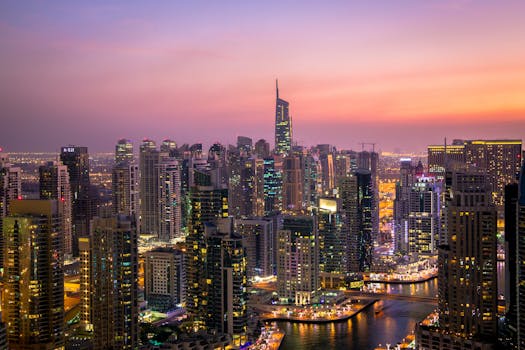
Dubai, renowned for its extravagant celebrations, will feature Burj Khalifa as the centerpiece of its New Year’s Eve festivities. The iconic skyscraper will host a stunning nine-minute show featuring synchronized light beams, original music, and an intricate fireworks display. This world-famous attraction is expected to draw thousands to Downtown Dubai, where the experience is enhanced by the surrounding fountains and vibrant nightlife. Meanwhile, the historic district of Al Seef offers an alternative experience, where the fusion of traditional architecture and modern pyrotechnics creates a unique cultural ambiance.

Atlantis, The Palm, another star venue in Dubai, will treat guests to an unforgettable night combining fireworks and a live performance by international artist Lionel Richie. Guests at the luxurious resort will have exclusive vantage points from its waterfront and restaurants, ensuring an opulent setting to welcome the new year.

In Abu Dhabi, the capital city offers equally impressive celebrations. The Corniche, a picturesque eight-kilometer-long promenade, is expected to attract large crowds with its vivid fireworks display, lighting up the waterfront against the city’s skyline. Yas Island, home to theme parks, hotels, and entertainment venues, will also host stunning pyrotechnics, best enjoyed from Yas Bay Waterfront, Yas Marina, or Yas Beach.

The broader UAE features additional sites ensuring the celebrations reach every corner of the nation. Sharjah’s Al Majaz Waterfront will deliver a family-friendly atmosphere with spectacular fireworks illuminating its scenic lagoon. Ras Al Khaimah continues to carve its place as a record-breaking destination for pyrotechnics, promising jaw-dropping displays set against the backdrop of its mountains and coastline.

As the clock approaches midnight, each location offers a distinctive charm, from the bustling urban settings of Dubai to the tranquil and cultural vibes of Al Seef and the family-oriented atmosphere of Yas Island. The UAE’s preparation highlights its commitment to providing world-class entertainment and attracting global attention during the festive season.

Authorities have urged attendees to plan ahead, given the large crowds expected at prime locations. Public transport services are being expanded, and organizers are ensuring ample parking and accessibility at key sites to facilitate smooth celebrations. With safety and enjoyment as top priorities, security measures and crowd management protocols are set to enhance the overall experience.

Oman remains steadfast in its commitment to becoming a global leader in green hydrogen production, despite facing a range of challenges in its pursuit of an energy transition. The Gulf nation is tapping into its vast renewable energy potential to position itself as a key player in the emerging green hydrogen market, which could play a pivotal role in global decarbonization efforts. The country’s green hydrogen strategy […]

Triton Liquid Fund, a leading player in digital asset hedge fund management, has taken a significant step by obtaining its full Financial Services Permission (FSP) licence from the Abu Dhabi Global Market (ADGM). This development empowers the firm to establish, manage, and operate diversified collective investment portfolios, cementing its position in the region’s expanding digital financial ecosystem. The fund, which has been strategically supported by New York-based […]

The United Arab Emirates has finalized a comprehensive agreement aimed at boosting economic and trade relations with the Eurasian Economic Union (EAEU), marking a significant step in its efforts to diversify trade partnerships and expand its geopolitical influence. The deal, signed by top officials in both regions, is expected to enhance cooperation in sectors such as energy, technology, and logistics, and increase bilateral trade, which has already shown promising growth.

The EAEU, a political and economic union comprising Armenia, Belarus, Kazakhstan, Kyrgyzstan, and Russia, represents a growing market with over 180 million consumers. The agreement with the UAE promises to deepen economic integration between these countries and one of the Middle East’s most dynamic economies. This strategic alignment highlights the UAE’s broader ambition to strengthen its role as a global trading hub, positioning itself as a bridge between East and West.

Trade relations between the UAE and the EAEU have been steadily evolving, with the UAE emerging as a key partner for EAEU nations in recent years. This new pact, formalized after several rounds of negotiation, is designed to capitalize on existing commercial synergies, offering a platform for increased investment flows, joint ventures, and the expansion of supply chains. The agreement sets the stage for a substantial increase in trade volumes, as both parties have agreed to reduce trade barriers and streamline customs procedures, making it easier for goods and services to flow across borders.

In addition to the trade component, the agreement includes provisions for cooperation in technology and innovation. The UAE, already a leader in the tech sector in the Middle East, is looking to export its expertise in fields such as artificial intelligence (AI), renewable energy, and smart infrastructure. EAEU nations, particularly Russia and Kazakhstan, are keen to integrate more advanced technologies into their industries, and the UAE sees this as a prime opportunity to tap into these growing markets. The deal is expected to open up new avenues for collaboration in space technology, fintech, and cybersecurity, sectors in which the UAE has made substantial strides.

Energy remains one of the cornerstone industries in the relationship. The UAE, a member of the Organization of the Petroleum Exporting Countries (OPEC), and Russia, one of the world’s largest oil producers, have long had a robust partnership in the energy sector. This agreement formalizes their commitment to enhancing energy cooperation, particularly in the field of renewable energy. With both nations investing heavily in solar, wind, and nuclear power, the UAE’s clean energy expertise could play a pivotal role in helping EAEU countries achieve their energy transition goals.

The partnership holds significant strategic value for the UAE, which is seeking to diversify its international partnerships and reduce its reliance on traditional Western markets. As geopolitical dynamics shift, particularly with increasing tensions between the West and Russia, the UAE sees the EAEU as an important alternative to expand its global influence. The UAE’s government has been active in seeking closer relations with non-Western powers, building ties with China, India, and Russia in various sectors, including defense, technology, and trade.

For the EAEU, the agreement provides a new dimension to its outward economic orientation, as the bloc looks to reduce its dependence on Europe and enhance its engagement with the Middle East. This new avenue for collaboration is seen as critical for the EAEU’s long-term economic strategy, which aims to bolster ties with countries in Asia and the Arab world. The UAE’s rapidly growing economy and its strategic location between Asia, Africa, and Europe offer a unique gateway for EAEU countries to increase their exports, access global markets, and attract investments.

This agreement is part of a broader trend of the UAE pursuing economic diversification and expanding its trade footprint beyond its traditional partners. The UAE has been actively seeking new trade agreements with nations across the globe, and this deal with the EAEU complements similar initiatives with countries such as India, China, and various African nations. Through these agreements, the UAE is enhancing its position as a regional and global trade powerhouse, and the EAEU pact is a significant component of that vision.

The deal’s signing follows years of diplomatic and economic negotiations, with both sides recognizing the growing potential for collaboration across multiple sectors. The UAE has long prioritized the development of strong, diversified economic relationships, and this agreement with the EAEU is expected to deliver tangible benefits for both regions in the coming years.

While the agreement sets the stage for increased trade and investment, both sides are aware of the challenges involved in implementing such a broad partnership. Differences in regulatory environments, market structures, and political dynamics could present hurdles that need to be navigated carefully. However, the determination on both sides to push forward with these initiatives reflects the shared commitment to strengthening economic ties.

On November 10, 2024, Dubai hosted the second Russian Design Forum, a key event for design and architecture professionals organized by Olga Melnikova. The Forum, which gathered more than 250 Russian-speaking professionals, became an important platform for sharing experience and establishing contacts in the international design environment. Special attention was paid to the development of design in the Emirates, where Russian designers are confidently asserting themselves, setting […]

Middle Eastern airlines are on track to generate the highest profits globally per passenger in 2024, with a projected $23 in earnings for every passenger flown. This figure sets the region apart from other global airlines and highlights its robust recovery and growth within the aviation sector.

The Middle East has long been a pivotal hub for international aviation, with carriers such as Emirates, Qatar Airways, and Etihad Airlines driving both passenger traffic and financial performance. According to data from the International Air Transport Association (IATA), airlines in the region are expected to see a combined net profit of $3.1 billion in 2024, a significant jump from the previous yearncrease in profitability stems from a combination of factors, including the region’s strategic location as a bridge between the East and West, the rapid expansion of flight routes, and increasing demand for air travel. The number of Revenue Passenger Kilometres (RPK) is anticipated to grow by 6.3% in 2024, signaling strong demand for international and regional travel.

Despiges faced by the global aviation sector, such as fluctuating fuel prices and geopolitical tensions, the Middle East’s aviation sector continues to display resilience. Airlines have diversified their revenue streams, not only focusing on passenger traffic but also expanding cargo operations, which has become a significant part of their income. The expansion of premium services has been another contributing factor, with affluent travelers flocking to these airlines for their exceptional services.

BlackRock, one of the world’s largest asset management firms, has expressed a strong interest in taking cornerstone investment roles in upcoming initial public offerings (IPOs) across the Middle East. The company’s move signals growing confidence in the region’s capital markets and a deepening commitment to its investment strategies in emerging markets.

Over the past few years, the Middle East has seen a substantial uptick in IPO activity, particularly in Saudi Arabia and the United Arab Emirates. Following the historic listing of Saudi Aramco in 2019, which set a new benchmark for the global IPO market, more companies in the region are exploring public offerings. With the backing of major sovereign wealth funds and private investors, these IPOs are seen as an attractive investment opportunity for global firms like BlackRock. The asset manager has previously been involved in such offerings, but now seeks a more pronounced stake by becoming cornerstone investors—those who commit to buying a significant portion of shares before the IPO is publicly launched.

A cornerstone investment carries considerable weight. It not only provides financial support to the issuing company but also bolsters the IPO’s credibility, often leading to greater investor confidence and successful market debuts. This dynamic is particularly critical in the Middle East, where many companies are looking to leverage their IPOs as a way to fund expansion and diversification. BlackRock’s potential involvement signals the growing maturity of the regional market, which has shifted from a reliance on local and regional investors to attracting global players.

The Middle East, particularly the Gulf Cooperation Council (GCC) countries, has become a major hub for investment in infrastructure, technology, and finance. Countries like Saudi Arabia, the UAE, and Qatar have been at the forefront of this transformation. Saudi Arabia’s Vision 2030 plan, which aims to diversify the kingdom’s economy away from oil dependency, has created an environment ripe for privatizations and IPOs in industries ranging from entertainment to healthcare and technology. Similarly, the UAE continues to open up its financial markets with initiatives like the Dubai Financial Market’s efforts to attract more international listings.

In parallel, BlackRock’s increased interest aligns with its broader strategic focus on emerging markets. The firm, which manages trillions of dollars in assets globally, has been expanding its footprint in the Middle East as part of its efforts to tap into the region’s growing wealth and investment opportunities. As the region’s financial ecosystem matures, global investors are keen to get a slice of what could be the next big opportunity.

For BlackRock, entering the IPO scene in the Middle East is not just about expanding its market share but also diversifying its portfolio with high-growth potential investments. The firm has made substantial efforts to ensure its involvement in emerging markets, viewing the Middle East as a key component of its global strategy. The region’s infrastructure development, economic reforms, and push towards diversification make it an attractive place for long-term investments. A cornerstone investment in an IPO could thus offer BlackRock the dual benefit of aligning with local growth ambitions while also capitalizing on new investment opportunities.

Saudi Arabia’s recent IPOs of major companies like the National Energy Services Company and Saudi Telecom have been highly anticipated. Both offerings demonstrated the kingdom’s ability to attract international investors, despite fluctuating oil prices and global economic uncertainty. BlackRock’s potential involvement in such high-profile deals would likely bring credibility to the process, further positioning the country as a growing investment hub. Moreover, it could drive further interest from other institutional investors looking to enter the Middle Eastern market.

The UAE’s stock exchange, the Dubai Financial Market (DFM), and the Abu Dhabi Securities Exchange (ADX) are also key players in the region. As the country looks to increase privatizations and diversify its economy, large-scale IPOs are expected in sectors such as real estate, energy, and technology. BlackRock’s interest in taking up cornerstone stakes reflects its belief in the resilience and expansion potential of the UAE’s market, particularly as it strengthens its status as a regional financial center.

The involvement of global asset managers in Middle Eastern IPOs not only signals the growing internationalization of the region’s capital markets but also highlights the increasing confidence in its long-term economic stability. While geopolitical risks and the ongoing volatility of global oil prices remain factors that could impact these markets, the resilience shown by the Middle East in navigating past crises and diversifying its economy makes it an attractive destination for investors.

Investors from the West have been particularly drawn to the region’s rapidly expanding consumer market and digital transformation initiatives. BlackRock’s strategy of anchoring cornerstone investments in this landscape reflects its commitment to these evolving markets. As companies continue to seek funds through public offerings, the expertise and financial muscle of major players like BlackRock are likely to influence the direction of the region’s IPOs.

The United Arab Emirates has concluded a major series of trade agreements with Russia, enhancing economic ties and positioning itself as a key player in the evolving global market. These developments come after high-level meetings at the Innoprom industrial exhibition in Yekaterinburg, where an Emirati delegation led by Dr. Sultan Al Jaber, Minister of Industry and Advanced Technology, negotiated deals on a range of strategic sectors. These agreements are expected to facilitate the establishment of a free-trade zone between the two nations and improve agricultural technology supply chains, among other initiatives.

A focal point of the discussions was the removal of trade barriers to accelerate bilateral commerce. Russian Industry and Trade Minister Anton Alikhanov expressed optimism about the future of these trade relations, highlighting the potential for significant growth once these barriers are overcome. In a statement, Alikhanov said that removing these obstacles would be key to maximizing the economic benefits of this partnership.

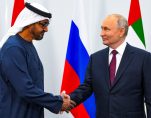
The UAE, which has emerged as one of Russia’s most important economic partners in the Middle East, continues to strengthen its position as a leading global trade hub. President Vladimir Putin, during his visit to Abu Dhabi in December 2023, underscored the UAE’s role as Russia’s top investor in the region. This growing economic relationship is not just limited to Russia; the UAE is also seeking to diversify its trading partnerships globally, with Russia playing a significant part in that strategy.

These deals further reflect the UAE’s broader approach to international trade, which involves forging deeper ties with nations like Russia while diversifying its economic portfolio. The Emirati leadership is keen to leverage its technological advancements and infrastructure, particularly in energy and agriculture, to build a more robust trading network with both traditional and emerging markets.

Emirates Biotech, a prominent player in the UAE’s growing biotechnology sector, has announced plans to construct what is poised to become the world’s largest production facility for polylactic acid (PLA). The plant, set to break ground in the coming months, aims to revolutionize the global bioplastic industry by providing a sustainable alternative to petroleum-based plastics, which have long been associated with environmental damage. With a sharp focus […]

The United States government has approved the export of cutting-edge artificial intelligence (AI) chips to the United Arab Emirates (UAE) under a deal involving Microsoft and the Emirati technology firm G42. This decision comes after a prolonged review, and the deal underscores growing interest in enhancing the UAE’s AI capabilities. Microsoft has invested heavily in G42, forming a partnership to push forward the development of AI technologies in the UAE, but the approval has sparked debates over security risks and potential misuse of the technology.

Microsoft’s $1.5 billion investment in G42 this year not only includes a minority stake but also a strategic partnership that integrates Microsoft’s cloud services with G42’s AI applications. This collaboration is expected to enhance the UAE’s role as a leading player in AI development, especially in areas such as healthcare, government services, and autonomous systems.

However, the deal has faced scrutiny from U.S. lawmakers, who expressed concerns over G42’s potential links to China. The fears center on the possibility of U.S. technology being leveraged by adversarial nations, particularly given G42’s connections to powerful players in the Middle East. U.S. officials have raised alarms about the company’s ties to the Chinese government and its military, fearing that advanced AI systems could inadvertently benefit Beijing or other entities of strategic concern to the U.S.

To mitigate these concerns, the U.S. government imposed strict conditions on the export. Among the most notable restrictions, personnel from countries subject to U.S. arms embargoes, including China, are prohibited from accessing the Microsoft-operated facility in the UAE. Additionally, the deal specifically blocks individuals linked to the Chinese government or organizations based in China from using the technology. These safeguards are designed to ensure that sensitive U.S. technology is not misappropriated by entities that could pose a threat to national security.

Despite these precautions, the deal has ignited a broader conversation about the global race to develop and deploy AI technologies. U.S. officials have repeatedly warned that AI advancements, particularly in fields like military applications and weapons technology, could have significant national security implications. In light of this, the Biden administration has taken steps to bolster oversight of AI development, with mandatory disclosures required from developers of large-scale AI systems regarding the potential security risks of their technologies.

G42, which is partially owned by Abu Dhabi’s sovereign wealth fund and chaired by Sheikh Tahnoon bin Zayed Al Nahyan, has tried to reassure critics by emphasizing its compliance with international standards on AI and its commitment to transparency. However, the company’s efforts have not fully alleviated concerns, with many observers questioning whether the restrictions will be sufficient to prevent sensitive technology from falling into the wrong hands.

The partnership with Microsoft is seen as a major boost for the UAE’s ambitions to position itself at the forefront of AI research and development. The country has long sought to diversify its economy beyond oil, and AI is seen as a key pillar of this transformation. Yet, as this deal shows, the international implications of such partnerships are complex and multifaceted. While the UAE stands to benefit from access to some of the world’s most advanced AI technologies, the potential security risks associated with the transfer of such capabilities remain a point of contention.

The United States government has granted approval for the export of advanced artificial intelligence (AI) chips to the United Arab Emirates (UAE), marking a significant development in the global AI hardware market. This decision, part of a strategic agreement with Microsoft, enables the UAE to enhance its technological infrastructure and further its ambitions in the field of AI and data science. The chips in question are designed […]

Polen Capital, a prominent global asset management firm, has announced its plans to open an office in Abu Dhabi, marking a significant step in its strategy to expand its operations in the Middle East. The firm, which has a strong track record in managing equity and fixed-income portfolios, aims to tap into the growing wealth and investment opportunities in the region. This move underscores the increasing importance […]

Three companies in the United Arab Emirates (UAE) have been granted official licenses to operate lotteries, a significant move as the country aims to regulate and expand its gaming sector. These operators are now the only entities legally permitted to offer lottery services, while other unauthorized operators face orders to cease their activities. This decision follows ongoing efforts by UAE authorities to ensure the integrity and transparency of gambling operations, which have long been tightly regulated.

The UAE’s legal framework for gambling and lottery activities has historically been restrictive, with laws primarily prohibiting most forms of gambling. However, the introduction of licensed lottery services marks a departure from previous norms, aligning with the government’s broader efforts to modernize and diversify its economy. The decision to issue licenses to these operators is expected to generate significant revenue, contributing to the UAE’s economic diversification goals, particularly as the country looks to reduce its dependency on oil exports.

The three licensed operators have been authorized to offer a range of lottery products, including traditional draw-based games and instant-win formats. These services are expected to be heavily regulated, with strict oversight by government agencies to ensure compliance with ethical standards and consumer protection laws. The UAE’s new approach emphasizes transparency in operations, with the aim of attracting both local and international consumers.

While the licensed companies move forward with their operations, the crackdown on unauthorized operators has been swift. Several businesses that were previously offering lottery-like services without official approval have been ordered to shut down. Authorities have stated that any company found in violation of the law will face stringent penalties, including heavy fines and potential legal action.

The decision to regulate the lottery market more extensively has been met with mixed reactions. Proponents argue that the move will help generate revenue for public services and infrastructure projects, benefiting the wider community. By legalizing lottery services, the UAE government hopes to prevent the growth of underground gambling operations that often operate without oversight or regulation, which can lead to illegal activities and financial instability.

On the other hand, critics of the new regulations express concerns about the potential for gambling addiction and other social consequences. They argue that while lotteries are often marketed as a form of entertainment, they can lead to harmful behavior, particularly among vulnerable populations. There are also concerns about the transparency and fairness of the lotteries, with calls for the government to ensure that the operators are fully accountable and that the processes are closely monitored.

The regulatory framework for gambling in the UAE has evolved over time, with the country gradually relaxing some of its earlier restrictions. However, this shift towards legalizing certain forms of gambling has been carefully controlled, with only a limited number of operators allowed to participate. The UAE’s regulatory authorities are reportedly working to ensure that the market remains fair and responsible, with clear rules and guidelines in place to protect consumers.

International operators are also showing interest in the newly regulated market, with several global gaming companies considering partnerships with the licensed UAE operators. The move could potentially open the door for foreign investment, further boosting the country’s gaming sector. While the focus remains on lotteries for now, experts suggest that the UAE could gradually expand its licensing framework to include other forms of regulated gambling, such as sports betting and online casino games.

As the lottery sector begins to take shape, the UAE government has also placed a strong emphasis on ensuring that proceeds from the games are used for the public good. A portion of the revenue generated by the lotteries is expected to be allocated to social programs, including education, healthcare, and infrastructure development. This approach aims to ensure that the financial benefits of the new gambling activities are directed toward improving the quality of life for UAE citizens.

The establishment of licensed operators also raises the possibility of collaboration with international regulatory bodies. The UAE is reportedly engaging with global gaming regulators to ensure that its framework meets international standards. This collaboration could help strengthen the credibility of the UAE’s lottery system, boosting confidence among consumers and investors alike.

In addition to the regulatory changes, the UAE is investing in technology to ensure the security and transparency of lottery operations. The government has emphasized the importance of using advanced technologies, such as blockchain, to track lottery transactions and prevent fraud. This technological investment is expected to play a critical role in building trust among consumers and ensuring that the lottery services are fair and secure.

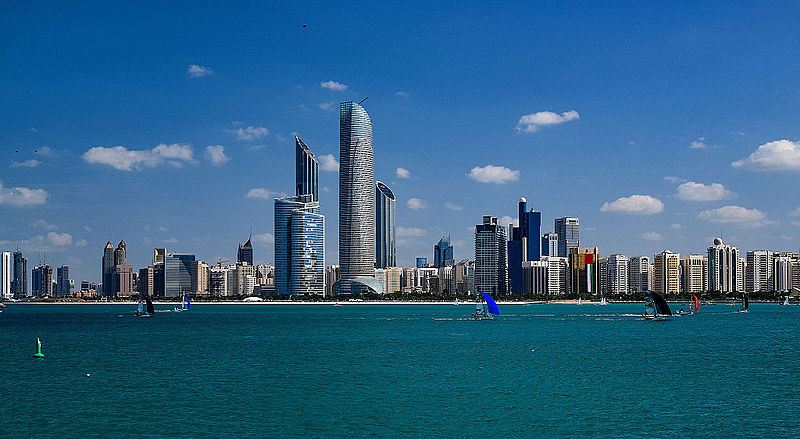
Abu Dhabi is steadily positioning itself as a global financial hub, attracting an increasing number of international bankers, investors, and financial institutions. The capital of the United Arab Emirates (UAE) has long been known for its oil wealth, but in recent years, its economic diversification strategies have begun to bear fruit, transforming it into a key player in the world’s financial markets. This shift is no longer just a future possibility; it is happening now, with rising interest from top-tier banking executives seeking to leverage the city’s infrastructure, favorable regulatory environment, and strategic position at the crossroads of Europe, Asia, and Africa.

As part of its ambition to become a leader in global finance, Abu Dhabi has made significant strides in enhancing its financial services ecosystem. Financial institutions, including major international banks, are increasingly opening branches and expanding operations in the city, attracted by its strategic location and investor-friendly policies. The UAE capital has also established itself as a center for private equity, wealth management, and Islamic finance, sectors where it continues to see consistent growth.

The financial sector in Abu Dhabi has grown rapidly, not just due to its historical advantages but because of deliberate policy decisions made by the government. For example, the Abu Dhabi Global Market (ADGM), a financial free zone established in 2015, has been pivotal in attracting foreign investment. ADGM offers a robust regulatory framework, tax exemptions, and a business-friendly environment that allows for greater ease of doing business compared to other regions in the Middle East.

Another factor drawing attention is Abu Dhabi’s growing role as a leading center for sustainable finance. The UAE has positioned itself as a key player in the global push towards greener investments, with Abu Dhabi at the forefront of green bonds and other sustainable financial products. In addition to the nation’s investment in renewable energy projects like the massive solar farm at Mohammed bin Rashid Al Maktoum Solar Park, the UAE has been a significant proponent of integrating environmental, social, and governance (ESG) criteria into investment strategies.

Abu Dhabi’s rise as a financial powerhouse is not only benefiting the city’s banks but also drawing the attention of global investment funds, particularly those looking to invest in markets with high growth potential. Financial giants from New York to London are setting up operations to tap into the rapidly growing wealth in the Gulf region, with Abu Dhabi being a prime location. The city’s appeal is also reinforced by its relatively low tax environment, particularly for foreign businesses, and the increased liberalization of the banking sector. This has helped make Abu Dhabi a go-to destination for global funds seeking to access emerging markets with fewer barriers.

The UAE government has long supported policies that encourage the diversification of the economy beyond oil, and banking and finance have become pivotal to this transformation. The establishment of the Financial Services Regulatory Authority (FSRA) has played an essential role in strengthening the regulatory framework, providing international businesses with confidence in operating within the emirate’s borders. This system offers a well-defined legal framework, based on international best practices, which ensures transparency and stability in the financial sector.

Abu Dhabi is seeking to capitalize on the global demand for fintech, especially with the increased adoption of digital financial services. Many leading global fintech companies have established a presence in the emirate, while government-backed initiatives continue to promote innovation in the sector. The growth of digital banking, blockchain technologies, and cryptocurrency is becoming more pronounced, positioning the city as an attractive destination for tech-driven financial services. The authorities in Abu Dhabi are keen to foster an ecosystem conducive to fintech startups, leveraging the city’s burgeoning tech infrastructure and access to venture capital funding.

In addition to financial services, Abu Dhabi’s ambitions are evident in its wealth management strategies. With a high concentration of wealthy individuals and families, Abu Dhabi has seen a surge in the demand for sophisticated wealth management services. The city’s wealth managers, private banks, and family offices are increasingly seeking to provide tailored services that cater to the unique needs of their clients. As such, Abu Dhabi is establishing itself as a key player in the high-net-worth individual (HNWI) market, attracting wealthy clients from the Gulf region and beyond.

International investors, particularly from Europe and Asia, are closely monitoring the developments in Abu Dhabi as they seek to capitalize on the economic growth that the emirate is experiencing. Many analysts view the city as one of the best places to invest in the Middle East, noting its ability to offer competitive returns and stability, especially in comparison to other regional markets that have seen geopolitical instability in recent years. Moreover, the city’s efforts to embrace innovation, sustainability, and diversification are making it an increasingly attractive destination for both traditional investors and those seeking to invest in cutting-edge sectors like green technologies and digital finance.

Apple CEO Tim Cook’s visit to the UAE this week marked a significant moment for both the tech giant and the local creative community. In an event aimed at highlighting the intersection of technology and art, Cook attended an exhibition showcasing the talent of Emirati photographers, captured through the lens of the new iPhone 16 Pro. The visit, which included a trip to the iconic Qasr Al […]

Dubai Police is offering an exciting and educational experience for teenagers this winter through its annual Winter Programme. Targeted at youth between the ages of 13 and 18, this initiative offers a diverse range of activities that aim to both entertain and educate the next generation of citizens. Starting December 11, 2023, the programme will continue until December 22, with 300 students enrolled from various emirates and nationalities.

Held in collaboration with the Emirates Schools Establishment (ESE) and the Knowledge and Human Development Authority (KHDA), the programme offers participants a chance to engage in physical and military training, as well as hands-on exposure to rescue operations. Training venues for this year’s edition include the Zayed Education Complex, Asmaa Bint Al Noaman Girls School, and several other locations around Dubai.

The primary aim of this initiative is to engage students in outdoor activities that promote teamwork, physical fitness, and social responsibility. Participants will learn valuable life skills through sports, military drills, and insightful lectures that highlight the importance of positive citizenship, security awareness, and the prevention of harmful behaviors such as smoking and bullying. Students will also receive training on basic rescue operations, making the programme both fun and practical.

In addition to the core activities, the Winter Programme places a strong emphasis on volunteerism and positive community engagement, encouraging youth to contribute meaningfully to society. The programme includes field visits to various Dubai Police departments, offering students an inside look at the important work carried out by the force. These visits not only enhance the educational experience but also give teens a broader understanding of the roles played by law enforcement in keeping the community safe.

Apple is poised to expand its retail footprint in the UAE, announcing plans for a fifth store in the region. This development comes as the company’s cumulative investments in the UAE have surpassed $1.6 billion, underscoring the tech giant’s commitment to strengthening its presence in a key international market. The upcoming store, slated to open in Abu Dhabi’s Al Maryah Island, will be the second Apple location […]

VISHNU RAJA
RYO YAMADA
HITORI GOTOH
IKUYO KITA