News related to
Emirates

Emirates Airline has intensified its sustainability initiatives by implementing a closed-loop recycling programme aimed at reducing plastic waste. This initiative involves recycling millions of onboard items, including plastic trays, bowls, snack dishes, and casserole dishes, at a local facility in Dubai. These items are remanufactured into new meal service products for use on flights, aligning with the principles of a circular economy where materials are reduced, reused, and recycled.

The recycling process entails collecting used and damaged meal service items from Economy and Premium Economy Class after flights. These items are then washed, inspected for damage, and transported to a Dubai facility where they are ground down, reprocessed, and remoulded into new dishes, bowls, and trays. The remanufactured products are subsequently returned to Emirates Flight Catering for use in future in-flight services.

Emirates has partnered with deSter FZE UAE, a leading provider of serviceware concepts to the aviation industry and an expert in closed-loop manufacturing, for this initiative. The new meal service items contain at least 25% reused material, with plans to increase this proportion over time. The deSter facility in UAE was chosen to minimize the carbon footprint associated with recycling processes, as it eliminates the need to send products to other countries for recycling. The factory also incorporates sustainable design principles, focusing on solar power, efficient water use, and waste minimization.

The United Arab Emirates has reaffirmed its position as the global leader in Fibre to the Home connectivity, achieving a penetration rate of 99.3%. This marks the eighth consecutive year the nation has topped international rankings, surpassing technological hubs such as Singapore, Hong Kong, China, and South Korea. The FTTH Council’s latest annual report highlights this milestone, underscoring the UAE’s commitment to advancing its digital infrastructure.

The FTTH Council’s analysis encompassed data from 20 countries with FTTH availability exceeding 50%. Singapore secured the second position with a penetration rate of 97.1%, followed by Hong Kong at 95.3%, China at 92.9%, and South Korea at 91.5%. The UAE’s leading status reflects the nation’s strategic emphasis on developing next-generation digital infrastructure to support its economic and technological ambitions.

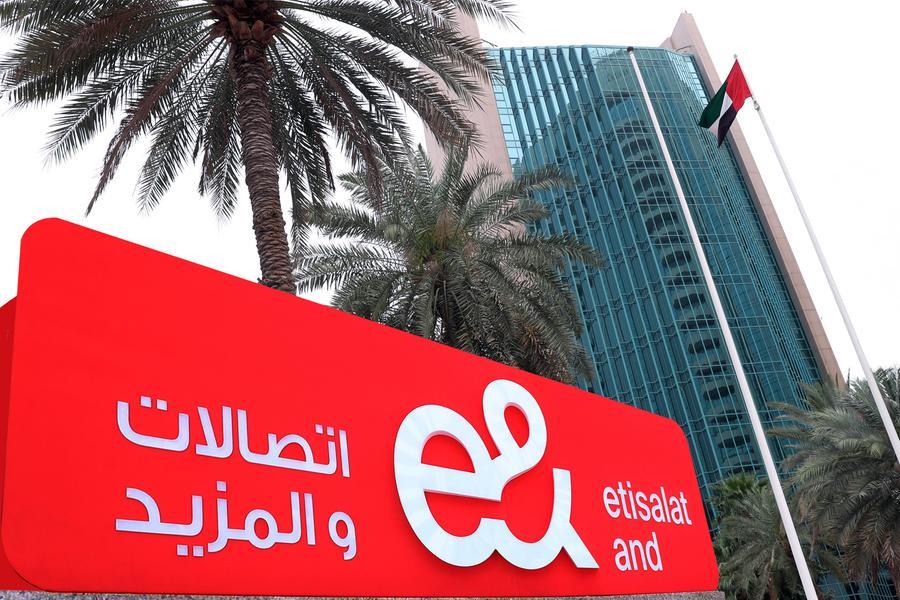
Central to this achievement is e& UAE, formerly known as Etisalat, which has played a pivotal role in enhancing the country’s connectivity landscape. The company has consistently invested in and developed world-class infrastructure for both 5G and fibre networks. Masood M. Sharif Mahmood, CEO of e& UAE, stated that the UAE’s proactive strategies and investments in fibre connectivity are a testament to the nation’s visionary leadership and its confidence to empower people to thrive in the digital age.

The UAE’s focus on fibre connectivity is integral to its broader digital transformation agenda. The nation has continuously invested in innovation and next-generation technologies to expand and enhance its infrastructure. This robust network forms the backbone of a digital ecosystem that supports various advanced technologies, including augmented reality, robotics, and artificial intelligence.

The high FTTH penetration rate offers tangible benefits to both consumers and enterprises. For consumers, it translates to high-speed internet access, facilitating seamless experiences in gaming, streaming, and other bandwidth-intensive applications. Enterprises, on the other hand, can leverage this infrastructure to support advanced use cases, applications, and technologies, thereby driving digital transformation across various sectors.

Beyond performance enhancements, fibre connectivity contributes to energy efficiency and sustainability goals. It is also critical in advancing hyperscalers, 5G Advanced, data centre connectivity, smart cities, and AI-driven initiatives. The UAE’s commitment to fibre connectivity aligns with its vision to become a global hub for innovation and technology.

HONG KONG SAR – Media OutReach Newswire – 6 April 2025 – ​Associate Director-General of Investment Promotion at Invest Hong Kong (InvestHK) Mr Charles Ng will commence his duty visit to the Middle East from today (April 6) to April 10, with key engagements in Saudi Arabia and the United Arab Emirates (UAE). The visit underscores Hong Kong’s commitment to deepening economic ties with these dynamic markets […]

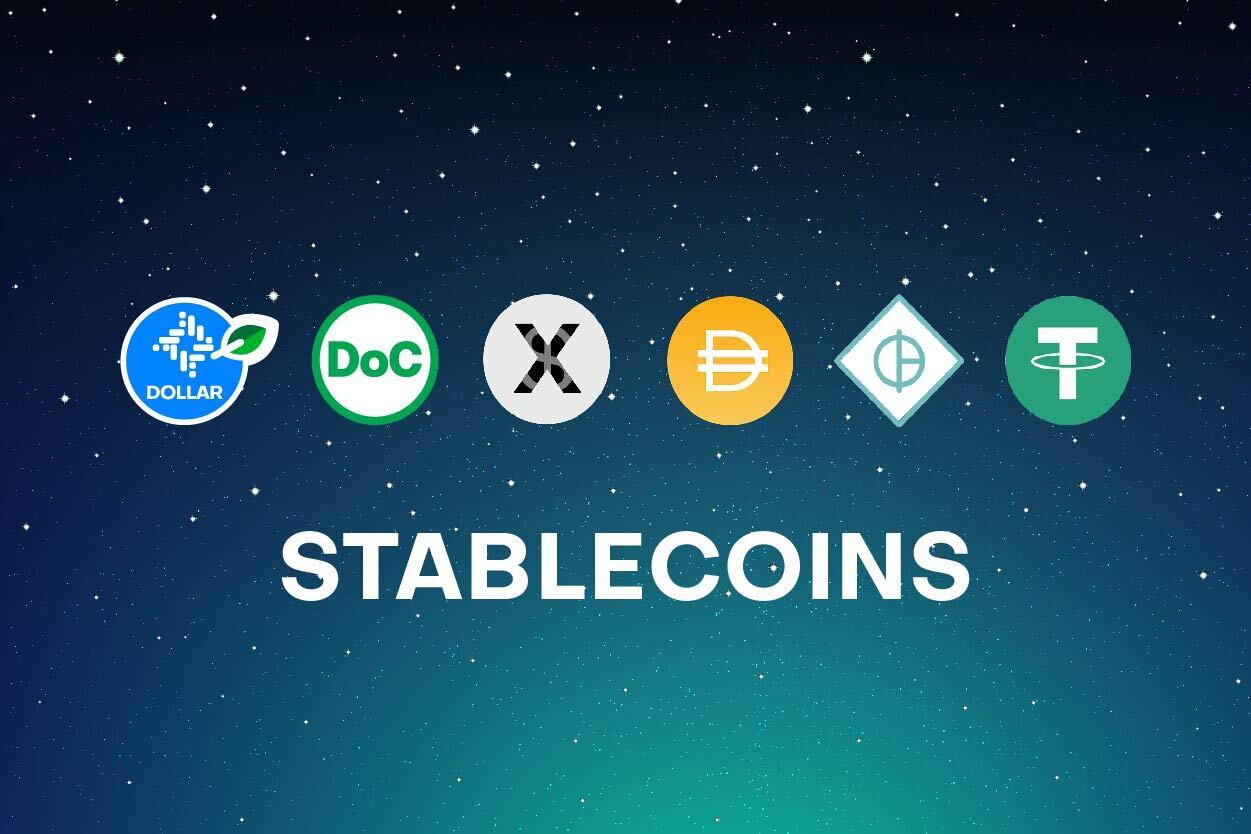
Tether, the issuer of the world’s largest stablecoin, is evaluating the creation of a new digital currency designed to comply with forthcoming U.S. regulations. CEO Paolo Ardoino indicated that while USDT will maintain its focus on emerging markets, the proposed stablecoin would cater specifically to the U.S. market.

Ardoino emphasized Tether’s commitment to regulatory compliance, stating that the company is actively engaging with U.S. lawmakers to help shape stablecoin legislation. He noted Tether’s willingness to adapt its operations to align with legal frameworks, ensuring the company’s continued operation within the law.

The U.S. Congress is currently deliberating several bills aimed at regulating stablecoins. Notably, the STABLE Act, co-introduced by Representative Bryan Steil, proposes that stablecoin issuers maintain reserves consisting solely of high-quality liquid assets, such as U.S. Treasury bills and insured deposits. Ardoino confirmed Tether’s involvement in discussions regarding this legislation, highlighting the company’s proactive approach to compliance.

In addition to legislative engagement, Tether is expanding its global footprint. The company is finalizing the relocation of its headquarters to El Salvador after obtaining a digital asset service provider license there. This move aligns with El Salvador’s ambitions to become a digital currency trading hub, following its establishment of Bitcoin as legal tender.

Tether is also exploring opportunities beyond its traditional offerings. The company recently announced a partnership with Phoenix Group PLC to launch a Dirham -pegged stablecoin in the United Arab Emirates. This initiative aims to provide financial stability to individuals in high-inflation countries and enhance remittance services.

Tether is considering deeper involvement in the sports industry. The company holds a 5% stake in Italian Serie A soccer club Juventus and is open to increasing its investment if the current owners decide to sell more shares. This potential investment reflects Tether’s strategy to leverage its platform and user base to support global brands, particularly in emerging markets.

President Donald Trump’s administration has announced sweeping tariffs, including a baseline 10% levy on all imports into the United States, with higher rates for specific countries. This development has prompted companies across the Middle East to evaluate potential repercussions and strategize accordingly. The Gulf Cooperation Council nations—comprising Saudi Arabia, the United Arab Emirates , Qatar, Kuwait, Oman, and Bahrain—are subject to the 10% tariff. Given that many […]

The Organization of the Petroleum Exporting Countries and its allies, collectively known as OPEC+, have announced a significant policy shift by accelerating oil production increases. This decision, made during a virtual meeting on Thursday, involves eight member countries—Saudi Arabia, Russia, Iraq, the United Arab Emirates, Kuwait, Kazakhstan, Algeria, and Oman—agreeing to boost output by 411,000 barrels per day starting in May. This adjustment consolidates three months’ worth of planned increases into a single month, surpassing the initially scheduled 135,000 bpd increment.

This move aims to discipline member nations that have been exceeding their production quotas and to address concerns over market stability. The coalition emphasized that these adjustments could be paused or reversed depending on evolving market conditions, underscoring their commitment to maintaining equilibrium in the global oil market.

The announcement had an immediate impact on oil prices. Brent crude futures dropped by 7.1%, settling at $69.63 per barrel, while West Texas Intermediate declined by 7.8% to $66.15 per barrel. These declines represent the steepest single-day percentage drops since mid-2022, reflecting market apprehension about potential oversupply amid existing economic uncertainties.

Compounding these market jitters are newly announced tariffs by U.S. President Donald Trump. The administration has imposed a baseline tariff of 10% on imports from several global economies, raising fears of an escalating trade war that could dampen global economic growth and, consequently, reduce energy demand. Analysts have noted that these tariffs could lead to increased inflation and slower economic expansion, particularly affecting emerging markets in Asia, which are pivotal centers for oil demand growth.

The timing of OPEC+’s decision aligns with these geopolitical developments. By increasing supply, the alliance appears to be responding to external pressures, including calls from major consumers for more affordable energy prices. However, this strategy carries risks, as it may exacerbate price volatility and strain relations within the group, especially with members that have been advocating for more conservative production increases.

Market analysts are closely monitoring the situation, noting that the combination of heightened supply and potential demand contraction due to trade tensions could lead to a surplus in the oil market. This scenario may prompt OPEC+ to reassess its strategy in the coming months to prevent a prolonged downturn in prices.

The United Arab Emirates’ non-oil private sector experienced a deceleration in growth during March, as indicated by the latest S&P Global Purchasing Managers’ Index . The index declined to 54.0 from February’s 55.0, marking the lowest point since September. Despite this dip, the PMI remains above the 50.0 threshold, signifying continued expansion in the sector.

The moderation in growth is primarily attributed to a slowdown in new order inflows, which have decreased for the third consecutive month. The new orders index fell to 56.3 in March from 57.3 in February, reaching its weakest level since October. This trend suggests a tapering in demand momentum within the UAE’s diversified economy.

In response to mounting backlogs, companies have accelerated their input purchases at the fastest rate since July 2019. This proactive approach aims to address operational pressures and maintain service levels. However, employment growth has softened, registering its slowest pace in nearly three years, as firms encounter challenges in recruitment and workforce expansion.

Input prices have seen a moderate rise, with some businesses facing increased material costs, while others benefit from reduced transportation expenses. This nuanced cost landscape reflects the complex dynamics influencing the sector’s operational environment.

Dubai’s non-oil private sector also mirrored this slowdown, with its PMI dropping to a five-month low of 53.2 from 54.3 in February. The emirate experienced a rare reduction in employment levels, despite a continued, albeit slower, increase in new orders.

Nevertheless, businesses across the UAE maintain a positive outlook regarding future growth prospects. This optimism is underpinned by robust project pipelines and ongoing national infrastructure developments, which are expected to bolster the non-oil sector’s performance in the coming months.

Advertisements

Corporate events have long gone beyond simple team building activities. They address a wide range of tasks today: helping to accelerate onboarding, improving internal communications, increasing employee engagement and strengthening corporate culture. This is especially important for employees of remote teams who risk losing contact with each other and the company due to remote working formats. In recent years, online tools have made communication easier and virtual […]

e& PPF Telecom Group, a joint venture between Emirates Telecommunications Group Company and Czech-based PPF Group, has finalized the acquisition of Serbia Broadband for €825 million. This transaction, structured on a cash-free, debt-free basis, was financed through external debt secured by e& PPF Telecom.

SBB, established in 2002, is a leading cable television and broadband internet service provider in Serbia, boasting over 700,000 active customers. The acquisition aligns with e&’s strategic ambition to scale up its international presence in Central Eastern Europe, diversify revenue sources with greater exposure to stable currencies, and accelerate growth in e& PPF Telecom.

The deal also involves the carve-out of SBB’s direct-to-home satellite operations, which will be sold to Telekom Srbija. United Group, the previous owner of SBB, will retain its media assets, including news and entertainment channels N1 and Nova S, which will continue to be broadcast by SBB.

Balesh Sharma, CEO of e& PPF Telecom Group, expressed confidence in the acquisition, stating that it would allow the company to complement existing services offered to Yettel customers in Serbia and provide a wider suite of offerings to SBB subscribers. He emphasized that customers would benefit from the synergies brought about by this transaction.

This acquisition is part of e&’s broader strategy to expand its footprint in Central Eastern Europe. In October 2024, e& acquired a 50% stake plus one share in PPF Telecom Group’s assets in the region for €2.15 billion, forming the e& PPF Telecom Group. This joint venture now operates in Serbia, Hungary, Bulgaria, and Slovakia, with a focus on expanding its telecommunications portfolio.

The completion of the SBB acquisition is expected to enhance e& PPF Telecom Group’s operations in Serbia by integrating SBB with its existing mobile operator, Yettel. This integration aims to create a leading converged operator in the Serbian market, offering both fixed-line and mobile services.

United Group’s decision to divest SBB aligns with its strategy to focus on markets where it can provide the full spectrum of mobile and fixed telecommunication services. Victoriya Boklag, CEO of United Group, stated that the divestment would enable the company to realize the greatest potential for growth and value creation.

Checkout.com has partnered with Tabby to integrate Buy Now, Pay Later solutions into its platform, enabling merchants in the United Arab Emirates and Saudi Arabia to offer consumers flexible payment options at checkout. This collaboration aims to enhance the shopping experience, foster consumer loyalty, and drive business growth by providing greater flexibility at the point of purchase. The BNPL market in the Middle East has witnessed significant […]

DUBAI, UNITED ARAB EMIRATES – EQS Newswire – 1 April 2025 – iSON Xperiences (www.iSONXperiences.com), a global leader in AI-powered digital customer experience (CX) and BPO solutions, has appointed Ricardo Langwieder as its Chief Sales Officer. Ricardo will join the executive committee and lead the company’s global expansion, revenue growth, and strategic partnerships. With over 25 years of international corporate and entrepreneurial experience, Ricardo is a recognized […]

Greenlogue/AP Abu Dhabi National Oil Company has initiated a tender process for the engineering, procurement, and construction of Project Rabdan, a low-carbon ammonia production facility slated for construction in the Taziz industrial complex. The plant is designed to produce one million tonnes per year of blue ammonia, leveraging natural gas feedstocks while capturing and storing carbon dioxide emissions to reduce its carbon footprint. The EPC tender follows […]

President Donald Trump has indicated that his first international trip in his second term will likely include visits to key countries in the Middle East, namely Saudi Arabia, the United Arab Emirates , and Qatar. While speaking to the press in the Oval Office, Trump suggested the visit could occur next month, though he noted it might be slightly delayed depending on diplomatic and scheduling considerations.

This trip is expected to be a crucial moment in Trump’s foreign policy, as it will focus on reinforcing the United States’ strategic relationships in the region, particularly in the wake of his administration’s efforts to reshape the dynamics of the Middle East through initiatives such as the Abraham Accords and military partnerships. The planned visit underscores the ongoing importance of these Gulf nations as key players in both regional and global geopolitical matters, including security, energy, and economic cooperation.

The president’s statement reflects the evolving nature of U.S. foreign policy in the Middle East, where traditional alliances have been reinforced while new partnerships, especially with the UAE and Bahrain, have emerged over the past few years. The Abraham Accords, signed in 2020, have opened new avenues for diplomatic engagement in the region, with several Arab countries normalising ties with Israel, a move that has significantly altered the political landscape.

Saudi Arabia, as a longstanding ally of the United States, remains at the heart of the Middle East’s geopolitics, particularly in relation to energy markets and security concerns regarding Iran’s growing influence. Trump’s administration was marked by its staunch support for the kingdom, including a controversial stance on the murder of journalist Jamal Khashoggi and its military cooperation in the region. A visit to Riyadh would likely reaffirm these strategic ties, especially as the U.S. continues to grapple with Iran’s nuclear ambitions and its role in regional instability.

The UAE has also become an increasingly influential partner, not only in terms of energy and security but also in fostering technological innovation and investment. In addition to hosting Israeli diplomatic missions following the Abraham Accords, the UAE has positioned itself as a hub for economic development, hosting major events like Expo 2020 Dubai and advancing its space exploration programme. Trump’s engagement with the UAE signals an ongoing commitment to strengthen ties with nations that have emerged as leaders in the Middle East’s economic diversification efforts.

Qatar, a key player in regional diplomacy and a host to the massive U.S. military base at Al Udeid, will also play a central role in Trump’s plans. As a small but influential country, Qatar has positioned itself as a mediator in various regional conflicts, often serving as an intermediary between conflicting parties in the region. Trump’s relationship with Qatar has been critical, particularly in relation to military cooperation and counter-terrorism efforts, and his visit would likely reaffirm the importance of these ongoing collaborations.

While the specifics of the trip remain unclear, the White House has made it known that the president’s travels will reflect the continued prioritisation of U.S. interests in the Middle East. Following years of tension over issues such as the U.S. withdrawal from Afghanistan and its approach to Iran, the Middle East remains a focal point of U.S. foreign policy. This visit could signal a shift towards a more engaged and active approach, particularly as the region faces new challenges ranging from economic instability to security threats from non-state actors.

Experts suggest that Trump’s trip will also serve as a signal to other global powers, particularly China and Russia, of the U.S.’s commitment to maintaining its influence in the Middle East. The region’s role in global energy production, combined with its strategic location at the crossroads of Europe, Africa, and Asia, makes it a critical area for U.S. interests. Trump’s visit is expected to focus on advancing energy partnerships, countering the growing influence of China in the region, and ensuring that U.S. military presence continues to be a stabilising factor in the face of Iranian provocations and broader geopolitical shifts.

Trump’s visit comes at a time when the Middle East is witnessing significant shifts in its diplomatic and economic alignments. Saudi Arabia, for example, has begun to recalibrate its foreign policy, striking deals with China and Russia, and there are signs that the kingdom is exploring new relationships outside its traditional Western alliances. Trump’s visit could also serve to counter these new trends, reinforcing U.S. leadership in the region.

The trip could be particularly significant for the future of U.S. relations with Israel. Although Israel’s peace agreements with several Arab states have altered the region’s political landscape, U.S. support for Israel remains a cornerstone of its Middle East policy. Trump’s visit will likely address how the U.S. plans to build on these agreements while navigating the evolving dynamics between Israel and its Arab neighbours.

As Trump prepares for his visit, discussions will also revolve around the broader implications of his foreign policy agenda. The Middle East is not only a region of military importance but also a key player in the global fight against terrorism, as well as in shaping energy markets and technological innovations. Trump’s emphasis on strengthening partnerships with countries like Saudi Arabia, the UAE, and Qatar will be crucial in setting the tone for the next phase of U.S. involvement in the region.


Global Footprint and B2C-B2B Synergies Drive Long-term Development Results Highlights Revenue surged by 71.7% to historical high of US$345.78 million. Net profit hit historical high and grew by 151.5% to US$19.04 million, net profit margin improved by 1.7 percentage points to 5.5%. The Board of Directors has recommended a final dividend of HK7.5 cents per share. The Business-to-Customer (B2C) YesStyle Platforms recorded revenue of US$265.64 million, up […]

Abu Dhabi-based Agthia Group PJSC has acquired a 100% stake in Riviere Mineral Water Desalination & Filling Factory LLC, a prominent player in the United Arab Emirates’ bottled water home and office delivery sector. This strategic move is anticipated to expand Agthia’s Water & Food segment revenues by approximately 6.5% and triple its household customer base. Established in 2003, Riviere serves customers across Abu Dhabi, Al Ain, […]

The United Arab Emirates has ascended to the forefront of global cryptocurrency adoption, marked by a 41% year-on-year increase in crypto app downloads, totaling 15 million in 2024. In January 2025 alone, the nation recorded 3.55 million installations of crypto applications, underscoring a robust and growing interest in digital assets. Projections indicate that user penetration will reach 39.1% by the end of 2025, signifying the transition of cryptocurrency from a niche interest to a mainstream financial instrument within the country.

This surge is underpinned by a proactive regulatory environment. The Dubai Financial Services Authority has expanded its list of recognized crypto tokens, while the Abu Dhabi Global Market introduced the world’s first Distributed Ledger Technology Foundations Framework, providing legal structures for blockchain-based organizations. Furthermore, the Central Bank of the UAE approved AE Coin, the nation’s inaugural dirham-pegged stablecoin, facilitating faster and more cost-effective digital transactions.

A study by Atmos, a proprietary trading platform by Taurex, highlights the UAE’s leadership in the crypto space. The research indicates a cryptocurrency ownership rate of 25.3% among the UAE population, coupled with an adoption growth rate of 210%. Despite the presence of only one Bitcoin ATM, the UAE secured the top position in the study’s rankings, reflecting the country’s deep integration of digital assets into its financial ecosystem.

The UAE’s commitment to fostering a crypto-friendly environment is further evidenced by substantial institutional investments. Abu Dhabi’s MGX, a $330 billion investment vehicle backed by Mubadala, recently acquired a $2 billion minority stake in Binance, one of the world’s leading cryptocurrency exchanges. This move aligns with the UAE’s ambition to become a global crypto hub and demonstrates confidence in the transformative potential of blockchain technology.

On a regional scale, the Middle East and North Africa have experienced significant growth in the crypto sector. Between July 2023 and June 2024, the UAE received over $30 billion in cryptocurrency, ranking among the top 40 globally and establishing itself as MENA’s third-largest crypto economy. This influx underscores the UAE’s pivotal role in the regional digital asset landscape.

Gold prices have surged to a historic high, reaching $3,077 per ounce on March 28, 2025, marking a significant milestone in the precious metal’s valuation. This ascent comes just two weeks after gold surpassed the $3,000 threshold on March 14, 2025, reflecting a 15.76% increase year-to-date.

The imposition of a 25% tariff on auto imports by U.S. President Donald Trump has intensified fears of a global trade war, prompting investors to seek refuge in safe-haven assets like gold. The tariffs have particularly impacted the auto industries in Japan and South Korea, leading to notable declines in their stock markets. Japan’s Nikkei index dropped over 2%, while South Korea’s benchmark index fell to a two-week low. In contrast, Hong Kong’s Hang Seng index remained relatively stable, rising by 0.6%. The auto sector, vital to both South Korea and Japan, faces significant challenges, with some manufacturers considering production relocations or price adjustments.

The escalating trade tensions have heightened investor anxiety, leading to increased demand for gold as a safe-haven asset. Analysts attribute the surge in gold prices to factors such as U.S. trade and fiscal policies, slowing economic growth, and geopolitical conflicts. Financial analyst Kyle Rodda emphasized that these elements collectively bolster gold’s appeal. Additionally, gold tends to benefit in low-interest-rate environments and during periods of political and economic uncertainty.

In response to the rising gold prices, Goldman Sachs has revised its year-end forecast for the metal from $3,100 to $3,300 per ounce. Analysts Lina Thomas and Daan Struyven cited higher-than-expected inflows into gold exchange-traded funds and robust central bank demand, particularly from large Asian central banks, as key drivers for the upward revision. They anticipate that these central banks will continue aggressive gold purchases over the next three to six years. The analysts also suggested potential entry points for investors, including a resolution to the Russia-Ukraine conflict or a significant equity market downturn.

The surge in gold prices has led to a notable increase in the sale of old jewelry and coins in major markets across Asia and the Middle East. Consumers in countries like India, China, and the United Arab Emirates are capitalizing on the high prices to liquidate their gold holdings, potentially reducing imports and tempering the gold rally. In India, domestic gold prices have risen more than 32%, prompting many to sell rather than purchase new jewelry. Similar trends are observed in Dubai and China, where high prices have led consumers to sell or hold onto their gold assets.

La Liga, in collaboration with EA SPORTS, has initiated the ‘Next Gen Draft’ programme in the United Arab Emirates , aiming to unearth and nurture young football talent. This initiative, part of the broader EA SPORTS FC FUTURES social impact programme, seeks to identify promising players globally and provide them with advanced training opportunities.

The programme commenced with practical trials at the High Performance Centre in Dubai Sports City, involving approximately 200 players from various academies across the UAE. These trials are designed to assess technical skills, talent, and mindset, focusing on building athletes with strong personal values and sporting character. The selection process will culminate in eight standout players—four boys and four girls—who will be granted an intensive development and training programme in Madrid. There, they will visit clubs in the Spanish capital and gain firsthand exposure to the Spanish football scene, an experience designed to inspire emerging youth talent.

The UAE was chosen for these trials due to its regional significance and the presence of advanced football academies. This initiative follows previous rounds in the United States and South Africa, with future stages planned in Vietnam and Guatemala. The talent selection programme focuses on a range of attributes, including technical skills, talent, and a positive mindset, aiming to build athletes with strong personal values and sporting character.

La Liga’s commitment to developing football talent extends beyond the ‘Next Gen Draft’. The league has established the La Liga Academy in Dubai, offering young UAE players a professional football experience with top-tier training and development. The academy’s programmes are tailored to enhance individual technique, game tactics, and strategic understanding, providing a comprehensive football education for players aged 4 to 17.

Abu Dhabi Aviation has entered into a strategic partnership with Archer Aviation to introduce the Midnight electric vertical take-off and landing aircraft in the United Arab Emirates . This collaboration aims to deploy the inaugural fleet of Midnight eVTOLs globally, commencing operations within the year.

The initiative is part of Archer’s “Launch Edition” program, which seeks to establish a scalable and repeatable framework for the commercial deployment of the Midnight aircraft in early adopter markets. The program’s objective is to build operational expertise, generate revenue, and strengthen long-term demand for urban air mobility solutions.

ADA and Archer will collaborate closely with the UAE General Civil Aviation Authority to ensure the safe integration of air taxi services into the region’s airspace. This partnership underscores the UAE’s commitment to adopting advanced technologies in transportation and enhancing urban mobility.

His Excellency Nader Al Hammadi, Chairman of Abu Dhabi Aviation, expressed enthusiasm about the partnership, stating, “We have been observing the advancements in eVTOL technology for years, and we are proud to partner with Archer to bring this innovation to the UAE. Abu Dhabi Aviation has the expertise to develop a scalable urban air mobility service, and we are excited to lead the way in launching the region’s first electric air taxi service, starting right here in Abu Dhabi.”

Archer’s Midnight aircraft is designed to carry a pilot and four passengers, offering a sustainable and efficient alternative for urban transportation. The eVTOL is engineered for rapid back-to-back flights with minimal charge time between operations, aiming to transform commutes that typically take 60 to 90 minutes by car into approximately 10 to 20-minute flights.

Adam Goldstein, CEO and Founder of Archer, highlighted the significance of the Launch Edition program, stating, “The unveiling of our Launch Edition program marks the beginning of the next chapter for Archer. This is how we’ll bring Midnight from the manufacturing line to our first customers—and it’s a playbook we’ll run repeatedly as we scale our operations globally. Thank you to Abu Dhabi Aviation for being our first Launch Edition customer. We have a big year ahead.”

To support the deployment, Archer plans to provide ADA with a team of pilots, technicians, and engineers to facilitate the initial operational ramp-up. Additionally, Archer intends to supply backend software infrastructure and a front-end booking application to support urban air mobility operations during the Launch Edition program.

The Central Bank of the United Arab Emirates has imposed financial sanctions totalling 2.62 million dirhams on five banks and two insurance companies operating within the country. These penalties were levied due to non-compliance with the reporting procedures mandated by the Common Reporting Standard and the Foreign Account Tax Compliance Act . The CRS, developed by the Organisation for Economic Co-operation and Development , is a global […]

The Central Bank of the United Arab Emirates has issued a new Dh100 polymer banknote, marking a significant advancement in the nation’s currency design. This initiative aligns with the UAE’s commitment to sustainability and innovation within its financial sector.

The newly released banknote showcases the Umm Al Quwain National Fort on the front, symbolizing the UAE’s rich cultural heritage. The reverse side features the Port of Fujairah alongside an image of Etihad Rail, representing the country’s ongoing infrastructural development and future aspirations. The note retains the traditional red color scheme of the existing Dh100 note to ensure easy recognition among the public.

Constructed from durable polymer material, the banknote offers an extended lifespan compared to its paper counterparts, aligning with environmental sustainability goals. Polymer banknotes are known to last significantly longer than paper notes, resulting in a reduced environmental impact and lower costs associated with production and replacement.

Incorporating advanced security features, the new Dh100 note includes a multi-colored security chip known as KINEGRAM COLORS®. This feature enhances protection against counterfeiting and bolsters public confidence in the currency. Additionally, the note is designed with Braille symbols to assist visually impaired individuals in identifying its denomination, promoting inclusivity in financial transactions.

Khaled Mohamed Balama, Governor of the CBUAE, emphasized that the introduction of the new banknote reflects the UAE’s dedication to a sustainable future and its ambition to enhance financial competitiveness. He highlighted that the design embodies the nation’s aspirations for progress while honoring its historical and cultural roots.

Abu Dhabi Future Energy Company, widely known as Masdar, has significantly bolstered its position in the global renewable energy sector by deploying approximately AED30 billion in equity investments and securing over AED16.5 billion in project financing across nine countries. These strategic moves underscore Masdar’s commitment to expanding its renewable energy portfolio and driving the global transition towards sustainable energy sources. Established in 2006, Masdar has been instrumental […]

The United Arab Emirates has announced an unprecedented commitment to invest $1.4 trillion in the United States over the next decade, marking a significant deepening of economic ties between the two nations. This ambitious investment framework aims to bolster key sectors of the U.S. economy, including artificial intelligence infrastructure, semiconductors, energy, and manufacturing. The announcement follows a series of high-level meetings in Washington, D.C., where UAE National […]

The United Arab Emirates property market is witnessing a notable influx of foreign institutional investors, marking a significant shift from its earlier reputation as a speculative arena dominated by individual buyers. This transformation is attributed to a combination of regulatory reforms, economic diversification, and the nation’s robust infrastructure, collectively enhancing the market’s appeal to large-scale investors. Historically, the UAE’s real estate sector was perceived as volatile, with […]

VISHNU RAJA
RYO YAMADA
HITORI GOTOH
IKUYO KITA