News related to
Emirates

Economic sentiment across the Gulf Cooperation Council (GCC) remains largely positive despite facing significant challenges. Leaders from the region’s six member states—Saudi Arabia, the United Arab Emirates, Qatar, Kuwait, Oman, and Bahrain—are projecting continued economic growth driven by strategic diversification and investment in key sectors.

Saudi Arabia’s Vision 2030 continues to shape its economic landscape. The Kingdom is expanding its non-oil industries, particularly focusing on tourism, technology, and entertainment. Major projects like NEOM, a futuristic city planned to be powered entirely by renewable energy, are set to bolster economic diversification efforts. Despite fluctuations in oil prices and global economic uncertainties, Saudi Arabia’s economic policies aim to position the country as a global hub for innovation and investment.

The United Arab Emirates is also charting a course of strategic growth. Dubai, in particular, is enhancing its status as a global business and tourism center. The emirate’s emphasis on sustainable development, with initiatives such as the Dubai Clean Energy Strategy 2050, underscores its commitment to a diversified economy. Additionally, Abu Dhabi’s investments in renewable energy and technology sectors are expected to drive future economic stability.

Qatar’s economy is benefiting from its robust infrastructure projects and strategic investments. The country has been preparing for the 2022 FIFA World Cup, which is anticipated to provide a substantial boost to the hospitality and tourism sectors. Additionally, Qatar is focusing on strengthening its natural gas sector, positioning itself as a leading global exporter. This economic strategy aims to maintain Qatar’s high growth trajectory despite regional geopolitical tensions.

Kuwait is working towards economic diversification through its Vision 2035 plan, which seeks to reduce dependency on oil revenues by investing in sectors such as finance, technology, and healthcare. Despite facing budget deficits and economic pressures, Kuwait’s government is committed to implementing reforms and enhancing the investment climate to attract foreign capital.

Oman’s economic policies are geared towards improving its economic resilience through diversification. The Sultanate is investing in industries such as mining, tourism, and manufacturing. Oman’s efforts to enhance its business environment, coupled with regional trade agreements, are designed to foster economic growth. The government is also focusing on developing its infrastructure to support economic activities.

Bahrain is making strides in transforming its economy through investments in banking, finance, and technology. The Kingdom’s focus on becoming a fintech hub reflects its strategy to attract international businesses and foster innovation. Additionally, Bahrain’s efforts to enhance its human capital and improve its regulatory framework are expected to contribute to its long-term economic stability.

Virgin Atlantic Airways is set to expand its global footprint with a new service to Riyadh, Saudi Arabia, marking its first direct route to the Kingdom. This move comes amid a surge in travel demand as Saudi Arabia continues to emerge as a significant player in the global tourism sector.

The new route will operate three times a week starting from next month, aiming to connect Riyadh with London’s Heathrow Airport. This expansion aligns with Saudi Arabia’s Vision 2030, which seeks to diversify the economy and boost tourism as a key sector. Virgin Atlantic’s entry into the Saudi market reflects a broader trend of international airlines increasing their presence in the region.

Saudi Arabia’s tourism industry has witnessed substantial growth due to the government’s efforts to open up the country to international visitors. Initiatives such as the introduction of new visa programs and the development of large-scale tourist attractions are contributing to this growth. The country’s investment in infrastructure, including the expansion of airports and the construction of luxury hotels, further supports this upward trajectory.

Virgin Atlantic’s decision to add Riyadh to its network comes as part of the airline’s strategy to leverage the increasing travel demand in the Middle East. The route is expected to cater not only to business travelers but also to tourists exploring Saudi Arabia’s cultural and historical landmarks. Riyadh, the capital city, has seen a rise in international visitors, drawn by its vibrant culture and economic opportunities.

This move is also significant in the context of competition within the Middle Eastern aviation market. Major carriers like Emirates, Qatar Airways, and Etihad have long dominated the region, but Virgin Atlantic’s entry represents a shift in the competitive landscape. The airline’s expansion strategy includes targeting key emerging markets, with Riyadh being a prime example of this approach.

Virgin Atlantic’s new service will offer passengers a range of amenities, including state-of-the-art cabin features and high-quality in-flight services. The airline is positioning itself as a premium choice for travelers between the UK and Saudi Arabia, differentiating itself with a focus on customer experience and modern aircraft.

The addition of Riyadh to Virgin Atlantic’s route map also highlights the growing importance of the Middle East as a travel hub. The region’s strategic location between Europe, Asia, and Africa makes it a key transit point for international travelers. As global travel patterns continue to evolve, airlines are increasingly looking to the Middle East to drive growth.

Saudi Arabia’s push to enhance its global tourism appeal includes not only traditional landmarks but also new attractions and events. The country’s efforts to host international conferences, festivals, and sporting events are part of its strategy to become a top tourist destination. Virgin Atlantic’s new route will likely benefit from these initiatives, as increased tourism activities drive demand for air travel.

The expansion also underscores the role of airlines in supporting economic development and cultural exchange. By connecting Riyadh with London, Virgin Atlantic is facilitating greater connectivity between two major global cities, promoting business and leisure travel. This service will likely foster increased bilateral trade and investment opportunities, benefiting both the UK and Saudi Arabia.

Emirates Global Aluminium (EGA) has unveiled a pioneering digital greenhouse gas (GHG) emissions tracking system, marking a significant step in the UAE’s environmental sustainability efforts. This new system is designed to enhance transparency and expedite the decarbonization process, setting a precedent for other industries in the region. EGA’s initiative is a part of its broader strategy to reduce its carbon footprint and aligns with the UAE’s ambitious […]

Saudi Arabia’s leading low-cost carrier, flynas, has significantly expanded its operations within the United Arab Emirates, marking a major development in regional air connectivity. This expansion adds Abu Dhabi, Sharjah, and Al Maktoum International Airport in Dubai to its growing network, enhancing air travel options between Saudi Arabia and the UAE. These new routes complement the existing services to Dubai International Airport, making flynas the first Saudi […]

President Sheikh Mohamed bin Zayed Al Nahyan met with Akinwumi Adesina, the President of the African Development Bank Group (AfDB), on Tuesday to discuss enhancing cooperation between the United Arab Emirates (UAE) and the AfDB. This high-level meeting aimed to strengthen partnerships and identify new opportunities for collaboration across various development sectors.

The discussion focused on several key areas, including infrastructure development, renewable energy, and economic growth initiatives. Both leaders expressed a strong commitment to advancing sustainable development goals and addressing critical challenges facing African nations.

President Sheikh Mohamed emphasized the UAE’s dedication to supporting Africa’s development agenda, highlighting ongoing and future projects that aim to boost economic resilience and sustainable growth across the continent. He underscored the importance of aligning efforts with the AfDB’s strategic objectives to maximize impact and foster mutual benefits.

Akinwumi Adesina outlined the AfDB’s current priorities and projects, stressing the organization’s role in driving economic transformation and addressing poverty and inequality in Africa. He highlighted the bank’s focus on investing in green technologies and infrastructure to support long-term development goals.

Both leaders agreed on the necessity of leveraging their respective strengths to enhance regional stability and promote economic prosperity. The meeting also touched upon potential areas of collaboration, such as enhancing trade relations and investing in infrastructure projects that can drive economic growth and create job opportunities.

In addition to discussing bilateral cooperation, Sheikh Mohamed and Adesina explored ways to enhance the effectiveness of development aid and investment strategies. They acknowledged the importance of strategic partnerships and shared resources to achieve sustainable development outcomes.

This meeting comes as part of the UAE’s broader strategy to strengthen its role in global development and support international efforts to address pressing challenges. The UAE has been actively engaged in various development initiatives across Africa, aiming to build partnerships that contribute to economic and social advancement.

The dialogue between President Sheikh Mohamed and Akinwumi Adesina underscores the growing importance of international collaboration in addressing global development challenges. Both leaders’ commitment to enhancing cooperation reflects a shared vision of creating sustainable and inclusive growth opportunities for communities across Africa and beyond.

The United Arab Emirates has introduced its inaugural passenger railway stations, marking a significant milestone in the nation’s transportation infrastructure. The stations are part of the UAE’s ambitious plan to develop a comprehensive railway network that will enhance connectivity and support economic growth.

Located in key urban centers, the new railway stations are designed to facilitate seamless travel within the country. They feature state-of-the-art facilities aimed at improving passenger comfort and convenience, including modern waiting areas, advanced ticketing systems, and real-time travel updates. This initiative is expected to address increasing demand for efficient and sustainable transportation options.

The railway project, spearheaded by the UAE’s national transport authorities, aligns with the country’s broader strategy to diversify its economy and reduce reliance on road transport. The railway network is poised to play a crucial role in connecting major cities and industrial hubs, thereby supporting trade and business activities across the region.

This development also reflects the UAE’s commitment to sustainability. The railway system is designed to offer an environmentally friendly alternative to road travel, reducing carbon emissions and promoting the use of renewable energy sources. The stations are equipped with energy-efficient systems and are constructed using sustainable materials.

The unveiling of these stations has been met with positive feedback from both residents and experts. Local officials highlight that the new infrastructure will not only ease traffic congestion but also provide a boost to the tourism sector by facilitating easier access to key destinations within the country.

International observers note that the UAE’s railway initiative is part of a broader trend in the Middle East, where several countries are investing heavily in transportation infrastructure to support economic development and improve regional connectivity. The UAE’s project stands out due to its scale and the integration of advanced technologies.

As the new railway stations become operational, they are expected to significantly impact the UAE’s transportation landscape. The introduction of passenger services will pave the way for further expansion of the railway network, including future projects aimed at linking the UAE with neighboring countries.

The launch of the UAE’s first passenger railway stations represents a major step forward in the country’s transportation evolution. It underscores the UAE’s strategic vision for modernizing its infrastructure and promoting sustainable development, positioning the nation as a leader in regional transport innovation.

Gulf Cooperation Council (GCC) companies are fortifying their strategies to address a range of economic challenges as investor confidence in the region soars to unprecedented levels. This optimism is driven by the GCC’s robust economic diversification efforts and increasing stability in key markets.

The GCC, consisting of Saudi Arabia, the United Arab Emirates, Qatar, Kuwait, Oman, and Bahrain, has been actively pursuing economic reforms aimed at reducing reliance on oil revenues and fostering sustainable growth. This shift is becoming evident as regional corporates enhance their focus on non-oil sectors, including technology, renewable energy, and healthcare.

Saudi Arabia, the largest economy in the GCC, continues to make significant strides under its Vision 2030 program. Recent developments include the expansion of its non-oil industries and increased foreign direct investment (FDI). The Saudi government is leveraging its fiscal policies to attract global investors and stimulate private sector growth. Key projects such as the Red Sea Development and NEOM are expected to further bolster investor sentiment by showcasing the country’s commitment to innovation and sustainability.

The United Arab Emirates (UAE) is also experiencing a surge in investor confidence, driven by its strategic economic initiatives. The UAE’s efforts to enhance its financial markets, coupled with reforms aimed at improving the ease of doing business, have strengthened its position as a regional investment hub. Initiatives such as the introduction of new visa categories and regulatory adjustments are designed to attract talent and capital, further enhancing the UAE’s appeal to international investors.

Qatar has similarly seen a positive shift in investor sentiment, supported by its ongoing investments in infrastructure and diversification away from hydrocarbons. The country’s emphasis on developing sectors like education, health, and sports has been instrumental in driving economic growth and attracting foreign interest. Qatar’s robust economic policies and strategic investments are poised to sustain its upward trajectory in investor confidence.

Kuwait, Oman, and Bahrain are also adapting to evolving economic landscapes by focusing on fiscal reforms and diversification strategies. Kuwait’s economic plans include substantial investments in infrastructure and the development of its financial sector. Oman is enhancing its economic resilience through initiatives aimed at boosting tourism and small-to-medium enterprises. Bahrain’s economic reforms and investment in financial services are expected to foster a conducive environment for investors.

The overall trend in investor sentiment within the GCC reflects a growing confidence in the region’s economic stability and potential for growth. This shift is attributed to the GCC’s proactive approach in addressing economic challenges, enhancing business environments, and diversifying away from oil dependence. The positive outlook among investors is further supported by strong economic fundamentals and a commitment to long-term development goals.

As GCC corporates navigate these headwinds, they are increasingly focusing on strategic investments and innovation to maintain competitive advantage. The region’s evolving economic landscape presents both opportunities and challenges, requiring companies to adapt to changing market dynamics and leverage emerging trends.

The surge in investor confidence underscores the GCC’s successful efforts in transforming its economies and positioning itself as a global investment destination. With continued focus on diversification and strategic growth, the region is set to maintain its momentum and attract further investment in the coming years.

Advertisements

Singapore has secured the top position in the Henley Crypto Adoption Index for 2024, showcasing its leading role in the global cryptocurrency landscape. The city-state’s rise to the forefront of crypto adoption reflects its robust regulatory framework, innovative financial infrastructure, and growing investment in digital assets. Singapore’s commitment to creating a supportive environment for cryptocurrencies, including clear regulations and a proactive stance towards technological advancements, has solidified […]

Saudi Arabia is streamlining its investment framework to attract more foreign capital, aiming to enhance its position as a leading investment destination in the Middle East. The Kingdom’s recent regulatory overhaul is part of a broader strategy to diversify its economy beyond oil dependency and encourage international investors.

The Saudi government has unveiled a series of reforms designed to simplify the process for foreign investors. Key changes include faster approval times for investment projects, reduced bureaucratic hurdles, and more transparent procedures. These measures are expected to lower entry barriers and provide a more predictable business environment for global investors.

This regulatory shift aligns with Saudi Arabia’s Vision 2030 plan, which seeks to transform the nation’s economic landscape by fostering a more robust private sector and reducing its reliance on oil revenues. Vision 2030 is a comprehensive blueprint aimed at diversifying the economy, enhancing public sector efficiency, and developing key industries such as tourism, entertainment, and technology.

In addition to streamlining administrative processes, the Saudi government has introduced new incentives for investors. These include tax breaks, subsidies, and support for infrastructure development in high-priority sectors. By offering such incentives, Saudi Arabia hopes to attract a broad range of international businesses, from technology firms to manufacturing giants.

The Kingdom’s push to attract foreign investment comes amid increasing competition from neighboring countries that are also vying to position themselves as investment hubs. Nations such as the United Arab Emirates and Qatar have implemented their own strategies to lure global capital, making the regional investment landscape highly competitive.

Saudi Arabia’s efforts have already shown some positive outcomes. There has been a noticeable uptick in foreign direct investment (FDI) flows into the country, particularly in sectors that align with the Vision 2030 goals. The influx of foreign capital is not only bolstering the Saudi economy but also contributing to job creation and technological advancement.

Several multinational corporations have announced plans to expand their operations in Saudi Arabia, attracted by the improved investment climate. These companies are setting up new facilities and forming partnerships with local businesses, further integrating Saudi Arabia into the global economic network.

Despite these advancements, challenges remain. Investors still face some risks related to political and economic stability, and ongoing global economic uncertainties could impact investment flows. However, the Saudi government’s proactive approach and commitment to creating a favorable business environment are seen as significant steps toward mitigating these risks.

Saudi Arabia’s regulatory reforms represent a decisive move to solidify its status as a top investment destination. By addressing key barriers to entry and offering attractive incentives, the Kingdom is positioning itself to capture a larger share of global investment flows, thereby supporting its long-term economic transformation goals.

The United Arab Emirates has officially launched its visa amnesty program, which will run until the end of 2024. This initiative aims to provide a comprehensive opportunity for expatriates with expired visas to rectify their status without facing fines or deportation. The UAE’s decision to waive penalties and offer a clean slate is part of a broader effort to enhance the nation’s immigration policies and address labor […]

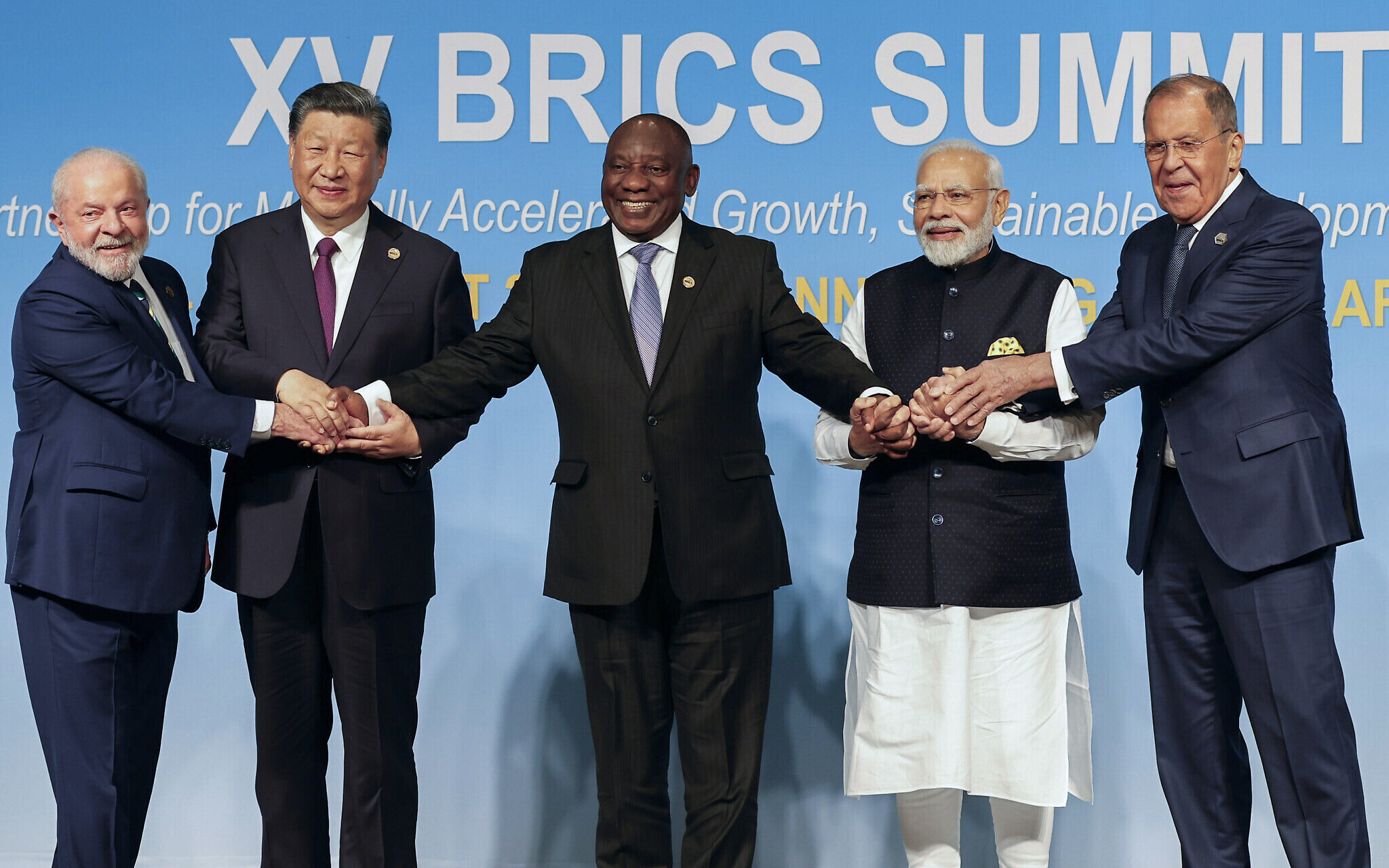
The United Arab Emirates (UAE) is expanding its global influence by deepening its relationship with the BRICS group, comprised of Brazil, Russia, India, China, and South Africa. This initiative underscores the UAE’s strategic efforts to bolster its economic competitiveness and tap into new growth avenues through international collaboration. The partnership with BRICS is poised to strengthen economic ties and foster mutual prosperity on a global scale.

The UAE’s involvement with BRICS is part of a broader strategy to diversify its economic base and enhance its role in global trade and investment. By aligning with BRICS, the UAE seeks to leverage the collective economic power of these emerging markets, which represent a significant portion of global economic activity. This partnership is expected to open new avenues for trade, investment, and technology exchange.

The UAE’s engagement with BRICS reflects its ongoing commitment to building robust partnerships that drive economic growth and sustainability. The country has consistently pursued international collaborations to enhance its economic resilience and competitiveness. This latest move with BRICS represents a continuation of this strategic approach, aimed at positioning the UAE as a key player in the evolving global economic landscape.

The BRICS group itself is undergoing significant transformations, with its members focusing on deepening economic cooperation and expanding their influence in global affairs. For the UAE, this partnership offers an opportunity to access new markets and investment opportunities, particularly in sectors such as technology, energy, and infrastructure. The collaboration is anticipated to yield benefits not only for the UAE but also for the BRICS countries, fostering a more integrated and dynamic global economy.

The UAE’s alignment with BRICS also highlights its role in advocating for a multipolar world order, where diverse economic centers contribute to global development. This approach is consistent with the UAE’s vision of being a bridge between different regions and fostering international cooperation. By working closely with BRICS, the UAE aims to contribute to a more balanced and equitable global economic system.

The partnership is set to explore joint initiatives that could include collaborative projects in technology innovation, sustainable development, and infrastructure development. These areas are crucial for driving long-term economic growth and addressing global challenges such as climate change and resource management. The UAE’s proactive stance in these domains aligns with its broader goals of advancing global sustainability and technological advancement.

In addition to economic benefits, the UAE’s partnership with BRICS could enhance cultural and educational exchanges. Such interactions are expected to foster mutual understanding and strengthen ties between the UAE and the BRICS nations. This aspect of the partnership underscores the UAE’s commitment to building comprehensive and multifaceted relationships on the global stage.

The UAE’s strategic partnership with BRICS represents a significant step in its quest to enhance global development and prosperity. This move aligns with its longstanding approach of forging international partnerships to drive economic growth and explore new opportunities. As the UAE continues to build on its relationships with key global players, the collaboration with BRICS is poised to play a pivotal role in shaping the future of international economic relations.

Emirates has significantly broadened its global network by forging partnerships that connect travellers to approximately 1,700 cities worldwide. This expansion is achieved through an extensive array of codeshare, interline, and combined rail and helicopter services.

The Dubai-based airline now offers 31 codeshare agreements, which allow passengers to seamlessly transfer between Emirates flights and those of partner airlines. These agreements enhance connectivity across continents and streamline travel experiences. Additionally, Emirates has established 118 interline agreements. These arrangements enable the integration of different airlines’ services, facilitating smoother connections and more efficient travel itineraries.

Furthermore, Emirates has introduced 13 rail and helicopter services, further enhancing its network. These services bridge the gap between airports and key urban or remote destinations, offering a comprehensive travel solution that integrates multiple modes of transportation.

This expansion reflects Emirates’ commitment to providing a seamless travel experience, leveraging its partnerships to offer unparalleled global connectivity. The airline’s strategic alliances not only extend its reach but also contribute to a more flexible and integrated travel ecosystem. This initiative aligns with the growing demand for comprehensive travel solutions that accommodate diverse and evolving passenger needs.

The global transport network now includes numerous key destinations across more than 100 countries, facilitated by these strategic partnerships. Emirates’ approach exemplifies a modern trend in the aviation industry where airlines enhance their service offerings through collaborative agreements, optimizing passenger convenience and accessibility.

As the travel landscape continues to evolve, Emirates’ extensive network of partnerships underscores the importance of connectivity and collaboration in meeting the needs of a global audience. By integrating a wide range of transport services, Emirates is positioned to offer an exceptional level of convenience and choice for international travellers.

Insurance premiums for electric vehicles (EVs) in the United Arab Emirates (UAE) have sharply increased following the heavy rains experienced in April. The severe weather conditions, which led to widespread flooding and property damage, have prompted insurers to reassess their coverage policies for EVs.

The flooding caused extensive damage to infrastructure and homes across the UAE, intensifying concerns about the vulnerability of electric vehicles to water-related damages. As a result, many insurance providers have adjusted their pricing models to reflect the increased risk. Insurers are now imposing higher premiums and more restrictive coverage terms for EVs, reflecting the perceived higher risk of water damage and related issues.

Industry experts attribute this spike in premiums to several factors. Firstly, the cost of repairs for EVs damaged by flooding is often higher compared to conventional vehicles. This is due to the specialized components and advanced technology in electric vehicles, which require more costly repairs or replacements when damaged. Additionally, the increased risk of battery-related issues in flooded conditions has led to greater caution among insurers.

Several insurance companies have become more selective in providing coverage for EVs, with some firms opting to limit their exposure by reducing their coverage options or even discontinuing insurance for certain models. This has led to a challenging environment for EV owners seeking comprehensive insurance coverage.

In response to the rise in premiums and the tightening of coverage options, many EV owners are now exploring alternative insurance providers and considering additional protective measures for their vehicles. Some are opting for specialized flood protection add-ons or investing in aftermarket modifications to enhance their vehicles’ resilience to water damage.

The impact of these changes on the broader EV market in the UAE is yet to be fully determined. However, the increased cost of insurance and limited coverage options are likely to affect consumer confidence and adoption rates for electric vehicles in the region. As the UAE continues to push for greater adoption of electric vehicles as part of its sustainability goals, addressing the insurance challenges will be crucial to maintaining momentum in the EV sector.

Insurance providers are expected to continue evaluating their policies and pricing strategies in light of the evolving risk landscape. The UAE government and industry stakeholders may need to collaborate on developing guidelines and support mechanisms to mitigate the impact of such extreme weather events on both insurance costs and the broader EV market.

Aggregate net profits for companies listed on Gulf Cooperation Council (GCC) exchanges grew by 5.7% year on year (YoY) during the second quarter of 2024, driven by broad-based growth across most regional markets. This performance reflects the resilience of key sectors amid global economic challenges, with particular strength observed in the banking, materials, and telecommunications industries.

Saudi Arabia, the largest economy in the region, saw a 2.6% YoY increase in aggregate net profits, reaching $39.1 billion in Q2-2024. The banking, materials, and telecommunications sectors were the main contributors to this growth. However, several sectors, including energy and consumer services, experienced profit declines, tempering the overall increase.

The United Arab Emirates (UAE) displayed robust financial results across both its main markets, Dubai and Abu Dhabi. Dubai-listed companies reported a significant 30.9% YoY rise in net profits, totaling $6.7 billion. Banks, capital goods, and telecommunications companies drove this growth, with these sectors accounting for over 80% of the exchange’s aggregate earnings.

Abu Dhabi’s companies experienced a more moderate 4.7% YoY increase in net profits, amounting to $8.3 billion. The banking and energy sectors were the primary growth drivers, with the latter witnessing a 20.7% YoY surge in profits. However, on a half-year basis, Abu Dhabi’s total net profits slightly declined by 2.2% compared to the same period in 2023.

Bahrain and Kuwait also reported positive financial performances. Bahrain-listed companies achieved a 37.5% YoY rise in total net profits for Q2-2024, driven by gains in the banking and materials sectors. Meanwhile, Kuwait’s listed firms saw a modest 1.0% YoY growth in net profits, with the real estate sector showing the most significant improvement, reporting a 104.4% jump in profits.

Qatar’s stock market recorded a 5.6% YoY gain in total earnings for Q2-2024, reaching $3.35 billion. The banking, insurance, and capital goods sectors were the primary contributors, although this growth was partially offset by declines in the materials and real estate sectors.

In contrast, Oman was the only GCC market to report a slight decline in total net profits, with a 0.9% YoY decrease to $506.4 million in Q2-2024. This was largely due to underperformance in several key sectors, despite growth in banking and commercial services.

The overall 5.7% YoY growth in the GCC’s aggregate net profits highlights the region’s economic resilience, with a diverse range of sectors contributing to the financial health of these markets. As the global economic landscape continues to evolve, the GCC remains a key area of focus for investors seeking stability and growth opportunities.

The United Arab Emirates (UAE) has announced a new visa amnesty program aimed at addressing the status of illegal residents. This initiative provides a clear pathway for individuals overstaying their visas to rectify their situation without facing fines or exit fees. The program, which offers amnesty to those who have overstayed their visas, is designed to alleviate the burden on individuals who may be struggling with residency […]

Abu Dhabi National Oil Company (Adnoc) has received multiple bids for its initiative to develop sustainable aviation fuel (SAF). This significant move marks a step forward in Adnoc’s strategy to meet growing demands for environmentally friendly aviation solutions. The bids, submitted by leading energy and technology companies, aim to advance SAF production capabilities and foster a reduction in carbon emissions associated with air travel. The SAF package […]

A severe heatwave in the United Arab Emirates has pushed temperatures beyond 50℃, marking an extraordinary peak in the region’s climatic extremes. This unprecedented surge in temperature has prompted immediate health warnings and advisories from meteorological and health authorities across the country. The heatwave, which began intensifying earlier this week, has led to daily high-temperature records being shattered in several cities, including Dubai and Abu Dhabi. The […]

Majid Al Futtaim, a leading retail and leisure conglomerate, has reported a robust Dh1.6 billion profit for the first half of the year, reflecting a strong performance across its diversified portfolio. The company’s latest financial results showcase significant gains driven by strategic expansions and increased consumer spending. The company’s profitability is largely attributed to its diverse business model, which includes shopping malls, retail operations, and leisure and […]

flynas, Saudi Arabia’s leading low-cost airline, is set to significantly expand its operations in the UAE, introducing eight new direct routes between Saudi Arabia and the Emirates. This ambitious expansion, scheduled to commence in September, aligns with the airline’s broader goal of increasing connectivity in the region.

The new routes will make flynas the only Saudi airline to serve all four major UAE airports. These include Al Maktoum International Airport (DWC) in Dubai, Abu Dhabi’s Sheikh Zayed International Airport, and Sharjah International Airport. The expansion is expected to elevate the number of daily flights between Saudi Arabia and the UAE to over 20, enhancing accessibility for both business and leisure travelers.

Key routes launching include services from Riyadh to DWC and from Jeddah to both Abu Dhabi and Sharjah. These additions reflect flynas’ strategic vision to broaden its reach, catering to growing demand in the UAE-Saudi corridor, especially under Saudi Arabia’s Vision 2030 plan, which seeks to position the kingdom as a global transport hub.

The airline’s network is poised to expand further, targeting 165 destinations worldwide, underscoring its commitment to strengthening regional ties and offering more travel options to its passengers. As the airline continues to grow, it remains a pivotal player in fostering greater connectivity between Saudi Arabia and the UAE.

The United Arab Emirates has intensified its scrutiny of the legal battle surrounding Pavel Durov, the founder of the messaging app Telegram. The ongoing case has sparked significant international attention, highlighting broader concerns about digital privacy and freedom of expression.

Pavel Durov, who has been embroiled in a high-profile legal conflict with several governments, is facing allegations related to Telegram’s encryption policies and its role in facilitating illicit communications. These accusations have drawn the UAE’s attention due to the country’s increasing focus on regulating digital platforms and ensuring compliance with local laws.

Durov, known for his staunch advocacy of privacy and free speech, has defended Telegram’s practices, arguing that the platform’s encryption is crucial for protecting users’ personal data. However, authorities in various countries, including the UAE, have raised concerns that Telegram’s encryption technology could be used to conceal illegal activities, such as terrorism or organized crime.

The legal proceedings against Durov and Telegram have been marked by a complex interplay of legal and political factors. In the UAE, where digital regulations are stringent, the case is being closely watched as a test of the government’s ability to balance national security interests with digital freedoms. The UAE has been proactive in implementing laws aimed at controlling online content and ensuring that digital platforms adhere to local regulations.

Recent developments in the case have seen several international organizations, including human rights groups and digital rights advocates, expressing concern over the potential implications for online privacy. These groups argue that actions against Telegram could set a concerning precedent for digital freedoms globally.

In the midst of this legal struggle, Telegram has faced increasing pressure from governments around the world to modify its encryption policies. The platform has resisted these demands, maintaining that any changes to its security measures would undermine its commitment to user privacy and could have serious repercussions for digital freedom.

The UAE’s involvement in the case reflects its broader strategy of enhancing its regulatory framework for digital platforms. This strategy includes monitoring and regulating content that is perceived as threatening to national security or public order. The country’s approach to digital regulation has been a subject of debate, particularly regarding its impact on freedom of expression and the operation of global tech companies within its jurisdiction.

As the legal battle continues, the outcome could have significant ramifications for the global tech industry and the future of digital privacy. The UAE’s stance on this issue may influence other countries’ approaches to regulating digital platforms and could affect the broader discourse on digital rights and cybersecurity.

This case highlights the ongoing tension between national security interests and individual privacy rights, a conflict that is becoming increasingly relevant in the digital age. The UAE’s position will be closely observed by both international observers and digital rights advocates as the legal proceedings unfold.

Mubadala Investment Company, the sovereign wealth fund of Abu Dhabi, has finalized a significant investment in UCB Pharma’s assets in China. This strategic move underscores Mubadala’s growing commitment to the global healthcare sector and its expanding presence in the Chinese market. The deal involves Mubadala acquiring a substantial stake in UCB Pharma’s business operations in China, which encompasses a range of pharmaceuticals and biotechnological products. The transaction […]

Emirates Global Aluminium (EGA), one of the world’s largest aluminium producers, has announced plans to acquire an 80% stake in the American aluminium recycling company, Spectro Alloys Corporation. This strategic move, subject to regulatory approval, marks a significant step in EGA’s global expansion, particularly in the aluminium recycling sector. The deal, which is expected to close during the third quarter of 2024, underscores EGA’s commitment to growing […]

UAE airlines are markedly extending their global reach, driven by the country’s vibrant tourism and business environments, alongside a rebound in travel demand. Emirates and Etihad, the two flagship carriers, are spearheading this international expansion, seizing opportunities in key markets across Asia, Europe, and the Americas.

Emirates is ramping up its operations with new routes and increased frequencies to strategic destinations. The airline recently announced plans to introduce direct flights to several underserved cities, aiming to bolster connectivity between the UAE and emerging markets. This growth aligns with the UAE’s vision to enhance its position as a global travel hub. Emirates’ expansion is underscored by its ongoing investment in new aircraft, with the latest fleet additions promising increased efficiency and comfort for passengers.

Etihad Airways is similarly expanding its network, focusing on strengthening its presence in high-demand regions. The airline has outlined an ambitious strategy to grow its routes and enhance service offerings, catering to both leisure and business travelers. Recent enhancements to Etihad’s fleet and service model reflect its commitment to maintaining a competitive edge in the global aviation market.

The UAE’s aviation sector benefits from a robust domestic economy and a thriving tourism industry, which together drive significant demand for international travel. The country’s strategic geographical location further enhances its role as a pivotal transit hub, linking major global markets. The resurgence in global travel post-pandemic has provided a substantial boost to UAE airlines, which are capitalizing on this uptick to solidify their international footprint.

The expansion efforts by Emirates and Etihad are also supported by substantial investments in airport infrastructure. Dubai International Airport and Abu Dhabi International Airport are undergoing major upgrades to accommodate the increasing passenger flow and to enhance overall operational efficiency. These enhancements are designed to support the growing number of flights and ensure a seamless travel experience for passengers.

The competitive landscape in the aviation industry is becoming increasingly dynamic, with UAE airlines positioning themselves to capitalize on market opportunities. Both Emirates and Etihad are leveraging their extensive networks and strategic partnerships to offer a comprehensive range of travel options, appealing to a diverse customer base.

Analysts suggest that the aggressive expansion by UAE airlines reflects broader trends in the aviation industry, where major carriers are focusing on growth and market penetration. The UAE’s airlines are not only expanding their routes but are also enhancing their services to attract and retain passengers, amid growing competition from other global carriers.

The UAE’s airlines are poised for a significant global impact as they continue to expand their networks and adapt to shifting market dynamics. This growth is supported by the country’s strong economic foundation and strategic investments in infrastructure, positioning UAE airlines as major players in the global aviation sector.

A groundbreaking joint venture between Marlan Space, a subsidiary of International Holding Company (IHC), and U.S.-based Loft Orbital marks a significant milestone for the United Arab Emirates’ burgeoning space sector. This new venture, named Orbitworks, is set to become the first private space infrastructure company in the Middle East, focusing on the production of commercial low Earth orbit (LEO) satellite constellations.

With an initial investment exceeding $100 million, Orbitworks plans to construct a state-of-the-art facility in the UAE, where up to 50 satellites weighing 500 kilograms each will be produced annually. The facility, expected to begin operations by early 2025, will leverage advanced hardware and software technologies to meet the growing demand for satellite-based services in telecommunications, Earth observation, and scientific research.

Loft Orbital, established in 2017 and known for its rapid and reliable deployment of payloads into space, brings substantial expertise to the partnership. The company’s CEO, Pierre-Damien Vaujour, emphasized the importance of this collaboration in advancing the UAE’s space ambitions. He noted that Loft Orbital is excited to support the UAE’s vision of becoming a global space powerhouse.

The collaboration also includes partnerships with local technology providers and component manufacturers, ensuring that the UAE’s ecosystem is deeply integrated into the project. Orbitworks aims to bolster the UAE’s AI capabilities by offering a straightforward path for AI companies to deploy their applications into orbit.

This joint venture is poised to play a pivotal role in the UAE’s strategy to become a leader in the global space industry. The first satellite from this venture is anticipated to be launched as early as the first quarter of 2026, reflecting the rapid progress of this ambitious project.

VISHNU RAJA
RYO YAMADA
HITORI GOTOH
IKUYO KITA