News related to
Emirates

In Dubai, nobody’s impressed by a pair of trainers or a designer watch alone – here, your car does the talking. From Sheikh Zayed Road to Jumeirah Beach, the vehicle you roll in is your calling card, your vibe, your crown. And the beauty? You don’t need to break the bank to sit on the throne. With cheap 7 seater car rental Dubai, you can cruise the city […]

The Ministry of Economy and Tourism has signed a Memorandum of Understanding with Dubai Science Park to reinforce legal and technical assistance for patent registration and intellectual property protection. The agreement is set to ease processing procedures and support businesses across TECOM Group’s business districts.

Support will extend to companies located in Dubai Science Park and other hubs such as Dubai Internet City, Dubai Media City, and Dubai International Academic City. The collaborative framework introduces expert guidance and streamlined mechanisms for innovators, aiming to enhance patent registration and commercialisation both locally and internationally.

Dr Abdulrahman Al Muaini, Assistant Undersecretary for the Intellectual Property Sector at the Ministry, emphasised a sustained commitment to fostering the national innovation ecosystem through partnerships that bolster IP protection capabilities. Marwan Abdulaziz Janahi, Senior Vice‑President of Dubai Science Park along with Dubai Knowledge Park and Dubai International Academic City, described the pact as a catalyst for accelerating research and innovation with global resonance.

Growth in patent activity underscores the impetus for such a partnership. From January to July 2025, the Ministry recorded 1,221 patents, up from 466 for the equivalent period in the prior year. Meanwhile, patent applications rose to 2,430 from 1,996 in the same timeframe. This solid year‑on‑year increase signals both institutional and societal recognition of the strategic importance of intellectual property.

Dubai Science Park serves as a key component of the UAE’s innovation infrastructure, hosting over 500 entities—including global firms such as AstraZeneca, BeiGene, and Pfizer—and facilitating the work of more than 6,500 professionals in the life sciences, energy and environmental sectors. Facilities include Grade‑A offices, LEED‑certified laboratories, and sophisticated logistics infrastructure.

The MoU also introduces outreach initiatives—for instance, workshops, training sessions, and awareness campaigns—designed to enhance IP literacy among business owners and innovators across TECOM’s network of districts.

This agreement aligns with the UAE’s long‑term strategy to transform into a knowledge‑based economy by 2031. It reflects a broader ambition to position the nation as a global centre for innovation and research by providing creators with robust protections for their intellectual property.

The new MoU follows earlier initiatives such as the Accelerated Patent Grant agreement with the United States Patent and Trademark Office, which aimed to speed up UAE patent approvals for inventions granted in the United States. Furthermore, the Ministry’s ‘Green IP Roadmap’ introduced accelerated registration for sustainable and eco‑friendly innovations—pushing to reduce registration timelines from 42 months to six and increasing patent numbers to 6,000 by 2026.

Sotheby’s will stage its first auction series in Abu Dhabi this December as part of a broader push by the emirate to emerge as an international hub for art and luxury. The event, named Abu Dhabi Collectors’ Week, is set to run from 2 to 5 December and promises to captivate collectors with offerings spanning fine jewellery, rare watches, collector cars and premium real estate. The drive behind […]

A quarter of white‑collar professionals in the UAE express concern that artificial intelligence might one day replace their roles, yet more than half acknowledge that AI tools have made their work noticeably easier—presenting a complex picture of apprehension tempered by appreciation.

LinkedIn data shows that 80 per cent of professionals in the UAE now use AI tools “regularly,” a significant increase from 56 per cent in 2024. This puts the UAE second globally in AI adoption behind only India, where the figure stands at 85 per cent. Confidence in experimenting with AI is high, with 81 per cent of local professionals saying they enjoy exploring AI tools, and 73 per cent reporting more frequent and confident usage compared with the previous year. Many describe learning AI as “a second job.”

A survey by The National found that roughly 25 per cent of the 200 respondents worry about AI’s future impact on their jobs. Yet more than half affirm that AI has made their current tasks easier, and 7 per cent report that their roles have already been replaced—though they emphasise this is based on a small sample. Roles in media, advertising and marketing appear particularly vulnerable to automation. Nevertheless, David Mackenzie of recruitment firm Mackenzie Jones Middle East maintains that, at present, AI lacks the sophistication to supplant senior professionals in white‑collar roles.

Broader sentiment in the UAE workforce is largely optimistic. A Korn Ferry workforce report indicates that 82 per cent of employees in the UAE feel positive about AI’s potential—a stance mirrored in neighbouring Saudi Arabia. Moreover, a survey reveals only 7 per cent of UAE professionals would resist working alongside AI as a colleague, compared with 21 per cent globally. There is, however, cautious pragmatism: 35 per cent support limiting automation in sensitive sectors such as healthcare and education, and 61 per cent would endorse full automation only if accompanied by a universal basic income or welfare compensation, compared with 40 per cent worldwide.

These mixed perspectives take shape against a backdrop of national ambition and infrastructural investment. The UAE has broadened its Golden Visa programme to attract global talent in AI, climate technology and advanced digital industries—a strategic move to make itself a hub for technological innovation and sustainable growth. The country’s AI strategy also includes the establishment of dedicated institutions and leadership structures, such as the Ministry of State for Artificial Intelligence, Digital Economy and Remote Work Applications, led by Omar Sultan Al Olama, who was appointed in 2020 as the world’s first minister for artificial intelligence.

Academic insights reinforce the nuanced impact of AI across sectors. A recent study of creative professionals—including journalists and filmmakers—reveals that while AI enhances operational efficiency and reduces costs, it also raises concerns about authenticity, cultural integrity and skill erosion. The absence of sector‑specific guidelines leaves individuals to navigate AI adoption on their own.

On a global scale, developments are shaping discourse on AI’s real effects. A Stanford‑led study has documented a 16 per cent decline in employment among workers aged 22–25 in sectors vulnerable to automation, such as customer service and software development, between late 2022 and mid‑2025. Experienced workers remain comparatively shielded as AI takes over repetitive tasks. The report emphasises the importance of policies that favour human‑AI collaboration rather than outright replacement. Microsoft’s AI chief Mustafa Suleyman urges professionals not to fear job loss, but rather stagnation—championing reskilling, collaboration, and a growth mindset.

These threads converge as the UAE continues to pursue its goal of becoming an AI leader by 2031—anchored in education, infrastructure, investment and workforce transformation. Yet the responses of professionals remain varied: a blend of anxiety, adaptability and optimism defines the evolving relationship between AI and work in the UAE.

A vibrant showcase of Malaysia’s artistic heritage opened at Abu Dhabi’s Cultural Foundation on 26 August 2025, when the Embassy of Malaysia in the United Arab Emirates inaugurated its first-ever cultural exhibition, “To Know Malaysia Is To Love Malaysia: Highlights from the AFK Collection.” The six-month-long presentation occupies a prestigious place in Abu Dhabi’s cultural calendar and signals a renewed focus on cross-cultural engagement.

Ambassadors accredited to the UAE, business leaders, members of the Malaysian community and cultural and media figures attended the reception. Emirati journalist Dr Jamal Al Majaida was among those present as the exhibition was unveiled. The Ambassador of Malaysia to the UAE, H E Tengku Sirajuzzaman Bin Tengku Mohamed Ariffin, described art and culture as “a vital window into Malaysia’s history and diverse heritage, which blends Asian and Islamic civilisations.” He emphasised that the relationship between the two nations extends beyond politics and economics into the realm of cultural dialogue.

A rare array of works from the AFK Collection—an internationally recognised private collection dedicated to Malaysian art—is on display. It spans classical and Islamic‑inspired pieces to bold contemporary creations, offering a panoramic view of Malaysia’s vibrant creative traditions. The exhibition, running from April through to September at the Cultural Foundation, was introduced in April with similarly enthusiastic reception.

The initiative has infused Abu Dhabi’s cultural scene with fresh momentum. Guests lauded the exhibition’s curation and the uniqueness of its pieces, observing that such events foster mutual understanding and strengthen cultural ties. Members of the Malaysian community voiced pride in seeing their heritage celebrated prominently, and many expressed hope that the exhibition evolves into an annual fixture.

Beyond its individual appeal, the exhibition intersects with broader initiatives to highlight Malaysia’s narratives on the global stage. Curators have framed the AFK Collection as offering insight into the country’s cultural shifts, overlooked histories and political movements, positioning the show as more than an art display—but a medium of storytelling and creative diplomacy.

UAE companies are recalibrating their compensation strategies amid evolving market pressures, rising costs, and intensifying competition for skilled professionals.

Salary growth across the board is projected at a modest 4 per cent in 2025, reflecting economic moderation rather than exuberance. Mercer’s Total Remuneration Survey indicates that more than 28 per cent of firms plan to increase headcount, signalling a continuing demand for talent despite budgetary constraints. In-demand sectors such as technology, life sciences, and consumer goods are expected to see slightly higher increases—around 4.2 to 4.5 per cent—while energy and financial services align with the broader average.

MaxHR’s projections paint a slightly more optimistic picture for key verticals: salary hikes for technology roles could reach 8–12 per cent, while finance and banking roles may grow by 5–7 per cent, significantly outpacing other industries.

Employers are embracing variable compensation as cash-strapped budgets and workforce expectations diverge. There is a growing preference for pay-for-performance models, personalised benefits, and flexibility—designed to engage younger professionals who prioritise purpose and work-life integration alongside financial reward.

These shifts align with broader market signals. Tuscan Consulting notes that after post‑pandemic salary surges, firms are now reassessing compensation strategies, balancing retention needs with cost control. Executive packages increasingly include sign‑on or retention bonuses, deferred incentives, and more nuanced benchmarking—often comparing pay between UAE and KSA to remain competitive.

Yet not all data points suggest growth. Business Insider reports that salaries across the UAE may remain flat in 2025, attributed to a swelling expat population that expands the available talent pool and reduces pressure on employers to offer premium pay. Meanwhile, exponential increases in living costs—rent rose 16 per cent in the prior year—have squeezed middle-income professionals, eroding disposable income despite tax‑free earnings.

At the same time, the Dubai government is extending a labour-market lifeline to targeted expatriates, offering roles with monthly salaries up to Dh 50,000. This contrasts with the broader cautious recruitment trends in the private sector, where AI, automation, and tax uncertainties are prompting a more measured approach to hiring.

Dubai’s finance sector is expanding—hiring regulators, investment bankers, and compliance professionals to match its rapid growth. Compensation packages often exceed those in London by up to four times once tax advantages and relocation benefits are included, although professionals note that reward expectations and infrastructure pressures are testing the city’s appeal.

A cohesive picture emerges: employers are shifting from purely salary-driven offerings to total-reward packages that integrate flexibility, performance incentives, and career development. While headline salaries may be easing off, especially for mid-tier roles, specialized sectors and public entities continue to push compensation envelopes to secure talent and drive strategic priorities.

A surge of enthusiasm from the United Arab Emirates’ retail investors is bolstering domestic stock markets, signalling growing public confidence in the country’s economic trajectory. Data from the latest edition of the UAE Retail Investor Beat, conducted between 10 and 21 July 2025, shows that 85 per cent of people taking investment decisions are now allocated to UAE-listed equities, with 39 per cent invested in Abu Dhabi shares, 28 per cent in Dubai, and 18 per cent holding positions in both platforms.

Investor confidence appears grounded. Currently, 63 per cent report being “very confident” in the UAE’s economic performance, while a further 29 per cent describe themselves as “somewhat confident.” When looking ahead, 59 per cent express strong confidence in the long-term performance of locally listed stocks, with an additional 32 per cent somewhat confident. Investors remain optimistic about the near future: 48 per cent anticipate substantial gains over the next 12 months, while 34 per cent expect steady growth. On a regional scale, 58 per cent believe the Middle East will generate the highest returns over the next five years, ahead of the United States at 50 per cent.

Sectoral preferences reveal clear priorities. Real estate leads with 55 per cent of investors expressing confidence, followed by technology at 48 per cent, and both financial services and energy at 37 per cent each.

George Naddaf, managing director of eToro MENA, framed these findings in the context of market performance: the Dubai Financial Market and Abu Dhabi Securities Exchange are among the top-performing exchanges globally, outperforming the S&P 500 by a wide margin. He credits sustained earnings, robust macroeconomic conditions, and supportive government measures for underpinning investor sentiment and reinforcing preference for local opportunities.

Despite this supportive sentiment, geopolitical risks remain front of mind. Nine‑tenths of respondents expect tariffs and trade disputes to exert meaningful pressure on their portfolios over the next six months, and 89 per cent have either adjusted or intend to adjust investment strategies in response. More than half—53 per cent—are tilting further towards UAE equities, while 51 per cent are increasing exposure to commodities. Gold and precious metals are viewed as the most resilient asset class by 49 per cent of investors; cryptocurrency ranks second at 45 per cent and is already the most held class, with 54 per cent ownership.

Naddaf described this as a “disciplined, dual-track approach,” combining reinforcement in domestic equities with defensive hedges in commodities.

Capital commitment remains strong. Sixty‑five per cent of UAE retail investors have already stepped up contributions in past months, while 76 per cent anticipate further increases in the coming three months.

Advertisements

NMC Healthcare, one of the United Arab Emirates’ foremost private healthcare providers, has turned to Snowflake’s AI Data Cloud platform to elevate its patient-care capabilities. The agreement empowers NMC to consolidate operational and clinical data from across its network of 70 facilities, enabling real-time, AI-powered analytics to enhance point‑of‑care decision‑making and patient experience.

Christopher Habib, Chief Strategy Officer at NMC Healthcare, has emphasised that Snowflake’s infrastructure equips teams to “act on insights in real time — whether that’s enhancing patient care and experience or optimising operations.” This development represents a significant stride in the organisation’s digital transformation and innovation trajectory.

Centralising data across numerous outlets lays the groundwork for scalable systems tailored to evolving regulatory, operational, and patient‑care demands. By deploying an AI‑ready platform, NMC intends to boost speed‑to‑insight and enrich its analytics capacity across the board.

Analysts note that real‑time analytics are increasingly pivotal in healthcare—particularly amid growing volumes of patient data and demand for timely interventions. Platforms like Snowflake support seamless integration of disparate data sources, enabling care teams to deliver personalised responses and predictive insights.

Beyond regional impact, Snowflake has cultivated a growing presence in Middle Eastern healthcare initiatives, positioning AI‑powered data platforms as strategic enablers of digital health advancement.

NMC’s embrace of Snowflake underscores a wider pivot among UAE healthcare providers towards data‑driven operations. Consolidated data empowers administrators to monitor performance across locations, refine resource allocation, and respond swiftly to patient needs.

Industry voices suggest that accessible 360‑degree patient profiles—enabled by secure, unified data platforms—enhance clinicians’ ability to anticipate complications, tailor treatments, and improve outcomes.

Operationally, the shift supports more efficient workflows. With instantaneous analytics, NMC can optimise scheduling, predict demand surges, and better manage inventory across its hospital network. This aligns with corporate growth strategy and innovation goals.

Centralising analytics also simplifies compliance. A unified platform helps ensure consistent data governance, audit capabilities, and adherence to evolving healthcare regulations focused on patient privacy and data security.

Although immediate rollout details remain undisclosed, the scale of NMC’s network suggests that implementation could significantly elevate operational agility. Snowflake’s cloud‑native design also offers flexibility—allowing future expansion and integration with emerging health‑tech tools.

NMC Healthcare’s strategic turn signals that Middle Eastern private health systems are entering a new era—where advanced data infrastructure not only supports clinical decisions, but also underpins broader organisational resilience.

Emerging trends suggest that demand for AI‑enabled, centralised data ecosystems will rise further, particularly as providers seek to standardise care quality and scalability across regions. NMC’s move may well serve as a model for other networks aiming to harmonise operations and elevate patient care through data intelligence.

Finance watchers may note that Snowflake, listed on NYSE under the ticker SNOW, continues to grow its market presence, backed in part by strategic partnerships like this one. The company’s capabilities align neatly with healthcare sector demands for secure, interoperable data solutions.

Emirates NBD has joined the Sustainable Markets Initiative’s Financial Services Task Force, becoming the first bank from the GCC to participate in the group of global banking CEOs aiming to mobilise large-scale capital for climate- and nature-positive investment.

The move positions the Dubai-based lender at the forefront of sustainable finance in the MENAT region, enabling it to collaborate in setting industry-wide standards for environmentally conscious banking.

Shayne Nelson, Group Chief Executive, described sustainability as central to the institution’s culture and strategy, emphasising that its established ESG achievements underpin its inclusion. He noted that this engagement will boost collective efforts to tackle climate and biodiversity challenges.

Jennifer Jordan-Saifi, Chief Executive of the Sustainable Markets Initiative, welcomed Emirates NBD’s integration, reaffirming the importance of unified private-sector action to drive transition at the scale and pace needed globally.

Vijay Bains, Chief Sustainability Officer and Group Head of ESG at Emirates NBD, stated that the bank is adopting both national and international standards and engaging all stakeholders—from employees and customers to investors and communities—in delivering meaningful impact. He underlined that the ESG strategy extends beyond climate risk to include inclusive, low-carbon products and governance.

Since its launch in 2020 by His Majesty King Charles III, then the Prince of Wales, the Sustainable Markets Initiative has formed alliances across private sectors and governments to devise and scale solutions for sustainable transition. The Financial Services Task Force has already developed standardised methodologies for banking transitions and expertise in nature-based financial instruments.

Emirates NBD’s inclusion marks a significant milestone for the GCC’s role in global sustainable finance. The partnership enables the bank to influence practices beyond the region, particularly in infrastructure investment and climate-aligned financial innovation.

This move arrives against growing investor demand for eco-conscious operations and the UAE’s increasing focus on embedding sustainability across its economic policy and corporate governance.

A group of social media users in the UAE have been referred to the Federal Public Prosecution for breaching the country’s media content standards. The National Media Office confirmed the development on Tuesday, highlighting the authority’s ongoing commitment to monitoring and enforcing the nation’s strict media regulations.

The NMO issued a statement via the official WAM news agency, stating that its team is dedicated to identifying violations in real-time and notifying users about their non-compliance. It further reiterated that such breaches, particularly those that fail to uphold the country’s foundational principles of respect, tolerance, and coexistence, will result in legal consequences for the offenders.

While the NMO did not disclose the identities or details of the specific violations, the action follows a prior reminder issued in March, warning social media users that any content deemed harmful or in violation of the country’s core values would be subject to prosecution. The reminder aimed to reinforce the country’s stance on maintaining a responsible media environment where positive and constructive dialogue is encouraged.

In line with the UAE’s broader vision for media, the NMO emphasized that these measures are in place to preserve the integrity of social media platforms and protect communities from harmful or non-constructive content. It is part of the government’s ongoing efforts to ensure that media activities, both traditional and digital, contribute positively to the nation’s social fabric.

The UAE has long maintained a strict regulatory framework for both traditional media and online content. The government regularly reminds both local and international users of the country’s media laws, which govern everything from speech to social media posts. These laws are designed to uphold public order and ensure that content aligns with the country’s moral and cultural values.

Although specific details of the recent violations were not disclosed, the NMO’s statement reflects the growing importance of regulating online platforms in the UAE. The country has increasingly tightened its oversight of social media activity, particularly as digital platforms play a larger role in daily life. As a result, many individuals and organisations are now more cautious about the content they post or share online.

The authorities continue to remind users that they are responsible for adhering to the UAE’s media standards. Social media users who engage in behaviour that contravenes these guidelines may find themselves subject to investigations, fines, or even criminal charges. This strict enforcement serves as a reminder to users that online behaviour is not without consequence in the UAE.

The UAE’s media laws focus heavily on maintaining public order and promoting social cohesion. The National Media Office stresses that social media must be a space where respectful, constructive discussions can occur, and where users contribute positively to the nation’s values. As such, users are encouraged to be mindful of the impact of their content, whether it be in the form of posts, comments, or shared material.

With these regulations in place, the NMO is poised to take swift action against those who undermine the principles of respect and tolerance, which are central to the country’s social contract. The agency has also emphasised its readiness to continue monitoring social media activity and enforcing compliance with the law.

A shift is taking place within the UAE’s restaurant industry, as owners increasingly turn to artificial intelligence to optimise their operations and improve profitability. According to a recent survey by SevenRooms, 87 per cent of restaurant owners in the UAE have already integrated AI into their business strategies. The rise of AI-powered solutions is transforming the food and beverage industry, enabling operators to harness the full potential […]

Abu Dhabi National Energy Company has secured a significant financial boost in the form of an AED 8.5 billion term loan aimed at enhancing liquidity and supporting its growth strategies. This loan agreement marks a strategic move by the company as it seeks to continue its expansion and strengthen its financial position. The loan facility, which has a two-year term, is denominated in UAE dirhams and comes […]

The first half of 2025 marked a significant surge in greenfield foreign direct investment into Saudi Arabia, with the United States leading the charge. American investors drove 61 projects, injecting $2.7 billion into the Kingdom’s economy, accounting for nearly a third of both the project count and total investment. This surge highlights the growing confidence of international investors in Saudi Arabia’s Vision 2030 economic reforms and its appeal as a business hub in the region.

According to a report by Emirates NBD, greenfield investments in Saudi Arabia showed a notable increase, both in terms of project volume and capital inflow. In total, 203 greenfield projects were launched in Saudi Arabia during the first half of 2025, marking a 30.1% year-on-year rise. These projects, spanning across various sectors, reflect the country’s strong development trajectory and its efforts to diversify away from oil reliance.

Egypt emerged as the second largest contributor to Saudi Arabia’s greenfield FDI, securing $1.81 billion through 11 projects. Many of these ventures were centered around real estate developments, capitalising on the Kingdom’s expanding urbanisation and demand for residential and commercial properties. Egypt’s growing involvement reflects deeper ties between the two nations, particularly in sectors related to infrastructure and housing.

China, a global FDI powerhouse, played a significant role as well, investing $858.3 million through 11 projects in Saudi Arabia. China’s investments in the Kingdom primarily focused on manufacturing, technology, and energy, complementing the Saudi government’s drive to expand its industrial base and modernise key sectors. Chinese companies are also playing a pivotal role in the development of high-tech infrastructure, which aligns with Saudi Arabia’s push towards a more diversified, knowledge-based economy.

France also made its presence felt, contributing $771.7 million through six greenfield projects. The French investments were primarily focused on technology, retail, and luxury goods, with several high-end brands expanding their operations within the Kingdom. France’s engagement is part of a broader European interest in tapping into Saudi Arabia’s expanding consumer market, particularly in areas linked to fashion, entertainment, and sustainable energy.

The UAE’s regional influence continued to grow, with 25 projects worth $205.3 million being launched in Saudi Arabia. These ventures spanned various industries, with a focus on hospitality, logistics, and real estate. The UAE’s investments underscore the close business ties between the two countries, with the Kingdom remaining a key destination for Emirati capital looking to expand its footprint in the region.

Riyadh, Saudi Arabia’s capital, was the top destination for greenfield FDI, attracting 100 projects valued at $2.3 billion. As the political, economic, and cultural centre of the country, Riyadh continues to benefit from the majority of investments, particularly in the areas of technology, infrastructure, and urban development. Dammam, home to one of the Kingdom’s key industrial hubs, secured 21 projects worth $1.28 billion, while Jeddah followed closely with 13 projects totalling $1.22 billion. These cities represent strategic focal points in Saudi Arabia’s ambitious plans for diversification, driven by growth in manufacturing, logistics, and energy.

Saudi Arabia’s overall greenfield FDI rose by 1.7% to $9.34 billion during the first half of 2025, reflecting the Kingdom’s position as an attractive investment destination. The growth is seen as a direct result of efforts to enhance the ease of doing business in the country and to create a more transparent regulatory environment. Initiatives like the National Industrial Development and Logistics Program and the Saudi Green Initiative have been instrumental in drawing foreign investments into the Kingdom.

A senior aide to Israeli Prime Minister Benjamin Netanyahu has been dispatched to the United Arab Emirates in a discreet diplomatic move aimed at resolving strains between the two nations. This development marks a critical step in addressing the ongoing challenges faced by the UAE-Israel relationship, particularly in the aftermath of regional shifts and political tensions.

The aide’s visit, which has been kept under wraps to avoid further complicating the delicate diplomatic situation, underscores Israel’s desire to reassert its relations with the UAE following some setbacks in the past year. While the specifics of the discussions remain largely confidential, sources suggest the key focus is on reaffirming the normalization of ties, which was first achieved through the Abraham Accords in 2020. These accords established full diplomatic relations between Israel and the UAE, a historic shift in the Middle East, and the Netanyahu administration has been under pressure to maintain the momentum of these agreements despite regional turbulence.

Diplomatic sources point to a combination of political disagreements, security concerns, and international pressures that have strained the UAE-Israel partnership. One of the main issues is the growing unease in the Gulf over Israel’s stance on Palestinian issues and its handling of tensions in Gaza. While the UAE has remained committed to the Abraham Accords, there has been mounting public and political disquiet over Israel’s domestic policies, especially in relation to its stance on Palestinian sovereignty and peace efforts.

Experts suggest that Netanyahu’s decision to send a trusted aide is a direct response to growing concerns in Abu Dhabi about Israel’s domestic trajectory and its regional posture. This diplomatic outreach is seen as a move to reassure the UAE that Israel remains committed to cooperation, particularly in areas such as trade, technology, and security, which have flourished since the signing of the Abraham Accords.

There is speculation that the UAE has been considering a recalibration of its foreign policy, especially with the changing dynamics in the broader Middle East. With the shifting alliances and new players emerging in the region, including the growing influence of China and Russia, the UAE finds itself needing to maintain a balance between its Western ties, particularly with the United States, and its more recent alignment with Israel.

The UAE-Israel relationship, though officially cordial, has been fraught with complexities. The leadership in Abu Dhabi has long prioritised stability and economic growth, factors which drove the decision to engage diplomatically with Israel. However, regional developments, including the ongoing situation in Gaza and the broader Israeli-Palestinian conflict, have put these relations to the test.

Israel’s efforts to build and sustain relationships with Gulf states have been a key feature of Netanyahu’s foreign policy. The normalization agreements brokered by the Trump administration in 2020 were seen as a major victory for Israel, but they have not been without their challenges. The UAE has been wary of the potential fallout from these ties, particularly in the Arab world, where public sentiment on Israel remains divided.

Despite these challenges, there is a shared interest in several areas. Both countries are looking to advance economic collaborations, particularly in the fields of technology, energy, and defence. Israeli businesses have already established a foothold in the UAE, with cooperation extending to key sectors such as cybersecurity and artificial intelligence. These partnerships are expected to grow further as both nations seek to capitalise on new opportunities.

Israel’s relationship with the UAE has also allowed for greater security cooperation, particularly in the context of regional threats posed by Iran. Both countries share concerns over Iran’s nuclear ambitions and its influence across the region. This shared security interest has provided a basis for increased intelligence-sharing and military coordination, despite the undercurrent of political tensions.

Matein Khalid It is now all but certain that the Federal Reserve will cut the US overnight borrowing rate, currently 4.25 percent, by at least 25 basis points at its September 18 Federal Open Market Committee (FOMC) meeting. The labour market is losing momentum, while tariff-driven inflation has yet to show up in the Consumer Price Index. The Trump White House has ramped up pressure on Fed Chair […]

Ethiopia’s foreign direct investment reached $4 billion for the fiscal year ending July 2025, according to the country’s Investment Commission. This represents a modest 2.2% increase from the previous year, signalling a steady inflow of capital despite economic challenges. The rise in FDI comes as the country prepares for a major bond restructuring, which aims to alleviate its mounting debt burden. The FDI figure is particularly significant […]

The United States has emerged as the dominant force in greenfield foreign direct investment in Saudi Arabia for the first half of 2025. Accounting for 61 projects with a combined value of $2.7 billion, American investments represented nearly a third of the total project count and capital investment during the period, according to a report by Emirates NBD. Saudi Arabia continues to be an attractive destination for […]

Companies in the UAE are turning to an array of enticing benefits, including signing bonuses, golden visas, and comprehensive wellness packages, to attract and retain talent in a competitive labour market. The post-pandemic period has seen a marked shift in hiring strategies, with firms offering enhanced perks to maintain a workforce that can thrive in a rapidly changing global economy. This growing trend reflects the UAE’s broader […]

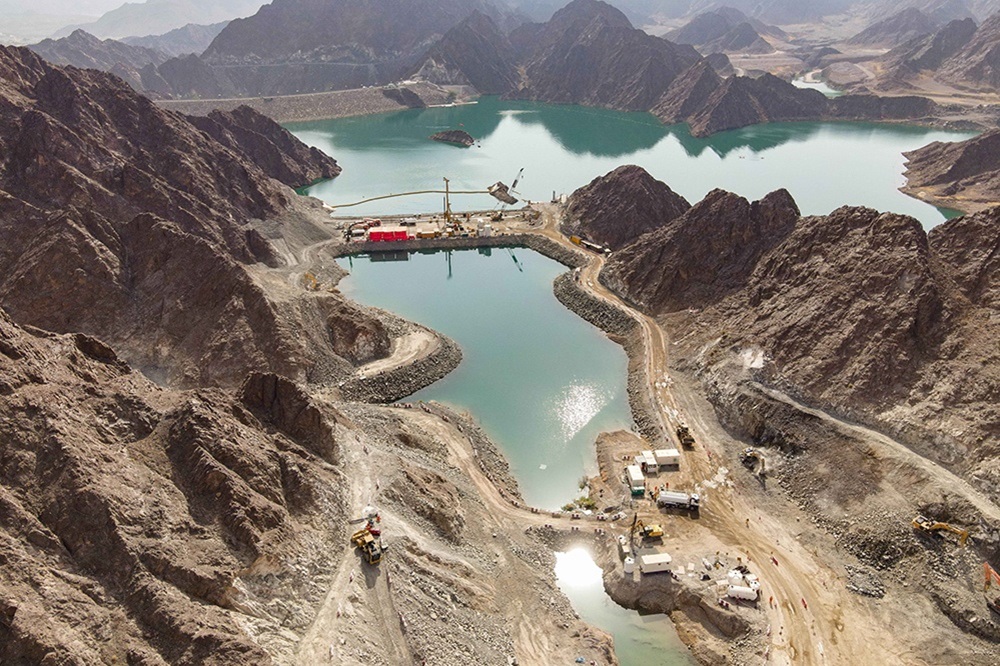
Dubai has begun trial operations of its pumped-storage hydroelectric plant in Hatta, delivering electricity into the city’s grid. The facility, which has already generated more than 17,900 MWh during testing, will free up surplus power beyond Hatta’s 39 MW local demand for export. Emirates 247 cites HE Saeed Mohammed Al Tayer, MD & CEO of the Dubai Electricity and Water Authority, confirming the start of electricity exports from the plant during his site visit.

The Hatta plant boasts a 250 MW generation capacity, 1,500 MWh of storage, and is designed to last up to 80 years—backed by a Dh1.42 billion investment. Underground construction includes two 110-tonne water valves, a command-and-control centre and an upper dam spanning 210,000 sqm, built with compressed concrete walls measuring 72 m and 37 m high.

DEWA’s scheme aligns closely with emirate-wide initiatives under the Clean Energy Strategy 2050 and the Net-Zero Carbon Emissions Strategy 2050, which aim for 100 percent clean energy supply by mid-century.

Trial operations of this pioneering project began earlier in the year, with operational tests launched in January 2025. DEWA confirmed the plant was 96.82 percent complete around that time and anticipated beginning energy exports in April 2025.

The hydropower station employs a cyclic system: during off-peak hours, clean electricity from the Mohammed bin Rashid Al Maktoum Solar Park is used to pump water from the lower reservoir to the upper dam. When demand spikes, water flows back through a 1.2 km tunnel, converting stored potential energy into kinetic energy to drive turbines. The conversion process delivers electricity to the grid in as little as 90 seconds, with a turnaround efficiency of 78.9 percent.

Hatta lies roughly 140 km south-east of central Dubai in the Hajar Mountains. The project includes an innovative design featuring two 125 MW Francis-type pump turbines capable of reversible operation—a technical solution by a consortium led by ANDRITZ Hydro, STRABAG and ÖZKAR, contracted in 2019.

This pumped-storage facility is the first of its kind in the Gulf region and a flagship example of how heat-resistant hydropower systems may outperform large-scale battery storage in desert climates.

During his visit, Al Tayer toured the station’s subterranean power station, inspected the upper dam’s compressed concrete walls, and oversaw functional tests of the pumping and generation mechanism. The station’s speedy response time and storage efficiency are designed to bolster Dubai’s grid resilience while reducing reliance on fossil fuel generation.

The United Arab Emirates registered some US$25.4 billion in mergers and acquisitions through the first six months of 2025, making up approximately 43 per cent of all M&A transactions across the Middle East and North Africa—which totalled US$58.7 billion during the period, according to data from EY’s latest MENA M&A Insights report.

MENA deal-making demonstrated robust momentum in the first half of 2025, with 425 transactions reflecting a 31 per cent increase in volume and a 19 per cent rise in overall value compared with the same period in 2024, as EY’s analysis shows.

Cross-border activity surged, accounting for 55 per cent of all deals by number and 78 per cent by value—marking the highest cross-border level in the past five years. Key sectors driving these overseas transactions included chemicals and technology, which together represented two-thirds of cross-border deal value. Among the most significant was the US$16.5 billion deal in which Borealis AG and OMV AG acquired a 64 per cent stake in Borouge plc.

Domestic deal-making remained energetic too. Homegrown transactions constituted 45 per cent of all deals by volume and 22 per cent of the total value, amounting to 192 deals worth US$12.8 billion—an impressive 94 per cent year-on-year rise in value. The technology and diversified industrial products sectors were prominent in this category. A standout deal was AI and cloud services firm Group 42’s acquisition of a 40 per cent stake in Khazna Data Centres for US$2.2 billion.

EY’s MENA EY-Parthenon Leader, Brad Watson, emphasised that the mid-year results underline how resilient and dynamic the region’s M&A market is. He pointed to sustained appeal for investors, underpinned by stable oil prices, infrastructure expansion and a strategic emphasis on growth industries such as technology, chemicals, and industry. I n particular, he noted that the UAE continues to attract significant global capital, thanks to its strong regulatory environment and push for economic diversification, alongside growing collaborative ties with Europe, Asia, and North America.

When compared with mid-2024 performance, the jump is clear. In the first half of last year, the MENA region recorded 321 deals valued at US$49.2 billion. That represented only a modest 1 per cent increase in volume and 12 per cent growth in value over the prior year. Deal values in the UAE and the Kingdom of Saudi Arabia accounted for US$9.8 billion out of that total.

Looking at the broader picture, 2024 closed with 701 MENA M&A deals worth US$92.3 billion, reflecting a 3 per cent rise in deal volume and 7 per cent gain in value compared with 2023. Cross-border transactions were the primary engine, making up 52 per cent of deal volume and 74 per cent of value.

The UAE’s growing prominence in M&A stems from both deliberate policy reforms and strategic positioning. Domestic investors, notably sovereign wealth funds and government-related entities such as ADIA and Mubadala, have been highly active across both home-market and international transactions. At the same time, global investors have responded favourably to the region’s economic diversification efforts, regulatory clarity, and infrastructural thrust.

A bold partnership between the Central Bank of the UAE and Presight, the AI arm of G42, is unfolding a new era in financial infrastructure. The joint venture will embed artificial intelligence across core systems – spanning digital currency, instant and real-time payments, card services and open finance platforms – designed, built, and managed within the UAE. The agreement places AI at the heart of systems such as the Central Bank Digital Currency, Instant Payments, Domestic Card Scheme, National Card Switch, Real-Time Gross Settlement, and Open Finance network.

The initiative underpins the Financial Infrastructure Transformation Programme, a sweeping architectural modernisation blueprint launched by CBUAE in February 2023, with full deployment anticipated by 2026. Where CBUAE once relied on external vendors for supervisory technology and data systems, the new venture shifts toward a sovereign, AI-driven approach.

Ebrahim Obaid Al Zaabi, Assistant Governor for Monetary Policy and Financial Stability, characterised the venture as a strategic move “to ensure the UAE’s financial market infrastructure remains resilient, secure, efficient and future-ready.” He also noted that merging FIT’s leadership with Presight’s technological prowess will reinforce the UAE’s financial ecosystem and underpin national economic stability, strengthening its position as a global financial centre.

Thomas Pramotedham, Chief Executive of Presight, described the venture as a “decisive leap forward,” stating that by “focusing exclusively on AI-driven financial solutions, we are creating a sovereign finance technology powerhouse that will redefine how financial markets operate—faster, with applied intelligence, and more securely than ever before.”

Already, FIT has delivered functional platforms like Instant Payments and the Jaywan card scheme, with CBDC infrastructure currently under development. The venture now takes over these critical functions — charged with developing, maintaining and safeguarding them under a sovereign, AI-backed framework.

Beyond financial rails, this AI integration offers promise across several performance benchmarks: settlement speed, fraud detection, transparency, and cost efficiency all stand to improve. These enhancements align with broader technological sovereignty goals: reducing dependence on foreign providers, enhancing cybersecurity responsiveness, and supporting fintech innovation with locally administered smart infrastructure.

In a parallel development, the Emirates Institute of Finance’s Innovation Hub has entered into a Memorandum of Understanding with HSBC, Al Maryah Community Bank, Presight, and Core42 to explore applications of both traditional and generative AI across banking. The objective is to augment operational efficiency, strengthen cybersecurity, and enrich customer service within the banking sector.

In the broader academic and regulatory sphere, scholars have analysed the transformative potential of AI in finance, alongside its risks: regulatory opacity, bias, data privacy issues, systemic vulnerabilities, and ethical concerns. Recent studies advocate for explainability, human oversight, auditability, and adaptive, principled governance frameworks to safeguard trust while fostering innovation.

By embedding AI at the infrastructure layer, the UAE initiative intersects with these academic prescriptions — though realisation of such ideals will hinge on effective governance, transparency, and operational resilience. As financial systems globalise and grow increasingly complex, ensuring AI’s reliable, accountable implementation will determine whether this model achieves its promise.


The United Arab Emirates has reached a significant milestone, securing the 16th position globally in the 2025 Government Support Index, as outlined in the IMD World Competitiveness Yearbook. This index evaluates how effectively governments foster the conditions needed for businesses to thrive, measuring factors such as infrastructure, regulatory environment, and public sector efficiency. With this advancement, the UAE solidifies its standing as a global leader in creating […]

Greenlogue/AP Suqia, the UAE’s national water charity, continues to solidify its global humanitarian efforts, reaching nearly one million people in Tanzania with clean drinking water. In partnership with the Emirates Red Crescent and backed by a grant from HH Sheikh Mohammed bin Rashid Al Maktoum, this initiative aims to address water scarcity, one of the most pressing issues facing communities in East Africa. The project, a part […]

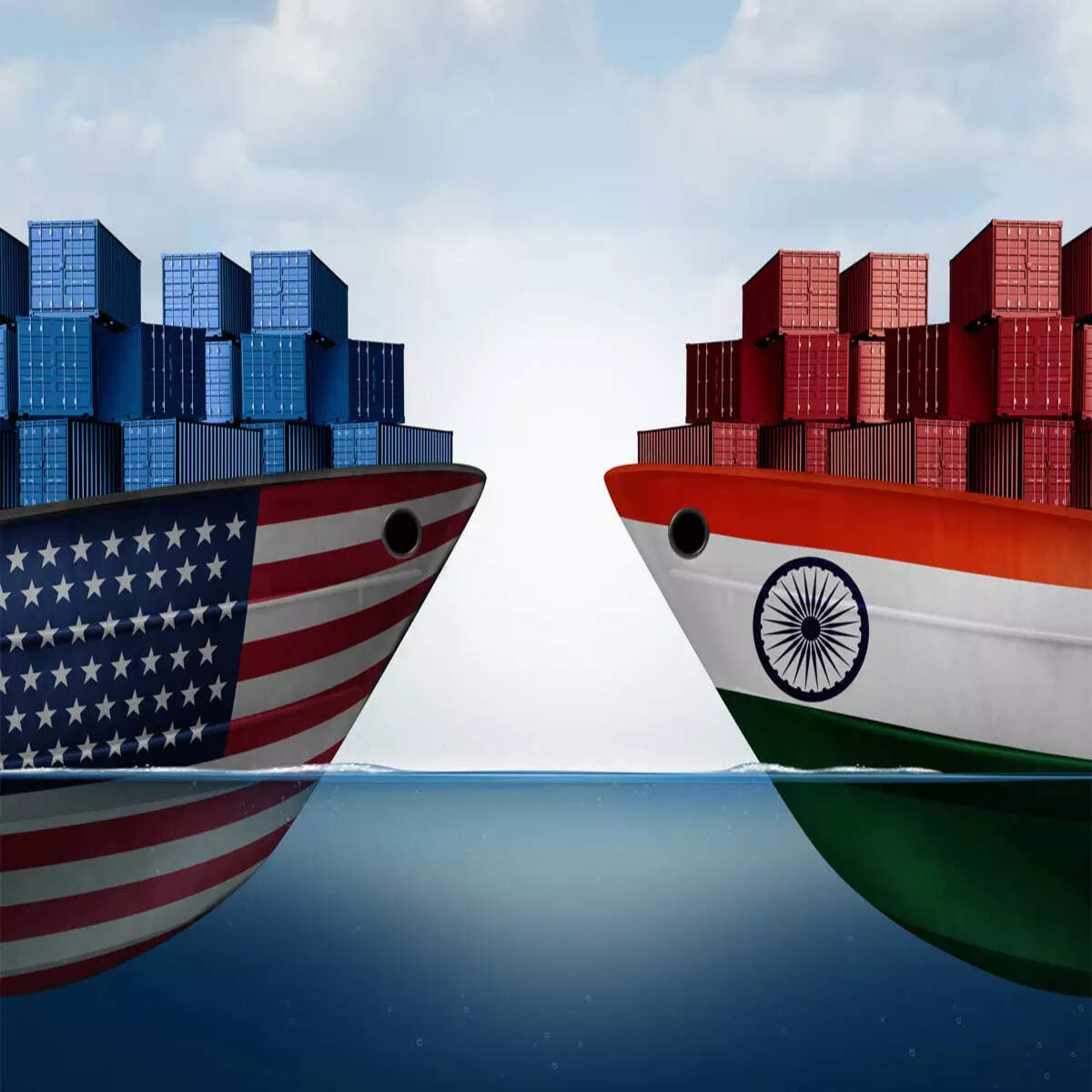
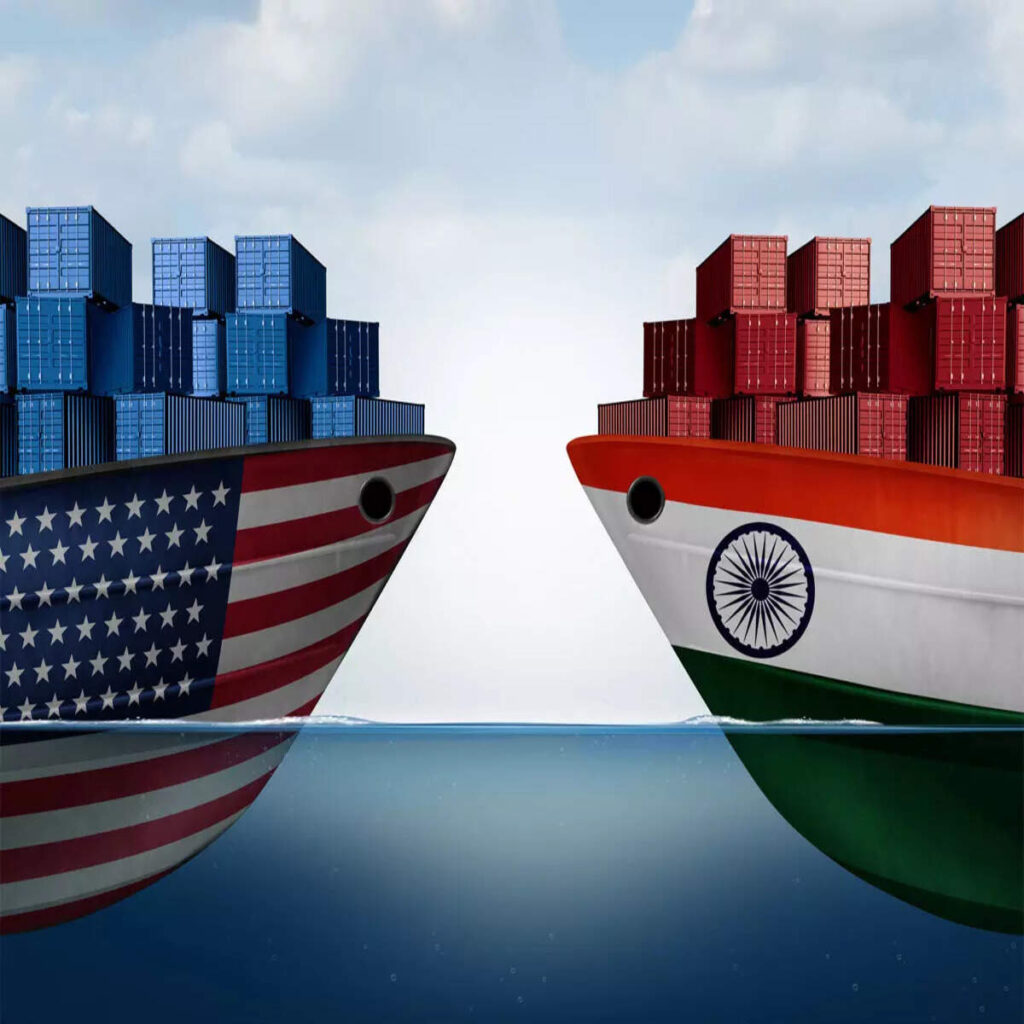
By Nantoo Banerjee Come August 27, the picture of the Indo-US trade may show a considerable change. India’s merchandise exports to the US will be generally subjected to a 50 percent import tax from that date. A few categories, including drugs and pharmaceuticals, have been exempted. The reason advanced by US President Donald Trump for […]

VISHNU RAJA
RYO YAMADA
HITORI GOTOH
IKUYO KITA
Just in: