News related to
Emirates

Abu Dhabi-based Ittihad International Investment LLC has secured a $450 million sustainability-linked revolving credit facility with a consortium of local banks. The facility was arranged by Emirates NBD, Commercial Bank of Dubai, and First Abu Dhabi Bank, serving as mandated lead arrangers and bookrunners, as well as sustainability joint coordinators. Additionally, Abu Dhabi Commercial Bank, Abu Dhabi Islamic Bank, and Emirates Islamic acted as joint arrangers. The […]

The United Arab Emirates is intensifying its commitment to sustainable transportation by planning to install 500 electric vehicle charging stations nationwide by the end of 2025. This initiative aims to support the growing adoption of EVs and reduce carbon emissions, aligning with the country’s broader environmental objectives. Sharif Al Olama, Under-Secretary for Energy and Petroleum Affairs at the Ministry of Energy and Infrastructure, announced that over 100 […]

The Gulf Cooperation Council is on track to see its debt capital market exceed $1 trillion in outstanding issuances by the end of 2025, driven by government initiatives aimed at market development, economic diversification, and the need to fund fiscal deficits and upcoming debt maturities. Fitch Ratings reports that the DCM in the GCC reached $940 billion by the close of the first quarter of 2024, marking a 7% year-on-year increase.

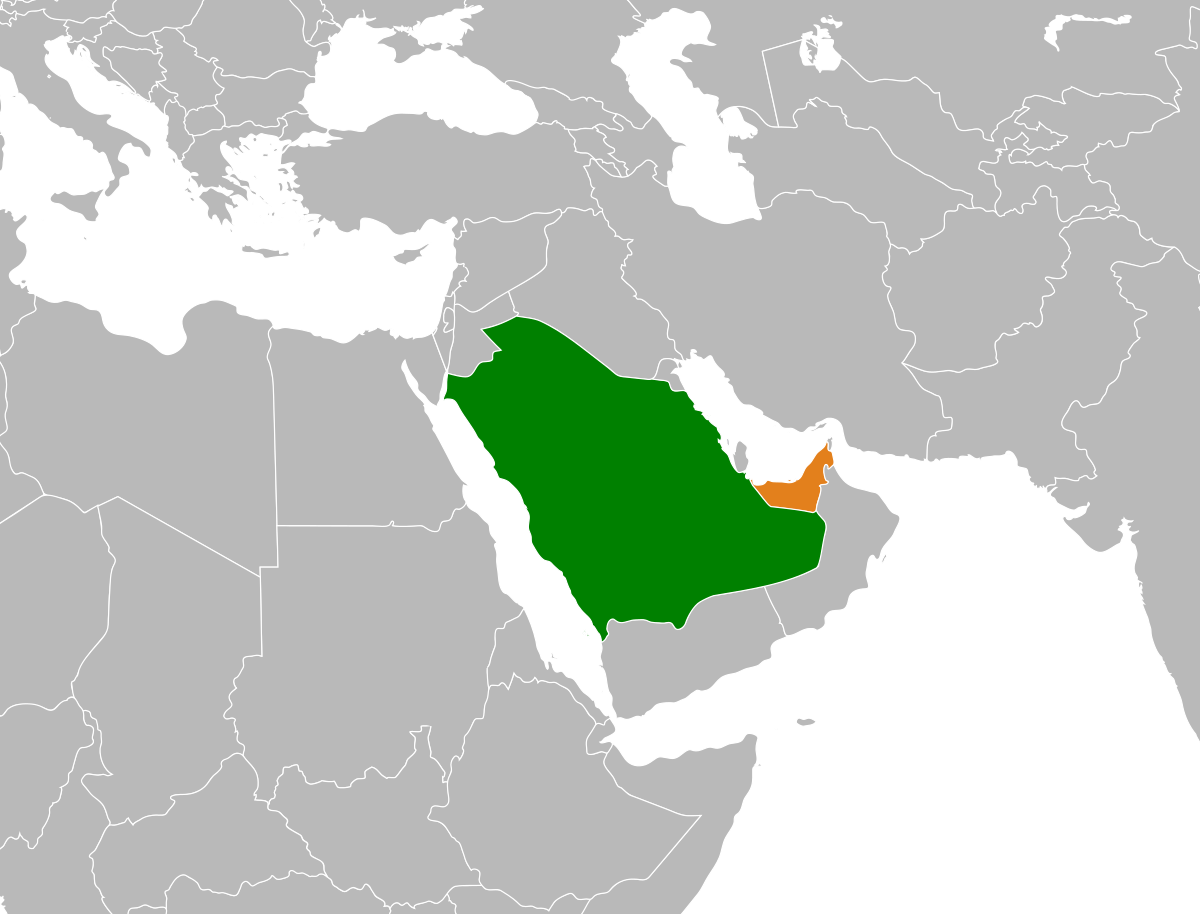
Saudi Arabia and the United Arab Emirates lead the region’s DCM, holding 43% and 30% of the market share, respectively. Approximately 40% of the GCC’s outstanding debt comprises sukuk, with the remainder in conventional bonds. Fitch Ratings, which assesses over 70% of the GCC’s US dollar-denominated sukuk, notes that 81% of these are investment-grade, with no defaults reported.

The anticipated growth in debt issuances is attributed to several factors, including projected declines in oil prices to $65–$70 per barrel in 2025 and 2026, which may prompt increased sovereign borrowing to cover budgetary shortfalls. Additionally, government-led initiatives to enhance debt capital markets and diversify funding sources are expected to play a significant role. Bashar Al Natoor, Global Head of Islamic Finance at Fitch Ratings, emphasizes that “most GCC countries have come a long way in developing their DCMs, with the bloc now accounting for almost a third of total emerging-market dollar issuance, excluding China.”

Despite these advancements, the GCC’s debt capital markets remain less mature compared to more developed regions and exhibit varying stages of development across member states. Saudi Arabia and the UAE possess the most advanced markets, while Qatar and Oman have seen contractions due to debt repayments. Kuwait’s absence of a debt law limits its funding options, and Bahrain continues to rely heavily on DCM access and support from other GCC nations amid persistent deficits.

In the banking sector, GCC banks are projected to issue over $30 billion in US dollar-denominated debt in 2025, a decrease from the record $42 billion issued in 2024. This decline is partly due to the maturation of approximately $23 billion in existing debt, with Qatari banks accounting for about a third of these maturities, and UAE and Saudi banks each representing around a quarter. Fitch Ratings anticipates that most additional Tier 1 instruments with first call dates in 2025 and 2026 will be called, given favorable financing conditions.

The US Federal Reserve is expected to reduce interest rates by 100 basis points in 2025, potentially leading to more favorable financing conditions for GCC banks. Strong credit growth, particularly in Saudi Arabia and the UAE, is also anticipated to support further issuances. In 2024, GCC banks’ US dollar debt issuance reached an unprecedented level, driven by high credit growth in Saudi Arabia, efforts to diversify funding bases, and substantial debt maturities.

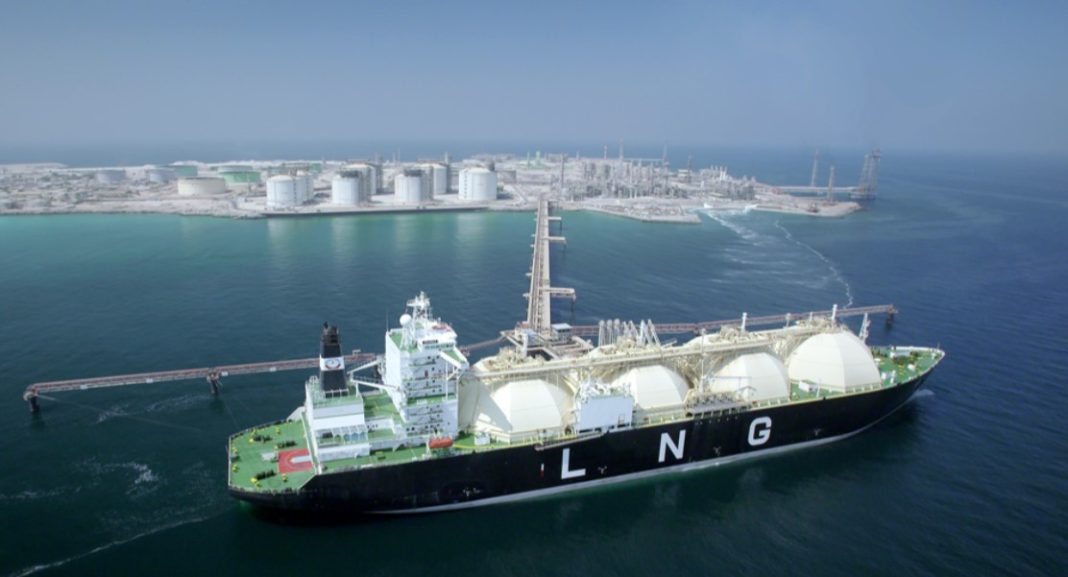
Abu Dhabi National Oil Company has entered into a five-year contract to supply 2.5 million tonnes of liquefied natural gas to Bharat Petroleum Corporation Limited , according to sources familiar with the matter. Under this agreement, BPCL is set to receive 40 LNG cargoes, with deliveries commencing in April. The initial two years will see a gradual increase in supply volumes.

The formal signing of the deal is scheduled during the four-day India Energy Week conference. This partnership underscores the strengthening energy ties between the United Arab Emirates and India, reflecting a mutual commitment to energy security and diversification.

Emirates has entered into an agreement with Airbus to implement the Skywise Fleet Performance+ solution, aiming to enhance its fleet management through advanced predictive maintenance and health monitoring. This move underscores the airline’s dedication to operational excellence and safety. The S.FP+ system is designed to detect potential faults before they trigger alerts, utilizing extensive in-flight sensor data integrated with maintenance information. By adopting this technology, Emirates seeks […]

The Gulf Cooperation Council equity markets have observed a downturn in net foreign investor inflows, with January figures decreasing to $939 million from December’s $1.04 billion, marking a significant 41% drop compared to November’s numbers. This trend is highlighted in the ‘Foreign Flow Analysis’ study by Iridium Advisors, a Dubai-based management consulting firm. CEO Oliver Schutzmann interprets this as foreign investors becoming “more selective in their allocations.” […]

AFC has consistently broadened its funding portfolio with innovative transactions that open new capital markets to attract global investors to African infrastructure DUBAI, UNITED ARAB EMIRATES – EQS Newswire – 7 February 2025 – Africa Finance Corporation (AFC) (www.AfricaFC.org), the continent’s leading infrastructure solutions provider, has successfully closed a US$400 million Shariah-compliant Commodity Murabaha facility, marking its strategic return to the Islamic finance market for the first […]

Advertisements

The UAE and France have formalised a strategic collaboration to build a cutting-edge AI-powered data centre in the Gulf region. The development of this 1-gigawatt facility marks a significant step in strengthening technological ties between the two countries, focusing on enhancing artificial intelligence infrastructure and driving the digital transformation in both regions. This agreement highlights the growing trend of international partnerships in the realm of AI, as […]

The Central Bank of the United Arab Emirates has formalised a Memorandum of Understanding with the Economic Security Centre of Dubai, aiming to enhance collaboration and information exchange in the fight against financial crime. This strategic partnership underscores the UAE’s commitment to maintaining a secure and transparent financial environment.

The MoU focuses on strengthening cooperation between the CBUAE and the Economic Security Centre of Dubai in areas of mutual interest, particularly in the exchange of information and expertise related to financial crime prevention. By fostering closer ties, both institutions aim to bolster the UAE’s defences against illicit financial activities, ensuring the integrity and stability of the nation’s financial system.

This agreement aligns with the UAE’s broader strategy to combat financial crime and uphold the highest standards of economic security. The collaboration between the CBUAE and the Economic Security Centre of Dubai is expected to lead to more effective monitoring and enforcement mechanisms, thereby enhancing the country’s reputation as a safe and attractive destination for global investors.

In recent years, the UAE has intensified its efforts to strengthen its financial regulatory framework. The signing of this MoU represents a significant step forward in these endeavours, reflecting the nation’s proactive approach to addressing emerging challenges in the global financial landscape.

The partnership will facilitate the sharing of critical information and best practices between the two entities, enabling them to respond more effectively to threats such as money laundering, terrorist financing, and other forms of financial crime. This collaborative approach is anticipated to result in more robust preventive measures and a more resilient financial system.

The CBUAE has been at the forefront of implementing initiatives to enhance financial stability and integrity. This latest agreement with the Economic Security Centre of Dubai complements these efforts, reinforcing the central bank’s role in safeguarding the nation’s economic interests.

The Economic Security Centre of Dubai, established to protect the emirate’s economic interests, plays a crucial role in preventing activities that could harm the economy. Through this MoU, the Centre aims to leverage its expertise in economic security to support the CBUAE’s mission of maintaining a stable and secure financial environment.

This collaboration is also expected to contribute to the UAE’s compliance with international standards and best practices in financial regulation. By aligning their efforts, the CBUAE and the Economic Security Centre of Dubai aim to enhance the effectiveness of their financial crime prevention strategies, thereby strengthening the UAE’s position in the global financial community.

The MoU outlines a framework for ongoing cooperation, including regular meetings, joint training sessions, and the development of coordinated policies and procedures. This structured approach is designed to ensure that both institutions can work together seamlessly to address current and future challenges in the financial sector.

The signing ceremony was attended by senior officials from both organisations, who expressed their commitment to the objectives of the MoU. They emphasised the importance of collaboration in achieving shared goals and highlighted the potential benefits of the partnership for the UAE’s economy.

This agreement is part of a series of initiatives undertaken by the UAE to enhance its financial regulatory framework and strengthen its defences against financial crime. By fostering closer cooperation between key institutions, the nation aims to build a more secure and resilient financial system that can support sustainable economic growth.

The CBUAE and the Economic Security Centre of Dubai have a history of working together on various initiatives aimed at enhancing economic security. This MoU builds upon that foundation, formalising their partnership and setting the stage for more comprehensive collaboration in the future.

UAE and Saudi Arabia are poised to dominate the MENA region’s e-commerce growth in 2024, as both countries capitalise on their technological advancements, robust infrastructure, and increasing consumer adoption. With rising digital transformation efforts and governmental support, these two nations are solidifying their position as the region’s e-commerce leaders. The digital marketplace in the MENA region is forecasted to reach new heights this year, with the UAE […]

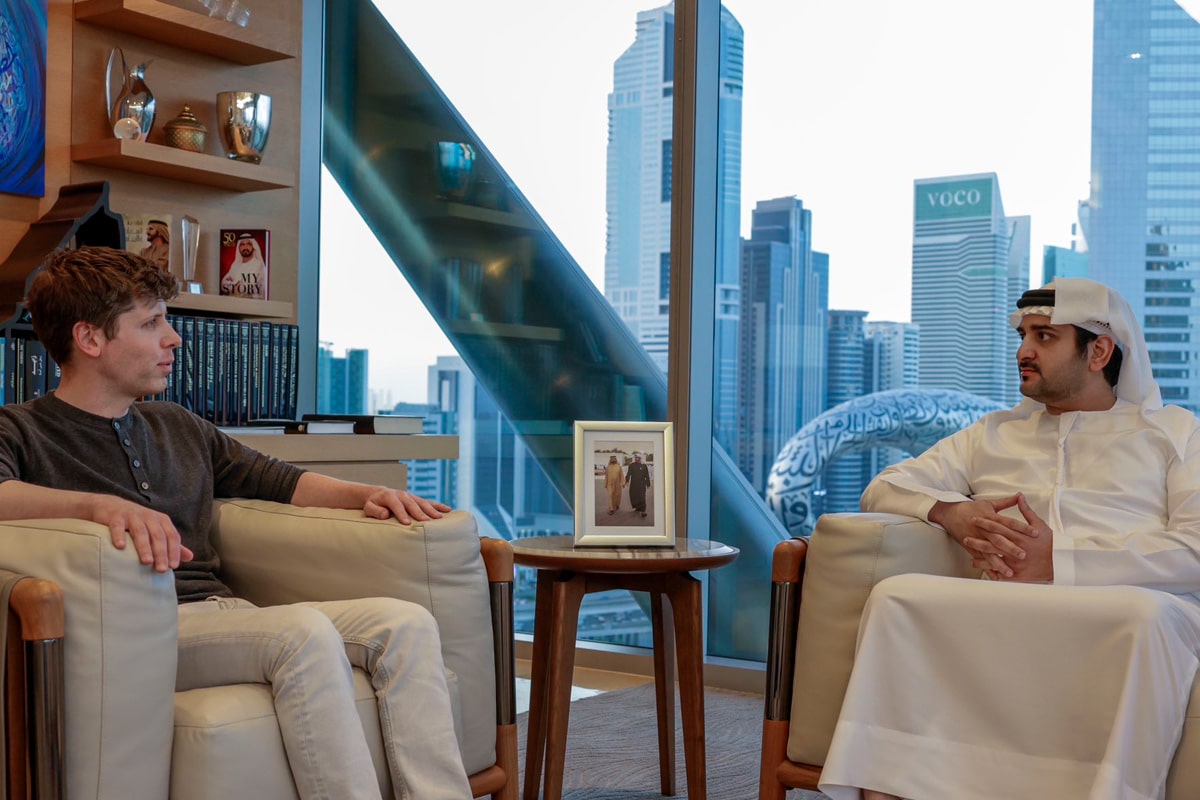
OpenAI CEO Sam Altman is scheduled to visit the United Arab Emirates this week for discussions with the Abu Dhabi-based investment group MGX. The meeting will focus on securing funding for OpenAI’s ongoing projects, particularly its model development and the expansive Stargate infrastructure initiative, which is central to the company’s long-term strategy.

The meeting in Abu Dhabi comes as OpenAI embarks on a $40bn fundraising effort to support its next phase of growth. This funding is crucial as OpenAI looks to expand its capabilities, especially in light of intensifying competition from Chinese alternatives in the artificial intelligence space.

OpenAI, known for its development of the popular language model ChatGPT, is seeking to raise a significant sum to push forward with its plans to enhance AI models and infrastructure. The Stargate project is particularly important, as it aims to revolutionise OpenAI’s computational resources and data handling capabilities, laying the groundwork for more advanced AI systems. Altman’s visit to the UAE comes at a pivotal moment for OpenAI, as it strives to maintain its competitive edge in a rapidly evolving AI landscape.

The company is facing increasing pressure from cheaper Chinese alternatives, particularly DeepSeek, which has emerged as a formidable challenger in the AI market. DeepSeek’s ability to provide cost-effective solutions has gained attention, potentially disrupting the US-dominated sector. This new wave of competition has forced US companies, including OpenAI, to rethink their strategies and accelerate the development of more advanced and resource-intensive AI models.

Altman’s trip to Abu Dhabi is part of a broader effort by OpenAI to secure partnerships and financial backing from international investors. MGX, known for its significant influence in the Middle East’s investment landscape, is a key player in the UAE’s ambitious push to position itself as a global leader in technology and innovation. OpenAI’s appeal to MGX is underscored by the potential for lucrative returns in the burgeoning AI sector, which continues to attract attention from global investors looking to capitalise on the future of artificial intelligence.

As OpenAI seeks to cement its position as a leader in AI development, the company is also navigating the challenges that come with maintaining a competitive edge. The emergence of DeepSeek, backed by strong financial support and growing technical capabilities, has added a new dimension to the AI race. The Chinese company’s ability to offer AI solutions at a lower cost has made it an attractive alternative for businesses looking to deploy AI at scale, putting pressure on US companies to innovate more rapidly and efficiently.

Altman’s discussions with MGX are expected to focus not only on securing the necessary funds for Stargate and model development but also on building strategic partnerships that could help OpenAI fend off the growing competition from China. The UAE has become an increasingly important player in the global tech ecosystem, with its investments in AI, fintech, and other cutting-edge technologies positioning it as a hub for innovation in the region.

The timing of Altman’s visit to the UAE highlights the importance of securing international investment to sustain OpenAI’s aggressive growth strategy. The UAE’s commitment to fostering technological innovation and supporting global AI leaders aligns with OpenAI’s goals, making it a natural partner in the quest for funding and resources.

In recent months, OpenAI has made significant strides in its model development, releasing new versions of its language models and expanding the scope of its offerings. The company’s plans to scale its operations and invest heavily in infrastructure are essential for staying ahead of rivals like DeepSeek, whose rapid advancements have put additional pressure on the US tech sector to invest more heavily in AI research and development.

The competition between OpenAI and DeepSeek is not just a matter of technological advancement but also of financial strength. OpenAI’s ability to raise $40bn would provide a significant boost to its efforts to outpace competitors, especially as global demand for AI-powered solutions continues to grow. However, the challenge of securing funding in a highly competitive market underscores the stakes for both companies as they vie for dominance in the AI space.

For Altman and OpenAI, the upcoming meetings in Abu Dhabi are a critical opportunity to secure the backing needed to sustain their leadership position. With the stakes higher than ever, OpenAI is focusing on securing long-term partnerships and investments that will allow it to continue pushing the boundaries of AI technology. The collaboration with MGX could play a pivotal role in shaping the future of OpenAI and its efforts to remain at the forefront of artificial intelligence development.

A marked rise in the number of AI specialists in the UAE signals the nation’s growing commitment to becoming a global leader in artificial intelligence. According to a recent report by BCG Global, the country has seen a 40% increase in AI experts since 2022, underscoring the rapid transformation in the local tech ecosystem. This surge comes as the UAE continues to prioritise technological innovation as a key driver of its economic diversification strategy.

This surge in AI talent reflects the UAE’s ambition to develop a robust digital economy and foster new industries, creating opportunities not just for local talent, but also for international professionals looking to leverage the UAE’s forward-thinking approach to technology. The UAE government’s focus on AI, highlighted by initiatives such as the UAE Artificial Intelligence Strategy 2031, has made the country a major hub for AI investment and innovation.

The UAE’s push to lead the Middle East in AI innovation stems from the wider global trend of accelerating technological advancement, with governments and private companies racing to harness the potential of AI. Within the UAE’s strategic vision, AI has become integral to a range of sectors, from healthcare and finance to logistics and education. The significant increase in AI talent coincides with the country’s broader plans to invest heavily in technology and digital transformation, ensuring that the necessary human capital is available to drive future innovations.

Key to this growth is the country’s commitment to creating an ecosystem that supports both local and global talent. Major initiatives, such as the launch of the AI Lab and the establishment of the Mohammad Bin Zayed University of Artificial Intelligence, have provided resources and educational opportunities designed to attract and nurture talent. As AI technology continues to evolve, the UAE’s investment in cultivating a skilled workforce has played a crucial role in positioning the nation as a competitive player on the global stage.

In addition to a focus on talent development, the UAE’s thriving private sector has also contributed to this growth. Tech giants, including IBM, Microsoft, and Google, have established significant operations in the country, offering both employment opportunities and collaborative platforms to foster the development of AI technologies. These companies, in partnership with local organisations, have accelerated the pace of innovation, allowing the UAE to make substantial strides in areas like machine learning, data analytics, and robotics.

The rapid expansion of AI expertise in the UAE also reflects broader trends within the region, as neighbouring countries look to emulate the UAE’s success. The UAE’s proactive stance on AI has set an example for other Gulf Cooperation Council nations, which are also exploring ways to integrate AI into their own national strategies. Bahrain, Saudi Arabia, and Qatar have made moves towards enhancing their technological capabilities, yet the UAE remains the most advanced in terms of both AI talent and technological infrastructure.

The increase in AI specialists in the UAE is not without its challenges. While the demand for talent is high, there remains a shortage of professionals with the necessary advanced skills. This gap has led to fierce competition for qualified AI experts, with companies and institutions offering increasingly attractive salaries and benefits to recruit the best talent from across the world. For example, AI professionals with expertise in areas like natural language processing, robotics, and autonomous systems are particularly sought after, with firms willing to pay premium wages to secure such expertise.

To mitigate this, the UAE has implemented several initiatives aimed at upskilling its existing workforce. The government’s emphasis on education and training, through initiatives like the National Programme for Artificial Intelligence, has helped to bridge the skills gap. Moreover, collaboration with international educational institutions has also played a vital role in ensuring that the nation is preparing its future generations for the digital economy.

Experts point out that while the country’s investments in AI talent are impressive, further efforts are needed to maintain the momentum. As AI becomes increasingly integrated into more sectors, it will be essential for the UAE to continue fostering a culture of innovation and collaboration between the public and private sectors. The government’s vision of positioning the UAE as an AI-driven economy is dependent on a continual supply of skilled professionals capable of both advancing the technology and applying it to real-world challenges.

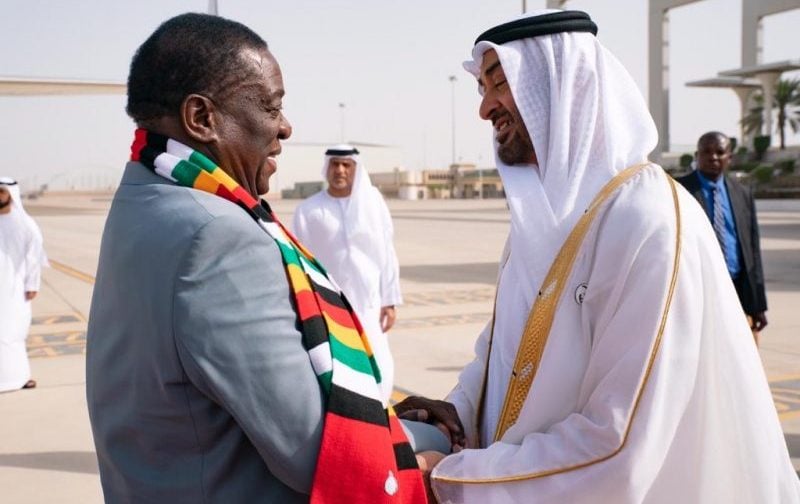
Zimbabwe’s economic landscape is undergoing a significant transformation, with the United Arab Emirates emerging as a pivotal partner. Bilateral trade between the two nations has surged, reaching approximately US$2 billion in 2022, positioning the UAE as Zimbabwe’s second-largest trading partner.

This burgeoning relationship is underscored by a remarkable 300% increase in trade over a three-year period. In 2019, trade volumes stood at around US$400 million, escalating to US$1.6 billion by 2021. Precious metals, particularly gold and diamonds, constitute a substantial portion of this trade, accounting for about 80% of the total exchange. Agricultural and food products also play a significant role in the bilateral trade dynamics.

The UAE’s investment footprint in Africa has expanded notably, with commitments totaling $110 billion between 2019 and 2023. Of this, $72 billion has been allocated to renewable energy projects, underscoring the UAE’s role in Africa’s green energy transition. However, concerns have been raised regarding labor rights, environmental standards, and the UAE’s support for hydrocarbon projects.

In Zimbabwe, the UAE’s investments span various sectors, including agriculture, mining, and energy. Zimbabwean businesses are actively exploring opportunities in the UAE’s food and agriculture sectors, while Emirati investors have shown keen interest in Zimbabwe’s gold and precious metals industries. This mutual interest is fostering deeper economic collaboration between the two nations.

The establishment of the Zimbabwean Business Council in Dubai aims to further bolster these ties. The council’s primary objective is to promote the commercial interests of Zimbabwe and Zimbabwean businesses in Dubai, facilitating increased trade and investment flows between the two countries.

Despite these positive developments, Zimbabwe faces internal challenges that could impede its economic progress. Policies such as the requirement for exporters to convert 25% of their foreign currency earnings into local currency have been criticized for hindering the recovery of sectors like horticulture. Additionally, farmers encounter difficulties in securing funding due to uncertain land tenure and past arbitrary state land acquisitions. The lack of government support further exacerbates these challenges, highlighting the need for policy reforms to create a more conducive environment for business growth.

Infrastructure development is another critical area requiring attention. The National Railways of Zimbabwe has opened its network to private firms to boost freight volumes, which had declined due to decades of underinvestment. Collaborations with companies like South Africa’s Grindrod have been initiated to revitalize the railway system, essential for supporting the country’s mining and agricultural sectors.

Discussions between Russian and US officials have surfaced regarding a potential summit between President Donald Trump and President Vladimir Putin, with Saudi Arabia and the United Arab Emirates being considered as the possible locations for the high-stakes meeting. According to two Russian sources familiar with the matter, both Middle Eastern nations have emerged as viable venues for the summit, a move that reflects the growing geopolitical engagement of these countries in the Russia-US relations.

Trump, who has long positioned himself as a proponent of international diplomacy, stated his intentions to end the war in Ukraine as swiftly as possible. He reiterated his readiness to engage with Putin, emphasizing the desire to address the ongoing conflict and other shared concerns. In return, President Putin congratulated Trump following his re-election and voiced his own readiness to meet and discuss critical issues, including the war in Ukraine and energy policies, which remain central to the broader global conversation on security and economic stability.

Despite these declarations, Russian officials have firmly denied any direct communications with the United States regarding plans for a phone call or a potential in-person meeting between the two leaders. These officials insist that any forthcoming discussions, if they occur, would be arranged at a later stage, with careful consideration of timing and venue.

The prospect of such a summit, especially in the context of Russia’s recent military actions in Ukraine, has sparked interest on the international stage. The geopolitical ramifications of such a meeting would likely be far-reaching, impacting global energy markets, NATO relations, and the future of the conflict in Eastern Europe. Although some observers view this as an opportunity for peacebuilding, others remain skeptical, given the contentious history of US-Russia relations.

Saudi Arabia and the UAE, with their growing influence on the global diplomatic stage, are being considered due to their neutral stance in the Ukraine conflict and their established relationships with both Russia and the United States. These nations have long been involved in energy markets, which would make them attractive hosts for a meeting focused on energy policies and economic security. Russia’s energy exports, including oil and natural gas, remain a critical factor in shaping international relations, particularly in light of sanctions imposed by the West in response to Russia’s actions in Ukraine.

Trump’s position on Ukraine has been a point of divergence from that of his political opponents, with some criticizing his favorable rhetoric toward Russia. However, his approach has consistently focused on resolving the conflict through direct negotiations, an approach he has applied to other global tensions during his presidency. The idea of a Trump-Putin summit reflects his broader foreign policy philosophy, which emphasizes personal diplomacy over multilateral frameworks.

Despite public statements from both leaders expressing interest in talks, the reality of organizing a summit remains complex. The diplomatic groundwork necessary to bring the two leaders to the same table would require careful coordination, especially with ongoing tensions over Ukraine. Moreover, the absence of direct communication between the US and Russia regarding the summit preparations has raised questions about the seriousness of the plans and the potential obstacles that may arise in the months ahead.

The role of intermediaries, such as Saudi Arabia and the UAE, in facilitating this meeting underscores the shifting dynamics of international diplomacy. Both nations have increasingly positioned themselves as key players in mediating between conflicting global powers. Saudi Arabia’s leadership within OPEC, combined with its strategic partnerships with both Russia and the United States, places it in a unique position to influence global discussions, particularly in the energy sector. Similarly, the UAE, with its expansive diplomatic network and strong ties to both Moscow and Washington, has become a focal point for international peace efforts and negotiations.

The consideration of Saudi Arabia and the UAE as potential hosts for the Trump-Putin summit aligns with their broader strategy of asserting themselves as mediators in global political disputes. The Middle East, long a region of contention, is now emerging as a diplomatic hub where major powers can engage in dialogue, far from the direct theater of conflict. This shift in geopolitical dynamics highlights the region’s growing importance as a neutral ground for major power negotiations, particularly in an era marked by heightened tensions and polarized global politics.

While a Trump-Putin summit would be a significant event on the world stage, it would also require both leaders to overcome a range of diplomatic and political challenges. The ongoing war in Ukraine remains a central issue, and any discussions between Trump and Putin would likely revolve around finding a peaceful resolution to the conflict, while balancing the interests of their respective countries. However, any breakthroughs or agreements arising from such a summit would be closely scrutinized by the international community, particularly given the historical tensions that have defined US-Russia relations.

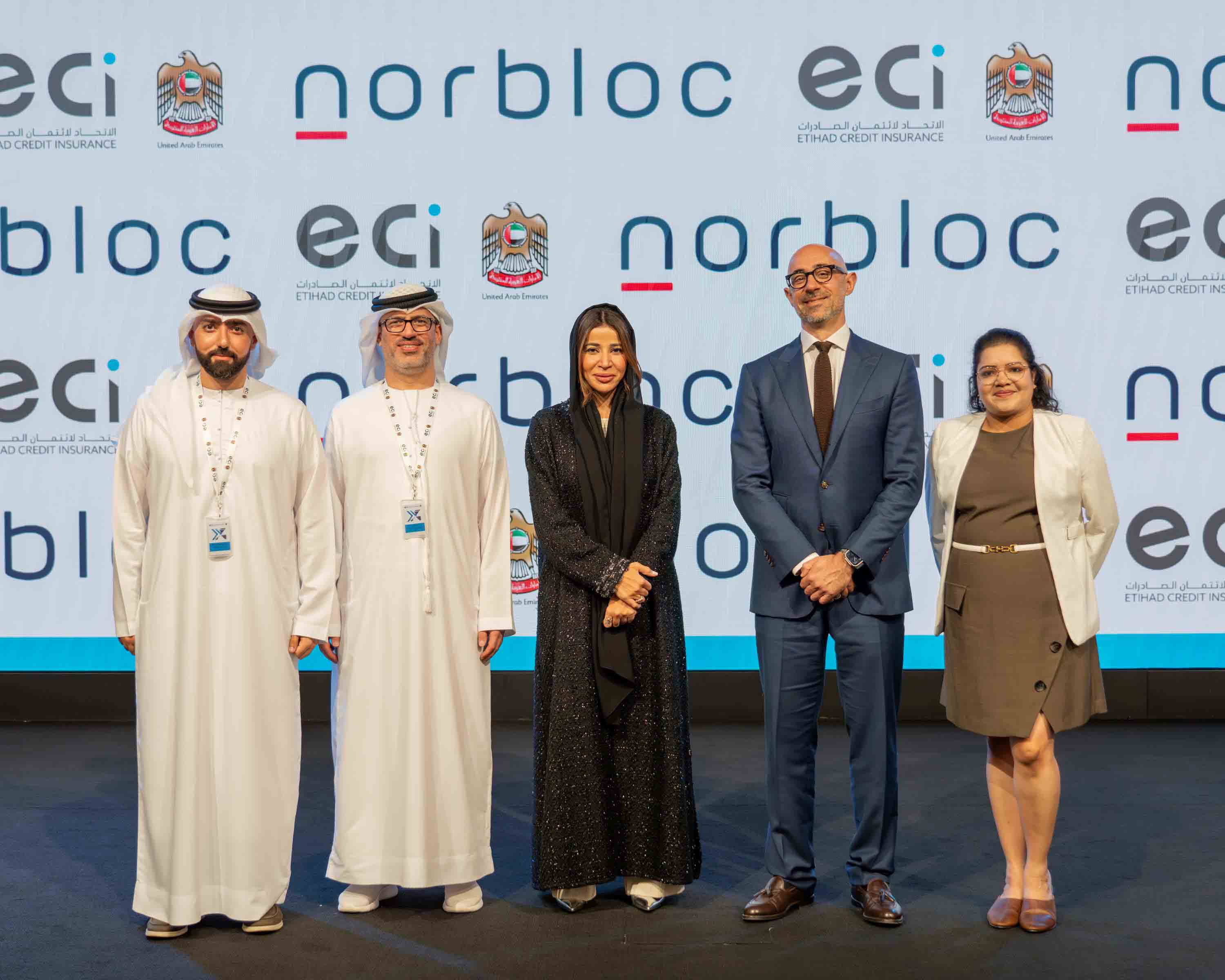
Etihad Credit Insurance , a prominent UAE Federal export credit company, has joined the Know Your Customer Blockchain Platform, marking a milestone for the country’s insurance sector. The partnership, aimed at enhancing the efficiency of customer identity verification, places ECI at the forefront of adopting blockchain technology within the financial industry.

This move reflects a broader trend in the UAE’s ongoing efforts to modernize its financial and insurance sectors. By integrating blockchain-based solutions, ECI joins several other entities striving to increase transparency, reduce fraud, and improve operational efficiency. The KYC Blockchain Platform itself, led by the Dubai Department of Economy and Tourism , represents a key innovation within the region’s fintech ecosystem.

Blockchain’s decentralized nature offers significant advantages for KYC processes. Traditionally, verifying customer identities involves complex, time-consuming procedures that are susceptible to human error and fraud. The adoption of blockchain ensures secure, immutable records, allowing for smoother and faster transactions. By participating in this platform, ECI aims to streamline its own compliance procedures, reducing the need for manual checks and minimizing risks associated with identity theft.

The KYC Blockchain Platform has already gained traction with a growing number of financial institutions and government entities looking to optimize their services. For ECI, the decision to integrate blockchain into its operations comes at a time when trust in digital solutions is paramount. In particular, the move is expected to strengthen the company’s ability to offer enhanced trade credit services, which are crucial for UAE-based businesses involved in international trade.

ECI’s commitment to embracing blockchain technology aligns with the UAE government’s broader push to position the nation as a leader in digital innovation. The country’s strategic focus on blockchain as a key enabler of economic growth is evident in its continued investment in the technology. By incorporating blockchain solutions into its operations, ECI not only aims to simplify its compliance processes but also to contribute to the larger goal of building a more secure and transparent digital economy in the UAE.

Blockchain’s integration into the KYC platform also paves the way for greater collaboration between public and private sectors. Government institutions have been proactive in creating the necessary infrastructure to support blockchain adoption. The Dubai Department of Economy and Tourism’s leadership in this initiative highlights the UAE’s determination to become a global blockchain hub, with numerous projects already underway to explore its applications in diverse sectors such as finance, healthcare, and logistics.

As the UAE continues to embrace new technologies, the success of the KYC Blockchain Platform could serve as a model for other nations aiming to digitize their financial and regulatory systems. The platform’s design, which facilitates secure and real-time sharing of customer information between institutions, addresses one of the most pressing challenges in the global financial sector: the need for robust and efficient identity verification.

The integration of blockchain into KYC processes also aligns with the UAE’s commitment to compliance with global anti-money laundering standards. As the international financial landscape becomes more interconnected, regulatory bodies around the world are increasingly requiring organizations to meet stringent customer verification and monitoring obligations. Blockchain technology’s ability to ensure data accuracy, security, and accessibility provides institutions with the tools they need to comply with these regulations more effectively.

For ECI, this integration represents more than just a technological upgrade. It is part of a larger strategy to remain competitive in an evolving financial environment. The company’s ability to leverage blockchain for more efficient KYC processes enhances its appeal to both local and international businesses. As the UAE’s trade and export sectors grow, having a streamlined and secure system for verifying customers’ identities will be a critical differentiator for businesses operating within the region.

The ECI’s blockchain initiative also promises to have broader implications for the insurance industry in the UAE and beyond. Insurance companies have long faced challenges related to fraud and regulatory compliance. With blockchain’s potential to offer transparent and tamper-proof records, the platform could drive significant changes in how insurers conduct their operations. Moreover, it could encourage more insurers to explore blockchain solutions, further accelerating the sector’s digital transformation.

This development positions ECI as a trailblazer within the UAE’s rapidly expanding blockchain ecosystem. As more companies begin to realize the benefits of blockchain for KYC and other operations, the region could see even greater adoption of this technology. By taking this bold step, ECI not only enhances its own operational capabilities but also contributes to shaping the future of blockchain in the global financial services landscape.

Dubai is continuing to strengthen its position as a global luxury real estate hub with the introduction of new $100 million mansions aimed at attracting the world’s ultra-wealthy buyers. These high-end properties, designed with a blend of opulence and cutting-edge technology, offer unparalleled luxury and exclusivity, reinforcing the city’s appeal among high-net-worth individuals seeking a lavish lifestyle in one of the most cosmopolitan cities in the world.

The move comes amid Dubai’s ongoing efforts to diversify its economy and reduce dependence on oil. By creating an environment conducive to wealth generation, the city aims to secure its place as a key player in the global luxury real estate market, appealing to billionaires and other affluent individuals from various industries such as finance, technology, and entertainment. The launch of these multimillion-dollar homes aligns with Dubai’s broader strategy to foster growth in its property sector while attracting international investors.

The new mansions are situated in some of the city’s most prestigious neighborhoods, including Palm Jumeirah and Emirates Hills, both of which are synonymous with opulence and sophistication. These locations are well-established as the prime residential areas for Dubai’s elite, boasting spectacular views, private beach access, and proximity to world-class facilities such as five-star hotels, shopping malls, and golf courses. The homes, which range in size from 20,000 to 30,000 square feet, offer unmatched privacy and security, with residents benefiting from state-of-the-art surveillance systems and 24-hour concierge services.

Architecturally, the mansions represent a fusion of traditional Arabian design with modern, minimalist aesthetics. The developers have incorporated advanced technologies such as home automation systems, environmental sustainability features, and even artificial intelligence-driven energy efficiency, ensuring that the properties meet the highest standards of luxury and functionality. Many of these homes also come with private pools, spas, cinemas, and expansive outdoor spaces designed for both relaxation and entertainment.

Another attractive feature is the availability of bespoke services tailored to the needs of each buyer. Personalized interior design, exclusive art collections, and even custom-built furniture are part of the package, allowing wealthy residents to create a space that reflects their individual tastes and lifestyles. The presence of renowned luxury brands like Rolls-Royce and Lamborghini further enhances the appeal, with private showrooms and exclusive car services available to residents.

Dubai’s real estate market has been resilient even in the face of global economic challenges. The city’s stable political environment, tax-free policies, and world-class infrastructure make it an attractive destination for the ultra-wealthy, particularly in light of geopolitical uncertainties elsewhere. The luxury sector has seen steady growth, fueled by a consistent influx of foreign investors seeking safe havens for their wealth. The introduction of these new mansions is expected to build on that momentum, catering to the growing demand for extraordinary homes that offer both lavish living and a secure, high-profile address.

While the $100 million price tag may seem astronomical to many, the value proposition is clear for those looking to buy into Dubai’s elite real estate market. The growing trend of “safe haven” investments, where the ultra-wealthy look to protect their assets in politically stable environments, makes Dubai’s prime properties even more appealing. As the city continues to position itself as a beacon for global wealth, the demand for luxury residences remains high, with Dubai consistently ranking among the world’s most sought-after destinations for property investment.

In addition to the allure of luxury living, these new mansions offer buyers a unique opportunity to be part of Dubai’s thriving cultural and social scene. The city’s reputation as a global business hub, its numerous luxury shopping destinations, and its burgeoning arts and entertainment industries provide an attractive backdrop for those seeking not just a home, but an elevated lifestyle.

Despite the substantial cost, the market for Dubai’s high-end properties is seeing increasing interest from international buyers, especially from regions such as Europe, Russia, and China. These global buyers are attracted not only by the mansions themselves but by the broader appeal of Dubai as a tax-free haven, providing access to a safe, stable environment for both living and investing. The city’s legal framework, which is favorable to foreign investors, also ensures that the luxury real estate market remains competitive and attractive.

Dubai’s government has been proactive in making it easier for foreign buyers to invest in property. Recent reforms, such as offering long-term residency visas to investors and property owners, have further contributed to the growth of the luxury real estate market. The ease of doing business in the city, combined with its strategic location at the crossroads of Europe, Asia, and Africa, ensures that Dubai remains an ideal base for wealthy individuals looking to expand their global portfolios.


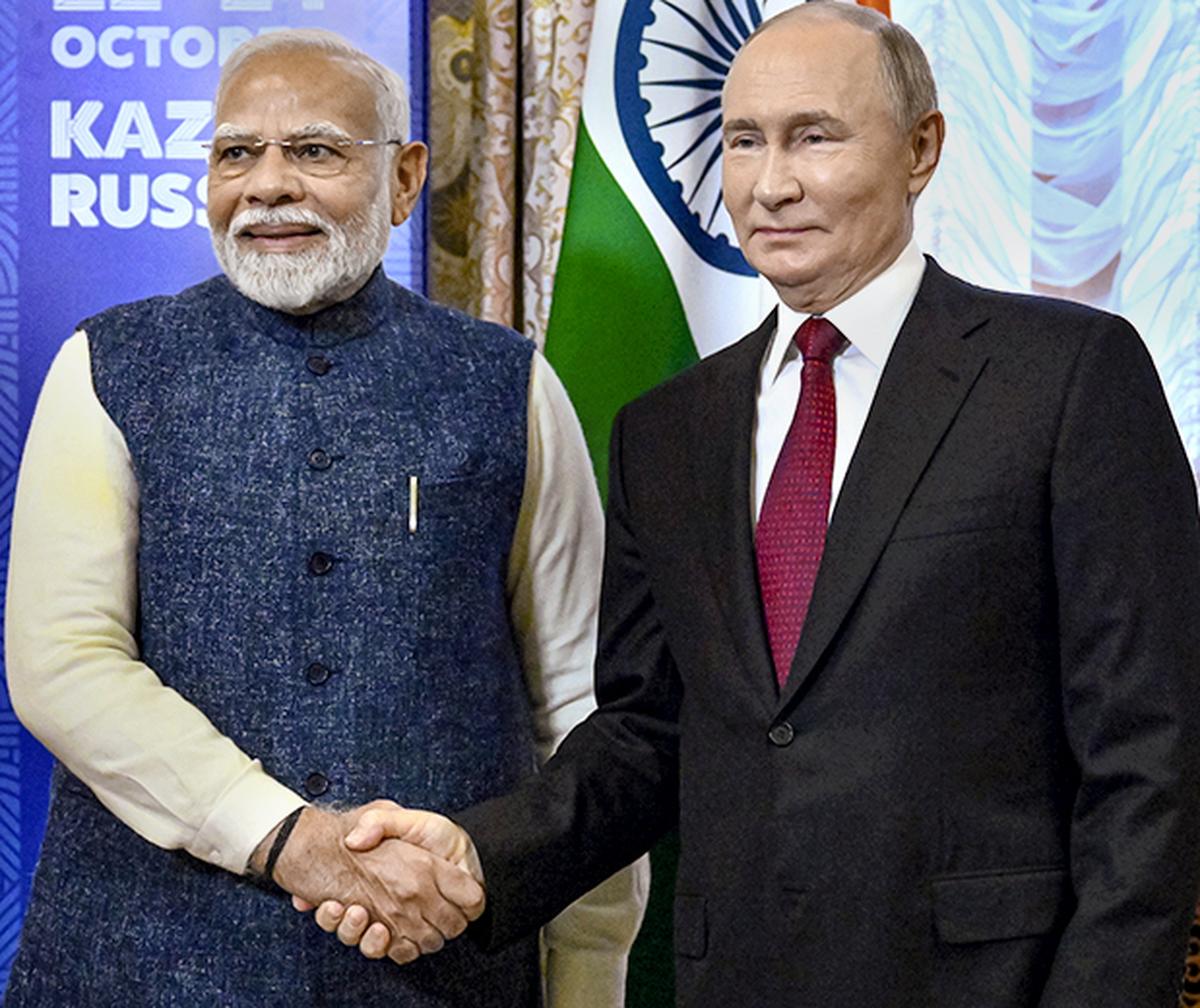
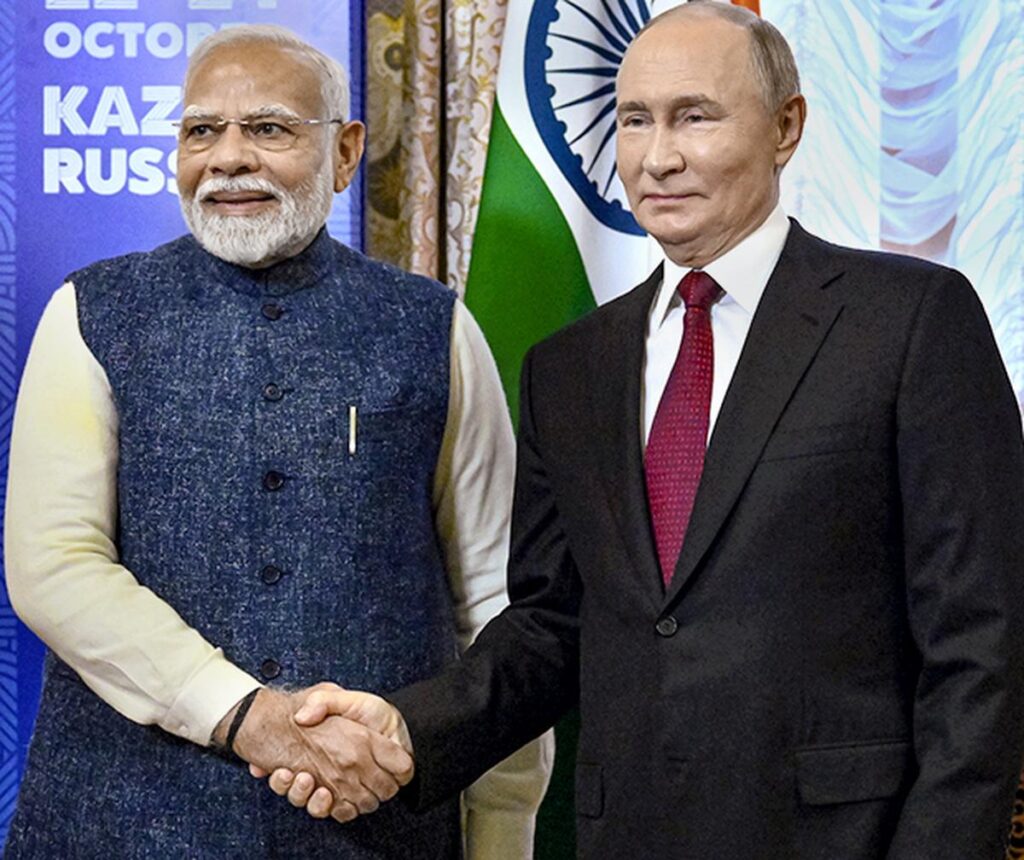
By Nitya Chakraborty What is happening to the proposed official visit of the Russian President Vladimir Putin to India early this year? Is the Prime Minister Narendra Modi’s invitation to the Russian President to visit India given at the BRICS summit at Kazan on October 22 still valid? Doubts are being raised about the visit […]
Arabian Post Staff -Dubai Dubai International Airport achieved a remarkable milestone in 2024, handling 92.3 million passengers, marking a nearly 6 percent annual increase. This achievement further cements Dubai’s status as one of the world’s leading global tourist hubs and the busiest airport by international traffic. The figure surpasses the airport’s November forecast of 91.9 million passengers, underscoring the sustained growth of Dubai’s aviation sector. This year’s […]

The Middle East is poised for a significant economic transformation in 2025, with countries across the region intensifying their diversification strategies to reduce reliance on oil revenues. Saudi Arabia, the United Arab Emirates (UAE), and other Gulf Cooperation Council (GCC) nations are implementing robust measures to foster growth in non-oil sectors, aiming for sustainable economic futures. Saudi Arabia’s Public Investment Fund (PIF) has committed $200 million as […]

Arabian Post Staff -Dubai The United Arab Emirates (UAE) is implementing a series of strategic initiatives to enhance its property sector and attract increased investment. These measures come on the heels of significant growth in the real estate market, which has experienced substantial expansion in recent years. In 2023, the UAE’s property market demonstrated remarkable resilience and growth. The International Monetary Fund (IMF) reported that property prices […]

Dubai Investments is gearing up to take its subsidiary companies public, with plans for an initial public offering (IPO), according to the company’s CEO. The move reflects the growing trend among Middle Eastern conglomerates to unlock value and attract investment by listing some of their high-performing subsidiaries. The company, a prominent player in the UAE’s investment sector, has not specified a timeline or details about which subsidiaries will be included in the offering, but the announcement marks a significant step in Dubai Investments’ ongoing strategy to diversify its capital base and enhance its market position.

The UAE has seen a surge in IPO activity in recent years, with companies from various sectors, including real estate, energy, and financial services, opting to go public to leverage favorable market conditions. Dubai Investments, with its diverse portfolio spanning sectors like manufacturing, real estate, and healthcare, is positioning itself to tap into this growing market momentum.

The decision to pursue an IPO aligns with the broader push by UAE-based companies to boost their financial profiles and capital flexibility. UAE’s stock exchanges have seen a revival of IPO activity, with several high-profile listings, such as those of Dubai-based Emirates Central Cooling Systems Corporation (Empower) and the real estate developer Emaar Properties. These IPOs, coupled with the UAE government’s efforts to make the country more attractive to foreign investors, have set a strong precedent for other major firms like Dubai Investments to follow suit.

CEO of Dubai Investments, Khaled Al Huraimel, expressed optimism regarding the company’s plans, pointing to a robust market appetite for high-growth companies with a diversified asset base. He emphasized that the decision to list subsidiaries will help maximize shareholder value and unlock greater capital for reinvestment into core operations. With Dubai’s stock market seeing record levels of participation, the potential for a successful IPO seems favorable.

As part of Dubai Investments’ growth strategy, the IPOs will likely be part of a broader restructuring that focuses on enhancing operational efficiencies and sharpening the strategic direction of its subsidiary companies. These subsidiaries, which include some of the UAE’s most successful ventures in manufacturing, real estate, and healthcare, stand to benefit from increased visibility and liquidity once listed. The capital raised from the IPO could be reinvested into expanding these businesses, as well as funding new projects and acquisitions, further solidifying Dubai Investments’ footprint in the region.

Market analysts expect the IPOs to create a ripple effect across the UAE’s business landscape, potentially encouraging other conglomerates in the region to pursue similar paths. By going public, Dubai Investments and its subsidiaries will gain access to a larger pool of capital, allowing them to expand operations more aggressively, strengthen market share, and accelerate their regional and international growth plans.

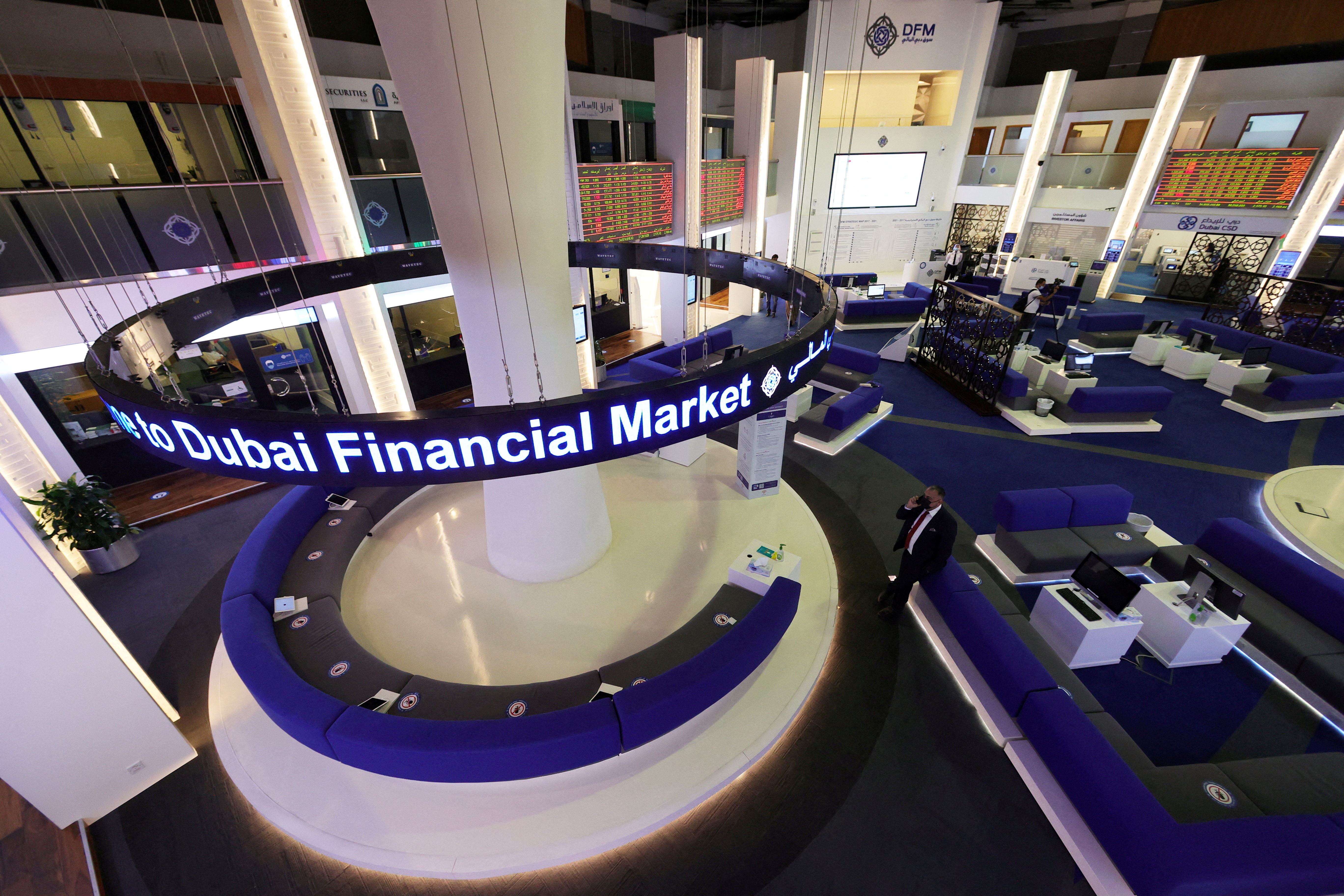
The UAE government’s pro-business initiatives, including efforts to attract foreign investments and regulatory reforms aimed at increasing market transparency, have made the country an attractive destination for initial public offerings. These efforts are part of the UAE’s broader economic diversification strategy, which aims to reduce reliance on oil revenues and foster the growth of non-oil sectors. The country’s stock exchanges, particularly the Dubai Financial Market (DFM) and the Abu Dhabi Securities Exchange (ADX), have benefited from these policies, experiencing increased investor interest and a rise in IPOs in recent months.

Experts believe that the market conditions are ripe for Dubai Investments to capitalize on the growing investor demand for stocks from well-established firms with strong operational histories. With a track record of success across various sectors, Dubai Investments is well-positioned to attract a wide range of institutional and retail investors who are eager to tap into the growth potential of its diverse subsidiary companies.

The company’s move to pursue an IPO comes at a time when Dubai is further consolidating its position as a regional financial hub, thanks to government-backed initiatives aimed at making the city an appealing destination for business and investment. Dubai’s ease of doing business, robust infrastructure, and investor-friendly regulations make it a favorable environment for companies like Dubai Investments to expand their capital base and achieve long-term growth.

However, the decision to go public also carries risks. IPOs can be volatile, particularly in times of global uncertainty or market fluctuations. Dubai Investments will need to carefully navigate the process to ensure that its subsidiaries are positioned for success post-listing. The company’s management will also need to ensure that the IPOs do not dilute the control or influence of its parent company, preserving its strategic direction and long-term vision.

For Dubai Investments, listing its subsidiaries is a key part of its transformation and efforts to modernize its portfolio. While the IPO route is seen as a way to enhance liquidity and raise capital, it also provides an opportunity to unlock value from a number of high-growth subsidiaries, many of which have proven resilient in the face of economic challenges.

PUCHHEIM, GERMANY – Newsaktuell – 23 January 2025 – ELATEC, a leading global provider of user authentication and identification solutions, is beginning 2025 with a significant step forward in its global expansion strategy: the launch of its new office in Dubai. Operating under the name ELATEC Middle East Trading FZE, this new location will serve as a dedicated hub to support the company’s growing customer base and […]

HONG KONG SAR – Media OutReach Newswire – 23 January 2025 – Financial Secretary of the Hong Kong Special Administrative Region (SAR), Paul Chan, is among nearly 3,000 political leaders, financial officials and business elites attending the World Economic Forum (WEF) Annual Meeting in Davos, Switzerland. Hong Kong SAR’s Financial Secretary, Paul Chan, speaks at the “2025 Davos-Caixin CEO Luncheon” in Davos, Switzerland. Promoting Hong Kong’s advantages […]

DUBAI, UNITED ARAB EMIRATES – EQS Newsroom – 22 January 2025 – COFICERT announces the renewal of the University of Dubai’s MSI 20000 certification for a second consecutive cycle, marking its continuous compliance with the standard requirements. Late 2020, the University of Dubai undertook an in-depth assessment of its financial governance in accordance with the MSI 20000 Standard, to become the first educational institution in the region […]

VISHNU RAJA
RYO YAMADA
HITORI GOTOH
IKUYO KITA