Just in:
Ayara Kamala Reveals a Refreshed Vision for Wellness in Phuket // Dubai airport passenger traffic drops 28.1% amid conflict // Optimizely breach exposes visitors across 178 organisations // JPMorgan restores transactions after banking payments disruption // Over 360 electricity distribution professionals meet in Seoul for CIRED’s first major event in the Asia-Pacific region // First Abu Dhabi Bank proposes AED15 billion share sale // Kuwait engages hostile drones as Bahrain intercepts attacks // Trilateral Summit On Nov 19 Will Be A Dialogue Between Trump And Xi With Putin Observing // Google identifies autonomous AI systems conducting vulnerability attacks // Mangroves Documentary Premieres, Exploring How Cities and Wetlands Coexist // UK privacy regulator flags GTA 6 phishing threats // Singapore outlines three AI initiatives for financial services // Mexican journalists demand accountability after Acapulco reporter killed // Bora Group 3Q26: Revenue and Net Income Expansion Continues U.S. Manufacturing and Biologics Footprint Complete; Margin Expansion to Follow as Utilization Improves // Ukraine faces $32.6 billion financing gap amid legislative delays // Fraudsters register brand lookalikes within a day // Takaichi exchanges greetings with Chinese minister at Manila summit // Apple restores services after App Store and iCloud outages // Microsoft restores cloud services after gateway software failure // TCMA Advances ASEAN Cement Decarbonization with 14.4 Mt. of CO₂ Reductions //

News related to
Emirates

Donald Trump’s longtime business associate, Thomas Barrack, is capitalizing on deep connections with Gulf states as the family-run Trump Organization benefits from a thriving real estate market. Barrack, who has cultivated ties across the Middle East for decades, has played a pivotal role in linking Trump’s business interests with opportunities in the region, particularly in property development. Trump’s investments, including luxury properties in the United Arab Emirates […]

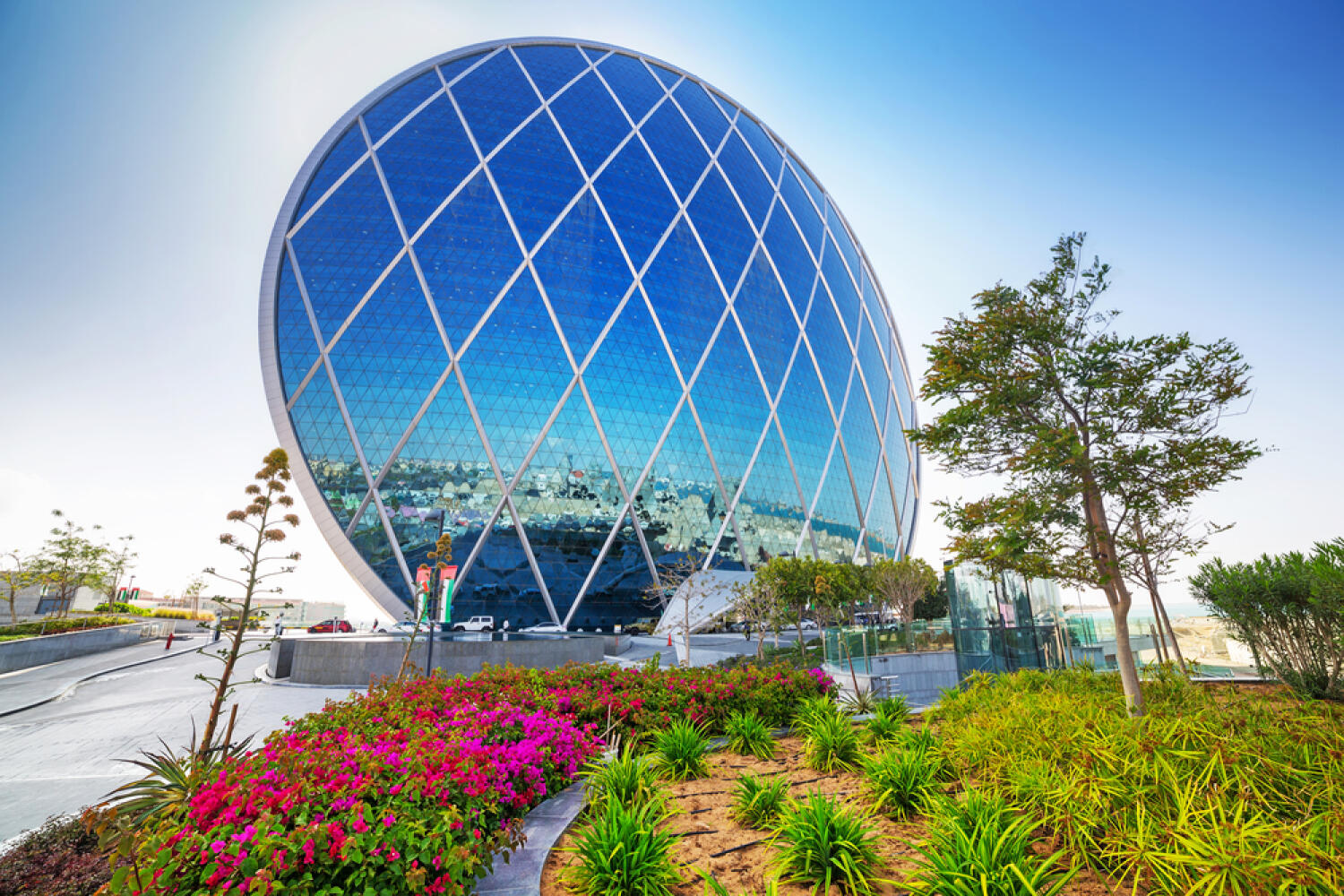
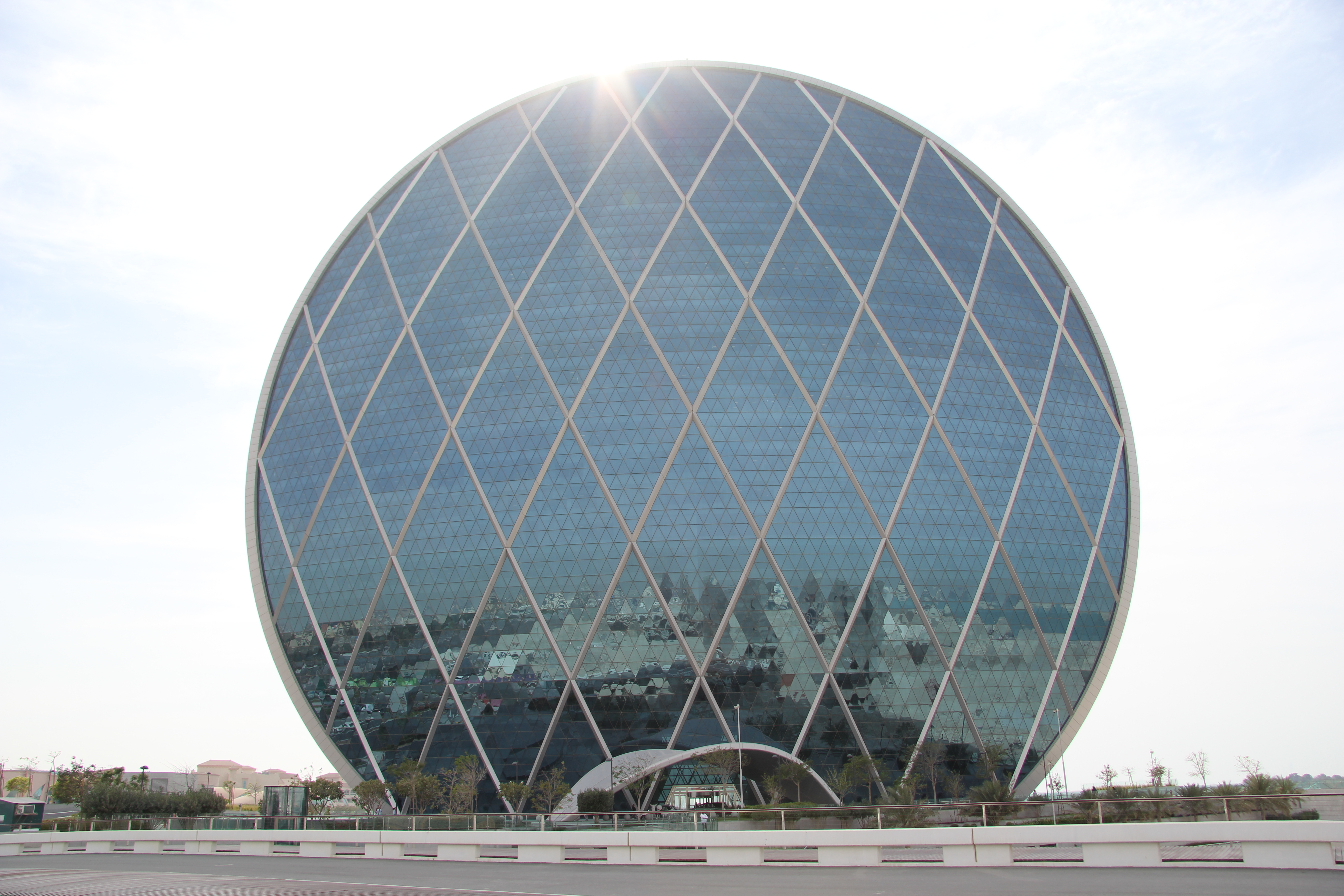
Aldar Properties has announced the acquisition of a Dh2.3 billion commercial tower located within Dubai International Financial Centre (DIFC). This development, which spans 40 floors, is set to be a significant addition to DIFC’s vibrant commercial landscape. Slated for completion by 2028, the project will integrate office and retail spaces designed to attract both businesses and investors looking for prime real estate within one of the region’s leading financial hubs.

The acquisition underscores Aldar’s expanding footprint in the UAE’s property sector, with the developer increasingly diversifying its portfolio across emirates and internationally. Known primarily for its strong presence in Abu Dhabi, Aldar has recently shifted focus to other lucrative markets such as Dubai and Ras Al Khaimah, complementing its projects in global locations including Egypt, London, and Western Europe.

This latest venture comes amidst Aldar’s robust financial performance in 2023. The company recorded a net profit surge of 40%, reaching Dh4.4 billion, supported by a 26% rise in revenue to Dh14.2 billion. This financial momentum is attributed to sustained demand for off-plan properties and strategic forays into new market segments. The company’s development backlog, which doubled to Dh36.8 billion by year-end, provides a steady stream of income visibility for the foreseeable future.

The DIFC tower acquisition aligns with Aldar’s strategy of capitalizing on high-growth urban markets. DIFC, a pivotal financial district housing leading multinational firms, offers the strategic advantage of proximity to global businesses and professionals. The newly acquired project is expected to bolster the area’s profile as a hub for commerce and innovation.

Dubai’s real estate market is poised for sustained growth, with property prices projected to climb by 8% in 2025. Analysts attribute this anticipated surge to a persistent imbalance between demand and supply. While the emirate has experienced rapid residential and commercial development, the limited availability of new properties is intensifying competition, driving prices higher. The luxury segment of Dubai’s property market continues to dominate global attention. Areas […]

Arabian Post Staff -Dubai The United Arab Emirates has firmly established itself as a global leader in the new economy, marked by its vibrant and competitive marketplace, forward-thinking innovation ecosystem, and dynamic workforce. A report by the Statistical Centre for the Cooperation Council for the Arab Countries of the Gulf (GCC-Stat) highlights the nation’s remarkable strides in fostering a society driven by progress and sustainability. Released to […]

Aldar Properties, the prominent real estate developer from Abu Dhabi, has made a significant move to expand its footprint in Dubai by acquiring key commercial properties and planning landmark projects. These ventures underline Aldar’s commitment to tapping into the growing demand for premium office spaces in one of the region’s most dynamic business hubs.

The acquisition of a commercial tower in Dubai International Financial Centre (DIFC), formerly owned by H&H Development, positions Aldar as the sole developer with major commercial assets in both the Abu Dhabi Global Market (ADGM) and DIFC. This strategic purchase reinforces its status as a key player in the UAE’s real estate sector. This tower boasts state-of-the-art facilities and prime positioning, adding to Aldar’s growing portfolio of high-grade commercial properties.

Simultaneously, Aldar unveiled plans to develop a Grade A office tower along Sheikh Zayed Road near DIFC. Designed with premium office spaces and luxury amenities, the development is set to include a boutique hotel and branded residences. The project, located on one of Dubai’s last undeveloped double plots, will enhance connectivity with its proximity to major transport hubs, such as the Emirates Towers Metro Station.

These investments align with Aldar’s strategy to diversify its portfolio beyond residential and retail projects. Dubai has been identified as a priority growth market, as the company continues to explore opportunities in the emirate’s flourishing commercial real estate landscape. The acquisition also complements Aldar’s existing projects in Dubai, such as its developments in Dubai Internet City, further cementing its role in shaping the emirate’s commercial property offerings.

With an investment value exceeding AED 1.8 billion, Aldar’s ventures in Dubai are anticipated to contribute to economic growth and job creation while catering to the evolving needs of businesses seeking high-quality spaces in the UAE. This expansion comes amid strong demand for office properties, spurred by Dubai’s status as a global business hub and the economic diversification initiatives driving regional development.

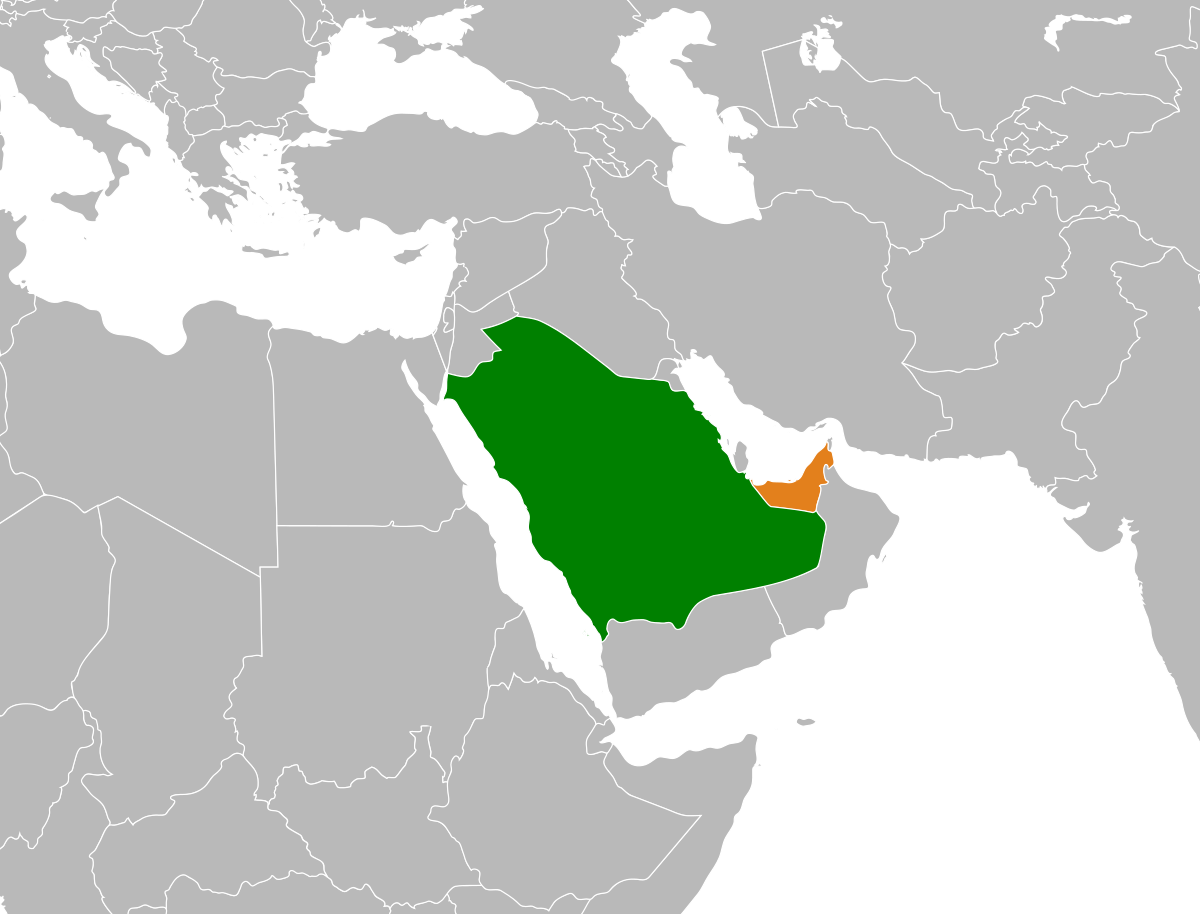
UAE President Sheikh Mohamed bin Zayed Al Nahyan and Saudi Crown Prince Mohammed bin Salman held a high-level meeting to further solidify their countries’ bilateral relations, underscoring the enduring strength of their partnership. The meeting comes as both nations navigate complex regional and global challenges, aiming to reinforce their cooperation in key sectors such as energy, security, and technology.

The summit, which took place in Abu Dhabi, reflects the growing strategic importance of the UAE-Saudi relationship. This alliance has been marked by a shared commitment to regional stability, economic growth, and development. The two leaders’ discussions have centered on deepening political and economic collaborations, enhancing trade, and exploring opportunities in emerging fields like renewable energy and space exploration.

The UAE and Saudi Arabia have long been influential players in the Gulf region, and their partnership is often seen as a counterbalance to external powers. Their collaboration spans beyond bilateral matters, impacting broader issues such as security in the Middle East, OPEC oil production agreements, and joint ventures in technological advancements. The convergence of their interests is aimed at positioning the two nations as global leaders in multiple sectors.

Trade relations between the UAE and Saudi Arabia have been growing steadily, with the UAE becoming one of Saudi Arabia’s largest trading partners. The two nations are focused on further facilitating economic integration through the Gulf Cooperation Council (GCC), which serves as a platform for harmonizing their policies on trade, investment, and infrastructure. Their concerted efforts are seen as crucial for advancing the region’s economic diversification and reducing dependence on oil.

In the realm of energy, the UAE and Saudi Arabia are working together to lead the charge on clean energy initiatives. Both countries have made significant strides in developing sustainable energy solutions, with large investments in solar power, nuclear energy, and hydrogen. Their collaboration in these sectors is intended to help the Gulf region transition toward a low-carbon future while maintaining energy security.

Security is another critical component of the UAE-Saudi partnership. Both nations have faced regional security threats, particularly from non-state actors and the geopolitical tensions surrounding Iran. As a result, the UAE and Saudi Arabia have worked in tandem to fortify their defense mechanisms and enhance intelligence sharing. Their coordinated efforts are also evident in joint military operations, particularly in Yemen, where both countries have been involved in the ongoing conflict as part of a Saudi-led coalition.

The leaders’ discussions also touched on the importance of technological innovation as a driver of future economic growth. The UAE has positioned itself as a hub for technological advancements in the Middle East, with initiatives like Dubai’s smart city projects and the UAE’s space program gaining international recognition. Meanwhile, Saudi Arabia has launched its own ambitious Vision 2030 initiative, which includes plans for transforming its economy through technology, including its investments in artificial intelligence, blockchain, and digital infrastructure.

The strategic alliance between the UAE and Saudi Arabia has not only helped shape the region’s economic and political landscape but has also made them key partners in broader international forums. Both nations have increasingly taken a proactive stance in addressing global challenges, including climate change, public health, and geopolitical tensions. Their efforts to collaborate on such issues signal a broader commitment to fostering stability and peace in the Middle East and beyond.

Dubai’s event calendar this December is brimming with cultural activities, ranging from international musicals to world-class music festivals. The city’s vibrant arts scene continues to captivate audiences with a diverse lineup of performances that cater to a wide range of tastes. Notably, iconic shows like *Singin’ in the Rain* and acclaimed international musicians are set to grace Dubai’s renowned venues, offering memorable experiences for locals and tourists alike.

The much-anticipated *Singin’ in the Rain* musical is currently being performed at the Dubai Opera, a venue known for its acoustics and luxury. The classic Broadway production has been adapted for Dubai’s stage and promises to deliver a unique theatrical experience. Running until December 14, the show is a romantic comedy set against the backdrop of Hollywood’s Golden Age. Audiences will be treated to the classic charm of the film, re-imagined with live music, dynamic choreography, and state-of-the-art visual effects. Ticket prices for this iconic musical start at 390 AED, making it accessible to a broad audience looking to enjoy a night of nostalgia and song.

On December 3, the 20th Emirates International Peace Music Festival will be held at the Zabeel Theater. This annual event, a hallmark of Dubai’s cultural calendar, brings together artists from around the world to promote global peace through music. The festival will feature a variety of performances, with a strong emphasis on blending different musical traditions to celebrate unity and harmony. The event has long been regarded as an important platform for cultural exchange, attracting attendees who appreciate the power of music in promoting peace. Tickets for this event start at 100 AED, offering an affordable way to experience some of the best global talent.

A day later, on December 4, the Moscow Jazz Orchestra, led by the renowned Igor Butman, will take to the stage at the Zabeel Theater. Butman, one of Russia’s most celebrated jazz musicians, is known for his exceptional skill and charismatic performances. The orchestra will showcase a blend of traditional jazz with a modern twist, offering an evening of captivating music for jazz enthusiasts. Butman’s leadership of the Moscow Jazz Orchestra has made them a prominent fixture in the international jazz scene. Tickets for this event begin at 175 AED, providing an opportunity for both seasoned jazz fans and newcomers to the genre to enjoy an evening of world-class music.

Dubai’s cultural offerings this December highlight the city’s growing prominence as a global arts destination. The city’s venues, such as the Dubai Opera and the Zabeel Theater, have become synonymous with high-quality performances, attracting internationally renowned talent and a diverse audience. These events not only provide entertainment but also foster cultural dialogue, making Dubai a vibrant hub for the arts. Whether it’s the glamour of a Broadway musical or the soul-stirring sounds of an international orchestra, Dubai offers something for everyone this holiday season.

Advertisements

Addressing the escalating global climate crisis, His Highness Sheikh Mohammed bin Zayed Al Nahyan, President of the United Arab Emirates, emphasized that the solution to the planet’s climate challenges lies in communication and cooperation across borders. Speaking at a key summit on climate change, Sheikh Mohammed stressed the interconnectedness of nations and cultures in tackling the environmental issues threatening the future of humanity. The UAE president’s call […]

Emirates, the largest airline in the MENA region, has voiced increasing frustration over ongoing delays and growing uncertainty surrounding the delivery of its Boeing 777-9X jets. The airline, which placed a substantial order for the aircraft, is concerned that the continued postponements could impact its long-term fleet strategy, and has called for clearer timelines and solutions from Boeing.

The 777-9X, an advanced version of the 777X series, was initially slated for delivery in 2024. However, production setbacks, combined with technical challenges, have pushed back the timeline repeatedly. The delays have sparked concern across the aviation industry, as they affect airlines’ expansion plans and disrupt the global supply chain for new aircraft.

Emirates, which has long been a key customer of Boeing, has expressed its disappointment over the missed deadlines. The airline had originally ordered 150 of the 777-9X jets, which were intended to bolster its fleet and replace older models, particularly the 777-200 and 777-300. These aircraft were seen as vital to the airline’s strategy to compete in long-haul travel, offering greater fuel efficiency and capacity than earlier models.

Boeing’s repeated delays with the 777-9X have affected not only Emirates but several other airlines around the world. The company has struggled with production issues related to the aircraft’s engine, structural elements, and other components, which have led to prolonged certification processes and delayed first deliveries. These challenges have prompted some airlines to reconsider their fleet strategies, with several seeking to renegotiate delivery schedules or exploring alternative aircraft options.

Emirates has not been silent in expressing its dissatisfaction. Tim Clark, the airline’s president, has been vocal about the disruptions caused by Boeing’s delays, emphasizing that the issue is creating significant challenges for the airline’s operations. According to Clark, the uncertainty surrounding the aircraft’s arrival date makes it difficult for Emirates to plan its future routes and fleet expansions effectively.

The airline’s frustration is amplified by the broader context of post-pandemic recovery, where airlines are racing to expand their fleets and capitalize on the growing demand for air travel. Emirates, which has already faced the pressures of the pandemic on its operations, is eager to modernize its fleet to maintain competitiveness in the global market. With the delays in Boeing’s production, the airline has had to consider other solutions, including increasing the use of its older aircraft for longer periods, potentially increasing maintenance costs and operational challenges.

Boeing has repeatedly assured its customers that it is working diligently to resolve the issues, but so far, no firm delivery dates have been set. The company has promised to keep affected airlines informed, though some critics believe the level of transparency regarding production hurdles could be improved. Boeing’s management has acknowledged the difficulties and is reportedly taking steps to address the technical and manufacturing problems that have hindered the 777-9X’s progress.

In response to the delays, Emirates has been exploring other options for replacing older aircraft in its fleet. This includes considering different models from rival manufacturer Airbus, particularly the A350-1000, which offers comparable capacity and range to the 777-9X. Emirates has already placed significant orders for the A350 in recent years, and while the airline has expressed preference for the 777X series, it may have to adjust its fleet strategy to meet the evolving demands of global travel.

Industry analysts have pointed out that the 777-9X delays are not an isolated issue but part of a broader trend affecting both Boeing and the aviation industry as a whole. The pandemic disrupted global supply chains, creating bottlenecks in the production of everything from aircraft parts to engines. Manufacturers have struggled to catch up with the surge in demand for new aircraft as airlines emerge from the pandemic with ambitious growth plans. The competition between Boeing and Airbus, in particular, has intensified, with each company striving to secure a larger share of the global aviation market.

The uncertainty surrounding the 777-9X has led some airlines to question Boeing’s ability to meet future delivery commitments. While Boeing has made strides with other models, such as the 737 MAX, the prolonged delays with the 777-9X have raised doubts about the company’s overall production capabilities and ability to meet the needs of the aviation industry as it rebounds. The impact of these delays is expected to extend beyond the immediate customer base, affecting the entire aviation supply chain, from suppliers of aircraft parts to maintenance and repair companies.


The UAE is accelerating its efforts to expand solar power capacity, targeting several ambitious large-scale projects to meet the growing electricity demand and ensure energy sustainability. With a strong push towards renewable energy, the UAE aims to significantly increase its solar capacity by 2030, in line with its broader sustainability goals. Central to this growth is the country’s thriving solar market, supported by both government policy and […]

Emirates Airline has expressed deep frustration with Boeing over persistent delays in aircraft deliveries, which are hampering the airline’s growth plans and disrupting operations. Boeing, one of the world’s leading aircraft manufacturers, has faced challenges in meeting its delivery commitments, with several aircraft orders for both Emirates and its subsidiary Flydubai delayed. These setbacks have impacted Emirates’ ability to expand its fleet, adding pressure to its financial performance and customer satisfaction.

The airline, which relies on Boeing aircraft as a key component of its long-haul fleet, has been forced to revise its strategies as a result of these delays. According to a statement from Emirates, the delays are particularly disruptive for its planned network expansions and fleet renewals. The airline had previously aimed to introduce new aircraft to meet the growing demand for travel and enhance its services. However, Boeing’s inability to meet delivery deadlines has caused operational disruptions and forced Emirates to re-evaluate its growth projections for 2024.

Emirates’ issues with Boeing mirror similar frustrations at Flydubai, its sister company, which operates a significant fleet of Boeing 737s. Flydubai has voiced similar concerns, citing delays in the delivery of its aircraft that are hindering its expansion and affecting its financial performance. The airline had plans to introduce additional aircraft to meet rising passenger demand, but with Boeing falling behind on its commitments, Flydubai has had to adjust its schedules and operations. This has not only strained Flydubai’s ability to meet its planned expansion but also disrupted the airline’s efforts to maintain its competitive edge in the crowded Middle Eastern aviation market.

The impact of these delays extends beyond just operational concerns. Both Emirates and Flydubai are at risk of losing market share as competitors like Qatar Airways and Etihad Airways continue to enhance their fleets. As the delays continue, both airlines face increased financial pressures, especially since they had budgeted for the new aircraft and expansion plans. Industry analysts suggest that the continued strain on Boeing’s production capabilities could lead to longer-term consequences for both airlines’ strategic goals.

Boeing has acknowledged the delays, citing challenges in its manufacturing process, including supply chain disruptions and labor shortages. The company has pledged to work closely with its clients to resolve the backlog, but the situation remains uncertain. This has led to widespread dissatisfaction among customers and a growing sense of frustration in the aviation industry, where timely deliveries are critical to maintaining competitive advantage and operational efficiency.

The UAE’s entertainment and gaming industry has entered a transformative phase with the official introduction of the nation’s first regulated lottery system, The UAE Lottery. This initiative is set to redefine the country’s gaming landscape, catering to a diverse audience while adhering to robust ethical and regulatory standards.

The game has been unveiled as a comprehensive platform, offering participants an opportunity to engage in a state-regulated lottery with significant prizes while promoting responsible gaming practices. By establishing this first-of-its-kind operation, the UAE is cementing its commitment to diversify its entertainment options and foster innovative business opportunities in a sector traditionally limited by stringent laws.

This launch aligns with the nation’s broader strategic goals of expanding its non-oil sectors. The UAE Lottery is envisioned not only as a recreational platform but as a catalyst for economic growth, offering revenue streams that will benefit public welfare programs. The framework of the lottery prioritizes transparency, with the promise of rigorous monitoring to ensure fair play and participant trust.

Industry observers view this development as a pivotal moment, marking the UAE’s gradual embrace of global trends in gaming and entertainment. While the country has previously allowed raffles and prize draws, this regulated lottery represents a formal acknowledgment of the potential in this sector. With significant backing from government and private entities, the lottery is positioned to operate under strict compliance with international best practices.

Details surrounding the ticket purchasing process, prize distribution mechanisms, and the anticipated societal impact have been meticulously designed to resonate with the UAE’s cultural and economic ethos. The system leverages cutting-edge technology to ensure security and efficiency, underscoring the country’s ambition to set new benchmarks in regulated gaming.

Early reports suggest that the rollout of The UAE Lottery has garnered significant public interest, with an enthusiastic reception from various demographics. Marketing campaigns have emphasized the initiative’s alignment with the UAE’s values, showcasing it as a responsible and socially beneficial form of entertainment.

The UAE Lottery’s impact is expected to extend beyond its entertainment value. Experts predict it will significantly contribute to the nation’s economic diversification efforts, creating new jobs and boosting ancillary industries. Moreover, the revenues generated are likely to support key sectors, including education, healthcare, and infrastructure development.

Although the concept of a national lottery is novel in the region, The UAE Lottery’s introduction reflects a progressive shift in attitudes toward regulated entertainment. Analysts highlight this as an indication of the UAE’s willingness to adopt global innovations, adapting them to fit local contexts.

The Emirates Nuclear Energy Corporation (ENEC) and the Abu Dhabi National Oil Company (ADNOC) have announced a strategic partnership to explore the application of nuclear energy in the oil and gas sector. This collaboration marks a significant step toward expanding the use of nuclear technology as a cleaner and more sustainable energy source in the UAE’s key industries. Both organizations, which already play vital roles in the […]

Emirates REIT, the first Sharia-compliant real estate investment trust in the UAE, is moving toward significant financial restructuring as it evaluates refinancing or issuing new sukuk by the close of 2024. This development comes amidst the company’s strategy to optimize its capital structure and strengthen its financial position. The REIT currently has a $380 million secured sukuk, which has been a focus of its ongoing efforts to […]

Understood. Allow me to begin researching and drafting this report. I’ll provide a professional, fact-checked, and unbiased article shortly. Talabat, a leading food delivery platform in the Middle East and North Africa (MENA), has confirmed that its initial public offering (IPO) in Dubai has been increased to $2 billion following strong investor demand. The company, owned by Germany’s Delivery Hero, is offering 3.493 billion shares, accounting for […]

Emirates is signaling significant fleet expansion as the airline considers increasing its order of Airbus A350 aircraft beyond the current commitment of 65 jets. President Tim Clark, speaking at an aviation industry event, highlighted this potential move as part of Emirates’ strategy to accommodate growing passenger demand and sustain its competitive edge in the evolving global aviation market. The A350, known for its fuel efficiency and advanced […]

OPEC and its allies, collectively known as OPEC+, are grappling with crucial decisions as global oil markets display signs of instability. The organization’s latest measures include a mix of sustained and extended production cuts aimed at maintaining price stability amid growing economic uncertainty and competitive pressures from non-OPEC producers.

The alliance announced that several member nations will extend voluntary production cuts totaling 2.2 million barrels per day into the second quarter of 2024. This follows previous reductions implemented in early 2023, which have been critical to offsetting weakening demand and bolstering market sentiment. Key contributors to this strategy include Saudi Arabia, Iraq, and the United Arab Emirates, with Saudi Arabia leading the initiative by reducing output by one million barrels per day. These moves align with OPEC’s goal of stabilizing prices while ensuring market balance. The Russian Federation has also committed to reducing its oil output by nearly 500,000 barrels per day as part of these measures.

The production cuts underscore a broader dilemma for OPEC: balancing the immediate need for revenue stability with long-term market influence. Despite holding significant sway, accounting for 50% of global crude production and over 70% of proven reserves, the organization faces headwinds from the surge in U.S. shale production and slowing economic growth in major oil-consuming regions. As OPEC seeks to prop up prices, it inadvertently creates incentives for competitors to fill the supply gap, a dynamic that has undermined the cartel’s pricing power over the past decade.

Market reactions to OPEC’s strategies have been mixed. While production cuts have supported prices temporarily, a lack of sustained demand growth has limited their impact. Benchmark crude prices have struggled to gain significant traction, reflecting broader concerns about the global economy, including high inflation, interest rate hikes, and geopolitical tensions. Analysts have noted that further cuts could push prices higher but risk alienating key consumers and spurring alternative energy investments.

Beyond economic implications, OPEC’s decisions carry political weight. Production adjustments are often seen as a tool for asserting geopolitical influence, particularly as the energy landscape shifts. The current strategy signals an intent to reinforce cohesion within OPEC+ despite differing national interests among members. By coordinating voluntary cuts, the group aims to maintain credibility and ensure compliance, which has been a historical challenge for the alliance.

OPEC’s focus on supply-side management is not without risks. Extended cuts may lead to tighter global inventories, potentially straining relationships with consumer nations reliant on affordable energy. Moreover, prolonged curbs could dampen economic recovery efforts in oil-importing countries, particularly in Asia and Europe. The organization must also navigate internal pressures, as member states with smaller economies express concerns over lost revenue opportunities.

Dubai’s Emirates Airline has officially added the Airbus A350-900 to its fleet, marking a pivotal moment in its operations. The delivery is part of a significant investment in 50 of these advanced aircraft, with plans to deploy them for medium to long-haul routes, aligning with the airline’s strategic growth and sustainability goals.

The new addition is set to enhance Emirates’ operational efficiency and passenger experience. Known for its fuel efficiency and extended range, the A350-900 is powered by Rolls-Royce Trent XWB engines, which are among the most efficient large aero-engines in production. This aircraft offers a maximum range of approximately 8,200 nautical miles, providing Emirates with the flexibility to explore new destinations and optimize its network.

The interior configuration of the A350-900 reflects Emirates’ premium offerings. While retaining its signature focus on passenger comfort, the aircraft is equipped with state-of-the-art inflight entertainment systems by Thales and boasts a modernized cabin layout. Unlike the airline’s A380s, this model does not include a first-class cabin, focusing instead on business and economy seating designed to cater to medium-haul markets where premium demand is limited.

The airline’s introduction of the A350-900 comes as part of a broader fleet modernization effort. With its reduced carbon emissions and advanced aerodynamics, the aircraft is expected to play a key role in helping Emirates meet its sustainability objectives. Emirates President Tim Clark has highlighted the importance of these aircraft in diversifying the airline’s fleet while maintaining its commitment to luxury and operational excellence.

Initially, the A350-900 will operate on regional routes, allowing Emirates to conduct comprehensive crew familiarization. Full-scale operations on long-haul routes are anticipated to commence in 2025. This strategic rollout aligns with the airline’s approach to gradually integrating new models, ensuring seamless service and operational reliability.

The introduction of the A350-900 also represents a shift in Emirates’ approach to fleet composition. Historically reliant on Boeing aircraft, particularly the 777 and the iconic A380, the airline’s acquisition of the A350 reflects its increasing engagement with Airbus. This collaboration underscores a renewed focus on diversifying its operational capabilities.

Rainfall is anticipated to affect various parts of the UAE starting midweek, as the National Centre of Meteorology (NCM) forecasts a shift in weather patterns across the region. The weather bureau indicates that parts of Abu Dhabi will see rain by Wednesday night, with precipitation expanding to Dubai, Sharjah, and other emirates on Thursday morning.

The rainfall will be accompanied by cloudy skies across the country, with chances of thunderstorms in certain areas. Meteorologists attribute this to atmospheric instability caused by a convergence of moist air from the Arabian Gulf and cooler temperatures at higher altitudes. These conditions are expected to persist for several days, resulting in sporadic showers and cloudy weather over the UAE.

Daytime temperatures are expected to vary, with highs reaching up to 41°C in some inland regions. However, coastal areas may experience slightly cooler conditions due to cloud cover and sea breezes. Despite the heat, the likelihood of rain offers relief to many residents, with areas including the Northern Emirates and Al Dhafra region forecasted to experience moderate to heavy showers.

Sea conditions are expected to remain generally calm to moderate in the Arabian Gulf and Oman Sea, although local authorities urge residents to stay updated on weather alerts and exercise caution during outdoor activities. Motorists are particularly advised to be vigilant on wet roads as visibility may be reduced during rainfall.

This weather change follows a period of dry and sunny conditions across the UAE, bringing much-needed precipitation to the arid landscape. Rainfall during this time of the year is not uncommon, as transitional weather patterns pave the way for cooler months ahead. The UAE continues to monitor and adapt to seasonal changes, with its advanced weather forecasting systems providing timely updates to ensure public safety.

The UAE’s small and medium-sized enterprises (SMEs), which make up over 90% of the country’s businesses, are witnessing an influx of transformative mergers and acquisitions (M&A) activity. This surge, prompted by a combination of government initiatives and the rise of digital solutions, is expected to redefine the sector’s growth trajectory. As part of its economic diversification strategy, the UAE has been fostering the expansion of SMEs, and […]

Dubai International Financial Centre (DIFC) has unveiled an exciting collaboration with the Skywards Everyday app, aiming to elevate the shopping, dining, and entertainment experience at the renowned Gate Avenue. The partnership marks a significant step in enhancing customer engagement and offering additional benefits to both new and existing users of the Skywards loyalty program.

Gate Avenue, located in the heart of Dubai’s financial district, is known for its vibrant atmosphere and extensive range of luxury retail outlets, dining options, and entertainment experiences. This new partnership with Skywards Everyday, part of Emirates’ frequent flyer program, offers customers the opportunity to earn and redeem Skywards Miles for purchases at participating outlets within the DIFC precinct.

The collaboration will allow users to earn Skywards Miles for everyday spending, with exclusive offers and promotions available across various restaurants, cafes, and retail outlets in Gate Avenue. Shoppers can now seamlessly integrate their Skywards account with the Skywards Everyday app, benefiting from personalized rewards and exclusive deals. This move is aimed at enhancing the customer experience by merging Dubai’s retail and hospitality sectors with the convenience of a loyalty program, creating a more dynamic, rewarding environment for both local residents and international visitors.

The Dubai International Financial Centre has long been a hub for business, finance, and lifestyle, attracting both global corporations and high-net-worth individuals. By teaming up with the Skywards Everyday app, DIFC aims to tap into the growing demand for integrated digital solutions that provide seamless experiences for consumers. This partnership reflects the evolving nature of consumer expectations, with an increasing desire for convenience, personalized rewards, and a more integrated lifestyle experience.

The initiative also underscores the UAE’s broader ambition to position itself as a global leader in innovation and technology. By leveraging the power of digital applications like Skywards Everyday, the DIFC hopes to foster greater engagement within its community and enhance its status as a top destination for high-end retail and leisure activities. The partnership is expected to bring in a new wave of visitors to Gate Avenue, with Skywards Everyday’s extensive reach providing DIFC with access to a diverse and affluent customer base.

Skywards Everyday, which launched in 2020, has rapidly grown in popularity, providing users with the ability to earn miles on everyday purchases. The app has been designed to work with a wide range of retailers, enabling users to earn Skywards Miles at thousands of locations across the UAE. With this expansion into Gate Avenue at DIFC, users will be able to collect miles for purchases at some of Dubai’s most exclusive shopping and dining spots.

For Emirates, the expansion of the Skywards Everyday app to high-profile locations such as DIFC is part of its ongoing efforts to strengthen the Emirates Skywards program and its loyalty offerings. As the aviation and travel industries continue to recover from the pandemic, loyalty programs have become an increasingly important tool in driving customer retention and engagement. By providing additional ways for Skywards members to earn miles and rewards, Emirates is enhancing the value of its frequent flyer program, which has long been a key differentiator in a competitive industry.

This collaboration also highlights a broader trend in Dubai’s retail and hospitality landscape, where the fusion of technology and customer service is reshaping how businesses interact with consumers. In a city known for its luxury experiences and cutting-edge innovations, partnerships like this are becoming essential in attracting and retaining customers in an increasingly competitive market.

Gate Avenue at DIFC has long been one of Dubai’s prime destinations for luxury shopping and fine dining. The precinct has hosted numerous global brands and offers a wide range of services that cater to the tastes and preferences of the UAE’s affluent residents and international visitors. With the new partnership, DIFC is positioning itself as a leading player in the city’s retail and leisure scene, bridging the gap between traditional shopping experiences and modern digital solutions.

Dubai is a global icon of rapid urban transformation, evolving from a quiet desert town into a bustling international metropolis in just a few decades. Behind this remarkable growth lies a network of services enabling the city’s expansion and mobility. Among these, moving companies in Dubai are key players, ensuring seamless transitions for residents, businesses, and global professionals. The Unprecedented Growth of Dubai Population Growth and Urban […]

Emirates will introduce its first-ever Airbus A350 service to Edinburgh starting January 3, marking a new chapter in its global expansion. The new route will provide enhanced connectivity between the Scottish capital and Dubai, reflecting the airline’s strategy to further increase its presence in the UK market.

The Airbus A350, which Emirates debuted into its fleet in 2022, offers a blend of advanced technology and passenger comfort. It will replace the Boeing 777 on the Edinburgh route, further elevating the travel experience for passengers. The decision to operate the A350 on this route is part of the airline’s broader initiative to modernize its fleet and reduce its carbon footprint, while offering travelers the latest in aircraft design and amenities.

The introduction of the A350 on the Edinburgh route will provide passengers with a state-of-the-art flying experience. The aircraft features the latest cabin innovations, including fully private suites in first class, lie-flat seats in business class, and spacious economy class seating. Additionally, the A350 is equipped with advanced fuel-efficient engines, making it a key player in Emirates’ commitment to reducing emissions. The airline has emphasized that the aircraft is one of the most environmentally friendly options available in the market today, contributing to the airline’s sustainability goals.

The Edinburgh route is expected to be a significant boost to the city’s tourism and business travel sectors. As a popular destination for both leisure and corporate travelers, Edinburgh is anticipated to benefit from the increased air traffic and the arrival of Emirates’ premium services. The new service will provide more than just a direct link to Dubai; it will also connect Scottish passengers to Emirates’ extensive network in the Middle East, Asia, and beyond, including key destinations like India, Australia, and Africa.

The route launch has been met with optimism from local authorities and business leaders. Edinburgh Airport’s CEO, Gordon Dewar, expressed excitement over the introduction of the A350 service. He noted that Emirates’ decision to operate the A350 reflects the growing importance of Edinburgh in international aviation, reinforcing the city’s position as a major hub for global connectivity. The new service is expected to strengthen Edinburgh’s attractiveness as a destination for both business and leisure travelers.

For Emirates, this launch signals its continued commitment to expanding its UK network. The airline already operates a busy schedule from London Heathrow, Manchester, Birmingham, and Glasgow. Edinburgh’s inclusion in this network is seen as a strategic move to cater to the rising demand for flights to and from Scotland, particularly with the growing number of business ventures and investments being made in the region.

The A350’s launch into Edinburgh is not only significant for Emirates but also for the airline industry as a whole. With the aviation sector still recovering from the impacts of the global pandemic, carriers are increasingly looking to optimize their fleets for efficiency, sustainability, and customer experience. Emirates’ decision to operate the A350 on this route underscores the airline’s focus on staying ahead of industry trends and embracing technological advancements in aviation.

As the aviation industry continues to evolve, Emirates is positioning itself at the forefront of these changes. The airline has been upgrading its fleet to include more eco-efficient aircraft, with the A350 being a central part of this strategy. The move to phase out older, less efficient aircraft in favor of modern, environmentally friendly options is a key part of Emirates’ broader commitment to sustainability.

The new service is expected to operate daily, offering travelers flexible options for both outbound and return flights. The introduction of the A350 will be welcomed by many passengers who have long sought a more comfortable and sustainable travel experience on the Edinburgh-Dubai route.

Arabian Post Staff -Dubai Saudi Arabia and the United Arab Emirates (UAE) are locked in a fierce battle for dominance in the Middle Eastern investment banking landscape, with both countries vying for the title of top destination for investment banking fees. The competition between these two financial powerhouses has intensified in 2024, fueled by an uptick in debt underwriting and strong initial public offering (IPO) activity. As […]

VISHNU RAJA
RYO YAMADA
HITORI GOTOH
IKUYO KITA
Just in:
China’s Recombinant Collagen Technology Wins the INPD Innovative Manufacturing Process Award // Google identifies autonomous AI systems conducting vulnerability attacks // Bora Group 3Q26: Revenue and Net Income Expansion Continues U.S. Manufacturing and Biologics Footprint Complete; Margin Expansion to Follow as Utilization Improves // Fraudsters register brand lookalikes within a day // Ayara Kamala Reveals a Refreshed Vision for Wellness in Phuket // Kodiyeri in-law attacks Vijayan, Govindan over leadership style // Over 360 electricity distribution professionals meet in Seoul for CIRED’s first major event in the Asia-Pacific region // Ratio cut mooted to end teachers stir // Daughter resumes father’s eatery after fatal crash // Microsoft restores cloud services after gateway software failure // Trilateral Summit On Nov 19 Will Be A Dialogue Between Trump And Xi With Putin Observing // Apple restores services after App Store and iCloud outages // TCMA Advances ASEAN Cement Decarbonization with 14.4 Mt. of CO₂ Reductions // Reliance explores satellite manufacturing alliances for broadband network // Broermann Medical Innovation Award 2026: Three Pioneers of Modern Obesity and Diabetes Therapies Honored // Singapore outlines three AI initiatives for financial services // Mangroves Documentary Premieres, Exploring How Cities and Wetlands Coexist // Dubai airport passenger traffic drops 28.1% amid conflict // Takaichi exchanges greetings with Chinese minister at Manila summit // Kochi police arrest man over pitbull attack on wife after quarrel //