Just in:

News related to
Emirates

Arada Developments has turned to the debt markets for financing, following its decision to issue a sukuk bond aimed at capitalising on the construction boom within the Gulf Cooperation Council region. With its credit ratings from Moody’s and Fitch at B1 and B+, respectively, the company has mandated a consortium of major banks to facilitate the issuance of a five-year fixed-rate sukuk. The sukuk will be issued […]

Emirates Integrated Telecommunications Company PJSC, known as du, has reported significant financial growth for the second quarter of 2025, continuing a trend of robust performance established in the previous quarter. The company recorded an 8.6% year-over-year increase in revenues, signalling strong performance across its various business segments. This growth highlights du’s solid market position and operational efficiency in a highly competitive telecommunications sector. The company’s EBITDA saw […]

Abu Dhabi has claimed the top spot among the world’s most tax-friendly cities, followed closely by Dubai, highlighting the UAE’s ascendancy as a magnet for affluent individuals seeking fiscally efficient jurisdictions with legal and political stability. According to Multipolitan’s Wealth Report 2025: The Taxed Generation, the UAE capital outperformed 163 other jurisdictions globally in the newly introduced Tax Friendly Cities Index. Dubai, a longtime competitor in the […]

UAE equity capital markets are poised for an uptick in activity, with Citi forecasting three to five initial public offerings by 31 December—assuming timely regulatory clearance and robust pre‑marketing, said Rudy Saadi, Citi’s managing director and head of MENA Equity Capital Markets. This comes amid renewed investor enthusiasm as the nation positions itself as a regional IPO hub.

Saadi noted that although privatisations have slowed, market sentiment remains firmly positive for the remainder of 2025 and into early 2026. The expected pipeline includes a mix of family‑owned concerns and state‑affiliated enterprises alongside follow‑on offerings from listed firms.

Delivering context, UAE exchanges have tapped international and domestic liquidity in recent quarters. Spinneys and Alef Education raised $375 million and $515 million, respectively, in the second quarter, channelling nearly $890 million overall through new IPOs. Dubai and Abu Dhabi exchanges continue to push private‑sector listings, underscoring wider capital‑markets evolution.

Citi’s optimism is reinforced by Bloomberg’s observation of renewed momentum in regional share sales heading into H2 2025. The uptick appears linked to improved regulatory frameworks, deeper secondary‑market liquidity and evolving investor appetite across institutional, family‑office and retail segments.

Market analysts point to several emerging trends. Firstly, regulatory authorities in both Dubai and Abu Dhabi are progressively enhancing governance and foreign‑ownership rules to attract global participants. UAE entities now find listing conditions more competitive compared with established markets in Europe or the US.

Secondly, a shift is apparent from state privatisations to private‑sector flotations. Family‑owned businesses and tech‑focused enterprises are now stepping into the spotlight—supported by increasing liquidity and appetite from international institutional investors.

Thirdly, follow‑on share sales are gaining traction, offering listed firms a refundable route for fresh capital without navigating a full IPO process. Analysts expect more such offerings in sectors including financial services, healthcare and logistics, reflecting healthier balance sheets and growth trajectories among UAE firms.

Beyond sheer numbers, quality is a key consideration. Saadi indicates that approval pace and pre‑marketing success are decisive factors. In prior cases, such as Spinneys and Alef Education, strong institutional subscription signalled robust investor interest—suggesting forthcoming listings may mirror this level of demand.

Banking and asset‑management houses in the region—among them Citi, EFG Hermes and Emirates NBD Capital—are reportedly managing a cohort of potential issuers. EFG Hermes projected a busy second half of 2025 across Saudi Arabia and the UAE, with several consumer‑focused businesses preparing to list.

This momentum positions the UAE to lead IPO activity across the Middle East. In 2024, Gulf IPO volumes reached multi‑billion‑dollar levels; UAE exchanges, buoyed by sizeable debuts like Talabat’s Dh1.6bn listing in November 2024, claimed top status in IPO fundraising for three consecutive years.

Looking ahead, investor appetite appears steady, albeit cognisant of broader economic headwinds, including global interest‑rate trajectories and geopolitical uncertainties. Saadi stressed the significance of sentiment over macroeconomic factors when gauging regional appetite, citing Middle Eastern equity capital market resilience.

Key players set to define the coming wave include family‑owned conglomerates deliberating partial listings, firms in consumer and tech verticals exploring exit paths, and existing public companies seeking growth capital via follow‑on offerings. Leading financial houses continue to harmonise local issuers with global investor pools.

Titan Company has struck a deal to acquire a 67% stake in Dubai-headquartered luxury jeweller Damas from Qatar-based Mannai Corporation in a transaction valued at 1.04 billion dirhams, or approximately $283.2 million. The move is poised to significantly strengthen Titan’s footprint in the Gulf region, positioning the Tata Group company among the largest subcontinent-origin jewellery players operating in the Middle East.

The acquisition agreement, announced on Monday, marks a pivotal expansion for Titan beyond its current presence in the UAE, where it has operated under the Tanishq brand since October 2020. The transaction is expected to close by 31 January 2026, subject to regulatory approvals and customary closing conditions. Titan will also retain an option to purchase the remaining 33% equity in Damas after 31 December 2029, effectively laying the groundwork for full ownership over time.

The deal will give Titan direct access to Damas’ well-established network of 146 outlets across the six Gulf Cooperation Council nations — United Arab Emirates, Saudi Arabia, Qatar, Oman, Kuwait, and Bahrain. With only seven Titan-operated Tanishq stores currently open in the region, the acquisition presents a strategic leap in scale, market share, and regional brand visibility for the Bengaluru-based jeweller.

Damas, founded in 1907, is one of the most recognisable names in the Middle East’s luxury jewellery market. It has developed a reputation for catering to the region’s taste for high-end gold and diamond jewellery, and is known for its broad in-house product range and partnerships with international luxury brands. Mannai Corporation, which has owned Damas since 2012, has been looking to streamline its portfolio, prompting the divestment.

For Titan, the acquisition offers both a fast-track into the premium Gulf retail market and an opportunity to accelerate synergies across procurement, branding, and customer experience. The company is expected to retain Damas’ brand identity and existing management structure, allowing the Dubai-based business to continue leveraging its established reputation while benefitting from Titan’s supply chain and operational expertise.

The Middle East has been a target market for Titan’s international ambitions, driven by the strong presence of the South Asian diaspora and a deep-rooted cultural affinity for gold. The GCC region’s jewellery market is estimated to be worth over $10 billion, with gold accounting for a large share of consumer demand. Analysts view Titan’s acquisition of Damas as a strategically sound move in an environment where cross-border consolidation is becoming increasingly common in luxury retail.

Titan has grown to become one of the most dominant jewellery retailers in South Asia through its flagship brand Tanishq, which is positioned as an accessible luxury label offering a blend of traditional and contemporary designs. The company also operates sub-brands such as Mia and Zoya, each catering to specific consumer segments. Over the past decade, Titan has expanded into new domestic categories and entered select global markets, but the Damas deal marks its most ambitious international push yet.

The acquisition is being viewed by market observers as a significant play within the broader Tata Group strategy of boosting global brand equity across consumer-facing businesses. Following the group’s international expansions in hospitality, automotive, and technology, Titan’s move consolidates Tata’s multi-sectoral presence in the Gulf and taps into a region with rising demand for premium lifestyle offerings.

Financial analysts have underscored the deal’s strategic value, citing Damas’ established customer base and premium positioning, which could drive faster break-even timelines than greenfield expansion. Furthermore, the GCC’s favourable demographic trends and consistent gold demand have added to investor optimism around the deal’s long-term prospects.

Despite geopolitical uncertainty and fluctuations in gold prices, jewellery retail in the Gulf continues to enjoy high volumes due to cultural norms and steady tourist inflows, especially in the UAE. Titan’s increased footprint through Damas will place it in a better position to cater not just to residents but also international shoppers across the region’s major commercial and tourist hubs.

Titan has confirmed that the acquisition will be funded through internal accruals and debt, with no equity dilution expected in the near term. The company’s board has approved the investment, and the transaction is aligned with its long-term capital allocation strategy.

Executives at Titan have expressed confidence in Damas’ future growth trajectory and have indicated that the company will invest further in marketing, store refurbishment, and digital initiatives to modernise the customer journey. Damas’ product portfolio, which includes bridal sets, heritage pieces, and limited-edition designs, will remain intact as Titan aims to preserve the local flavour while infusing global best practices.


The UAE Ministry of Finance has introduced Ministerial Decision No. 173 of 2025, establishing clear rules for applying depreciation adjustments to investment properties held at fair value under the corporate tax regime. The decision allows businesses that choose the realisation basis to deduct tax depreciation, addressing a long-standing ambiguity in the treatment of such assets. Under the new rules, eligible taxpayers may deduct whichever is lower: the tax written-down […]

M A Hossain It is easy to overlook the quiet revolutions in geopolitics, especially when the headlines are dominated by wars in Ukraine and Gaza, tensions in the Indo-Pacific, or the perennial drama of U.S.-China rivalry. Yet, beneath the surface of global power struggles, there is a subtler but equally consequential shift unfolding across Central Asia and the South Caucasus. And it is not Moscow, Beijing, or […]

Advertisements

Arada Developments, the Sharjah-based property developer, is preparing to raise up to $500 million via an Islamic bond as it joins a wave of Gulf real estate firms turning to debt markets to fund expansion. The group plans to launch the issuance next week to finance new land purchases and capitalise on a construction surge across the United Arab Emirates. The proposed sukuk issue represents a strategic […]

Greenlogue/AP Masdar has completed the sale of its equity stake in the Sharjah Waste-to-Energy plant to Tadweer Group, consolidating the latter’s position as a primary stakeholder alongside BEEAH in the Emirates Waste-to-Energy company. The strategic divestment marks a key reconfiguration in the regional clean energy sector, aligning the interests of all involved entities with their evolving operational goals and international ambitions. The transaction cements a new operational […]

The National Centre of Meteorology issued an advisory este morn for southeasterly winds gusting up to 40 km/h across the UAE, leading to heavy dust and sand lifting in internal and coastal areas. The conditions are expected to significantly reduce horizontal visibility—at times below 2,000 metres—between roughly 08:45 and 17:00. Abu Dhabi Police cautioned motorists to drive with care, maintain low speeds, and avoid distractions like using phones or filming while on the move.

Winds forecast for the day have already led to hazy skies over urban centres, with dust clouds drifting across highways and neighbourhoods. Officials warn that compromised visibility on roads will heighten accident risks, prompting emergency services to remain on alert.

Abu Dhabi Police reinforced the message, urging:

“Drivers to remain alert and reduce speed … For your safety and the safety of others on the road, please avoid using mobile phones or taking videos while driving.”

The statement formed part of a broader appeal urging residents to secure outdoor items and stay informed via official channels.

High winds sweeping the region echo seasonal patterns observed in previous years. The meteorological phenomenon known as “Shamal” brings northwesterly gusts that whip up desert dust, especially during summer’s peak between April and October. These episodes often downgrade visibility to well under 2 km. In fact, storms recorded in 2008, 2009 and 2010 show how recurrent and sudden these events can be.

An Abu Dhabi dust storm struck last Thursday, when winds triggered restricted visibility and led authorities to issue similar warnings earlier in July. The NCM had foreseen rough sea conditions in the Arabian Gulf, cautioning mariners of choppy waters and advising against unnecessary travel offshore.

Studies by geophysics experts at Khalifa University and warnings from the World Meteorological Organization indicate that shifting climate patterns may be contributing to increased dust frequency in the Gulf, with “early summer and late winter” transitions becoming more pronounced.

Commuters in Abu Dhabi, Dubai, Al Ain and Sharjah were met with drifting dust obscuring visibility, particularly on highways and arterial routes. Between 1 pm and 3 pm yesterday, multiple reports noted local visibility dropping below 1 500 metres near Dubai International Airport and adjacent roadways.

Transport authorities are urging drivers to obey reduced speed limits displayed on overhead electronic boards, as fine particles may settle on windshields, diminishing visibility further. School bus operators, logistics firms, and delivery services have been advised to take precautions or suspend outdoor activities until conditions improve.

Indoor spaces and construction sites are under advisory to ensure dust mitigation measures are in place, including sealing entrances and using air filtration systems. Medical professionals have also warned individuals with respiratory concerns to limit outdoor exposure and keep medications close at hand.

The repeated advisories align with broader international efforts to establish regional early-warning systems. During last spring, the World Meteorological Organization highlighted Saudi Arabia’s leadership in a Gulf-wide sand and dust storm monitoring initiative.

Given the projected continuation of these conditions into the evening, motorists and residents are advised to remain alert. The police statement urged community action:

“For your safety and the safety of others … please avoid using mobile phones or taking videos while driving.”

The pattern of such weather events reflects the UAE’s climate trends, where extreme heat, strong winds, and suspended dust become frequent during the summer months. These conditions contribute to regional cautionary measures and highlight the interplay between natural climate cycles and growing urban risk exposure.

Momentum across the United Arab Emirates’ equity capital markets is building as the second half of 2025 begins, while Saudi Arabian firms preparing share issuances are confronting investor concerns over lofty valuations. May’s launch of a residential real estate investment trust on the Dubai Financial Market reignited market sentiment after a lull in listing activity during the previous year. Investor interest is intensifying ahead of expected deals […]

Emirates NBD has arranged AED 3.9 billion in fully underwritten syndicated bonding facilities to support the MAPA‑LIMAK‑CRRC consortium building Dubai’s Metro Blue Line Project, advancing the emirate’s 2040 Urban Master Plan goals for a world‑class public transport network. The bond will cover part of the AED 20.5 billion contract awarded by the Roads and Transport Authority to the three‑way consortium for design and construction of the new metro line. Set to span […]

Globally recognized UI/UX and growth marketing agency Tenet (We Are Tenet) selected to spearhead digital growth initiatives for Yomly, two-time ‘HR Software of the Year’ winner at the Entrepreneur Middle East Tech Innovation Awards, as the company accelerates international expansion & enterprise market penetration. Dubai, UAE — July 14, 2025 — Tenet, an award-winning global growth marketing and UI/UX design agency, today announced its selection as the […]

Dragon Oil’s board has named Abdulkarim Ahmed Al Maazmi as Acting Chief Executive Officer, entrusting him with steering the company’s strategic trajectory. With a career spanning more than four decades in the oil and gas sector, he succeeds Ali Rashid Al‑Jarwan—CEO since March 2017—in a leadership transition that signals continuity in the firm’s pursuit of global growth.

Al Maazmi joined Dragon Oil, a wholly owned subsidiary of Emirates National Oil Company, in May 2018 as Executive Director of Exploration & New Ventures, overseeing operations across the MENA region. Prior to that, his career included senior roles that shaped key upstream strategies, including serving as President and General Manager of BP UAE in July 2011. There he led partnerships with ADNOC and the Government of Sharjah and oversaw approximately 235,000 barrels per day of oil production.

Board members acknowledged Al Maazmi’s “high‑calibre leadership and strategic vision” as critical to guiding Dragon Oil’s established assets in Turkmenistan, Egypt and Iraq, as well as its commitment to operational excellence, safety and sustainability. The LinkedIn announcement highlights his appointment as “reflecting continued commitment to operational excellence, safety, sustainability, and expanding our global footprint in support of energy security and economic development”.

During his tenure, Al Maazmi steered major strategic projects. In Turkmenistan, he played a pivotal role in projects within the Cheleken Contract Area, consolidating Dragon Oil’s productive presence there since 2000. He also guided initiatives in Egypt’s Gulf of Suez through the GUPCO joint venture and advanced development in Iraq’s Block 9 in partnership with EGPC and KEC.

Stakeholder relations have also been a hallmark of his career. Between 2011 and 2016, Al Maazmi served on the boards of regional energy firms such as ADCO, ADMA, ADGAS, NGSCO and Bunduq Abu Dhabi, and contributed to governance at the Petroleum Institute and the Emirates National Development Program. His track record in negotiating concession renewals and delivering results in multicultural environments underlines his diplomatic and managerial prowess.

In his new leadership role, Al Maazmi inherits a portfolio that includes mature fields like those in Turkmenistan’s Caspian Sea, growth-led projects in the Gulf of Suez, and exploration ventures in Iraq. Observers anticipate his emphasis will include reinforcing localisation and succession planning—as promoted by the UAE government—while also aligning operations with global decarbonisation goals and emerging regional dynamics.

Colleagues report his approach blends technical depth with empowerment of multi‑disciplinary teams, underpinned by an accountability-focused mindset. This ethos was celebrated during a Dragon Oil town‑hall in July 2025 under the theme “One Team, One Vision”, where Al Maazmi emphasised collective effort in achieving strategic aims across Dubai headquarters and field sites.

Industry analysts view the appointment as timely. As upstream players adjust strategies amid evolving energy demand and geopolitical shifts, leadership continuity becomes a critical asset. Al Maazmi’s elevation reflects Dragon Oil’s desire to maintain momentum in long‑standing assets while exploring new areas of growth and innovative technologies.

His stewardship is also expected to further strengthen Dragon Oil’s ties with host governments. A meeting in late 2024 between Al Maazmi and Turkmenistan’s deputy prime minister reinforced state-level confidence in Dragon Oil’s capacity to deliver mutual benefits. Such relationships are vital as the company aims to balance production targets with evolving energy policies.

This leadership transition also aligns with ENOC’s broader strategy to position Dragon Oil as a national champion in upstream operations. As acting CEO, Al Maazmi is likely to champion projects that balance commercial returns with the UAE’s sustainability and security objectives, while also nurturing domestic talent through Emiratisation and professional development initiatives.

With over forty years in the industry and an extensive track record—from field production to corporate governance—Abdulkarim Al Maazmi emerges as a poised leader for Dragon Oil’s next chapter. His appointment signals a commitment to operational resilience, international collaboration and long‑term value creation in a sector grappling with transformation.

Dubai authorities have issued a warning after a surge in phishing emails impersonating companies such as McAfee Security and PayPal. These messages falsely claim that debit transactions of around AED 1,400 or AED 2,200 have been processed, instructing recipients to cancel the payment within 24 hours. The ruse prompts panicked victims to call a provided number, where scammers gain remote access to their computers and harvest sensitive personal and financial data.

Law enforcement agencies in the emirates highlight this scam as a sophisticated iteration of classic technical support fraud. Dubai Police reported nearly 500 arrests related to phone-based fraud last year, while Sharjah Police uncovered another gang that misused remote-access prompts to defraud residents of AED 3 million via 173 bank accounts. Cybercrime units from across the UAE have reiterated that legitimate companies never solicit remote access, issue invoices from personal accounts, or demand immediate cancellation via unsolicited calls.

Cybersecurity experts confirm that such scams operate by embedding urgency and trusted branding within fraudulent invoices. In some cases, genuine McAfee or PayPal logos are used, with phishing emails exploiting official domains like “@paypal. com” to evade security filters. Most alarmingly, McAfee Labs noted that PayPal-related phishing attempts have spiked sevenfold compared to a month earlier, indicating that cybercriminals are increasingly refining their tactics.

These email scams typically follow a multi-stage process. Victims first receive a customised invoice claiming unauthorised charges. Alarmed by the sum, recipients are directed to call a phone number that leads to a scam call centre. Once connected, scammers initiate remote access software—such as AnyDesk—using the pretext of ‘fraud prevention’, and subsequently extract bank details, personal data and in some cases install malware.

Anecdotal evidence from victims underscores the psychological impact of the scam’s design. One government employee from Dubai reported receiving an email from someone named “Jarred” bearing a McAfee invoice. Convinced that she had skipped a subscription renewal, she reached out via the provided number to cancel. Similar stories have surfaced across the UAE, often involving the extraction of remote passwords and sensitive credentials.

Authorities emphasise vigilance. They advise members of the public to verify any invoice or billing-related email by visiting official websites or contacting customer support via verified communication channels. Users should never allow remote access in response to unsolicited calls.

Globally, this scam mirrors trends seen in the UK and North America. Consumer watchdog Which? identified parallel phishing campaigns wherein emails purporting to be from McAfee or AVG warned of antivirus renewals. These messages aimed to persuade users to scan QR codes or download malicious software to seize device control. York University’s Information Security team also identified fake McAfee renewal notices that claimed subscription charges had been processed, urging recipients to call to reverse the transaction, only to be prompted for remote access.

PayPal’s system has also been exploited via its official invoice and address‑confirmation tools. Scammers can trigger legitimate PayPal alerts by entering a user’s email, bypassing email filters and lending credibility to the scam. Subsequent messages urge recipients to call fake “support” phone numbers, leading to remote-control software installation under the guise of account verification.

Security specialists recommend the following countermeasures:
Always verify invoices by logging into the official company site or app rather than interacting with email links or phone numbers.
Inspect email senders carefully to ensure they match legitimate company domains.
Avoid granting remote access or installing software when prompted by unsolicited callers claiming to represent vendors.
Register suspicious emails with relevant authorities—PayPal’s phishing email forwarding service, and McAfee’s scam reporting email addresses are official avenues.

Email marketing firms and cybersecurity analysts also note that the sharp rise in such scams reflects a broader shift by criminals towards hybrid phishing campaigns that combine urgency, trusted branding and remote access elements. Authorities across the UAE continue to intensify public awareness efforts, urging residents to scrutinise any invoices involving unfamiliar charges above AED 1,000.

Greenlogue/AP UAE health and finance leaders have been urged to expedite air quality improvements, with a new report estimating annual savings of $596 million if pollution levels align with World Health Organization guidelines. The projected gains stem from fewer hospital admissions, drops in respiratory illnesses such as asthma, and reduced premature mortality. The study, led by Economist Impact, highlighted over 94 per cent of the global population lives in areas […]

A UAE delegation, under the leadership of Omran Sharaf, Assistant Foreign Minister for Advanced Science and Technology, has completed visits to the Netherlands and Belgium aimed at expanding strategic collaboration in R&D and critical advanced technologies. The two-day mission centred on forging partnerships in areas including AI, space, health and nanoelectronics.

Sharaf, who oversaw the Emirates Mars Mission and now leads the UAE’s science diplomacy efforts, engaged Dutch counterparts such as Vice Minister Michiel Sweers and Cyber Affairs Ambassador Ernst Noorman. Meetings with Erwin Nijsse and Harm van de Wetering from the ministries of innovation and space respectively focussed on aligning the UAE’s science ambitions with Dutch expertise.

A highlight was a high-level roundtable featuring public and private stakeholders, where both sides discussed collaborative initiatives in artificial intelligence, space tech, biotechnology and broader scientific research. Key Dutch institutions – including TNO, Deltares, ASML and Eindhoven University of Technology – were visited to explore joint applied research programmes spanning water management, semiconductor innovation and university- industry linkages.

The delegation’s mission concluded with a visit to the imec headquarters and labs in Leuven, Belgium. Imec, a globally recognised centre for nanoelectronics and digital innovation led by CEO Luc Van den Hove, is home to over 5,500 researchers and reported revenue of €846 million in 2022. The UAE delegation toured imec’s facilities to investigate potential partnerships involving semiconductor research, AI hardware and future communications.

Beyond institutional visits, UAE participants included Nouf Al Hameli, Science and Technology Adviser to Sharaf’s ministry, alongside representatives from EDGE Group, Dubai Future Foundation, MGX, G42 and the Technology Innovation Institute under the Advanced Technology Research Council. Their presence signals a cross‑sector push to integrate government, defence, private sector and academic R&D capabilities.

The timing of the visit aligns with Europe’s ambition to build technological autonomy. In May, EU officials emphasised the importance of domestic AI chip production to strengthen technological sovereignty. The UAE, keen on diversifying its tech ecosystem, stands to benefit from Dutch and Belgian strengths in microelectronics, photonics and applied AI.

Analysts note that such collaboration is consistent with a UAE strategy that blends national ambition with international partnerships. Sharaf himself has deep domain credibility: a former board member of the UAE Space Agency and chair of the UN Committee on the Peaceful Uses of Outer Space, he led the Emirates Mars Mission, forging global R&D alliances with institutions in the US and Europe.

While official communiqués framed the visits in diplomatic and institutional terms, sources familiar with discussions highlighted potential next steps: co-funded research programmes, joint innovation labs, and student exchange schemes in semiconductor and AI development.

Experts caution, however, that cross-border R&D frameworks require careful alignment. Differences in intellectual property regimes, export controls, and standard-setting processes between the UAE, EU and Belgium must be navigated for meaningful cooperation. Partners are expected to elaborate memoranda of understanding, agreeing on joint funding protocols and industry-academia mechanisms.

UAE’s delegation marks a strategic shift: away from transactional acquisition of tech, and towards co-development through knowledge ecosystems. In engaging flagship institutions like ASML and imec, and government bodies in The Hague, the UAE signals a move to deepen scientific diplomacy alongside its broader economic diversification goals.

European Parliament approved the removal of the United Arab Emirates from its “high-risk third countries” list for money laundering and terrorist financing, a decision aligned with its earlier removal by the Financial Action Task Force in February 2024 and marking a pivotal regulatory victory. This shift reduces the compliance burden on trade and financial flows, enhancing Abu Dhabi’s ambitions to deepen ties with Brussels and attract global investors.

Parliament’s vote endorsed the European Commission’s update to the list, which also saw the UAE’s delisting alongside jurisdictions like Gibraltar, Barbados and Panama, while new entries such as Monaco and Kenya were added. The move followed intense technical dialogue between Emirati authorities and EU institutions, satisfying the bloc’s concerns with enhanced cooperation on financial intelligence sharing and asset recovery.

Mohamed bin Hadi Al Hussaini, the Minister of State for Financial Affairs, described the decision as a “strategic milestone” that underscores global recognition of the UAE’s robust framework. He emphasised that this represents a shift toward positioning the UAE as a transparent, resilient and globally trusted financial centre – a foundation for attracting sustained investment.

These reforms follow a sweeping crackdown on non-compliance, with over AED 339 million in fines levied by the Central Bank on exchange houses, banks and insurers. The fines were part of a wider national strategy enacted under Federal Decree‑Law 20/2018 and its amendments, stretching regulatory oversight to real estate, precious metals, auditing and digital asset sectors.

Hamid Saif Al Zaabi, Secretary‑General of the National Anti‑Money Laundering and Combating the Financing of Terrorism Committee, told WAM that the EU’s removal affirms successful system‑wide integration across public and private sectors. He described the outcome as the result of a sustained national strategy dating back to 2014, supported by Cabinet-approved action plans and ongoing capacity‑building initiatives.

Despite commendations for its progress, Transparency International cautioned that delisting should not be interpreted as full clearance. The organisation noted persistent challenges in real estate safeguards and oversight of politically exposed persons, calling for ongoing vigilance and structured dialogue.

Financial experts note that removal from the EU’s list could yield significant economic dividends. The International Monetary Fund estimates capital inflows may surge by as much as 7.6 per cent of GDP, with foreign direct investment potentially rising by around 3 per cent. Gulf region analysts view delisting as unlocking smoother trade with Europe across sectors such as renewable energy, fintech and digital infrastructure.

Diplomatic messaging framed the delisting as a mutual strategic victory. UAE Minister Ahmed bin Ali Al Sayegh called it “independent recognition” of Abu Dhabi’s dedication to high international standards. EU Ambassador to the UAE Lucie Berger described it as deepening trust and advancing a shared commitment to economic safeguard and global security. Simultaneously, EU trade officials suggested that the move removes political and regulatory barriers ahead of ongoing free trade agreement negotiations with the UAE.

While the FATF had cleared the UAE in early 2024, the EU’s delayed action mirrored its own rigorous oversight cycle. In March 2023, the EU flagged the UAE for strategic deficiencies before launching a renewed process that incorporated enhanced inter-agency cooperation and legal reform.

Next on the UAE’s reform agenda is ensuring resilience in emerging risk domains such as cryptocurrency laundering and cross-border terror financing. Analysts emphasise that maintaining international trust will require sustained enforcement, legislative updates scheduled for later this year and deeper public–private collaboration.

Air Arabia has recommenced double daily non‑stop flights between Sharjah and Damascus from 10 July 2025, marking a pivotal renewal of air connectivity between the UAE and Syria. The low‑cost carrier’s decision, following a suspension since 2012, responds to rising demand and broader regional diplomatic easing.

The carrier’s reinstated schedule includes two early departures from Sharjah at 04:15 and 10:45, landing in Damascus at 06:30 and 13:00, respectively. Return services depart Damascus at 07:30 and 14:00, arriving in Sharjah at approximately 11:40 and 18:10 local time. Utilising Airbus A320s and A321s, Air Arabia’s fleet will provide in‑flight entertainment via ‘SkyTime’, on‑board dining through ‘SkyCafe’, and loyalty benefits under its ‘Air Rewards’ programme.

During a launch ceremony at Sharjah International Airport, attendees included Adel Al Ali, Group CEO of Air Arabia, and Ali Salim Al Midfa, Chairman of Sharjah Airport Authority, indicating the route’s strategic significance. A reception at Damascus International Airport featured UAE Ambassador Hasan Ahmed Mohammed Sulaiman Alshehhi and Syria’s Chargé d’Affaires Ziad Yahya Zaher Edin.

CEO Al Ali emphasised the route’s importance in serving the substantial Syrian diaspora in the UAE, estimated at over 350,000 individuals, and facilitating enhanced travel for business, tourism, and family visits. He remarked, “This route holds particular significance in serving the Syrian diaspora in the region and meeting the growing travel demand between the UAE and Syria.” The airline anticipates this service will bolster trade ties, with bilateral trade having reached US $680 million in 2024—a 23 percent increase over 2023.

Air Arabia’s restoring of direct flights aligns with a wider trend of regional airlines re‑engaging Syria. Emirates is scheduled to recommence services to Damascus from 16 July, expanding to daily flights by October. Flydubai resumed operations on 26 June. Additionally, national carrier Syrian Air has restarted several regional services since January, while Qatar Airways reinstated a Doha‑Damascus route in early January. Turkish budget airline Anadolu Jet launched flights from Istanbul and Ankara in April.

Damascus International Airport itself underwent closure during an opposition offensive in December 2024, later reopening with limited commercial flights. Full international traffic resumed in January 2025, with renovation support from Turkey in February.

The renewal of these services carries deeper geopolitical significance, reflecting a subtle shift in diplomatic engagement with Syria. In April, the UAE’s General Civil Aviation Authority formally lifted suspensions on flights to Syria, and UAE‑Syrian ministerial talks have since addressed aviation, banking, and consular matters.

Travel agents and industry analysts have interpreted the move as a calculated expansion of Air Arabia’s network, offering cost‑conscious alternatives to Gulf‑Europe‑Syria itineraries, especially for the UK and Europe‑based Syrian diaspora. The airline’s fare structure and twice‑daily service are expected to attract both long‑standing diaspora links and emerging trade flows.

Independent aviation analysts note that Air Arabia’s streamlined operations, lean cost base, and digital platform—covering bookings via website, app, call centre, and travel agencies—are key competitive advantages. The company now serves more than 90 global destinations, including recent additions such as Sochi, Prague, and expansion within Russia and Europe.

Despite the optimism, security concerns remain. Damascus Airport was only partially reopened in January, and while the civil aviation authority has announced upgrades, full operational stability depends on infrastructure restoration and geopolitical calm. Some observers caution that air travel to Syria may still face intermittent regulatory or safety challenges, advising prospective travellers to monitor advisories and airlines’ updates closely.

Nevertheless, the resumption of the Sharjah–Damascus route represents a turning point for mobility in the region. By restoring a decade‑long link, Air Arabia reinforces its position as a catalyst for regional integration and economic exchange, while filling a transport gap for displaced communities and traders across the Gulf.

Senior officials from Saudi Arabia, the United Arab Emirates and Kuwait have defended the August production boost of 548,000 barrels per day, stating that global markets are absorbing the extra supply without piling up inventories. UAE Energy Minister Suhail al‑Mazrouei told delegates in Vienna that inventories have remained stable despite the accelerated output increases, reflecting genuine consumption growth. Kuwait Petroleum Corp. echoed this view, with its CEO Sheikh Nawaf Al‑Sabah noting strong demand from Asian customers and signalling a tighter market than widely perceived.

Oil markets displayed resilience as Brent crude climbed above $70 a barrel, recovering from an initial dip following the OPEC+ announcement. Analysts cite robust summer travel demand, Middle East geopolitical strains—such as intermittent Houthi attacks in the Red Sea—and tighter fuel product cracks as underpinning near‑term market firmness. The supply surge, although substantial, has not yet triggered signs of oversupply. OECD stock levels remain flat, while US Strategic Petroleum Reserve levels stay well below maximum, pointing to a balanced market setup and sustained product demand.

The OPEC+ decision marks an acceleration of a reversal programme that began in April with a modest 138,000 bpd increase, followed by three successive monthly hikes of 411,000 bpd. The latest announcement represents a strategic shift: rather than merely unwinding voluntary cuts, producers are intent on reclaiming market share and anchoring long-term stability. Saudi Arabia, which had shouldered most of the original production curbs, is now pushing ahead to restore output levels much faster than previously scheduled.

UAE officials emphasise fundamentals over headlines, asserting that additional barrels were essential to maintain equilibrium rather than depress prices. “We haven’t seen a major buildup in inventories, which means the market needed those barrels,” al‑Mazrouei said, stressing the need for steady investment in oil infrastructure. Kuwait’s Sheikh Nawaf further highlighted sustained demand growth—particularly in Asia—estimating additional global need of up to 1.3 million bpd over the year and pointing to record-high shipments from his country in June.

Supporting evidence emerges in price trend analysis. Despite the supply increase, Brent crude closed near $69–$70 per barrel, with West Texas Intermediate at approximately $68. Reuters reported a 1 per cent rise in oil prices shortly after the announcement, driven by stronger-than-expected demand signals and a dip in US production projections. Market commentary suggests that the anticipated supply surplus may not materialise until later in the year, allowing current price support to persist.

However, concern is building among forecasters regarding the risk of supply outpacing demand in the months ahead. Analysts at ING and Bloomberg caution that cumulative increases—including a potential similar rise in September—could tilt the market towards surplus by winter. Goldman Sachs predicts Brent could drop to an average of $59 in the fourth quarter if these trendlines hold. Such projections underscore the delicate balance between stabilising markets today and sowing the seeds of tomorrow’s oversupply.

Geopolitical factors continue to sway market sentiment. Renewed attacks by Houthi forces on shipping lanes in the Red Sea have boosted risk premiums and contributed to diverging regional price dynamics. In conjunction with potential US tariffs on trade partners, these developments inject layers of complexity into demand forecasts and shipping routes. Meanwhile, softer oil output projections from US shale producers, prompted by lower prices this year, have lent additional upward momentum to benchmarks.

Central to OPEC+ strategy is ensuring investment resilience in producing countries. UAE highlighted underinvestment concerns, warning that deferred spending could undermine long-term supply stability. The August lift, they argue, responds to both short-term demand and the need to signal commitment to investors. Kuwait pointed to customer outreach as evidence of healthy demand and stressed its competitive edge in terms of low-cost, lower-carbon intensity oil—a differentiator in markets such as China, Japan and South Korea.

Market analysts remain split on the outlook. Enverus Intelligence Research recently contended that prevailing data does not support a bearish narrative, noting flat stock levels in OECD countries, strong seasonal consumption, and resilient cracks. By contrast, energy consultancy FGE flagged the limitations of ramping up production, citing member compliance and infrastructure constraints that may prevent full implementation of quotas—particularly in Iraq and Kazakhstan.

Stringent new visa rules now govern travel from Nigeria to the United Arab Emirates, marking a sharp increase in restrictions. Transit visas have been fully suspended, while tourist visas for solo applicants aged 18 to 45 are no longer allowed. Those aged 45 and above must now demonstrate a six-month bank balance of at least USD 10,000 to qualify. A directive communicated to travel agents in Dubai on Tuesday […]

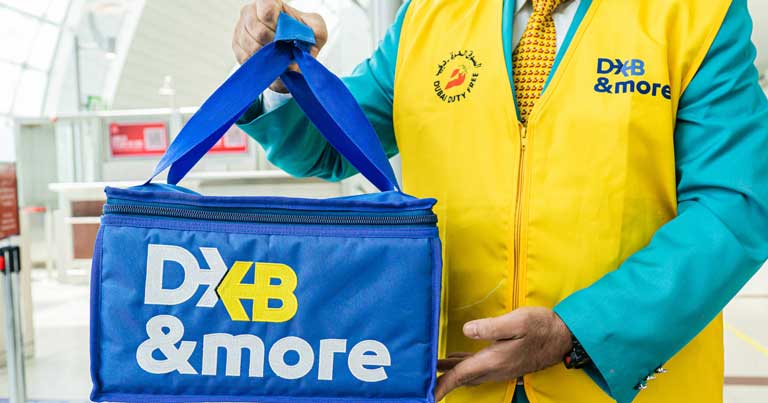
Dubai International Airport has introduced DXB Greet & Go in Terminal 3, revolutionising the way arrivals are greeted. Licensed hotels, tour operators and transport providers can now tap QR codes—replacing traditional placards—to meet guests efficiently in a dedicated arrivals area.

The initiative, officially live since early July, provides an authorised meeting zone designed to improve passenger flow and elevate hospitality standards. Dubai Airports has established this as part of its strategy to ease congestion and reduce stress at peak arrival times.

This digital-first service streamlines the reception experience: instead of waiting among crowds, drivers and host staff now scan pre-shared QR codes, guiding travellers directly to designated areas where they are met by clear signage. The system aligns with security protocols while offering better clarity and comfort.

Industry observers describe DXB Greet & Go as another milestone in Dubai’s automation and smart-performance ambitions. It complements prior enhancements—like biometric Smart Tunnels and QR-code navigation tools—designed to process high passenger volumes more swiftly while preserving a premium touchpoint.

Key regional operators have already registered. A senior operations manager at one of Dubai’s leading hospitality chains noted guest satisfaction has improved, citing fewer missed connections and faster handovers. Dubai Airports spokesperson emphasised that launch partners are primarily “licensed entities” committed to seamless, branded guest engagement.

Compliance and coordination with security teams were paramount in crafting the scheme. The dedicated meeting point follows stringent screening criteria and maintains oversight from airport operations, ensuring guest meets do not impinge on wider terminal safety. It also alleviates footfall in busy corridors, especially during peak periods.

Analysts see branding and service quality benefits. Sharply reducing wait times at arrivals enhances early impressions for high‑value guests, business travellers and VIPs—key revenues for both hotels and airport retail operators. And as QR-based systems gain traction worldwide, DXB’s approach may offer a replicable benchmark for other global gateways.

Passengers have already reported smoother arrivals. A recent poll by a GCC‑based travel blog found that 87 percent of users appreciated the clarity of designated zones and reduced crowding. Several said using the service felt more “personalised and modern”, aligning with expectations for a luxury travel experience.

Onboarding requires minimal effort: partners register via Dubai Airports’ platform, receive official QR codes linked to flight details, and station meeting personnel accordingly. QR scanning synchronises with flight schedules, activating the service only once the flight has landed and passengers have disembarked.

Dubai Airports reports the system has quickly gained traction among boutique hotels and VIP ground handlers, with expansion plans underway. Terminal 3—the main hub for Emirates—is expected to expand the service across other terminals if demand continues.

The move also integrates with existing smart journeys like DXB Express Maps, enabling visitors to navigate lounges, shops and gates by QR scanning digital kiosks. The combined effect is a frictionless experience from landing to departure, supporting ambitions to top 100 million annual passengers.

The United Arab Emirates joined the BRICS Finance Ministers and Central Bank Governors Meeting in Rio de Janeiro on 6 July 2025 under Brazil’s rotating presidency, with a focus on the global economic outlook and climate finance. Led by H. E. Mohamed bin Hadi Al Hussaini, Minister of State for Financial Affairs, the UAE delegation included key figures from the Ministry of Finance and the Central Bank of the UAE.

Al Hussaini opened his remarks by stressing the UAE’s commitment to deepening dialogue on the future of the global financial system and strengthening multilateral cooperation frameworks to face development challenges. He asserted that platforms such as BRICS provide “important opportunity to enhance global economic governance, expand access to innovative financing, and support long‑term financial stability”.

The summit’s agenda was structured into three comprehensive sessions: finance ministries, central banks, and a joint forum examining the international economic landscape, climate finance, and policy coordination. Delegates also discussed a proposal by Brazil to pilot a BRICS Multilateral Guarantee fund via the New Development Bank, aiming to mobilise private investment for infrastructure and climate-related initiatives.

In a move signalling its growing climate finance role, the UAE, alongside China, expressed intention to invest in Brazil’s Tropical Forests Forever Facility — a fund supported by BRICS to safeguard tropical forests. Leaders issued a joint statement underscoring the responsibility of developed nations to contribute to climate mitigation efforts.

Further strengthening the bloc’s role in global economic governance, BRICS finance ministers advanced a unified proposal for IMF reform. The initiative calls for a restructured quota system that reflects current global economic realities, incorporating output and purchasing power to boost representation for emerging economies. The proposal is slated for presentation at the 2025 IMF Review in December.

Discussions included plans for a cross-border payments system to enhance financial integration within BRICS, potentially reducing reliance on Western-controlled mechanisms and promoting monetary coordination among member states.

Brazilian President Luiz Inácio Lula da Silva framed BRICS as a beacon of multilateral diplomacy, likening it to the Non‑Aligned Movement, and warned against Western protectionist trends, including carbon border taxes. He emphasised that the bloc represents 40% of global output and over half the world’s population, and advocated reform of institutions like the IMF and UN Security Council.

The UAE, which joined BRICS in January 2024 and entered the NDB in October 2021, is now actively shaping the bloc’s agenda on governance, finance, and sustainability. Its support for key initiatives highlights a strategic effort to elevate its international role in emergent economies and climate action.

With Bitcoin prices soaring past $100,000 again and investor optimism at a high, the UAE’s strategic push into crypto is paying off. But what does this bull market really mean for the country’s economy, its investors, and its long-term financial future? The UAE has spent the last few years laying the groundwork to become a global crypto capital. While some countries have struggled to regulate or simply […]

VISHNU RAJA
RYO YAMADA
HITORI GOTOH
IKUYO KITA