News related to
Emirates

Emirates REIT has announced the appointment of a new Chief Financial Officer, Ali Kazim, a former banker with Abu Dhabi Islamic Bank (ADIB), as the company prepares for a critical sukuk maturity. This move comes amid heightened scrutiny over the real estate investment trust’s financial health as it faces a significant payment deadline.

Kazim’s selection is seen as part of the REIT’s strategy to strengthen its financial leadership and navigate a complex financial landscape. With the sukuk set to mature in December, Emirates REIT is under pressure to outline a clear plan for repayment or refinancing. Investors and analysts are closely watching how the Dubai-based company will handle the $400 million Islamic bond, which has been a central focus in its financial operations.

Emirates REIT, a sharia-compliant investment trust that manages a diverse portfolio of commercial and residential properties, has been in a challenging position over the past few years. Declining property values in the region, exacerbated by the global economic downturn and shifting investor sentiment, have contributed to its difficulties. The appointment of Kazim is seen as a key step in bolstering investor confidence as the sukuk repayment date approaches.

The company’s debt, which includes this substantial sukuk, has been a focal point for market watchers. Emirates REIT has attempted to alleviate concerns through various strategic decisions, including asset sales and cost-cutting measures. However, questions about its ability to meet the upcoming obligations remain. Kazim’s role will be pivotal in addressing these concerns, as he brings extensive experience in Islamic finance from his time at ADIB, a leading player in the Gulf’s financial sector.

Ali Kazim’s background includes over two decades of experience in banking and finance, particularly in Islamic finance. During his tenure at ADIB, he played a critical role in managing sukuk issuances, capital raising, and restructuring debt for major corporates. His appointment signals Emirates REIT’s commitment to leveraging expertise in Islamic banking to navigate the complexities of sukuk finance and ensure compliance with sharia principles while securing favorable terms for investors.

Market analysts view this appointment as a positive move but remain cautious about the broader financial outlook for Emirates REIT. The Dubai property market has seen volatility over the past decade, and while there has been some stabilization, risks remain. Property values, rental yields, and occupancy rates have all fluctuated, influencing the REIT’s performance. The upcoming sukuk repayment adds to the uncertainty, and how the new CFO manages this situation will be critical.

Kazim’s immediate focus will likely be on negotiating with bondholders and exploring refinancing options. With the sukuk’s maturity date drawing near, Emirates REIT must either arrange for the repayment of the bond or renegotiate terms with investors. There has been speculation in financial circles about the possibility of extending the maturity or restructuring the debt, although no official announcement has been made on this front.

The broader economic environment, particularly in the Gulf, will also play a significant role in shaping Emirates REIT’s strategy. The UAE’s real estate sector has been undergoing a period of transformation, with developers and investment trusts alike adjusting to shifting demand patterns, especially in the commercial property segment. Increased interest in flexible workspaces, changes in retail real estate, and new government regulations have all impacted market dynamics. Emirates REIT’s property portfolio spans both commercial and residential assets, and the performance of these sectors will directly influence its ability to meet financial commitments.

The sukuk, which was originally issued in 2017, has been a defining financial instrument for Emirates REIT. Sukuk, as an Islamic financial certificate, differs from conventional bonds by adhering to sharia principles, including the prohibition of interest. This makes managing and refinancing such instruments more complex, as sharia compliance must be maintained throughout the process. Kazim’s deep understanding of these intricacies will be essential as he steps into his new role.

Despite the challenges, Emirates REIT’s management has expressed optimism about the future. The company has undertaken several measures to strengthen its balance sheet, including divesting non-core assets and reducing operational costs. These efforts have been aimed at improving liquidity and preparing for the sukuk’s maturity. However, the market remains skeptical, and all eyes are on Kazim and the steps he will take in the coming months.

This leadership change also comes at a time when corporate governance and transparency are under increased scrutiny across the Gulf’s financial sector. The region has seen several high-profile corporate restructurings and defaults, and investors are paying closer attention to how companies manage debt obligations. Emirates REIT, which is one of the few real estate investment trusts in the region, must now demonstrate that it can navigate these challenges effectively while adhering to Islamic financial principles.

Kazim’s appointment is expected to bring a more disciplined approach to financial management at Emirates REIT. His track record at ADIB includes successful debt restructurings and managing complex financial transactions, which will be invaluable as the company works through the sukuk repayment process. Market participants are hopeful that his leadership will provide the clarity and direction needed to steer the company through this critical period.

The Emirates Development Bank (EDB) has introduced the AGRIX Accelerator, a pivotal initiative designed to revolutionize the agricultural sector in the UAE. This flagship program aligns with the UAE’s National Food Security Strategy 2051, aiming to enhance food security by providing farmers, agribusinesses, and tech innovators with targeted financial support and advanced agricultural technologies.

Spanning a 20-week duration, the AGRIX Accelerator program offers a comprehensive package that includes funding, mentorship, and access to state-of-the-art agri-tech tools. The initiative is crafted to address the evolving needs of the agricultural sector, ensuring participants are equipped to meet the challenges of modern farming and agribusiness.

Central to the AGRIX Accelerator’s mission is its emphasis on integrating cutting-edge technology with traditional farming practices. The program will facilitate the adoption of innovative agri-tech solutions, such as precision agriculture, smart irrigation systems, and data analytics platforms. These technologies are expected to optimize resource use, increase crop yields, and improve overall efficiency in the sector.

Financial backing is a cornerstone of the AGRIX Accelerator. Participants will have the opportunity to access specialized financial solutions tailored to the unique requirements of the agricultural industry. This support aims to alleviate some of the financial barriers that often impede the adoption of new technologies and practices.

The program is structured into several phases, each focusing on different aspects of agricultural innovation. Initial stages will include workshops and training sessions led by industry experts, covering topics from advanced farming techniques to effective business management. Following these educational components, participants will receive hands-on experience with the latest agri-tech tools and solutions.

One of the key features of the AGRIX Accelerator is its mentorship component. Participants will benefit from guidance and insights provided by experienced professionals and thought leaders in the agricultural and technology sectors. This mentorship is designed to help participants navigate the complexities of integrating new technologies and developing sustainable business models.

The AGRIX Accelerator also emphasizes collaboration among stakeholders. By bringing together farmers, agribusinesses, and technology providers, the program fosters a collaborative environment where ideas can be shared, partnerships can be formed, and innovations can be developed. This collaborative approach is expected to drive significant advancements in the agricultural sector and contribute to the UAE’s broader food security goals.

The launch of the AGRIX Accelerator comes at a time when the UAE is making substantial investments in its agricultural sector to ensure long-term food security. As part of its National Food Security Strategy 2051, the UAE is focusing on enhancing domestic food production capabilities and reducing reliance on food imports. The AGRIX Accelerator is a critical component of this strategy, providing the necessary resources and support to drive innovation and sustainability in agriculture.

The program’s impact will be closely monitored throughout its duration. Success will be measured by the achievements of participating businesses and the advancements made in agricultural technology and practices. The AGRIX Accelerator aims to create a ripple effect in the sector, encouraging more farmers and agribusinesses to embrace innovative solutions and contribute to the UAE’s food security objectives.

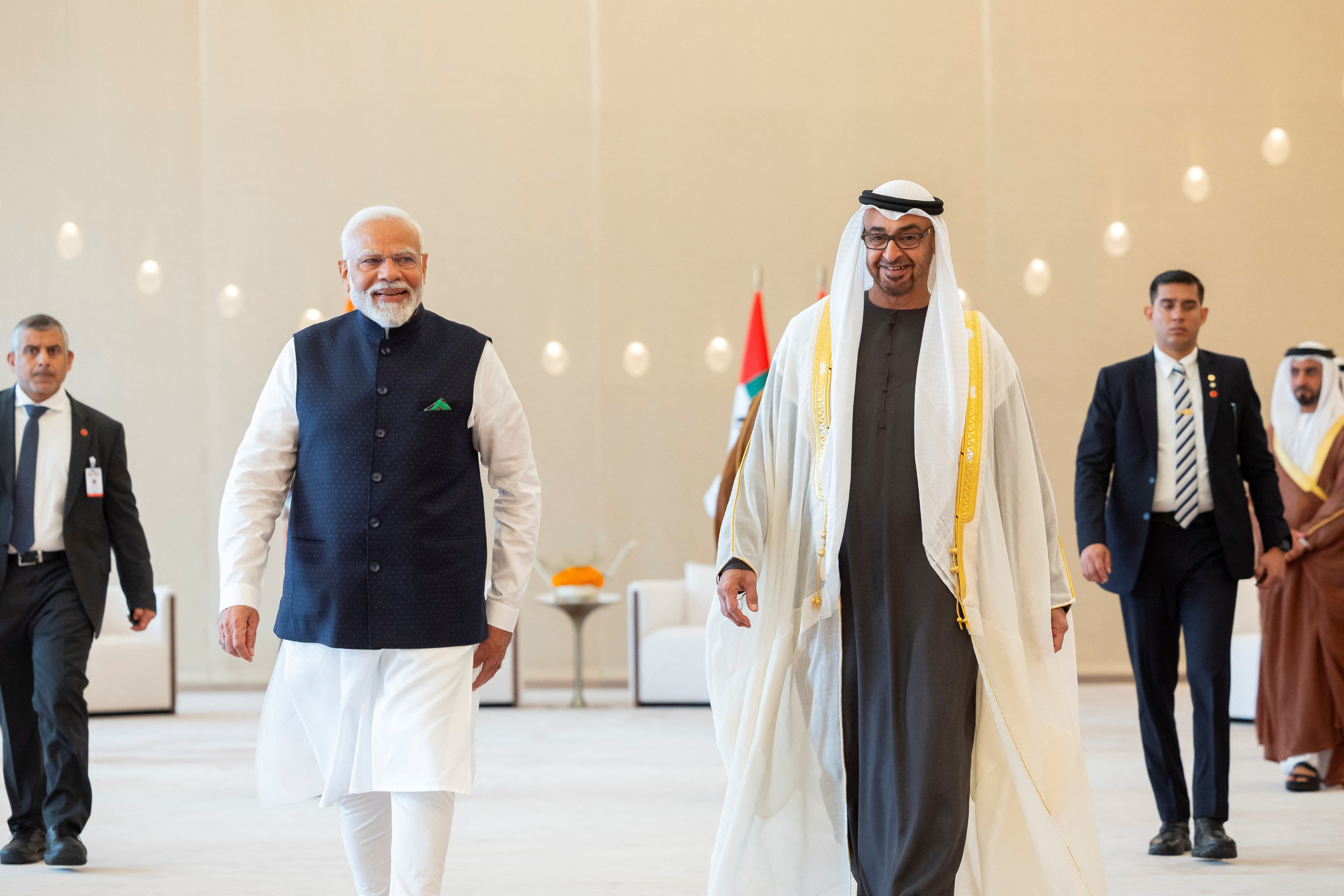
India and the United Arab Emirates (UAE) are poised to reexamine their existing trade agreement this week, according to informed sources. This strategic review is part of a broader effort by both nations to enhance economic ties and address any gaps in their trade relations.

The bilateral trade agreement, which was initially signed in 2022, has been a cornerstone of the economic partnership between India and the UAE. Over the past two years, the agreement has facilitated significant trade flows, with the UAE emerging as one of India’s key trading partners. However, both governments recognize the need to update the terms of the agreement to reflect the evolving economic landscape and emerging trade dynamics.

The discussions are expected to focus on several key areas. First, there will be a review of tariff schedules and trade barriers to ensure that they align with current market conditions. Both India and the UAE aim to reduce trade impediments and enhance market access for businesses in both countries. Additionally, the review will likely address issues related to customs procedures and regulatory practices to streamline trade processes and minimize delays.

Another significant aspect of the review will be the exploration of new sectors for cooperation. As global trade patterns shift, both nations are keen on diversifying their economic engagements. The UAE, known for its strategic location and advanced infrastructure, is looking to bolster investments in sectors such as technology, renewable energy, and infrastructure development. India, with its burgeoning market and technological expertise, is seen as a valuable partner in these areas.

The discussions are also anticipated to cover the impact of recent global economic trends on bilateral trade. Factors such as fluctuations in commodity prices, supply chain disruptions, and geopolitical developments have influenced trade dynamics globally. Both India and the UAE are expected to evaluate how these factors have affected their trade and explore ways to mitigate potential challenges.

In preparation for the review, both governments have been engaging with industry stakeholders to gather insights and feedback. This consultative approach aims to ensure that the revised agreement addresses the needs and concerns of businesses operating in both countries. The input from various sectors will be crucial in shaping the final terms of the agreement and fostering a mutually beneficial trade environment.

The trade review comes at a time when global trade agreements are under increasing scrutiny. Countries around the world are reassessing their trade policies to adapt to changing economic conditions and to safeguard their national interests. For India and the UAE, this review represents an opportunity to reaffirm their commitment to a strong economic partnership and to position themselves strategically in the evolving global trade landscape.

India and the UAE have a history of collaborative efforts beyond trade. The two nations have worked together on several initiatives, including joint ventures and strategic investments. This review of their trade agreement is expected to further strengthen their economic ties and pave the way for new areas of cooperation.

A fleet of innovative air taxis is set to transform transportation in the United Arab Emirates, with over 400 test flights completed ahead of the anticipated 2025 launch. This new mode of transport promises to drastically cut travel time between Dubai and Abu Dhabi, reducing the journey from 60-90 minutes to a mere 10-20 minutes. The air taxis, designed to carry up to four passengers, are being […]

ASK Private Wealth, the advisory and family office arm of the Blackstone-backed ASK Asset and Wealth Management Group, is targeting non-resident Indians (NRIs) and overseas citizens of India (OCIs) with a new fund aimed at raising $100 million. The launch of this fund marks a significant strategic move by the firm to tap into the growing demand for investment in Indian capital markets by high-net-worth individuals based abroad, particularly in the Gulf Cooperation Council (GCC) region.

This newly launched ASK Wealth Advisors (ASKWA) India Opportunities Fund is specifically designed to cater to the investment preferences of NRIs and OCIs. Somnath Mukherjee, Chief Investment Officer and Senior Managing Partner at ASKWA, emphasized that the fund offers an opportunity for wealthy Indians abroad to capitalize on India’s economic growth while diversifying their portfolio. The fund, he explained, is part of a larger strategy to connect with the wealthy diaspora, particularly in the GCC, where there is a sizable population of ultra-high-net-worth individuals (UHNWIs).

ASKWA is seeking to tap into this demographic as NRIs in the Gulf region have consistently shown a strong inclination towards investing in India. The fund will primarily focus on a diversified portfolio of Indian equities, targeting sectors that are expected to benefit from the country’s robust economic growth trajectory. Mukherjee noted that India’s capital markets have shown significant resilience and continue to offer attractive long-term returns for investors. The fund aims to provide a channel for NRIs to participate in India’s growth story, particularly as global economic trends continue to favor emerging markets like India.

The GCC region, particularly countries like the United Arab Emirates (UAE), Saudi Arabia, and Qatar, remains a key source of investment for ASKWA. Mukherjee highlighted that the firm has already seen substantial interest from potential investors in these markets, with many NRIs in the GCC seeking exposure to the Indian stock market. He stated that the UAE has emerged as a hub for wealth management and investment services, attracting a large number of wealthy NRIs looking for efficient ways to manage and grow their wealth.

Mukherjee further explained that ASKWA has ambitious plans to strengthen its presence in the UAE. The firm is exploring the possibility of setting up a physical office in the UAE to better serve its clients in the GCC region. This strategic expansion is part of ASKWA’s broader goal of deepening its engagement with NRI investors, ensuring that they have access to tailored financial solutions that meet their unique investment needs. The GCC, with its concentration of wealthy NRIs, represents a significant market for the company’s growth plans.

The fund launch comes at a time when India is seeing a steady inflow of capital from NRIs worldwide. With Indian equities performing well over the past few years and the country’s economy showing signs of steady growth, NRI investors are increasingly looking at India as a key destination for their investments. Mukherjee noted that the India Opportunities Fund is poised to take advantage of this trend, offering NRI investors a structured and well-managed investment vehicle.

According to wealth management experts, the interest in Indian equities is expected to grow further, given the Indian government’s focus on economic reforms, infrastructure development, and digital innovation. These factors are expected to drive growth in sectors such as technology, financial services, and consumer goods, all of which are key areas of focus for the new ASKWA fund. The fund’s strategy will revolve around investing in blue-chip companies as well as high-growth sectors, providing a balanced risk-return profile for investors.

Mukherjee also emphasized that ASKWA is committed to maintaining high standards of governance and transparency in managing the fund, ensuring that investors’ interests are protected. He assured potential investors that the fund would be managed with a long-term perspective, focusing on delivering sustainable returns over time. This approach, Mukherjee said, aligns with the investment philosophy of many NRIs, who tend to have a long-term horizon when it comes to their investments.

The India Opportunities Fund is expected to attract a wide range of NRI investors, from those seeking growth opportunities in Indian equities to those looking for a reliable way to diversify their investment portfolios. ASKWA has already begun reaching out to its existing NRI clients, with initial feedback indicating a strong interest in the fund. The firm is confident that it will be able to raise the $100 million target, given the level of interest from the GCC and other key markets.

A new study shows that Saudi Arabia and the wider Gulf Cooperation Council (GCC) are outpacing global counterparts in the adoption and usage of artificial intelligence (AI), both at the government and workforce levels. This trend is part of the broader vision of the GCC, particularly Saudi Arabia, to establish itself as a global leader in AI. Saudi workers, compared to their international peers, are utilizing AI […]

The UAE’s financial sector has achieved a notable milestone as the market capitalization of its top 20 companies surged to AED 2.8 trillion ($762 billion). This achievement underscores the country’s expanding economic footprint and growing investor confidence.

The remarkable growth in market capitalization reflects a robust performance in the UAE’s equity markets, driven by diverse sectors including banking, real estate, and telecommunications. Dubai’s stock exchange, in particular, has seen significant activity, bolstered by increased foreign investment and strong corporate earnings.

Among the leading companies contributing to this milestone are major players such as Emirates NBD, Etisalat, and Dubai Investments. These firms have shown impressive financial results and strategic growth initiatives, solidifying their positions in both regional and global markets. Emirates NBD, for instance, has been pivotal in enhancing the financial infrastructure of the UAE, while Etisalat’s technological advancements have played a crucial role in expanding the digital economy.

The UAE’s continued focus on economic diversification and infrastructure development has further fueled this growth. Government initiatives, including the Dubai Economic Agenda and Abu Dhabi Vision 2030, aim to transform the UAE into a global hub for trade, finance, and innovation. These strategic plans are designed to attract more foreign direct investment and boost the country’s economic resilience.

Furthermore, the UAE’s financial markets have benefited from favorable regulatory changes and improved market liquidity. The introduction of more transparent and investor-friendly policies has enhanced the attractiveness of the UAE’s stock exchanges to international investors. The Financial Services Regulatory Authority (FSRA) and the Securities and Commodities Authority (SCA) have played pivotal roles in ensuring market stability and promoting investor confidence.

The surge in market capitalization also highlights the growing prominence of UAE-based companies on the global stage. The country’s financial markets are increasingly seen as a viable investment destination, with many international firms looking to enter or expand their presence in the UAE. This influx of global capital not only supports local businesses but also contributes to the overall economic growth of the region.

In addition to financial performance, the UAE’s real estate sector has been a significant contributor to the increased market capitalization. Major real estate developers such as Emaar Properties and Aldar Properties have seen substantial growth, driven by strong demand for residential and commercial properties. Their successful project launches and strategic developments have played a key role in enhancing the market value of the UAE’s leading companies.

The UAE’s ambitious growth plans are expected to continue driving market expansion in the coming years. The country’s leadership remains committed to fostering an environment conducive to business growth and innovation. Initiatives such as the Dubai Expo 2020 and Abu Dhabi’s ongoing infrastructure projects are anticipated to further boost investor sentiment and economic activity.

Advertisements

The combined market capitalisation of the UAE’s 20 largest companies has soared to AED 2.8 trillion ($762 billion), marking a significant milestone for the country’s local stock exchanges. These companies, listed on the Abu Dhabi Securities Exchange (ADX) and the Dubai Financial Market (DFM), now represent 77.6% of the total market capitalisation across UAE markets, which stands at AED 3.59 trillion. This achievement comes as the UAE continues to pursue an ambitious strategy to double its overall market value to AED 6 trillion in the coming years.

The top performer, International Holding Company (IHC), dominates the UAE market with a staggering market capitalisation of over AED 912.3 billion, accounting for 25.4% of the local stock markets. Following IHC is Abu Dhabi National Energy Company (Taqa), which holds a market value of AED 296.8 billion. These two firms exemplify the UAE’s growing prowess in sectors such as energy, infrastructure, and diversified investments.

Several other major players have also solidified their positions in the financial landscape. Adnoc Gas has secured a market value of AED 240.2 billion, while Etisalat by e& and First Abu Dhabi Bank (FAB) follow closely with market capitalisations of AED 161.5 billion and AED 147.6 billion, respectively. Companies like Emirates NBD and Dubai Electricity and Water Authority (DEWA) are also notable contributors to the UAE’s market strength, alongside real estate giants such as Emaar Properties and Aldar Properties.

Industry experts point to the UAE’s pro-business environment and its strategic initiatives to attract foreign investment as key factors driving the exponential growth of the stock market. The UAE government has committed to fostering economic diversification, furthering innovation, and implementing financial reforms that facilitate this expansion.

The United Arab Emirates is poised to witness an unprecedented surge in international visitor spending, with expenditures expected to exceed $52 billion by the end of this year. This remarkable growth underscores the UAE’s expanding role as a global tourism hub, fueled by ongoing investments in infrastructure and strategic marketing efforts.

The World Travel & Tourism Council (WTTC) has reported that the UAE’s tourism sector is on track to break previous records, driven by a combination of increased international travel and robust economic conditions. The forecasted spending figure represents a substantial increase from previous years, highlighting the UAE’s resilience and attractiveness in the global tourism market.

Several factors contribute to this surge in visitor spending. The UAE has successfully positioned itself as a premier destination for luxury travel, attracting high-net-worth individuals with its opulent hotels, world-class dining experiences, and exclusive events. The country’s strategic initiatives, such as hosting major international events and enhancing its hospitality sector, have played a significant role in drawing affluent tourists.

Recent developments in tourism infrastructure have also bolstered the UAE’s appeal. The expansion of airports, the introduction of new flight routes, and the enhancement of travel experiences have made the UAE more accessible to international visitors. These advancements are complemented by the UAE’s continuous efforts to innovate and diversify its tourism offerings, ranging from cultural festivals to adventure tourism.

The UAE’s commitment to maintaining high safety and cleanliness standards, particularly in the wake of the COVID-19 pandemic, has further solidified its reputation as a safe and attractive destination. This focus on health and safety has reassured travelers, contributing to the surge in tourism-related expenditures.

Moreover, the UAE’s strategic use of digital marketing and social media has amplified its visibility on the global stage. Campaigns highlighting the UAE’s unique attractions, such as the Burj Khalifa, the Palm Jumeirah, and cultural landmarks like the Louvre Abu Dhabi, have resonated with a broad audience, driving interest and visits.

The influence of high-profile events, such as the Expo 2020 Dubai, has had a lasting impact on the UAE’s tourism sector. Although the Expo concluded, its legacy continues to attract tourists and stimulate economic activity. The influx of international visitors during the event showcased the UAE’s capacity to host large-scale global gatherings, further cementing its status as a leading destination.

The rise in international visitor spending is also reflective of broader global tourism trends. As countries recover from the pandemic, there is a noticeable rebound in travel, with tourists eager to explore new destinations and experience diverse cultures. The UAE has capitalized on this trend by offering a mix of luxury, adventure, and cultural experiences that cater to various preferences.

Key players in the UAE’s tourism industry, including major hotel chains, travel agencies, and entertainment providers, are witnessing significant growth in revenue. These businesses are investing in enhancements to attract and retain international visitors, ensuring that the UAE remains competitive in the global tourism market.

Economic analysts highlight that the tourism sector’s growth has positive implications for the UAE’s overall economy. Increased visitor spending contributes to job creation, supports local businesses, and generates substantial revenue for the government. The tourism industry’s expansion aligns with the UAE’s broader economic diversification goals, reducing reliance on oil revenues and fostering sustainable development.

The United Arab Emirates has unveiled new initiatives aimed at aiding individuals in rectifying their visa statuses under the ongoing amnesty program. These measures, designed to assist those with overstayed visas or illegal residency, mark a significant expansion of the government’s effort to address immigration issues and facilitate legal residency transitions.

The amnesty program, initially introduced to encourage compliance and clear immigration backlogs, has been bolstered with additional support services. The UAE authorities have now launched a comprehensive platform offering legal guidance, administrative assistance, and financial relief to those seeking to regularize their status. This initiative is part of the broader aim to streamline the visa correction process and reduce the number of individuals living without valid residency permits.

Among the new services, the government has established dedicated help desks and online portals to handle inquiries and applications related to visa adjustments. These services are available at various immigration offices and via the official website, providing a more accessible and user-friendly approach to navigating the complex process of visa rectification. The expansion of these resources is expected to simplify the application procedures and expedite the processing of requests.

A notable feature of the enhanced amnesty program is the exemption from fines for those who come forward to rectify their visa statuses. Previously, individuals with overstayed visas faced substantial financial penalties, which often acted as a deterrent to seeking legal status. The new policy alleviates this burden, encouraging more individuals to take advantage of the amnesty opportunity without the fear of incurring prohibitive costs.

The UAE’s approach reflects a broader trend in immigration policy aimed at resolving long-standing issues related to overstayed visas and illegal residency. By offering practical support and financial relief, the government aims to mitigate the challenges faced by those affected and ensure a smoother transition to legal status. This initiative also aligns with the UAE’s ongoing efforts to enhance its immigration systems and maintain regulatory compliance.

The impact of these new services is expected to be significant, particularly in light of the large number of individuals who have been living without valid visas. The UAE has historically been a major destination for expatriates, and the amnesty program represents a crucial step in addressing the complexities of its immigration landscape. The introduction of these services is anticipated to assist in managing the large volume of applications and reduce the backlog of unresolved cases.

Furthermore, the amnesty program is part of a broader strategy by the UAE government to bolster economic stability and attract skilled professionals by providing a clear pathway to legal residency. The measures are designed not only to address immediate concerns but also to support the long-term goals of maintaining a robust and compliant workforce.

As the program progresses, the UAE is expected to monitor its effectiveness and make adjustments as needed to ensure that it meets its objectives. The ongoing evaluation of the initiative will likely inform future policies and improvements in the country’s immigration systems.

The United Arab Emirates and Jordan have solidified a significant partnership with a landmark agreement worth $2.3 billion aimed at enhancing the regional rail network. This substantial investment underscores both nations’ commitment to improving transportation infrastructure and boosting economic connectivity in the Middle East.

Under the agreement, the UAE will lead the construction of a new railway system in Jordan, which is expected to significantly improve logistics and trade routes across the region. The project involves the development of an extensive rail network that will connect key cities in Jordan with neighboring countries, facilitating smoother movement of goods and passengers.

Jordanian officials have hailed the deal as a transformative step for the country’s infrastructure, which will not only modernize its transportation sector but also generate substantial economic benefits. The railway network is anticipated to become a crucial link between Jordan and its regional partners, supporting increased trade and investment opportunities.

The agreement reflects broader regional trends where Middle Eastern countries are increasingly investing in infrastructure projects to foster economic growth and regional integration. The UAE, with its robust track record in infrastructure development, is leveraging its expertise to drive this ambitious project, further cementing its role as a key player in the region’s development.

In addition to its economic impact, the new rail system is expected to create numerous job opportunities in Jordan. The project will involve various phases, including construction, operation, and maintenance, contributing to the local economy through job creation and skill development.

The collaboration between the UAE and Jordan also highlights the strengthening of bilateral relations between the two countries. This agreement is seen as a testament to the deepening ties and mutual commitment to enhancing regional stability and economic prosperity.

This substantial investment aligns with the UAE’s broader strategy to expand its influence in the region through strategic partnerships and infrastructure projects. By participating in high-profile development projects like this railway system, the UAE is reinforcing its position as a key regional player.

The United Arab Emirates (UAE), Saudi Arabia, and several other oil-producing nations have extended their voluntary cuts in oil production, aiming to stabilize global oil markets and support prices amid ongoing economic uncertainties. This decision follows a series of discussions among key members of the OPEC+ alliance, which includes countries outside the Organization of the Petroleum Exporting Countries (OPEC) such as Russia, Iraq, Kuwait, Kazakhstan, Algeria, and Oman.

The latest agreement, confirmed in a joint statement from the participating countries, includes an extension of the existing production cuts into the coming months. The initiative, originally set to be reassessed at the end of this year, now reflects a strategic move to address fluctuations in global demand and counteract economic pressures impacting the energy sector.

Saudi Arabia, as one of the world’s largest oil exporters, will continue its policy of reducing output by an additional one million barrels per day, a step that aligns with its broader efforts to maintain oil prices within a targeted range. This decision is part of a coordinated strategy to stabilize the market and prevent a significant drop in prices that could adversely affect the economies of oil-dependent nations.

The UAE has also committed to reducing its oil production, extending its cut of 500,000 barrels per day, reflecting its ongoing support for the broader goals of the OPEC+ group. Other key contributors to the cuts include Iraq, Kuwait, and Kazakhstan, each of which has pledged to limit their oil output as part of the collective effort. Algeria and Oman are similarly maintaining their voluntary reductions, underscoring the unified approach of these oil-producing nations.

The decision to extend these cuts comes amid a complex global economic environment characterized by fluctuating energy demands, geopolitical tensions, and evolving consumer behavior. Analysts note that the prolonged cuts are aimed at balancing the market and preventing an oversupply that could lead to a decline in oil prices, which have experienced volatility in recent months.

Key players in the oil market have responded positively to the announcement, viewing the extension as a proactive measure to ensure market stability. Oil prices have shown signs of support following the news, with traders optimistic that the coordinated effort by major oil producers will contribute to a more stable pricing environment.

In addition to the immediate impacts on oil prices, the extended cuts highlight the ongoing collaboration among major oil-producing nations to navigate the challenges of a volatile global market. This unity reflects a broader commitment to maintaining stability in the oil sector and ensuring that the interests of both producers and consumers are addressed.

CFI Financial Group, a leading online trading provider in the region, has expanded its UAE-regulated entity, CFI Financial Markets LLC (CFI UAE), into Abu Dhabi. This move reinforces the company’s growing presence in the country, following a strategic approach to further enhance its offerings across the Emirates. The expansion underscores the Group’s commitment to providing a wider range of financial services to clients nationwide while maintaining its reputation for delivering quality trading solutions.

The decision to enter Abu Dhabi comes as CFI UAE looks to leverage its Category One license, which was granted by the Securities and Commodities Authority (SCA). This license allows the firm to offer a broad spectrum of financial instruments, including access to global markets through cutting-edge technology. By choosing Abu Dhabi, the firm seeks to tap into the capital’s growing investor base and enhance its service offerings in line with the region’s economic ambitions.

The CEO of CFI Financial Group has noted that this expansion reflects the company’s continued focus on meeting the evolving needs of traders in the UAE. By extending operations to Abu Dhabi, CFI UAE aims to provide investors with more robust trading opportunities and seamless access to global financial markets. The move also aligns with Abu Dhabi’s vision of becoming a key financial hub in the region, as part of its broader economic diversification strategy.

CFI UAE has already established itself as a key player in the UAE’s financial landscape, particularly through its presence in Dubai. The expansion into Abu Dhabi marks another milestone in the company’s ambitious growth plan, which is focused on strengthening its regional presence and offering clients a comprehensive suite of financial services. As a fully regulated entity, CFI UAE adheres to stringent regulatory standards, ensuring transparency and investor protection in all its operations.

With the growing demand for sophisticated trading platforms and services, CFI UAE has consistently invested in the latest financial technology to provide its clients with innovative solutions. The company’s platform allows access to thousands of financial instruments, including forex, stocks, commodities, indices, and cryptocurrencies, giving traders the flexibility to diversify their portfolios. The expansion into Abu Dhabi is expected to further boost these offerings, providing local investors with even more options and opportunities.

The financial services sector in the UAE has been experiencing rapid growth, driven by increasing demand for investment products and the government’s efforts to attract foreign investment. As the UAE continues to develop its financial infrastructure, companies like CFI Financial Group are positioning themselves to capitalize on these opportunities. The firm’s entry into Abu Dhabi is seen as a strategic step in capturing a larger share of the growing market, particularly as more investors seek access to global markets from the UAE.

CFI UAE’s expansion also comes at a time when the financial industry is becoming increasingly competitive, with numerous players offering similar services. However, the firm believes that its strong regulatory foundation, coupled with its focus on innovation and client satisfaction, will set it apart from the competition. The company’s leadership has emphasized that the move to Abu Dhabi is part of a broader strategy to stay ahead of market trends and continue delivering value to its clients.

Abu Dhabi, as the capital of the UAE, has been steadily building its reputation as a financial center, attracting both regional and international firms. The government’s efforts to diversify the economy, combined with the emirate’s favorable regulatory environment, have created an attractive destination for financial services companies. CFI UAE’s entry into the Abu Dhabi market is expected to contribute to this growth, further solidifying the city’s status as a key player in the global financial industry.

This expansion is not only a reflection of CFI Financial Group’s long-term vision but also an indication of the broader trends shaping the financial sector in the UAE. With the global economy continuing to evolve, and technological advancements driving changes in the way people trade and invest, CFI UAE is well-positioned to take advantage of these developments. The company’s focus on innovation, regulatory compliance, and customer service has been central to its success, and these values are expected to guide its future growth.

The United Arab Emirates (UAE) has marked a significant advancement in the Arab world’s energy sector by commissioning its first nuclear power plant. This achievement positions the UAE as a trailblazer in nuclear energy within the region, aligning with its strategic vision of diversifying its energy sources and reducing dependency on fossil fuels. The Barakah Nuclear Energy Plant, located in the Al Dhafra region of Abu Dhabi, […]

Emirates Steel Arkan has unveiled its new identity as EMSTEEL, signaling a strategic shift towards international markets. This rebranding aligns with the company’s broader ambition to cement its presence on the global stage and enhance its competitive edge in the steel industry.

Founded in 1998 and headquartered in Abu Dhabi, Emirates Steel Arkan has long been a dominant force in the Middle Eastern steel sector. The rebranding to EMSTEEL marks a pivotal moment for the company as it seeks to leverage its established reputation to tap into new markets worldwide.

The company’s decision to rebrand comes at a time when the steel industry is undergoing significant transformation. With increasing demand for infrastructure development and industrialization across various regions, EMSTEEL aims to position itself as a leading global player. This move is also in response to a rapidly evolving global steel market characterized by shifts in trade policies, technological advancements, and environmental regulations.

The rebranding effort is not merely a change in name but a reflection of a comprehensive strategic overhaul. EMSTEEL plans to expand its product portfolio, incorporating advanced steel solutions to meet diverse market needs. The company will focus on enhancing its manufacturing capabilities and exploring opportunities in emerging markets, particularly in Asia and Africa, where infrastructural development is burgeoning.

The steel industry has witnessed a surge in mergers and acquisitions, with companies consolidating to enhance their market positions. EMSTEEL’s rebranding aligns with this trend, as it seeks to strengthen its global footprint and compete effectively against other major players in the industry. By adopting a new brand identity, EMSTEEL aims to signal its readiness to embrace global challenges and opportunities, ensuring sustained growth and innovation.

Market analysts view this rebranding as a strategic move to address the increasing competition in the global steel sector. As countries worldwide invest in infrastructure and urban development, there is a growing demand for high-quality steel products. EMSTEEL’s enhanced focus on research and development is expected to drive innovation in product offerings, setting new standards in the industry.

The company’s shift towards a global market presence is also indicative of broader economic trends. Global steel consumption has been fluctuating due to various factors, including trade tensions and shifts in production capacities. EMSTEEL’s strategic repositioning aims to mitigate these challenges by diversifying its market reach and aligning its operations with global industry standards.

EMSTEEL’s rebranding is accompanied by an emphasis on sustainability and environmental stewardship. The company plans to integrate sustainable practices into its production processes, aiming to reduce its carbon footprint and adhere to international environmental regulations. This commitment to sustainability reflects a growing industry trend towards more eco-friendly operations, responding to increasing consumer and regulatory demands for environmental responsibility.

Industry experts anticipate that EMSTEEL’s rebranding will facilitate its entry into new markets and enhance its competitiveness. The company’s focus on technological advancement and product innovation is expected to attract new clients and partnerships, further solidifying its position in the global steel market.

A substantial rise in gambling interest has emerged in the United Arab Emirates (UAE), with recent data indicating a 12.54% increase following a pivotal announcement in 2024. This uptick marks a significant shift in leisure activities and reflects broader changes in societal attitudes and regulatory frameworks concerning gambling.

The surge in interest is attributed to a high-profile decision by the UAE government to review and amend its stance on gambling activities. The announcement, made earlier this year, involved a major policy shift aimed at modernizing the country’s entertainment regulations. This move is part of a broader strategy to diversify the UAE’s economy and enhance its appeal as a global destination for tourism and leisure.

According to industry reports and consumer behavior studies, this policy change has sparked a notable increase in both online and land-based gambling activities within the UAE. The growth is particularly evident in online platforms, where a marked rise in user registrations and engagement metrics has been observed. Traditional casinos and betting shops are also experiencing higher foot traffic and increased revenue, reflecting the changing preferences of residents and visitors.

Experts attribute this shift to several factors. Firstly, the relaxation of regulatory constraints has opened new avenues for gambling operators, leading to a broader range of offerings and promotional activities. This increased accessibility is likely contributing to the higher levels of public interest and participation. Additionally, the integration of advanced technology in gambling platforms has made them more appealing and user-friendly, attracting a wider audience.

The UAE’s move aligns with a global trend where traditional restrictions on gambling are being reevaluated in favor of economic benefits. Many countries have undergone similar transformations, driven by the potential for substantial revenue generation and the creation of new job opportunities. For the UAE, the focus has been on balancing economic growth with the need to maintain social and cultural values.

Another significant aspect of this development is the impact on tourism. The UAE, known for its luxury tourism sector, sees gambling as a potential enhancer of its global tourism appeal. By incorporating modern gambling facilities, the country aims to attract a new segment of tourists who are seeking diverse entertainment options. This strategy is expected to boost overall tourism revenue and contribute to the UAE’s goal of becoming a leading global leisure destination.

The regulatory changes have also sparked discussions about the potential social implications. While the economic benefits are considerable, there is ongoing debate about the need for safeguards to prevent gambling-related issues. Public health experts and social commentators are advocating for measures to address potential risks associated with increased gambling participation. Ensuring that responsible gambling practices are promoted and that support systems are in place will be crucial as the industry expands.

dnata, one of the world’s leading air services providers, has taken a significant step toward environmental sustainability by transitioning its entire fleet of ground handling equipment to biodiesel in the UAE. This move is part of the company’s larger strategy to reduce its carbon footprint and contribute to global efforts to mitigate climate change. The fleet-wide switch to biodiesel marks dnata’s commitment to achieving long-term sustainability goals, […]

Abu Dhabi and Dubai have unveiled a new integrated parking permit system designed to streamline parking management across the emirates. The initiative aims to simplify the permit process, enhance user experience, and improve regulatory enforcement by creating a unified framework that spans both major cities. The new system merges previously separate parking permit schemes into a single, cohesive platform accessible to residents and visitors alike. This integration […]

Banks in the United Arab Emirates are increasingly poised to expand their lending activities, driven by a robust economic outlook and improving asset quality, according to the Central Bank of the UAE (CBUAE). This shift reflects growing confidence in the stability and potential of the financial sector, fostering a more dynamic lending environment. The CBUAE’s latest report highlights that the UAE’s economic stability has strengthened significantly, supporting […]

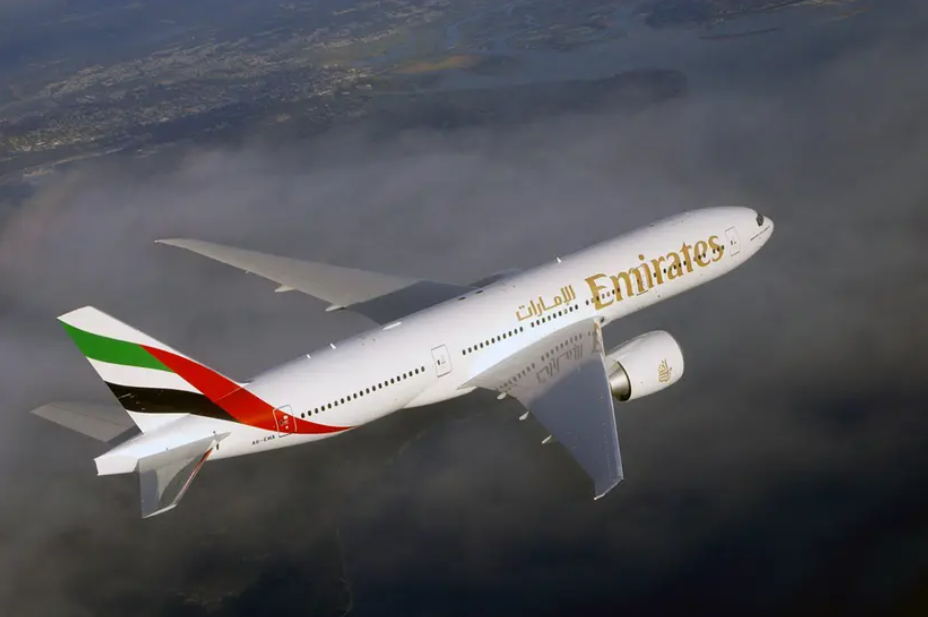
Emirates has expanded its network with a new service linking Dubai to Madagascar, with a stopover in Seychelles. The inaugural flight, EK707, landed at Ivato International Airport on September 3, marking a significant milestone for the airline and its passengers.

This new route enhances connectivity between the Indian Ocean archipelago and the African continent, offering travelers a convenient option for reaching Madagascar, a destination known for its unique biodiversity and vibrant culture. The service also bolsters Emirates’ presence in the Indian Ocean region, building on its extensive global network.

Ivato International Airport’s traditional water cannon salute welcomed the flight, a symbolic gesture reflecting the importance of this new connection. The service will operate with a Boeing 777-300ER, providing passengers with a comfortable and efficient travel experience.

Emirates’ decision to introduce this route underscores its commitment to expanding its global footprint and catering to the growing demand for connectivity in the region. The new service is expected to foster economic growth by enhancing tourism and business opportunities between Dubai, Seychelles, and Madagascar.

Travelers can now enjoy seamless access to Madagascar’s remarkable landscapes, including its renowned national parks and wildlife reserves. The connection to Seychelles also offers an attractive stopover option, allowing passengers to explore the beautiful islands before continuing their journey to Madagascar.

The introduction of this service aligns with Emirates’ strategic goals to enhance its network and offer more choices to its customers. The airline’s investment in new routes and destinations reflects its ongoing efforts to meet the evolving needs of the global travel market.

This development comes as part of a broader trend in the aviation industry, where airlines are increasingly focusing on expanding their networks to emerging destinations. By establishing new routes and enhancing connectivity, airlines aim to capture new markets and respond to shifting travel demands.

The new Emirates service to Madagascar is poised to play a key role in strengthening ties between the regions and providing travelers with more options for exploring one of the world’s most intriguing destinations. The route is expected to contribute positively to the local economies of the regions served, offering opportunities for growth and development.

HKSTP’s 14 Park Companies Showcase Pioneering Robots, AI-Powered Safety System, Smart Building and ESG Solutions at Asia’s Most Comprehensive Built Environment Event HONG KONG SAR – Media OutReach Newswire – 4 September 2024 – Hong Kong Science and Technology Parks Corporation (HKSTP) is leading 14 innovative partner companies to the International Built Environment Week (IBEW) 2024, held from 4-6 September at Marina Bay Sands, Singapore. This participation […]

Delivery Hero, the global food delivery service, has enlisted Emirates NBD and Morgan Stanley to guide the upcoming initial public offering (IPO) of its Dubai-based subsidiary, Talabat. This strategic move underscores Delivery Hero’s commitment to strengthening its presence in the Middle Eastern market and capitalizing on the burgeoning e-commerce sector.

The IPO, anticipated to be one of the significant market events in the region this year, aims to raise capital that will support Talabat’s expansion and enhance its competitive edge in a rapidly evolving industry. The decision to hire Emirates NBD and Morgan Stanley reflects Delivery Hero’s intent to leverage the expertise of prominent financial institutions in executing the listing.

Emirates NBD, one of the largest banks in the Middle East, brings extensive regional knowledge and a robust network to the table. The bank’s involvement is expected to facilitate a smooth transition for Talabat into the public market, given its deep understanding of local investor sentiment and market dynamics. Morgan Stanley, a global financial services firm, complements this with its international reach and expertise in managing high-profile IPOs, ensuring that the offering attracts a diverse pool of investors.

The selection of these two firms follows a competitive bidding process, wherein Delivery Hero sought advisors with a proven track record in handling major IPOs and a comprehensive grasp of both regional and global market trends. The collaboration aims to position Talabat effectively in the market, aligning with broader trends in the food delivery and e-commerce sectors.

The IPO is expected to be a pivotal moment for Talabat, which has established itself as a leading player in the Middle East’s food delivery market. The company, founded in 2004 and acquired by Delivery Hero in 2019, has seen substantial growth, driven by an increasing demand for online food delivery services. This growth trajectory has been bolstered by changing consumer behaviors and the rise of digital platforms, which have reshaped how consumers interact with food service providers.

Market analysts predict that Talabat’s IPO will attract significant interest from both institutional and retail investors, given the company’s strong market position and growth potential. The offering is anticipated to be a key indicator of investor confidence in the Middle Eastern tech and e-commerce sectors, which have seen a surge in investment and interest over the past few years.

The timing of the IPO is strategic, as it aligns with broader economic trends in the region. The Middle East has been experiencing a period of economic transformation, with an increasing focus on technology and innovation as drivers of growth. The successful listing of Talabat could serve as a catalyst for further investment in the region’s tech and e-commerce sectors, highlighting the Middle East’s potential as a hub for technological advancement and digital innovation.

Delivery Hero’s decision to list Talabat in Dubai is also a reflection of the city’s growing prominence as a global financial center. Dubai has become a key destination for IPOs, attracting companies looking to tap into its dynamic market and leverage its strategic location as a bridge between East and West. The city’s financial infrastructure and supportive regulatory environment provide a conducive backdrop for the successful execution of high-profile IPOs.

Economic sentiment across the Gulf Cooperation Council (GCC) remains largely positive despite facing significant challenges. Leaders from the region’s six member states—Saudi Arabia, the United Arab Emirates, Qatar, Kuwait, Oman, and Bahrain—are projecting continued economic growth driven by strategic diversification and investment in key sectors.

Saudi Arabia’s Vision 2030 continues to shape its economic landscape. The Kingdom is expanding its non-oil industries, particularly focusing on tourism, technology, and entertainment. Major projects like NEOM, a futuristic city planned to be powered entirely by renewable energy, are set to bolster economic diversification efforts. Despite fluctuations in oil prices and global economic uncertainties, Saudi Arabia’s economic policies aim to position the country as a global hub for innovation and investment.

The United Arab Emirates is also charting a course of strategic growth. Dubai, in particular, is enhancing its status as a global business and tourism center. The emirate’s emphasis on sustainable development, with initiatives such as the Dubai Clean Energy Strategy 2050, underscores its commitment to a diversified economy. Additionally, Abu Dhabi’s investments in renewable energy and technology sectors are expected to drive future economic stability.

Qatar’s economy is benefiting from its robust infrastructure projects and strategic investments. The country has been preparing for the 2022 FIFA World Cup, which is anticipated to provide a substantial boost to the hospitality and tourism sectors. Additionally, Qatar is focusing on strengthening its natural gas sector, positioning itself as a leading global exporter. This economic strategy aims to maintain Qatar’s high growth trajectory despite regional geopolitical tensions.

Kuwait is working towards economic diversification through its Vision 2035 plan, which seeks to reduce dependency on oil revenues by investing in sectors such as finance, technology, and healthcare. Despite facing budget deficits and economic pressures, Kuwait’s government is committed to implementing reforms and enhancing the investment climate to attract foreign capital.

Oman’s economic policies are geared towards improving its economic resilience through diversification. The Sultanate is investing in industries such as mining, tourism, and manufacturing. Oman’s efforts to enhance its business environment, coupled with regional trade agreements, are designed to foster economic growth. The government is also focusing on developing its infrastructure to support economic activities.

Bahrain is making strides in transforming its economy through investments in banking, finance, and technology. The Kingdom’s focus on becoming a fintech hub reflects its strategy to attract international businesses and foster innovation. Additionally, Bahrain’s efforts to enhance its human capital and improve its regulatory framework are expected to contribute to its long-term economic stability.

Virgin Atlantic Airways is set to expand its global footprint with a new service to Riyadh, Saudi Arabia, marking its first direct route to the Kingdom. This move comes amid a surge in travel demand as Saudi Arabia continues to emerge as a significant player in the global tourism sector.

The new route will operate three times a week starting from next month, aiming to connect Riyadh with London’s Heathrow Airport. This expansion aligns with Saudi Arabia’s Vision 2030, which seeks to diversify the economy and boost tourism as a key sector. Virgin Atlantic’s entry into the Saudi market reflects a broader trend of international airlines increasing their presence in the region.

Saudi Arabia’s tourism industry has witnessed substantial growth due to the government’s efforts to open up the country to international visitors. Initiatives such as the introduction of new visa programs and the development of large-scale tourist attractions are contributing to this growth. The country’s investment in infrastructure, including the expansion of airports and the construction of luxury hotels, further supports this upward trajectory.

Virgin Atlantic’s decision to add Riyadh to its network comes as part of the airline’s strategy to leverage the increasing travel demand in the Middle East. The route is expected to cater not only to business travelers but also to tourists exploring Saudi Arabia’s cultural and historical landmarks. Riyadh, the capital city, has seen a rise in international visitors, drawn by its vibrant culture and economic opportunities.

This move is also significant in the context of competition within the Middle Eastern aviation market. Major carriers like Emirates, Qatar Airways, and Etihad have long dominated the region, but Virgin Atlantic’s entry represents a shift in the competitive landscape. The airline’s expansion strategy includes targeting key emerging markets, with Riyadh being a prime example of this approach.

Virgin Atlantic’s new service will offer passengers a range of amenities, including state-of-the-art cabin features and high-quality in-flight services. The airline is positioning itself as a premium choice for travelers between the UK and Saudi Arabia, differentiating itself with a focus on customer experience and modern aircraft.

The addition of Riyadh to Virgin Atlantic’s route map also highlights the growing importance of the Middle East as a travel hub. The region’s strategic location between Europe, Asia, and Africa makes it a key transit point for international travelers. As global travel patterns continue to evolve, airlines are increasingly looking to the Middle East to drive growth.

Saudi Arabia’s push to enhance its global tourism appeal includes not only traditional landmarks but also new attractions and events. The country’s efforts to host international conferences, festivals, and sporting events are part of its strategy to become a top tourist destination. Virgin Atlantic’s new route will likely benefit from these initiatives, as increased tourism activities drive demand for air travel.

The expansion also underscores the role of airlines in supporting economic development and cultural exchange. By connecting Riyadh with London, Virgin Atlantic is facilitating greater connectivity between two major global cities, promoting business and leisure travel. This service will likely foster increased bilateral trade and investment opportunities, benefiting both the UK and Saudi Arabia.

VISHNU RAJA
RYO YAMADA
HITORI GOTOH
IKUYO KITA