
Just in:
Trilateral Summit On Nov 19 Will Be A Dialogue Between Trump And Xi With Putin Observing // Phancy Launches Phai-A1 Language Model and Phai-M1 Video Generation Model // Kuwait engages hostile drones as Bahrain intercepts attacks // EU TikTok findings prompt demands for feed redesign // TCMA Advances ASEAN Cement Decarbonization with 14.4 Mt. of CO₂ Reductions // Mangroves Documentary Premieres, Exploring How Cities and Wetlands Coexist // Reliance explores satellite manufacturing alliances for broadband network // Daughter resumes father’s eatery after fatal crash // Kochi police arrest man over pitbull attack on wife after quarrel // Kodiyeri in-law attacks Vijayan, Govindan over leadership style // Optimizely breach exposes visitors across 178 organisations // Apple restores services after App Store and iCloud outages // Singapore outlines three AI initiatives for financial services // Anthropic-linked futures price valuation at $1.7 trillion // Nissan schedules US hybrid-only vehicles for early 2030s // Over 360 electricity distribution professionals meet in Seoul for CIRED’s first major event in the Asia-Pacific region // Huawei Cloud INSPIRE AI Forum Highlights Vietnam’s Readiness and Explores Opportunities for Agentic AI // Ukraine faces $32.6 billion financing gap amid legislative delays // APEC promo answers era’s question: Why does China lead global tech? // Broermann Medical Innovation Award 2026: Three Pioneers of Modern Obesity and Diabetes Therapies Honored //

News related to
Emirates

The UAE has unveiled its long-term National Investment Strategy 2031, aiming to attract and retain investments that will fortify the country’s economic diversification and accelerate its status as a global hub for business. The strategy is poised to reshape the investment landscape, focusing on key sectors including advanced technology, renewable energy, healthcare, and financial services.

The UAE’s leadership emphasized that the strategy is a pivotal element of the country’s broader economic transformation plan, building on its recent successes in establishing itself as a leading center for trade, technology, and innovation. As part of the strategy’s goals, the country is looking to increase the volume of foreign direct investment (FDI), enhance local businesses, and promote the integration of sustainable economic practices across industries.

Underpinning this ambitious strategy is the objective to improve the UAE’s competitive position in the global market by tapping into sectors of emerging global importance. This approach is intended not only to attract new investments but also to foster innovation that will drive growth across both traditional and non-traditional sectors. By 2031, the UAE aims to position itself as a key player in the global knowledge economy, with sustainable and cutting-edge technologies leading the charge.

One of the most critical components of the strategy is a comprehensive focus on advanced industries, particularly those that integrate artificial intelligence (AI), data science, and renewable energy technologies. In line with global trends, the UAE is seeking to capitalize on the opportunities brought about by climate change adaptation and green technologies. By investing in renewable energy projects, including solar and nuclear power, the nation is positioning itself to become a leader in sustainable energy solutions while contributing to global climate goals.

Another key feature of the strategy is its emphasis on strengthening the healthcare sector. As the world faces growing challenges related to aging populations and pandemics, the UAE is investing in health technologies that promise to not only improve the quality of healthcare services but also reduce costs and enhance healthcare delivery. This includes advancements in medical research, biotechnology, and digital health technologies, all aimed at improving efficiency and accessibility in the health sector.

A focal point of the UAE’s National Investment Strategy is also its effort to encourage the expansion of the financial services industry, particularly focusing on fintech innovations. By tapping into emerging trends such as blockchain, digital currencies, and decentralized finance, the UAE seeks to redefine its financial ecosystem, making it more agile and globally competitive. This is part of a broader initiative to attract a new generation of entrepreneurs and investors, particularly those in the tech and financial sectors.

The strategy also acknowledges the importance of a flexible and attractive regulatory framework for investors. The UAE plans to introduce measures that further ease the process of setting up businesses, reducing bureaucratic hurdles, and promoting an environment conducive to innovation. These steps include improvements in intellectual property laws, enhancing access to venture capital, and increasing transparency within the market. In this context, the UAE’s government is also aiming to make significant strides in digitizing the business registration process and enhancing the speed and efficiency with which new enterprises can operate.

The announcement of the National Investment Strategy 2031 comes at a time when the UAE is already seeing notable investments flowing into its economy. The UAE government has actively pursued bilateral investment agreements with countries across the globe, resulting in increased foreign capital inflows. The goal is to build on this momentum and ensure that the country remains an attractive proposition for investors and entrepreneurs seeking a stable and profitable business environment.

The strategy also aligns with the UAE’s Vision 2030, which places heavy emphasis on sustainability and economic diversification. It seeks to reduce the country’s reliance on oil exports and move towards a more knowledge-based economy. This vision aims to diversify revenue streams while fostering innovation and ensuring a more resilient economy in the face of global economic fluctuations. To support this transition, the UAE has been progressively creating a conducive ecosystem for high-tech industries, incorporating digital and green solutions into its infrastructure projects, and providing substantial incentives for businesses engaged in sustainability.

At the heart of the National Investment Strategy is the creation of new partnerships with global technology companies, investors, and academic institutions. These collaborations are expected to drive research and development activities, particularly in sectors that focus on sustainability, health, and innovation. Such partnerships are intended to propel the country’s efforts in creating a vibrant innovation ecosystem, fostering an environment where groundbreaking ideas can thrive and scale up quickly.

The strategy’s success will be closely tied to its ability to leverage the UAE’s geopolitical position as a bridge between East and West. Positioned at the crossroads of Europe, Asia, and Africa, the UAE has long served as a gateway for international trade, investment, and commerce. This strategic location, combined with its advanced infrastructure and growing talent pool, will help the UAE remain a prominent player on the global investment map.
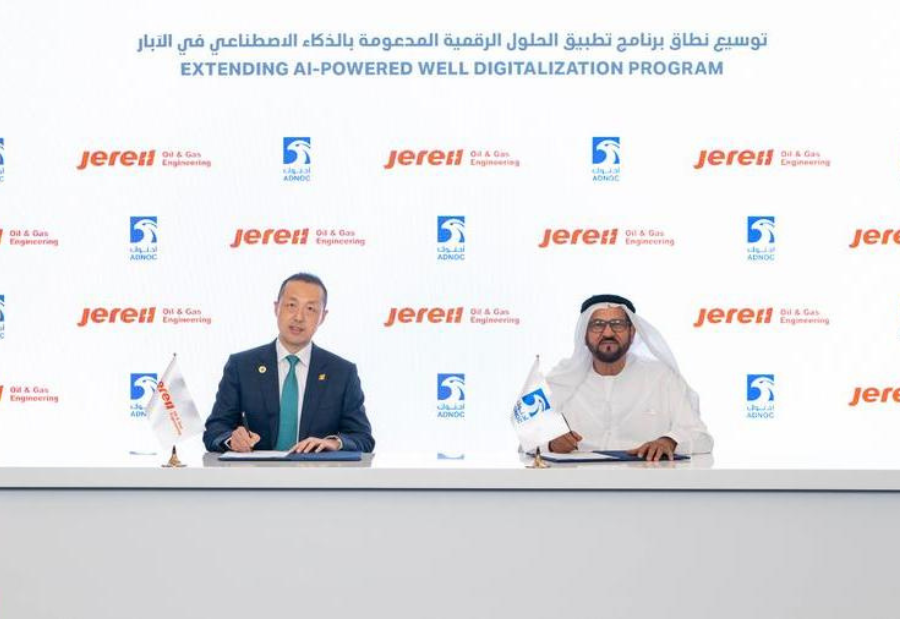

Abu Dhabi National Oil Company (Adnoc) has signed a landmark agreement worth $920 million to enhance its artificial intelligence (AI) initiatives across an extensive network of 2,000 oil wells. This strategic move is aimed at modernizing operations and optimizing production efficiencies as the oil and gas industry increasingly embraces technological advancements.

This significant investment is part of Adnoc’s broader strategy to integrate cutting-edge technologies into its operations, positioning the company as a leader in the region’s energy sector. By harnessing the power of AI, Adnoc plans to improve data analysis, predictive maintenance, and resource management, ultimately driving cost efficiencies and maximizing output.

AI technology has gained traction within the oil and gas industry, transforming how companies approach exploration, production, and maintenance. By implementing AI-driven analytics, operators can identify patterns in production data, predict equipment failures, and optimize drilling processes. Adnoc’s expansion of its AI program is expected to yield substantial improvements in well performance, potentially increasing production rates while reducing operational costs.

The expansion involves deploying advanced algorithms and machine learning models designed to process vast amounts of data generated by oil wells. This technology will enable real-time monitoring and decision-making, allowing Adnoc to respond swiftly to any anomalies or operational challenges. The integration of AI into the company’s workflows is set to enhance safety protocols and reduce the environmental impact of drilling activities.

This investment aligns with the United Arab Emirates’ vision to diversify its economy and reduce reliance on oil revenues. By adopting innovative technologies, Adnoc aims to improve its operational efficiency while contributing to the sustainability goals set forth by the UAE government. The move is expected to position Adnoc at the forefront of the global energy transition, demonstrating its commitment to sustainable practices.

Industry experts recognize the potential of AI in reshaping the oil and gas landscape. Analysts highlight that companies leveraging AI can achieve significant competitive advantages by optimizing production processes and enhancing decision-making capabilities. As a result, firms that embrace AI technologies are better equipped to navigate market fluctuations and operational challenges.

Adnoc’s focus on AI is part of a broader trend observed across the global energy sector, where firms are increasingly investing in digital transformation initiatives. Companies are deploying AI solutions to analyze seismic data, streamline supply chain operations, and improve asset management. This shift reflects a recognition that advanced technologies are essential for maintaining competitiveness in an evolving market.

The financial commitment to the AI program signals Adnoc’s confidence in the long-term viability of oil and gas operations, even amid pressures to transition towards renewable energy sources. The company has been actively exploring new business models and investment opportunities, including renewable energy projects and carbon capture technologies, which complement its traditional oil and gas portfolio.

As part of the agreement, Adnoc plans to collaborate with technology partners and academic institutions to advance its AI capabilities further. This collaborative approach will allow the company to tap into cutting-edge research and innovations, ensuring that its AI program remains at the forefront of industry developments. By fostering partnerships, Adnoc aims to create a robust ecosystem for technological advancement, driving efficiency and sustainability across its operations.

The agreement is also expected to generate significant economic benefits for the UAE, supporting job creation and skills development in the technology sector. By investing in AI and related technologies, Adnoc is likely to enhance its workforce capabilities, ensuring that employees are equipped with the necessary skills to operate advanced systems. This investment in human capital aligns with the UAE’s broader goals of fostering innovation and developing a skilled workforce.

In addition to operational improvements, the AI initiative has the potential to enhance Adnoc’s reputation as a forward-thinking company committed to innovation and sustainability. As the global energy landscape shifts towards greater environmental accountability, companies that prioritize technological advancements will likely be better positioned to meet regulatory expectations and societal demands.

The adoption of Central Bank Digital Currencies (CBDCs) in the UAE is fostering closer collaboration between financial institutions and FinTech companies, marking a transformative shift in the country’s financial landscape. In response to the rapid advancement of digital currencies, the UAE government and its financial regulators have emphasized the importance of integrating CBDCs into the nation’s economy. This development is shaping the future of financial transactions and reshaping the relationship between traditional banks and emerging FinTech players.

The UAE’s Central Bank has been at the forefront of digital currency discussions, focusing on exploring a digital dirham, which could enhance the country’s financial infrastructure. The initiative, as part of a broader effort to modernize the financial system, is seen as a strategic move to diversify the nation’s economy, reduce its reliance on oil, and boost its global competitiveness. Banks are now working closely with FinTech firms to understand and integrate CBDCs, aligning with the government’s vision of becoming a hub for digital finance innovation.

One of the driving forces behind this collaboration is the need to create a more efficient and secure payment system. CBDCs, unlike cryptocurrencies, are state-backed and carry the guarantee of the central bank. This makes them an attractive proposition for banks, which are seeking to improve their payment systems while staying ahead of the competition in a rapidly digitizing market. For FinTech companies, the introduction of CBDCs offers a unique opportunity to expand their services, leveraging blockchain technology and other digital tools to enhance financial inclusion and streamline transactions.

Among the key players in this space are traditional banks such as Emirates NBD, First Abu Dhabi Bank (FAB), and Mashreq Bank, which are increasingly working with technology providers and startups to develop CBDC solutions. These banks are testing various use cases for digital currencies, including faster cross-border payments, improved customer experiences, and more secure digital wallets. By collaborating with FinTech firms, these banks aim to bridge the gap between traditional banking services and the fast-evolving digital economy.

FinTech companies, on the other hand, are seizing this moment to expand their footprint in the UAE’s financial sector. Many have already established partnerships with banks to develop CBDC platforms that are more agile and adaptable to user needs. These firms are leveraging their expertise in areas like digital payments, cybersecurity, and blockchain to build innovative solutions that can seamlessly integrate with the UAE’s financial ecosystem. As digital currencies become more mainstream, these partnerships between banks and FinTech firms are expected to accelerate, leading to the rapid development of CBDC infrastructures.

One notable collaboration between traditional banks and FinTech firms is the establishment of new payment systems, which will enable faster, more secure transactions. For instance, several financial institutions are exploring the use of blockchain technology to create a more efficient digital payment infrastructure. Blockchain’s decentralized nature offers enhanced security, transparency, and reduced transaction fees—features that are appealing to both banks and consumers.

The UAE’s regulatory environment plays a crucial role in facilitating these partnerships. The Central Bank has been proactive in introducing regulations that support the development of digital currencies while ensuring financial stability. In 2024, the Central Bank announced that it would begin testing a digital dirham, focusing on its integration with existing financial systems. The success of these trials could lead to the widespread adoption of CBDCs, which could further enhance the UAE’s position as a regional leader in digital finance.

The UAE’s ongoing push towards financial innovation is supported by the Dubai International Financial Centre (DIFC), which serves as a hub for global FinTech companies. The DIFC has established itself as a key player in attracting investment in digital finance and supporting the development of blockchain-based solutions. The centre’s efforts are complemented by the UAE’s broader ambition to integrate artificial intelligence (AI) and blockchain into financial services, further driving the collaboration between banks and FinTech firms.

Despite the promise that CBDCs hold, there are still challenges to overcome. Security concerns, the risk of cyber-attacks, and regulatory uncertainties remain top of mind for both banks and FinTech companies. To address these issues, collaboration between financial institutions, technology providers, and regulators will be critical. As these stakeholders continue to work together, they will need to develop robust cybersecurity frameworks and ensure that the legal and regulatory frameworks are agile enough to accommodate the rapid pace of digital innovation.

Another challenge is the need for public awareness and education. While the benefits of CBDCs are widely recognized within the financial industry, consumer adoption remains a key hurdle. Banks and FinTech companies are tasked with educating their customers about the advantages of digital currencies, including faster transaction times, lower fees, and greater financial inclusion. The success of CBDC integration depends not only on the technological and regulatory landscape but also on how well these digital currencies are received by the public.

By Nantoo Banerjee With geopolitical tensions rising in Europe and Asia and central banks across the world buying gold like never before are mainly behind the near continuous rise in gold prices since last year. The surging gold price trend may continue through the coming months unless peace and economic stability soon return to the […]


CEO Speaks in FinTech Panel Discussions HONG KONG SAR – Media OutReach Newswire – 4 November 2024 – XTransfer, the World’s Leading & China’s No.1 B2B Cross-Border Trade Payment Platform, was featured at Hong Kong Fintech Week 2024 last week as both an exhibitor and a main sponsor. The event attracted significant attention to XTransfer‘s booth, where attendees learned about the company’s innovation for secure and speedy […]

Tether, the prominent stablecoin issuer known for USDT, is set to roll out a new digital asset pegged to the United Arab Emirates Dirham (AED) on the TON blockchain. This strategic move reflects Tether’s ambition to diversify its offerings and capitalize on the Gulf region’s growing interest in stable digital currencies, offering an alternative to dollar-dominated assets. The development highlights the UAE’s evolving regulatory environment, which is increasingly favorable for cryptocurrency adoption, positioning the Gulf state as a major digital finance hub.

The proposed Dirham-backed stablecoin seeks to address the demand for a localized digital currency in the UAE, allowing for easier access to UAE Dirham transactions for users in the region. With full backing in AED reserves held locally, Tether is aiming to reassure users about the coin’s stability and security, a critical factor given regulatory scrutiny of stablecoins globally. Phoenix Group, a UAE-based tech and investment firm, is collaborating with Tether on this project, leveraging the UAE’s technological framework to build a secure ecosystem around the new stablecoin. Tether’s CEO Paolo Ardoino emphasized that the AED-pegged coin is set to cater to users within and beyond the UAE, meeting the increasing need for Dirham-denominated transactions in both personal and business spheres.

The launch on the TON blockchain is noteworthy, as TON has gained traction as a flexible and scalable blockchain platform, offering fast, efficient transactions that are increasingly attractive to enterprises looking for seamless digital payment solutions. This marks Tether’s first stablecoin on TON, adding to its existing range across other platforms. This Dirham-pegged coin will not only diversify Tether’s blockchain presence but also underscore the TON blockchain’s growing relevance in the crypto space, as more businesses seek adaptable infrastructure for their digital financial operations.

Authorities in the United Arab Emirates have extended the visa amnesty period for individuals overstaying their residency permits, providing a critical opportunity for many to regularize their status. Originally set to expire, this extension allows overstayers to benefit from a streamlined process aimed at reducing the number of illegal residents while supporting their reintegration into society. The extension is part of the UAE’s broader strategy to enhance […]

Advertisements

The delivery of Emirates’ first Airbus A350 has been postponed until early December, marking yet another setback in the airline’s fleet expansion plans. Originally scheduled for delivery in mid-2023, this delay is attributed to ongoing supply chain challenges that have impacted the aviation industry globally.

Emirates has been at the forefront of modernizing its fleet, committing to acquiring 50 Airbus A350-900 aircraft, a move aimed at enhancing operational efficiency and passenger comfort. The A350 is known for its fuel efficiency and long-range capabilities, making it a strategic choice for Emirates as it navigates a recovering post-pandemic travel market. However, the postponement reflects broader trends affecting major airlines, which are grappling with supply chain disruptions exacerbated by global events, including the lingering effects of the COVID-19 pandemic and geopolitical tensions.

Airbus has acknowledged the challenges it faces in meeting delivery schedules, largely stemming from shortages in parts and components critical for aircraft assembly. Despite these hurdles, the manufacturer is actively working to resolve the issues, with plans to ramp up production in the coming months. The delay in Emirates’ delivery reflects a cautious optimism within the industry, as airlines anticipate a rebound in demand for air travel, particularly in regions with high passenger traffic.

Industry experts suggest that this setback may lead Emirates to adjust its operational strategies temporarily. The airline has been known for its ability to adapt to market changes rapidly, and this delay may prompt a re-evaluation of its short-term capacity plans. With the holiday season approaching, there is increased pressure on airlines to meet passenger demand, and any fleet expansion delays could impact their service offerings.

Emirates’ commitment to the A350 program remains strong, as the aircraft is designed with advanced technology, including a quieter cabin and improved aerodynamics. The A350’s introduction is expected to bolster Emirates’ already extensive fleet of modern aircraft, which includes Boeing 777s and Airbus A380s. The A350 will also complement Emirates’ sustainability goals, contributing to reduced carbon emissions through its advanced fuel-efficient engines.

Airlines across the globe are facing similar challenges. Other major carriers have reported delays in aircraft deliveries, including Boeing and regional players, highlighting a systemic issue within the aerospace supply chain. The demand for aircraft has surged as travel restrictions ease and passenger numbers rebound, prompting manufacturers to strive for higher production rates while grappling with the complexities of sourcing components.

Emirates’ leadership remains optimistic about the long-term benefits of its investment in the A350, believing that once the aircraft enters service, it will provide a significant competitive advantage in the market. The airline’s management has emphasized its commitment to fleet modernization as a key driver of its strategy to enhance customer experience and operational efficiency.

As the airline prepares for the eventual delivery of the A350, it continues to explore other opportunities to expand its network and services. Emirates has been actively engaging in partnerships with various airlines, aiming to enhance connectivity and improve service offerings across its routes. This strategy includes forging codeshare agreements that allow for greater flexibility and options for travelers.

Despite the delays, Emirates has managed to maintain a strong market position, aided by its extensive route network and premium service offerings. The airline has invested heavily in marketing and customer engagement initiatives, ensuring that it remains a top choice for international travelers. This proactive approach, coupled with its strong brand recognition, positions Emirates well to navigate the challenges presented by fleet delays and supply chain disruptions.

The upcoming delivery of the Airbus A350 is critical not only for Emirates but also for Airbus, as it signals a milestone in the manufacturer’s recovery from the disruptions that have plagued the aviation sector. Successful deliveries are essential for restoring confidence among airlines and signaling a return to normalcy within the industry.

Abu Dhabi’s Economic Vision 2030 gains momentum with a pivotal collaboration between the Emirates Water and Electricity Company (EWEC) and the Abu Dhabi National Exhibitions Company (ADNEC). This partnership aims to transform the ADNEC Centre into a hub for clean energy, marking a significant step towards sustainable development in the region. The agreement, announced on October 30, 2024, highlights EWEC’s commitment to providing renewable energy solutions. By […]

Saudi Arabia’s ACWA Power has made a significant leap in the renewable energy sector by securing deals worth over $1.78 billion, aimed at bolstering its portfolio in renewable energy and battery storage projects. These agreements come as part of the company’s strategy to enhance its presence in the sustainable energy market and contribute to the Kingdom’s ambitious Vision 2030 initiative, which seeks to diversify its energy sources […]

UAE-based issuers have raised a staggering $11.7 billion in the third quarter of 2024 through bond and sukuk offerings, marking a significant achievement in the region’s capital markets. This surge demonstrates robust investor confidence and a growing appetite for fixed-income securities, despite global economic uncertainties and fluctuations in interest rates. The third quarter witnessed a notable increase in activity compared to previous quarters, with both sovereign and […]

AD Ports Group and Vingroup have joined forces to advance the ports, logistics, and maritime sectors in Vietnam. This strategic collaboration was formalized through a memorandum of understanding (MoU) signed during the Abu Dhabi International Petroleum Exhibition and Conference, marking a significant step towards enhancing Vietnam’s infrastructure and operational efficiency in these key areas.

The partnership is poised to bring about transformative changes in Vietnam’s logistics and port services. It aims to leverage AD Ports’ extensive expertise in managing ports and logistics, combined with Vingroup’s strong foothold in Vietnam’s real estate and technology sectors. The collaboration is expected to focus on developing port facilities, enhancing logistics capabilities, and expanding the maritime industry across the nation. This initiative aligns with Vietnam’s broader strategy to bolster its position as a pivotal hub for trade and logistics in Southeast Asia.

AD Ports, based in the United Arab Emirates, has established itself as a leader in the maritime industry, operating several ports and logistics services globally. The company has made significant strides in enhancing operational efficiencies and driving growth in the sectors it operates. With this collaboration, AD Ports seeks to extend its reach into the vibrant Vietnamese market, which is witnessing rapid economic growth and increasing demand for modern logistics and port solutions.

Vingroup, on the other hand, is one of Vietnam’s largest private enterprises, with interests spanning various sectors, including real estate, retail, education, healthcare, and technology. The conglomerate has been instrumental in driving innovation and infrastructure development in Vietnam, making it a key player in the nation’s economic landscape. Through this partnership, Vingroup aims to enhance its logistics and maritime capabilities, ensuring that Vietnam can effectively manage its growing trade demands.

Vietnam has been experiencing a surge in its maritime trade, fueled by increasing exports and investments in infrastructure. The country’s strategic geographic location offers a significant advantage, with access to vital shipping routes connecting major markets in Asia and beyond. By improving port infrastructure and logistics services, the partnership between AD Ports and Vingroup is expected to facilitate smoother trade operations and reduce logistical bottlenecks.

The collaboration is not just about infrastructure; it also focuses on technology and innovation. Both companies plan to explore advanced technologies, including digital solutions for supply chain management and port operations. This technological integration aims to optimize efficiency, reduce operational costs, and enhance overall service delivery in Vietnam’s logistics landscape.

The partnership will contribute to job creation and skill development in the local workforce. With the expansion of port facilities and logistics services, there will be an increased demand for skilled labor in various sectors, including engineering, logistics management, and maritime operations. Both AD Ports and Vingroup have expressed their commitment to investing in training programs and initiatives that will equip the local workforce with the necessary skills to thrive in the maritime industry.

This initiative also aligns with Vietnam’s long-term economic goals, as outlined in its National Master Plan for the Development of Vietnam’s Maritime Economy. The plan emphasizes the importance of developing a modern and sustainable maritime sector that can support the nation’s economic growth. By partnering with a global leader like AD Ports, Vingroup is positioning itself to play a crucial role in achieving these objectives.

The broader implications of this collaboration extend beyond economic benefits. It also reflects the growing trend of international partnerships aimed at fostering development in emerging markets. As countries like Vietnam continue to attract foreign investment and expertise, such collaborations will be vital for their sustained growth and competitiveness on the global stage.

The United Arab Emirates has solidified its position as a leading hub for Islamic finance, underscoring the growing significance of Sharia-compliant financial instruments in the global marketplace. This assessment comes from the CEO of FTSE Russell, who highlights the UAE’s strategic initiatives and regulatory frameworks that have bolstered its financial sector’s appeal to both domestic and international investors. The ongoing developments reflect the country’s commitment to fostering an environment conducive to Islamic finance and investment.

Islamic finance has gained traction worldwide, driven by a rising demand for ethical and sustainable investment options. The UAE’s proactive approach includes creating a robust regulatory environment, enhancing product offerings, and promoting innovation in financial technology. By embracing these strategies, the nation is attracting a diverse array of investors looking for compliant investment opportunities. According to industry experts, the UAE’s Islamic finance market is expected to expand significantly in the coming years, fueled by an increase in global investor interest and the growing appeal of Sharia-compliant financial products.

FTSE Russell’s CEO pointed out that the UAE is home to several Islamic banks and financial institutions that are setting global benchmarks for excellence in compliance and service delivery. This trend is supported by the UAE’s comprehensive Islamic finance infrastructure, which includes robust legal and regulatory frameworks. Institutions such as the Dubai Islamic Economy Development Centre (DIEDC) play a pivotal role in promoting the Islamic finance agenda and positioning the UAE as a key player in the global Islamic economy. The DIEDC’s initiatives focus on enhancing the knowledge base, facilitating partnerships, and promoting Islamic financial literacy, which are essential for sustaining growth in this sector.

Recent reports indicate that the Islamic finance industry is witnessing a shift towards technology-driven solutions, known as fintech. The UAE is at the forefront of this transformation, with numerous fintech startups emerging in the Islamic finance space. These companies are leveraging technology to enhance the delivery of services, improve customer experience, and streamline operations. The convergence of fintech and Islamic finance not only presents opportunities for innovation but also aligns with the broader economic diversification goals of the UAE.

One key player in this sector is Abu Dhabi Islamic Bank (ADIB), which has been proactive in integrating technology into its service offerings. The bank has launched various digital platforms that cater to the needs of a tech-savvy customer base, thereby enhancing access to Islamic banking products. This strategic focus on digital transformation is indicative of a broader trend among financial institutions in the UAE, which are increasingly recognizing the importance of technological adaptation to remain competitive.

The Islamic finance market is diversifying beyond traditional banking products. Sukuk, or Islamic bonds, have gained prominence as a viable investment vehicle. The UAE is leading the issuance of sukuk globally, with significant contributions from both government and corporate entities. This surge in sukuk issuance is attributed to favorable market conditions and a heightened interest from investors seeking Sharia-compliant options. Analysts predict that the trend will continue, with the UAE playing a pivotal role in shaping the global sukuk market.

Sustainability is another critical aspect of the UAE’s Islamic finance landscape. With the increasing global focus on environmental, social, and governance (ESG) criteria, the UAE is aligning its Islamic finance initiatives with sustainable development goals. Various financial institutions are incorporating ESG principles into their investment strategies, creating products that appeal to environmentally conscious investors. This integration of sustainability into Islamic finance is expected to enhance the sector’s attractiveness and resilience in the face of evolving investor preferences.

The UAE’s commitment to advancing Islamic finance is further reflected in its strategic partnerships with international organizations. Collaborations with entities such as the Islamic Financial Services Board (IFSB) and the Accounting and Auditing Organization for Islamic Financial Institutions (AAOIFI) are aimed at harmonizing standards and practices across the industry. These partnerships enhance the credibility of the UAE’s Islamic finance sector, making it more appealing to foreign investors and institutions looking for stable and compliant investment avenues.

The UAE government is actively promoting awareness and understanding of Islamic finance principles among its citizens. Educational programs and workshops are being organized to foster a deeper understanding of Sharia-compliant financial products. By enhancing financial literacy, the UAE is not only empowering its populace but also cultivating a new generation of investors who are well-versed in the principles of Islamic finance.

Unlocking New Horizons to Broaden Presence in the UAE, Facilitating Cross-Boundary Interconnectivity of e-Payments HONG KONG SAR – Media OutReach Newswire – 30 October 2024 – EFT Solutions Holdings Limited (“EFT Solutions” or the “Company”, together with its subsidiaries, the “Group”; stock code: 8062.HK), a leading electronic fund transfer point-of-sales (“EFT-POS”) solutions provider, is pleased to announce that the Company entered into a memorandum of understanding (the […]

A significant shift in traffic regulations has taken place in the UAE, emphasizing the need for responsible driving and proper first aid practices among motorists. The newly implemented traffic law mandates that drivers must possess adequate medical knowledge before attempting to provide first aid at accident scenes. This change aims to improve the safety of all road users and reduce the risk of unintended harm caused by inexperienced individuals during emergencies.

The law highlights the critical nature of road safety in a nation where high vehicle speeds and heavy traffic contribute to frequent accidents. By establishing legal guidelines around first aid, authorities are ensuring that only those trained in emergency medical response take action at the scene of a traffic incident. This approach intends to foster a more educated driver population and mitigate the likelihood of further injuries during rescue efforts.

The legislation reinforces the importance of basic driving etiquette, urging drivers to adhere strictly to traffic signs and maintain a courteous demeanor on the road. This initiative responds to growing concerns over aggressive driving behaviors and accidents stemming from negligence towards road signs. Motorists are encouraged to slow down, especially in congested areas, as a matter of respect for fellow road users, including pedestrians and cyclists.

Authorities emphasize that the law serves both as a guide and a deterrent. Drivers who fail to comply with the regulations may face penalties, thereby promoting adherence through financial consequences. The hope is that this legal framework will cultivate a culture of safety that extends beyond mere compliance to foster genuine concern for others on the road.

Education and awareness campaigns are also set to accompany the new regulations. Government agencies and organizations will launch initiatives aimed at informing drivers about the importance of responsible driving habits and the legal requirements for providing first aid. These campaigns will address various aspects of road safety, from understanding traffic signs to learning basic first aid techniques, ensuring that motorists are well-equipped to handle emergencies effectively.

Key stakeholders in the transportation sector, including the Ministry of Interior and local police departments, are committed to enforcing these regulations. Traffic patrols will increase their presence on the roads, focusing on both compliance with speed limits and adherence to the new first aid requirements. Collaboration between governmental bodies and community organizations will be essential in disseminating information and fostering a cooperative spirit among motorists.

The law has garnered mixed reactions from the public. Some drivers welcome the initiative as a necessary step towards enhancing road safety, recognizing the potential for significant improvements in emergency response. Others express concerns about the implications of the first aid requirement, questioning how strictly it will be enforced and what constitutes adequate medical knowledge.

Legal experts have noted that while the law may seem daunting, its implementation will depend heavily on educational outreach and community support. Defining the threshold for “adequate medical knowledge” will be crucial to ensure that the law is both practical and enforceable. The authorities are likely to set standards for training and certification, potentially partnering with medical organizations to provide resources and support.

The traffic law aligns with broader initiatives aimed at reducing road fatalities across the UAE. Statistical data has indicated that road traffic accidents remain a leading cause of injury and death in the region, prompting government efforts to create safer driving environments. By addressing both driver behavior and emergency response, the law seeks to create a holistic approach to traffic safety.

This legislative move mirrors global trends toward more responsible driving and proactive emergency response. Countries around the world are increasingly recognizing the role of drivers in maintaining public safety and are enacting laws to reflect this responsibility. As the UAE positions itself as a leader in traffic safety, these regulations could serve as a model for other nations grappling with similar issues.

Future developments are expected to revolve around the law’s efficacy in reducing accident rates and improving emergency response outcomes. Continuous monitoring and evaluation will be vital in assessing whether the regulations achieve their intended goals. The authorities may adjust strategies based on feedback from the public and data analysis, ensuring that the laws remain relevant and effective.

DUBAI, UAE – Media OutReach Newswire – 29 October 2024 – During an official visit to the United Arab Emirates (UAE), Vietnamese Prime Minister Pham Minh Chinh witnessed the signing of Memoranda of Understanding (MOUs) between Vingroup, VinFast, and leading partners in the Middle East. These MOUs cover strategic areas, including maritime development and shipyard building capabilities, sustainable coastal land utilization, digital transformation, and collaboration in electric […]

Navigating Opportunities in the MENA: Cultivating a Smart Mobility Ecosystem HONG KONG SAR – Media OutReach Newswire – 29 October 2024 – Mobile Shop Group Limited (“Mobile Shop” or the “Company“), a Hong Kong based taxi management and operation company, is pleased to announce a collaboration with Zand Bank, the United Arab Emirates (UAE)’s fully licensed all-digital bank, to provide “Smart City Innovation Solutions” in the Middle […]

Foreign direct investment (FDI) in the United Arab Emirates reached a landmark $16 billion in 2023, marking a robust 37% increase in greenfield projects from the prior year. This notable surge, amid ongoing global economic challenges, underscores the UAE’s strategic appeal as a premier investment destination in sectors ranging from renewable energy to high-tech manufacturing and healthcare. Global uncertainties have challenged capital flows worldwide, with the UAE […]

Ledger, a leading cryptocurrency security company, is setting its sights on expanding into the Middle East and India, identifying both regions as ripe for growth in the digital asset sector. During a recent industry conference, Ledger’s CEO, Pascal Gauthier, articulated the company’s strategy to capitalize on the increasing interest in cryptocurrencies and the demand for secure storage solutions. He emphasized that the company’s commitment to enhancing security measures aligns with the burgeoning crypto market in these regions.

Gauthier noted that the Middle East, with its rapidly evolving financial landscape and the region’s growing acceptance of digital currencies, presents a significant opportunity for Ledger. Countries like the United Arab Emirates and Saudi Arabia are making strides in blockchain technology and regulatory frameworks that support cryptocurrency activities. This shift is encouraging local businesses and consumers to explore digital assets, prompting the need for reliable security solutions to protect their investments.

India, on the other hand, has seen a marked increase in cryptocurrency adoption despite regulatory uncertainties. The country’s young, tech-savvy population is driving a surge in digital asset investments, with several startups focusing on providing crypto-related services. Gauthier indicated that Ledger’s expansion into India would cater to this increasing demand for secure crypto storage, especially among individuals seeking to invest in digital currencies amidst a landscape that has faced both regulatory challenges and opportunities.

Gauthier’s remarks come at a time when major players in the tech and finance sectors are recognizing the potential of the crypto market in these regions. The UAE has launched initiatives like the Dubai Multi Commodities Centre, which aims to foster a conducive environment for crypto businesses. Additionally, the recent formation of regulatory bodies in the Gulf states is paving the way for more structured engagement with cryptocurrencies.

Industry experts believe that Ledger’s expansion plans will not only enhance the company’s market presence but also contribute to the broader acceptance of cryptocurrencies in the region. The availability of secure hardware wallets is crucial for building consumer confidence in digital assets, especially in markets where scams and security breaches have raised concerns.

As Ledger ramps up its efforts, it is also likely to face competition from other firms looking to establish themselves in these emerging markets. The rise of local competitors offering similar security solutions could challenge Ledger’s market share. However, the company’s established reputation and commitment to innovation may position it favorably against such challenges.

To further bolster its market strategy, Ledger is expected to engage in partnerships with local financial institutions and technology firms. Collaborating with existing players in the market will enhance its distribution channels and brand recognition, facilitating smoother entry into the Middle East and Indian markets. This approach will allow Ledger to tailor its offerings to meet local consumer preferences and regulatory requirements.

The growing trend of integrating blockchain technology in various sectors, including finance, supply chain, and healthcare, is also playing a pivotal role in shaping Ledger’s expansion strategy. As businesses in these regions seek to harness the benefits of blockchain, there will be an increasing demand for secure crypto management solutions, which Ledger is well-positioned to provide.

Education and awareness surrounding cryptocurrency and blockchain technology are essential for fostering a supportive environment for digital assets. Ledger plans to invest in initiatives aimed at educating potential customers about the importance of security in the crypto space. By conducting workshops and seminars, the company aims to demystify cryptocurrencies and promote responsible investing practices.

Consumer sentiment in both the Middle East and India towards digital currencies is changing. The potential for high returns has drawn many investors, despite the associated risks. As governments in these regions begin to provide clearer regulatory guidelines, the influx of institutional investors is also anticipated, further legitimizing the crypto market. Ledger’s expansion aligns with this trend, as the demand for secure storage solutions will grow alongside institutional interest.

The company’s product line, which includes hardware wallets and other security solutions, is continually evolving to meet the diverse needs of consumers. This adaptability will be key in navigating the unique challenges and opportunities presented by the Middle East and Indian markets.

A new federal decree-law aimed at overhauling traffic regulations has been enacted by the UAE Government, reflecting a strategic effort to modernize the nation’s transportation framework. This legislation responds to the dynamic global shifts in mobility, focusing on emerging technologies and innovative vehicle classifications.

This decree-law places significant emphasis on self-driving vehicles and electric cars, as well as personal mobility devices. It lays the groundwork for a robust regulatory environment that supports the integration of advanced technologies into everyday transportation. By updating vehicle classifications, the UAE is preparing for the broader adoption of innovative mobility solutions that align with global trends.

The legislative move also includes provisions for utilizing cutting-edge technology within the nation’s extensive road network. This approach is in line with the UAE’s vision to foster smart city initiatives, emphasizing sustainable and efficient transportation options. The country aims to ensure that its infrastructure not only supports conventional vehicles but is also equipped to accommodate futuristic mobility solutions.

One of the key features of the new traffic law is the establishment of a cabinet resolution that will outline the necessary requirements for the inspection, licensing, and renewal of self-driving vehicles. This is a significant step, as it creates a clear framework for regulating these advanced vehicles, ensuring that safety standards are maintained while promoting innovation.

The decree-law further stipulates procedures for trials of new vehicle technologies, which is crucial for fostering an environment conducive to innovation. By streamlining these processes, the UAE hopes to attract global automotive and technology companies to conduct trials and introduce their products within its borders. This could position the UAE as a leading hub for automotive innovation in the region, stimulating economic growth and job creation.

The legislation acknowledges the importance of personal mobility devices such as e-scooters and electric bicycles, which are increasingly popular in urban areas. By formally recognizing these modes of transportation, the UAE is taking proactive steps to regulate their use, ensuring public safety while encouraging sustainable transport options.

The decree-law aligns with the UAE’s broader commitment to sustainability and environmental responsibility. As the world shifts towards greener alternatives, the promotion of electric vehicles and advanced mobility solutions reflects the UAE’s dedication to reducing its carbon footprint. The government’s initiatives in this regard are also in keeping with global environmental goals, enhancing the nation’s reputation as a responsible player on the international stage.

Stakeholders in the transportation sector, including automotive manufacturers and technology firms, have welcomed the new law as a significant advancement. They believe that a clear regulatory framework will encourage investment and innovation, enabling the UAE to compete effectively in the rapidly evolving global automotive market. By creating a conducive environment for new technologies, the UAE is likely to attract investments from companies seeking to test and deploy their innovations in a forward-thinking market.

Industry experts assert that the shift toward self-driving and electric vehicles is not merely a trend but represents a fundamental change in how transportation systems operate. The updated regulations will allow for a more seamless integration of these technologies into existing infrastructure, which is essential for the safe operation of autonomous vehicles.

The decree-law addresses the growing need for smart transportation solutions that can adapt to changing urban landscapes. The focus on advanced technology will allow for better traffic management and improved safety protocols, essential for accommodating the influx of vehicles and personal mobility devices expected in the coming years.

As the UAE continues to invest in its infrastructure and embrace innovative transportation solutions, the implications of this new traffic law extend beyond mere regulation. It represents a strategic vision for the future of mobility in the region, setting a precedent for other nations to follow. The potential benefits include improved urban mobility, enhanced safety, and a greener environment, which collectively contribute to a higher quality of life for residents and visitors alike.

Apple has received approval from health authorities in the United Arab Emirates to introduce a sleep apnea monitoring service through its Apple Watch. This initiative marks a significant expansion of the watch’s health monitoring capabilities, aiming to enhance user awareness of sleep-related health issues. The decision aligns with the UAE’s commitment to advancing healthcare technology and improving patient outcomes. The sleep apnea service, a feature in the […]

The ongoing competition between Dubai and Abu Dhabi to attract wealth managers has intensified, reflecting both emirates’ ambitions to establish themselves as premier financial hubs. This rivalry is driven by their respective initiatives to enhance financial services, optimize tax frameworks, and improve regulatory environments to appeal to high-net-worth individuals (HNWIs) and their advisors.

Dubai has positioned itself as a magnet for wealth management, leveraging its strategic geographical location, robust infrastructure, and a favorable tax regime that includes no personal income tax. The Dubai International Financial Centre (DIFC) has emerged as a central player in this narrative, with its regulatory framework specifically designed to cater to financial institutions. By implementing a series of reforms aimed at streamlining operations for wealth management firms, Dubai aims to bolster its status as a global financial center.

Conversely, Abu Dhabi has ramped up efforts to attract wealth managers through initiatives led by the Abu Dhabi Global Market (ADGM). The ADGM has been pivotal in promoting the emirate as an investment destination, offering competitive regulatory advantages and incentives. Recent collaborations with international financial institutions and investment firms highlight Abu Dhabi’s strategy to enhance its offerings and attract top-tier wealth management services.

The emirates are keenly aware of the lucrative potential of HNWIs. According to reports, the number of HNWIs in the Gulf region is projected to grow, driven by rising oil prices and increased entrepreneurial activity. This demographic shift has spurred competition for wealth management services that cater specifically to this segment, encompassing investment management, estate planning, and financial advisory services.

Industry analysts emphasize that the rivalry is not just about attracting wealth managers but also about creating an ecosystem that fosters innovation and efficiency in financial services. Both Dubai and Abu Dhabi are investing heavily in technology, particularly fintech solutions, to streamline client interactions and improve service delivery. Innovations such as robo-advisory services and digital asset management are becoming integral to wealth management offerings, enabling firms to cater to a tech-savvy clientele.

An important facet of this competition is the ability to provide a diverse range of investment options. Wealth managers are increasingly focused on offering alternatives beyond traditional assets, including private equity, real estate, and alternative investments. The growing interest in sustainable and impact investing further complicates the landscape, with both emirates making strides to support green financing initiatives. This shift aligns with global trends where investors are prioritizing sustainable practices in their portfolios, prompting wealth management firms to adapt their strategies accordingly.

Both Dubai and Abu Dhabi are enhancing their appeal through lifestyle factors. As affluent individuals seek not just financial services but also high-quality living environments, both emirates are investing in luxury developments, healthcare, and educational institutions. The development of vibrant communities with upscale amenities is increasingly seen as essential for attracting and retaining wealthy clients and their advisors.

The competition has sparked a talent war among financial professionals. With both emirates vying for the best talent in wealth management, firms are adopting attractive compensation packages and work environments to entice professionals. This has led to a dynamic job market, where expertise in global investment strategies and local market knowledge are highly sought after.

The global economic landscape also plays a crucial role in this rivalry. With geopolitical uncertainties and shifts in trade dynamics, wealth managers are reevaluating their operational strategies. This has prompted firms to look towards the Gulf region as a stable environment for investment, particularly given its strategic position in bridging Western and Eastern markets. As a result, the influx of international wealth management firms into both Dubai and Abu Dhabi has intensified, amplifying the competition.

In the face of this escalating rivalry, regulatory bodies in both emirates are continuously updating frameworks to ensure they remain competitive. The Dubai Financial Services Authority (DFSA) and the Financial Services Regulatory Authority (FSRA) of ADGM are working diligently to refine regulations that enhance transparency while ensuring robust investor protection. This proactive approach is vital as both emirates aim to build trust and confidence among international investors.

As wealth management becomes a more critical component of the overall financial services industry in the region, the interplay between Dubai and Abu Dhabi will shape the future landscape. The competition between the two emirates is expected to yield not just enhancements in service delivery but also innovations that could redefine how wealth management is approached in the Gulf.

SandboxAQ, a company specializing in quantum technology and artificial intelligence, has expressed optimism about the burgeoning opportunities for quantum AI within the United Arab Emirates. The firm, which recently established a regional headquarters in Abu Dhabi, aims to leverage the UAE’s innovative ecosystem to further its mission of integrating quantum solutions into various sectors, including finance, healthcare, and security. The UAE’s government has demonstrated a keen interest […]

Russia is hosting the latest BRICS summit in a strategic demonstration of strength and unity as it seeks to challenge the geopolitical dominance of the West. The BRICS group – comprising Brazil, Russia, India, China, and South Africa -has evolved beyond its original purpose as a coalition of rapidly developing economies. Initially founded to represent economic growth prospects, BRICS has since transformed into a powerful geopolitical forum, […]

VISHNU RAJA
RYO YAMADA
HITORI GOTOH
IKUYO KITA
Just in:
Phancy Launches Phai-A1 Language Model and Phai-M1 Video Generation Model // China’s Recombinant Collagen Technology Wins the INPD Innovative Manufacturing Process Award // Chinese researchers place iron ore price support near $80 // Kuwait engages hostile drones as Bahrain intercepts attacks // Kochi police arrest man over pitbull attack on wife after quarrel // Mangroves Documentary Premieres, Exploring How Cities and Wetlands Coexist // Huawei Cloud INSPIRE AI Forum Highlights Vietnam’s Readiness and Explores Opportunities for Agentic AI // Google identifies autonomous AI systems conducting vulnerability attacks // UK privacy regulator flags GTA 6 phishing threats // EU TikTok findings prompt demands for feed redesign // Daughter resumes father’s eatery after fatal crash // Galaxy Resort Presents: “Plácido Domingo & José Carreras: The Legends United Opera Gala” // Trilateral Summit On Nov 19 Will Be A Dialogue Between Trump And Xi With Putin Observing // Broermann Medical Innovation Award 2026: Three Pioneers of Modern Obesity and Diabetes Therapies Honored // ASEAN adopts binding pact on regional digital commerce // Over 360 electricity distribution professionals meet in Seoul for CIRED’s first major event in the Asia-Pacific region // Kodiyeri in-law attacks Vijayan, Govindan over leadership style // Mexican journalists demand accountability after Acapulco reporter killed // APEC promo answers era’s question: Why does China lead global tech? // Takaichi exchanges greetings with Chinese minister at Manila summit //